Category: Electronics

Retail News Asia is committed to providing both local and global retailers with the latest Electronics news throughout the Asian market. This on a daily base.

  • iOS 17 could end software support for the iPhone X and other Apple devices

    iOS 17 could end software support for the iPhone X and other Apple devices

    Apple’s iPhones have a general reputation for being considerably more future-proof than the average smartphone, to the extent such a concept is possible in the mobile tech world. This sentiment is partly based on the fact that the Cupertino company commits to ensuring the long-term software support of all of its devices.

    But all good things must come to an end… even software support for smartphones as iconic as the iPhone X. According to a new leak, iOS 17 will be dropping the support for a number of iPhones, including the iPhone X, and the iPhone 8 and iPhone 8 Plus. All three of the aforementioned devices were launched in late 2017.

    Similarly, several iPads are also on the chopping block with iPadOS 17 – namely, the original 12.9” iPad Pro (1st generation), the 9.7” iPad Pro (1st generation) and the fifth-generation vanilla iPad. All devices listed by MacRumors were released between 2015 and 2017.

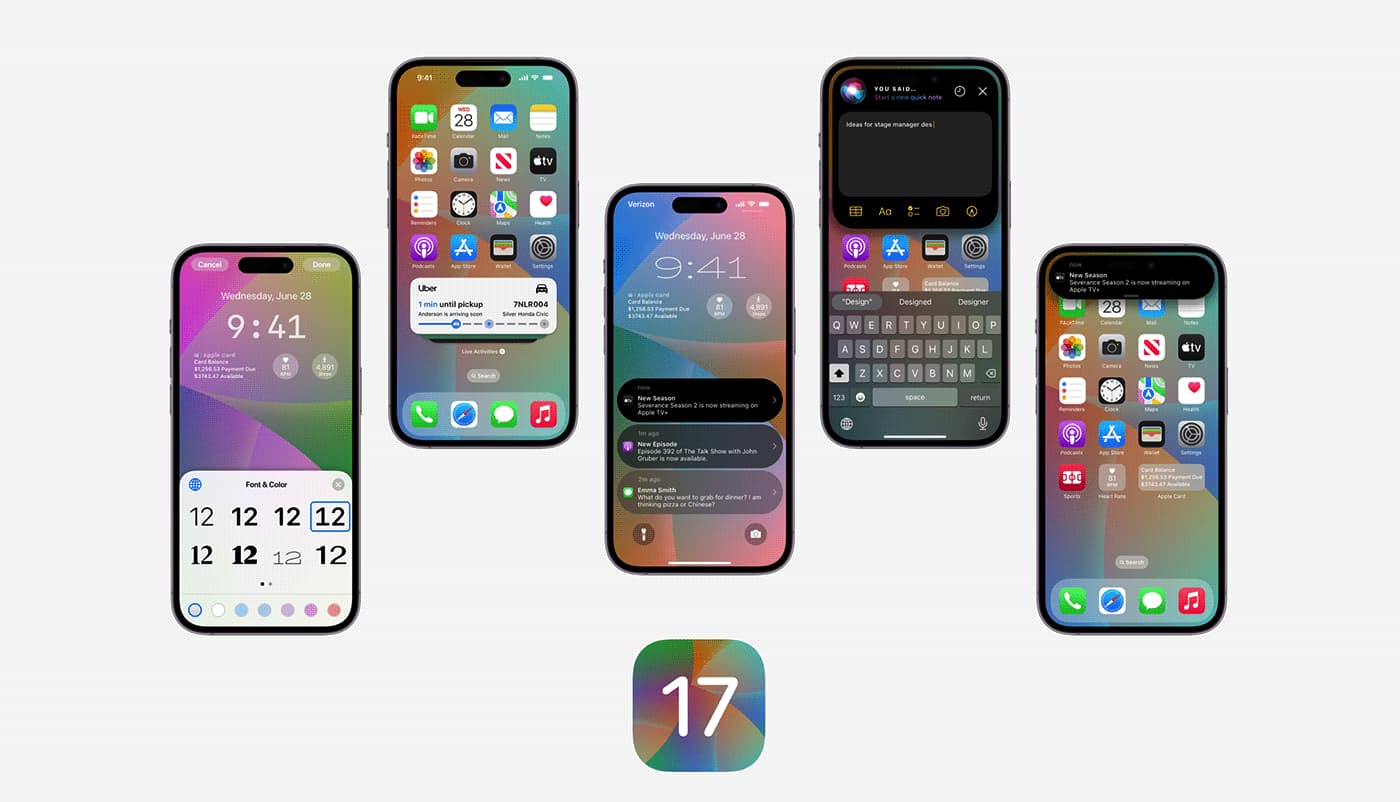
    For reference, iOS 17 and iPadOS 17 are expected to debut at WWDC 2023, alongside the Apple AR/VR headset. The conference will take place between June 5 to June 9. Beyond the recent leak, we know relatively little about the new iterations of Apple’s operating systems.

    Most reports indicate that iOS 17 will be a somewhat incremental update, focusing more on Apple’s commitment to complying with European legislation. The Cupertino company will likely roll out support for third-party App Stores for the first time.

    On the other hand, we know absolutely nothing about iPadOS 17. In all likelihood, Apple will continue implementing sophisticated multitasking features to facilitate a better 2-in-1 fantasy on its high-end ‘Pro’ iPads.

  • Apple expected to deliver big update for Apple Watch with watchOS 10

    Apple expected to deliver big update for Apple Watch with watchOS 10

    On June 5th Apple will kick off its annual WWDC Developers Conference at Apple Park. And besides unveiling the “Reality Pro” mixed reality headset, the company will also preview iOS 17 and other operating systems, including watchOS 10. According to Bloomberg’s Mark Gurman, writing in the latest edition of his weekly Power On newsletter, the update will deliver some big UI changes to Apple’s timepiece.
    The hardware itself isn’t supposed to see any big changes in light of last year’s introduction of the Apple Watch Ultra. The next big hardware update, according to Gurman, will take place next year and he expects the Apple Watch Series 10 models to feature larger displays. In February, we passed along some rumors about the 2024 Apple Watch models.
    The 2024 Apple Watch timepieces should follow the same 10th-year celebratory naming strategy as the iPhone did in 2017 when Apple called the device the iPhone X. Expected to be officially known as the Apple Watch X, the 2024 models are rumored to be equipped with a 1.89-inch and a 2.04-inch screen. The current Series 8 units carry a 1.7-inch display (41mm) and a 1.9-inch screen (45mm). Next year, we should also see the second-gen Apple Watch Ultra sporting a larger 2.1-inch micro-LED screen. The first-gen Apple Watch Ultra carries a 1.92-inch OLED display.
    Gurman writes that watchOS 10 “should be a fairly extensive upgrade – with notable changes to the user interface – unlike iOS 17.” While we should get an idea of what changes Apple has in store for the watchOS interface this year during WWDC, the actual release of watchOS 10 won’t take place until September and, as usual, will be coordinated with the release of the latest Apple Watch models.
    The Apple Watch has turned out to be an incredible success story for Apple which initially didn’t know how to market the device. At first, Apple looked to distribute the watch via fine jewelry stores and even had a fashion model pose with the device on the cover of Vogue China. But soon the Apple Watch became known as a device that people could wear to monitor certain health metrics and has even been known to save several lives. Today, the Apple Watch is the most popular wrist-worn timepiece in the world.


  • Samsung will patch the last dangerous Exynos modem vulnerability in April

    Samsung will patch the last dangerous Exynos modem vulnerability in April

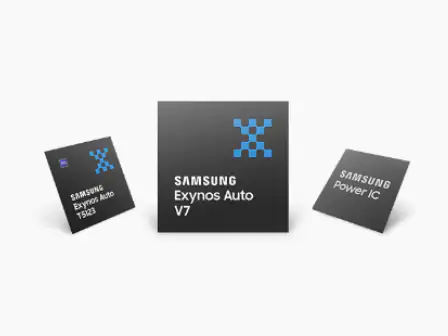
    Earlier this month we told you about a zero-day vulnerability which means that a flaw was previously unknown to the software vendor and has been unpatched. The vulnerability affected the Exynos Modem 5123, Exynos Modem 5300, Exynos 980, Exynos 1080, and Exynos Auto T5123. Armed with nothing but the targeted device’s phone number, attackers can access the device.

    We know that Pixel 6 and Pixel 7 models were affected, but the flaw has been patched on these phones with the March security update which has now been released for the Pixel 6, Pixel 6 Pro, Pixel 6a, Pixel 7 and the Pixel 7 Pro. Other phones affected include Exynos-powered phones in the Samsung Galaxy S22 line. These models were sold in the U.K. and Europe. Other Samsung phones with the flaw include models in the mid-range Galaxy A and Galaxy M lines:

    • Galaxy A71
    • Galaxy A53
    • Galaxy A33
    • Galaxy A21s
    • Galaxy A13
    • Galaxy A12
    • Galaxy A04 series
    • Galaxy M33
    • Galaxy M13
    • Galaxy M12
    • Galaxy Watch 5 series
    • Galaxy Watch 4 series
    Also affected are a few Vivo models such as the S16, S15, S6, X70, X60, and X30 series.

    A Samsung community manager posted on the Samsung U.S. community site and said that five out of the six vulnerabilities found in the aforementioned Exynos modems were patched in March and the remaining flaw will be patched next month. Interestingly, Samsung initially came to the conclusion that the flaws were not severe.

    The community manager wrote last week, “Hello, We understand the concern of vulnerabilities. Samsung takes the safety of our customers very seriously. After determining 6 vulnerabilities may potentially impact select Galaxy devices, of which none were ‘severe’, Samsung released security patches for 5 of these in March. Another security patch will be released in April to address the remaining vulnerability. As always, we recommend that all users keep their devices updated with the latest software to ensure the highest level of protection possible.”
    Until the last vulnerability is patched in April, the Samsung and possibly the Vivo handsets listed above are at risk of being compromised at the baseband level. Thus, Google’s Project Zero research team recommends that users of phones still vulnerable should disable Wi-Fi calling and Voice-over-LTE (VoLTE).
  • Smartphone sales tumble in Vietnam

    Smartphone sales tumble in Vietnam

    Smartphone sales in Vietnam have plunged in the first two months of 2023 as tightened spending amid rising inflation prompts the sector’s first decline in years of recent growth.

    According to an industry report, less than 2.5 million smartphones were sold in Vietnam this January and February, down 30% year-on-year.

    “This year consumers have tightened their spending, even during the Tet holiday, which has been peak shopping season for years,” said Nguyen Lac Huy, a media representative at CellphoneS, referring to the Lunar New Year holiday which fell at the end of January this year.

    Industry insiders estimate that sales since the beginning of this year have dropped to levels not seen in at least two or three years. In recent years, growth over the same period has often been within the 5-15% range.

    This decline is in line with global trends.

    Smartphone sales worldwide in the last quarter of 2022 plunged 18.3% year-on-year, according to the International Data Corporation (IDC).

    It was the steepest decline in a quarter since 2013, IDC reported. Total smartphone sales in 2022 dropped by 11.3% from 2021.

    In Vietnam, the biggest drops were recorded in the middle and affordable segments. Last year, sales of smartphones under VND5 million dropped 60% from 2021.

    “Economic difficulties have had a large impact on the low-income population, including workers,” said Hong Quan, an industry observer.

    Tightened credit policies have also prompted some retail chains to cancel their zero-interest installment payment campaigns.

    The high-end segment is also struggling. The iPhone 14 Pro Max, one of the most expensive smartphones on the market, has seen prices plunge by 25% to VND27.4 million over the last five months.

    Phan Thi Kim Quyen, a media representative of retail chain Minh Tuan Mobile, said that this year Apple lowered its latest smartphone price earlier than in previous years (in which the drop has come as late as June).

    Other retail chain representatives have said they are now lowering prices because they misinterpreted market demand trends and imported more than they should have. iPhone prices in Vietnam are now among the lowest in the world.

    FPT Shop anticipates that there will be no growth in smartphone and computer sales this year, while other chains expect a recovery in demand by early next year, or the end of this year at the earliest.

    CellphoneS is cutting business hours and staff sizes at low-revenue shops. It is also seeking rent discounts from property owners.

  • Apple could start shipping a version of the AirPods Pro 2 with new technology next quarter

    Apple could start shipping a version of the AirPods Pro 2 with new technology next quarter

    It seems that the iOS 16.4 release candidate for developers references new AirPods with the model number A3048 and a new AirPods case with the model number A2968. According to a tweet from TF International’s world-renowned Apple analyst Ming-Chi Kuo, those model numbers refer to a new version of the AirPods Pro 2 with USB-C charging replacing the Lightning port. Kuo says that the new version of the AirPods Pro 2 is expected to start shipping in the second or third quarter of this year.
    Kuo did mention that Apple has no plans to offer USB-C versions of the AirPods 2 and AirPods 3. He also didn’t mention any other changes expected with the new USB-C variant of Apple’s premium true wireless stereo earbuds other than the charging port on the charging case.
    Just last week Kuo said that the iPhone 15 line will ship with a USB-C port requiring a cable sporting a USB-C plug instead of the proprietary Lightning plug. But there is a caveat: Apple will use the faster USB 3.2 ports for the iPhone 15 Pro and iPhone 15 Ultra and the slower USB 2.0 ports for the iPhone 15 and iPhone 15 Plus. We could see a repeat of what Apple did with the USB-C ports on the entry-level iPad and the iPad Pro. The top data transfer speed on the basic tablet is 480Mbps and a much faster 40Gbps on the premium tablet.
    In addition, Apple will reportedly include a Lightning-like authenticator chip inside the USB-C port and the cables in order to limit the accessories that can be used on the phones. In other words, only USB-C cables and accessories that have been certified by Apple for its MFi (Made For iPhone) program will get the fastest charging and data transfer speeds available. This way Apple still collects some revenue from iPhone buyers who want to purchase new USB-C cables and accessories for their iPhone 15 series handsets.
    Apple has been forced to make the change from its proprietary Lightning system to USB-C because of a common charger directive that was passed in the EU. The goal is to reduce electronic waste as the rule makes a USB-C charging port mandatory for a large number of electronic devices. Rather than make iPhone models with USB-C ports for one region and units with the Lightning port in other markets, it appears-at least according to Kuo-that Apple is making the change starting this year.
  • Samsung steals Xiaomi’s crown in India’s premium smartphone market

    Samsung steals Xiaomi’s crown in India’s premium smartphone market

    Xiaomi Corp is reviewing its India strategy after misjudging consumer tastes for mobile phones. This costly mistake allowed Samsung Electronics to lead the Chinese company to the top spot in the world’s second-largest market for these devices.

    While Xiaomi continued to focus on selling mobile phones below Rs 10,000 ($120), Indian consumers were willing to pay more for better-looking models with richer features. Samsung of South Korea launched products that met those aspirations and offered innovative financing schemes that made them affordable for most.

    These measures have helped Samsung take the lead of the Indian mobile phone market from Xiaomi. Data from Hong Kong-based Counterpoint Research shows that Samsung had a market share of 20% in the last quarter of 2022, compared to 18% for the Chinese company.

    “The Indian market is witnessing a ‘premiumization’ trend. (But) Xiaomi is underprepared for this shift with a portfolio full of cheap phones,” said Tarun Pathak, research director at Counterpoint.

    The loosening of Xiaomi’s grip on India’s 626 million smartphone users – the largest after China – shows how companies that fail to respond to changing consumer preferences are penalized in a fast-growing economy with rising disposable incomes.

    Best known in India is Tata Motors’ Rs 100,000 ($1,200) Nano, which was heralded as the world’s cheapest car, shunned by consumers who associated its low price tag with inferior quality.

    Indians’ demand for more expensive mobile phones to consume videos and other content is also beneficial for social media app providers like Meta, and iPhone maker Apple Inc, which so far has a small market share in the country as it focuses exclusively on high-end phones, with prices ranging from $605 to a whopping $2,304, according to its website.

    According to Counterpoint, the market share of the phones under $120 in India has fallen to 26% by 2022, from 41% two years ago. And premium phones – above 30,000 ($360) – saw their share double to 11% over the same period.

    Xiaomi and Samsung both view India as a major growth market, with smartphones being their top-selling electronic device. The Chinese company posted a total revenue of $4.8 billion in India in 2021-22, while Samsung posted $10.3 billion in revenue, of which $6.7 billion came from smartphones.

    However, Xiaomi is already struggling in India with the departure of at least five top executives and increased government scrutiny over frosty relations with neighboring China. The company has had $674 million frozen by the country’s Financial Crime Bureau over alleged illegal remittances to foreign entities, which Xiaomi denies.

    A Reuters review of the product listings on Xiaomi’s website revealed the mismatch between consumer needs and the products the company offers. Xiaomi had six smartphones priced over $360, compared to Samsung’s 16. Under $120, Samsung had seven models, while Xiaomi had 39 – most of which turned out to be out of stock.

    And premium phones accounted for just 0%-1% of total shipments of Xiaomi’s Indian phones over the past two years, while the share of Samsung’s more expensive phones more than doubled to 13%, according to data from Counterpoint.

    But Xiaomi, which has admitted to introducing “too many” models in the past, is revamping its product line to focus on premium smartphones.

    In January, the company launched the Redmi Note 12 with a top price of over Rs 30,000, and recently launched the Xiaomi 13 Pro at Rs 79,999 ($970) – its most expensive phone in India. The strategic shift seems to have paid off immediately, as the Redmi Note 12 posted sales of $61 million within two weeks of its launch.

    “We have established a streamlined and cleaner portfolio with a focused approach to build expertise in the top segment, and the launch of our latest flagship, the Xiaomi 13 Pro, is a step in that direction,” said Indian President Muralikrishnan B.

  • High-end Android smartphones sell at steep discount

    High-end Android smartphones sell at steep discount

    After visiting electronics stores, Minh Quan was surprised to see Xiaomi 13 Pro smartphones costing nearly VND7 million (US$297) less than their listed price of VND30 million.

    Besides offering discounts of VND4-5 million, most stores – in his native Da Nang — also had promotions like trade-in programs and to further reduce the price by VND1-2 million.

    “The discounts and promotions make me wonder if other stores offer even lower prices,” he said.

    Other Android phone makers too are selling at much below list prices.

    The Samsung Galaxy S23 Ultra has a list price of VND32 million, but is sold at is around VND24 million.

    Last year Oppo, another Chinese consumer electronics company, listed its Find X5 Pro smartphone in Vietnam at VND33 million, but sold it at less than VND25 million.

    “It is normal to buy a phone cheaper than the list price, but a difference of more than 20% only applies to some high-end Android smartphone models,” Truong Xuan, the manager of a phone shop on Pham Tuan Tai Street in Hanoi, said.

    However, the plethora of offers for a product confuses buyers, and it takes buyers a lot of time to compare prices and find the best one, he said.

    Nguyen Lac Huy, manager of electronics retail chain CellphoneS, said some phone makers have high list prices as a means of enhancing their brand value and placing their products in the high-end segment.

    Information about gifts and big promotions in soon after a product’s release also helps attract buyers, he said.

    But technology analyst Minh Tien said selling phones at much below list prices shows manufacturers are under pressure.

    “Listing a product at VND30 million is understandable because it is gradually becoming a benchmark for high-end smartphones. However, big promotions indicate that firms are desperate for sales in a slowing market.”

    Vietnamese are reducing their spending on smartphones sharply. Sales in the first two months of the year were 2.5 million units, down 30% year-on-year.

  • Tim Cook pushes to get this device shipped against the wishes of Apple engineers

    Tim Cook pushes to get this device shipped against the wishes of Apple engineers

    Apple CEO Tim Cook and COO Jeff Williams have been pushing to release the Reality Pro mixed-reality headset this year. However, Apple’s industrial design team feels the product is not ready for prime time. The team wanted to hold off on releasing the Reality Pro until Apple first released its AR spectacles dubbed Apple Glasses. That release has reportedly been pushed back to 2025 or 2026.

    Meanwhile, Apple’s operation team wanted the company to release a headset resembling ski goggles with limited capabilities. For example, this device would allow users to make FaceTime calls using virtual avatars, something discussed for the Reality Pro, watch 3D videos, and exercise with interactive workouts. Apple engineers who worked on the mixed reality headset said that they were under “huge pressure to ship” the Reality Pro.

    The mixed-reality headset has been under development by Apple for seven years and is supposedly the most complex product Apple has ever made. The product is expected to carry a price tag as high as $3,000 and could be outfitted with as many as 12 cameras and a 4K micro-LED display for each eye. Manipulating the Digital Crown, like the one on the Apple Watch, will take the user from VR (which creates immersive environments for the user) to AR.

    The Reality Pro is expected to be powered by a 5nm Apple M2 chipset containing close to 20 billion transistors. Apple will supposedly introduce the Reality Pro at this June’s WWDC developers conference with a release expected later this year. The tech giant is reportedly devising an expensive ad campaign for the headset. Apple is also said to be working on a less-expensive second-generation headset that could be called the Reality One. The price for this headset will be in the range of $799 to $1,599 and will not have all of the capabilities of the pricier Reality Pro.

  • MacBook prices drop with new model launch

    MacBook prices drop with new model launch

    The price of MacBook Pro 2021 laptops has decreased by 11.2% leading into the launch of the new model next week.

    Apple authorized resellers in Vietnam said a MacBook Pro 2021 sells for VND42.9 million ($1,813), down 11.2% since January and 18.9% from December 2021 when it was officially distributed in the Vietnamese market for the first time.

    They will start selling MacBook Pro 2023 laptops and Mac minis in mid-March.

    According to Pham Tuan Anh, a manager of electronics retail chain ShopDunk, the MacBook Pro 2021’s market share is less than 10% at the moment.

    Consumers with over VND40 million to spend on a computer tend to buy MacBook Pros or Airmodels running the M2 chip with higher configurations, instead of picking up a 2021 MacBook Pro without the M2 chip.

  • Microsoft is testing an app that will allow the iMessage platform to be used on your PC

    Microsoft is testing an app that will allow the iMessage platform to be used on your PC

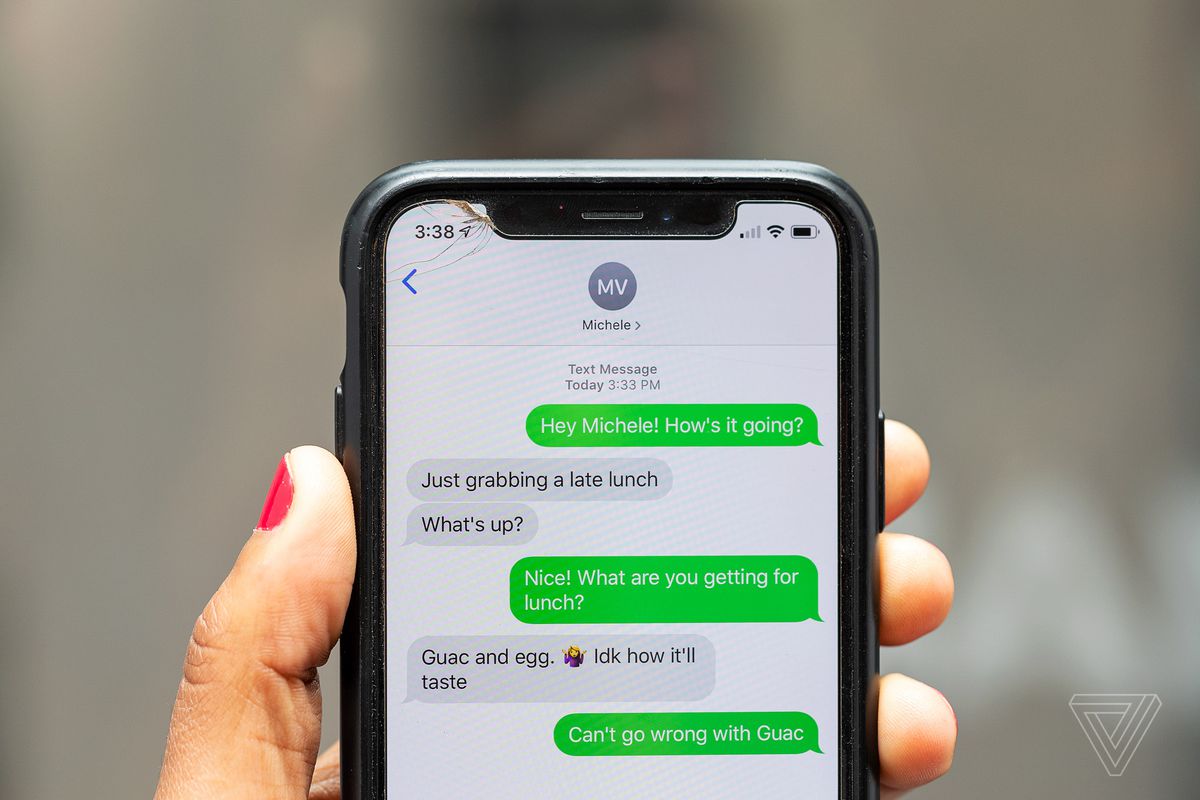
    Imagine using Apple’s highly-regarded iMessage messaging platform on your Windows computer. Microsoft is making this happen via an update to its Phone Link app, which will allow you to send messages to your PC contacts (who also use an iPhone) through your Windows computer although there are some caveats. Phone Link cannot enable group messaging nor allow photos or videos to be sent.
    Yusuf Mehdi, Microsoft’s head of consumer marketing, said, “We send the messages back and forth via Bluetooth, Apple, I think in turn, sends those as iMessage once it gets onto their system.” The version of the iOS Messages app that is brought to your Windows computer is basic and you won’t see the entire history of a conversation. Only messages sent or received using the Phone Link app will appear.
    Because Phone Link can’t tell the difference between a regular text message and one sent using iMessage, there are no blue or green text bubbles. On an iPhone, blue bubbles indicate a conversation where everyone is using an iPhone and thus it is handled on the iMessage platform. A green bubble reveals that at least one of the parties in the conversation is using an Android phone and all of those great iMessage features (like higher-quality images, read receipts, typing indicators, and more) are not available.
    But as we said, group messaging is not allowed using the Phone Link app and with no difference between texting and sending an iMessage, there is no reason to use different colored text bubbles. While on the subject of Android, the version of Phone Link for this platform has more capabilities. With the Phone Link app on your PC and an Android phone, you can get “instant access to everything you love on your phone, right from your PC,” says Microsoft.
    Linking your Android phone and your PC with this app will allow you to read and reply to text messages, make and receive calls (requires a Windows 10 computer with Bluetooth connectivity), view your notifications, and more. Instead of sending emails to yourself to save content, you can easily share content between your PC and phone. “Copy, edit, and even drag and drop photos without ever touching your phone.” You can even see your phone apps on your PC with a Surface Duo phone, certain Samsung handsets, and some Honor devices.
    Phone Link is bundled with Windows 11 and the new support for the app comes with a major Windows 11 update that includes the new AI-powered version of Bing on the taskbar, improved touch capabilities, and a new feature that records the screen.
    The version of Phone Link with iOS support will be available for Windows Insiders in the Dev, Beta, and Release Preview channels, but only for a small percentage of users. Microsoft says, “We will increase the availability of the preview to more Insiders over time and based on feedback we receive with this first set of Insiders.”
    Microsoft’s Medi explains why Microsoft has added iPhone support for the Phone Link app. He says, “It’s something we’ve been wanting to do for a long time. The experience with Android is quite good, and we felt like we needed to get something out [for iPhone].”
  • Huawei is expected to make some noise in Barcelona

    Huawei is expected to make some noise in Barcelona

    It’s like old times in Barcelona where the MWC exhibition means something again. Manufacturers are showing off prototypes of future handsets, some with amazing form factors. Other firms are unveiling new phones at the event just like in the good old days. One company expected to announce its new flagship phone in Barcelona is Huawei as the P60 series is rumored to see the light of day very soon.
    According to MyDrivers, the Austrian Gax blog wrote that the Huawei P60 series could be unveiled at MWC 2023. Huawei’s P-series phones are focused on photography (don’t mind the pun since it won’t bite) and the P60 models will feature Huawei’s own XMAGE photography platform (as did last year’s Mate 50 line).
    The P60 Pro will be the first smartphone to carry the 50MP Sony IMX888 sensor (for the primary camera), and a 50MP Sony IMX858 sensor will be employed for the ultra-wide-angle camera.  We expect Huawei to use Omnivision’s 64MP OV64B sensor for the telephoto camera that delivers 3.5x optical zoom.
    The non-Pro P60 could sport the 48MP Sony IMX789 sensor for its primary camera. Both the P60 Pro and P60 should feature the 10-speed adjustable variable aperture feature that debuted on last year’s Mate 50 Pro and allows the aperture to change between f/1.4 and f/4.
    The Huawei P60 Pro could be powered by the Snapdragon 8 Gen 2 chipset modified to work with 4G signals only. The P60 might be equipped with the Snapdragon 8+ Gen 1 SoC which also would be tweaked not to support 5G signals. All things considered, these are not a bad pair of chips to employ.
    Huawei launched its emergency satellite communication service last year on the Mate 50 series. The firm’s second-gen satellite system will be featured on the P60 line and reportedly Huawei has added voice text capabilities and support for short-term voice calls to the ability to send and receive two-way text messages via satellite. Huawei beat out Apple last year by one day to become the first smartphone manufacturer to announce emergency satellite connectivity for its smartphones.
    The P60 line will have HarmonyOS 3.1 pre-installed. This could be a minor upgrade from HarmonyOS 3.0 that will focus on exterminating bugs, and improving the stability of the software.
    Keep your eyes peeled. MWC 2023 ends on March 2nd so we could see the Huawei P60 series introduced sometime soon. Huawei, returning to two flagship series a year, is expected to unveil the Mate 60 line in September. The Mate series usually comes out late in the year and focuses on innovative new technology and features. In 2021 and 2022, Huawei released only one flagship model each year with the P50 series launched in 2021 and the Mate 50 line released late last year.
  • Apple has paid $12.12 million to Russia for antitrust practices, another fine is pending

    Apple has paid $12.12 million to Russia for antitrust practices, another fine is pending

    Apple’s decision to stop product sales in Russia over the war in Ukraine has not saved the company expenses, stemming from the multiple antitrust investigations that are going on. One of them has reportedly concluded with a $12.12 million fine over the Cupertino Company breaking monopoly legislation.

    This particular case goes back to 2020, when the Russian Federal Antimonopoly Service (FAS) concluded that Apple is receiving an unfair advantage through its dedicated AppStore. The case has taken years to revolve, but the competition regulator finally concluded that Apple owes Russia a massive amount of money. Naturally, Apple “respectfully disagrees” and plans to appeal this decision, even though reports from Reuters point to the fine being already paid out.

    All of this was initiated through Kaspersky Labs — a company renowned for its antivirus software — when its Safe Kids app was rejected as per AppStore internal regulations. Anton Gorelkin — a committee member on information and communications — went on record stating that the fine isn’t meant to be damaging to Apple, but to be noticeable enough to send a message to Big Tech.

    But as we all know, sometimes, when it rains — it pours. Russia’s Federal Antimonopoly Service (FAS) is gaining on Apple with another fine, this time for $17.4 million. This one is related to the AppStore’s way of processing payments and more specifically, the lack of options that developers have when it comes to choosing how they bill their customers.

    As per Reuters’ report, Russia sees Apple’s rules as abuse over its dominant position on the iOS market. Furthermore, the big, red, flashing light is related to Apple’s prohibition of developers to point users to payment solutions outside of the AppStore itself.

    This is yet another instance of Apple being pursued by legislators worldwide over the way it runs its AppStore. This isn’t something unique to Apple either, as Google was recently forced through law to open up Android to third-party stores in India. As more and more lawsuits are being won against Big Tech companies, one cant help but wonder what the future of mobile digital goods will look like.

  • MacBook Air M2 price falls to record low

    MacBook Air M2 price falls to record low

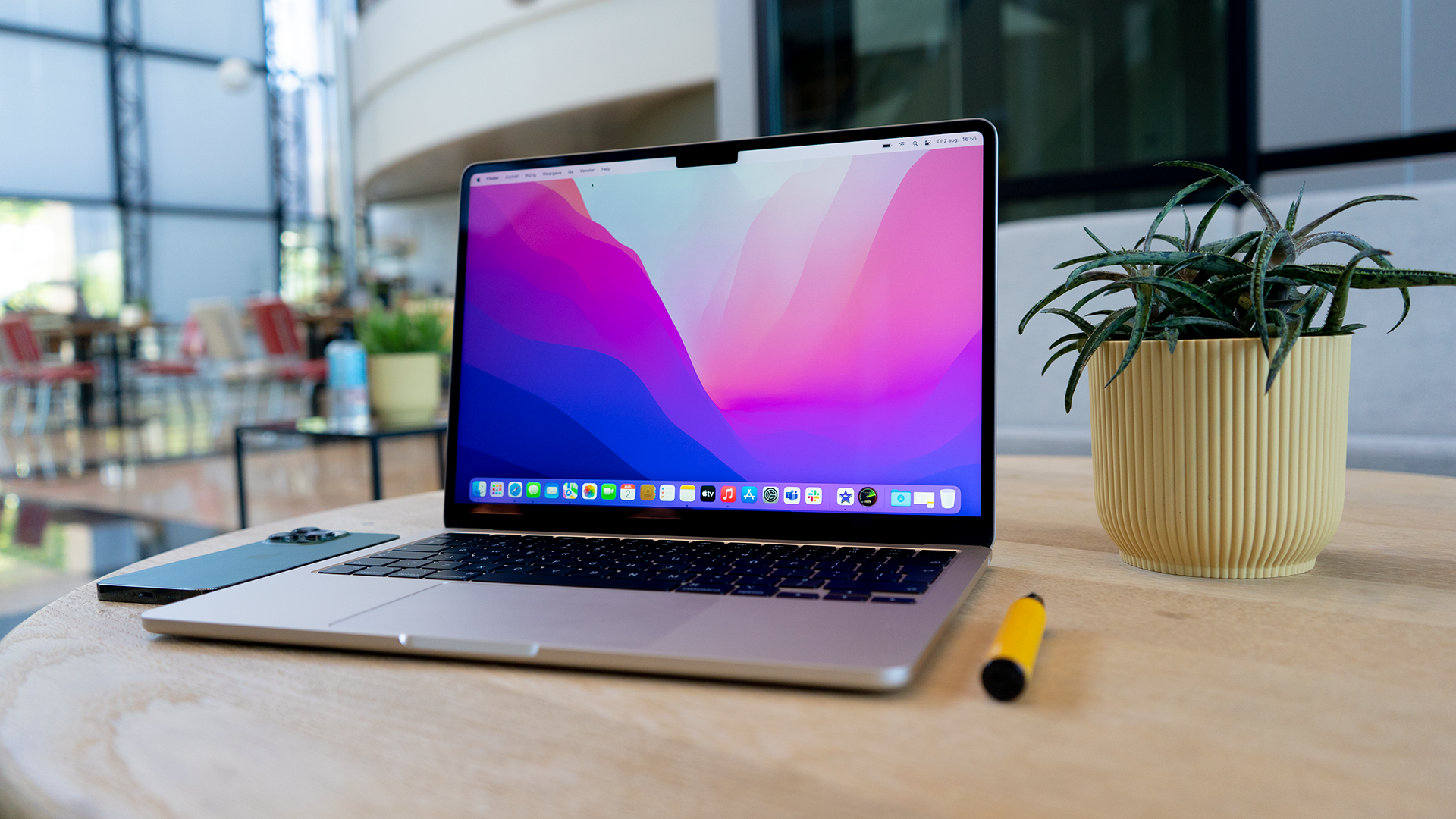
    Seven months after the MacBook Air M2 went on sale in Vietnam, its price has plummeted 20.1% to VND26.4 million, the lowest price for an Apple laptop ever sold in the country.

    The MacBook Air M2 was officially distributed in the Vietnamese market for the first time in July 2022 with the price of VND32.99 million for the 8 GB RAM model with a 256 GB internal memory.

    Vietnamese electronics retailers said the MacBook Air line has accounted for 80% of total sales of MacBook models using the Apple M2 chip.

    After remaining stable last year, the price of the Macbook Air M2 began to fall sharply at the beginning of this year.

    “Sales of laptops using the M2 chip have not been as high as expected, so Apple has decided to adjust their prices,” a reseller explained. “As the market is low, authorized resellers are slashing prices further to stimulate demand.”

    A manager of electronics retailer CellphoneS added: “Another reason for the decrease in the MacBook Air M2 price is that the inventory is too big, forcing retailers to lower the price to recover their cash flow.”

    Earlier, the price of the MacBook Air M1 had declined by VND6 million from VND29 million in November 2020 to VND23 million two years later.

  • Price of foldable Samsung smartphone plummets

    Price of foldable Samsung smartphone plummets

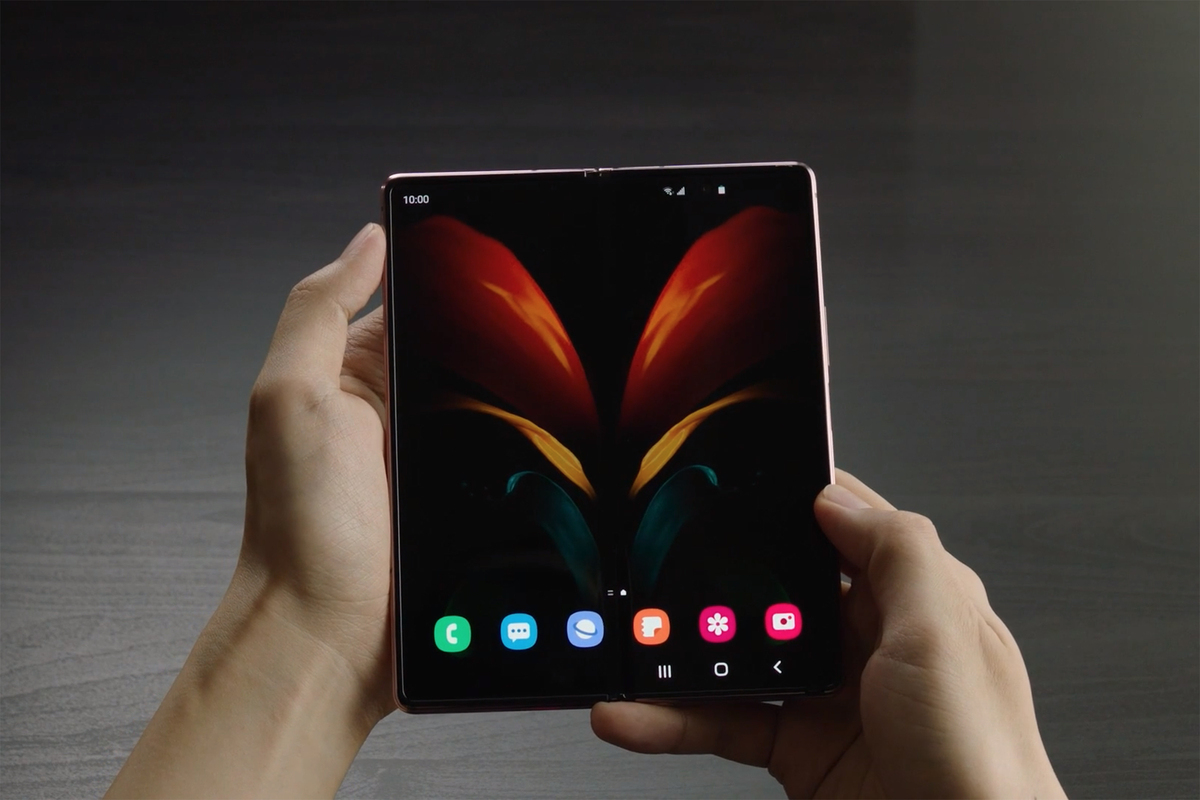
    Vietnamese electronics retailers are buying back the Galaxy Z Fold, which sold for VND50 million (US$2.092) when it was launched in 2019, at an 88% reduction from the original price.

    Ever since Samsung’s new Galaxy S23 went on sale in Vietnam on Feb. 17, retailers have launched trade-in programs, encouraging users to buy the new model.

    Galaxy Z Fold phones are being bought back at prices of VND0.43-6.1 million per unit depending on their condition.

    The Galaxy S10+, another high-end Samsung model which went on sale in 2019 with a price tag of VND28.9 million, is being bought back for VND2.9 million.

    According to Nguyen Lac Huy, manager of electronics chain CellphoneS, prices of most Android smartphones fall faster than those of iPhone models. After six months of use, the price of an Android phone plunges by 40-50%.

    The main reason is that manufacturers often offer discounts on Android phones after launch, while the cost of repairing them is high.

  • Apple working on bringing glucose monitoring to the Apple Watch

    Apple working on bringing glucose monitoring to the Apple Watch

    It is hardly a secret that health-related features are one of the main selling points of the Apple Watch. From monitoring heart rate, though blood oxygen, to sleeping time, Apple’s wearable can be an indispensable ally for health-conscious users.

    The Cupertino company understands this very well, which is why it is continuously working on improving said functionality and implementing more health-related features. According to Bloomberg’s Mark Gurman, Apple has hit ‘major milestones’ in the development of a blood glucose monitoring technology that could eventually make its way to the Apple Watch.

    Through a process called optical absorption spectroscopy a precise measurement of glucose levels is possible even without a blood sample. Currently, the prototype device is ‘about the size of an iPhone’ according to Gurman, so more work will be needed before the technology becomes usable in wearables.

    Nevertheless, Apple is determined to ‘eventually bring glucose monitoring to the market’. Such a feature would be a game changer and could make the Apple Watch invaluable to many suffering from diabetes and other related conditions.

    By now, the Apple Watch has existed for the better part of a decade and, during this lengthy time frame, its purpose has been redefined on a number of occasions. Initially, the Cupertino company wanted to design an ‘iPhone-killer’, a device that could replace your smartphone.

    Subsequently, they attempted to transform the Apple Watch into a luxury piece, similar to conventional jewelry. Now, the Apple Watch is officially a health-oriented device above all else. Tim Cook has mentioned that Apple’s greatest contribution to mankind could end up being digital health.

    It seems Apple’s CEO had something in mind when he made that statement. It is precisely through such technologies that Apple could consolidate its place in history. It will take time, but, with such vast resources, the Cupertino company might well succeed.