Category: Electronics

Retail News Asia is committed to providing both local and global retailers with the latest Electronics news throughout the Asian market. This on a daily base.

  • Chinese smartphones locked in Vietnam

    Chinese smartphones locked in Vietnam

    Several Chinese smartphone models that have been activated in Vietnam remain unusable due to network locks.

    Minh Khoi in Hanoi’s Cau Giay District said he had bought a Realme GT Neo 5 via an unofficial channel (smartphones carried to Vietnam by individuals, not by official distributors), but most of its functions had been disabled.

    He said the store that sold the phone to him was also surprised by the system lock and had to stop selling the model.

    The GT Neo 5 is currently only officially available in China, but its low price has attracted users in Vietnam.
    Two other Chinese phone models, the Realme 10 Pro + and OnePlus 11, have also been displaying a network lock when activated in Vietnam recently. However, with OnePlus 11, users have been able to fix the problem by resetting the phone.

    Khoi contacted Realme customer service in China, but they asked for a genuine purchase receipt. Therefore, he had to pay a service to unlock the phone for VND500,000 (US$21).

    “The device is currently usable, but I’m still worried about whether it will get locked again in the near future,” he said.

    Realme Vietnam has not yet responded to the incident.

    According to technology expert Tuan Ngoc, Chinese phone makers such as Oppo, Realme and OnePlus can use the network lock feature to protect their products in a specific country.

    The price of a smartphone carried home from abroad by travelers can be 20-30% lower than the price offered by authorized resellers, he noted.

  • Apple has sharply reduced the size of the order it has with TSMC

    Apple has sharply reduced the size of the order it has with TSMC

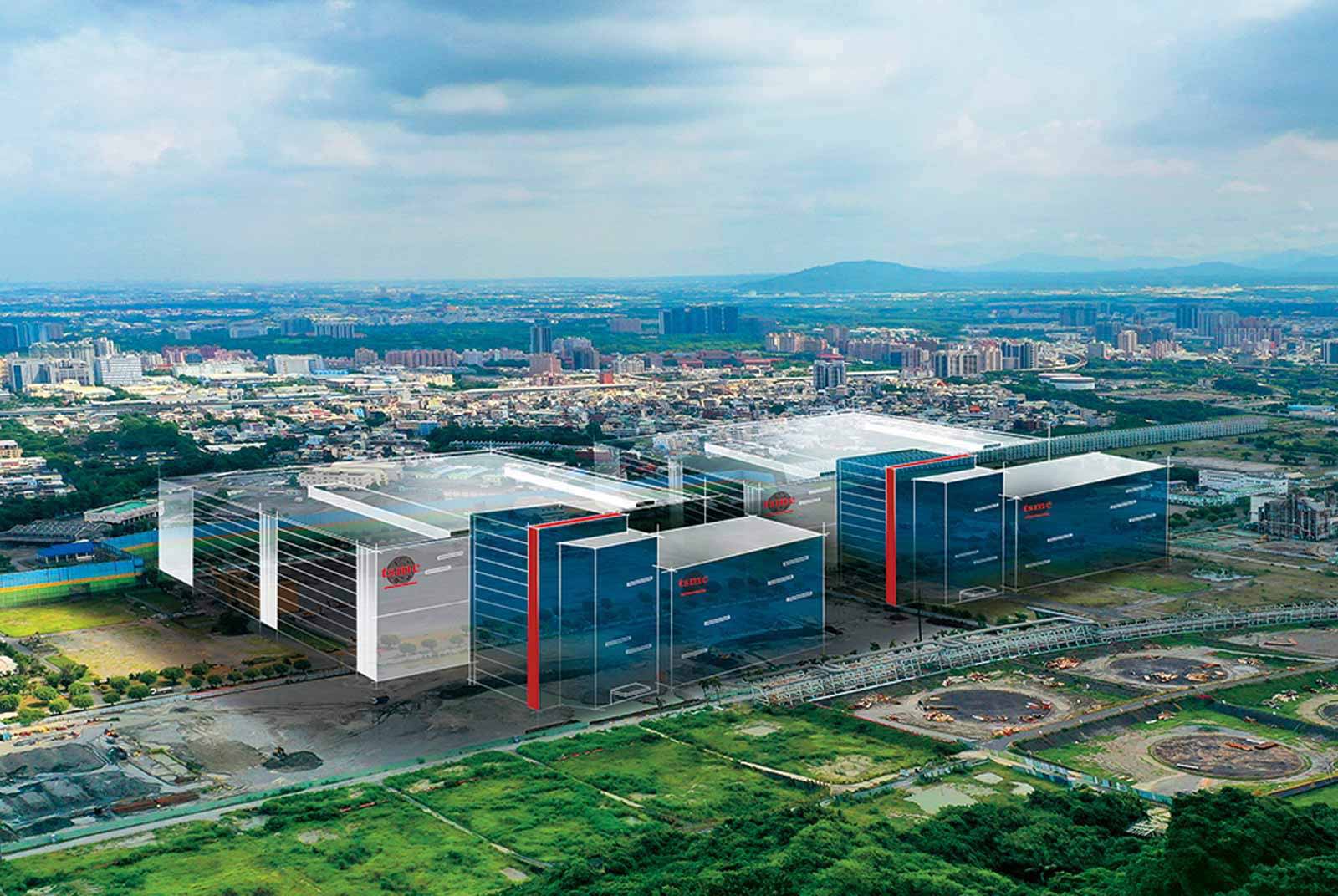
    Taiwan Semiconductor Manufacturing Co. Ltd., better known as TSMC, is the world’s largest foundry. Only TSMC and Samsung currently mass-produce chips using their respective 3nm process nodes (which use different types of transistors, as we will explain later). Apple is TSMC’s largest customer and is believed to account for a quarter of the company’s revenue (that’s 25% for you numerical types).

    With the overall weakness of the global economy and the hangover from last year’s chip shortage, some major brands have been canceling orders placed earlier with TSMC. And believe it or not, that goes for Apple as well. You know that we often cite Twitter tipsters and check out social media posts from Weibo writers for the sake of alliteration. Weibo is a Chinese social media site and one subscriber, whose user name translates to something like @CellPhoneChipExpert posted some big Apple news.

    The tipster, who allegedly gets news directly from the semiconductor industry, says that Apple has reduced its orders with TSMC by as many as 120,000 wafers. The canceled orders were for chips that would be made using TSMC’s N7, N5, N4, and even some N3 nodes. Rumors call for the A17 Bionic, which is expected to be found under the hoods of the iPhone 15 Pro and iPhone 15 Ultra, to be produced using TSMC’s N3 (3nm) process node. Apple’s M2 Ultra and M3 chips might also use the same node.

    Digitimes reports that TSMC has been able to beat out Samsung Foundry when it comes to signing up customers. Samsung’s 3nm node uses Gate-All-Around (GAA) transistors that allow the gate to come into contact with the channel on all sides resulting in less current leakage and higher drive current compared to the FinFET transistors used by TSMC for its 3nm node. GAA features vertically placed horizontal nanosheets while FinFET uses horizontally placed vertical “fins.” TSMC is expected to go to GAA for its 2nm production in 2025-2026.

    Despite sticking with FinFET for 3nm production, TSMC still has a pretty full-order book with big names like Qualcomm, MediaTek, and Nvidia reserving production capacity for 2023 and 2024. Samsung, though, has been handicapped in its efforts to secure more business due to low yields. That means that a higher percentage of the chips it cuts from wafers fail to pass quality control.

    The report says that in order to give Apple most of the 3nm production capacity later this year, Intel agreed to change its roadmap and delay receipt of its 3nm orders. TSMC’s enhanced 3nm process node (N3E) could be launched this year even though there might not be a big rush for orders considering the cost.

    Digitimes points out that wafer prices have skyrocketed with 90nm wafers selling for about $2,000 in 2004. By 2016, 10nm wafers cost $6,000 and that price hit $16,000 for 5nm which debuted on consumer electronics in 2020. Wafer prices for 3nm chips are priced in the $20,000 area.

    Intel has said that it will take process leadership from TSMC and Samsung by 2025 thanks to two developments. It will use RibbonFET transistors which is another term for the Gate-All-Around (GAA) transistors already employed by Samsung. And it will use a feature known as PowerVia or backside power delivery. This allows transistors to obtain power from one side of a chip while using the other side to connect to data communication links.

    Today’s chip designs have transistors trying to handle both functions from the same side which makes the process more complicated and limits the use of miniaturization. Intel will also be the first to use high numeric aperture Extreme Ultraviolet Lithography (EUV). This machine will etch higher-resolution circuitry patterns on wafers which could reduce the time it takes to add additional features to a pattern.
  • Apple releases software updates for three mobile devices

    Apple releases software updates for three mobile devices

    Apple released updates for some of its mobile devices today including iOS 16.3.1 for the iPhone, iPadOS 16.3.1 for the iPad, and watchOS 9.3.1 for the Apple Watch. Which should we start with? Let’s begin with iOS 16.3.1. Apple’s release notes indicate that the update will exterminate a bug that caused iCloud settings to be unresponsive. Another issue fixed by the update is one that prevented Siri users requesting the Find My app from having that app open on the screen.

    The iOS 16.3.1 update also adds some optimizations to Car Crash Detection on the iPhone 14 Pro and iPhone 14 Pro Max. Hopefully, this will stop the feature from getting set off by roller coaster riders, skiers, and others experiencing sharp movements unrelated to a car accident. Car Crash Detection uses sensors in the iPhone to detect when there has been an accident and rings an alarm. If the user fails to respond to the alert, Emergency SOS is triggered and emergency help is summoned.

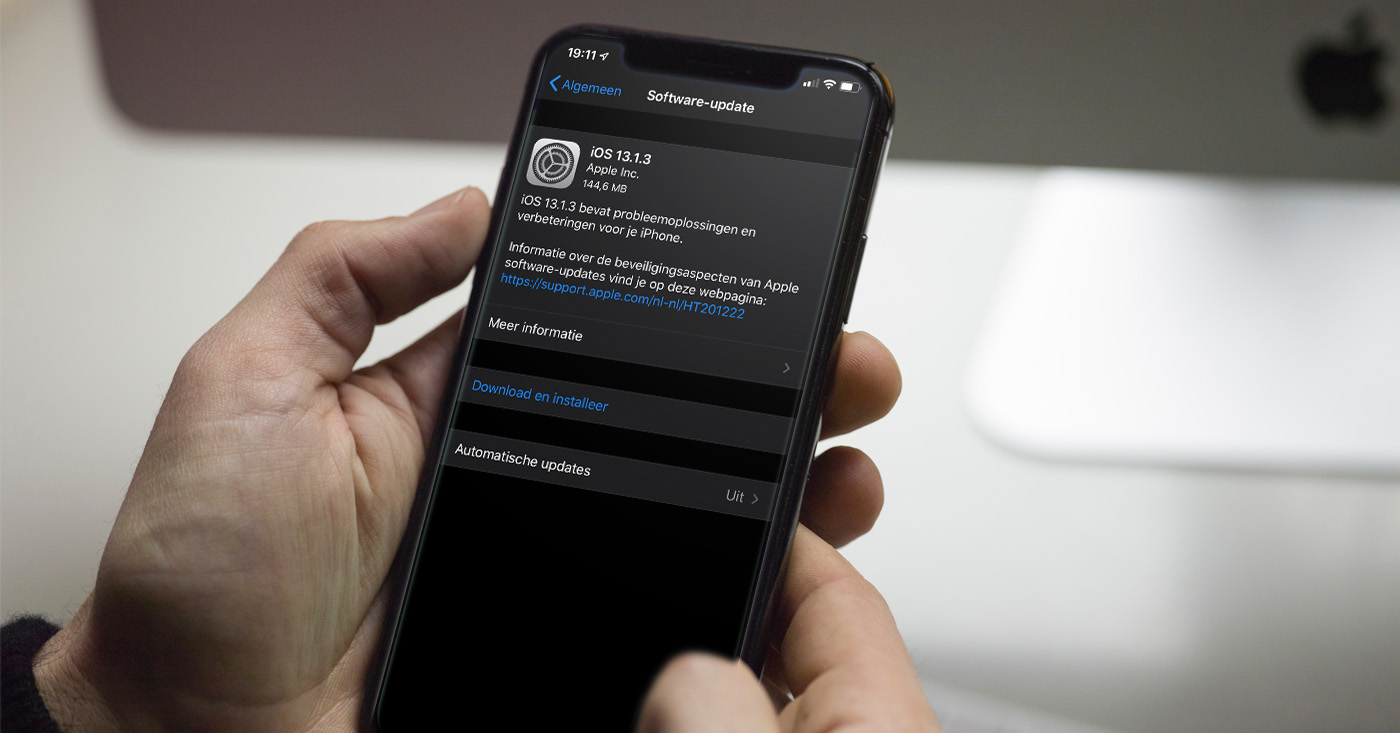
    To download and install iOS 16.3.1, go to Settings > General > Software Update and follow the directions.
    Next, let’s take a look at the iPadOS 16.3.1 update. The changelist here includes a couple of the bug fixes included in iOS 16.3.1:
    • A bug that caused iCloud settings to be unresponsive is exterminated.
    • An issue that prevented Safari from opening the Find My app is fixed.
    To download and install the update on your compatible iPad, go to Settings > General > Software Update.

    Lastly, we now take a look at the watchOS 9.3.1 update for the Apple Watch. There isn’t much to discuss since the changelist merely says, “bug fixes and important security updates for your Apple Watch.” What bug fixes? Apple doesn’t say. What security vulnerabilities were patched? Again, we don’t know.

    To download and install the update directly from your timepiece, go to Settings > General > Software Update. If a software update is available, tap install and then follow the  instructions on-screen.
    Or, you can open the Apple Watch app on your phone. Tap My Watch, go to General > Software Update, then, if an update is available, tap Download and Install.
    Even though there aren’t any amazing features being added to your iPhone, iPad, and Apple Watch, it’s always good to have the latest versions of the appropriate operating system installed.
  • Major upgrades to the Apple Watch Ultra postponed for 2025

    Major upgrades to the Apple Watch Ultra postponed for 2025

    Screens seem to be a touchy subject when it comes to Apple devices. For some reason, the Cupertino company is notoriously slow in adopting new display technologies. The iPhone received an OLED panel for the first time in 2017, while most iPad models are still stuck with LED displays.

    Now, the adoption of yet another display technology is being delayed. According to prominent display industry insider Ross Young, the transition of the Apple Watch Ultra to microLED will be postponed for 2025.

    For reference, previous reports claimed that the first microLED Apple Watch Ultra would be released as soon as 2024. This new leak, however, indicates that more substantial changes to the Apple Watch Ultra are not in the immediate future. It should be noted that microLED technology offers a number of benefits which make it ideal for a sport-oriented wearable like the Ultra.

    Namely, this includes improved power efficiency and durability. Given that exceptional battery life and an ability to withstand the test of the elements are major selling points of the pricey Apple Watch Ultra, it makes sense to be excited for MicroLED.

    Additionally, previous rumors suggested that the new microLED panel would also be slightly larger. A bigger screen could further differentiate the Ultra and make it even more appealing to athletes and outdoor adventurers, which seem to be the primary target audience of the wearable.

    Unfortunately, the Apple Watch Ultra seems to be the latest victim of Apple’s decision to place an emphasis on the company’s upcoming VR/AR headset, the Reality Pro. Just like the iPad, which is stuck in limbo because of necessary upgrades being pushed back for 2024, the Apple Watch lineup is also being put on hold. Luckily, the Apple Watch Ultra is impressive enough as it is.

  • iPhone 15 Ultra looks so chic in fan-made renders

    iPhone 15 Ultra looks so chic in fan-made renders

    The highest-end iPhone 15 model is expected to be a huge step up from the iPhone 14 Pro Max and to reflect those changes, Apple may call it the iPhone 15 Ultra. The company already uses this moniker for some premium products, including the Apple Watch Ultra. A digital artist has whipped up some renders to show us what the phone may look like.

    The iPhone 15 Ultra will have curved edges, titanium chassis, and thinner bezels than the iPhone 14 Pro Max, per rumors.

    Designer Jonas Daehnert has made some iPhone 15 Ultra renders. He says that the images are not based on leaks and he created them just for fun. The design crosse the iPhone 14 Pro and the Apple Watch Ultra.

    One rumor has already hinted that the iPhone 15 series will have an Apple Watch-like flat display and curved edges, so it’s not outlandish to assume that the iPhone 15 Ultra could have some elements of the Watch Ultra.

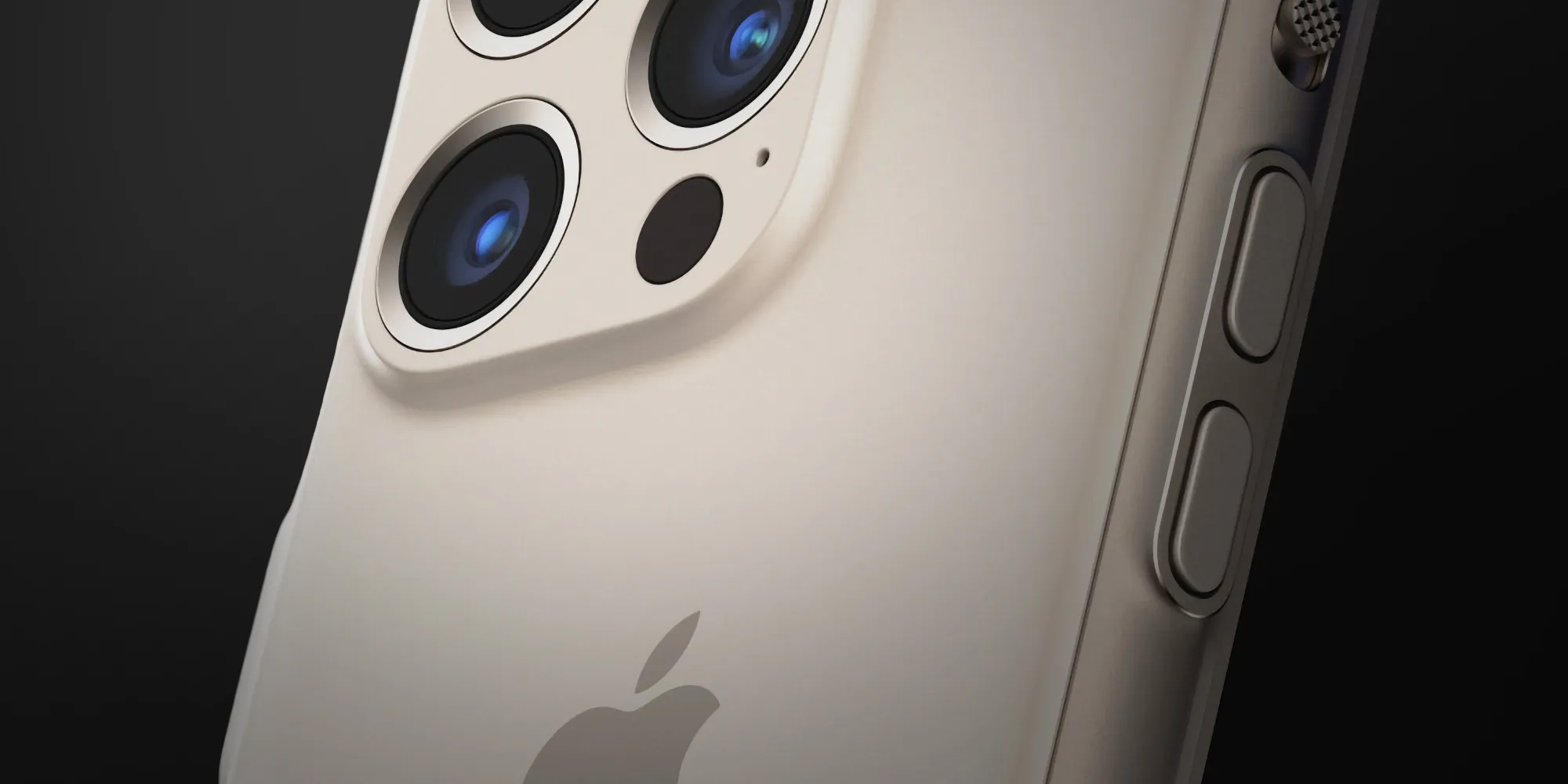
    The renders, as shown in the header and below, look gorgeous and envision an iPhone 15 Ultra with an Apple Watch Ultra-like orange button and port with orange accents. The volume, ringer, and side buttons are more raised than ones on the iPhone 14 Pro and the screen has raised rims and rounded corners.

    Although this design is unlikely to materialize, it looks very cool and the little touches give the phone more of a personality than just a boxy, bland iPhone.

    The iPhone 15 Ultra is highly likely to feature a periscope camera with 6x optical zoom. It’s expected to have the rumored A17 Bionic under the hood and a USB port instead of the lightning jack. The device could also feature solid-state buttons.

    Apple is also said to be working on an ultra-premium model for 2024 that might be a lot pricier than the iPhone 14 Pro Max.

  • Samsung announces that it will soon compete with Apple in another product category

    Samsung announces that it will soon compete with Apple in another product category

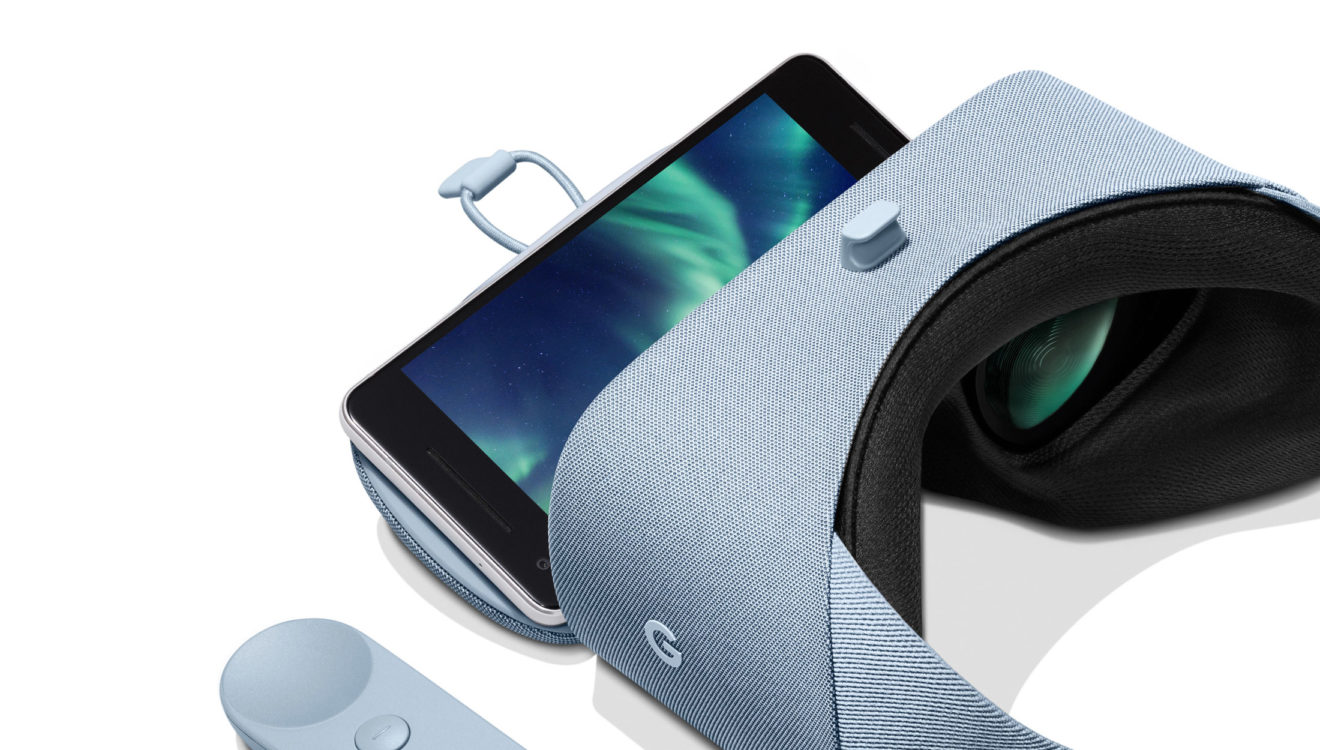
    Apple is expected to release its Reality Pro mixed reality headset later this year with virtual reality (VR) and augmented reality (AR) features. According to SamMobile, during today’s Unpacked event, Samsung announced that it will also build a Mixed-Reality headset with help from partners Google and Qualcomm. Samsung did hint that the device will be arriving soon. Samsung referred to the wearable as an Extended Reality (XR) device.
    Virtual Reality immerses the user in an environment that can range from the batter’s box at Yankee Stadium to a lounge with a giant screen that will show streaming content. Augmented Reality takes a live feed and places computer-generated data on top of it. A good example of AR is the “Live View” feature on Google Maps for those walking. The display shows a live feed from the rear camera and computer-generated arrows are superimposed over the feed to show the user which way to go.

    The Samsung XR headset will use a specialty Qualcomm chipset and the Korean manufacturer told The Washington Post that Meta and Microsoft are also partnering with Samsung to produce the XR headset. The Post reported that the head of the project said that the platform and the software need to be only “somewhat ready for the device to be a success.” The company is looking to avoid the mistakes made by other firms who entered this space but didn’t have the software ready in time.

    While no possible price tag was mentioned for Samsung’s XR wearable device, Apple’s Reality Pro will reportedly cost $3,000 and will be able to quickly switch between VR and AR. It is believed to be the most complicated product that Apple has ever made.
    Samsung has been in the headset business before as it introduced the Gear VR headset in 2015 powered by the Galaxy Note 4’s 5.7-inch QHD SuperAMOLED display. After a few years, production of the device came to a halt. Samsung then tried its hand at manufacturing a standalone Mixed Reality headset for PCs which also was discontinued by the company.
    Hiroshi Lockheimer, Google’s SVP in charge of Platforms and Ecosystem, said, “An exciting space where Google has been investing in for a long time across both experiences and technology is AR and VR. These technologies are integral to the new phase of computing as it can change the way we interact with people and information to get things done in the real world.”
    So now the Apple-Samsung rivalry will go beyond smartphones, tablets, and smartwatches to include Mixed Reality headsets.
  • Apple’s India supplier Jabil making AirPods parts for export

    Apple’s India supplier Jabil making AirPods parts for export

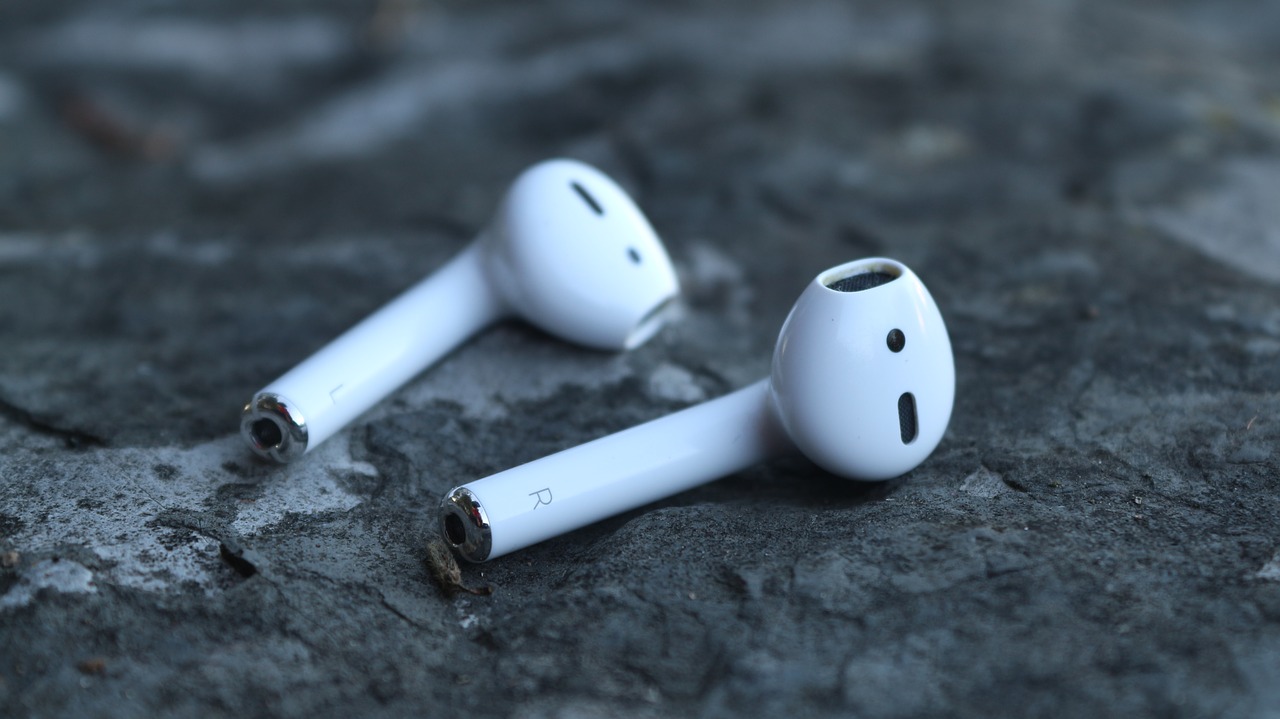
    Apple-supplier Jabil Inc’s India unit has begun making components for AirPods in the country and is shipping plastic bodies or enclosures for AirPods to China and Vietnam, Bloomberg News reported on Sunday, citing people familiar with the matter.

    Apple Inc and Jabil did not immediately respond to a request for comment.

    The move marks another step in Apple’s plans to shift its manufacturing away from China amid rising trade and geopolitical tensions between Beijing and Washington.

    The iPhone maker wants India to account for up to 25% of its production, from about 5%-7% now.

    Apple has bet big on India since it began iPhone assembly in the country in 2017, in line with the Indian government’s push for local manufacturing.

  • Global smartphone shipment slowdown could hurt Vietnam

    Global smartphone shipment slowdown could hurt Vietnam

    Manufacturing hubs like Vietnam and South Korea could be hurt this year as global smartphone shipments suffered its worst quarterly drop on record, signaling a cool down in consumer demand.

    Shipments declined 18.3% year-on-year in the December quarter to a little over 300 million units, U.S.-based International Data Corporation said Thursday.

    Xiaomi’s shipment volume declined steepest at 26.3%, followed by vivo (down 18.9%) and OPPO (down 15.9%).

    For the year, global shipments fell 11.3% and marked the lowest total for a decade, the researchers said.

    “We have never seen shipments in the holiday quarter come in lower,” Nabila Popal, research director at IDC.

    Along with inflation and economic uncertainties, Covid lockdowns in China were another factor that hurt the industry, including Apple Inc.’s iPhone sales, she said. “Heavy sales and promotions during the quarter helped deplete existing inventory rather than drive shipment growth.”

    Smartphones are among the largest exports for Korea and a key source of income for Vietnam as Samsung Electronics operates factories in both countries.

    Samsung last quarter reported its biggest profit fall in over a decade, primarily led by a drop in demand for semiconductors. The company’s exposure to smartphone sales is amplified by its role as the leading provider of memory and displays for the industry.

  • Fitbit drops support for two music streaming services on Sense and Versa smartwatches

    Fitbit drops support for two music streaming services on Sense and Versa smartwatches

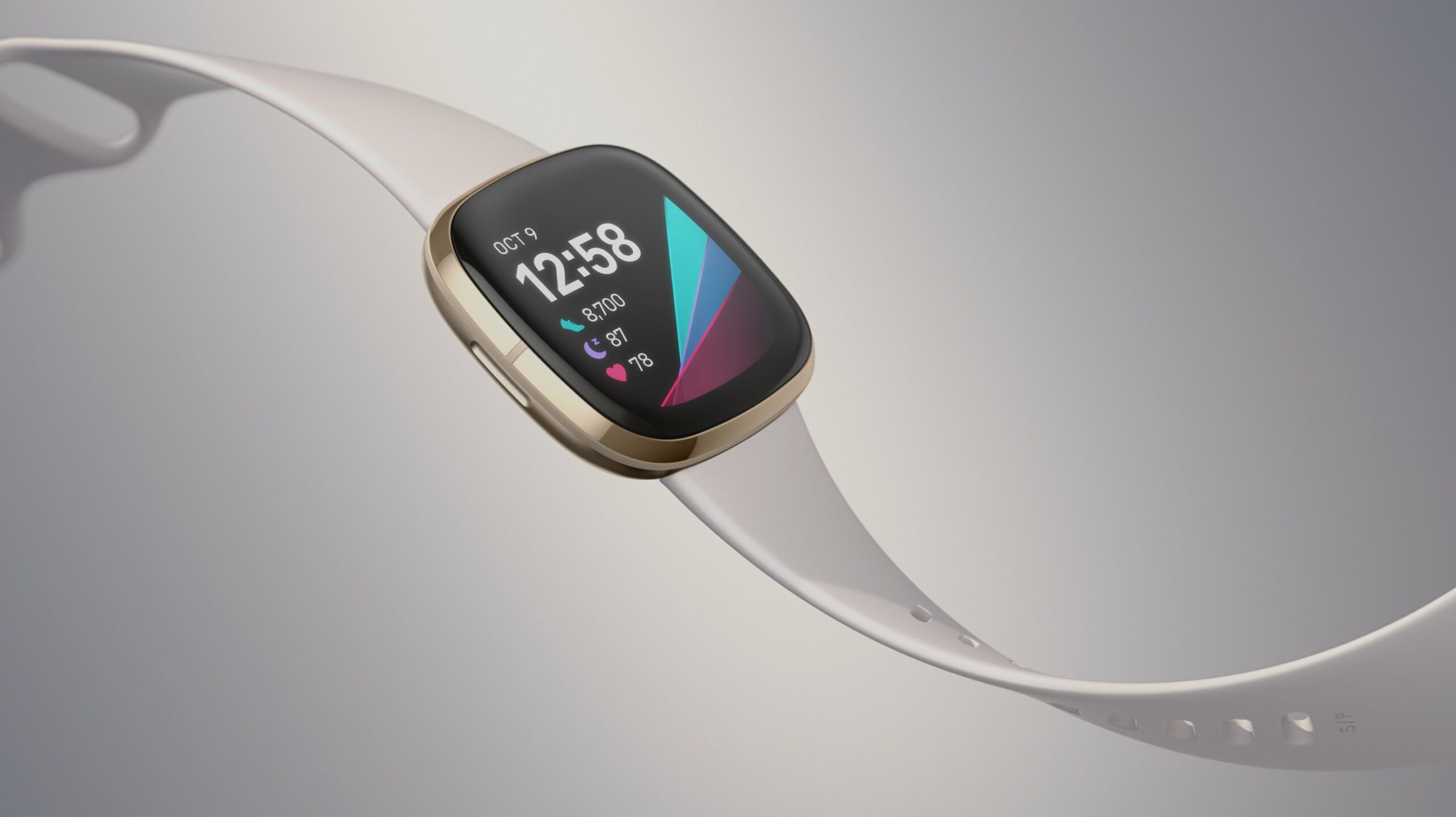
    Google-owned Fitbit is informing many of its customers that it will soon stop supporting two music streaming services quite popular in the United States: Deezer and Pandora. In an email sent to many Fitbit smartwatch users, the company states that it will ax support for the two apps, which will no longer be available for download.

    The email confirms that come March 31, these two music streaming services will no longer function on specific smartwatches like Fitbit Sense, Fitbit Versa 2 and Fitbit Versa 3. According to the email, customers “will no longer be able to download Pandora stations or add Deezer playlists to your device, nor will you be able to play anything that you have previously downloaded.”

    This is the second time Fitbit has taken away an important functionality from its customers in less than a year. Last year, Fitbit removed the ability to sync and transfer music via PC and Mac. The company removed the option to transfer playlists to Fitbit watches through a computer back in October but allowed users to continue to play personal music stored on the watch and transfer music to it with the Deezer and Pandora apps.

    Well, Fitbit took away that option as well, or at least is about to since the deadline is March 31, 2023. It’s surprising that the company is removing important features that will most likely lead to fewer sales, without adding new ones to replace them. It’s like Fitbit wants to make its smartwatches completely unappealing to those who love using this type of products.

    It remains to be seen how Fitbit’s actions will impact the sale of its smartwatches, but there’s bound to be some retribution from customers, especially from those who remained loyal even after Google bought the company Google.

  • Apple’s latest HomePod is smarter

    Apple’s latest HomePod is smarter

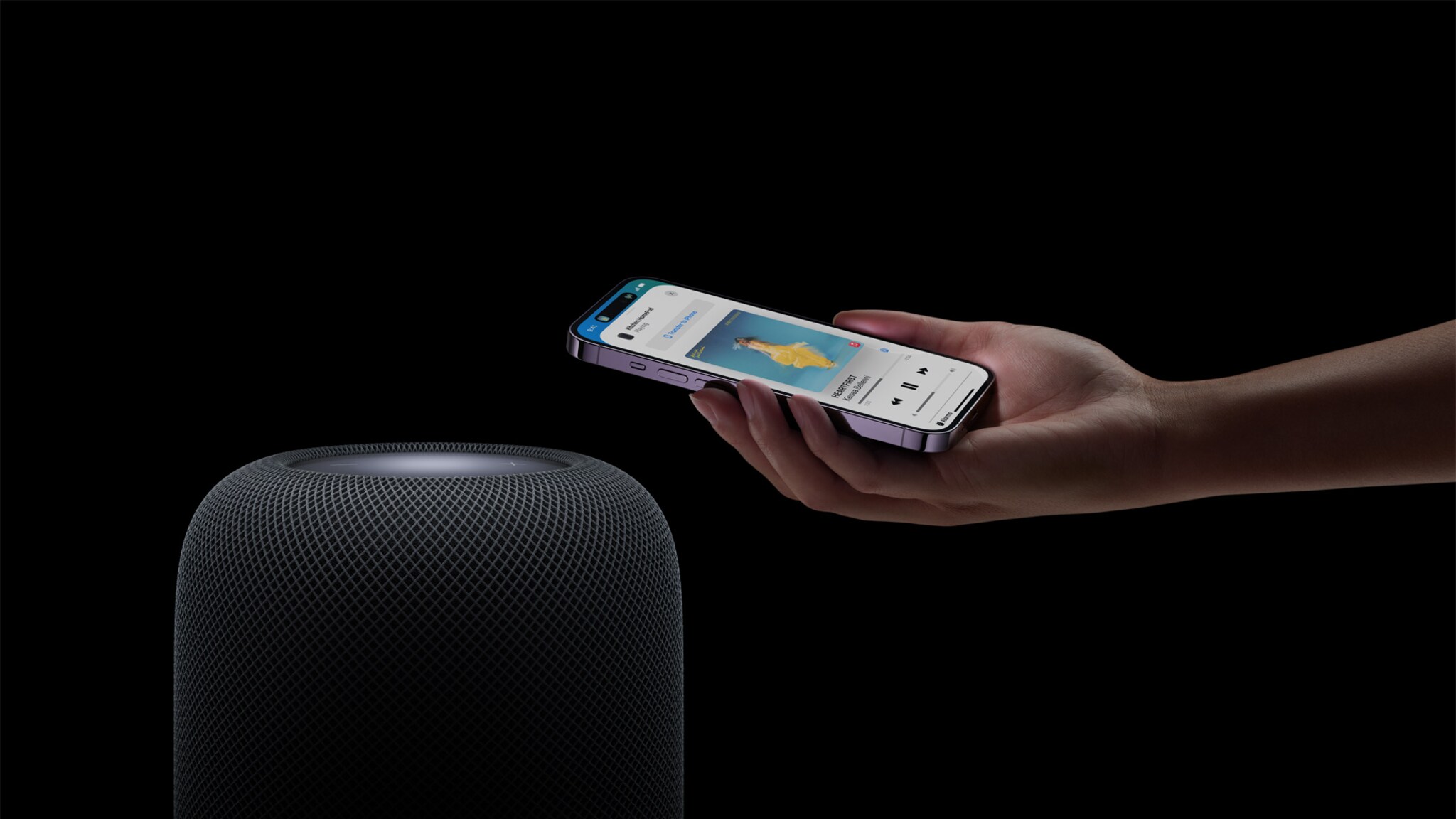
    Today, Apple announced its latest, second generation HomePod. The futuristic-looking smart speaker not only makes major advancements in acoustics, but is also packed with innovations, ranging from advanced Siri capabilities and computational audio to smart home management and automation.

    Pre-order now in either White or Midnight, available for just $299! Enabled to work with spatial-audio, capable of executing advanced voice-activated tasks and comes Matter-enabled for your Smart Home setup.
    Having Siri on board of the HomePod allows for hands-free control over as many features as you can probably imagine, ranging from smart home control to media playback and navigation. But the HomePod is also smart enough to listen even when you are not around, and send you a notification if it hears something odd, like a smoke alarm for example.

    As a smart speaker, the HomePod sounds like being capable of delivering exceptional audio quality. Its equipped with custom parts, like a high-excursion woofer and an array of beamforming tweeters, which allow it to achieve impressive acoustics.

    The smart speaker is equipped with Apple’s S7 processing chip, which in turn is based on the A13 Bionic chip that was on the iPhone 11 from 2019. This allows the HomePod to run advanced software, enabling it push the limits of advanced audio computation.
    Among the unique features, which is available on the second generation HomePod, is support for Spatial Audio. Did you know that Apple Music had over a hundred million tracks, that come with Spatial Audio? You can listen to those on the new HomePod, and not just your AirPods 3, but while also having Voice Control through Siri to access search, filters and lyrics on Apple Music.

    This also means that connecting multiple HomePods together makes more sense than ever, as it can also offer a stereo experience. Same goes for connecting it to your Smart TV, to give it a bit of extra oomph to its soundscape.

    You can connect a previous generation HomePod or a HomePod mini to the latest HomePod too. Linking is easy as ever, too, as they can all become linked with a quick voice command or by bringing the speakers close together physically.
    The Apple HomePod is capable of sensing the room and adjusting its sound accordingly, as to utilize sound reflections to improve sound and remove distortions. All of this happens automatically and it real time, with a precision capable of truly immersing listeners in an impressive, rich soundscape.
    Now, both smart speaker linking and room-awareness aren’t groundbreaking features. Not only do competitors have them, but so does the HomePod Gen 1. The primary difference with the latest Apple HomePod is that it does it faster and with a more impressive sound quality, while offering new smart features.
    Apple’s latest smart speaker will be available in White or a gray-ish Midnight variant, which is made with 100% recycled mesh fabric. Both speakers’ fabric is slightly transparent, while the touch panel on top is completely backlit, from edge to edge.

    The latest HomePod is already available for order in the AppleStore app for $299, but the smart speaker and home hub will become officially available as soon as February 3. If you are in the market for a new smart speaker that seamlessly fits with Apple’s ecosystem, you might’ve just found what you were looking for. Oh, and the HomePod is Matter-enabled, so it can play nice with all sorts of other Smart Home gadgets too.

  • Apple fined $17.4 million by Russian agency because the App Store is a monopoly

    Apple fined $17.4 million by Russian agency because the App Store is a monopoly

    The App Store continues to land Apple in hot water, this time in Russia. The country’s Federal Antimonopoly Service (FAS) fined Apple the equivalent of $17.4 million because Russian developers were forced to use Apple’s in-app payment platform. Apple forces developers to use its payment platform and takes a 15% to 30% cut of in-app subscriptions and payments. Any attempt to bypass the platform results in Apple kicking the offending app out of the App Store as it did with Epic Games and its hit title Fortnite.

    Apple’s actions were previously found to violate Russian competition rules and the tech giant is being told that it must pay the new fine within two months. You might recall that back in April 2021 the company was hit with a $12 million fine from the same agency after losing a lawsuit filed by Russian cybersecurity firm Kaspersky. In 2018, the developer was planning to update its Safe Kids parental control app but Apple blocked the update as it released its own Screen Time feature in iOS 12.

    At the time, the FAS released a statement that said, “Apple was found to have abused its dominant position in the distribution of mobile applications on the iOS operating system through a series of actions that led to a competitive advantage for its own products, and at the same time worsened the distribution conditions for competing products.” Apple claimed that it removed a number of parental tracking apps from the App Store because they were invasive and “put users’ privacy and security at risk.”
    At the time, the FAS also ordered Apple to remove from its terms and conditions any terms that allow Apple to “reject third-party applications from the App Store for any reason, even if they meet all requirements.” The agency also demanded that Apple no longer give its in-house apps precedence over third-party apps. While Apple was allowed to appeal the $12 million fine, it isn’t clear whether the Russian regulators are allowing Apple to contest the latest action. While under appeal, the FAS orders that Apple must obey are temporarily suspended.

    The App Store monopoly could be coming to an end thanks to the European Union’s Digital Markets Act (DMA). Apple reportedly is working to allow iPhone users, in Europe at first, to sideload apps. This merely means allowing users to download apps from third-party iOS app storefronts. Apple claims that for security reasons it prevents iPhone owners from sideloading apps.

    Apple isn’t totally wrong about this since its walled garden does give it control over the apps installed on an iPhone. On the other hand, people don’t like to be told what to eat or drink or put into their bodies and many feel that they should be allowed to make their own decision whether or not to risk having their iPhone attacked by a malware-infected app that contains a banking trojan (which will steal the log-in info to their banking apps).
    It should be pointed out that Google allows Android users to sideload apps and this writer has done so without issue in the past. Look at the comments section for red flags before installing apps from developers you’ve never heard of before.
    Whew! Did we take a detour! Anyway, should Apple allow sideloading on the iPhone, the company would no longer be accused of being a monopoly. Right now though, there is only one official way to install an app on an iPhone and that is through iOS. And this means that developers have to pay the Apple tax on in-app purchases. And regardless of the fines imposed on Apple, it still remains more profitable for it to demand that developers pay the 15% to 30% tax.
  • Apple South Korea’s sales up 3.3 percent to $5.9 billion

    Apple South Korea’s sales up 3.3 percent to $5.9 billion

    Data showed Monday that Apple Korea’s sales rose slightly to 7.3 trillion won ($5.9 billion) last year.

    The Korean unit of U.S. tech giant Apple Inc. logged 7.3 trillion won in sales from Oct. 1, 2021, to Sept. 30, 2022, up from 7.1 trillion won the previous one-year period, according to its audit report filing.

    Net income for the cited period stood at 112.9 billion won, down slightly from a net profit of 124.3 billion won the previous year.

    The company’s operating profit dropped 23 percent on-year to 86.1 billion won from 111.5 billion won over the cited period, with an operating profit margin of 1.2 percent.

    A total 124.3 billion won in dividends was given to its U.S. headquarters and other overseas units, according to the filings.

    Apple Korea paid 50.3 billion won in corporate taxes for the fiscal year ending Sept. 30 last year.

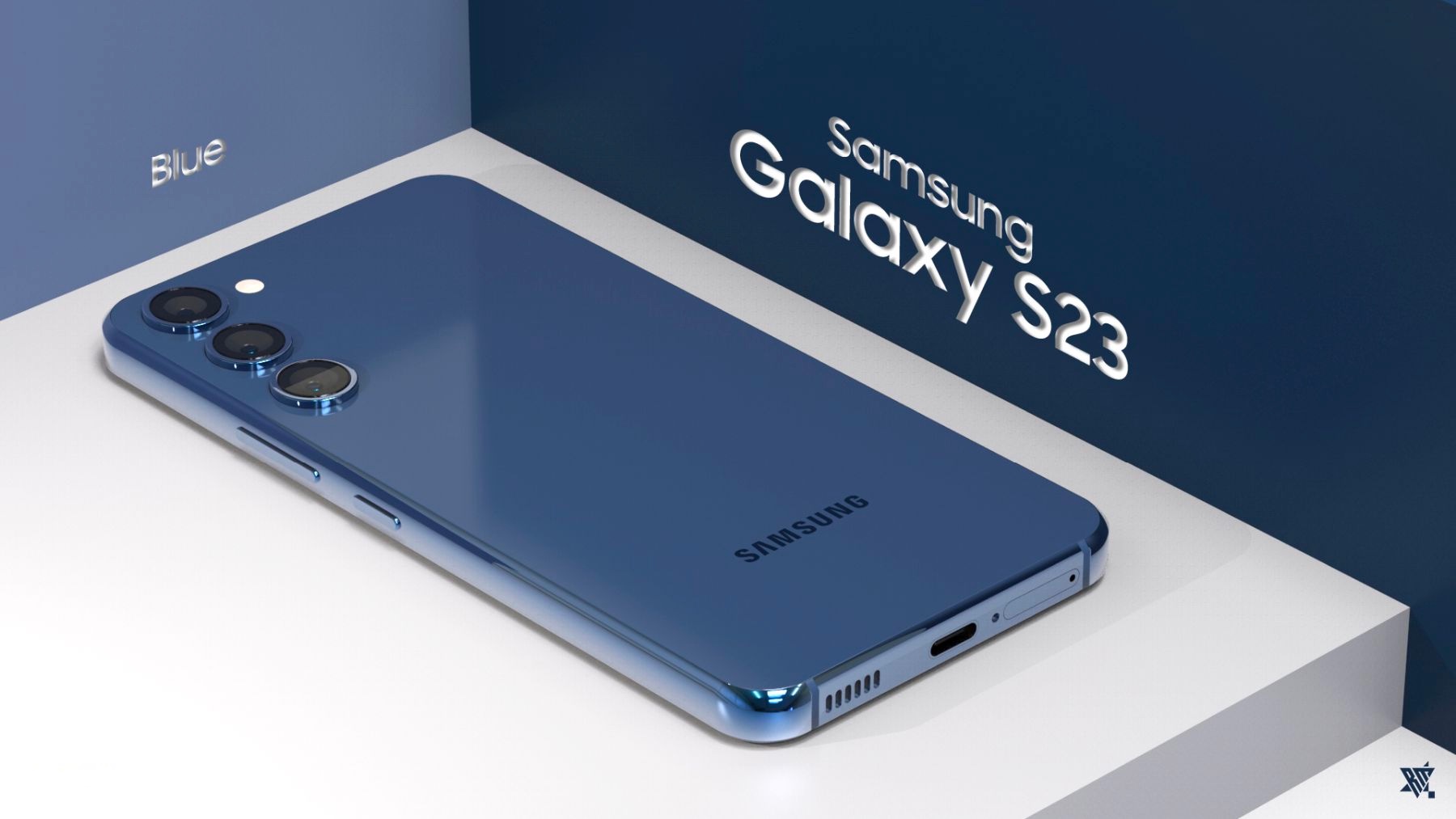
  • Samsung introduces the Galaxy S23 Ultra’s 200MP camera sensor

    Samsung introduces the Galaxy S23 Ultra’s 200MP camera sensor

    On Tuesday Samsung introduced its third 200MP camera sensor, the ISOCELL HP2. The sensor features 200 million 0.6-micrometer (μm) pixels using a 1/1.3-inch optical format. This is a sensor size that is deployed in 108MP main smartphone cameras allowing users of high-end smartphones to have a high-resolution camera without having to deal with large camera bumps. The HP2 has already entered mass production
    The sensor uses advanced pixel-binning technology called Tetra2pixel. This allows the sensor to change pixel sizes depending on the environment’s light. Under low-light conditions, the sensor captures 50MP images at 1.2μm (4:1 pixel binning) or 12.5MP images at 2.4μm (16:1 pixel binning).
    For video, Samsung adds, “For fuller 8K video, approximately at 33MP, the HP2 switches to 1.2μm 50MP mode to minimize cropping and capture more of the scene. Filming 8K at 30 frames-per-second (fps), a wide field of view along with bigger pixel size can produce sharp cinematic videos.”
    Samsung’s new Dual Vertical Transfer Gate (D-VTG) technology will enhance color reproduction and reduce overexposure. As a result, you’ll see fewer washed-out photographs snapped under bright lighting conditions.
    Focusing in low-light environments will be vastly improved thanks to the HP2’s Super QPD feature which uses all of the sensor’s 200 million pixels as focusing agents. The result is faster and more accurate auto-focusing even in an environment without much light. Samsung explains, “The ample amount of focusing agents are grouped by four adjacent pixels to recognize horizontal and vertical pattern changes.”
  • Global tech investors continue to bet on Vietnam

    Global tech investors continue to bet on Vietnam

    Vietnam’s growing capacity to make complex tech products is attracting more foreign investors who are setting up factories.

    Apple supplier BOE Technology Group plans to invest US$400 million to build two factories in Vietnam, Reuters reported recently.

    The report said it is in talks to lease land in the north to put up factories to add to its relatively small plant in the south that supplies mostly television screens to South Korea’s Samsung and LG Electronics.

    BOE is the latest tech company to eye Vietnam as its next manufacturing hub, where already smartphones, laptops and cameras are made by or for multinationals such as Samsung and Apple.

    In the north, where Apple suppliers such as Luxshare and Foxconn already have a presence, BOE will lease 100 hectares to build a $150-million plant for making remote control systems on 20 ha and others for manufacturing displays.

    BOE will invest $250 million in a plant on 50 ha while suppliers will use the remaining 30 ha.

    Everything will be in place by 2025.

    The company plans to make the more sophisticated organic light-emitting diode, or OLED, screens there rather than liquid-crystal displays.

    A recent survey by German logistics firm Container xChange found that 67.3% of respondents believe Vietnam and India will rise as container shipping hubs in 2023.

    They expect the two countries to change the global shipping industry as companies look to expand their network of manufacturing locations, the survey, which polled 2,600 industry professionals in 20 countries, said.

    Their expectations seem to be influenced by the fact that many tech giants established or expanded their presence in Vietnam last year.

    In December Apple was reported to soon begin MacBook production in Vietnam for the first time, while Samsung, which has been making half of its smartphones in Vietnam, opened its biggest research and development center in Southeast Asia in Hanoi.

    American aviation firm Boeing held its first Aerospace Industry Forum in Vietnam in August, seeking local suppliers for its global supply chain.

    U.S. company Synopsys, one of the world’s biggest chip design software makers, is set to invest in and shift its engineer training to Vietnam, while last year South Korea’s Amkor Technology signed a deal to set up a $1.6-billion semiconductor materials manufacturing factory in the northern province of Bac Ninh.

    “Vietnamese workers have been improving in their tech manufacturing capability, and foreign companies such as Samsung have been increasingly recruiting locals from the top local universities,” Do Thi Thuy Huong, a member of the Vietnam Electronics Industries Association’s executive board, said.

    In the last five years Vietnam has expanded its presence in supply chains and is now capable of making complex products, which is why more foreign firms are choosing it as their next manufacturing hub, she told VnExpress International.

    The Politburo, the Communist Party’s highest body, issued a decree in 2019 that sought to improve the quality of foreign projects in the country.

    FDI plays a major role in the Vietnamese economy, accounting for a large share of all investment. FDI disbursement last year rose 13.5% to $22.4 billion.

    In September last year Prime Minister Pham Minh Chinh told a group foreign business executives that Vietnam would create a safe and transparent investment environment and urged them to keep faith and do long-term business in the country.

    The government has always had consistent policies to ensure economic stability, control inflation and maintain reasonable foreign exchange and interest rates, he added.

  • Samsung’s quarterly profit sinks to 8-year low on demand slump

    Samsung’s quarterly profit sinks to 8-year low on demand slump

    Samsung Electronics Co Ltd flagged on Friday its quarterly profit tumbled by two-thirds to an eight-year low as a weakening global economy hammered memory chip prices and curbed demand for electronic devices.

    The dismal profit estimate by the world’s largest memory chip, smartphone and TV maker – a bellwether for global consumer demand – sets a weak tone for other technology firms’ quarterly results.

    Samsung’s profits are expected to shrink again in the current quarter, analysts said, after the South Korean company announced its October-December operating profit likely fell 69% to 4.3 trillion won ($3.37 billion) from 13.87 trillion won a year earlier.

    It was Samsung’s smallest quarterly profit since the third quarter of 2014 and fell short of a 5.9 trillion won Refinitiv SmartEstimate, which is weighted toward forecasts from analysts who are more consistently accurate.

    “All of Samsung’s businesses had a hard time, but chips and mobile especially,” said Lee Min-hee, analyst at BNK Investment & Securities.

    Quarterly revenue likely fell 9% from the same period a year earlier to 70 trillion won, Samsung said in a short preliminary earnings statement. Asia’s fourth-biggest listed company by market value will release detailed earnings on Jan. 31.

    Rising global interest rates and cost of living have dampened demand for smartphones and other devices that Samsung makes and also for the semiconductors it supplies to rivals such as Apple Inc.

    “For the memory business, the decline in fourth-quarter demand was greater than expected as customers adjusted inventories in their effort to further tighten finances…,” Samsung said in the statement.

    Its mobile business’ profit declined in the fourth quarter as smartphone sales and revenue decreased due to weak demand resulting from prolonged macroeconomic issues, Samsung added.

    “Memory chip prices fell in the mid-20% during the quarter, and high-end phones such as foldable didn’t sell as well,” said BNK Investment’s Lee, adding its display business was hurt due to client Apple’s production delays at the world’s biggest iPhone factory in China during the quarter.

    Three analysts said they expected Samsung’s profits to dive again in the current quarter, with a likely operating loss for the chips business as a glut drives a further drop in memory chip prices.

    Samsung shares rose 1% in Friday morning trade, versus a 0.9% rise of the wider market. Shares of rival memory chip maker SK Hynix rose 1.6%.

    “The reason shares are rising despite the poor earnings result is.. investors are hoping Samsung will need to reduce production, like Micron or SK Hynix said they would, which would help the memory industry overall,” said Eo Kyu-jin, an analyst at DB Financial Investment.

    Samsung had said in October that it did not expect much change to its 2023 investments. Analysts said that Samsung has a history of not announcing memory chip production cuts, but could organically adjust investment by delaying bringing in equipment or through other ways.