Category: Electronics
Retail News Asia is committed to providing both local and global retailers with the latest Electronics news throughout the Asian market. This on a daily base.
-

Apple confirms it will buy chips made in the U.S.A
Confirming rumors that we first reported last month, Apple CEO Tim Cook spoke this morning in Arizona and said that Apple will buy chips made in the U.S. by TSMC. The world’s largest chip foundry will start producing chips at its U.S. fab in 2024 and Apple has been looking to reduce its reliance on chips produced at TSMC’s Taiwan facilities.After all, as TSMC’s largest customer (responsible for about a quarter of the firm’s annual revenue), Apple has to be sensitive to reports that China has been eyeing Taiwan. And while U.S. President Joe Biden has promised to help Taiwan defend itself, any type of military conflict will make it harder for Apple to obtain the chips it needs. So to help Cook, other Apple executives, and iPhone fans sleep better at night, the decision has been made by Apple’s CEO to purchase chips made in the USA.Tim Cook said, “And now, thanks to the hard work of so many people, these chips can be proudly stamped Made in America. This is an incredibly significant moment.” And the executive is 100% correct. The U.S. has been looking to become self-sufficient when it comes to semiconductors and the ability to churn out cutting-edge chips on U.S. soil is a massive step toward that goal.TSMC originally planned on spending $12 billion on its Arizona plant which was expected to turn out 5nm chips by 2024. Now, TSMC will add a second factory and will spend $40 billion on the pair. The second facility will be ready by 2026. The fabs will turn out 600,000 wafers each year which will be enough to meet American demand according to the National Economic Council.The 600,000 wafers made in the U.S. will be a small percentage of what TSMC turns out in Taiwan where production in 2020 came to 12 million wafers. Joining TSMC is Intel. The American chipmaker has already said that it will surpass TSMC and Samsung in process leadership by 2025 and is planning on building new fabs in Arizona and Ohio in an attempt to win business from Apple. Both TSMC and Intel’s plants will be partially subsidized by the U.S. government under the CHIPS act.Ronnie Chatterji, National Economic Council acting deputy director for industrial policy, said today, “It’s the foundation of our personal electronics, and also the future of quantum computing and AI. At scale, these two [factories] could meet the entire U.S. demand for U.S. chips when they’re completed. That’s the definition of supply chain resilience. We won’t have to rely on anyone else to make the chips we need.” -
Smartphone exports drop in November
Smartphone exports fell nearly 10% in volume and 7.4% in value in November after the country’s largest manufacturer, Samsung Vietnam, lowered production the second time this year.
According to the General Statistics Office, Vietnam produced 20.6 million phones in November, and export of phones and phone components was worth $5 billion. This is the third month the export value of phone and components has dropped.
Smartphone production in the first 11 months decreased by over 7% year-on-year. Most of the smartphones produced in Vietnam are exported to the western market.
Typically, phone output increases before Christmas, but it has dropped this year because inflation pressures have prompted companies to limit production.
Of the total smartphone output in Vietnam, Samsung Vietnam contributes half. The tech giant recorded an export turnover of over $34 billion in the first half of this year, accounting for more than 18% of the country’s total.
Samsung Vietnam has reduced smartphone production twice this year, the first time in the first half of the year over Covid-19 impacts and the second early November.
Vietnam recorded a total export turnover of $342.21 billion in the first 11 months, while import turnover was $331.61 billion, resulting in a trade surplus of $0.78 billion, according to the General Statistics Office. The surplus in the same period last year was $0.6 billion.
-

LG promises $4B investment in Vietnam
South Korean electronics giant LG will invest US$4 billion in Vietnam as it seeks to make the country a future smartphone manufacturing hub.
Its chief operating officer Kwon Bong-seok made this commitment at a meeting with visiting Vietnamese President Nguyen Xuan Phuc Monday.
LG has invested $5.3 billion in Vietnam since 1995 in sectors such as electronics, household equipment and auto parts, and employs 27,000 workers, Kwon added.
Phuc said he valued LG’s investment in Vietnam, recalling he had attended the groundbreaking ceremony at its $2-billion factory in Hai Phong Province in 2016.
He invited further investment, especially in auto and smartphone parts, adding further training is also needed in information technology.
-

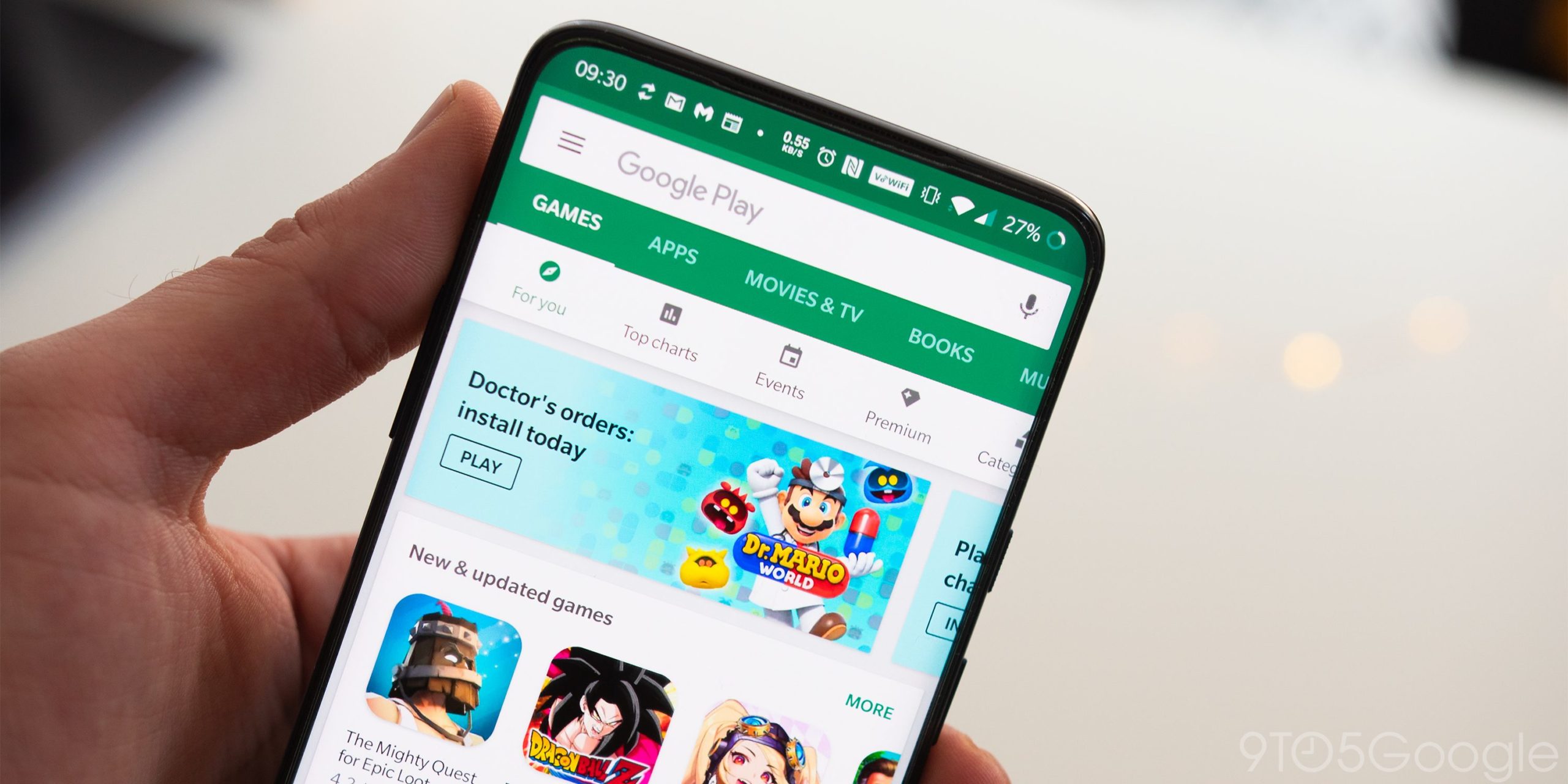
New useful features to hit the Google Play store app soon
Two new features are headed to Google’s Play store app on Android and they are aiming at improving the user experience in different but notable ways. We’re to see a brand new download progress indicator and the option to archive apps.
Currently, if you want to check how much longer you’ll have to wait before that new app gets installed, you’ll have to bring down the quick settings menu. The download progress will be displayed just underneath it, along with your notifications.
While that is great, it is somewhat limiting, as you don’t have a persistent indicator. Having one always-on screen – or the option to enable it – might help out people with limited connection speeds, who need to wait until one download is done before starting another.
Hence, the new download bubble is the upcoming solution. Reportedly, it will hang around on your screen and showcase your download’s progress, allowing you to browse the store or do something else until the installation is done.
If you are one of those folks who aren’t interested in such a feature: don’t worry! If you don’t want to see it, you can never enable it. And if you do, it allows you to move it or dismiss it, so even if you turn it on, you can always quickly send it away.
Great? Great! What’s better? Having options. Another new feature is expected, namely the ability to Archive apps, instead of outright uninstalling them. This one was also officially announced, so it’s not as much of a surprise.
Archiving basically allows you to delete an app, but keep the personal data associated with it. Personal data typically contains your settings, login information, and, for gamers – save data.
This option is meant to help out users with phones with smaller storage capacities. So, if you ever find yourself in a situation where you are running low on space, you could always Archive an app, without having to worry about losing any progress or settings.
At any point, after you’ve Archived an app, you could visit its page on Google Play and hit the Restore button, which at that point would’ve replaced Install. Whenever you do that, the app will download its missing files, allowing you to use it again fully.
Well, given that we’ve got this info thanks to an App teardown, that would mean that these functions are already in there in some capacity. Though that doesn’t mean that they are ready for release, it means that they are being actively tested.
As such, we can expect these features to become available soon to the public. If you happen to notice that you’ve got an update for the Play store pending, you should make a mental note to check for these in your app settings.
-

Long-running major vulnerability left millions of Android handsets wide open to data theft
According to a tweet from Google’s Łukasz Siewierski , hackers and “malicious insiders” have been able to leak the platform signing keys used by several Android manufacturers to sign system apps used on Android devices. These signing keys guarantee that the apps and even the Android operating system version running on your phone are legitimate.Baked into Android is a system that trusts apps signed by the same key used to authenticate the operating system. So you can see what the problem is here. A bad actor controlling these keys could have Android “trust” malware-laden apps on the system level. That is like giving a thief the keys to your home and car with your approval. Any data on vulnerable devices could be at risk. And some of these keys are used to sign regular apps installed from the Play Store or sideloaded from other Android app storefronts.Rahman tweets that the leaked signing keys cannot be used to install compromised over-the-air updates. And he adds that the Play Store Protect system could flag apps signed by the leaked keys as potentially harmful.While all of the sources of the leaked keys have yet to be identified, the companies that have been named include the following:Google says that the vulnerability was reported to it in May of this year and that the companies involved have “taken remediation measures to minimize the user impact.” Not exactly the “all clear” sign, especially in light of the news that APK Mirror has very recently come across some of the vulnerable signing keys in Android apps from Samsung.Google, in a statement, says that Android users were protected through the Google Play Store Protect feature, and through actions taken by manufacturers. Google stated that this exploit did not impact any apps downloaded from the Play Store.
A Google spokesperson said, “OEM partners promptly implemented mitigation measures as soon as we reported the key compromise. End users will be protected by user mitigations implemented by OEM partners. Google has implemented broad detections for the malware in Build Test Suite, which scans system images. Google Play Protect also detects the malware. There is no indication that this malware is or was on the Google Play Store. As always, we advise users to ensure they are running the latest version of Android.”Google is recommending that the companies involved swap the signing keys currently being used and to stop using the ones that leaked. It also suggests that each firm initiate an investigation to understand how the keys were leaked. Hopefully, this would prevent something like this from happening again in the future. Google is also recommending that companies use singing keys for the minimum number of apps to reduce the number of potential leaks in the future.So what can you do as the owner of a possibly affected Android phone? Make sure that your handset is running the latest version of Android and install all security updates as soon as they arrive. Who cares if these updates don’t bring exciting new features as their job is to make sure that your device doesn’t get compromised. And Android users should refrain from sideloading apps. That is when you install an app sourced from a third-party app storefront.The scary thing is that this vulnerability apparently has been around for years. Samsung even brings this up in its statement made which says, “Samsung takes the security of Galaxy devices seriously. We have issued security patches since 2016 upon being made aware of the issue, and there have been no known security incidents regarding this potential vulnerability. We always recommend that users keep their devices up-to-date with the latest software updates.”
-

Google changes some chimes for its RCS powered Messages app for Android
Google has been spiffing up its Messages app for Android. Last month, it revealed a new icon for the app, and now there are new chimes for sent and received messages. You can change the sound that plays when you get an incoming message. Go to Settings > Sound & vibration > Default notification sound. Tap on the top box, and you’ll see a list of sounds you can pick as the one you will hear to alert you of an incoming message. Be sure to hit “save” on the screen’s upper right after making your selection.But even though you can choose the sound that will play to herald an incoming message, the Messages app determines the sound that will play for incoming and outgoing messages when a thread is open. After going through testing for several weeks, Google has replaced the old incoming, and outgoing messages chime with shorter and softer sounds.Other changes on the way include the ability of the Rich Communication Service (RCS) platform found in Google Messages to allow users to react using any emoji they want to use rather than choose from the limited number include the ability of the Rich Communication Service (RCS) platforms found in Google Messages to allow users to react using any emoji they want to use rather than choose from the limited number of sevenA sent message will show a small circle with a checkmark inside while a delivered message will show two circles each with a checkmark inside. A message that has been read will still have the two circles with the checkmarks, but the inside of the circle will be colored in. This smells like a server-side update that will require Google to flip the switch on its end to disseminate the update; there is nothing that you can do about it on your end to make it arrive faster.Hey! We should also point out that if you have an Android phone and you want the features of RCS which including the ability to send longer messages, higher quality video and images, get read receipts, typing indicators, and use emoji reactions, you need to dump the carrier-based Messages app you’re currently using (like Verizon Messages for example) and download Google Messages found in the Play Store. -

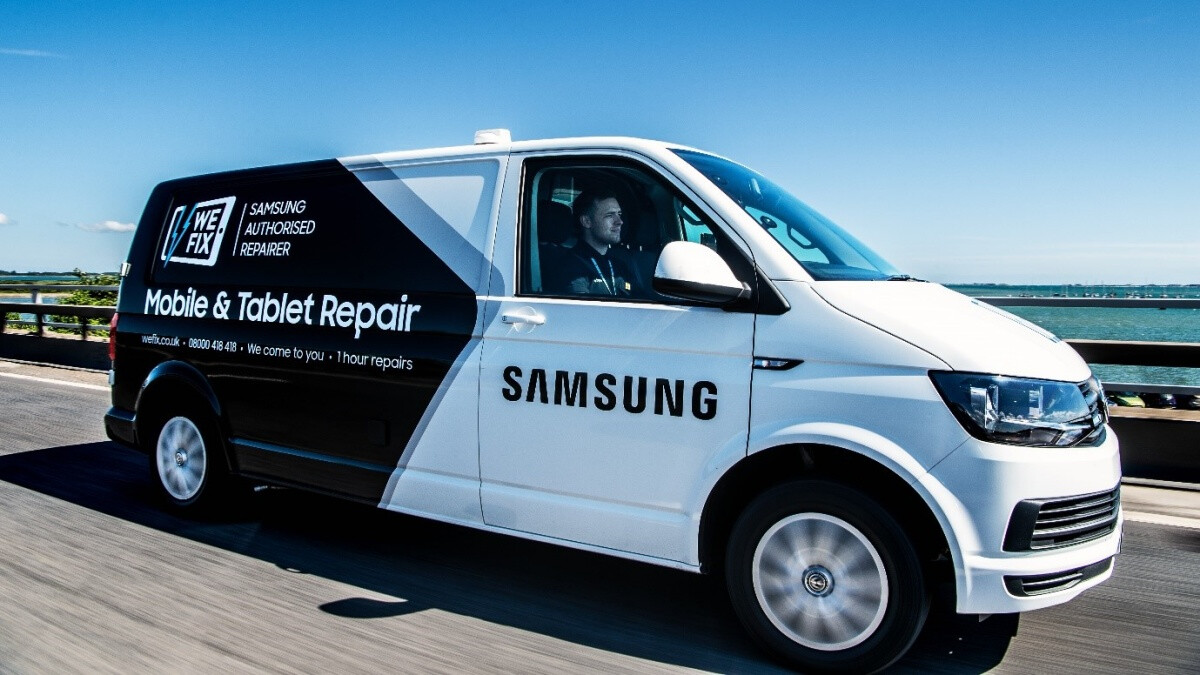
Samsung might be expanding its self-service repair program to include more devices
The topic of self-repair is, thankfully, an increasingly developing one. Tech manufacturers are starting to open up more and more to it thanks to the push enthusiasts, governments, and eco-activists are constantly engaging in.
As one of the most successful and large contributors to the mobile tech scene, Samsung has its self-service repair program, which it announced back in March this year. Given its relatively recent start, however, the program does not include that many devices yet, and the tech giant has plenty of space to expand this initiative.
Currently, the supported products are the Galaxy S20, Galaxy S21, and Galaxy Tab S7+. Yes, only these three are among the massively colorful gamut of gadgets Samsung has in its arsenal. However, a recently patented trademark filing revealed a potential expansion of this list to include other types of Samsung tech such as earbuds and wearables.
Samsung has a patent application with the United States Patent and Trademark Office (USPTO) dubbed “Self Repair Assistant,” which is the name of an upcoming computer app that would assist users of Samsung devices to self-repair their devices, maintain them, and help with self-installation. The patent says that the app will offer guidance, information, and easy access to replacement parts for the supported devices.
Currently, Samsung has a partnership with iFixit, which takes care of all of these services. However, this patent implies that this partnership might soon end if Samsung goes along with the launch of the Self-Repair Assistant.
Suffice to say, this is some great news for passionate DYI enthusiasts who like to take care of and repair their own devices. That being said, nothing is certain until Samsung makes an official announcement or statement about this app and service, so don’t get your hopes up just yet. Given that this is becoming a hotter topic by the minute, though, there are good grounds for speculation that we will see a launch in the future.
-

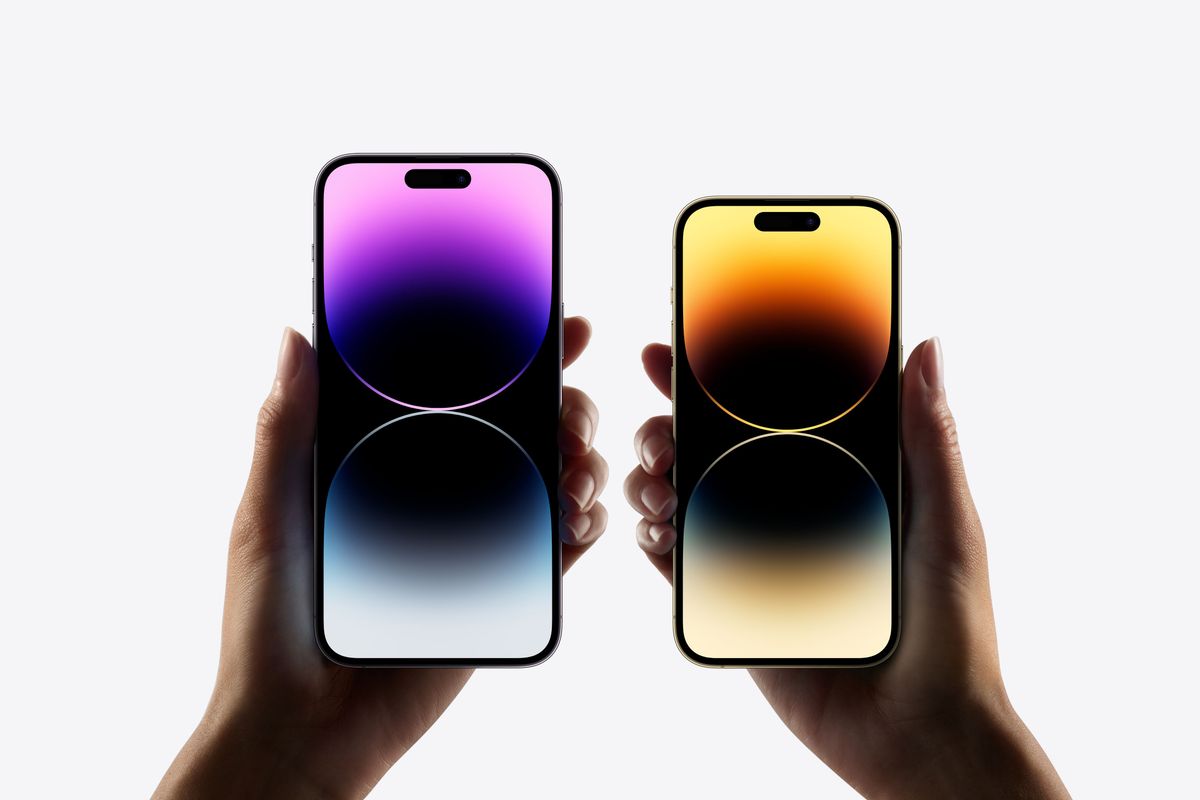
Top analyst sees demand for iPhone 14 Pro and iPhone 14 Pro Max disappearing
Just the other day Bloomberg released a report indicating that the COVID crackdown and resulting chaos in Zhengzhou, China would result in a shortage of 6 million iPhone 14 Pro and iPhone 14 Pro Max units. The Foxconn factory in the city saw an exodus of workers starting a few weeks ago when China imposed rules designed to prevent the resurgent COVID virus from spreading throughout the country.As a result, workers were forced to stay on Foxconn’s Zhengzhou campus and eat meals in their dorm. Soon, the company realized it had a shortage of workers to man the iPhone 14 Pro series assembly lines right before the holiday shopping season began. Eventually, a promise to pay new workers bonuses to stay 30 days and 60 days helped Foxconn attract more workers.But last week, violence broke out at the facility when workers accused Foxconn of doing a “bait and switch” with their contracts and this resulted in 20,000 workers getting paid off by Foxconn to quit and leave the factory. This was done to stop the clashes between workers and security guards at the plant. Now, according to Medium, TF International’s reliable Apple analyst Ming-Chi Kuo has released his estimate of how much Apple will be impacted by the problems Foxconn has experienced at its largest iPhone assembly plant.Kuo posted a tweet in which he expects Apple to ship 15 million to 20 million fewer iPhone 14 Pro and iPhone 14 Pro Max units than expected. That would result in shipments this quarter of 70 million-75 million units of the two pricier 2022 iPhone models, 20% less than the 80 million-85 million units expected by Wall Street analysts.
The reason for the shortfall is easy to explain as Kuo states that the capacity utilization rate of the Zhengzhou iPhone plant was roughly 20% in November. Next month he sees that rate rising to 30%–40%. The analyst says that two of Apple’s other contract manufacturers, Pegatron and Luxshare ICT, have been given the task of assembling 10% of the iPhone 14 Pro and iPhone 14 Pro Max orders that Foxconn would normally have produced, but those units won’t be shipped until late December.But Kuo has a bone-chilling forecast that might worry Apple executives including CEO Tim Cook. Kuo says that he sees demand for the iPhone 14 Pro series disappearing! While we are in the midst of an economic recession (according to Kuo), consumers unable to buy an iPhone 14 Pro series model because of the production shortages are more apt to simply forget about making the purchase altogether rather than putting it off until a future date.Whether these consumers will turn to the cheaper iPhone 14 Plus, or give Android a try (via the Pixel 7 Pro or the Galaxy S22 Ultra) isn’t part of Kuo’s forecast. But it is something that might keep Cook up at night.
Kuo also notes that iPhone 14 Pro series component suppliers have not been told to cut back on production. As a result, the analyst sees quarter-over-quarter and half-over-half declines in component shipments to Apple for the calendar first quarter and calendar first half of 2023. But Apple might be able to make lemonade out of this mess yet. Kuo says that Foxconn’s role as the exclusive supplier of iPhone 15 Pro and iPhone 15 Ultra models to Apple is in jeopardy.That is actually good news for Apple if it can quickly find a replacement that can assemble such a large number of handsets. The company has been looking to diversify its iPhone production out of China to reduce the risk of production shortages. The problem is finding a facility with enough low-cost experienced workers who can do the job and is served by an able supply chain that can build components in the quantity and quality that Apple needs.Possibilities include expanding current iPhone production in India or moving production to Mexico or Vietnam.
-

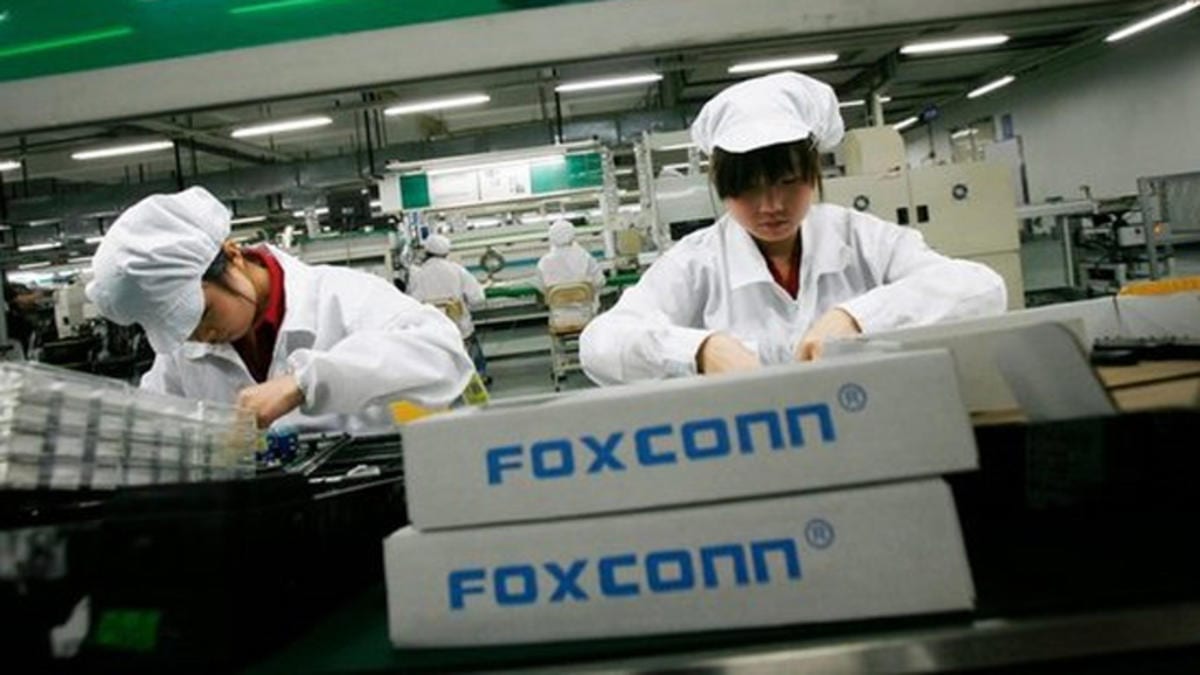
Foxconn chaos to leave Apple short 6 million iPhone 14 Pro and Pro Max units this year
We’ve closely monitored the events at Foxconn’s largest iPhone assembly facility in Zhangzhou, China. The factory reportedly produces half of the iPhone units made worldwide, and this year the plant is turning out iPhone 14 Pro and iPhone 14 Pro Max models. But production has slowed thanks to the exodus of workers who weren’t enamored with China’s COVID lockdown in the city.COVID has returned to China, forcing the country to lockdown certain areas. As a result, Foxconn now bans the consumption of meals in the communal dining room, forcing everyone to eat in their dorm. Workers also felt closed in, forced to stay on campus 24/7. After a large number of workers escaped, even Apple had to admit that the production of its pricier iPhone 14 Pro models this quarter would be less than expected. Apple did not specifically give an estimate of how many units it will be short but it did say, “customers will experience longer wait times to receive their new products.” Some reports called for as much as a 33% shortfall.Foxconn tried to entice new and former workers to man the assembly lines by offering bonuses for employees who stay for 30 and 60 days, and the Chinese government asked veterans and Communist party members to recruit new employees for Foxconn. And all of these things, the bonuses and the pressure from the government might have worked until last Tuesday night. That’s when a major clash between workers and security guards at the Foxconn grounds in Zhengzhou occurred.Workers said that the contracts they were offered would have paid them bonuses only after more than 60 days had gone by, and the employees also said that they weren’t being separated far enough away from older workers who might have COVID. In an attempt to quell the violence, Foxconn offered new employees cash to quit their jobs and leave the Foxconn campus. The company later said that a “technical error” was made relating to the bonuses and it apologized. Supposedly, 20,000 workers took the offer.
Today, a new report from Bloomberg gives us a better idea about how Apple will be impacted by the chaos we’ve seen in Zhengzhou. The report indicates that Apple will be short nearly 6 million iPhone 14 Pro units this year. And make no mistake about it, the iPhone 14 Pro and iPhone 14 Pro Max are the more expensive 2022 iPhone models. Apple could take a $6 billion revenue hit during the current quarter. That would be 8.4% of the $71.6 billion in iPhone revenue generated during the fiscal first quarter of 2022 (October-December 2021).Considering that this shortfall would occur during the holiday shopping season, consumers worldwide could end up frustrated in their attempt to purchase one of the 14 Pro models as a holiday gift. Two weeks ago, even before the issues in Zhengzhou reached a fever pitch, UBS analyst David Vogt said that wait times for the iPhone 14 Pro and iPhone 14 Pro Max in the U.S. and China had hit “extreme levels.” In the U.S., the wait time was 34 days for these models while in China the wait was up to 36 days.
Vogt pointed out that 35% to 40% of Apple’s calendar fourth quarter iPhone production is assembled during December which could lead to shortages during the fourth quarter of this year and extending into the first quarter of 2023. The analyst expects Apple to ship 83 million iPhone units during the fiscal first quarter of 2023 which already takes into account “recent disruptions.”However, Vogt made this comment before the violence broke out at the factory and before Foxconn paid 20,000 workers to leave the facility. If he does have a new updated figure, we will update this story. -

Vulnerability not yet fixed leaves millions of Android phones at risk
According to Google’s Project Zero team of security analysts, millions of Android handsets are vulnerable to an unpatched vulnerability known as CVE-2022-33917. CVE stands for Common Vulnerabilities and Exposures , and each CVE number refers to a specific flaw. The aforementioned CVE is a vulnerability that affects Android devices that are equipped with ARM’s Mali GPU. That means that Google Pixel and Samsung Galaxy handsets are affected along with Android smartphones made by many other manufacturers.Until the patch is disseminated, attackers can potentially exploit the flaw. Google says that this would allow attackers to “continue to read and write physical pages after they had been returned to the system.” Furthermore, the company adds that “by forcing the kernel to reuse these pages as page tables, an attacker with native code execution in an app context could gain full access to the system, bypassing Android’s permissions model and allowing broad access to user data.”Project Zero notes that it told ARM about the vulnerabilities and ARM “promptly” fixed the issues in July and August of this year. ARM assigned the CVE-2022-33917 number to the flaw. But Google later found “that all of our test devices which used Mali are still vulnerable to these issues. CVE-2022-36449 is not mentioned in any downstream security bulletins.” In other words, devices made by Google’s own Pixel team, Samsung, Oppo, and Xiaomi were never patched and still have this exploitable vulnerability.Keep in mind that the phones at risk sport a Mali GPU which eliminates devices powered by a Snapdragon chipset. However, handsets using Google Tensor, Exynos, or MediaTek chips need to be patched. The good news is that Google is testing a patch that is expected to be pushed out “in the coming weeks.” Phone manufacturers building Android devices will also need to include it.Google’s statement reads, “The fix provided by Arm is currently undergoing testing for Android and Pixel devices and will be delivered in the coming weeks. Android OEM partners will be required to take the patch to comply with future SPL requirements.”And Google also has words of wisdom for Android vendors trying to prevent a similar incident from popping up in the future. The company makes it clear that vendors have a responsibility to patch their software flaws just like Android users must download security updates as soon as they are received.“Just as users are recommended to patch as quickly as they can once a release containing security updates is available, so the same applies to vendors and companies. Minimizing the “patch gap” as a vendor in these scenarios is arguably more important, as end users (or other vendors downstream) are blocking on this action before they can receive the security benefits of the patch,” Google wrote.
The search giant added that “Companies need to remain vigilant, follow upstream sources closely, and do their best to provide complete patches to users as soon as possible.”
Google has not said that the vulnerability has been exploited by any attackers but for the time being it remains a flaw that can be used to steal the personal data on certain Android phones. When the update does arrive-and Google has said that it will be coming soon-if you have an Android phone at risk, install the update immediately. You can quickly determine if you device is vulnerable by looking at the specs for your phone on PhoneArena and checking to see the manufacturer of the GPU on the device.If it shows that you have an ARM Mali graphics processing unit (GPU), your device is at risk. Keep checking in as we will update this story when the patch is disseminated.
-

Old iPhones back in vogue as new models remain beyond reach
With the iPhone 14 series expensive and difficult to obtain, many Vietnamese consumers are turning to used models.
Huy Quoc of Hanoi has been looking to buy a phone with about VND20 million ($800) in hand. Originally, he planned to buy an iPhone 14 or an iPhone 14 Pro Max via instalment payments. Retail prices of iPhone 14 Pro and Pro Max are in the VND28.9-32.5 million ($1,165-1,310) range.
However, after a few weeks of deliberation, he decided to buy a used 13 Pro Max in mid-November. Quoc said the “99%” (almost new) iPhone 13 Pro Max 256 GB cost him VND 20.5 million.
He felt the price and six-month warranty provided by the store made his purchase a reasonable choice given his current budget and needs.
“Even though it’s not the latest product, this is still a phone model with a more advanced configuration and design than the regular iPhone 14, with more stock, no waiting and not as costly as the 14 Pro Max,” he said.
Many people seem to have adopted Quoc’s approach. Several retailers in Vietnam say that the number of people looking to buy used iPhones has increased significantly in November.
The most bought used models are the Pro series of iPhone 12 and 13, and the regular and Pro Max versions of iPhones 11.
The CellphoneS chain said that sales of second-hand iPhones in October and November increased by 40% compared to the previous months.
“The iPhone 13 Pro Max is the most popular item among consumers, accounting for 40-45% of old iPhone sales,” said Nguyen Lac Huy, the company’s representative.
At the HnamMobile chain, the iPhone 11 Pro Max model launched three years ago and currently priced at VND11 million continues to be the most popular old model, accounting for nearly 40% of second-hand phone sales, followed by 12 Pro / Pro Max, 13 Pro / Pro Max, each with 20%.
According to Xa Que Nguyen, CEO of HnamMobile, pre-owned iPhones are now quite large in number and vary in models.
“In the context of the genuine iPhone 14 being in short supply and of high price, older models, especially the Pro and Pro Max versions, are becoming the go-to option for many domestic users,” Nguyen said.
According to store representatives, after sales of the iPhone 14 began mid-October, many people bought new models, indirectly creating a supply of used iPhones in the market.
The new 128 GB VN/A iPhone 13 Pro Max is currently selling for about VND27 million, while an old one can be bought for VND20-21 million. The old iPhone 11 costs VND7-8 million, VND3 million lower than the new one. The iPhone 11/12 Pro Max can only be purchased as used devices.
-

US tech giant Hewlett Packard plans up to 6,000 job cuts
PC-maker Hewlett Packard on Tuesday said it would layoff as many as 6,000 employees over the next three years as the slumping world economy continues to embroil the US tech sector.
HP, which has a payroll of about 61,000 people, said it aimed to secure $1.4 billion in annual savings through 2025 as it followed the cost-cutting path of other tech giants such as Facebook-owner Meta, Amazon and Twitter.
The plan “will enable us to serve our customers better and drive long-term value creation by reducing our costs and reinvesting in key growth initiatives to position our business for the future,” HP CEO Enrique Lores said in a statement.
Meta said earlier this month it will lay off more than 11,000 of its staff and Twitter saw half of its 7,500-strong employees culled just days after billionaire Elon Musk took over the company in late October.
“These are the toughest decisions we have to make, because they impact colleagues we care deeply about. We are committed to treating people with care and respect…” an HP spokesperson said in an email to AFP.
HP, which makes computer hardware and printers, announced the layoff plan as it announced an 11.2 percent fall in revenues to $14.8 billion for the final fiscal quarter of 2022.
-

TV sales boom a week before football World Cup
Television sales have soared in the last two days as the football World Cup 2022 began unlike previous events when demand would skyrocket a month before kickoff.
Hoang Thinh, 32, who was leaving an electronics store on Nguyen Trai Street, Hanoi, on November 22, said he had just bought a 65-inch TV to watch the World Cup.
“I first considered buying a new one because of doing a lot of things at the end of the year and having limited financial capacity,” he said.
Early figures from some supermarkets and electronics stores show a boom in TV sales in the last few days.
Le Quang Vu, general director of electronics supermarket chain MediaMart, said TV sales have increased by nearly 60% from last week, especially on the opening day of the World Cup.
“With the 2018 World Cup, we saw sales surge a month before the opening ceremony, especially a week before the event began. However, this year is different.”
Nguyen Lac Huy of CellphoneS said TV sales last weekend were nearly 70% higher than at the beginning of November.
Besides, consumers’ demands have also changed, he said.
The most popular this year are 55-65-inch TVs while 40-50 was best-selling four years ago, he said.
The 65-inch segment with prices of VND13-15 million is the bestseller at most places. “TV sales for this World Cup are not equal to 2018, but the revenues are slightly better,” Vu said.
The owner of an electronics store in District 1, Ho Chi Minh City, said the reason why many people bought TVs late had to do with promotion programs. “Only last week some brands ran a program for the World Cup. They offered a 20% discount and many gifts.”
Many customers also opted for large TVs of up to 70 inches, which were considered oversized in the past.
Brands such as Samsung, LG, Coex, and Xiaomi reported strong growth in sales.
Projector sales have also soared. MediaMart reported growth of about 20% with Epson, Sony and Panasonic being the top sellers.
Cellphones reported that sales of projectors, mainly Samsung and Xiaomi, have tripled over normal days.
Prices in the most popular segment are VND8-15 million ($320-$600).
-

Samsung dominates global Android market this month
Worldwide, most people have an Android phone in their hands. According to Statcounter, Android has a 71.3% global share of the smartphone pie this month compared to 71.1% for the same month a year ago. And while more than one billion Android phones were shipped last year, there are a total of 2.8 billion active Android users. Based on a report from SportsLens.com, 7.4% of those handsets are Samsung Galaxy models.It probably doesn’t come as a surprise that the Galaxy brand is the world’s most popular line of Android phones. After all, Samsung ships the largest number of smartphones each and every year. Samsung’s Android market dominance was probably one reason why LG dropped out of the business. What about HTC? Let’s say that its problems were from choices that the company made itself along with Samsung’s popularity.AppBrain data shows Samsung is responsible for a 34.6% market share of the global Android market this month. Behind the South Korean manufacturer is Xiaomi with a respectable 14.3% followed by Oppo’s 10.3% share. Vivo (9.8%) and Huawei (6.7%) round out the top five. As recently as 2019, Huawei was the second largest smartphone company in the world with a 17.6% share of the global market trailing only Samsung’s 21.8%.But in both 2019 and 2020, the U.S. made life difficult for the company by blocking it from obtaining supplies from its U.S. supply chain and preventing the company from obtaining chips produced by foundries using American technology. The company ended up selling off its Honor sub-unit, developing its own HarmonyOS to replace the Google Mobile Services version of Android, and is using Snapdragon 8+ Gen 1 chips designed to work with 4G LTE only.
So what is the most popular Android device worldwide for the first half of the current month? That would be the mid-range Samsung Galaxy A12 with a 2.1% slice of the Android pie so far this month. The Samsung A21s follow that model with a 1% share, and the Galaxy A10s also with a 1% share. These phones all are part of the mid-range Galaxy A line which includes large screens, viable cameras, and large batteries.For example, the Galaxy A12 features a 6.5-inch LCD display with an HD+ resolution of 720 x 1600. It is powered by the 12nm MediaTek Helio P35 and includes 4GB of memory with 64GB of storage (48.2GB available to the user). There is a 1TB capacity microSD slot for additional storage and on the back is a quad-camera setup consisting of a primary 48MP snapper (f/2.0), a 5MP ultra-wide camera, a 2MP Macro camera for close-ups, and a 2MP depth sensor. There is an 8MP front-facing camera for selfies and video chats.And it is not surprising, considering it’s a Galaxy A device, that the Galaxy A12 sports a 5000mAh battery that charges up to 15W. Considering that the display is HD+, the battery life on this device should be tremendous.Samsung is the leader when it comes to the foldable phone market. Last year, the Galaxy Z Flip 3 was the most popular handset in this category. Earlier this year, the company released the Galaxy Z Fold 4 (which opens to reveal a 7.6-inch tablet-sized display), and the Galaxy Z Flip 4 (a clamshell that flips open to produce a 6.7-inch display).It should be noted that while worldwide Android’s market share is about 71%, in countries such as Brazil, India, Indonesia, Turkey, and Vietnam, Android enjoys 85% of the market. As for iOS, its global market share is around 28% leaving it flat on an annual basis. But the longer-term trend seems to favor Apple. Over the last five years, Android’s share of the global market slipped by 1.8 percentage points while iOS has seen an improvement of 8 percentage points over the same time span. -

New supplies quench iPhone thirst in Vietnam
Apple has shipped more iPhone 14 Pro and iPhone 14 Pro Max phones to Vietnam, easing a supply shortage that has lasted a month or so. Local distributors said they received iPhone 14 shipments in the middle of the week, the latest model many Vietnamese consumers were waiting for.
Phung Phuong, representative of Mobile Vietnam said the latest shipment was enough to deliver to customers who had pre-ordered the phone, more than a month after its release.
The next batch of the iPhone 14 models is expected to be delivered to Vietnam early January 2023, the peak shopping season because of the Tet (Lunar New Year) holiday.
Nguyen The Kha, Director of Mobile Telecommunications Division of FPT Shop system, said it would be difficult to predict the price of new shipments amidst constant fluctuations in foreign exchange rates and the supply chain.
Retail prices of iPhone 14 Pro and Pro Max are in the VND28.9-32.5 million ($1,165-1,310) range. Retailers said sales of the two models account for 90% of total iPhone 14 sales.
On November 7, Apple had announced on its website that though there was strong demand for iPhone 14 Pro and iPhone 14 Pro Max models, their shipments would be lower than anticipated. It said customers would experience longer wait times to receive their new products.
According to the U.S. tech giant, Covid-19 restrictions had temporarily impacted its primary phone assembly facility in the Chinese city of Zhengzhou, causing the supply shortage.