Category: Electronics

Retail News Asia is committed to providing both local and global retailers with the latest Electronics news throughout the Asian market. This on a daily base.

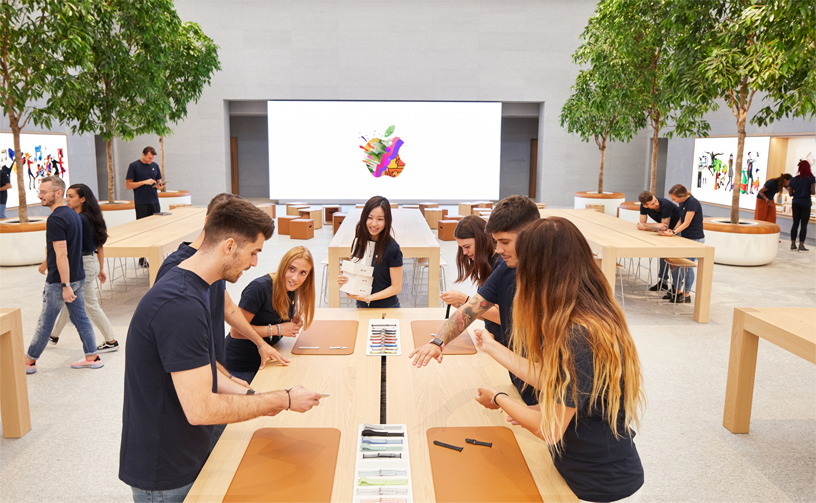
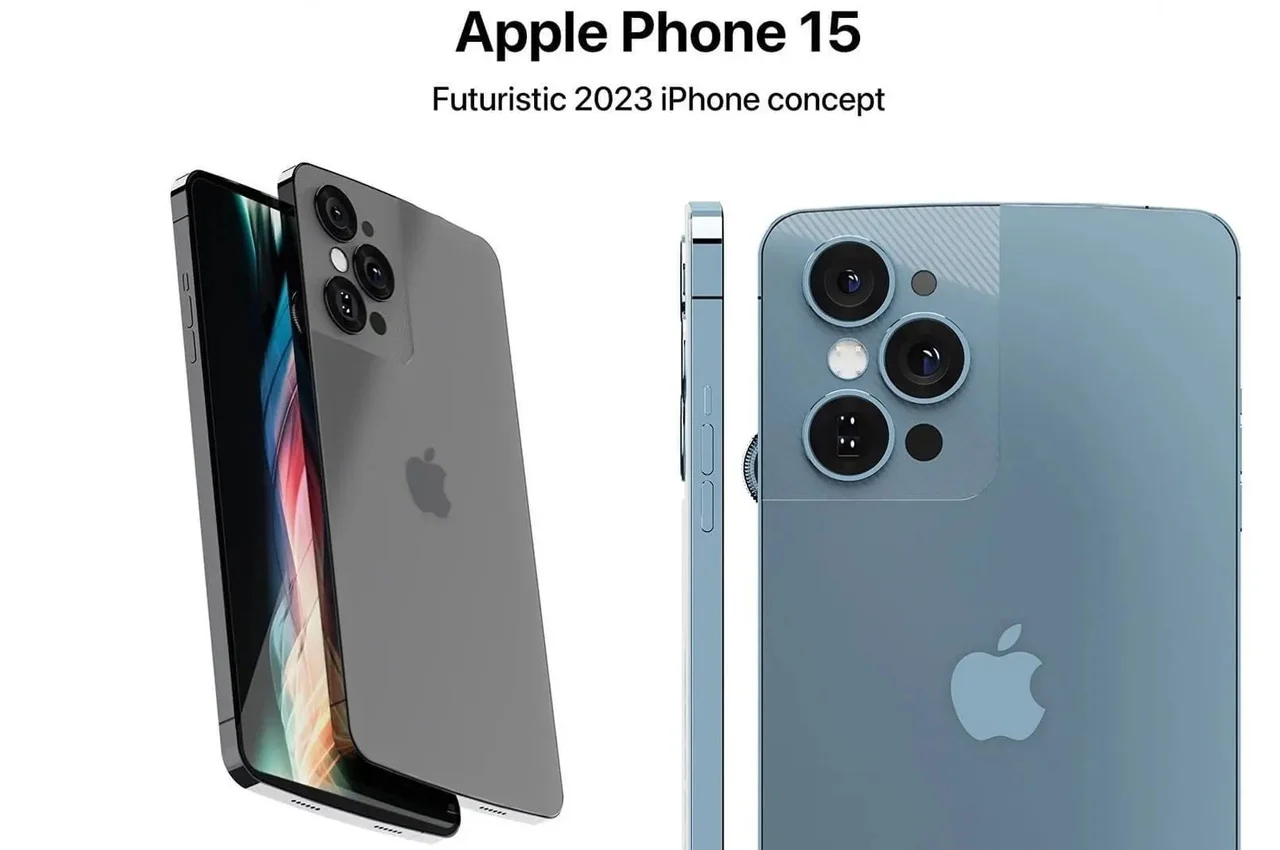
  • Apple has started preparing a UK store for the iPhone 15 launch

    Apple has started preparing a UK store for the iPhone 15 launch

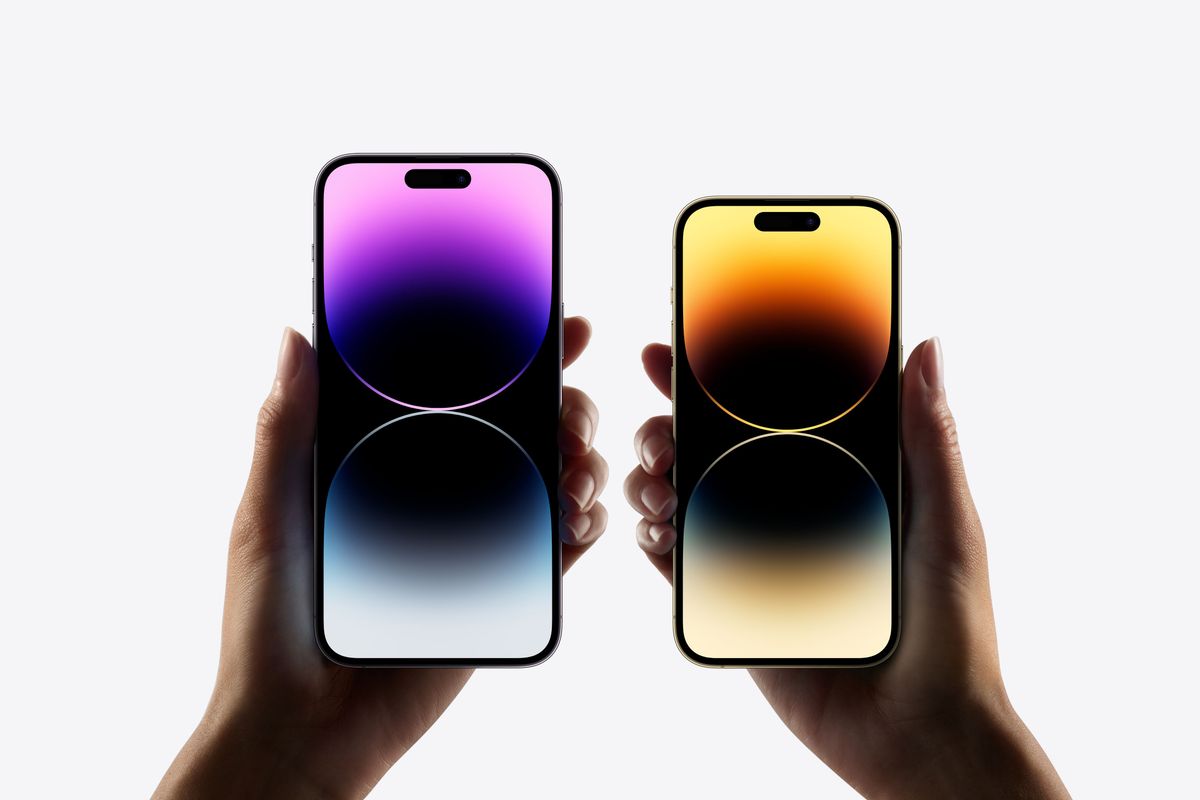
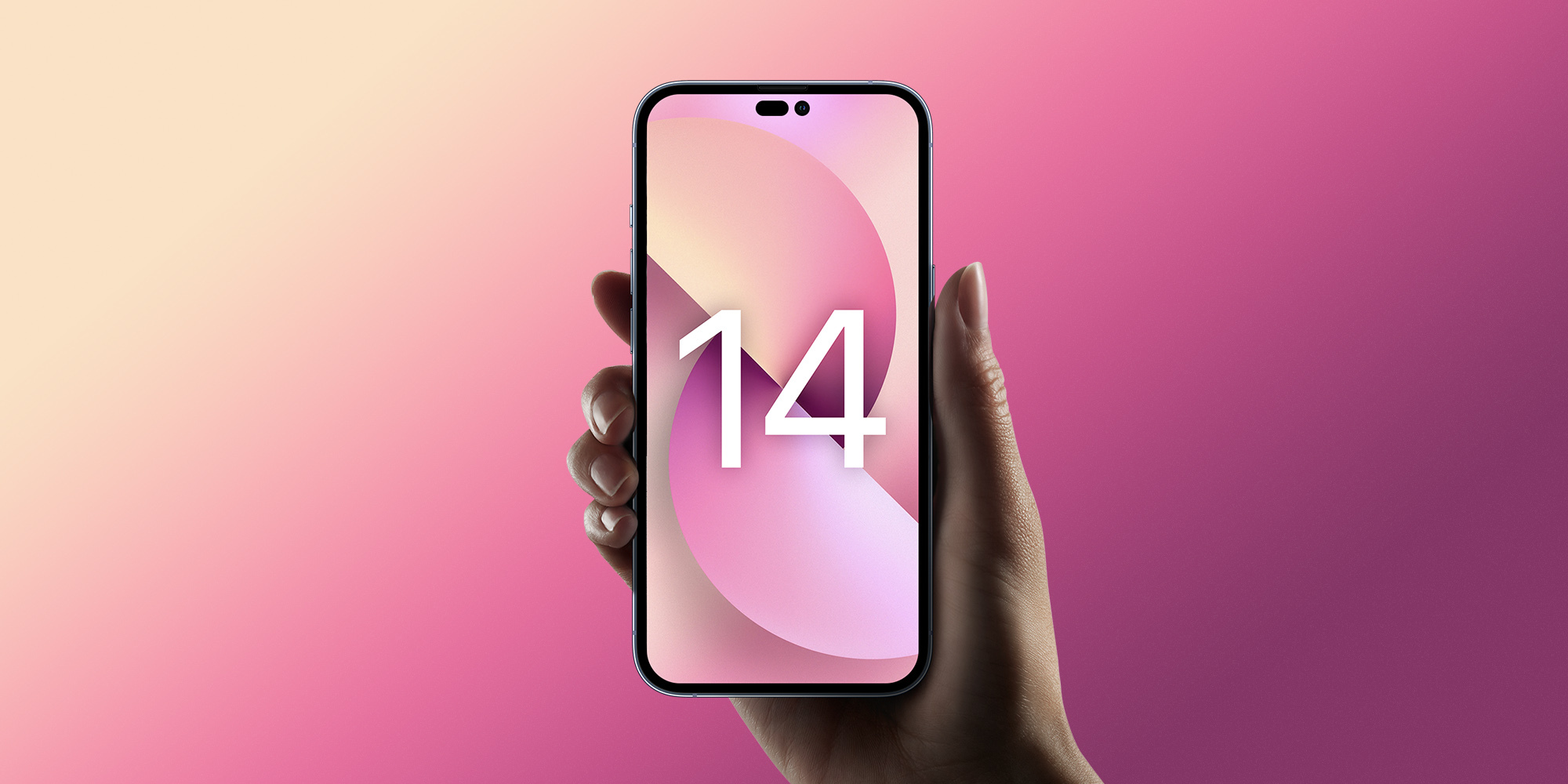
    The iPhone 14 lineup is finally here, but, unfortunately, this year’s iPhones are just a slight upgrade from the previous generation — especially the regular iPhone 14 and the iPhone 14 Plus. So, if you have decided to skip this one and wait for the iPhone 15 to come out, you might want to know when you could expect Apple to release the next iPhones.

    Sadly, we can’t tell you an exact date, but a new report suggests that the release date of the new iPhones might be sometime between September 15th, 2023, and October 7th, 2023.

    Employees from the UK Apple store in Milton Keynes have received a memo coming from “above the store” telling them that they won’t be able to take a leave between September 15th, 2023, and October 7th, 2023, and December 2nd, 2023, and the start of January 2024. The reason is that Apple wants to be better prepared for next year’s “high velocity moments.”

    In most cases, Apple forbids taking time off before the launch of new devices as well as during the holiday season, and it usually tells its employees about its decision via an internal communication app shortly before it goes into effect.

    Although we can’t confirm how widespread Apple’s new instruction is, the fact that it comes from above the store suggests it might affect other Apple shops as well. Also, it doesn’t look like Apple has chosen these dates randomly. Most likely, the tech giant is preparing early for its next iPhone launch event. Furthermore, iPhones traditionally release in September, so it’s very probably Apple might also launch its next iPhone in this period as well.

    Of course, we can only speculate at this point. The iPhone 15 is still a whole year away, and a lot can change in a year.

  • Vietnam websites overloaded with iPhone 14 orders

    Vietnam websites overloaded with iPhone 14 orders

    Platforms were overloaded with iPhone 14 pre-orders as the sales launch of the latest Apple smartphone model attracted tens of thousands of customers. Bao Tran in Ho Chi Minh City stayed up until 0:00 a.m. Friday to pre-order a purple iPhone 14 but the website she was on was frozen.

    She switched to another seller and its platform ceased to operate at the payment step. Tran then tried a third store but all the purple models were out and she had to select the gold option.

    Several platforms confirmed that they have recorded a surge in pre-orders. As of 10 a.m. Friday, FPT Shop recorded over 93,000 pre-orders and 15,500 of them had put down a deposit.

    This is a record high number of pre-orders for the electronic retailers. It tripled the number of pre-orders for iPhone 13. FPT Shop expects iPhone 14 sales to rise 200% from the previous model. Another distributor of Apple products, ShopDunk, recorded 1,500 pre-orders in the first 30 minutes, a six-time surge compared to iPhone 13.

    This means there was a pre-order for almost every second in the first half-hour of launching, said Pham Tuan Anh, a media representative for the company.

    “There will likely be a shortage for iPhone 14 Pro and Pro Max versions in the first week of delivery in Vietnam.”

    Many other stores reported that the all iPhone 14 Pro Max for the first delivery have been pre-ordered.

    iPhone 14 and 14 Plus, however, are still available. CellphoneS, for example, recorded these models in only 5% of its total pre-orders.

    iPhone 14 is sold from VND24.9 million ($1,040) to VND49.9 million in Vietnam.

    The first official iPhone 14s are set to be delivered to Vietnamese users on October 14, and the second delivery October 24.

  • Apple adds 4 companies in Vietnam to supplier list

    Apple adds 4 companies in Vietnam to supplier list

    Apple has added four new suppliers in Vietnam for the 2021 financial year, bringing the total to 25 out of its 190 suppliers worldwide.

    The most popular Apple suppliers in Vietnam include Foxconn and Luxshare and subsidiaries of Samsung, Intel and LG.

    The only supplier it excluded from the list was Foster Electric with factories in Binh Duong and Da Nang.

    China remains the most significant manufacturing hub for Apple, accounting for half of all manufacturers.

    The biggest company in the world by market cap is said to be increasing its manufacturing activity in Vietnam, and is set to produce Apple Watch and Macbook in the country.

    Vietnam will make 65% of Apple wireless AirPods by 2025 as the U.S. tech giant continues to shift its production away from China, JP Morgan analysts have forecast.

  • Apple moved iPhone 14 production out of China in mere weeks

    Apple moved iPhone 14 production out of China in mere weeks

    Apple is trying to diversify its supply chain away from China on rolling pandemic lockdowns there, as well as geopolitical headwinds between US and China, on one hand, or China and Taiwan, on the other, as that’s where the headquarters of its main assembler Foxconn is located.

    Foxconn, however, has also built operations in India, in factories near Chennai, and Apple’s iPhone 14 production diversification effort there went so well, that it was able to start shipping phones made in India mere weeks after the Chinese output instead of the two months expected initially.

    According to Jeff Pu, an analyst with Haitong International Securities, “India is now an attractive location for manufacturing as it offers better labor cost structure while Apple is looking to reduce geopolitical risks,” while Aruna Sundararajan, a former government secretary there, adds that “all major companies are now looking at India as part of their ‘China-plus one’ or ‘China-plus two’ strategy.”

    When asked for a comment on the successful transition of part of the iPhone 14 production schedule from China to India, Apple simply commented that it is “excited to be manufacturing iPhone 14 in India,” somewhat confirming that the conveyor belt launch has been smooth and earlier than anticipated.

    Apple started its production plans in India slow, with lowly entry-level iPhones like the SE, assembled by Winstron, then moved up the ladder to handsets like the iPhone 13 in the newfangled Foxconn factories.
    It typically doesn’t start manufacturing there on the same year the iPhone models are released, but 2022 is apparently different as it is in a hurry to diversify production away from China.
    Coordinating hundreds of component and critical material suppliers, delivering assembly equipment, and training a competent workforce must have been a Herculean task. Tim Cook’s supply chain management knowledge and Foxconn’s production prowess must have coalesced to shine with an iPhone 14 Indian production mere weeks after Foxconn started assembling the new series in China.
  • Apple iPhone users sue Meta for allegedly stealing their personal data

    Apple iPhone users sue Meta for allegedly stealing their personal data

    When Apple started to allow iPhone users to opt-out of getting tracked by third-party apps with the App Tracking Transparency (ATT) feature last year, Facebook complained the loudest with CEO Mark Zuckerberg shelling out the big bucks it costs to run full-page ads in some big-time newspapers. And as it turned out, Zuckerberg knew exactly what was coming and as he figured, it was a disaster.
    According to the Electronic Frontier Foundation, in the year since the ATT rolled out, Facebook lost $10 billion in potential revenue. There is speculation that Facebook has come up with a way to help it generate the revenue it lost from Apple’s decision to roll out ATT. Just last month, we told you that Felix Krause, a former Google engineer, and a security researcher, alleged that Meta is tracking the keystrokes made by iOS users typing on Facebook’s in-app browser.
    Krause said that Facebook and its Instagram unit could use JavaScript to grab your credit card data, address, passwords, and more without your permission. Now comes word that two class action suits have been filed against Facebook parent Meta by three iOS users who are citing Krause’s allegations. The lawsuits were filed on behalf of all iOS users impacted and accuse Meta of committing several illegal actions, including:
    • The concealing of privacy risks.
    • Ignoring the privacy choices made by iOS users.
    • “Intercepting, monitoring, and recording all activity on third-party websites viewed in Facebook or Instagram’s browser.
    The plaintiffs claim that Meta used the data collected to collect “personally identifiable information, private health details, text entries, and other sensitive, confidential facts.” The users, whose information was allegedly stolen by Meta, had no idea that this was going on. The latest filing was made yesterday by California’s Gabriele Willis and Kerreisha Davis from Louisiana.
    Adam Polk, a lawyer, working for the law firm of Girard Sharp LLP, which is handling the case involving Willis and Davis, said it is important to stop Meta from continuing to hide their continued privacy invasions. The law firm also pointed out that in the past, Facebook (now Meta) had been fined $5 billion by the Federal Trade Commission (FTC).
    Polk said that “Merely using an app doesn’t give the app company license to look over your shoulder when you click on a link. This litigation seeks to hold Meta accountable for secretly monitoring people’s browsing activity through its in-app tracking even when they haven’t allowed Meta to do that.”
    The complaints related to the class action suit “revealed that Meta has been injecting code into third-party websites, a practice that allows Meta to track users and intercept data that would otherwise be unavailable to it.” Researcher Krause has determined that Meta uses code to override the wishes of Facebook users wanting to use their default browser forcing them to use Facebook’s in-app browser instead when using the app.
  • Samsung launches a duo of rugged devices in the US

    Samsung launches a duo of rugged devices in the US

    Samsung introduced two rugged devices a few months ago, the Galaxy XCover6 smartphone and the Galaxy Tab Active4 Pro tablet, but they were not available in the United States at launch. Today, the South Korean giant announced both devices are now available for purchase in the US.

    These products have their own niche target, which seems large enough to convince Samsung to continue expand its offering of rugged phones and tablets. Since we previously reported about the Galaxy XCover6 and Galaxy Tab Active4 Pro, here is a short recap in case you need a reminder.

    If you’re looking for a durable smartphone, the Galaxy XCover6 definitely delivers. It’s Samsung’s most advanced rugged phone, but don’t expect the same level of power as the company’s top-tier lineups. It’s safe to say that the Galaxy XCover6 is a standard mid-range phone in a very solid, durable body.

    Under the hood, the Galaxy XCover6 packs a 2.4GHz octa-core Qualcomm Snapdragon 778G 5G processor, paired with 6GB RAM and 128GB internal storage. It’s a fairly standard specs list for an above average mid-tier phone, so the Galaxy XCover6 might appeal to other types of customers too.

    The massive 6.6-inch PLS LCD display supports FHD+ resolution and features Corning Gorilla Glass Victus+, the latest type of panel protection in the industry. The latter should provide enough scratch and damage resistance to save your phone from being destroyed in some extreme cases.

    According to Samsung, the phone is MIL-STD-810H compliant to withstand extreme altitudes, temperatures, vibration and humidity. The Galaxy XCover6 can also withstand drops of up to 1.5m and is IP68 rated for dust and water resistance.

    Long gone are the days when every rugged phone looked like a brick. The Galaxy XCover6 isn’t the thinnest phone on the market, but it’s pretty sleep at just 9.9mm. However, this is a pretty heavy device, at least in comparison with Samsung’s flagships.

    The XCover6 weighs in at 235g, whereas the Galaxy S21 is much lighter at 167g. On the bright side, in case of extreme conditions, your Galaxy XCover6 is more prone to survive rather than the much more expensive Galaxy S21, so each has its strengths and weaknesses.
    When it comes to camera, let’s say the Galaxy XCover6 is pretty decent. The phone sports a dual camera setup (50MP+8MP) and a 13-megapixel selfie snapper. A 4,000 mAh keeps the lights up, which should provide enough juice for a few days of average usage.

    Moving on to the Galaxy Tab Active4 Pro, this feels like the tablet version of the Galaxy XCover6, at least on paper. Obviously, the tablet is going to have a larger display and battery, but much of the other specs will be the same.

    For starters, the tablet is powered by the same Qualcomm Snapdragon 778G 5G CPU and has the same memory configuration, 6GB RAM and 128GB storage. However, the Galaxy Tab Active4 Pro is also available in a cheaper 64GB version if you can’t afford the 128GB model.

    As far as the display goes, the Galaxy Tab Active4 Pro’s 10.1-inch TFT LCD display with FHD resolution is protected with Corning Gorilla Glass 5, a slightly weaker type of glass than the one protecting the Galaxy XCover6.

    On the back, the rugged tablet features a 13-megapixel main camera, while in the front there’s a secondary 8-megapixel sensor. The large 7,600 mAh battery benefits from 15W fast charging, but that’s about all we know so far about its capabilities.

    Samsung Galaxy Tab Active4 Pro shares the same rugged features as the Galaxy XCover6, including MIL-STD-810H compliance and IP68 rating. However, since the Galaxy Tab Active4 Pro features Corning Gorilla Glass 5 instead of Victus+, it can “only” withstand drops of up to 1m, or 1.2m when using the included protective cover.

    If you haven’t guessed yet based on the name of the chipset powering these rugged devices, then we can confirm that they support 5G. Also, they ship with Android 12 out of the box and can be purchased in the US through Samsung’s Business store, Amazon Business, and Samsung’s tier one and two IT channel partners.

    Pricing for the Samsung Galaxy Tab Active4 Pro begins at $649, while the Galaxy XCover6 Pro does not have a price yet, but we do know it will be available in the US on October 20, through select carrier.
  • Apple to raise App Store prices in some countries in Europe, Asia

    Apple to raise App Store prices in some countries in Europe, Asia

    Apple Inc said on Tuesday it will raise prices of apps and in-app purchases on its App Store from next month in all of the euro zone and some countries in Asia and South America.

    The new prices, excluding auto-renewable subscriptions, will be effective as early as Oct. 5, Apple said in a blog post.

    The U.S. tech giant periodically adjusts its prices in different regions and reduced prices for euro zone countries last year to adjust for currencies and taxes,dropping starting prices for many apps to 99 euro cents from 1.09 euros.

    The latest price rise increases those starting prices to 1.19 euros.

    A rapid rise in inflation, interest rates and energy prices this year has hammered the yen, the euro and most emerging economy currencies. The euro has dropped to two-decade lows this year and has been languishing around parity against the dollar for weeks.

    Apart from euro zone countries, the price increases will hit Sweden and Poland in Europe; Japan, Malaysia, Pakistan, South Korea and Vietnam in Asia; and Chile in South America.

    For some countries like Vietnam, the price increase was due to new regulations relating to collecting tax from consumers, Apple said.

    Apple, which launched its latest generation of iPhones earlier this month, has been developing its services business to reduce dependency on its mainstay smartphones.

    Revenue from Apple’s services business, which includes the App Store, has been growing at a rapid pace in the last few years and now hovers around $20 billion per quarter.

  • Qualcomm and Apple team up to allow iPhone 14 line to reach for the sky

    Qualcomm and Apple team up to allow iPhone 14 line to reach for the sky

    Perhaps not as exciting to the average consumer as the Dynamic Island appears to be, Apple added satellite connectivity to all four iPhone 14 models. The feature will allow users to send out emergency messages even when they are out of cellular or Wi-Fi range. While this writer is guilty of this too, perhaps we should be more excited about satellite connectivity than how Apple made the notch useful.

    So what chips did Apple add to the iPhone 14 series to make satellite connectivity possible? Citing a breakdown of the iPhone 14 Pro Max conducted by iFixit, and a statement from Apple, Reuters revealed that the Qualcomm Snapdragon X65 modem chip does double duty on the phones. Not only does the chip help iPhone 14 series users connect with 5G signals, but it also works with band n53. The latter is the radio band used by Globalstar satellites.

    Earlier this year, in a deal typical of Apple, the company agreed to take up to 85% of Globalstar’s satellite transmission capacity for the iPhone 14’s emergency satellite messaging system.
    Yesterday, Apple said that the new models also sport proprietary Apple hardware and software to help the satellite messaging feature do its job. “iPhone 14 includes custom radio frequency components, and new software designed entirely by Apple, that together enables Emergency SOS via satellite on new iPhone 14 models,” the tech giant said.

    To use the new feature, hold your iPhone 14 unit as you would normally hold the device making sure it isn’t in a pocket or backpack. You don’t have to hold it up to the sky. Make sure that you are outdoors with a clear view of the sky and the horizon. Apple wants you to watch out for trees since those with “light foliage” can slow down the signals and those with “dense foliage” can block it completely.

    Also capable of blocking satellite signals are hills or mountains, canyons, and tall structures. And if you need to turn left or right, directions on your iPhone’s screen will tell you what to do. Once you’re connected to a satellite, your handset will maintain this connection even if the screen is locked.
    Apple suggests that in an emergency, you should first try to call for help. If you can’t get a call to go through, tap on Emergency Text via Satellite. You’ll be asked some questions about the emergency. Your message is sent to an emergency dispatch center where the appropriate help is ordered. Emergency SOS via Satellite will launch in November following an update to iOS 16.
    Interestingly, Apple was planning to design its own modem chip and use it in 80% of the 2023 iPhone handsets. But Qualcomm put the kibosh on these plans thanks to a couple of its patents. So as we wrote back in July, “Qualcomm will now supply Apple with 100% of the 5G modems for the 2023 iPhone 15 line leaving Apple with a bad taste in its mouth.”
    Keep in mind that Apple spent $1 billion, a large sum for Apple to spend on a single acquisition, to purchase Intel’s smartphone modem business. Additionally, after Apple reached a settlement with Qualcomm allowing all legal action between the pair to be dropped, it was assumed that Apple would continue to use Qualcomm’s Snapdragon 5G modem chips for a few years while designing its in-house component.
    This plan seemed all ready to go into action until Apple reportedly ran into a couple of Qualcomm patents that block the company from completing its journey. Apple even asked the Supreme Court to hear its argument on why these two patents should be canceled, but SCOTUS denied Apple’s request.
    Right now, Qualcomm is sitting in the catbird’s seat. Unless Apple can discover a way around the aforementioned patents, Qualcomm will continue to supply Apple with 5G modems for the iPhone for the foreseeable future. It’s widely believed that Qualcomm delivers the best 5G modems for smartphones.
  • Samsung is deeply discounting Galaxy screen repairs in addition to actual phones now

    Samsung is deeply discounting Galaxy screen repairs in addition to actual phones now

    Kicked off just a couple of days ago, Samsung’s big fall Discover event has made plenty of headlines since then thanks to awesome new deals on devices as diverse as the Galaxy Z Fold 4, Tab S8 family, Z Fold 3, and the Galaxy Watch 4 duo.

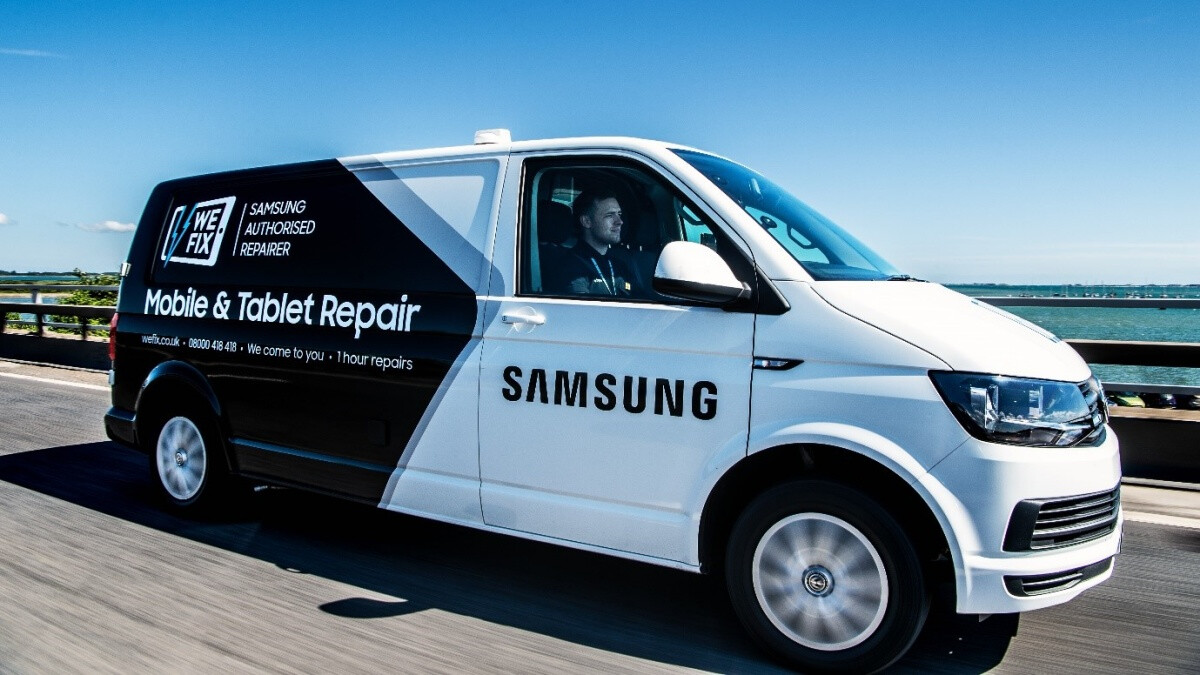
    But from an existing Galaxy user perspective, the best special offer available through September 26 may not consist of a discount on a new product purchase at all. Instead, if you own a Galaxy S, Note, Flip, or Fold-series phone with a cracked screen and don’t want to trade that in for the chance to save $200 or $300 on a new member of the same family, now’s probably the time to get an authorized repair.

    That’s because damaged front display replacements are down to a flat $99 for “series 9 and up” Galaxy S and Note models, as well as “most” A-series mid-rangers, while the same kind of repair will set you back $249 for “all” Galaxy Flip and Fold devices, including the hot new Z Fold 4 and Z Flip 4.

    Although 250 bucks may still sound like a high price to pay to fix what’s certainly a very common issue, Z Fold 2, Z Fold 3, and Z Fold 4 “inner” screen repairs would normally cost an even higher $350 or so a pop. Meanwhile, cracking the beautiful display of the S21 Ultra or S22 Ultra can result in charge of around two Benjamins outside of this promotion, which verifies Samsung’s claim that you can save 50 percent on many screen replacements right now.

    The campaign’s terms and conditions, mind you, make it clear that uBreakiFix and Asurion Tech Repair & Solutions will replace your phone’s cracked display in their stores across the US as long as you book an appointment online while also specifying that water damage and other problems are not covered and your battery will not be replaced as part of this hot new deal.

    Still, the list of eligible devices alone makes the promo well worth taking into consideration for many people, including a whole bunch of oldies you may have gotten very close to giving up on entirely, like the Galaxy S9, S9+, Note 9, S10, S10+, S10 Lite, Note 10, Note 10+, Note 10 Lite, OG Fold, A01, A11, A20, A50, A51, A71, and A21.
  • Apple to open 4th retail store in South Korea this month

    Apple to open 4th retail store in South Korea this month

    Apple has announced plans to open its fourth retail store in South Korea on 24 September, Yonhap news agency reports. The new store will be dubbed ‘Apple Jamsil’, and will be located at Lotte World Mall in Seoul’s southeastern neighborhood of Jamsil.

  • Apple announces iOS 16 release date and it’s nearly here

    Apple announces iOS 16 release date and it’s nearly here

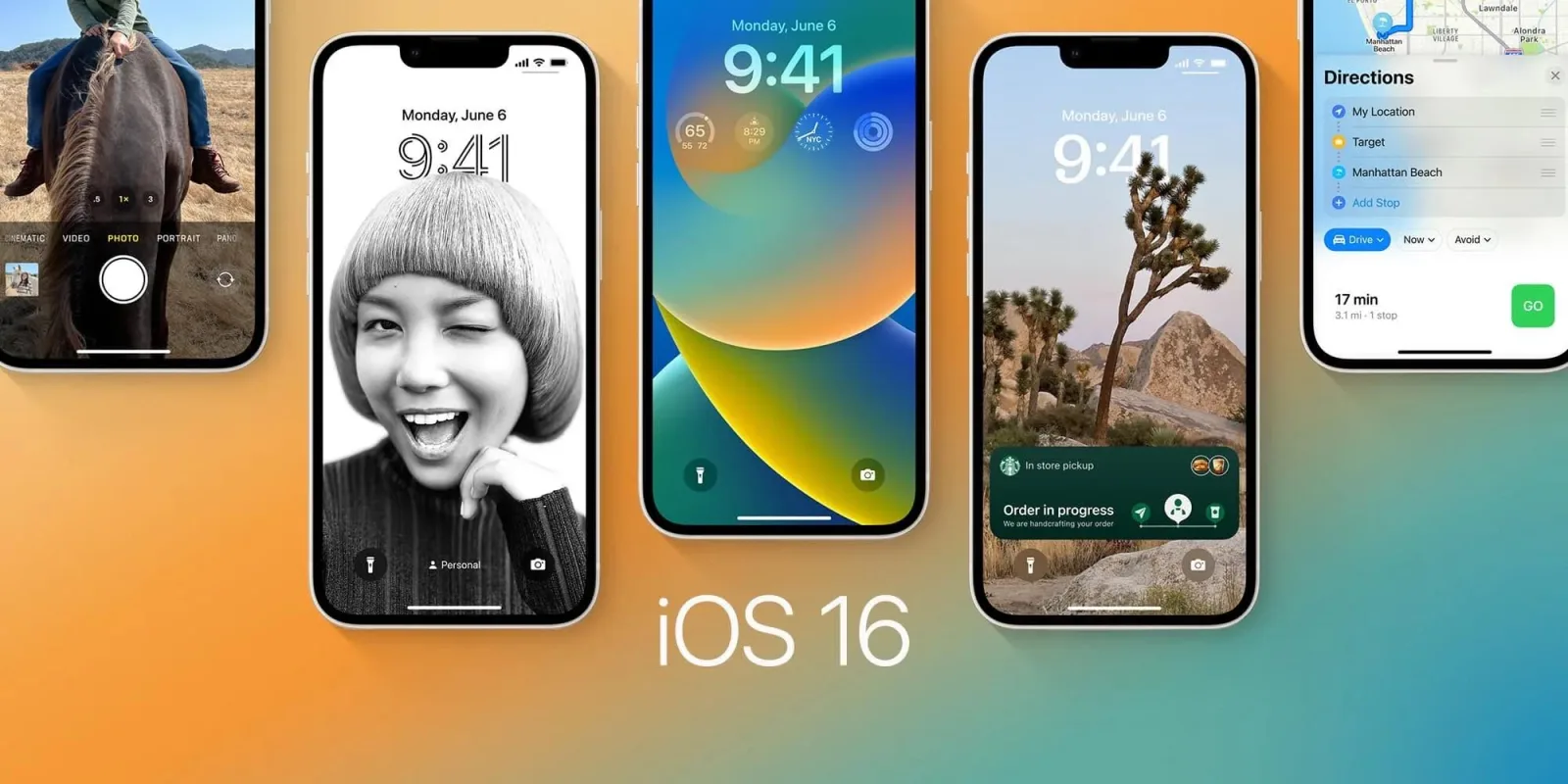
    The highlights of iOS 16 are new customization features and more convenient ways to communicate with others. The Lock Screen can now be personalized with widgets that quickly let you see information like the date, time, weather, and alarm; images, and customized font styles. There is also a super helpful Live Activities feature that will let you keep track of activities like food orders in real-time from Lock Screen.

    You will also be able to set up a shared library to make it easier for multiple people to share images from the camera automatically but the iCloud Shared Photo Library feature has been delayed for now.

    Another useful iOS 16 feature is the ability to edit a sent message so that you won’t have to add countless asterisks or explain what you actually meant and it will also be possible to unsend a recent message. You will also be able to mark a message as unread if you plan to get back to it later.
    You will also be able to collaborate with people on stuff like notes and presentations through messages and Apple also says it has improved mail search.
    iOS 16 will also make it easier to copy video text and lift a subject from an image. It will also be a breeze to switch between voice and touch to enter text. The Health app now has a new Medications feature to help you manage medications.
    There is also a Safety Check feature to help people in toxic relationships revoke the access they had granted to abusive partners.
    The change that caused the most stir online is the return of battery percentage to the status bar.
    Only the iPhone 8 and newer models are eligible for the iOS 16 update. You will be informed once it becomes available.
  • No More iPhone Models Without Charger in Brazil

    No More iPhone Models Without Charger in Brazil

    The new iPhone 14 lineup is coming, but Brazilians may not be able to get it in the country. Apple cannot sell its iPhone models without a charger in Brazil anymore, particularly the existing iPhone 12 and 13 models, and was fined more than $2 million (12.28 million reais) over the issue.

    In an official notice, Brazilian authorities ordered “the immediate suspension of the distribution of iPhone brand smartphones, regardless of model or generation, that are not accompanied by a battery charger.”

    This is from the official mandates of the Ministry of Justice and Public Security and the Department of Consumer Protection and Defense.

    Apple has been under investigation in Brazil since December for “the sale of an incomplete product,” “discrimination against the consumer” and “the transfer of responsibility to third parties” by offering the iPhone 12 and newer versions without chargers for power outlets, according to the official statement.

    Starting with the iPhone 12, Apple no longer includes power adapters in every box as it moves to reduce package waste and indirectly makes more profit on accessories.

    As Apple explained during its iPhone 12 event in 2020, excluding the power adapter reduces the size of the box, causing less space consumption in the shipping and more iPhone 12 devices delivered.

    According to Brazilian authorities, Apple alleges that the decision to exclude chargers from iPhone sales comes from an “environmental commitment.” Reportedly, smaller boxes would allow Apple to reduce yearly carbon emissions by 2 million metric tons.

    However, the ministry determined that “there is no effective demonstration of environmental protection on Brazilian soil as a consequence” of Apple’s policy and accused the company of “deliberate discriminatory practices against consumers.”

    “There is no justification for an operation which, in aiming to reduce carbon emissions, leads to the introduction into the consumer market of a product whose use depends on the acquisition of another (product) which is also marketed by the company,” the official notice added.

    In response, Apple said that it would continue to work with Brazilian consumer protection agency Senacon in order to “resolve their concerns,” and will appeal the recent decision.

    In June of this year, the EU stated that it believes a standard cable — USB-C — for all devices will cut back on electronic waste, but Apple argues that a one-size-fits-all charger would slow innovation and create more pollution.

    The imposition of the USB-C as a cable standard and the latest ban on Brazilian grounds could affect the iPhone juggernaut’s sales, along with the entire global smartphone market.

  • Filings in multiple countries reveal possible name for Apple’s mixed-reality headset

    Filings in multiple countries reveal possible name for Apple’s mixed-reality headset

    Apple’s AR/VR mixed-reality headset is now at the point where there is always speculation that the device will be introduced at the next Apple event. For example, on September 7th, Apple will introduce the iPhone 14 range, the new Apple Watch Series 8 models, and more. Some tipsters have said that Apple’s expensive $2,000-$2,500 headset will show up at the upcoming event during a “One more thing..,” moment.
    Perhaps the biggest reason not to expect that to happen comes from the man who knows so much about what is going on at Apple, he can tell you what the soup of the day will be in the company cafeteria a year from today. Of course, we are talking about TF International’s Ming-Chi Kuo. The reliable analyst says that Apple will lift the curtains on the product during an event in January.
    Apple could be deciding among several possible names for the headset. Using a process that the tech giant has employed before, possible names for the device were filed by law firms used by Apple in the past to protect the names of its devices. In the U.S., EU, U.K., Canada, Australia, New Zealand, Saudi Arabia, Costa Rica, and Uruguay, the Apple-related law firms filed applications for “Reality One,” “Reality Pro” and “Reality Processor.”

    Bloomberg discovered that the three trademarks were filed with a shell company called Immersive Health Solutions LLC, just incorporated this past February. That company in turn was registered by another shell corporation named the Corporation Trust Company. Apple’s RealityOS trademark was applied for by the same firm. That happens to be the expected name of the operating system Apple developed for its mixed-reality headset and the AR Apple Glasses.

    While January 2023 is still months away, the headset is supposedly having issues with the camera sensor and with software. The device is also overheating in testing. The product has a codename of N301 and a sequel model is said to have a codename of N602. The AR glasses, which many feel will be Apple’s next big thing, have a codename of N421 although both the sequel AR/VR headset and the AR glasses both might not be ready for years.

    The “Reality One” and “Reality Pro” names could indicate that Apple will release two different variants of the headset including a premium “Pro” version that will have more features and cost more money. The “Reality Processor” name could refer to the M2 Apple Silicon chipset that will power the headset. The device is expected to come with 16GB of RAM and will run VR versions of some Apple apps like Maps and FaceTime.
    The device will allow users to play games with other headset wearers and Apple will focus on providing streaming content for the headset including movies and games. In case you’re not familiar with Virtual Reality (VR), it allows the headset wearer to interact with a world that is not real. Augmented reality (AR) takes a real-life feed and superimposes a layer of data over it.
    A good example of AR is Google Maps Live View which can be used when using walking directions. The phone’s rear camera delivers a live feed while arrows are overlaid on that feed to show you the direction to walk. In addition, landmarks are named on the screen. Apple has already disseminated its RealityKit to developers to help them build AR apps for the headset.
    With Apple about to unveil its next iteration of the iPhone with the iPhone 14 series, the company might not want to have its new handsets share the spotlight with the long-awaited mixed-platform headset. So if you’re dying to own Apple’s next big thing, you’ll have to wait five months before this product sees the light of day. But all of this waiting will make the actual unveiling much sweeter, right?
  • iPhone sales more than double in Q2

    iPhone sales more than double in Q2

    iPhone increased its market share in Vietnam to 15.4% in the second quarter from 7.1% a year earlier to become the third largest seller in the country.

    Its year-on-year growth of 115% was the highest among all manufacturers, Hong Kong company Counterpoint Research said in a report.

    Sales from 230,000 devices in Q2/2021 to nearly 500,000. But overall smartphone sales fell by 0.9% to 3.2 million units.

    Apple was behind Samsung (38.4% share) and Oppo (20.7%), but surpassed Xiaomi (13.2%) and Vivo (4.4%).

    Vietnamese buyers’ preference for high-end devices and price cuts on older iPhone models drove Apple’s sales up, with two of its products being best-sellers, the report said.

    “The premium price band (>US$400) grew by around 75% year-on-year driven by the iPhone 11, iPhone 13 Pro Max and Galaxy S series,” Counterpoint analyst Akash Jatwala said.

    Apple also increased the number of its stores in Vietnam via official distributors, helping further expand its customer reach as offline remains the key sales channel in the market.

    Vietnam is one of the emerging markets with “very strong double-digit growth” that have contributed to the company’s success in the second quarter of 2022, Apple CEO Tim Cook said recently.

    Xa Que Nguyen, CEO of smartphone store chain Hnam Mobile, said: “This is not surprising as Apple is paying more attention to Vietnam. Second quarters are normally low seasons, but Apple’s price drops have stimulated demand.”

    The Counterpoint report had “moderate expectations” of Vietnam since demand could be affected by macro issues and consumer preference could shift to other essentials.

  • iPhone 14 to come earlier than previous models in Vietnam

    iPhone 14 to come earlier than previous models in Vietnam

    Vietnamese might get the new iPhone 14 two weeks earlier than previous models since Apple has lifted Vietnam up a scale in its priority markets.

    “The iPhone 14 will be officially sold in Vietnam three weeks after they are launched in major markets such as the U.S., Singapore, Hong Kong, and Japan,” a media representative of a retail chain told VnExpress.

    Apple has moved Vietnam from the fourth priority level to third, and could make it second or even first within two or three years, he added.

    Last year the iPhone 13 was sold in Vietnam four weeks after major markets.

    The iPhone 14 is set to be delivered starting September 16 in major markets.

    Apple CEO Tim Cook said recently that Vietnam is one of four emerging markets that contributed to the company’s success in the second quarter of 2022.

    The company recently appointed Nguyen Thai Hai Van, former managing director of Grab Vietnam, as its first Vietnam country director.

    Apple is said to have established a marketing team in Vietnam in June.