Category: Electronics

Retail News Asia is committed to providing both local and global retailers with the latest Electronics news throughout the Asian market. This on a daily base.

  • Apple supplier eyes $300-mln plant in northern Vietnam

    Apple supplier eyes $300-mln plant in northern Vietnam

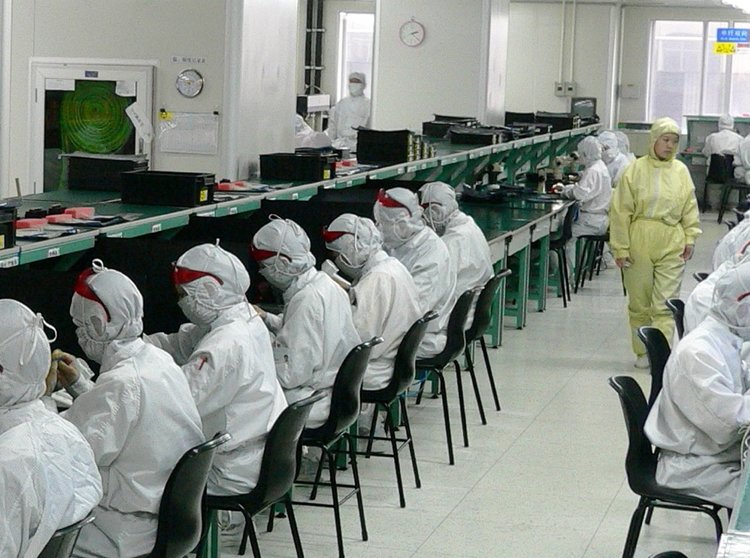
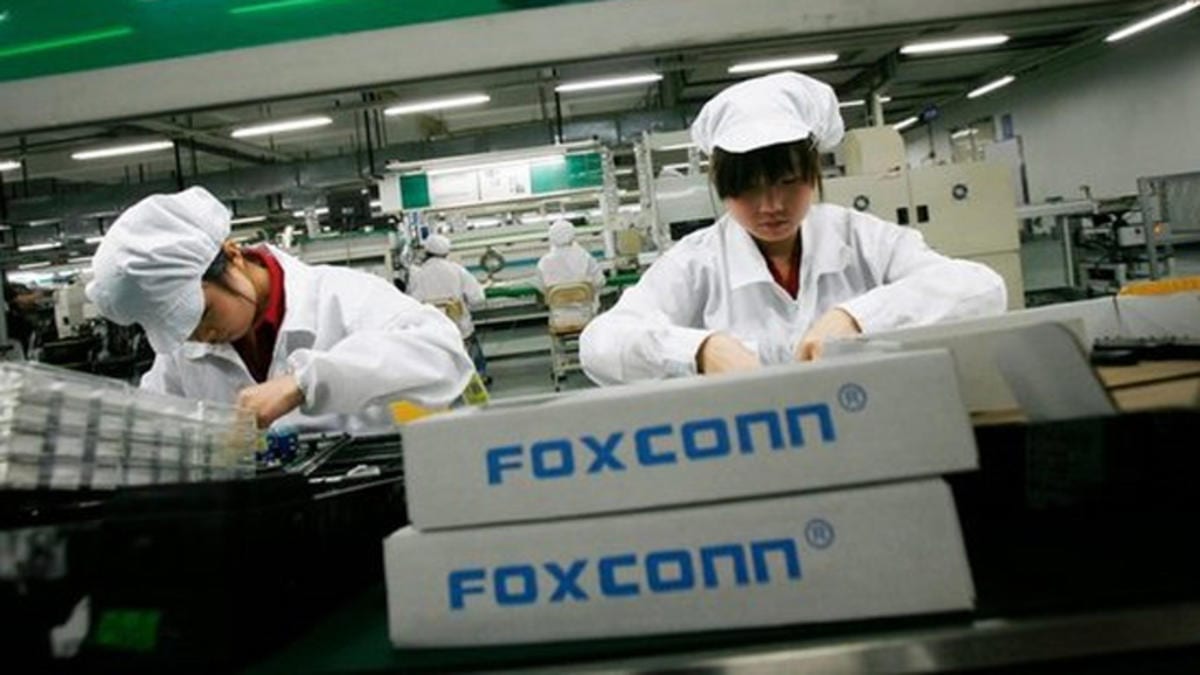
    Apple supplier Foxconn has leased 50.5 hectares of land in the northern province of Bac Giang and plans to set up a $300-million factory there.

    The plant will employ 30,000 people, according to a statement of industrial property developer Kinh Bac City, which manages Quang Chau Industrial Park where Foxconn eyes to make its investment.

    Foxconn and another Apple supplier, Luxshare Precision Industry, have started test production of the Apple Watch and MacBook in northern Vietnam and plan to produce them for the first time in the country.

  • Timex goes after Apple Watch with hypocritical billboard

    Timex goes after Apple Watch with hypocritical billboard

    Surely no one in the wristwatch industry expected the Apple Watch to have an amazing success that it has experienced so far. First released in April 2015, Apple’s original plan was to promote the timepiece as fashionable jewelry. But it quickly became apparent to Apple that the wearable was selling as part of the Apple eco-system and as a tech device in its own right. Apple pulled the device out of high-end jewelry stores and focused on carrier and department store sales.
    Eventually, the wearable became known for its health-related features that no doubt helped to drive sales. Now, the Apple Watch is the most popular watch on the planet. That’s right, the Apple Watch outsells every other watch on Earth and that includes your famous luxury brands like Rolex, other more downscale brands like Seiko, affordable brands like Casio, and of course, mid-to-low-end brands like Timex.
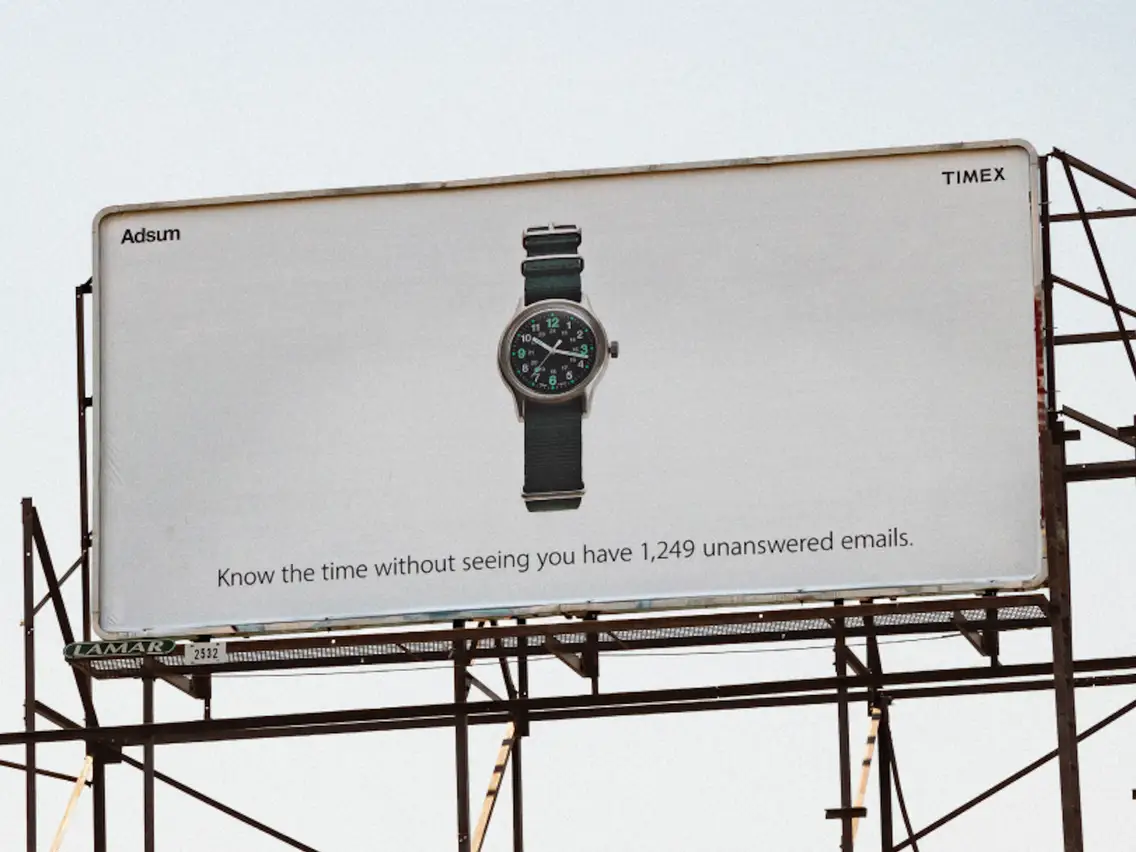
    Timex has been around since 1854 and has thus seen plenty of trends in the wristwatch market over the last 168 years. But we’d venture to guess that nothing has impacted the company more than the smartwatch, especially the Apple Watch. Timex decided to take on Apple and its timepiece on a billboard in New York City (yes, the “Big Apple”) that promotes its new $140 analog watch which was developed in partnership with a Brooklyn clothing company called Adsum.
    Even though this watch is sold out, Timex continues to have its billboard passing along the message that it wants Apple Watch users to read. “Know the time without seeing you have 1,249 unanswered emails,” the copy says on the sign. That refers to the Apple Watch’s ability to pass along notifications about your emails.
    Yeah, there is some hypocrisy involved with the billboard. Timex does have its own line of smartwatches and guess what? They pass along notifications. In fact, the Timex website notes that its smartwatch “Plays nice with your phone” and adds that “Over a hundred years of watchmaking has taught us that your watch becomes part of your soul. With notifications and fitness sensors, that bond is even stronger.”
    And the iConnect by Timex smartwatch, which is out of stock on the Timex website but is available from online retailers, will show email notifications. In fact, one retailer states, “Stay connected wherever you are. You can receive texts, Facebook, WhatsApp and email notifications on the touchscreen display of your iConnect by Timex smartwatch.”
  • Samsung is reportedly giving Apple the chance to close the gap in phone shipments this year

    Samsung is reportedly giving Apple the chance to close the gap in phone shipments this year

    Earlier this month we passed along a report from Reuters stating that smartphone production at Samsung’s Vietnam factories, which are responsible for half of the company’s annual phone production, had been curtailed sharply. Samsung continues to lead the world in smartphone shipments, it has dropped its target for 2022 and now plans to deliver 260 million units down 13.3% from its earlier estimate of 300 million units.

    The report added that Samsung originally planned to build 334 million smartphones this year and ship 300 million of them. Out of the 334 million units scheduled for production, 284 million handsets were set to roll off of Samsung’s own assembly lines with 50 million being produced by its China-based contract manufacturers. But after taking the headwinds into account such as supply chain issues (like the chip shortage and a shortage in experienced workers), inflation, and the drop-off in demand for smartphones, Samsung reportedly has cut production plans.

    TheElec says that between October and November, Samsung plans on building only 34 million smartphone units in its own factories. It says that this would be a huge decline compared to the same time period in previous years.

    Last year, the South Korean manufacturer shipped approximately 270 million units, so if Sammy does deliver 260 million handsets, it would be a 3.7% decline on an annual basis. It also could give Apple a chance to close the gap with Samsung. Last year, Apple delivered 235 million iPhone units and this year the iPhone 13 line has been selling well with the iPhone 14 series to be unveiled possibly inside three weeks.
    During the second quarter of 2022, Canalys reported a 9% year-over-year decline in smartphone shipments. Samsung still had the highest market share in the industry at 21% thanks to its mid-range Galaxy A product line. More affordably priced than its premium handsets, the Galaxy A models have big screens, viable cameras, and huge batteries. Apple was next with a 17% slice of the global smartphone pie followed by Xiaomi (14%), Oppo (10%), and Vivo (9%).
    If Samsung does see its smartphone shipments decline to 260 million units, it would be its lowest annual total since the pandemic reduced 2020 deliveries to 253 million. The year before, it had shipped 296.5 million smartphones.
  • Apple suppliers to make Apple Watch and MacBook in Vietnam

    Apple suppliers to make Apple Watch and MacBook in Vietnam

    Apple’s suppliers are in talks to produce Apple Watch and MacBook in Vietnam for the first time, Nikkei Asia reported on Tuesday, citing people familiar with the matter.

    Apple’s Chinese suppliers Luxshare Precision Industry and iPhone assembler Foxconn have started test production of Apple Watch and MacBook in Northern Vietnam, the report added.

    Apple has been shifting some areas of iPhone production from China to other markets, including India, where it started manufacturing iPhone 13 this year, and is also planning to assemble iPad tablets.

    India, the world’s second-biggest smartphone market, along with countries such as Mexico and Vietnam are becoming increasingly important to contract manufacturers supplying American brands, as they try to diversify production away from China.

    Apple, Foxconn and Luxshare Precision did not immediately respond to a Reuters request for comment.

    Last week, Taiwanese contract manufacturer Foxconn gave a cautious outlook for the current quarter after posting results that exceeded expectations, citing slowing smartphone demand after a pandemic-fuelled boom.

    Like other global manufacturers, Foxconn – formally called Hon Hai Precision Industry Co Ltd – has dealt with a severe shortage of chips that hurt production, as bottlenecks from the pandemic lingered and the Ukraine war further strained logistical channels.

  • Viettel to produce chips amidst global shortage

    Viettel to produce chips amidst global shortage

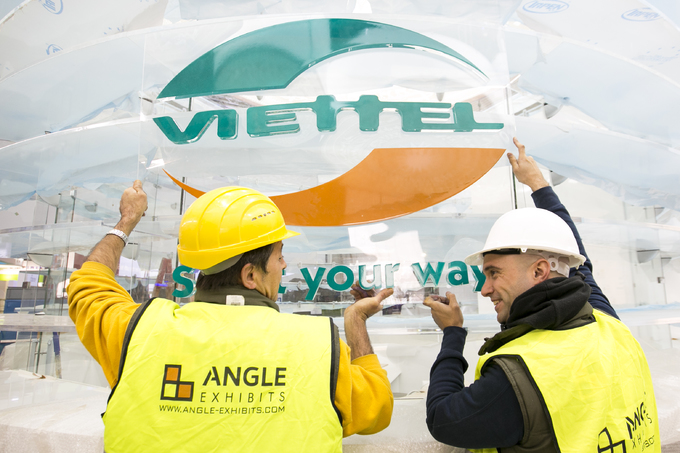
    Telecommunication giant Viettel has proposed that it produces chips to meet domestic demand and for export in addition to offering e-payment services.

    Leaders of the military-owned Viettel Group made the proposal at a Tuesday meeting with Prime Minister Pham Minh Chinh.

    The proposal was made in the context of the recent global chip shortage, which has seriously affected many manufacturing sectors and business areas, prompting several countries to promote chip production as a national security measure.

    In this context, the group also asked to be assigned the tasks of ensuring national defense and security, promoting its strengths and demonstrating the pioneering role of state-owned companies in the fields of high-tech defense, construction and cyber security and safety.

    Viettel said it wanted to deploy a national digital conversion platform, and work as an intermediary for financial switching services and electronic clearing services to facilitate transfer of funds from one bank account to another.

    The group also wanted permission to research green energy technology and modernize important infrastructure in the field of transportation, logistics, urban areas, and science and technology.

    It also asked for more leeway in deciding investment capital and salaries, as well as organizing its internal units.

    At the same time, it suggested that the government adds a new legal corridor for state-owned firms, such as a mechanism to make evaluations based on the principle of overall investment efficiency instead of relying on individual investment items and projects, and a mechanism to establish a Venture Capital Fund for investment in innovative start-ups.

    PM Chinh said Viettel should research and produce chips to effectively and efficiently serve the country’s digital transformation process, including building a digital government, digital economy and digital society. He said Viettel must be a corporation that plays a leading role in this process.

    He also agreed that the group works as an intermediary for financial switching and electronic clearing services, and assigned related ministers to study the plan and report on it to the government.

    Viettel has been maintaining an average pre-tax profit of over VND40 trillion ($1.7 billion) each year for several years.

    The group is doing business in ten markets with a total population size of 260 million in three continents, and has so far reported profits in seven markets, at $250-350 million per year.

  • Apple appoints first ever Vietnam country manager

    Apple appoints first ever Vietnam country manager

    Nguyen Thai Hai Van has been appointed the first Country Director of Apple Vietnam, a source has confirmed.

    While no official announcement has been made, Van’s LinkedIn profile says without disclosing details that she has been holding the post since May, 2022; and some of Apple’s authorized retailers told VnExpress that they have been working with Van in the new role.

    Van recently resigned as managing director of Grab Vietnam. Earlier, she was marketing vice president at Unilever Vietnam.

    Insiders consider the appointment a move to expand the U.S. tech giant’s operations in Vietnam. Previously, its operations in the country were overseen by a regional director.

    Apple CEO Tim Cook has said that Vietnam was one of four emerging markets contributed to the company’s success in the second quarter of 2022.

    “We set June quarter records in the Americas in Europe and in the rest of Asia Pacific region. We also saw June quarter revenue records in both developed and emerging markets with very strong double-digit growth in Brazil, Indonesia and Vietnam and a near doubling of revenue in India,” Cook said during the company’s earnings call late July.

    There is no official Apple Store in Vietnam yet, and its products are distributed in the country via a network of authorized retailers.

    Apple is also recruiting for various positions for its Vietnam operations.

  • Samsung to start producing semiconductor components in Vietnam

    Samsung to start producing semiconductor components in Vietnam

    Samsung is testing its ball grid array products and will mass produce them at the tech giant’s factory in northern Thai Nguyen Province in July 2023.

    Roh Tae-Moon, head of Samsung’s key smartphone division, said this at a Friday meeting with Prime Minister Pham Minh Chinh.

    On its homepage, Samsung has said that it is preparing trial production for semiconductor chip grid products and planning to open a research and development (R&D) center in Hanoi later this year or early next year.

    The company said the R&D center was about 85% complete.

    “Semiconductors would mark a third business for Samsung in Vietnam, where the company makes home appliances and half of its smartphones.

    In the first half of 2022, Samsung Vietnam’s export revenue was $34.3 billion, up 18% from the same period last year.

    In February, Samsung announced an additional $920 million investment into its factory in Vietnam.

    Before Samsung, Vietnam had Intel Products Vietnam (IPV), the largest assembly and testing plant in Intel’s network. During the global chip crisis, IPV not only maintained stable operations, but also made a number of innovative contributions to help it fill the shortage in semiconductors. One of the key initiatives was to improve the substrate treatment process at the plant.

    “Vietnam has the ability to establish the necessary infrastructure and policies needed to support cutting-edge manufacturing operations in the chip sector,” Steve Long, general manager of Intel’s Asia-Pacific and Japan region, had said during an interview with VnExpress in May.

    He said the stable socio-political environment, increasingly liberalized trade and investment policies, and a young and talented workforce were the reasons for foreign investors, especially large tech corporations, finding Vietnam an attractive destination.

    Vietnam is home to 60 percent of Samsung’s total smartphone production.

    Samsung, Vietnam’s biggest foreign direct investor, first invested $1.3 billion in its electro-mechanics unit in 2013. The unit produces main boards and other electronics components.

    As of last year, the world’s largest memory chip maker had invested $18 billion in Vietnam.

  • Samsung workers in Vietnam bear brunt of slowdown in global demand for electronics

    Samsung workers in Vietnam bear brunt of slowdown in global demand for electronics

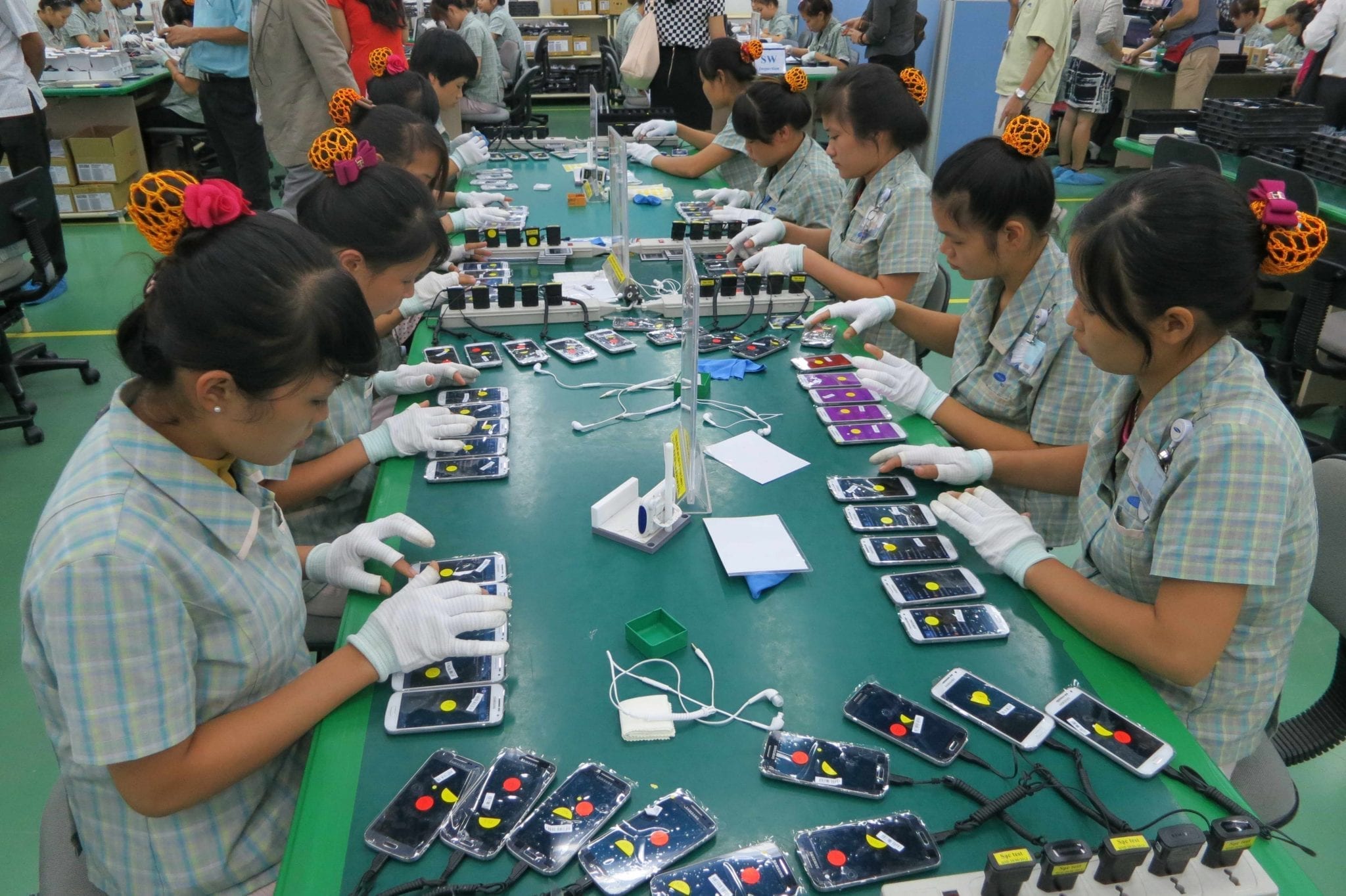
    Samsung Electronics Co Ltd has scaled back production at its massive smartphone plant in Vietnam, employees say, as retailers and warehouses grapple with rising inventory amid a global fall in consumer spending.

    America’s largest warehouse market is full and major U.S. retailers such as Best Buy and Target Corp warn of slowing sales as shoppers tighten their belts after early Covid-era spending binges.

    The effect is acutely felt in Vietnam’s northern province of Thai Nguyen, one of Samsung’s two mobile manufacturing bases in the country where the world’s largest smartphone vendor churns out half of its phone output, according to the Vietnam government.

    Samsung, which shipped around 270 million smartphones in 2021, says the campus has the capacity to make around 100 million devices a year, according to its website.

    “We are going to work just three days per week, some lines are adjusting to a four-day workweek instead of six before, and of course no overtime is needed,” Pham Thi Thuong, a 28-year-old worker at the plant said.

    “Business activities were even more robust during this time last year when the Covid-19 outbreak was at its peak. It’s so tepid now.”

    Reuters could not immediately establish whether Samsung is shifting production to other manufacturing bases to make up for reduced output from the Vietnamese factory. The company also makes phones in South Korea and India.

    Samsung told Reuters it has not discussed reducing its annual production target in Vietnam.

    The South Korean tech giant is relatively optimistic about smartphone demand in the second half, saying on its earnings call last week that supply disruptions had mostly been resolved and that demand would either stay flat or even see single-digit growth.

    It is aiming for foldable phone sales to surpass that of its past flagship smartphone, the Galaxy Note, in the second half. It is expected to unveil its latest foldables on Aug. 10.

    But a dozen workers interviewed by Reuters outside the factory almost all said business is not good.

    Thuong and her friends who have been working for Samsung for around five years said they had never seen deeper production cuts.

    “Of course there is a low season every year, often around June-July, but low means no OT (overtime), not workday cuts like this,” Thuong said.

    She said managers had told workers inventories were high and there were not many new orders.

    Research firm Gartner expects global smartphone shipments to decline by 6% this year due to consumer spending cuts and a sharp sales drop in China.

    Samsung town

    Samsung is Vietnam’s biggest foreign investor and exporter, with six factories across the country, from northern industrial hubs Thai Nguyen and Bac Ninh where most phones and parts are manufactured, to Ho Chi Minh City’s plant making fridges and washing machines.

    The South Korean company has poured $18 billion into Vietnam, powering the country’s economic growth. Samsung alone contributes one fifth of Vietnam’s total exports.

    Its arrival nearly a decade ago in Thai Nguyen, about 65 km (40 miles) from the capital Hanoi, transformed the area from a sleepy farming district into a sprawling industrial hub that now also manufactures phones for Chinese brands including Xiaomi Corp.

    Generous benefits including subsidised or free meals and accommodation have lured tens of thousands of young workers to the region, but reduced workhours have now left many feeling the pinch.

    “My salary was cut by half last month because I just worked four days and spent the remaining week doing nothing,” said worker Nguyen Thi Tuoi.

    Job cuts are on some workers’ minds but so far none have been announced.

    “I don’t think there will be job cuts, just some working hour cuts to suit the current global situation,” said one worker, declining to be named because she did not want to risk her team leader role.

    “I do hope that the current cut will not last long and we will soon be back to normal pace.”
  • Apple eases mask-wearing policy for corporate employees

    Apple eases mask-wearing policy for corporate employees

    Just when we thought we got rid of the whole COVID-19 craze, things started to get gloomy again. In the US new cases now clock at around 100,000 per day which is very far from ideal but strangely enough, Apple has decided to ease its mask-wearing policies for corporate employees.

    The company’s COVID-19 response team has sent an official email, stating that Apple will no longer require masks at most locations. “We are writing to share an update to our current protocols,” the email reads. “In light of current circumstances, wearing a face mask will no longer be required in most locations.”

    However, even though masks won’t be mandatory, employees will have the opportunity to keep on wearing them if they feel like doing so. “We recognize that everyone’s personal circumstances are different. Don’t hesitate to continue wearing a face mask if you feel more comfortable doing so. Also, please respect every individual’s decision to wear a mask or not,” the email continues.

    The new BA.5 COVID-19 variant is currently raging around the world, and in the US in particular, actually making San Francisco’s BART metro system bring back the mandatory mask regime. This variant is not only highly contagious, but it can evade immunity from vaccination shots and previous COVID infection.

    Apple has been quite polarizing in its COVID policies in the past couple of months, the company even threatened to fire employees if they don’t come back to work in the physical offices, then later softened up the requirement to at least three days per week, just to completely drop it a couple of weeks later.

  • Fitbit Luxe and Charge 5 updated with much

    Fitbit Luxe and Charge 5 updated with much

    Last month Fitbit quietly rolled out an update for Charge 5, one of its most advanced fitness trackers. Although it didn’t say anything about what the update should change, we did learn that the Google-owned company added the ability to find your phone via the fitness tracker.

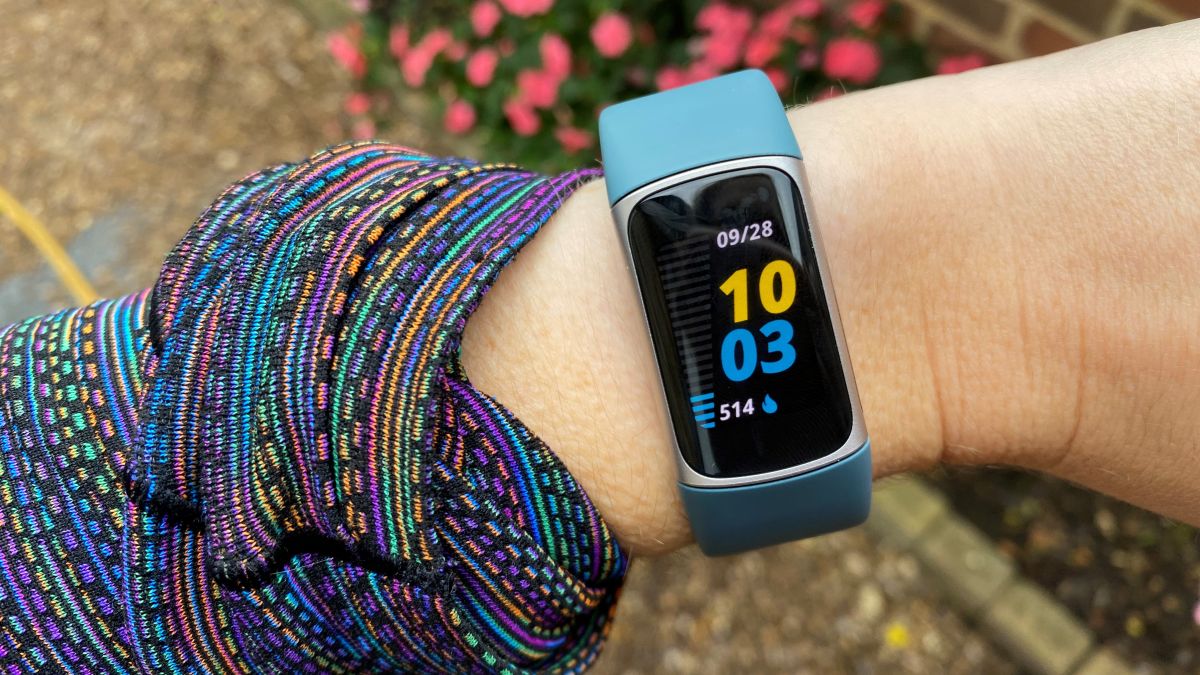
    Today, Fitbit confirmed that the update not only introduced the much-needed feature, but also added a few clockfaces. The above image shows one clockface in two color variations – Boom, plus an additional clockface for another Fitbit wearable device, the Luxe.

    Just to be clear, Fitbit Luxe owners will get all three clockfaces, while Charge 5 will only receive the Boom clockface available in two versions. Besides these new customization options, Luxe users will also get the option to find their phones via the wearable device, just like the Charge 5.

    To do that, you’ll have to install the new Find Phone app, open it on your tracker, tap Find Phone, and your phone should start to ring loudly, even if it’s set on the DnD (Do Not Disturb) mode. If you successfully locate your phone, you can tap Cancel to stop it from ringing.

    Fitbit says the update is now available, although Charge 5 users might have already picked this one up more than a week ago when it surfaced for the first time.

  • Apple forecasts faster sales growth, despite glum economy

    Apple forecasts faster sales growth, despite glum economy

    Apple on Thursday said parts shortages are easing and that demand for iPhones is unceasing despite consumers tightening other spending, helping it top Wall Street expectations and forecast faster sales growth ahead.

    The Silicon Valley giant’s shares rose 3.5% after hours following the release of the results.

    Though macroeconomic indicators around the world are turning negative, Chief Financial Officer Luca Maestri told Reuters there had been no slowdown in demand for iPhones, the company’s biggest source of revenue.

    Phone sales in the fiscal third quarter rose 3% to $40.7 billion, when Wall Street had braced for a 3% decline. By contrast, the overall global smartphone market dropped 9% during the just-ended quarter, according to Canalys data.

    Apple’s loyal and relatively affluent customer base has enabled it to weather consumer spending dips better than other brands in the past, and the company’s latest quarterly results suggest a similar pattern emerging.

    Canalys Research analyst Runar Bjorhovde said, “Apple in that sense has a certain robustness that will allow it to be impacted less than a lot of its competitors.”

    The slumping economy is hurting sales of advertising, accessories and home products, Apple’s Maestri said in an interview, calling the units “pockets of weakness.”

    “Fortunately, we have a very broad portfolio, so we know we’re going to be able to navigate that,” he added.

    The results show Apple’s advertising business, which includes selling ads alongside news articles and app store search results, is vulnerable to marketing cuts just the same as rivals Snap and Meta Platforms.

    Parts shortages will continue to hamper Mac and iPad sales, Maestri said, though the impact has been easing. They cost Apple under $4 billion in sales in the quarter ended June 25, less than it had forecast. Maestri said the company expects the hit to diminish further in the current quarter.

    But Apple risks joining rivals in amassing an unsellable stockpile of tablets and PCs if more customers than expected hold off purchases due to rising inflation and interest rates.

    “In terms of testing the demand, you can’t really test the demand unless you have the supply,” Apple Chief Executive Tim Cook told analysts on Thursday. “And we were so far from that last quarter that we have an estimate of what we believe demand was. But it is an estimate.”

  • US becomes biggest buyer of Vietnam smartphones

    US becomes biggest buyer of Vietnam smartphones

    The U.S. has surpassed China to become the biggest buyer of smartphones and parts from Vietnam in the first six months with a purchase value of $6.61 billion, up nearly 54 percent year-on-year.

    It was followed by China at $6.45 billion, up nearly 17 percent, according to Vietnam Customs.

    Exports of smartphones and parts to the EU fell 7.7 percent to $3.3 billion.

    Vietnam’s top import market of smartphones and parts was South Korea at $5.1 billion, up 28 percent year-on-year.

    It was followed by China at $4.2 billion, down 0.1 percent.

    Vietnam’s exports of these items to all markets reached $29.17 billion in the first six months, up 16.4 percent year-on-year.

  • Samsung executive says foldable phones are about to go mainstream

    Samsung executive says foldable phones are about to go mainstream

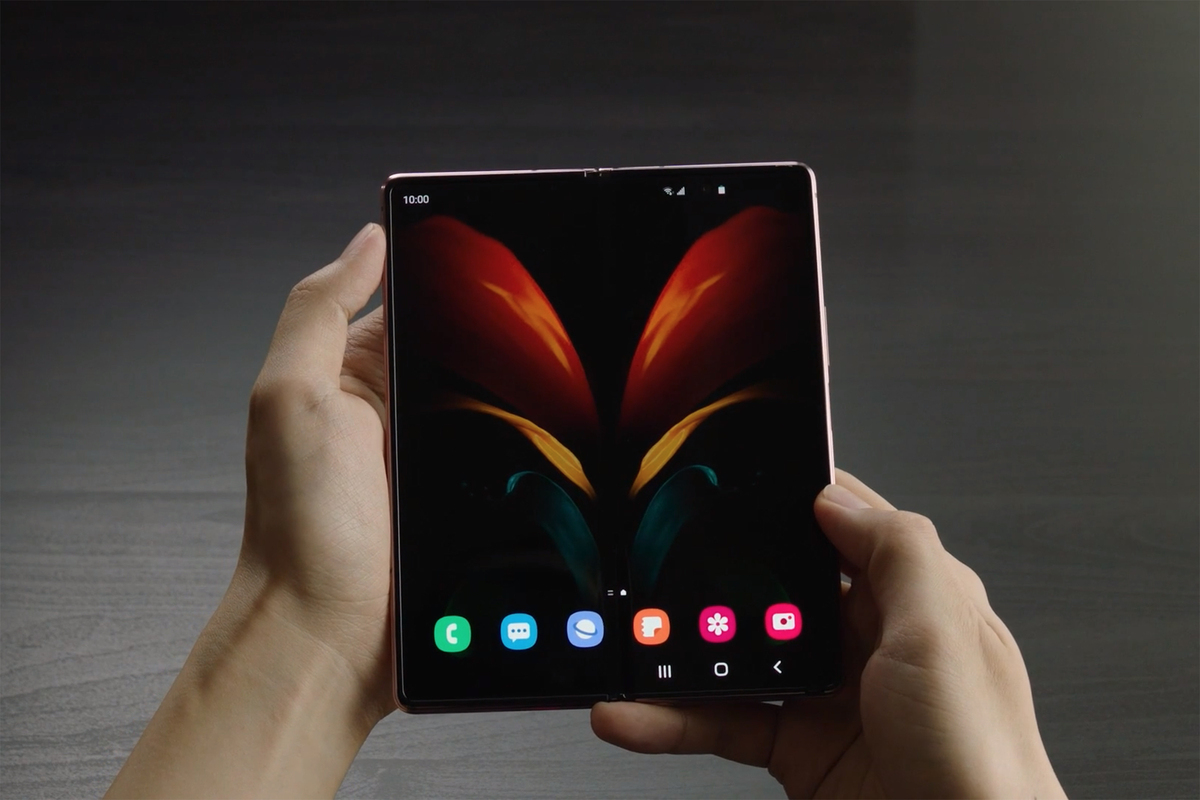
    Whether it’s because of the abrupt and satisfying way that you can hang up on someone who is being a pain in the ass, or because of the pocketability of such a device, consumers favor flip-style foldables like the Galaxy Z Flip 3 and the upcoming Galaxy Z Flip 4. In Roh’s blog post called “The Mainstream Moment for Foldable Smartphones Is Here,” the executive pointed out that last year 70% of Galaxy Z foldable phone buyers voted with their own money and picked the Galaxy Z Flip while the remaining 30% chose the Galaxy Z Fold.
    Of course, it did help that the Galaxy Z Flip 3 was priced at $999 and up, a nice-sized discount from the $1,380 price for the basic version of its predecessor. Samsung might not get as aggressive when pricing the Galaxy Z Flip 4 although a smaller decline to $899 is possible.

    While the Galaxy Z Flip can open from a device that fits comfortably in your pocket to become a tall and thin 6.7-inch handset. Roh writes that “Flip users love owning a device built for self-expression, whether choosing bold color options for their device or taking pictures in a new way with Flex mode.” He says that Galaxy Z Fold users also have their reasons to buy that model. “Fold users love the multitasking capability of a screen that doubles in size, so they can be more efficient and get things done faster,” Roh said.

    With the next Unpacked event taking place on August 10th, the Samsung executive states that the thing to watch is not what the latest technology can do. It is all about what you can do with the latest technology. He adds that Samsung customers are the muse that the company draws from to develop innovative new ideas for the company’s foldable handsets.
    Roh says, “I can’t wait to show you the potential of our new Samsung Galaxy foldables as the ultimate tool for both productivity and self-expression. Now, you can do more than you ever thought possible, all at once, on one device.”

    It seems that the head of Samsung’s Mobile Experience Business is happy to spread the credit for the success of Samsung’s foldable phones. Roh even called out Google and Microsoft as “industry leaders that are helping to expand the experiences that are now being made possible throughout the foldable ecosystem.”

    Samsung’s goal is to take the Galaxy Z Flip 4 closer to being a mainstream phone, something that seems much more possible with the Galaxy Z Flip 4 than the Galaxy Z Fold 4. Yeah, some of it is the pricing which is why the manufacturer is reportedly looking at building another line of foldable Flip and Fold handsets for its budget-priced Galaxy A line. But based on last year’s sales, the flip build is overwhelmingly the favorite foldable among consumers.
    Will there be a day when foldable smartphones dominate the landscape? It’s hard to see how until the most influential smartphone brand, the Apple iPhone, has its own foldable device. However, even Apple won’t be able to ignore the trend if foldables continue to be bought up by consumers. Last year 10 million foldable phones were shipped, up 300% year-over-year. Numbers like that cannot be ignored for long.
    As Roh writes in his post, “We are reaching the moment where these foldable devices are becoming widespread and staking a bigger claim in the overall smartphone market.” Consumers, keep your eyes on this area of the industry to find the fastest growing sector of the smartphone industry.
  • Google’s VR/AR headset set to enter the fray

    Google’s VR/AR headset set to enter the fray

    Virtual/Augmented reality is commonly viewed as the next frontier in mobile technology. Hence, many companies are making efforts to engage with it sooner rather than later, so as to ensure that they beat the competition to the punch. And while many are just now entering the market like Apple, some are already veterans in VR/AR… in a way.

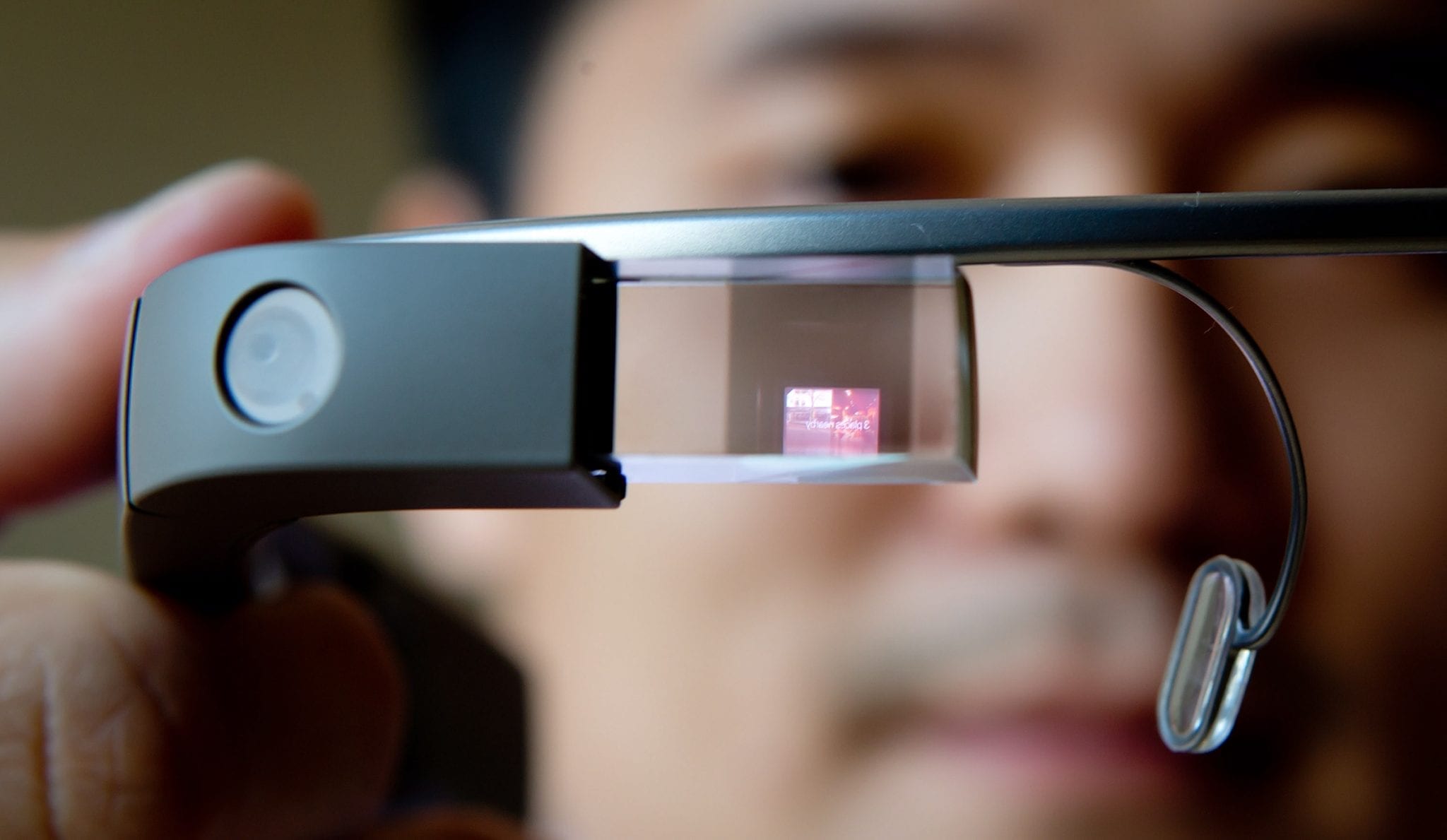
    We are of course referring to Google. The company notoriously flopped nearly a decade ago with Google Glass, but this time around the tech giant is doing its best to get VR/AR right. Some time ago, the first bits of information concerning Google’s “Project Iris”, the codename for the company’s upcoming VR/AR headset.

    In its original report, where we disclosed a number of interesting details about Project Iris, which was then in its early stages of development. It seems that Google’s VR/AR headset has come a long way since, given that field testing is already underway

    Google will be testing a small number of prototype units to better understand how the headset fares under everyday circumstances. Google even published a blog post on the matter. The main features that will be tested are “translation, transcription and navigation”.

    The tests will be conducted according to a set of strict privacy guidelines. The prototype units will resemble ordinary glasses and the testers will have to undergo special training and comply with a number of privacy measures.

    These steps show a decisive move on Google’s part to learn from its mistakes with Google Glass. Whether it will be enough to make Project Iris a success remains to be seen. For reference, most pundits expect Google to release its VR/AR headset sometime around 2024. Hence, there is still a long way to go. We will have to wait and see.

  • Intel vPro platform accelerates business productivity

    Intel vPro platform accelerates business productivity

    The Intel vPro platform offers a comprehensive solution for businesses to increase productivity, protect business assets and maintain business organizations to get over the Covid-19 pandemic.

    The long term effects of Covid-19 have forced the world to quickly find new ways to live safely with it while maintaining stable socio-economic activities.

    With the development of technology, online has become the mainstream form of activity, e-commerce has grown rapidly, while the digital platform has become the main communication channel. Nowadays, many employees are gradually choosing to work from home. IT organizations are going to control the changes between “Work from home” and “Work in the office.” Business leaders need security features as well as productivity improvement during Covid-19. That’s why Intel has released its 11th Gen Intel vPro platform.

    Intel vPro is a platform “built for business,” using 11th Gen – 12th Gen Intel Core. It is a set of hardware and firmware technologies utilized to build business computing endpoints.

    Intel vPro value proposition spans four pillars, and business decision-makers who standardize on the vPro platform can benefit from hardware-enhanced protection, advanced maintenance, and validated platforms, all with the performance headroom to handle a wide range of business workflows.

    The 11th Gen processors feature the all-new Intel Iris Xe graphics processor that delivers a huge jump in performance. These processors also have integrated both Intel Wi-Fi 6 and Thunderbolt 4, so users get the latest wireless and cable connectivity standards built-in. They also deliver an exceptional performance for workers who need to collaborate and be productive.

    Intel Hardware Shield enabled hardware-enhances security features with advanced threat protection, application and data protection and below-the-OS security. Advanced threat protection uses aggressive memory scanning and artificial intelligence to detect new threats like ransomware and crypto-mining.

    Application and data protection includes encryption acceleration along with other features to protect applications and login credentials from attacks. Below-the-OS security prevents attacks against the BIOS and other firmware to enable a secure hardware and firmware foundation for the operating system.

    Intel vPro Platform comes with Intel Active Management Technology (Intel AMT) that allows IT to establish a secure connection between IT and a vPro-based PC. Once that secure connection is established, IT can perform a lot of different tasks as part of AMT.

    Remote power control continues to be one of the most used features of Intel AMT. With this, IT is able to remotely control the power state of a PC. Businesses use this to automate afterhours patching while keeping energy costs down. They can turn PCs off at the end of the day, yet wake them during the night to perform security updates without impacting productivity. Once they complete the patching they can put the PCs back to sleep to save energy. Lastly, before the workday begins, they can wake those PCs so everything is running and ready when employees arrive.

    The other most popular feature is hardware KVM. We’re all familiar with software based tools that we can use to take control of PCs and see the screen and move the mouse to help fix a system. It’s a very powerful tool, but only if the software can run. When a PC can’t successfully boot, those software based tools are powerless. That’s where Active Management Technology really shines, because it has a hardware KVM built into the chips. Even if the PC cannot boot, IT can connect with full KVM support to remotely remediate the PC, even entering the BIOS while maintaining the KVM connection.

    Intel Endpoint Management Assistant extends the power of Intel AMT beyond the firewall. By using cloud-based management infrastructure, devices don’t need a functional VPN to receive support from IT. As long as the AMT-enabled PC can reach the cloud, IT can securely connect to and remotely control that PC. This also allows IT technicians themselves to do their job either onsite or remotely.

    The cloud-based infrastructure is also easier to deploy and scale than traditional on-premise infrastructure and can be controlled using a simple web interface. When you’re running Intel EMA combined with Intel AMT, not only can you fix corrupted applications but a corrupted VPN is no problem at all, and a corrupted OS can also be remediated remotely.