Category: Electronics

Retail News Asia is committed to providing both local and global retailers with the latest Electronics news throughout the Asian market. This on a daily base.

  • Xiaomi starts smartphone production in Vietnam

    Xiaomi starts smartphone production in Vietnam

    Xiaomi has delivered the first batch of its made-in-Vietnam smartphones, the Chinese electronic giant announced Monday.

    Its smartphones are made in Vietnam by DBG Technology, a subsidiary of Hong Kong’s DBG Electronics Investment Limited, at a factory in northern Thai Nguyen Province.

    Besides supplying to the local market, those devices will also be exported to some Southeast Asia markets including Malaysia and Thailand, a representative of Xiaomi Vietnam said.

    The DBG Technology factory only manufactures certain models, it was added.

    Nguyen Duc Trong of Digiworld, a Xiaomi authorized reseller in Vietnam, said producing smartphones in Vietnam would help solve issues caused by Covid-19 disruption on the global supply chain.

    “[Vietnamese] consumers will have a more stable supply, while the country will solidify its position in the race for smart manufacturing.”

    Xiaomi is the second largest smartphone maker in Vietnam, accounting for 20.6 percent of market share in the first three months this year, according to data from industry analysis firm Counterpoint.

    Xiaomi smartphones are mostly made in China and India by its manufacturing partners, including Foxconn, DBG, BYD and Flex.

  • Oppo plans to show off two AR glasses next month in California

    Oppo plans to show off two AR glasses next month in California

    Oppo, the Chinese phone manufacturer, is one of the brands under BBK Electronics’ umbrella along with OnePlus, Realme, Vivo, and iQOO. OnePlus ships its phones inside the U.S. while the other brands do not. Even Oppo, the fourth largest smartphone brand in the world after Samsung, Apple, and Xiaomi does not ship its handsets to the states although this might change.

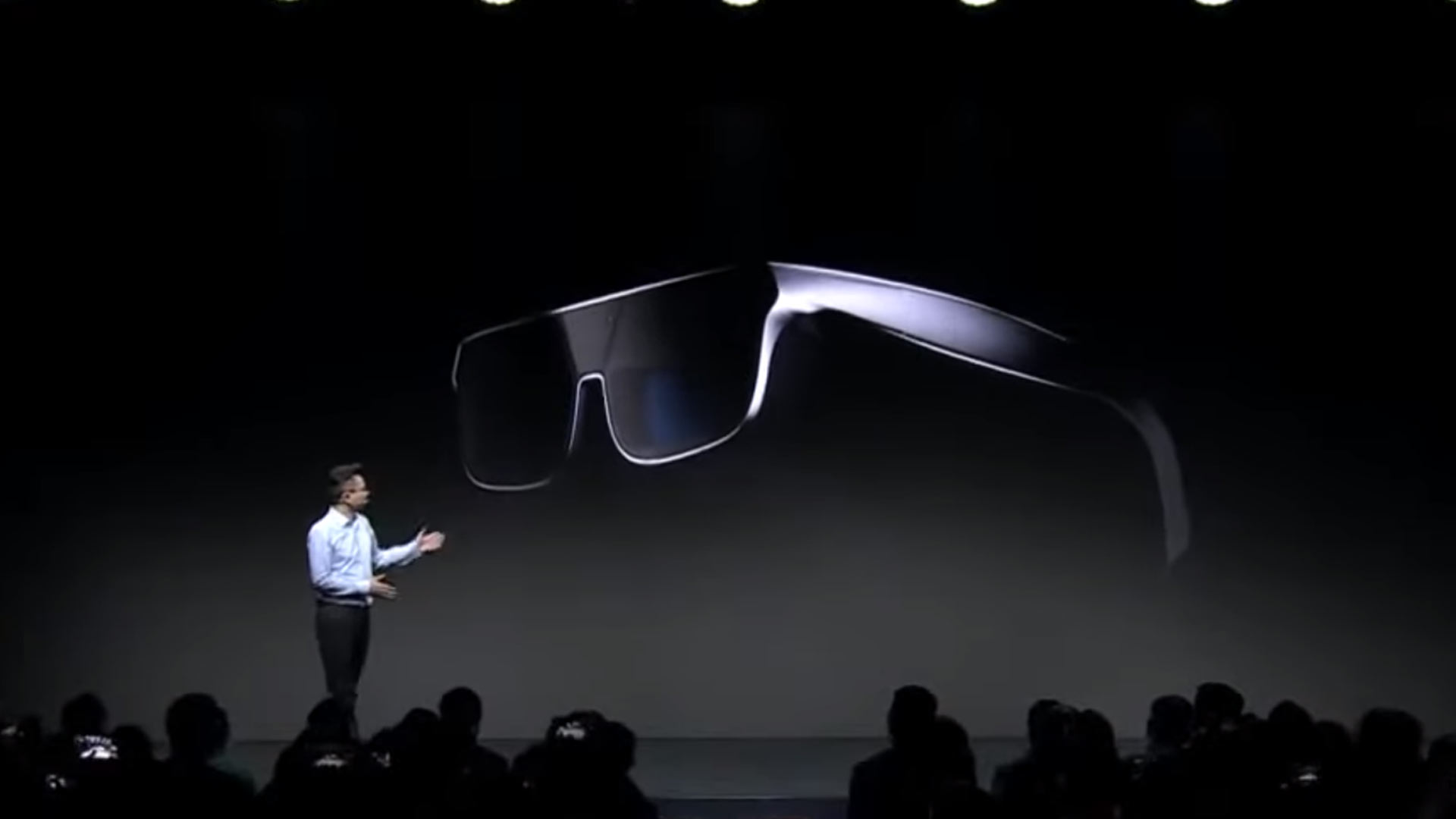
    Last week, Oppo announced that it would show off its Augmented Reality (AR) glasses (the OPPO Air Glass and OPPO AR Glass) at Augmented World Expo USA 2022. he event will take place June 1-3 in Santa Clara, California. Oppo announced Air Glass in China last December and the device was released this past January.

    Unlike most AR Glasses, the Air Glass is a monocle with a single ear frame and displays data sourced from an Oppo phone with an average brightness of 400 nits. That is brighter than the typical 1000 nits (1200 nits maximum) found on the iPhone 13 Pro Max. A small coffee bean-sized Spark Micro Projector projects images onto the microLED lens.
    The Oppo Air Glass is powered by the same Snapdragon 4100 chip used on some Wear OS smartwatches such as the TicWatch Pro 3. The Snapdragon 4100+ was found in last September’s Fossil Gen 6.
    The Oppo AR Glass is a more traditionally designed device with two lenses. The device offers real-time language translation and 3D depth mapping. To use tracked air gestures with the Oppo Air Glass or the Oppo AR Glass, the user must have an Oppo handset and the Oppo Watch 2 nearby.
    Since Oppo doesn’t sell its handsets in North America, what is the game plan here? One possibility is that the company is looking to bring its products to North America (after all, its OnePlus sub-unit does). In February 2019, Oppo made some noise about selling its phones in the states. However, there was one market that the company wanted to crack first.
    At the time, Oppo’s Alen Wu, head of overseas business,  said through an interpreter that before setting off for America, the company would need to solidify its position in Europe. Another possibility is that Oppo is showing off its AR glasses in North America to attract more developers for the devices before releasing the pair in Europe where the company does sell phones.
    Another thing to consider is that Oppo uses Snapdragon Spaces, which is an open mixed-reality (XR) platform that allows firms to develop AR apps without having the basic tools needed to do so. Since the platform uses Qualcomm’s mobile hardware, in theory, Oppo’s Air Glass and AR Glass could work on non-Oppo manufactured Android devices powered by Snapdragon chips.
    Yi Xu, Director of XR Technology at Oppo says, “Our belief that AR can be used to create a new digital world entirely based on the real world has been the driving force behind our investment and R&D in AR technologies, including the development of fundamental technology, applications, user interfaces and ecosystems,”
    Augmented Reality. also known as AR, superimposes data over a real-world image. For example, Google Maps’ Live View uses the rear camera system on your phone to show a real-life view of the area right in front of you. Giant arrows are superimposed on the screen to show you which way to walk to reach your destination. Live View will also show off certain landmarks that you happen to be near.
    Among other Chinese firms that don’t sell their handsets in the U.S., or are banned from doing so, Xiaomi has talked in the past about eventually selling its phones in the states. Currently, it does offer its power bank and the Mi Band fitness tracker to be offered in the U.S. In 2016, former Googler Hugo Barra, working for Xiaomi at the time, said that the firm would be coming to the U.S. in the “near future.”
    Unless Barra confused the U.S. with India, his comment-at least as far as handsets are concerned-never came true.
  • Apple could get AirPods Pro 2 made in Vietnam

    Apple could get AirPods Pro 2 made in Vietnam

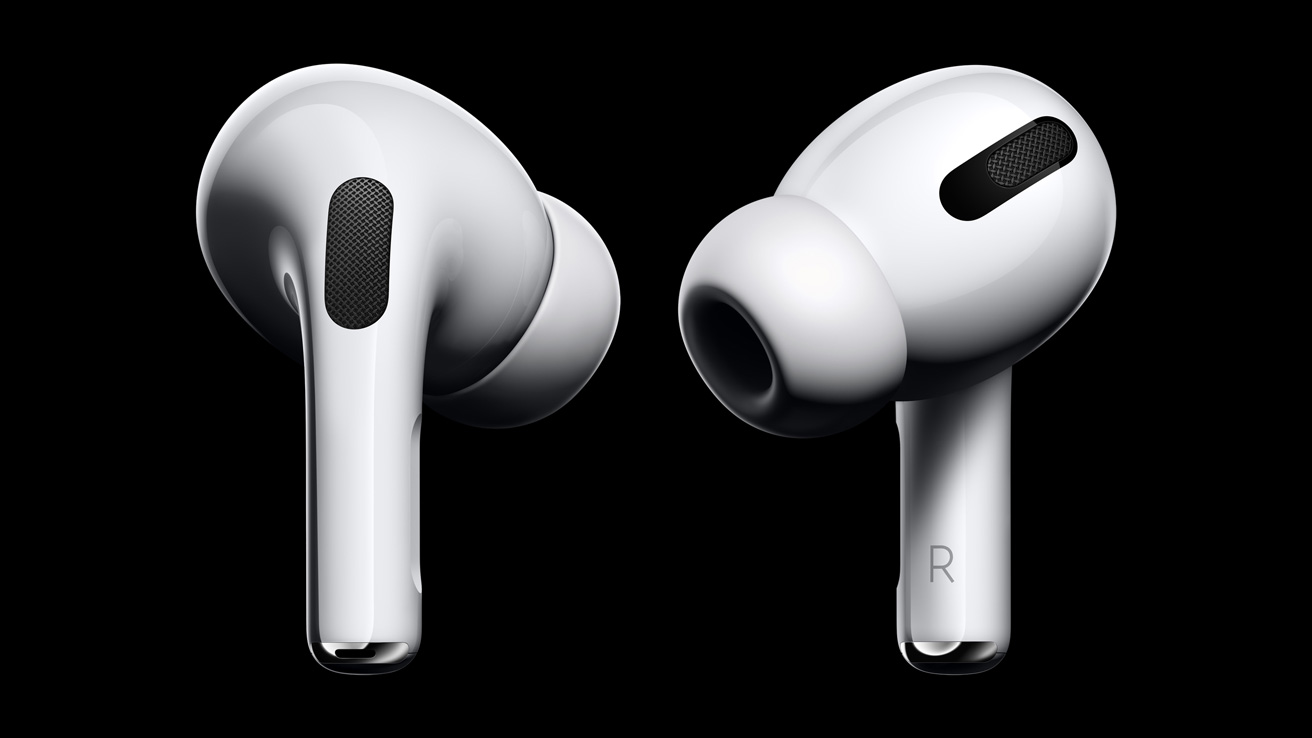
    Apple could make its wireless earphone, AirPods Pro 2, in Vietnam this year as it seeks to expand production outside China amid strict Covid-19 policies there, according to reports.

    Supply chain analyst Ming-Chi Kuo tweeted Tuesday that the new AirPods would be mass produced in Vietnam from the second half of this year.

    “The shift in AirPods Pro 2 production can be attributed to the relatively uncomplicated supply chain and Vietnam’s better production environment (such as infrastructure and workforce) vs. most countries outside China.”

    But he said that since the product introduction process of the device is still on in China, it is not easy to establish a complete non-China production site.

    Apple has told some of its contract manufacturers that it wants to boost production outside China, citing Beijing’s strict anti-Covid policy among other reasons, the Wall Street Journal reported last week.

    India and Vietnam, already sites for a small portion of Apple’s global production, are among the countries getting a closer look from the company as alternatives to China, it said, citing people involved in the discussions.

    Apple had been seeking to diversify away from China before Covid-19 broke out in early 2020, but the plans were complicated by the pandemic, the report said.

    Current lockdowns in Shanghai and other cities as part of China’s anti-Covid policy have caused supply-chain bottlenecks for many western companies, it added.

  • Apple China opens its Wuhan store, with first Apple Pickup area

    Apple China opens its Wuhan store, with first Apple Pickup area

    Apple has launched its flagship in Wuhan, its first retail store in China to feature an Apple Pickup area.  Apple Wuhan is the 54th Apple store in China, as the tech giant continues to expand its footprint in Asia, especially in Mainland China.  The flagship store uses granite floors and wood-trimmed walls to make the store and mall lobby brighter and more transparent. The instore team will help customers with purchasing and personalising their devices, choosing instalment payment plans, using

    The instore team will help customers with purchasing and personalising their devices, choosing instalment payment plans, using eligible devices as trade-ins on new ones, and booking online support.

    According to Apple, its Wuhan staff can speak multiple languages – including sign languages in Chinese and English.

    “Our highly specialised team of experts is looking forward to welcoming customers from this vibrant community starting this Saturday,” said Deirdre O’Brien, Apple senior VP of retail operations and people.

    “This retail store brings new design elements to China for the first time, giving customers more ways to explore ideas, learn more about Apple products, or make it easier to pick up an online order in store.”

  • Apple’s VR/AR headset to use standalone design

    Apple’s VR/AR headset to use standalone design

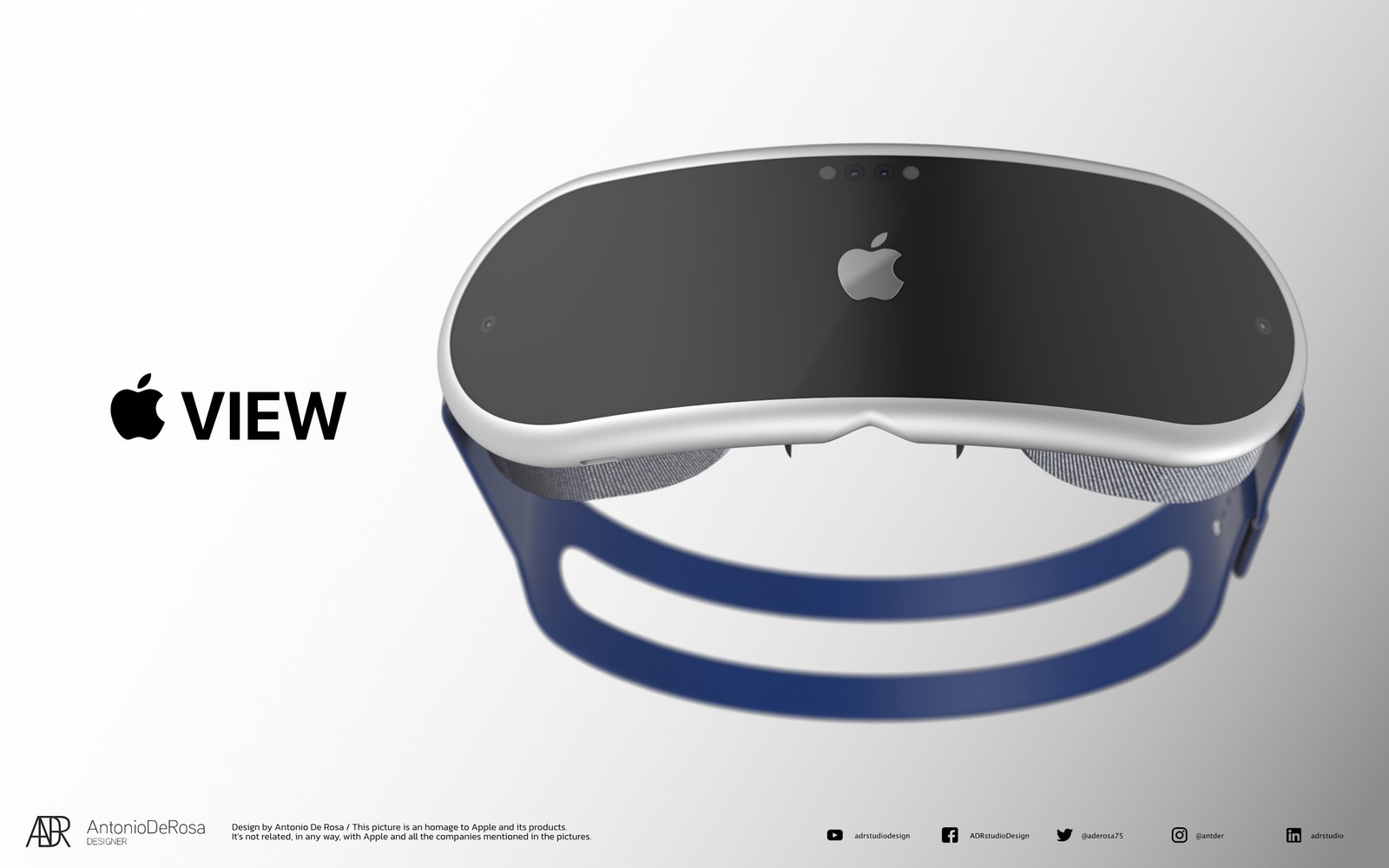
    Apple’s mixed reality headset was recently shown to the company’s board of directors. With mixed reality, the device will support both VR (virtual reality) and AR (augmented reality). The former creates an environment that is all made up while the latter places a layer of data on top of a real-world image. For example, with VR you might find yourself in a room with a large screen television that you can use to play video games.
    The thing is, this room does not exist and neither does the television set. You’ll see it only when you have your mixed reality headset on. Augmented Reality (AR) is currently used on Google Maps. With Live View, the camera on the back of the phone sends images to the display that shows you where you are while arrows are superimposed on the screen showing you which way to turn and pointing out famous landmarks that you’ll be walking past.
    By the time the decision was made to go with the standalone headset, the device’s multiple chips had already been in development for several years. This made it impossible for Apple to start from scratch and go back to the drawing board to produce a single chip to handle all the capabilities of the headset. Other issues have created headaches for hardware and algorithm engineers such as many as 14 cameras on the device.
    The report also delves into former Apple design chief Jony Ive’s continued work on the project which has continued long after Ive left Apple. While Ive prefers a wearable battery for the mixed reality headset (“the best Apple mixed reality headset yet,” as Ive might have said on the new product video), prototypes of the device reportedly have the battery hidden inside the headband of the VR headset.
    Still, it is not known where the battery will be found in the final design of the device. We do expect the headset to use a new operating system called realityOS which was a name we first heard used in conjunction with Apple headgear years ago.
    The mixed reality headsets check off a few flattering and unflattering boxes. Expensive? The price could be above $3,000 and include as many as a dozen cameras to help track hand and head movements. There could be two 4K micro OLED displays and an AMOLED low-resolution display for peripheral vision. Analyst Ming-Chi Kuo says that Apple does not pigeon-hole the device as a gaming platform and that it will sport the best industrial production to date.
    Bloomberg’s Mark Gurman wrote, “Gaming should be a strong focus of the machine, especially given that it will have multiple processors, a fan, extremely high-resolution displays, and its own App Store. Look for Apple to position the device as a dream for game developers. Next, media consumption. I expect Apple to work with media partners to create content that can be watched in VR on the device. Third, communications. Look for Animojis and a VR FaceTime-like experience to be the new-age Zoom.”
    And a few years after the mixed reality device is released, Apple is expected to launch what many have been expecting to be its next big product replacing the iPhone, Apple Glass. With a design that resembles traditional glasses, Apple Glass would allow users to employ AR to see data through their glasses as they go about their average day.
    At Google I/O last week, Google showed off a pair of smart glasses that looked nothing like Google Glass, the device that helped coin the phrase “glass holes.” The glasses displayed at the event allow a user to slip one on and instantly engage in a conversation with someone speaking another language. If Apple and Google can prove the worth of using smart glasses for this type of content (which would also benefit the hard of hearing) instead of recording copies of first-run movies and selling bootlegged copies of them, then AR glasses could very well be the next big thing.


  • Apple reveals software to make its products more inclusive

    Apple reveals software to make its products more inclusive

    Apple has unveiled new software features aimed at helping make it easier for users with disabilities to navigate, connect and get the most out of its products.

    The tech giant said the updates combine the company latest technologies to deliver customizable tools for users and build on Apple’s long-standing commitment to ensuring the products work for everyone.

    The company says it has advanced its hardware, software and machine learning to match the demands as well as support people with different disabilities. For example, blind people or those with limited vision can use their iPhone and iPad to navigate the last meter to their destination with Door Detection.

    Users with physical and motor disabilities, who rely on Voice Control and Switch Control will now be able to fully control their Apple Watch from their iPhone using Apple Watch Mirroring.

    Meanwhile, the deaf and hard of hearing community can follow Live Captions on iPhone, iPad and Mac. Apple also developed its screen reader VoiceOver with more than 20 new languages ​​and locales.

    “Apple embeds accessibility into every aspect of our work, and we are committed to designing the best products and services for everyone,” said Sarah Herrlinger, Apple’s senior director of accessibility policy and initiatives.

    Additional features such as Buddy Controller, Siri Pause Time or Voice Control Spelling Mode will be added later this year with software updates across Apple’s various platforms.

  • Qualcomm’s next Snapdragon chipset arrives May 20

    Qualcomm’s next Snapdragon chipset arrives May 20

    At the start of the month, speculation arose about a possible delay to Qualcomm’s next set of chipsets. But a more recent leak pointed to an announcement before the end of May and now Qualcomm has confirmed exactly that.

    The company behind Snapdragon chipsets has confirmed that it will be hosting an announcement event in China later this week, on May 20. Qualcomm has yet to confirm which chipsets will be making an appearance, though rumors suggest that both the Snapdragon 7 Gen1 and Snapdragon 8 Gen1+ could be unveiled.

    Qualcomm’s Snapdragon 8 Gen1+ is undoubtedly the most exciting of the two. Building upon the brilliant foundations of the vanilla Gen1, which powers a bunch of flagships, the Gen1+ is set to be built on the 4nm process and offer both a 10% CPU speed boost and battery life improvements.

    In other words, devices powered by the Snapdragon Gen1+ should be faster and last longer than those powered by the regular Gen1. The devices that’ll use Qualcomm’s next high-end processor remain to be confirmed, but Motorola’s Frontier could be one of the first.

    Samsung’s next foldables — the recently leaked Galaxy Z Fold 4 and Flip 4 — should benefit from the upgraded chipset as well. The Gen1+ is likely to be one of the biggest upgrades since Samsung is planning only small design tweaks.

    Moving on to the Snapdragon 7 Gen1, it’s expected to be built upon the 4-nanometer manufacturing process and slot in directly below the Snapdragon 8 series. That means it’ll be used inside slightly cheaper devices, but still offer an impressive level of performance.

    On the smartphone front, the new Reno 8 from Oppo, set to debut later this month, could be the first one powered by Qualcomm’s Snapdrag

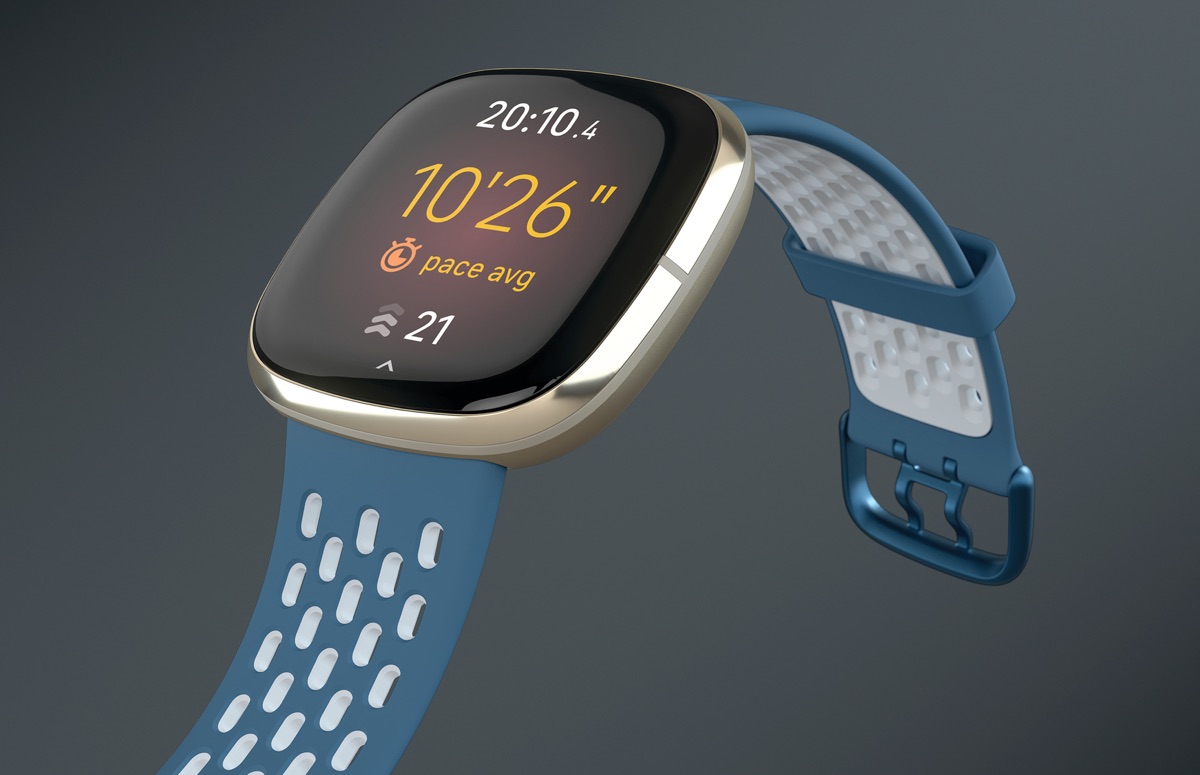
  • Fitbit co-founder reveals the future of Fitbit smartwatches

    Fitbit co-founder reveals the future of Fitbit smartwatches

    During Google I/O 2022, Big G announced the Pixel Watch, its long-awaited, first-ever smartwatch. But, although the new wearable bears the Google branding, it has a lot in common with Fitbit smartwatches. The search giant acquired Fitbit in 2019, and we can safely say that the Pixel Watch will be the first Wear OS device with Fitbit integration.

    So, considering that Google is launching its own watch now, we can’t help but wonder what will happen to Fitbit smartwatches. Well, according to Fitbit Co-Founder and the head of Google’s wearables division, James Park, Google releasing a smartwatch doesn’t mean that Fitbit watches are getting the ax.

    Park stated that Google’s Pixel Watch was designed for users who want LTE and, at the same time, all the advanced health and fitness features the tech industry can currently offer. In other words, the Pixel Watch is targeted at users that prefer the Apple Watch or the Samsung Galaxy Watch experience.

    Park further stated that, according to him, there will always be people for whom LTE and the other stuff that watches, such as the Apple Watch Series 7 and the Samsung Galaxy Watch 4, offer are completely unnecessary. According to him, such people will always prefer the tracker with the most advanced health capabilities and reliably long battery life, implying that Fitbit smartwatches will continue to be designed for hardcore fitness enthusiasts.

    In this regard, Park said, “The great thing about combining Pixel and Fitbit is that we’re able to collectively offer these different devices. People can pick and choose what’s best for them.”

    During the interview, James Park also revealed if the Fitbit app will replace Google Fit or vice versa now that Google has its own smartwatch. Park stated that for now, both apps will continue to exist as is, since they are each used by a pretty hefty amount of users, and that both groups like their chosen apps for a variety of reasons. Google doesn’t want to mess with the experience with either one subset of users for the time being.

  • Apple is no longer the world’s most valuable public company

    Apple is no longer the world’s most valuable public company

    Sorry Apple fans, your favorite company is no longer the most valuable publicly traded outfit in the world. That honor now belongs to oil firm Saudi Aramco. The latter is now worth just south of $2.43 trillion yesterday after converting its market capitalization to dollars. Apple, on the other hand, took a huge hit in the stock market on Wednesday with the shares declining 5%.
    Over the last five trading days, Apple’s shares have declined by $13.51 or 8.66%. Just after the regular trading session closed on Thursday, Apple’s market cap was down to $2.31 trillion. Since it set a 52-week high at $182.94 on January 4th, Apple has seen its value evaporate by 23%. On the other hand, Aramco’s shares are up 27% since the start of the year. In March, the company reported that its full-year earnings doubled thanks to booming oil prices.
    Over the last few years, Apple has become the first publicly traded U.S. firm to reach various valuation benchmarks at $1 trillion, $2 trillion, and $3 trillion. When we write about Apple’s valuation we are talking about its market capitalization which is computed by multiplying the current price of Apple’s stock ($142.56) by the number of shares outstanding.
    The only other U.S. companies giving Apple a run for the money include Microsoft ($1.91 trillion market cap), and Google parent Alphabet ($1.49 trillion market cap). Apple first went public on December 12th, 1980 at $22 per share. Since then, the company has split its shares several times with the latest taking place in August 2020 (4-1). Taking the stock splits into consideration, Apple’s IPO price was 10 cents per share.
    That means if you were lucky enough to buy 100 shares of Apple at the IPO price of $22, you would now own 22,400 shares of the company valued at $3.2 million.
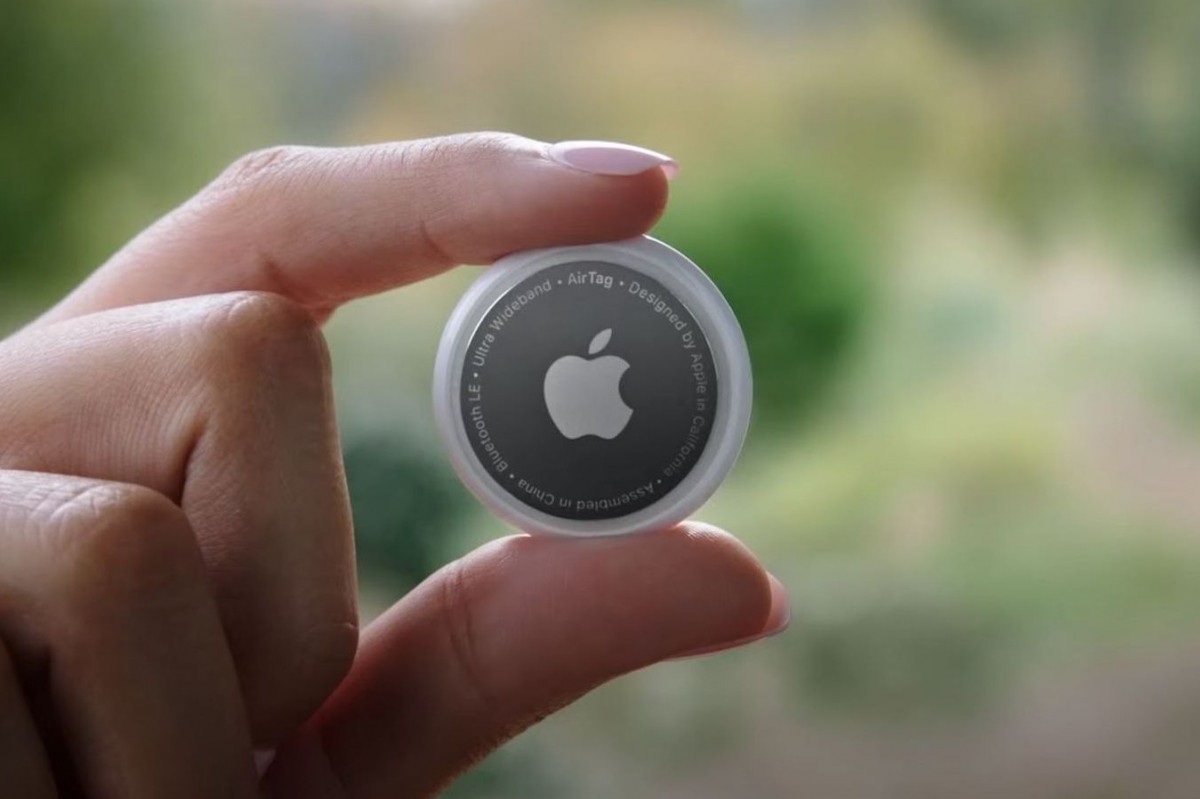
  • Apple needs to exterminate bug causing AirTags stalking false alarms

    Apple needs to exterminate bug causing AirTags stalking false alarms

    With all of the publicity that is generated when a rogue Apple AirTag is used to stalk unsuspecting victims, Apple is now having issues with AirTags that result in alerts being sent to users who aren’t being stalked at all. While the device was designed to help people keep tabs on small items that they are apt to lose such as key chains, the AirTags have been used by criminals to follow the whereabouts of certain car models that bring high returns in the stolen car market.
    And to prevent iPhone users from becoming victims of criminal AirTag users, they are alerted when being followed by someone else’s AirTags. That’s what happened recently at Disney World when a mother and daughter were leaving the park and the daughter received a notification on her iPhone saying that she was being tracked by another person’s AirTag. Luckily, nothing ever came of the incident although it frightened both of them..
    What is happening more and more is that iPhone users are receiving such frightening alerts even if they aren’t being tracked at all. The Journal says that some of these warnings are coming in the middle of the night and are scaring those who are receiving the notifications. In most cases, the rogue AirTags are not in the path of the concerned iPhone users at all, and could be from a bug or a glitch.
    The bogus reports have created “confusion and concern, and have led recipients on wild goose chases” according to the Wall Street Journal. And graphs tracking these bogus AirTag alerts create patterns that are not realistic. These patterns are showing the erratic movements of these AirTags moving in nonsensical directions.
    Ryan McClain, a 25-year-old marketer in Indianapolis, received a notification one-morning last month that said he was being tracked. His response was a combination of bewilderment, fear, and concern. “It was a shock to my morning,” he said. “I thought, ‘Who would want to stalk me? Who would want to hurt me?” McClain and his fiance spent the next day looking in vain for the offending AirTags.
    Toronto-based consumer researcher Marcus Geisler found the pattern of movement generated by the AirTags to be strange. “The AirTag’s pattern of movement on the map looked super weird,” said Geisler.” “I thought maybe my neighbor’s dog accidentally swallowed it,” He also was unable to find any rogue AirTags.
    Another iPhone user, 24-year-old Natalia Garcia, received a notification telling her that an “AirTag (was) Found Moving With You.” She received the message after an evening in downtown Chicago. “It was scary,” Garcia said, “I checked my purse, looked all around to make sure no one put an AirTag on me,” she said. She tried to force the tracker to ring its alarm but the Find My app just would say “AirTag Not Reachable.”
    So what should you do if you’re getting bombarded with bogus notifications? Should you turn the notifications off? Not al all says John DeCarlo, director of the master’s program in criminal justice at the University of New Haven and a former Branford, Conn., police chief. “Getting false alarms with technology is a common occurrence,” DeCarlo said. “If you turn the notifications off, it leaves you without the benefits.”
    If the bogus notifications are from a bug, it will be up to Apple to try and exterminate it just to keep users from feeling that an unseen stalker constantly has his eyes on them even if that isn’t true at all.
    It just reveals what a sad state the world is in that a device meant to help people find missing objects becomes a scary product used to attack people just minding their own business.
  • Oppo is reportedly prepping a clamshell foldable

    Oppo is reportedly prepping a clamshell foldable

    Earlier this year Oppo released the Find N foldable handset with a 7.1-inch internal display and a crease that isn’t as easy to spot as the one on other foldables. The 5.45-inch cover screen has a shorter and wider 18:9 aspect ratio than the taller and thinner 25:9 aspect ratio found on the Galaxy Z Fold 3’s cover screen.

    Oppo and Samsung are the only two phone manufacturers that use ultrathin glass (UTG) for their foldable phones. The UTG weighs in at just 0.03mm thick which allowed it to bend more than 200,000 times without any issues in pre-production testing.

    Back in January, a secret file found in the Android 12L Beta revealed that the measurements of the Google Pixel Fold’s internal display won’t be as large as the size of the Samsung Galaxy Z Fold 3’s internal screen as originally thought. And a report from DSCC display analyst Ross Young that we told you about on Tuesday uses rumored measurements to conclude that that the foldable Pixel’s internal display could be shorter but wider than the Galaxy Z Fold 4’s internal screen.
    Once again, this would seem to indicate that the Pixel Fold’s display will be similar to the tablet-sized screen belonging to the Oppo Find N. Almost exactly a year ago to the day, we told you that Oppo was reportedly working on a Galaxy Z Flip challenger with a clamshell design. Today, we have some more information about this phone, which would also take on the Huawei P50 Pocket.
    The rumor mill has Oppo’s foldable clamshell coming in at the equivalent of $756 compared to price tags of approximately $1,000 for the  Huwaei P50 Pocket and a rumored $1,000 for the Galaxy Z Flip 4.
    One of the smartphone brands under the BBK Electronics corporate umbrella along with OnePlus, Realme, Vivo, and iOOO, Oppo’s strategy is to differentiate its foldables from Sammy’s models by giving them a smaller footprint and a smaller price tag.
    While we don’t have any leaked specs for Oppo’s rumored flipper to pass along, we can refresh your memory to remind you that the Galaxy Z Flip 3 opens to reveal a 6.7-inch display with a 1080 x 2636 resolution and features a 120Hz refresh rate. There is a small 1.9-inch external display for notifications, messages, and alerts.
    Unlike the Oppo Find N, which turns from a smartphone into a tablet, the clamshell starts out as a pocketable device that flips open to become a large-screened handset. Plus, whenever you end a call with someone you’re not fond of, you can give your phone a satisfying slam that indicates the end of that connection (telephonically and otherwise).
  • Chip shortage is still a thing says Intel CEO Gelsinger

    Chip shortage is still a thing says Intel CEO Gelsinger

    Just because we don’t constantly hear about it as much anymore doesn’t mean that the global chip shortage has ended; when it comes to chips, the world isn’t all of a sudden “in the chips,” according to Intel CEO Pat Gelsinger who spoke Friday on CNBC’s “TechCheck.” The executive says that important tools used in the chip manufacturing process are not readily available keeping production capacities in check.
    With foundries unable to expand production capacity for their fabs, Gelsinger sees the chip shortage lasting longer than originally thought. “That’s part of the reason that we believe the overall semiconductor shortage will now drift into 2024, from our earlier estimates in 2023, just because the shortages have now hit equipment and some of those factory ramps will be more challenged,” the Intel CEO said.

    Intel, which has promised to regain “process performance leadership” by the end of 2024, has created a road map that includes taking delivery of ASML’s next-generation extreme ultraviolet lithography (EUV) machine. The $150 million machine uses highly polished mirrors to help focus ultraviolet light allowing it to etch circuitry patterns onto a wafer.
    With billions of transistors deployed on chipsets these days, lithography machines need to be able to create patterns that are fractions of the width of a human hair to help foundries manufacture cutting-edge chips. Intel will be the first foundry to use the new machines that raise their numerical aperture from .33NA to .55NA. This means that the machine can collect more light to help it create the circuitry patterns on the wafers that are used to build faster and more energy-efficient integrated circuits.
    Returning to process leadership means that Intel has to continue spending to build new fabs in the U.S. and Europe. The executive says, “We’ve really invested in those equipment relationships, but that will be tempering the build-out of capacity for us and everybody else, but we believe we’re positioned better than the rest of the industry.”
    Before speaking on CNBC, Gelsinger previously said that a supply-demand balance in the chip industry would take place in 2023. Intel did report first-quarter revenue and earnings last week that topped expectations on Wall Street although its estimates for the second quarter came in below analyst’s forecasts. Over the last week, Intel’s shares declined 8.6% from $93 to $85.
    The top two contract foundries in the world that take chip designs created by other companies and turn them into the final components are TSMC and Samsung. The former is known for building the chips designed by Apple including its A-Series and M-Series chips. Unlike TSMC and Samsung, Intel’s foundries usually produce components that Intel itself had designed.
    With two new fabs being built in Arizona, Intel is taking the business model perfected by TSMC and is bringing it to the U.S. But that doesn’t mean that TSMC won’t be a competitor. The Taiwan-based company is building its own plant in Arizona that will turn out 5nm chips by 2024.
    Tech firms are expected to embrace the possibility of having Intel produce chips based on their designs without fear that a geopolitical event will force TSMC to shut its factories in Taiwan and create a massive bottleneck that would make the current chip shortage feel like a walk in the park.
    Creating a valid supply chain for chips in the U.S. and making the country self-sufficient is a goal that the U.S. has been trying to achieve. China too has a goal to become self-sufficient when it comes to building chips. After the U.S. used its export rules to block Huawei from receiving shipments of cutting-edge chipsets, this became a major goal for the country.
    In 2020, the U.S. Commerce Department put in place a rule that blocks foundries that use American technology to build advanced chips from shipping such chips to Huawei even if the chips were designed by the company itself.
  • Honor sees gains as China smartphone sales fall

    Honor sees gains as China smartphone sales fall

    Former Huawei unit Honor posted the fastest growth in China’s smartphone market in the first quarter, even as overall handset sales fell 14% year-on-year to levels close to those seen in the pandemic-ravaged first quarter of 2020.

    Android handset brands Vivo and Oppo, both under the privately owned BBK Electronics, claimed the largest share of first quarter sales, with 19.7% and 18% of the market respectively, research firm Counterpoint Research said.

    Apple, which was China’s top-selling vendor in the previous quarter for the first time in six years thanks to the release of the iPhone 13, was the third-largest seller in Q1, claiming 17.9% of the market.

    Honor made the biggest gains in Q1, taking the fourth biggest slice of sales with 16.9%, with sales up 15.5% on the previous quarter. Huawei Technologies sold its Honor unit in December 2020 to a consortium of agents and dealers as U.S. sanctions crippled the parent’s smartphone sales.

    Huawei, once China’s best selling brand, held 6.2% of the market in the first quarter.

    Chinese retail sales lagged in the key coastal economic regions of Guangdong and Jiangsu in the first quarter, with areas hit by COVID-19 outbreaks also showing particular weakness, regional data showed.

  • New firmware update for the Apple AirTag is released

    New firmware update for the Apple AirTag is released

    Apple has started releasing its newest AirTag firmware update. Version 1.0.391, with the feature build number 1A301 succeeds the previous iteration that the company launched seven months ago.

    Concrete details on the recent firmware update are, for the time being, rather scarce. With iOS updates, one can easily identify the main tweaks by going over the official release notes. However, for firmware updates, Apple has never made the same effort to guarantee visibility.

    Nevertheless, with time, users will be able to find out for themselves what the new firmware update brings to the table. Last year, Apple released an Android app for the AirTag and made some adjustments to the anti-stalking features of the device. It is possible that this new update could also build upon the latter.

    In general, firmware updates do not always introduce new features. Most commonly, they tackle bugs and enhance performance. That being said, a novel feature is never completely out of the question. If one does come up, you can be sure that we at PhoneArena will have you covered.

    Users can, as of now, only check whether they are running the newest firmware version. Unfortunately, firmware updates happen automatically without the user being explicitly informed. Because there is no way to manually initiate an update, those that have not received the newest one will simply have to exercise some patience.

    In order to see which firmware version is being run on your AirTags, simply select your AirTag from the items section, tap on its name and compare. If the version is 1.0.391, you are good to go. If not, simply make sure to leave your AirTag close to your iPhone and hope for more than mere optimisation.

  • Samsung seeks to supply Apple with an important part of the latter’s M2 chip series

    Samsung seeks to supply Apple with an important part of the latter’s M2 chip series

    Apple’s initial line of M-series chips includes the M1, M1 Pro, M1 Max, and the M1 Ultra. Built by TSMC using its 5nm process node, these SoCs feature a large number of transistors starting with the M1’s 16 billion and moving ahead to the 33.7 billion on the Pro, 57 billion on the Max, and the whopping 114 billion on the Ultra (which is essentially two M1 Max chips combined.
    The M-series chips are based on Arm’s architecture and the M1 is employed inside the latest versions of the iPad Pro and iPad Air. Apple has finished the M1 series and is now moving on to the M2. One of Apple’s main rivals says that it wants a role in Apple’s M2 supply chain. Samsung, which was involved in the production of the M1 series, wants to continue peddling supplies to Apple for the M2 series.
    According to SamMobile, Samsung supplied Apple with FC-BGA (full-chip ball grid array) substrates that are used by CPUs and GPUs that have a large number of circuit connections. A substrate used in the production of chips is basically a thin copper wire placed in resin that helps transmit user instructions to chips and relay the answers. It is used because the extremely thin wiring attached to chips can’t handle being soldered directly to a circuit board.
    In other words, a substrate helps connect a chip to the motherboard of a device. As important a task as that is, it is not as high tech as other parts of a chipset are and margins are low.
    Last December, Samsung invested 1.3 trillion Korean won ($1.04 billion USD) to build an FC-BGA substrates factory in Vietnam. The company also spent another 300 billion won ($241 million USD) on its existing FC-BGA substrates facility in its home country of South Korea.
    Will Samsung get the job? Considering that there has been under-investment in the production of substrates (typical for such a low-margin business), supplies are tight and Apple has been known to tie up production for years in situations like this. And if Apple doesn’t go with Samsung, there are many chipmakers that need to find a source for advanced substrates.