Category: Electronics

Retail News Asia is committed to providing both local and global retailers with the latest Electronics news throughout the Asian market. This on a daily base.

  • Samsung to launch another mid-range 5G smartphone in Europe

    Samsung to launch another mid-range 5G smartphone in Europe

    After Galaxy A52 and A72, Samsung plans to launch yet another mid-range smartphone in Europe, which is supposed to bring 5G to the masses. The unannounced phone is known as Galaxy M52 and it’s likely to be cheaper than the other two Galaxy A series phones.

    Based on a benchmark spotted by GalaxyClub, the upcoming Galaxy M52 will be equipped with Qualcomm’s Snapdragon 778G processor. It’s the same chipset that will be used by Honor inside its 50 series, so it’s bound to be good enough for a mid-range phone.

    Apart from its chipset, we also know that the Galaxy M52 will pack a 64-megapixel main camera, complemented by a secondary 32-megapixel camera in the front. There’s no info yet about the size of the display, but the phone is expected to feature a massive battery, just like the predecessor.

    It’s too early to talk about price, but it looks like information about color variants has already leaked, so we’re happy to let Samsung fans know that the Galaxy M52 will be available in at least three different colors: black, blue, and white.

  • Intel CEO says chip shortage will continue throughout this year

    Intel CEO says chip shortage will continue throughout this year

    As many of you know, we are in the middle of a chip shortage that has been impacting automobile and consumer electronic manufacturers. Intel CEO Pat Gelsinger sees the shortage continuing throughout the remainder of this year, bottoming out during the second half of 2021 before things start to improve. In fact, the executive doesn’t expect the supply-demand picture to return to normal until 2023.

    Gelsinger said, “I don’t expect the chip industry is back to a healthy supply-demand situation until ’23. For a variety of industries, I think it’s still getting worse before it gets better.” Last month, we told you that the lead time, the time it takes between placing an order for semiconductors and actually receiving them, hit 17 weeks in April; that was the longest lead time recorded by Susquehanna Financial since 2017 and was a big jump compared to the previous year’s 12.53 figure.

    Unlike fabless manufacturers like Apple, Qualcomm, MediaTek, and others, Intel owns its own factories (aka fabs, short for fabrication plants). A company like Apple designs its own chips, but without the means to manufacture them itself, the company turns to the world’s largest contract foundry, Taiwan Semiconductor Manufacturing Company, Limited (TSMC Ltd.) to produce them.

    Gelsinger says that thanks to Intel’s ownership of its fabs, it is more able to keep up with demand for chips than those who are outsourcing production to another foundry. The executive says that demand for chips will continue to be strong over the next 10 years thanks to expected growth in demand for 5G smartphones, AI, and electric vehicles. Intel’s CEO is on the side of those industry executives who see the current demand for chips continuing into the future.

    Other executives don’t believe that the industry can sustain the growth of more than 5% on an annual basis. Broadcom Inc. CEO Hock Tan is one such executive. Even though his firm reported a 15% revenue hike for its latest quarter, Tan says chip production is a mature industry that will revert back to low growth.

    There is no denying though, how important chips are to the global economy. The U.S. leads the way in the sales and design of chips although production is led by Taiwan’s TSMC and South Korea’s Samsung. TSMC will be opening at least one fab in Arizona no later than 2024.

  • Huawei to reportedly build its own chipsets in Wuhan starting next year

    Huawei to reportedly build its own chipsets in Wuhan starting next year

    In May 2019, the U.S., claiming security issues, placed Chinese phone manufacturer Huawei on the entity list. As a result, Huawei was no longer able to access the U.S. supply chain that it had spent over $18 billion on during the previous year, and was even banned from using software developed by Google. Exactly one year later, the U.S. Commerce Department made a change in export rules preventing foundries using American technology from shipping cutting-edge chips to Huawei without a license.

    Since the U.S. export rule change prevented Huawei’s contract foundry TSMC from shipping to the Chinese manufacturer the powerful 5nm Kirin chips that Huawei had designed itself, there had been talk about Huawei manufacturing its own chipsets. Like most major consumer electronics firms including Apple, Huawei farms out its chip designs to contract foundries like TSMC and the latter builds the actual chips using its fabs.

    Prior to the U.S. ban on chip deliveries to Huawei, the latter was TSMC’s second-largest customer behind Apple. Since being placed on the entity list, Huawei has learned to make its own software and hardware to replace parts of the supply chain it can no longer obtain such as the Google licensed version of Android (replaced by Huawei’s HarmonyOS, and Huawei Mobile Services).

    Industry sources are calling for Huawei to turn on the “start” button for its own wafer fab in Wuhan. Production is expected to start in phases beginning in 2022. Huawei’s HiSilicon unit certainly has the capability to design high-powered chips like the 5nm Kirin 9000. Wafers, made from silicon, go through several processes before getting sliced up and packaged to become individual chipsets.

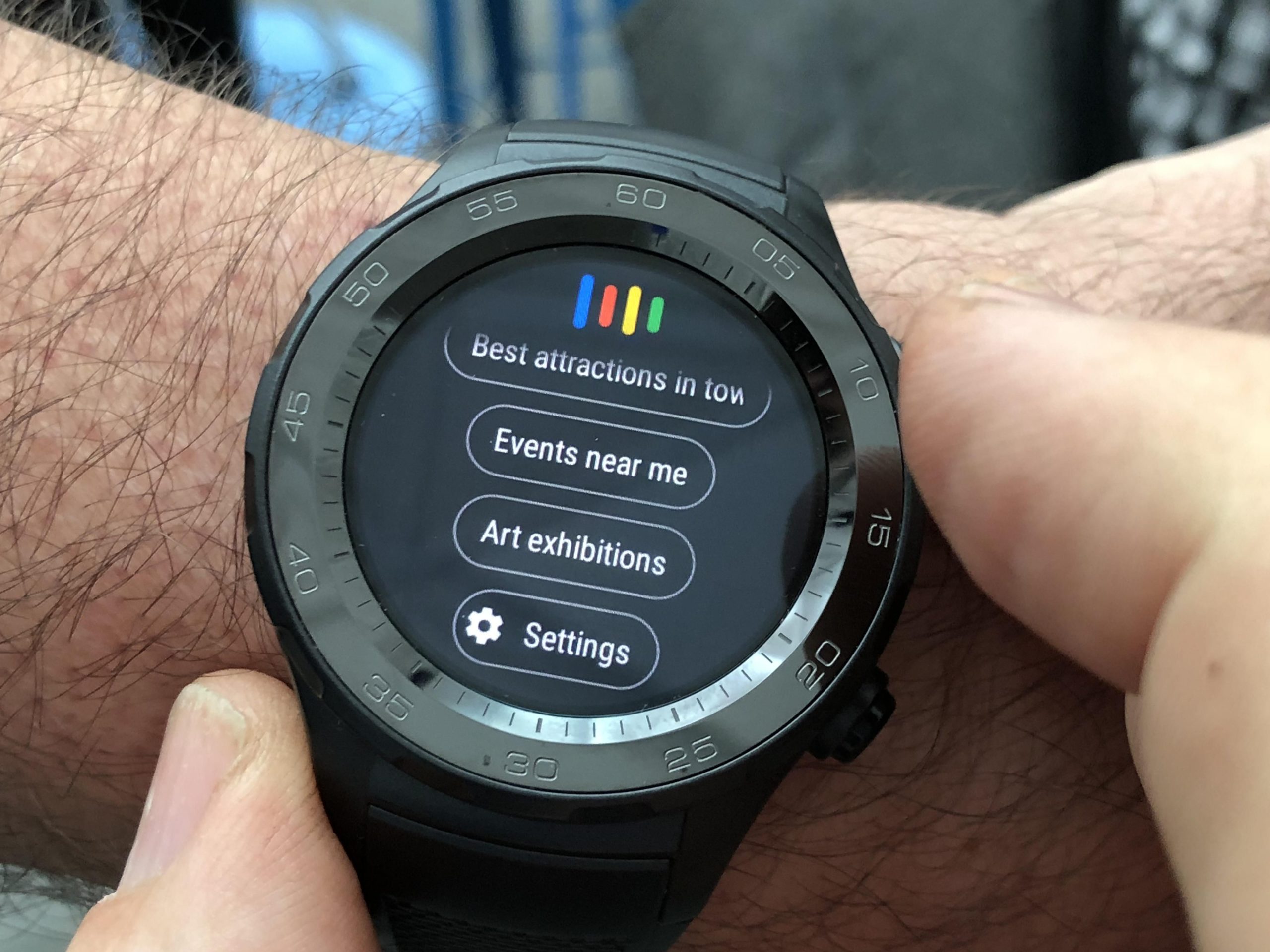
  • Google is still being unclear on support for the new Wear OS

    Google is still being unclear on support for the new Wear OS

    It became clear how uncertain the future of current smartwatches is with the new Wear OS by Google and Samsung. We initially thought that the wearables we have now are not equipped with the horsepower to support the update.

    In a recent report from Qualcomm, however, we found out that is not the case. The chipset manufacturer confirmed the Snapdragon Wear 3100 and Snapdragon Wear 4100/4100+ have what it takes to run Wear OS 3.0.

    This then begs the question, why so many of the devices out now are not confirmed to receive it? One example is the Fossil Gen 5. The company recently opened up and stated that none of their intelligent timepieces will be getting the upgrade to the next version of Wear OS. Unfortunately, no further reasoning was given after that announcement which only arose further suspicion.

    On the other hand, wearables like the TicWatch Pro 3 have a decent chance to make the transition, as we got a leaked conversation with a representative from their customer support earlier this month. Although, given the source, the information does not carry much weight and leaves us with little reassurance.

    “User experience is a top priority for us. We have not confirmed eligibility or timeline on whether any Wear OS smartwatch will update to the new unified platform. There are many technical requirements in order to run the unified platform that ensures all components of the user experience are optimized.”

    If we translate this message, it seems Google has very politely disagreed with Qualcomm’s statement. The big G is basically saying there is no guarantee current Wear OS devices can comfortably handle it. Despite that, the tone and wording do leave room for possibility and dare I say… hope.

    Nevertheless, it seems Googe is being very tight with their plans and details on the topic. Your best course of action would probably be to wait a little while for the air to clear up if you are in the market for a new wrist buddy.

  • Apple may use AirPods to track health data

    Apple may use AirPods to track health data

    Apple’s Vice President of Technology, Kevin Lynch, recently held a lengthy interview regarding the company’s advancements and aspirations within the health sphere.

    In 2014, Apple came out with the Apple Health app to allow users to track and record their heart rate, which was first collected with the original Apple Watch. However, Apple quickly realized the potential in fusing this software with its constantly improving hardware, to bring a whole slew of personal health data to people’s fingertips—and it’s been expanding ever since.

    One of the new sensor-equipped gadgets to bring health-relevant data to users may be none other than Apple’s AirPods, as Lynch slipped to the TechCrunch reporter near the end of yesterday’s interview.

    The latest model of the AirPod earbuds, the AirPods Pro, already feature a pair of dual optical sensors, a motion-detecting accelerometer, a speech-detecting accelerometer, and a force sensor, all inside the tiny chasse fitted inside the ear.

    While we don’t know of any new sensors coming to AirPods Pro in the near future, these existing ones could well be leveraged to monitor a variety of things related to one’s overall health, just like the iPhone and Apple Watch already do.

    Supporting this new information is a Bloomberg report from last month, which promises that next year’s second-generation AirPods Pro are going to have their motion sensors updated with particular attention to fitness tracking. Once they do, this data is sure to be integrated into the Health App—which would be another growth spurt for Apple’s evolving health system.

    Reliable Apple analyst Ming-Chi Kuo has also reported similar information in a separate statement in the past. Kevin Lynch hinted that Apple sees lots of potential for leveraging as many devices as possible to monitor health data—and is likely going to be adding AirPods to the mix.

    Apple’s entire health-monitoring ecosystem all started with a heart rate monitor integrated into the Apple Watch, and a consequent iPhone app developed to easily deliver users that information.

    At first, we were showing people their heart rate, and you could look at it — we were using it for calorimetry. But some users actually were looking at their heart rate when they weren’t working out, and noticed it was high. They would go talk to their doctor, and the doctor would find a heart issue, and we would start getting letters about this. We still get letters today about our work in the space, which is amazing. But some of those early letters were clueing us into ‘Wait, we could actually look for that ourselves in the background’.

    Since then, the existing fusion of Apple’s technologies has come a long, long way. It now not only simply tracks your heart rate, but matches it to your currently assessed level of activity, and comparing that to known health data, can notify you if you have a dangerously low or high heart rate.

    >Of course, that’s only the beginning. Leveraging Apple’s devices, the Health app can also keep track of your activity intensity, calorie burn, metabolic rate—it can even take your sleep metrics. This means that you can monitor your blood oxygen levels during sleep, track how much time you spend asleep, as well as your sleeping respiratory rate.

    We’ll also be seeing mobility metrics being taken later this year, tracked in terms of “walking steadiness,” which assesses your balance, strength, step symmetry, and gait. It will let you know if it detects a lack of balance or symmetry in your walk, or other abnormalities, and let you know if you are at an increased risk of falling.

    With iOS 15 this year, the Health app will also be able to track your food and calorie intake for you. It will also allow you to share your health data both privately (with loved ones worried about your health, for example), or publicly, such as with your doctor.

    There is even talk of a blood sugar monitor coming to the Apple Watch, although it has been confirmed that we’ll have to wait until after the Apple Watch 7 to see it. A temperature sensor may also be coming with the Apple Watch Explorer/Adventure Edition in 2022.

    All of this has become possible in the span of only a few years, but Apple is clearly already looking towards the future for more possibilities and ways to expand its health monitoring services.
  • Qualcomm sheds light on which smartwatches support Google’s new Wear OS

    Qualcomm sheds light on which smartwatches support Google’s new Wear OS

    The reveal of a new Wear OS fully supported by Samsung was a big surprise for the wearable industry. In fact, it was such as surprise that many smartwatch manufacturers don’t know whether or not their products support the platform that’s said to combine the best of Wear OS and Tizen.

    Not even Google was willing to offer a straight answer when asked which of the current smartwatches can be upgraded to Wear OS 3.0, and which ones will remain on their current version of the OS.

    Qualcomm on the other hand has been more generous and shared some info on the matter. XDA reports that a spokesperson for Qualcomm confirmed that Snapdragon Wear 3100 and Snapdragon Wear 4100/4100+ are the only chipsets that would be able to run the new Wear OS 3.0.

    We are working with Google on bringing Wear OS 3.0 to Snapdragon Wear 4100+ and 4100 platforms. Snapdragon Wear 3100, 4100+ and 4100 platforms are capable of supporting Wear OS 3.0, but we are not discussing any specifics at this time.

    Although that doesn’t necessarily mean that all smartwatches equipped with these specific chipsets will receive the Wear OS 3.0 upgrade, at least we know which ones are more likely to be updated.

    Of course, if you’re using a Fossil smartwatch, then you already know you won’t be getting the new Wear OS 3.0 update, as the company has already issued an official statement on the matter not long ago.

  • Foxconn Invests $36 Million In EV Partnership With Gigasolar

    Foxconn Invests $36 Million In EV Partnership With Gigasolar

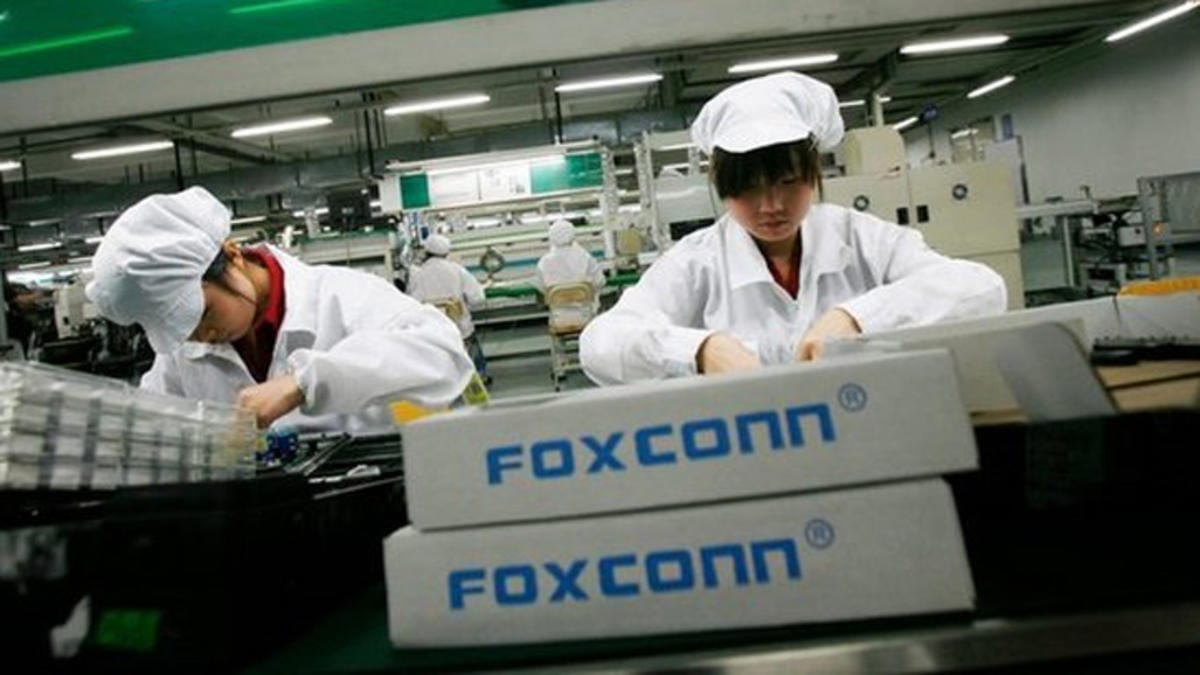
    Taiwan’s Foxconn said a subsidiary has invested T$995.2 million ($36 million) in Gigasolar Materials Corp to develop electric vehicle (EV) battery materials.

    Foxconn, Apple’s main iPhone maker, said the investment via a private placement through a Taiwan-based subsidiary will make it the second-largest shareholder in Gigasolar, known for manufacturing solar cell materials.

    The two companies will jointly develop materials for electric cars, Foxconn said in a statement on Tuesday.

    Foxconn has identified electric vehicles as a key new business and has struck several deals with companies, including Italian carmaker Stellantis and Thailand’s state-run energy group PTT.

    The Taiwanese company aims to provide components or services to 10% of the world’s electric cars by 2025 to 2027, Foxconn chairman Liu Young-way said in October, vowing to lower manufacturing and other costs with its assembling know-how as the world’s largest contract electronics manufacturer.

  • Apple manipulated App Store search to favor its own apps over the competition

    Apple manipulated App Store search to favor its own apps over the competition

    Back in 2019, after investigations done by the New York Times and the Wall Street Journal, it appeared that Apple was ranking its own apps ahead of competitors’ similar apps in the App Store search feature. This is an issue that lawmakers are seriously concerned with and it has been associated with other companies that sell their own products alongside third-party brands such as Google and Amazon. Apple denied that it had done anything wrong. The company pointed to a secret algorithm it uses with 42 variables to prevent it from manipulating the App Store search results.

    But now it appears that Apple did boost App Store search results. Email that was released during the Epic vs. Apple lawsuit showed that the tech giant apparently admitted that it had boosted the placement of its own Files app above listings for the competition during a time period that lasted 11 months. Apple app search lead Debankur Naskar hinted that some hanky panky was going on at Apple when he wrote in an email “We are removing the manual boost and the search results should be more relevant now.”

    Naskar was responding to an email from Epic Games CEO Tim Sweeney who was a major Apple partner at the time. Sweeney had “confronted” Apple after the latter’s Files app landed first in the App Store’s search results when he searched for Dropbox. While you might not be able to tell the executive’s tone from written words, you can imagine Sweeney sounding incredulous when he emailed Apple to say that “Dropbox wasn’t even visible on the first page of search results.”

    Apple explained away the issue by telling The Verge that its Files app had a Dropbox integration. Thus, Apple included “Dropbox” in the metadata for its Files app and as a result, Files was always ranked ahead of Dropbox. This response doesn’t match Naskar’s comments about “removing the manual boost.”

    Dropbox has been a problem for Apple going back to 2009 when then Apple CEO Steve Jobs said that iCloud would help kill off Dropbox after Jobs could not convince Dropbox CEO Drew Houston to sell what was then a start-up company to Apple.

    One engineer at Apple changed the algorithm for App Store search in July 2019 dropping the placement of Apple’s own app in the search results. The New York Times back in September 2019 showed how those searching the App Store for “music” would see streamer Spotify at the top of the list with Pandora eighth. Repeating the same search in 2016 resulted in Apple Music appearing at the top of the list with Spotify fourth.

    Two years later, the top six results under “music” consisted of Apple’s own music-based apps. Pandora remained in eighth place. By December 2018, the first eight search results were all for Apple’s own apps, some unrelated to music: (Apple Music, Garage Band, iTunes Remote, Music Memos, Logic Remote, iTunes Store, iMovie, Clips) while Spotify was number 23.

    After Spotify complained to European regulators, the results for April 2019 were much different with iTunes and Apple Music numbers 1-2, but with Spotify fourth and YouTube Music fifth. Apple had no other apps appearing under a search in the App Store under “music.”

    Apple released a statement to The Verge that says, “We created the App Store to be a safe and trusted place for customers to discover and download apps, and a great business opportunity for all developers. App Store Search has only one goal — to get customers what they are looking for. We do that in a way that is fair to all developers and we do not advantage our apps over those of any developer or competitor. Today, developers have many options for distributing their apps and that’s why we work hard to make it easy, fair and a great opportunity for them to develop apps for our customers around the world.”

  • Apple previews tech for passwordless website sign-up using just Face ID or Touch ID

    Apple previews tech for passwordless website sign-up using just Face ID or Touch ID

    Apple is set on making things simple for its users and now, a new feature announced during a developer session will make it possible for your to sign up on websites using just Face ID or Touch ID, no passwords required.

    The developer session is part of the WWDC 2021, and introduces the new technology in order to make the user experience more intuitive while at the same time, assuring security.

    The new tech is called Passkeys and will make it possible for you to sign up for services and websites without the need for a password. Of course, the website will have to support this new tech, and when you enter your username of choice during the signup process, you will be able to use Face ID or Touch ID to authenticate yourself.

    iPhone, iPad, and Macs will have this tech in a preview coming later this year, and it will be off by default.

    Passkeys is a part of the iCloud keychain, providing a secure method for authentication and at the same time, protecting you against phishing attacks. However, if you use other devices apart from Apple ones, you may still need to use passwords.

  • Apple supplier Pegatron to expand Vietnam operations

    Apple supplier Pegatron to expand Vietnam operations

    Pegatron Corp, an assembler for Apple, Microsoft and Sony, plans to increase its investment in Vietnam for electronics production by $101 million.

    Taiwan’s Ministry of Economic Affairs, which has to approve overseas investments by local companies, as saying Pegatron’s investment in Vietnam would be for the production of computers and peripherals, communications equipment and electronic components.

    The company has not disclosed details of the investment.

    It invested $19 million to build its first plant at the Dinh Vu Industrial Zone in Hai Phong City in March last year to produce computers, communications equipment and consumer electronic products.

    It plans to build its second and third plants at a cost of $481 million and $500 million and also move its research and development center from China to Vietnam.

  • Apple will not force you to update to iOS 15 if you’re happy running iOS 14

    Apple will not force you to update to iOS 15 if you’re happy running iOS 14

    With the 2021 edition of WWDC (Worldwide Developers Conference) finally underway earlier today, all the media attention is naturally directed at the next versions of Apple’s many popular operating systems, set to be released in their stable form at some point in the fall.

    But in an unusual move, the Cupertino-based tech giant is keeping iOS 14 in the limelight after unveiling and fully detailing its sequel by… essentially taking a page out of Google’s book.

    Apple plans to make the iOS 15 update optional for every single owner of all current and previous-gen iPhones eligible to make the software leap starting in September. Obviously, no one was ever forced at gunpoint to install iOS 14 or any older OS builds as soon as they were made generally available.

    But until this year, if you wanted to keep your handset’s security up-to-date, you had to first embrace whatever major iOS version was latest. In other words, you could refuse to jump on the iOS 14 bandwagon, for instance, until you felt comfortable leaving iOS 13 behind, but from a security standpoint, it was pretty dangerous to hold off for too long.

    That will no longer be the case when iOS 15 rolls out to the masses, as said masses will be offered a real choice between “the latest features and most complete set of security updates” on one hand and slightly older features nonetheless combined with “important security updates” on the other.

    While that may feel like a no-brainer for many users, others will undoubtedly relish the opportunity to wait and see just how stable and smooth iOS 15 proves at launch before committing to an update. You can also hang onto your beloved iOS 14 if you fear your ancient iPhone 6s, 6s Plus, first-gen SE, or iPhone 7 will have trouble making the most of Apple’s “latest features.”

    Separately delivering major OS promotions and “important” security patches for the exact same devices, of course, is what Google and its mobile hardware-making partners have been doing since, well, forever. In the short run, Apple’s very uncharacteristic move is bound to impact the adoption rate of iOS 15, but after a while, we don’t expect many people to stick with the older version.

    Besides, something tells us the company is fully aware that this could lead to a mini-fragmentation problem of sorts, which probably means you will eventually need to get iOS 15 to continue receiving security updates.

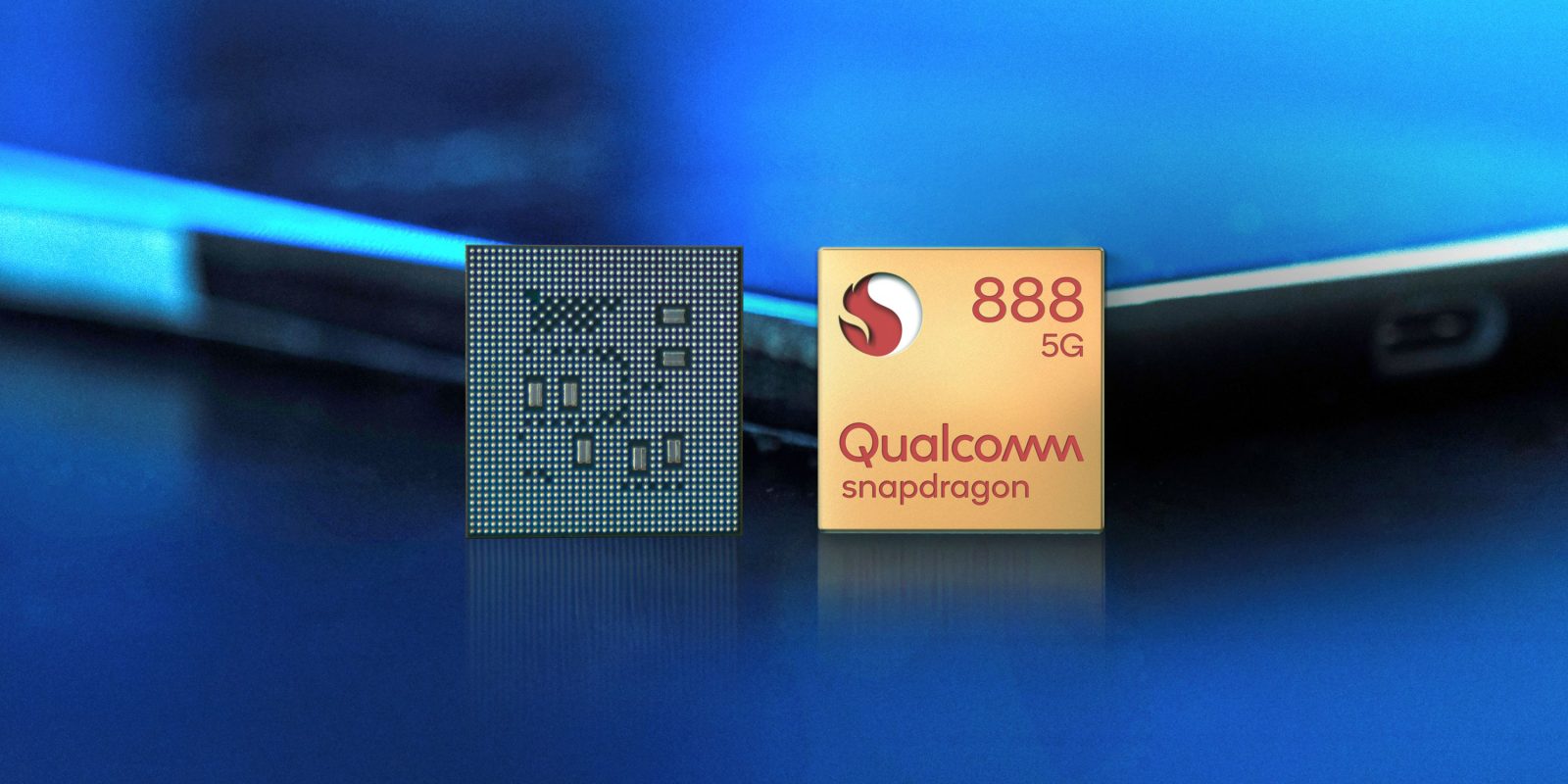
  • Qualcomm’s true Snapdragon 888 sequel is already shaping up as a huge upgrade

    Qualcomm’s true Snapdragon 888 sequel is already shaping up as a huge upgrade

    Smartphone processors don’t typically get the same kind of attention that, well, actual mobile devices do ahead of their official announcements, but while it’s still early to know for sure how the industry will look in 2022, a number of recent rumors and a vague AMD confirmation seem to suggest some big breakthroughs might be right around the corner.

    To fend off Samsung’s high-quality graphics-focused Exynos 2200 chip and whatever A-series monsters Apple has in the pipeline after revolutionizing tablet power with the M1 iPad Pro, Qualcomm is apparently working on a “next-gen premium” SoC carrying model number SM8450.

    Right off the bat, we should mention this thing is different from the oft-rumored and recently benchmarked Snapdragon 888 Plus, aka SM8350+, which is widely expected to follow in the footsteps of the regular SM8350 (better known as the Snapdragon 888) with relatively modest performance gains by the end of 2021.

    Likely to see daylight inside 2022’s first wave of Android flagships, the SM8450 could bring way more than your routine yearly upgrades in CPU and GPU muscle to the table. If the latest information shared by Evan Blass on Twitter proves reliable (which is almost always the case), the unnamed next-gen Snapdragon powerhouse will combine ARM Cortex v9-based Kryo 780 CPU cores with an Adreno 730 graphics processing unit.

    While these types of monikers can certainly be misleading (just think of the Snapdragon 888, which isn’t that much more impressive than the 865), the Adreno 730 name gives us hope for something truly game-changing. We’re talking something a lot better than the Adreno 660-integrating Snapdragon 888, which came after the Adreno 650-packing Snapdragon 865.

    The last jump of a similar magnitude came when the Snapdragon 845 chipset replaced the 835’s Adreno 540 with a 630 model, also upgrading the Kryo 280 CPU cores to 385. The Kryo-replacing branding scheme has actually stayed consistent ever since, so the impending jump from Kryo 680 to 780 may not signal anything groundbreaking… at least at first glance.

    Unsurprisingly, the SM8450 is tipped to come with many other changes and improvements as well, including a key switch from a super-advanced 5nm fabrication process to… even more advanced 4nm technology and a leap from a built-in X60 to an integrated X65 5G modem.

    The rest of the specifications and capabilities seemingly leaked today are just as promising, from the Spectra 680 image signal processor (up from a Spectra 580 on the Snapdragon 888) to an Adreno 665 video processing unit, Adreno 1195 display processing unit, and support for up to 1GHz mmWave downlink and 400MHz Sub-6 D.

    That’s… a lot of numbers you may not know what to make of, and of course, we don’t really know either how they’ll translate into real-world performance. But because we don’t believe in coincidences, it sure looks like Qualcomm is preparing something big on the mobile graphics front to keep the newly formed alliance between Samsung and AMD at bay.

    Previous rumors suggested 2022’s Snapdragon 888 successor will be manufactured by TSMC instead of Samsung, by the way, but something tells us the world’s largest smartphone vendor can’t afford to completely break up with Qualcomm yet.

    Like the vast majority of the overall best phones available in 2021, the Galaxy Note 20 and S21 families still use Snapdragon processors rather than their Exynos counterparts (in some regions), and we fully expect that to be the case for next year’s Galaxy S22 lineup as well.

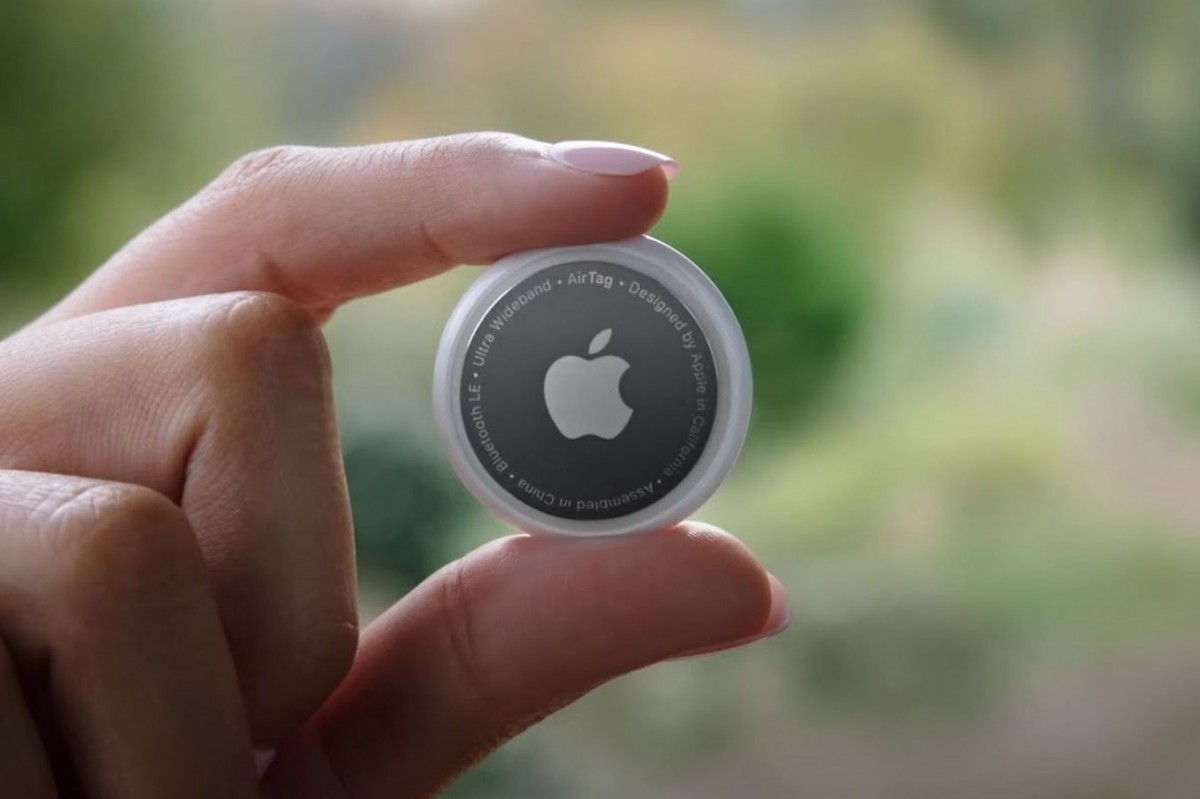
  • Apple updates AirTags to fix major privacy issues

    Apple updates AirTags to fix major privacy issues

    Apple announced earlier today that an important update is rolling out to its new AirTags, which is meant to address privacy concerns raised by many users soon after the gadget’s market launch.

    It’s enough to slip an AirTag into someone’s backpack and you’ll be able to track the person for as long as it carries it. The privacy issue doesn’t affect iPhone users, since they will be notified if a stranger’s AirTag is moving with them for a certain period of time (usually several hours).

    Until now, Android users would only be notified after three days if they would be stalked/tracked by someone with the help of an AirTag. Thankfully, Apple announced that it’s now rolling out an update that addresses this privacy issue.

    Following up on our commitment to continue to improve AirTag’s privacy and security, starting today we will be updating the time period after which an AirTag that is separated from its owner will play a sound when moved. This time period is changing from three days to a random time between 8 and 24 hours.

    Obviously, Apple is referring to Android users who will now be notified if any AirTags are moving with them for up to 24 hours. In addition to the new update, Apple confirmed that an Android app that will be able to detect AirTags will be released soon.

  • Apple TV app fully entering the world of Android TV

    Apple TV app fully entering the world of Android TV

    Once in a blue moon, something beautiful happens when it comes to the relationship between Apple and Google, and in this case, that is the complete introduction of the Apple TV app to all modern devices with Android TV.

    The search engine giant said that starting today, the Apple TV app will be available throughout the “Android TV OS ecosystem,” which means that the streaming service is no longer limited to just Sony Bravia TVs and Chromecast with Google TV but is now released to other media and streaming devices manufactured by companies like Xiaomi, OnePlus, Nvidia, and more.

    The news of Apple lowering its ecosystem garden walls broke when Nvidia shared that the Apple TV app will be coming to their Shield TV streaming box at the Computex virtual conference this week. Later on, a tweet from a Xiaomi executive further cemented the news by confirming that the app is coming on all of their Android TV products.

    Apple extends an extra pair of hands for those who own one or more of their devices in the form of a one-year subscription to the Apple TV+ streaming service. A very welcome gesture that will without a doubt attract even more people to their already popular streaming service, especially considering the generous periodic extensions of this offer that they’ve showcased up until now.

    In a very Apple fashion, they also make it easier for you to set up and sign in through your device by offering the option to do it via scanning a QR code that shows up in the app with your iPhone or iPad.

    All’s to say, it seems that Apple is starting to loosen up its historical tight grip on its ecosystem, resulting in a wider audience reach for them and more flexibility for us in our choice and preference, which I will welcome any day.

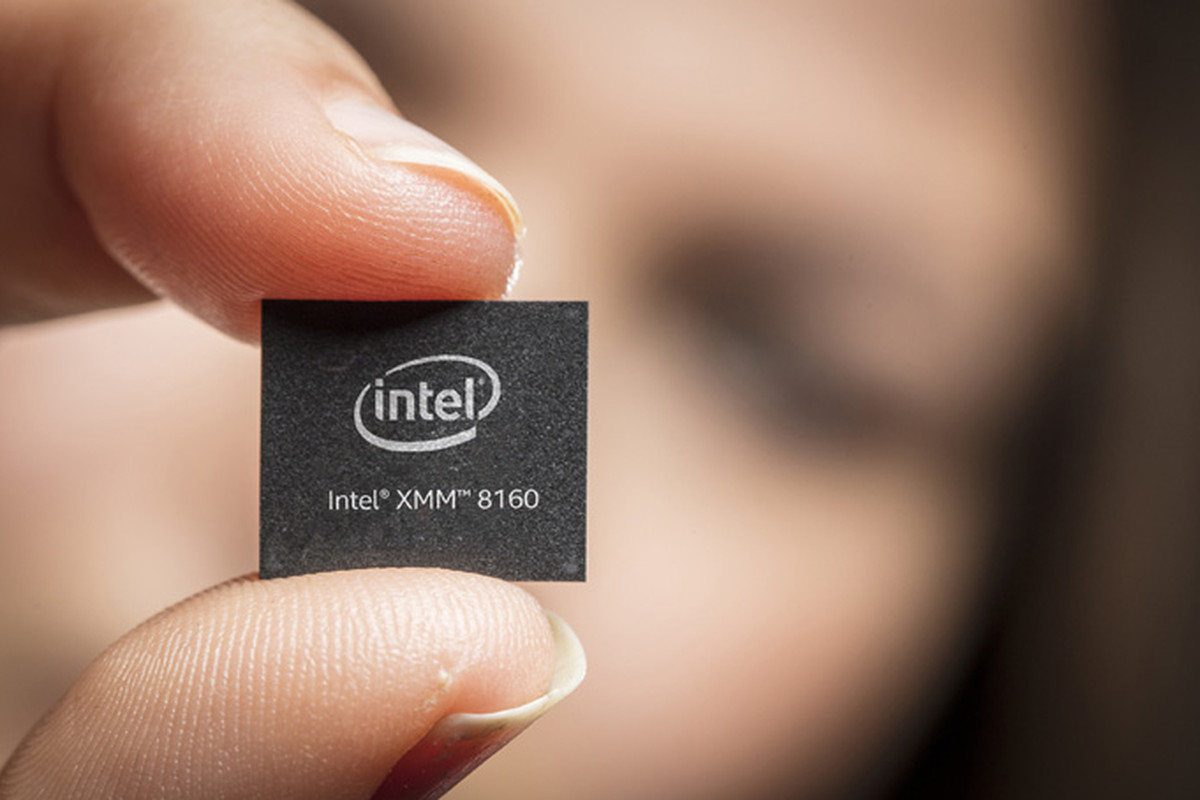
  • Intel Reiterates Chip Supply Shortages Could Last Several Years

    Intel Reiterates Chip Supply Shortages Could Last Several Years

    Intel Corp’s CEO said on Monday it could take several years for a global shortage of semiconductors to be resolved, a problem that has shuttered some auto production lines and is also being felt in other areas, including consumer electronics. Pat Gelsinger told a virtual session of the Computex trade show in Taipei that the work-and-study-from-home trend during the COVID-19 pandemic had led to a “cycle of explosive growth in semiconductors” that has placed huge strain on global supply chains.

    “But while the industry has taken steps to address near-term constraints it could still take a couple of years for the ecosystem to address shortages of foundry capacity, substrates and components.”

    Gelsinger had told The Washington Post in an interview in mid-April the shortage was going to take “a couple of years” to abate, and that it planned to start producing chips within six to nine months to address shortages at U.S. car plants.

    Intel announced a $20 billion plan in March to expand its advanced chip manufacturing capacity, building two factories in Arizona and opening its plants to outside customers.

    “We plan to expand to other locations in the U.S. and Europe, ensuring a sustainable and secure semiconductor supply chain for the world,” Gelsinger said, without elaborating.

    Intel’s plans could directly challenge the two other companies in the world that can make the most advanced chips – Taiwan Semiconductor Manufacturing Co Ltd (TSMC) and South Korea’s Samsung Electronics Co Ltd.

    The two have come to dominate the semiconductor manufacturing business, moving its centre of gravity from the United States, where much of the technology was once invented, to Asia, where more than two-thirds of advanced chips are now manufactured.