Category: Electronics

Retail News Asia is committed to providing both local and global retailers with the latest Electronics news throughout the Asian market. This on a daily base.

  • Toshiba To Invest $1 Billion To Double Power Chip Production

    Toshiba To Invest $1 Billion To Double Power Chip Production

    Toshiba Corp said on Friday it will invest about 125 billion yen ($1.09 billion) to more than double the production of power management semiconductors, aiming to catch up with power chip giants such as Infineon Technologies AG.

    The Japanese industrial conglomerate will build a cutting-edge 300-millimeter fabrication plant in central Japan for power management chips, which efficiently control electric power in cars, electronic devices, and industrial equipment.

    Toshiba will invest around 100 billion yen in the new plant, on top of a 25 billion yen investment in a 300-millimeter fabrication line it is building at an existing chip plant, a Toshiba spokesperson said.

    The new plant is set to start operating by March 2025. When the first phase is complete, Toshiba’s power chip output capacity would be 2.5 times its current level. Depending on demand, the new plant could further expand with additional investment, the spokesperson said.

  • Apple to celebrate Valentine’s Day with new health features

    Apple to celebrate Valentine’s Day with new health features

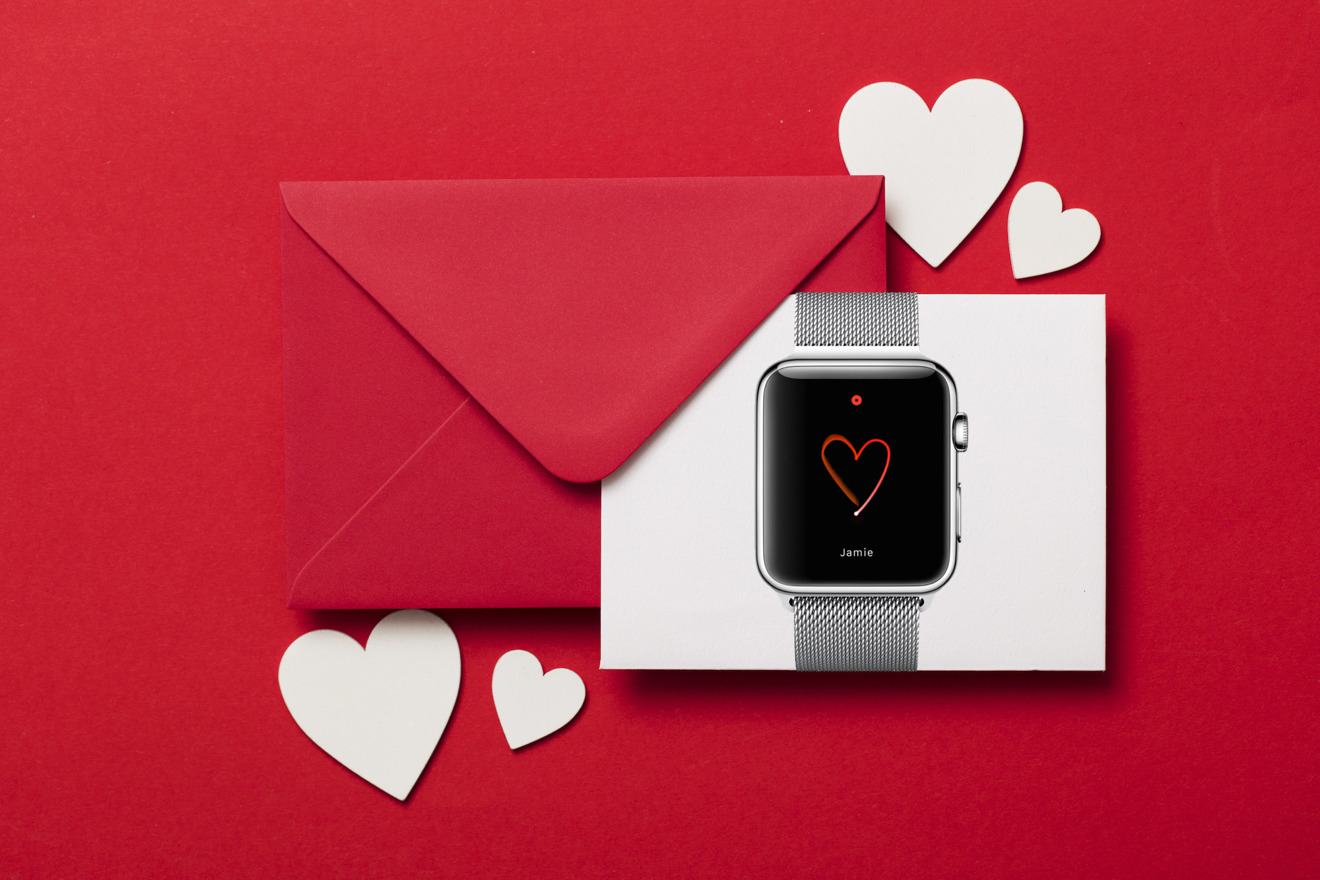
    Valentine’s Day may be on February 14th, but American Heart Month is set to last the entire month—and Apple is greeting it with a few aces up its sleeve.

    Needless to say, all of Apple’s Heart Month specials are health-related, and the Apple Watch in particular is getting a few new limited-time features to encourage users to get up and moving—all with the goal of having a healthier body and mind.

    For starters, if you complete Apple’s new Health Month Activity Challenge on Valentine’s Day, you will win a custom iMessage sticker coupled with an exclusive award. The challenge isn’t daunting by any means; it’s just 30 minutes of exercise to complete Apple’s activity ring that wins you these prizes.

    Apart from that, all month long, Apple will be including a special featured set of 30-minute workouts on Apple Fitness+. The “Time to Walk” experience, which was unveiled at around the same time last year, is receiving a new episode featuring Georges St-Pierre, a former Canadian mixed martial arts champion.

    To make use of these additions, you’d need an Apple+ membership—which comes with a free trial for three months, then costs $9.99 a month afterward.

    “We’re strong believers at Apple that if you can empower people with information about their health, you can change the trajectory of their well-being,” stated Jeff Williams, Apple’s chief operating officer.

    “Keeping your heart healthy requires a holistic approach — something we’ve focused on since the first generation of Apple Watch with the inclusion of activity and workout apps, in addition to heart rate. Today, people of all ages can use our products and services to learn more about staying healthy, work toward their personal goals, and have a lot of fun along the way.”

    Along with the Apple Watch-exclusive features, Apple is also going to be offering new custom compilations across Apple Fitness+, the App Store, Apple TV, Apple Podcasts, and Apple Books, according to Apple’s newsroom post.

    You’ve got to give it to Apple for giving users’ health some extra attention this month; both physical and mental health have been difficult to maintain in light of recent events, and this may just make things just a tad easier.

  • Apple reports 11% gain in iPhone sales, 24% hike in Services during fiscal Q1 2022

    Apple reports 11% gain in iPhone sales, 24% hike in Services during fiscal Q1 2022

    Apple got fiscal 2022 off to a great start as the tech giant reported its earnings for the fiscal first quarter of 2022. Apple set a record during the three months from October through December by reporting revenue of $123.9 billion which easily topped Wall Street estimates of $118.66 billion, and was 11% higher than the top line of $111.4 billion recorded during the same period last year.

    Apple iPhone sales rose 11% on an annual basis during the first fiscal quarter of 2022

    Let’s go right to the device that everyone wants to know about, the iPhone. The surging smartphone took in $76.63 billion which surpassed Wall Street’s guess of $68.34 billion. During the same quarter last year, Apple reported $65.60 billion in handset sales giving the company a 9% increase year-over-year.

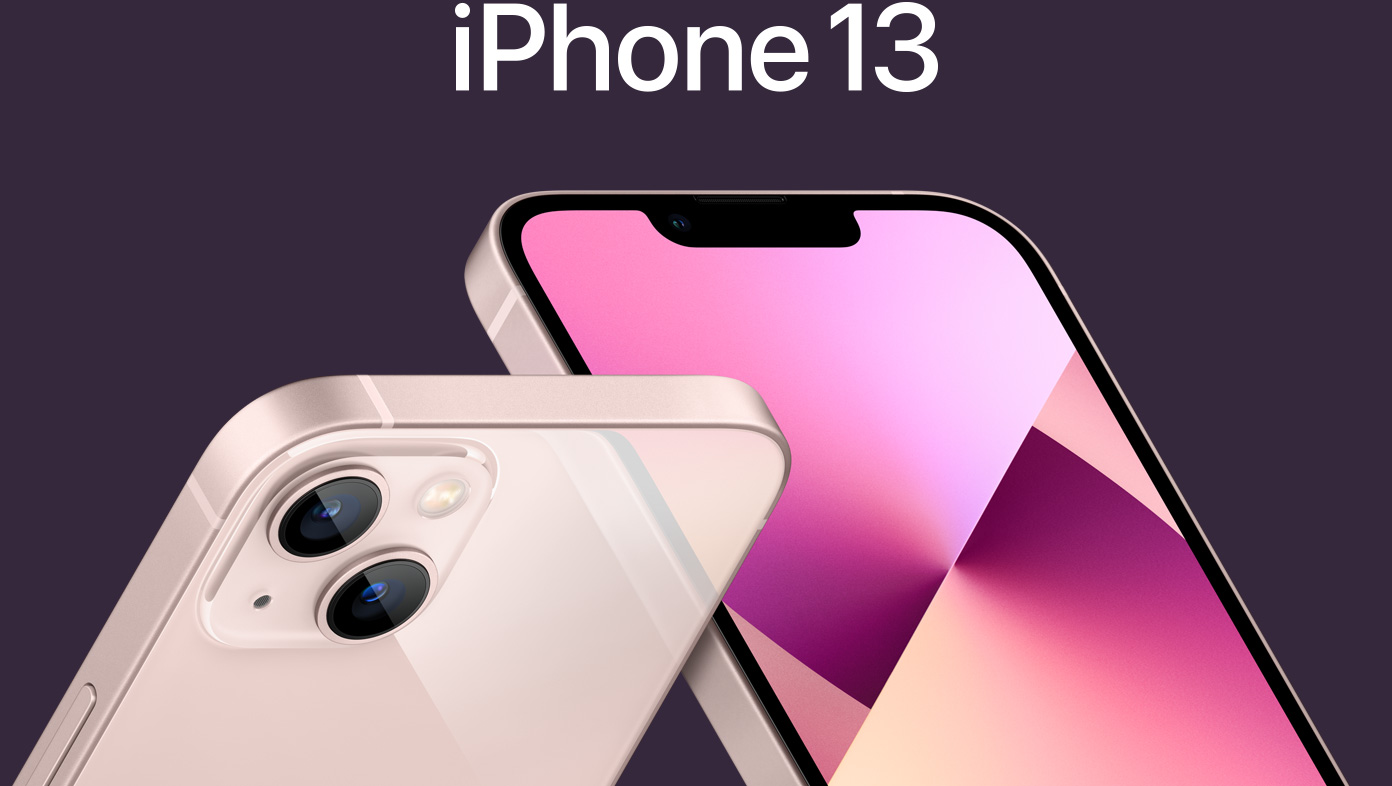
    The iPhone 13 Pro series offers 120Hz ProMotion displays, upgraded cameras, much-improved battery life, and more. This is the second generation of iPhone models that support 5G connectivity.

    The iPhone continued to have a strong quarter to kick off fiscal 2022 – Apple reports 11% gain in iPhone sales, 24% hike in Services during fiscal Q1 2022
    The iPhone continued to have a strong quarter to kick off fiscal 2022
    Even though the pandemic continues, fewer people are being told to work from home and schools are open. As a result, iPad revenue declined 14.10% in the quarter to $7.25 billion from $8.44 billion during the first fiscal quarter of 2021. Wall Street expected Apple to report $8.18 billion in tablet revenue so this was one area that was a failure for Apple in Wall Street’s eyes.

    Wearables, Home and Accessories, the business segment that includes the Apple Watch and the AirPods, took in $14.70 billion in the quarter vs. $12.97 billion last year. That works out to an increase of 13.34% year-over-year. Later this year, we could see Apple introduce three new timepieces including a rugged model and add a sequel to the AirPods Pro.

    What was Apple’s strongest business segment last quarter?

    Apple’s Services unit, which includes a wide variety of offerings including the App Store, Apple Pay, Apple Music, Apple TV+, Apple Care+, Apple News, and more, saw revenue rise from $15.75 billion last year to $19.52 billion this year. That figure topped Wall Street forecasts of $18.61 billion. For the year, Services gross rose a tremendous 24% which shows how Apple expects to continue making money even when iPhone sales turn south permanently, something that might not happen for years and years to come.

    Sales rose in all segments except for Japan. In the U.S., Apple took in $51.50 billion vs. $46.31 billion last year. In Greater China, revenue was $25.78 billion ($21.31 billion in 2021) and rose in Europe to $29.75 billion vs. $27.31 billion during the fiscal first quarter of 2021.

    Apple’s total net income for the fiscal first quarter of 2022 rose 20.41% on an annual basis to $34.63 billion or $2.11 per share. Last year’s figures were $28.76 billion and $1.70 a share, respectively.

    CEO Tim Cook says that the chip and supply chain shortages for the upcoming March quarter will be less than what Apple experienced during the December quarter. Cook stated, “This quarter’s record results were made possible by our most innovative lineup of products and services ever. We are gratified to see the response from customers around the world at a time when staying connected has never been more important.”

    He added, “We are doing all we can to help build a better world — making progress toward our goal of becoming carbon neutral across our supply chain and products by 2030, and pushing forward with our work in education and racial equity and justice.”

    On Wall Street, Apple concluded the regular trading session by declining 47 cents or .29% to $159.22. After the earnings report was released, the stock soared $7.89 or 4.96% to $167.11.

    Luca Maestri, Apple’s CFO, said, “The very strong customer response to our recent launch of new products and services drove double-digit growth in revenue and earnings, and helped set an all-time high for our installed base of active devices. These record operating results allowed us to return nearly $27 billion to
    our shareholders during the quarter, as we maintain our target of reaching a net cash neutral position over time.”

  • Apple to further enhance Face ID with iOS 15.4 update

    Apple to further enhance Face ID with iOS 15.4 update

    Following the release of iOS 15.3 update, Apple has kicked off a new set of beta trials for the next version of its operating system – iOS 15.4. The first beta is now rolling out to developers via an over-the-air update, but without a changelog, it’s impossible to say what’s included without spending several hours with 15.4 beta 1.

    Apple to further enhance Face ID with iOS 15.4 update, here’s what to expect
    Luckily, YouTuber Brandon Butch has already found a couple of interesting improvements that are now being tested by Apple via the iOS 15.4 beta 1 build. The most important one is Face ID support while wearing a mask, a feature that makes perfect sense in these troubled times.

    According to the screenshot above, “Face ID is most accurate when it’s set up for full-face recognition only. To use Face ID while wearing a mask, iPhone can recognize the unique features around the eye to authenticate.” There’s also a new toggle in iOS 15.4 that lets iPhone users enable “Face ID With a Mask” via the Settings / Face ID menu.

    But that’s not all the interesting stuff people using iOS 15.4 beta 1 have found. 9to5mac reports that Apple added even more improvements to Face ID recognition by allowing iPhone users to wear glasses and a mask at the same time.

    Using Face ID while wearing a mask works best when it’s set up to recognize each pair of glasses you wear regularly. Face ID with a mask doesn’t support sunglasses.

    While the feature still doesn’t work with sunglasses, it remains incredibly useful for those who wear regular glasses and a mask at the same time.

  • iPhone 14 might be the last iPhone with a SIM tray, Apple to go full eSIM forwards

    iPhone 14 might be the last iPhone with a SIM tray, Apple to go full eSIM forwards

    Apple is no stranger to making radical decisions with its phones. While not the first to do so (OPPO did it before it was cool), ditching the headphone jack with the release of the iPhone 7 was without a doubt a risky decision, especially back in 2016.

    Well, another hole in the iPhone is said to soon face the same fate as the headphone jack. There have been some rumors of Apple ditching the SIM card tray for a while, and now an analyst Emma Mohr-McClune has predicted the same, further cementing this statement.

    Mohr-McClune, a Technology Service Director at GlobalData, believes Apple will start slow with this initiative, beginning with the iPhone 14 that’s expected to come out this September.

    The tech giant won’t immediately force future iPhone owners to move to eSIM. Instead, it will give the option to carriers to decide what type of iPhone they want to sell—a nano/eSIM hybrid that includes the SIM card tray, or an eSIM-only version.

    We don’t believe that Apple will take the ‘big bang’ approach—getting rid of existing systems and transferring all users to eSIMs—but rather launch an eSIM-only variant of its upcoming new model—retaining the dual eSIM-plus-physical SIM slot model for the mass market and its key carrier channel. To that end, we believe telecom companies will be given the choice of whether to stock and sell a new eSIM-only iPhone variation alongside more cellular business-friendly dual eSIM/physical SIM support models.

    Following the path of logic here, it would then be natural for Apple to make the next generation, the iPhone 15, eSIM only. After all, the option is already available on today’s iPhones (since iPhone XS) and is how iPads can have 4G and 5G connectivity.Unlike when Apple ditched the headphone jack, the lack of a SIM card tray should be less of an issue for future owners. Admittedly, it would be a slight bother for people who are not as tech-savvy, but when put into perspective the pros should outweigh the cons.

    One less entry inside the phone means better rigidity, fewer ways for water and dust to get in and ruin the phone’s parts, and more space for other ones.

    A “seemingly legitimate document” discovered by the folks at 9to5Mac in December last year supports the rumor of an eSIM-only iPhone. It states that we will see one this September.

  • iPhone 12 Pro, Pro Max out of stock in Vietnam

    iPhone 12 Pro, Pro Max out of stock in Vietnam

    Major iPhone authorized resellers in Vietnam have stopped importing iPhone 12 Pro and Pro Max models, seeking to boost iPhone 13 sales.

    “Most retail chains told me iPhone 12 Pro and Pro Max are out of stock. Some chains still sell them but in only a few stores,” said Que Chi in Hanoi.

    The salespeople she talked to all referred her to the new iPhone 13 models, which are readily available.

    iPhone 12 Pro Max, the best-selling iPhone model in Vietnam last year, is now marked as “out of stock” on the websites of major retail chains.

    A media representative of FPT shop said iPhone 12 Pro and Pro Max are sold out and the chain does not plan to import more.

    The same comment was given by other chains like ShopDunk and Minh Tuan Mobile.

    Although there is still high demand for these products in Vietnam, most buyers now only have the option to buy used phones or pay more for the latest iPhone 13, a media representative of Minh Tuan Mobile said.

    Nguyen Lac Huy, the media representative of CellphoneS, said the chain still has iPhone 12 Pro and Pro Max but in low quantity.

    “We cannot buy more as Apple does not have plans to continue production of these models.”

    iPhone 12 Pro Max with a storage of 128 gigabytes is being sold at around VND28.5 million, while the iPhone 13 Pro Max with the same storage is on sale for just VND2 million higher, which explains why distribution chains are focusing on the newer model.

  • iPhone dominates smartphone market in China

    iPhone dominates smartphone market in China

    Someone over at Apple is popping the champagne as an extremely successful holiday season for the iPhone 13 made Apple the top brand in the world’s largest smartphone market — China. We’ve known that the new iPhone models (minus the iPhone 13 mini) have been doing extremely well there, but now that the numbers have been crunched, we have definitive stats.

    Apple outsold giants such as Oppo, Vivo, Xiaomi, and Huawei on their own turf, which probably stings a little bit. The market used to be dominated by Huawei, but the company has sadly been in a freefall in the past couple of years, and we can see it falling all the way down to the sixth spot in Q4 of 2021.

    This isn’t the first time that Apple sells crazy amounts of iPhones in China. Back in 2014, the iPhone 6 Plus made huge impact in Asian markets, since it was a long-awaited big-screened iPhone. Up until then, Apple simply refused to upsize its screens, despite the fact that phablets were the obvious future trend — especially in Asia. When the iPhone 6 Plus and iPhone 6s Plus launched, they became the new craze in China. No joke — some retailers would bundle the iPhone 6 Plus with free tailor services to enlarge pants pockets!

    At the height of the iPhone 6 / iPhone 6s craze (2015), Apple was the top smartphone brand in China. The No1 spot was later taken by Vivo, then Huawei. Now, six years later, Apple is back with a vengeance, taking 23% of the market share — that’s the highest it has ever had.

    As per Counterpoint’s report, Apple rose to the top as soon as the iPhone 13 series launched and held the top spot for most of Q4 2021. The reasons for the wild success are a perfect storm of Huawei customers jumping ship, good pricing strategy by Apple, the 5G implementation in the new iPhones, and the new camera, which is highly praised.

  • A new Lenovo Legion gaming phone leaks with a new Snapdragon chip

    A new Lenovo Legion gaming phone leaks with a new Snapdragon chip

    In his tweet, Evan Blass said that the Lenovo Halo would be equipped with the Qualcomm SM8475 chipset. Although there is little information available for this chip, it is suspected that it may be an improved version of Qualcomm’s current flagship SoC, the Snapdragon 8 Gen 1. The Snapdragon 8 Gen 1’s model number is SM8450 – very close to the SM8475 which the Lenovo Halo is rumored to have.

    Other possible specs of the Lenovo Halo include:

    • 6.67-inch, 2220×1080 pixels (FHD+) POLED display, which is basically an OLED display with a plastic substrate. Lenovo Halo’s display may also support a 144Hz refresh rate with a 300Hz touch sampling rate.
    • 8, 12, or 16GB of RAM, with 128 or 256GB of UFS 3.1 storage space, which offers fast read and write speeds and can also be found in the Samsung Galaxy S21 Ultra 5G and OnePlus 9 Pro 5G.
    • 5,000 mAh battery, 68W wired charging, and 8mm thickness

    It looks like Lenovo is aiming for a more simplistic design with the Lenovo Halo. At the front of the phone, we can see a hole-punch front-facing camera, and at the back we see a triple camera array. Bearing the “Legion” label on its back means that the Lenovo Halo will be aimed at gamers, as Legion is Lenovo’s gaming brand.

    According to Evan Blass, the Lenovo Halo is suspected to be released in Q3 2022. There is currently no information regarding the phone’s price. Evan Blass also didn’t say if the Lenovo Halo would be available worldwide or only in certain markets.

  • Apple seeks patent on automatic transparency mode for AirPods Pro

    Apple seeks patent on automatic transparency mode for AirPods Pro

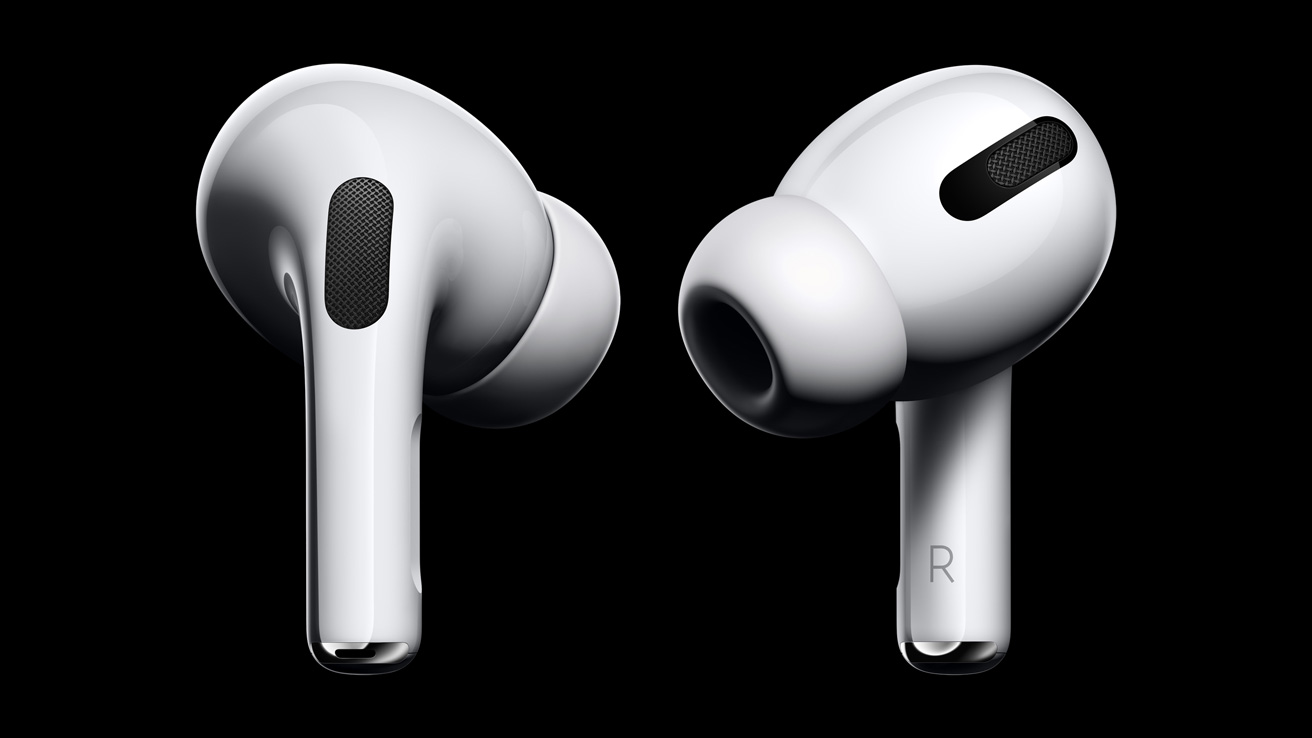
    According to TF International’s highly reliable analyst Ming-Chi Kuo, the AirPods Pro 2 True Wireless Stereo earbuds should be released later this year, perhaps during the third quarter. The major difference between your average garden variety pair of AirPods and the premium-priced Pro model is the Active Noise Cancellation (ANC); the latter prevents ambient noise from getting mixed in with the streaming content heard via the Bluetooth-powered earbuds.

    But just in case you need to hear what’s happening in the background while streaming music to your AirPods Pro, transparency mode will allow you to hear a car honking to alert you to get out of the way, a police siren in case you’re being pulled over, or a friendly “hello” from a pal who has spotted you walking on the street. The problem with turning on the transparency mode is that it allows all background noise regardless of what it is.>

    But what if you could choose which sounds make it through to you via the transparency mode? That could improve your enjoyment of using the AirPods Pro knowing that the transparency mode will remain off until someone you selected is trying to talk to you, or an event takes place that needs your immediate action.

    Apple has filed a patent application titled “Interrupt for noise-canceling audio devices” that details a more selective method of letting in outside noise to be heard through your AirPods Pro. With the technology discussed in the patent application, a user will be able to determine in advance who is allowed to break through the ANC. As Apple states in the documentation, “For example, the user may desire to be interrupted by one or more pre-designated contacts that are identified at an associated electronic device as interrupt-authorized contacts, or by a person who speaks a designated keyword to the user.”

    In other words, the Active Noise Cancellation would remain in effect until people authorized by the user start talking. The voice of the other person could be recognized, or that person’s name could be mentioned by the user, or both the user and the contact could devise a specific password that would flip on transparency mode.

    The patent also notes that the user can train the system to recognize certain important sounds that you would want to hear right away “such as police or ambulance sirens, or smoke or fire alarms.” It is like having transparency mode set on “automatic.”

    There are other differences between the AirPods and AirPods Pro besides the latter offering ANC. For example, the “Pro” variant includes the ability for the user to enjoy a customizable fit. Ironically, the third-generation AirPods offer longer battery life than the AirPods Pro but we expect that to change with the AirPods Pro 2. We also could see the new premium version of the earbuds feature a new design, possibly dropping the iconic and recognizable stem from the device. This might make the AirPods Pro 2 look like some of the earbuds manufactured by competitors’s not to mention Apple’s own Beats Fit Pro.

    Other possible changes for the AirPods Pro 2 include the addition of new sensors that will allow the device to perform some type of fitness tracking. Also expected is a new chip that will make it easier for the wearables to connect with other devices. And Apple is reportedly looking at a way to use the AirPods Pro 2 as a device to measure certain health metrics just as the Apple Watch now does.

    The patent application was originally filed by Apple with the U.S. Patent and Trademark Office (USPTO) last July.

  • Apple says the pink screen iPhone 13 Pro issue is a software problem

    Apple says the pink screen iPhone 13 Pro issue is a software problem

    Several iPhone 13 series owners are continuing to report an issue with the screen on their phones. The display on affected models turns pink or purple and these handsets cannot be used.
    Posts in the Apple Communities Forum about this problem started in October when a user named DPigar wrote that “I use an iPhone 13 pro for a two day (sic) and my screen turns pink for a few seconds and then reloads. It happens all the time, so I can’t use my iPhone. Why?” Two images were attached to the post showing the user’s iPhone 13 Pro with a fully purple display,
    That message was followed up by one from another iPhone 13 Pro user claiming to have the very same problem. Apparently, Apple did some maneuvering behind the scenes to replace these malfunctioning phones since a post from the company added to both messages said, “The issue has been resolved. Replacement of the device (authorized service conclusion).”
    But here’s the thing. Many more iPhone 13 users complained about this problem and not all of them were lucky enough to get a replacement from Apple. Check out this sad story posted in the Forum by an iPhone 13 Pro Max user who goes by the name “Calisthrone.” He owns an expensive handset for less than two months when the device starts performing unexpected restarts with the screen off, randomly his screen turns pink, and the device becomes unstable.
    Apple diagnosed the problem as being a faulty motherboard. But here is where Apple drops the ball. It promises to give the owner a “Back System Replacement” which means that the owner keeps the screen and the camera system and the faulty parts are replaced.
    This should not be acceptable because this man spent good money on Apple’s top-of-the-line handset and now he will get back from Apple (after being left without a phone for 7 to 14 business days) a Frankenstein handset put together by the mad scientists at Apple. “Calisthrone” writes, “Problem is the phone is only active for less than 2 months and I would be so happy if they can offer a brand new replacement unit.”
    Now here is one of the main reasons why what Apple is doing is not fair. Returning to the post, the iPhone 13 Pro Max owner says, “It is not so nice to have my iPhone guts out after this brief amount of time. And my iPhone would be marked as “fixed” so I will lose the value of my device when trying to sell it in the future.”

    His final thought does not present Apple in a good light. “Apple customer care is not as wonderful as before. I’m now with no decent device in my pocket and I paid a premium device expecting to find a premium kind of service. Something very natural is a replacement unit.”
    The list of similar stories goes on and on. “Disappointed_User8” wrote a long post in which the pink screen surfaced on his device after just six days. After exclaiming that it was a hardware device and having the owner bring the phone into the nearest service center, Apple reversed its position and had the owner pick up the device after doing nothing but charging it.
    While charging it did stop the issue, it was a temporary cure. Forced to set up his phone from scratch after Apple had reset the device, the problem started all over again. Here is this disappointed iPhone owner’s take on the situation:”The phone is very expensive but unreliable. The stress that it is causing me and its effects on my mental health thinking about how I trusted Apple and paid a hefty amount for a malfunctioning unit but not getting proper post sales support is very very disappointing.”
    The latest date on the thread is January 16th of this year which means that this is an ongoing problem. Because most of the pink screen issues occurred in China, MyDrivers noted that Apple made a statement on Weibo this past weekend which said, “We didn’t notice relevant problems in the hardware of the devices because this situation [pink screen] is caused when the system is locked.”
    Apple recommends that users backup their data, join the iOS Beta Software Program and install the latest iOS 15.3 beta update in case the pink screen is being caused by an incompatibility between an app version and the iOS version. However, it appears that the changelist for the latest beta version of iOS 15.3 doesn’t mention a fix for a pink screen bug. Hopefully, Apple gets to the bottom of this and issues a fix. And if that is impossible, replacing affected models with new replacements would be the proper thing to do.
  • Oppo’s first ever Android tablet leaks once again

    Oppo’s first ever Android tablet leaks once again

    Following rumors about OnePlus’ first Android tablet, sister company Oppo seems to have similar plans. Although nothing official has been announced yet, Oppo’s tablet has been recently spotted on Geekbench benchmark database.

    The listing uncovered by MySmartPrice reveals some of the tablet’s features like processor, memory and operating system, but the rest of the specs sheet remains a mystery. Apparently, Oppo has decided to pack a very powerful Qualcomm Snapdragon 870 processor inside its upcoming tablet.

    Tablets typically come in more than one version, so depending on the amount of memory/storage and type of connectivity, we might have more than one Oppo tablets, but we do know that at least one model will come with 6GB RAM.

    Unfortunately, the listing reveals the tablet runs Android 11, a real downside for such a powerful tablet. We’re really hoping Oppo will have a change of heart and ship its first ever tablet with Android 12 instead of an older version.

    The new Geekbench listing adds new information to a previous rumor that claims Oppo’s tablet will feature an LCD display with 120Hz refresh rate. The same report mentions a 13-megapixel main camera and a secondary 8-megapixel selfie snapper. Oppo’s Android tablet is expected to be initially launched in China, followed by a release in India in the first half of the year.

  • Apple to change App Store prices in some regions

    Apple to change App Store prices in some regions

    Apple is bumping up prices in the App Store in some regions, the company announced on Wednesday. Citing taxes and foreign exchange rate changes, Apple says that apps will become more expensive in the following regions:

    • Bahrain: Increase of value-added tax from 5% to 10%
    • Ukraine: New value-added tax of 20%
    • Zimbabwe: New digital services tax of 5%

    Furthermore, there are some changes that involve the proceeds for developers. Prices will remain unchanged in the following regions but developers’ proceeds will be adjusted to account for some tax changes

    • The Bahamas: Decrease of value-added tax from 12% to 10%
    • Oman: New value-added tax of 5%
    • Tajikistan: Decrease of value-added tax from 18% to 15%

    Finally, three other regions will be subject to changes, again this involves the proceeds that developers receive from the App Store.

    • Austria: Value-added tax rate reversion to 10% after temporary decrease to 5% for qualifying e-books and audiobooks
    • Latvia: Value-added tax rate decrease from 21% to 5% for qualifying e-books and e-publications
    • Romania: Value-added tax rate decrease from 19% to 5% for qualifying e-books, audiobooks, and e-publications

    What does it mean for you?

    If you live outside the aforementioned regions – absolutely nothing. Otherwise, expect prices of apps to go up if you live in Ukraine, Bahrain, or Zimbabwe. As for the other six countries, it would be up to the developers.

    Some might choose to bump up the prices in order to keep the same level of proceeds from the App Store, while others might leave their app prices alone. Apple leaves the choice to the developers with the following statement:

    “You can change the price of your apps and in-app purchases (including auto-renewable subscriptions) at any time in App Store Connect. If you offer subscriptions, you can choose to preserve prices for existing subscribers.”

    The changes are expected to go into effect in the following days. When this happens, the Pricing and Availability section of My Apps will also be updated.

  • Apple Glasses could also correct your vision, new patent shows

    Apple Glasses could also correct your vision, new patent shows

    There aren’t many new products to gather the attention and hype that the Apple Glasses AR/VR headset has managed to accumulate in the past few months. Apple’s rumored wearable often occupies headlines and leaks about its features are flying left and right.

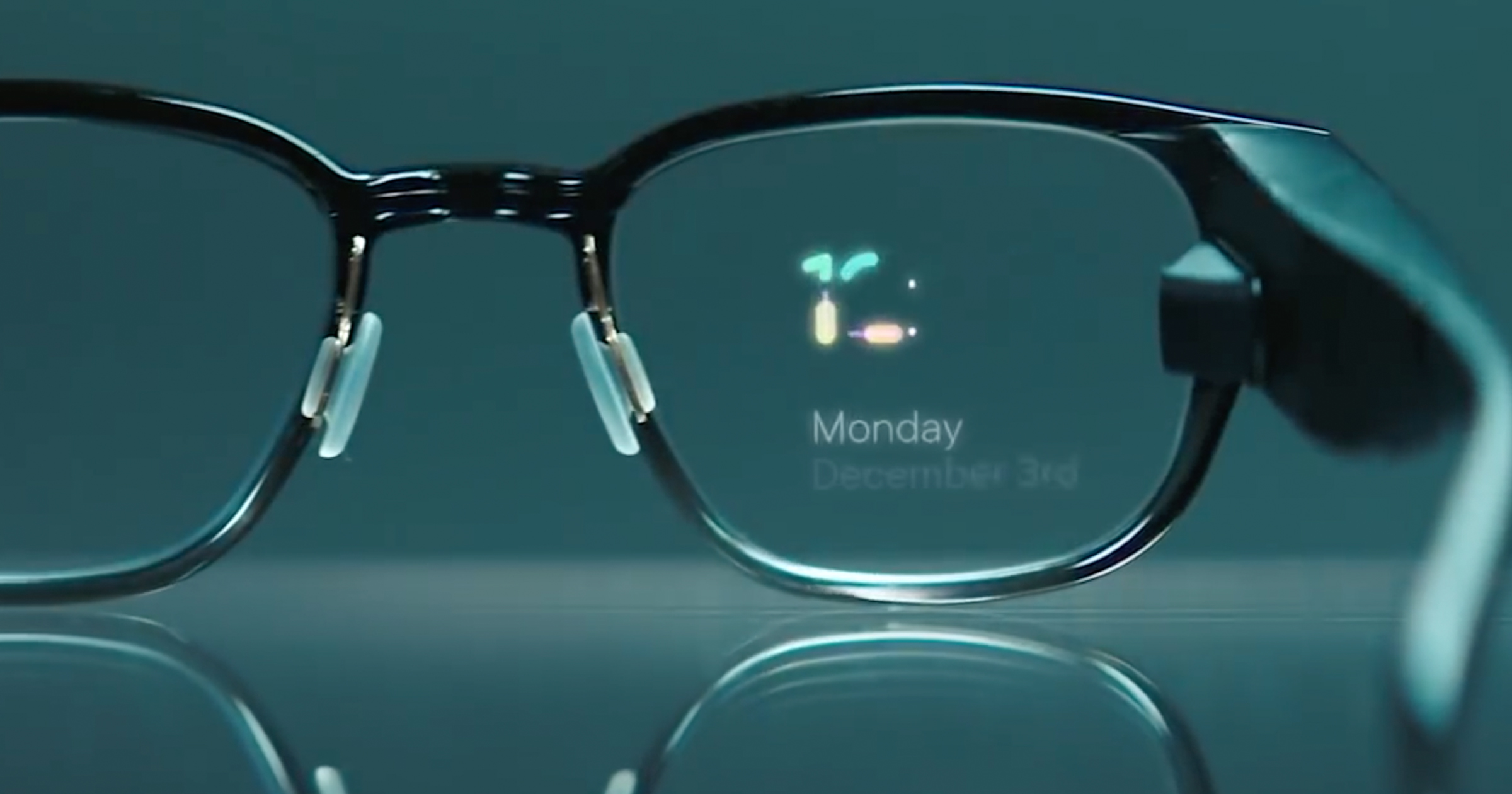
    The latest Apple Glasses rumored feature could benefit people with prescription glasses. According to a new patent, granted to Apple on Thursday, the new Apple Glasses might feature a system of lenses that adjust to match the user’s prescription.

    The patent in question is titled “Tunable and foveated lens systems,” and describes a clever system of lenses that can be manipulated to act as a regular pair of glasses. The difference is that the system adjusts the position of the lenses automatically, and any person – with or without prescription glasses – could use it without any problems.
    This can be achieved by using a stack of liquid crystal lenses – the liquid material inside can change its optical properties when a current passes through it. Apple says in the patent documents that such a system can also help people with various vision problems, such as presbyopia (inability to focus at a certain distance).

    The clever system manages to circumvent one big obstacle that lies before smart glasses technology – users with regular prescription glasses. Using another pair of smart glasses on top of your prescription glasses is far from comfortable, and manufacturers normally would have to offer different models with different dioptric parameters to suit every consumer out there. Using this futuristic adjustable lens system could not only make smart glasses much more comfortable and approachable but help advance vision-correction technology.

    Bear in mind, though, that Apple (and every other big tech company) files for hundreds of patents every year. Seeing this cool feature on paper doesn’t mean that the actual product will have it onboard. Let’s quickly browse through all Apple Glasses patents that we’ve unearthed so far. One of the latest and most futuristic patents so far was the “Direct retinal projector.” As the name suggests, Apple is looking for ways to project the image directly onto the user’s retina.

    Another cool patent from last year describes Apple Glasses adjusting to ambient lighting, decreasing the ambient light in order to boost the brightness of the projected image.  Much less high-tech was the patent filing describing how Apple Glasses could be used to unlock other gadgets nearby – most wearable devices already have such functionality.

    The rumored self-cleaning feature of the Apple Glasses is far more interesting. The patent involved describes a way to “shake” the device free of dust using vibration.

    Finally, another patent filing showed how Apple Glass might detect sound and direct you to its origin. That might turn out to be a very useful feature for a device you wear on your head and look (kinda) through it.

    • Plastic or metal frames
    • Two 8K resolution displays
    • 120Hz refresh rate
    • Wi-Fi 6E connectivity
    • LiDAR in the frame
    • Gesture and voice controls
    • UI called Starboard
    • Adjustable lenses
    • Price: $499
    • Release date: 2025

    A major Apple Glass leak revealed a $499 price, and also suggested an announcement date sometime in Q3/Q4 2021, which is clearly not happening. According to tech analyst and insider Ming-Chi Kuo, Apple Glasses won’t be ready until 2025.

  • iPhone 14 Pro rumored to replace notch with dual pill and hole cutouts

    iPhone 14 Pro rumored to replace notch with dual pill and hole cutouts

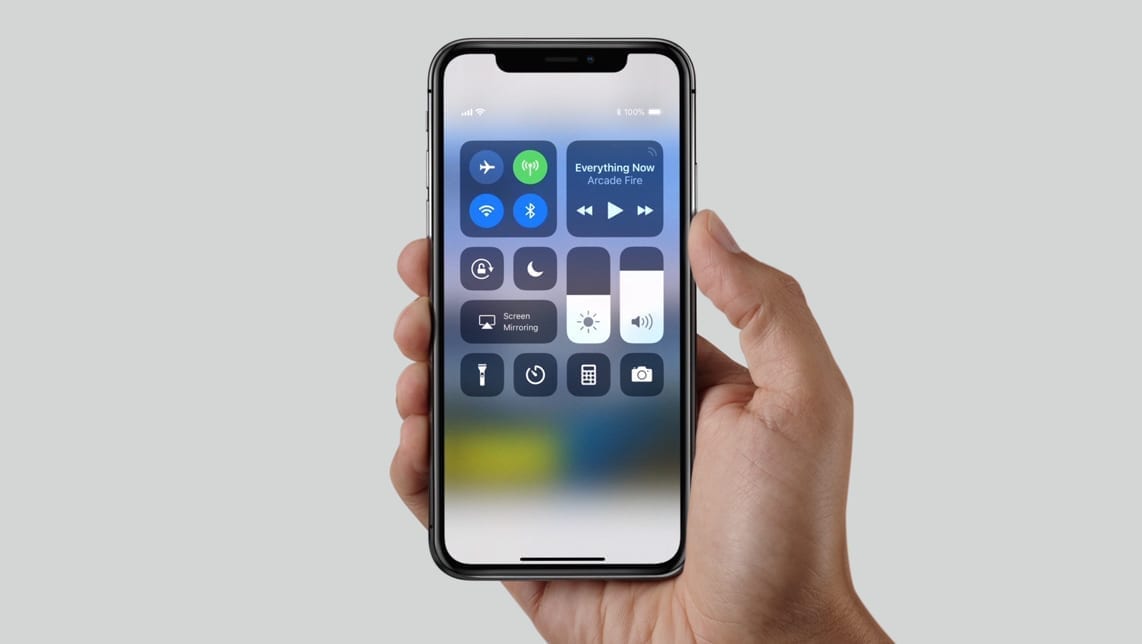
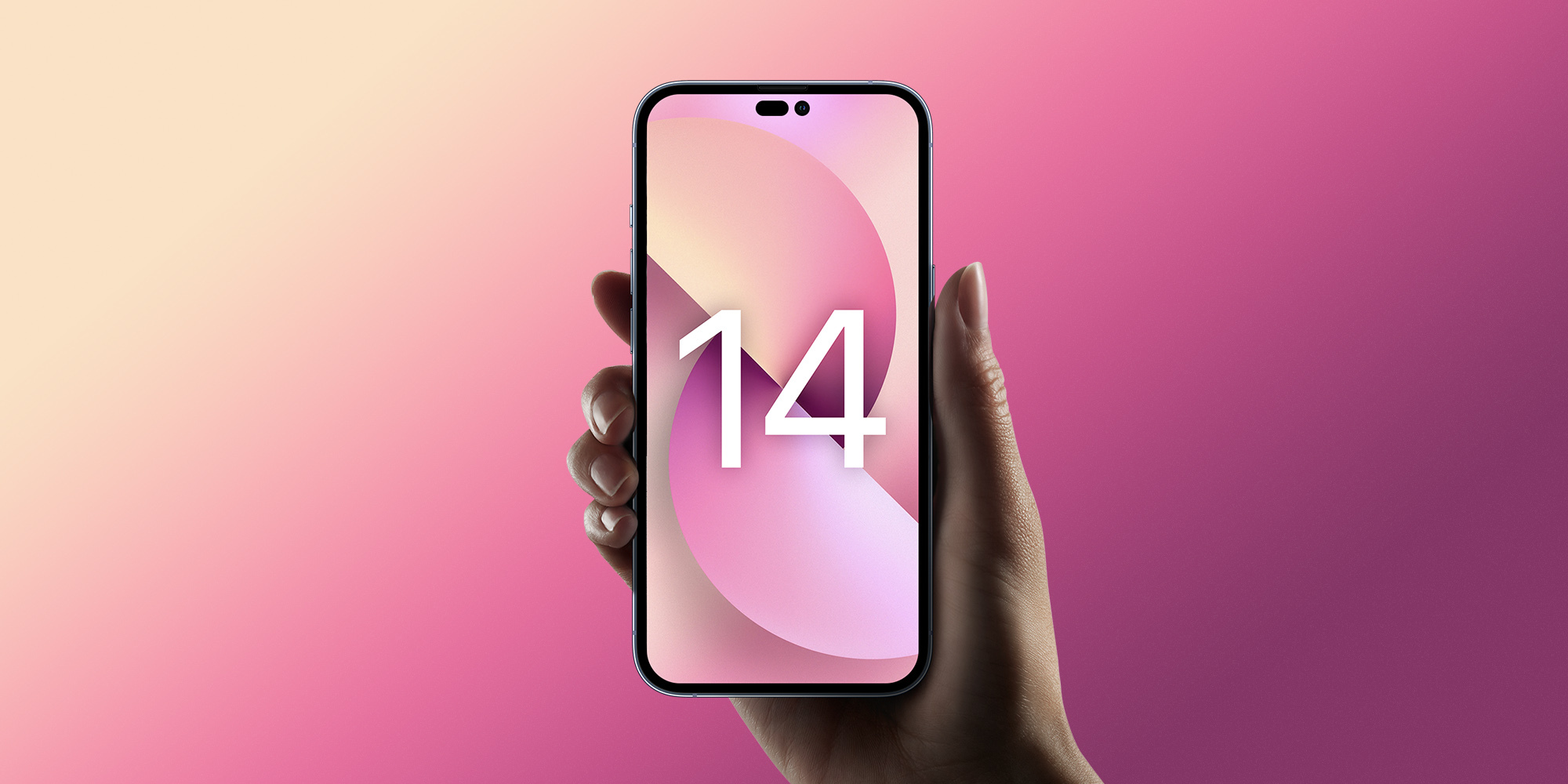
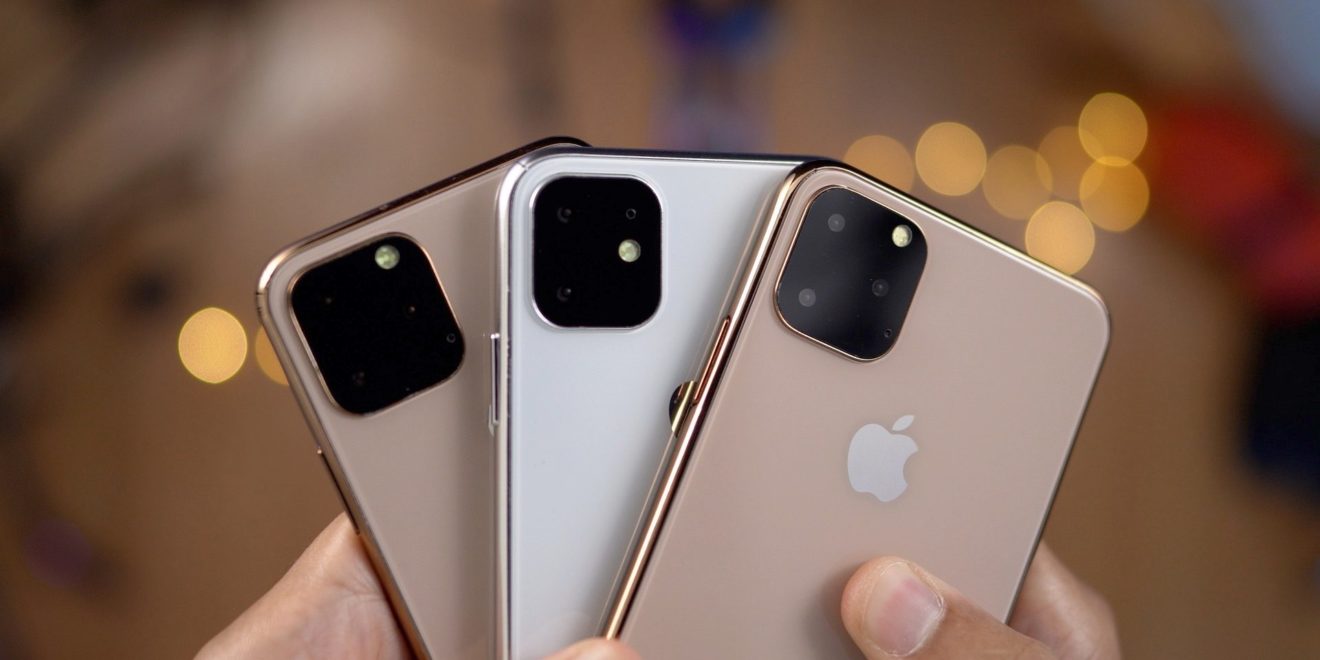
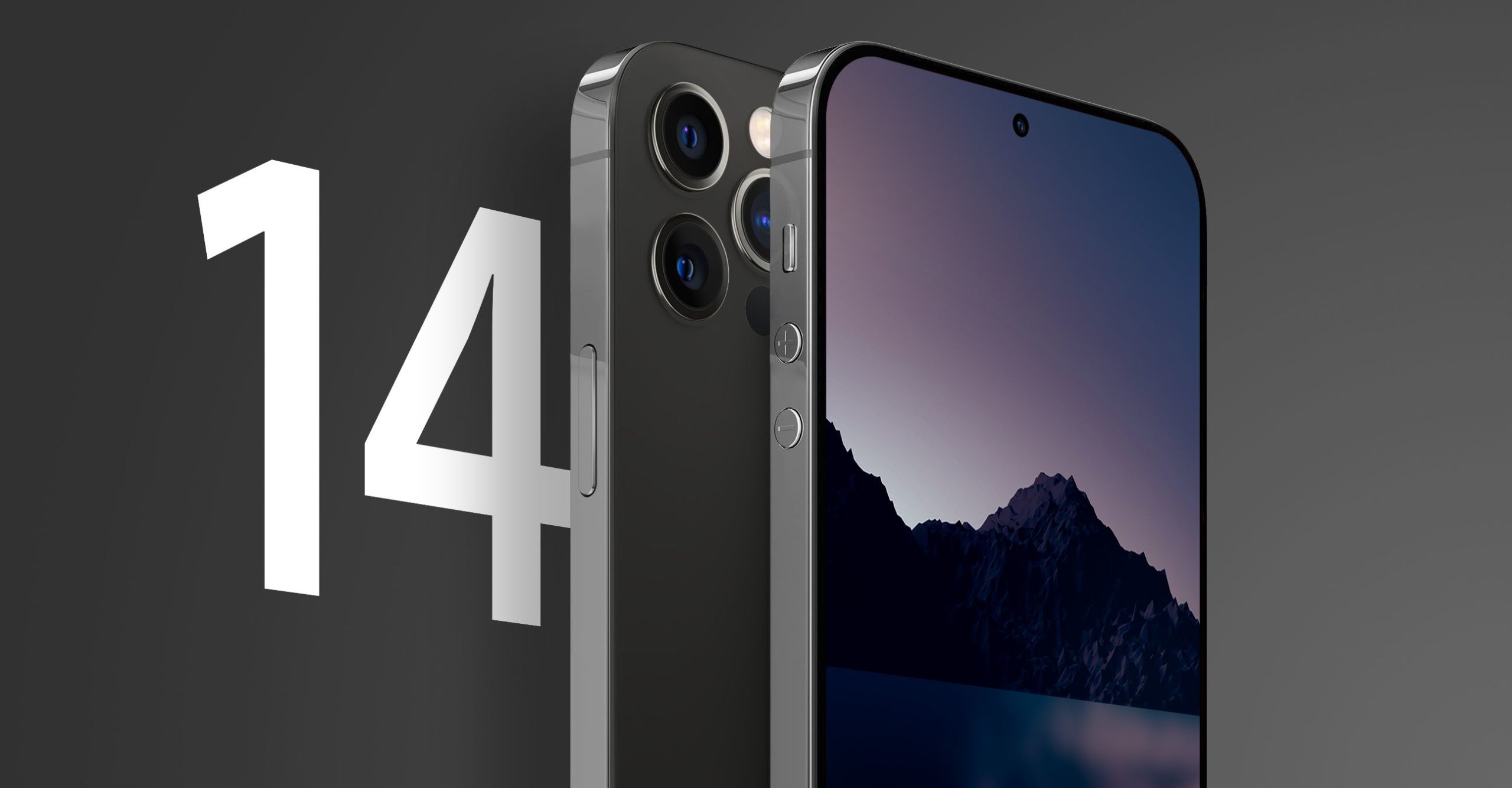
    It can now be said with a fair amount of certainty that Apple’s next premium iPhones – the iPhone 14 Pro and iPhone 14 Pro Max – will ditch the notch that debuted on 2017’s iPhone X in favor of a hole-punch cutout.

    That’s only part of the mystery solved, as, unlike Android flagships, the iPhone also features a complex Face ID system that requires a lot of modules and sensors. Display Supply Chain Consultants’ CEO Ross Young, who has an impressive track record when it comes to leaks, seems to know how Apple plans on going about it.

    In September of last year, Twitter leaker ShrimpApplePro, who tweets from the handle @VNchocoTaco, shared a concept image visualizing what the screen could look like from behind. Young also believes that that’s what the front of the Pro models will look like, meaning a pill-shaped cutout on the center-left will house the front camera and the infrared camera, and the circular hole will have the dot projector.

    If that sounds like a lot of holes, keep in mind that they will still take up less screen estate than the notch. Assuming the leak is legit, it puts to rest a recent rumor that claimed Apple would place the Face ID hardware beneath the display.

    ShrimpApplePro, the leaker who first talked about the design, had also said if Apple managed to put the Face ID system under the screen, it would do the same with the camera. Young thinks that we shouldn’t expect to see an iPhone with an under-display camera until at least 2024, which is not bad news at all, given that the handful of Android phones that feature the tech has failed to impress.

    iPhone 14 Pro’s screen design will not simply be a cross between the Galaxy S10 Plus, which has two hole-punch cameras, and Huawei models with a pill-shaped cutout, but will rather be unlike anything we have seen, or so implies Young.

    This year’s lineup will reportedly consist of two standard models – 6.1-inches iPhone 14 and 6.7-inches iPhone 14 Max- and two Pros – 6.1-inches iPhone 14 Pro and 6.7-inches iPhone 14 Pro Max. The Pro models will reportedly replace the current versions’ 12MP main camera with a 48MP main camera. The series will likely be powered by the slightly more powerful A16 Bionic chip.

    Given how relatively rare it is for Apple to introduce design changes and new camera sensors, it’s safe to assume most fans will love the new phones and make them one of the top smartphones of 2022.

  • Apple releases minor iOS, iPadOS updates along with second beta of iOS and iPad 15.3

    Apple releases minor iOS, iPadOS updates along with second beta of iOS and iPad 15.3

    Not every iOS update is chock full of features. Today, Apple released iOS 15.2.1 and iPadOS 15.2.1 to fix a couple of minor issues. The update fixes a bug that caused Messages not to load photos sent via an iCloud link. It also exterminates a bug that prevented third-party CarPlay apps from responding to inputs.

    To update your iPhone or iPad go to Settings > General > Software Update. If you’re a member of the Apple Beta Software Program, you will also receive a link to download and install the second betas of iOS 15.3 and iPadOS 15.3. It’s been three weeks since the first beta versions of iOS 15.3 and iPadOS 15.3 were released, and about a month since iOS and iPadOS 15.2 were dropped by Apple.

    Thus far, it isn’t clear what we might expect from the upcoming iOS 15.3 update although there are some new features that are expected from Apple such as the ability to put Digital IDs in the Wallet app. States (in alphabetical order) that have agreed to offer this include: Arizona, Georgia, Connecticut, Iowa, Kentucky, Maryland, Oklahoma, and Utah. Florida is reportedly in talks to be included.

    Apple first discussed putting Digital IDs inside the Wallet app back at WWDC seven months ago. This feature was not found in both beta 1 and beta 2 of iOS 15.3 and iPad OS 15.3

    Another feature that could come to iPadOS 15.3 is called Universal Control. This allows iPad and Mac users to control their devices using the same keyboard and mouse. It is now scheduled to be released this spring following a delay.

    Apple originally called for a fall 2021 release of Universal Control but had to push back the release date. With that in mind, we might not see this surface on a stable release until iPadOS 15.4 is pushed out by Apple.

    This update is too minor to join the Apple Beta Software Program for, but anytime you don’t want to wait to try out an upcoming iOS feature, you can enter the program and receive beta updates OTA. Remember though, most beta updates are not stable and you could find that your most important iOS capabilities are incapacitated. Or, you might find that the beta update has your device drinking battery juice like Andy Capp consumes ale.

    If you can’t wait for the stable update to be disseminated, you can quit the beta program and install a backup that you created in iTunes before entering the beta program. You’re still going to lose the data created since you made the backup. Another option is to factory reset your device which is one thing that this writer compares to the sound of scratching nails on a blackboard.

    Or, you can join the beta program, install the beta software, and simply quit the beta program when the next stable build of the software is released to the public. For example, let’s say you must have (for some reason) iOS 15.3 while it is still being tested. So you go to the Apple Beta Software site and install iOS 15.3 beta 2. And you sit through beta 4 and by beta 5 the battery life of two hours and twenty minutes (just an exaggeration because we don’t know what the battery life will be on beta 4 and beta 5 or even if there will be a beta 4 and beta 5) is driving you batty.

    As we said, if you have a fairly recent backup to load, things might not be so bad. But if you forgot to create a backup and don’t feel like performing a factory reset, you can stay in the beta program until the next public version of iOS is available which in this scenario would be iOS 15.4.

    If that is your game plan, you can quit the beta program and install iOS 15.4 by going to Settings > General >Profiles & Device Management. Select iOS 15 & iPadOS 15 Beta Software Profile, and tap on Remove Profile. Once that is complete, you would update to the next stable release (iOS 15.4 in this example).