Category: Electronics

Retail News Asia is committed to providing both local and global retailers with the latest Electronics news throughout the Asian market. This on a daily base.

  • Huawei celebrates decade long Seeds for the Future to cultivate tech talent in Singapore

    Huawei celebrates decade long Seeds for the Future to cultivate tech talent in Singapore

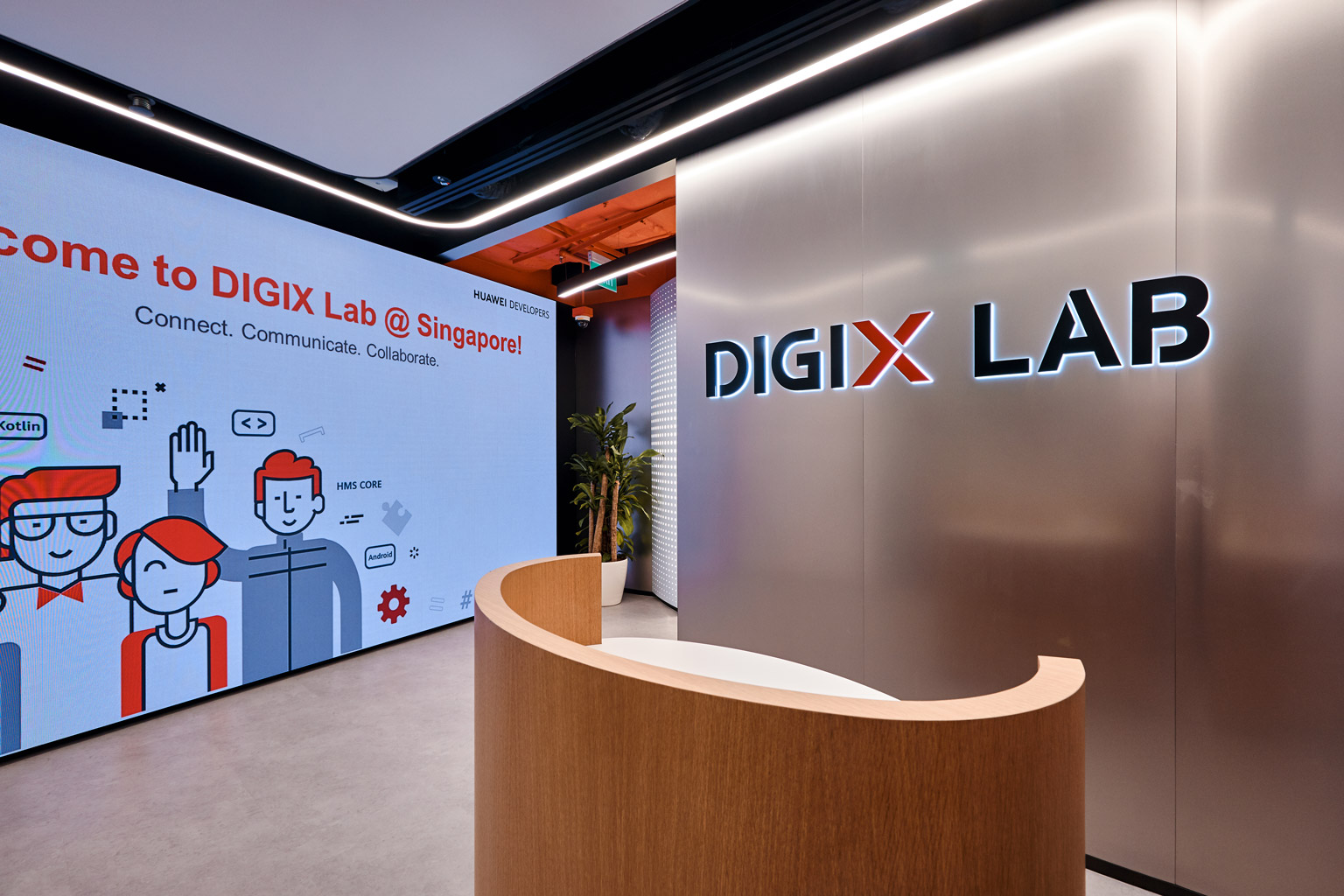
    Global leading ICT provider Huawei today hosted the closing ceremony for Seeds for the Future, its flagship global CSR program which aims to engage and inspire local ICT talents through a study trip to China, and bridge communication between countries and cultures, as well as address the digital talent gap in Singapore.

    With cross-border limitations brought upon by the pandemic, Huawei substituted its China study trip with an eight-day online program. This program is designed as a Virtual Teaching Lane (VTL) between Singapore and China to help students in Singapore overcome travel restrictions brought about by the pandemic and continue their learning.

    The program provides students in Singapore with a deep dive into the latest developments in information and communications technologies (ICT), including cloud computing, Internet of Things (IoT), and 5G, to truly immerse themselves in China’s traditional and modern culture. They also gained first-hand insights into China’s highly competitive digital economy, a pivotal aspect for Singapore’s future success.

    This year marks the 10th anniversary of the program in Singapore. In July 2021, Huawei announced, Seeds for the Future Program 2.0, where the company plans to invest US$150 million in digital talent development over the next five years globally. To date, nearly 200 Singapore students have joined the program and have become Seeds Alumni.

    Mr Foo Fang Yong, CEO of Huawei International, spoke about the importance of grooming talent to shape the digital future. “We are proud to help bridge this divide by supporting local talents through our Seeds of the Future program. This year also marks Huawei’s 20th anniversary in Singapore, I hope that this program will revert to a physical one next year for a wholly immersive experience. In the meantime, we will continue to work with the local government, our partners, and the institutes of higher learning through our dedicated curriculum, training, and leadership programs as well as collaborations to further cultivate and grow local talent as we train them to become the leaders of tomorrow.”

    The Seeds for the Future program is open to all outstanding undergraduates/graduates from universities or polytechnics with a strong interest in ICT industry and China. Students who have recommendations from their university or polytechnics, IMDA SG:D Scholarship Winners or IMDA recommended students will be shortlisted for the program.

    Scaling beyond local boundaries with cross-cultural learning 

    To further boost resources, Huawei also launched a wider range of courses including the latest Huawei Mobile Services (HMS) development, Android APP development, TECH4ALL sessions, and entrepreneurship training this year. Participants also explored various learning opportunities via Huawei exhibition hall live visits, live Chinese cultural sightseeing, pre-recorded visits, and live Q&A sessions with growing companies.

    To continue the learning journey, all Seed Alumni will also be granted access to The Smart Urban Co-Innovation Lab @ East Coast which brings together Grassroots Organisations, schools, and businesses in East Coast to offer better jobs, more opportunities for collaboration and co-creating of solutions for the community and businesses, as well as equip students and working adults with future-ready skills.

    The closing ceremony culminated with a panel discussion joined by industry experts including Mr Pang Yan, Associate Professor from the National University of Singapore, Ms Jessica Tan, MP of East Coast GRC and Seeds Alumni, Mr Yu Peng Fei, Associate Cybersecurity Specialist, GovTech, and Mr Ivan Low, Chief Strategy Officer of Huawei International, discussing the importance of developing local ICT talent, its challenges and Huawei’s role in expanding collaboration, and the exchange of resources, knowledge, and new ideas between Singapore and China.

    Strengthening local partnerships with the National University of Singapore 

    At the closing ceremony, Huawei also announced a Memorandum of Understanding (MOU) with the National University of Singapore Business Analytics Centre (NUS BAC), jointly formed by the NUS School of Computing and NUS Business School, as part of its commitment to nurture talent and upskill students to help Singapore fill the talent gap in the technology sector.

    This collaboration aims to empower NUS students and researchers, giving them the opportunity to tap into Huawei’s expertise and resources in ICT technology, Big Data, Cloud Computing, and software development. The students in the NUS Master of Science in Business Analytics (MSBA) programme can also look forward to capstone internship opportunities with Huawei and its partners.

    In addition, NUS BAC will organize a Huawei-NUS analytics innovation challenge for students and researchers in the developer community to create innovative solutions for problem statements based on realistic business challenges from Huawei and its partners.
  • Huawei announces P50 Pocket foldable flip phone will be unveiled

    Huawei announces P50 Pocket foldable flip phone will be unveiled

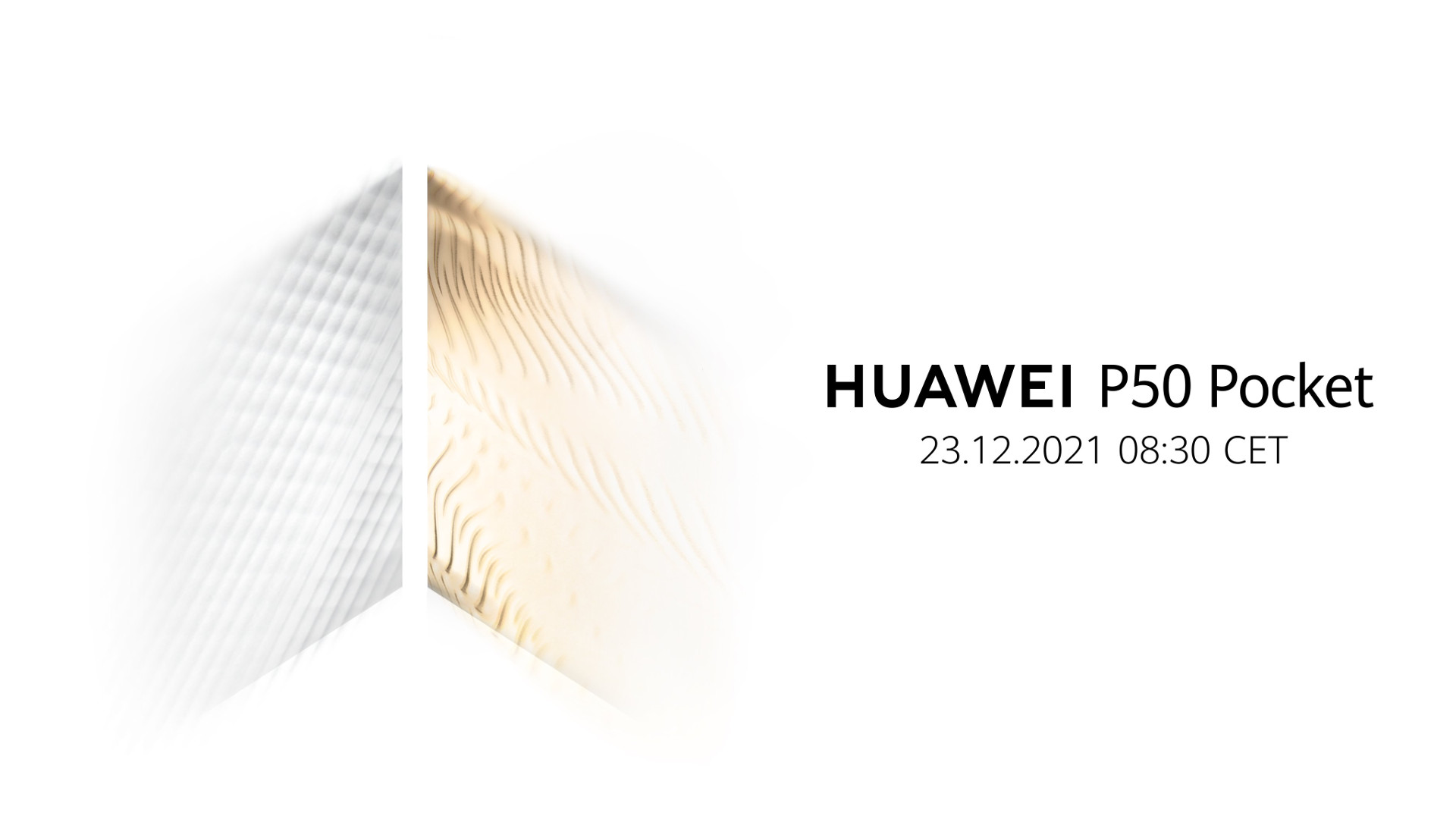
    Huawei announced today on Weibo that its new flagship product launch winter conference will take place on December 23rd. On that date, the company said that it will announce the Huawei P50 Pocket which is believed to be a foldable phone that shuts vertically like the Samsung Galaxy Z Flip 3 and the Motorola Razr.

    The new Huawei foldable flip phone will supposedly sport a next-generation hinge from Zhaoli Technology. It contains fewer parts making it not as expensive and more reliable compared to the hinges used on previous generations of flip phones. Some who have seen the device say that there are no creases on the display, which have become the bane of the modern foldable handset.

    According to images on Huawei’s verified Weibo post, the P50 Pocket will be available in White and Gold. A leaked image of a protective case for the device indicates that the back of the P50 Pocket will have two large camera lenses in the back, similar to the design of the Huawei P50. Volume rockers and the power button are on the right.

    Other products that we expect to see announced a week from Thursday include the Huawei Watch D. As we mentioned just the other day, a leaked image of the device’s box revealed that the timepiece will be able to provide blood pressure readings, and will be powered by HarmonyOS. Also, a possibility to be unveiled at the event could be Huawei’s Bluetooth glasses.

    Huawei has already released three variants of foldable phones. The Mate X and Mate XS both folded outward to reveal their larger tablet-sized display. Because the screen folded outward, the two panels that created the larger display were available for use as smaller “exterior” screens when the device was closed. Earlier this year, the Mate X2 was launched with a design similar to the Galaxy Fold 3.

    The Mate X2 closes like a book and features a 6.5-inch front cover display and an 8-inch tablet-sized screen. As for the P50 Pocket, we could see a 6.5-inch to 6.7-inch 21:9 display when opened. Will it support 5G? Huawei socked enough Kirin 9000 chips away for the foldable Mate X2 to offer 5G support for that model. But if it didn’t keep enough inventory of the chip for the P50 Pocket, it might have to resort once again to a 4G version of the Snapdragon 888 which it used on the P50 series earlier this year.

    As you probably know, the U.S. government’s export rules prevent any foundry using American technology to build chips from shipping any cutting-edge chips to Huawei without a license from the U.S. Commerce Department.

  • Check out this render of the 5G Honor Magic Fold

    Check out this render of the 5G Honor Magic Fold

    Talk about a foldable Honor handset started all the way back in February of this year when we passed along a report that the former Huawei sub-brand would release a foldable model later this year. Then in June, we let you know that the Honor Magic Fold was going to be inward folding like the Samsung Galaxy Z Fold 3.

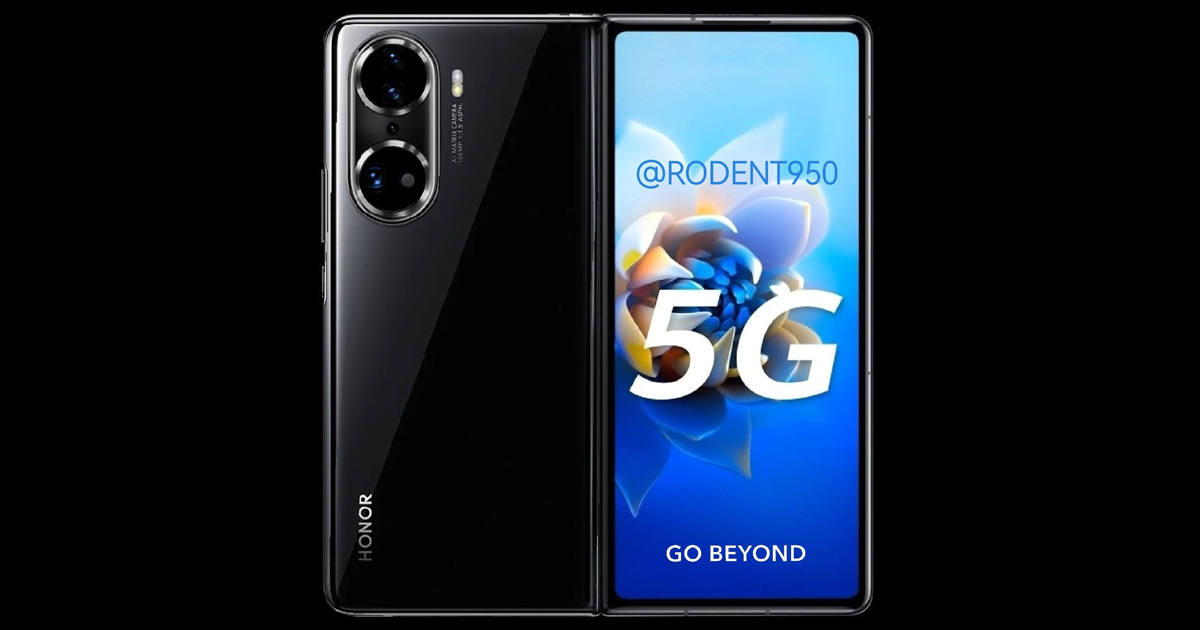
    The Magic Fold is expected to be introduced sometime in the first quarter of 2022. But that doesn’t stop us from showing you renders of the device which were posted on Twitter. Similar to Samsung’s last two Galaxy Z Fold models, the exterior screen runs the complete length of the back of the phone’s left panel (when fully opened with the large tablet-sized display showing).

    Rumored specs for the device include an 8-inch display when the phone is fully unfolded, sporting a resolution of 2200 x 2480. An octa-core CPU is reportedly under the hood featuring one Cortex A-77 core running at a clock speed of 3.13GHz, three Cortex A-77 cores running at a clock speed of 2.54GHz, and four Cortex A-55 cores running at a clock speed of 2.05GHz.

    The chipset will be paired with 8GB of memory and 256GB of storage. The render shows a rear camera with a 108MP sensor for the primary snapper. After taking into account the likelihood of 9:1 pixel binning, it would appear that the device will deliver 12MP images. Besides the obligatory ultra-wide and telephoto cameras, we could see a 16MP camera grace the front of the handset for selfies and video chats.

    A 4500mAh battery could be called on to keep the lights on, and Android 11 will be pre-installed. No word on when to expect an update to Android 12.

    You might recall that Huawei ended up selling Honor last year to prevent the firm from having to abide by all of the restrictions placed on Huawei by the U.S. While it was a Huawei sub-brand, Honor could not access its U.S. supply chain which forced it to stop using Google mobile services (GMS). It also prevented the company from purchasing cutting-edge chips after a revised U.S. export rule prevented foundries using American tech from shipping cutting-edge chips to Honor.

    But once Honor became free after its sale to a consortium for a reported $15.2 billion, Honor was free to use the Google version of Android, and could receive shipments of any chip it wanted to buy. As a result, the Honor 50 Series was launched with the GMS version of Android and was powered by the Snapdragon 778G allowing the device to support 5G.

    Honor is rapidly growing in China with its third-quarter handset shipments in the country rising a whopping 96% on an annual basis. It now has a 15% slice of the Chinese smartphone market which is good enough for third place after Vivo’s leading 23% and Oppo’s 20%. Xiaomi is fourth, followed by Apple.

    While last year Huawei was the top smartphone brand in China with 30% of the market, the U.S. restrictions are biting and biting hard. Now, the beleaguered manufacturer has seen its share of the Chinese smartphone market declined to just 8%.

    Some Huawei executives are surprised that they continue to be on the U.S. Entity List. In 2019, then-President Donald Trump cited security as his reason for placing Huawei on the list. After all, both Huawei and ZTE are considered national security threats to the U.S. Exactly a year to the day that its inclusion on the Entity List had been announced, the U.S. changed its Export Rules that prevent a foundry using American technology to manufacture chips from shipping cutting-edge components to Huawei.

    It doesn’t appear that Huawei will be removed from U.S. restrictions for some time. Meanwhile, we should continue to see Honor go from strength to strength as it takes the knowledge it gained from being a Huawei sub-brand and uses it to move up the league tables in China.

  • Microsoft to partner with Samsung over HoloLens 3 development

    Microsoft to partner with Samsung over HoloLens 3 development

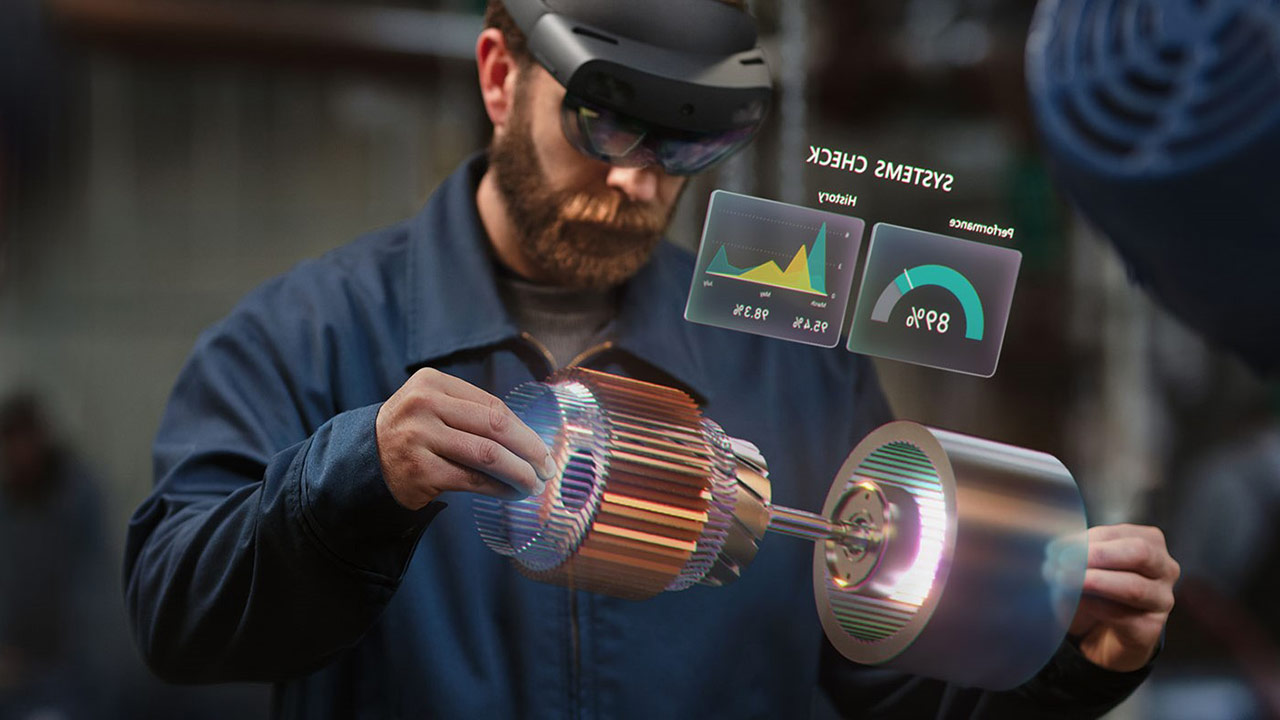
    This summer, Samsung has apparently entered into a partnership with Microsoft over its HoloLens augmented reality project, and the two companies are expected to work on the next generation of the VR headgear for at least two years.

    Microsoft already has a strong partnership with Samsung over preinstalled Office Mobile and other apps on the handsets of the world’s largest phone maker, so taking advantage of its hardware expertise could only be beneficial, too.

    Back in March, Samsung reportedly assembled a task force to probe the viability of the HoloLens partnership, involving multiple departments and has subsequently been given the green light to take on the challenge to be Microsoft’s AT/VR gear maker.

    Commercialization of Microsoft’s HoloLens wearable that takes advantage of Samsung’s engineering prowess will happen after the end of the development contract, in 2024, report the insiders. Samsung’s purchase of AR company DigiLens, along with its display expertise may be what prompted Microsoft to partner with it over the next HoloLens endeavor.

    DigiLens was known for its waveguide technology “used to bend the light from the video playing on a display to the glasses, which is transparent in AR display devices as users need to see the real surrounding around them simultaneously with the virtual items on display.”

    This strongly suggests that the HoloLens 3 may be conceived as a direct answer to the purported Apple Glasses AR/VR headset which is expected to land as soon as next year. Microsoft sold about 200,000 HoloLens 2 devices this year, and it will have to pour a lot of resources to make the third edition stand out as not only Apple, but also Facebook’s Meta, are expected to release their own augmented reality contraptions very soon.

  • Innocn portable monitors: easy second screen, DeX, gaming on the go

    Innocn portable monitors: easy second screen, DeX, gaming on the go

    We live in a time where users demand more and more portability. Smartphones have spoiled us this way — we are so used to having supercomputers in our pockets that, sometimes, it feels jarring that we can’t take our PlayStations with us.

    However, a new type of product is currently on the rise that will enhance a digital nomad’s life even more — portable monitors!

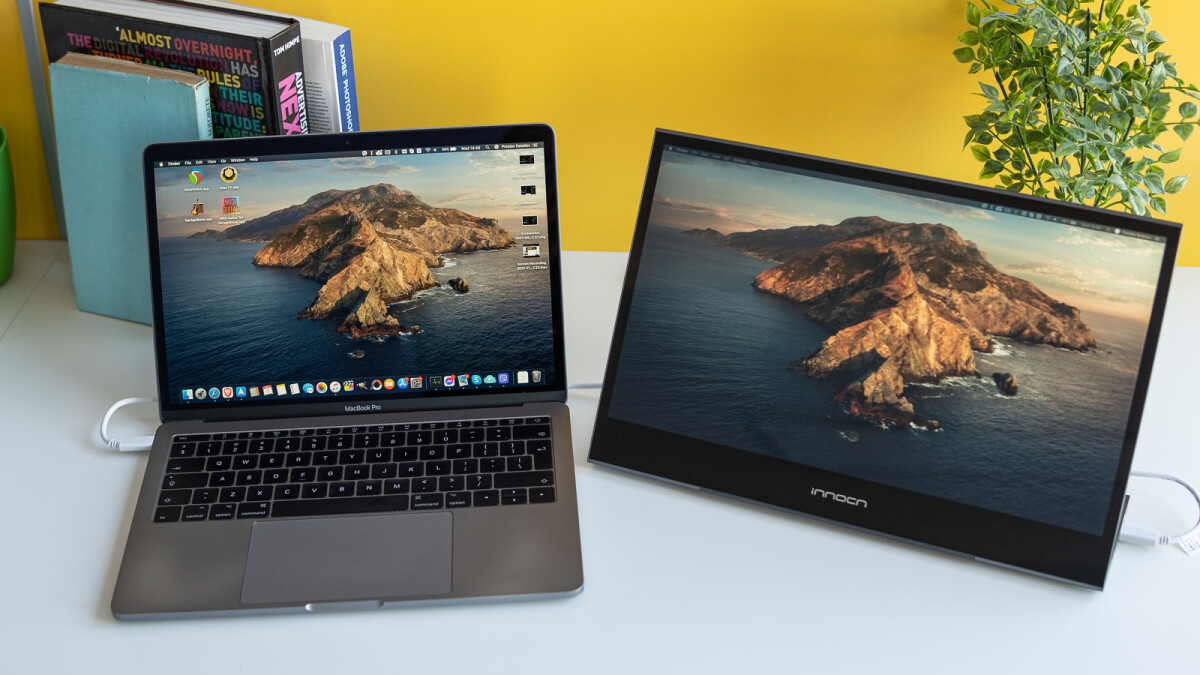
    Here we have the Innocn N1F-Pro — a display that is so thin and light that you might think it’s a prop. But it is, in fact, a very functional, convenient, energy-efficient, and portable device that can make your life much easier — whether you are on the go, or setting up a small work corner at home.

    The N1F-Pro is the value-priced offering from Innocn, but the company also offers portable screens that come with their own batteries and much sharper resolutions! Be sure to check them out below and use the codes Innocn kindly provided for some great discounts!

  • Samsung has invested nearly $18 bln in Vietnam

    Samsung has invested nearly $18 bln in Vietnam

    Samsung has invested $17.74 billion in Vietnam in the last 24 years, 29 percent of it in the last five.

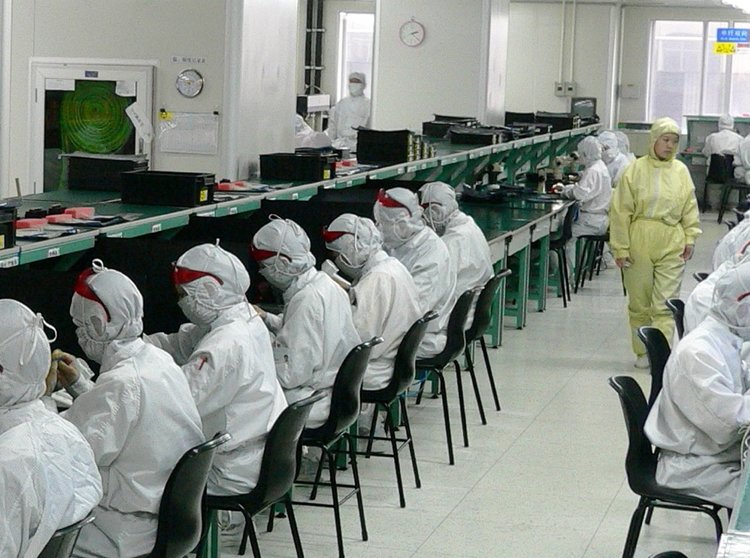
    With eight manufacturing and research facilities in the country, the South Korean electronics giant achieved revenues of nearly $60.5 billion in the first 10 months of this year, Samsung Vietnam CEO Choi Joo Ho told Deputy Prime Minister Le Minh Khai at a meeting in Hanoi Monday.

    It marked a 15 percent year-on-year rise despite the challenges to keeping factories going and sourcing parts amid Covid-19, he said.

    Exports accounted for nearly 89 percent of the revenues, he added.

    The company is building a $220-million research and development center in Hanoi, the first of its kind outside of its home country.

  • Apple warns of weak demand for iPhone 13 lineup

    Apple warns of weak demand for iPhone 13 lineup

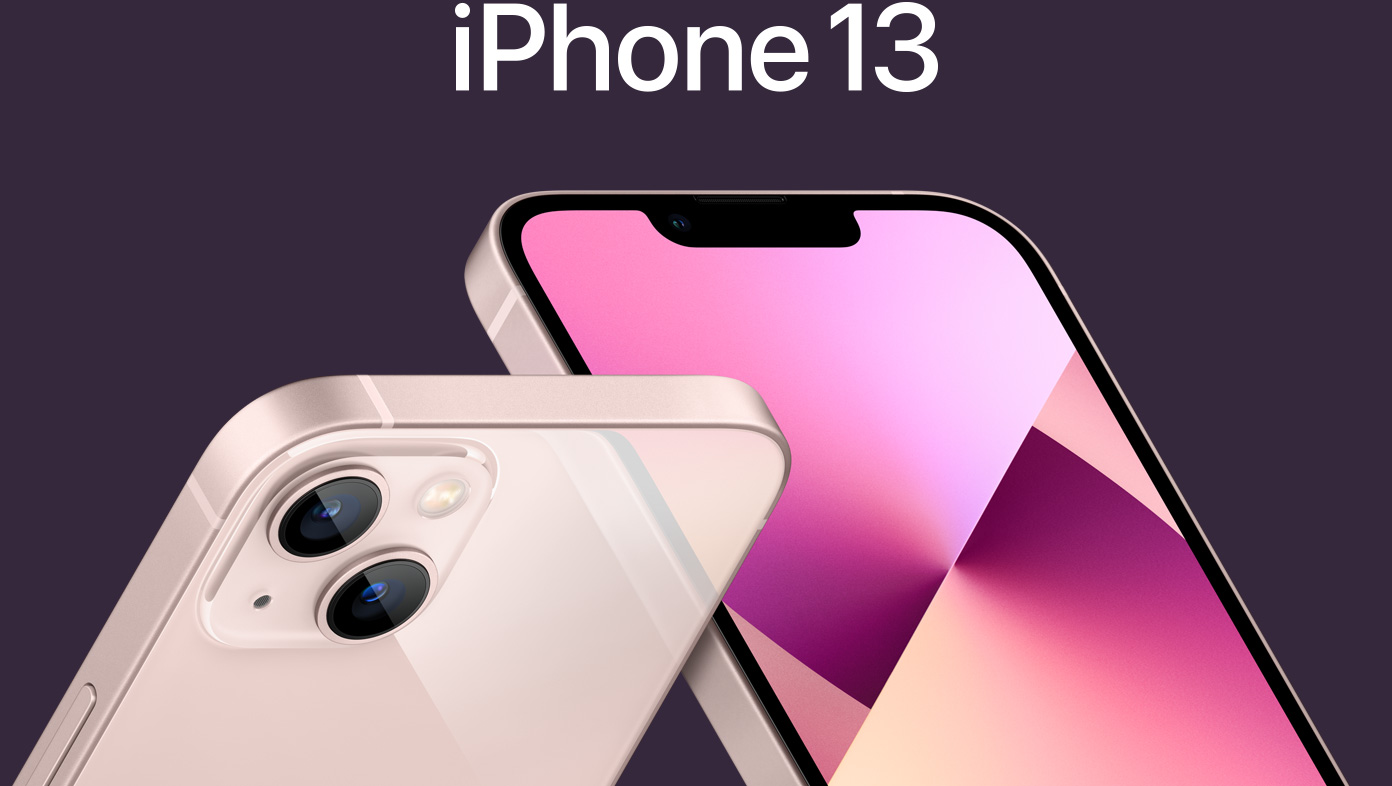
    Apple has told its parts suppliers to demand the iPhone 13 lineup has slowed, Bloomberg News reported on Wednesday, a move that signals a declining interest among consumers for the usually coveted latest upgrades.

    The company had cut production of iPhone 13 by as many as 10 million units, down from a target of 90 million, due to a global chip shortage, but now it has informed vendors even those numbers look unlikely, the report said.

    Apple’s shares fell over 3%, dragging down those of iPhone component and semiconductor suppliers Qualcomm, Skyworks, Europe’s ASML, and Infineon.

    The holiday season is Apple’s biggest quarter and typically so, for its most important product, the iPhones, which start at $699 and go as high as $1,600.

    Analysts had expected demand to remain steady for new products but lowered shipping estimates as supply-chain issues burdened the company as well as many retailers who faced inventory shortages.

    Consumers, who splurged on new phones and laptops during the peak of the pandemic as they stayed indoors, are now spending more on vacations and outdoor activities.

    “As lockdowns eased, spending returned on these experiential activities, so maybe less for the new iPhone. We believe that (iPhone) demand is likely to be pushed out in 2022,” Counterpoint Research analyst Tarun Pathak said.

    IDC analyst Ryan Reith believed it is not so much as demand for smartphones was drying up, but U.S. consumer spending was slowing due to the pandemic.

    Apple Chief Executive Officer Tim Cook warned in October that the impact of supply constraints, which cost the company $6 billion in sales in the fourth quarter, will be worse during the holiday quarter even as demand for the new lineup was robust.

  • Intel to meet this month with TSMC to avoid a fight with Apple

    Intel to meet this month with TSMC to avoid a fight with Apple

    It appears as though TSMC is back on track and is aiming to start mass production of chips using the 3nm process node starting in the second half of 2022. As a result, there is still a good chance that the Apple A16 Bionic chipset will be built with the 3nm process although earlier talk centered on the use of the 4nm process for the component. The difference is the number of transistors inside each chip which drives performance and energy efficiency.

    Intel plans on paying a visit to TSMC soon, and not just to personally give them holiday greetings. Intel is one of the foundry’s largest customers (along with Apple, AMD, NVIDIA, MediaTek, and Qualcomm) and they want assurance that TSMC will have enough capacity to make 3nm chips in the quantity that Intel needs.

    Intel is not a fabless company like Apple is, for example. That means that while Apple designs its own chips, it does not own equipment and fabrication facilities to manufacture them. While Intel does own its own foundry, it cannot produce cutting-edge chips as TSMC can. In January there was a report that TSMC was prepared to offer Intel capacity at 4nm while testing at 5nm.

    High-level Intel executives plan to travel to Taiwan in the middle of this month to meet with TSMC. On the agenda is the amount of 3nm capacity that Intel needs. While the American chip giant might have to outsource some of its production through TSMC, it also has indicated a desire to upgrade its own production capabilities.

    The meeting is being held so that Intel can “avoid fighting with Apple.” Reportedly, Apple has already worked out a deal with TSMC for all of the latter’s initial 3nm production capacity. This means that Intel most likely would not have access to TSMC’s 3nm capacity until 2023 at the earliest.

    Assuming that there is some urgency on Intel’s part (their executives aren’t flying to Taiwan for a vacation), it will be interesting to see whether Intel’s meeting with TSMC is productive. TSMC is the world’s largest independent foundry and last year it generated revenue of $45.51 billion which produced net profits of $17.60 billion. The company is valued at $565 billion.

    Now that Apple has created its own high-powered chips for the Mac that replace Intel processors, the company relies on TSMC even more. The Apple M1 chip contains 16 billion transistors which are one billion more than the number found in the A15 Bionic. The latter is used on the iPhone 13 series.

    Earlier this year, Apple introduced the M1 Pro, a 5nm chip that features 33.7 billion transistors, and the 5nm M1 Max with 57 billion transistors. Both are manufactured by TSMC.

    Apple is also rumored to be replacing Qualcomm’s 5G modem chip with one it will design itself.

    The new 5G modem chip will be built by TSMC using its 4nm process node, and it should debut in the 2023 iPhone 15 series. While Apple undoubtedly feels as though it now has no worries about obtaining enough chips in the future, it might have not considered how all roads lead to TSMC. And late yesterday we passed along a report from Fox News that noted how some experts fear that China might look to take back Taiwan to create a unified China.

    In such a scenario, the Chinese Communist Party (CCP) could create some serious global chaos by taking control of TSMC. China itself has realized that it needs to boost the chip production on the mainland. While the U.S. has also come to this conclusion about itself, it is trying to increase American production by having TSMC build a foundry in Arizona that could eventually grow to be a huge fabrication facility.

  • Apple releases iOS 15.2 beta 4 for developers and the public

    Apple releases iOS 15.2 beta 4 for developers and the public

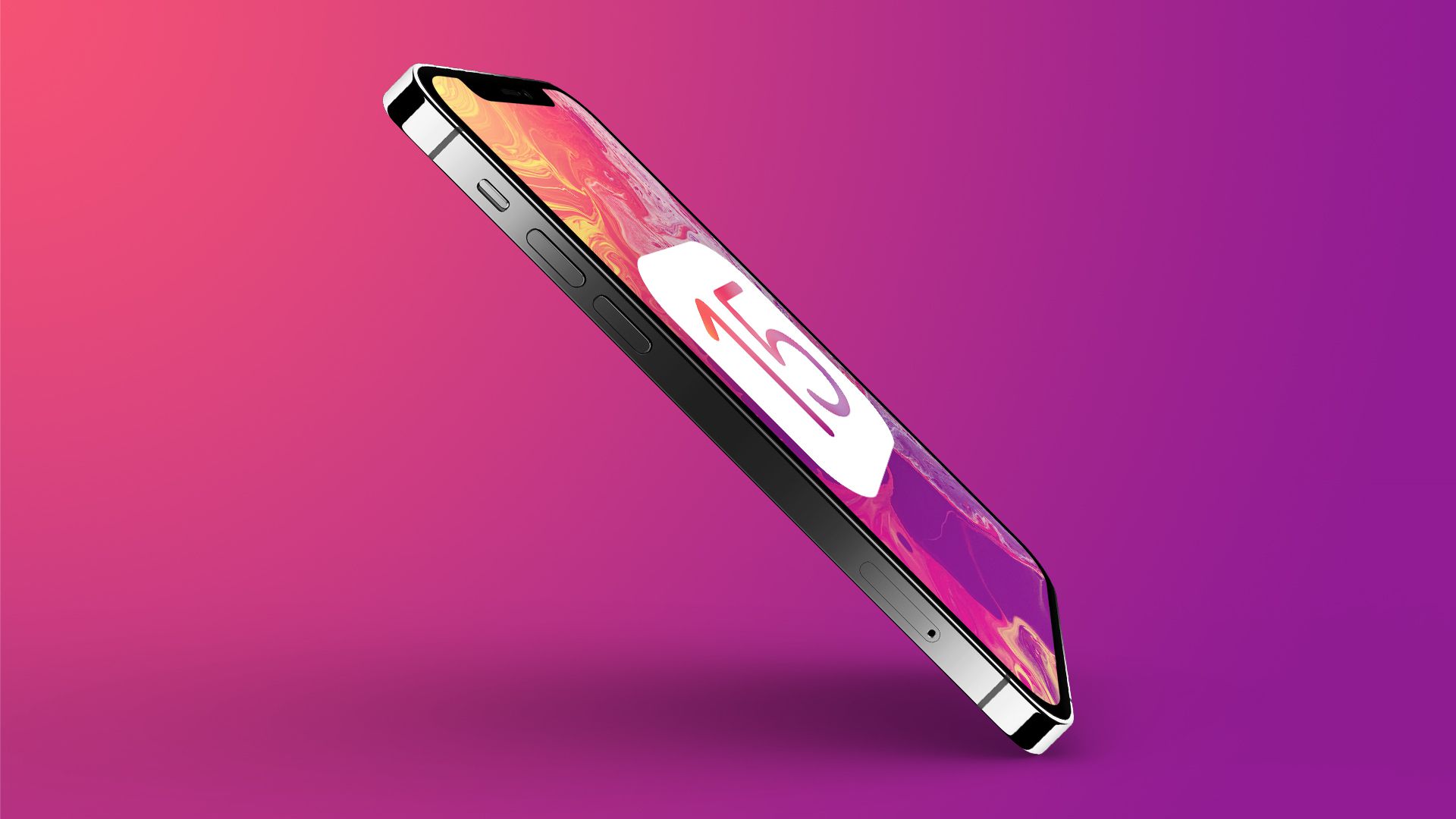
    Apple has started sending out iOS 15.2 beta 4 (build: 19C5050b) to both developers and public beta testers who are subscribed to Apple’s beta program. Also dropping today for developers and public beta testers are iPadOS 15.2 beta 4 (build: 19C5050b), watchOS 8.3 beta (build: 19S5050c) and tvOS 15.2 beta.

    As we get closer to the final build of iOS 15.2, you might recall that it refreshes the Notification Summary feature, which allows you to avoid being interrupted by notifications from your apps filling up your display. Instead, all of your non-urgent notifications are bundled together in a summary that is sent to you at a scheduled time. Direct Messages (DMs) and Time Sensitive messages are always sent immediately, so keep that in mind.

    With iOS 15.2 installed, the Notifications Summary no longer appears as a list, but is seen as separate blocks on your Lock Screen.

    The latest iOS and iPadOS builds will introduce the App Privacy Report which will show users which data is being accessed by Apple and third-party apps via privacy permissions granted by them. These permissions may allow apps to access their iPhone’s location, camera, contacts, camera, microphone, and photos.

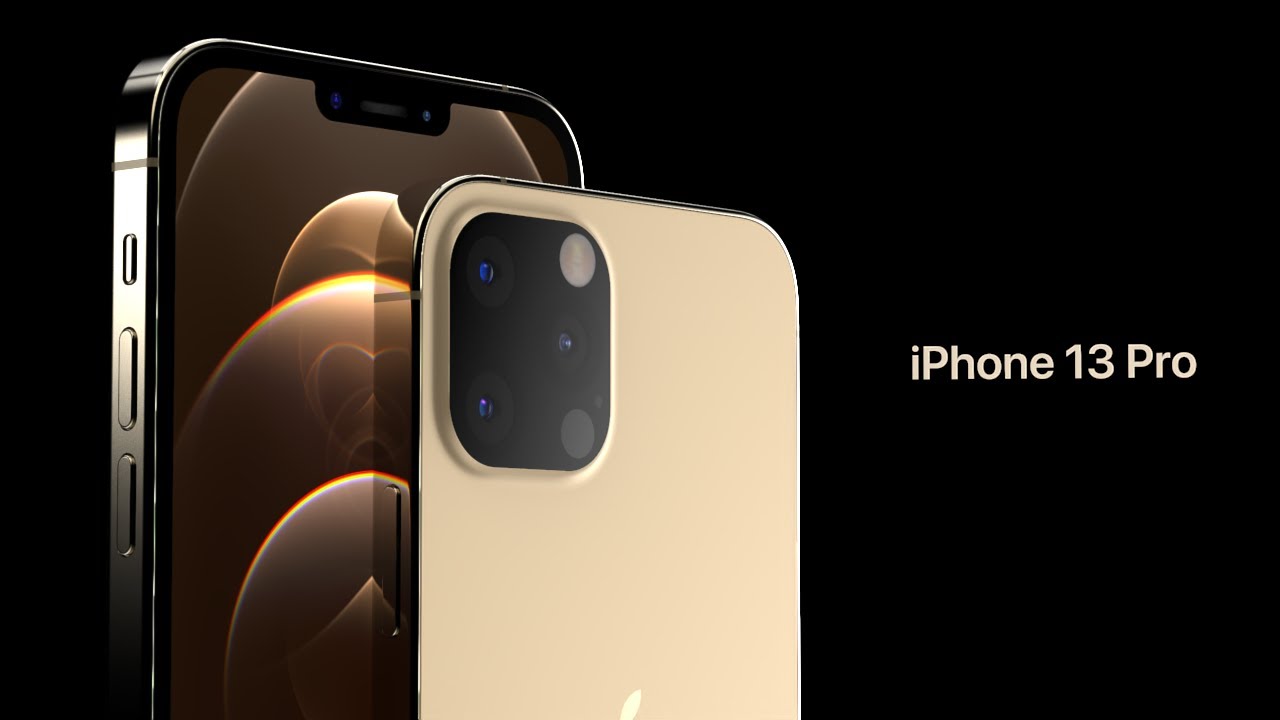
    The iPhone 13 Pro models have a feature called Macro Mode which automatically turns the ultra-wide camera into a Macro camera for taking extreme close-ups whenever the device is placed within 10 cm (3.94 inches) of an object. Macro photography will help you shoot photos of insects, flowers, and other subjects that are no closer than 2 cm (.79 inches) away. Apple is adding a toggle in iOS 15.2 that will allow users to disable Macro Mode.

    And iOS 15.2 will also make iPhone users feel safer by allowing users to scan their surroundings for AirTags and other devices used with the Find My app that can track them without their knowledge. The feature is found in a new section of the Find My app that will appear when iOS 15.2 is installed on an iPhone and is called “Items That Can Track me.” Any nearby items that do not belong to you but do contain Apple’s tracking technology will surface under this section.

    Additionally, any AirTags that are away from its owner for 24 hours and longer will make a warning sound. This helps alert iPhone users that they are potentially being tracked by an AirTag that doesn’t belong to them.

    And if you come across an AirTag tracked item that does not belong to you, the renamed “Help Return Lost Items” will give you information about how to contact the owner of the item so that it can be returned. The previous name of the feature was “Identify Found Item.” This is perfect for all of you good samaritans who don’t feel that the universe is okay unless every misplaced item has been returned to its rightful owner.

    If you want to get in early on iOS updates, you can join the iOS Beta Software Program by tapping on this link. Keep in mind that Beta versions of iOS are unstable (like that little old lady with the 55 cats that lives next door) and certain features and apps might not work when you have a Beta build installed. Additionally, battery life could be diminished until the final version of the build is released.

    These things might not bother you, but it is something you need to concern yourself with if you plan on joining the iOS Beta Software Program. Once you install a beta version of iOS on your iPhone, you can leave easily if the phone is running an official version of the software. To do that, go to Settings > General > Profile & Device Management. Select the iOS Beta Software Profile, then tap on Delete. Confirm your decision and that is it.

    Now it is a little tougher to leave if your phone is currently running a beta version of iOS. If that is the case, we recommend waiting for the next official version of iOS to arrive, and then you should follow the directions above. Otherwise, you will have to restore to an older backup version of the operating system using your PC or Mac. And that means losing all the data added since your last backup.

    By the way, if you already are a member of the iOS Beta Software Program, you can install iOS 15.2 beta 4 by going to Settings > General > Software Update.

  • Smartphone sales down last month

    Smartphone sales down last month

    Smartphone sales in Vietnam plunged 28 percent year-on-year in the third quarter as shops were shut and mobility restrictions blocked deliveries.

    Sales started to fall in August and plunged deeply in September, a report by market research company Counterpoint revealed, without giving specific figures.

    Around 70 percent of smartphone stores in Vietnam were closed in July, which increased online sales at one of the biggest smartphone chains in Vietnam by 5.9 percentage points to 17.5 percent between July and August, the report noted.

    Electronics chain CellphoneS in July stated its sales had dropped by 70 percent at the time, while another chain Di Dong Viet switched to distributing food.

    In the third quarter, Samsung led in sales with 49 percent of the market, the highest ever, up 13 percentage points year-on-year.

    Oppo came second with 19 percent of sales, down 1 percentage point, followed by Xiaomi at 13 percent, down 4 percentage points.

    5G smartphone sales accounted for 20 percent of the total in the third quarter, with the ratio expected to rise this quarter as network operators plan to expand their 5G services.

    A media representative of Counterpoint said that as restrictions are relaxed, workers begin to return to industrial parks, and the vaccination ratio increases, smartphone sales in Vietnam could rebound before the end of the year.

  • Qualcomm unveils Snapdragon 8 Gen 1, the S22 chipset, with 10 Gigabit 5G

    Qualcomm unveils Snapdragon 8 Gen 1, the S22 chipset, with 10 Gigabit 5G

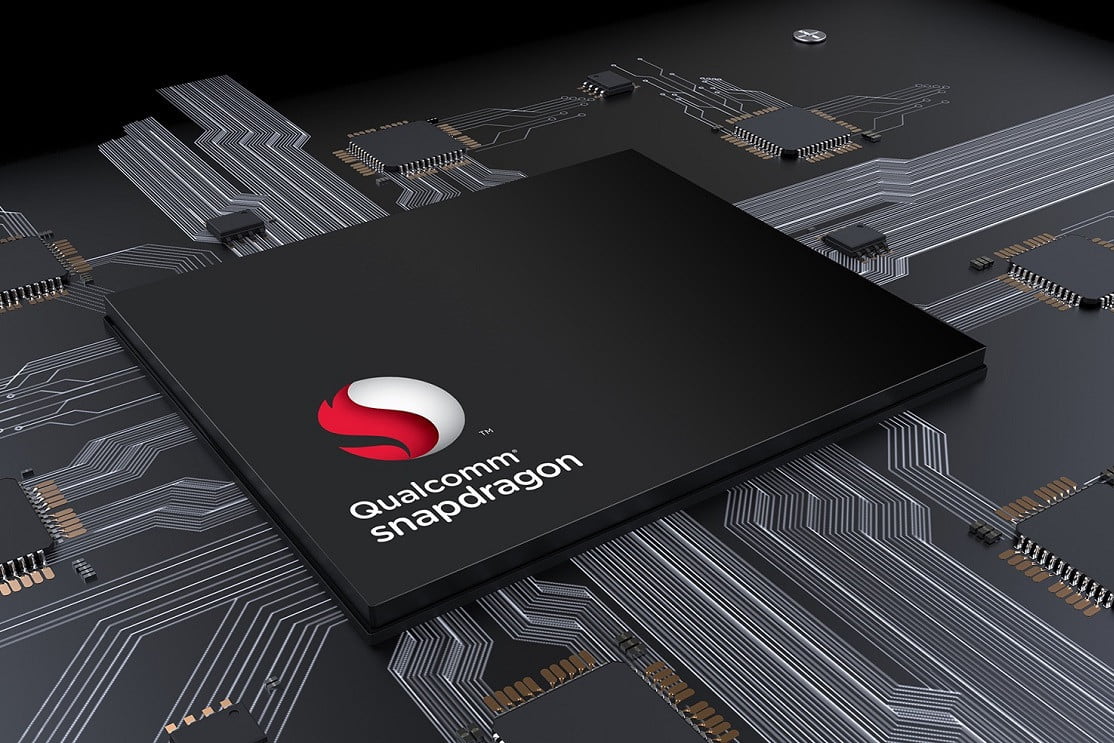
    Qualcomm just took the stage to announce the long-rumored Snapdragon 8 Gen 1 chipset that is going to power a number of Android flagships in the next year or so, including Samsung’s upcoming Galaxy S22 series phones.

    Previously rumored as Snapdragon 898, the processor got a name change, as Qualcomm decided to simplify and streamline how it calls its mobile chipsets. This, and the fact that the team from San Diego is branching out into processors for Microsoft Windows 11 devices, as well as into a gaming platform. We are most interested in mobile applications, however, so here are the most interesting Snapdragon 8 Gen 1 details.

    Here’s a list of the most important new Snapdragon 8 Gen 1 features:

    • Up to 3GHz Kryo CPU with Cortex-X2 cores.
    • 30% faster Adreno GPU with 25% lower power consumption.
    • The world’s first X65 5G modem to reach 10 Gigabit download speeds.
    • First 18-bit image signal processor for mobile.
    • First 8K HDR10+ video capture for mobile.
    • Mega low-light capture snaps 30 images and merges the best parts into one shot.
    • Always-On ISP for fast face unlocking and locking.
    • 7th Gen Qualcomm AI Engine for voice analysis and Leica Leitz Look bokeh filters.
    • Bluetooth Low Energy audio features like broadcasting, stereo recording, and voice back-channel for gaming.
    • First platform with Android Ready Secure Element support, the new standard for digital car keys or drivers’ licenses.
    As for how does the new Snapdragon 8 Gen 1 stacks up against its Snapdragon 888 predecessor and Apple’s A15 monster in the iPhone 13, here’s a quick comparison of their specs and features.
    Snapdragon 8 Gen 1 Snapdragon 888 Exynos 2100 Apple A14
    Production process Samsung 4nm EUV Samsung 5nm EUV Samsung 5nm EUV TSMC 5nm 2nd gen
    Processor cores 1xCortex-X2@3GHz

    3xCortex-A710@2.5GHz

    4xCortex-A510@1.8GHz

    1x Cortex-X1@2.84GHz

    3x Cortex-A78@2.42GHz

    4x Cortex-A55@1.80GHz

    Exynos X1@2.91GHz

    3x Cortex-A78@2.8GHz

    4x Cortex-A55@2.2GHz

    2x Avalanche@3.23GHz

    4x Blizzard@1.8GHz

    GPU Adreno 730, 30% faster and 20% more frugal Adreno 660 @ 800MHz ARM Mali-G78 Apple custom quad-core (5-core on the iPhone 13 Pro models)
    Modem X65 5G modem (integrated)

    up to 10 Gbps over 5G

    Global iSIM multi-SIM card support

    X60 5G modem (integrated)

    up to 7.5Gbps over 5G, and 3 Gbps download speeds on LTE

    Exynos 5123
    (Category 24)Downloads up to 7.3Gbps (mmWave), 5.1Gbps (sub-6GHz), or 3Gbps (4G LTE), 8xCA

    Uploads: up to 422 Mbps

    Qualcomm X60 5G modem
    AI co-processor 7th Gen Qualcomm AI Engine Hexagon 780 Tri-core NPU, up to 26 TOPS 16-core Neural Engine, up to 15.8 TOPS
    Video encode 8K HDR10+ 8K HDR at 60fps
    4K HDR at 120fps
    8K HDR at 60fps
    4K HDR at 120fps
    4K HDR+ at 120fps
    Features support QHD+ @144Hz or 4K@60Hz display refresh

    Demura and subpixel rendering for OLED uniformity

    First 18-bit ISP, mega low light capture merges 30 images in one shot for brighter, sharper pictures

    Qualcomm FastConnect 6900: Bluetooth 5.2, Wi-fi 6E (up to 3.6GBps)

    QHD+ @144Hz or 4K@60Hz display refresh

    Triple 14-bit Spectra 580 ISP, up to 200MP sensor

    4K computational HDR, low-light capture architecture

    Qualcomm FastConnect 6900: Bluetooth 5.2, Wi-fi 6E (up to 3.6GBps)

    UFS 3.1 storage support for up to 2.9GB/s speeds

    Single-camera up to 200MP

    up to 16 GB DDR5

    Variable 120Hz display refresh rate

    Computational photography

    Cinematic Mode video bokeh

    Machine learning capable of 15.8 trillion operations per second.

    As you can see, Qualcomm isn’t playing around and offers some unique 5G connectivity and other features that Apple will have to catch up with when its next-generation A16 processor hits the iPhone 14 in the fall of 2022. That one is reportedly also being done on the 4nm process, but until then the Snapdragon 8 Gen 1 may stay the undisputed connectivity king for the 5G era..

    We are also very curious to test the new 18-bit ISP and the 8K HDR10+ video capture it brings, not to mention the digital keys and cards or the integrated iSIM multi-SIM functionality. There’s is little doubt that the Galaxy S22 series will be powered by Qualcomm’s new Snapdragon 8 Gen 1, but the chipmaker also lists many other manufacturers lining up for it.
    Black Shark, Honor, iQOO, Motorola, Nubia, OnePlus, OPPO, Realme, Redmi, SHARP, Sony, vivo, Xiaomi, and ZTE are all in the Snapdragon 8 Gen 1 mix, with the first phones powered by the new chipset expected as soon as next month.
  • Apple is now the biggest smartphone brand in China

    Apple is now the biggest smartphone brand in China

    It seems that Apple has finally conquered China (again). According to new research by Counterpoint, the Cupertino brand saw the highest growth of all smartphone brands on the Chinese market, scoring 46% month-over-month growth. Apple surpassed Vivo in October 2021 to become the largest smartphone OEM in the country.

    “Apple could have gained more if it were not for the shortages, especially for the Pro versions,” commented research director Tarun Pathak. “But still, Apple is managing its supply chain better than other OEMs.”

    The iPhone 13 series is the major culprit behind the growth, as iPhone 13 sales grew 46%, while the entire Chinese smartphone market saw only a minor 2% month-to-month increase in October 2021.

    Of course, looking at the graph it’s clear to see that Huawei has lost its dominance in China since the US trade ban, and that’s another reason for Apple’s rise in the country. Apple is retaking the number 1 place in China for the first time since December 2015.

    “Due to supply issues, the normal wait time for the iPhone 13 Pro and iPhone 13 Pro Max ranges between four and five weeks in China. Some Chinese customers choose to pay premiums to get the new phones delivered immediately. Overall, the China market has been slow throughout the year and Apple’s growth is a positive sign. It indicates that Chinese smartphone users are maturing fast and are looking to buy more high-end devices, which can be a good opportunity for brands. The supply chain is also prioritizing higher-end and higher-margin devices amid the shortages,” said Counterpoint analyst Varun Mishra.

  • Dyson ditches Malaysian supplier over labour practices

    Dyson ditches Malaysian supplier over labour practices

    Dyson has terminated its relationship with supplier ATA IMS Bhd following an audit of the Malaysian company’s labor practices and allegations by a whistleblower, the British firm famed for its high-tech vacuum cleaners told Reuters.

    Dyson said it had commissioned an audit of working conditions at ATA earlier this year, the results of which were received on Oct 4.

    In addition, it was informed in September of a whistle-blower making allegations about unacceptable actions by ATA staff and immediately commissioned an international law firm to undertake a further investigation, Dyson said.

    “Despite intense engagement over the past six weeks, we have not seen sufficient progress and have already removed some production lines,” Dyson said in a statement to Reuters. “We have now terminated our relationship with six months’ of contractual notice.”

    ATA, which makes parts for Dyson’s vacuum cleaners and air purifiers, did not immediately respond to a request for comment.

    According to ATA, Dyson accounts for almost 80 percent of its revenue.

    ATA had in May denied allegations of forced labor at its factories after a prominent rights activist said US authorities were going to scrutinize the company’s work practices.

  • The 5G-enabled Honor 60 series to be unveiled on December 1

    The 5G-enabled Honor 60 series to be unveiled on December 1

    It’s been less than a month since Honor launched its mid-range 50 series, and the Chinese company has even more smartphones in the pipeline. And it’s not hard to guess the name of Honor’s upcoming devices since the Chinese company has already teased the official announcement.

    The upcoming Honor 60 series is expected to feature at least three different models: Honor 60, Honor 60 Pro, and Honor SE. Unlike the Honor 50 that packs a Snapdragon 778G 5G chipset, the upcoming phones are expected to be more powerful.

    It’s not yet been confirmed, but the Honor Pro 60 is rumored to pack a high-end Snapdragon 870 chipset. Also, the phone will be powered by a 4,500 mAh battery with 100W fast charging support. The regular Honor 60 model on the other hand will only support 66W fast charging.

    However, considering the Honor 60 series is supposed to be aimed at the mid-range tier, these rumors may be false, and the upcoming phones might end up with the same chipset inside as the Honor 50 series, or perhaps trade it for a MediaTek processor like the Dimensity 900.

    Thankfully, we won’t have to wait long for these important details. Honor confirmed the 60 series will be unveiled in China on December 1, which is less than a week from now.

  • Samsung may build $17 billion chip plant in Texas

    Samsung may build $17 billion chip plant in Texas

    Samsung has been searching for a prime location to set up a new multi-billion-dollar chip production plant for a while now, and it’s most certainly happening in the United States. The company already has one semiconductor chip foundry in th U.S., based in Austin, Texas.

    The Korean tech giant has already been reported to be considering Florida, Arizona, Austin, and even New York at different times for the new project, but Samsung didn’t end up sticking to any of those locations for the 17-billion plant.

    Now, we seem to have evidence that Samsung’s most recent target location falls in Taylor, Texas. While nothing has been set in stone, the city has already been offering the company powerful incentives in terms of tax breaks. And we’re talking huge tax breaks—namely 92.5% for the first decade, which will slowly decrease over time after that.

    When interviewed a Samsung spokeswoman said that “A final decision has not yet been made regarding the location.” Samsung had chosen Williamson County in Austin, Texas, for its first chip plant for the stable water and electricity sources available there, as well as similar financial incentives on offer.

    And having already considered Austin once more previously for its second plant, it seems reasonable to say that Samsung definitely seems rather inclined to begin construction in Texas. The Texan Governor, Greg Abbott, is already expected to make a big “economic announcement” at an event today (November 23), at 5PM local time—reinforcing people’s suspicions that it will be about Samsung’s new chip plant.

    The company has already confirmed to state officials that the new project will create about 1,800 jobs in the area, and plans to begin eking out chips in 2024 at the latest, once the location is chosen. We’ll update the article if tonight’s announcement in Texas does bring news of an official location for Samsung’s second U.S.-based chip foundry.