Retail News Asia is committed to providing both local and global retailers with the latest Electronics news throughout the Asian market. This on a daily base.
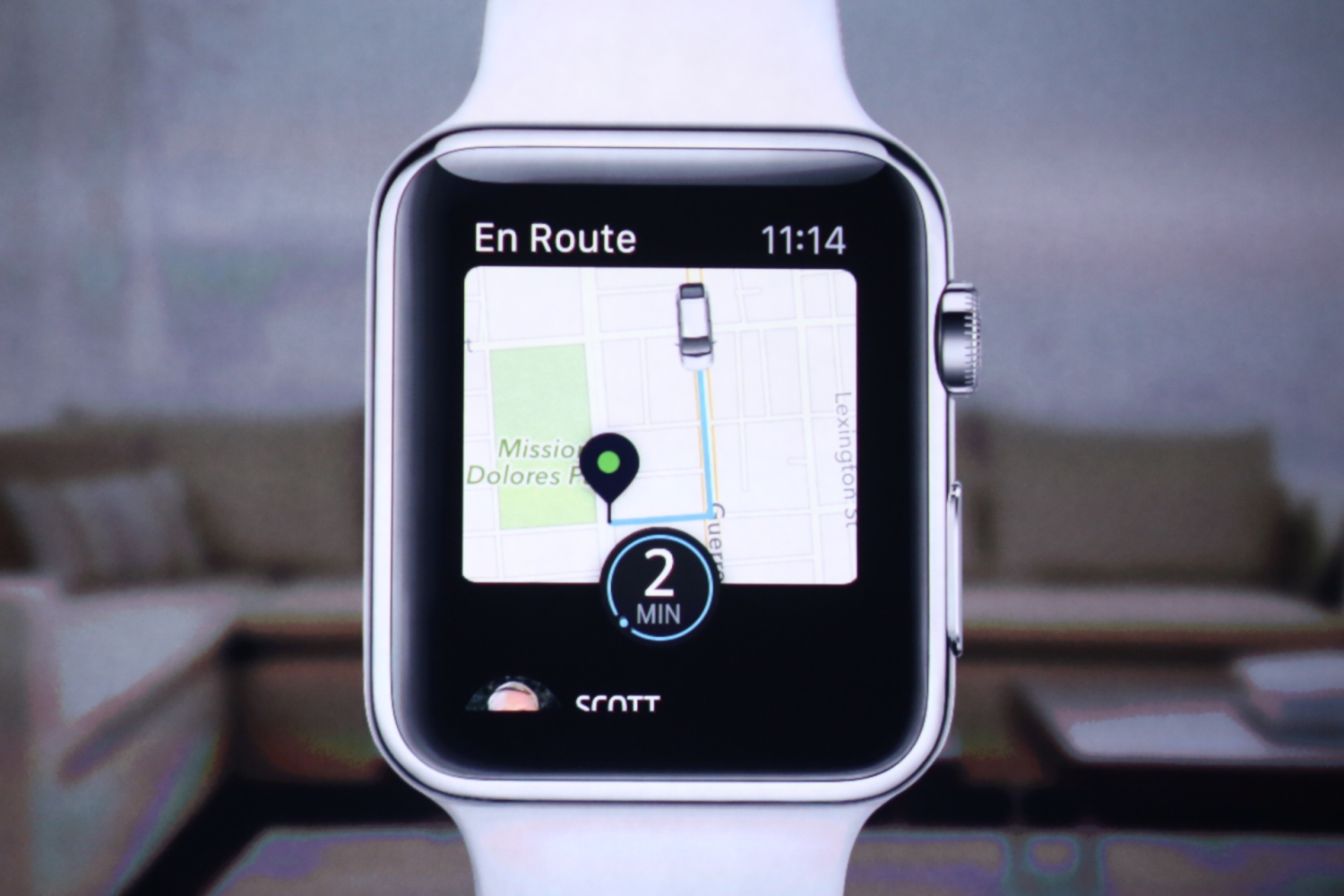
It appears that Uber has ended support for its Apple Watch app. Many users noticed that they no longer have the ability to use Uber’s Apple Watch app to order a ride.
When a user opens Uber’s Apple Watch app, the app displays a message that Uber no longer supports this app and suggests users use the mobile app instead.
Confusingly, although Uber’s Apple Watch app doesn’t work anymore, it is still available in the App Store and can still be downloaded and installed. Uber also didn’t reflect the change on its support site. The support site still says that users can use Uber’s Apple Watch app to order a ride.
In 2015, Uber launched its app for the Apple Watch, which always had a few limitations compared to the iPhone version. Uber’s Apple Watch app didn’t support uberPOOL for sharing a ride with someone headed in the same direction as you. Uber’s Apple Watch app also lacked the fare splitting option and the ETA sharing feature through which you can share your trip details with friends or family. You also couldn’t use your Apple Watch to contact the Uber driver.
It appears that users were unhappy with the way Uber’s Apple Watch app worked. Users on Reddit have complained about the little information the Apple Watch version offered. A Reddit user also mentioned having “bad experiences” with Uber drivers owing to the inability to select a destination via their Apple watch when ordering an Uber.
Uber is not the first to end support for its Apple Watch version of the app. Back in 2018, Uber’s competitor Lyft pulled out its Apple Watch app from the app store and ended its support.
Around 2020, Uber also silently ended the support for its wearOS version of the app. Users then had reported the inability to log into the app. Many users had also complained about having various problems with the wearOS version. Some users even had said that Uber’s wearOS app never really worked for them. It is possible that due to the numerous issues the Uber wearOS app had, many users preferred using the mobile version instead. And if this is the case, there is no surprise why Uber decided to stop supporting the WearOS app.
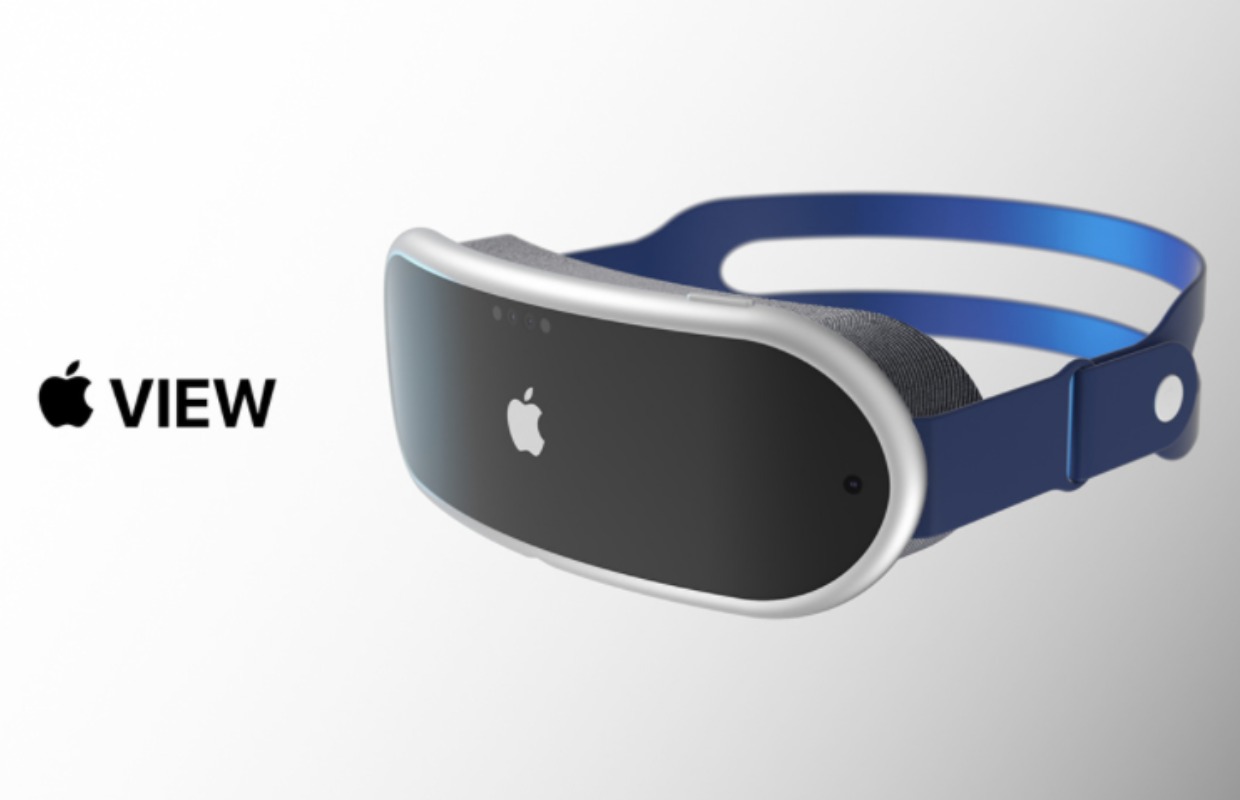
Apple’s first genuinely new product in a while is expected to see the light of day in the second half of 2022, and it is the alleged AR/VR headset. The rumor mill has been spilling out all kinds of reports and rumors about the device, one of which reveals Apple’s intent for its implementation.
More recently, a new report from the well-known and respected tech analyst Ming-Chi Kuo pulls the curtains yet even more. He claims that the headset will be powered by the same 96W USB-C power adapter that comes with the MacBook Pro.
At first glance, this piece of information might seem boring or even unworthy of being mentioned. However, it could be a showing sign of the power that stands behind Apple’s mixed reality wearable product. Previous rumors say that it will be rocking a Mac-level computing power, which would explain the big power adapter.
To be more precise, Kuo has stated that there will be two processors that will contribute to the headset’s capabilities: a 5nm chip and a 4nm one, supposedly manufactured by TSMC. He also says that one of the chips will be similar in performance to that of the M1 SoC, while the other will be responsible for all the sensors.
Needless to say, this first iteration will likely be a very niche product, going for insane amounts of money and reserved for the early adopters and developers. That is why Apple is said to make only a small number of them for 2022.
That being said, Kuo predicts that the next generation will enter the market with a more competitive price point and slowly become more affordable and available. Tim Cook, Apple’s current CEO, has expressed a tremendous interest in the technology. Significant amounts of investments are being made in both VR and AR, so both are probably here to stay and have some part to play in the future
The first of its kind, a law preventing app market operators—the likes of Apple and Google—from necessitating app developers to use specific payment systems were imposed by Korea’s National Assembly in September 2021. Today, on January 11, 2022, Apple has agreed to the regulation and will allow payment systems different from its own in the App Store.
Apple did not say the exact fee it will be charging app developers for using an outside payment system, but it did say it will be lower than that for its own, which is 30 percent. The exact commission rate for outside payments and the date on which it will be implemented will be determined after discussions with Korea’s ICT regulator are finished, said the tech giant.
Google agreed to the new regulation a bit earlier, back on December 18. It charges 26 percent for outside payments. It’s expected that Apple will decide on a similar percentage as well.
While this might seem like a huge win for app developers, and it is a win, some industry officials are concerned about whether there will be any substantial effects. One such official said that, in actuality, it is much easier and more convenient for developers to use the payment systems that Apple or Google offer, for example, than to do that with outside ones.
A good example of that is the payment system of Korea’s own One Store market operator. Even though it charges only 5 percent commission for using outside payment methods and 20 percent for its in-house one, developers choose to use the latter.
The regulation, therefore, does not help app developers at all. It will only end up burdening app users because app developers will reflect commissions charged for payment systems at the prices of their apps. But this is the furthest a government can regulate, given that most countries operate under a capitalist system.
No matter how effective things turn out to be, the successful implementation of the regulation itself is enough of a big step on its own. It is the first domino to be pushed and could likely be the one to set a chain reaction across other countries that will try and achieve the same goal in their way.
After discontinuing the Beats Powerbeats wireless earbuds, Beats EP wired on-ear headphones, and high-end Beats Solo Pro wireless on-ear headphones just a couple of months ago, Apple appears to have also pulled the Beats Pill+ plug more recently.
This was of course a long time coming, as the portable Bluetooth speaker made its commercial debut all the way back in 2015, but seeing the $229 product officially and permanently going away is still notable for a number of different reasons.
First and foremost, as you can easily notice, the disappearance of the Pill Plus leaves both the official Beats website and Apple’s own US e-store without a single Beats-branded speaker option. This bad boy was also the first of its kind to see daylight after the Dre-founded company was acquired by the Cupertino-based tech giant in 2014 in exchange for a whopping $3 billion.
That highlights the minimal attention Apple gave its audio-focused subsidiary all these years, at least on the surface. Of course, the Beats name was at one point rumored to go extinct altogether for marketing purposes, which hasn’t yet happened and is unlikely to happen anytime soon given that the true wireless Studio Buds and Fit Pro earbuds are still under a year old.
The only speaker Apple is selling at the time of this writing is the in-house $99 HomePod Mini, which features significantly more advanced technology than the Beats Pill+ in a few key departments while forcing its users to hug a wall at all times.
If that sounds too inconvenient, you might be happy to know the fully portable battery-powered Pill Plus is still available (in presumably limited numbers) from major US retailers like Walmart or Target at or around its original list price.
Then again, our complete roundup of the best portable Bluetooth speakers money can buy includes several great alternatives at comparable or lower prices, all of which are alive, kicking, and younger than Apple’s Beats Pill+.
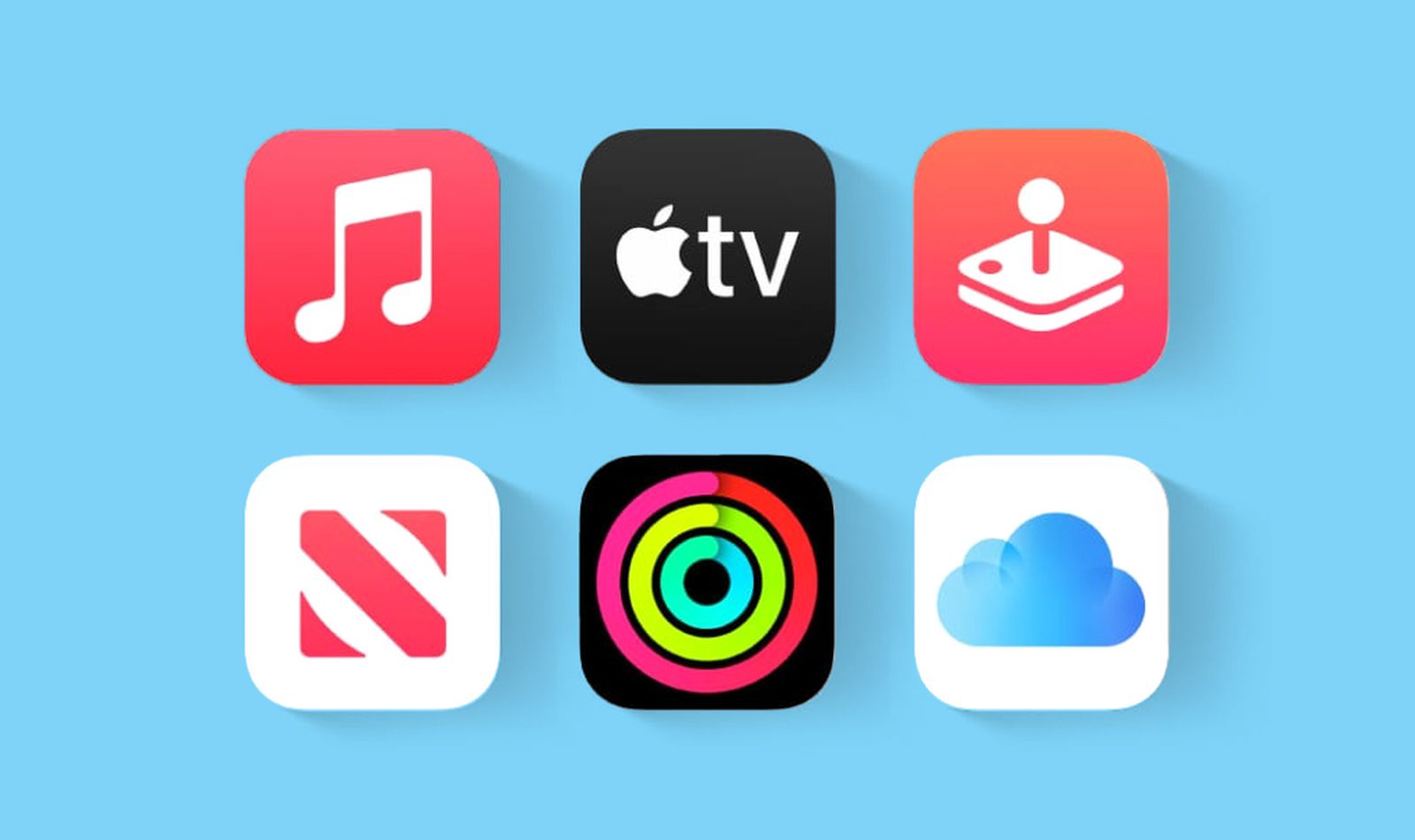
In a story written by Apple itself, the company today revealed how its Services unit fared in 2021. This is the business segment that Apple started to rely on after iPhone shipments peaked in 2015 and with the number of active iPhone units worldwide now at 1 billion, Apple decided to focus on offering Services, many with recurring subscription plans such as Apple Music, Apple TV+, Apple News+, Apple Fitness+, Apple Arcade, and others.
This was a brilliant strategy and here’s why. If Apple can’t sell an iPhone user a new iPhone, it can still get him/her hooked on Apple Music, or Apple News. And with one billion iPhones still being used, the odds are that Apple is going to earn plenty of recurring income each month. And this doesn’t include Services such as Apple Pay from which Apple takes a small percentage of the amount of a transaction being paid for with the service.
Apple created a goal in fiscal 2017 of reaching $50 billion in Services revenue by fiscal 2020. It was a goal that Apple took seriously and not only did it hit the target, by fiscal 2021 Apple generated $68 billion in Services revenue.
There are other apps available that collect huge sums of money even if not all of these revenues are recurring. The App Store is a good example of that. Some apps require one-time payments and others do ask for monthly payments; either way, Apple takes its 15% to 30% cut. App Store sales soared to record heights this year during the period between Christmas Eve and New Year’s Eve leading the way for double-digit year-over-year growth in revenue
For calendar 2021, the top paid app in the App Store was Procreate Pocket, an app that allows users to sketch and paint on iPhone handsets. That was followed by HotSchedules (a business app), The Wonder Weeks, TouchRetouch, and Facetune. The top five paid games in the App Store included Minecraft, Heads Up!, Bloons TD 6, Monopoly, and Geometry Dash.
Eddy Cue, Apple’s senior vice president of Services said, “Apple’s world-class portfolio of services proved essential in 2021, as people worldwide sought new ways to keep entertained, informed, connected, and inspired. With over 745 million paid subscriptions, Apple continues to connect the world’s developers, artists, and storytellers with users across more than a billion devices, delivering powerful tools, content, and experiences that enrich their lives in profound ways every day.”
Apple Music had a big year in 2021 with 90 million tunes now available to stream in lossless audio. Spatial audio allows music to be delivered in that 3D space around the listener’s head. Music sounds like it is coming from the front, the back, and the sides of the user. Other new features added to Apple Music this past year included autoplay, lyrics share, city charts (featuring the top songs in 100 cities), motion cover art, enhanced search, Shared with You (which bundles together content sent to you by your contacts), and the revised Listen Now tab.
Apple says that its Apple News app has been the number one news app in every market where it is available. Apple Pay added nine new markets including Colombia, Israel, and Mexico. Apple says that the mobile payment platform is available in approximately 60 countries and regions, and has 9,000 bank partners worldwide.
Apple Wallet in 2021 added the ability to store COVID-19 vaccination cards in the secure digital wallet and in 200 cities worldwide, tapping an iPhone or Apple Watch will allow commuters to pay for their train and bus fare. And college students can digitally store their campus identification on their wallet apps.
Continuing to rise from the ashes of a horrible release, Apple Maps added amazingly detailed 3D maps, “custom-designed landmarks, and a beautiful nighttime mode with a moonlit glow that activates at dusk.” These detailed “City Experience” maps are available to iPhone and CarPlay users in London, Los Angeles, New York City, Philadelphia, San Diego, San Francisco, and Washington, D.C. Later this year these maps will also be available in Montreal, Toronto, and Vancouver.
And lastly, in 2021 Apple One became available in more locations. These plans bundle popular Apple Services into one monthly payment. For example, the Individual Plan offers Apple Music, Apple TV+, Apple Arcade, and 50GB of Apple iCloud+ for $14.95 per month saving users $6 per month. The Family Plan offers the same services albeit with a bit more iCloud storage (200GB) for $19.95 per month saving subscribers $8 monthly.
And for $29.95 each month, the Premier Plan comes with Apple Music, Apple TV+, Apple Arcade, 2T.
For a short period of time today, Apple’s stock market valuation exceeded three trillion dollars. The tech company and iPhone manufacturer hit that valuation when it topped $182.856 a share on Monday, briefly reaching a new high at $182.88. By closing time, the stock had dropped back to $182.01. Apple’s shares rose $4.44 on the first trading day of the new year.
Remember the early days of the pandemic when investors dumped big tech names like Apple? Since its pandemic low, Apple’s stock has tripled adding two trillion dollars in market capitalization. Apple’s shares are up 41% since the start of last year making it one of the best performers among the Dow Industrials.
You might recall the race that Apple had with Amazon more than three years ago to see which firm would be the first U.S. publicly traded firm to reach $1 trillion in value. Apple hit that mark on August 2nd, 2018. After hitting that mark, Apple’s shares declined 30% as it cleared the decks in anticipation for its run to a two trillion dollar valuation which it hit on August 19th, 2020.
Apple has all engines on “go” right now with the iPhone 13 series continuing to be red hot, and with iPads selling well thanks to the never-ending pandemic. The Apple Watch remains the world’s top-selling timepiece and next year Apple is expected to enter the mixed reality space with a new headset. Interestingly, the company has seen its valuation surge by a factor of nine since the death of co-founder and co-CEO Steve Jobs from pancreatic cancer in 2011.
Ironically, at the time he passed, Jobs owned just a small amount of Apple shares. His fortune came from an 8 percent stake in Disney that he received from the $7.4 billion acquisition of Pixar by Disney in 2006. Based on the current valuation of Disney, Jobs would be worth $22 billion today which is well behind the $226 billion that Elon Musk is reportedly worth. Amazon founder Jeff Bezos is believed to be worth $202 billion (you don’t suppose that Bezos still uses an Amazon Fire Phone, do you?)
Tech stocks, including Apple, played a big role in the 27% gain earned by the S&P 500 last year. Apple, Tesla, Microsoft, Nvidia, and Alphabet combined to produce a 31% increase.
The Journal’s iconic “Heard On The Street” column noted that it has taken nine months for Apple to tack on its latest trillion bucks in valuation even though the prospects for the company haven’t changed during that time period. In fact, the Journal mentions research firm Visible Alpha and its forecast that iPhone unit sales will rise only 1% this year compared with 24% last year.
This is not a short-term slowdown say analysts surveyed by FactSet. Over the next three years, Apple will grow its top line by only 5% a year putting Apple dead last among other tech giants including Amazon. The latter’s valuation is $1.3 trillion less than Apple’s even though the Echo manufacturer garnered 25% more revenue than Apple last year
Amazon is also expected to see its revenue grow 16% a year over the next three years compared to the aforementioned 5% for Apple. Apple’s products and services are doing quite well but the iPhone still makes up half of its revenue and has benefited from deals offered by the carriers looking to get more 5G phones into customers’ hands.
Apple certainly enjoyed a bountiful fiscal 2021 with revenue up 33% to $365.8 billion, meaning that the company took in one billion clams each and every day. That was a company record, by the way, and operating income soared 64% to $108.9 billion. This was the first time Apple produced a double-digit growth rate in three years.
Once Apple’s shares stabilize over three trillion dollars, it will be time to watch out for the rise to four trillion. However, one day the growth just won’t be there and then it truly will be the time to see what Apple has under its sleeves as the next big thing.
A new Apple patent, published by the US Patent & Trademark Office, may enable iPhones to charge accessories through their screen glass.
According to the patent drawings, wireless charging may be functional on one section of the screen while the other stays usable. However, it is unknown whether the charging area of the screen would display anything while the accessories are being charged. The applicable accessories must also support wireless charging in order to charge through the wireless charging screen.
The “Through-Display Wireless Charging” patent may only support accessory charging. So, if Apple incorporates this patent into its iPhones and iPads, they may be able to charge such as earphones, smartwatches, or styluses, for example through their screens, rather than other smart devices.
The wireless charging screen may be especially useful when using the Apple Pencil. When a user finishes working with the Apple Pencil, they may simply place the pencil on the screen of their iPhone or iPad to begin charging it.
Currently, you can charge your second-generation Apple Pencil wirelessly, but in order to do that, you need to attach it to the right side of your iPad.
Designed to act as a key finder that helps people find lost objects, the AirTag is surely one of Apple’s most controversial products. Although the Cupertino-based company included various technologies on the AirTag to prevent unwanted tracking or stalking, it’s still very easy to bypass the device’s software.
Frightening reports about people that have been tracked to their homes in order to have their cars stolen have been making headlines throughout the year. Not to mention that Android users aren’t even alerted by the built-in audible alarm that’s usually triggered by a smartphone when an AirTag is detected nearby.
Tile-like item trackers have existed before and will continue to exist, but one manufactured by Apple was deemed to attract a lot of buzzes. Although the AirTag got a lot of negative publicity, there’s no reason not to buy one as long as Apple continues to sell the Tile-like item tracker.
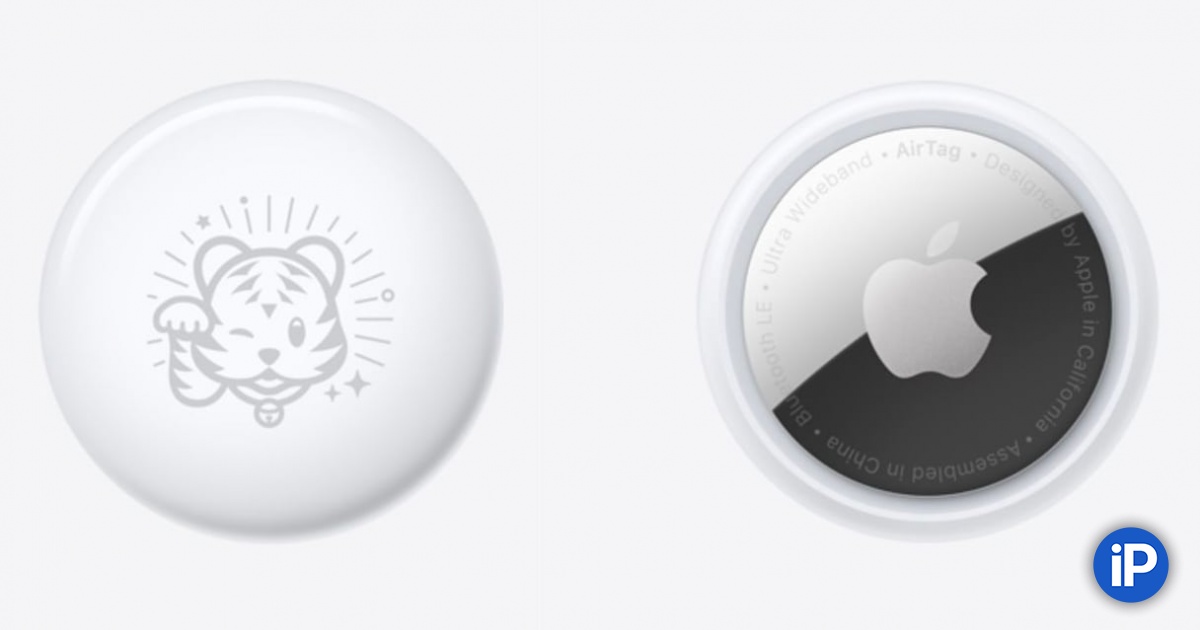
All the more so if you live in Japan where Apple has just launched a limited edition AirTag that celebrates the Japanese New Year. You can’t get this one from anywhere else in the world, and even if you live in Japan, just the first 20,000 customers who purchase an eligible iPhone will receive a limited edition AirTag.
The tiger logo on the limited edition AirTag signifies the year of the Tiger in Japan, which will start on January 1, 2022. You’ll have to buy an iPhone 12, iPhone 12 mini, or iPhone SE on January 2 or January 3 to qualify for the limited edition AirTag.
On top of that, customers buying various Apple products in the first few days of 2022 will receive
A tweet sent by an organized group of Apple employees has announced a walkout for Christmas Eve. The tweet, sent under an account called Apple Together, reads, “Calling all Apple workers and patrons! Tomorrow, December 24th, 2021, Apple workers are staging a walkout/callout to demand better working conditions.
The group’s members work in retail, corporate, and AppleCare and are banding together in an attempt to bring change to Apple. Another message inside the tweet asks Apple employees and others not to cross the picket line and says, ” We are Apple. We deserve a respectful workplace. We deserve paid sick time. We deserve protection on the frontlines. We deserve proper mental healthcare.”
At the bottom of the message, the group adds, “Demand that Apple upholds its image with your wallet. Don’t stop in stores. Don’t stop online.” On the AppleTogether website, the organization says, “Apple prides itself on its commitment to diversity, equity, and an environment where everyone can do their best work. But Apple has fallen short of this goal for so many of our current and former teammates, so we made space to share those stories with #AppleToo.”
Considering that Apple has closed eight stores in the U.S. and Canada since the latest COVID surge, and you might find yourself facing a picket line at some of the locations that are open, you might want to delay that visit you’ve been planning. Sure, you can always shop online but not if you want to back the striking employees.
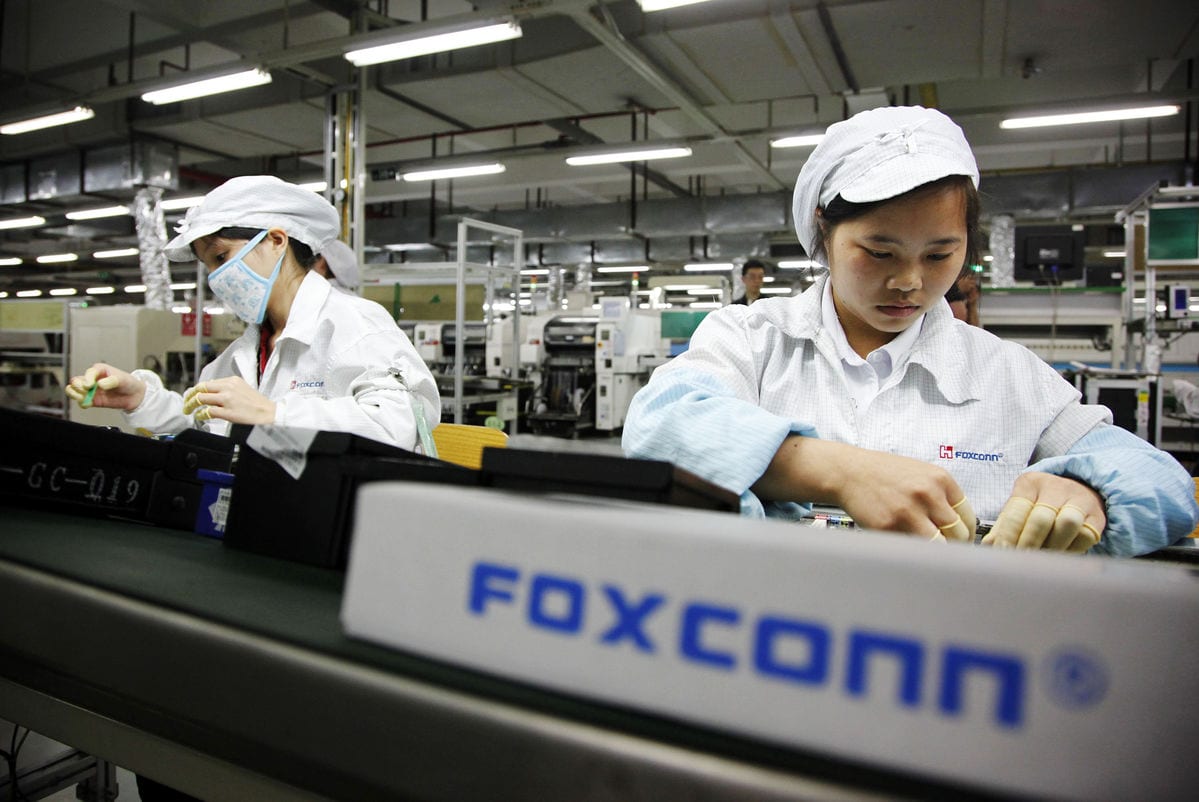
Apple is testing out a new expansion in its iPhone 13 production near Chennai, India, in a trial contract with a Foxconn plant located in the area.
Apple first contracted the Foxconn plant to produce the iPhone 12 5G, but recently a long-winded bout of food poisoning and ongoing protests brought about a full shutdown of the plant (ordered by Foxconn itself), negatively impacting iPhone 12 5G production in the country.
However, neither the series of unfortunate events nor the temporary closure seems to have fazed Apple in the least, the company has already begun a test trial of iPhone 13 production in the same Foxconn plant.
If all goes to plan, Apple plans to not only use this new plant to provide a domestic supply of the latest iPhone flagship series but will also begin exporting units internationally by February of next year.
Even Apple has been affected by the ongoing global chip supply shortage around the world, causing some frustratingly long lead times on iPhone 13 series orders across the board—but that clearly isn’t stopping the company from continuing to expand its manufacturing facilities around the world.
If the stint with the Foxconn plant in Chennai works out, Apple reports that it should significantly improve the global supply of the iPhone 13, as about 20-30% of iPhone production in India in general (and not just in the Chennai plant) ends up being exported internationally.
Although iPhone sales in India have been favoring the slightly older iPhone 12 and iPhone 11 models, the iPhone 13 demand has also already proved greater than the current supply has been able to cover within the country.
With the new domestic Foxconn plant contracted by Apple, Market tracker IDC India’s research director Navkendar Singh has reported that this should finally help cover local demand in India more efficiently, besides improving the global supply:
“A lot of local production scaling up will depend on component availability,” he said. “The local production of iPhone 13 in India may ease a bit the low supplies in the country.”
News that the Foxconn factory near the city of Chennai in Southern India has closed means that iPhone production in the country will be negatively impacted. The plant churns out iPhone 12 models and factory workers have suffered through a bout with food poisoning which will leave the assembly lines shut down for the remainder of the week. With 150 employees in the hospital, the healthy workers started to protest the incident which also disrupted production.
A senior official at the directorate of industrial safety and health in Tamil Nadu (which calls Chennai it’s capital) said, “The factory has been shut since Saturday and will be shut till coming Sunday.” Confirming the shutdown, two more senior state officials reiterated that the plant is not running.
Protesters were arrested after blocking an important highway following the food poisoning incident. Yesterday, those arrested were released. While the factory, as we noted, currently produces the iPhone 12, Apple has been testing iPhone 13 assembly at the facility, and with the factory closed, that testing has been stopped.
The decision to close the plant was made by Foxconn according to a police officer from the office of the Superintendent of Police in Kancheepuram. This police officer also said that employees at the factory who have been complaining for months about food poisoning and other issues should lodge their complaints with the state labor ministry.
According to Navkendar Singh, India research director at market research firm IDC, “The impact on Apple is expected to below as it is a lean period … until at least February. In (the first half of 2022) we expect sales to pick up from new product launches and much-needed easing of supply chain issues.” Besides the iPhone, the factory also manufactures the Amazon Fire Stick and some devices for Xiaomi.
This is the second incident in India over the last year that saw worker unrest at a factory that builds Apple products. Last December, a Wistron factory hosted a riot when 2,000 workers complained that they did receive their wages, and the incident caused $60 million in damages.
India is the second-largest smartphone market in the world after China and the three contract manufacturers building the device for Apple, Foxconn, Wistron, and Pegatron, have budgeted $900 million over five years to make iPhone units in the country. But because India is a developing market, Apple has focused its Indian production of the iPhone on less expensive older models.
Apple also plans on building some iPad tablets in India as the country, along with Mexico and Vietnam, have become alternative supply chain centers for Apple as the company seeks to lessen its reliance on factories in China. Apple is afraid that with tensions between the U.S. and China so high, getting access to factories based on the mainland won’t always be a sure thing.Those employees working on the assembly lines usually pay some of their wages for room and board in facilities found near the factory. The riot last year started when Wistron promised an engineering graduate Rs 21,000 ($285) per month, but instead, he was paid Rs 16,000 ($217) the first month which was reduced to Rs 12,000 ($163) over the last three months.
Considering that Foxconn workers, like the ones toiling for Wistron, are paying their employer for food, the fact that many of them contracted food poisoning was enough of an issue to spark the protests that shut down the highway near the factory, and the factory itself.
Apple had to get involved in last year’s riot because of the damage to the equipment at Wistron’s factory. This year, it appears that Foxconn was able to keep its production facilities intact.
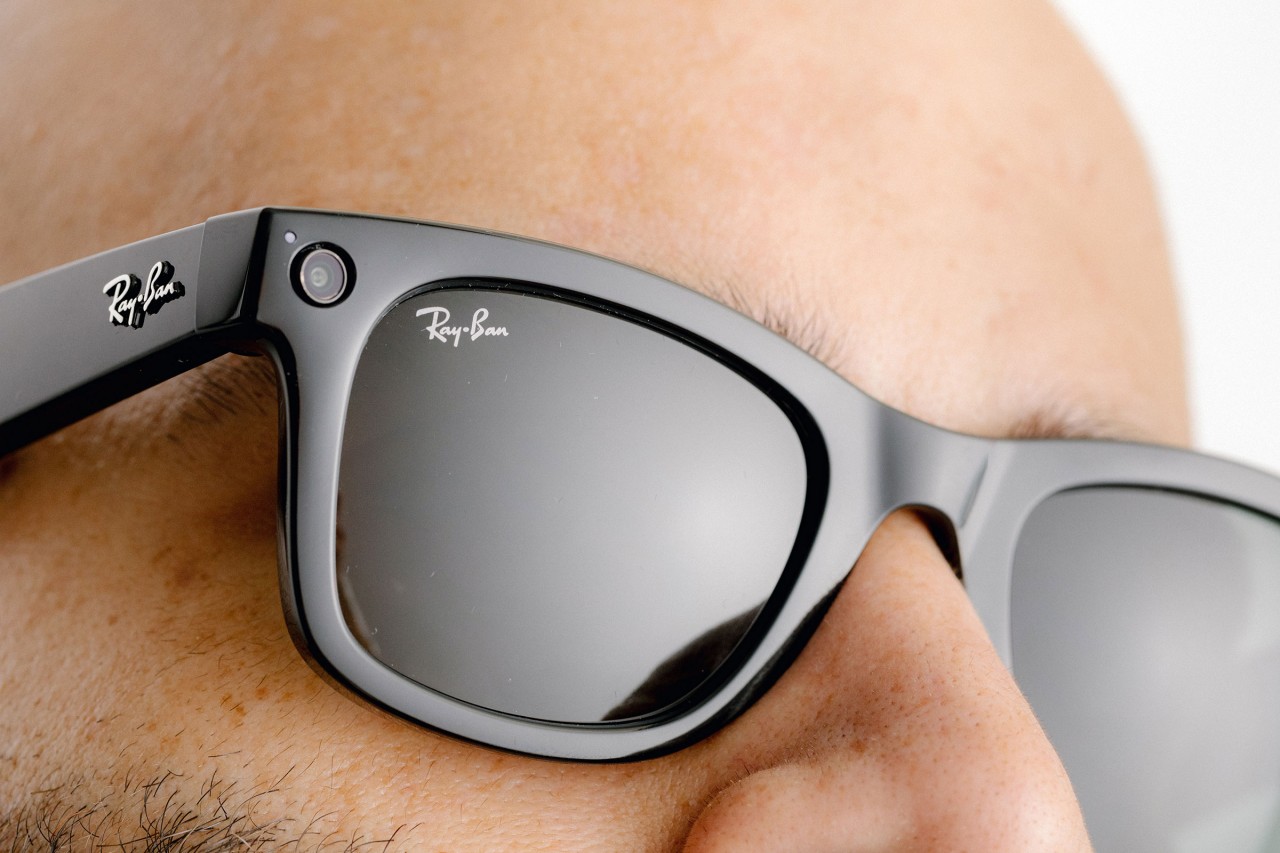
Meta and Ray-Ban’s Stories glasses just received their latest software update, which broadens up the voice capabilities of their product.
The newest Stories glasses update enables you to control them with your voice. You can tell the built-in voice assistant to send texts and make calls using Messenger.
The Ray-Ban Stories assistant can now also read the received messages. Another new feature introduced with the latest update is the ability to use your voice to control the audio playback. You can now pause, play, and control the volume by telling the voice assistant what you want it to do.
To use the voice control of the Ray-Ban Stories, you will have to say “Hey Facebook” first and then continue with the command.
Before the latest update, the only way to control the Ray-Ban Stories was to use the built-in control panel. Because the glasses have two built-in cameras, three microphones, and two open-ear micro speakers, you could use them to take videos, photos, make calls, and listen to music.
More updates to the Ray-Ban Stories are coming in 2022, said Mark Zuckerberg in a post on Facebook when announcing the new update.
Continuing to celebrate its separation from Huawei, which allows it to install the Google version of Android on its phones, Honor today unveiled the X30 handset. The device sports a 6.81-inch LCD display with a resolution of 1080 x 2388, and thin side bezels that weigh in at 1.05mm. The screen refreshes 120 times each second for buttery smooth scrolling, enhanced animations, and more.
Under the hood (another area where Honor is no longer restricted thanks to Huawei’s $15 billion sale of its former sub-brand) you’ll find a 5G Snapdragon 695 SoC built on the 6nm process node by TSMC. Compared to the MediaTek Dimensity 900 that powered the X20, the chip powering the new phone will deliver CPU and GPU performances 15% and 30% higher, respectively.
On the back, the camera array includes a 48MP primary camera, a 2MP macro camera for extreme close-ups, and a 2MP depth sensor. There is a small punch-hole in front for the 16MP selfie snapper.
Keeping the lights on is a 4800mAh battery that charges at 66W. At that rate, you might be able to juice up your phone to 80% in only 30 minutes. Memory ranges from 6GB to 12GB with storage options of 128GB or 256GB. Honor’s Magic UI 5.0 is found on top of Android 11 and the X30 will be available in silver and black (Las Vegas Raiders’ colors), gold and blue.
The Honor Magic X30 is priced at CNY1,499 (equivalent to $235) for the base 6GB RAM/128GB model and rises to CNY 2,299 ($361) for the 12GB RAM/256GB variant. The phone goes on sale in China on Christmas Eve and Honor has yet to mention anything about a global version of the device. While the X20 had a limited release, Honor CEO Geroge Zhao has hinted at wider distribution of the X30.
The executive said, “Through both online and offline channels, we have been able to expand our offerings to even more consumers,” he said. “We are grateful for the trust of our retail and carrier partners around the world and look forward to introducing more products together in 2022.”
Also introduced today was the Honor Play 30 Plus. A less ambitious phone than the X30 is, the Play 30 Plus carries a 6.7-inch LCD screen that refreshes 90 times each second. It is equipped with MediaTek’s Dimensity 700 chipset and does support 5G. The phone comes with 4GB-8GB of memory and 128GB of storage. On the back is a 13MP camera with a 2MP depth sensor. In the front is a teardrop notch with a selfie camera that weighs in at 5MP.
A 5000mAh battery is inside the handset although charging is no faster than 22.5W. The color options are the same as the four available for the X30 (silver, black, gold, and blue), and the software (Magic UI 5.0 on top of Android 11). The model with 4GB of memory and 128GB of storage is priced at CNY 1,099 (equivalent to $173). The version with 8GB of memory and 1238GB of storage trim and maxes out at 8GB RAM and 128GB storage which will set you back CNY1,499 ($235).
Honor is also celebrating its freedom by announcing that it plans on becoming an “iconic global brand.” In a release, the company said, “HONOR spent the past year developing strategic collaborations with its global supply chain partners and established over 30 partnerships with leading suppliers including AMD, Intel, MediaTek, Microsoft and Qualcomm.”
Honor CEO Zhao said, “Thanks to the support of our friends and partners over the past year, HONOR has been able to deliver on our promise to help consumers go beyond as well as expand our brand to provide both premium and accessible technology to a wider range of users. I am so proud of the industry breakthroughs we have introduced as a result of the dedication and passion of my colleagues and collaborations with our leading global chain partners.
When Apple released iOS and iPadOS 15 three months ago, iPhone and iPad users with vision problems were upset. The update took away several commands that allowed Siri to help those with poor vision play their voicemail, recite their call history list, send an email, and more. This was a slap in the face to iPhone and iPad users who have vision problems and who relied on help from Siri to use their devices.
Well, the good news is that the other day, with the release of iOS 15.2, Apple returned the following commands to Siri’s vocabulary:
Hey Siri, do I have any voicemails?
Hey Siri, play my voicemail messages.
Hey Siri, check my call history.
Hey Siri, who called me?
Hey Siri, send an email.
Hey Siri, send an email to (name of person).
Before the release of iOS 15.2, asking Siri any of those questions resulted in this response from Apple’s digital assistant: “Sorry, I can’t help with that.” Talk about adding insult to injury. But now, when you ask Siri to perform one of the above tasks, she will gladly do so.
Several bug fixes were part of iOS 15.2 including one that prevented Siri from working when using the VoiceOver feature with your iPhone locked. VoiceOver is another feature found in Settings > Accessibility and it allows a person to use his iPhone even if he can’t see the screen through the use of hand gestures. The update also exterminated a bug that made ProRAW images appear over-exposed in third-party editing apps.
Other bugs that were killed off in iOS 15.2 include one that prevented video streaming apps from loading content on iPhone 13 series models, one that posted calendar events on a wrong day for Microsoft Exchange users, one that didn’t update Now Playing information for certain apps while using CarPlay, and one that again in CarPlay, wouldn’t allow HomeKit scenes that include a garage door to run when your iPhone is locked.
To update your iPhone to iOS 15.2 and iPad to iPadOS 15.2, go to Settings > General > Software Update.
With the iOS 15.2 update, iOS now has the ability to erase and reset a locked iOS device without connecting it to a computer.
To reset a locked Apple iPhone or iPad before iOS 15.2, you had to connect it to a Mac or PC first. After you had connected the device, you had to put it into recovery mode. After that, you had to update or reset the locked device using your computer, and then you had to set up your device again.
With iOS 15.2, Apple simplified the recovery process for a locked iOS device. If the locked Apple device is running iOS 15.2, you will need only an active internet connection to reset it.
After a few failed attempts to unlock your phone with your password, the new “Erase iPhone” option introduced with iOS 15.2 will appear at the bottom of the screen. Tap on it to confirm that you want to reset your phone. Enter your Apple ID password to sign out of your account. Tab Erase again to erase the phone. After that, the device will reset itself, delete all data, and restart. Follow the on-screen instructions to restore your data from a backup and set up a new passcode.
With iOS 15.2, Apple made the recovery of a locked device easier. But if the device doesn’t have an internet connection or isn’t running iOS 15.2, you’ll have to use the older method instead.