Category: Electronics

Retail News Asia is committed to providing both local and global retailers with the latest Electronics news throughout the Asian market. This on a daily base.

  • China October smartphone shipment grows 30.6% from a year ago

    China October smartphone shipment grows 30.6% from a year ago

    According to the China Academy of Information and Communications (CAICT), China’s shipment of smartphones grew 30.6% year-on-year to 32.7 million handsets in October. This is a significant increase from a year ago, in October 2020, when shipments reached 25 million.

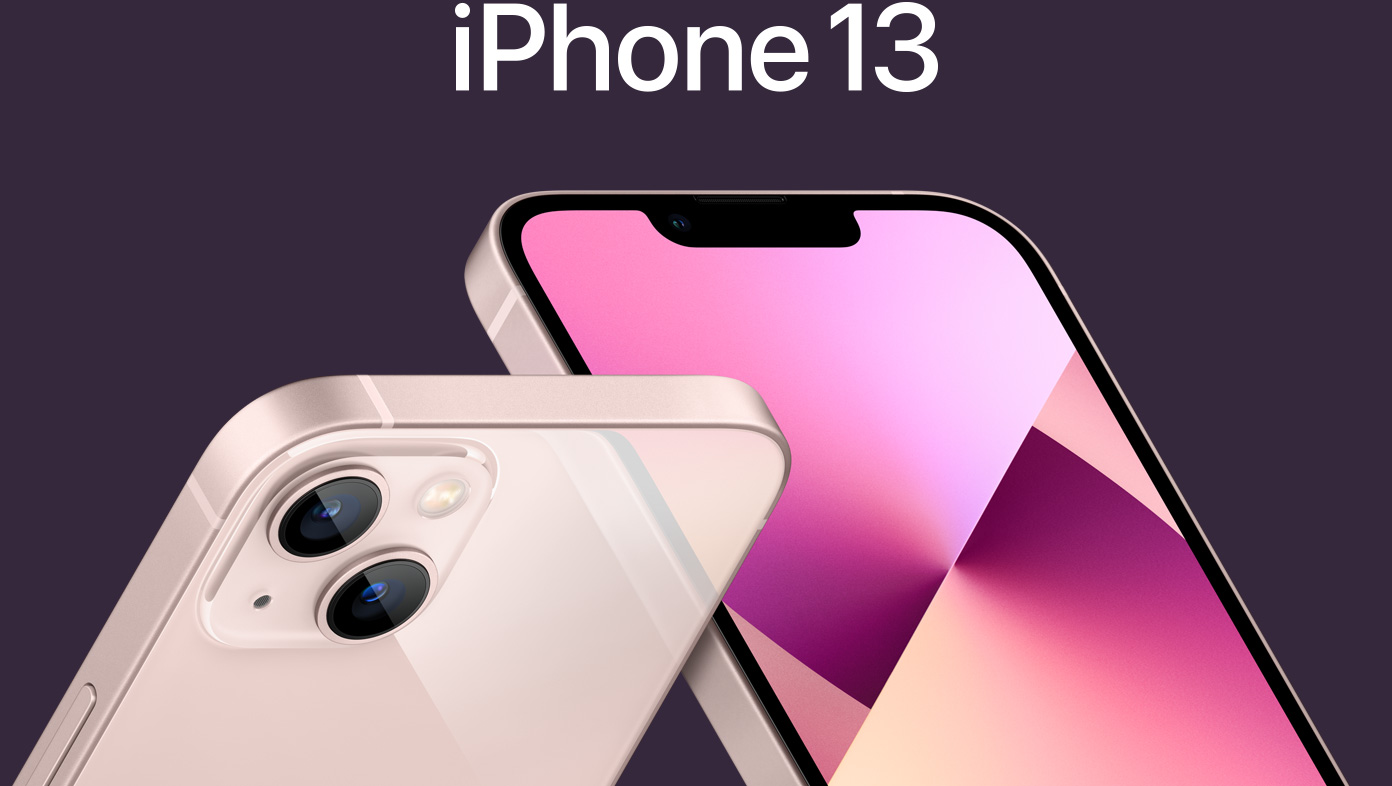
    An increase in shipment, compared to the decline experienced in the first half of the year, is largely driven by the release of the latest Apple iPhone 13 in China in September.

    When iPhone preorders were first released in September, demand was so high that Chinese retail websites reportedly went down. During the initial phase, as many as 5 million preorders were placed, signaling Apple’s continued popularity in the country.

  • Qualcomm’s Apple M1-rivalling silicon arriving in 2023

    Qualcomm’s Apple M1-rivalling silicon arriving in 2023

    Qualcomm revealed plans to bring to the market an Apple M1-beating chip by 2023 during its 2021 investor conference.

    The processor will be based on technology from Nuvia, a chip startup that was founded by ex-Apple engineers who had worked on Apple A and M series chips and was bought by Qualcomm earlier this year. We can hope to see Nuvia’s tech in smartphone chips too at some point in the future.

    For now, the focus is on the next generation of Arm-based processors which Qualcomm claims will set a new performance benchmark for Windows PCs. The chip will offer industry-leading sustained performance and battery life, or so Qualcomm hopes. It will feature Arm-based CPU cores, Adreno graphics, 5G modem, Hexagon DSPs, and Spectra imaging core.

    If you look at what Apple has done with the M-series, on the upper hand it even has the performance of an [Nvidia] RTX 3080 at discrete graphics.” – Qualcomm CEO Cristiano Amon.

    Qualcomm will also work on improving its Adreno GPUs to offer a desktop-like gaming experience on PCs. The chip giant is aiming to have samples out for customers in around nine months, with the official launch planned for 2023.

    Whether the chip will be able to live up to the claims or see the same fate as the Qualcomm Snapdragon 8cx and Microsoft Surface SQ2 PC chips that failed to make a mark remains to be seen.

    Apple meanwhile has already launched even more powerful versions of the M1 chip, the M1 Pro and M1 Max, and is now reportedly working on the third-generation of Mac chips that will likely offer significantly better CPU performance than the latest chips. The M series chip power a slate of new Apple products, including some of the best tablets that money can buy.

  • Apple settles with Qualcomm outside of court

    Apple settles with Qualcomm outside of court

    Ever since 2017, Apple and its primary modem chip supplier Qualcomm have been dealing with some severe falling-outs. First, Apple had accused Qualcomm of charging it unfairly high prices compared to other competitors.

    Then after Apple had diversified its partnerships with other modem suppliers to curtail its sole reliance on Qualcomm, the chipmaker, in turn, launched multiple lawsuits against Apple, alleging that it was stealing trade secrets and passing them along to competing suppliers Intel.

    The quarrels haven’t stopped since then, with the latest court case consisting of Apple suing Qualcomm for forcing it to pay licensing fees in order to even be allowed to buy Qualcomm 5G modem chips for its iPhones. Apple attorney Ruffin Cordell equated this policy to asking Kentucky Fried Chicken customers to buy licenses to eat fried chicken before it would sell them any.

    The two companies managed to reach a settlement on Tuesday, however, right when things were about to get heated in the courts. Apple and Qualcomm struck a deal that put a stop to further prosecution for both parties (Qualcomm was also simultaneously running a case against Apple’s contracted manufacturers), at least for the time being.

    And on Wednesday (the day following the settlement outside of court), the Federal Circuit officially ruled that as a consequence to Apple’s agreement to the settlement, the Cupertino giant has lost its right to invalidate Qualcomm patents.

    This is in reference to a series of claims Apple had previously made on Qualcomm intellectual property, which were first rejected but then re-appealed by Apple to the Patent Trial and Appeal Board (PTAB).

    And now that Apple has chosen to make peace with Qualcomm—in a deal which includes a global patent license and a chipset supply contract for years to come—Apple has now precluded its ability to continue pursuing its patent claims on Qualcomm.

    “We do not write on a blank skate in assessing Apple’s standing here,” the Federal Circuit stated in the ruling yesterday. “Rather, as presaged above, the writing is already on the wall.”

  • Soaring demand delays iPhone 13 delivery in Vietnam

    Soaring demand delays iPhone 13 delivery in Vietnam

    A global chip shortage and rising demand is delaying iPhone 13 delivery in Vietnam, with distributors reporting shortages in the Pro models.

    “We do not currently have the iPhone 13 Pro Max model you have ordered and you might have to wait until next month at the earliest,” a salesperson with a smartphone distribution chain in Vietnam told Thuy Linh, who is planning a smartphone upgrade.

    Linh, an English teacher in Hanoi, has tried several stores in Hanoi but the 128-gigabyte option is either out of stock or does not have the color she wants.

    The model she desires is available in the unofficial market, but prices are around 20 percent higher, the 28-year-old teacher said.

    Duc Anh, who works for a marketing company in HCMC, is also finding it difficult to get his hands on the latest Apple smartphones. Several stores have informed him that it would take weeks until the next delivery.

    “Gold and Sierra Blue models are not available in most of the shops I’ve contacted. Some have pushed up prices so I am waiting for the market to cool down.”

    The most expensive iPhone 13 models, Pro and Pro Max, are in short supply in Vietnam as the ongoing global chip shortage hampers Apple’s production.

    Apple is expected to cut its iPhone 13 production by as many as 10 million units this year due to the global chip shortage, Bloomberg reports.

    Apple CEO Tim Cook admitted last week that chip shortage and supply chain problems related to Covid-19 have cut sales by $6 billion in the last fiscal quarter.

    But another reason for the delay in delivery in Vietnam is the high demand, distributors say.

    The supply of iPhone 13 in Vietnam only meets half of the customers’ orders, according to estimates by CellphoneS. The company has only received 20 percent of the total it has ordered from Apple.

    “Demand has risen by 50 percent compared to the same period last year, and it does not seem to have been affected by the pandemic,” a media representative for the company said.

    CellphoneS estimate iPhone 13 sales to rise 50-60 percent over that of iPhone 12 in the same period last year.

    FPT Shop, with over 700 outlets nationwide, saw sales of iPhone 13 in the launching week double that of iPhone 12 last year, and the same percentage is likely to be maintained throughout the last quarter, a representative said.

    The iPhone 13 Pro Max, the biggest and most expensive of the four new models, accounted for 72 percent of iPhone 13 sales in October, the company said.

    Sierra Blue and Gold are the most sought-after colors for the Pro Max and the Pro models at FPT Shop, which explains the shortage, industry insiders say.

    They also say that the large number of incentives that Apple is offering users this year is motivating more buyers to go to authorized stores instead of buying them from stores that pick up the devices in other countries and sell them in Vietnam.

    Apple accounted for around 7 percent of the smartphone market share in Vietnam in the second quarter, ranking fifth behind Samsung, Xiaomi, Oppo and Vivo, according to Counterpoint Research.

  • New Samsung Internet Browser beta adds better tabs

    New Samsung Internet Browser beta adds better tabs

    Samsung released Internet Browser 16 beta back in September, which added several important improvements to the Android app. Today, the South Korean company revealed even more new features coming to the mobile app this week.

    Some of the most important changes introduced by Samsung Internet 16 include the updated Chromium engine and the improved user experience. If you haven’t tried Samsung Internet 16 beta, you can find it in the Google Play Store or Galaxy Store, but keep in mind that this is still a work in progress.

    Without further ado, here is what you can expect from the new beta version of Samsung Internet Browser:

    • Results that are pre-loaded domains or answer suggestions
    • Search suggestions related to the user input
    • Bookmarks & history suggestions

    Besides the enhanced search experience, Samsung Internet Browser 16 beta adds Smart Protect against transparent pixels, a type of malicious tracker where tracking sites use a very small image to see what websites a user visits across domains. Also, this beta version of the browser features page zoom support on both phones and tablets.

    Today, Samsung announced it has released another small iteration of its mobile browser, which includes a couple more improvements. The newest Samsung Internet Browser beta 16.0.2 brings some interesting improvements.

    For example, the address bar can now be moved to the bottom of the screen. Also, Samsung has added support for tab groups to make it easier to keep related tasks together. It will allow users to create, edit and delete tab groups.

    More importantly, developers announced that with the new version of Samsung Internet Browser beta users can switch on support for https, which is meant to make connections to websites more secure.

  • Samsung wants to double its foldable phone shipments in 2022

    Samsung wants to double its foldable phone shipments in 2022

    It looks like Korean manufacturer Samsung is very serious and confident about the future of its foldable smartphone lineup. According to analyst firm UBI Research the giant manufacturer wants to double its foldable OLED panel production next year.

    Currently, Samsung is said to produce 8.1 million panels in 2021. This should translate into about 8 million foldable phones shipped. The yield rate of assembly lines is reported to be about 80 to 90%, which could result in a lower number.

    Doubling foldable OLED displays’ production to 18 million should translate into about 14 to 16 million foldable phones produced next year. A subsidiary of Samsung Display called Dowoo Insys is the company processing the Ultra-Thin Glass cover needed for the Galaxy Z Flip and Z Fold devices which is supplied by SCHOTT Germany. It is reported that Samsung is going to set up more production lines in order to double the manufacturing capacity. UBI Research also says foldable panels shipments could reach 49 million units in 2025.

    The increased production of foldable panels will also allow Samsung Display to sell them to other phone manufacturers. Chinese manufacturers like Xiaomi and Vivo are said to be looking to get the Samsung panels for their own foldable devices. Rumors about Google and Apple looking into adding a foldable phone to their lineups are also circulating, with Samsung being the obvious choice for a display supplier.

    This year the Korean phone manufacturer was very aggressive as far as its foldable strategy is concerned. Instead of releasing a successor to the 2020 Galaxy Note, it opted for a big release of new foldable phones.

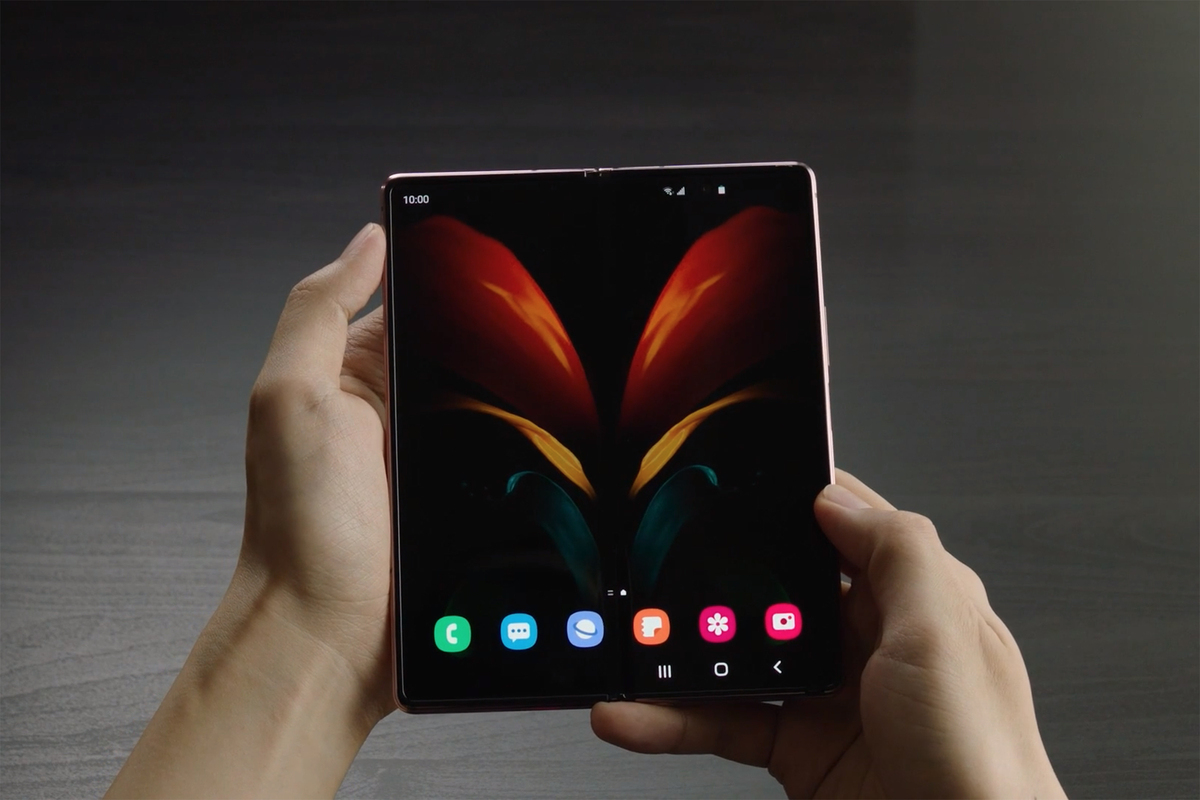
    In August Samsung revealed the Galaxy Z Fold 3 and Galaxy Z Flip 3. Both phones offered significant improvements in their foldable display technology and more attractive pricing. The Galaxy Z Fold 3 is praised for its versatility and S Pen support, while the Galaxy Z Flip 3 is liked for its looks and pocketable size.

    It is unclear whether Samsung will expand its foldable phone lineup in 2022. An even more affordable folding phone for the masses might be on the horizon. The company is already the leader in this category of devices and such a move could only expand its lead even further. It is also a leader in manufacturing with 91% of all foldable OLEDs in 2021 being made by Samsung Display.

  • Razer opens retail store and cafe inside its new Southeast Asia HQ

    Razer opens retail store and cafe inside its new Southeast Asia HQ

    Global lifestyle brand for gamers, Razer, has launched its Southeast Asia headquarters in Singapore: home to the country’s first Razer retail store and café.  The building façade features the brand’s signature black and striking neon green, while the store offers the brand’s full range of products, allowing gaming fans to sample and experience Razer’s latest innovations and creations.

    Meanwhile, the new technology-focused F&B concept serves beverages made by a state-of-the-art robotic barista arm. At the RazerCafe, guests can order a beverage at the store or pre-order a cup of coffee via the RazerCafe App and collect it in-store.

    “Our gamer-centric ecosystem has redefined the gaming experience for more than a decade with the introduction of innovative solutions and whole new product categories, and we’re not planning on slowing down,” said Min-Liang Tan, co-founder and CEO of Razer.

    “The new regional hub represents everything that Razer stands for, from innovation, to design, to sustainability, and will not only be home to Razer’s growing staff, but to up-and-coming entrepreneurs, and even gamers looking for a place to train and learn as well.”

    As part of the expansion, the company has increased its staff number in Singapore from 600 to 1000.

  • Samsung reports record third quarter revenue despite global chip shortage

    Samsung reports record third quarter revenue despite global chip shortage

    Samsung had a record third-quarter revenue as it reported the U.S. Dollar equivalent of $63.1 billion for the period. That works out to a 10% increase for the top line while operating profit for the quarter came to $13.5 billion (or 26% higher than the operating profit reported during the previous quarter). $22.6 billion in revenue during the quarter came from Sammy’s semiconductor business.

    Samsung was able to navigate its chip business through the global chip shortage “by flexibly operating its product mix.” Samsung’s mobile business also played a huge role in the company’s record-breaking third-quarter. Thanks to strong sales of its flagship phones including foldable like the Galaxy Z Fold 3 and the Galaxy Z Flip 3, Samsung generated $24.2 billion in revenue during the period from July through September.

    Demand for semiconductors improved thanks to strong sales of computers; the latter benefited from the increased number of people working at home because of the pandemic.

    The company’s profits were impacted by the larger marketing outlays it made for its foldable line. Strong demand for Samsung’s phones also led its display business to deliver $7.5 billion in revenue. Earnings for the display segment were helped by strong demand for small to medium OLED panels. Demand for larger-sized displays was sluggish.

    Samsung is optimistic about Q4 and 2022 results, but cannot estimate results for the chip business because of the supply issues in that market. For the fourth quarter, the company expects to report higher earnings “due to expanded supply of SoCs and related products for launches of new 5G smartphones in 2022.”

    The company expects that the Galaxy S22 series will be its first flagship series of the new year with the Galaxy S22, Galaxy S22+, and the Galaxy S22 Ultra kicking off 2022 in January. Meanwhile, investors were happy with the report as the shares soared 2.28% on Wednesday (or $1.45 USD) to $61.22.

  • Apple releases iOS 15.1 with hot new features

    Apple releases iOS 15.1 with hot new features

    Apple has released iOS 15.1 this morning which adds some new features for iPhone users. The first feature is SharePlay which allows users to share experiences with others over FaceTime. You can stream television episodes, movies, and even listen to streaming music while connected over FaceTime with your pals.

    For example, let’s say that you and your friends are big fans of The Voice. You can stream episodes over Hulu, sharing the fun of watching the show together with your friends over FaceTime. You can also share the experience of streaming music via FaceTime as well. Not all streamers are compatible with the feature, but so far Disney+, ESPN+, HBO Max, Hulu, MasterClass, Paramount+, Pluto TV, TikTok, and Twitch will work with the platform.

    With Share Play, which Apple calls a “new way to share synchronized experiences in FaceTime,” each user has controls allowing him/her to pause, play, rewind, or fast forward content. And when someone starts to talk, an electric shock is sent to shut that person up a feature called Smart Volume automatically reduces the volume of the streaming television show, movie, and music.

    The update also adds the ProRes feature to the iPhone 13 Pro and iPhone 13 Pro Max. This is a feature that compresses video into small files without losing much of the image quality. It is used for editing videos and supports video resolution up to 8K. And with iOS 15.1, if you’re among those who don’t like how the ultra-wide cameras on the iPhone 13 Pro models turn Macro Mode on automatically when moving in close to take a photo or shoot a video, the update will allow you to disable this feature.

    With the iOS 15.1 update, you can keep your COVID-19 vaccine card in the wallet app so that it will always be with you (assuming that you always carry your iPhone in your pocket). The devices receiving the update include: iPhone 13, iPhone 13 mini, iPhone 13 Pro, iPhone 13 Pro Max, iPhone 12, iPhone 12 mini, iPhone 12 Pro, iPhone 12 Pro Max, Phone 11, iPhone 11 Pro, iPhone 11 Pro Max, iPhone XS, iPhone XS Max, iPhone XR, iPhone X, iPhone 8, iPhone 8 Plus, iPhone 7, iPhone 7 Plus, iPhone 6s, iPhone 6s Plus, iPhone SE (second-generation) iPhone SE (first-generation) and the iPod touch seventh-generation.

    To update your iPhone to iOS 15.1, go to Settings > General > Software Update. Following those directions will also allow iPad users to update to iPadOS 15.1.

    Apple has also released watchOS 8.1. The update features enhanced algorithms to detect falls during workouts. Following the installation of the update, you’ll also be able to enable fall detection during workouts only. You must have an Apple Watch Series 4 and later to add this health-related feature. With fall detection, the Apple Watch detects when the user has suffered a hard fall and can summon emergency help while leading them directly to your location.

    The Wallet app on your Apple Watch will show proof that you’ve received your COVID-19 vaccination just like the Wallet app on the iPhone will show the same information after you’ve installed the iOS 15.1 update on the handset. WatchOS 8.1 will give Fitness+ subscribers the opportunity to invite up to 32 people to work out together through a FasceTime call using iPhone, iPad, or Apple TV.

    The update also exterminates a bug that caused the Always-On feature to display the wrong time when users’ wrists are down. This bug was found on the Apple Watch Series 5 and later (excluding the Apple Watch SE). To install the update, make sure that the Apple Watch is connected to its charger. It also needs to be in the range of users’ iPhone models. The handsets must also be connected to a Wi-Fi signal.


  • Samsung authorizes Best Buy to provide in-store repairs for Galaxy S and Note series

    Samsung authorizes Best Buy to provide in-store repairs for Galaxy S and Note series

    Samsung announced it has partnered with Best Buy to offer customers the option to have their Galaxy devices repaired at over 100 of the retailer’s stores across the United States. Starting October 26, in-person support is available to all Samsung customers at any of the authorized Best Buy store.

    To benefit from the new service, Galaxy owners must first schedule an appointment with Best Buy’s team of Geek Squad Agents, the only ones certified and trained to repair Samsung Galaxy smartphones.

    Samsung also announced that its care service at Best Buy locations will offer front and back screen replacements, battery replacements, port and camera repairs, and other in- and out-of-warranty support service for Galaxy S series and Galaxy Notes series devices. Those who own any of Samsung’s Galaxy Z foldable phones should be able to benefit from the same care service starting early November.

    In order to find a Best Buy store authorized to perform in-store repairs, customers must check out the store locator on Samsung’s website. To schedule an appointment, you’ll have to visit another Samsung website, but first make sure that your Galaxy smartphone is eligible for this kind of service.

  • With no Apple shop, mono stores mushroom in Vietnam

    With no Apple shop, mono stores mushroom in Vietnam

    Vietnam has no Apple store, so resellers are opening mono store chains in the country for consumers to experience an “Apple-standard shopping space.”

    An Apple mono store is a shop that exclusively sells Apple products. There are two kinds of mono stores – the AAR (Apple Authorized Reseller) with a minimum area of 50 sq.m., and APR (Apple Premium Reseller) with an area of 180-220 sq.m.

    “Vietnam and many other Southeast Asian countries are yet to house Apple stores, while the number of Apple users in these countries is getting bigger and bigger. We have opened the TopZone chain (Apple mono stores) for consumers to experience Apple-standard shopping space,” said The Gioi Di Dong (Mobile World) CEO Doan Hieu Em.

    The company will have a total of 50-60 TopZone stores by the first quarter of next year, he said.

    According to FPT Shop, another major electronics retailer that has established 15 Apple mono stores called F.Studio, sales of Apple products in Vietnam have posted two-digit growth rates in recent years. Authorized resellers will establish set up more Apple mono stores in the coming months.

    ShopDunk inaugurated five Apple mono stores on Oct. 22, the day iPhone 13 was launched in Vietnam. It plans to open another 50 stores in the next six months.

    Some other Apple authorized resellers in Vietnam, including CellphoneS and Minh Tuan Mobile, have also said they are planning to set up more Apple mono stores.

    In mid-2020, Apple had posted recruitment notices for many important positions in Vietnam, but it has made no further move since then. Experts have said that relatively small sales in Vietnam was the main factor in the absence of an official Apple store in the country.

  • iPhone 13 sees record sales in Vietnam

    iPhone 13 sees record sales in Vietnam

    Tens of thousands of iPhone 13 phones have been sold in Vietnam within days of its launch, with numbers exceeding those of Apple’s previous offerings.

    FPT Shop sold nearly 5,000 phones for nearly VND200 billion ($8.79 million) on the first day of sales on Oct. 22, breaking previous iPhone records, Nguyen The Kha, director of the chain’s mobile telecommunications division, said.

    Last year it sold 4,500 iPhone 12s on the first day.

    CellphoneS sold nearly 3,000 iPhone 13s compared to around 1,000 last year.

    Minh Tuan Mobile, which began selling Apple products for the first time this year, sold 1,000 iPhone in two days.

    Industry insiders said the large number of incentives that Apple is offering users this year is causing more buyers to go to authorized stores instead of buying them from sellers who pick up the devices in other countries and sell them in Vietnam.

    “Apple almost did not seem to care about the Vietnam market before,” a seller in HCMC’s District 1 said. “But now it offers a lot of support and commission to distributors and incentives to buyers, which makes the unauthorized market less appealing.”

    Another factor is that the iPhone 13 arrived in Vietnam one month earlier than the iPhone 12 last year, which came on Nov. 26.

    ShopDunk, a distributor of Apple products, said it opened five new Mono Stores (exclusively selling Apple products) on the first day of iPhone 13 sales.

    It also saw the number of pre-orders triple to 15,000.

    A spokesperson for Minh Tuan Mobile said only 50 percent of orders could be met so far, and others have to wait.

    iPhone 13 mini, the smallest and cheapest in the iPhone 13 lineup, is being sold in Vietnam at around VND18.4 million.

    The remaining models cost VND21.5-VND31.9 million.

  • Vietnamese apathetic over iPhone 13 mini

    Vietnamese apathetic over iPhone 13 mini

    iPhone 13 mini seems to be the least favorite model of the latest Apple smartphone lineup, accounting for only 5 percent of total pre-orders in Vietnam.

    The most favored is iPhone 13 Pro Max with 70 percent pre-orders, followed by iPhone 13 and iPhone 13 Pro, each 12.5 percent, according to data from retail chains.

    But the iPhone 13 mini, the smallest and cheapest of the lineup, is set to see shortages due to a lack of supply.

    For retail chain CellPhoneS, only 2 percent of its iPhone 13 imports are mini.

    “We might only meet 50 percent of customer demand,” said spokesperson Nguyen Lac Huy.

    The unofficial market, where buyers pick up the phone in Singapore and Hong Kong and bring them back to Vietnam, does not seem to have a lot of supply for iPhone 13 mini either.

    “We only imported a small number as there is almost no demand from customers,” said a smartphone vendor in downtown Hanoi.

    Last year, the iPhone 12 mini was also the least favorite. Many stores had to repeatedly lower prices to get rid of their inventory.

    Industry insiders say Vietnamese prefer the most expensive iPhones.

    The four models of the iPhone 13 line is set to be officially delivered to Vietnam starting Oct. 22.

  • Microsoft is reportedly working on a chip for its Surface devices

    Microsoft is reportedly working on a chip for its Surface devices

    Microsoft could be working on its own chips for future Surface devices, a LinkedIn job listing suggests. It reveals that the company is looking for a Director of SoC Architecture.

    Although the LinkedIn post by no means proves that Microsoft is working on a custom chip, it’s appearance roughly coincides with a rumor about Microsoft and AMD’s collaboration on an Arm processor for laptops. Apparently, it will lead to better graphics performance than Qualcomm silicon manufactured on older architecture. Per that report, the chip will use last year’s Cortex-X1 core and mRDNA 2 GPU, and it will feature an Exynos modem for 5G connectivity.

    Here is what the job listing says:

    Are you passionate about building cool devices and technologies? The Surface team is lighting up Microsoft experiences with the next generation of devices. A fundamental part of our strategy is bringing productivity and mobility together through devices that enable new experiences – helping people and organizations unlock their creativity, passion, and potential.

    Bloomberg said back in December 2020 that Microsoft was working on in-house chip designs for server computers that run its cloud service and was also exploring a chip for powering some of its Surface computers. At that time, the chip design unit was allegedly reporting to the head of the Azure cloud business, and not Surface boss Panos Panay.

    Microsoft has seemingly also poached processor engineers from Intel, AMD, Nvidia, and Qualcomm.

    The Surface Pro X that was announced in October 2019 is fueled by a custom chip known as the Microsoft SQ1 that the company jointly developed with Qualcomm.

    An in-house chip will help Microsoft reduce its reliance on third-party vendors and it will also give it greater control over performance and costs.

    This is something some of its industry peers are already doing. Apple is highly likely to announce its second-generation Arm-based chip tomorrow for the new Macs and possibly next year’s iPad Pros. Google has also made an in-house chip for its 2021 flagship smartphones.

  • Chip shortage forces Apple to cut production of the 5G iPhone 13 series in 2021

    Chip shortage forces Apple to cut production of the 5G iPhone 13 series in 2021

    The chip shortage is now having an impact on Apple’s iPhone 13 series. Those knowledgeable about what is going on inside Apple’s camp say that the company will cut its production targets for this year by as many as 10 million units reducing the number of handsets made this year to 80 million from the original target of 90 million. Both Broadcom and Texas Instruments are the chipmakers who aren’t able to deliver the number of components they promised to Apple according to anonymous sources.

    Texas Instruments supplies Apple with chips for its displays and one chip that has become hard to find powers the OLED panels on iPhone models. Broadcom produces wireless components for the iPhone. Lead times in the chip industry, which measures how long it takes a manufacturer ordering chips to receive them, is at a record-setting 21.7 weeks compared to nearly 12 weeks at the same time last year.

    Broadcom is fabless which means that it relies on independent foundries like TSMC to manufacture its semiconductors. While Texas Instruments does make some chips itself, it also relies on TSMC to produce some of its chip designs. This means that both must scramble to get their semiconductors made by TSMC and since Apple is the end-user of these components, Apple is the company that is getting the brunt of the shortage.

    Apple already has been able to sidestep price hikes of as high as 20% instituted by TSMC. As the latter’s largest customer, Apple was able to get away with only a 3% price increase while also avoiding getting hit by the shortage. But even Apple now can’t escape what is happening around the world.

    Once again, what brought on the shortage were car manufacturers who early last year figured that their new car business was dead meat in the wake of the pandemic. So they cut back on ordering chips and when demand for new cars turned out to be much better than expected, automakers backed up their trucks to take as many chips as they could buy. This shortage could continue next year and might not run its course for some time.

    New orders for the iPhone 13 series made through Apple’s website will not be delivered until November in some cases and if you want to pick up your new handset at an Apple Store, you’re out of luck. The phones are “currently unavailable” for Apple Store pick up. And today’s report says that Apple’s carrier partners are also seeing delays in receiving new iPhone shipments.

    What is at stake here is Apple’s fiscal first-quarter of 2022, which is known as the holiday quarter since it includes Chanukah and Christmas. The company is expected to take in $120 billion in revenue during this year’s holiday quarter, up 7% from last year’s fiscal first-quarter revenue. Interestingly, a decade ago the $120 billion would be more than a complete year’s worth of revenue for Apple.

    Both the U.S. and China would love to become self-sufficient when it comes to semiconductors. The U.S. has made this rather tough for China by not allowing a Dutch company named ASML from shipping a $150 million machine called extreme ultraviolet (EUV) lithography machine to China’s top foundry, SMIC. The EUV machine is used to print circuit designs on wafers that are eventually cut into individual chips.

    With billions of transistors used on semiconductors like the A15 Bionic (which has 15 billion transistors stuffed inside it), etching circuit patterns require a machine that can etch an extremely thin line on the wafer and that is what the EUV machine does. ASML is working on its next-generation EUV that it says will allow foundries to build more powerful and energy-efficient chips over the next decade.