Category: Electronics

Retail News Asia is committed to providing both local and global retailers with the latest Electronics news throughout the Asian market. This on a daily base.

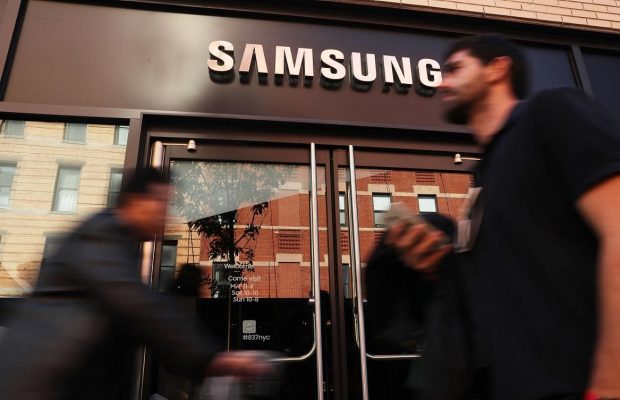
  • Samsung to sell latest generation chip to IBM

    Samsung to sell latest generation chip to IBM

    Samsung Electronics will supply next-generation microprocessor chips to IBM, which will use the chips for artificial intelligence (AI) computing and cloud system applications, both companies said Friday. The product Samsung will manufacture for IBM is a seven-nanometer processor made by extreme ultraviolet (EUV) lithography technology. The seven-nanometers in the name refers to the width of the circuit through which electricity flows on the semiconductor. The dominant product until recently has been rated 10-nanometer.

    Narrower circuits ensure faster data processing speeds, less electricity consumption and higher area efficiency, with more transistors printed on a given amount of silicon, the base material for semiconductors.

    IBM said in a press release that the strategic partnership will position the two companies to lead “the new era of high-performance computing specifically designed for AI.”

    “IBM selected Samsung to build our next generation of microprocessors because they share our level of commitment to the performance, reliability, security and innovation that will position our clients for continued success on the next generation of IBM hardware,” said John Acocella, vice president of Enterprise Systems and Technology Development for IBM Systems.

    The U.S. company and Samsung have been research and development partners for 15 years.

    For Samsung, the deal is a significant milestone for its foundry business, which is to manufacture semiconductors for external clients that do not have chip fabrication facilities.

    The company is already a leader in DRAM and NAND memory chips, but it is now focusing on the fast-growing foundry market. IHS Markit estimates that the subsector will grow an average of 7.8 percent a year until 2021-which is faster than 5.3 percent expected for DRAMs and 6.1 percent for NANDs.

    Samsung is currently ranked global No. 4 among foundries, with a market share of less than 10 percent. As it works to climbing up the rankings, a client like IBM helps establish momentum for future deals.

    In February, Samsung signed a foundry deal with Qualcomm to supply seven-nanometer processors for 5G mobile devices. The company hopes the seven-nanometer processor chip will help as it works to expand its market share. It is currently one of two foundries known to manufacture the product. The other is Taiwan Semiconductor Manufacturing Company, the No. 1 semiconductor foundry with more than 50 percent market share.

    Samsung’s EUV lithography technology was developed earlier this year to mass produce seven-nanometer semiconductors, as the conventional way of printing circuits on 10-nano chips were not sophisticated enough to print thinner circuits.

    A new facility specializing in EUV lithography is under construction at Hwaseong, Gyeonggi, and is due for completion by the second half of next year. Samsung also revealed in May that it plans for the mass production of three-nanometer processors by 2020.

  • Galaxy A9 has a camera ready for every occasion

    Galaxy A9 has a camera ready for every occasion

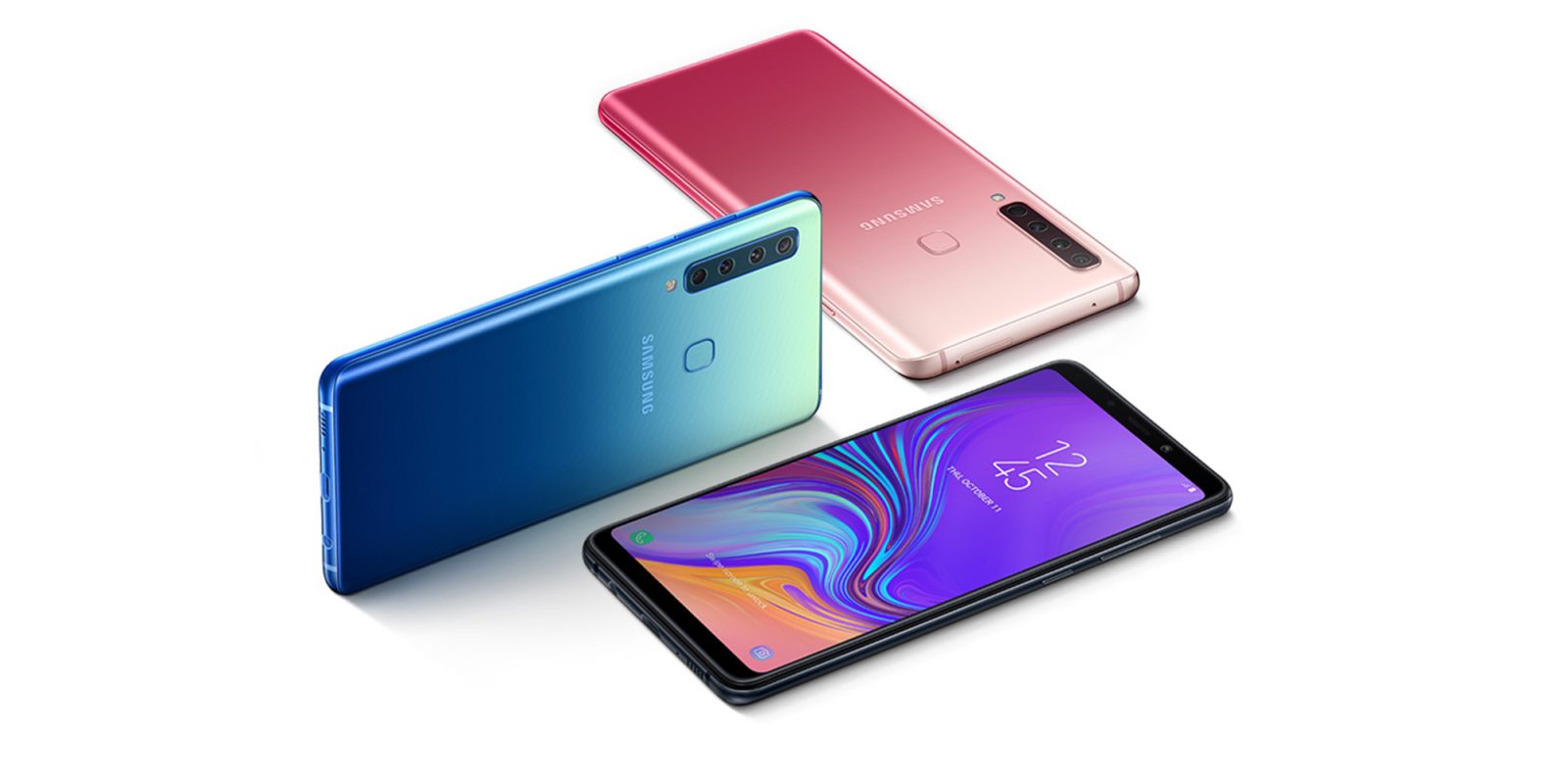
    Samsung Electronics started domestic sales of its mid-range Galaxy A9 smartphone today – the company’s first model to be equipped with four rear cameras. The Galaxy A9 was first revealed in October in Kuala Lumpur, Malaysia, and has already started sales in China, India and several countries across Southeast Asia and Europe. In Korea, the device will cost 599,500 won ($530), nearly half the price of Samsung’s most recent premium phone release, the Galaxy Note9.

    Overseas, the A9 comes with either six or eight gigabytes of RAM, but in Korea only the six-gigabyte option will be available. The device comes with 128 gigabytes of data storage, which is expandable to 512 gigabytes with a microSD card. There are three color options – black, blue and baby pink.

    Its most notable feature is its five cameras – one on the front and four on the back – which are the reason it is known as a “quad camera” smartphone. The front camera can take photos up to 24 megapixels and comes with a function to blur out the background when taking a selfie.

    Until a few years ago, Samsung was one of the top manufacturers of smartphones along with Apple. Recently, its global performance has dwindled as demand for up-scale premium phones have retreated. Another big threat is the advance of Chinese manufacturers like Huawei that upped their game in technology and released a wide range of mid-priced smartphones. Budget phones are especially important in that they cater to the massive Chinese and Indian markets, explaining why global smartphone makers are getting so competitive in the price sector. The main rear camera can also take photos up to 24 megapixels with a very low aperture of F1.7, which means the camera will perform better in darker environments. The other three cameras have slightly different functions.

    A 10-megapixel telephoto camera offers a 2X optical zoom lens, while an eight-megapixel ultra-wide camera can capture a up to 120 degrees. The final camera, a five-megapixel depth camera, is used to blur out the background of an image.

    Despite being a budget model, the A9 is equipped with smart camera functions normally found in top-of-the-range models. The “intelligent camera” function can optimize an image’s brightness and contrast after automatically recognizing the object or scene. It also alerts the user if the image is shaky or somebody blinks.

    Samsung said in a statement that it anticipates the five cameras to make the A9 “an optimal model for generations of ‘visual communication’ who mainly communicate with photos and videos.”

    The inclusion of quad cameras on a budget model reflects Samsung’s shifting smartphone strategy that Koh Dong-jin, CEO and head of the IT giant’s mobile business, stressed earlier this year – to apply state-of-the-art functions to mid-priced models.

    “In the past, I brought the new technology and differentiation to the flagship model and then moved to the mid-end. But I have changed my strategy from this year to bring technology and differentiation points starting from the mid-end,” Koh said to CNBC in an interview in October.

    The A9 isn’t the first affordable Samsung phone with high-end features. On Dec. 10, it unveiled the Galaxy A8s, a smartphone in the mid-price range and the first to have a so-called hole display. Its screen covers the phone’s entire front, except for a small hole in the display’s corner for the front camera. The unpacking event, which was Samsung’s first in China, also sent a signal that Samsung is determined to win back market share in the country.

    “You might think this is an ordinary unpacking event, but it’s more of an occasion to send an ambitious message to you all – Samsung Electronics will embark on a full-fledged competition with Chinese manufacturers,” said Kwon Gye-hyun, the company’s vice president for its China business, during the event.

  • Number of AI speakers in Korea to hit 8 million

    Number of AI speakers in Korea to hit 8 million

    The number of artificial intelligence (AI) speakers in Korea is expected to reach the 8 million mark in the new year as the devices gain popularity, a report by a local digital media lab said Sunday. According to the findings by KT Group affiliate Nasmedia, some 40 percent of the country’s 20 million households will likely have an AI speaker in 2019. The numbers represent a sharp increase from just 1 million units supplied in 2017 and the nearly 3 million that have reached the market this year.

    “The rise in demand comes from greater choice in terms of the products being offered, as well as more upgraded features that have made the AI speakers more attractive to ordinary consumers,” the 2019 digital media and marketing forecast report claimed.

    It added that greater competition among manufacturers to secure the growing market is fueling the spread of such smart devices.

    Korean companies – such as SK Telecom, KT, Naver and Kakao – have all rushed to release new AI speakers.

    Nasmedia said that, in particular, there has been considerable competition in the area of children-related content and audio shopping services with companies vying with one another to “lock” customers into their ecosystem.

    The speakers have been marketed as personal home assistants for adults and even as private tutors for small kids.

  • Xiaomi India to foray into appliances, white goods space

    Xiaomi India to foray into appliances, white goods space

    Xiaomi is all set to convert its India arm into an end-to-end consumer durables company. According to a report, Xiaomi officials are currently identifying potential categories including air-conditioners, washing machines, refrigerators, laptops and small appliances like vacuum cleaners and water purifiers for the Indian market. All the products will be smart appliances based on Internet of Things (IoT) or which can connect to the internet and other devices, and operated remotely.

    Xiaomi entered the Indian television market in February this year with products 30-50 percent cheaper than the top three brands — Samsung, LG and Sony. It eventually expanded TV sales to offline stores and started assembling them in India in partnership with contract manufacturer Dixon. It recently announced having shipped more than a million televisions into the Indian market.

    The company will follow the same model for appliances. The products will be priced aggressively in line with its announced strategy of keeping just 5 percent profit margin for itself and start local assembly after gaining some scale to take advantage of Make in India duty benefits, according to the report.

  • SkyPixel And DJI Kick Off The Biggest Aerial Photo& Video Contest of 2018

    SkyPixel And DJI Kick Off The Biggest Aerial Photo& Video Contest of 2018

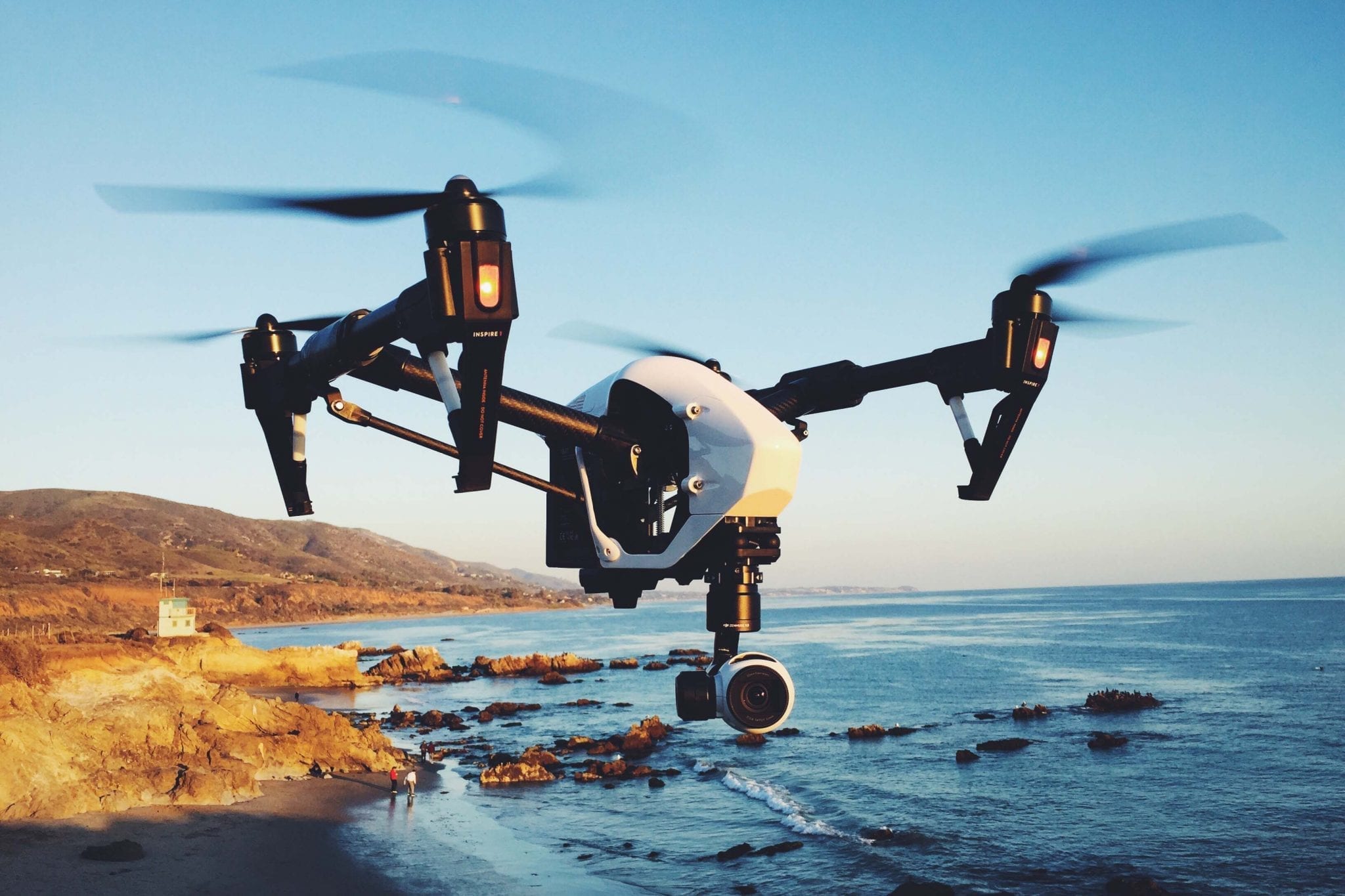
    DJI and SkyPixel, the world’s most popular aerial photography community, are kicking off their annual SkyPixel Aerial Photo & Video Contest. Running from December 18, 2018 to February 18, 2019, the contest is a showcase for the world captured from above, and welcomes submissions from professional photographers, videographers, aerial enthusiasts and content creators around the globe.

    The 2018 SkyPixel Aerial Photo & Video Contest consists of two storytelling formats, one in photography and the other in video form. There is no restriction on the type or brand of aerial equipment, and participants can submit as many photos or videos as they wish.

    Contestants can win a range of prizes, including a Hasselblad X1D-50c camera, DJI Mavic 2 Pro drone and the new Osmo Pocket three-axis stabilized gimbal. In addition, SkyPixel will organize a series of exhibitions at different DJI Flagship Stores in 2019 to showcase the winning pieces. Select work will also be featured and introduced at workshops hosted by winners and professional photographers in conjunction with SkyPixel.

    “DJI has redefined how a drone should look like and what it can do. The compact size, portability and powerful imaging system of our drones have also made capturing amazing aerial content easier than ever before. Now anyone can take their creativity and inspirations to the skies,” said Ferdinand Wolf, Creative Director, DJI Europe. “We are seeing more and more aerial photographers and content creators sharing their unique perspectives and stories of the world via SkyPixel. With this contest, we hope to encourage more people to learn about aerial technology, and together embrace this new creative way of storytelling.”

    Since 2014, the SkyPixel online community (www.skypixel.com) has attracted professional aerial photographers and content creators from more than 140 countries. SkyPixel contests over the past three years have received over 100,000 submissions, a huge collection of extraordinary footage focusing on nature, culture, architecture, and original aerial masterpieces.

    Details of the 2018 SkyPixel Aerial Photo & Video Contest

    The video contest consists of five categories:

    • Nature: Capture footage of natural scenery, wildlife and landscapes
    • City: Showcase the beauty of urban landscapes and man-made architecture
    • Sport: Capture moments in movement and the power and energy of humans doing sports
    • Travel: Share a story about humanity, culture, or your unforgettable adventure (people should be included in these videos)
    • Creative: With your aerial techniques or intelligent features on your drone, curate a visual story to showcase your creative skills and extraordinary visual effectsVideo submissions should not be longer than five minutes and must feature at least 30 seconds of aerial footage.

    The photo contest consists of four categories:

    • Nature: Capture a moment in time and reveal the true beauty of nature
    • Architecture: Discover amazing structures from a new perspective
    • Fun: Experience the world from unique angle while capturing moments of fun
    • Sport: Capture the energy and excitement of an athlete pursuing their dreams

    No matter what categories participants decide to enter, they should always fly with caution, observe their flight environment and follow local regulations at all times.

    From these nine categories, SkyPixel and DJI will give away 49 awards, including two Grand Prizes, and nine first, second and third prizes in each category. There will also be 10 Nominated Entries that are selected by a panel of judges and 10 by popular vote, measured by which submissions get the most likes during the contest period. Contest awards include the Hasselblad X1D-50c camera, DJI Mavic 2 Pro, Osmo Pocket and other products worth a total of approximately $120, 000 USD.

    This year, the judging panel is composed of award-winning directors, photographers and influencers, including Toby Strong, a documentary photographer who has won many Emmy and BAFTA awards, and Ben Nott, one of Australia’s most prestigious directors of photography and an ACS member.

  • Copperwired adding .Life stores next year

    Copperwired adding .Life stores next year

    Gadget retailer Copperwired is set to invest THB165 million (US$5.036 million) opening 30 new .Life stores by the end of next year. The new .Life stores include a new 310sqm flagship at CentralWorld, described as the “largest gadget lifestyle shop featuring Internet of Things (IoT) technology in Thailand”, which opened in September.

    The brand’s public listing on the Thai exchange is expected next year.

    “With the adoption of 5G, the number of connected devices will increase, and IoT in the form of connected toys, smart homes and smart transport and new demand for product categories will rise accordingly,” said Copperwired CEO Paramate Rienjaroensuk.

    The company expects .Life stores to boost its income by more than 20 per cent in the current financial year to more than THB800 million (US$24.414 million).

  • Wearables are pivoting from fitness to wellness

    Wearables are pivoting from fitness to wellness

    The wearables market has grown over the past decade, and now a new generation of tech wearables is looking to differentiate itself by looking to the buzzy wellness industry for growth. The industry and definition of wellness has expanded to incorporate aspects of mental health, fitness and physical health, beauty and more, resulting in a new class of consumerism and ample opportunity for companies to tap into it.

    In the past few years, wearables brands Bellabeat, Oura and Motiv have launched, focusing more on a holistic approach to health and less on being performance-oriented.

    Instead of fitness bracelets, they’re packaged as necklaces, rings or water bottles. And, in addition to the usual sleep tracking, heart rate and pedometer functions, their features include guided meditation, menstrual-cycle tracking and integration with Amazon Alexa.

    “You see so many fitness and wellness [wearable] brands right now, and they are uniquely aware of their competitors. They are thinking outside the box in order to be the best,” said Aimee Gaudin, international head of marketing at Smartech stores.

    Smartech itself is designed to bridge the gap between lifestyle and technology.

    In store, it sits between Selfridges’ tech, home goods and lifestyle departments. Currently, Smartech is negotiating with Selfridges to display and sell Motiv rings in Selfridges’ beauty section as a marketing opportunity for the brand, Gaudin said.

    “A lot of high-end department stores focus on fashion and don’t have much tech, so I always [position] our products as a fashion product, but for Motiv, I will [position] it as a beauty product first,” she said.

    Motiv’s customer base runs the gamut from “tech nerds to trendy moms,” according to Tejash Unadkat, CEO of Motiv.

    The company had initially anticipated that it would attract a similar customer base to Fitbit, which is known for its fitness fanatics, but in fact the brand “rarely” attracts them, he said.

    Motiv has consciously marketed itself as a holistic device, with a strategy of being placed in mainstream stores, instead of fitness or early-adopter tech ones, in order to continue to expand its customer base. For example, last month the brand began retailing in Nordstrom in its seasonal health and wellness section, showcasing the sleep-tracking function of the device.

    “Internally, we say the Motiv ring is not a fitness ring but a smart ring that has features around security, convenience and health,” said Unadkat.

    Overall, the wearables market is expected to see $42 billion in sales in 2019, according to Gartner, with $16.2 billion specifically on smartwatches.

    Fitbit earned its first quarterly profit since the third quarter of 2016 in early November by focusing less on fitness and more on mainstream smartwatches.

    Bellabeat, the female-focused wellness wearable, is also delving into the watch category with the launch of Time on Dec. 6, which looks like a classic analog timepiece.

    Since the brand launched in 2013, it has primarily focused on associating itself as a beauty and wellness device, according to Urska Srsen, founder and CEO of Bellabeat.

    “It’s very much a beauty product because beauty is a strong component of women’s wellness,” she said. “We see beauty as a reflection of the love and self-care you invest in yourself.”

    The brand is sold through retailers like Neiman Marcus and John Lewis in the U.K., in addition to its own e-commerce site. Its other smart products include a water bottle and a clip-on device that can also be worn as a necklace or bracelet.

    Bellabeat markets itself to the average woman who is neither a tech early-adopter nor a gadget enthusiast, Srsen said. Instead, they look for women who are equally interested in fashion and beauty as they are in wellness.

    By focusing on the $4.2 trillion dollar wellness market, these brands are attempting to avoid the pitfalls that traditional fitness tracker companies like Fitbit have experienced in the past with slow growth due to a niche focus on performance-oriented devices.

    “This is something we have to make retailers understand,” Srsen said. “Our customers are shopping in wellness and beauty; they aren’t looking in the tech and fitness section. We aren’t just educating retailers on where they should be displayed, but we’re also educating them on a new category around the intersection of tech, beauty, wellness and fashion.”

  • LG U+ CEO says Huawei gear is not a risk

    LG U+ CEO says Huawei gear is not a risk

    LG U+ CEO and Vice Chairman Ha Hyun-hwoi has made it clear that the carrier does not think there are any security threats related to its use of Huawei equipment in its 5G infrastructure. Ha made the statement during a year-end press briefing on Wednesday in Yongsan District, central Seoul, rebuffing claims by some lawmakers that there is a risk of security leaks through the use of the Chinese tech giant’s equipment in the network. LG U+ currently partners with Huawei as well as Samsung Electronics, Ericsson and Nokia for its 5G infrastructure.

    According to Ha, the Chinese IT company has already applied for security certification of its 5G network equipment from an international certifying body in Spain. The CEO added the public will be able to see how secure the equipment is once the evaluations are complete next year.

    “Security concerns apply to every equipment vendor we partner with, not only Huawei, and we need to thoroughly verify all the equipment [we use] is secure,” Ha said. “There are roughly 170 countries that are already using Huawei’s network equipment, and there hasn’t been any security problems reported so far.”

    Locally, Huawei has set up equipment that abides by over 70 security guidelines set by the Korea Internet & Security Agency, according to LG U+.

    The main reason for the carrier taking the risk of using the controversial equipment is because 5G infrastructure needs to be built in conjunction with the existing network equipment for 4G long term evolution (LTE), some of which LG U+ also bought from Huawei. Ha said price, technological competitiveness and the ability to deliver the equipment in a timely manner were also considered when choosing the vendor.

    LG U+ has built 5,500 base stations to service the next-generation 5G network as of Wednesday, while its local competitors have reportedly established less than 1,000 5G base stations.

    On why the mobile carrier is rushing to establish its 5G infrastructure, Ha said, “It is important to have a head start to have a competitive edge in [5G] services considering the quality tests we need to go through before March [when the high-speed network is commercialized for smartphones].”

    Ha said the company invested roughly 4 trillion won ($3.6 billion) to set up its 5G infrastructure, including at 5G spectrum auctions.

    The company said it hopes to take up a larger share of the market, which is dominated by SK Telecom, with 50 percent, and KT, with 30 percent.

    “In July 2011, when we first began the LTE service, our local market share was 17.7 percent, but the share increased to 21.2 percent over time as of the end of October,” LG U+ said in statement. “We think next year could be the best time to shake up the competing structure.”

    The carrier is preparing a 5G-based smart factory service with its affiliates LG Electronics and IT service company LG CNS, targeting enterprise customers. For individual customers, LG U+ is focusing on augmented reality and virtual reality content that can offer an immersive experience of watching sports games and K-pop concerts at home.

    The CEO also commented on speculations that the carrier will acquire paid TV service operator CJ Hello. Ha said it has opened up its options to cable TV operators other than CJ Hello and plans to finalize the deal within the first half of next year. Industry sources, however, still say negotiations between the two parties have nearly come to a close and final results are likely to come out around March.

  • LG sets up lab to conduct appliance technology research

    LG sets up lab to conduct appliance technology research

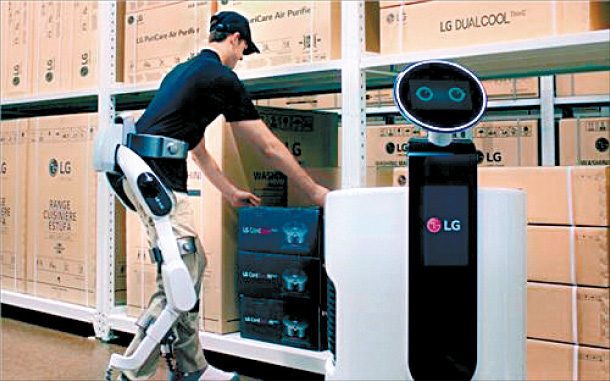
    LG has established a new research laboratory committed to advances in fridge, oven and other home-appliance technologies. LG Electronics opened the 6,760-square-foot Food Research Institute on Monday at Changwon, South Gyeongsang. At the center, researchers will develop technologies that can be applied to the company’s home appliances, such as refrigerators, kimchi and other specialty food fridges, ovens and electric stove tops.

    Food preservation, the fermentation of kimchi and food preparation will be some of the focuses.

    The company said researchers will work closely with academics from Seoul National University and Konkuk University, as well as experts from government and private agencies, such as the Rural Development Administration, the Korea Food Research Institute and the World Institute of Kimchi.

    LG Electronics often mentions advanced technologies in its marketing materials, using the technology to set itself apart from competitors.

    According to the company, LG refrigerators run on inverter linear compressors, which are 18 percent more energy efficient and create less noise than comparable gas compressors. Its kimchi refrigerators maintain temperatures of 6.5 degrees Celsius (43.7 degrees Fahrenheit), the optimal level for kimchi. At that temperature, the growth of a lactic-acid bacteria that creates a sour taste is suppressed. LG’s electric stove tops can cook food up to 2.3 times faster than gas ranges, the company boasts.

    The facility at Changwon is not the first research lab established by the company to further develop its home appliances. In February, LG Electronics opened a water research lab committed to the making of better water purifiers. In October, it opened a center dedicated to air science to advance its air purification technologies.

    “We will continue investing in research and development related to food, water and air technologies,” said Song Dae-hyun, head of LG Electronics’ Home Appliance & Air Solutions.

  • Samsung is No. 1 in world for R&D spending

    Samsung is No. 1 in world for R&D spending

    Samsung Electronics was the No. 1 investor in R&D in the world this year, according a report from the European Commission. The annual R&D Investment Scoreboard report released by the commission analyzes R&D indicators of top companies in the world, based on their most recent accounts and annual reports. The 2018 report studied 2,500 companies worldwide from 46 countries.

    Samsung Electronics invested a total of 13.44 billion euros ($15.2 billion) in R&D this year, an 11.5 percent year-on-year increase compared to last year’s report, when it took third place on the list. This is the first time a Korean company has come in first since the European Commission first published the report in 2004.

    Tailing Samsung in second place was Alphabet, Google’s holding company. It spent a total of 13.39 billion euros. Volkswagen was ranked third at 13.14 billion euros. The list went on to include Microsoft, Huawei, Intel and Apple, all having spent between 9.7 billion and 12.3 billion euros.

    Samsung was the only Korean company within the top 50 R&D spenders worldwide. However, the report showed that, in terms of the ratio of R&D investment to sales – which the report dubbed “R&D intensity” – Samsung fell behind other major companies higher up the list.

    The local company’s R&D intensity was 7.2 percent – lower than second rank Alphabet’s 14.5 percent and Chinese IT company Huawei’s 14.7 percent. It was slightly higher than Apple, however, which had a ratio of 5.1 percent.

    The report also showed that, apart from Samsung, Korea was falling behind in R&D investment compared to neighboring countries Japan and China.

    The 2,500 companies studied for the report had invested a combined 736.4 billion euros, with 14 percent of that total coming from Japan-based companies and 10 percent from China. The top contributors were the United States at 37 percent and the European Union at 27 percent.

    A total of 70 companies from Korea were included in the study. LG Electronics was the only other one mentioned by name, coming in third place in the “Top 3 companies by R&D for the main industries: Other” category after Japan’s Panasonic and Sony.

  • Vietnam’s Vsmart global market

    Vietnam’s Vsmart global market

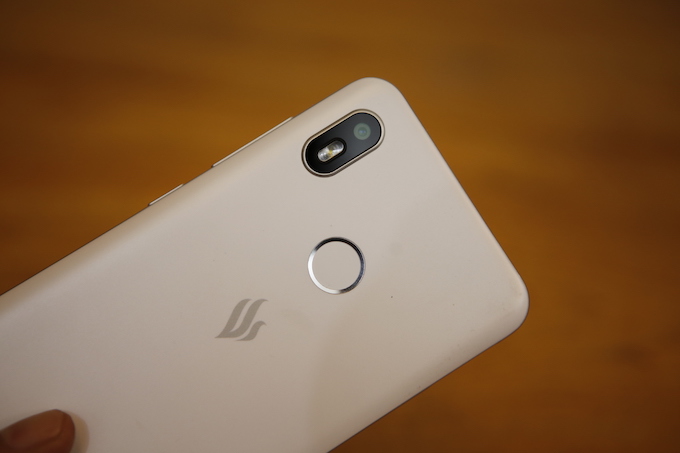
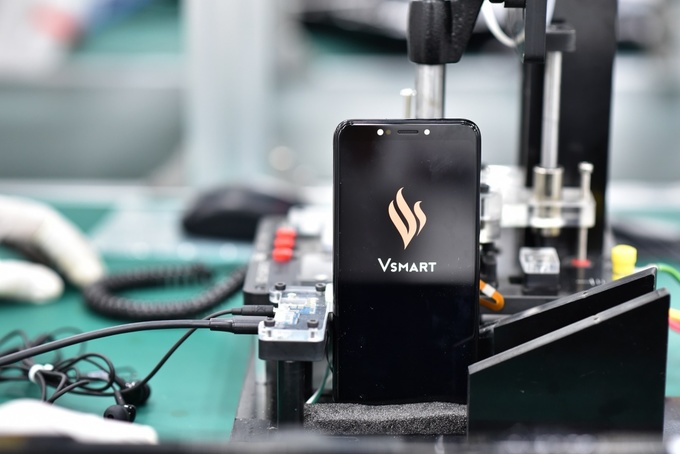
    Vietnam’s largest private firm Vingroup launched four new phone models Friday, saying it aims to sell them internationally. The four new Vsmart phones, manufactured at the group’s VinSmart factory in Vietnam’s northern city of Hai Phong, are priced from 2.49 million ($107.18) to 6.29 million ($270.76) in the introductory phase. The prices will later increase to VND2.59-6.59 million ($111.49-283.67).

    Tran Minh Trung, CEO of VinSmart, said at the launching event that his company wants to branch out to markets outside of Vietnam.

    “We will not stop at the Vietnam market. We will bring out products to the world with five business departments in five continents. A sixth department will be in charge of e-commerce. We are capable of competing and we want to be accepted in both local and international markets,” he said.

    VinSmart is set to be a new competitor in the Vietnam market of 95 million people, currently dominated by Samsung and Apple phones.VinSmart acquired the intellectual property rights for the four phones from Spanish technology firm BQ, in which VinSmart owns a 51 percent stake.

    Vietnam is the largest smartphone production base for Samsung, while key Apple supplier Foxconn is also considering setting up a factory in the country.

    The launching of the phones has happened at rapid speed, just six months after Vingroup established the VinSmart company in June to produce smartphones and other smart electronic devices with a registered capital of VND3 trillion ($131.54 million).

    Vingroup, once a real estate and retail focused conglomerate, also became the country’s first full-fledged domestic car maker in October, introducing three new car models.

    VinSmart factory is capable of making five million phones a year in its first phase of operations, the company has said.

    It has also said that the factory will produce smart TVs and other smart products in the future. VinSmart also signed a multimode global patent license deal on Friday with chip producer Qualcomm.

  • Apple assembler Foxconn considering iPhone factory in Vietnam

    Apple assembler Foxconn considering iPhone factory in Vietnam

    Apple’s biggest iPhone assembler Foxconn is considering setting up a factory in Vietnam to mitigate any impact of the ongoing trade war. The report from Vietnamese state media comes after several executives interviewed last week singled out Vietnam and neighboring Thailand as preferred destinations should they need to shelter operations from the trade war, braving hurdles such a lack of skilled labor and inadequate infrastructure.

    Foxconn Group and the Hanoi People’s Committee are working together to open an iPhone manufacturing facility in Vietnam to negate the impacts of the U.S.-China trade war.

    Vu Tien Loc, head of the Vietnam Chamber of Commerce and Industry, raised the matter with Prime Minister Nguyen Xuan Phuc at a meeting on Nov. 22.

    “We are discussing the possibility of this with Foxconn,” Loc said, without elaborating. Hanoi People’s Committee Chairman Nguyen Duc Chung declined to comment.

    Taiwan’s Foxconn, formally Hon Hai Precision Industry Co Ltd said it “follows a strict company policy of not commenting on any matters related to current or potential customers, or any of their products”.

    In trade talks on Saturday, U.S. President Donald Trump and Chinese President Xi Jinping agreed not to introduce any tariffs for 90 days as negotiations continue.

  • Samsung Electronics gives stability a try

    Samsung Electronics gives stability a try

    The CEOs of Samsung Electronics semiconductors, smartphones and consumer electronics divisions all kept their jobs in the company’s annual corporate reshuffle announced Thursday. Kim Ki-nam, head of Samsung’s device solutions division, which includes semiconductors, retained his position but has been promoted from president to vice chairman. Samsung’s semiconductor business has seen operating profit grow for the past 11 quarters as of September.

    The other two division heads – Koh Dong-jin of IT and mobile communications and Kim Hyun-suk of consumer electronics – were reappointed as CEOs and will retain their current president job titles.

    Roh Tae-moon of the IT & mobile communications division was promoted from vice president to president and will continue to head the smartphone development team. Roh has been at the core of technology development for Samsung’s Galaxy smartphone brand since the range was first introduced.

    For a company well known for rapidly exchanging executives based on performance, the minor superficial changes at the top made this year suggest that Samsung is shifting instead to put more weight on stability rather than expansion next year.

    The company already went through a major generation change last year when it laid off older executives to replace them with younger ones. A total of 14 top executives were reshuffled at the time. Samsung said in a statement on Thursday that it “re-appointed business executives from last year to realize ‘innovation within stability.’”

    The drive for stability also comes at a time when Samsung faces several uncertain factors that analysts say will halt this year’s rally of record profits. The global chip market, which has been on an unusually long supercycle over the last few years, is anticipated to slow down in 2019.

    Outlooks on the global economy are also grim due to the remaining risk of the United States and China continuing their trade war.

    Samsung also stuck to its performance-based HR strategy by heavily compensating executives and managers in the device solutions division, including CEO Kim Ki-nam.

    Kim has been heading the semiconductor business at Samsung since December 2014. Under his lead, the company celebrated the last two years as the No. 1 chip manufacturer in the world. Chips were also a major contributor to Samsung’s record-high quarterly profits this year.

    Kim wasn’t the only one to be rewarded. Among a total of 158 senior executives promoted at Samsung, including those below president, 80 were from his division.

    Samsung employees in the device solutions division will receive bonuses between 300 to 500 percent of annual wages. Even external partners and suppliers for the division will reap incentives this year of up to 89.7 billion won ($79.8 million) in total.

    Meanwhile, this was the first time in three years that Samsung Electronics has released annual reshuffle results at the year’s end – a sign that Samsung is getting back on its feet after Vice President Lee Jae-yong’s return from prison in February.

    There were no annual reshuffles at all in 2016 when Lee was investigated for bribery charges regarding former President Park Geun-hye. It was only in October last year that the company announced a reshuffle plan among top executives.

    Other Samsung affiliates announced annual reshuffle results on Thursday. Samsung C&T Vice President Kim Myeong-soo was promoted to president. He was in charge of the task force in charge of improving competitiveness in engineering, procurement and construction.

    Vice Chairman Lee’s sister Lee Seo-hyun was appointed as chairman of the Samsung Foundation, which conducts social welfare projects. She was formerly president of the fashion division at Samsung C&T.

  • Vingroup’s smartphone launched soon

    Vingroup’s smartphone launched soon

    Vietnam’s largest private conglomerate, Vingroup, will introduce its first smartphones on December 14 as part of its tech expansion. The company will launch four new models under the brand name “Vsmart,” at the Landmark 81 skyscraper in Ho Chi Minh City.

    The phones are produced at Vingroup’s factory in the northern city of Hai Phong, which is capable of making five million phones a year in its first phase of operations, a Vingroup statement said.

    The company will utilize Spanish experts for product development as it owns 51 percent of Spanish technology firm BQ.

    “We hope that Vsmart phones, alongside VinFast cars, will contribute to the development of Vietnam industry and bring Vietnamese brands to the world,” said Nguyen Viet Quang, vice chairman and chief executive officer of Vingroup.

    Vingroup became the country’s first full-fledged domestic car maker two months ago, introducing three new car models. In June, it established the VinSmart Co. to produce smartphones and other smart electronic devices with a registered capital of VND3 trillion ($131.54 million).

    VinSmart is also working with Qualcomm and Google’s Alphabet Inc to “update to the most advanced technology in the smartphone sector,” the statement said.

    The company will be the newest phone maker seeking success in Vietnam, a country of 95 million people. The market is currently dominated by Samsung and Apple phones. Vietnam is the largest smartphone production base for Samsung Electronics.

    Vingroup said its VinSmart factory will also produce smart TVs and other smart products in the future.

  • Gaming gadget New Razer Phone 2 is launched

    Gaming gadget New Razer Phone 2 is launched

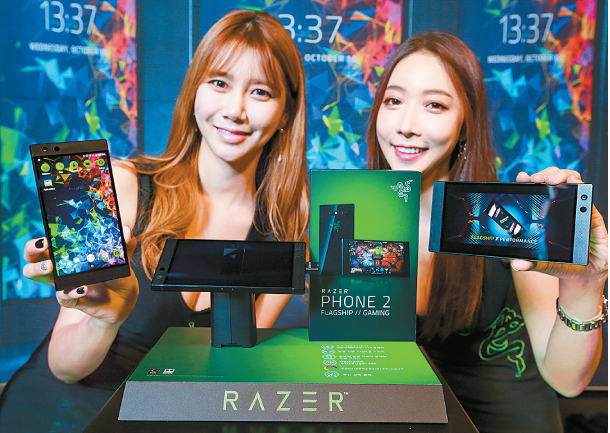
    Razer, a Singaporean gaming gadget company, unveiled the Razer Phone 2 – a smartphone specifically designed for gaming – on Friday in Seoul. Korea is the fourth-largest gaming market in the world with more than 28 million game users, according to the company.

    The Razer Phone 2 is equipped with a 5.7-inch display and offers a 120 Hz refresh rate, allowing users to enjoy mobile game with less delays and disconnections. The upgraded refresh rate helps the touch screen to react more precisely to user demands, according to the company.

    The screen is 50 percent larger than its previous version – the Razer Phone 1 – which launched last year.

    The Razer Phone 2 comes with a 400mAH battery which allows the phone to play games for 10 hours.

    Playing mobile games is not the only entertainment available on the Razer Phone 2. It is also optimized for watching videos.

    The company said the new phone includes Dolby Atmos technology in its dual speakers that are equipped on bezels both on the top and bottom of the devcie, providing a richer sound.

    In terms of camera, the Razer Phone 2 is equipped with a dual camera on the back – a wide-angle lens and telephoto lens – that offer 12 megapixels each. The front of the phone has an 8 megapixel camera.

    To optimize the display, Razer teamed up with popular games including PlayerUnknown’s Battlegrounds, Rival: Crimson x Chaos and Marvel’s Future Fight, among others.

    The Razer Phone 2 will go on sale on Dec. 4 in Korea in partnership with local distributors All Life Technology and CJ Hello.

    The phone sells for 990,000 won ($882.87). With subsidies from CJ Hello’s payment plan, the price can go down to as low as 599,000 won.

    “Razer was able to pull off a huge success last year with Razer Phone 1 by paving a new sector in the smartphone industry,” said Min-Liang Tan, CEO of Razer in a written statement Friday. “The new Razer Phone 2 will help us set a new standard in the gaming industry.”