Category: Electronics

Retail News Asia is committed to providing both local and global retailers with the latest Electronics news throughout the Asian market. This on a daily base.

  • Apple concerns hit supplier stocks

    Apple concerns hit supplier stocks

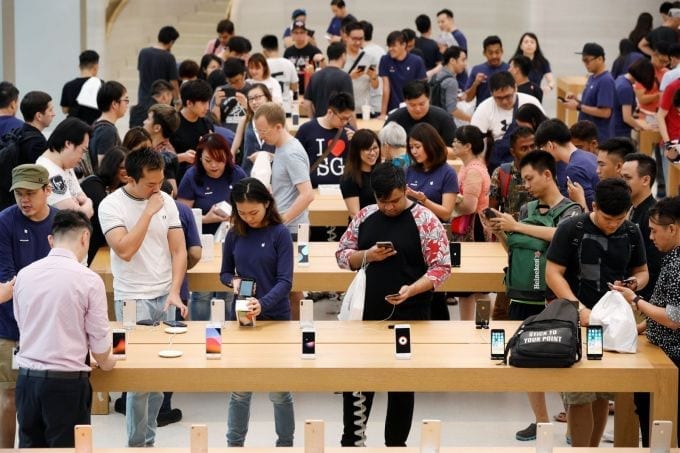
    Shares in Asian suppliers and assemblers for Apple fell on Tuesday after several component makers warned of weaker than expected results, leading some market watchers to call the peak for iPhones in several key markets. Following a poor forecast earlier this month, analysts and investors voiced concern over the state of Apple’s business, contributing to growing worries that iPhone sales were stagnating and could hurt suppliers.

    Fresh warnings on Monday from screen maker Japan Display, British chipmaker IQE and Lumentum Holdings, the main supplier of the Face ID technology in the latest generation of iPhones, hurt technology stocks in Asia on Tuesday.

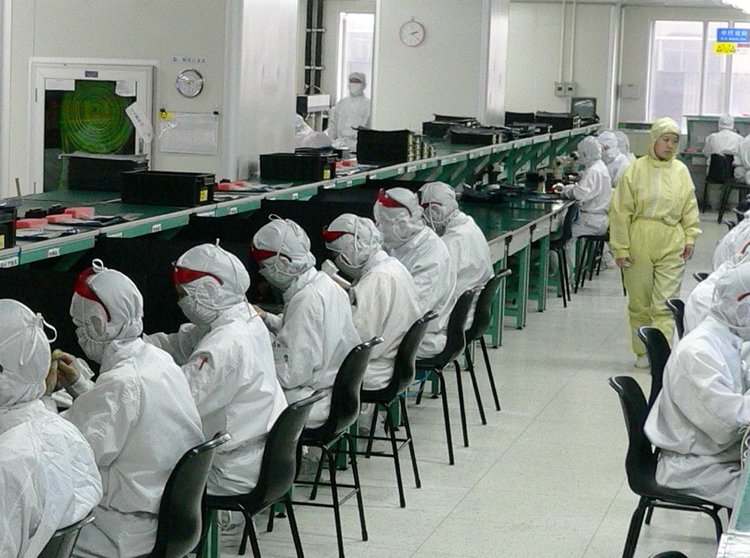
    Taiwan-based assembler Hon Hai Precision Industry (Foxconn) dropped more than 3 percent. Rival Pegatron fell more than 5 percent but later recouped losses. Both companies count Apple as a major customer.

    The world’s largest contract chipmaker, Taiwan Semiconductor Manufacturing, fell 2.6 percent, while Flexium Interconnect was down 1.5 percent. The Taiwan Weighted Index was down around 1.6 percent.

    “Apple’s iPhone weakness has been a long-term issue for the Asia supply chain,” said Arthur Liao, an analyst at Fubon Research in Taipei.

    “For Apple, iPhone shipment has reached its peak. For tech suppliers facing the future, they have no other big client like Apple.”

    The company’s shares fell to their lowest level in more than three months on Monday.

    Last week, a media report saying the iPhone maker had told its smartphone assemblers to halt plans for additional production lines dedicated to its new lower-priced iPhone XR had pressured supplier stocks.

    Analysts said the lack of technological breakthroughs had put a cap on demand.

    “With no new technology in sight next year for the supply chain, this is not ideal for the companies involved,” said Nicole Tu, a Taipei-based analyst at Yuanta Investment Consulting.

    “Up through the first half of 2019, we likely won’t see any breakthrough.”

    Lumentum on Monday slashed its profit and revenue forecast for the current quarter, while IQE warned that current-year results would be lower. Japan Display lowered both sales and margin outlook for the year as well.

    Apple warned earlier this month that holiday sales would miss Wall Street expectations due to weakness in emerging markets.

  • LG seeks AI, robotics, big data talent in Silicon Valley

    LG seeks AI, robotics, big data talent in Silicon Valley

    LG Electronics Vice Chairman Jo Seong-jin will be in Silicon Valley on Nov. 14 scouting employees with expertise in future technologies such as artificial intelligence, robotics, big data and the cloud. He will meet with job candidates – mostly those with doctoral degrees in the areas of interest – and introduce LG’s vision for growth and plans to staff up in research and development. He will then meet with academics focused on artificial intelligence, including professors at Stanford University, to discuss technological trends and future prospects in the field, according to LG.

    Jo will also visit San Diego, San Jose and Seattle to meet with corporate leaders in IT, finance and consumer goods to discuss the company’s blueprint for the future.

    “LG must hire global talent to become a leader in future businesses based on artificial intelligence, big data and the cloud,” Jo was quoted as saying by LG in a release.

    LG will continue investing in leading companies and cooperating with other businesses in related fields, he added.

    Inaugurated as chief executive of LG Electronics in 2016, Jo has been outspoken about the company’s future in artificial intelligence.

    Delivering a keynote speech at the opening of the IFA tech fair in Berlin in August, he said LG will be “pouring the company’s resources into artificial intelligence,” given that the technology will determine LG’s future.

    LG launched an artificial intelligence research center in June. It is led by the company’s chief technology officer and devoted to voice, video and bio recognition as well as deep-learning algorithms.

    Earlier this year, the country’s second-largest electronics appliance producer established another center connected to LG’s Silicon Valley lab. It is focused on deep learning and automobile technologies.

  • Foldable phone coming early 2019

    Foldable phone coming early 2019

    Samsung Electronics will make its foldable smartphone available by the first half of 2019, with initial shipments estimated at least at 1 million units, according to Koh Dong-jin, president of the IT and Mobile Communications division at the company.

    The comments were made Thursday in San Francisco on the day two of the Samsung Developer Conference, where he discussed the rollout of the new flagship phone with considerable confidence.

    “We will definitely introduce the phone before the end of the first quarter next year, although I cannot pin down the date at this moment,” he said. “And we will maintain the line each year.”

    His comments indicate that Samsung will be adding foldables to its existing two flagship lines, the Galaxy S – released most recently in February – and the Galaxy Note – released in the fall. But the foldables will be released in a limited number of countries, including Korea and the United States. Koh added that Samsung has yet to confirm the name of the lineup.

    Given Samsung’s status as the No.1 smartphone vendor in the world and the fact that its flagship models sell at least 1 million units, Samsung is gearing up to churn out over 1 million foldables from the outset “if the market reaction is positive,” he added.

    Koh’s meeting came a day after Samsung introduced the foldable phone. The company demonstrated what it calls the “Infinity Flex Display,” which measures 7.3 inches diagonally when the phone is open like a book. The screen is slightly larger than the largest smartphone screen and slightly smaller than those of a conventional tablet PCs.

    The company has so far declined to provide additional specifications, including thickness, weight and the battery power.

    “We showcased the display to show off Samsung having reached the stage of commercializing the device,” he said. “We have overcome several barriers, such as making the central hinge through the screen invisible. What remains to be done is working on the user interface to make it more concrete.”

    He went on to say that Samsung distributed the foldable device to developers before the event so that they could help in designing the best-possible user experience.

    Two months earlier, he met with Google CEO Sundai Pichai to launch a task force for foldable user experience.

    Beginning with foldables, Samsung is getting ready to revolutionize smartphone display form factors – to rollables as well as stretchables.

    “As much as foldables will have a huge technological impact, so will rollables and stretchables. That’s why we are studying them,” he said. “But the entire workforce is devoted to foldables at present.”

    Samsung has been grappling with declining sales and revenue from smartphone business. Operating profit for the division during the third quarter fell 29.8 percent year on year to 2.22 trillion won ($1.96 billion), while revenue slid 10 percent to 24.91 trillion won over the same period.

    Chinese rookie Huawei is rapidly catching up.

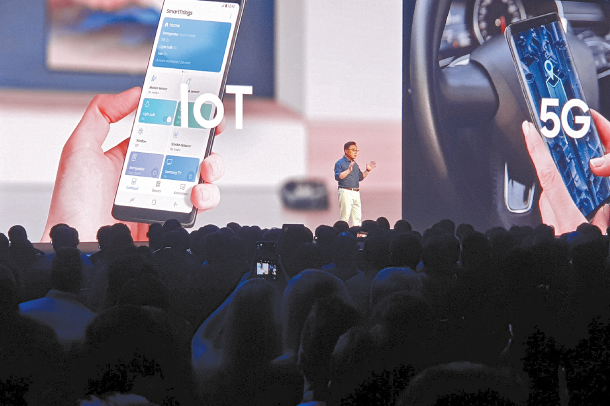
    Koh mentioned 5G connectivity, artificial intelligence and the Internet of Things as breakthrough technologies that will help Samsung compete.

    “While we have been maintaining leadership with 4G over the past decade, 5G, AI, IoT and augmented reality will offer a new opportunity in 2019.”

    He added that foldables will achieve another leap when such technologies become reality and are combined with the device.

    “Next year will be the 10th anniversary of Galaxy smartphones, and it’s very meaningful to me,” he said. “We will be coming up with an impressive Galaxy S10 as well.”

  • Chinese white goods company Midea announces Rs 1,350 crore new plant in India

    Chinese white goods company Midea announces Rs 1,350 crore new plant in India

    Chinese consumer durables firm Midea aims to manufacture its products locally in the country by next year and is setting up a new facility in Pune at an investment of Rs 1,350 crore. “India is a strategic growth market and we expect our investments in this market to yield good growth. Considering the potential of the market we have committed over Rs 1,350 crore investment for a new facility,” Krishan Sachdev, Managing Director of Carrier Midea India and also Midea Group India region, told PTI.

    “We have a manufacturing facility at Bawal in Haryana and we are strengthening our base here with a second plant in Pune. By next year, 100 percent of our products shall be manufactured locally,” he further told PTI.

    According to a report: He further said that the company is evaluating prospects of exports from India.

    The new facility near Pune, with a technology park, will have three manufacturing units for home appliances, HVAC products and compressors and will also include a manufacturing facility for Carrier Midea India, a 60:40 joint venture between Midea and Carrier.

    The complex is likely to begin commercial operations at the beginning of 2020 and the technology park is expected to generate employment opportunities for over 2,000 people, both directly and indirectly.

    Over a period of five years, the facility will produce refrigerators, room ACs, washing machines, water purifiers, water heaters, commercial ACs and compressors.

    The company, which has been growing at a CAGR of 25 per cent over the last five years, said plans for manufacturing other home appliances categories in a phased manner have been completed.

    Sachdev further said the rupee depreciation has had an impact on their business.

    “Even though we manufacture 70-80 per cent locally, production cost has gone up because some of the components are imported,” he said.

    The company is expecting a good festive season this year with 25 per cent growth and by next year it plans to have IoT enabled product solutions for this market.

    South and East are the leading markets for the company, contributing significantly to the business, while non-metros contribute 30-40 per cent of the overall revenue.

    Midea India plans to double its footprint across the country.

    “For the RAC, which is the refrigeration and air conditioning category, and which contributes 80 per cent of revenues), we are targeting to be in around 5,000 retail outlets before next summer apart from 800 plus sales and service dealers.

    We are constantly looking to expand our reach to consumers. We are already present in more than 400 cities and towns of India,” he further said.

  • New iPhones sell slowly in Korea

    New iPhones sell slowly in Korea

    A week after Apple introduced its latest iPhone series at stores in Korea, sales are only about 60 percent of those reported for the previous lineup over the same period of time. According to estimates compiled by local mobile carriers, a total of 170,000 iPhone XS, XS Max and XR models were purchased between Nov. 2 and Nov. 7. A total of 280,000 iPhones 8 and X models were sold in the first week of their release in November 2017. Sales of the two models began three weeks apart.

    Industry watchers assumed that Apple’s simultaneous release of the three models was designed to garner greater attention and boost sales in the early days.

    However, figures so far show that the latest iPhones are selling more slowly than earlier models.

    “It’s not doing that great,” said an employee at a brick-and-mortar phone shop in central Seoul on Friday when asked if the new iPhones are popular.

    “There’s the expensive price tag, but it also has to do with the fact that there aren’t dramatic function upgrades. To be honest, even I can’t really notice a big difference between the iPhone X and XS. Maybe the next series will come with more innovative features – we’ll see.”

    Price became an issue as soon as Apple introduced the new models. In Korea, the 512-gigabyte iPhone XS Max sells for nearly 1.97 million won ($1,745), while the 256-gigabyte XS retails at 1.56 million won.

    Even the budget XR model is priced slightly below one million won.

    Despite the price concerns, presales have been reasonably strong. SK Telecom, KT and LG U+ took orders between Oct. 26 and Nov. 1.

    Presales results for the three new models differed per company, but the general assessment was that demand was similar or stronger than for previous generation iPhones.

    Presale results don’t necessarily indicate success. Customers who preorder iPhones in Korea, even before actually touching the product, are likely to be loyal Apple fans.

    “The thing about Apple maniacs is that they will get their hands on the next iPhone no matter what,” said a source from one of the mobile carriers.

    “But success doesn’t just come from them. The general public, especially those switching between smartphone brands, should be attracted to buying it, too. The new iPhone seems to be failing in that respect this time.”

    Up until a few years ago, a few manufacturers like Apple and Samsung dominated the smartphone market. Customers nowadays have a much wider ranges of options in terms of price and style.

    Over the last decade, smartphone technology has advanced so much that even budget models priced at half that of the latest iPhones come with high-tech functions, such as face unlock.

    From Apple’s side, there are signs that the company is well aware of the slower demand.

    Japan’s Nikkei Asian Review reported on Monday that Apple told smartphone assemblers Foxconn and Pegatron to halt plans to bring on additional lines for iPhone XR production. All companies involved declined to comment.

  • Samsung steps up Microsoft cooperation

    Samsung steps up Microsoft cooperation

    Samsung Electronics Vice Chairman Lee Jae-yong met with Microsoft CEO Satya Nadella in Seoul Wednesday and vowed to increase cooperation with the U.S. company in artificial intelligence and cloud computing. Nadella is visiting Seoul this week for the first time in four years and delivered a keynote speech at Microsoft Korea’s “Future Now” artificial intelligence (AI) conference Wednesday.

    The two met in the morning before the conference and agreed to step up partnership in artificial intelligence, cloud computing and big data, said a Samsung spokesman.

    Microsoft currently uses Samsung’s semiconductors for cloud servers, and Samsung could sell more of its chips to the American partner in the near future.

    Media reports in Seoul say, as a result of the meeting, some Samsung devices, including smartphones, will be embedded with Microsoft cloud services in the future. Samsung already uses Azure, a Microsoft cloud computing platform, for its system air conditioners to collect data on the surrounding environment, including temperature and humidity, so the machines run more efficiently.

    The two executives might meet on a regular basis and exchange ideas on tech development, according to reports. The two leaders met in Seoul four years earlier.

    During his keynote speech at the conference at a hotel in western Seoul, Nadella mentioned Samsung as one of several Korean companies that had developed offerings based on Microsoft’s Azure platform.

    “Take the example of Samsung Electronics’ IoT [Internet of Things]-based air conditioner that runs on Azure. By taking into account environmental factors, like the number of people, the smart air conditioner can save up to 25 percent in energy and 30 percent in costs,” he said.

    Other sections of the Microsoft CEO’s speech were centered around the need to use artificial intelligence responsibly.

    “We need to ask ourselves not only what computers can do, but what computers should do,” he said, addressing an audience of over 1,500 programmers and businesspeople.

    He also spoke of the necessity to find ways to develop AI for “people who don’t have the ability to participate” in the digital economy.

    As an example, Nadella shared the case of Korea University Prof. Lee Seong-whan using Microsoft’s deep learning Cognitive Toolkit. Lee, who heads the brain and cognitive engineering department, analyzes brain signals in the development of computer systems that amputees can use to move prosthetic arms or robotic arms.

    Earlier on Tuesday, Samsung hosted “Tech Forum 2018,” an event for developers in Silicon Valley. Around 150 developers and designers were invited to the Samsung Research America center there.

    Kim Hyun-suk, president and CEO of Samsung’s consumer electronics division, said in opening remarks that the company was developing many “unfamiliar acquaintances,” which he believes will shape Samsung’s future innovation.

    “Samsung encounters a vast number of customers, rapidly changing technologies and new staff from various backgrounds,” he said. “Our strength is in selling more than 500 million consumer devices a year. We will expand contact points with our customers to reach into the smallest corners of their living spaces and bring innovation to their lifestyles in general.”

    Kim added that in terms of working with various employees, the company will continue to develop a corporate culture where global staff can cooperate and freely suggest ideas. Samsung also introduced the company’s developments in future technologies and held open discussions.

  • Vingroup acquires mobile phone retailer Vien Thong A

    Vingroup acquires mobile phone retailer Vien Thong A

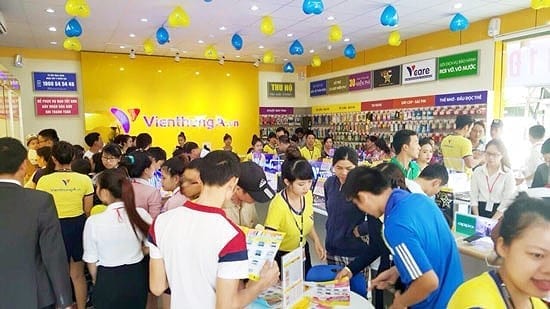
    Vietnam’s biggest private conglomerate Vingroup has officially confirmed its acquisition of major tech products retailer Vien Thong A.

    In its financial statement for the third quarter of 2018, Vingroup lists Vien Thong A Import Export Trading Production Corporation as a fully-owned subsidiary.

    On September 14, Mai Thu Thuy, board member of the Vincom Retail Joint Stock Company and Chairwoman of the Vincom Mega Mall Royal City, was appointed legal representative of the acquired company.

    Established in November 1997 in Ho Chi Minh City, Vien Thong A is the oldest retail technology chain in Vietnam. It has nearly 200 stores, including independent shops and a “shop-in-shop” model in BigC supermarket, CoopMart, and 100 service centers.

    In early 2017, Vien Thong A CEO Hoang Ngoc Vy revealed plans to restructure the company and seek investors to expand its business.

    Last month, VinCommerce, a member of Vingroup, bought Fivimart from domestic company Nhat Nam JSC and Japanese retailer AEON, which held 70 percent and 30 percent stakes, respectively.

    In the first nine months of this year, retail sales of Vingroup reached VND12.89 trillion (nearly $555 million), a 41 percent year-on-year surge.

    Vingroup, Vietnam’s biggest property conglomerate, dominates the housing and property markets with Vinhomes.

    It has also entered the healthcare market with Vinmec, runs a chain of supermarkets called Vinmart, and entertains tourists at Vinpearl resorts.

  • Apple’s India profit zooms 140 pc to Rs 896 cr in FY18

    Apple’s India profit zooms 140 pc to Rs 896 cr in FY18

    Tech giant Apple’s India unit registered 140 percent jump in its net profit at Rs 896.3 crore for the fiscal ended March 2018, as per regulatory documents filed by the company. According to a report: The iPhone maker, which competes with the likes of OnePlus and Samsung in the premium smartphone category in India, had registered net profit of Rs 373.3 crore in 2016-17, the documents filed with the Corporate Affairs Ministry showed.

    The company saw its total income (including other income) rising about 12 percent to Rs 13,097.6 crore in FY2018 from Rs 11,704.3 crore in the previous financial year, documents sourced by business intelligence firm Tofler showed.

    During the company’s earnings call in July, Apple CFO Luca Maestri had stated that Apple was witnessing great momentum in emerging markets and that it had established new June quarter records for Mac sales in India.

    Earlier in the year, Apple CEO Tim Cook, too, had emphasised the importance of the Indian market. He had said the company plans to launch all its initiatives, including retail, in India where it has an extremely low overall market share but offers huge opportunities. The CEO also stated that Apple was putting a lot of energy in India and working with the carriers in the market.

    The company has also been steadily increasing its market share in the burgeoning Indian smartphone market. According to Counterpoint Research, the company had a 25 percent market share in the premium category (Rs 30,000 and above) — after OnePlus (30 percent share) and Samsung (28 percent share) — in the third quarter of 2018.

  • Smartphone parts makers struggling

    Smartphone parts makers struggling

    Korea’s smartphone parts industry has been in decline. Squeezed by price-competitive Chinese producers and a saturated market, it is losing sales and workers. The difficulties faced by suppliers just add to Korea’s manufacturing concerns, as profits slump at automobile companies and as the semiconductor supercycle seems to be coming to an end.
    An analysis published on Nov. 4 based on responses from 42 locally-listed smartphone parts producers indicates over 3,700 jobs and 2.6 trillion won ($2.3 billion) in revenue have been lost in the business over the past five years. The analysis compared financial statements issued in the first half of 2013 with those from the first half of 2018 by producers of smartphone covers, cameras, circuit boards and touch screens.

    Combined revenue for the 42 firms in the first half in 2018 stood at 5.69 trillion won, down 31.4 percent over the past five years from 8.29 trillion won. Twenty-six of them, or 61.9 percent, reported a drop in revenue over that time. Combined operating profit at the 42 companies collapsed, falling from 497.8 trillion won five years ago to a loss of 6.3 trillion won in the first half of this year. Net margins for the group was negative 0.11 percent. Nineteen of the companies, or 45.2 percent, are reporting operating losses.

    The trend is in line with the results at major electronics companies. LG Electronics’ mobile communications division has been reporting operating losses for four consecutive years.

    Smartphone components producers have faced significant job losses, with total employment falling from 20,613 to 16,818. Only four companies, or 9.5 percent of those surveyed, reported a rise in revenue, operating profit and jobs over the five-year period.

    SMAC, a Kosdaq-listed supplier for Samsung Electronics of touchscreen modules for smartphones, recorded 26.5 billion won in revenue in the first half. That is about 10 percent of the revenue it posted in the first half of 2013. Operating loss for the first six months of this year was 5.8 trillion won.

    “Our earnings results were challenged as the average period in which people switch smartphones lengthened from two to three years and technological changes came quickly,” said an executive at the company.

    People & Telecommunication, another Kosdaq-listed manufacturer, was the victim of embezzlement by its majority shareholder of as much as 20 billion won last month. Once the country’s leading phone cover producer, it is now suspended from trading on the exchange.

    Experts say that local smartphone producers failed in solidifying their position as the market stagnated.

    According to Strategy Analytics, smartphones shipments will total 1.48 billion units this year globally, retreating for the first time since 2007, the year Apple introduced its first smartphone. Samsung is projected to ship 298.5 million smartphones this year, according to the market researcher, registering a figure below 300 million for the first time since 2013. LG Electronics is facing weakness except in North America.

    Rapidly advancing technologies are weighing on component producers. Smartphone used to have thin-film-transistor liquid-crystal display panels, but now, organic light-emitting diode panels are utilized.

    Even though smartphones are adding more cameras – two or three at least – smaller players in Korea are pressed to keep innovating.

    “Even before we have finished depreciating production facilities, we have to invest again in new facilities,” said an executive at a camera module producer. “Profitability is feared to be damaged.”

    Samsung Electronics is having Chinese manufacturers assemble its medium and low-cost models for the Chinese market, with the goal of maintaining its global smartphone market share of 20.2 percent.

    Samsung is scheduled to release Galaxy A6s this month in China, which has been developed and produced by Wintech, a Chinese company.

    “Even though Samsung said that the Chinese-manufactured models are only for the Chinese market, it means parts made by China will naturally increase,” said an executive at one of the parts producers.

    Smartphone parts makers are trying to find new business or diversify their supply channels. Kim Hak-kwon, CEO of Jaeyoung Solutec, a smartphone camera optical components maker, says he has pinned hopes on the resumption of operations at the Kaesong Industrial Complex. The components require sophisticated manual labor, and using skilled North Koreans is seen to improve the situation.

    Others are looking towards developments on the software side of the business.

    “Smartphone Cinderellas – software-based start-ups – are supposed to be a breath of fresh air for the industry,” said Sohn Dong-won, professor of business administration at Inha University.
  • LG, E-mart develops smart-cart robot

    LG, E-mart develops smart-cart robot

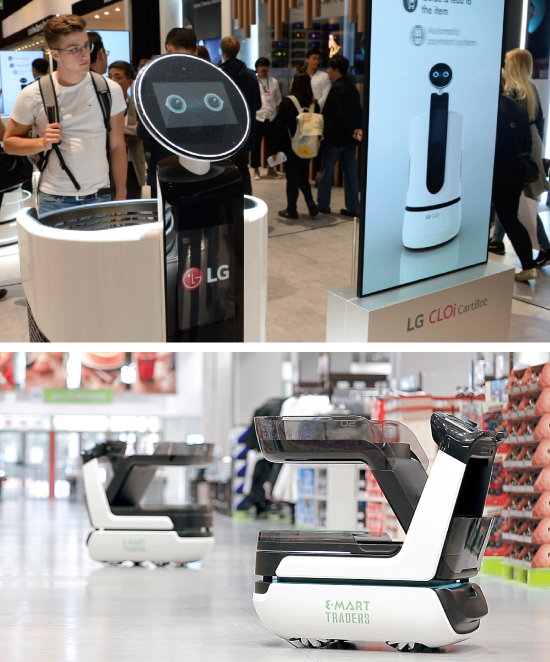
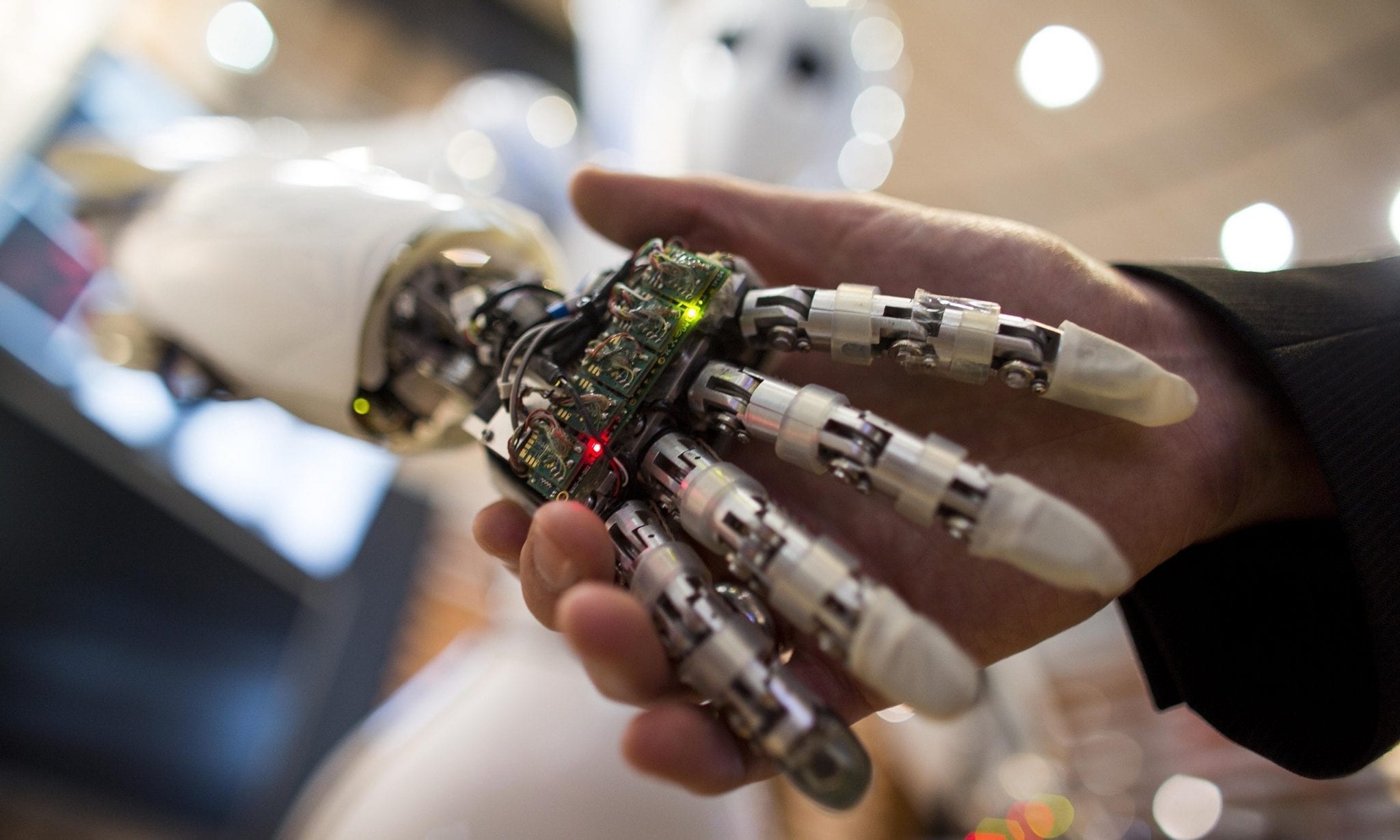
    LG Electronics has signed an agreement with E-mart to develop a new type of service robot that can assist shoppers at its South Korean supermarkets. Under the agreement, the two companies will develop what they call a smart-cart robot that can automatically identify obstacles and follow shoppers as they walk through aisles. LG said the new robot will free visitors from the hassle of pushing heavy carts by themselves.

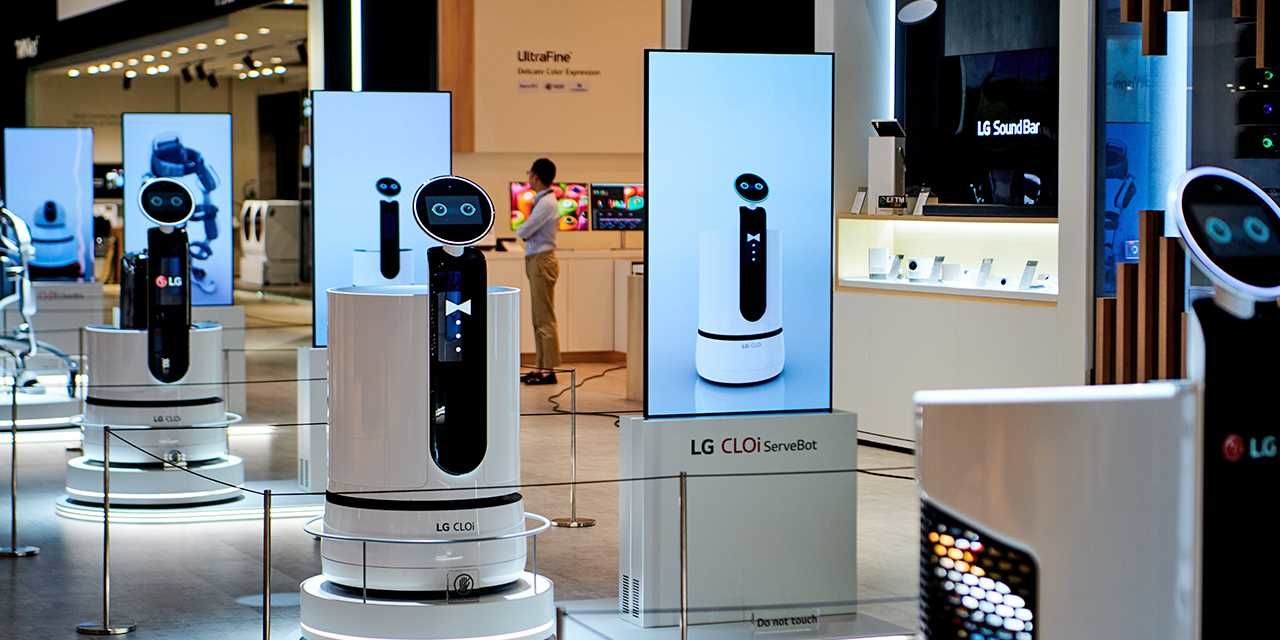
    The South Korean tech giant said the robot will be developed by its research lab, which has been releasing various robots under the CLOi brand.

    So far, LG has released eight different products under the brand, which are suited for different tasks, including guiding, cleaning and even mowing lawns. The company unveiled the CLOi SuitBot, which can help workers lift and move heavy objects easier as well.

    LG said it has been making efforts to bolster its robot business by joining forces with different clients, including airports, bakeries and retail shops.

    CLOi stands for clever, clear, close operating intelligence, LG said.

    The company has been making investments in robotic firms, including Robotis, AI startup Acryl and US-based robot maker Bossa Nova Robotics.

  • Latest iPhone models sell well in first week out in Korea

    Latest iPhone models sell well in first week out in Korea

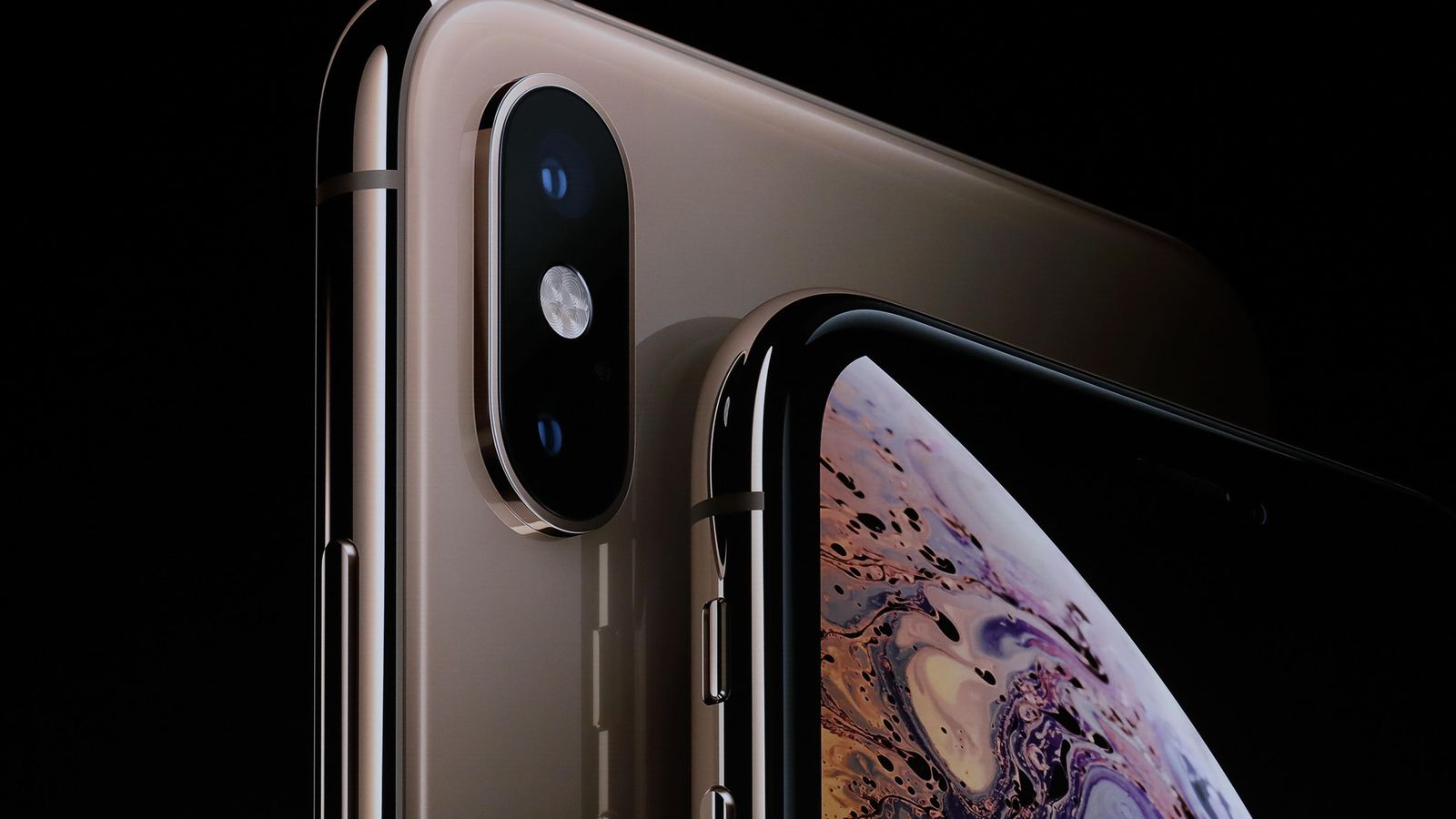
    After a week of presales, Apple’s new series of iPhones officially rolled out in the Korean market Friday. The response for the three phones – iPhone XS, XS Max, and the budget XR model – has been good.  According to local mobile carriers, the trio attracted the same number of or slightly more preorders than the previous iPhone generation: the iPhone X and the iPhone 8.

    “Overall, the new phones are generating more interest than the previous series,” a spokesperson from KT said. “Though the iPhone XS is getting more attention than the XR.”

    Presales data from Korea’s largest mobile carrier SK Telecom released Friday shows that 62 percent of the preorders were for iPhone XS, while 26 percent were for iPhone XS Max and 12 percent for the iPhone XR.

    The most popular color option was gold for iPhone XS and XS Max, followed by space gray and silver. For iPhone XR, black and white models led.

    The new phones are big with the young. About 30 percent of the early buyers were women in their 20s, according to SK Telecom. People in their 20s including men accounted for half of all customers making early reservations for the iPhones.

    “Younger people seem to be more interested in buying the new iPhones,” SK Telecom said in statement.

    As for storage, the 256 gigabyte (GB) option was the most popular for both iPhone XS and iPhone XS Max. Considering users have to pay over 1.8 million won ($1,611) for the 512GB option, many customers favored the slightly less pricey option. For iPhone XR, the mid-priced 128GB option was more popular than units with 64GB or 256GB of storage.

    It will take time to judge the true demand for the new phones from Apple, and questions are being raised as to whether the brand is up against the limits of efficiency gains and losing momentum.

    Apple posted $14.1 billion in net profit in the third quarter, up 32 percent year on year. Investors focused on weak unit sales and weaker-than-expected revenue guidance for the fourth quarter. Apple said it sold 46.89 million iPhones in the third quarter, a mere 0.4 percent increase year on year and below analyst expectations of 47.5 million unit sales. The revenue increase came from higher pricing.

    The U.S. phone maker also announced that starting next year it will not be reporting a breakdown of sales by product line. Luca Maestri, chief financial officer at Apple, said in a conference call Thursday that unit sales are no longer a good measure of the company’s performance.

    Apple stock fell by as much as 7.4 percent in aftermarket trading.

  • LG Electronics launches new design

    LG Electronics launches new design

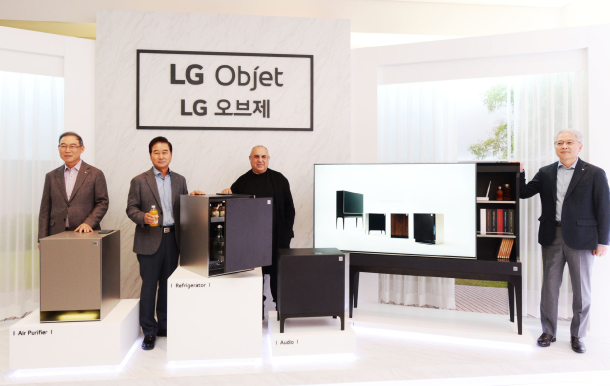
    LG Electronics has introduced a premium brand that combines furniture design with home electronics. The company rolled out four products under the LG Objet name at a press conference held Thursday in Gangnam District, southern Seoul: a mini refrigerator, an air purifier, a speaker and a television.

    “The thing about home electronics is that they are placed mostly in kitchens or living rooms but rarely inside bedrooms,” said Song Dae-hyun, LG’s president for home appliances. “Bedrooms, on the other hand, only have furniture, so in the last few years, we thought about ways to make home electronics coexist in that space.”

    All four items are covered with hard wood.

    Another way in which LG worked to make the appliances look more like furniture was to reduce the size of external features typical to electronic devices, like buttons or small screens. They are simplified or hidden in less visible areas of the product. An exception is the television, with its 65-inch screen, but LG added a furniture-like touch to it by placing a cabinet behind a sliding television screen.

    The fridge and the air purifier won Red Dot and iF design awards. Architect and industrial designer Stefano Giovannoni was involved in the development of the products.

    In terms of function, LG utilized technology to make the devices more appropriate for bedrooms.

    A compressor is a core component in a refrigerator, and it tends to be noisy. LG Objet’s refrigerator utilizes the type of cooling found in wine cellars to make the product quiet.

    For customers using the refrigerator or the air purifier as a bedside table, LG enabled a corner of the top surface to work as a wireless charger for portable devices.

    Song said during the press conference that he believes affluent customers in their 50s and 60s with strong purchasing power will be a source of demand as they look for ways to decorate their private spaces.

    The refrigerator and the air purifier are priced at 1.99 million won ($1,760); the speaker, 1.49 million won; and the television, 9.99 million won. The products were made available for sale at LG Best Shops starting Thursday.

    This is LG’s second high-end home appliances brand after the LG Signature series, introduced in 2016. Apart from sales, the other goal of LG’s premium product expansion is to maintain a leadership in the sector.

  • Apple profit driven by higher iPhone models

    Apple profit driven by higher iPhone models

    Tech giant Apple Inc. may not have sold as many iPhones during the quarter ending September 30, but the company’s pricier models are driving its profits higher than ever. The California-based company reported it sold about 46,889 iPhones during the quarter, almost the same number of iPhones sold in the previous corresponding period.

    Apple was selling its iPhone ASP at $793 during the quarter compared to the $618 price of the unit in the corresponding quarter a year ago. The company has also introduced the iPhone XS in September at a price starting $999 and the iPhone XS Max which costs about $100 more than the XS model.

    The tech company has posted a 20 per cent increase in its quarterly revenue for the quarter to $62.9 billion, and quarterly earnings per diluted share of $2.91, up 41 per cent.

    International sales accounted for 61 per cent of the quarter’s revenue.

    Apple’s services revenue has seen a 27-per cent increase of $10 billion.

    “We’re thrilled to report another record-breaking quarter that caps a tremendous fiscal 2018, the year in which we shipped our two billionth iOS device, celebrated the 10th anniversary of the App Store and achieved the strongest revenue and earnings in Apple history,” said Tim Cook, Apple’s CEO.

    Cook said with their recently introduced new versions of iPhone, Apple Watch, iPad and Mac, and the company’s four operating systems, they have entered the holiday season with their “strongest lineup of products and services ever.”

    “We concluded a record year with our best September quarter ever, growing double digits in every geographic segment. We set September quarter revenue records for iPhone and Wearables and all-time quarterly records for Services and Mac,” said Luca Maestri, Apple’s CFO. “We generated $19.5 billion in operating cash flow and returned over $23 billion to shareholders in dividends and share repurchases in the September quarter, bringing total capital returned in fiscal 2018 to almost $90 billion.”

    Apple is looking at a revenue of between $89 billion and $93 billion for the first quarter of the 2019 fiscal year, a gross margin of 38 per cent and 38.5 per cent, and operating expenses between $8.7 billion and $8.8 billion.

    Apple’s board of directors has declared a cash dividend of $0.73 per share of the Company’s common stock. The dividend is payable on November 15.

    Neil Saunders, managing director of GlobalData Retail, said the quarter’s results underlines all of the innovation the company has put into its suite of products over the past year.

    “Admittedly, the new iPhone XS and XS Max versions, along with Apple Watch Series 4, were only available at the very end of this quarter, but we still believe they had a positive material impact on sales,” Saunders said.

    Saunders said with the tech giant’s strong release of products, the potential launch of new services, and more sessions being added to better stores, Apple has set itself up for another year of growth.

  • Make Vietnam your largest strategic base, PM urges Samsung

    Make Vietnam your largest strategic base, PM urges Samsung

    PM Nguyen Xuan Phuc has suggested that Samsung expands its scale to make Vietnam the group’s largest strategic base. Receiving Lee Jae Yong, vice chairman of Samsung Group, in Hanoi on Tuesday, Phuc said Samsung should not just stop at making Vietnam its largest smartphone production base.

    He suggested the South Korean giant expands its business to other major fields like semiconductors, infrastructure and energy in Vietnam rather than focusing mainly on manufacturing and assembling electronic products, as it has been doing so far.

    A statement posted on the government’s website cited the prime minister as saying that Samsung should work towards building its largest strategic base in the country.

    He also wanted Samsung to continue providing practical support in terms of training and technology transfer to assist Vietnam’s supporting industry.

    As Samsung is making a significant contribution to developing e-government in South Korea, the PM suggested it does the same for Vietnam.

    He promised that the Vietnamese government will keep creating favorable conditions for Samsung’s operations in the country.

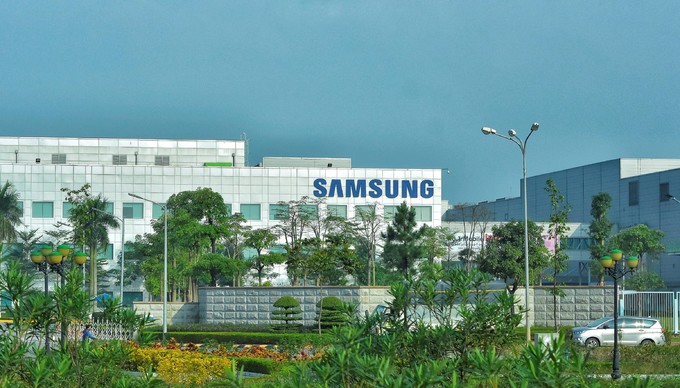
    Samsung Electronics Co. has invested $17.3 billion in eight factories and one research and development center in Vietnam, creating jobs for more than 160,000 locals.

    Exports from Samsung Electronics’ factories in Vietnam totaled $54 billion last year, it said.

    In April, CEO Koh Dong-jin of Samsung Electronics told PM Phuc that the company was determined to further expand production in Vietnam.

    He said Samsung will recruit more Vietnamese employees and develop electronics in smart cities in Bac Ninh province in the northern region and other places.

    Samsung is the largest foreign investor in Vietnam and accounts for around a quarter of the country’s total export revenue. It operates two cellphone factories in Bac Ninh and Thai Nguyen provinces in northern Vietnam.

    The factories produce around half of all the cellphones that Samsung supplies to the global market.

  • WK Life launches its flagship store at Mall of India

    WK Life launches its flagship store at Mall of India

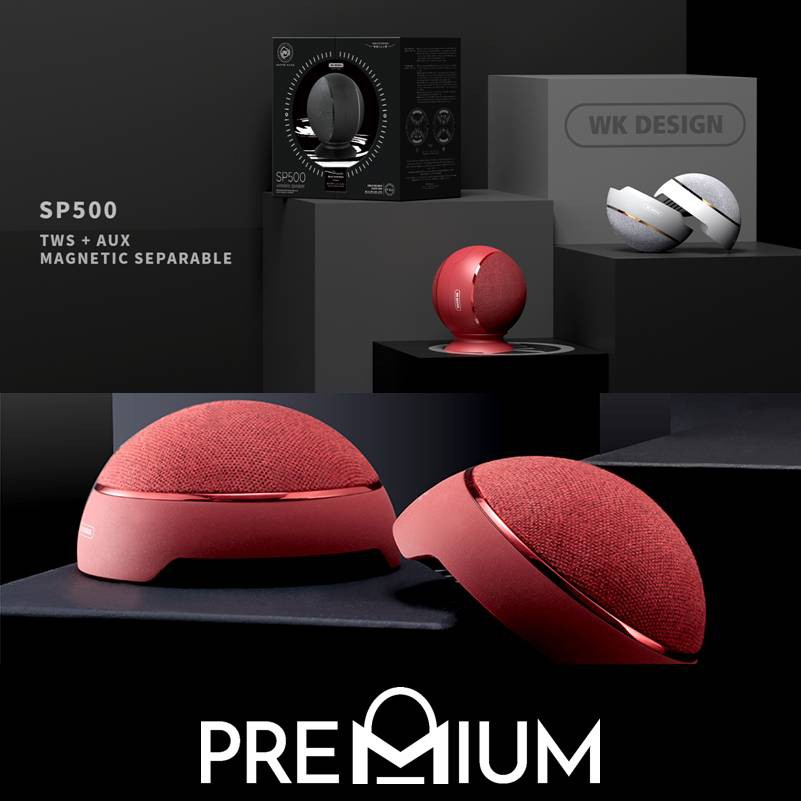
    Electronics and accessories retailer WK Life is launching its first Indian flagship at DLF Mall of India, Noida. The firm is entering the Indian market on the strength of its more than 1000 outlets in 60 countries worldwide. The 1000sqft flagship stocks a broad range of the brand’s products designed according to the ideas of its customers.

    WK Life director Rohit Sahni said the launch of the company’s first store in India is a significant achievement. “The decision to enter the Indian market has been driven by the anticipated growth in this untapped sector which is worth ₹10,000 crore.”

    WK Life retails bluetooth speakers, laptop accessories, travel luggage and gear, household electronic articles and car accessories.