Category: Electronics

Retail News Asia is committed to providing both local and global retailers with the latest Electronics news throughout the Asian market. This on a daily base.

  • Xiaomi is coming to UK

    Xiaomi is coming to UK

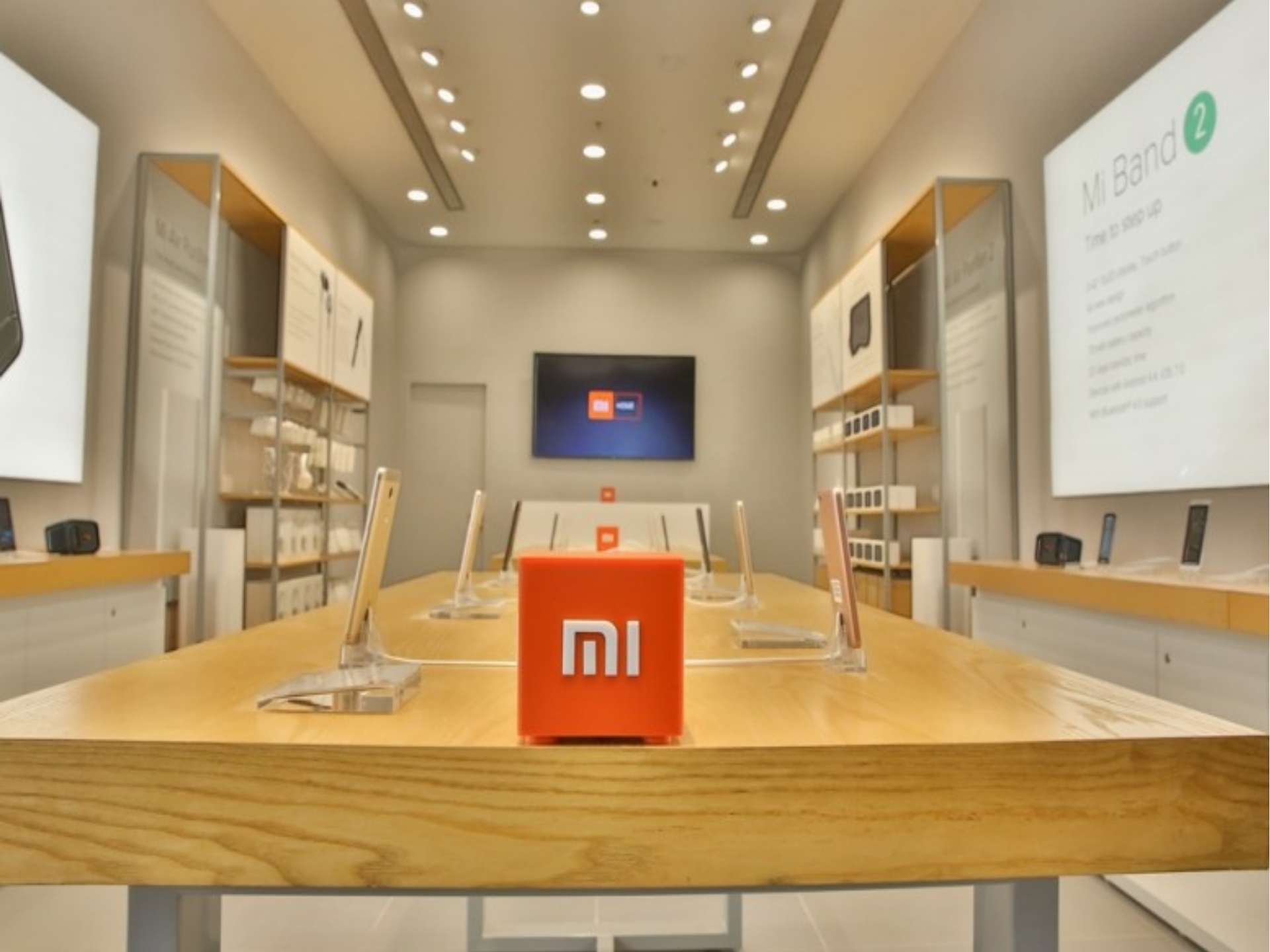
    Xiaomi will open its first store in the UK next week. The fast-growing Chinese electronics company will also sell its smartphones through the Three network, giving the brand exposure in hundreds of stores across the UK and in the Republic of Ireland.

    The Xiaomi UK launch follows openings in Spain and Paris as it joins other major global phone brands fighting for European market share.

    The first store, to be located in Westfield London, will open on November 10 and besides smartphones, will sell consumer electronics and accessories.

    In a Tweet, Xiaomi global spokesperson Donovan Sung wrote: “Excited to announce that Xiaomi will be officially entering the UK. See you all in London!”

    Just eight years after its launch, Xiaomi is now sold in 80 countries and boasts 200 million users. Already the fourth-largest smartphone brand in the world, behind Samsung, Huawei and Apple, Xiaomi sold 28.5 million handsets in the first quarter of this year.

  • Xiaomi’s Pocophone F1 to go on sale next month in Korea

    Xiaomi’s Pocophone F1 to go on sale next month in Korea

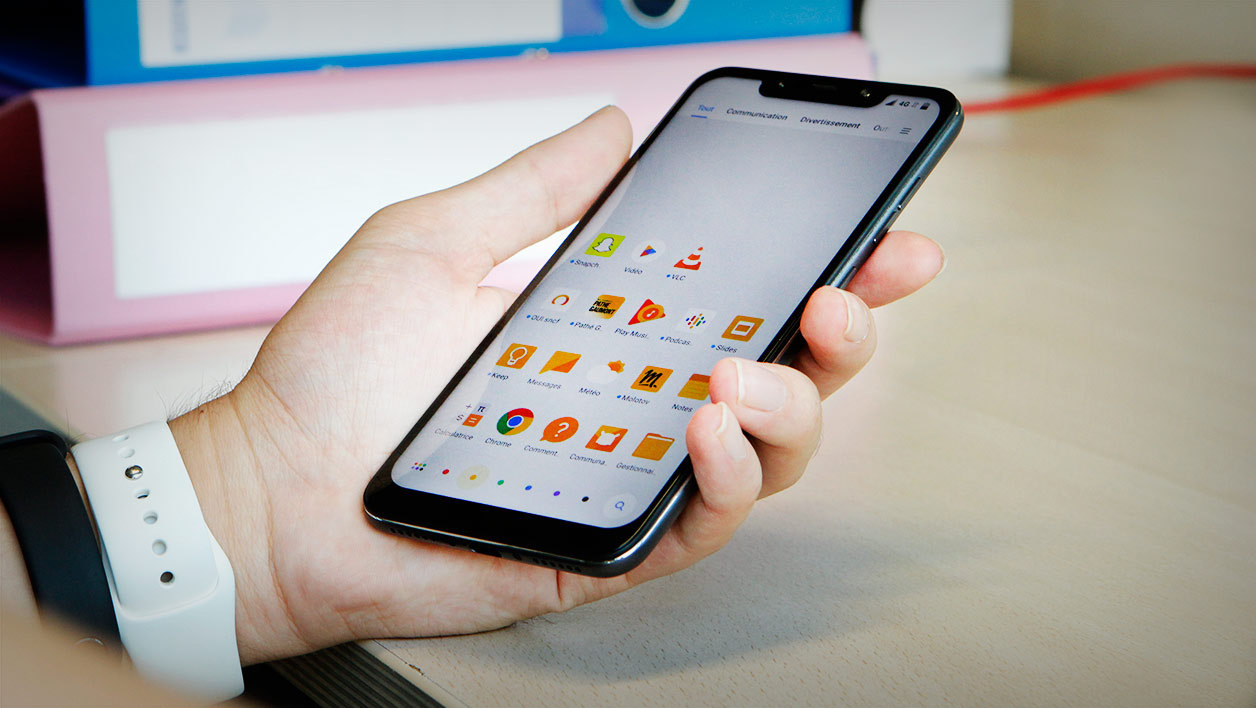
    Xiaomi’s affordable smartphone Pocophone F1 is arriving in Korea next month. The Pocophone F1, the first smartphone from Xiaomi’s sub-brand Poco Global, was first unveiled in early August. The F1 will cost 429,000 won ($376) here, around one-third of the price of an Apple iPhone XS and half the price of Samsung Electronics’ Galaxy Note 9.

    The phone has already proved to be a success in other markets, especially in India, where it raised 30 billion won in sales within the first five minutes.

    The F1 comes with six gigabytes of RAM and three storage options: 64, 128 or 256 gigabytes. In Korea, only the 64 gigabytes will be available for purchase. SK Telecom, KT and LG U+ will start receiving preorders from Nov. 12.

    Jay Mani, the head of product for Poco Global, said the core motivation for developing the Pocophone F1 was the market trend where fierce competition drives manufacturers to add all kinds of new functions and features that aren’t relevant to everybody.

    “So the phones you have today – they have all these new functions but many do not appreciate them, nor are they excited about them, and yet the prices have come up to the current level,” he said in a press conference held in southern Seoul on Monday. “We wanted to buck this trend.”

    The Pocophone F1 focuses on performance. Inside its plastic body, the F1 uses the same processor chip as the Galaxy Note9 and LG Electronics’ latest V40: the Qualcomm Snapdragon 845. Its battery storage is 4,000-milliampere hour, larger than most phones released this year and equivalent to the Note9. To ensure its high speed, the F1 has a cooling system that keeps the phone’s temperature down. The hotter a device, the slower it gets, said Mani.

    However, it also adds some of the core features used in competitors’ top phones today. For example, the artificial intelligence-embedded camera can add 25 filters while taking a photo by automatically perceiving what the object is, while a camera on the front of the device allows for face recognition.

    “Reaching out to loyalists, that’s something that takes time, but there are also a lot of people who we can make think: ‘Does [my phone and its price] make sense?’” said Mani.

  • Shibuya Apple store reopens after a year of renovation

    Shibuya Apple store reopens after a year of renovation

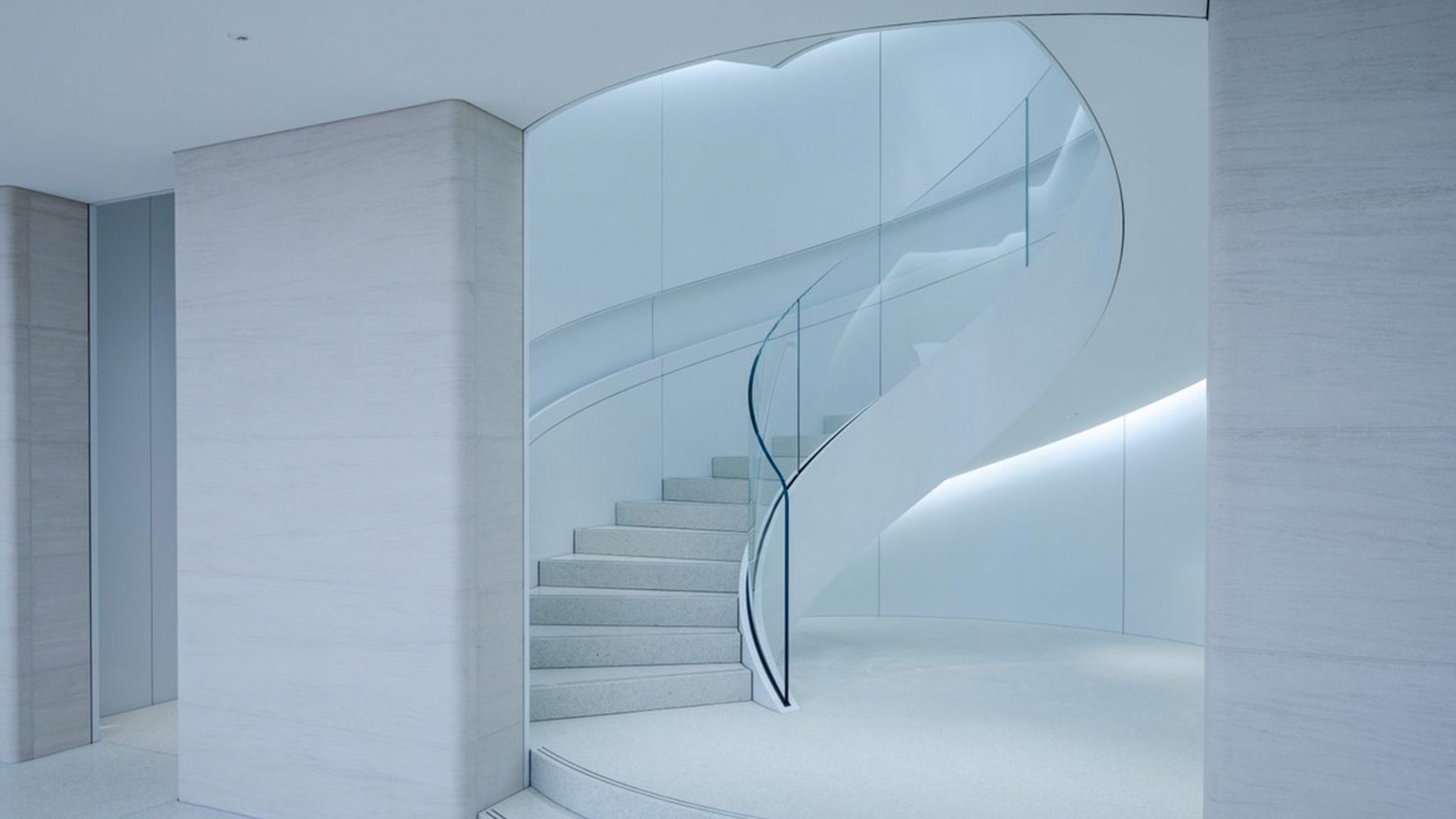
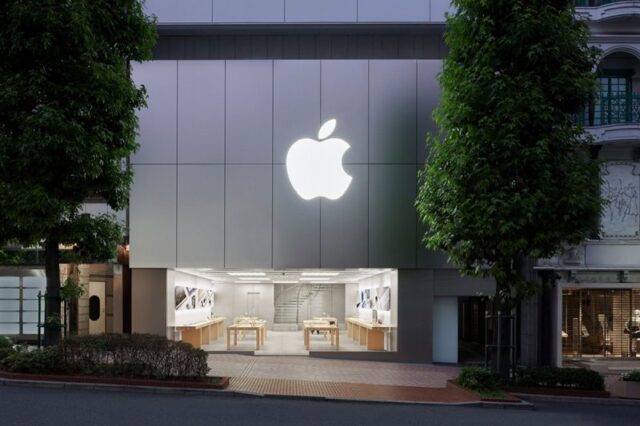
    The Shibuya Apple store in Tokyo has reopened today with striking modern styling, coinciding with the release of the iPhone XR. The new four-storey design features dramatic natural lighting and a new spiral staircase, described as “stunning” by local media. The store, which reserves substantial space for back-of-house activities, took 11 months to transform, during which time two further stores were opened in Japan.

    The original Shibuya store, which opened in 2005 as the fourth in Japan, was also well-known for its distinctive spiral staircase, reflective of Apple’s retail aesthetics at the time. The new design is closer in look to that of the Steve Jobs Theatre.

    Comparing the original design with the revamp offers a unique perspective into Apple’s evolving retail architecture. The earlier version of the store, optimised for the iPad era, has been enlarged vertically rather than relocated to more expansive premises, indicating the importance to Apple of the location over the venue’s suitability for the brand’s contemporary retail features such as its video wall, which is conspicuously absent in Shibuya.

  • LG Electronics starts venture to make in-cabin electronics

    LG Electronics starts venture to make in-cabin electronics

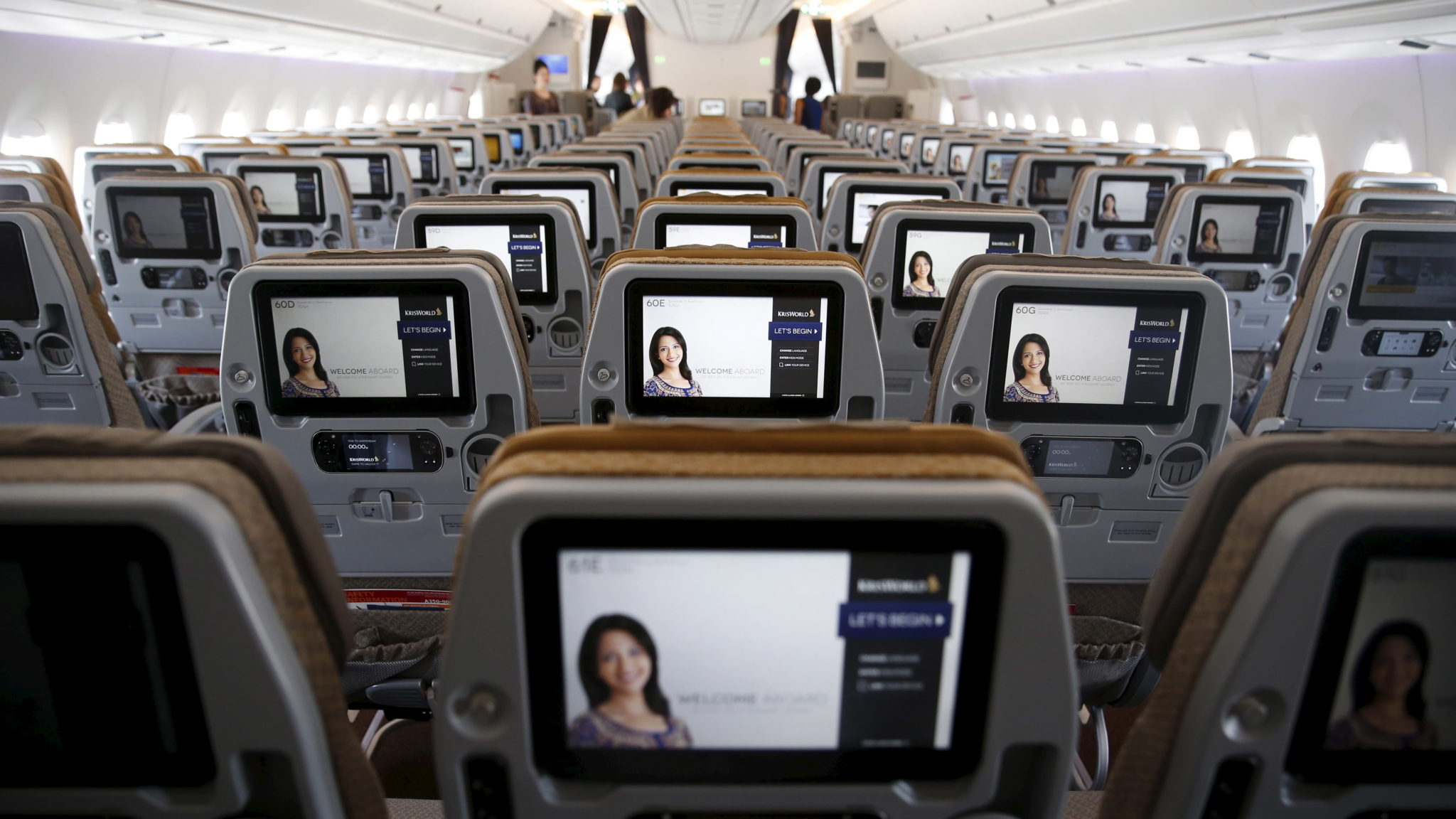
    LG Electronics said Thursday it will establish a joint venture with Germany’s Lufthansa Technik, which will be devoted to developing in-cabin electronics systems. The new venture, whose name has not yet been decided, will focus on developing in-cabin solutions utilizing LG Electronics’ technologies, including its OLED displays.

    Lufthansa Technik is a subsidiary of Deutsche Lufthansa AG, Germany’s largest air carrier.

    The new company will kick off in the first half of 2019, and will be based in Hamburg, Germany. LG did not reveal detailed conditions of the agreement, including the size of the deal.

  • Fair to screen startup hosted by LG

    Fair to screen startup hosted by LG

    Technology-related subsidiaries of LG hosted a fair on Monday in which 20 local start-ups presented their cutting-edge developments in areas such as autopilot technologies, artificial intelligence and big data. The small firms are seeking partnerships with and support from the fourth-largest conglomerate in Korea.

    LG picked the start-ups jointly with the Korea International Trade Association (KITA), hoping to revitalize local start-up ecosystem.

    The conglomerate is providing a venue for the fledgling firms to mingle with their larger counterparts and find new business opportunities.

    LG subsidiaries participating in the event include LG Electronics, LG Display, LG Innotek, LG Chem, LG U+ and LG CNS.

    Executives and researchers from those companies as well as KITA CEO Kim Young-ju paid a visit to the start-up fair, which took place at the LG Science Park in Magok, western Seoul, and had a closer look at technologies and services featured.

    Funnel, for instance, has developed a voice-recognition system that automatically collects information from television broadcasts. The resulting database can be used for artificial-intelligence smart speakers and voice-command chat bots.

    Venta VR owns a technology that is able to tape high-resolution 3D videos and calibrate the video images afterwards in a way that enhances the level of immersion and minimizes visual fatigue.

    LG will offer some of the participating start-ups office and research space inside the LG Science Park as well as technology-related consulting and funds.

    Companies under the LG umbrella have been increasing support for start-ups.

    LG Electronics is backing four start-ups that are in the web operating system business, whereas LG CNS and LG Display have been running their own programs.

    LG-led tech fairs aimed at locating and supporting promising local start-ups have been held in the United States, Germany, Israel and Russia.

    With a German start-up discovered during a tech fair in Europe, LG developed a linear compressor technology for refrigerators.

    LG says it will apply the cooperation system it developed overseas to Korean start-ups and smaller companies.

    “Future cooperation with start-ups will propel their global outreach,” said an executive at the LG Science Park.

  • Samsung offers laptop with millennial style

    Samsung offers laptop with millennial style

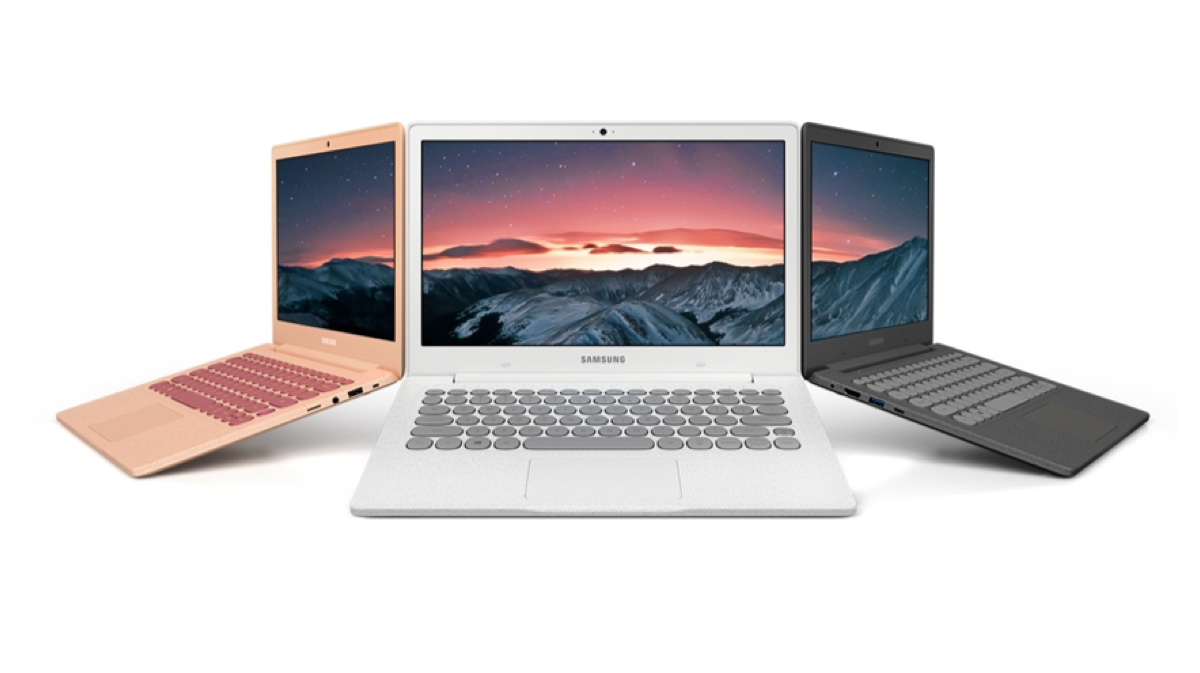
    Samsung Electronics introduced on Monday a laptop it believes will appeal to millennials.  The 13.3-inch computer, the Samsung Notebook Flash, has rounded key caps reminiscent of old typewriters. Its palm rest has a coarse fabric, not conventional metal, which feels comparatively warm, Samsung explained.  The new device is based on the Windows 10 operating system.

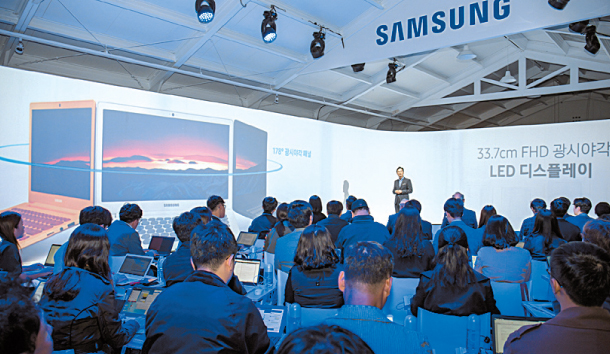
    “We worked with Samsung Design Europe to come up with a refined European model that millennials would want,” said Lee Min-chul, managing director of the company’s PC business unit at a launch event in northern Seoul on Monday.

    The laptop comes in three cover designs: linen white, twill charcoal and soft coral. It is powered by Intel’s latest gigabit WiFi chip, rated for download speeds of up to 1.7 gigabytes per second – a speed that Lee says is currently the fastest.

    The laptop supports universal flash storage, a flash storage that achieves five times the reading speeds of MicroSD technology.

    Fingerprint login capabilities and a secret folder, in which the user can save important files, contribute to a high level of security.

    But at 1.37 kilograms (three pounds), the new device is relatively heavy, weighing much more than typical one kilogram ultra-light laptops.

    For Samsung, a top global vendor of smartphones, semiconductors and TVs, laptops are a weak spot.

    The tech giant ranks behind the six largest players – HP, Lenovo, Dell, Apple, Asus and Acer. Those six have about 89 percent of the global market, according to TrendForce in a February report.

    Samsung, LG and others make up the remaining 11 percent.

    Samsung currently retails laptops only in Korea, the United States, China and Brazil. A full 45 percent of all laptops sold globally are sold in these markets.

    Samsung’s annual shipment of laptops totals about 3.2 million units, according to the company.

    The target for Flash laptop sales in the four target markets is one million units.

    Despite its minimal global presence, Samsung is committed to the laptop business, said Lee, citing the device’s “connectivity” with other devices.

    “PCs are central when it comes to IT devices they support – such as monitors, printers and even mobile phones,” Lee said.

    Laptops have been evolving in different ways in recent years, and Samsung wants to develop hybrid products, including laptops with foldable displays.

    “But it’s not only about hardware. It’s important to provide new usability,” he added.

    Coming in two storage sizes – 64 gigabytes and 128 gigabytes – the Flash laptop carries a price tag of 810,000 won ($717).

    But a model specifically designed for wireless operator KT can be purchased for 8,000 won per month on a 36-month subscription with KT’s internet service and the Olleh internet protocol TV.

  • HTC Opens Flagship Vive Store in China

    HTC Opens Flagship Vive Store in China

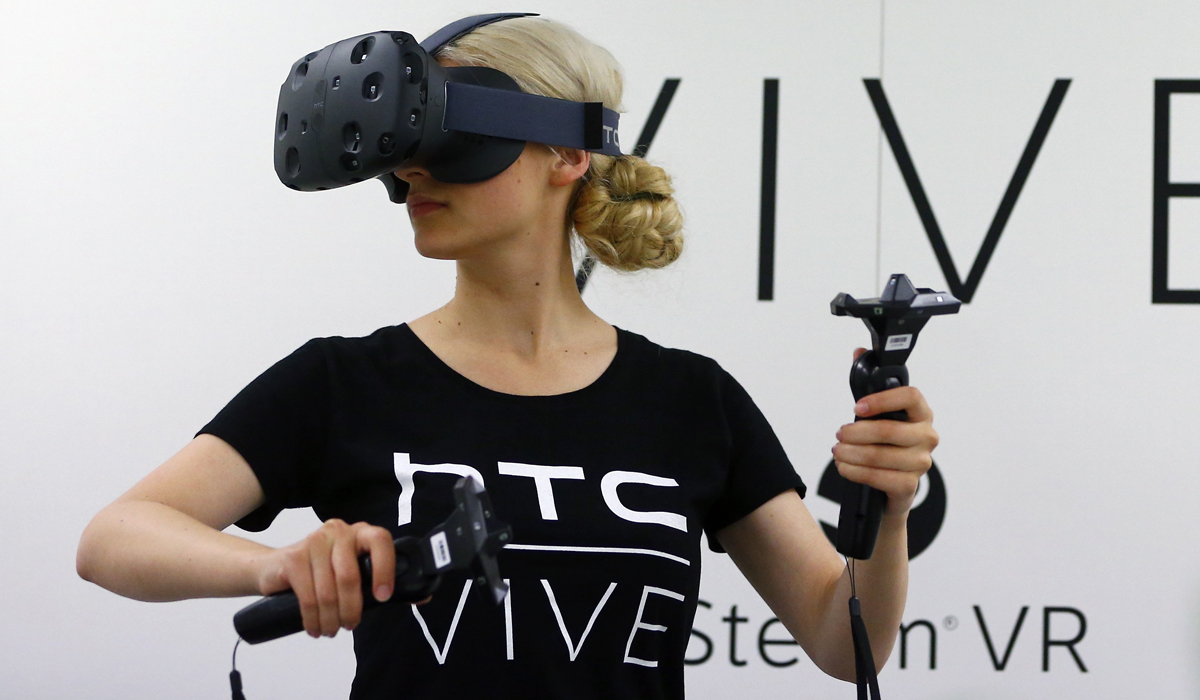
    Taiwanese smartphone maker HTC has opened the doors of its first global flagship store for its Vive VR headset. The Shenzhen store will offer consumers the chance to experience VR technology in a relaxed in-store environment. The brand wants consumers to build a better understanding of how VR works, the content available, and how it can enhance their lives – through entertainment and practical applications.

    HTC launched its first Vive headset three years ago and is now a predominant player in the Chinese VR market, claiming 82 per cent market share at one point last year.

    It is now partnering with video game maker Ubisoft Entertainment, Warner Brothers and the McLaren Formula 1 team to participate in the China Digital Entertainment Expo and Conference, nicknamed ChinaJoy, where it will have a VR gaming carnival.

    HTC has long been running at a loss as sales of its handsets fall in the highly competitive smartphone market and it sees VR technology as an opportunity to return to profitability.

  • Samsung opens its incubation

    Samsung opens its incubation

    Samsung Electronics is opening up its internal incubating program, C-Lab, to young entrepreneurs from outside the company, and it plans to help 300 of them over the next five years. It will incubate 200 internal start-up projects during the same period, bringing the total to 500 by 2023. Expanding support to start-ups is part of Samsung’s massive 180-trillion-won ($158-billion) investment plan announced in August.

    “There were lessons learnt during our last six years running C-Lab inside the company, so we suggested sharing our experience and know-how externally as a way to contribute to solving the problem of youth unemployment,” said Lee Jai-il, vice president of the company’s Creativity & Innovation Center, at a press event held Thursday at Samsung’s R&D center inside Seoul National University.

    Started as an internal program to encourage young staff to freely suggest new ideas, C-Lab has produced substantial results.

    Of a total 230 ideas suggested to C-Lab, 78 eventually became a Samsung product or service while 36 people who had those ideas quit their jobs to establish start-ups of their own.

    Some went as far as to set up offices in Silicon Valley or show their products at the Consumer Electronics Show.

    “Another thing I noticed working with 200 C-Lab teams is that there is a type of person more suited than others to do innovative work,” said Lee. “When it comes to realizing their own idea, these people have a tendency to completely immerse themselves in that task and I believe these are the type of people that will lead this country’s future.”

    Opening the one-year program up to outsiders, Samsung will select 20 external teams every year, mainly in their early stages.

    It already has chosen 15 teams this year and they are working inside the R&D center, which the company built in partnership with Seoul National University last November.

    The center looks more a co-working space, not the typical feel for an office at Samsung, which has a reputation for a hierarchical and inflexible corporate culture.

    Several groups were having discussions inside meeting rooms while smaller groups of three to four worked on laptops on random tables in open spaces.

    The building also has a space equipped with 3-D printers and laser cutters to create prototypes.

    There’s a cafeteria that serves three meals a day on the fourth floor, and across from that is a meeting space that offers a wide view of trees in the campus.

    A Samsung staffer said they tried to create “a soft and cozy space fit for young start-ups.”

    All the facilities in the building are offered for free for a year to C-Lab teams. Other advantages include financial support of up to 100 million won and mentoring from various experts from Samsung.

    “What I’m looking forward to, even more than the infrastructure and financial support, is the possibility to find collaboration points with existing Samsung services or businesses and possibly find new service ideas we couldn’t think of before,” said Jinu Kim, CEO of the mobile app Liner, which is one of the 15 external C-Lab teams.

  • Apple is opening its first flagship store in Bangkok soon

    Apple is opening its first flagship store in Bangkok soon

    Various Thai media outlets are reporting that not one but two Apple Bangkok stores are under construction. The US tech giant is notorious about not commenting on its store plans anywhere in the world, even when branding appears on barriers covering its construction sites. However, the first Apple Bangkok store is scheduled to open at IconSiam, the massive retail and entertainment destination being built on the banks of the Chao Phraya River, which will officially begin trading on November 9.

    Thai business magazine Positioning Magmeanwhile, is reporting a second Apple Bangkok store is being developed outside the giant CentralWorld shopping centre in the heart of the city.

    This will be constructed underground, in similar style to the Apple store near New York’s Central Park, with a glass canopy above the courtyard through which customers can enter, before descending down a curved staircase.

    The Icon Siam store will bear more of a resemblance to the Apple store on Singapore’s Orchard Road, featuring a two-story high glass frontage and most likely overlooking the river.

    Both stores were probably designed by Foster + Partners which has a long pipeline of unique Apple store designs around the globe. Its most recent work was Apple Macau.

    Apple now operates about 500 of its own stores in 24 countries.

  • NEC  launches Open Innovation Centre in Singapore

    NEC launches Open Innovation Centre in Singapore

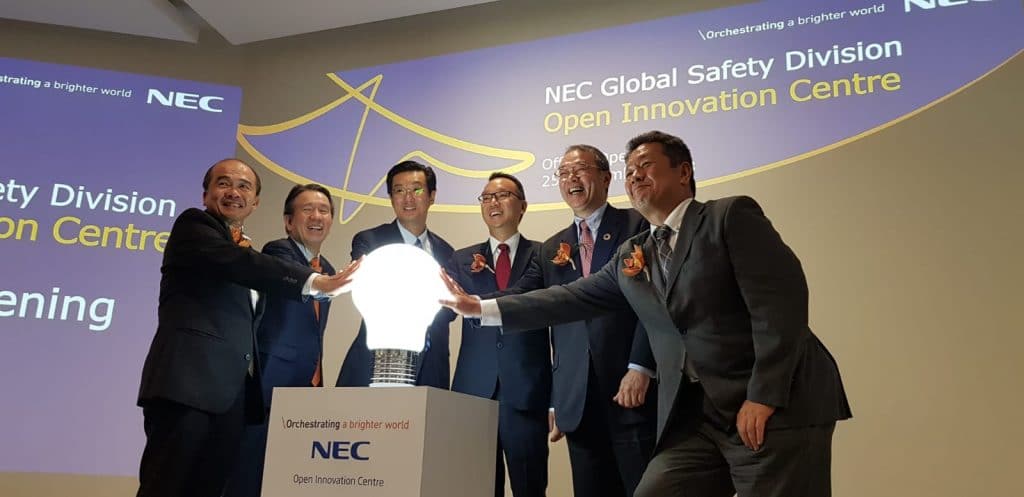
    NEC Corporation announced the opening of the NEC Open Innovation Centre (OIC) in Singapore which forms a part of the wider NEC innovation eco-system, and reaffirms NEC’s commitment to foster open innovation and partnerships with private and public sectors.

    Supported by the Singapore Economic Development Board (EDB), the OIC is part of NEC’s $100 million investment over the five years from 2017 in research and innovation in the Asia Pacific region.

    The Centre, operated by Global Safety Division, is NEC’s first of its kind facility outside Japan which infuses market-leading NEC technology and a deep partner ecosystem to offer cutting edge solutions in areas such as public safety, transportation and aviation.

    The Centre provides a platform where solutions can be translated into realistic and relatable use cases. It houses various revolutionary thematic zones which allow an immersive experience in AI and biometric solutions within the context of daily life. For example in the “home” zone, visitors will be shown how our face can be utilized as a powerful and trusted digital identity to securely access government and commercial services with NEC’s Trusted Digital Identity solution.

    NEC is also at the forefront of advanced ICT solutions for safety, security and efficiency in air travel. With more people flying today as well as heightened security threats, passengers are asked to go through more checks and screenings. All this leads to earnest needs of frictionless travel experience.

    NEC One ID-Single token technology takes travel experience to new heights by providing integrated identity management across the travel process that allows passengers to authenticate their identity online or in person for all stakeholders, ensuring an efficient flow within the airport.

    “We are delighted that NEC has chosen Singapore to establish its first Open Innovation Centre outside of Japan. Singapore’s strong base of enterprises, partners and digital talent offer NEC an ideal location to forge collaborations and translate its strong biometric identification technology into new applications for public safety and commercial domains for Singapore and beyond,” said Ms. Lily Phua, Director of New Businesses, EDB.

    Mr Vinoop Goel, Regional Director in Asia-Pacific from International Air Transport Association (IATA), comments, “With the number of travelers expected to double in 20 years time, the use of technology will be critical for increasing passenger throughput in the existing airport terminals. NEC’s OIC is a good showcase of the technologies that can make air travel more efficient, including IATA’s OneID initiative, and we look forward to implementations of these technologies to improve the passenger experience and enhance the efficiency of airline and airport operations.”

    “The vision of the Open Innovation Centre is to orchestrate a smart and safer city in collaboration with governments and businesses. With a digitally disruptive team at the heart of OIC’s operations, new ideas of approaching public safety can be prototyped and launched within the centre and further deployed in global markets. This is only possible with strong support from our industry partners who are already on board the OIC ecosystem,” said Mr Tan Boon Chin, Managing Director, Global Safety Division, NEC Corporation. “We believe that a trusted digital identity based on biometrics such as facial recognition technology can transform businesses so as to provide secure and frictionless experience across home, city and aviation.”

    NEC has been developing biometric identification technologies for more than 40 years, and systems using NEC’s Bio-IDiom biometrics have been introduced through more than 700 systems in 70 countries and regions around the world. Moreover, earlier this year, NEC’s iris recognition was named the world’s most accurate by the U.S. National Institute of Standards and Technology, which has also recently named NEC’s face recognition and fingerprint recognition technologies as the most accurate.

  • Singtel and Starhub to offer Google Pixel 3 in Singapore

    Singtel and Starhub to offer Google Pixel 3 in Singapore

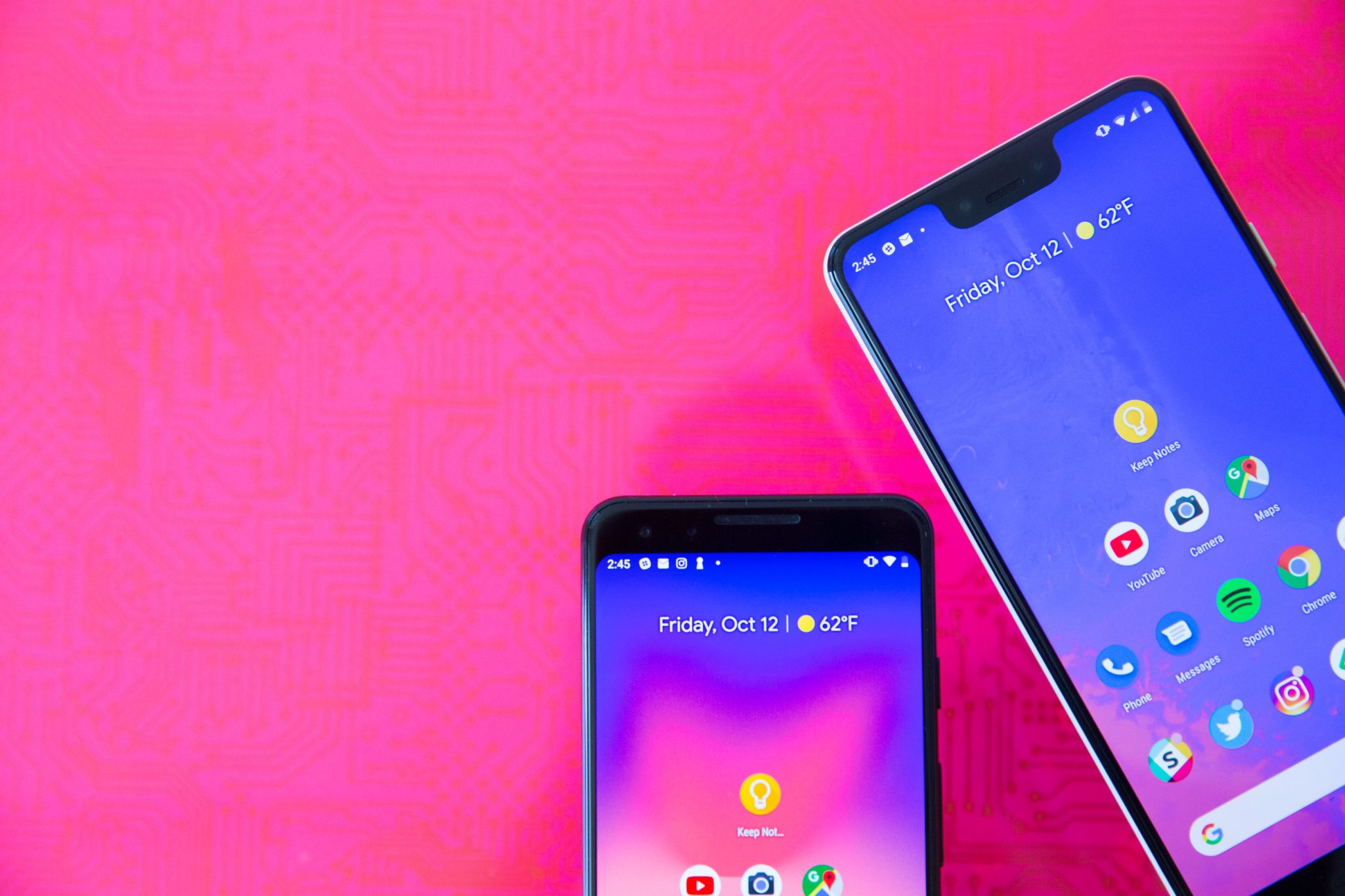
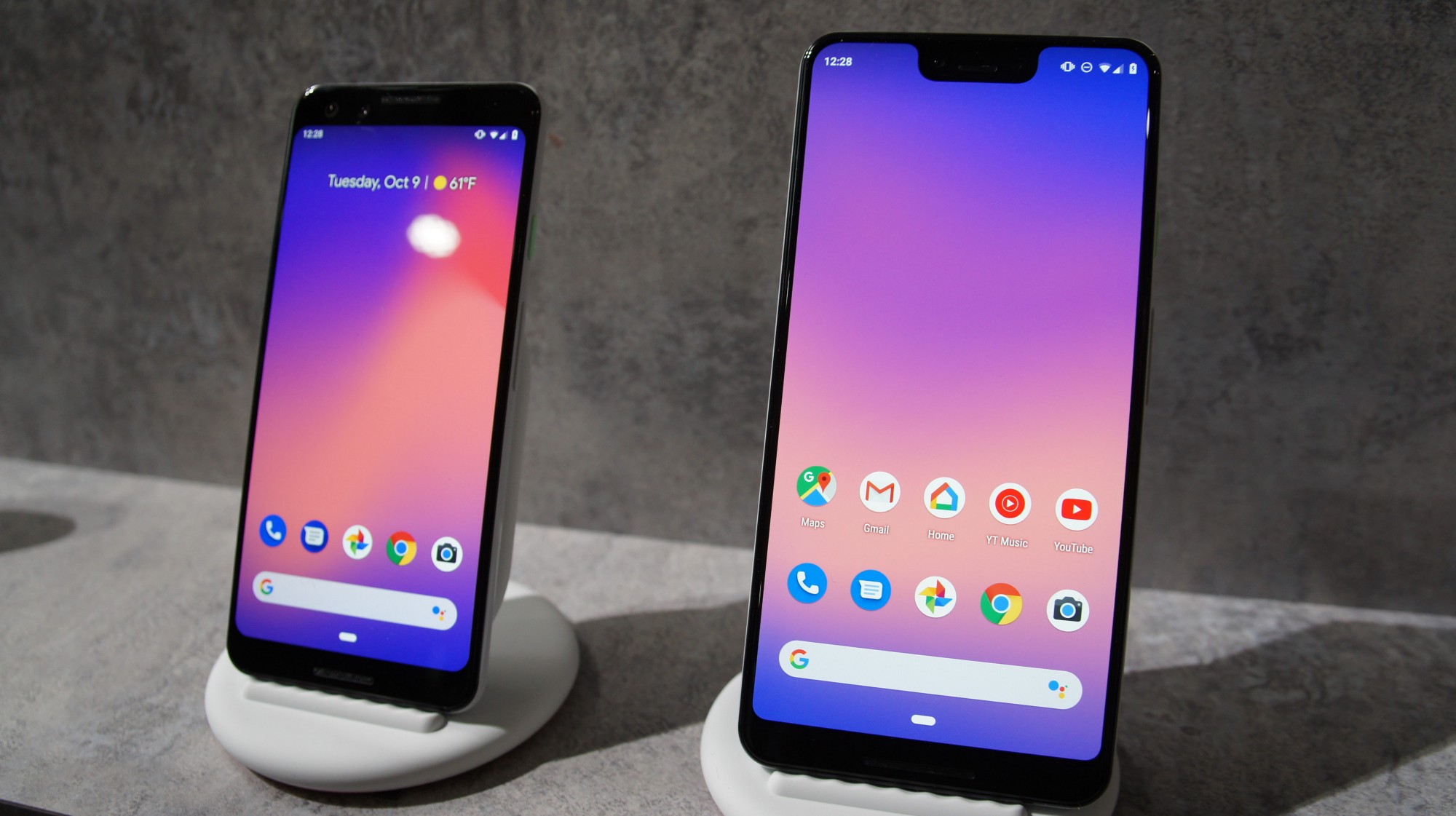
    The local telcos will include Google merchandise as part of their promo. Both Singtel and Starhub will offer Google’s flagship phone Pixel 3 as it launches in Singapore. Google itself will sell the handset through its online store starting 1 November.

    With price ranging from $1,249 for its 5.5-inch model and $1,399 for the 6.3-inch XL model, Google’s flagship will be sold in three colours including Just Black, Clearly White, and new colour Not Pink which will be sold exclusively by Singtel.

    Those who will buy from Singtel will also get a free Google Pixel Stand worth $119 when they additionally purchase certain data subscriptions. Meanwhile, those who will buy from Starhub will get Google Assistant worth $189 as a freebie.

    “Pixel users can gain an edge while streaming high-definition videos and chatting with the Google Assistant,” Starhub vice president of segment and marketing Donovan Kik said.

    Singtel launched the phone for pre-orders on 10 October.

  • Naver unveils cutting-edge location tech for smarter mobility

    Naver unveils cutting-edge location tech for smarter mobility

    From indoor navigation using augmented reality to ultra-high definition mapping technology for autonomous driving, South Korean internet giant Naver is developing a range of location-tracking technologies it believes will form the backbone of new offline services in the future.

    Some of these technologies were unveiled Thursday at Naver’s annual developer’s conference Deview 2018 held in Seoul, organized to showcase the Korean portal site operator’s future tech development direction each year.

    Stressing “location” as the most important cue for context in a physical space, Naver Chief Technology Officer Song Chang-hyun said Naver’s in-house research lab is developing and testing out an array of location and mobility-based technologies that will serve as the backbone of new, real-world services
    “If technology can fix mobility problems in the physical space, it will inevitably lead to the development of new services. And the underlying platform technology for any location and mobility problem is mapping,” Song said in a keynote speech during the conference.

    In line with this vision, Naver plans to open source the Naver Maps Enterprise application programming interface to developers next month. The soon-to-be-free mapping API includes including point of interest data and navigation data, which most smaller ICT firms find difficult to build and maintain.

    The Korean internet giant also introduced for the first time the eXtended Definition & Dimension Map, or xDM, platform which includes high-dimension mapping, localization and navigation technologies to guide people and self-driving vehicles in not just outdoor, but also indoor settings.

    For instance, Naver utilized its xDM platform to build an AR navigation system that guides people through indoor spaces without GPS access, using just a smartphone camera. On a smartphone, walking direction signs and messages would be overlaid on top of real-life pathways as captured by the camera.

    The company also showcased the latest updates in its robotics technology development, which had taken center stage at last year’s Deview conference.
    This service is slated to debut soon, via a partnership with Incheon Airport. This week, Naver signed a memorandum of understanding with the airport’s operator to launch an indoor AR navigation app that would guide airport passengers to their respective destinations inside the airport.

    “We plan to open source our xDM platform in the form of API and SDK so that they can be used for various location-based service development and mobility research in the future. We plan to continue improving xDM so it can grow into Korea’s top location and mobility platform,” Song said.

    In addition, Naver Labs is developing technologies for self-driving cars, including a high-definition map that combines high-definition aerial maps and mobile mapping devices to build intricate, real-time maps even in crowded urban centers where GPS access is partly blocked out.

    M1, an autonomous indoor mapping robot that creates intricate 3D maps while moving by laser-scanning its surroundings with a 360-degree camera, and Around, a self-driving robot that navigates itself by accessing M1’s mapping data via the cloud, are undergoing commercialization procedures via a partnership with Hyundai Heavy Industries Holdings.

    Aircart, an electric book cart equipped with a module that amplifies human power to make pushing the cart significantly easier, is preparing for commercial deployment at local libraries in partnership with Samsong Caster.

    Naver’s robotics lab is also continuing research and development efforts with Seoul-based Korea Tech Co. to develop robotic cable-driven arms with humanlike sensitivities called Ambidex. Weighing just 2.6 kilograms, the robot’s core motors are placed near the torque and transfers power down to the lower arms and fingers via flexible, lightweight cable wires.

    Looking ahead, Naver plans to showcase its fleet of robots at the Consumer Electronics Show in Las Vegas in January next year, marking its first-ever attendance at the global electronics conventio
  • Samsung launches Galaxy A9 with rear quad camera

    Samsung launches Galaxy A9 with rear quad camera

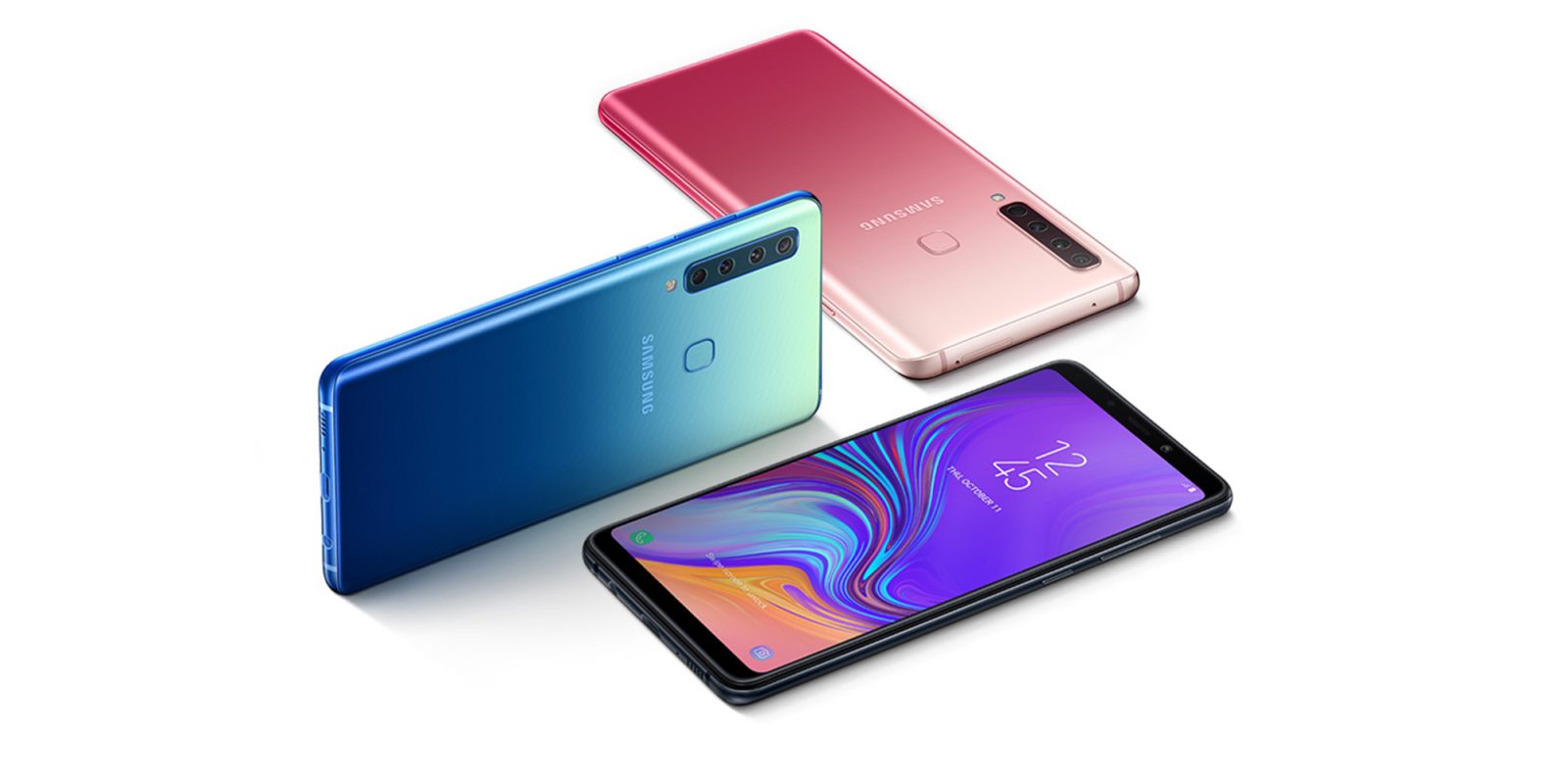
    Samsung Electronics on Thursday unveiled the world’s first smartphone with four rear cameras, packed with new features to capture moments more effectively.  The Galaxy A9 debuted at a launch event held in Kuala Lumpur, Malaysia, highlighting the first rear quad camera built for a world driven by visual communication.

    “Building on our legacy in smartphone camera development, we’re introducing next-generation technology across our entire Galaxy portfolio to give more consumers the opportunity to experience cutting-edge innovation,” said Samsung smartphone chief Koh Dong-jin. “We’re excited to deliver on this promise and debut world-leading smartphone camera technology with the Galaxy A9.”

    The Galaxy A9 with a 6.3-inch AMOLED display is packed with Samsung’s best camera innovations, Koh added.

    The rear quad camera, with four lenses on the back of the smartphone, allows users to get close, with a 2x optical zoom feature for detailed close-up shots even from far away.

    The 24-megapixel main lens captures clearer and brighter images in both bright and low-light conditions, while the ultrawide lens and the scene optimizer allow users to shoot scenes more like a professional.

    In addition, the camera’s AI Scene Recognition feature allows users to identify subjects and adjust settings accordingly for the best photo, in an instant.

    The Galaxy A9 comes with a 3,800-milliampere-hour battery, allowing an all-day performance. The new phone also provides 128 gigabytes of storage and up to 512 gigabytes of expandable memory for storing high-quality images and visual content.

    It will be released globally starting in November, in unique colors: Caviar Black, Lemonade Blue and Bubblegum Pink.

    The A9 also boasts a sleek and ergonomic design that fits in one hand with a curved back made of 3D glass for a luxurious comfortable feel, the company said.

    Smartphones with five cameras are becoming a major trend in the market.

    LG Electronics unveiled the V40 ThinQ smartphone with three cameras on the rear and two on the front on Thursday.

  • Samsung sets quarterly profit, revenue records

    Samsung sets quarterly profit, revenue records

    Samsung Electronics once again set quarterly records for profit and revenue thanks to high demand for the semiconductor chips needed to propel today’s key technologies.

    However, Korea’s biggest company is facing challenges as its current portfolio is heavily dependent on computer chip sales. Its smartphone business is struggling as sales of its flagship Galaxy S9 smartphone sales failed to reach expectations.

    According to Samsung Electronics’ guidance report on third-quarter performance, released on Friday, the company’s revenue grew 4.7 percent compared to a year ago to 65 trillion won ($57.5 billion) while its operating profit expanded by 20.4 percent to 17.5 trillion won. It is a new record for both quarterly revenue and operating profit. The earlier market consensus on Samsung Electronics’ operating profit was between 16.8 trillion won and 17.1 trillion won. Compared to the previous quarter, revenue was up 11.1 percent and operating profit was up 17.7 percent.

    Although the guidance report did not give details on the earning performance of each business, market experts believe the company’s record-breaking performance was due to the company’s semiconductors.

    Brokerage firms estimated that Samsung Electronics made roughly 25 trillion won in revenue in semiconductors in the third quarter, up 24 percent from last year’s 19.9 trillion won.

    The operating profit of the memory business is estimated to have increased by 36 percent to 13 trillion won, which would be an all-time record.

    DRAM revenue is believed to have surged 47 percent year-on-year to around 14 trillion won while NAND flash was up more than 8 percent during the same period to 7 trillion won.

    “The recent starting of additional production line manufacturing DRAM and NAND flash of the company’s memory plant in Pyeongtaek, Gyeonggi, is said to have contributed to the robust sales of the company’s memory chips,” said Doh Hyun-woo, NH Investment & Securities analyst.

    The company’s display business is estimated to have improved sharply in the third quarter as well, contributed by Apple’s release of the latest iPhone, equipped with organic light-emitting diode (OLED) display, in September.

    While the liquid-crystal display (LCD) business revenue is estimated to have dropped 28 percent, OLED business is estimated to have increased 35 percent year-on-year to over 7.5 trillion won. LCD prices have recently been falling on the attacks of low-price competition from Chinese companies. The overall display revenue is estimated to have increased 14 percent to around 9.5 trillion won.

    On the contrary, Samsung’s mobile communication business is believed to have suffered. Sales of the Galaxy S9, which was released in the second quarter, are middling, and the company is believed to have spent a large amount on marketing the Galaxy Note9, which was released in August. This likely had an effect on the company’s operating profit.

    In the third quarter, market analysts believe the mobile business dropped 9 percent to 25 trillion won, while operating profit fell nearly 30 percent year-on-year to 2.3 trillion won compared to the 3.3 trillion won recorded a year ago.

    The company’s dependency on its semiconductor’s business is becoming an increasingly large concern.

    “While the third quarter guidance report is positive in that it exceeds earlier market consensus, heavy dependency on semiconductor performance is a negative [for Samsung Electronics],” said Kim Yang-jae, analyst at KTB Investment & Securities. “[Samsung Electronics] is facing a slowdown on earnings momentum, as DRAM prices has been falling since the fourth quarter.”

    DRAMeXchange, a computer chip market research firm, estimated that DRAM and NAND flash prices will fall in the fourth quarter compared to the third quarter due to difference between supply and demand. When compared to the third quarter, DRAMeXchange projected a 5 percent drop in the fourth quarter, sharper than earlier estimates of a 1 to 3 percent decline.

  • Google to send Pixel 3 smartphone into Asia

    Google to send Pixel 3 smartphone into Asia

    Google is taking a more global approach to the Pixel 3 and Pixel 3 XL launch, announcing that it will now offer its new phones in 13 countries, including Japan, Ireland, Taiwan, and France. This builds on the rather small list of countries where Google’s Pixel 2 saw official release, which comprised of US, UK, Australia, Canada, Germany, Italy, Spain, India, and Singapore.

    Now in its third generation, Google has been quite slow to bring its flagship smartphones to a wider audience, especially considering how easy it is to find a competing devices practically anywhere you live. For example, the iPhone XS and iPhone XS Max launched in more than 25 countries. Still, Google’s spread to more countries will give Android users more choice than before.