Category: Electronics

Retail News Asia is committed to providing both local and global retailers with the latest Electronics news throughout the Asian market. This on a daily base.

  • Apple has redesigned new iPhones in China

    Apple has redesigned new iPhones in China

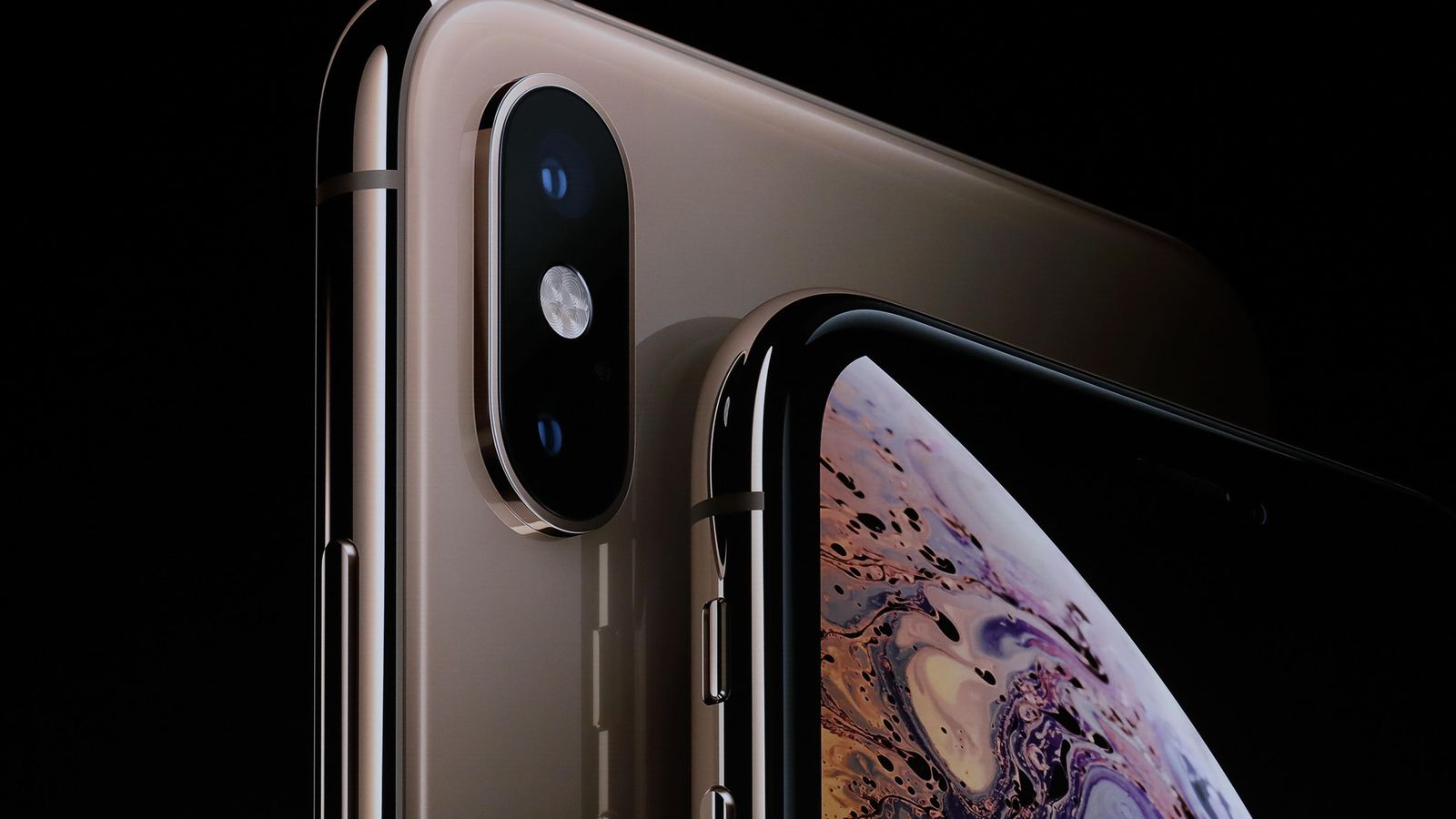
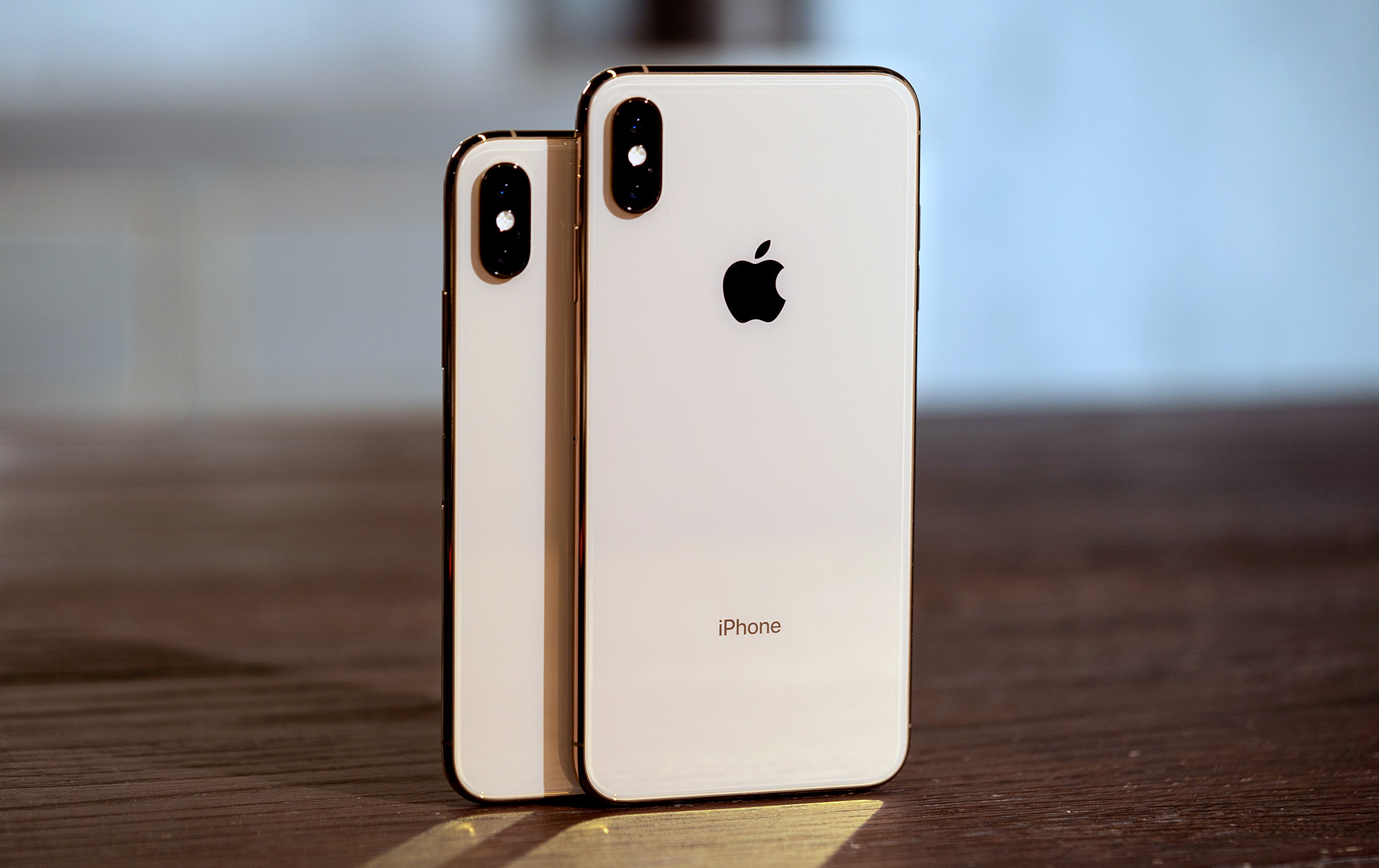
    Apple has made a rare special concession to Greater China with the design of its newest line of smartphones, revealing that new iPhone XS and iPhone XS Max produced for the market will not support the new eSIM feature.

    The eSIM feature, which supports two simultaneous carriers and is designed to allow more convenient switching between them, will not be available in Hong Kong, mainland China and Macau.

    Instead, the devices in these markets will offer slots for two physical SIM cards. This represents a rare case of Apple tailoring iPhones to a specific market.

    The report notes that it is unclear whether the special arrangement is to comply with any Chinese regulations, or merely as a result of pressure from the market’s operators reluctant to enable such easy switching between carriers, and Apple has not commented on the matter.

    But whatever the reason, the concession demonstrates that Apple is willing to take extraordinary steps to maintain its foothold in the world’s largest smartphone market. Greater China was responsible for around 20% of Apple’s total revenues during its 2017 financial year – around $45 billion.

    The company is under increasing competitive pressure from local vendors including Huawei and Xiaomi, which can differentiate by offering more locally oriented services.

  • 3rd generation of Vietnam’s Bphone unveiled

    3rd generation of Vietnam’s Bphone unveiled

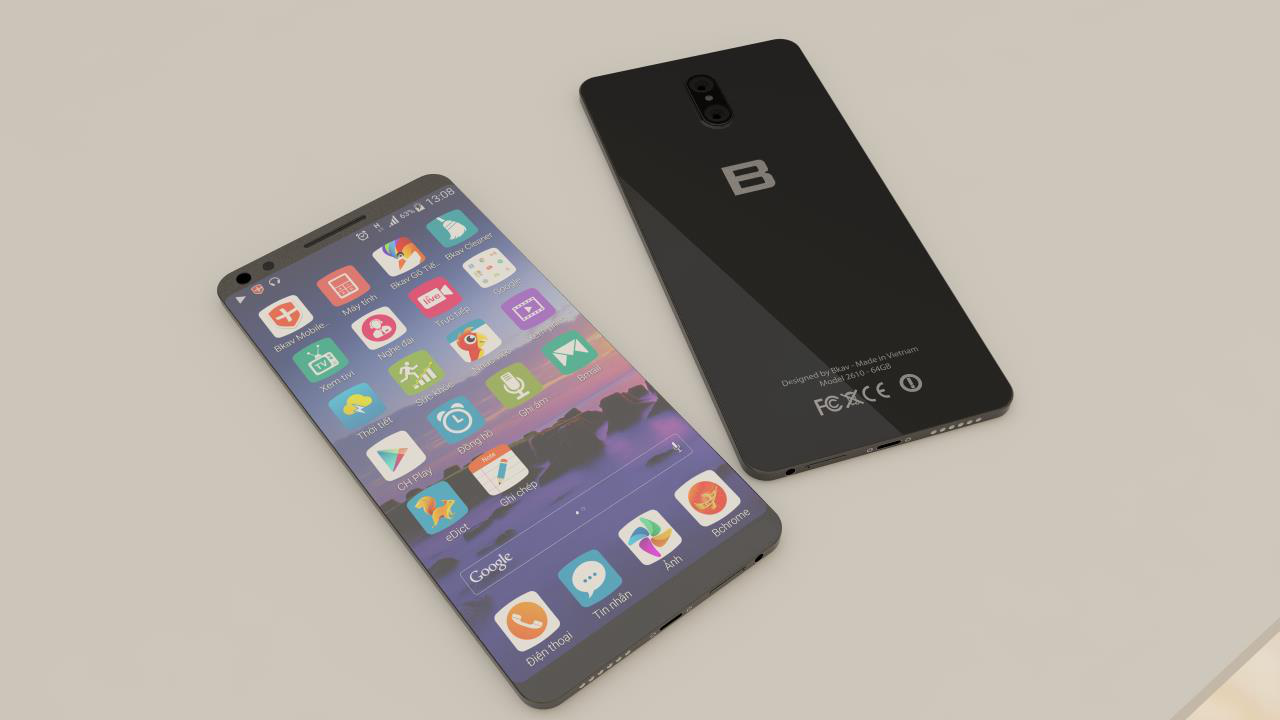
    Vietnam’s cyber security firm BKAV unveiled the third generation of its Bphone on Wednesday without a home button, pricing it from $300. It requires users to navigate to the home screen and apps by using hand gestures just like in Apple’s iPhone X.

    It comes in two versions, Bphone 3 and Bphone 3 Pro, and they have a six-inch 18:9 HD screen, Android 8.1 and a Snapdragon Qualcomm 636 chip, giving them twice the performance of the previous version, Bphone 2, according to BKAV. Company staff demonstrated this by playing the mobile game PUBG on the phones at the release event in Hanoi.

    The battery lasts 1.5 days and can be charged to 80 percent in 35 minutes with Quick Charge 3.0 technology at three times the average charging speed, the firm claimed.

    It is the first phone in the price range with IP68 waterproof rating, meaning it could be immersed in 1.5 meters of water for half an hour without a problem, BKAV stated. Vu Thanh Thang, Bphone vice chairman, said the phone would survive coffee spills and can even be washed with soap.

    Ninety percent of the phones’ parts are sourced from U.S. and Japanese suppliers, he added.

    It filters out all spam messages and phone calls, the company said. Bphone 3 comes with 3GB ram, 32GB storage and a microSD slot, while Bphone 3 Pro has 4GB and 64GB.Bphone 3 also has a new feature that allows people losing it to find it even when it is factory reset, not connected to the Internet or lacks a sim card.

    Bphone 3 is priced at VND6.99 million ($300), and the Pro version at 9.99 million ($430).

    Customers can start pre-ordering today, and shipping will begin October 19.

    Bphone 3 will be the only Vietnamese competitor in the Vietnamese mid-range phone market which is dominated with Korea’s Samsung, China’s Oppo and Huawei. Other popular phones in the same price range are the Huawei Nova 3i ($300), Galaxy A7 2018 ($330) and Oppo F9 ($330).

    BKAV produces antivirus software and provides cybersecurity solutions. Last year, the firm demonstrated in a Youtube video that it was able to fool Apple’s Face ID with a mask made with a 3D printer.

    The firm debuted the Bphone in May 2015. While initially warmly welcomed, the phone’s launch was disappointing to many buyers as it was only available online and the company had to delay delivery four times.

    The phone also caused controversy because despite being Vietnamese-made, 30 percent of the phone was manufactured by a Chinese firm.

    Bphone 2 was introduced last year, and 12,000 units have been sold, according to BKAV.

  • Samsung opens biggest store ever in India

    Samsung opens biggest store ever in India

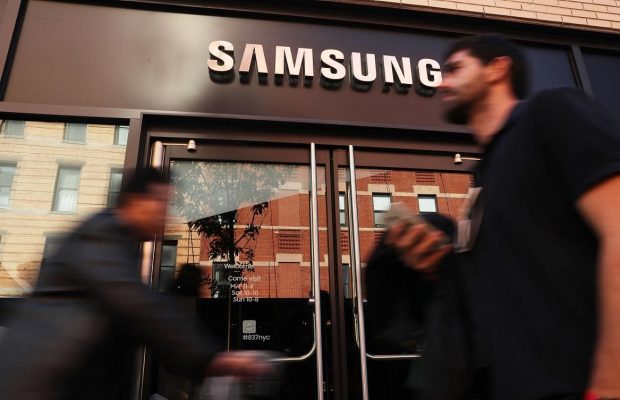
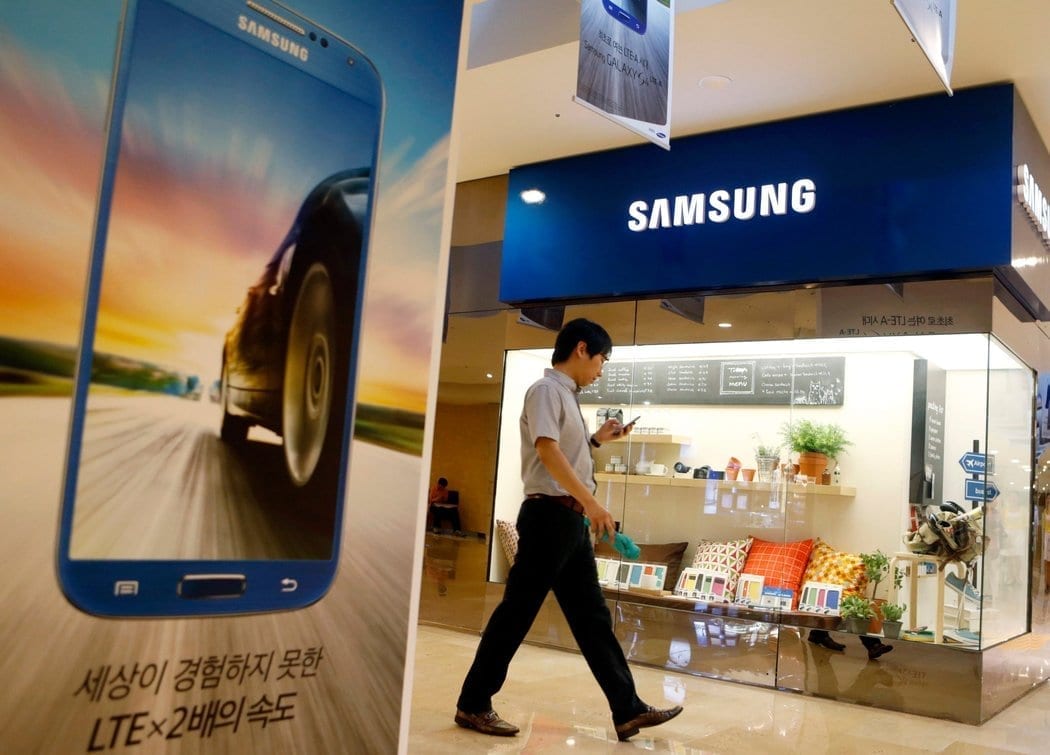
    South Korea’s Samsung Electronics announced the opening of the world’s largest mobile experience centre in Bengaluru.

    Located in the iconic Opera House building situated on Brigade Road, the new India flagship is the smartphone maker’s largest mobile experience centre.

    Dubbed “Samsung Opera House”, the renovated and redesigned retail space houses a mix of “technology, lifestyle and innovation to offer people unique experiences,” according to the Seoul headquartered Samsung, in a press release.

    Restored over two years, the store’s Opera House façade retains its original look and feel. On the inside, a modern experiential space has been developed with extensive use of modern technology.

    The store showcases Samsung’s full line-up of smartphones and wearable devices at the experience centre alongside flagship consumer electronics products such as smart tvs, ovens and refrigerators

    Harnessing the brand’s #DiscoverTomorrowToday mantra, Indian shoppers can also expect a differentiated product experience, centred on virtual reality and artificial intelligence, as well as the internet of things.

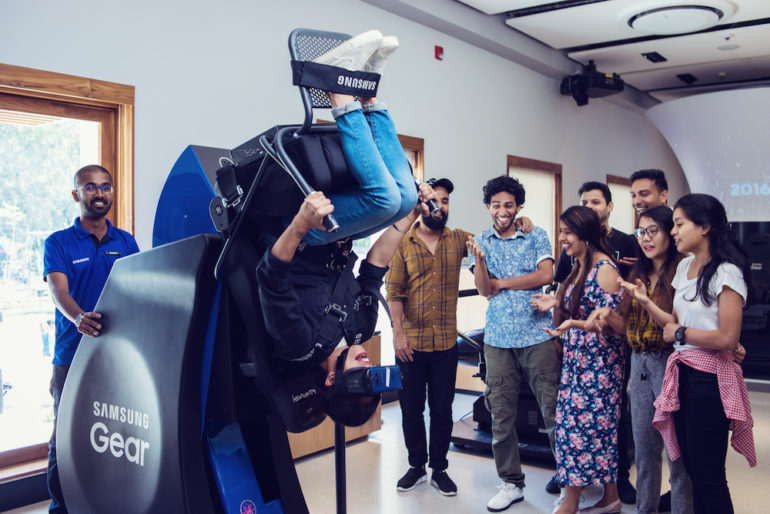
    VR experiences include a 4D Sway Chair and the Whiplash Pulsar 4D chair that makes 360 degrees three-dimensional movements, designed to simulate a fighter pilot doing extreme aircraft stunts, or experience a space battle, or a roller coaster ride.

    Consumers can also pre-book the centre’s home theatre zone for watching movies and shows.

    “Today’s consumers, especially millennials, seek unique experiences. They want to interact with the brand, touch, feel and create. This is what Samsung Opera House is about.

    We have curated never seen before experiences that will excite people of all age groups alike. Opera House will also organize workshops, activities and events, bringing together Samsung’s innovations with people’s passions. We are proud of the transformation that this place has seen,” HC Hong, President & CEO, Samsung SouthWest Asia, said.

    Samsung selected Bengaluru as host city given its notoriety as India’s tech capital, which has attracted many Millennials and tech-savvy consumers to the area.

    The new store in India comes two months after Samsung inaugurated the world’s largest mobile factory in Noida in July this year, reinforcing the company’s commitment to India.


  • Xiaomi opens world’s largest Mi Home store in Wuhan, China

    Xiaomi opens world’s largest Mi Home store in Wuhan, China

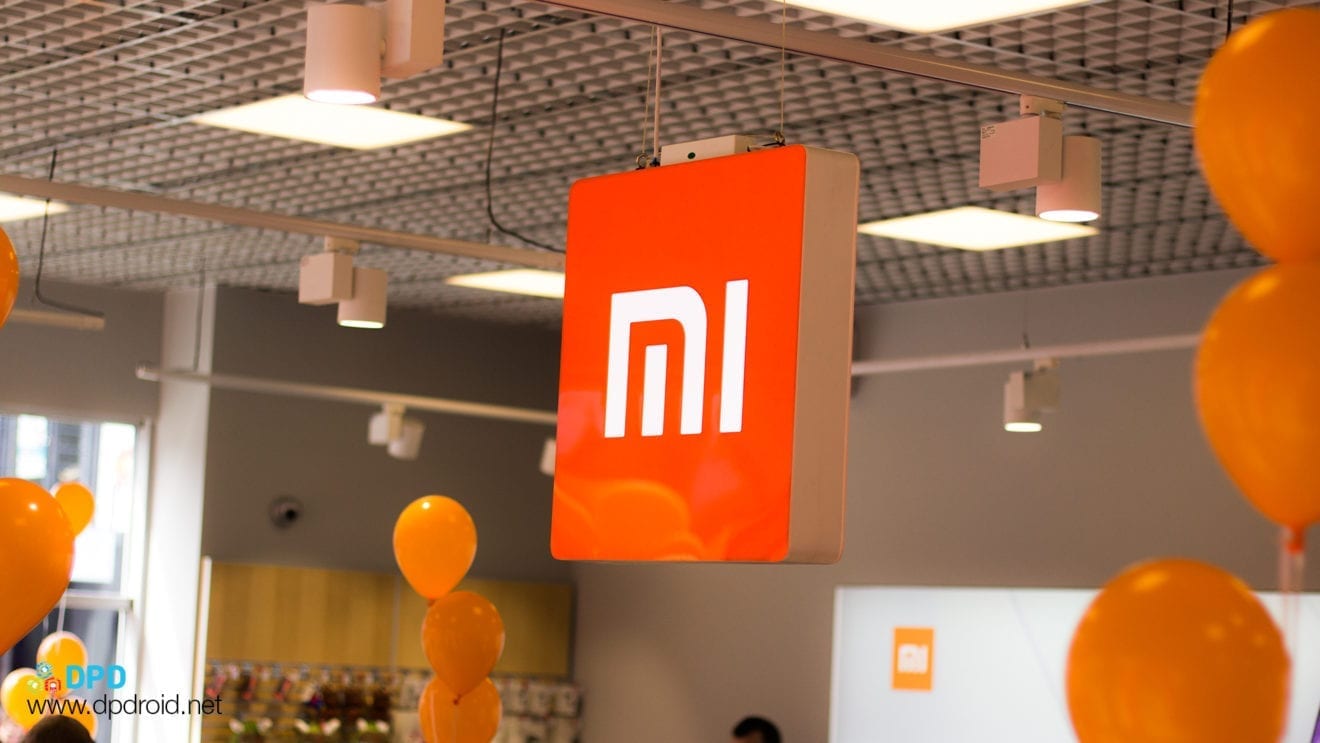
    Chinese electronics brand Xiaomi has opened its largest Mi Home store in Wuhan.

    The new location, launched shortly after the firm reached its target of 100 Mi Home stores in China, features a smart home demo zone that showcases a range of its products in a home-use environment. Sales assistants are on-hand in Xiaomi’s stores to guide customers in the use of the devices on sale and to process payments without waiting in queues.

    Xiaomi now targets expansion to 200 Mi Home locations in China by the end of the year and 1000 by 2020. It will also bring the number of authorised dealers to 2000 over the next three months. Following the opening of the Mi Home store in Wuhan, the company aims to extend its retail network to cover all quality business districts across the country by the end of this year.

    The brand’s physical stores are seen as a move to counter those of competing brands.

    Robust handset sales have recently seen Xiaomi reverse a RMB12 billion (US$1.75 billion) loss during the fourth quarter of its financial year ended June last year to a profit of RMB14.6 billion ($2.1 billion) in the same period this year.

  • SK Telecom puts its smart speakers in Paradise

    SK Telecom puts its smart speakers in Paradise

    SK Telecom will develop artificial intelligence-based (AI) hospitality services for the Paradise Hotel Busan, the mobile carrier said Wednesday.

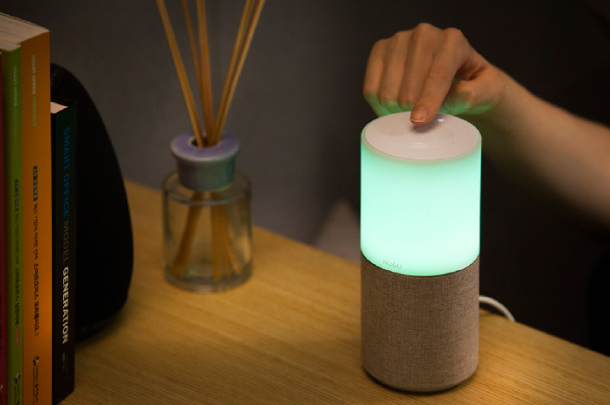
    The company hopes to use its AI technology to improve various hospitality services offered at the hotel, located near Busan’s famed Haeundae Beach. It will start by placing the latest version of its voice-powered smart speaker Nugu, dubbed the Nugu Candle, in about 100 hotel rooms this year.

    The Nugu Candle, released in July, offers more mood-lighting options than its predecessors in 17 different colors from its own light-emitting diodes (LED).

    The device can answer customers’ verbal inquiries about hotel facilities and tourist information about surrounding areas.

    The device will also be used in restaurants and wine bars inside the hotel. The smart speaker is not capable of controlling lamps in the room or curtains yet, a spokesperson from the mobile carrier said.

    But the partnership could expand to offering more AI-based hospitality services in the future, and the device will be given software upgrades to support new features.

    “We will keep striving to make sure AI becomes a natural part of our customers’ lives,” said Park Myung-soon, head of SK Telecom’s AI business unit.

    It’s not the first time Nugu has been placed in hotels. An earlier version of Nugu is being used at the Walkerhill Hotel in eastern Seoul. The company placed Nugu in all 250 rooms at the Walkerhill about two weeks ago, according to the company.

    That device can control some room settings, like temperature, through voice commands.

    KT is the mobile carrier’s largest competitor in putting AI technology into hotels. KT introduced a hotel version of its GiGA Genie smart speaker in July.

    The hotel version has a 10.8-inch display and it understands English, unlike the original GiGA Genie for homes. It can control lighting, room temperature, televisions and order things from the front desk on voice commands. The hotel version is currently being used in the Novotel Ambassador Hotel & Residence in Dongdaemun and L’escape Hotel in central Seoul.

    Kim Chae-hee, senior vice president of KT’s AI business unit, at a press event held in July said KT will continue to target hotels as customers increasingly look for services that don’t require them to interact with hotel staff face to face.

  • Bang & Olufsen made a Brown Bear speaker inspired by a Line character

    Bang & Olufsen made a Brown Bear speaker inspired by a Line character

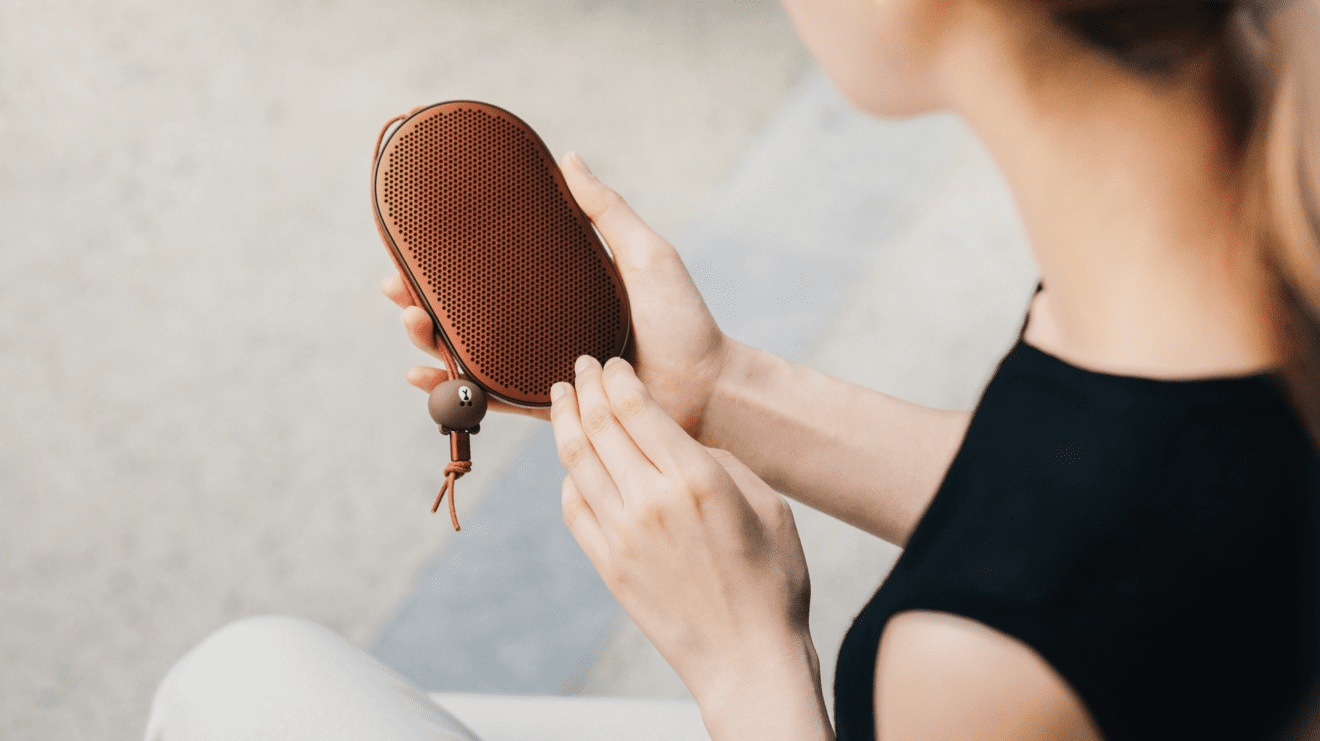
    Messaging platform Line has partnered with consumer electronics firm Bang & Olufsen to release a Brown-Bear themed speaker.

    The collaboration attests to the popularity of the chat app within Asia and of its proprietary characters, which are in familiar daily use amongst those who communicate via the platform. Brown Bear is a well-loved character in Line’s cartoon cast.

    Line character merchandise already sells in 108 countries, with a flagship store for Line-themed products in New York’s Times Square.

    The Bluetooth speaker, based on the firm’s Beoplay P2 model, is controlled by taps and shakes rather than button presses, and is brown with a featured Brown Bear accessory. It has been given a limited release with only 5000 units made, distributed in East Asia and the US both online and at a few retail outlets.

    Last month, Line partnered with DJI to create a Brown Bear-themed drone.

    View gallery of how the speaker looked like below (5 images) :

  • Samsung cleans up its cross-shareholding web

    Samsung cleans up its cross-shareholding web

    Samsung Group affiliates sold off shares in each other’s companies on Friday in a major step toward revamping the conglomerate’s governance structure and removing its byzantine web of cross-shareholding.

    Samsung Fire & Marine Insurance put 2.61 million shares, or 1.37 percent, of Samsung C&T for sale at a suggested price of 328.5 billion won ($294.3 million) through a block deal. Samsung Electro-Mechanics had 5 million shares in the company, equivalent to 2.61 percent, which it aimed to sell at 642.5 billion won.

    The main buyers were institutional investors, industry sources said. They purchased each Samsung C&T share for 122,000 won, 5 percent down from the previous day’s closing price. This will leave Samsung Fire & Marine Insurance with 319.3 billion won and Samsung Electro-Mechanics with 610 billion won.

    The sell-offs put an end to the conglomerate’s long history of cross-shareholding in which companies in a group own shares in other companies. In Korea, the tactic is often used by a conglomerate’s owner family to tighten its ownership across affiliates without directly owning shares in each.

    Samsung, the country’s largest conglomerate, originally had six affiliates forming a complicated spoke-and-axle structure with Samsung C&T at the center. The other five companies were Samsung Electronics, Samsung SDI, Samsung Life Insurance, Samsung Fire & Marine Insurance and Samsung Electro-Mechanics.

    Its first step toward breaking the structure came in April, when Samsung SDI sold off 4.04 million shares worth 559.9 billion won in Samsung C&T. This effectively terminated three out of seven cross-shareholding arrangements that existed across affiliates. Friday’s sell-off cut off the remaining four.

    Industry analysts expected Samsung C&T to buy back the shares sold by the two affiliates, but all of them were sold to outside investors through block deals, a form of transaction in which two parties agree on a price outside the stock market. Samsung SDI also sold its shares to institutional investors in a block deal in April.

    The current administration under President Moon Jae-in has sent multiple warnings to Samsung to resolve its cross-shareholding structure. It was one of Moon’s pledges when he ran for office last year.

    As for Samsung’s Lee family, the effect on their ownership inside the group is minimal. Its members, including the ailing patriarch Lee Kun-hee and his son Lee Jae-yong currently own 33 percent of Samsung C&T, the group’s de facto holding company. Friday’s sell-off of 3.98 percent in the affiliate won’t make much difference.

  • Apple cuts costs for the iPhone XS’s big display

    Apple cuts costs for the iPhone XS’s big display

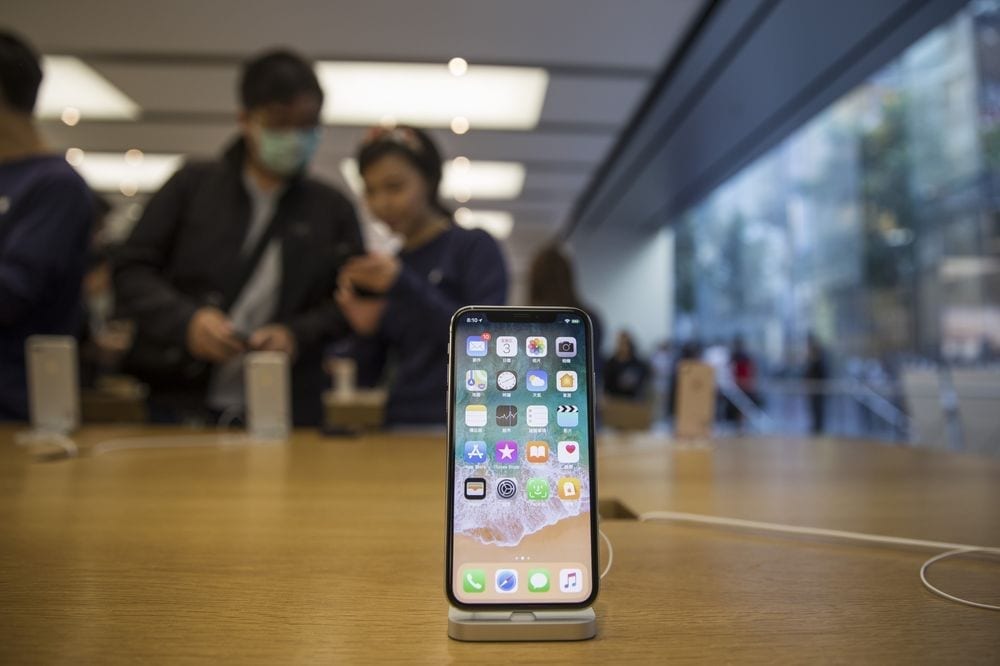
    Apple shaved some parts from the display in its largest new iPhone, helping keep costs under control in what has become the priciest component of its phones in recent years, according to a new cost analysis of the device.

    TechInsights, an Ottawa, Ontario-based firm which rips open phones to analyze their contents and estimate the cost of the parts inside, said on Tuesday that the iPhone XS Max with 256 gigabytes of storage capacity contains about $443 in parts and assembly costs, compared with $395.44 for the 64-gigabyte version of last year’s iPhone X.

    Apple released a trio of new phones earlier this month, including an update to last year’s iPhone X, called the iPhone XS, that starts at $999, and the budget-minded iPhone XR that starts at $749.

    But it was the iPhone XS Max – with a 6.5-inch display that uses OLED technology for richer colors – that pushed new pricing boundaries, starting at $1,099.

    In its cost analysis released on Tuesday, TechInsights found that the single priciest part of the iPhone XS Max – the display – cost $80.50, compared with $77.27 for last year’s iPhone X, which featured a smaller 5.8-inch screen.

    The relatively small increase in cost despite the larger screen size was because Apple appeared to have removed some components related to its so-called 3D Touch system, which makes apps respond differently depending on how hard users press the screen.

    “All told, what they took out adds up to about $10, so this $80 estimate would have been about $90,” Al Cowsky, who oversees cost analysis at TechInsights said in an interview.

    “They had a trade-off in cost.”

    Apple declined to comment on the study.

    But Bob O’Donnell of TECHnalysis Research said Apple likely made the right decision to focus on ensuring it could deliver a larger-screened model this year economically.

  • LG U+ adds Google Assistant to its IPTV

    LG U+ adds Google Assistant to its IPTV

    Unlike its telecom service competitors SK Telecom and KT, LG U+, the smallest of the three, is taking a two-track strategy when it comes to voice commands for its internet protocol TV (IPTV) service.

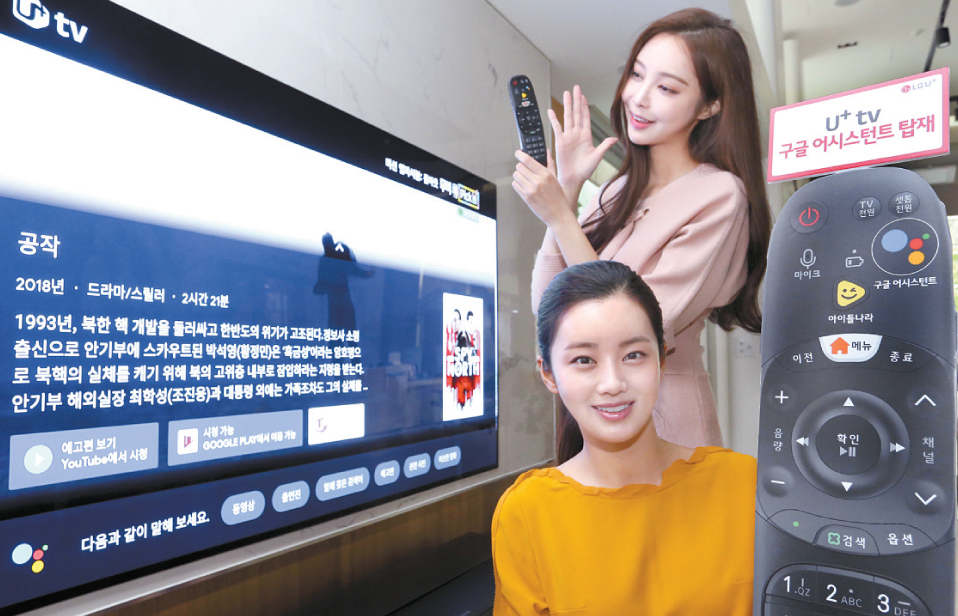
    LG U+ said on Wednesday that it will enable its customers to use Google Assistant for its IPTV set-top box. Subscribers to LG U+ IPTV service can use Google’s AI voice assistant to watch YouTube on TV, launch the Google Photos app as well as use translate and search features with a remote control specifically devoted to Google Assistant.

    Searching for videos on YouTube and viewing photos on smart TVs is hardly new for owners of the latest smart TVs, but using a remote control for real-time translation on a TV is a unique feature.

    “We plan to continue expanding the fields of cooperation with Google that began in 2012,” said Won Kang-hoon, leader of the IPTV partnership service team at LG U+.

    LG U+, an affiliate of LG Electronics, already joined forces with top domestic search engine and portal operator Naver last December to let its customers use Naver’s Clova AI platform for its cable TV service. The telecom operator even tied Clova Friends, an AI speaker, with its subscription services as part of a joint promotion.

    LG U+ IPTV subscribers, who total around 2 million, can use both Clova and Google Assistant. But the telecom has yet to decide whether to link the Google Home AI speaker with its IPTV service.

    SK Telecom and KT, the two largest telecom operators in Korea, have been building their own AI voice command platform. The former has Nugu and the latter has Giga Genie. Other tech firms, such as Samsung Electronics and Naver, have theirs as well. LG U+’s affiliate LG Electronics has its own ThinQ platform, but as of now it only works with home appliances and smartphones.

    LG U+ first released a set-top box equipped with the Google TV operating system in 2012. Four years later, it let subscribers watch some curated YouTube video content. Last August, LG U+ began offering YouTube Kids content to subscribers.

  • Samsung expected to post record operating profit

    Samsung expected to post record operating profit

    Samsung Electronics is expected to post a record operating profit of 17.2 trillion won ($15.4 billion) in the third quarter, backed by firm demand for memory chips, market sources said Tuesday.

    The consensus by major brokerage firms marks an 18.5 percent on-year increase in the tech behemoth’s profit for the July-September period.

    The revenue is forecast at 65.2 trillion won, up 5.1 percent from a year ago.

    The company is expected to release its third-quarter earnings preview next Friday.

    The world’s top smartphone maker logged a record high 65.9 trillion won in sales in the fourth quarter of last year and a record high of 15.6 trillion won in operating profit in the first quarter of this year.

  • India to have first cashier-free store

    India to have first cashier-free store

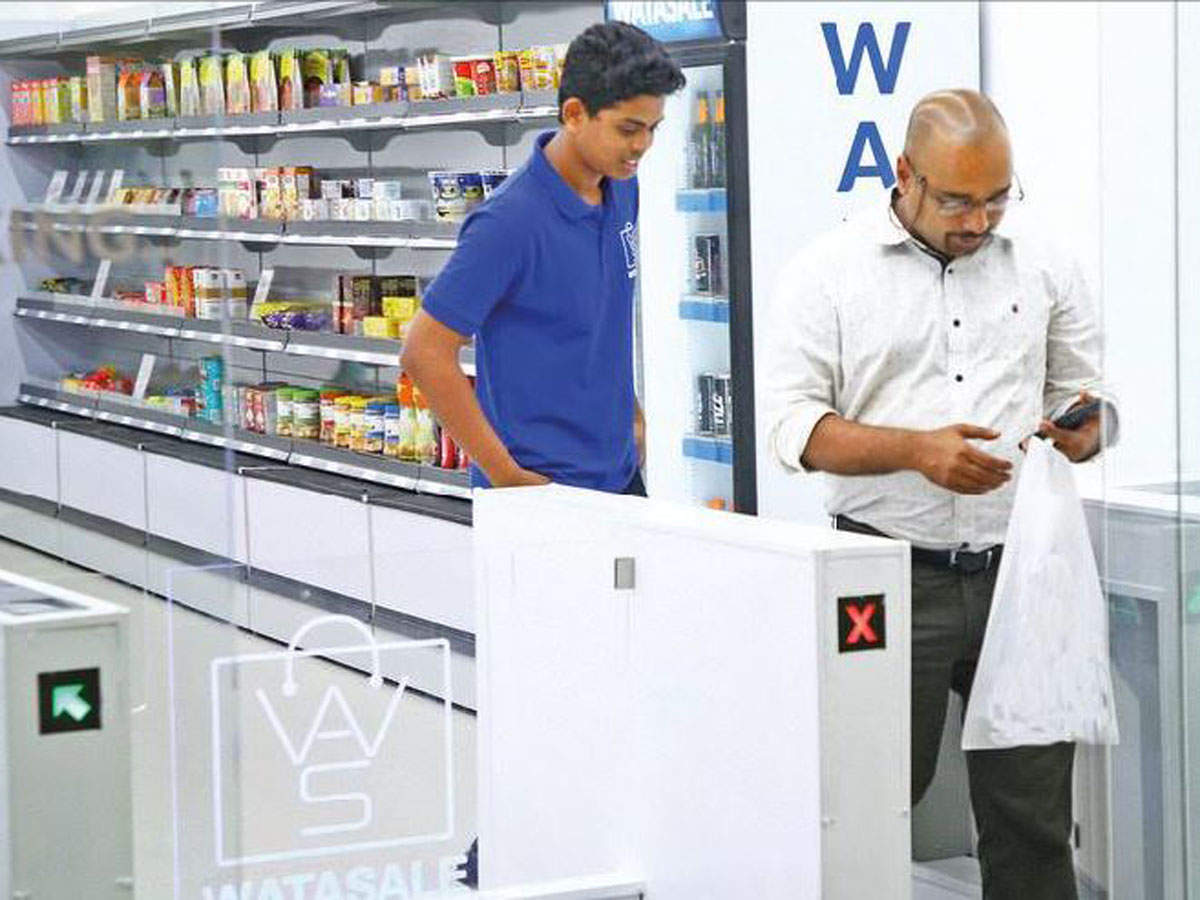
    The first automated, cashier-free store in India has opened its doors.

    Watasale, which has opened in Kerala, has no staff on sales or cashier duty and customers are not expected to scan products or wait in line. Shoppers carrying their smartphones can walk in and out of the store without needing to check out any items for sale. The store’s AI allows customers to purchase from the store by scanning a QR code.

    “Back in 2015, it was a time when machine learning and artificial intelligence was really coming out,” explains the firm’s COO Richu Jose. “We knew any segments can be disrupted using this technology. If you look at the market structure, the retail segment was still following the age-old technologies. We found it as a ripe ground for innovation and disruptive technologies.”

    Chief marketing officer Rajesh Malamal said that the firm believes “our systems are more economical and scalable in comparison to Amazon’s solution”.

  • Apple Singapore to open two more stores

    Apple Singapore to open two more stores

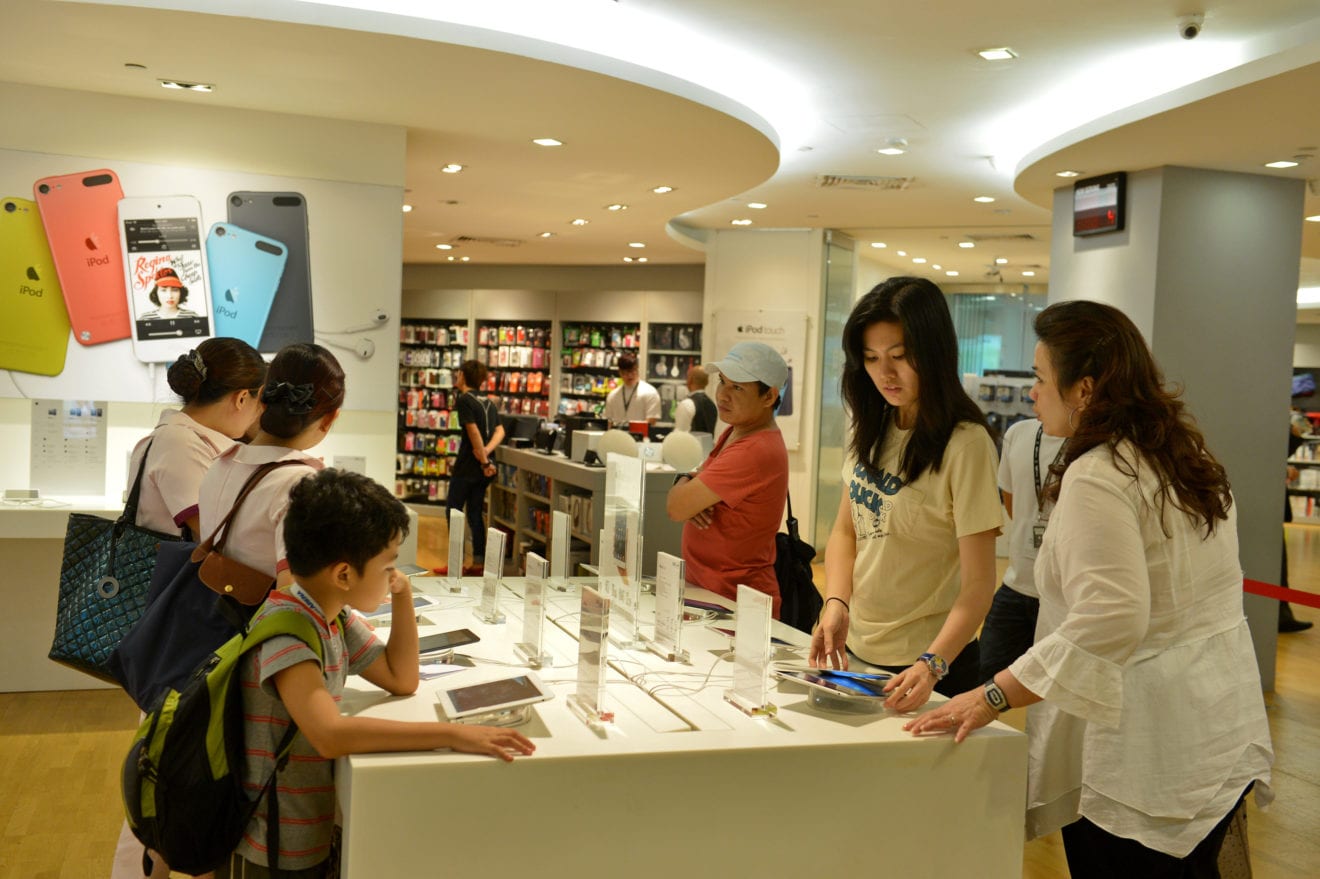
    Recruiting is underway for the new Apple Marina Bay Sands flagship store – and another.

    Advertising on Apple Singapore’s jobs portal promotes roles believed to be for two new stores in the city.

    Construction has been under way for many months on the Marina Bay Sands flagship.

    Like the nearby Louis Vuitton Maison ‘island’ the new Apple store will emerge from the water, linked to the shopping centre by an underwater passageway. The location in which it is being constructed was previously tenanted by a nightclub.

    In the photo above, the store’s location is the dark “island” construction to the right. On the left is the Louis Vuitton Maison.

    The location of the second flagship has been the subject of endless speculation for some months, despite it being – in the words of a senior Singapore retail industry executive last month – “one of the worst kept secrets in town”.

    Despite the complexity of the construction and approval processes for the Apple Marina Bay Sands store, public information has been scant with development approvals we found online only relating to the closure of the nightclub and the rezoning of the space to retail. Apple is notoriously secretive about its store plans until just days ahead of their opening.

    The store is believed to have been designed by Foster + Partners in London, which was responsible for the Orchard Road flagship store and others recently opened in Milan and Macau. The company is also working on another, controversial, store planned for downtown Melbourne, Australia.

    Meanwhile, Apple Singapore’s jobs portal is advertising 12 retail positions for a new store, which it describes as being located in “Singapore East”. There is no indication of commencement dates for the roles, but these roles are most likely to be for a third store, planned for the new Jewel shopping centre under construction at Changi Airport and managed by CapitaLand.

  • Apple to open significant new Chinese retail store in Suzhou

    Apple to open significant new Chinese retail store in Suzhou

    Apple China is set to open a new retail store in the Chinese city of Suzhou.

    Roughly coinciding with the imminent launch of the new iPhone and Apple Watch models, Apple’s 505th retail outlet will open beneath the city’s tallest building, Gate to the East, adjacent to Suzhou’s largest shopping centre Suzhou Center Mall.

    It is the second new location for Apple in greater China this year since opening in Macau a few months back.

    Mystery surrounding the developing store under construction was cleared when its facade was recently revealed to bear the chromed Apple logo.

    Suzhou, along with Shanghai, was recently announced as a target location for new Apple R&D facilities.

  • Premium Apple reseller store EDigi opens in Vietnam

    Premium Apple reseller store EDigi opens in Vietnam

    Vietnam’s IPP Group has launched its first Apple premium reseller store EDigi, in Ho Chi Minh City.

    Located at 2 Cong Xa Paris, at the corner of Nguyen Du and Dong Khoi Streets, the 250sqm store is the first Apple’s one-stop shop in Vietnam. According to that, EDigi will provide products and warranty services for all Apple devices, including hand-carried ones.

    EDigi is also the first store in Vietnam to promise a maximum repair time of 48 hours, according to the group representative.

    IPP Group specialises in retail, travel retail, and F&B, offering brands including Rolex, Armani Exchange, Bally, Burger King and Domino’s Pizza in Vietnam.

    Its most recent deal was bringing Mothercare to Vietnam.

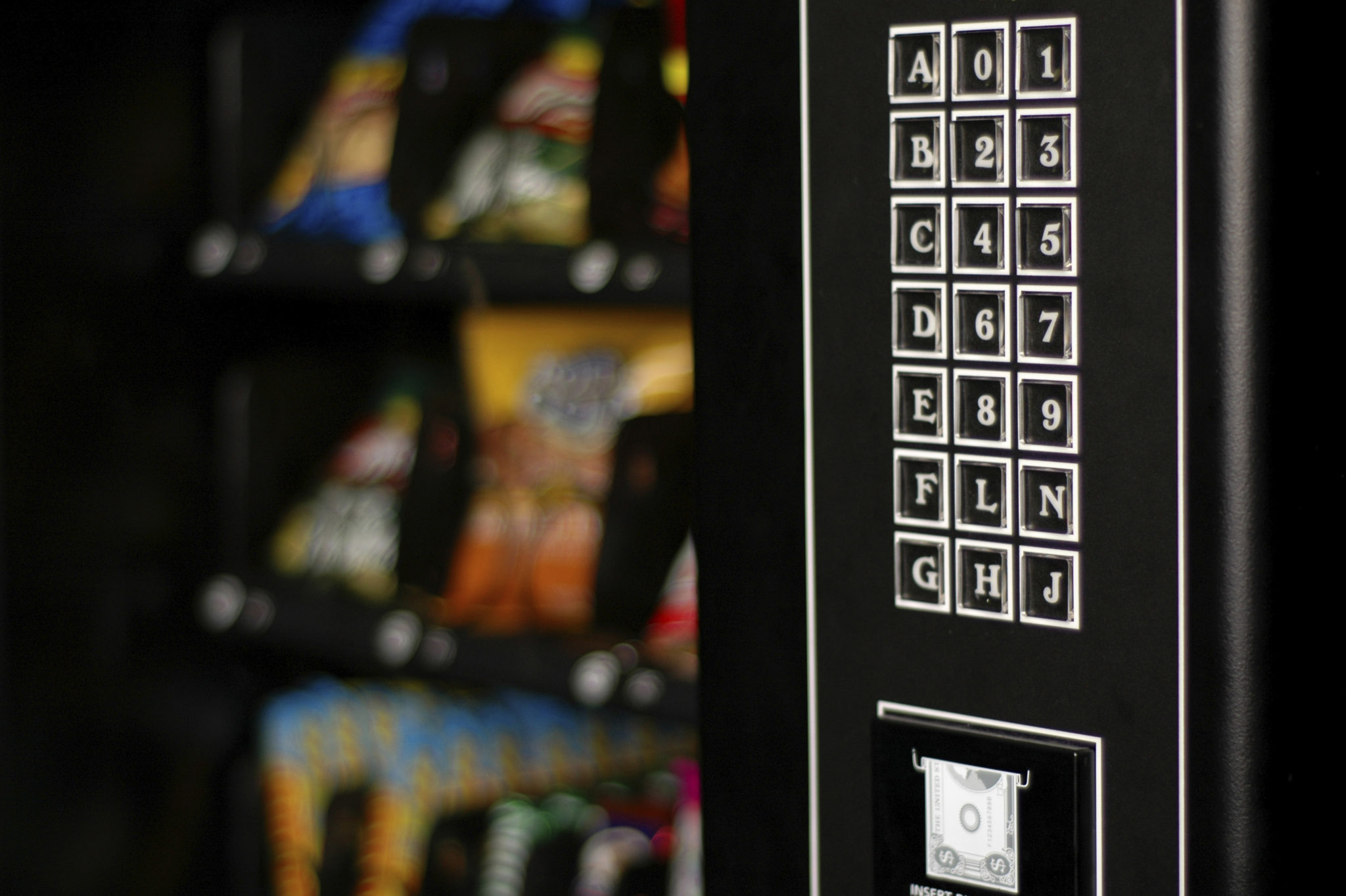
  • Smart vending machine sells a lot in China, Japan

    Smart vending machine sells a lot in China, Japan

    The deployment of smart vending technologies will surge in the Asia-Pacific as high-tech unmanned retail continues to attract major investment.

    The demand for technology-driven frictionless retail experiences, combined with cheap production costs and limited data privacy barriers, is driving rapid adoption in China, Japan, and South Korea, leaving the rest of the world behind, according to a report by ABI Research.

    By 2023, the Asia-Pacific will be home to more than 1 million automated retail units and 4.5 million smart vending machines, the market-foresight advisory firm concludes.

    “The initial growth rate of automated retail units in the Asia-Pacific market, driven primarily by China, has already been astonishing and will continue to grow exponentially over the next five years,” said Nick Finill, senior analyst at ABI Research.

    “This will create a vast regional disparity in adoption figures, largely a result of technological and societal factors. Ultimately it signals a strong future for smart retail in East Asia,” he said.

    But the unprecedented growth of automated retail units in Asia is just half of the smart vending story. Intelligent vending machine trends also indicate how the wider smart vending market is gravitating eastwards. While North America is currently home to 76 per cent of total smart vending machines, by 2023 China will become the primary market for intelligent vending machines.

    Smart vending is emerging as an additional retail channel offering unique benefits versus traditional brick and mortar retail and e-commerce. Intelligent vending machines and automated retail units, equipped with advanced customer and operational analytical capabilities, offer immediate convenience to the customer while enabling additional revenue streams to be exploited by operators and partners.

    “Successfully entering new markets, attracting new customer segments, monetising data, and cutting operating costs can all be achieved simultaneously in addition to profiting from direct product sales,” said Finill.

    “Smart vending is therefore not just a powerful retail channel for the customer, but also potentially a valuable marketing tool for retailers and brands.”

    The combination of mobility and smart vending is also suggesting that further innovation is around the corner for the unattended retail market. Several proofs of concept have emerged which enable autonomous vehicles to act as mobile vending machines, opening up new opportunities for customer-focused operators to better adapt to consumer needs.

    The traditional smart vending market is being transformed by established market leaders such as Intel, Swyft, Nayax, and Sierra Wireless; in addition to emerging players such as Invenda, DeepMagic, and DeepBlue Technology.

    The findings are from ABI Research’s report Smart Vending Trends and Market Opportunities.