Category: Electronics

Retail News Asia is committed to providing both local and global retailers with the latest Electronics news throughout the Asian market. This on a daily base.

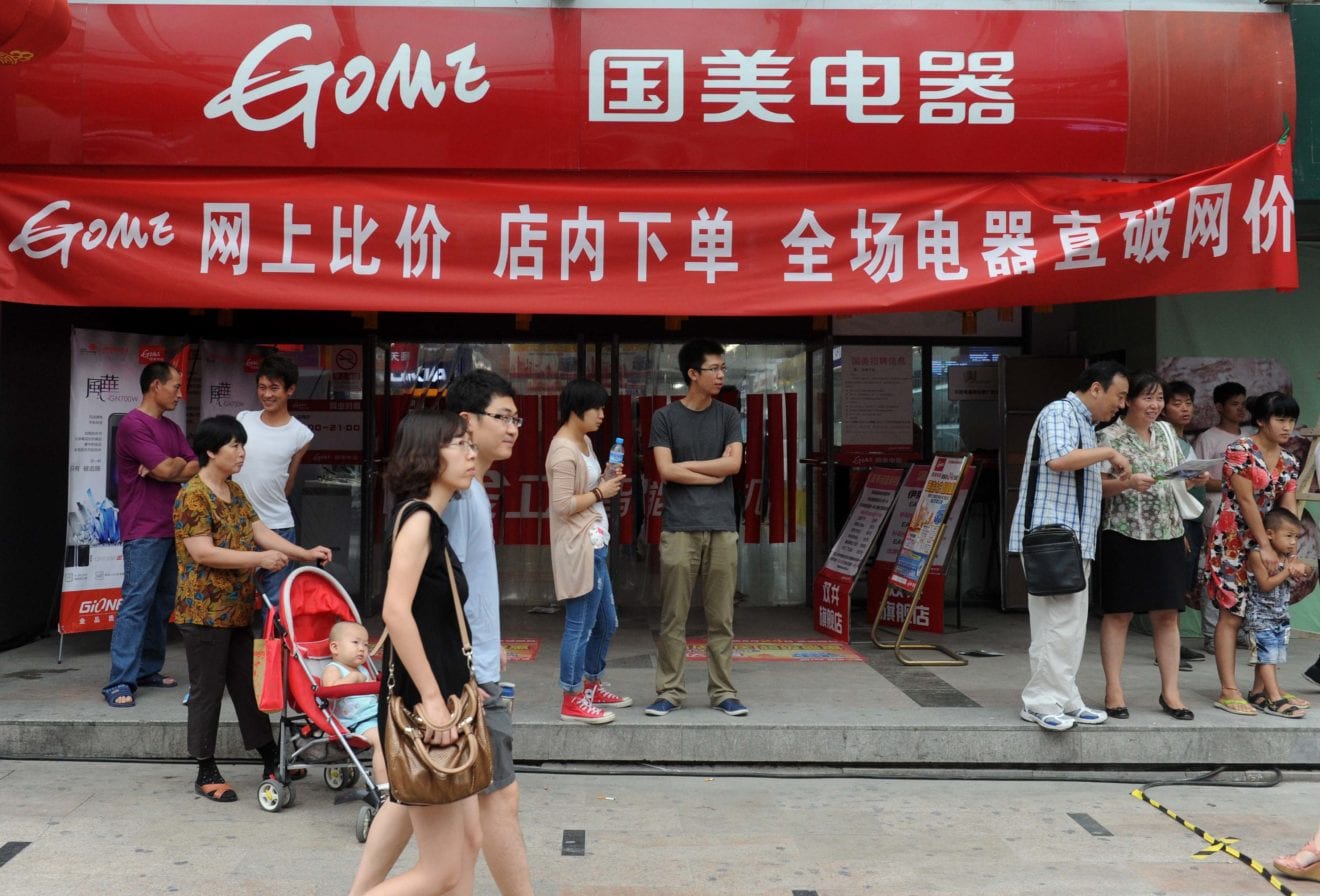
  • China’s Gome set to open in India

    China’s Gome set to open in India

    Chinese electronics retailer Gome is to expand into India.

    The move will involve opening a manufacturing centre in India in order to sell its locally made branded products on the Indian market, which will include appliances, smartphones, and televisions to be sold through multi-brand outlets and online.

    It has already revealed plans to launch three competitively priced smartphones to catch the upcoming festive season in the target region.

    The new firm will be a wholly owned subsidiary of Gome Telecom Equipment, which is part of Hong Kong’s Gome Retail Holdings. Gome Group’s headquarters are based in Beijing.

  • Vietnam’s VinFast in deal with Siemens for technology to make electric buses

    Vietnam’s VinFast in deal with Siemens for technology to make electric buses

    VinFast Trading and Production LLC has signed two contracts with Siemens Vietnam, a unit of Siemens AG.

    The contracts involve the supply of technology and components to manufacture electric buses in the Southeast Asian country.

    VinFast, a unit of Vietnam’s biggest private conglomerate, Vingroup JSC, said on Monday the deals will enable it to launch the first electric bus by the end of 2019.

    “Electric buses are an essential element of sustainable urban public transportation systems,” Siemens Vietnam President and CEO Pham Thai Lai said in the statement.

    VinFast will also produce electric motorcycles, electric cars and gasoline cars from its $1.5-billion factory being built in Haiphong City, it said.

    In June, General Motors Co agreed to transfer its Vietnamese operation to VinFast, which will also exclusively distribute GM’s Chevrolet cars in Vietnam.

  • Samsung vows to invest $161B by 2021

    Samsung vows to invest $161B by 2021

    Samsung announced Wednesday it will spend 180 trillion won ($160.7 billion) and hire 40,000 more employees over the next three years to drive growth – an unprecedentedly ambitious plan from Korea’s biggest conglomerate.

    The 180 trillion won includes capital expenditures and research and development, and some 130 trillion won – 43.3 trillion won on annual average – will be dedicated to the domestic market, which Samsung said would indirectly create 700,000 more jobs.

    The annual figure is in line with the 43.4 trillion won Samsung spent on new facilities last year.

    The remaining 50 trillion won in investments is speculated to be earmarked for mergers and acquisitions as well as foreign manufacturing facilities.

    The pledge of 40,000 new jobs is meant to give jobs to young Koreans, the group explained. Korea is struggling with the worst youth unemployment rate in its history. The number of new jobs created by Samsung over the past three years was between 20,000 and 25,000.

    “Today’s announcement follows many months of deliberation and review by the management and board of directors of different Samsung companies that will make the investments, including Samsung Electronics,” Samsung said in a statement.

    The investments are divided into two categories. One is to sustain the company’s leadership in semiconductors and displays.

    “In addition to investments for memory products, spending will be dedicated to non-memory products and new advanced manufacturing equipment,” Samsung said. Developing profitable and new products will be the focus in displays, amid rising competition in the industry.

    The second category is to search for new growth engines. A total of 25 trillion won will go into four specific areas: artificial intelligence (AI), 5G telecommunications, automotive electronics components and biopharmaceuticals.

    The plan to invest 180 trillion won exceeds a widely expected figure of 100 trillion won. Samsung was supposed to announce its investment and hiring plans on Monday when Finance Minister Kim Dong-yeon visited its Pyeongtaek campus in Gyeonggi and met with its de facto chairman, Lee Jae-yong. But Samsung delayed the announcement at the last minute after stories were published that accused the government of “begging” for investments from conglomerates.

    Samsung’s ambitious plan does follow a request from President Moon Jae-in. In mid-July, the president directly asked Lee to “invest more locally and create more jobs” when the two met at a ceremony in India to mark the completion of Samsung’s biggest smartphone factory in the world.

    Wednesday’s announcement made clear Samsung’s industrial focus for the next few years. Samsung Chairman Lee Kun-hee, now bedridden, used to declare Samsung’s growth drivers every several years. In 2010, four years before he had an incapacitating stroke, Samsung named medical equipment, biopharmaceuticals, solar batteries, auto batteries and light-emitting diodes as its growth drivers, estimating they would generate 50 trillion won in annual revenue by 2020.

    In Wednesday’s announcement, Samsung changed its focus to AI and 5G connectivity that will create new opportunities in autonomous driving, the Internet of Things (IoT) and robotics. The top chaebol had already vowed to significantly expand its AI research capability, increasing its number of advanced AI researchers to 1,000. Becoming a global player in advanced markets for 5G chipsets and related devices and equipment is also on Samsung’s road map for the future.

    Samsung aims to become a leader in electronics components for future cars such as system on chip (SoC) semiconductors for autonomous driving, using its leadership in semiconductor, telecommunications and display technologies.

    In biopharmaceuticals, the group said it has seen strong growth in both contract manufacturing and the biosimilar businesses, promising to invest heavily to combat chronic and difficult-to-cure diseases.

    Following the upbeat statement on Samsung’s biopharmaceutical ambitions – despite a recent scandal over suspected accounting fraud – shares of Samsung BioLogics shot up 7.08 percent to close at 454,000 won Wednesday.

    Peaking at 600,000 won in April, the shares nose-dived to as low as 353,000 won early May after the Financial Supervisory Service started auditing it for accounting irregularities.
  • DJI x LINE launches character-branded drone

    DJI x LINE launches character-branded drone

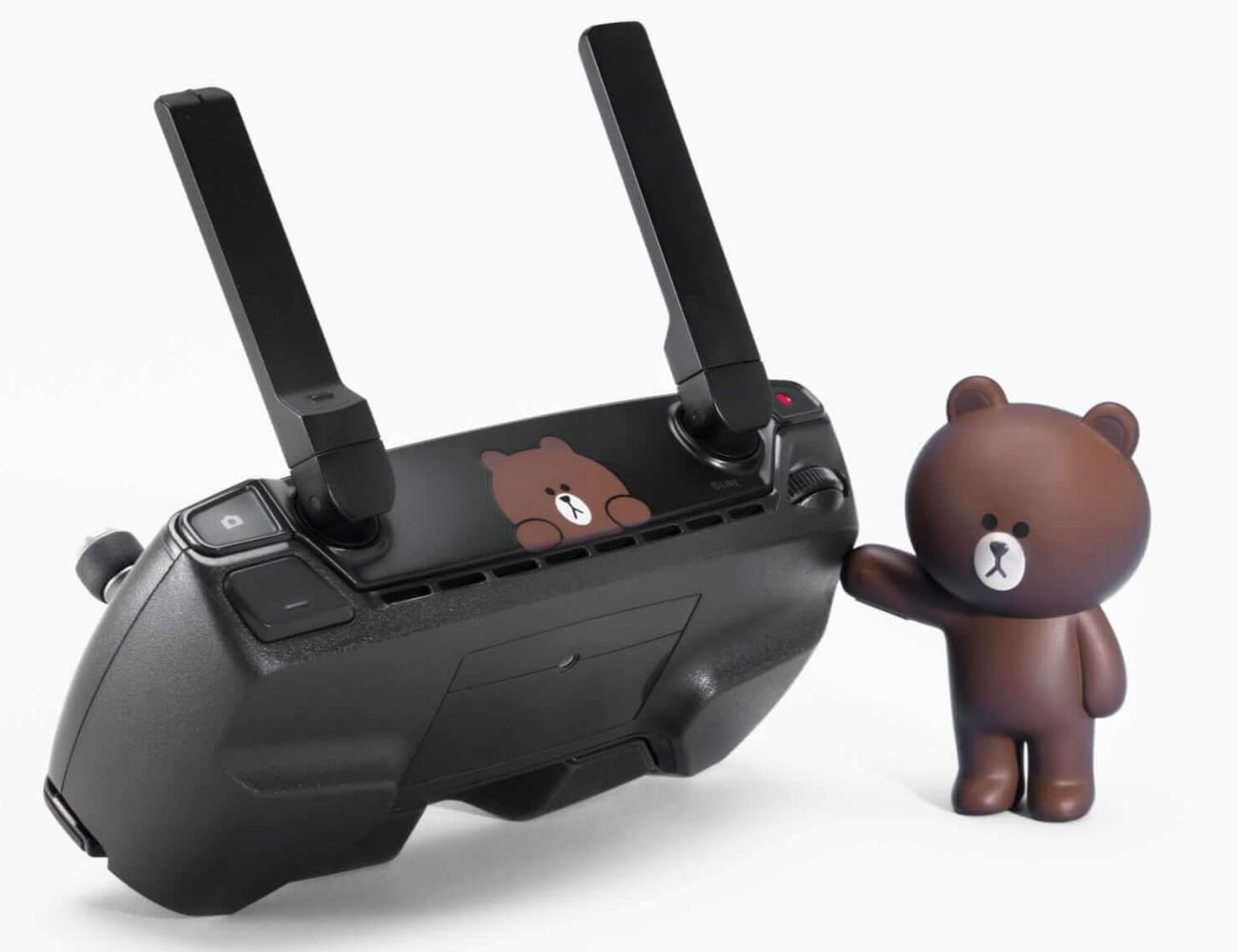
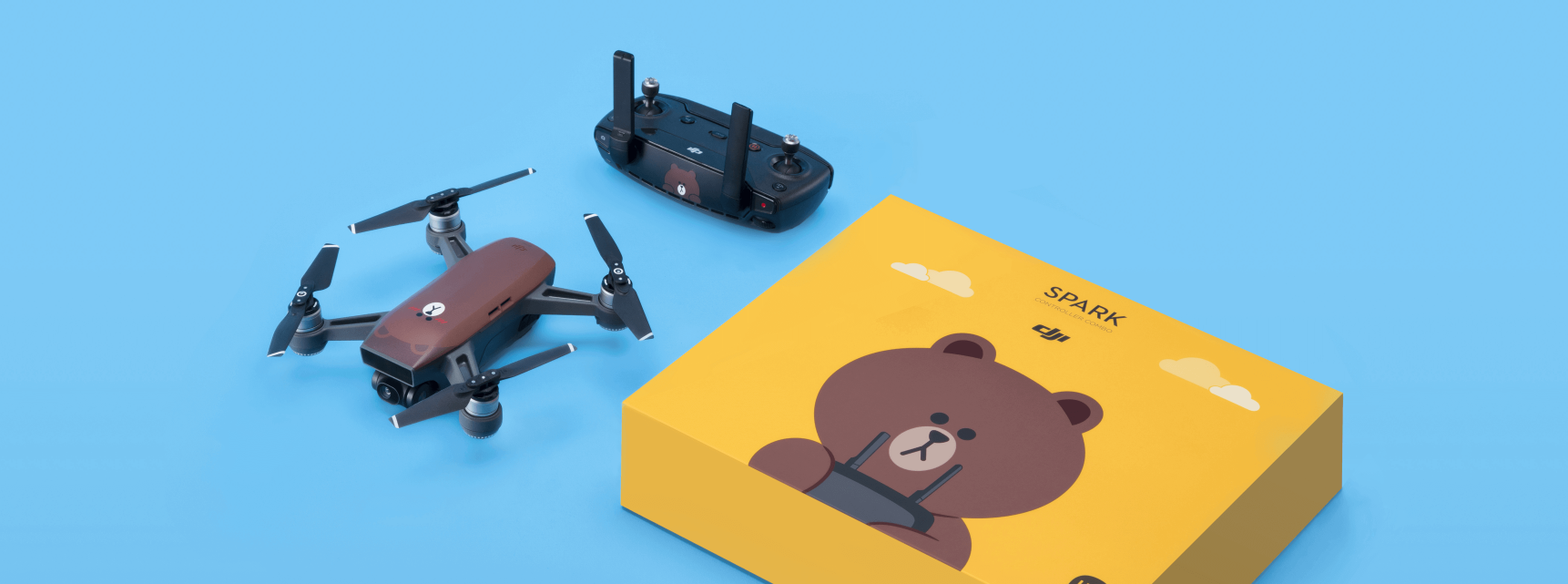
    Shenzhen-headquartered tech firm DJI has released of a Line Friends drone, its first character-branded device.

    The move is expected to be a step towards making the technology more accessible to a wider audience. The miniature camera drone depicts the popular character Brown, and is small enough to lift off from the palm, with a photo-taking capacity of 12 megapixels and 1080p stabilised video capture. The Line Friends drone has the distinctive feature of being able to be controlled with hand gestures.

    DJI’s senior communication manager Monica Suk said, “The DJI Spark earned its reputation as the smallest, yet powerful flying camera. It made flying a drone extremely easy, fun and more personalised. Similar to other things we carry in our bags, a drone is becoming a lifestyle accessory.

    “This special edition Line Friends drone will take this concept even further and make storytelling and sharing exciting, and a part of our everyday life.”

    The Line Friends drone (Brown) Spark RC Combo is selling at US$399 in North America, China, Hong Kong and Korea.

  • Apple is now a $1 trillion company

    Apple is now a $1 trillion company

    Apple has become the first US company with a market cap of more than US$1 trillion overnight, with a jump in stock prices pushing the company past the historic milestone.

    Following the tech giants Q3 earnings report in which it found a quarterly revenue of US$53.3 billion, the “best June quarter ever, and our fourth consecutive quarter of double-digit growth”, according to Apple CEO Tim Cook, stock prices jumped from approximately US$190 to approximately US$200, continuing to climb to a high of US$207.

    The large jump was enough to push the company over the line faster than Amazon, which is on track to reach a US$1 trillion market cap soon, currently sitting at approximately US$885 billion.

    Given the nature of the stock market, it is entirely possible the company will fluctuate below and above US$1 trillion mark, but the feather is now well in Apple’s cap.

    The company is not the world’s first US$1 trillion company though, with PetroChina having briefly reached the coveted position in 2007.

  • Morphy Richards starts selling in South Korea

    Morphy Richards starts selling in South Korea

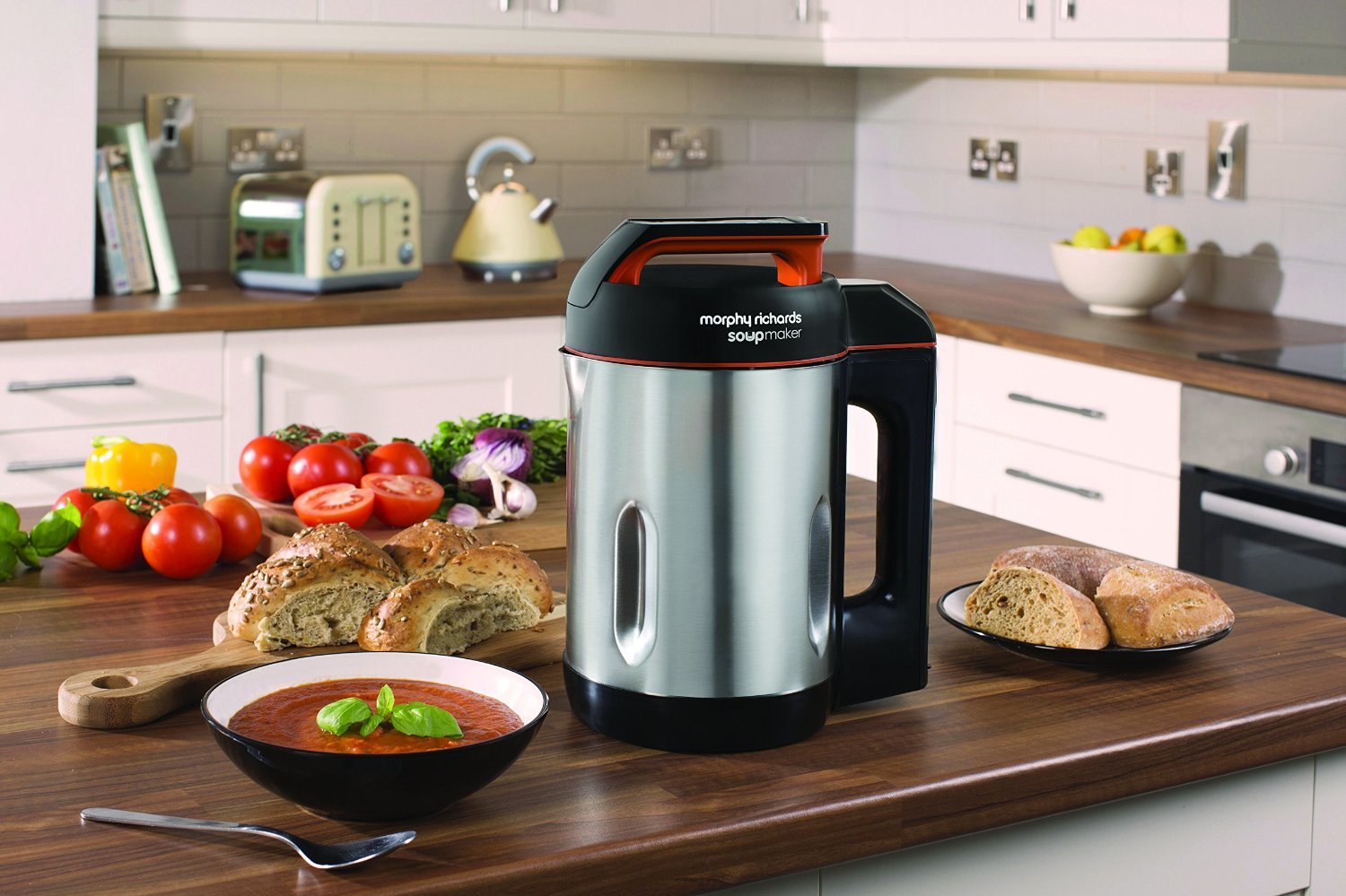
    London-based household appliance maker Morphy Richards has launched in the South Korean market.

    The heritage brand hopes to find a niche in a country dominated by global electronics giants via its local distributor M&S Solution, which already hosts an appliances e-commerce platform. It will expand the distribution channel to Korean department stores, electronics stores and TV home shopping.

    An official from Morphy Richards said the British appliance maker will work hard to win the hearts of South Korean consumers with its “outstanding technology and brand popularity built over more than 80 years”.

  • Half of smartphones sold in 2018 will have AI assistant

    Half of smartphones sold in 2018 will have AI assistant

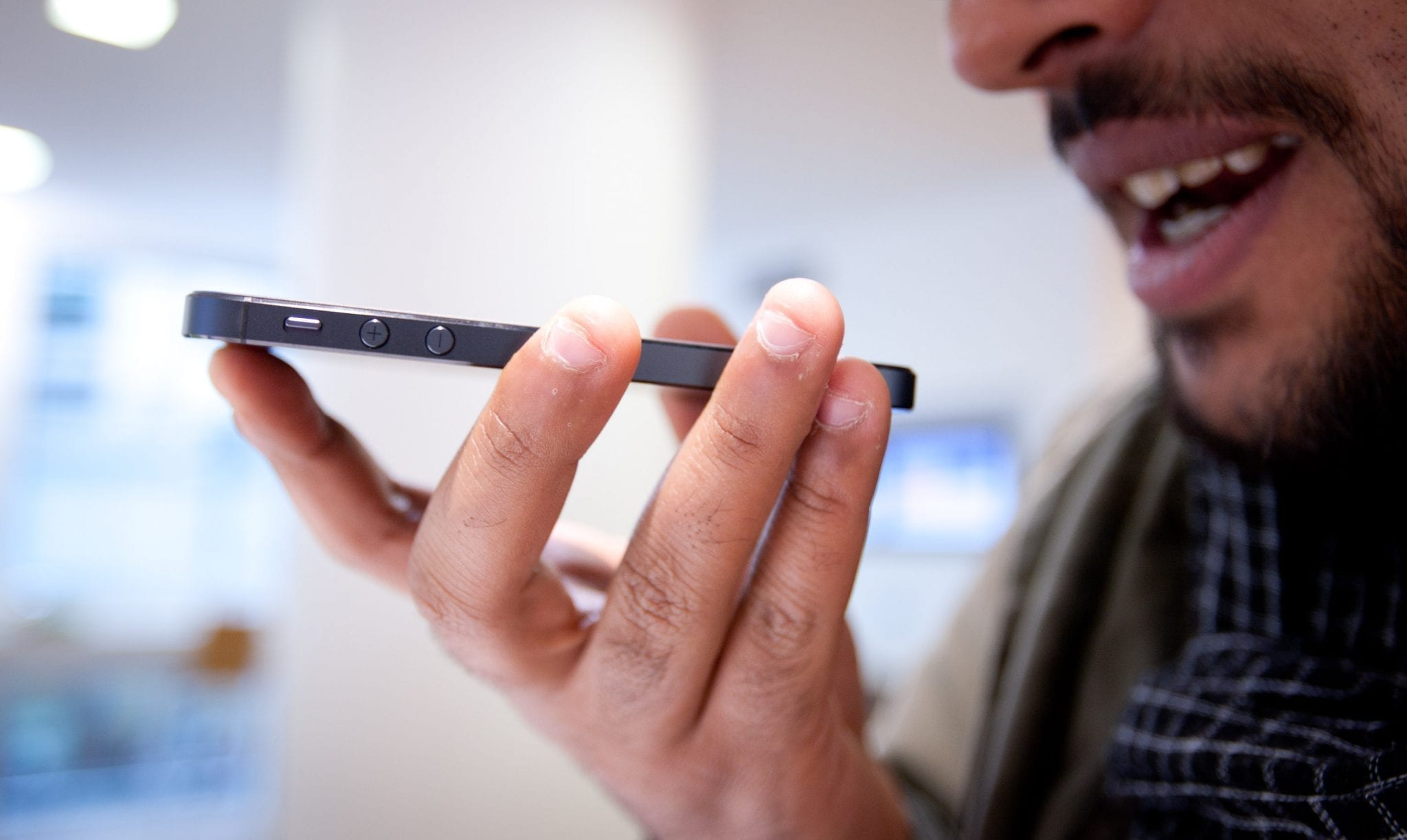
    Half of smartphones sold globally this year will have an artificial intelligence (AI) assistant, a report by an industry consulting firm showed Sunday.

    According to Strategy Analytics (SA), 47.7 percent of smartphones sold on the global market in 2018 will be equipped with some kind of on-device AI assistant, up from 36.6 percent last year.

    The report further finds that on-device AI is growing fast among smartphone vendors and by 2023, 89.9 percent of smartphones will have a built-in AI assistant.

    In 2017, Google Assistant rose to be the top AI assistant with a 46.7 percent market share, followed by Apple’s Siri with 40.1 percent, it said.

    The report said the market share of Google’s AI assistant is expected to climb to 51.3 percent this year and 60.6 percent by 2023.

  • LG gets fancy with new Signature smartphone

    LG gets fancy with new Signature smartphone

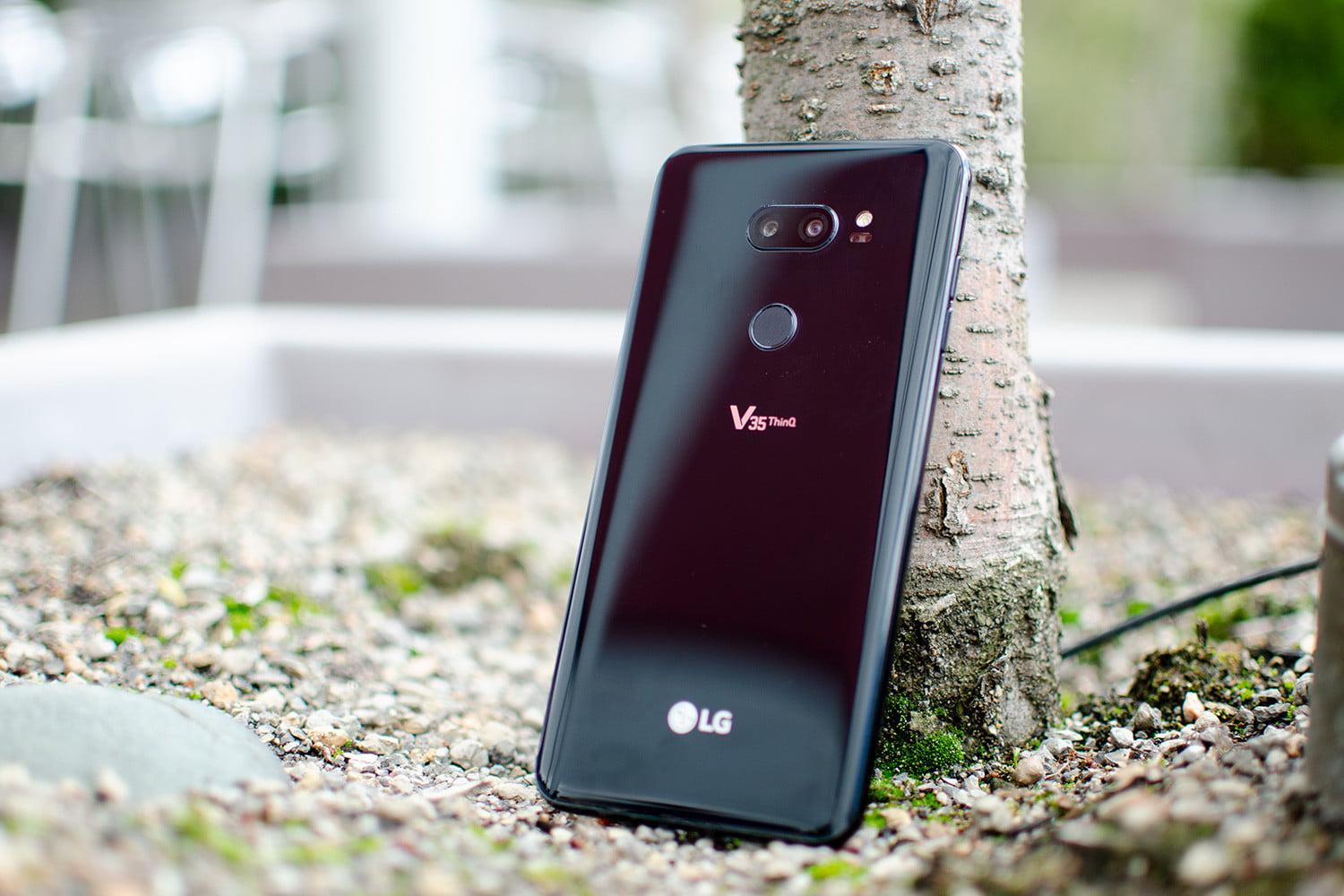
    LG Electronics is rolling out a limited-edition luxury smartphone that costs nearly 2 million won ($1,790).

    The smartphone under the Signature brand name – a second edition after an earlier model released last December – will be available for preorder for two weeks starting today and begin offline sales in Korea on Aug. 13. It will carry a price tag of 1,999,800 won and only 300 units will be available. Signature is LG’s brand of top-notch home appliances including refrigerators and washing machines.

    The pricey phone, based on the form factor of their V35 flagship smartphone, is wrapped in Zirconium Ceramic, a special material that cannot be scratched. The highly sophisticated material is difficult to manufacture and is typically used for luxury watches. The device, with 256 gigabytes of storage and 6 gigabytes RAM, runs on the Android Oreo operating system.

    “We will provide extraordinary value not only in terms of functions but also design and after-sales services,” said Choi Sang-gyu, head of domestic sales at LG Electronics.

    Prospective users will have to buy the phone first – either online or at offline stores run by LG – and then find a mobile operator to subscribe to, as the device won’t sell directly through any of Korea’s three carriers.

    Customers can have their name engraved on the back of the device or on a leather case. Beoplay H9i wireless over-ear headphones, worth as much as 700,000 won, come with the phone.

    The first generation sold out at the end of last year and LG says it found potential in the hyper-premium market.

  • Vingroup to take over Vien Thong A

    Vingroup to take over Vien Thong A

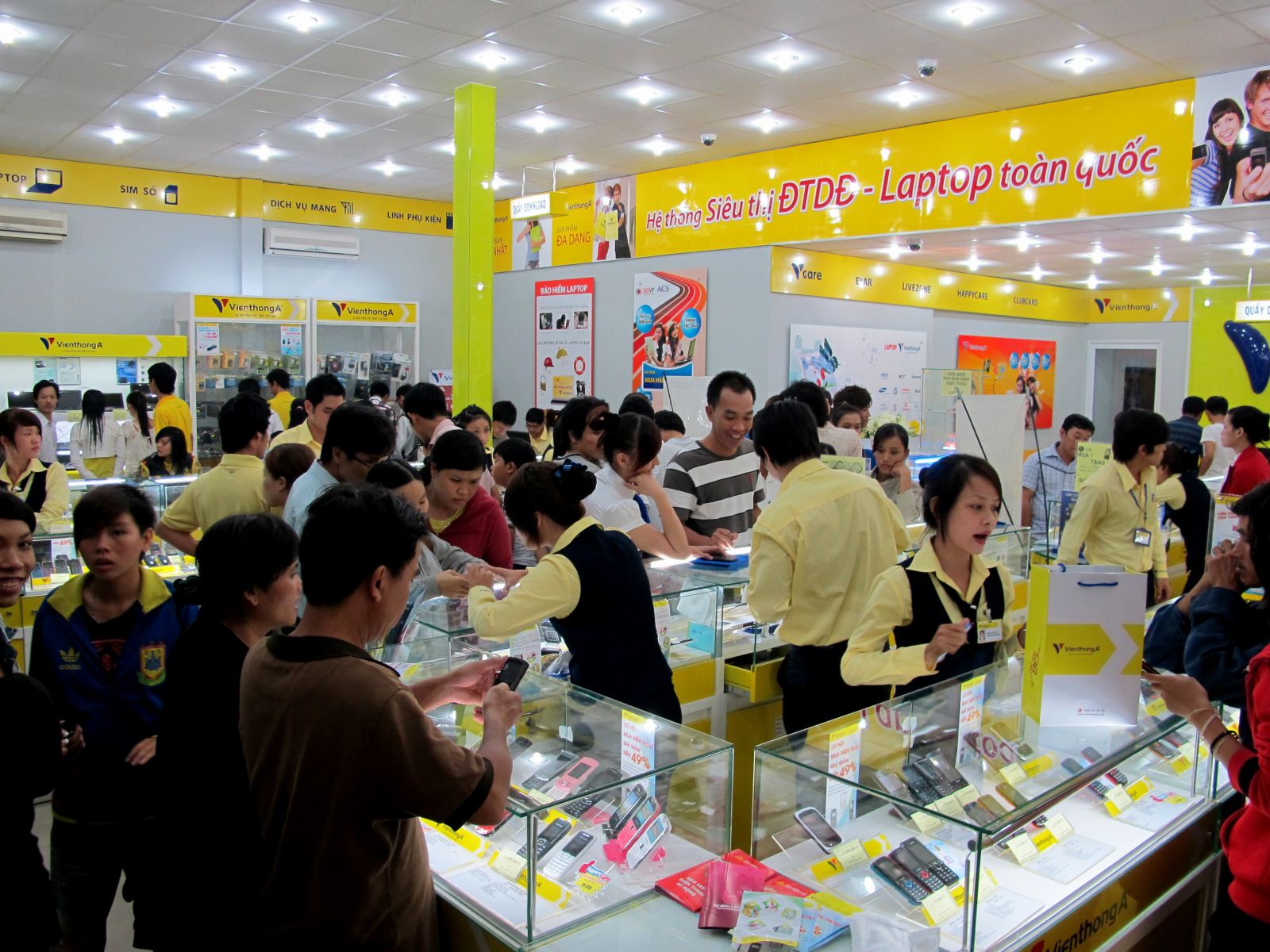
    Vietnamese conglomerate Vingroup’s electronics retailing arm VinPro is set to acquire mobile retail chain Vien Thong A next month.

    A source said that staff have been informed about the deal, and a merger process has commenced.

    However, Vien Thong A’s vice GM Huynh Viet Anh responded to a question about the report’s accuracy: “That can not be disclosed now.”

    Vien Thong A is one of the largest mobile device retailers in Vietnam. Founded in 1997, tit has 200 stores across the country.

    The deal is said to have been on and off since early this year, before being deferred to the second quarter. According to the report, VinPro, which has 35 outlets nationwide, would buy 71 per cent of Vien Thong A, and rebrand its stores to VinPro+.

    VinGroup, meanwhile, recently unveiled its first smartphone, branded the Vsmart.

  • Panasonic India eyes Rs 12,300 crore revenue in FY2018-19

    Panasonic India eyes Rs 12,300 crore revenue in FY2018-19

    Japanese consumer electronics major Panasonic is aiming for revenues of Rs 12,300 crore in India this fiscal, driven by its refrigerator and TV businesses. Panasonic India reported revenues of about Rs 10,500 crore in the previous financial year.The company also expects its B2B business to contribute almost half of its revenues by FY 2020-21 as it is expanding its presence in the segment. Panasonic also introduced new models of OLED and 4K TVs here to strengthen its presence in the segment.

    “This financial year, we are looking at Rs 12,300 crore revenue overall. Last year we had closed around Rs 10,500 crore,” Panasonic India and South Asia President and CEO, Manish Sharma told news agency PTI.

    This includes Panasonic’s revenue from its step-down firm Anchor Electricals.

    “Our intention is to grow for three years with a CAGR of 20 per cent and this year, we are looking for 30 per cent growth in TV,” he further told PTI.

    “By FY 2020-21, we expect our B2B business to contribute half of our revenue,” Sharma said.

    Panasonic also expects its consumer business to be double in the next three years.

    “Last year, we had Rs 7,800 crore from the consumer business (including Anchor) and we are looking it at Rs 9,100 crore this financial year,” said Sharma who is also Vice President, Appliances Company, Panasonic Corporation.

    “Last year, B2B was Rs 2,300 crore and this year it is expected to be Rs 3,200 crore,” he told PTI.

    In the mobile phone market, where Panasonic is struggling, the company has decided to focus only on the niche segment.“We are looking at Rs 800 crore this year and the strategy in mobile is to focus on niche segment of Rs 9,000 and above,” he told PTI.

    In the TV segment, the company expects its 4K range of televisions to account for around 25 per cent share of sales this fiscal.

    “This year we are looking at 1.2 million units of sales which is 11 to 12 per cent of value share. Market share is currently 9 per cent and next year, we are looking at 11 to 12 per cent,” he he told PTI.

    “From less than one million units last year, we are looking up to 1.5 to 1.6 million unit in next three years” he added.

    The TV market in India is estimated to be around 12.5 million units. It is growing at around 10 per cent every year and is expected to touch 14 million units in 2018.

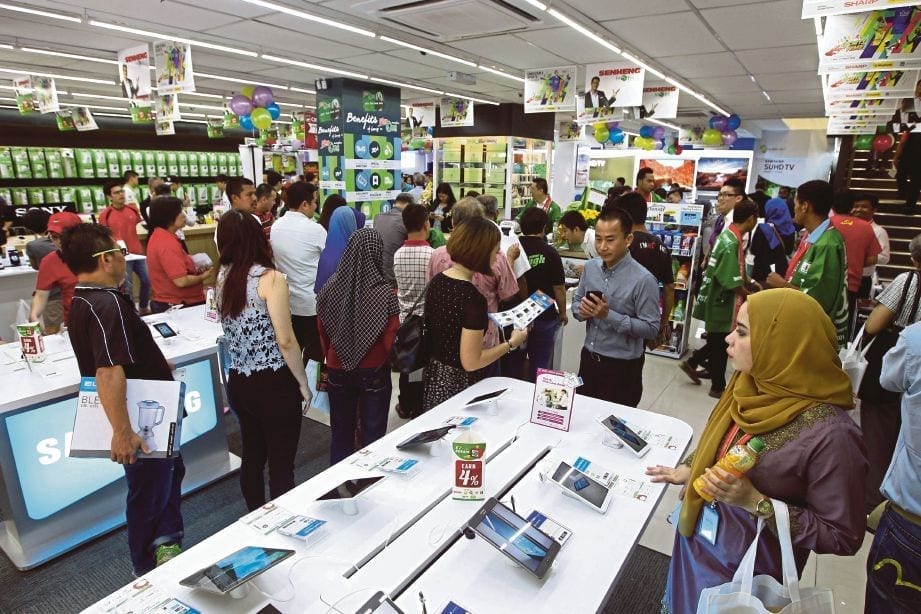
  • Grand Senheng opens electronics megastore Kuala Lumpur

    Grand Senheng opens electronics megastore Kuala Lumpur

    Malaysian electrical retail chain Senheng has opened its first megastore, in Pandan Jaya, Kuala Lumpur.

    Set to be a one-stop destination for anything electrical or electronic, the Grand Senheng megastore enhances the customer experience by allowing shoppers to try out products in a unique and exclusive environment.

    “We pride ourselves on bringing great value, better lifestyle and a seamless shopping experience to our customers,” said managing director KH Lim.

    Senheng adopted a seamless business model last year, designed to align in-store, online and mobile shopping activities.

    To mark the opening, 500 units of high-quality electrical products were offered at only RM10 (US$2.46).

  • Samsung may launch foldable Galaxy in 2019

    Samsung may launch foldable Galaxy in 2019

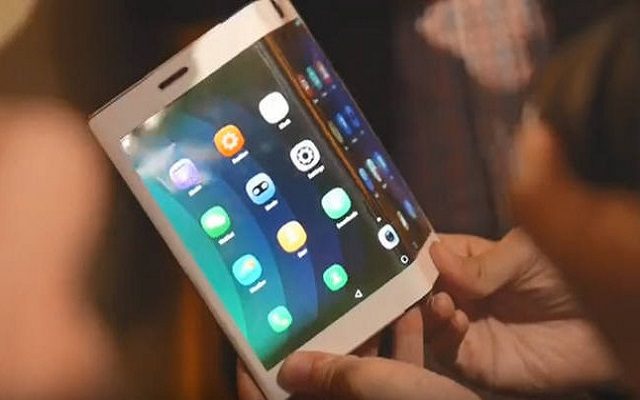
    Samsung Electronics may launch a foldable smartphone called the Galaxy X next year as global phone producers struggle to find innovative features to boost their slowing sales.

    Multiple leaks indicate that Samsung will launch the phone soon.

    The Wall Street Journal reported Wednesday that Samsung will introduce the bendable phone “early next year,” while Phone Arena, a media outlet specializing in phone industry leaks, reported that Samsung may unveil its first foldable smartphone at the Consumer Electronics Show 2019 next January in Las Vegas.

    According to the Wall Street Journal, the code name for the prototype phone is Winner.

    Its display is reported to be seven inches diagonally when opened, which is similar to a small tablet. It will bend towards the inside of the device like a wallet. This would allow users to watch videos on a large screen and also carry the phone around more conveniently by folding it. The phone’s diagonal size is expected to shrink to 4.5 inches when folded.

    The U.S. smartphone giant Apple is also working on a foldable phone. It applied for a foldable phone-related patent to the United States Patent and Trademark Office at the end of 2016. Its foldable phone is reportedly 9.7 inches diagonally when unfolded and 5.5 inches when folded.

    Samsung’s local rival, LG Electronics, is also joining the competition. It is waiting for the U.S. patent office to approve its patent application for foldable phones by the end of this month. In August last year, it also applied for a design patent for a foldable phone to the World Intellectual Property Organization. Motorola recently received a design patent for a foldable phone from the World Intellectual Property Organization. The design reportedly includes a long rectangular screen that can be folded to function as a smartphone and unfolded to act like a tablet. China’s Huawei Technologies originally planned to unveil its first foldable phone in November, but the company has likely pushed back its launch date to 2019.

    The global focus on foldable phones is largely due to consumer expectations for changes to smartphone designs, which have been stagnant for some time.

    As today’s premium smartphones now have similar specs, consumers have grown tired of their similar designs and features, and sales growth for many brands has slumped.

    The high expectation for the foldable phones, however, is making electronics companies cautious as they prepare to launch them.

    “Their biggest struggle is to come up with content and a user interface that is specific to a foldable display,” said a source in the display industry.

    The marketability of these products is also another concern. Market tracker Strategy Analytics projects that global foldable phone sales will start at 3.2 million units next year and grow to 50.1 million units by 2022. According to this prediction, even if the foldable phone market expands by roughly 15 times over the course of three years, their sales will only account for 2.5 percent of total smartphone sales in 2022. Industry insiders speculate Samsung’s foldable phone will carry the hefty price tag of $1,500.

    The Wall Street Journal noted that the launch date may change and added that Samsung may not put the phone on sale immediately after unveiling it.

  • Xiaomi phone comes to Korea

    Xiaomi phone comes to Korea

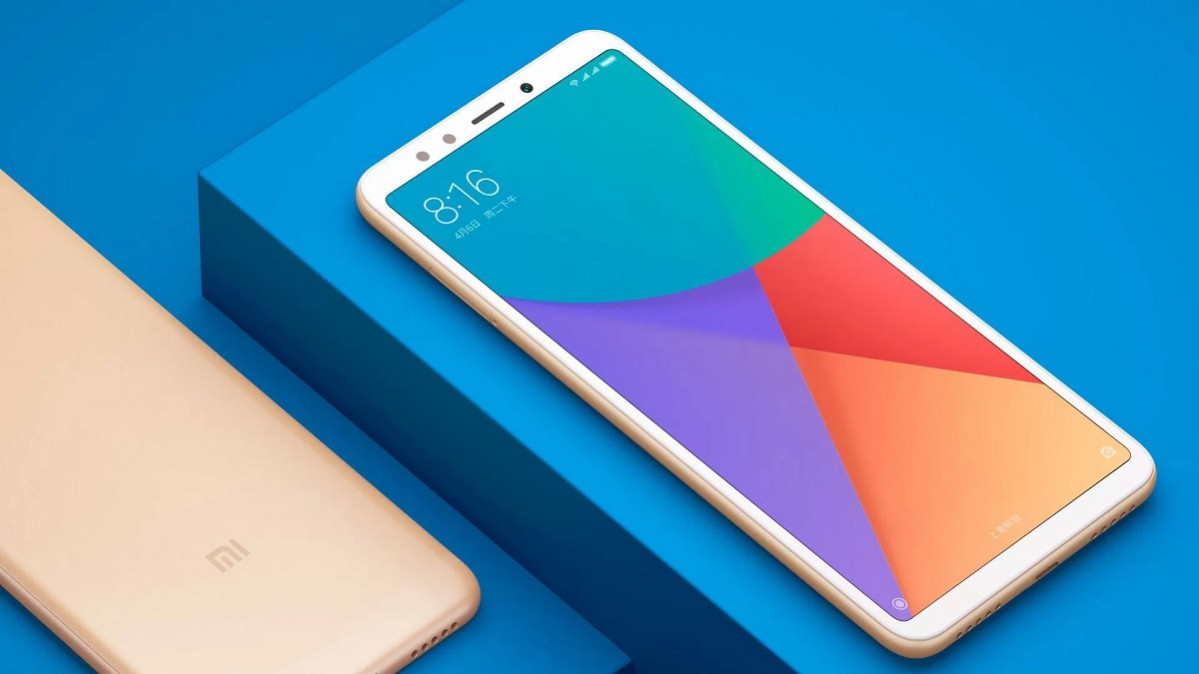
    Xiaomi’s Redmi Note 5 became the Chinese electronics giant’s first mobile phone to officially sell through Korean mobile carriers on Monday.

    The cost-effective phone, priced at 299,000 won ($265), is the first Xiaomi device launched nationwide through Korean mobile carriers SK Telecom and KT. Unlocked Xiaomi phones have previously been available through other retail channels in Korea.

    Redmi Note 5’s greatest selling point is its cheap price tag. While the phone already costs about a third of the price of Samsung’s Galaxy S or Note series phones or Apple’s iPhones, SK Telecom and KT are offering discounts of up to 200,000 won depending on the phone plans users subscribe to.

    That means that some customers will be able to pick up the phone for as little as 100,000 won.

    But the Redmi Note 5’s cheap price tag doesn’t mean Xiaomi has cut back on the features.

    The 5.99-inch screen phablet comes with a large 4,000mAh battery – larger than both the 3,300mAh battery in the Galaxy Note 8 released last year and the 3,000mAh battery in the Galaxy S9 released in March – and dual rear cameras with a 12-megapixel main lens.

    For enhanced selfie mode, the phone has a 13-megapixel front-facing camera. G-mobi, the Korean distributor of Xiaomi products, said that artificial intelligence has been applied to the camera so it can blur the background to focus on people during a launch event held Monday in Seoul.

    G-mobi also emphasized the beautify 4.0 feature of the camera, which can add effects to peoples’ faces by recognizing each part of the face such as dark circles, nose, eyes and even freckles. The feature enables users to easily fix their looks without editing the photo through special apps or programs.

    Jung Seung-hee, CEO of G-mobi Korea, said the Redmi Note 5 has been gaining better-than-expected feedback during the presales period that began from July 12. The phone is also sold online by CJ and Hi-Mart. Jung did not disclose exact sales data.

    She also declined to comment on an exact sales target for the phone, only saying that the goal for now is to safely land Xiaomi as a smartphone brand in Korea.

    When asked whether Xiaomi plans to establish its own retail shop in Korea, Jung said that is highly desired and a plan is being considered, but the low margin on Xiaomi products makes it a difficult decision.

    With the launch, eyes are now on how much market share the phone can take in Korea, the home turf of smartphone giants Samsung Electronics and LG Electronics where non-Korean branded phones have rarely survived, with the exception of Apple’s iPhone.

    According to market tracker Strategy Analytics, Samsung phones have accounted for 65.3 percent of the local smartphone market in the first quarter, followed by Apple with 16.7 percent and LG at 12.2 percent. Other foreign brands are struggling to even achieve a five percent market share.

  • US formally overturns import ban on ZTE

    US formally overturns import ban on ZTE

    The US government has lifted its denial order against ZTE, finally clearing the way for the vendor to resume major operations.

    ZTE suspended major operations after the US Commerce Department banned ZTE from importing components from US companies in April as part of its investigation into ZTE’s alleged violation of US sanctions prohibiting companies from selling equipment with US components to Iran and North Korea.

    But after US president Donald Trump signified in May that he would intervene to allow ZTE to get back in business, the department struck a deal in June for ZTE to pay a further $1 billion penalty and hire a compliance team chosen by the US.

    ZTE has also been instructed to deposit $400 million into an escrow account that will be forfeit in case of future violations.

    Now the ban has formally been lifted after ZTE complied with all the requirements of the deal, as reported.

    But some US lawmakers, including junior senator for Florida Marco Rubio, are seeking to introduce legislation to reinstate the ban due to national security and other concerns.

    ZTE had already agreed to pay an $892 million penalty imposed by the Commerce Department during the initial investigation into the alleged sanction violations, but the department imposed the ban after accusing the vendor of failing to comply with the terms of the initial settlement.

    The development comes in the midst of the escalating tariff war between the US and China.

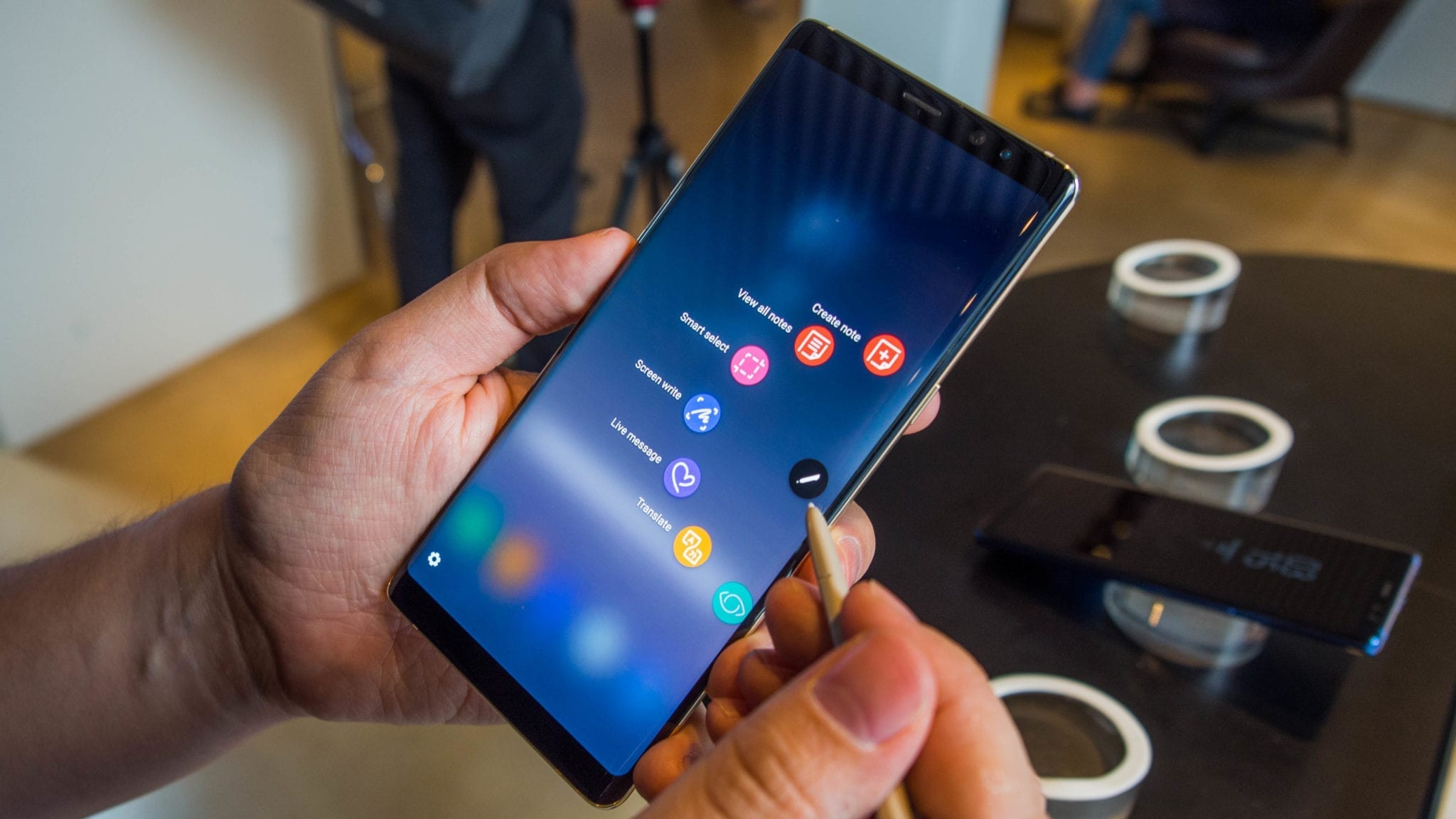
  • Samsung’s Note 9 stresses power of stylus

    Samsung’s Note 9 stresses power of stylus

    Samsung Electronics’ next flagship smartphone, the Galaxy Note9, will hit the Korean market on Aug. 24, according to sources.

    The phablet, scheduled to be unveiled in New York at 11 a.m. on Aug. 9, can be preordered starting Aug. 14 and will be shipped on Aug. 24, around three weeks earlier than its predecessor, the Note8, last year.

    Samsung is advancing the release date to chalk up some sales before Apple launches its next flagship phone in three versions in September.

    In an online invitation to the so-called unpacking event for the Note9, Samsung emphasized its S Pen stylus, indicating its features will become more varied.

    Last Thursday, a Galaxy fan renowned for leaks who goes by the user name Ice Universe tweeted a photo presumed to be the Galaxy Note9’s official poster. An image showed a yellow S Pen lying on a blue Note9. The S Pen is rumored to be able to remotely play music and set timers on the smartphone over Bluetooth.

    The image of the Note9’s rear shows a fingerprint scanner and heart rate module underneath dual camera lenses.