Category: Electronics

Retail News Asia is committed to providing both local and global retailers with the latest Electronics news throughout the Asian market. This on a daily base.

  • Samsung Experience Zone now available at HIA

    Samsung Experience Zone now available at HIA

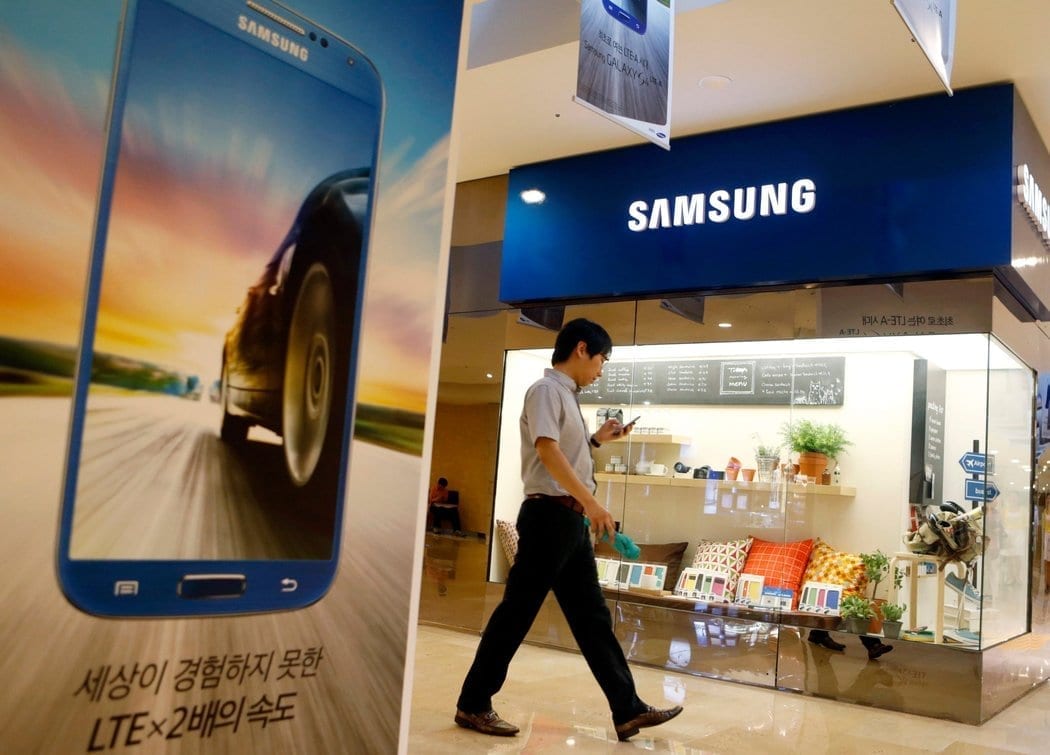
    Qatar Duty Free (QDF) has launched a one-of-a-kind Samsung Experience Zone in Hamad International Airport (HIA). The Experience Zone, which is located at Concourse C, showcases the newest Samsung products for passengers to experience first hand.

    The Samsung Experience Zone, measuring approximately 150 square metres, showcases the latest mobile phones and accessories, such as Samsung Galaxy S9 and S9 Plus, Samsung Note 8, Samsung Gear VR, and much more.

    Head of Qatar Duty Free, Mr. Thabet Musleh, said: “Qatar Duty Free is proud to be the first airport retailer to introduce the Samsung Experience Zone in the Gulf region. QDF understands the power of technology, innovation and creativity now and for the future, in alignment with the Qatar National Vision 2030. It is a privilege to work with our key partner, Samsung Gulf Electronics, to bring the latest technology to HIA, providing our passengers with even more engaging experiences and making HIA a world-class shopping destination in itself.”


    The innovative duty free operator is now the second-largest duty free operator in the Middle East and was recently awarded ‘Airport Retailer of the Year’ at the DFNI Global Awards 2018 who recognise and accolade international retailers for being best-in-class.

  • Apple is opening second store in Macau

    Apple is opening second store in Macau

    Construction crews have begun assembling a green facade at the site of the second Apple Macau store, to be located next to the Sands Cotai Central casino resort.

    A sign says the shop is “coming soon”, but the facade sports a wave pattern and a chrome-like logo, signalling that Apple considers it an important outlet (the company often uses a plain black facade for smaller openings).

    The first Apple Macau store opened in June 2016 at Galaxy Macau.

    Apple’s store in Causeway Bay, Hong Kong, is also undergoing renovations as the tech retailer rolls out an updated store model across the region.

    And in Beijing,  the Apple store on Wangfujing Road will close on June 24 for a makeover, with no date set for re-opening.

    Opened in 2012, it is one of Apple’s older stores in China, a two-floor outlet with a round glass facade.

    Apple’s remodelled stores often gain extra space to accommodate both more products and customers. A larger floor gives room for Today at Apple sessions related to photography, coding, exercising with the Apple Watch, and other topics.

    Apple’s latest retail design, introduced in 2015, typically includes glass doors, video screens for product marketing and in-store events, and sequoia wood shelves on the walls for accessories.

    Its flagship Covent Garden store in London will also be closed from June 27 for renovations. This location became Apple’s largest store when it opened in 2010.

  • Samsung Electronics calls for retrial in Apple case

    Samsung Electronics calls for retrial in Apple case

    Samsung Electronics on Tuesday called for a retrial of the latest ruling by a U.S. court, which ordered the Korean tech giant to pay Apple $539 million over design infringement.

    The Korean tech giant claimed that the amount awarded to Apple by the latest ruling is excessive, demanding that the U.S. District Court in San Jose, California, reconsider the ruling.

    The conflict between the two companies surrounding alleged design infringement started in 2011, with the court ruling ordering Samsung to compensate Apple coming in May.

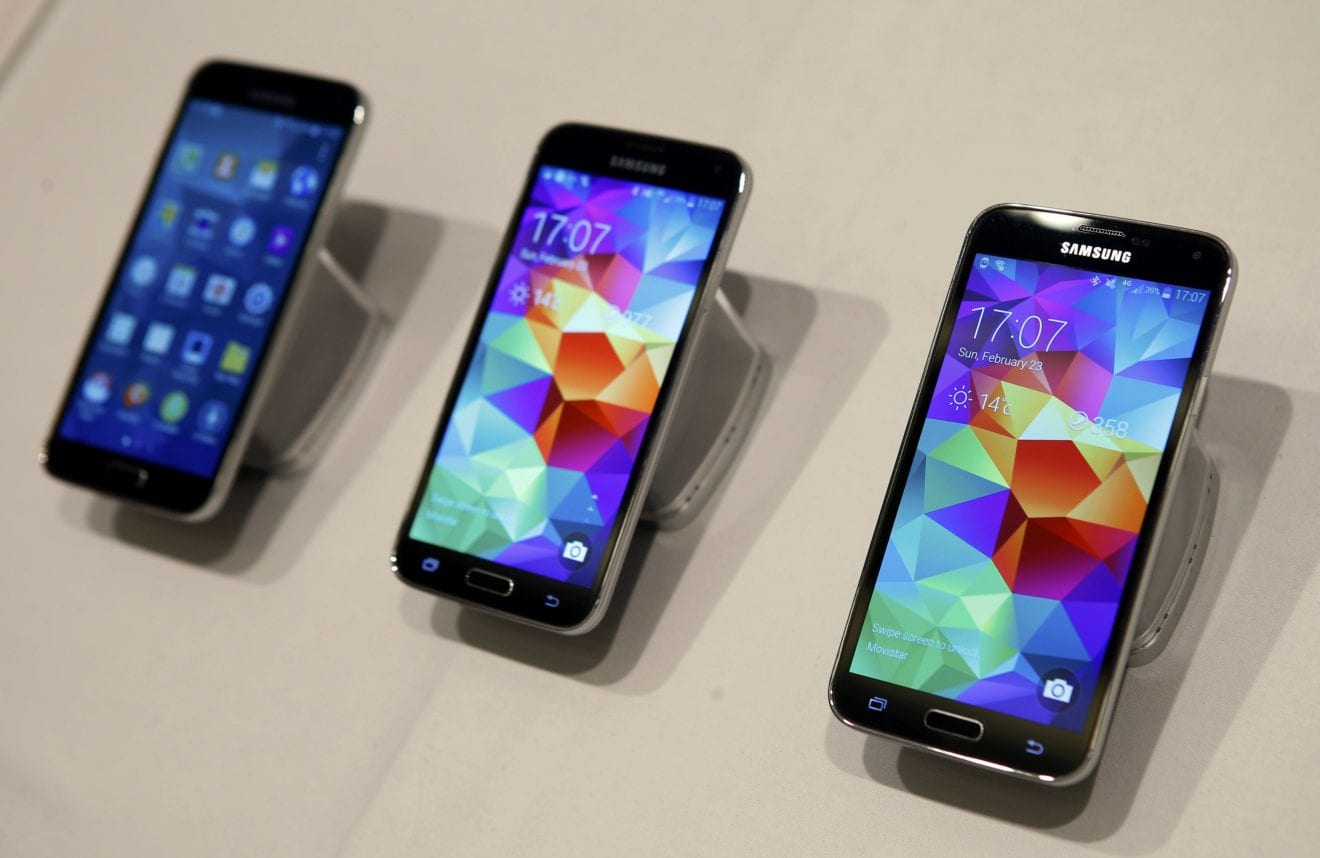
    The U.S. company claimed Samsung violated its designs, such as a “black rectangular front face with rounded corners,” a “rectangular front face with rounded corners and a raised rim” and a “grid of 16 colorful icons on a black screen.”

    Shortly after the court ruling, Samsung said it would “consider all options to obtain an outcome that does not hinder creativity and fair competition for all companies and consumers.”

  • Sony opens world’s 1st deep bass concept audio store in Malaysia

    Sony opens world’s 1st deep bass concept audio store in Malaysia

    Sony’s first Extra Bass store in Southeast Asia has just opened in Kuala Lumpur’s Sunway Pyramid Asian Avenue.

    Extra Bass was designed to provide an unusual shopping experience for consumers into sound experiences at home or on the move. Creative displays show off a range of Sony’s Extra-series products, including headphones and wireless speakers.

    Sony plans to expand the concept to create a Music Information Hub for students, working with schools and communities to encourage more young people to participate in music and the arts.

    With a focus on experience and engagement, the store’s primary goal is to broaden people’s minds about music and entertainment, rather than simply sell gadgets.

    “Living in a technological era, brick-and-mortar retail is rapidly losing ground to its online rivals,” said Nixon Ng from Chip magazine in a comment.

    “To combat this, concept stores have appeared on the scene, ready to stimulate our senses and tempt us back to the physical shopping world … It’s a space where art, culture and commerce collide to promote a particular lifestyle.”


  • Samsung tip has government investigating KIP

    Samsung tip has government investigating KIP

    The Ministry of Trade, Industry and Energy has been investigating a Korean company over technology leakage overseas at the request of Samsung Electronics, sources said on Monday.

    The probe into KIP, a private company belonging to the Korea Advanced Institute of Science and Technology, started in April after Samsung Electronics reported the issue to the government. But the issue is complicated by an ongoing lawsuit between KIP and Samsung in the United States.

    KIP sued Samsung over mobile transistor intellectual property, and critics have suggested that Samsung’s recent allegations are an attempt to cloud the issue.

    Back in late 2016, the company run by a group of researchers at Kaist filed a suit at a federal court in Texas against Samsung for using its patented technology for mobile 3D transistors, known as fin field effect transistors (FinFET), since 2015. The technology is used to increase the processing speed of smartphones and tablet PCs.

    Unlike Samsung, Intel has been paying around 10 billion won ($9.3 million) to use the technology since 2012. KIP demanded that Samsung pay for its use of the technology as well, and a jury is set to hand down the first verdict on the case on June 16.

    Samsung, however, has refused to pay for the technology, claiming it was initially developed as part of a state-supported research project. The electronics giant fought back, claiming that KIP leaked the core technologies overseas.

    The world’s No. 1 chipmaker asked the ministry to look into whether KIP’s intellectual property fits into one of seven categories that either have technological and economic value in markets at home and abroad or have great growth potential that are stipulated in the Act on Prevention of Divulgence and Protection of Industrial Technology.

    The seven designated technologies need state approval before being exported overseas.

    While reviewing documents preparing for a trial, Samsung claims it found evidence of a national core technology being leaked abroad without approval from the Commerce Ministry.

    FinFET was originally a joint project between Wonkwang University, where Lee Jong-ho, now professor at the department of electrical and computer engineering at Seoul National University, was serving as professor, and Kaist in 2001. Lee patented the technology under his name in Korea and handed it over to KIP later. KIP then transferred the patent to its U.S. branch, which was established in 2016.

    “It is hard to conclude whether [the KIP-owned technology] is a core national technology and it is not clear either whether the issue needs to be assessed by a group of experts,” said a ministry official. “We are taking into consideration of various aspects, given the issue could affect the trial.”

  • Poundworld on the brink of collapse with 5,300 jobs at risk

    Poundworld on the brink of collapse with 5,300 jobs at risk

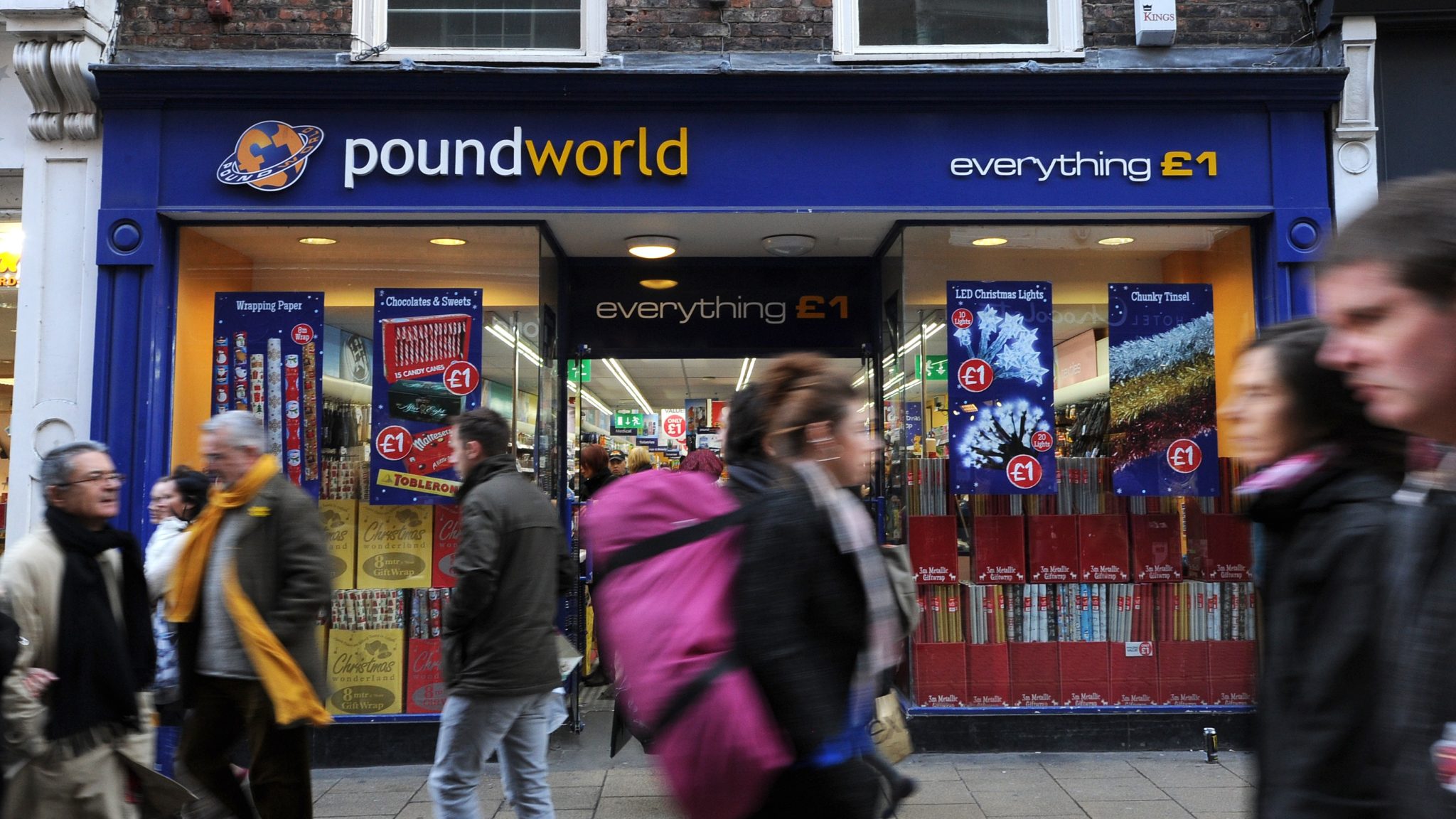
    UK discount retailer Poundworld is on the brink of collapse with an administrator about to be appointed following the collapse of talks with a potential angel investor.

    As reported, the company has filed a notice of intention to appoint an administrator, giving the company 10 business days protection from its creditors, and management time to finalise a restructuring plan to keep the 355-store chain trading.

    The UK financial press reports that Deloitte has been appointed to oversee the administration process and was already working on a plan as a contingency should a new owner not be found.

    Retail turnaround specialist Alteri Investors this week walked away from talks over taking over the ailing company leaving the owners with no other option than to commence administration procedures, given the business is running low on cash.

    Poundworld is owned by US private-equity company TPG Capital. Last financial year it lost £17.1 million, more than three times the loss of the prior year.

  • Verizon names former Ericsson chief as new CEO

    Verizon names former Ericsson chief as new CEO

    Former Ericsson chief executive Hans Vestberg was named Friday as the new CEO of US telecom group Verizon, succeeding Lowell McAdam as of Aug 1.

    Vestberg, 52, is currently chief technology officer and head of global networks for Verizon, the leading US wireless telecom group which also owns the AOL and Yahoo brands and is a major broadband provider.

    McAdam, 64, who has been CEO since 2011, will serve as executive chairman until the end of next year, when he will retire and become non-executive chairman, a Verizon statement said.

    Under McAdam, Verizon took over the stake in the important wireless unit from Britain’s Vodafone and built a customer base of more than 150 million.

    He also led efforts to buy faded internet stars AOL and Yahoo to create a digital media operation within the firm, under the brand known as Oath.

    Vestberg, a native of Sweden, served for six years as president and CEO of that country’s big telecom-networking group Ericsson before moving to Verizon.

    He takes over as telecom firms race to build fifth-generation, or 5G networks expected to lead to an array of new services such as telemedicine and autonomous vehicles.

    The transition also comes amid a pending tie-up between number three and four carriers T-Mobile and Sprint, subject to regulatory review.

    Verizon’s main competitor, AT&T, is seeking a transformation with the purchase of media-entertainment giant Time-Warner, a deal being challenged by US antitrust authorities.

    “I am humbled to be appointed CEO of Verizon at such an exciting and dynamic time for our company and industry,” Vestberg said.

    “We are experiencing unprecedented changes in the way users interact in the digital world, and we are racing ahead to remain at the forefront of technology, connectivity and mobility.”

  • Devialet Hong Kong flagship store is officially open

    Devialet Hong Kong flagship store is officially open

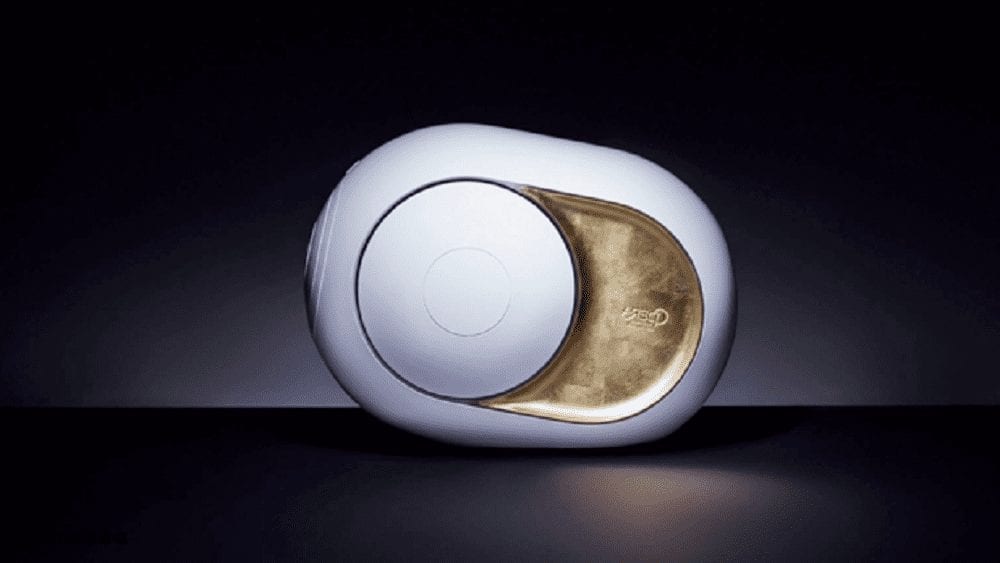
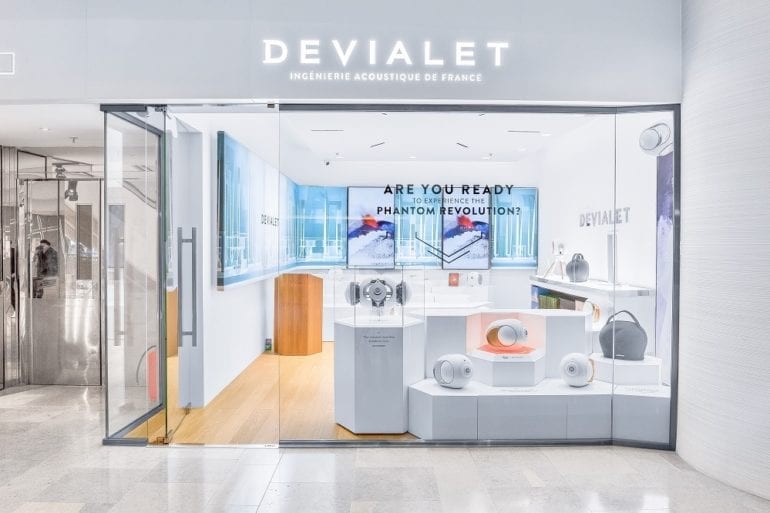
    Devialet, the French innovator in breakthrough sound technology, has officially opened its new Hong Kong flagship in Pacific Place located at Shop 134 on Level 1.

    Following a successful soft launch period and extensive three-phase remodel and renovation, Devialet Hong Kong customers can now fully experience the best sound in the world at new Immersive Rooms located within the 732 sq foot flagship in this iconic Hong Kong retail destination.

    As one of Hong Kong’s premier lifestyle hubs and purveyors of contemporary luxury, Pacific Place is the ideal fit for the new Devialet flagship and its iconic Phantom.

    The new opening marks the latest addition to Devialet’s fast-growing retail presence in Hong Kong, spanning the Devialet store at Harbour City in TST, an Immersive Room at Elements in West Kowloon, the Devialet Private Lounge (By Appointment Only) in Lee Garden Causeway Bay, and authorised dealers.

    The new store opening coincides with the launch of the new album of The Lost Recordings by Devialet and Fondamenta, a truly remarkable set of five previously unreleased recordings by piano maestro Emil Gilels.

  • Samsung tops Asia’s top 1000 brands ranking

    Samsung tops Asia’s top 1000 brands ranking

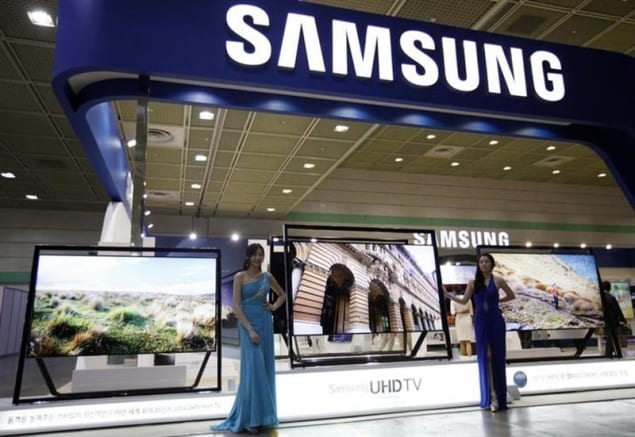
    Samsung again tops Asia’s Top 1000 Brands list, produced by Campaign Asia-Pacific and Nielsen.

    In its 15th year, the list again has Apple at second place.

    Rounding out the top 10 are Panasonic (up two spots), Sony (down one place), Nestle (down one), LG, Google (up six), Chanel, Nike (down two) and Philips (up 10).

    While the past 12 months have seen Samsung riding high on social awareness and release a string of hot new products, it is the brand’s size and “traditional” marketing methods that keep it at the top, say experts.

    It has emerged as the top brand in Asia for the seventh year in a row, despite the disastrous exploding Note 7 phone saga.

    Google jumped five places in the list this year, breaking into the hallowed Top 10 for the first time since 2011 and finishing in position seven. The company emerges as Asia’s favourite search engine in all markets except China and South Korea, and it is also rated top for “digital experience” in all markets except China (where consumers cited Apple) and India (Amazon).

    Still climbing

    Chinese brands are still climbing the chart. Huawei, which jumped 661 spots last year, and Xiaomi (up 577 spots) have been more moderate this time. Huawei has gained another 44 spots to rank 158th overall, while Xiaomi leapt 88 places to land at 128, making it China’s top home-grown brand throughout Asia-Pacific for this year.

    Best dressed among fast-fashion brands were Zara, which reached 52nd place in the Top 1000, and H&M, which climbed to 65th. Both brands improved significantly on their positions last year. Japanese clothing brand Uniqlo also leapt up the charts, landing in 38th position.

    Not all e-commerce brands are capitalising on the steady rise in online shopping. While top players Amazon, Lazada and Taobao saw strong gains, others like Ebay, Rakuten, Zalora and Flipkart still have work to do.

    Amazon jumped 20 spots to become Asia’s 23rd top brand overall. Lazada, powered by Alibaba, surged even more (35 places) to cement its position at 62nd overall. Alibaba’s Taobao, top in China but slower to grow outside of it, moved 31 spots higher but is still a distant third across the region, ranking 210th.

    However, other key players have been losing ground. EBay, ranked 144th two years ago, has steadily dropped to 237th this year. Japan’s Rakuten slipped slightly this year to 331st after a larger drop last year. Fashion-focused Zalora tumbled significantly this year to place 409th, while strong players in specific markets like Flipkart (second in India) and Qoo10 (first in Singapore) both dropped more than 60 places overall to land at 564th and 592nd respectively.

  • Samsung Electronics shares jump on sale

    Samsung Electronics shares jump on sale

    Samsung Electronics shares shot up 2.42 percent on Thursday over the previous day to close at 50,700 won ($47), largely due to two of the chaebol’s financial affiliates selling their stakes in the tech giant on Wednesday.

    The market sees the sale as a step toward changing Samsung’s complicated governance structure. Samsung Group has been under pressure to reform its governance structure, which relies on webs of cross-shareholding ties among its affiliates.

    Financial Services Commission Chairman Choi Jong-ku repeatedly stressed that it would be best if Samsung Life Insurance, the de facto financial holding company of Samsung Group, sold off its stake in Samsung Electronics.

    Fair Trade Commission Chairman Kim Sang-jo, in a meeting with executives of the top 10 conglomerates in Seoul on May 10, also warned that Samsung could face big consequences if it does not change its governance structure.

    “The worst decision [Samsung Vice Chairman Lee Jae-yong] can make is allowing time to go by without making any decision,” Kim said.

    In response, Samsung Life Insurance on Wednesday sold 23 million Samsung Electronics shares valued around 1.18 trillion won. Samsung Fire & Marine Insurance sold 4 million Samsung Electronics shares valued around 210 billion won on the same day.

    J.P. Morgan and Goldman Sachs were in charge of selling the shares. Although neither company disclosed who purchased the shares, it is believed that foreign institutional investors were the buyers.

    The insurance companies sold their shares in Samsung Electronics because of a regulation that prevents financial affiliates of conglomerates from owning more than 10 percent of a nonfinancial company.

    Samsung Life Insurance had an 8.27 percent stake in Samsung Electronics and Samsung Fire & Marine Insurance owns 1.45 percent stake. The combined stakes of the insurance companies was below the 10 percent threshold, at 9.72 percent.

    The sales reduced Samsung Life’s stake in the electronics company to 7.92 percent while the Samsung Fire & Marine Insurance’s stake dropped to 1.38 percent.

    Samsung Electronics has been retiring its own shares since last year. The company has canceled almost 18 million common shares and 3.23 million preferred shares, which is about half of the shares the company issued. Samsung Electronics plans to cancel an additional 8.99 million shares that it owns, worth around 40 trillion won, by the end of the year. The company announced the cancellation at the beginning of the year as a move to increase shareholder value.

    If the stock cancellations go as planned, the combined stakes that the two insurers have in Samsung Electronics would have been 10.45 percent, which would have violated the maximum 10-percent regulation.

    It’s estimated that the selloff on Wednesday will bring down the stake the insurers have to 9.99 percent when Samsung Electronics’ share cancellations go through.

    “Because of the stakes that the insurers have in Samsung Electronics, it is inevitable that they will have to sell the shares,” said Lee Byung-gun, a DB Financial Investment analyst. The selloff on Wednesday reduces the risk of Samsung running afoul of the law.

  • Vietnam a really cool market for air-conditioner makers

    Vietnam a really cool market for air-conditioner makers

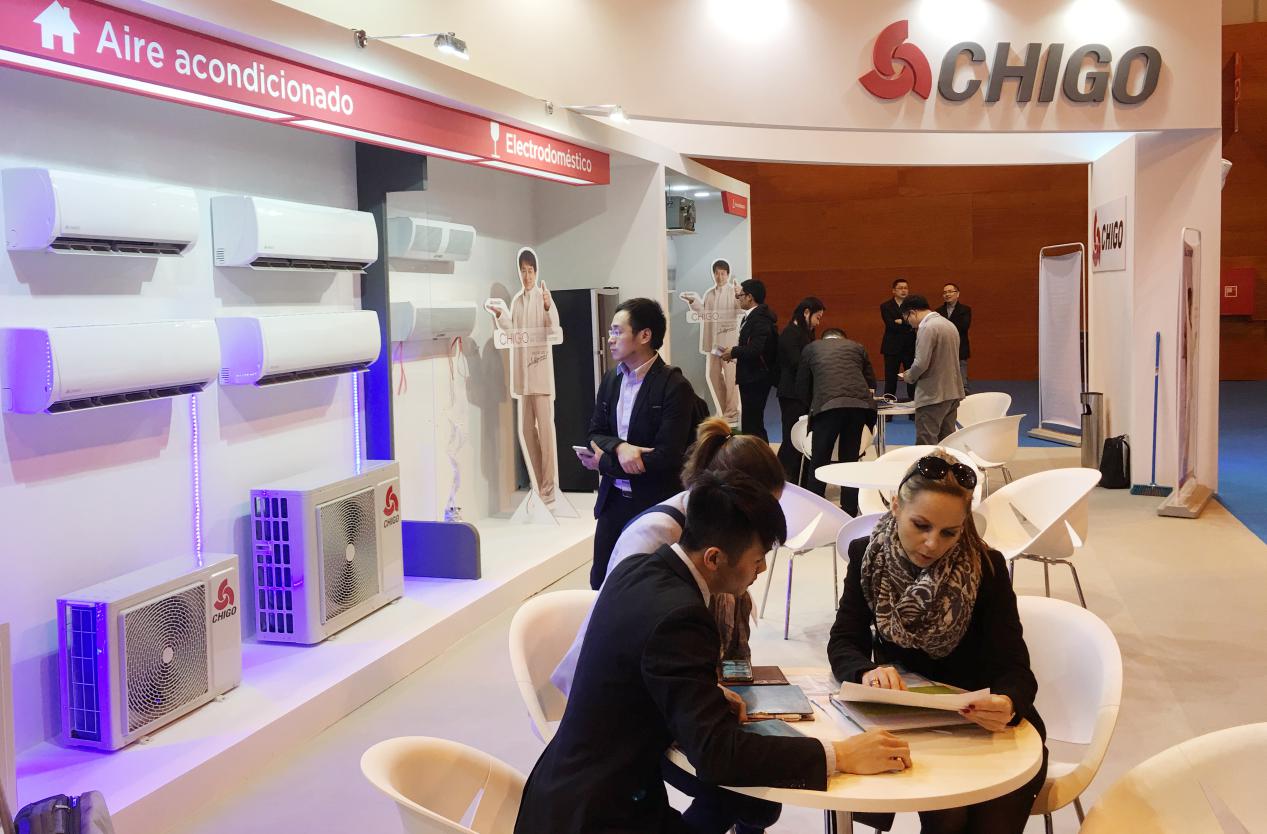
    Most major air-conditioner makers are making themselves at home in Vietnam as demand surges alongside economic growth and improving living conditions.

    Vietnam’s market for the cooling systems was ranked Asia’s eighth largest in 2011, excluding Japan and China, with about 660,000 units sold.

    But the country surpassed Thailand in 2015 and sales soared to 1.98 million units in 2016, lifting it to third place behind India and Indonesia.

    Citing the Japan Refrigeration and Air Conditioning Industry Association, the report said global market grew 2.5 percent between 2011 and 2016, but surged 34.3 percent in Asia during that period, with Vietnamese sales tripling to 150 billion yen, or $1.35 billion.

    Vietnam’s local media reports said Daikin’s revenue surged 17 times in the past 10 years to more than VND10 trillion ($438.6 million) in 2017.

    The brand also set a record of earning more than 2 trillion yen ($18.3 billion) in five consecutive years between 2013 and 2018.

    In May, it opened its first factory in Vietnam in Hung Yen Province, not far from Hanoi, aiming to produce one million air conditioners per year by 2020.

    Rising wealth has fueled growth of the air conditioner market in Vietnam, Nikkei said.Vietnam’s gross domestic product (GDP) grew by 6.8 percent last year, the highest since 2007 before the economy broke another record in the first quarter of 2018 when it expanded by 7.38 percent, marking the highest growth rate in a decade.

    Vietnam’s per-capita GDP totaled about $2,300 in 2017, but topped $4,000 in Ho Chi Minh City and reached the upper $3,000 range in Hanoi, the country’s two biggest cities.

    Japan’s Daikin and Panasonic each control about 25 percent of Vietnam’s air conditioner market, followed by LG, Samsung Electronics of South Korea and Sweden’s Electrolux.

    In March, LG Electronics announced it would invest $1.5 billion to expand production of air-conditioners. Meanwhile, Panasonic is increasing output at its Malaysian factory to expand supply to Vietnam.

    With a population of more than 90 million, Vietnam is seen as a promising air conditioner market, with just 17 percent of Vietnamese households owning an air conditioner as of last year, according to British research firm Euromonitor International.

  • Smartphone Sales Will Drop for Second Straight Year, IDC Predicts

    Smartphone Sales Will Drop for Second Straight Year, IDC Predicts

    Global smartphone sales are expected to fall for the second year running this year, before  returning to growth next year, according to analysis by the International Data Corporation (IDC).

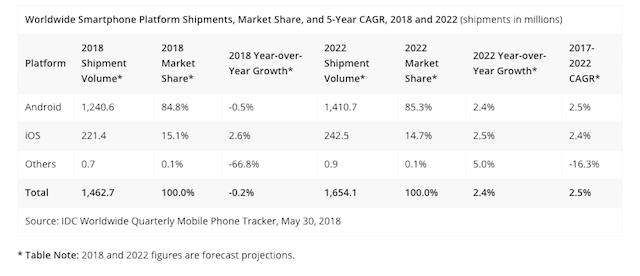
    In the research house’s Worldwide Quarterly Mobile Phone Tracker, smartphone shipments are forecast to drop 0.2 per cent this year to 1.462 billion units, after a 0.3 per cent decline last year. Looking further out, IDC expects the market is to grow roughly 3 per cent annually from next year onwards, with worldwide shipments reaching 1.654 billion in 2022 and a five-year compound annual growth rate (CAGR) of 2.5 per cent.
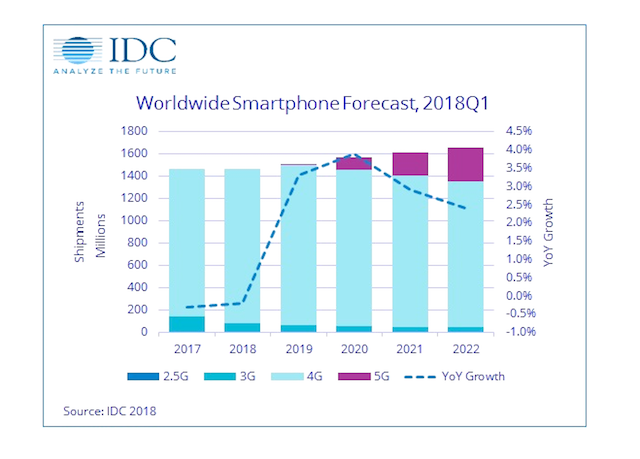
    The biggest driver of last year’s decline was China, where smartphone sales declined 4.9 per cent year-on-year. And the IDC expects sales in China to decline a further 7.1 per cent this year before flattening out next year.

    The biggest growth market in Asia Pacific continues to be India, with volumes expected to grow 14 per cent and 16 per cent this year and next.

    “Chinese OEMs will continue their strategy of selling large volumes of low-end devices by shifting their focus from China to India,” says IDC. “So far, most have been able to get around the recently introduced Indian import tariffs by doing final device assembly at local India manufacturing plants. As for components, almost everything is still being sourced from China.”

    “With 2017 now behind us a lot of interesting market dynamics are unfolding,” says Ryan Reith, program VP with IDC’s Worldwide Quarterly Mobile Device Trackers. “Even though it declined 5 per cent last year, China remains the focal point for many given that it consumes roughly 30 per cent of the world’s smartphones.

    “But plenty of pockets of growth can be found beyond China. India is now grabbing headlines and the market itself is going through some rapid transformation. Local Indian manufacturing continues to ramp up, despite still having a heavy dependence on China for components. The boom in India is likely to continue in the years to come, but the move toward building up local production has certainly caught the eye of many in the industry.”
    Outside of Asia Pacific, the biggest regions for growth will be the Middle East, Africa, and Latin America. All three regions have relatively low penetration rates and plenty of upsides, says IDC. Economic challenges have been the main inhibitor over the past two years, but IDC expects consumer spending to rise throughout the forecast and smartphones to be a big benefactor.

    5G opportunity

    The other catalyst to watch will be the introduction of 5G smartphones. IDC predicts the first commercially ready 5G smartphones will appear in the second half of next year with a ramp up across most regions happening in 2020. IDC projects 5G smartphone volumes to account for roughly 7 per cent of all global smartphone sales in 2020 or 212 million in total. The share of 5G devices should grow to 18 per cent of total volumes by 2022.

    “Although overall smartphone shipments will decline slightly this year, the average selling price (ASP) of a smartphone will reach US$345, up 10.3 per cent from the $313 of last year,” said Anthony Scarsella, research manager with IDC’s Worldwide Quarterly Mobile Phone Tracker.

    “This year will continue to focus on the ultra-high-end segment of the market as we expect a surge of premium flagship devices to launch in developed markets. Devices featuring large Amoled bezel-less displays, advanced camera functions, and an overall increase in speed and performance will be the driving factor in the increase of ASPs. Moving forward, we can expect this trend to continue as the ASP for a smartphone will continue to grow throughout the forecast period. In 2022, the final year of our forecast period, the average selling price for a smartphone will be $362, resulting in a five-year CAGR of 2.9 per cent.”

    Android vs Apple

    Android’s share of t sales is expected to remain relatively stable at 85 per cent of total global smartphone sales. Volumes are expected to grow at a five-year CAGR of 2.5 per cent, with shipments totaling 1.41 billion by 2022.

    “There is no question that Android is the OS of choice for the mass market and nothing leads us to believe this will change,” says IDC. “Given the large number of Chinese OEMs dependent on Google’s OS, as well as components from other US companies like Qualcomm, it will be interesting to see how things develop with all the discussion about a US-China trade war. Android OEMs continue to drive down the cost of new technology features at a rapid pace. IDC estimates that 98 per cent of Android phones will ship with screens larger than five inches by 2022, with 36 per cent being six inches or larger. While some of these will remain premium flagship models, the aggregate ASP of Android phones with a six-inch screen or greater by 2022 is projected to be $414.

    Meanwhile, iPhone volumes are expected to grow 2.6 per cent this year to 221 million. IDC is forecasting iPhones to grow at a five-year CAGR of 2.4 per cent, reaching volumes of 242 million by 2022. With rumors of some upcoming larger screen iOS smartphones, IDC has changed its screen size forecast for Apple by introducing volumes greater than six inches. Products are likely to begin shipping in the fourth quarter of 2018, with volumes ramping up and accounting for 36 per cent of all iPhones shipped by 2022.

  • Apple gets warning for misleading consumers

    Apple gets warning for misleading consumers

    Tech giant Apple has been warned by the Commerce Commission of New Zealand after it likely misled customers, while online retailer NZSALE has pleaded guilty to four charges of failing to comply with product safety standards.

    In the Commission’s view, Apple is likely to have breached the Fair Trading Act in a number of ways, including telling consumers its products are only covered by a guarantee for two years, which is in direct violation of the Consumer Guarantees Act (CGA) in that they do not expire after a legally prescribed period of time.

    “Although businesses may form a view about how long a product should generally last, they must assess each reported fault on its own merits,” said Commissioner Anna Rawlings, “they should not base decisions solely on how long a consumer has owned a product. The reasonable lifespan of a product will depend very much on what the product is.”

    Apple was also warned for pushing customers to the manufacturer of non-Apple branded products when Apple is responsible, as a retailer, for all products it sells.

    “It is natural that many retailers may wish to liaise with manufacturers to assess and remedy product defects but they must not point blank refuse to address consumer complaints and refer consumers exclusively to manufacturers for attention,” Ms Rawlings said.

    Additionally, NZSALE has been charged with failing to comply with the product safety standard for children’s nightwear, after it was found that three types of nightwear and a sleep sack were made of material that was too flammable to be used, did not carry the right fire hazard label, or had no fire hazard labelling at all.

    The Commission’s investigation was sparked by a product recall of these products in Australia following an investigation by the Australian Competition and Consumer Commission. The products were publically recalled in New Zealand in December 2015.

    In New Zealand 73 units were sold – although only eight garments were returned through the recall and a further 15 were confirmed destroyed by consumers.

  • Samsung’s flexible working hours get more malleable

    Samsung’s flexible working hours get more malleable

    Samsung Electronics announced plans to revamp its flexible working hours on Tuesday in preparation for the 52-hour work week that will be legally enforced from July.

    The Korean electronics giant plans to allow employees to decide their own working hours on a daily basis, as long as they work for at least four hours a day. Employees need to work an average of 40 hours a week on a monthly basis. The new system will come into effect from July.

    Under the new arrangement, an employee can work 50 hours in a busy week and then 20 hours in a quieter week during the same month. As long as the hours worked in the rest of the month add up to average 40 hours a week, the employee is free to balance their work as they please.

    This offers more flexibility for workers than the company’s current system, which allows employees to begin work anytime between 6 a.m. and 6 p.m. as long as they work at least four hours a day and 40 hours a week. Samsung started the current flextime program in 2012.

    The Moon Jae-in administration revised the labor law to reduce weekly working hours from 68 to 52, or 40 hours a week with up to 12 hours of paid overtime. Companies with 300 or more employees are subject to the new regulations from July.

    Samsung will also adopt a discretionary system for workers that struggle with tight schedules due to the nature of their work, such as developing new products and technology.

    Under the discretionary system, employees working on high-intensity projects will determine with their managers roughly how many hours a week the work should take. While the project is ongoing, workers will then have complete autonomy, with no checks or limits on how often or how much they’re working provided the task gets done, and will be paid for the number of hours agreed at the start of the project.

    “If an employer and employee agree on a 50-hour workweek for a certain period of time, the company gives a wage based on the contract regardless of whether the employee worked that much or not,” said a spokesperson from the electronics giant. “This kind of system is only applicable for certain tasks that require worker autonomy, like developing new products.”

    The new flextime arrangements will apply to researchers and office workers at Samsung Electronics.

    For manufacturing workers, Samsung plans to adopt a different flextime option that allows for periods when demand is especially high for specific products.

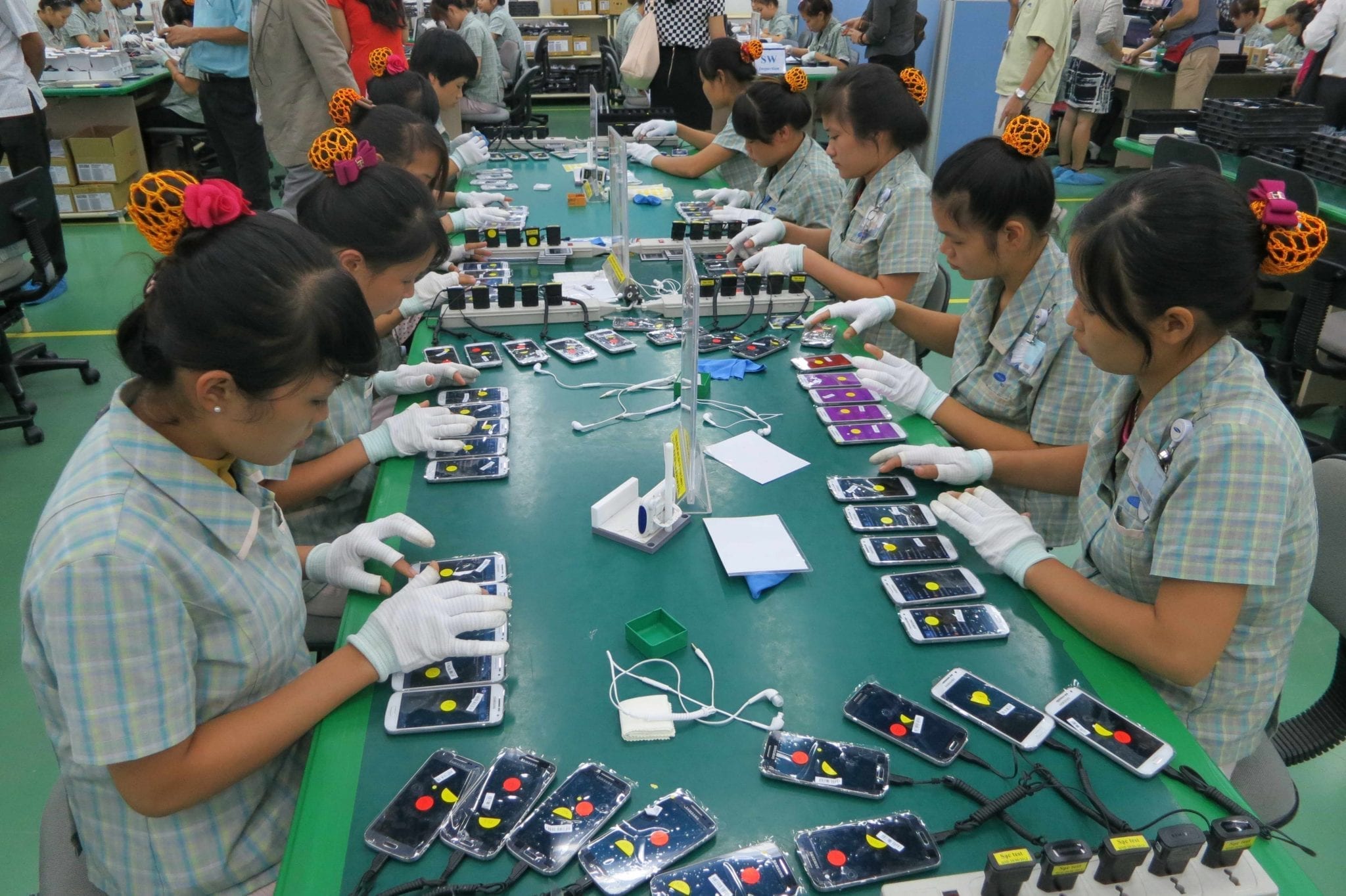
    Factory workers will be able to coordinate their working hours so they meet an average 40-hour workweek over a three-month basis. This way a team of assembly line workers can work longer hours for the first 10 weeks, for instance, and then reduce their workload in the remaining two weeks.

    Samsung affiliates are likely to announce similar schemes in coming weeks.

  • Samsung loses patent case retrial

    Samsung loses patent case retrial

    A U.S. court has ordered Samsung Electronics to pay $538.6 million in damages for infringing the design and utility patents of iPhones in early Galaxy models in a retrial of a case that dates back seven years.

    The retrial jurors in the Northern District of California on Thursday awarded Apple $538.6 million in damages after five days of deliberations – $533.3 million for violating design patents and $5.3 million for violating utility (technical) patents.

    The amount is $140 million more than the $399 million Samsung had agreed to pay – equivalent to all profits from the sale of the infringing smartphones – before it asked the Supreme Court to order a lower court to retry the case.

    Samsung already paid $548 million in damages to Apple in December 2015 that included the $399 million.

    In 2012, the Korean tech giant was found liable for infringing three of its U.S. archrival’s iPhone design patents – the rounded corners, the rim that surrounds the front face, and the grid of icons that users view – and two technical patents, which affect the way some features work. But the two companies have long disputed the amount of damages to be paid.

    Samsung has not decided whether to appeal the retrial verdict, which would prolong the already lengthy legal battle.

    “Today’s decision flies in the face of a unanimous Supreme Court ruling in favor of Samsung on the scope of design patent damages,” Samsung said in a statement. “We will consider all options to obtain an outcome that does not hinder creativity and fair competition for all companies and consumers.”

    Apple said in a statement it was pleased that the members of the jury “agree that Samsung should pay for copying our products.”

    “This case has always been about more than money,” the iPhone maker said, adding, “we believe deeply in the value of design, and our teams work tirelessly to create innovative products that delight our customers.”

    “Samsung is now going to consider its options,” wrote Florian Muller, an intellectual property analyst who writes a closely followed patent blog Foss Patents. “Those options are post-trial motions and, possibly, another appeal.”

    The legal feud between the two biggest smartphone rivals began in April 2011 when Apple sued Samsung for violating its patents and copying the design of its iPhone, seeking $2.5 billion in damages.

    Samsung was ordered to pay $1.05 billion in damages by jurors in 2012, which was reduced on appeal to $930 million. The U.S. Court of Appeals for the Federal Circuit stripped another $382 million from that, saying the iPhone’s appearance could not be protected through trademarks, to $548 million in December 2015.

    A year later, the U.S. Supreme Court ordered a lower court on Samsung’s petition to reconsider the $399 million in damages on unanimous opinion that damages for design patent infringement can be based only on the part of the device that infringed the patent, not on the entire product.

    Samsung argued then that it should only have to pay $28 million in damages for profits from the components of its Galaxy phones that copied Apple’s patents.