Category: Electronics

Retail News Asia is committed to providing both local and global retailers with the latest Electronics news throughout the Asian market. This on a daily base.

  • Xiaomi shares fall in Hong Kong trading debut as US-China trade war deter equity investors

    Xiaomi shares fall in Hong Kong trading debut as US-China trade war deter equity investors

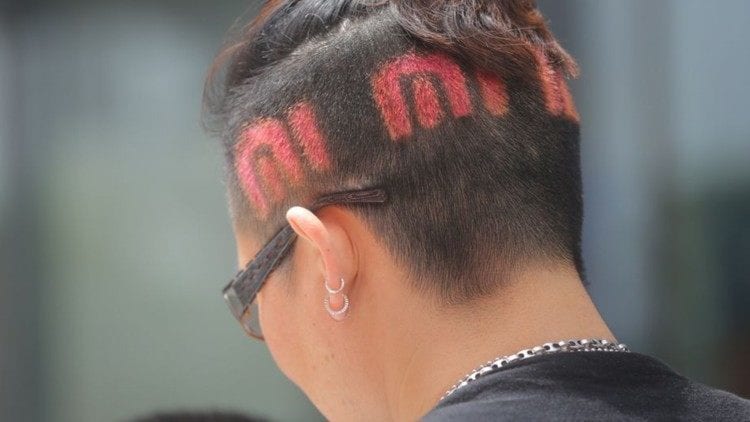
    Xiaomi, the first company to raise capital under Hong Kong’s overhauled listing rules for pre-revenue start-ups or companies with multiple classes of stock, sputtered during its trading debut on the city’s exchange when investors spooked by the US-China trade war refrained from buying its shares.

    Shares of the Beijing-based company, offered a week ago at HK$17 each in what was once billed as the world’s biggest initial public offer, fell by as much as 5.9 per cent in an advancing market to HK$16, before recovering to end their first trading day at HK$16.80.

    “Investors are no longer that crazy about so-called new economy IPOs, as many of them have quickly fallen below their offer prices,” said Edmond Hui, chief executive for Bright Smart Securities.

    “It’s no longer a guarantee of making money.”

    The lacklustre debut was a blow for the world’s fourth-largest smartphone maker, which had taken a mere seven years to grow from a start-up to surpass 100 billion yuan (US$15 billion) in sales. Founded by serial entrepreneur Lei Jun in 2010, Xiaomi was the first blockbuster IPO under the new listing rules that Hong Kong’s securities regulator and stock market operator pushed through last year.

    “Xiaomi’s listing signals the Hong Kong market has entered a new phase,” said the city’s Financial Secretary Paul Chan Mo-po, speaking in Cantonese during a ceremony marking Xiaomi’s trading debut. “I believe [Hong Kong’s listing reform] will prompt more innovative technology companies to raise funds in Hong Kong, so our market can better serve the real economy.”

    The size of Xiaomi’s fundraising – originally aimed at US$10 billion – was trimmed by bad timing, coming after the US and Chinese governments fired the first salvoes of their trade war.

    Net proceeds from the IPO were HK$23.98 billion (US$3.1 billion), after deducting underwriting fees and other relevant expenses, Xiaomi said. The company priced its stock at the low end of a price range of between HK$17 and HK$22 each.

    That values the company, whose name is the Chinese phrase for millet, at US$54.3 billion, about half of the US$100 billion it had originally sought, which would’ve made Xiaomi the world’s largest IPO this year. Instead, that honour has gone to Siemens Healthineers, which raised US$5.17 billion in Frankfurt in March.

    “Although the macroeconomic conditions are far from ideal, we believe a great company can still rise to the challenge and distinguish itself,” Xiaomi’s founder and chief executive Lei Jun said in a brief speech at the start of trading. “From day one, innovation has been an integral part of Xiaomi’s DNA,” he said, adding that the listing would be “a brand new start for Xiaomi.”

    It plans to use 30 per cent of the proceeds for research and development, 30 per cent to expand and strengthen its capability into the internet of things business, 30 per cent for global expansion, and the remainder for working capital and other corporate purposes.

    Four of the five biggest tech IPOs in Hong Kong since September are now trading below their offer prices.

    Lei, who founded Xiaomi in 2010 and currently holds nearly one third of the company’s stock, has been presenting Xiaomi as an internet company rather than a hardware maker, saying it should be valued as hybrid of Apple and Tencent because it is “driven by innovation”.

    Companies billed as manufacturers, like tech giant Apple, tend to achieve much lower valuations than those categorised as internet firms, for example China’s Tencent.

    Investors were not the first to question Lei’s categorisation. In mid June, the company shelved a plan to issue Chinese depositary receipts (CDRs) in Shanghai after the market regulator demanded answers to 84 questions, including why Xiaomi positioned itself as an internet firm.

    The smartphone maker has tapped several Hong Kong and Chinese tycoons as investors, including Li Ka-shing of CK Hutchison, Pony Ma Huateng of Tencent and Jack Ma Yun, founder of Alibaba Group Holdings and owner of this newspaper.

    Xiaomi’s seven cornerstone investors have agreed to acquire US$548 million worth of shares with a six-month lock-up period, according to the prospectus.

    US chip maker Qualcomm has committed US$100 million, the only foreign company among the cornerstone investors. China Mobile, the country’s biggest telecom operator, will also invest US$100 million, while CICFH Entertainment, a state-backed industrial fund, will be the biggest cornerstone investor with a US$192 million stake.
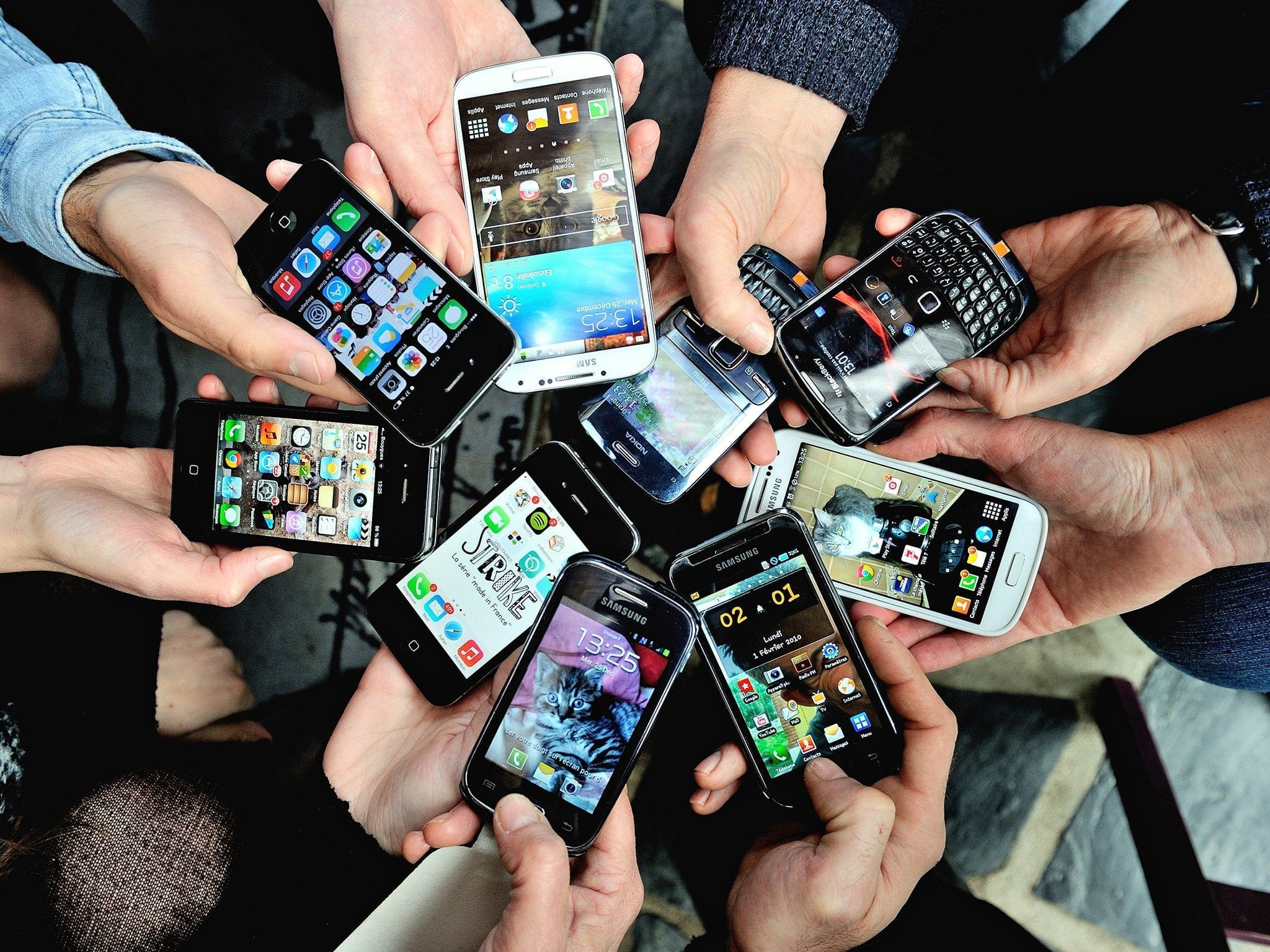
  • Apple and Samsung duke it out in South Korea

    Apple and Samsung duke it out in South Korea

    South Korea’s capital Seoul is one of the world’s most technologically advanced, known for its rapid Internet speeds and advanced infrastructure.

    It was one of the first to introduce city-wide free Wi-Fi, and 5G will be introduced commercially in 2019. It is the home of global tech titans Samsung and LG. But in one way Seoul lagged behind other cities.

    Apple announced the opening of their first retail stores in May 15, 2001. Four days later, on a Saturday, the first ever Apple stores opened in Maclean, Virginia, and Glendale, California. “The Apple stores offer an amazing new way to buy a computer,” said the late Steve Jobs, Apple’s CEO at the time.

    Over the years more stores opened, going on to stock the iPod, the Macbook Air, and the iPhone. Tokyo got its first Apple store in 2003. London a year later. Beijing in 2008. And the Middle East in 2015 with Dubai’s Apple store.

    But South Korea, the 11th largest economy in the world and one of the most technologically advanced, saw its first Apple store open on January 26, 2018.

    In the Apple outlet is located in Garosu-gil,we see a fashionable street in trendy Gangnam-gu, popular with tourists and chic locals. Inside the pristine and meticulous store, lined with four potted trees at its entrance, were a busy amount of people.

    Ju-Won Shin, 38, an accountant, was sitting down at a table looking to buy an iPhone SE, while already owning an iPhone 6S and iPad Pro. What does he think of Apple? “Their products are easy to use, refined, and have a good vibe,” he said. Shin preferred Apple to Samsung because “they’re constantly trying hard to make good quality products.”

    Another store wanderer was So-ri Lee, 22, a waitress at a cafe, who was browsing phone cases. So-ri had an iPhone 8 and had been using it for two years. Before that she owned a Samsung Galaxy Mega. She said she preferred iPhone because she loved the design– “it’s pretty and easy to use, and now I’m used to iOS,” she said.

  • Samsung’s streak of record profits comes to an end

    Samsung’s streak of record profits comes to an end

    Samsung Electronics set records with its last seven quarterly operating profits, but its hot streak has come to an end.

    The tech giant said in its second-quarterly earnings guidance Friday that its operating profit fell by 5.37 percent from the previous quarter of 2018 to an estimated 14.8 trillion won ($13.3 billion).

    Its revenue also dwindled by 4.23 percent from last quarter to 58 trillion won. Analysts believe disappointing sales of Galaxy S9 smartphones and reduced profits from its display business were the main factors behind the sluggish results.

    The operating profit for the April-June period was lower than analyst’s earlier consensus of 15.27 trillion won, which was compiled by market information provider FnGuide.

    The guidance provides averages for the range of operating profit and revenue for the quarter, Samsung will release confirmed figures by business sectors three weeks from now.

    When compared to the second quarter of 2017, operating profit was up by 5.19 percent, but revenue fell by 4.92 percent.

    “Operating profits at all of the business sectors at Samsung for the second quarter are forecast to fall, except for semiconductors and consumer electronics,” said Lee Soon-hak, an analyst at Hanwha Investment and Securities. The ongoing supercycle in the chip industry is still boosting Samsung’s earnings, he added.

    In the first quarter, Samsung’s semiconductor division posted 11.55 trillion won in operating profit, the best result in the company history. Analysts project the profit from the division amounts to more than half of Samsung’s entire second-quarter operating profit.

    The IT and mobile division, which is in charge of smartphones, is projected to have made only around 2.5 trillion won in operating profit, down more than 2 trillion won from the 4.6 trillion won it made in the second quarter of last year.

    Samsung’s flagship Galaxy S9 smartphone, launched in March, has underperformed relative to market expectations. The phone is expected to be Samsung’s least popular Galaxy S model since 2012’s Galaxy S3.

    Eugene Investment and Securities lowered its shipment estimate for the Galaxy S9 in the second-quarter from 15 million to 9.5 million units. It also decreased its expected total 2018 shipments for the S9 to 31 million units, down 19.5 percent from 2017’s S8, which shipped 38.5 million units.

    Some other brokerage houses are also revising their yearly sales estimates for the S9 to below 30 million. Consumers and experts say the phone lacks unique features compared to its predecessor.

    Samsung shares ended 2.29 percent lower at 44,900 won on Thursday, an all-time low closing price since the company’s shares were split 50 to 1 at the end of April. Ever since the split, Samsung stocks have fallen by 15.3 percent. But according to analysts, Samsung shares may have hit rock bottom, given that concerns over second-quarter earnings have been sufficiently reflected.

  • Microsoft opens up a flagship store in Taiwan, the 9th in Asia

    Microsoft opens up a flagship store in Taiwan, the 9th in Asia

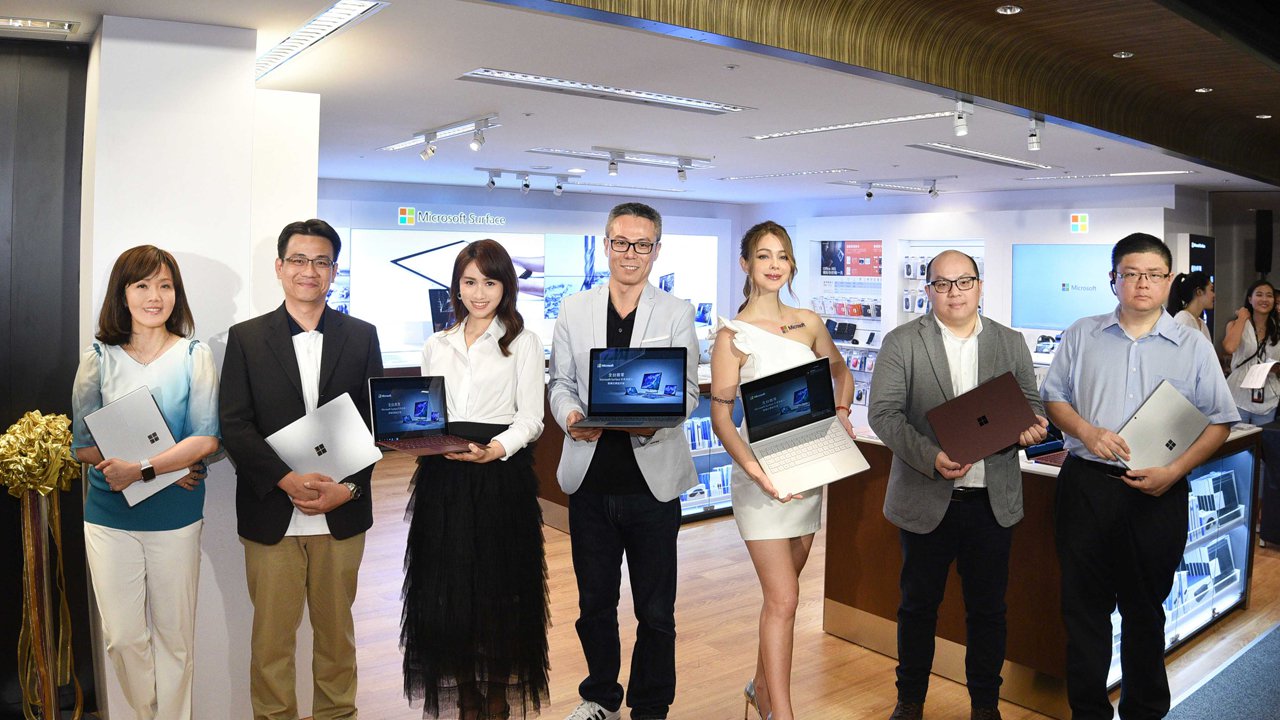
    Microsoft has opened its ninth Surface store in Asia, its first in Taiwan.

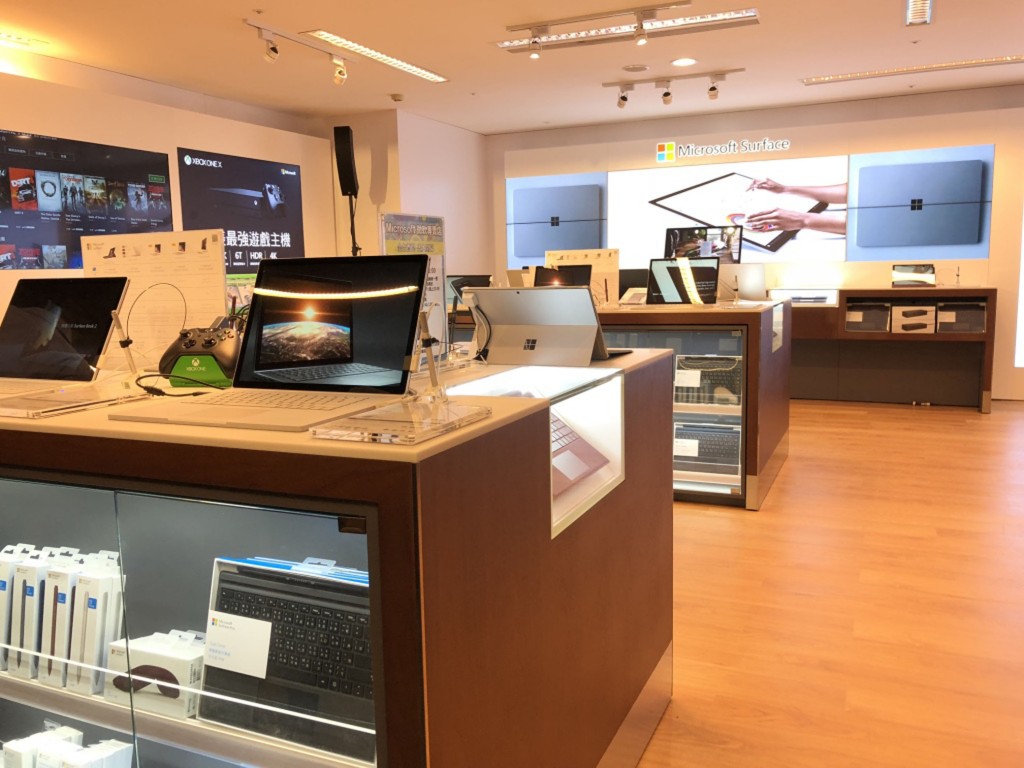
    The new outlet is located in the Xinyi District of Taipei, and like the others in the slowly growing international Surface store network, it ranges Microsoft’s touchscreen Surface PC series and peripherals along with Xbox gaming console and related software and peripherals.

    The 70sqm store is the 14th worldwide. In Asia-Pacific it follows five outlets in Japan and one each in Singapore, China and Australia.

    Microsoft says sales of its Surface range have been growing by between 10 and 20 per cent annually since it launched there five years ago and the opening of a dedicated Surface store underlines the value of the market to the US tech giant.

  • Samsung Pay no longer on cheaper phones

    Samsung Pay no longer on cheaper phones

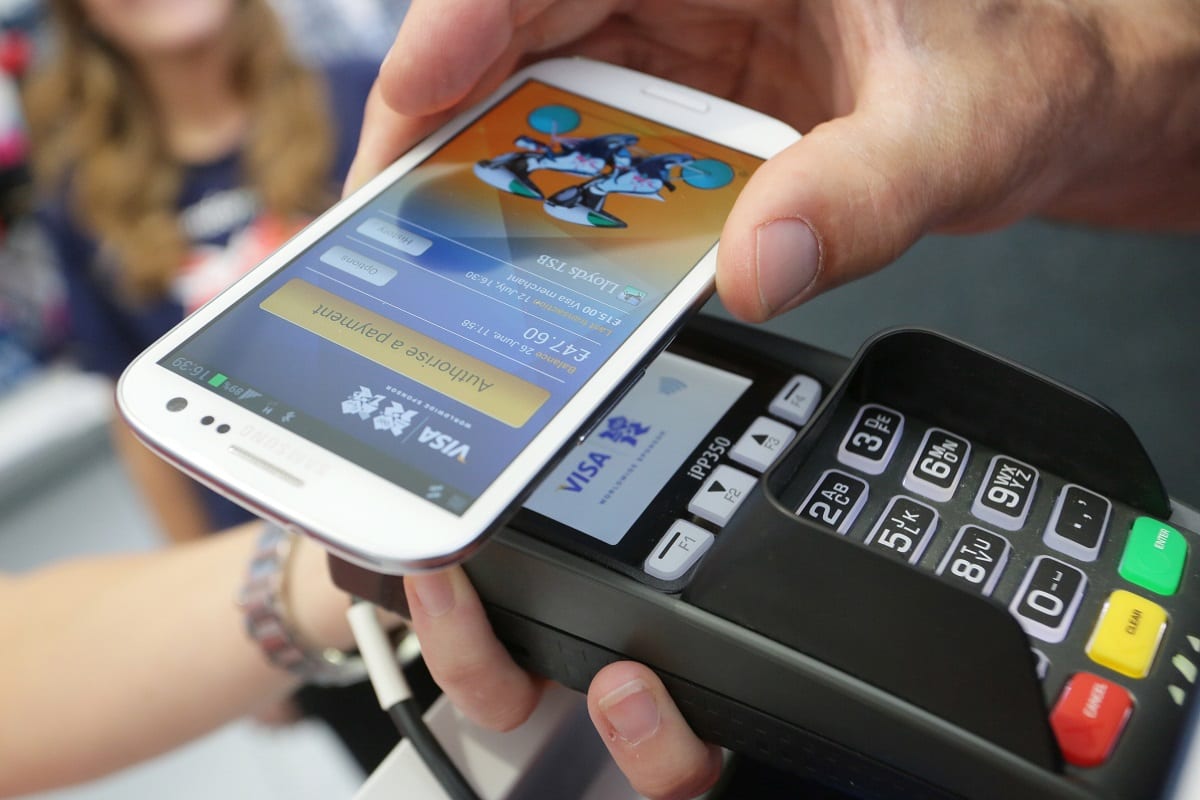
    Samsung Electronics recently stopped embedding its mobile payment system, Samsung Pay, in budget smartphones, industry watchers said Sunday, apparently to save costs by excluding the feature, which has been less popular among teens and senior users.

    Among 10 smartphones released by Samsung Electronics in Korea this year, only three – the Galaxy S9, Galaxy S9 Plus and Galaxy A8 – supported Samsung Pay. Other models with prices lower than 700,000 won ($628) did not come with the payment tool.

    In contrast, the Galaxy J5 and J7 smartphones, released last year with prices below 400,000 won, had the Samsung Pay program.

    Samsung Pay is a mobile payment tool that works on traditional credit card machines based on magnetic secure transmission (MST) technology and also supports the near field communication (NFC) technology.

    Industry watchers said Samsung apparently sought to cut production costs of budget smartphones, which mainly target teens and senior users who are less familiar with mobile-based credit card payment systems.

  • Xiaomi retail share offer 9.5-times oversubscribed

    Xiaomi’s highly-anticipated initial public offering in Hong Kong drew nearly ten times more applications for share purchases than what it made available for retail investors, after the Chinese tech giant priced at the bottom end of its target range.

    The company received applications for more than 1bn shares, about 9.5 times the 108.9m shares the company made available under its IPO in Hong Kong, according to a regulatory filing.

    That came after Xiaomi, touted as the biggest tech listing since 2014, was valued at just half its original $100bn ambition with its shares offered at HK$17 (US$2.16) each. The offering implies a market capitalisation of $53.9bn, compared with a $45bn valuation at its last private funding round in 2014. Shares in the lossmaking company start trading in Hong Kong on Monday.

  • Dell becomes public company five years after buyout

    Dell becomes public company five years after buyout

    Dell, the onetime leader in personal computers and tech industry stalwart, said Monday it will become publicly traded five years after a contentious private equity buyout.

    The company announced a stock swap deal with its software subsidiary VMware that will result in a reorganized tech giant that returns to the stock market, with founder Michael Dell retaining control as chairman and chief executive.

    The move comes after a 2013 private equity buyout led by Michael Dell aiming to revive the company that fell behind when consumers turned to mobile devices instead of PCs.

    “I am proud to lead this great company into its next chapter as we continue to evolve and grow to the benefit of our customers, partners, investors and team members,” Michael Dell said in a statement.

    “Unprecedented data growth is fueling the digital era of IT, and we are uniquely positioned with our portfolio of technologies and services.”

    The new Dell is far from the maker of personal computers that helped ignite the personal computer market in the 1990s.

    It acquired the data storage group EMC in 2016 for a whopping US$67 billion (RM271 billion) and is a major player in software, security and cloud computing in addition to its PC business.

    Michael Dell, who currently owns 72% of Dell Technologies common shares, struck a deal with the private equity firm Silver Lake to take the company private in 2013 in an effort to reorganize without pressure from public shareholders.

    The move came amid fierce opposition from some shareholders led by billionaire investor Carl Icahn, who called the plan a “giveaway.”

    Dell will trade on the New York Stock Exchange after completion of the deal, expected later this year, the company said.

  • Korean cell phones mark 30th year

    Korean cell phones mark 30th year

    Sunday marked the 30th anniversary of the launch of the first mobile phone in Korea, which kick-started an industry that would redefine the country’s economy.

    Korea Mobile Telecommunications, which later changed its name to SK Telecom, launched the Motorola DynaTAC 8000S on July 1, 1988. It worked using a method called advanced mobile phone service, the first-generation mobile communications technology, which was initially introduced to car phones in 1984.

    The first weighed 771 grams (1.69 pounds), as heavy as about four of today’s 5.5-inch smartphones, and was nicknamed the “brick phone.” The device cost 4 million won ($3,593) on top of a service installation fee of 600,000 won. The Motorola cost as much as renting an apartment on a two-year contract in some areas of Seoul.

    Mobile phone usage quickly gained momentum ever since. The number of mobile phone plans in Korea was only 784 as of 1988, but it exceeded 100,000 in 1991 and reached 50 million by 2010, surpassing the Korean population for the first time. As of April, there were 64.6 million mobile phone subscriptions in Korea.

    Over the course of the past three decades, mobile service has evolved as well. Code-division multiple access (CDMA), a second-generation, or 2G, technology was launched in 1996. It was followed by 3G, or WCDMA, in 2003. In 2011, today’s most common mobile standard, 4G LTE, was commercialized. As early as March next year, mobile service operators in Korea are set to debut a 5G wireless standard with data transmission speeds as fast as 20 gigabits per second, up to 20 times faster than LTE.

    “The past 30 years that came alongside the progress of the nation’s mobile communication industry has been hugely meaningful to us,” said Yoon Yong-chul, head of communications at SK Telecom. “The future of mobile communication will create value beyond what we can imagine on the back of 5G.”

    With all major mobile operators worldwide scrambling to adopt 5G technology, market researcher IHS Markit projects that the new wireless standard will generate $12.3 trillion in global economic output by 2035.

    SK Telecom will host a special exhibit on the past 30 years of mobile service in Korea at the National Museum of Korean Contemporary History in central Seoul from July 9 to 31.

  • LG takes the wraps off of X2 budget phone

    LG takes the wraps off of X2 budget phone

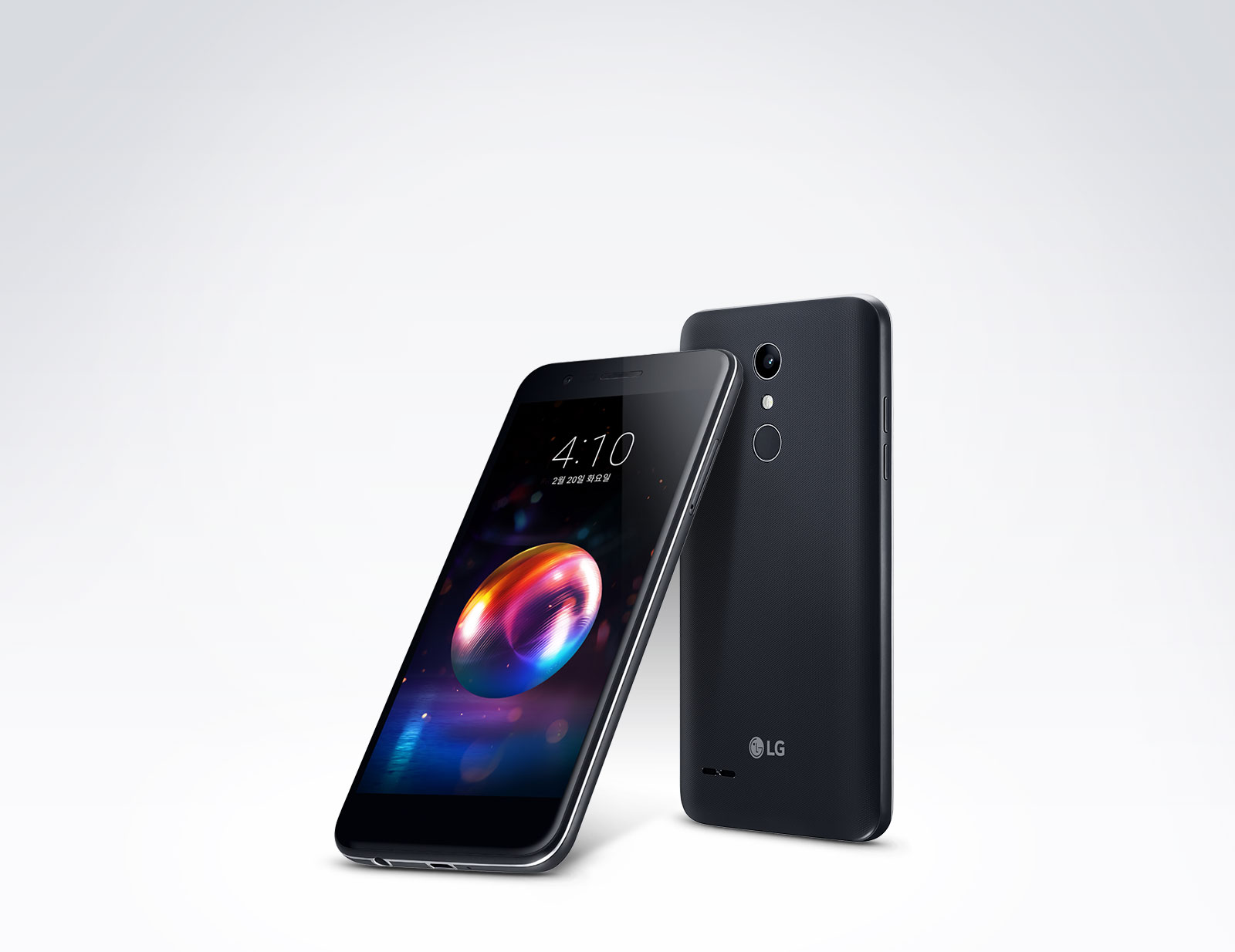
    LG Electronics on Thursday unveiled its budget LG X2 smartphone, which comes with a 5-inch HD screen and will be distributed through local mobile carriers.

    The company said the LG X2 will come with a price tag of 198,000 won ($176) and have an Auto Shot feature that automatically recognizes faces when taking selfies.

    The smartphone will have an 8-megapixel camera on the back along with a 5-megapixel camera on the front. Its battery capacity will be 2,500mAh.

    LG Electronics, which has been suffering from losses in its mobile business, claimed that the release of the new budget model will help the company reach out to a wider range of consumers.

    The company released its flagship LG G7 ThinQ model earlier this year, along with the LG V30S ThinQ, which came with stronger artificial intelligence features.

    In 2018, LG also introduced the LG X4 and LG X4 Plus with more affordable price tags, along with the LG X5, which has a large battery capacity of 4,500mAh. The company released the LG Q7 and Q7 Plus, too.

    The company said it aims to continue rolling out various smartphones with strong durability and improved features.

    LG’s mobile operations have effectively posted operating losses for 12 consecutive quarters as of the January-March period this year. It did manage to report an operating profit in the first quarter of 2017 through an adjustment by reflecting returns from its accessories business. LG originally said it posted a loss for the period.

  • Galaxy Note9 invitation hints at revamped stylus

    Galaxy Note9 invitation hints at revamped stylus

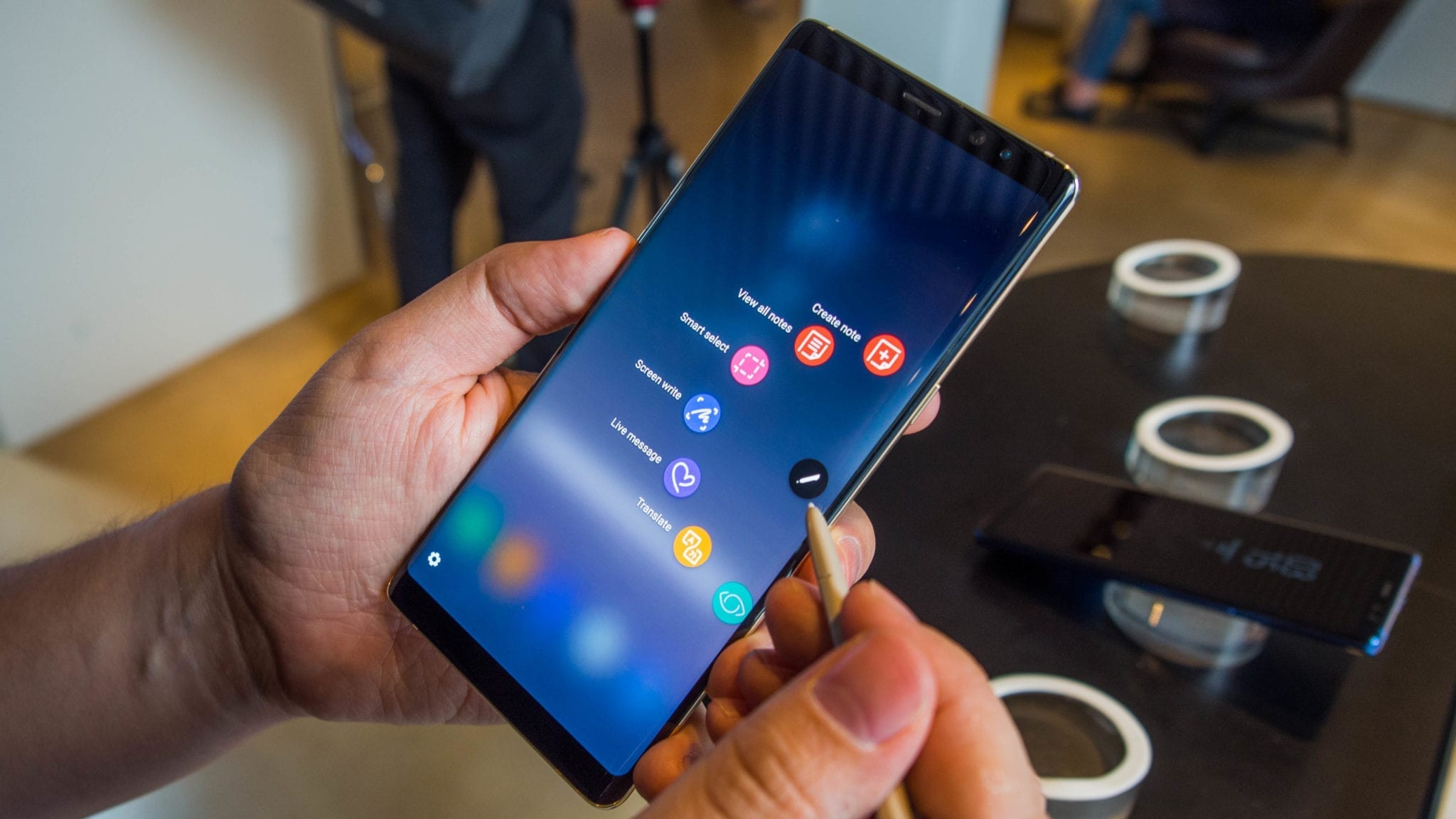
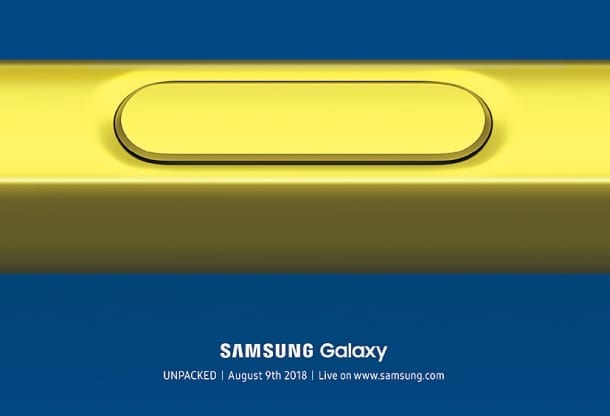
    Samsung Electronics is scheduled to unveil its Galaxy Note9 phablet on Aug. 9 in New York, according to an invitation the company sent to media on Thursday.

    The unpacking event for the next flagship smartphone will take place at 11 a.m. local time on Aug. 9, or midnight on Aug. 10 in Korea, at the Barclays Center in Brooklyn, New York. The showcase will also be livestreamed on the Samsung website.

    Unlike previous years, Samsung opted not to include a catchphrase for the new model on the invitation – the Note8 missive came with the slogan “Do bigger things” – instead showing a magnified image of the button on the Note series’ signature S Pen stylus in gold on a blue background.

    The teaser video released with the invitation confirms that the button is on the S Pen, indicating that the new stylus will have enhanced features.

    Some early reports speculate that Samsung has added Bluetooth to the stylus, while other rumors guess that the pen will include a microphone to allow users to make phone calls. The button could be used for capturing images or video on the phone.

    According to a series of leaks, the Note9 has a 6.4-inch super AMOLED display – even bigger than the Note8’s 6.3 inches and S9+’s 6.2 inches. Aside from the increased size, there are few rumors suggesting any other dramatic changes to the phone itself, implying that the revamped S Pen could be the most revolutionary feature in the new device.

    The event for the Note9 comes about two weeks earlier than the Note8, which was first showcased on Aug. 23 last year and began shipping Sept. 21.

  • Honor debuts in Vietnam with first offline store

    Honor debuts in Vietnam with first offline store

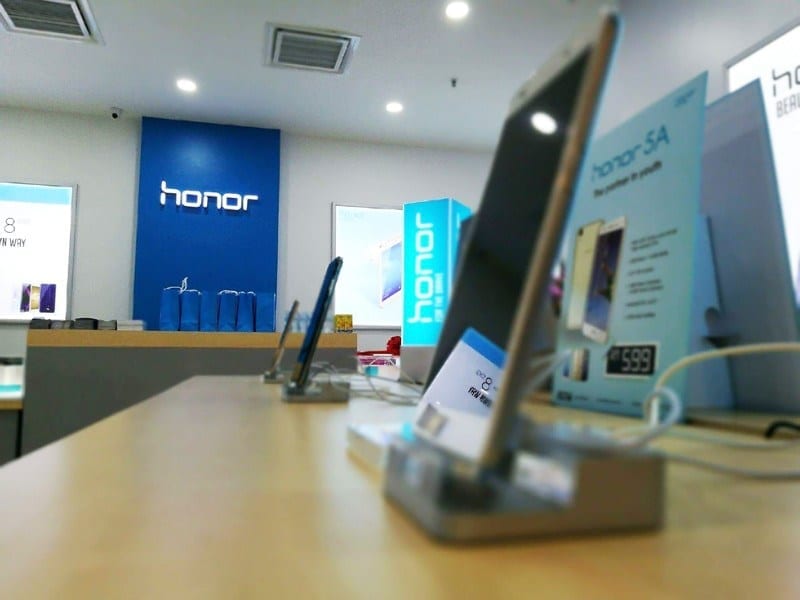
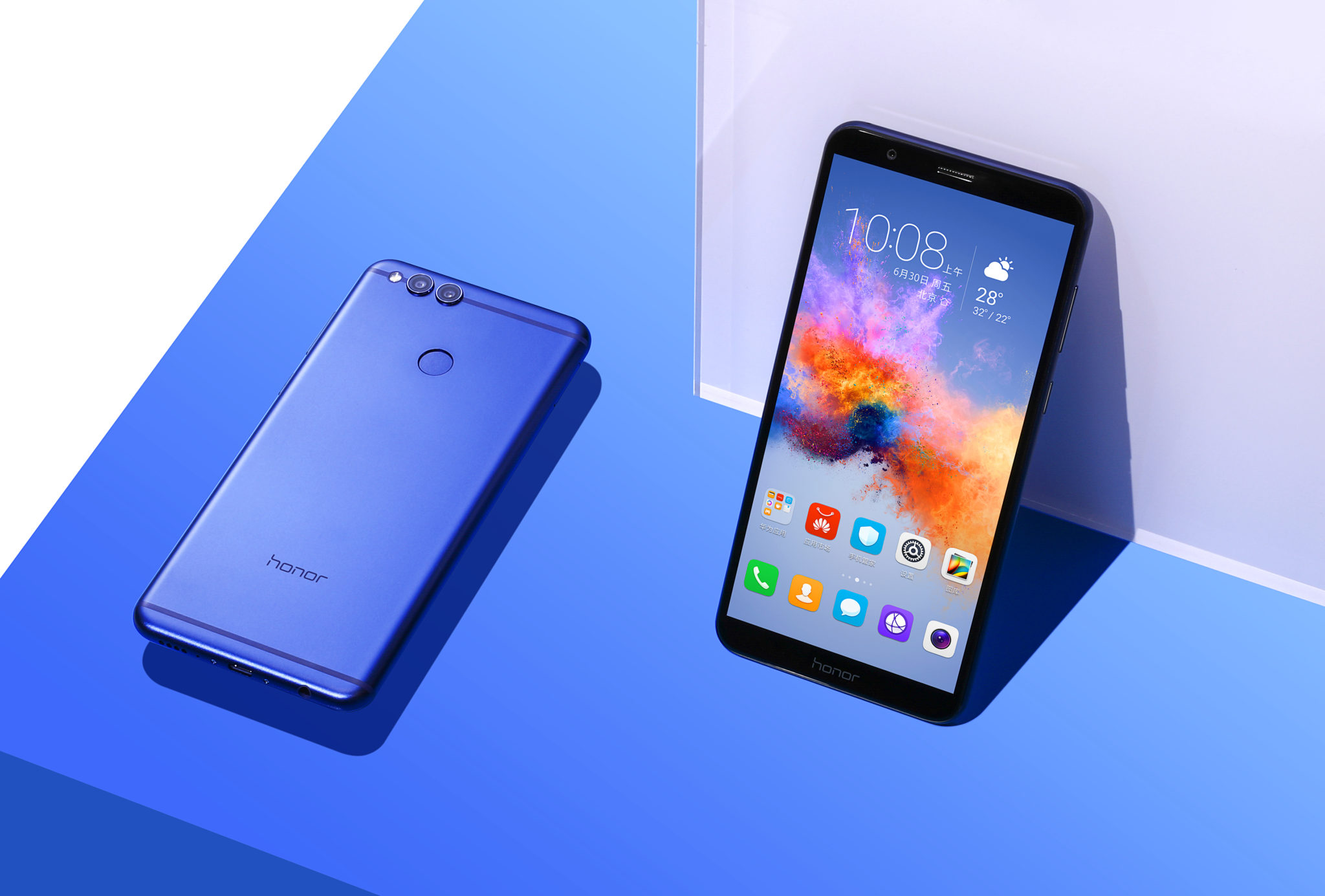
    Huawei sub-brand Honor Vietnam has opened its first physical store in the country after three years selling online and via distributors.

    Located on Nguyen Hue Street in downtown, the new store attracted hundreds of Honor’s fans from the early morning.

    Apart from products already on sale in the country, Honor introduced its newest lines, including the Honor MagicBook.

    Vietnam is a part of Honor’s overseas expansion in Asia Pacific, along with Europe and the Middle East.

    Zhao Ming, Honor president, said overseas sales have doubled during the past five months, and he expects them to rise further in the second half of the year.

    The brand entered the Philippines last month.

  • Suning.com Listed on China’s 500 Most Valuable Brands with a Brand Value of 23 Billion RMB

    Suning.com Listed on China’s 500 Most Valuable Brands with a Brand Value of 23 Billion RMB

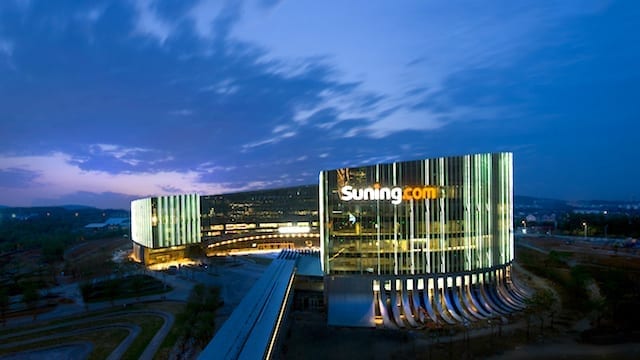
    Suning.com, a Fortune Global 500 company owned by Suning Holdings Group (“Suning”) was listed on the 15th China’s 500 Most Valuable Brands, with a brand value of 23 Billion RMB, ranked No.13 on the list and No.1 among the retail industry.

    The list of China’s 500 Most Valuable Brands is released by World Brand Lab, the leading independent consultancy of brand valuation and marketing strategy in the world. It evaluates brand value based on three dimensionsfinance performance, customer impression and brand awareness. The total value generated by the 2018 listed brands is RMB 1.844 trillionDue to its strong growth in revenue and brand awareness, Suning.com has achieved a brand value of RMB 23 billion, up 19% year-on-year.

    Suning.com saw a strong financial growth in 2017, obtained an operating revenue of RMB 187 billion, with a year-on-year increase of 24.67%. In the first quarter of 2018, Suning.com has achieved Omni-channel sales of RMB 69.33 billion, up 46.33% year-on-year.

    “Innovative technologies such as AI, Big-data and block-chain bring new opportunities to the growth of brand value,” commented by the chairman of World Brand Laboratory and Nobel laureate and economist, Robert Mundell.

    Suning put forward its ‘Smart Retail’ strategy in 2017, which revolves around Smart Sourcing, Smart Selling, Smart Services, Smart Logistics and Smart Business Models. The strategy meets and beats consumers’ expectations by providing personalized goods and services in diversified consumption scenarios to improve shopping experience. During the past 6.18 Shopping Festival, Suning gained a 121% sales increase in total, reflecting the increasing brand reputation among customers and embodying the success of Smart Retail.

    Meanwhile, Suning has been actively working on corporate social responsibility programs. By the end of 2017, Suning has contributed over RMB 1.1 billion to public welfare regarding disaster relief, education, poverty alleviation, environmental protection and other fields.

    China has entered a new era of quality consumption, which provides a broad market for local brand’s development,” said Sun Weimin, vice chairman of Suning.com, “As a leading retail brand, Suning is proud to be listed among the China’s 500 Most Valuable Brands and will continuously undertake the responsibility to enhance Chinese brands competitiveness.”

  • Fully automated restaurant boom in China

    Fully automated restaurant boom in China

    A Japanese Twitter user has sparked an online debate over video footage of a fully-automated Chinese restaurant.

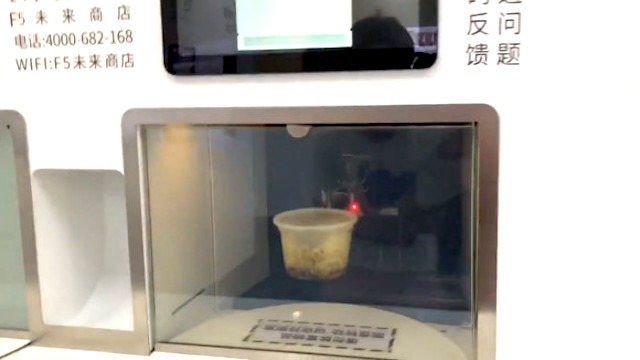
    The coverage of the unnamed (and apparently unstaffed) venue in Chinese Shenzhen showed a diner choosing a noodle dish from a touch-screen menu, paying for the meal electronically, receiving it from a robot arm, and dining on a table that automatically retracts to receive waste.

    Japanese netizens were quick to express concerns at the concept of dining over a hidden trash can – not only in terms of hygiene and smell, but also for the potential of losing keys or a mobile phone, and as to whether the trash would be properly separated for recycling.

    A report called the restaurant a sign of the impending robot apocalypse, and wondered if the restaurant bill was a contribution to an electronic uprising to usurp humanity.

  • Vietnam’s Mobile World sales rises

    Vietnam’s Mobile World sales rises

    Vietnam’s Mobile World saw a 43 per cent jump in revenue in the first five months of this year.

    The mobile device and consumer electronics retailer posted net sales of VND37 trillion (US$1.61 billion) and an after-tax profit of $55.8 million, 44 per cent up year-on-year.

    Of its divisions, electronic retail arm Dien May Xanh accounted for 56 per cent, mobile phone retail chain The Gioi Di Dong 41 per cent, and its fledgling grocery chain Bach Hoa Xanh 3 per cent.

    According to Mobile World’s CEO Tran Kinh Doanh, the company plans to expand Bach Hoa Xanh to 1000 stores in Ho Chi Minh City, and more in other provinces.

    The Gioi Di Dong chain has scaled down its network to 500 stores this year after closing six stores.

  • Honor going to ground to boost presence in Philippines

    Honor going to ground to boost presence in Philippines

    Chinese smartphone maker Honor said it plans to open brick-and-mortar stores in the Philippines in a bid to become one of the top three vendors in the nation.

    Honor entered the market last month, initially offering its flagship Honor 10 and other devices through online retailers. The Huawei sub-brand accounts for 10 per cent market share in China after just four years, says its country director for the Philippines, Wang Yang.

    “We believe the Philippine market is perfect for Honor brand because we see the brand as being for the young,” says Yang.

    Physical retail stores will open as early as next month, starting in the capital, with the possibility of opening regional outlets, he says.

    Honor entered the Philippines through Shopee on May 15 with 500 units being sold in an hour during a flash sale.

    Its flagship Honor 10 has AI-enhanced cameras, dual 24 + 16 megapixel lenses on the rear and 24 megapixels on the front. The in-house Kirin 970 processor helps the phone recognise about 500 scenarios in 22 categories.

    The Honor 10 has four gigabytes of RAM, 128 gigabytes of storage and a 3400 mAh battery that can recharge 50 per cent of power in 25 minutes.

    Yang says the handset’s biggest draw would be its iridescent paint job inspired by the Northern Lights. A fingerprint sensor is practically hidden on the phone’s chin, below the 5.84-inch full-HD screen.