Category: Electronics

Retail News Asia is committed to providing both local and global retailers with the latest Electronics news throughout the Asian market. This on a daily base.

  • Tech products to drive reboot of Asia’s growth engine

    Tech products to drive reboot of Asia’s growth engine

    The technology boom powering Asia’s economies is about to get a reboot. Explosive growth in new-era gadgets such as wearable devices and internet-linked home appliances is tipped to offset cooling sales of smartphones, which has already dinged Asia’s tech manufacturers.

    “Where demand may be softening in some areas it will be strengthening in others,” Koshy Mathai, a senior official in the International Monetary Fund’s Asia Pacific Department, said in an interview. He pointed to upcoming demand from “a vast middle class in China, India and other frontier markets.”

    That’s good news for the world economy. Asia Pacific accounts for 60 percent of global growth, much of it from a technology-supply chain that’s vulnerable to smartphone cycles.

    The IMF isn’t alone in tipping the rise of a new tech cycle. The world is in the early stages of a shift from the late-stage mobile Internet era to a new, data-centered computing era, Morgan Stanley analysts wrote in a report last month.

    Crucially, it will be the first such era in which multiple technologies emerge at once, including the internet of things, artificial intelligence and virtual and augmented reality, and it will require IT investment unparalleled since the launch of the web in 1990, Morgan Stanley analysts said.

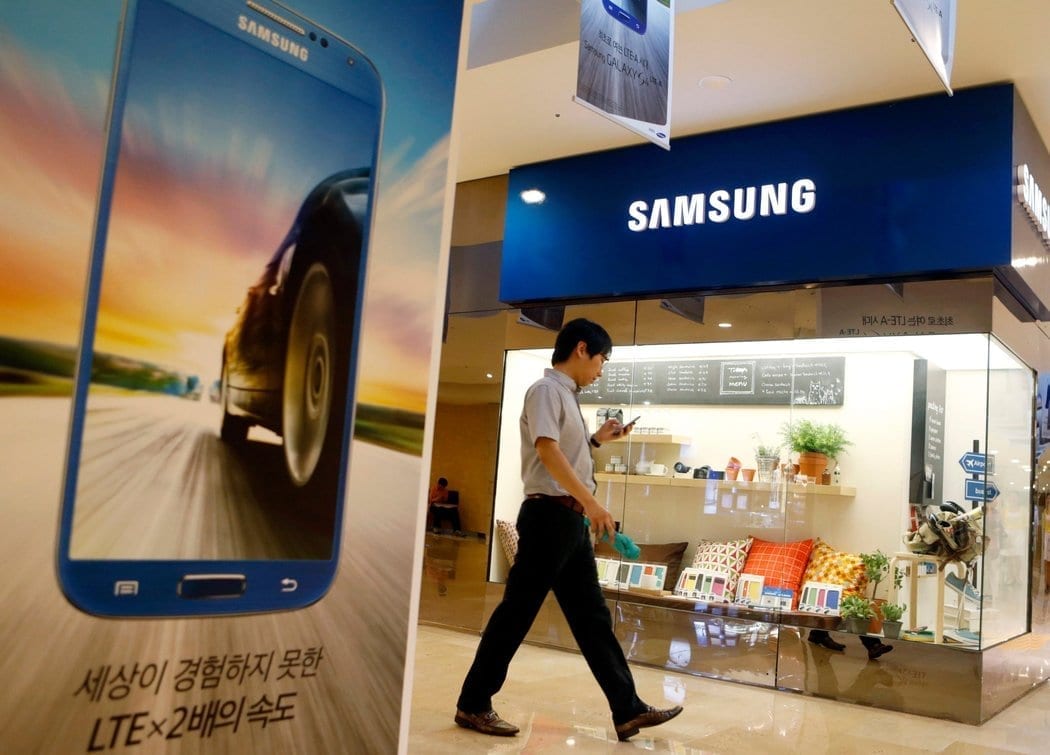
    Samsung Tops Profit Estimates, Warns of Weaker Phone Demand

    Take wearable devices. Global sales of body-worn cameras are forecast to reach 5.6 million units in 2021, more than triple the 1.6 million this year, according to forecasts by Gartner Inc. Smartwatch sales are expected to hit 81 million from 48 million over the same period, while those of head-mounted displays will more than double to 67 million.

    Spending on robotics and drones solutions will reach US$103.1 billion in 2018, up 22 per cent from last year, and more than double to US$218.4 billion by 2021, according to International Data Corporation.

    China, Japan, South Korea and Taiwan would be among the economies expected to benefit most — as they did from smartphones — with the new products stoking fresh demand for components such as semiconductors and displays.

    That is expected to benefit manufacturers such as South Korea’s LG Display Co., which makes displays used in products including smartwatches and Bluetooth devices, and Samsung Electronics Co., which makes memory capacity. Japan’s Sony Corp. is developing 3D sensors that can be used in drones, self-driving automobiles, gaming consoles, industrial equipment and more.

    “Manufacturers have always been able to shift their production line to cater to the newest trend in the market,” said Kenneth Liew, Singapore-based senior research manager at IDC. “We are now seeing products like wearables, smart home devices as some of the key products for future growth.”

    The upbeat view comes as a more-than-year-long rebound in Asia’s exports has hit a speed bump, with softening industrial and manufacturing activity. Smartphones contributed around one sixth of the estimated growth in trade in 2017, according to the IMF. Sales totaled close to 1.5 billion units last year — enough for one of every five people on the planet.

    But with more and more people already owning a smartphone, demand has peaked. That’s being felt at chip foundries and assembly plants across Asia.

    Taiwan’s Pegatron Corp., which assembles Apple Inc.’s iPhone 8, ramped up capacity in anticipation of a surge in business last year. A subsequent shortfall in demand led to lower utilization rates across its factories and operating margins almost halved. Both Pegatron and Hon Hai Precision Industry Co. — Apple’s principal assemblers — reported declines in net income in 2017 even as their biggest customer racked up record profits.

    To be sure, the smartphone sector is tapering off, not cratering, as evidenced by Apple’s results. And it will be some time before the emerging tech cycle reaches a point of matching demand generated through phone production, said Frederic Neumann, co-head of Asian economics research at HSBC Holdings Plc in Hong Kong.

    “While demand for consumer electronics like wearable devices and virtual reality headsets is growing rapidly, production runs still pale in comparison to smartphones,” Neumann said.

    Apple Earnings Show Growing Immunity to Smartphone Malaise

    Of course, all bets are off if an all-out trade war erupts between China and the U.S. Barring that, the next evolution in tech is poised to support global economic growth, even as smartphones reach saturation.

    “It is fair to say that economists often don’t understand technology well enough to understand what it can do in terms of growth,” the IMF’s Mr Mathai said.
  • KBank teaming with Com7 to expand the BaNanas IT stores

    KBank teaming with Com7 to expand the BaNanas IT stores

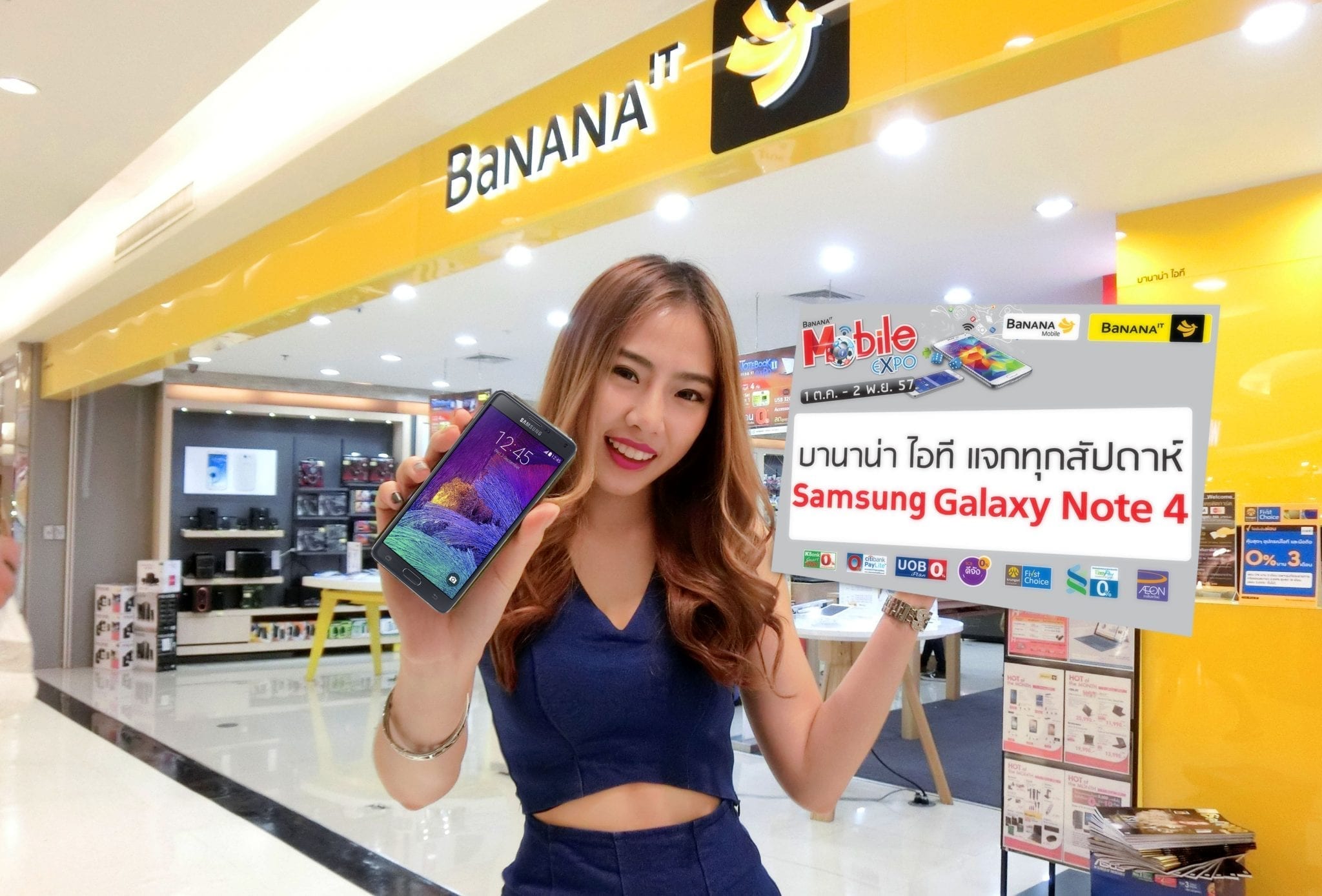
    Com7 has teamed with Kasikornbank (KBank) to expand the BaNana store chain, enabling younger consumers to access IT products and services more conveniently.

    Their first joint BaNana pilot branch was in Yasothon, and the two companies plan to have 20 more mini-branches by year’s end offering more diverse retail business and comprehensive financial services in Thailand, says Com7 CEO Sura Khanittaweekul.

    The listed company aims to achieve 600 branches under its management by the end of the year, up from 434 last year. Com7 has set an income-growth target of not less than 15 per cent for this year. Last year’s income came in at THB22.584 billion and net profit at THB608.8 million, both records for the business.

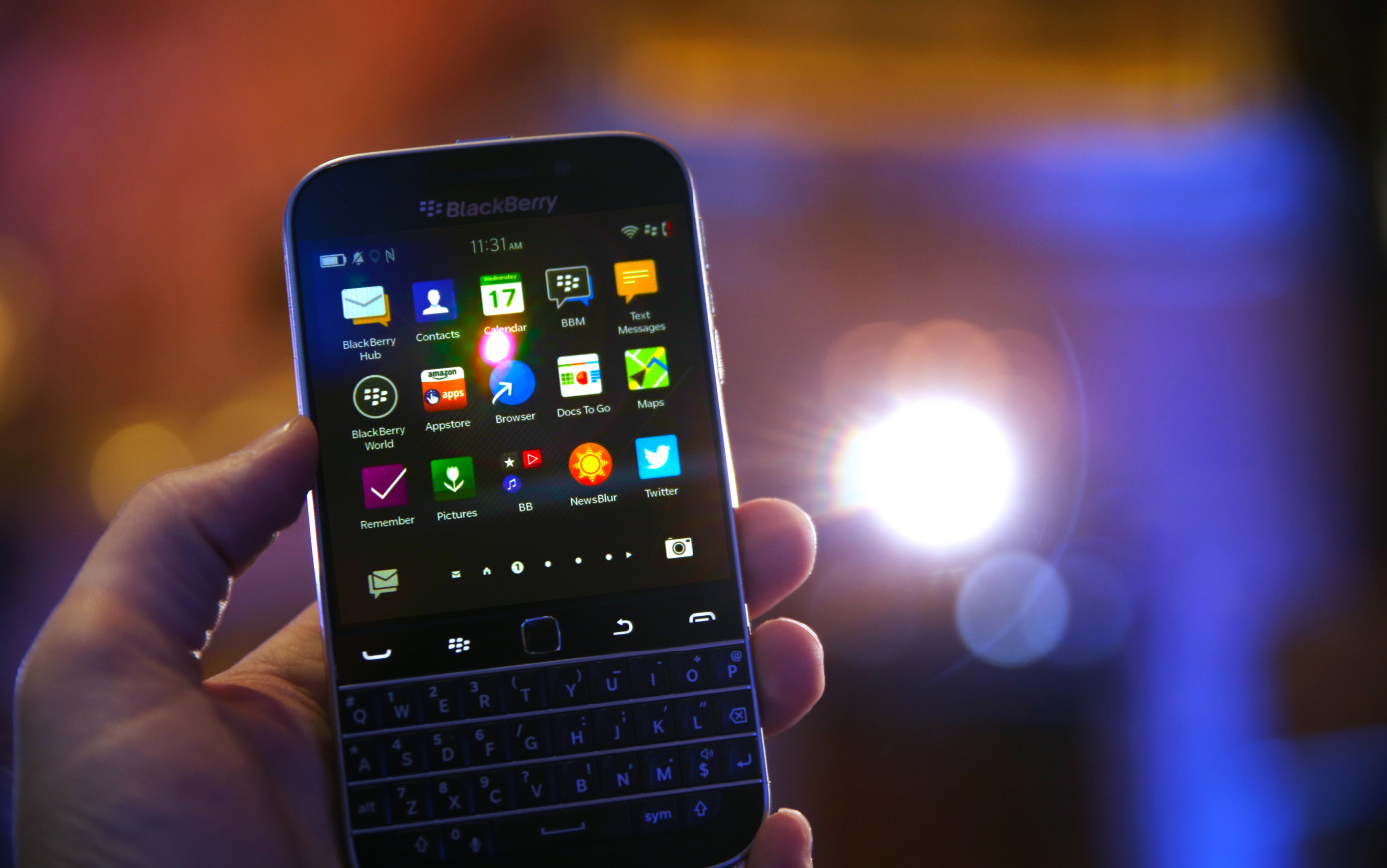
  • Smartphone brand BlackBerry Starts opening stores in China

    Smartphone brand BlackBerry Starts opening stores in China

    BlackBerry Star shops have opened in Shanghai and Nanjing.

    They aim to offer a new retail experience for users of the smartphone brand with in-store displays, training and after-sales support.

    Blackberry Mobile global business unit GM Alain Lejeune, who is also senior VP of TCL Communications, attended the opening of both stores, which attracted the phone’s fans from the community.

    He says fan interaction plays a key role in BlackBerry Mobile’s strategy in the Chinese market, along with product experience and delivery.

    More BlackBerry Star shops are scheduled to open across China.

  • Samsung Electronics to expand production in Vietnam

    Samsung Electronics to expand production in Vietnam

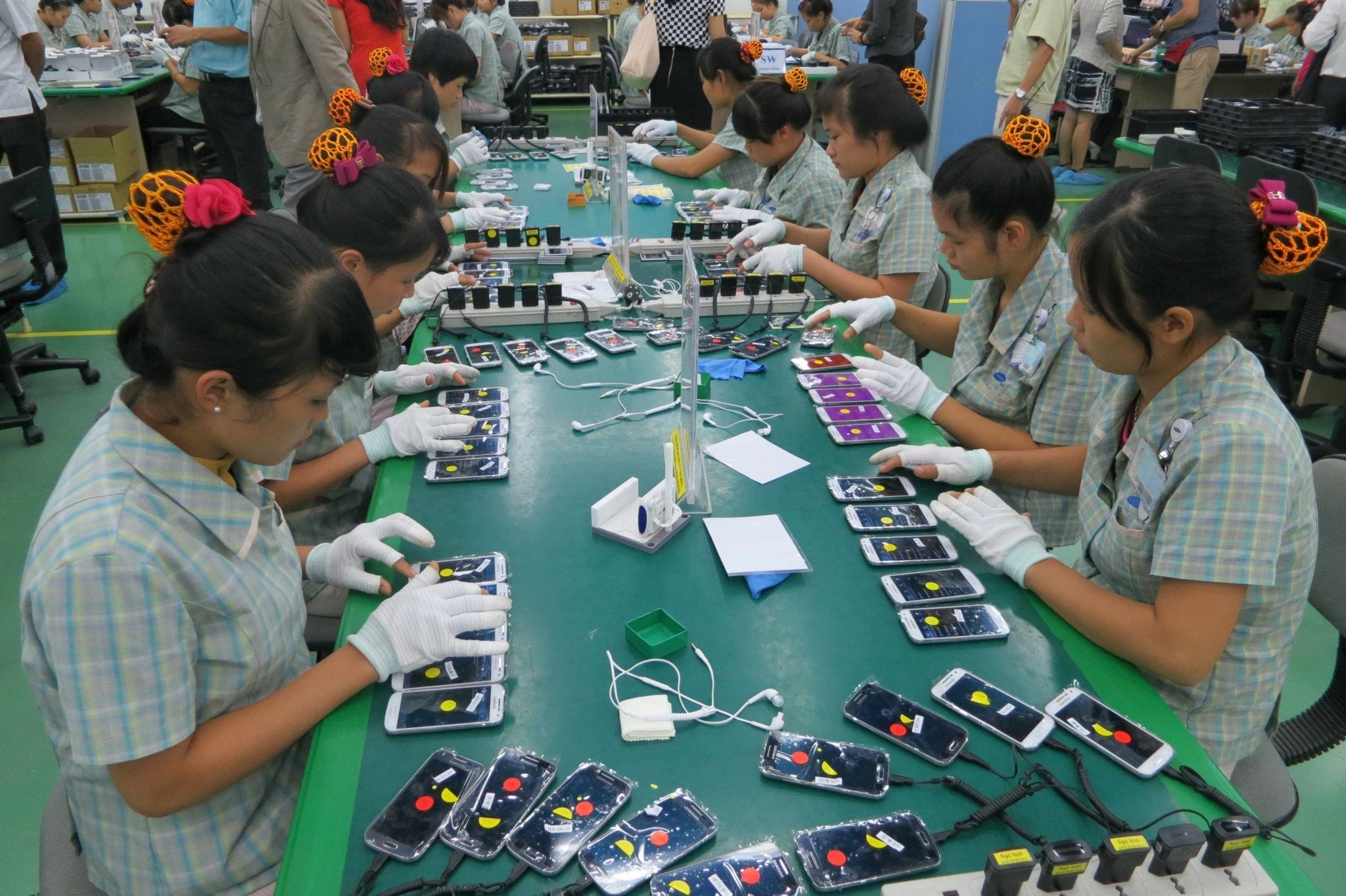
    Samsung is the largest foreign investor in Vietnam and accounts for around a quarter of the country’s total export revenue. Samsung Electronics Co. is determined to further expand production in Vietnam, co-CEO Koh Dong-jin told Vietnamese Prime Minister Nguyen Xuan Phuc on Friday.

    Samsung will recruit more Vietnamese employees and develop electronics in smart cities in Bac Ninh province and other places, according to a statement posted on the government’s website.

    Samsung is the largest foreign investor in Vietnam and accounts for around a quarter of the country’s total export revenue.

    Phuc told Koh that Vietnam is always willing to create the most favorable conditions for Samsung to develop in the country, the statement said.

    Samsung has invested $17.3 billion in eight factories and one research and development center in Vietnam, turning the country into its largest smart phone production base, the government said.

    Exports from Samsung Electronics’ factories in Vietnam totaled $54 billion last year, it said.

  • Xiaomi files documents for IPO in Hong Kong

    Xiaomi files documents for IPO in Hong Kong

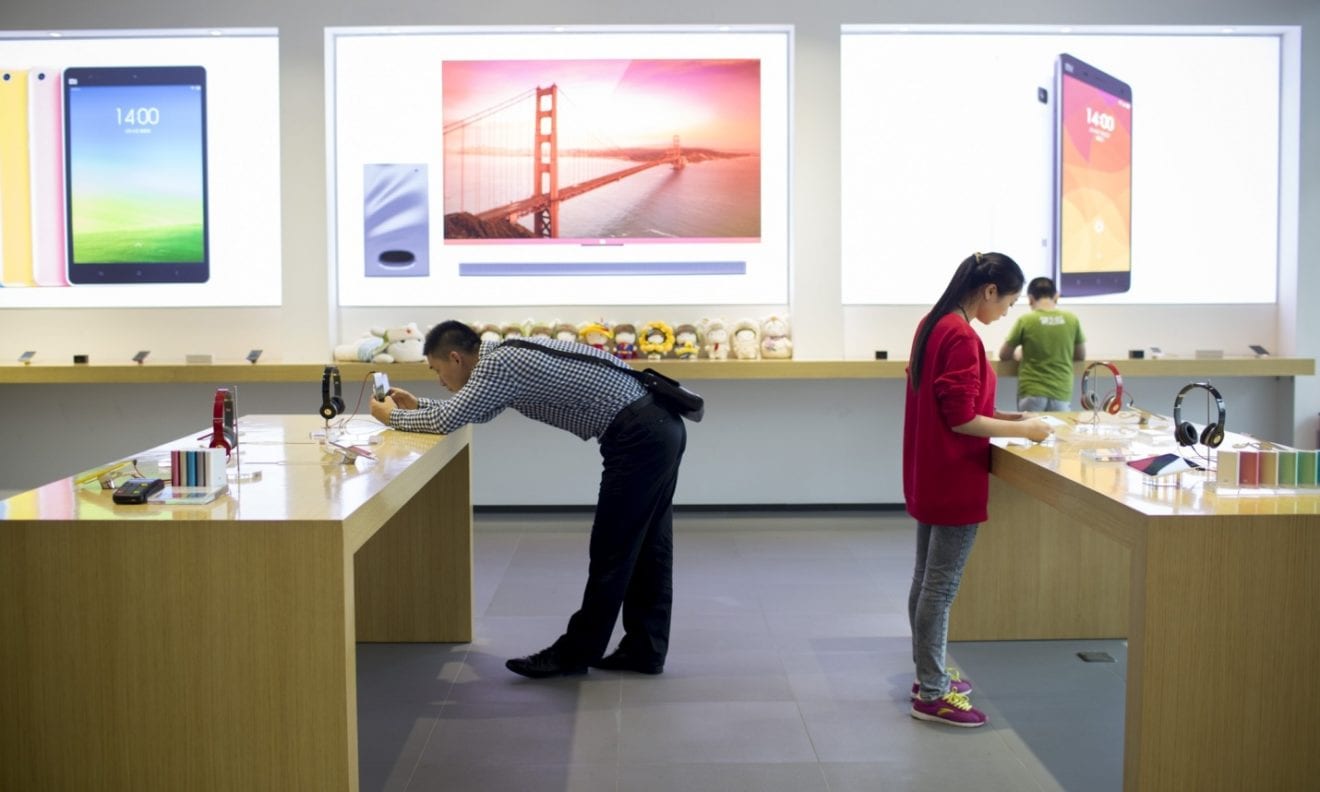
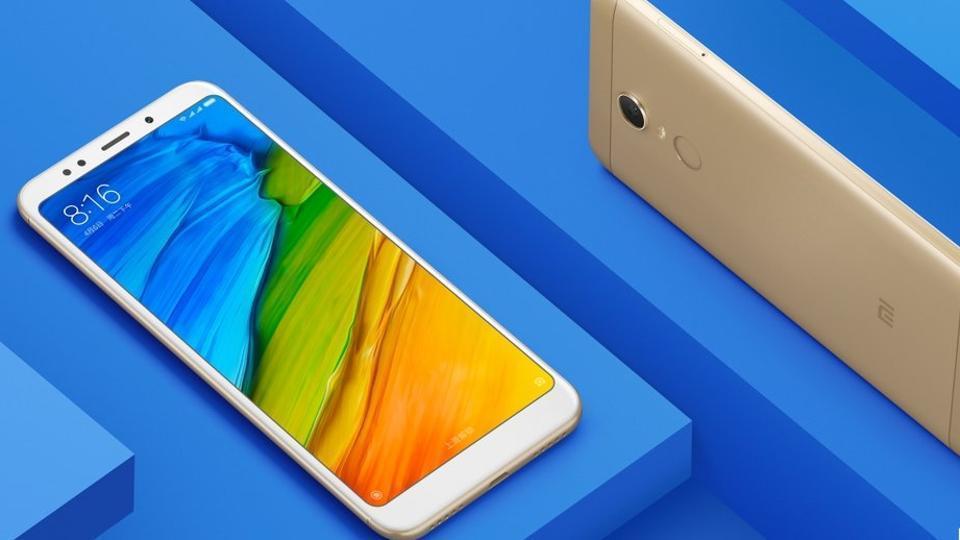
    Chinese smartphone giant Xiaomi has filed documents for an IPO on the Hong Kong stock exchange that could see the company raise at least $10 billion in the biggest public offer since 2014.

    The IPO is expected to value the company at between $80 billion and $100 billion, according to data and analysis company GlobalData. This would make it the largest IPO since Alibaba’s $25 billion public listing in 2014.

    GlobalData consumer technology analyst Avi Greengart said the listing would give Xiaomi the infusion of capital it will need to pursue an expansion to the West.

    “Xiaomi has long planned to enter the US. For now it is targeting Europe, starting with Spain, and we will be closely monitoring how the brand and its business model translates well outside of China,” Greengart said.

    “Xiaomi has said it plans to enter the US market ‘next year’ for the past three years. The US is famously unfriendly to Chinese brands right now. The bigger challenge is that carriers are the gatekeepers, the market is skewed heavily towards premium smartphones, and US consumers have expectations around brand and software that Xiaomi may have difficulty meeting.”

    The vendor’s “fascinating” business model involves selling phones in high volumes at low margins, and started with online-only operations, Greengart said.

    “However competitors such as Huawei eventually countered with online-only brands of their own, and Xiaomi was unprepared. The company was able to successfully regroup and move into retail outlets as well as online. Xiaomi’s also thinks of itself as an incubator and IoT ecosystem vendor, investing in dozens of start-ups selling everything from air cleaners to fitness bands to Segways.”

    Xiaomi’s IPO documents [PDF] show that the company recorded a 67.5% increase in revenue in 2017 to 114.62 billion yuan (HK$141.36 billion). But the company swung to a net loss of 43.89 billion yuan from a profit of 491.6 billion yuan in 2016.

    The company already has a presence outside of China, having rapidly grown to the top smartphone brand in India, IDC estimates. The research firm also puts Xiaomi at the number four spot globally in terms of smartphone market share, behind Samsung, Apple and Huawei.

  • CK Hutchison enters global alliance with Xiaomi

    CK Hutchison enters global alliance with Xiaomi

    Hong Kong conglomerate CK Hutchison has entered an agreement with Chinese smartphone maker Xiaomi covering distribution of Xiaomi smartphones.

    Under the agreement, CK Hutchison will bring Xiaomi smartphones, as well as IoT and lifestyle products, to its vast network of telecom and retail stores.

    CK Hutchison’s 3 Group and AS Watson brands will be able to broaden their product range, while Xiaomi will benefit from a wider international presence.

    The agreement will initially cover 3 Group’s stores in Hong Kong, Austria, Denmark, Ireland, Italy, Sweden in the UK and AS Watson stores in Hong Kong, Ireland, UK and the Netherlands.

    Xiaomi also plans to extend its collaboration with CK Hutchison’s operator channels in European markets.

    Recent research from Canalys estimates that Xiaomi had its strongest revenue growth in three years during the first quarter, with unit shipments growing 116% year-on-year to 28.1 million. More than half (nearly 57%) of these were shipped outside of China.

    “Xiaomi has done a great job recovering its position in its home market,” said Canalys Senior Director Nicole Peng. “While China has been a growth engine and profit driver for Xiaomi’s rising service revenue, overseas market expansion has helped it boost market share, both of which will be critical to the success of its IPO,” Canalys senior director Nicole Peng said.

    “It is important to note that Xiaomi’s rapid expansion will bring with it substantial overheads, which will make sustaining its original lightweight cost structure increasingly difficult.”

  • Apple acknowledge iPhone challenges

    Apple acknowledge iPhone challenges

    Analysis of the latest Apple sales figures shows that tech giant remains a phenomenal company, but it needs to regain the magic spark that used to be its hallmark.

    As usual, Apple’s performance is good on both the top and bottom lines. Revenue for the quarter jumped by almost 16 per cent, an impressive increase given last year’s strong results. Even more impressive was the 25.3 per cent leap in net income, an uplift that came despite a higher level of spending on research and development.

    But as good as the headline numbers are, there are some less satisfactory nuances in the underlying dynamics driving them. Foremost among these are sales of the iPhone. On the surface, revenue from iPhone sales, which rose by 14 per cent, looks strong. However, this is mostly pushed up by higher average prices rather than volume. Indeed, in unit sales terms, the number of iPhones sold rose by just 3 per cent over the same period last year.

    Given the high raw numbers that sit behind a 3 per cent unit uplift, such a criticism may seem petty. However, the second quarter last year was a weak one for the iPhone with sales down in both volume and value terms. As such, we would expect a much bigger uplift this time around. That this didn’t materialise, and that unit growth is well below the run rate for new phone launches, signals that the replacement cycle is slowing down. In essence, we maintain our view that Apple is struggling to persuade many consumers to update their phones.

    Failure to wow

    As I’ve have said before, this relative slowdown in iPhone sales is largely a function of Apple’s inability to come up with meaningful and valuable innovations that wow consumers. No matter how Apple tries to spin it, the iPhone X is essentially an incremental product that lacks the excitement and newness earlier models brought to the market.

    The same logic applies to many other product lines, including iPads and Apple Watch. These are good, quality items, however they are simply not impressing the market and Apple is losing its lustre in terms of producing compelling products. Apple has moved from a position of ‘must have this and must have it now’ to ‘might buy this at some point in the future’.

    Price increases may mitigate this but, ultimately, such a shift can only ever result in a softer sales performance.

    Adding new products, such as HomePod, into the mix provides potential new sources of revenue.

    However, with launches to date, Apple is not disrupting the market like it used to. HomePod is a case in point. Here, despite good technical specifications and design credentials, Apple was a latecomer to the smart speaker market. This crimped sales and puts Apple in direct competition with both Google and Amazon – against both of which it does not have a clear and compelling unique selling point. While we believe Apple can take a share of this market, we do not think it can win a decisive victory in the battle with other tech firms.

    One area of relative success, at least in revenue terms, is services. However, this is an area where we think Apple needs to push harder. Amazon is successfully creating an ecosystem of services through Prime. Apple needs to do something similar by building on its Apple Music subscription and its App Store offering. Content is a big growth area and is becoming increasingly linked to devices. Apple needs to play more heavily in this space both to generate new opportunities but also to defend its own device business.

  • China smartphone sales fall sharply in Q1

    China smartphone sales fall sharply in Q1

    Chinese smartphone shipments suffered a steep decline in the first quarter, according to estimates from two separate research firms. Canalys estimates that shipments had their biggest ever decline during the quarter, falling more than 21% year-on-year to 91 million units – the lowest sales since the fourth quarter of 2013.

    Eight of the top 10 smartphone vendors recorded annual declines in shipments, with Gionee, Meizu and Samsung’s sales shrinking to less than half of their sales figures from the same quarter a year ago, the company said.

    Market leader Huawei recorded a modest growth rate of 2% to 24 million units, while second placed Oppo saw a decline of 10% to 18 million units and third ranked Vivo saw shipments decline 10% to 15 million units.

    But Xiaomi managed to buck the trend with a shipment growth of 37% to 12 million units, overtaking Apple to take fourth place. Canalys Research analyst Mo Jia said the results show that the Chinese smartphone market is increasingly becoming a four-horse race..

    “The level of competition has forced every vendor to imitate the others’ product portfolios and go-to-market strategies,” he said.

    “But the costs of marketing and channel management in a country as big as China are huge, and only vendors that have reached a certain size can cope. While Huawei, Oppo, Vivo and Xiaomi must contend with a shrinking Chinese market, they can take comfort from the fact that it will continue to consolidate, and that their size will help them last longer than other smaller players.”

    Counterpoint: Chinesee smartphone market faced its steepest ever decline during the quarter

    Meanwhile Counterpoint estimates that the Chinese smartphone market fell 8% year-on-year and 21% sequentially, with the top five brands capturing a record 82% of the market.

    The company predicts that Xiaomi recorded 51% growth and increased its market share to 13.1%, but still placed Apple ahead with a market share of 14.3%.

    The research firm’s top three rankings mirror that of Canalys, with Huawei on top with a market share of 21.6%, followed by Oppo at 17.6% and Vivo at 15.5%.

    Looking ahead, Canalys has predicted that the Chinese smartphone market will return to growth in the second quarter.

    “The inventory issues that Oppo and Vivo suffered in Q4 and Q1 are now behind them. New smartphones will definitely entice people to upgrade, but vendors are more careful of avoiding oversupply in the channel,” Jia said.

    “China’s smartphone market may see a short period of stagnancy as vendors refocus on research and development, relying on new use cases to excite refreshes rather than spending heavily on the channel and marketing.”

  • LG bought Avon Products Japan

    LG bought Avon Products Japan

    South Korean cosmetics and household goods maker LG Household & Healthcare says an affiliate will buy a Japanese cosmetics firm for ¥10.5 billion (US$97.6 million).

    Ginza Stefany Inc, based in Japan, will take a 100 per cent stake of Avon Products, founded in 1968.

    The company’s sales reached KRW100 billion ($93 million) in it latest fiscal year.

    The acquisition is the Korean cosmetics giant’s latest move to strengthen its foothold in Japan after buying Ginza Stefany in 2012 and Everlife the following year, reports Yonhap News Agency.

    “Based on Avon’s credibility in Japan and its five decades of relationships with local companies, LG Household & Healthcare would like to overcome possible obstacles in expanding business there,” says the company.

    Meanwhile, LG has had record earnings for this year’s first quarter. Its new profit of KRW196.4 billion was  8.8 per cent up from a year earlier. Sales rose 6.5 per cent to reach KRW1.7 trillion, and operating profit was up 9.2 per cent to KRW284 billion.

    On the back of the robust earnings, the company says it will invest KRW389.3 billion by March 2020 to expand its production lines and build a logistics centre in Cheongju, central South Korea.

  • Hong Kong Customs Roll Up Counterfeit Phone Gangs

    Hong Kong Customs Roll Up Counterfeit Phone Gangs

    A territory-wide Hong Kong Customs raid has resulted in arrests and netted 100 smartphones suspected of being counterfeits.

    During the one-day Operation Snow Leopard, officers raided 12 shops and two storage places, seizing smartphones with suspected false trademarks or bearing possibly false trade descriptions. They also found about 3400 accessories also suspected of being fakes.

    Arrested were 18 men and a woman between 21 and 48 years old, including shop owners and salespersons, while the market value of the seized goods is estimated to be about HK$1.5 million.

    Customs had earlier received information alleging that some phone-repair shops sold suspected counterfeit smartphone accessories, and some shops were suspected to have engaged in unfair trade practices by selling old smartphones as new products, or selling parallel-imported smartphones as authorised products.

    After an in-depth investigation with the help of trademark owners, Customs took the enforcement action yesterday and raided 12 shops.

    Customs also cracked down on a syndicate in connection with export, supply and distribution of suspected counterfeit smartphones and accessories. A total of 64 suspected counterfeit smartphones and 330 suspect accessories were seized from the storage places in Sham Shui Po and Tsing Yi.

    A 32-year-old male head and 34-year-old female member of the syndicate were arrested. With the investigation ongoing, more arrests are possible.

    Intellectual Property Investigation Bureau chief Catherine Yip says the successful detection of the case was attributed to reporting by members of the public and the full help of trademark owners.
    She says Customs will step up inspection and enforcement with the approach of the Labour Day Golden Week.

    Customs says traders need to comply with the requirements of the Trade Description Ordinance (TDO) as the sale of counterfeit goods can lead to a fine of up to $500,000 and imprisonment for five years.

    Meanwhile, Customs has broadened reporting options by introducing a dedicated crime-reporting email account ([email protected]).

    Intelligence Bureau chief Kitty Poon says public reports received by Customs have risen progressively by 21 per cent, from 31,994 in 2015 to 38,819 last year. Of these, the proportion received via email has grown from 30 per cent in 2015 to almost 40 per cent last year.

  • Time goes by for Apple Watch-exclusive

    Time goes by for Apple Watch-exclusive

    Time has run out for Japan’s Apple Watch-exclusive store.

    Inside Shinjuku’s Isetan department store, it is one of three pop-ups the tech titan built when launching the wearable in 2015. Its last day will be May 13.

    Apple shut down the other two pop-ups, in London and Paris, early last year. The Tokyo one closes a month after a fully fledged Apple Store opened opposite Isetan.

    According to 9to5mac and Gizmodo Japan, the shop has held a fire sale on Isetan’s website to sell its remaining Apple Watch Edition devices at prices as low as $700 (the 18-karat gold watches sold for at least US$10,000 and as much as US$17,000 when they first became available).

  • Samsung Reveals Smarter Integration with Built-in Appliances at EuroCucina 2018

    Samsung Reveals Smarter Integration with Built-in Appliances at EuroCucina 2018

    In its debut exhibition at the biennial EuroCucina 2018, Samsung Electronics showcased its full range of premium built-in appliances that bring benefits to consumers through cutting-edge designs and heightened connectivity. The event took place at the Salone del Mobile, Milan, April 17-22, where more than 300,000 visitors were expected to attend.

    Last year Samsung’s European home appliances business grew five times faster than the market. As a result of this momentum, Samsung participated in EuroCucina 2018, a showcase for new trends, designs and technologies for European kitchens.

    The European built-in market is worth $18.5 billion annually, accounting for 40% of the global built-in market. Samsung’s premium built-in appliances, equipped with and IoT technology, are positioned at the center of the market. The opportunity to experience the kitchen of the future at the Samsung booth attracted the attention of many visitors at the exhibition.

    Consumer-Led Innovations

    Samsung displayed its full built-in product lineup at EuroCucina. The range included its Twin Cooling Plus™ technology refrigerator, Virtual Flame™ cooktop and Waterwall™ dishwasher. The company also unveiled the new Dual Cook Flex™ oven at the event.

    The Dual Cook Flex™ zone highlighted how the oven can adapt to the needs of its users. Its innovative Dual Cook technology, for example, allows independent access to the upper oven compartment without compromising on cooking performance in the lower compartment. With research indicating that European oven users are cooking multiple dishes simultaneously three times a week on average, the oven’s Dual Cook system allows users to set different temperatures and time settings for each compartment, giving them greater control over simultaneous cooking.

    Dual Cook Flex™ offers a range of IoT features. Consumers can remotely preheat, monitor and control the oven from anywhere with the SmartThings app. What’s more, the Cooking Guide makes setting recommendations based on ingredients and type of food being prepared.

    The booth also demonstrated how Samsung’s industry-first innovations in the home appliance market provide a seamless experience and make a real difference in the kitchen. Samsung’s Twin Cooling Plus™ technology, which independently controls the refrigerator and freezer, was showcased in a transparent display to best illustrate how the system works. There were also zones exhibiting the Virtual Flame™ cooktop, an induction stove that mimics the appearance of flames to provide more intuitive visual control over the heat, and the WaterWall™ dishwasher that delivers remarkable cleaning results with a streaming wall of water.

    Seamless Kitchen Connectivity

    As people spend more of their time at home in the kitchen, and the space fulfills more roles than ever before, smart technology has become increasingly more important. Yet digitization of the kitchen has been slower than other key spaces of the home.

    In addition to exhibiting the IoT capabilities of the Dual Cook Flex™ oven, Samsung demonstrated the seamless connectivity of key home IoT products at EuroCucina 2018.

    On display was the latest generation of Family Hub integrated with SmartThings, Samsung’s IoT platform, which offers seamless connectivity between any IoT device using one app and a single cloud that manages all your devices. The smart refrigerator provides a center point for connecting all devices in the home, and is equipped with features such as Bixby, Meal Planner, Shopping List and Recipes to enhance your smart cooking experience.

    Recent strides towards connectivity and innovation have resulted in 90 percent of Samsung products, including smartphones and TVs, being IoT-applicable. Thanks to the company’s collaborative efforts based on the Open Connectivity Foundation, the SmartThings ecosystem is operable and compatible with even more devices and brands.

    “We are fully committed to ensuring that all our products are not only IoT ready, but also intelligent by 2020,” said HS Kim, President and CEO of Samsung’s Consumer Electronics Business, at the press conference on April 18th.

    Stylish Built-in Design

    With premium designs such as Samsung’s black stainless-steel built-in packages, the exhibit modeled the streamlined look of the modern kitchen, which couples elegant design with intelligent technology.

    Based on a philosophy of thoughtful design, today’s kitchen embraces simplicity, timelessness and an aesthetic that emphasizes minimalism while maximizing usability. This “Flat Design” favors clean lines, hidden displays and seamless integration. Samsung’s built-in appliances, such as its premium flat design refrigerators, have a precision engineered flat face which sits flush to the counter front.

    Samsung Electronics acquired the luxury US built-in brand ‘Dacor’ in 2016 and has worked with various other partners, such as Nolte in Germany, and Scabolini and Benetakuchine in Italy to increase the competitiveness of premium built-in appliances as part of the company’s commitment to ‘bring the kitchen to life’. As well as displaying the ‘Dacor Modernist Collection’, Samsung also collaborated with numerous European luxury brands such as Nolte at this exhibition. Amongst these designs, the Dacor built-in refrigerator, which imbues a sense of luxury with its porcelain inside, has attracted significant attention.

    Integrating smart technology with appliances and pursuing further innovations will transform the way we cook and interact in the kitchen, as Samsung aims to provide a more seamless, connected experience throughout the home.

  • Google Singapore goes online

    Google Singapore goes online

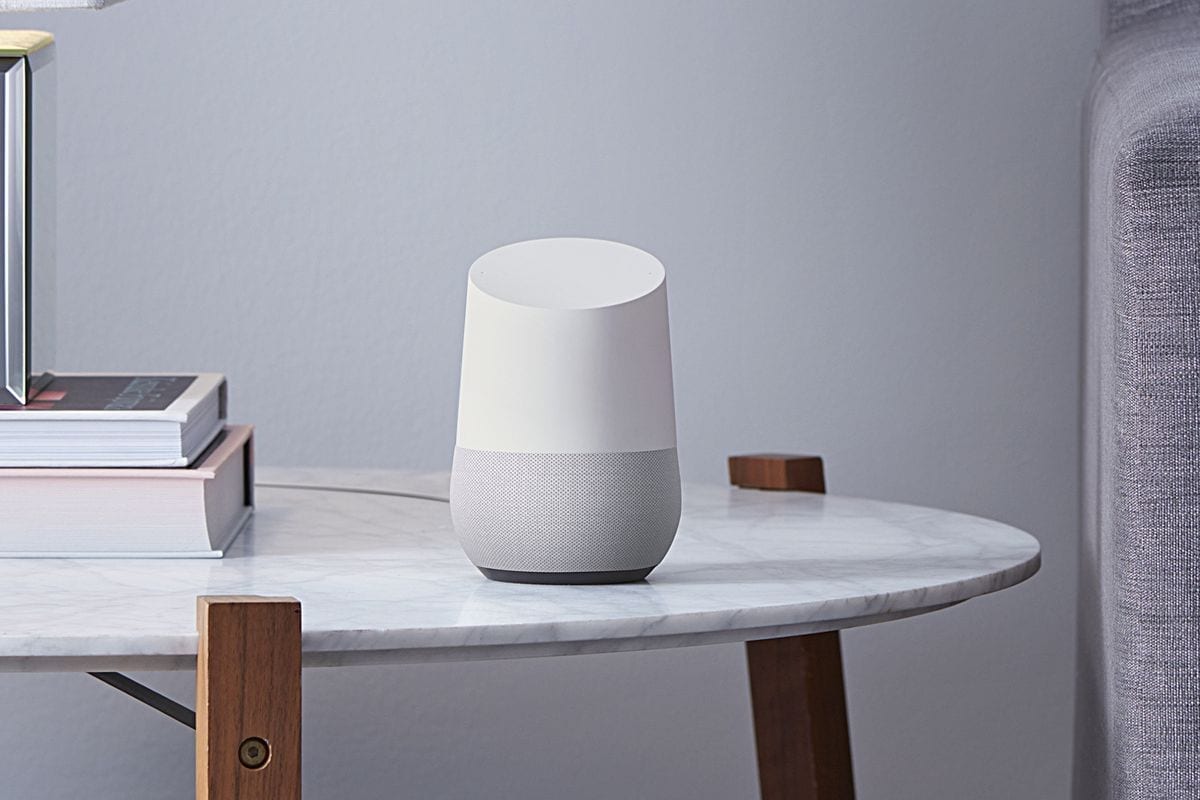
    After launching its online store, Google Singapore has introduced its smart speaker Google Home.

    It has taken the technology 16 months to reach SouthEast Asia, and alongside the Google Home Mini the speaker will be sold through retail stores such as Challenger, Courts and StarHub, as well as online from tomorrow.

    There is no word on when the newer Google Home Max will be made available, reports CNet, nor if Google Home will be rolled out elsewhere in Southeast Asia. However, it was launched in India last week and in Japan late last year.

    Singapore’s version of the speaker will support Singlish, and have access to local services such as public transportation chatbot Bus Uncle.

    Google has also enabled multi-user support for Singapore, and will be able to deliver personalised schedules or music based on who is asking.

    “We’re seeing a transition from a mobile-first world to an AI-first world,” says Google VP of product management Rishi Chandra. “We’re looking to reinvent all of our products to make it more natural to use them, and we think voice is going to be a big part of that. Voice can fundamentally change how you interact with computers.”

    He says Home has been designed around Google’s privacy framework. “We want to be transparent and give user control.”

    User data across all Google platforms, including Search and Home, can be managed on a single backend, enabling users to easily view and delete their information.

  • Samsung to debut MicroLED TVs this year

    Samsung to debut MicroLED TVs this year

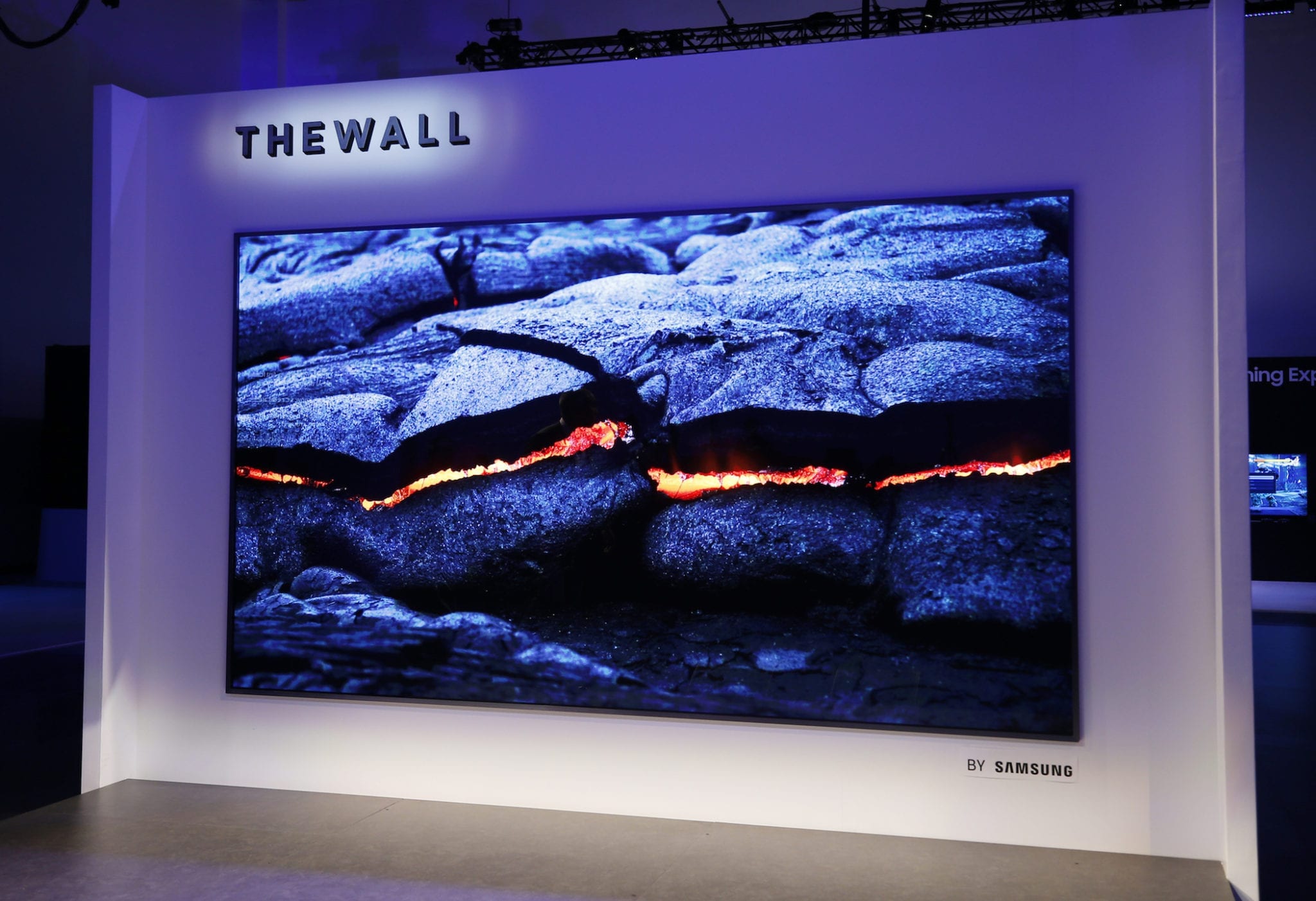
    Samsung Electronics will launch televisions using MicroLED next-generation display technology by the end of the year, with price tags that could reach $300,000.

    Samsung will be able to work flexibly with customers on screen size, thanks to the modular design of its MicroLED panels, design chief Lee Don-tae told.

    Although details have not been settled, the TVs due out this year could be even larger than the 88-inchers leading Samsung’s current lineup. Samsung plans to market them as a high-end offering in the U.S. and the Middle East, and as a potential replacement for computer projectors.

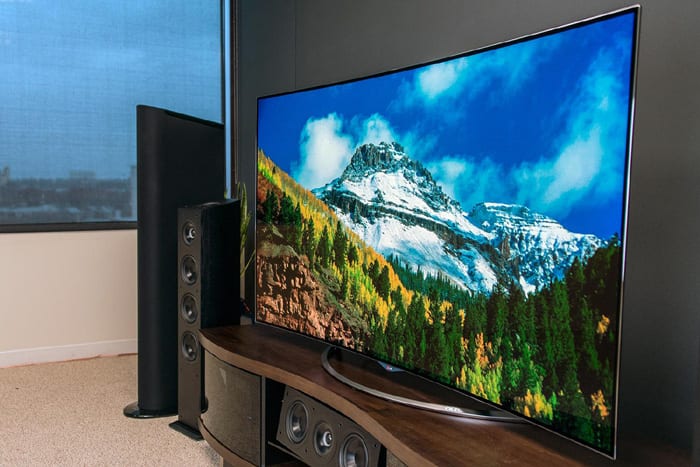
    MicroLED, which uses massive numbers of tiny light-emitting diodes per screen, is seen as the next big thing in display technology. Unlike LCD and many OLED TVs on the market, it does not rely on color filters, using elements that emit red, green and blue light instead. It is also believed to offer better images with a wider viewing angle. Competition is already heating up. Apple has begun developing its own MicroLED displays, according to American reports.

    Samsung itself has pulled out of OLED TVs, which take their name from the organic LEDs they employ. But the company remains critical of rivals’ products, most of which use white OLEDs simply as a light source rather than to produce color. Samsung employs OLEDs that emit their own colors in smartphone displays that it makes.

    Meanwhile, the LG group has emerged as a key player in displays based on white OLEDs. In addition to using them in its own TVs, it is also now supplying the panels to 13 TV manufacturers, including Sony.

    OLED TVs are rapidly becoming a fixture in luxury markets. The global market for them nearly quintupled between 2015 and 2017 to roughly 1.33 million units, according to Euromonitor International. Samsung is struggling to remain a leading player in high-end TVs with its lack of OLED models and wants to gain a head start in next-generation MicroLEDs.

  • Amazon Australia unveils new Echo product

    Amazon Australia unveils new Echo product

    A week after showcasing Alexa to over 10 thousand local industry members, Amazon has moved to further expand its voice capabilities in Australia, making its latest Echo product available for pre-order.

    Echo Spot differs to Amazon’s other Echo products in that it has a small screen, enabling the voice assistant to display corresponding graphics to its various functions.

    It comes as Amazon embarks on a national marketing push for Alexa in Australia, including outdoor and digital assets.

    Pre-orders begin on 26 April and will set customers back $199, more expensive than the $149 base echo product, but less expensive than the $229 Echo Plus.

    The Spot features many of the same features that Amazon’s other Echo products do, including access to the 15,000 local ‘skills’ (applications) available through Amazon and other third parties.

    “Echo Spot combines the popular small design of Echo Dot with the added benefit of a display, and the features you love about Alexa into a stylish and compact device,” said Sylvia Ding, Alexa Australia and New Zealand Country Manager. “See the weather, watch video news briefings, glance at your alarm clock, make video calls, and more—we think customers in Australia will find lots of places for Echo Spot in their homes.”

    Amazon is hoping that Alexa will be a cornerstone of its Australian ambitions, helping to complete the closed loop model that’s made it so successful in its other markets such as the United States.

    Yesterday in the states Amazon chief Jeff Bezos took the company’s next step towards increasing Amazon’s presence in American living rooms, inking a deal with Best Buy to retail Amazon’s range of smart TVs in stores.