Category: Electronics

Retail News Asia is committed to providing both local and global retailers with the latest Electronics news throughout the Asian market. This on a daily base.

  • Huawei store for Hong Kong

    Huawei store for Hong Kong

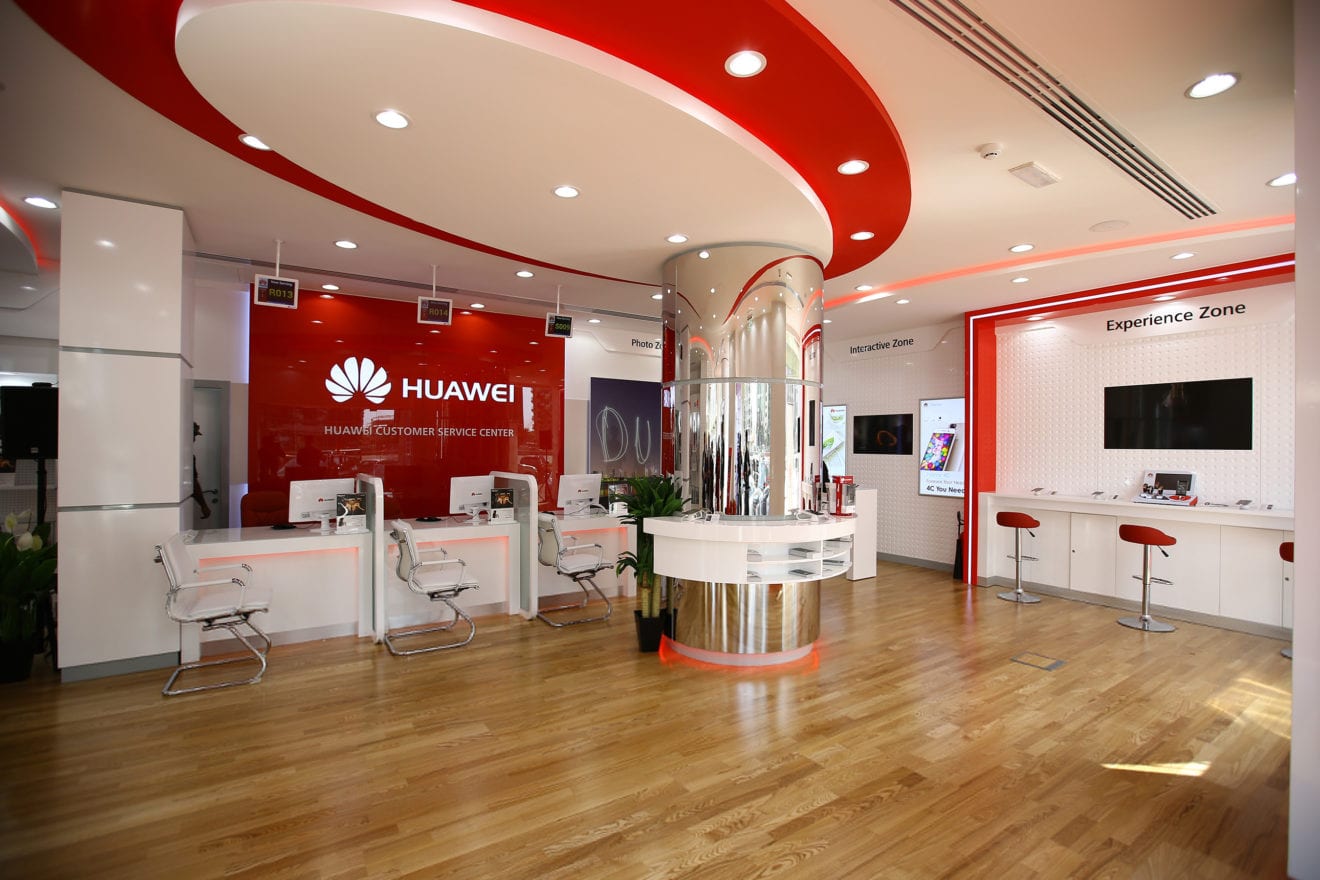
    Chinese smartphone maker Huawei Technologies will open its first retail store in Hong Kong by the end of July.

    Just a week after unveiling its flagship P20 Series smartphones in Hong Kong, the Shenzhen-based company has revealed its plans for a 2000sqft store in Tsim Sha Tsui.

    Huawei has a market share of around 10 per cent in Hong Kong, behind Apple and Samsung, but says it is working hard to achieve 15 per cent by the end of the year.

    Its latest products at the new store will have prices starting from HK$4980 (US$635), and include the P20 Pro, which has a three-camera system that takes photos with a far higher resolution than the iPhone, reports EJInsight. Huawei senior executive Richard Yu has described it as “the iPhone killer”.

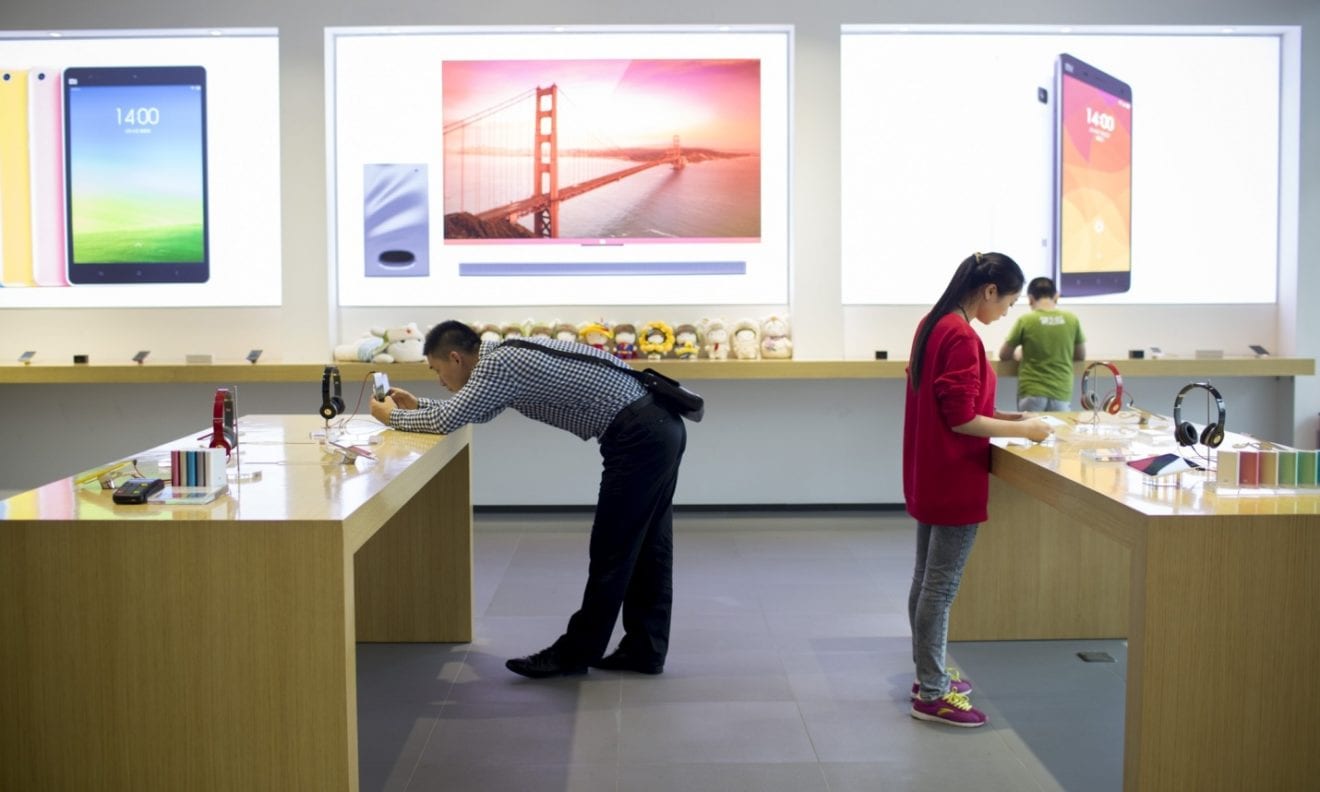
    Huawei aims to boost its public exposure in Hong Kong with its own retail store, rather than relying on third-party channels. Already Apple has five stores in the territory since arriving in 2011, while Samsung has its Galaxy Studio. Beijing-based Xiaomi is set to open its third store in Mong Kok next year.

    With its store, Huawei will be able to showcase its technological advancements, such as its 5G development and its Kirin mobile processor. Its P20 Pro and Mate 10 have hardware specifications that surpass those of Apple.

    Worldwide, Huawei is growing faster than most of its rivals and is in a neck-and-neck race with Apple, says EJInsight. In fact, at one point last year it surpassed Apple in shipping volumes, but then the iPhone X and iPhone 8 series were released.

  • Philippines smartphone shipments fall for first time

    Philippines smartphone shipments fall for first time

    Smartphone shipments in the Philippines have declined 7% to approximately 15 million units in 2017, according to IDC.

    The research firm’s latest Asia/Pacific Quarterly Mobile Phone Tracker and Asia/Pacific Quarterly Personal Computing Device Tracker also revealed that tablet shipments fell 30% year-over-year (YoY) to just 1 million units.

    Smartphone shipments recorded the first decline since its introduction into the local market as intense competition from top brands – such as Samsung, OPPO, and vivo – resulted in some vendors being ousted from the market.

    Tablets continued to decline as their significance in the market waned due to the lack of practical use cases and cannibalization by smartphones with larger screen sizes.

    According to IDC, Philippine users are shifting to handsets with higher specs and better features, going against the traditional observation of device users in the Philippines being among the more price-sensitive in Asia-Pacific.

    Jensen Ooi, Senior Market Analyst, Client Devices, IDC ASEAN noted that while end users will continue to consider specs as one of the important factors when purchasing their next smartphone, the next “wow” factor they will be looking out for are the features that enhance their experience.

    “In the short term, they would also consider the latest appealing features with the most relevant use cases, namely multiple cameras that enhance the photography and 18:9 screens that give a better viewing experience. These features were only limited to high-end flagship phones in the past but have become more commonly available in reasonably priced midrange (US$200<US$400) handsets as well now,” he added.

    On-device AI remains at this point.

    Despite this, the average selling price of smartphones in 2017 grew to $134, a 13% YoY increase with ultra low-end smartphones (<$100) holding the lion’s share of the market, accounting for 59% of all smartphones in 2017 compared with 67% in 2016. Meanwhile the combined share of low-end ($100-$199) and midrange ($200-$399) smartphones grew to 35% from 28% in 2016.

    Samsung and Chinese brands such as OPPO and vivo were the key driving brands that led to the growth of the low-end and midrange segments in 2017. “Heavy marketing campaigns and lucrative sales promoter incentives enabled these brands to strengthen their mindshare in the local market, increase their shipments, and grow their respective market shares,” Ooi said.

    “The assault of these brands affected the sales of some of the players, resulting in them reducing their supplies, which ultimately impacted overall smartphone shipments.”

    From a screen size perspective, phablets (5.5”-6.9”) recorded significant growth in recent years, accounting for about a quarter of smartphone shipments in 2017. “As mobile content continues to grow, smartphones have become the primary device for basic productivity and everyday media consumption, and this fuels the need for larger screens and higher specs,” Ooi added.

    The loser in this trend are slate tablets (7”-10.9”) which are seeing declining says because they cannot offer the same level of practicality that phablets provide.

    Trending in 2018

    The smartphone market in the Philippines is expected to rebound in 2018 as competition between popular brands, which will continue to strengthen their positions, and local and minor brands, which will continue to struggle to stay relevant, intensifies. “We expect smartphone vendors to continue shipping in more phablets and equipping their new models with enticing features, such as dual cameras, thin bezels, and on-device artificial intelligence,” Ooi concluded.

  • Is there any Alexa advantage?

    Is there any Alexa advantage?

    The Australian market is approaching 5 months since Amazon launched its highly anticipated marketplace service, and by many accounts its entry hasn’t been all it was cracked up to be.

    While Amazon has said that Australia brought in its higher launch day volumes in the company’s history, the overwhelming market response to its immediate impact has been a shrug and a sigh of relief.

    In his second public appearance since taking the reigns of Amazon in Australia yesterday company veteran Rocco Brauniger conceded that he and his team still have a lot of work to do as the business moves towards a launch of the Prime loyalty program locally.

    “There’s still a long way to go,” he said. “We’re really working hard to bring a lot of innovation here.”

    Brauniger faces an interesting challenge. Amazon is estimated to account for more than 50 per cent of total e-commerce sales in the US, but the business is far from an early mover in the online or marketplace space in Australia – local retailers have had years to learn from the mistakes of their international peers.

    But those trying to go toe-to-toe with Amazon’s e-commerce platform could be in for a surprise.

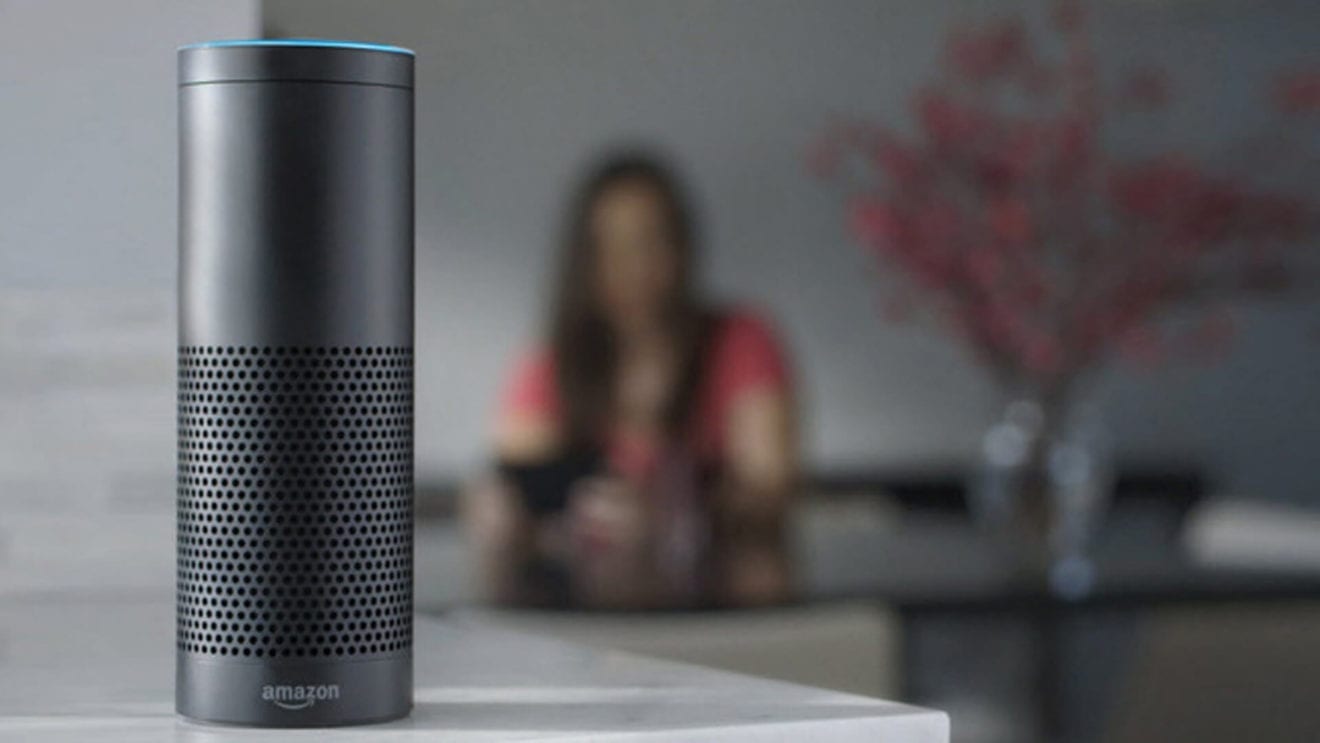
    Earlier this year Amazon’s voice assistant Alexa launched locally with its suite of accompanying echo products to little fanfare, which is interesting given founder Jezz Bezos’ clear focus on the service.

    “Our 2017 projections for Alexa were very optimistic, and we far exceeded them. We don’t see positive surprises of this magnitude very often — expect us to double down,” he said when Amazon reported fourth quarter earnings in February.

    The Alexa advantage

    Bezos isn’t the only one excited about Alexa either, Brauniger has two echo devices in his home and uses Alexa every day to do everything from getting the headlines to checking the surf at his local beach.

    Despite only being a few months into its Australian life, Alexa has more than 15,000 ‘skills’ (applications) available on its platform, providing customers with voice access to movie tickets, pizza, news, public transport and banking.

    A myriad of local brands is already on board, from Qantas to National Australia Bank, Domino’s and Hoyts.

    In a presentation yesterday, Alexa’s recently hired managing director of Alexa skills in ANZ, former Intel Australia MD Kate Burleigh, said that voice interaction was a game changer that will take the Australian market by storm.

    “It is the biggest leap forward we’ve seen in a number of years and we can do it now because its technically possible,” she told a crowd of thousands gathered in Sydney.

    “Voice is how we like to interact, it’s the most natural way for all of us to communicate with each other … and bring our ideas to life.”

    Alexa is an important part of Amazon’s end-to-end customer strategy in the US, embedding Amazon into the living rooms of consumers that have been turning to voice shopping in droves.

    In Australia voice shopping is still relatively under-developed but is expected to take off in the next few years, with a recent survey conducted by Salmat finding that as many as 46 per cent of Aussies are excited to take voice shopping for a spin.

    For Amazon it represents an opportunity to ground floor and catch many otherwise prepared Australian competitors off guard – Alexa could be the key to cementing its presence in the local market.

    Competitors responding

    Amazon’s closest local competitors are already responding though, with Ebay one upping its rival late last year by launching voice shopping in partnership with Google’s voice assistant. Amazon shopping is still not available to Australian Alexa users.

    Meanwhile, Ruslan Kogan is looking to launch his range of own-branded smart speakers with Google Assistant built in and Catch Group is actively looking into the channel.

    “Voice will be the future of search, there’s no doubt about that,” Catch’s head of marketing Ryan Gracie has said.

    But for traders outside of the marketplace space voice is a tricky proposition. Voice lends itself to convenient product searches that are light on detail about things like brand or preferred seller, raising the possibility that Amazon, which also sells its own products, could gate-keep shopper queries.

    Alexa in the home – completing the closed loop

    Burleigh, who will be working on implementing Alexa’s voice shopping capabilities locally, didn’t delve into the details of Amazon’s plans on Tuesday, but outlined Amazon’s ambition to put the voice assistant at the heart of the Australian household.

    “We’ve already had such excitement in the marketplace around the potential that Alexa can bring into our homes,” she said.

    In the US, where Alexa now has more than 30,000 skills, large appliance businesses such as LG are embedding Alexa into their products.

    “You can build your own devices and solutions and embed Alexa’s voice service,” Burleigh explained.

    Aside from its hope that Alexa can become part of millions of Australian homes, it will also form a cornerstone of the infamous closed-loop model it has implemented in the US, synergising with its forthcoming Prime loyalty program by enabling exclusive deals for subscribers.

    The highly anticipated loyalty program is expected to launch later this year and is expected to deliver a step-change for Amazon’s Australian plans as it expands its fulfilment capabilities here.
  • Xiaomi signs a partner deal with LightInTheBox Holding

    Xiaomi signs a partner deal with LightInTheBox Holding

    Global online retailer LightInTheBox Holding has signed a strategic distribution agreement with Xiaomi to sell its technology products in North America.

    It is Xiaomi’s first cross-border e-commerce distribution partnership in the region, and customers buying its products through LightInTheBox platforms will receive local customer support from Xiaomi.

    Founded in 2010 by entrepreneur Lei Jun, Xiaomi is based on the vision “innovation for everyone”.

    The Beijing-based company incorporates customer feedback into its product range, which includes Mi and Redmi smartphones, TVs and set-top boxes, routers and Mi Ecosystem products including smart home products, wearables and other accessories. Xiaomi has a presence in more than 70 countries and regions.

    With its headquarters in Beijing, LightInTheBox websites and mobile applications are available in 23 languages and cover more than 80 per cent of global internet users.

  • Samsung tips record first quarter profit as chip boom winds down

    Samsung tips record first quarter profit as chip boom winds down

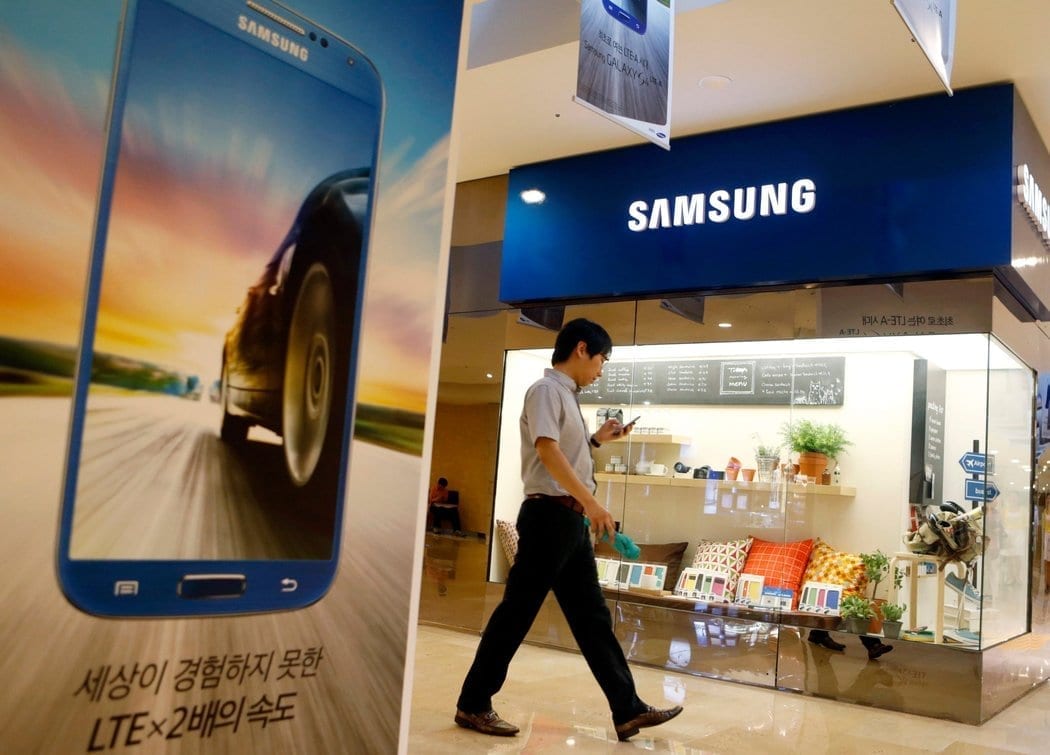
    Samsung Electronics tipped a surprise record first-quarter profit on Friday but market reaction was muted due to growing concerns that the semiconductor boom that has driven the South Korean tech giant’s earnings is about to end.

    Samsung shares fell after the announcement as analysts forecast similar or lower profit in the second quarter, due to slower growth in DRAM chip prices and higher marketing costs for the flagship Galaxy S9 smartphone.

    “Even if profits start falling in the second half, Samsung will have a strong balance sheet this year,” said Song Myung-sup, analyst at HI Investment & Securities, predicting looser supply of DRAM chips to start driving down prices.

    The global semiconductor leader and Apple Inc smartphone rival forecast January-March profit to leap 57.6 percent from a year earlier to 15.6 trillion won (US$14.7 billion), beating an average forecast of 14.5 trillion won from a Thomson Reuters survey of 21 analysts.

    Revenue for the quarter was tipped to rise 18.7 percent to 60 trillion won, Samsung said in a regulatory filing. The company did not elaborate on its performance and will disclose detailed earnings in late April.

    Samsung shares fell as much as 2.7 percent on Friday before paring losses to close down 0.7 percent, compared to a 0.3 percent drop in the wider market.

    Analysts said Samsung’s shares were affected by a UBS report forecasting an increase in the supply of DRAM chips used in servers, which dragged down Micron Technology Inc shares more than 6 percent on Thursday.

    The prices of NAND chips commonly used in mobile devices began falling late last year and analysts have been closely watching for signs of the peak in the DRAM price boom as well.

    Even if DRAM price growth is at its peak, analysts said Samsung remained on track for record annual earnings.

    “Although gains in memory chip prices have slowed from the height of the chip boom, lower prices could also increase demand for chips, and Samsung has the cost-cutting ability to keep profits up,” said Greg Roh, analyst at HMC Investment & Securities.

    MOBILE BUSINESS

    While the chip business underpinned Samsung’s profit growth, the mobile business – which accounted for 40 percent of 2017 revenue – appeared to have made a surprisingly solid contribution to first-quarter earnings, analysts said.

    They put this down to Samsung’s early launch of its flagship Galaxy S9 device in March, healthy sales of older devices as consumers balk at the high price of new premium models, and a short-term dip in advertising costs.

    “I think lower marketing costs for the mobile business helped, because the first quarter is traditionally not a boom season for rival Apple, so Samsung did not need to spend a lot on marketing,” said Claire Kim, analyst at Daishin Securities.

    Worldwide smartphone shipment volumes shrank for the first time in 2017, and Samsung is coming under increasing competition from the likes of low-cost Chinese rival Xiaomi .

    Concerns about the smartphone market and a subsequent fall in demand for components like OLED screens – used in Apple’s iPhone X – are behind a roughly 5.3 percent fall in Samsung Electronics’ share price so far this year, from a record high in November.

    In a separate development, prosecutors searched the offices of a Samsung Electronics unit on Friday as part of a probe into allegations the conglomerate had sabotaged worker’s efforts to strengthen labor unions, a South Korean prosecutors’ office said.

    A Samsung spokeswoman said prosecutors had secured labor-related documents. She declined comment further.


  • Xiaomi pushes smartphone component suppliers to invest more in India

    Xiaomi pushes smartphone component suppliers to invest more in India

    China’s Xiaomi said it wants its global smartphone component makers to set up base in India, in what is likely to bring as much as US$2.5 billion of investment to the South Asian nation while also creating up to 50,000 jobs.

    Xiaomi’s push could boost Prime Minister’s Narendra Modi’s flagship ‘Make in India’ drive that is aimed at adding tens of millions of new jobs and turning Asia’s No.3 economy into a global manufacturing hub.

    Xiaomi, which looks headed for a big initial public offering later this year, currently has six smartphone manufacturing plants in India. It hosted more than 50 of its global suppliers in New Delhi at an investment summit on Monday that was also attended by key government officials.

    If the suppliers at the summit were to set up shop in India, a top market for Xiaomi, it would bring in US$2.5 billion in investment and create as many as 50,000 jobs, the company said.

    The Chinese firm has unseated Korean rival Samsung Electronics to take the pole position in India’s smartphone market – the world’s second biggest.

    Xiaomi, which began assembling smartphones through Foxconn in southern India in 2015, will now assemble parts like memory and processors on printed circuit boards locally, said Manu Jain, managing director of Xiaomi’s India operations.

    “Today we are deepening this commitment with three more smartphone factories and our first surface-mount technology (SMT) plant dedicated towards local manufacturing,” Jain said in a statement.

    SMT is a method by which components are embedded onto printed circuit boards (PCBs). Once populated with components, PCBs that house memory, chips and other components, typically account for about half the cost of a smartphone.

    This announcement comes a week after New Delhi levied a 10 percent import duty on some key smartphone components, including populated PCBs. The South Asian nation is Xiaomi’s second-largest market after China.

    Xiaomi’s SMT plant will be run by Taiwan’s Foxconn, the world’s largest contract electronics manufacturer and a key Apple supplier.

    However, Xiaomi’s push to get suppliers to India could spark job loss concerns in neighbouring China that is currently among the top electronics manufacturers in the world.

    “India’s cheap labour offers more competitiveness to manufacturers, demand is vast and in India opportunity is also huge because the market is much less saturated compared to China,” said Jaipal Singh, a senior market analyst for client devices at tech research firm International Data Corporation.

  • a Second Apple China store in Macau?

    a Second Apple China store in Macau?

    Apple China is planning a second shop in Macau, according to Apple Insider.

    Quoting StoreTeller, it says the IT brand’s store will be at Sands Cotai Central casino resort.

    Unlike Apple Galaxy Macau, the outlet is external, and is likely to open this quarter.

    Globally, its latest all-new store is in Vienna.

  • Apples focuses on high-end audio market

    Apples focuses on high-end audio market

    Apple is returning to its roots when it comes to music products and is starting to embrace the world of audiophiles who are prepared to pay more for premium, higher-quality speakers and music devices.

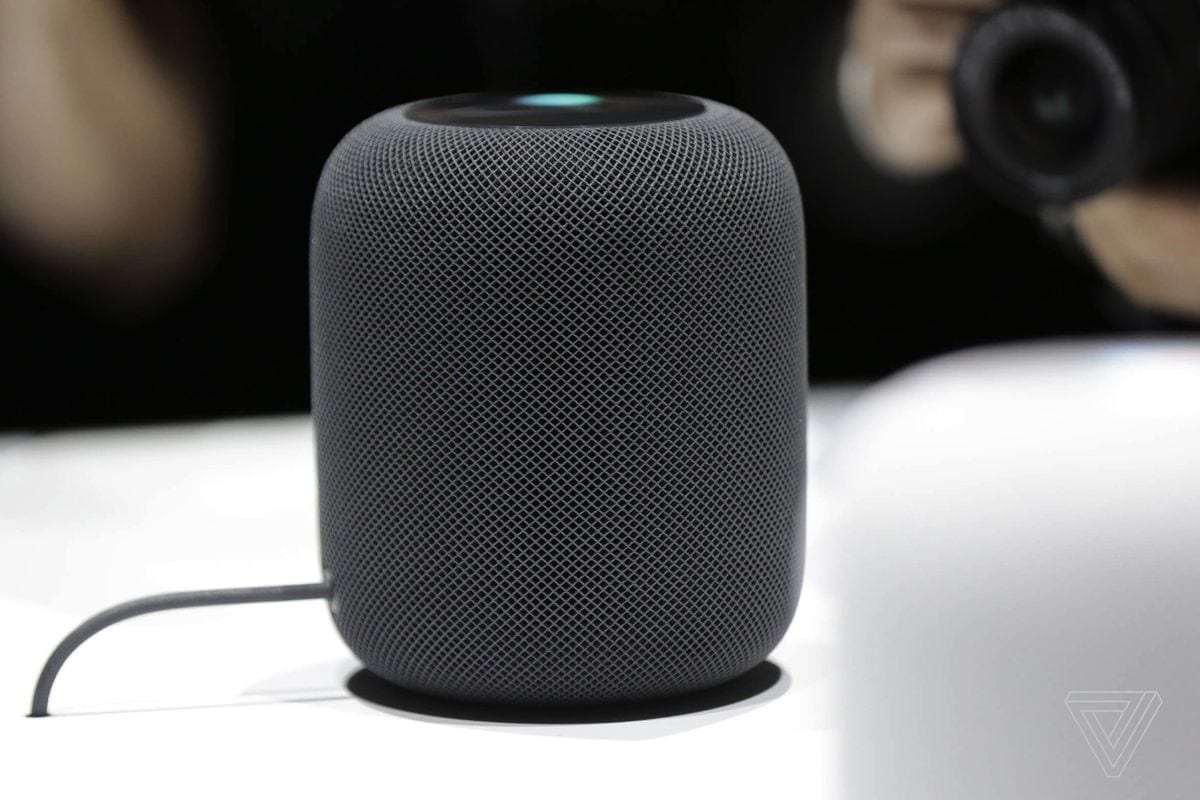
    Take the release of the HomePod in February. Apple‘s new home speaker is designed to compete with Amazon’s Echo devices. A key part of Apple’s marketing for the device focuses on the audio quality.

    “HomePod is a powerful speaker that sounds amazing and adapts to wherever it’s playing,” Apple says on its website. “It is the ultimate music authority, bringing together Apple Music and Siri to learn your taste in music.”

    Apple already has its own line of headphones, and even has an entire separate brand for them: Beats. Apple bought Beats for $3 billion (£2.1 billion) in 2014, and got its hands on the company’s trendy headphones business, its fledgling music streaming service, and Beats founders Jimmy Iovine and Dr. Dre.

    But the Beats brand never felt like a natural fit for Apple. The company built up its profile by making sure that celebrities and sports stars wore its distinctive, colourful headphones. Apple, however, prefers to be far more low-key in its endorsements and design choices. Design chief Jony Ive favours white, minimalist products, for example.

    Apple now seems to be planning to start again on headphones and is reportedly working on something that seems much more Apple-y.

    High-end audio products are nothing new for Apple. In fact, it brings the company back to the release of the iPod.

    The iPod Classic was practically tailor-made for audiophiles with its 80GB or 160GB hard drive and support for lossless music. Wired said that it was “the natural choice for people who are serious enough about audio quality to include their listening equipment in their signature files.”

    But over the years Apple has moved away from catering to audiophiles. It’s a small market, after all, and Apple does not want to risk releasing niche products. So newer iPhones made it incredibly difficult to play lossless music, and Apple eventually discontinued the iPod Classic. “Farewell Apple iPod classic, We Audiophiles Will Miss You,” PC Magazine wrote.

    There have been glimmers of hope for audiophile Apple watchers over the years, though.

    Ive likes to play loud music in the Apple design studio. Maybe that was a sign that an Apple stereo system was on the way. Apple founder Steve Jobs had been working on a new, lossless music format with musician Neil Young. Maybe Apple was about to get back into lossless audio in a big way (it wasn’t). U2 singer Bono said that he was working on a top secret music format with Apple. Perhaps that was the high-resolution audio fans had been waiting for.

    The audiophiles revolted. “How do you justify an iDevice to an audiophile?” read one forum post. “With the lackluster audio properties inside the devices and the inability to make adjustments to the sound it is a hard sell to someone who cares about audio, for a company that claims to love music.”

    Another forum post had the title “Apple Music… Seriously?” Audiophiles bemoaned the lack of proper lossless audio support. Sure, some people made the point that Apple’s music format is basically identical to standard lossless formats. But audiophiles never saw Apple as a serious player in that space.

    Now, that all seems to be changing. The HomePod received positive reviews from Reddit’s audiophile community. Apple vice president of worldwide marketing Phil Schiller even tweeted a link to a post from the subreddit reviewing the speaker.

    The release of a line of premium Apple headphones would do even more to establish Apple’s audiophile credentials. Until recently, the closest thing you would find to an audiophile product in an Apple Store was a speaker made by a third-party company such as Devialet. But that is likely to change as Apple develops its own line of speakers and headphones.

  • Will Wearable Cards Gain Ground in Domestic Market?

    Will Wearable Cards Gain Ground in Domestic Market?

    All eyes are on whether “wearable credit cards,” which became a hit during the 2018 Winter Olympics in PyeongChang in South Korea, will be able to gain ground in the domestic market even after the closing ceremony of the Olympics. In the United Kingdom and Australia, the wearable card market is already being established.

    According to credit industry sources on March 20, Lotte Card Co. predicted earlier that 100,000 wearable payment devices for the 2018 PyeongChang Winter Olympics would be sold. However, more than 150,000 wearable payment devices have been sold as of the 18th of this month.

    Visa has developed three Near Field Communication (NFC)-enabled wearable payment products for the Winter Olympics: A commemorative sticker, a pair of gloves, and an Olympic pin in November last year. Visa teamed up with Lotte Card, the financial arm of the South Korean-based retail giant Lotte Department Store to produce these new pre-paid payment wearables. To use the devices, the wearer can tap or bring the wearable near any NFC-enabled terminal or reader and the secured microchip and antenna embedded within the device will allow a contactless payment to be completed.

    Credit card companies are paying attention to whether wearable credit cards will be able to sustain the momentum from the Winter Olympics and create the market in South Korea.

    Foreign major financial companies and payment and settlement companies have been already preparing for various types of payment services, including wearable credit cards, in order to dominate the future payment market in advance. U.K.-based Barclaycard joined hands with numerous accessory brands to develop NFC-enabled wearable payment products, such as bracelets, smartphone cases and keychains. Australia’s Bankwest also launched ‘Halo’, a ring that enables users to make ‘tap and go’ payments as an alternative to cash or a contactless card. The ring itself is water-resistant and does not need to be charged. In addition, The “Pay per Gaze” payment service using Google Glass also was released.

    However, there are big challenges for the wearable payment market due to no standards established for contactless payments and compatibility with other devices. In fact, some users had trouble making a payment during the Winter Olympics when they put their NFC-enabled commemorative sticker on the center or the upper side of their smartphones. This is because it conflicted with their smartphone’s NFC features.

    An official from the credit card industry said, “Commercialization of wearable credit cards is not too distant when we solve problems with technology verification and complementarities with wearable types of cards.”

  • Citi rolls out Facebook Messenger bot in Singapore

    Citi rolls out Facebook Messenger bot in Singapore

    Citi has launched its first natural language chatbot for Facebook Messenger in Singapore ahead of a wider roll out around the world.

    The bot uses natural language processing to communicate with customers in an intuitive way, addressing their everyday questions about things like real-time account and transaction information.

    Citi says that it has been piloting the bot with 600 customers and employees to refine the service, which also covers credit card bill summaries, rewards and points balances and frequently asked questions.

    The bank has previously said that it plans a second phase to introduce more features such as card activation, ability to lock and unlock credit cards and transaction alerts for cards among others.

    “Facebook Messenger is an exciting new way to access Citi and will greatly enhance our overall customer experience’” says Anand Selva, head, Asia Pacific consumer banking, Citi.

  • Apple Japan to open store in Shinjuku Tokyo

    Apple Japan to open store in Shinjuku Tokyo

    Apple will launch a new store in the Shinjuku ward of Tokyo on Saturday, April 7. It will be the company’s eighth retail outlet in the country.

    Shinjuku is a special ward that’s a major commercial and administrative centre, housing the Northern half of the busiest railway station in the world (Shinjuku Station) and the Tokyo Metropolitan Government Building, the administration centre for the government of Tokyo. As of 2015, the ward has an estimated population of 337,556.

    With the opening of its Shinjuki establishment, Apple will  have 504 retail stores in 24 countries and an online store available in 39 countries.

  • LG opens first premium brand shop in Kuwait

    LG opens first premium brand shop in Kuwait

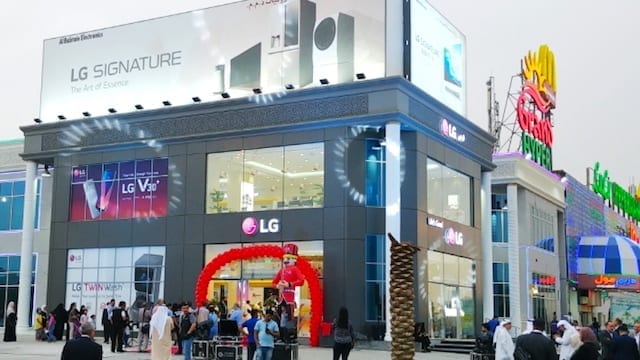
    LG Electronics has opened a premium home appliance store in Kuwait to retail its upmarket  Signature range of products.

    The two-storey store, located in Rozana Mall, features 433sqm of display space showcasing high-resolution televisions, and household appliances such as washing machines and refrigerators.

    LG Electronics has a growing commitment to the Middle Eastern market where a large number of middle class and wealthy consumers crave expensive gadgets, appliances and motor vehicles. It already has stores in the UAE, Saudi Arabia, Jordan, Lebanon, Egypt and Iran. More stores are planned in the region.

  • GE, Samsung granted US$900m contract for Java 1 plant Indonesia

    GE, Samsung granted US$900m contract for Java 1 plant Indonesia

    The developer of the Java 1 combined-cycle power plant, claimed to be the biggest of its kind in Southeast Asia, has granted an engineering, procurement and construction contract worth US$900 million to a consortium consisting of General Electric (GE), Samsung C&T and PT Meindo Elang Indah Indonesia.

    PT Jawa Satu Power, a joint venture between state-owned energy giant Pertamina and Japan’s Marubeni and Sojitz Corporation, is currently in the process of developing the Java 1 power plant in Karawang, West Java, Indonesia, with a total investment value of around $1.8 billion.

    The Java 1 facility, expected to commence operations in mid-2021, will have a total capacity of 1,760 megawatts (MW), enough to supply electricity to about 11 million households in Indonesia.

    “Efficiency in power plants is important to maintain competitive and affordable electricity rates for the public. Our high-efficiency gas turbine called GE 9HA.02 and asset performance management software will play their role for those purposes,” GE Indonesia president and CEO Handry Satriago said in a statement on Thursday.

    Jawa Satu Power president director Ginanjar has high hopes that GE’s gas turbines will provide reliable and clean energy to the public.

    It has also signed a 25-year agreement with GE Power Services, which provides operations and maintenance management for gas plant assets.

  • Electrolux Form JV to Introduce AEG

    Electrolux Form JV to Introduce AEG

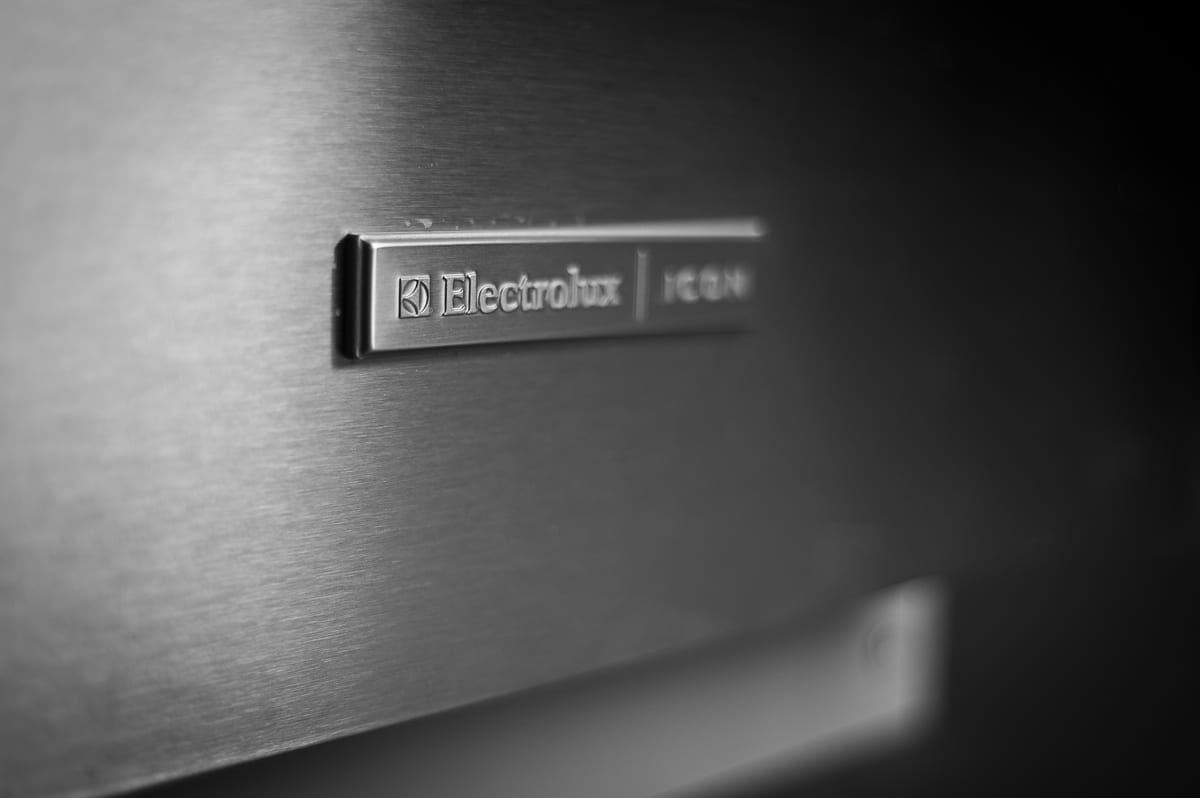
    Home-appliance company Electrolux Group has formed a JV with Chinese smart-technology company Midea Group to introduce the AEG brand to China.

    The brand was officially launched at the Appliance & Electronics World Expo in Shanghai last week.

    Combining Electrolux global brand expertise with Midea’s local market strength, the ambition is to make AEG the most popular premium home-appliance brand in China, drawing on its 130-year heritage of German craftsmanship and innovation.

    “I am confident AEG will be well received here,” says Electrolux CEO Jonas Samuelson.

    The first AEG store in China will open in June, with a flagship store to open in Guangzhou in August to be followed by a second wave of product launches in October.

    Electrolux also markets appliances in China under the Electrolux and Zanussi brands.

  • Xiaomi Redmi 5 full-screen budget smartphone to launch in India soon

    Xiaomi Redmi 5 full-screen budget smartphone to launch in India soon

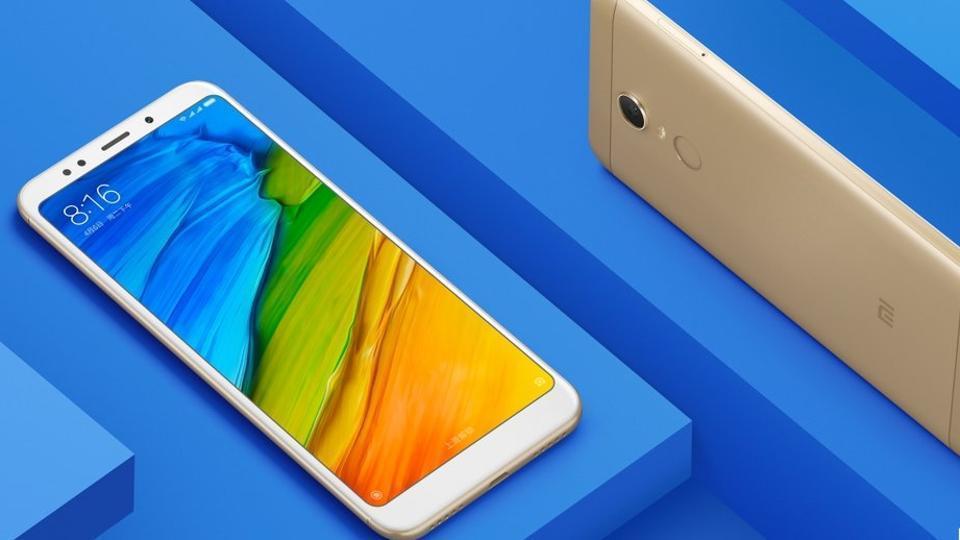
    Xiaomi will be launching a new smartphone in India on March 14. Manu Kumar Jain, Xiaomi global vice president, made the announcement on Twitter on Wednesday, hinting at a phone that is “compact” and “powerhouse”. The phone featured in the promo photo resembles Xiaomi Redmi 5, the company’s first full-screen smartphone for the budget segment.

    Just like Redmi 5, the cut out of the phone has a tall display with most likely an 18:9 aspect ratio. Redmi 5 launched in China in December last year. The smartphone was accompanied by a Plus variant with a taller display. Xiaomi Redmi 5 and Redmi 5 Plus retail in China at a starting price of 799 Yuan or approximately Rs 7,500.

    Xiaomi sells multiple variants of the two phones in China. Xiaomi Redmi 5 is available in two variants – 2GB RAM + 16GB storage and 3GB RAM + 32GB storage – priced at 799 Yuan (approximately Rs 7,500) and 899 Yuan (approximately Rs 8,500) respectively.

    The Plus model is also available in two variants – 3GB RAM + 32GB built-in storage and 4GB RAM + 32GB built-in storage which are priced at 999 Yuan (approximately Rs 9,500) and 1299 Yuan (approximately Rs 12,700) respectively.

    Xiaomi Redmi 5, Xiaomi Redmi 5 Plus

    Xiaomi Redmi 5 comes with a 5.7-inch 18:9 screen with 1440 x 720 pixels resolution. Redmi 5 Plus has a 5.99-inch 18:9 display with 2160 x 1080 pixels resolution. Redmi 5 is powered by Qualcomm’s Snapdragon 450 processor whereas Redmi 5 Plus runs Snapdragon 625 processor. Redmi 5 comes with a 3,200mAh battery while Redmi 5 Plus is powered by a 4,000mAh battery.

    Common features of the two phones include 12-megapixel rear camera and 5-megapixel front-facing camera. Connectivity options include 4G, VoLTE, dual-SIM, Bluetooth and Wi-Fi. Both the phones include a fingerprint reader and run on Android 7.1.2 Nougat-based custom MIUI ROM.