Category: Electronics

Retail News Asia is committed to providing both local and global retailers with the latest Electronics news throughout the Asian market. This on a daily base.

  • Apple sales report doesn’t look good

    Apple sales report doesn’t look good

    Apple has been quick to point out the record-breaking revenue numbers for its first quarter.

    The Cupertino-based company reported first-quarter sales of US$88.3 billion and a record quarterly profit for the final three months of last year of $20.1 billion.

    As much as this is praiseworthy, it also masks some more worrying trends.

    First is the 1 per cent fall in unit sales of the iPhone. Although revenue for phones increased by 13 per cent, this was a function of higher prices rather than increased volume. On the surface, this may not seem like a problem, but in our view, it indicates that Apple is, once again, struggling to persuade consumers to upgrade or switch to new devices. This slowing of the upgrade cycle will likely have an impact on phone revenue in future quarters.

    Moreover, the slowdown in iPhone sales is emblematic of Apple’s inability to come up with meaningful and valuable innovations that wow consumers. Even the iPhone X is an incremental product that lacks the excitement and newness earlier models brought to market. Apple is fortunate in having a strong base of fans and many consumers who are bought into its ecosystem of services; but without device innovation, even this may prove insufficient to maintain market share in the face of rising competition.

    Mac sales disappoint

    The second area of disappointment comes from Mac sales where both volume and revenue slipped over the prior year. Admittedly, Apple is up against a comparative from last year when its new MacBooks Pros were gaining ground, but even so, this also underlines a dearth of serious innovation in the home and professional computing segments.

    We also believe that lower volumes, and the fact that Apple’s products were not at the top of everyone’s Christmas lists, put a dampener on service growth. Last quarter this segment grew by 34 per cent and by 22 per cent in the quarter before that. Over this period, the increase was a much more modest 18 per cent. Arguably, the holiday period should be a bumper time for Apple subscriptions; that it wasn’t is concerning – not least because Apple needs income from services to make up for softness in product sales.

    That Apple’s HomePod wasn’t available in time for the holidays was a misstep, not least because it could have helped boost service revenue. Our data show smart speakers and smart home devices were popular gifting and self-purchase items over November and December – with both Amazon and Google growing their market shares. Although Apple will point out its product is superior to rivals’ efforts, it is a latecomer to the party, and we believe its potential sales will be crimped as a result.

    For all of these challenges, Apple remains a solid and financially successful company. Indeed, its profits increased over the period. However, a lack of serious and significant innovation means it runs the risk of diluting future earnings. Apple thrives off serving a mass market; a move to providing more expensive items to fewer people will ultimately prove harmful to the bottom line.

    In essence, we believe that the clear blue water that once existed between Apple and rivals is much diminished. The company has time to reopen the gap, but to do so, it needs to pull something new and unique out of its hat sooner, rather than later.

    -Neil Saunders-
  • Fujifilm to cut 10,000 jobs at subsidiary amid Xerox takeover

    Fujifilm to cut 10,000 jobs at subsidiary amid Xerox takeover

    Japanese technology firm Fujifilm on Wednesday announced 10,000 job cuts by March 2020 at its Fuji Xerox subsidiary, which it said was facing an “increasingly severe” market environment.

    In a major shake-up, Fujifilm also announced it would be combining Fuji Xerox with US giant Xerox, bringing both companies under its umbrella to create what it said was the world’s largest “document solutions company” by revenue.

    As part of a cost-cutting package that it hopes will save 50 billion yen (RM1.793 billion), Fujifilm announced “personnel reductions of 10,000 people domestically and overseas” at Fuji Xerox.

    Founded in 1934, Fujifilm became synonymous with the photography business but has since expanded into cosmetics and medical equipment.

    Fuji Xerox, which manufactures printers and copiers for offices mainly in Asia and the Oceania regions, employs around 46,000 people in total.

    “It is expected that this combination will generate a large number of synergies,” said Fujifilm in a statement, with Fuji Xerox mainly doing business in Japan and Asia and Xerox in the US and Europe.

    Xerox had faced a revolt from two major shareholders, Carl Icahn and Darwin Deason, who between them control 15 percent of the company.

    They recently published a joint letter urging the company to consider selling itself and calling for the immediate replacement of its CEO.

    The restructuring will have an impact on Fujifilm’s operating income, the firm said, revising down its forecasts for the current fiscal year to 130 million yen from 185 million yen.

    Net profit however was forecast to rise to 140 million yen from 125 million yen due to one-off gains from sales of investment securities.

  • Ericsson rings up huge losses in 2017

    Ericsson rings up huge losses in 2017

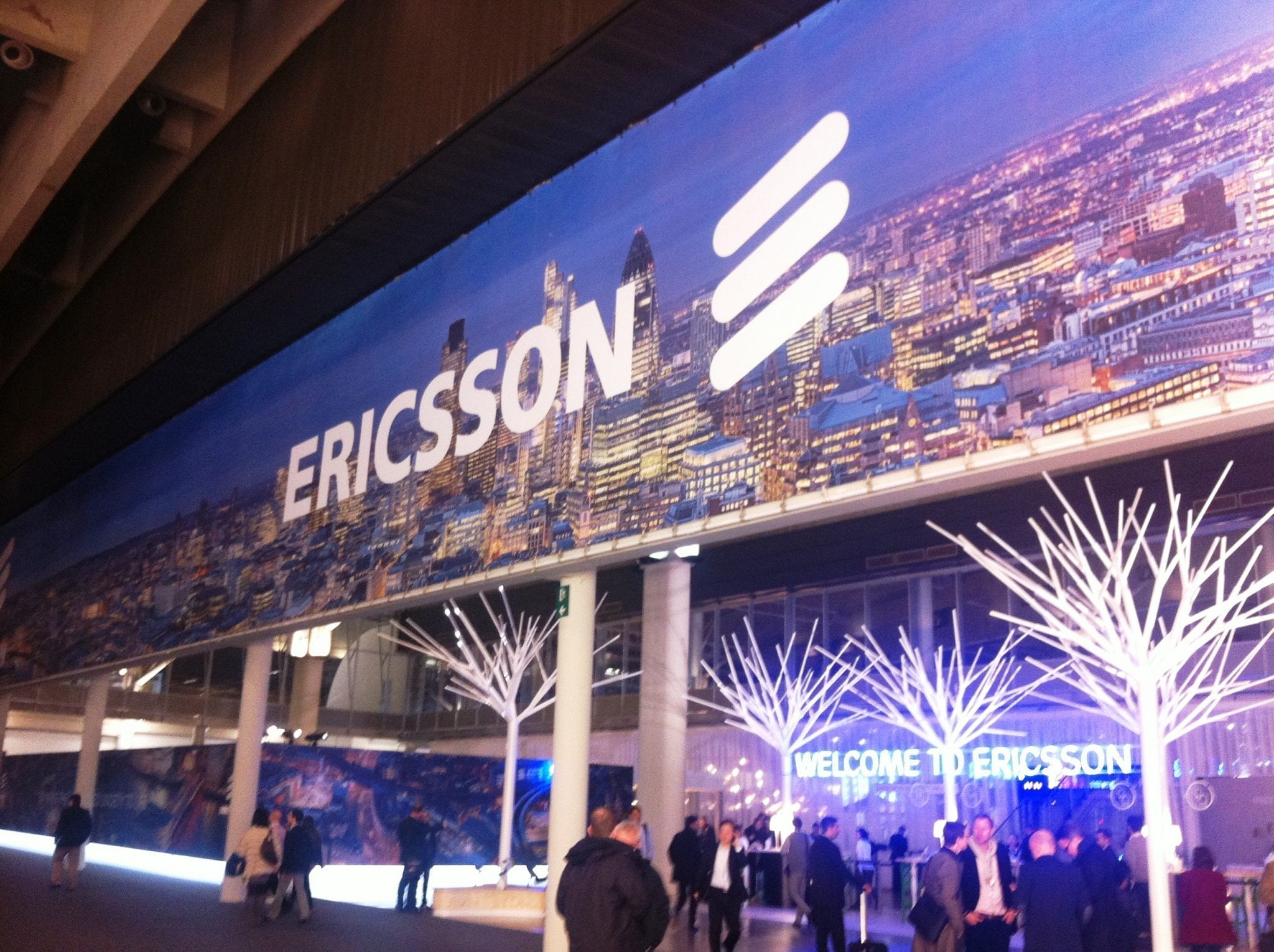
    Swedish telecoms giant Ericsson said Wednesday that it rang up huge losses last year as network competition, restructuring costs and investment in lightning-fast 5G technology pushed it deeply into the red.

    The news sent Ericsson’s share price tumbling nearly nine percent on the Stockholm stock exchange in early trading, in a flat market.

    Ericsson said in a statement it booked net loss of 35.1 billion kronor (3.6 billion euros, US$4.4 billion) in 2017, compared with profit of 1.9 billion kronor the year before.

    The group also booked an underlying or operating loss of 38.1 billion kronor last year after profit of 6.3 billion kronor in 2016, while revenues dropped by 10% to 201.3 billion kronor, the statement said.

    “The focus during 2017 has been on reshaping overall strategy and on improving company structure and performance,” explained chief executive Borje Ekholm.

    “2017 was also the year when 5G went from vision to real business opportunities while we at the same time had good traction for our 4G portfolio,” he continued.

    “We are fully committed to our plans and our targets and expect to see tangible results of our turnaround in 2018.”

    Below target

    In the fourth quarter alone, Ericsson’s net loss widened to 18.9 billion kronor from a loss of 1.6 billion kronor a year earlier, while sales slumped by 12% to 57.2 billion kronor.

    “The fourth quarter was in line with our overall expectation, with gradual improving performance in networks and continued significant losses in digital services. The result is however far below our long-term ambition,” CEO Ekholm said.

    Earlier this month, Ericsson had announced that writedowns of 14.2 billion kronor would be booked in the fourth quarter, originating mainly from goodwill from investments made a decade ago.

    Investors fled after the earnings report was published.

    “When I look at the order book there’s not a lot of meat on the bone in there … I’m surprised the (share price) fall is so steep, but it’s an automated-traded share,” Jonas Olavi of Alfred Berg investment bank said.

    “Ericsson needs to turn over every rock in the search for new sources of income,” Mikael Tornwall, telecoms expert for daily Svenska Dagbladet, said.

    Ericsson said it had reduced the number of its employees and external workforce by 10,000 during the fourth quarter, part of its restructuring plan aimed at cost savings of 10 billion kronor by mid-2018.

  • Honor Opens its First Flagship Store in Myanmar

    Honor Opens its First Flagship Store in Myanmar

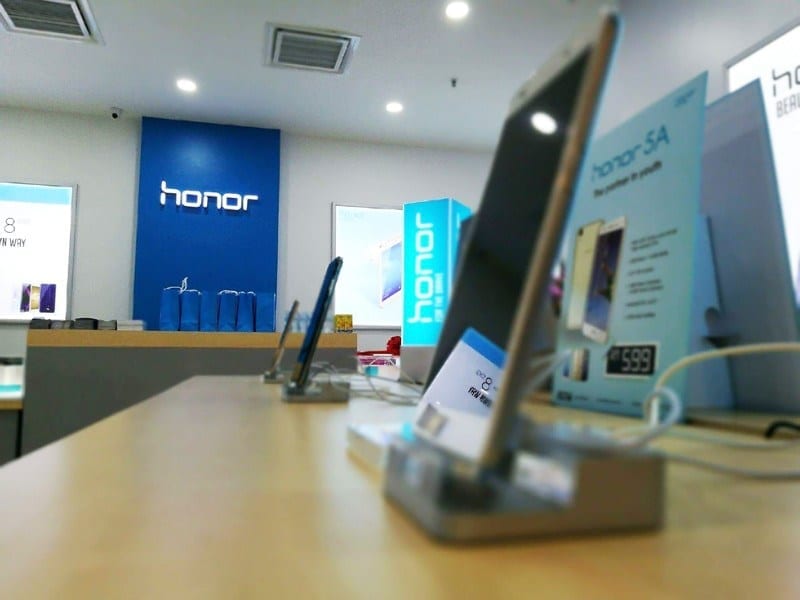
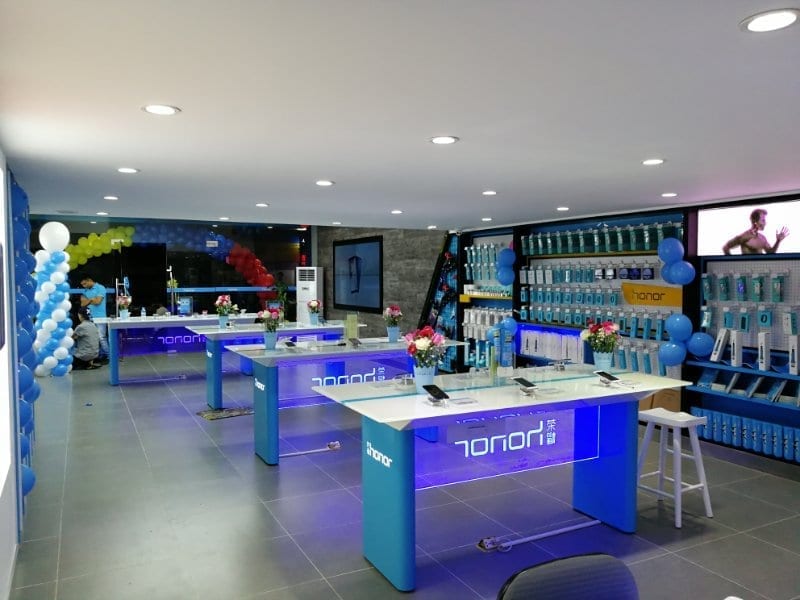
    A flagship store for Honor, a smartphone brand from China’s Huawei Group, has opened in Yangon.

    With its slogan “For the brave”, the brand was created for digital natives and offers internet-optimised products and high specifications at an accessible price level.

    Honor president George Zhao says the Myanmar flagship is a milestone for the brand’s Southeast Asia expansion journey. “Globally, we are confident we will see Honor rise to become a top-five smartphone brand within three years.”

    Four of Honor’s top-rated products feature in the new store: Honor 7X, its first FullView Display smartphone aimed at gamers; Honor V9 Play, a minimalist Scandinavian-style smartphone; Honor 6X, offering budget technology for digital natives; and Honor Holly 6, am affordable high-performance model.

  • Elon Musk has just earned $7.5M for boring out of flamethrowers

    Elon Musk has just earned $7.5M for boring out of flamethrowers

    The Boring Company is getting decently well-capitalized on the back of sales of its flamethrower.

    The no-doubt overpriced piece of knack, which can be made yourself at home using likely around $30 in parts, is selling for $500 and has already netted Elon Musk’s digging venture $7.5 million.

    That’s after just over a day of being on sale, and not counting the revenue from fire extinguisher sales (those sell for just $30, which is itself also overpriced). All told, Musk says he’s sold 15,000 of the flamethrowers thus far, with only a total of 20,000 available in total during the sale.

    Chances are, we are very near the total sell-out of the stock, so if you really want to own this potential piece of transportation history, you would better act fast. Or you could continue living your life, and ignore this particular circus show in favor of paying attention to what will hopefully be the main act: Actually building a network of interconnected underground hyperloops.

    Mr. Musk appeared to suggest the flamethrowers are crucial in case of zombie-linked emergencies. “When the zombie apocalypse happens, you’ll be glad you bought a flamethrower. Works against hordes of the undead or your money back!” he wrote.

    However the flamethrower probably has less to do with zombies than it does to do with Musk’s firm The Boring Company, an infrastructure and tunnelling enterprise.

    In December 2017, the entrepreneur vowed on Twitter that if he could sell 50,000 of a $20 hat made to raise funds for The Boring Company, he would start selling flamethrowers.

    He appears now to be making good on what people believed was a whimsical promise.

    Founded in December 2016, the Boring Company’s project is to create a network of tunnels underneath major US hubs to relieve traffic congestion and enable rapid intercity travel.

    Musk himself later admitted: “The rumor that I’m secretly creating a zombie apocalypse to generate demand for flamethrowers is completely false.”

    Musk said on Twitter that the flamethrower is “great for roasting nuts”, although it can be safely assumed the flames produced by the flamethrower will set light to a wide array of items.

    The Boring Company is also selling a fire extinguisher alongside the gizmo priced at $30.

  • Vingroup eyes stake in mobile device retailer Vien Thong A

    Vingroup eyes stake in mobile device retailer Vien Thong A

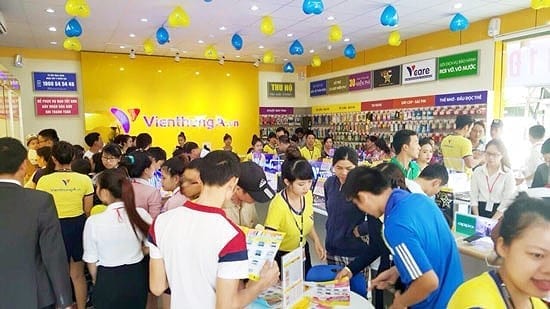
    VinPro, the electronics retail arm of Vietnamese conglomerate Vingroup, may invest in mobile device retailer Vien Thong A.

    However, Vien Thong A GM Hoang Ngoc Vy has denied the media reports, before enigmatically adding that further information would be forthcoming.

    VinPro was launched in March 2015 as part of the property giant’s foray into the nation’s US$4.5-billion electronics retail market. It has two brands: VinPro for big stores in Vincom Retail’s shopping malls, and VinPro+ for smaller stores.

    Established in November 1997, Vien Thong A has nearly 200 stores across Vietnam and 100 warranty centres.

    Vietnam’s electronic and electrical appliances market is expected to expand by 11.9 per cent by 2020, according to Boston Consulting Group and consumer information company GFK Vietnam.

    Meanwhile, the market is dominated by FPT Retail and Mobile World, which has just acquired about 95 per cent of Hanoi-based Tran Anh Digital World. Earlier, Thailand’s Central Group bought a 49 per cent stake in electronics retailer Nguyen Kim Trading.

  • 35,000 smart phones in Viet Nam infected by GhostTeam virus

    35,000 smart phones in Viet Nam infected by GhostTeam virus

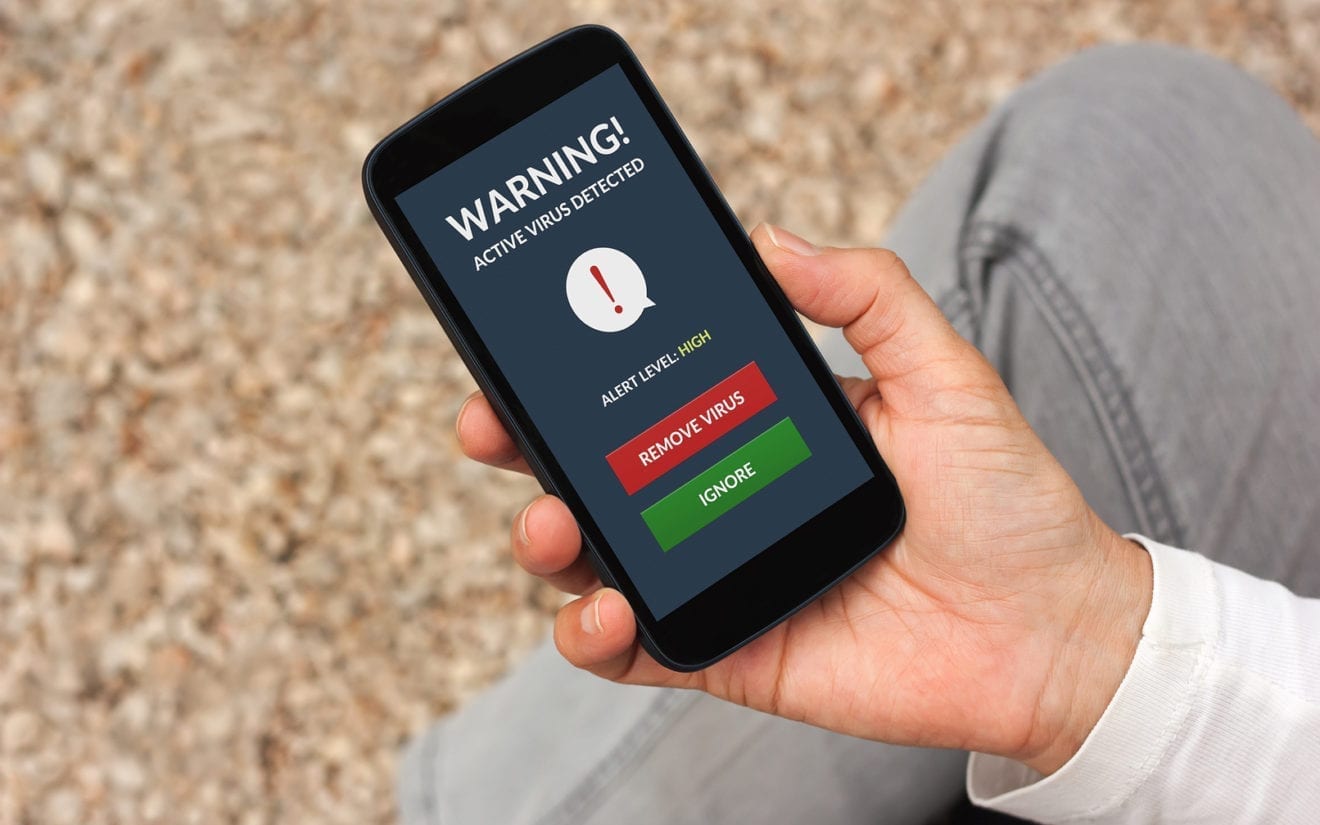
    More than 35,000 smartphones in Việt Nam have been affected by the GhostTeam virus, according to the BKAV Technology Group.

    The virus takes advantage of popular Vietnamese applications in Google Play to spread and steal Facebook passwords.

    Hackers provide applications like flashlights and calendars, which, after installing, automatically download the virus.

    The applications sound a security warning and offers suggestions on what to do, tricking users to click on a harmful link.

    BKAV experts warn that smart phone users should scan their phones and change their Facebook password immediately if they discover the virus.

    Vũ Ngọc Sơn, BKAV Technology Group’s deputy chairman in charge of anti-malware, said: “It is very hard for users to be vigilant against viruses infiltrating through Google Play. In this case, users should use anti-virus software to get automatic protection.”

    Google Play has already deleted harmful Vietnamese applications, but smart phones in which they are already installed face a very high possibility of infection.


  • Vietnam phone exports to China surge eight-fold

    Vietnam phone exports to China surge eight-fold

    Customs data shows China became the second largest importer of phones and phone parts from Vietnam last year, just behind the European Union with US$11.96 billion, a year-on-year increase of 6.4%.

    Exports of the products to South Korea also rose by a staggering 45.4% year-on-year to US$3.97 billion and shipments to the United Arab Emirates edged up a slight 1.6% to US$3.89 billion.

    The report indicates Vietnam spent US$8.75 billion importing phones and phone parts from China and US$6.18 billion from South Korea last year, up 42.4% and 72.6% from a year earlier.

    Therefore, for these products alone, Vietnam ran respective trade deficits of around US$600 million and US$2.21 billion with China and South Korea.

    Notably, according to the report, China has accounted for around half of phone and phone part exports to Vietnam in recent years.

    Apart from hi-end gadgets of tech giants like Samsung, Apple and HTC, industry watchers said Chinese brands such as Oppo, Huawei, Xiaomi and Vivo have dominated the mid-end and feature-phone market segments.

    Although some major Korean phone producers like Samsung and LG have set up shop in Vietnam, many parts suppliers of these tech firms have yet to come to the country. Therefore, analysts forecast Vietnam will have to continue importing phone parts from the Northeast Asian nation this year.

    Customs data shows Vietnam exported phones and phone parts worth US$45.27 billion last year, a year-on-year increase of 31.9%, while the country saw a 54.8% rise in imports of these products at US$16.34 billion. The products made up over 21% of the country’s export revenue last year.

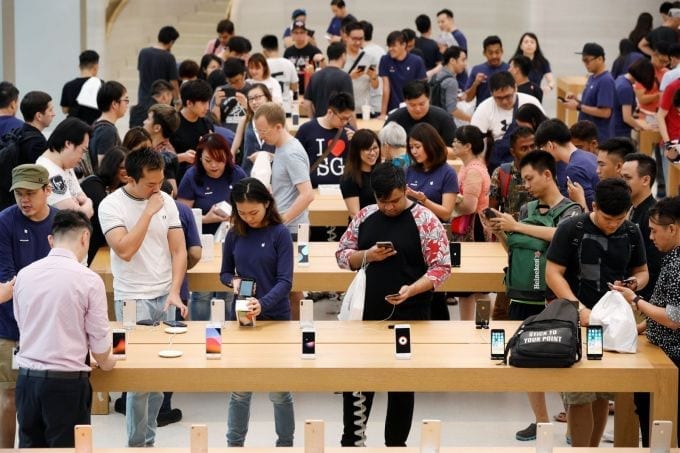
  • More “green” of Apple store Garosugil

    More “green” of Apple store Garosugil

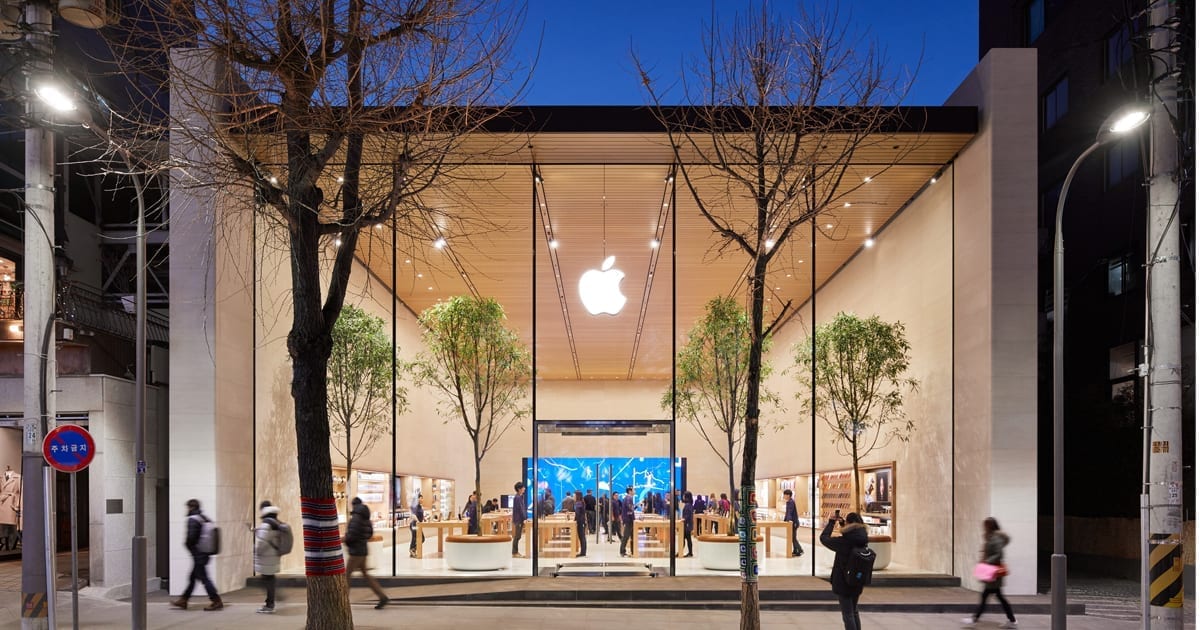
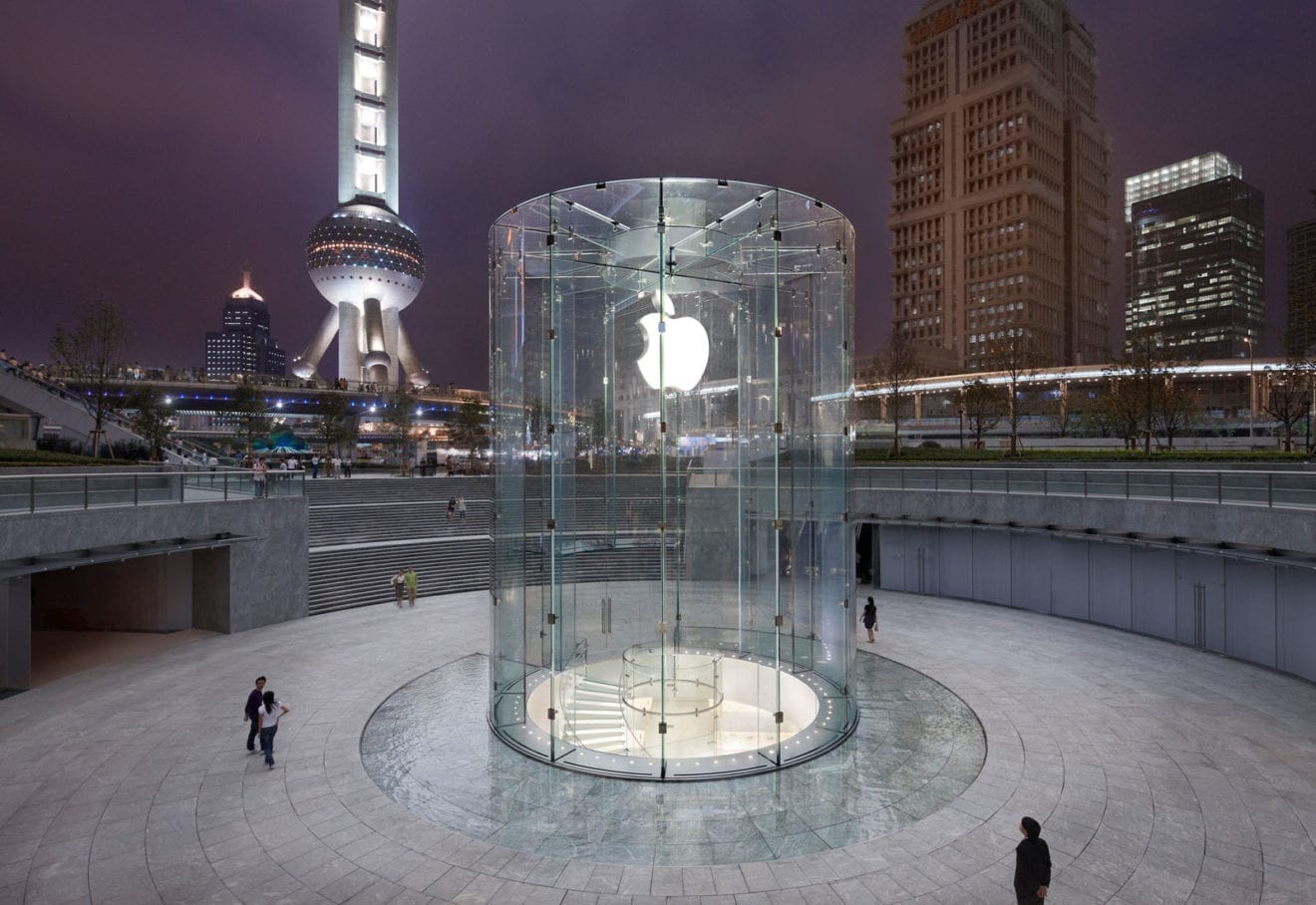
    Opening in Seoul on Saturday, Apple Garosugil will bring Apple’s products, in-store programming and services together in one place for the first time for South Korean customers.

    In the heart of the Gangnam area, the store features a 7.6m glass facade along a tree-lined street, with interior trees mirroring those outside.

    “Our stores are gathering places for the community where everyone is welcome to connect, learn and create,” says Apple senior VP of retail Angela Ahrendts.

    Today at Apple programming offers free sessions daily to inspire participants to unlock their creativity in photography, music, art and design, coding skills and more. The sessions are held in the heart of the store, the Forum, with its video wall.

    Anyone can attend a 30-minute Quick Start session, then go further with experiential photo walks or attend entrepreneurial sessions. Educators and developers can also receive advice and specialised training in the store’s boardroom.

    Apple’s full line of products and a curated collection of accessories are available in the store. Along each side of the store are Avenues, inspired by window displays along a shopping street, which offer interactive displays for visitors. These feature third-party products and accessories.

    Customers can register for Today at Apple sessions through the Apple Store app, as well as explore products and shop.

    Between them, the store’s 140 team members speak 15 languages.

  • IBM and Salesforce Announce Landmark Global Strategic Partnership

    IBM and Salesforce Announce Landmark Global Strategic Partnership

    IBM and Salesforce announced a global strategic partnership to deliver joint solutions designed to leverage artificial intelligence and enable companies to make smarter decisions, faster than ever before. With the partnership, IBM Watson, the leading AI platform for business, and Salesforce Einstein, AI that powers the world’s #1 CRM, will seamlessly connect to enable an entirely new level of intelligent customer engagement across sales, service, marketing, commerce and more. IBM is also strategically investing in its Global Business Services capabilities for Salesforce with a new practice to help clients rapidly deploy the combined IBM Watson and Salesforce Einstein capabilities.

    The partnership will bring new insights from Watson directly into the Salesforce Intelligent Customer Success Platform, combining deep customer insights from Salesforce Einstein with Watson’s structured and unstructured data across many sources and industries including weather, healthcare, financial services and retail. Together, Watson and Einstein will ingest, reason over and derive recommendations to accelerate decision making and drive greater customer success.

    Comments on the News:

    “Within a few years, every major decision—personal or business—will be made with the help of AI and cognitive technologies,” said Ginni Rometty, chairman, president and chief executive officer, IBM. “This year we expect Watson will touch one billion people—through everything from oncology and retail to tax preparation and cars. Now, with yesterday’s announcement, the power of Watson will serve the millions of Salesforce and Einstein customers and developers to provide an unprecedented understanding of customers.”

    “The combination of Einstein and Watson will make businesses smarter and our customers more successful,” said Marc Benioff, chairman and CEO, Salesforce. “I’m thrilled to form an alliance with IBM—no company’s core values are as close to Salesforce’s as IBM’s. It’s the best of both worlds.”

    Salesforce and IBM will initially deliver the following:

    IBM Watson and Salesforce Einstein Integration: Integrating IBM Watson APIs into Salesforce will bring predictive insights from unstructured data, inside or outside an enterprise, together with predictive insights from customer data delivered by Salesforce Einstein to enable smarter, faster decisions across sales, service, marketing, commerce and more. For example, by combining local shopping patterns, weather and retail industry data from Watson with customer-specific shopping data and preferences from Salesforce Einstein, a retailer will be able to automatically send highly personalized and localized email campaigns to shoppers.

    IBM Weather Insights for Salesforce: The Weather Company, an IBM business, will power a new Lightning component on the Salesforce AppExchange to provide weather insights that inform customer interactions and business performance. For example, an insurance company will be able to pull local forecast data from IBM Weather into Salesforce, and automatically send safety and policy information to customers who are at risk of being impacted by severe weather events.

    IBM Application Integration Suite for Salesforce: Customers will be able to able to bring together on-premise enterprise and cloud data with specialized integration products for Salesforce, surfacing that data directly within the Salesforce Intelligent Customer Success Platform. For example, a wealth advisor will be able to unify client data, such as individual investments and risk profiles, with financial trends and public macroeconomic information from Application Integration Suite right within Salesforce to make smarter decisions for her customers.

    Bluewolf Dedicated Consulting Services and Expertise for Cognitive Solutions, Adding to IBM Strategic Services for Salesforce: Bluewolf, an IBM company, has formed a new practice to help clients rapidly deploy the combined IBM Watson and Salesforce Einstein capabilities. This new unit capitalizes on Bluewolf’s over fifteen years of Salesforce implementations and their current portfolio of multiple Salesforce and Watson projects. Bluewolf will also develop new industry-specific accelerators used by enterprise clients to accelerate adoption of cognitive applications.

    As part of the partnership, IBM will deploy Salesforce Service Cloud across the company to transform its global product support services and gain a single, unified view of every IBM customer.

  • Wassa is launching a new Traffic Analysis solution in South East Asia

    Wassa is launching a new Traffic Analysis solution in South East Asia

    Wassa, a French company expert in Image Processing and Artificial Intelligence, developed a new solution, perfect for the retail industry, called Dencity. They plan on launching in South East Asia, the world’s fastest growing region in terms of consumer purchasing power.

    This Traffic Analysis solution will be presented at the world’s largest gathering of the mobile industry, Mobile World Congress, from February, 26th to March, 1st 2018 in Barcelona, at the French Tech pavilion, Hall 5, Stand 5B61.

    Dencity is an Image Processing solution that analyzes the flow and behavior of customers in stores, shopping malls, airports and any other needed location. It keeps data secure and anonymous.

    By relying on a network of cameras, Dencity accurately counts shoppers, detects their age and gender, and creates heat maps to highlight the most frequented area of a location. All the data collected are visible on an easy-to-use analytics dashboard that notifies managers of in-store trends, and helps them acquire a better understanding of the visitors’ profiles.

    Dencity’s application is ideal for sectors like retail, events and public space management. This traffic analysis solution helps improve space allocation efficiency, evaluate geo-marketing strategies’ impacts, and increase in-store traffic.

    The modular solution is suitable to any retail space and can be customized according to specific needs. It keeps all data private as no Bluetooth nor Wifi are involved in data collection. The analysis is done exclusively through the footage of security cameras.

    Through its office in Hong Kong, Wassa chose Asia to launch this solution. “Today, the future of retail is being decided in Asia, and Dencity will be part of the movement.” Frédéric SOMMERLAT, CEO OF Wassa.

  • Nokia wins 5G supply deal with NTT DoCoMo

    Nokia wins 5G supply deal with NTT DoCoMo

    Japan’s NTT DoCoMo has contracted Nokia to supply 5G baseband products to support the operator’s goal of commercially deploying a 5G network by 2020.

    Under the deal, Nokia will integrate its 5G new radio based AirScale hardware into Nokia’s network and further enhancing existing baseband units.

    DoCoMo and Nokia have been collaborating closely on 5G trials and have now agreed on supply of Nokia 5G baseband units to support centralized management for 5G remote radio heads, supporting the evolution of the DoCoMo network from LTE to 5G.

    “We have been collaborating with partners such as Nokia on various 5G technology and use case trials since 2014. With this agreement with Nokia, we are now proceeding to the next step to launch 5G mobile services by 2020, and accelerate co-creation of new services and businesses with vertical industry partners,” DoCoMo CTO Hiroshi Nakamura said.

    Nokia is currently focused on applying the 3GPP-compliant 5G new radio standard in customer trials ahead of expected commercial launches between 2019 and 2020. The first stage of the 5G new radio standard was published in late 2017.

  • Apple’s multi-billion dollar bonanza

    Apple’s multi-billion dollar bonanza

    Apple will make about $US38 billion ($A53 billion) in tax payments on its overseas cash and plans to open a second US campus as part of a five-year, $US30 billion US investment plan.

    Apple said it plans a wave of investing and hiring in the United States and will create 20,000 jobs through hiring at its existing campus and the new one. It will announce the location later this year.

    About a third of the new spending will be on data centers to house its iCloud, App Store and Apple Music services. The company has data centers in seven states and also on Wednesday broke ground on an expansion of its operations in Reno, Nevada, where local officials granted it tax breaks on a downtown warehouse.

    The announced tax payment was roughly in line with what analysts expected from the tax bill, which requires companies to pay a one-time tax on foreign-held earnings whether they intend to bring them back to the United States or not.

    Apple has $US252.3 billion in cash abroad and previously had set aside $US36.3 billion in anticipation of tax payments on its foreign cash, meaning the payment would not represent a major impact on its cash flow this quarter.

    Apple did not indicate how much, if any, of its cash it would actually bring back to the United States.

    Apple also said it would boost its advanced manufacturing fund, which it uses to provide capital and support to suppliers such as Finisar Corp and Corning Inc, from $US1 billion to $US5 billion. Apple said it plans to spend $US55 billion with US-based suppliers in 2018, up from $US50 billion last year.

    Apple joins Amazon.com Inc in scouting for a location for a second campus. Amazon finished taking applications from cities in October for its second campus.

  • Gold Phantom Opéra de Paris | Devialet limited edition in Asia Pacific

    Gold Phantom Opéra de Paris | Devialet limited edition in Asia Pacific

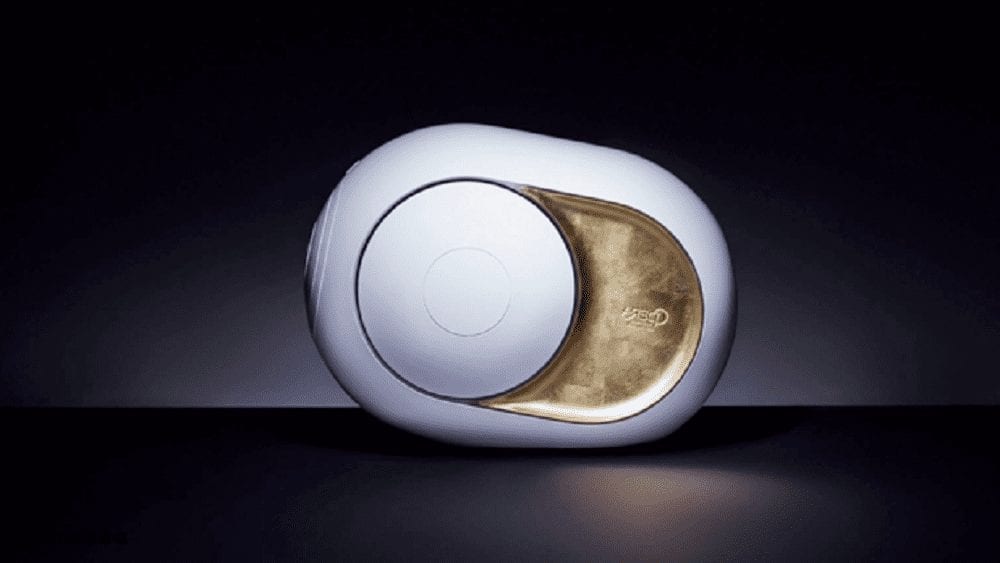
    Following the announcement of their 10-year partnership, Devialet is releasing a limited supply of Gold Phantom Opéra de Paris | Devialet to its key flagships across Asia Pacific region.

    The partnership and licence agreement will see the two organisations work together upon a shared vision of excellence and strong ties to France’s musical and historical heritage.

    The three main focuses of the project will be a Devialet sound discovery area within the Palais Garnier, a co-branded product line, and an Opera “hors les murs” (outside the walls) project, offering a new way to listen to and experience opera.

    Jean-Philippe Thiellay, Deputy General Director of the Paris Opera said; “The search for new forms of outreach and development is an integral part of our mission. Devialet is a magnificent partner for us, with a uniquely French take on innovation and excellence that is completely in line with the Opera’s own vision. The Paris Opera will celebrate its 350th anniversary in 2019, and is constantly seeking new ways to reinvent itself as an institution.”

    Devialet can claim such a partnership as one of its kind and Quentin Sannié, cofounder and CEO of Devialet commented :  “Working alongside the Paris Opera, a symbol of excellence, and having a presence in the Palais Garnier, the visionary work of an innovator of his time, has been a dream for almost 10 years. We want to use this project to contribute to the influence of French creativity around the world.”

    Retail in Asia joined the launch of the limited edition of 88 pieces available in Hong Kong. Hong Kong is one of three chosen destinations in the world to release the covetable collection’s edition otherwise only available within the sound discovery area of the Opera Garnier, Paris.

    The launch at the Devialet private lounge in Lee Garden One in Causeway Bay presented the Gold Phantom Opéra de Paris | Devialet as if it was an artwork dominating the hall. Once unveiled, the guests were transported to the Opéra de Paris on the musical notes of the The Phantom of the Opera.

    Drawing on the iconic gilded interiors of the Auditorium, each Gold Phantom Opéra de Paris | Devialet features the Paris Opera logo and gold leaf gills finished by Ateliers Gohard, according to meticulous and time-honored oil gilding methods.

    Handed down across 3 generations of traditional and fine application, they have treated each of Phantom’s side panels with the same original mastery used to restore and illuminate the gold of the Palais Garnier itself.

    The design, being finished by Ateliers Gohard makes the collaboration between Opéra de Paris and Devialet a 360 degree experience of the excellence of French art in its myriad of realizations.

    Each gold leaf is applied by hand for a unique and irreplaceable patina. Once the leaf has been applied, it cannot be removed. Absolute perfection is required first time round.

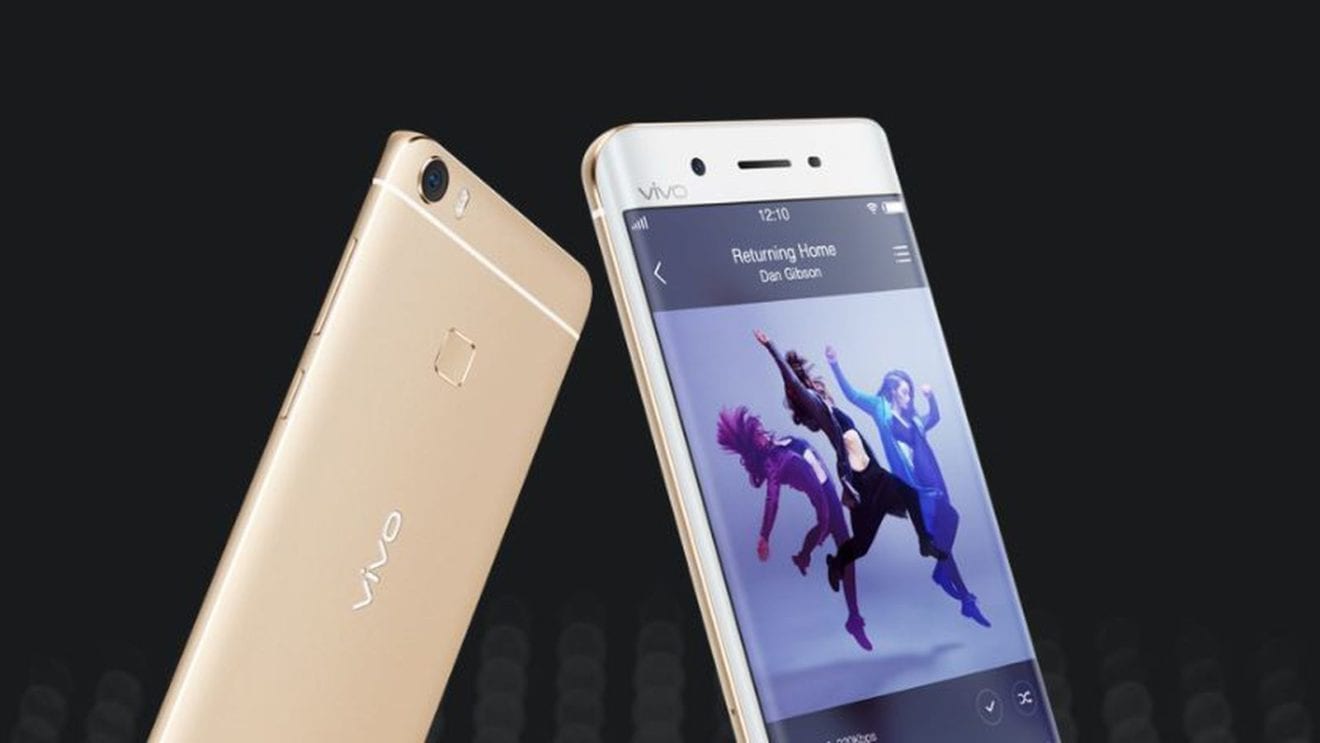
  • Chinese smartphone maker Vivo is looking to arrive in Singapore soon

    Chinese smartphone maker Vivo is looking to arrive in Singapore soon

    Singaporeans are spoiled for choice when it comes to choosing a new smartphone, and it looks like Chinese smartphone maker Vivo is looking to make an impression in their purchasing decisions.

    In a Facebook post on Monday (Feb 15), Vivo announced that it would enter the Singapore market for the first time with its flagship V7+ and Y65 handsets.

    The plans have been brewing since October last year, when the company announced that it intended to bring its products into more markets as part of an international expansion, as reported.

    “Singapore is a key market for us and we want to establish our presence here,” said CEO of Vivo Singapore Mr Liu Hong Bin.

    He added that the company would bring in additional handset models in the coming months.

    Vivo’s flagship V7+ and Y65 handsets, which will be available in both gold and matte black, will be on sale from Jan 20 at mobile retail stores.

    Meanwhile, Vivo is still in talks with local telcos to bring the devices in through them sometime next month.

    The V7+ device packs a 16-megapixel primary camera on the rear and a 24-megapixel front shooter for selfies (we all need those killer selfies right?). It runs on Android 7.1 and is powered by a 3225mAh battery.

    The Y65 handset runs on the same OS, but has lower hardware specifications, such as a 5-megapixel front-facing camera and a 3000mAh battery.

    The Chinese smartphone maker has made a name for itself, even beating tech giants like Apple and Samsung to the punch with its in-display fingerprint scanning technology.

    Not forgetting to mention that that very innovation led to Vivo clinching the “Best of CES 2018” award from tech news blogs like Digital Trends.