Category: Electronics

Retail News Asia is committed to providing both local and global retailers with the latest Electronics news throughout the Asian market. This on a daily base.

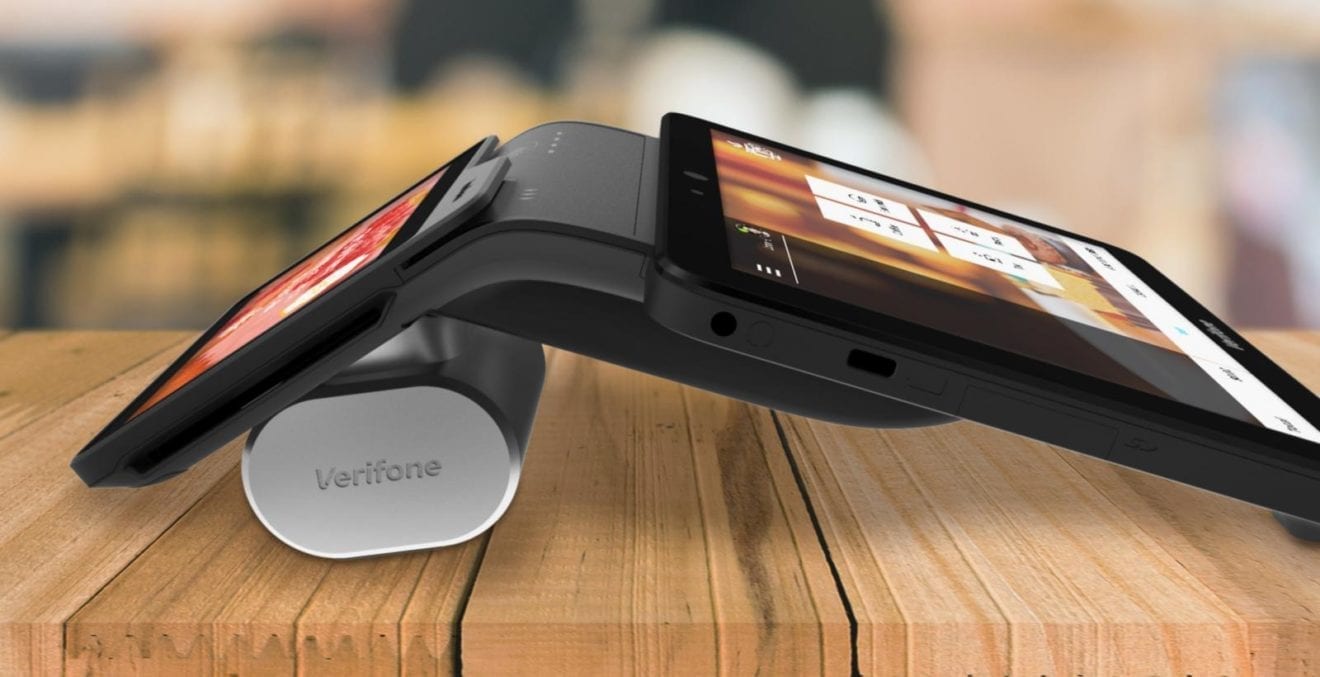
  • Verifone Introduces Next-Generation Engage Solutions in Thailand and Malaysia as Cashless Economies Evolve in APAC

    Verifone Introduces Next-Generation Engage Solutions in Thailand and Malaysia as Cashless Economies Evolve in APAC

    The future of cash as the dominant payment method in Asia Pacific is changing as a result of technology innovation, government-sponsored programs, increasing smartphone penetration, and evolving consumer behavior. As governments throughout Asia Pacific create initiatives for cashless economies, Verifone will deliver next-generation of Engage payment solutions in the region including: the e285 mobile point-of-sale (mPOS) in Thailand and the flexible V205c and V200t in Malaysia.

    Verifone Engage is a family of interactive, commerce-enabling payment devices that allow merchants to connect with customers in new ways. Packed with features, functionality, and versatility, Engage leverages the power and performance of our flexible open architecture to transform the POS into rich, two-way conversations.

    The Thailand government’s e-payment initiative is creating opportunities for businesses to drive the country’s financial transactions towards digital methods. Five commercial banks (Kasikornbank, Siam Commercial Bank, Bangkok Bank, Krungthai Bank and Government Savings Bank) have been approved to introduce QR code payments.

    By connecting directly with banks, Verifone’s mPOS solution supports the national e-payment initiative while removing the need for a third-party gateway, and providing increased security and reduced costs to merchants.

    Built for businesses of all sizes, the PCI PTS 5.x-certified e285 accepts EMV, magnetic stripe and contactless payment options, while the touchscreen easily supports signature capture. With a compact and vibrant touchscreen, this solution also displays and accepts payments with QR codes which will become a standard payment method in Thailand. To further reduce the cost of ownership for Banks, the e285 comes with integrated remote estate management and electronic receipt management solution.

    Verifone V205c and V200t in Malaysia

    In Malaysia, the central bank has started on a 10-year e-payment strategy and check volume has declined 42 percent since 2011. However, security at the POS is a primary concern since the outdated PCI PTS 3.x standard remains widespread.

    Verifone’s V205c and V200t are the first PCI PTS 5.x- certified solutions in Malaysia and offers the highest levels of security at the POS.

    Since PCI PTS 5.x certifications are valid through 2026, merchants of all sizes – from large retail chains to local convenience stores – are assured of long-term investment and compliance free of the additional costs associated with technology updates.

    While the V205c is a countertop solution with dial-up and Ethernet connectivity, the V200t is a flexible device with both countertop and portable functionalities owing to its added 3G connectivity and long battery life. Both solutions offer enough memory to support rich multimedia and value-added applications so merchants can interact with customers like never before.

    To help merchants start, run, and grow their businesses, all three Engage solutions are capable of supporting Verifone Connect, a secure and adaptable, end-to-end product that not only enables the acceptance of payments but allow businesses to increase consumer engagement and drive efficiency. Paired with any Engage device, Connect empowers merchants to better manage their businesses with next-generation software and services. Key features include payment services, estate management, business solutions with merchant and consumer-facing apps, and new device purchasing.

    Verifone will deliver these solutions and services through its partners in Thailand and Malaysia. In Malaysia, AEON Credit will deploy the V205c and V200t solutions through our partner Revenue Harvest.


  • Microsoft Surface Family unveiled in Singapore

    Microsoft Surface Family unveiled in Singapore

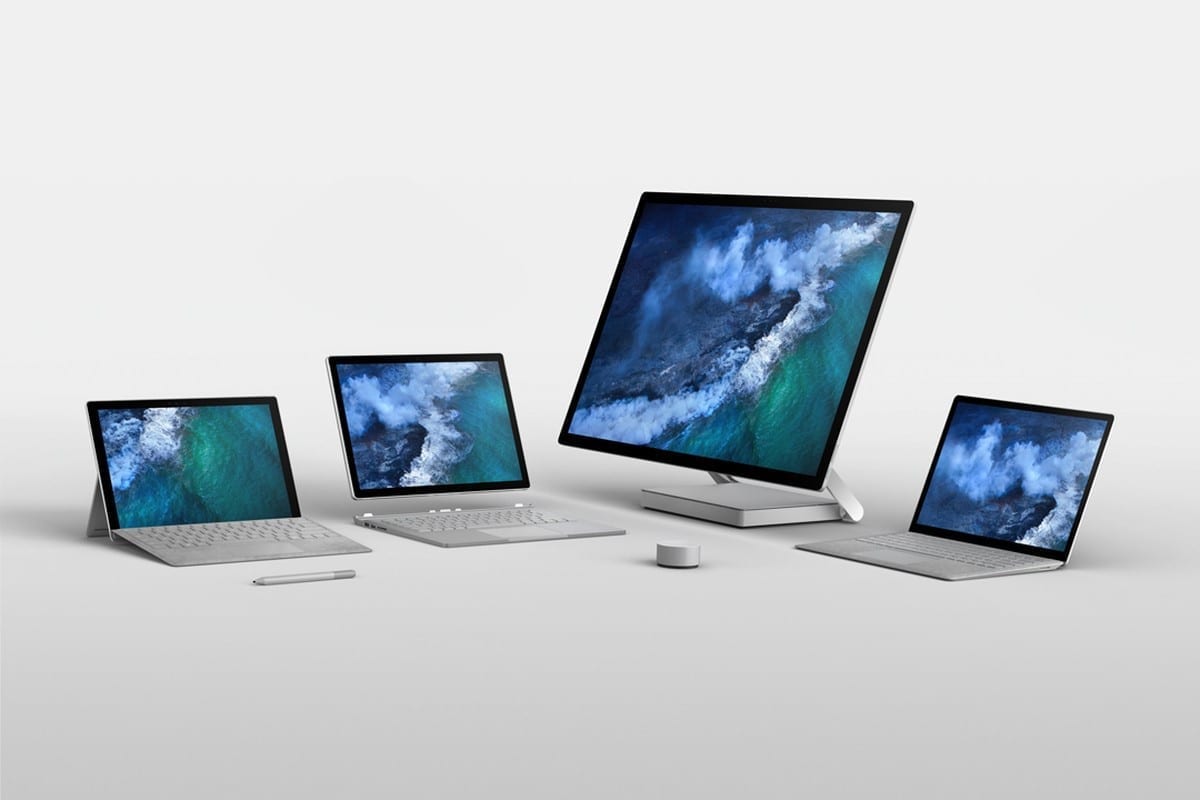
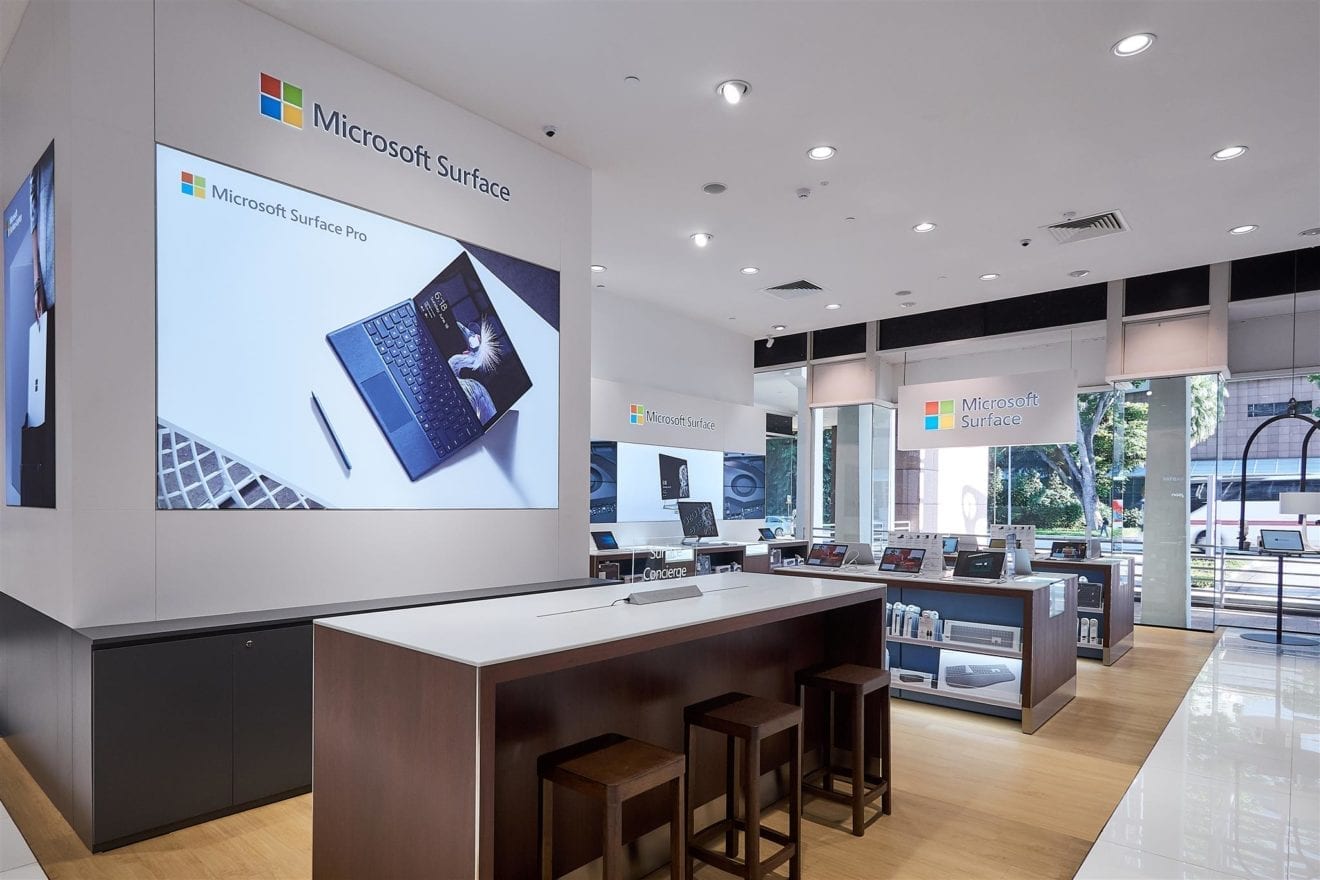
    Microsoft Singapore has opened a Surface Store at the Harvey Norman Millenia Walk Flagship Superstore, featuring the full range of the technology.

    New devices include Surface Book 2, Surface Laptop and Surface Studio, which will join Surface Pro already available.

    The line-up will be available for commercial customers via Authorised Device Resellers including AsiaPac Distribution, JK Technology and UIC Asian Computer Services.

    “The new Surface Store is a commitment to deliver a one-stop experience for customers to experience the ultimate Windows devices,” says Microsoft Singapore Windows and devices business group lead Veronica Chiu.

    Shipping with Windows 10S, Surface Laptop starts up and runs faster with InstantOn and an OS optimised for sustained performance.

    A feature of the store is its Surface Concierge service which offers customer support regardless or where or when they bought their Surface device. Microsoft plans to add extra concierge services over time.

  • Apple reseller Malaysia apologises over cancelled warehouse sale

    Apple reseller Malaysia apologises over cancelled warehouse sale

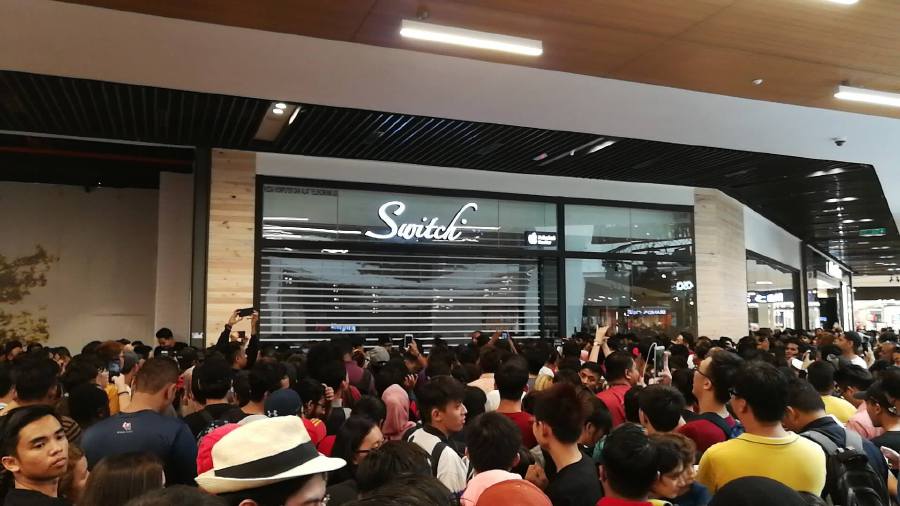
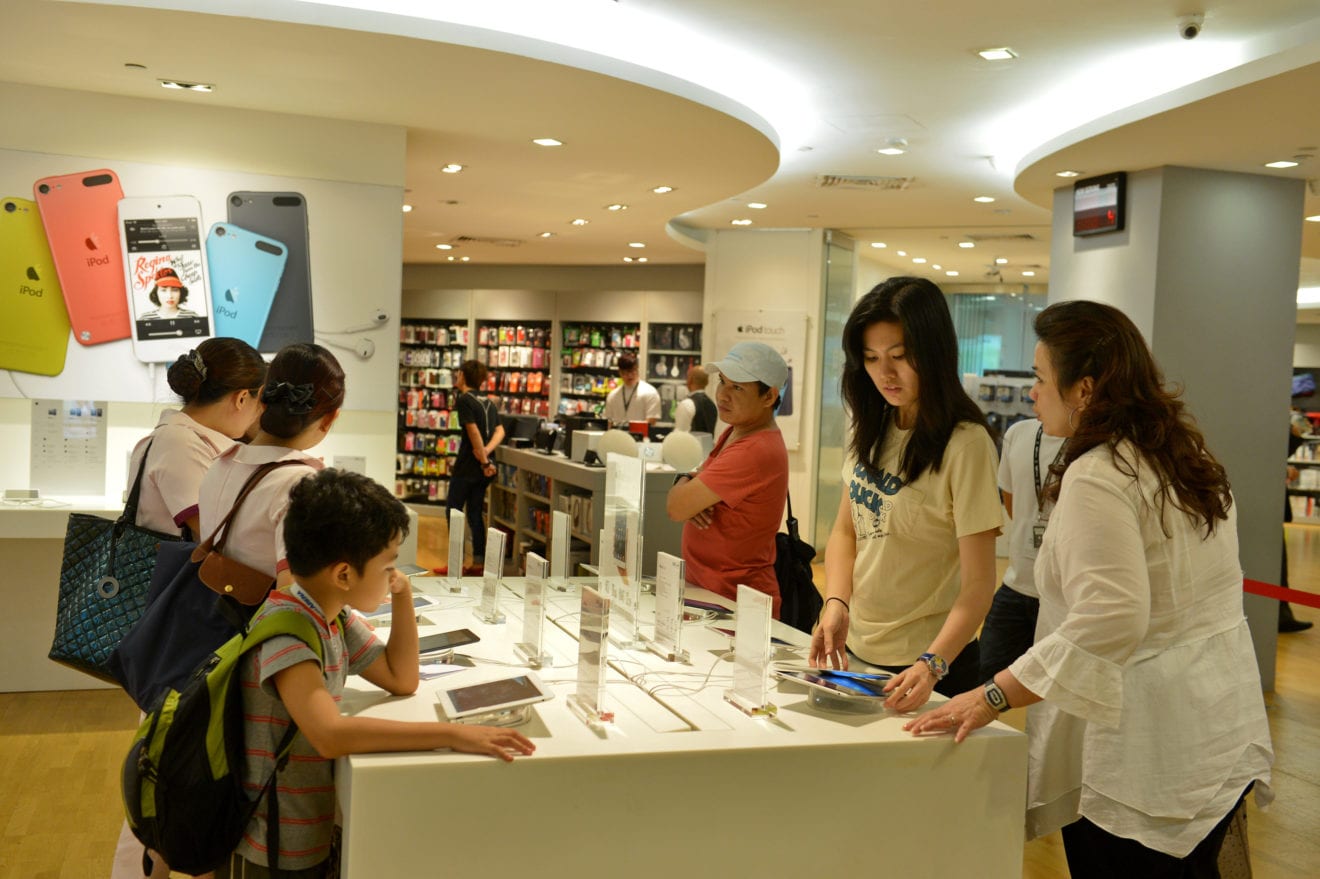
    Following the warehouse sale fiasco on Friday, Switch Malaysia has issued an apology and extended the sale of Apple products to all its branches nationwide.

    In a Facebook posting today, the Apple Premium Reseller said Apple lovers may now enjoy discounted price at 30 of its retail outlets nationwide just for today and Sunday (March 3 and 4).

    The products on discount are MacBook Air 11” (RM2,799), iPhone 6 (32Gb) Gold (RM1,399), iPhone X 64GB (RM4,899) and iPhone X 256GB (RM5,649).

    Apple accessories were also on offer, from as little as RM1. The Apple warehouse sale at MyTown Shopping Centre in Cheras had started yesterday.

    However, it was cancelled after the mall swamped by thousands of Apple fans.

    Some of them had been standing in queue outside the mall since the night before.

    In an apology, Switch said: “We are truly sorry for the Demo Clearance Event yesterday.

    “We did not expect the magnitude. We were overwhelmed by the 11,000 who turned up,” it said.

    Switch acknowledged that their customers had came from other states, woke up early, stayed up all night, brave the traffic and temperature at night, and trying their best to stay in line at the clearance event. Switch promised its customers that it will do much much better in future.

    Despite the apology, Apple lovers – who were told that they could get an iPhone 5s for RM200 or an iPhone 6S for RM800 (a brand new iPhone 6S retails for RM2,249) – are still upset.

    Facebook user Joseph Lee said: 11k people showed up…but they only had 200 units to sell.

    Another Facebook user Muhammad Syamim advised Switch to hold future warehouse sale via online instead.

    Some scolded the customers for making a mad rush for the warehouse without checking the terms and conditions. Mohamad Azlee said Switch had already mentioned the limited quantity of products on sale. “The 11,000 are too lazy to read,” he said.

  • Gome Electric issues profit warning

    Gome Electric issues profit warning

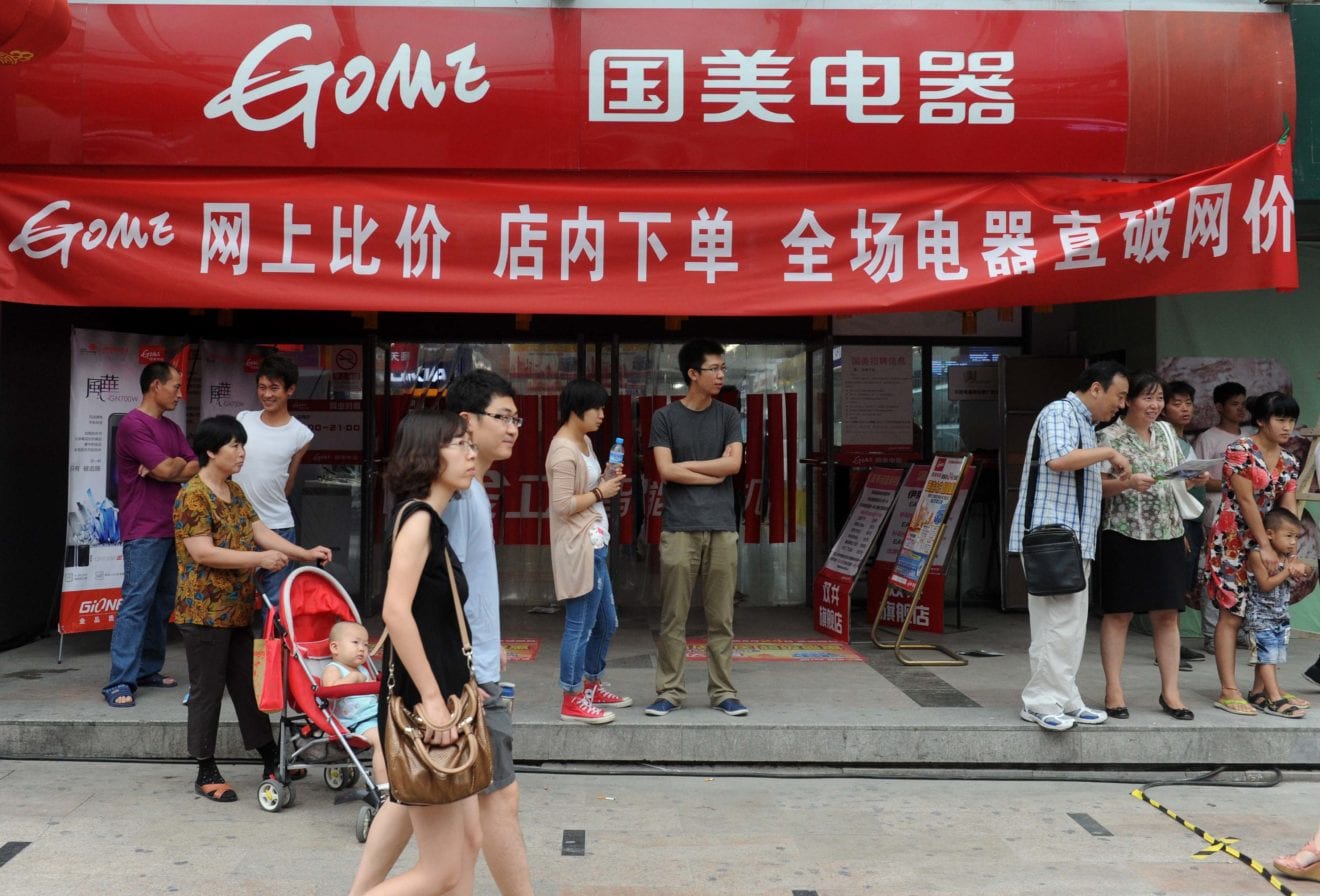
    Electrical appliance retailer Gome Retail has issued a profit warning despite a strong year, the result of impairments and financial costs.

    During the 12 months to the end of December the group launched its “Home Living” strategy, a blueprint aimed at helping it evolve into a one-stop provider, going beyond the traditional home-appliance retailer.

    Based on a preliminary review of the latest management accounts, the group’s total gross merchandise volume (GMV) both online and offline is expected to grow by more than 20 per cent year on year. Sales from the comparable stores of the group are expected to increase by more than 2 per cent with the consolidated gross profit margin expected to exceed 18 per cent.

    With the e-commerce business entering the online/offline integration stage, its direct sales revenue decreased by about 7 per cent. However, the GMV from the e-commerce business is expected to more than double.

    With more than 200 million members in its loyalty program, the group is speeding up expansion of its services while expanding into China’s fourth- and fifth-tier cities.

    Despite the strong trading, Gome impaired the goodwill for some of its under-performing business units and long-term assets related to the e-commerce business. That, together with rising financial costs related to the increased debts, is likely to produce a loss attributable to the owners of the company during the year of between RMB300 million (US$47.2 million) and RMB500 million, compared to a net profit 12 months earlier.

    The financial data also covers Artway Development and its subsidiaries from April 1, following its acquisition on March 31.

  • Devialet opens its new store at Hong Kong

    Devialet opens its new store at Hong Kong

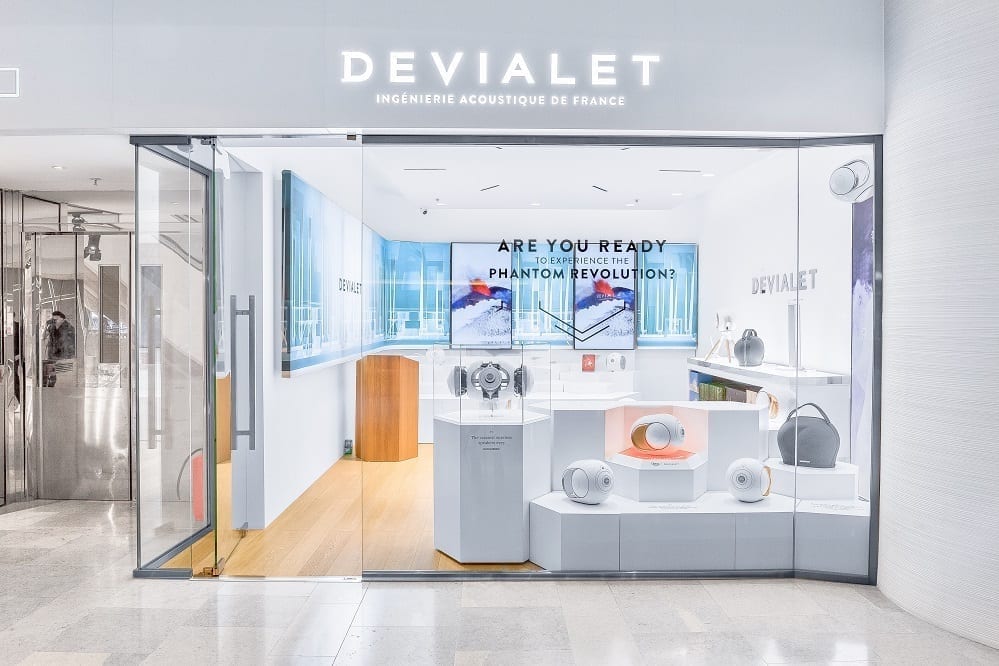
    Devialet, the French innovator in breakthrough sound technology, launches its new store at the iconic Hong Kong retail destination, Pacific Place.

    Fully operational during this soft launch period, Devialet Pacific Place will be continuously upgraded over the coming months to deliver the unmistakable Devialet experience with a grand opening in April this year.

    During this soft launch period, a section of the store’s complete retail area will be open while the full sales floor undergoes an extensive two-phase remodel and renovation. The upgrades will be completed in April this year, setting the stage for a grand opening where Devialet fully unveils this new space to experience the best sound in the world.

    Founded in 2007, Devialet is a leading tech start-up and the most award-winning company in the history of audio.

    Widely acclaimed by industry experts and international press, Devialet’s products now retail at the world’s most exclusive outlets, including Colette, Harrods, Kadewe and Apple Stores. Bernard Arnault, Jacques-Antoine Granjon, Xavier Niel and Marc Simoncini are among early investors.

    In December 2016, Devialet accelerated its development with a record €100m in fundraising from leading international investors to help deploy its technologies in new sectors and accelerate commercial development in Asia and the United States.

  • POLESTAR Appoints August Wu As President Of Polestar China

    POLESTAR Appoints August Wu As President Of Polestar China

    Polestar, the new electric performance brand, has appointed August Wu as its new President of Polestar China, reporting to Polestar CEO, Thomas Ingenlath.

    August joins Polestar on 1 March 2018 from Volvo Cars in Shanghai where he held the position of Head of Product and Offer for the APAC region. In this role, he was responsible for local product, specification, pricing and vehicle line management of all Volvo products in the APAC region. Prior to this, he worked for Volvo in Sweden as Business Program Leader for the Volvo 60 cluster of cars and before that, held a number of automotive industry-focussed roles within McKinsey and Company.

    As President of Polestar China, August Wu’s responsibilities will include Polestar’s commercial offer in China, the development of the network of Spaces – the Polestar retail environment, as well as increasing Polestar’s brand awareness and consideration in the important Chinese market.

    “The appointment of August Wu as the new President of Polestar China is an important step in the development of our team in China. With China being one of the world’s fastest developing markets for electrified cars, it’s clear that having somebody with a very deep understanding of the market was vitally important. In August Wu, we have found that person,” said Thomas Ingenlath, Chief Executive Officer of Polestar.

  • Nokia 7 Plus Announced In China With 4GB And 6GB Of RAM

    Nokia 7 Plus Announced In China With 4GB And 6GB Of RAM

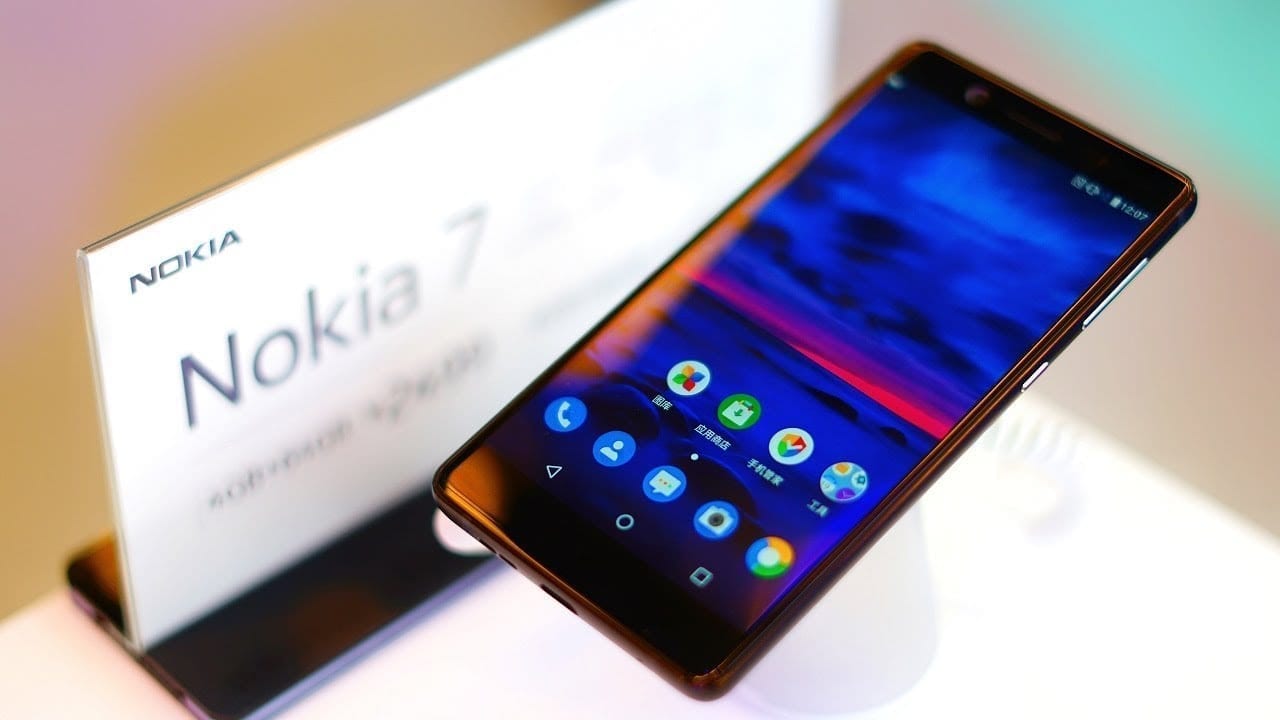
    The Nokia 7 Plus has been announced in China, and HMD actually decided to announce both 4GB and 6GB RAM variants in China, while only a 4GB RAM variant got announced in Europe. HMD had introduced the Nokia 7 Plus a couple of days ago at the Mobile World Congress (MWC) in Barcelona, along with four other Nokia-branded smartphones. This is one of the company’s Android One phones, and it comes with 4GB of RAM, as already mentioned. A 4GB RAM variant of the Nokia 7 Plus which was announced in China is completely identical to the European model, while the 6GB RAM model comes with more RAM, that’s it.

    Now, as the Nokia 7 Plus is an Android One handset, it comes with stock Android out of the box. Android 8.0 Oreo comes pre-installed on the Nokia 7 Plus, but HMD did say that Android 8.1 Oreo will hit the device in the near future. The Nokia 7 Plus is made out of metal, while its display sports rounded corners. All the physical keys sit on the right-hand side of this smartphone, while Nokia’s logo can be found both on its front and back sides. A fingerprint scanner is included on the back of the device, while above it you’ll notice a dual camera setup. This handset also sports somewhat thin bezels, and its spec sheet is nothing to scoff at. The device is fueled by the Snapdragon 660 64-bit octa-core SoC, while it sports a 6-inch fullHD+ display. In addition to 4GB or 6GB of RAM, you’re also getting 64GB of expandable storage.

    A 3,800mAh non-removable battery is included here, and you’re also getting fast charging. Two 12-megapixel snappers are included on the back of the Nokia 7 Plus, while a single 16-megapixel shooter sits on the phone’s front side. The device also offers two SIM card slots, and Bluetooth 5.0. If you’d like to expand this phone’s storage, you will have to utilize its second SIM card slot, which means that you can either use two nano SIMs here, or a nano SIM and a microSD card at the same time. The 4GB RAM variant of the Nokia 7 Plus is priced at 2,299 Yuan ($363) in China, while the 6GB RAM model costs 2,499 Yuan ($395). Both variants of the phone are already available for pre-order, while they will go on sale on March 7 via Tmall, Suning and JingDong Mall (JD.com). The two devices will also be available via a number of retail stores across China.

  • NEC Asia Pacific launches the NEC SL2100 Smart Communications System in Singapore

    NEC Asia Pacific launches the NEC SL2100 Smart Communications System in Singapore

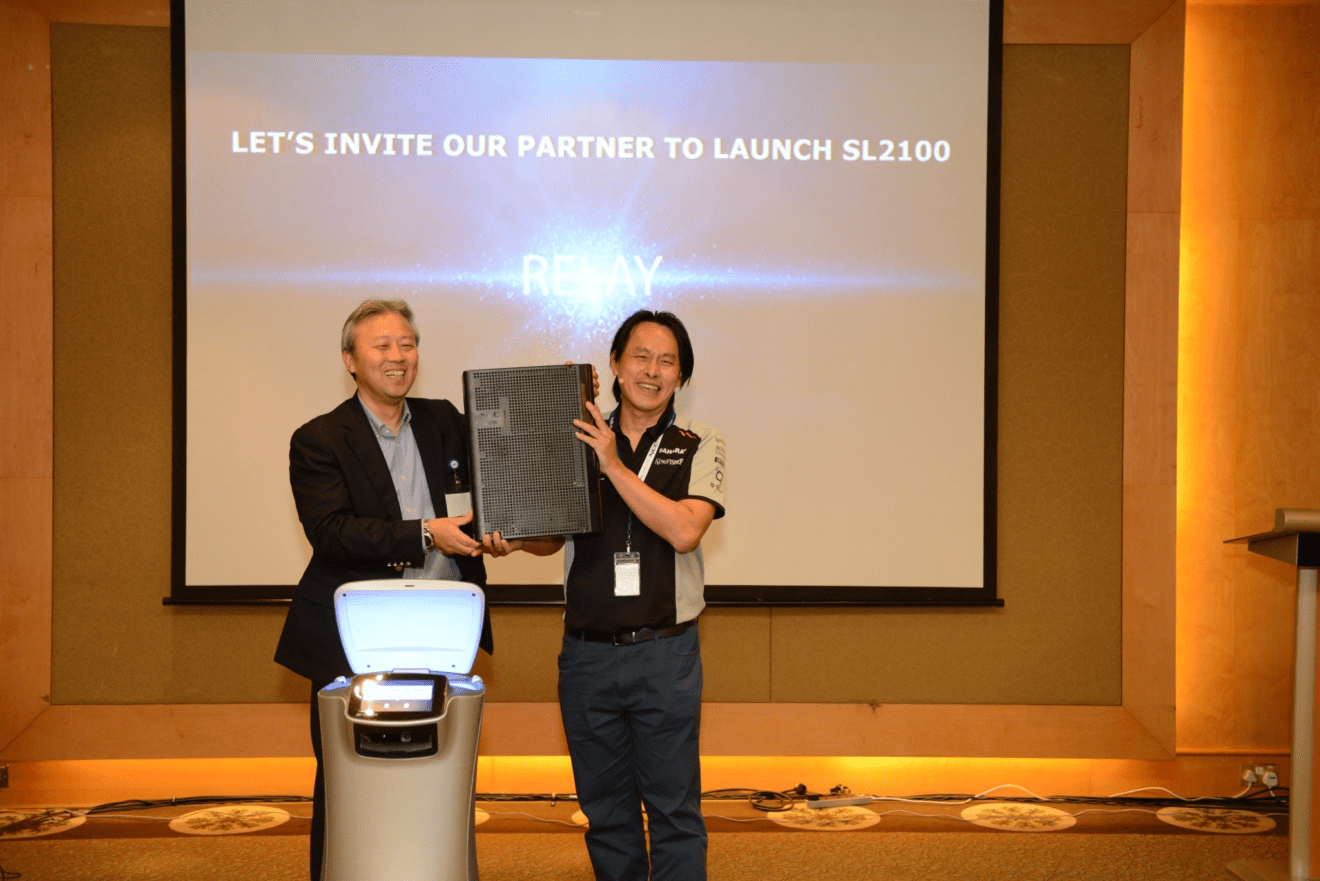
    NEC Asia Pacific held an event to officially launch the NEC SL2100 Smart Communications System in Singapore on 25 January 2018. The event was attended by over 70 participants consisting of partners and customers.

    The NEC SL2100 Smart Communications System is the newest and most advanced Server Message Block (SMB) communications platform that offers wide-ranging support for Voice over IP (VoIP), mobility and Unified Communications and Collaboration (UCC) features.

    “NEC’s new SL2100 offers industry specific features to meet the demands of small- and mid- sized businesses and to maintain high service levels. We are very excited to launch our Smart Communications System in the APAC region,” said Pablo Narata, Senior Manager, Global Platform Division, NEC Corporation.

    “NEC’s latest offering provides businesses with a powerful communication tool that is scalable and customized for each stage of the business. Through this launch event, we hope to influence more businesses to move to the Smart Enterprise Platform in order to generate a great customer experience,” said David Ooi, Vice President, Server and Networks Division, NEC Asia Pacific.


  • Huawei might rebrand Honor 8 Pro and launch it in China

    Huawei might rebrand Honor 8 Pro and launch it in China

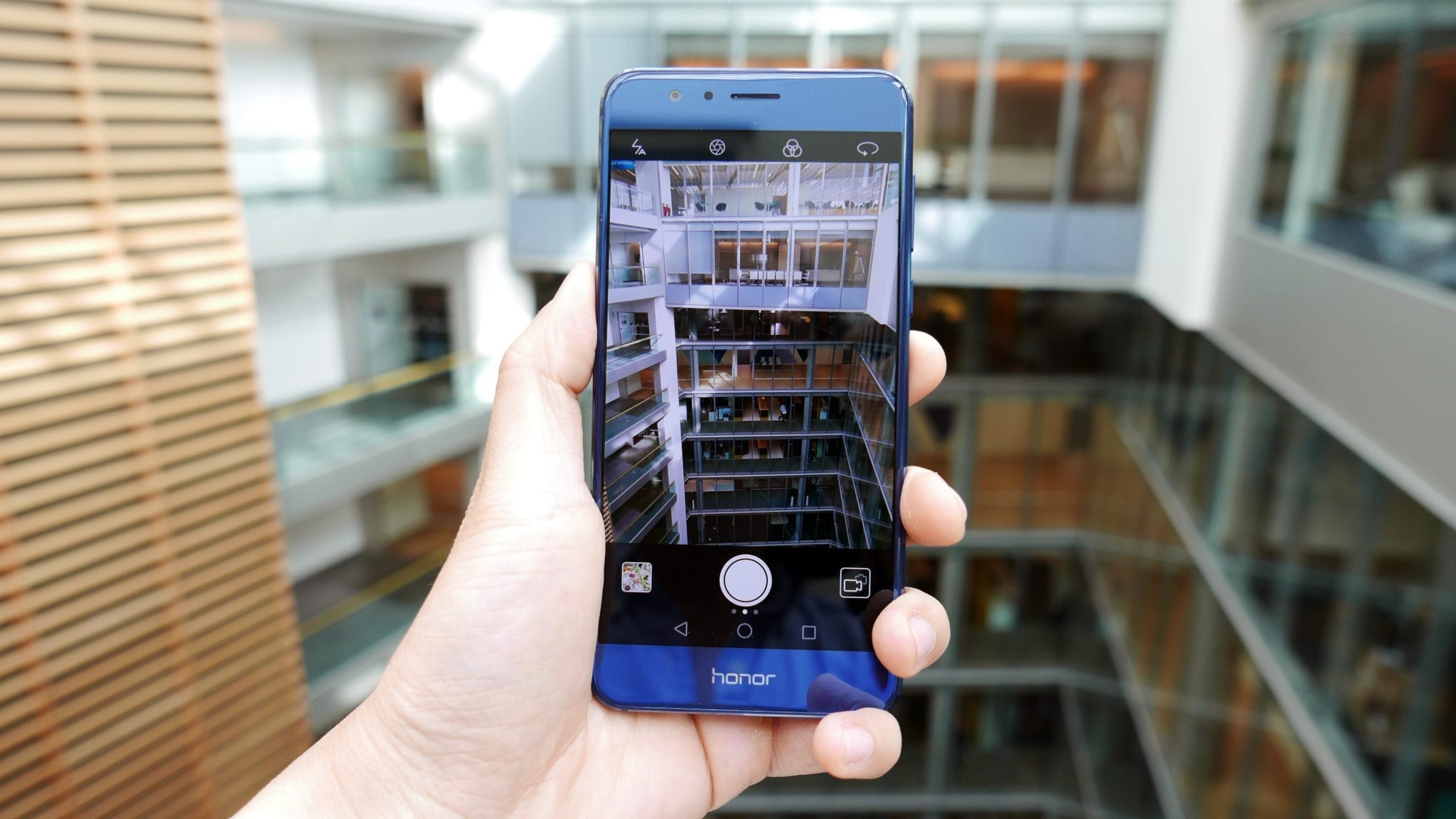
    Huawei, China’s leading smartphone maker, might be planning to rebrand Honor 8 Pro and relaunch it this year. Honor is Huawei’s online-only brand and the company might be putting its own branding on Honor 8 Pro at the time of its launch.

    The details of Huawei’s plan to launch a rebranded version of Honor 8 Pro were tweeted by Evan Blass. There is a possibility that the Chinese smartphone maker might be targeting the offline retail segment with its branding on Honor 8 Pro. To recall, Honor 8 Pro was launched in 2016 as company’s device competing with OnePlus 3 and OnePlus 3T in the premium mid-range segment.

    The Honor 8 Pro was one of the successful devices for Honor brand, and it helped the company establish itself in key markets including India. In terms of features, the Honor 8 Pro gets a 5.7-inch IPS LCD display with a resolution of 2560×1440 pixels. The smartphone is powered by company’s own Kirin 960 chipset coupled with 6GB RAM and 64GB storage.

    The Honor 8 Pro features a dual 12-megapixel rear camera setup with one color sensor and another monochrome sensor. It also offers an 8-megapixel selfie camera with f/2.0 aperture and support for 1080p video recording.

    Other features include Wi-Fi, Bluetooth, GPS, NFC, 4G LTE with VoLTE support. The smartphone was launched with EMUI 5.1 based on Android Nougat, but has since been upgraded to EMUI 8.0 based on Android 8.0 Oreo. The Honor 8 Pro packed a 4,000mAh battery, and was available in white, black and blue color variants.

    Huawei often rebrands Honor-branded smartphones in its home market, and targets them in the offline retail space since Honor already has strong presence in online segment. With rebranded version of Honor 8 Pro, Huawei might be planning to target those who are not getting Honor View10 and will fill a gap in the price segment.

  • From Smartphones To Smarthomes, Xiaomi’s Resurgence As A Global Hardware Leader

    From Smartphones To Smarthomes, Xiaomi’s Resurgence As A Global Hardware Leader

    Xiaomi relied a lot on online sales in its first years, selling competitively-equipped smartphones at cost. With that strategy, Xiaomi managed to rise to the top of the smartphone charts in China and India within four years of its establishment, becoming the third largest smartphone maker in the world by 2014.

    However, the rising giant hit a rough patch at home in 2015, dealing with a crowded, slowing Chinese market. Xiaomi’s smartphone shipments grew by 226 percent in 2014, slowing to just 17.6 percent growth in 2015. Shipment volume declined in 2016 to a rumored 41 million (down from over 70 million in 2015) scaling back global expansion and giving its investors something to worry about.

    That setback didn’t last. Xiaomi has since expanded its smartphone shipments to Europe, becoming the fourth largest company behind Samsung, Huawei, and Apple in Central and Eastern Europe in Q2 2017.

    But the world outside of China was not enough. As the world’s largest smartphone market, China is strategically important to Xiaomi, but its strategies for early success in this ever-changing region were unsustainable. Today we’ll explore how the combination of platform, offline retail, and marketing expansion has allowed Xiaomi to regain traction back in China and expand globally.

    Xiaomi’s China Struggle

    Xiaomi’s 2015 stagnation and 2016 shipment decline was due to a number of factors. Slowed growth in the Chinese smartphone market in 2015, for one, contributed to the setback. However, the changing competitive landscape in the region was possibly the unicorn’s biggest challenge.

    Competitive Advantage Disappears

    Xiaomi maintained a strategy of flash sales and relying on its loyal user base to bypass traditional marketing expenses combined with online sales to forgo the costs of brick and mortar retail stores.

    Xiaomi’s business strategy proved to be a strength in its first couple of years, but contributed to its struggle in 2015 and 2016 as the flash sales system has for other e-commerce companies in the past. Furthermore, with online sales its primary means of attracting users, Xiaomi potentially neglected key consumers in lower-tier cities and rural areas of China, where individuals relied more on local retailers because of logistical barriers.

    Emerging players like Oppo and Vivo filled the gap left by Xiaomi’s absence in these areas in 2015 and 2016, selling low-end smartphones, but also offering offline retail stores in rural areas. Oppo now has a reported 200,000 brick and mortar retailers in rural China.

    Furthermore, unlike Xiaomi, with an offline approach to sales and no online fanbase, Vivo and Oppo relied on aggressive advertising and retail subsidies to market their products and gain users. This strategy worked well for the two companies. Oppo became the leading smartphone supplier in China in 2016, with a year over year growth in shipments of 122.2 percent.

    After Xiaomi’s slowed growth in 2015, the company had to prove its viability to investors, especially with a $45 billion valuation riding on its back. It declined to release its sales numbers in 2016, with CEO Lei Jun admitting that the company “grew too fast and drew on some long-term growth.” Xiaomi refocused on switching strategies, playing off of its branding as a company for the Internet of Things (IoT), responding to retail challenges, and refocusing its marketing techniques.

    Xiaomi Responds With Investments, Brick And Mortar, And Celebrities

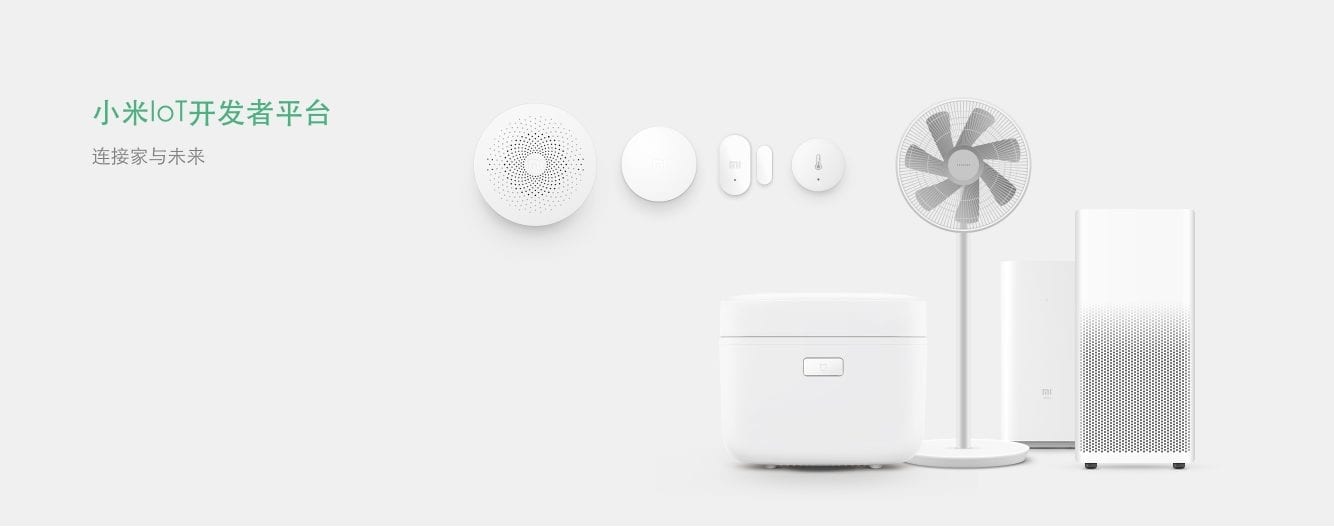
    As he stated stated in the early days of the company, Lei Jun always claimed to imagine Xiaomi as less of a smartphone provider and more of a smart home device innovator. Xiaomi started selling TVs back in 2014, adding to the list of non-smartphone items that it had already offered, including portable batteries, set-top boxes, and fitness trackers. The company also developed online media and gaming content.

    With players like Oppo, Vivo, Huawei, and Lenovo taking note of the company’s low-end smartphone approach, Xiaomi aimed to do more to brand itself as a tech company for the Internet of Things.

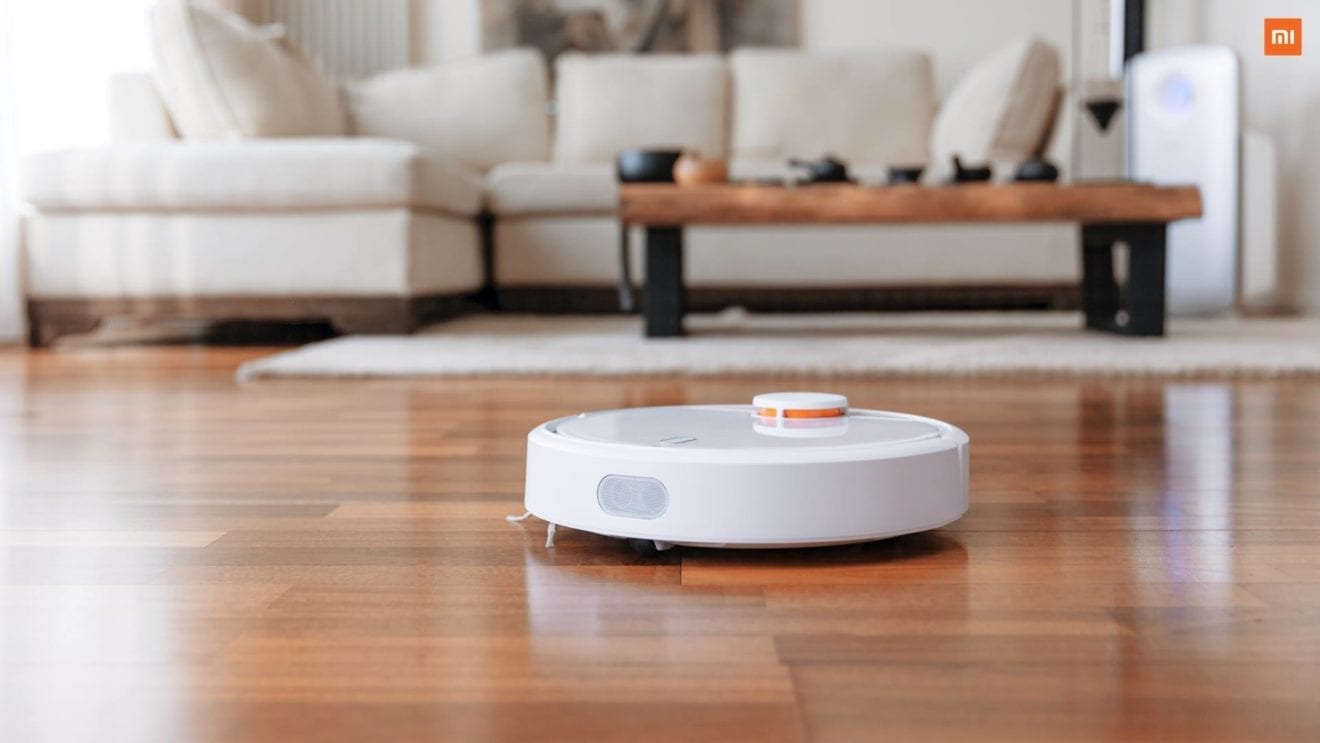
    In 2016, it launched a mobile payment service, an electric bicycle, a thin MacBook Air-like computer (the creatively-named Mi Notebook Air), a drone, a smartphone-connected rice cooker, a new, thinner MiTV, and an electric ukulele. Xiaomi’s Mainland China website is filled with connected devices, including everything from smartphone-controlled water purifiers and vacuum cleaners to story-telling kids toys and GoPro-like cameras—all connected through the Xiaomi Mi Home app exclusively on its smartphones.

    Xiaomi managed to build out its smart home platform by investing in hardware-focused startups and “giving them access to its designers, marketers, and massive supply chain in exchange for a 10- to 20-percent stake and the right to brand and sell those products.” This outsourcing strategy allowed the company to develop its smart home ecosystem. Further, the company maintained its goal of selling its flagship, increasingly innovative smartphones at lower prices than its competitors, as its earnings are driven by its other devices.

    Offering the lowest priced smartphone was key to smartphone shipment growth, but by linking its smart ecosystem exclusively through its smartphones, Xiaomi could drive growth even more. However, if the company wanted to compete with Oppo and Vivo, it could no longer neglect those retail customers outside of the urban landscape. The second part of Xiaomi’s comeback involved a huge platform shift.

    Brick And Mortar Expansion

    “Xiaomi has great ambitions, and we are not satisfied with just being an e-commerce smartphone brand,” Jun told Techcrunch in 2017. “So we have to upgrade our retail model, and incorporate offline retail for a new retail strategy.”

    The company that was built upon a platform that eschewed brick and mortar retail decided to bring its sales offline.

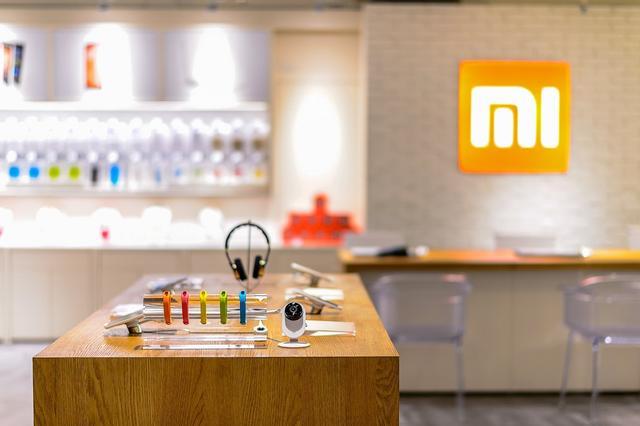
    Following through with this plan, by the end of 2016 Xiaomi opened more than 50 Mi Home stores in Mainland China. In 2017 it expanded that effort, opening stores in major metropolitan areas, like Beijing, with plans to launch 1,000 stores in China, and 2,000 stores globally by 2019.

    Xiaomi differentiated its brick and mortar effort from that of Oppo, Vivo, Lenovo and Huawei by essentially combining Apple’s physical retail setup with product variety. It packed its stores with its smartphones and new smart home devices to entice customers to return to the store frequently and spend more time and money buying its products.

    The People’s Smartphone

    Xiaomi met its new retail and platform expansion projects with a reinvigorated marketing approach– a marked shift from relying on its online fanbase. An IDC analyst said that the company is directing more of its funds to marketing and advertising.  In 2016, more billboards and ads popped up in public areas calling its Redmi line of smartphones the “People’s Smartphone.” In July 2017, the company unveiled its new dual-camera flagship the Mi 5X along with a flashy endorsement by Chinese musical sensation, Kris Wu.

    With its shifted strategy, Xiaomi began to regain some ground in the Chinese market in 2017.

    Looking at quarterly data in the Chinese smartphone industry, Canalys analyst Hattie He told Crunchbase News that the company led in the under $200 market in China in Q3 2017 with 22 percent of the market share in the segment. In Q4 it ranked second in that category by a small margin, with Huawei taking 25 percent and Xiaomi 24 percent, followed by Vivo and Oppo at 12 and 8 percent, respectively.

    Even so, Apple overtook Xiaomi in 2017 for fourth place in China. With a decline in smartphone sales in the region in 2017, competition is only going to heat up in the industry. Companies that heavily rely on their home market for cashflow will likely face significant difficulties in 2018, with Lenovo and ZTE refocusing on the Chinese market.

    Hattie expects Xiaomi to stick to its current strategy.

    “Xiaomi will keep paying attention to in-house hardware investments, including smartphones and IoT devices… [It] will partner with other well-known hardware and software companies to go into different sectors and provide customized experiences for [the Chinese] market,” Hattie explained.

    She also expects the company to continue its online-offline approach by establishing more MiHome stores in sub-tier cities in 2018 to reach a broad consumer base and build a reliable brand image.

    Xiaomi’s Global Expansion

    In 2017, Xiaomi’s rebound was mirrored in its efforts and successes abroad. After scaling back its global efforts in 2016, the company has since expanded again to markets in South East Asia and elsewhere, taking a top five spot in Central and Eastern Europe in 2017. It increased its offline activity and partnered with local smart device companies in India in 2017, and overtook Samsung as the lead player in the region that year.

    Of course, even with these global wins, the company has a long way to go to compete with Apple in the West. It launched an online store for the U.S. and has been selling its globally successful fitness wearable and battery packs in the U.S. since 2015. It started selling set-top boxes in Walmarts beginning in 2016, and in November 2017 released a few of its products on Amazon.

    However, expanding smartphone sales to the U.S. is something the company has considered carefully. If Xiaomi entered the U.S., it would compete with Apple and Google in their home markets, but that isn’t its biggest problem. Xiaomi’s past experiences with the companies regarding intellectual property and design theft mean that the company will have to come into the market patented up and prepared for legal backlash– something Xiaomi has dealt with before. When it entered India in 2014, its sales were initially halted when it was slapped with an IP lawsuit. Coming from China, where regulations surrounding IP are significantly more lax, to the U.S. will be quite a shift.

    Beyond IP, the company will also have to face the mounting security concerns surrounding Chinese tech companies which have intensified over the past few months. As we reported, a move to the U.S. didn’t work out for Xiaomi competitor Huawei, who was abandoned by AT&T before CES 2018. Xiaomi has made efforts in the past to overcome the narrative surrounding Chinese companies by placing the data of global users in data centers outside of China. However, with the U.S. government increasingly concerned about cybersecurity, it isn’t likely that carriers will be willing to partner with Chinese companies in the near future.

    Despite these challenges, Xiaomi may prove to be the dark horse in a global competition with Apple, Google, and Samsung, as it continues to dominate in markets like India where highly-priced devices aren’t the consumer’s choice. Focusing on becoming the “People’s Smarthome” of emerging communities around the world may very well be its winning
  • Xiaomi to open the first ever authorized Mi Store in the Philippines

    Xiaomi to open the first ever authorized Mi Store in the Philippines

    The first authorised Philippine Mi Store is set to open on February 17 at Ayala’s TriNoma Mall in Quezon City.

    Chinese electronics and appliances maker Xiaomi will showcase its three new Redmi 5 smartphone models in the first quarter this year: the Redmi 5A, Redmi 5 and the Redmi 5 Plus.

    After the success of Mi Stores in Hong Kong and greater China, Xiaomi plans to open more flagship outlets in Asian cities as it tries to lift its market share, especially in the smartphone sector. The stores also sell small home appliances, like vacuum cleaners, flat screen TVs and computer accessories.

    The company is also planning to expand its network in Thailand by opening a representative office in Bangkok and partnering with local telecom operators and retailers to set up over 190 stores and concessions.

    India and Indonesia are its next two target markets.

  • Samsung to target young market via Samsung Digital Plaza

    Samsung to target young market via Samsung Digital Plaza

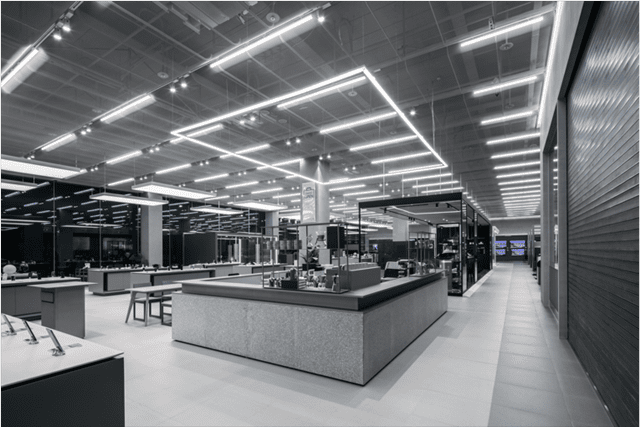
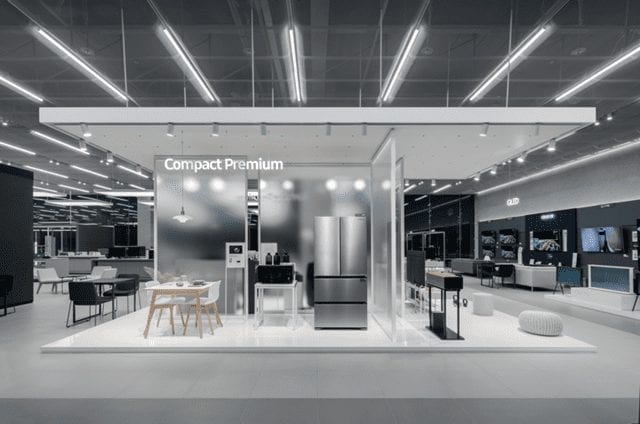
    Aiming at a young demographic, the Samsung Digital Plaza has been reimagined for its launch in Yongin City, Korea.

    On the ground floor of a metal-covered three-storey building, the 1255sqm store offers its goods in a context that echoes the home. The electronics giant engaged Seoul architecture practice Betwin Space Design to create the venue’s façade and interior.

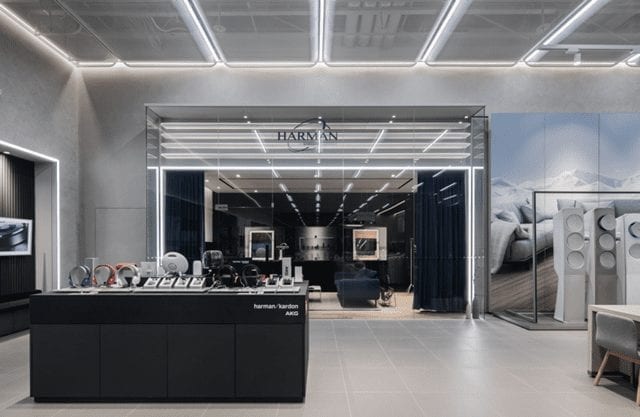
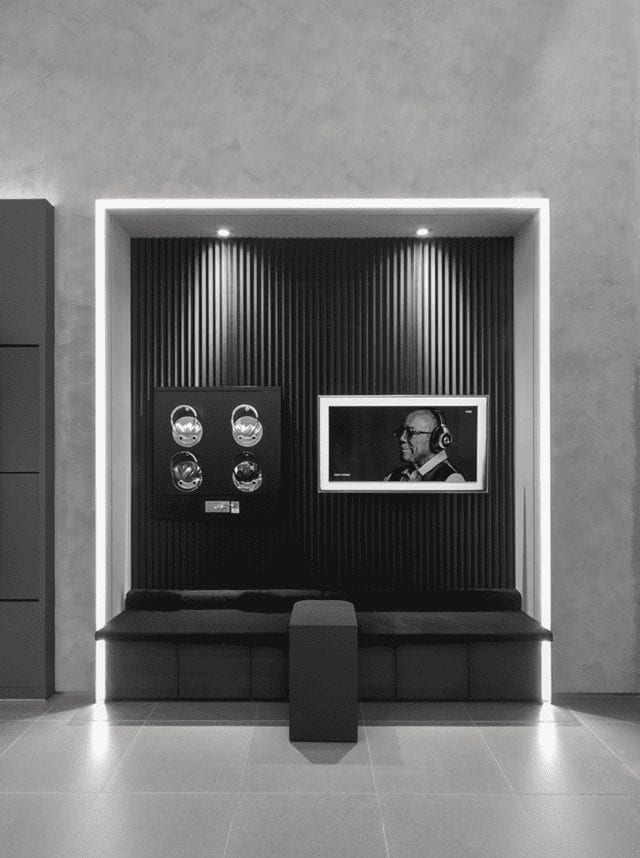
    One of the display zones features audio devices by Harman, a company that became a Samsung division early last year. Samsung displays its TVs in a zone designed like a living room complete with sofas.


    Aiming at occupiers of single-person flats, the compact premium zone presents special products in a setting that reflects modern living styles in Korea, says Samsung.

    There is also a cafe in the middle of the store.


    Photo courtesy: Samsung

  • Samsung Malaysia CNY Promo Offers RM600 Discount on the Galaxy S8

    Samsung Malaysia CNY Promo Offers RM600 Discount on the Galaxy S8

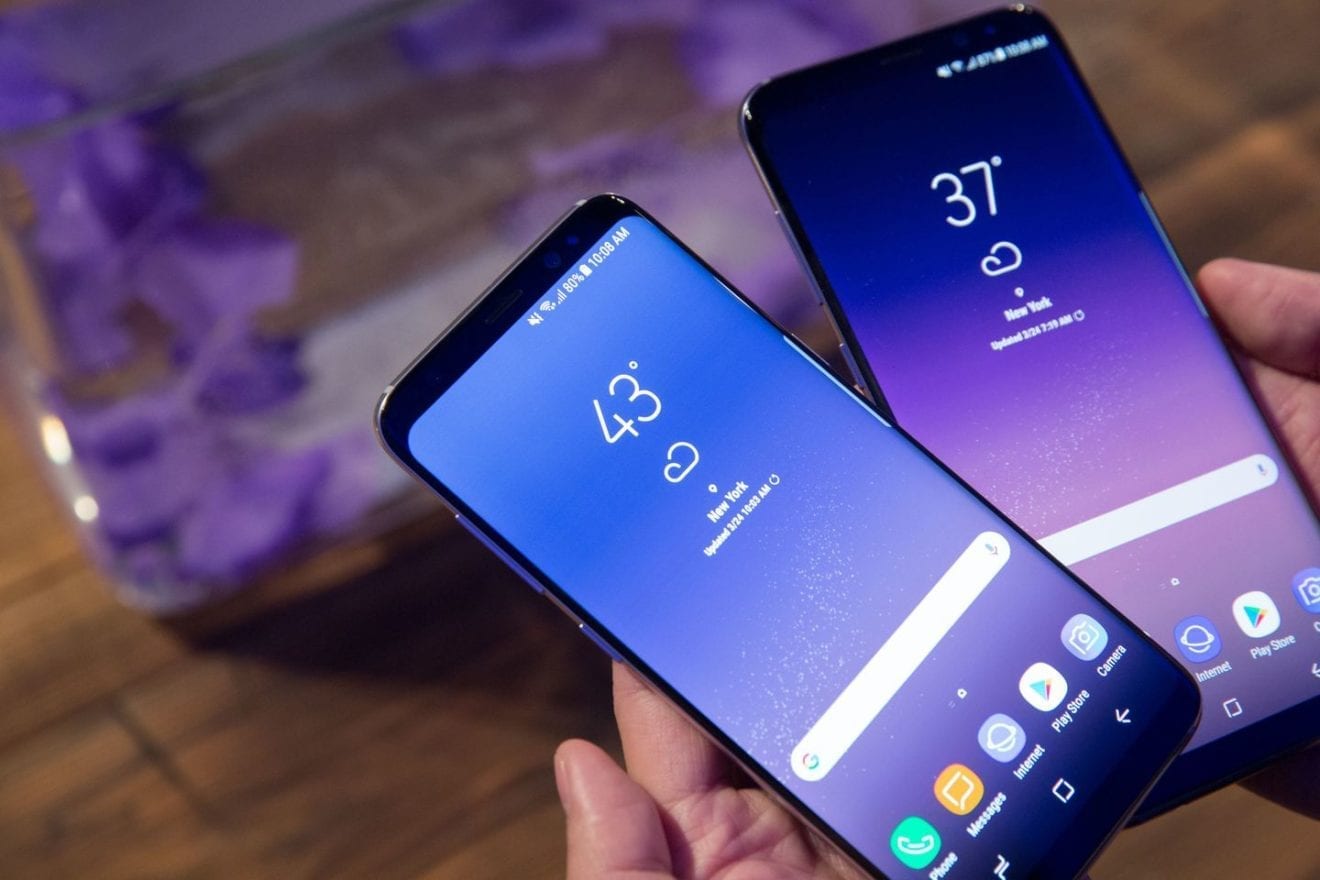
    In celebration of Chinese New Year, Samsung Malaysia is offering rather attractive discount on some of its smartphones. These include the Galaxy S8, Galaxy S8+, Galaxy J7+, as well as the Galaxy J7 Pro.

    Out of the four smartphones on discount, the Galaxy S8 phones receive the highest amount of discount. Originally retailing at RM3,299 and RM3,699 respectively, the Galaxy S8 and Galaxy S8+ are now going for RM600 less, reducing their retail prices to RM2,699 and RM3,099 respectively.

    Aside from the Galaxy S8 phones, the Galaxy J7+ now retails for RM200 less at RM1,099, while the Galaxy J7 Pro currently goes for RM999, saving you RM100.

    While these deals are pretty good, the Galaxy S8 phones are actually more affordable from certain retailers. The Galaxy S8+, for one, can be purchased for only RM2,999 in Orchid Grey, Coral Blue, and Maple Gold. The smaller Galaxy S8, on the other hand, can be yours for RM2,666 in either Midnight Black or Orchid Grey.

    If you’d like to enjoy this discount from Samsung Malaysia itself, you can do so from its official Lazada store. Note that this promotion will end on 15 February 2018.

  • Apple Retail Stores in China to Accept Alipay Mobile Payments

    Apple Retail Stores in China to Accept Alipay Mobile Payments

    Apple China will accept Alipay in its stores – the first third-party mobile payment system to be accepted at any Apple store worldwide.

    This follows lukewarm reception in China for Apple’s own payment system, says Reuters.

    The IT giant will accept Alipay payments across its 41 brick-and-mortar retail stores in China, says Ant Financial, which runs the system for Alibaba.

    Meanwhile, Apple China’s website, iTunes store and App Store have been accepting Alipay for more than a year.

    Apple is shifting user data to China-based servers this month to meet local rules, and last year removed dozens of local and foreign VPN apps from its Chinese app store.

    China’s official Xinhua news agency says Apple will build its second data centre in China, in the Inner Mongolia Autonomous Region, after setting up a data centre in Guizhou.

  • Hearables is the next big thing in wearables

    Hearables is the next big thing in wearables

    Specialised fitness wearables integrated into clothing and ear-based “hearables” will grow from an expected 4.5 million shipped this year to nearly 30 million in 2022, according to Juniper Research.

    This is an increase of more than 550 per cent, while by contrast, conventional activity tracker shipments will grow by only 20 per cent in that time.

    Hearables or smart headphones are defined by Wikipedia as “technically advanced, electronic in-ear-devices designed for multiple purposes ranging from wireless transmission to communication objectives, medical monitoring and fitness tracking”.

    In its report Health & Fitness Wearables: Vendor Strategies, Trends & Forecasts 2018-2022, Juniper says that as growth in basic trackers has slowed, session‑specific wearables, such as those monitoring gym or training sessions, have multiplied. Devices from companies like Atlas, Gymwatch, Jabra, Sensoria and Under Armour provide more granular metrics.

    It found that as detailed metrics become widespread among all vendors, lifestyle tracking leaders such as Fitbit and Huami will decline in market share. Combined, these players will account for 28 per cent of total fitness wearable shipments by 2022, down from more than 40 per cent last year.

    Data is now the key battleground for fitness wearables, says the report. Thanks to initiatives like Suunto’s Movesense platform, data will ultimately become device-agnostic. However, because of a lack of consumer interest, Juniper expects fitness software and services revenues to stay under $200 million a year over the next four years.

    Despite the promise of wearables in healthcare, little specialised hardware is available, with fitness wearables being adapted for such purposes. Juniper expects healthcare wearables to make up less than a third of all of the sector’s devices in use by 2022, as regulation slows roll-outs and keeps prices high.

    “Healthcare use has long been the goal of many wearables manufacturers,” says research author James Moar. “However, more research needs to be done on activity tracking in order to make typical wearable data clinically meaningful to healthcare professionals.”