Category: Electronics

Retail News Asia is committed to providing both local and global retailers with the latest Electronics news throughout the Asian market. This on a daily base.

  • Retail Stores in the near future will have no employees

    Retail Stores in the near future will have no employees

    Have you ever imagined walking into a D-Mart store in the middle of the night, selecting an item, paying and leaving without any human interaction?

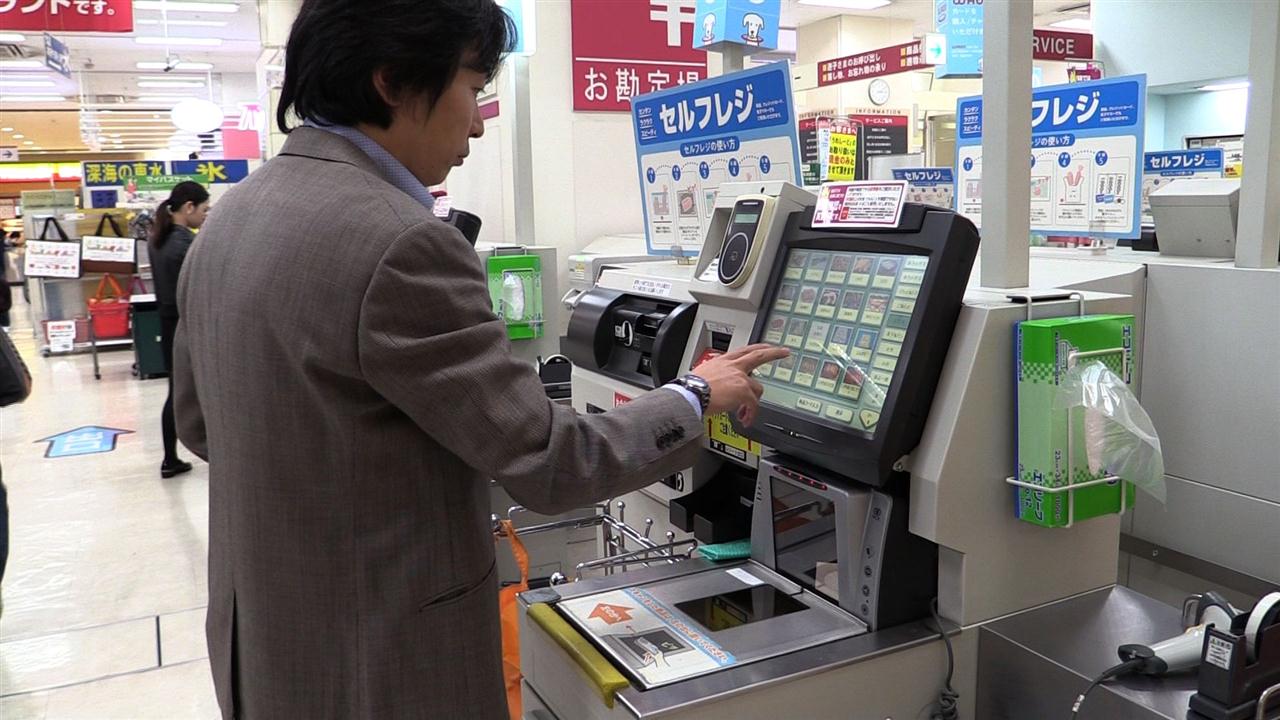
    Still, there’s a detailed data footprint of the transaction from which actionable insights can be drawn. The store is equipped with a responsive technology suite that includes smart shelves, intelligent cameras, gateways and sensors, smart counters for frictionless checkout and smart digital signage.

    Across the globe, retailers are modernising by embracing technologies such as IoT, AI and analytics to personalise the customer experience and reshape the supply chain. One example is JD, one of the online retailers in China. It has opened its first staff-free store called D-Mart at its company headquarters. Staff-free stores are a growing international trend bringing the conveniences of online retailing into the physical shop.

    JD’s staff-free store leverages a suite of Intel responsive technologies that range from edge computing to digital signage to point of sale (POS) solutions. The two companies will continue to collaborate on developing IoT solutions that reimagine the future of brick-and-mortar stores to help over 6.8 million mom-and-pop retailers throughout China meet customers’ expectations and remove existing sales barriers.

    Intel-powered solutions help retailers transform their supply chains. G-Star has plans to scale globally to an additional 100 stores. Used in tandem with RIOT insight software for analytics, the Intel-based solution provides data-driven insights into what’s selling and what’s not and which items need to be replenished so the retailer can make informed inventory management decisions.

    Lolli & Pops, a retailer of gourmet candies, uses computer vision and AI to provide the next generation of personalised customer experience. Through computer vision, Lolli & Pops “Magic Makers” recognise loyalty members in real time as they enter the store. Using AI-enhanced analytics, the retailer accesses members’ preferences and makes personalised product recommendations — giving shoppers the sweet VIP treatment, while ensuring they keep coming back.

    Point of sale equipment can lower the cost of doing business while simultaneously improving productivity. These innovative solutions will also enable transactions at the point of conversion and give customers the power to decide when, where and how they purchase.

    At NRF 2018, over 30 Intel partners will feature Intel-based solutions designed to help solve retail’s biggest challenges.

  • Microsoft says security patches slowing down PCs, servers

    Microsoft says security patches slowing down PCs, servers

    Microsoft said on Tuesday that software patches released to guard against microchip security threats slowed down some personal computers and servers, with systems running on older Intel Corp processors seeing a noticeable decrease in performance.

    The comments in a blog post were the clearest signal from Microsoft that fixes for flaws in microchips from Intel and rivals described last week could meaningfully degrade performance. The topic is of keen interest to large data center operators, which could incur significant cost increases if computers slow down.

    Microsoft also said that security updates froze some computers using chipsets from Intel rival AMD, dragging AMD’s shares down nearly 4 percent.

    Shares in Intel, which reiterated on Tuesday that it saw no sign of significant slowdown in computers, fell 2.5 percent taking the loss since the issue surfaced last week to about 7 percent or around $15 billion in market value.

    AMD shares have gained nearly 20 percent in the last week as investors speculated that the chipmaker could wrest market share from Intel, whose chips were most exposed to the security flaws.

    Security researchers disclosed the flaws on Jan. 3 that affected nearly every modern computing device containing chips from Intel, AMD and ARM Holdings, owned by Japan’s SoftBank Group Corp.

    “We (and others in the industry) had learned of this vulnerability under nondisclosure agreement several months ago and immediately began developing engineering mitigations and updating our cloud infrastructure,” Microsoft executive Terry Myerson wrote in a blog post on Tuesday.

    Internet and networking equipment maker Cisco Systems Inc said in a security advisory updated on Tuesday that it has identified 18 vulnerable products, including some of its blade servers, rack servers and routers, and expects to have patches for servers in about five weeks, on February 18.

    Cisco said it is also looking for problems in nearly 30 other products, including switches and routers. The majority of Cisco’s products were not vulnerable because they are “closed systems that do not allow customers to run custom code on the device,” it said.

    The memory corruption flaws, named Meltdown and Spectre, could allow hackers to bypass operating systems and other security software to steal passwords or encryption keys on most types of computers, phones and cloud-based servers.

    ARM Holdings estimated that around 5 percent of more than 120 billion chips its partners have shipped since 1991 was impacted by Spectre. It said the number of chips affected by Meltdown was significantly less.

    “ARM will address Spectre in future processors but there will need to be an ongoing discipline in the design of secure systems which needs to be addressed through both software and hardware,” a company spokesman said in an emailed statement.

    Intel and AMD have not disclosed the number of chips affected by the security flaws.

    Intel said a typical home and business PC user should not see significant slowdowns in common tasks such as reading email, writing a document or accessing digital photos.

    The chipmaker said last week that fixes for security issues in its microchips would not slow down computers, rebuffing concerns that the flaws would significantly reduce performance.

    Rival AMD had also played down the threat, saying its products were at “zero risk” from the Meltdown flaw, but that one variant of the Spectre bug could be resolved by software updates from vendors such as Microsoft.

    But on Tuesday AMD said it was aware of an issue with some older-generation processors following the installation of a Microsoft security update that was published over the weekend.

    Microsoft said it was working with AMD to resolve the issues.

    Apple Inc also released an updated version of its operating system software on Monday to fix the security flaw.

  • China’s Huawei setback in US market amid national security concerns

    China’s Huawei setback in US market amid national security concerns

    Chinese tech giant Huawei faces a major setback in efforts to expand in the U.S. smartphone market following renewed national security concerns, documents showed.

    Huawei, which appeared to lose a deal with AT&T that would have given it an improved foothold in the handset market, faced criticism from U.S. lawmakers over its intellectual property protection and its ties to Chinese intelligence, according to a letter seen by AFP this week.

    The letter, signed by 18 members of the House and Senate intelligence panels, expressed concerns first voiced in 2013 by congressional investigators.

    The document said that later information obtained by the committees “only reinforces our concerns regarding Huawei and Chinese espionage.”

    The letter dated December 20 was sent to the U.S. Federal Communications Commission with copies to the Justice Department, FBI, CIA and Department of Homeland Security.

    It said the FCC “would benefit from Intelligence Community briefings on the threat Huawei and other Chinese technology companies pose.”

    Huawei has become the world’s third largest smartphone maker — but its U.S. presence has been limited by a lack of agreements with wireless carriers, which sell most devices.

    The company’s consumer business chief Richard Yu was a keynote speaker Monday at the Consumer Electronics Show, where an expected announcement with AT&T failed to happen.

    Yu did not directly address concerns in the letter, but said it was “unfortunate” that Huawei would not be selling in the U.S. through carrier channels.

    “It’s a big loss for us and also for carriers,” he said. “But the more big loss is for consumers.”

    In addition to the AT&T deal, a potential agreement with another major wireless carrier, Verizon, was also in jeopardy, according to media reports.

    A Huawei spokesman said the company would not comment on rumors or speculation and did not respond to the letter, which was revealed earlier this week by U.S. media.

    The company said it would release new products to U.S. consumers as unlocked devices through retail channels, reaching a smaller market.

    “We have the strongest confidence in our products and will continue to innovate and break new ground,” Huawei said in a written statement.

    “At the same time, we believe that U.S. consumers deserve equal opportunity and the choice to enjoy the best technology and more smartphone options through more channels… At Huawei, privacy and security are always our first priority.”

    The statement added: “We are compliant with the world’s most stringent privacy protection frameworks… We have gained the trust of over 150 million customers in the past year alone, and now sell our devices through more than 45 of the top 50 global carriers.”

  • Legion Concept Store to Open Soon in Kuala Lumpur

    Legion Concept Store to Open Soon in Kuala Lumpur

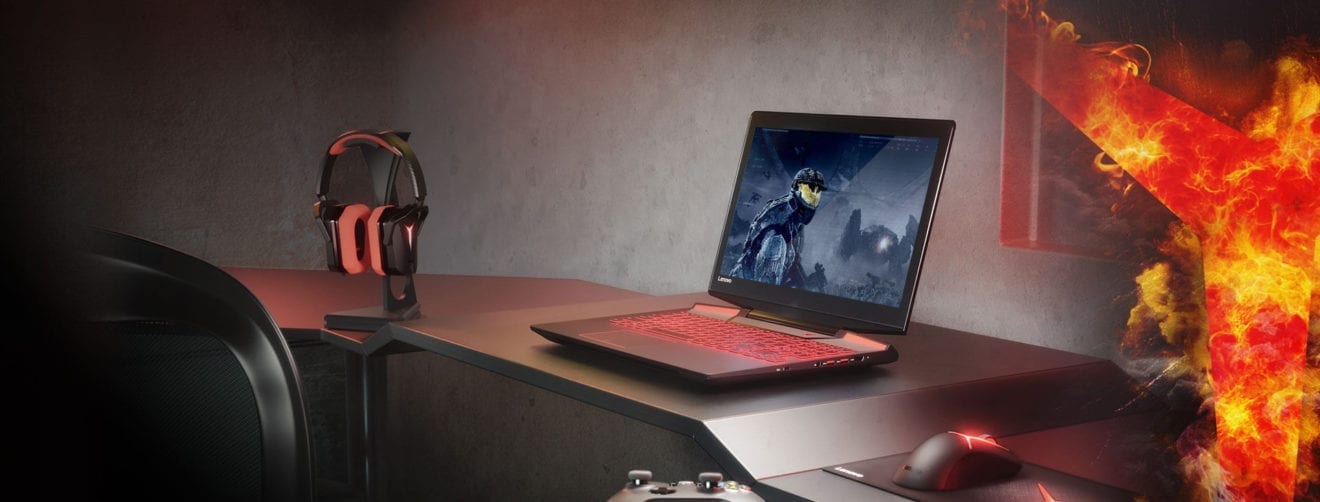
    Technology company Lenovo Group plans to open a Legion concept store in Kuala Lumpur.

    Skewed toward gaming, the store will also offer an experiential area where customers can try Legion’s gaming products.

    Lenovo central Asia Pacific GM Ivan Cheung says a site has already been chosen and renovation work has started. The opening is expected to be within the next quarter.

    With the Legion brand established just a year ago, the company believes it is important to give customers the chance to test and experience the products. The portfolio includes gaming laptops and desktops as well as peripherals such as specialised mice, keyboards and even backpacks.

    Lenovo has identified Malaysia as a high-potential market for gaming.

  • iPhone helps dial up Nov retail sales growth to 2-year high

    iPhone helps dial up Nov retail sales growth to 2-year high

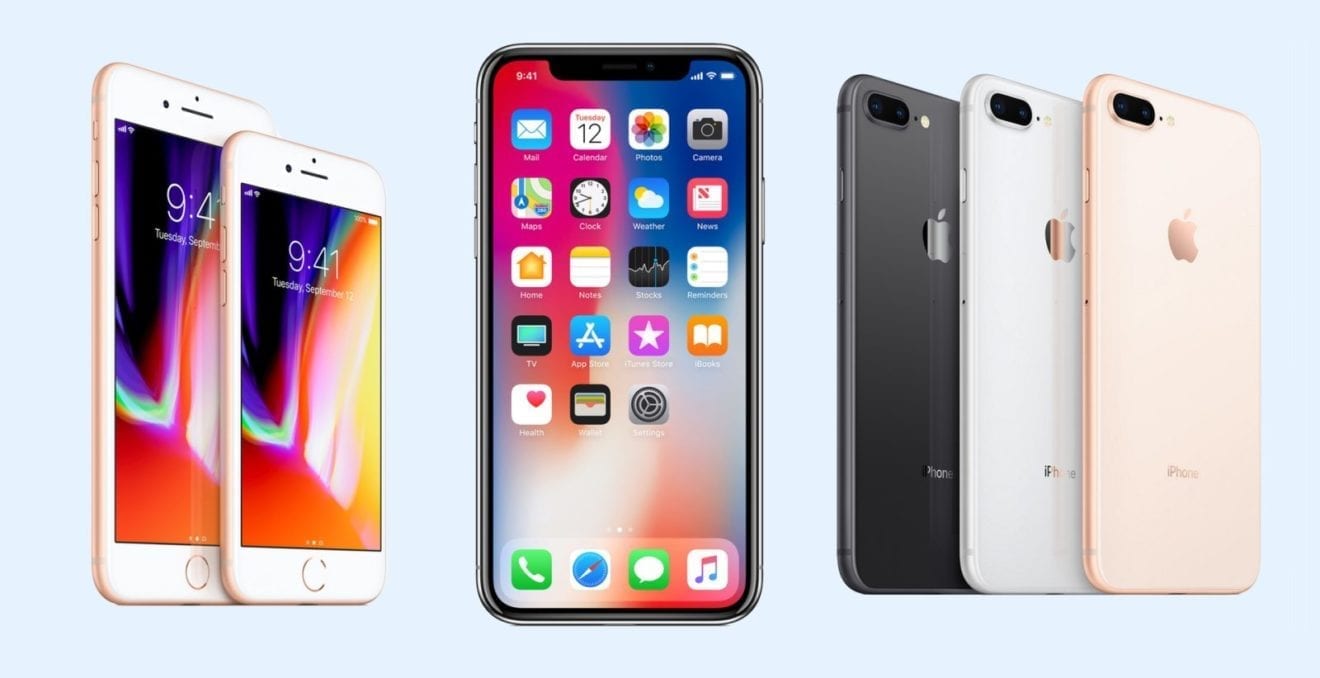
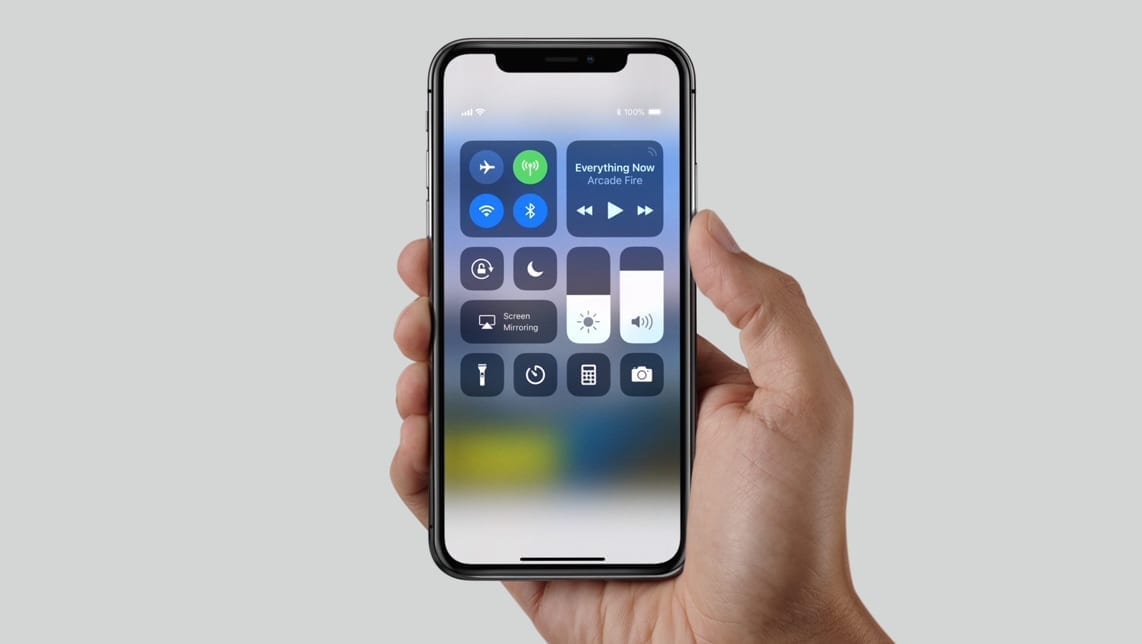
    Retail sales surged in November with their strongest growth in almost two years, reversing course from the slump seen in October possibly due to the launch of the iPhone X and improved consumer sentiment, say economists.

    Total takings grew 5.3 per cent in November compared to the same month a year ago – its best showing since March 2016, according to latest data by the Singapore Department of Statistics.

    This is a reversal of the 0.2 per cent decline recorded in October – revised lower from earlier estimates of a 0.1 per cent dip – and a steeper 0.6 per cent fall in September. It also beat economist forecasts of a modest 1.1 per cent rise, according to a poll by Bloomberg.

    With motor vehicles stripped out, retail sales still grew 4.7 per cent year-on-year.

    Despite the volatility usually seen in retail sales numbers, economists say that November’s data is a sign of a continued pickup in sentiment thanks to a brightening economy.

    Maybank Kim Eng economist Chua Hak Bin said: “You haven’t seen this type of retail numbers for quite some time. It looks as if growth has broadened and consumers are a lot more upbeat… Generally, the feel-good factor has spread out.”

    While it seems that consumer spending has finally turned the corner, one factor that could influence this recovery is a hike in taxes. Credit Suisse economist Michael Wan said: “The one risk is on policy – whether the government will change any tax rates and the magnitude of change.”

    Goods and services tax (GST), which has stood at 7 per cent since 2007, is widely seen as the top contender for a hike, with e-commerce tax another likely candidate. Market watchers expect the issue of tax to be addressed at the upcoming Budget 2018.

    Maybank’s Mr Chua said that the timing of a GST hike, if any, matters. For example, there could be an uptick in retail sales as consumers bring forward their spending ahead of higher taxes in the future. A possible e-commerce tax could also affect retail sales. Mr Chua explained: “Some of the international e-commerce transactions are not captured (in terms of tax). There could be some shifts as the playing field is levelled as this (an e-commerce tax) will take away some advantage that the international online players have.”

    As of now, retail sales data mostly captures brick-and-mortar spending. He believes November’s stellar growth was likely driven by smartphone sales with the launch of the latest iPhone X, which would explain the surge in computer & telecommunications equipment sales.

    Computers & telecommunications equipment was by far the best performing segment, going up by 16.6 per cent compared to a year ago. This was followed by supermarket sales at 9.7 per cent and petrol service station sales at 9.6 per cent.

    On a month-on-month basis, the performance of computers & telecommunications equipment was even more stark, jumping 46.5 per cent compared to October. This was followed by motor vehicles at 14.6 per cent. The poorest performing segment was watches & jewellery with a decline of 3.6 per cent.

    After seasonal adjustment, total retail takings went up by 5.1 per cent in November compared to the month before. Excluding car sales, it still grew a respectable 2.9 per cent.

    While retail sales was much stronger than expected, sales of food & beverage services was mixed. Total takings grew 2.1 per cent year-on-year, but dipped 0.1 per cent compared to October. The total retail sales value in November was estimated at S$3.8 billion, higher than the S$3.6 billion seen last year.

    Despite the uncertainty surrounding possible tax hikes, economists remain optimistic on the outlook for retail sales in 2018.

    Mr Chua pointed out that even when GST was increased in the past, the backdrop of a booming economy helped offset its dampening effects.

    He said: “The state of the economy and the job market – those are always the more overwhelming factors. What’s important is that the economy holds up.”

  • Xiaomi IPO plan reportedly eyes $200b valuation

    Xiaomi IPO plan reportedly eyes $200b valuation

    Planning to go public late this year, Chinese smartphone maker Xiaomi Corp is said to be seeking a valuation of up to US$200 billion.

    Based in Beijing, the electronics and software company prefers Hong Kong over New York for its listing mainly because Hong Kong retail investors are more familiar with its products and founder as reported.

    Xiaomi chairman/founder Lei Jun started liaising with investment banks in November, according to media reports in China. Also, senior executives have told several employees of the impending public issue, reports News.163.com.

    The company was valued at $46 billion in its latest funding round in 2014. After declining sales in 2016, the company managed to revive growth last year, partly by opening offline retail stores and expanding its presence internationally, especially in India.

    In the third quarter of last year, Xiaomi caught up with Samsung to become the largest smartphone brand in India. It had 23.5 per cent of the market with a shipment of 9.2 million units, marking a 300 per cent year-on-year jump, data from research company International Data Corp shows.

    Xiaomi says it topped its annual revenue goal of RMB100 billion (US$15 billion) by the end of October.

    Should it reach US$200 billion valuation, Xiaomi would be the biggest technology IPO after Alibaba Group Holding, which raised a record $25 billion for a $231.4 billion market value in 2014.

  • IPhone addiction may be a virtue, not a vice for investors

    IPhone addiction may be a virtue, not a vice for investors

    Apple Inc investors are shrugging off concerns raised by two shareholders about kids getting hooked on iPhones, saying that for now a little addiction might not be a bad thing for profits.

    Hedge fund JANA Partners LLC and the California State Teachers’ Retirement System (CalSTRS) pension fund said on Saturday that iPhone overuse could be hurting children’s developing brains, an issue that may harm the company’s long-term market value.

    But some investors said the habit-forming nature of gadgets and social media are one reason why companies like Apple, Google parent Alphabet Inc and Facebook Inc added $630 billion to their market value in 2017.

    “We invest in things that are addictive,” said Apple shareholder Ross Gerber, chief executive of Gerber Kawasaki Wealth and Investment Management.

    He also owns stock in coffee retailer Starbucks Corp, casino-runner MGM Resorts International and alcohol-maker Constellation Brands Inc.

    “Addictive things are very profitable,” Gerber added.

    Still, the investment community is increasingly holding companies to higher social standards, and there is some concern that market-leading tech companies could draw attention from regulators much like alcohol, tobacco and gambling companies have in the past.

    Apple, Alphabet and Facebook could not immediately be reached for comment on Monday, but Facebook has said social media can be beneficial if used appropriately.

    Apple shares traded marginally lower on Monday. CalSTRS holds $1.9 billion in Apple stock, a sliver of the company’s nearly $900 billion market value, while JANA declined to disclose the size of its smaller stake.

    “Before Apple speaks, I think it’s too early to change the narrative” for investors, said Peter Jones, vice president of research for Ferguson Wellman Capital Management, which has about 350,000 Apple shares.

    Social media companies, not hardware makers, are more deserving of any addiction-related scrutiny, some said.

    Jordan Waldrep, who invests in alcohol, tobacco and gambling stocks as manager of the USA Mutuals Vice Fund, said blaming Apple for their customer’s addiction was analogous to blaming makers of cigarette packs instead of tobacco companies.

    “The social media, the cigarettes, are the addictive product,” he said. Waldrep’s Vice fund does not own Apple but he said he would consider including social-media companies.

    Kim Forrest, senior portfolio manager and vice president at Fort Pitt Capital Group, agreed that companies like Facebook, Twitter Inc and Snap Inc might be more at risk than Apple if investors and regulators push back on how much time people spend on mobile devices.

    “Apple is just the delivery device,” said Forrest, who said Fort Pitt has limited Apple holdings. “It’s only compelling with software. Software is the dopamine releaser that keeps you coming back.”

    Twitter declined to comment and Snap could not immediately be reached.

    The letter from JANA and CalSTRS recommends Apple set up a committee of child-development experts and make more new tools available to parents.

    The addiction issue gained notoriety when former Disney child star Selena Gomez said she canceled a 2016 world tour to go to therapy for depression and low self-esteem, feelings she linked to a social media addiction.

    Fears about smartphone addiction have already kicked off regulatory backlash. In December, the French education minister said mobile phones would be banned in schools, and draft legislation in France would require children under 16 to seek parental approval to open a Facebook account.

    Even tech insiders are among the vocal critics of social media and its addictive potential.

    “Apple Watches, Google Phones, Facebook, Twitter – they’ve gotten so good at getting us to go for another click, another dopamine hit,” said Tony Fadell, a former Apple executive, on Twitter.

    John Streur, chief executive of Calvert Research and Management, an Apple shareholder that focuses on social responsibility, said it is plausible that tech devices may some day be understood to hold risks we do not currently understand well.

    That would hurt investors if evidence later emerged that companies intentionally built features that create dependency and had evidence that doing so was unsafe.

    For the time being, John Carey, a portfolio manager at Amundi Pioneer Asset Management in Boston, said concerns over the human impacts from being glued to screens are not likely to cut into profits. The company holds Apple stock, but the funds Carey manages do not.

    “I doubt there will be any impact on the use of smartphones. We’re already addicted to them,” he said.

  • Oppo, Vivo offer retailers unkindest cut

    Oppo, Vivo offer retailers unkindest cut

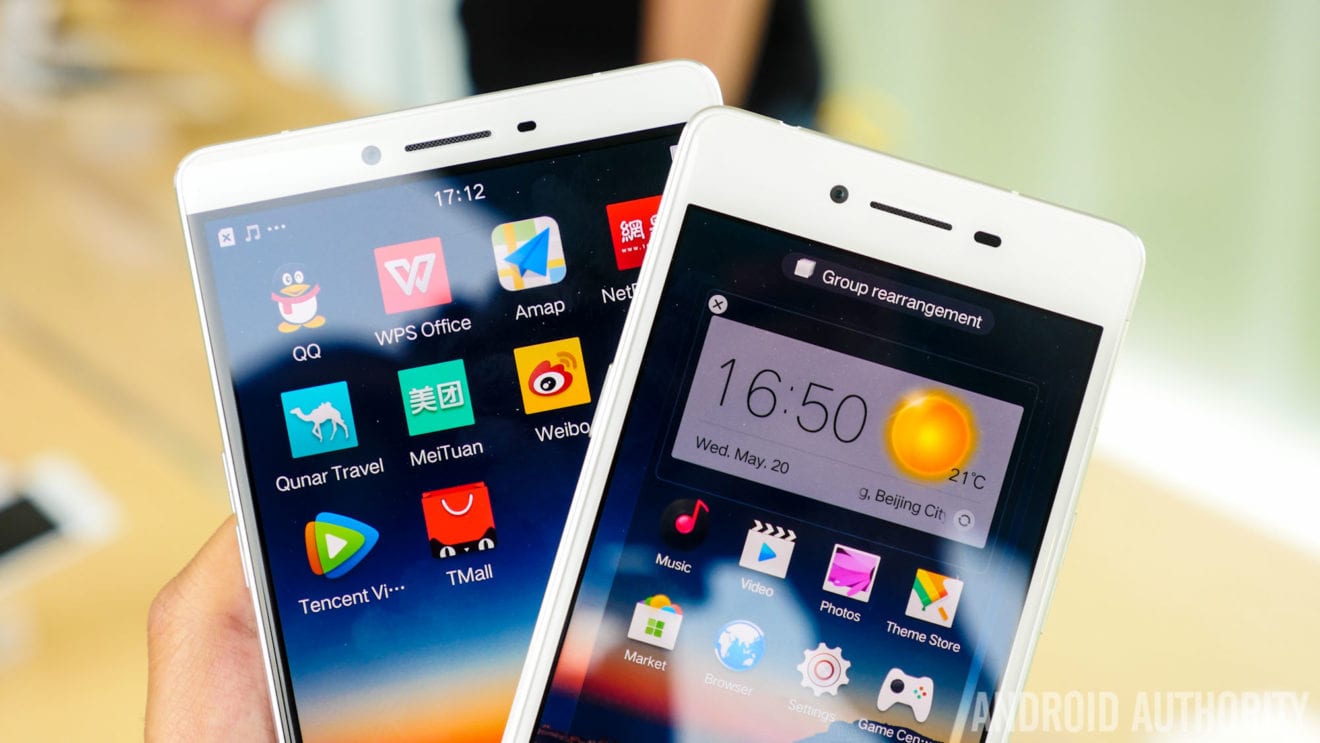
    Chinese smartphone makers Oppo and Vivo, which together have a 17% share of the market in India, have slashed trade margins by over 40%, leading to a backlash by neighbourhood stores and mobile phone retail chains.

    Industry executives said Oppo and Vivo have lost about 10,000 sales outlets each. Both had about 70,000 outlets each in the country before the margin cuts and the number of stores selling their phones may fall further, they said.

    Chains including Sangeetha Mobile, Big C, Lot Mobile, Poorvika, Mobiliti World and Hotspot have stopped selling the two brands or reduced focus on them, three senior industry executives said. These chains have a combined network of over 1,300 outlets.

    Oppo and Vivo, both founded by Chinese billionaire Duan Yongping, cut the margin offered to large chains to 14-15% from 23-25%, the executives said. They reduced it to 5-6% for standalone stores from 15-16%.

    Sangeetha Mobile has stopped selling Oppo and Vivo in Tamil Nadu due to margin issues, managing director Subhash Chandra said. “The two brands have different margins in different states, which is a problem for multi-state retailers,” he said.

    graph

    There is now no sales push for Oppo and Vivo, the CEO of a leading chain said.

    An Oppo India spokesman confirmed the margin changes and the drop in number of outlets. The spokesperson said some stores were no longer able to sell handsets after the goods and services tax was introduced — he did not elaborate. He also said Oppo has changed its strategy to focus on mid- to high-end models and some stores had to be shed when their sales didn’t match expectations.

    These adjustments are being done across markets by different smartphone industry players… All these decisions have been taken keeping in mind health of the company. We believe the company will now be healthier and efficient,” he said.

    A Vivo India spokesperson said its retail network has not shrunk and the company plans to add outlets this year.

    “Last year, we witnessed good response from the market which contributed towards increase in revenue and market share. As per Counterpoint Research, Vivo V7+ commanded 40% share in ?20,000-25,000 segment in November 2017. We plan to further build on the growth momentum this year,” he said.

    The two brands have been forced to reduce margins in India because they are under pressure to become profitable, the CEO of a retailer said. “They are replicating the strategy adopted in China of slowing down the high investment after reaching a certain scale. But India is a different market and their share is already coming down,” he said.

    Both have drastically scaled down their huge marketing investment in India over the past three months in outdoor, television and print advertising, executives said.

    Vivo had a 9% share of India’s smartphone market in the third quarter of 2017 compared with 5% a year earlier, according to Counterpoint Technology Market Research, a Hong Kong-based firm that tracks device shipments. Oppo’s share increased to 8% from 4% during this time, Counterpoint said.

    Oppo currently manufactures phones in India through third-party vendors and is setting up its own unit in Greater Noida near New Delhi. Vivo has an assembling unit in Greater Noida with a capacity of 1-million smartphones per month, according to its website.

    Vivo India posted a loss of ?111.66 crore in 2016-17, according to regulatory filings, while sales grew six-fold to ?6,173 crore. Oppo’s earnings figure was not available, although its sales surged seven-fold to ?7,974 crore.

    Oppo and Vivo were among the fastest-growing smartphone brands in the third quarter of 2017, Counterpoint said.

    The industry executives said Oppo and Vivo’s pace of growth and market share will be under stress this year, which will change the pecking order of Chinese brands in the Indian market with Xiaomi and Lenovo-owned Motorola filling the space.

    It launched its own portal in India, marking its entry into the e-comm business.

  • Suning Unmanned ‘Biu’ Store goes International

    Suning Unmanned ‘Biu’ Store goes International

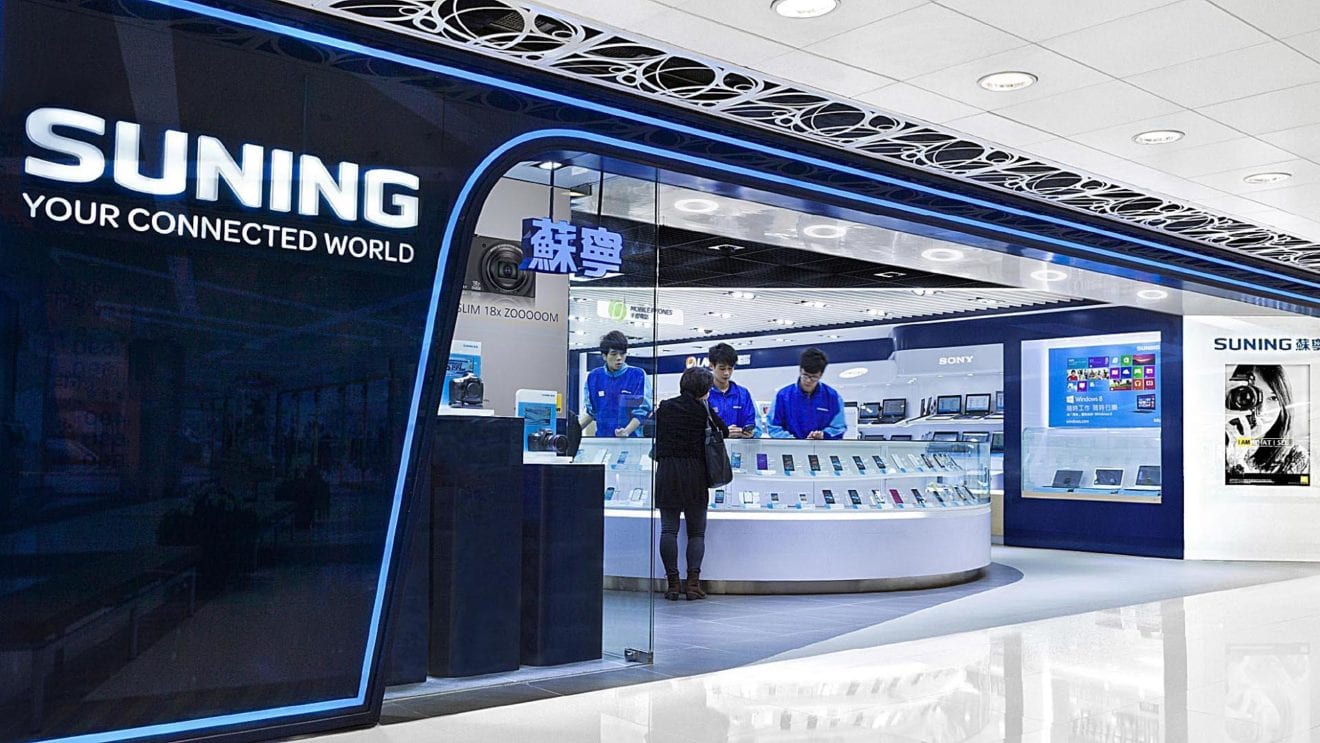
    Suning Commerce Group, one of China’s largest non-government retailers, is showcasing its unmanned, automated Biu store at CES 2018 in Las Vegas this week.

    Running until Friday, CES is the global stage for new innovative consumer electronics. Suning’s promotion of its Smart Retail program comes as the company prepares to launch its developments internationally,

    “Suning’s Biu store concept showcases the latest in our online-to-offline retail strategy, designed to offer consumers a one-stop seamless shopping experience,” says the group’s R&D executive VP Joshua Xiang, who is also GM of Suning Global Research.

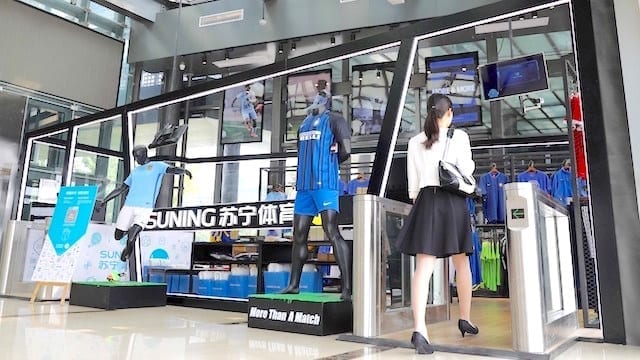
    Suning’s Biu store concept is big-data driven and powered by facial recognition and radio frequency identification (RFID) technology. Since launching its first self-service store in Nanjing in August, Suning has opened a further four cashierless stores in China, in Shanghai, Beijing, Chongqing and Xuzhou.

    It says shoppers have been flocking to the stores to buy gadgets, personal electronics, FMCG and sports accessories. They can also find branded football merchandise, including Italian team Internazionale Milano, which is owned by Suning.

    Immediate identification

    Bui shoppers who link their bank card to the Suning Finance app are immediately identified by camera at the store’s entrance and granted access. Inside, they can be helped with their purchase decisions by Suning Smart Recommendation, a shopping guide system based on big-data analysis. RFID technology along the payment pathway ensures an effortless check-out experience taking no longer than 15 seconds.

    At CES, Suning is also showcasing its e-commerce services and tech products that focus on enhancing the consumer experience. These include the Smart Sue shopping assistant, with voice and text interaction system; the Anywhere AR shopping experience, allowing shoppers to place virtual products into a real scene; Suning Smart Home, incorporating advanced Internet of Things automation systems to control electronic home appliances and built-in technology; smart retail chain software; and logistics and shopping financial services.

    A Created in China forum at CES tomorrow, hosted by Suning and the China Household Electric Appliance Research Institute, will explore electronics industry trends in China and also demonstrate Suning’s Smart Retail concept.

  • Xiaomi opens first authorised Mi store in Vietnam

    Xiaomi opens first authorised Mi store in Vietnam

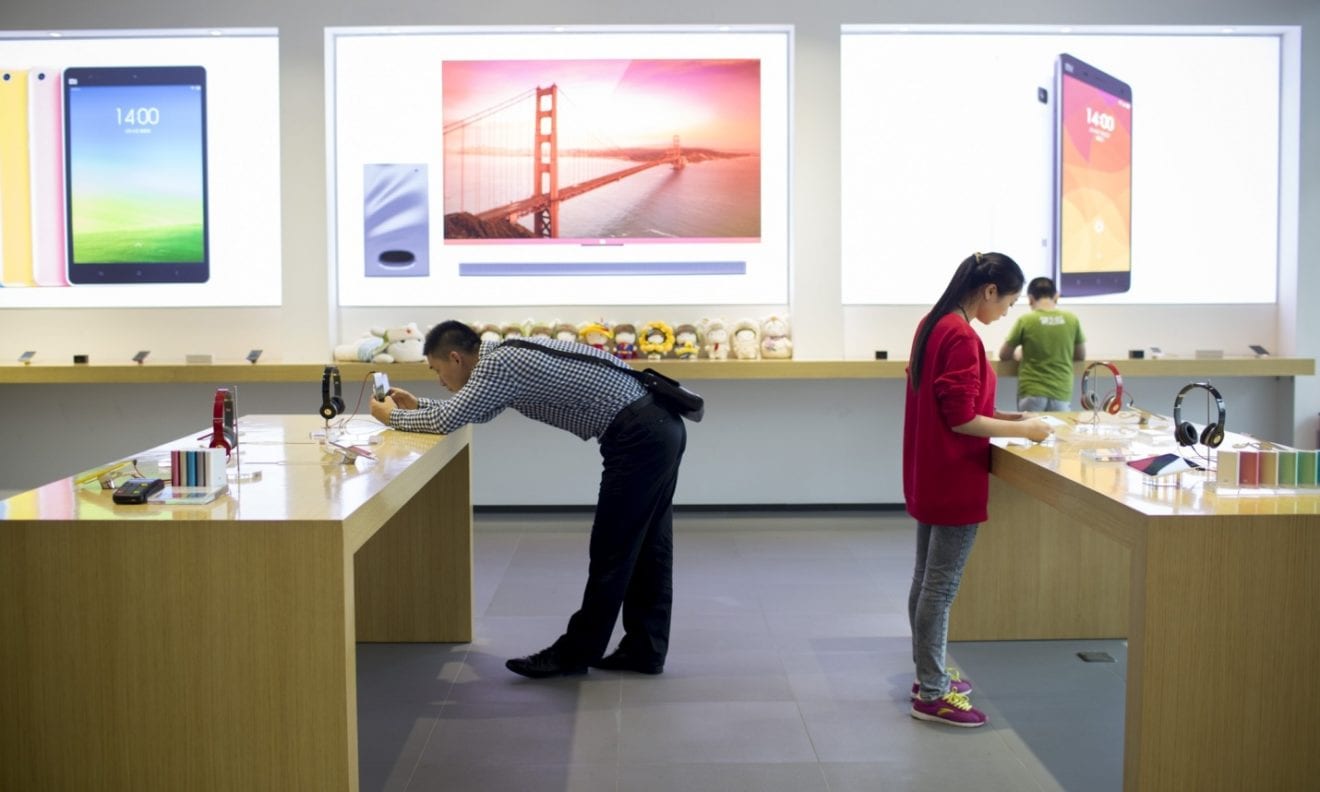
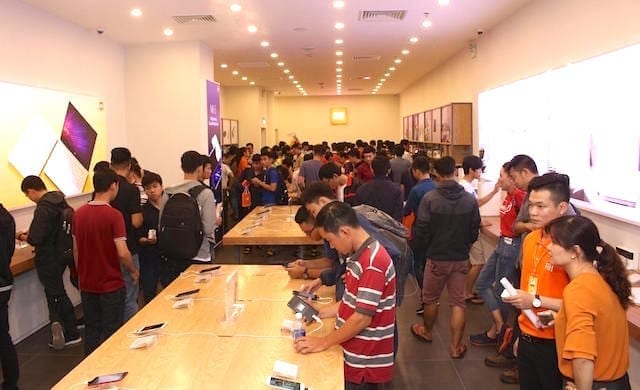
    Xiaomi has officially opened its first Mi Store Vietnam, 10 months after entering the market.

    The authorised store is located in Ho Chi Minh City’s Crescent Mall and is operated in partnership between Xiaomi and local company DigiWorld.

    The partnership was signed in March, which allows DigiWorld to distribute Xiaomi products to other retailers such as Mobile World, Aeon and FPT, both online and offline.

    On opening day, the Mi Store attracted long queues of the Chinese brand’s fans thanks to new product launches and promotions.

    Apart from smartphones and accessories, the store also offers laptops and household items such as vacuum robots, smart scales, bedside lamps and air purifiers.

  • Apple apologizes for secretly slowing older iPhones

    Apple apologizes for secretly slowing older iPhones

    Apple apologized for secretly slowing down older iPhones, a move it said was necessary to avoid unexpected shutdowns related to battery fatigue.

    Many customers had interpreted the move as a way to for Apple to juice demand for newer iPhone models, their suspicions fueled by the fact that the company didn’t initially disclose the slowdowns or its reasons for them.

    Apple also said it will cut the price of a battery replacement by $50 to $29 through next year. New batteries had previously cost $79 for those who didn’t purchase the Apple Care maintenance plan.

    “We apologize,” the company said on its website . “We have never — and would never — do anything to intentionally shorten the life of any Apple product, or degrade the user experience to drive customer upgrades.”

    The replacement plan begins in late January for anyone with an iPhone 6 or later that requires a new battery.

    Apple said it will also issue an update to its operating system early next year to give users a better understanding of the health of their battery, so they can see if its condition is affecting performance.

    Hostile customer reaction was swift after a report this month uncovered the intentional slowdown in speed tests. Only then did Apple acknowledge that the slowdown was due to a fix it rolled out last year. Shares dropped 2.5 percent Tuesday — also dinged by analysts predicting lower-than-expected demand for the iPhone X — and only partially recovered by Thursday.

    At least five groups seeking class action status, involving consumers in Texas, Illinois, California and New York, have also sued the company in the wake of the slowdown revelation.

    Ben Bajarin, an analyst with Creative Strategies, said Apple found itself in a tough spot by having to explain what it did to cope with the reality that all lithium ion batteries degrade over time.

    “The error — if anything — was not being more transparent,” he said. “They were legitimately trying to make people’s iPhones last longer.”

  • Huawei aims to ride tech wave to N° 1 brand status in Thailand

    Huawei aims to ride tech wave to N° 1 brand status in Thailand

    Richard Yu, chief executive officer of Huawei Consumer Business Group, said that the firm provides Huawei smartphones as a premium brand to cover mid-tier and the high-end global market. The firm’s new intelligence phone will bring together artificial intelligence (AI), Augmented Reality (AR), Mixed Reality (MR), and Virtual Reality (VR). With the AR technology, the future phone will be paired with an AI processor, an AI camera and an AI operating system. The new intelligence phone will have long battery life and super-fast charging ability.

    “My plan for the next five years: With AI, AR, VR and MR, we will have an intelligent phone. We want to provide the future and next-generation phone. In addition, we will try to improve our marketing, branding, retail and services. Every year, we continue to improve our marketing, branding, retail and services in the Thai market and worldwide. We aim to be the leader in artificial intelligence, VR and MR,” said Yu.

    He said the firm next year would launch its new flagship smartphone with new technology such as improved camera and super-fast charging features.

    The firm now provides smartphone with two brands: Huawei for the mid-tier and high-end market, and Honor for young people, e-commerce, mass market, low-end and mid-tier market. The Honor smartphone is available only in China.

    “We want to enhance our technology and innovation and improve the users’ experience,” said the CEO.

    He said the firm in 2017 gained market share in China, totalling 23.8 per cent. It also became number one in Italy, Spain, and Poland.

    In China, it aims for market share of more than 40 per cent in the next three years. Therefore, the firm wants to build its marketing, enhance branding, build better ecosystem and retail system in the Chinese market.

    He added that Thailand is still a growing market, especially in the premium segment. The overall Thai market is growing. The current market share is around 10 per cent. It aims to be No 1 in market share in Thailand for mid-range and high-end smartphones in the next three years with market share of more than 30 per cent.

    He said the firm plans to invest in Thailand in |marketing, branding, premium stores and shops and services.

    “We have committed to the Thai market for the long term. We want to be the leader as a brand and in market share within three years,” said Yu.

    The firm this year expects 30 per cent revenue growth year on year and expects the trend to continue next year. The firm is targeting 1,000 per cent growth in the global market over the next decade. The firm sees high potential in China, Europe and Japan.

    Regarding upcoming smartphone trends, he said next year consumers will buy smart phones with high storage capacity and memory to support more applications, bigger screen, better camera and processor to support customers who love game. He said AI would become more popular. He said battery life would also become more important for consumers. The firm will come out with smartphone with a battery life improvement of around 20 per cent with super-fast charging and digital single-lens reflex (DSLR) camera features.

    He also said that the smart phone manufacturers would have to consolidate in the future in order to survive.

    The firm continues to cooperate with its business partners to improve its smartphone features and productivity such as Microsoft, Porsche and Leica.

    Last year, the firm invested US$11 billion in research and development.

  • Apple cuts iPhone X margins for Indian retailers

    Apple cuts iPhone X margins for Indian retailers

    Stores in India which sell the iPhone X have complained about the reduction in retail margins by Apple from 6.5% to 4.5%. Large chains and even small-scale operators are accusing the company of wanting to scoop in massive margins while not allowing its retail partners to benefit.

    Some stores, like the Bengaluru-based Sangeetha Mobiles, had stopped taking orders for the iPhone X. This comes as a supply-demand mismatch in India has led to calls for Apple to give the country a higher priority when it comes to providing stock in time. iPhone production has fallen to the extent that it has affected the bottom line of companies like Foxconn which assemble the devices.

    Subhash Chandra, managing director at Sangeetha Mobiles, says: “Apple has cut margins on the iPhone X from 6.5% to 4.5% for large retailers like us, and if a customer pays by card, which is usually the case, the margin reduces to almost 1.5-2%.”

    Sangeetha Mobiles has about 400 stores across India. “Apple gives the least margins… How on earth do they expect the retailer to work for them for free — our overheads are anywhere around 10%,” complained Chandra.

    The margins offered by brands like Samsung and Xiaomi are more than double what Apple does – 12% to 15%. Brands like Oppo and Vivo are giving higher than usual margins in order to compete better in the burgeoning Indian market.

    Quoting an unnamed chief executive of a top retail chain as saying that he would not be stocking the iPhone X at its 300-odd stores due to the reduced margins and because he had no control on retail pricing both offline and online.

    Underling the supply issues, another big handset retailer said he had received only 400 iPhone X units since the launch, much less than what had been promised by Apple.

    Analysts told the newspaper that if Apple did not step up supplies, it may be unable to bridge the gap with Samsung and the numerous Chinese brands that were already ahead in terms of volume sales.

    India has about 350 million smartphone users, a number that is expected to grow to 500 million in the next couple of years. Many new buyers or those looking to upgrade are potential iPhone users.

    One analyst, Neil Shah, the research director at Hong Kong-based Counterpoint Research, told the newspaper: “They (Apple) will have to start now because if they lose a window of opportunity in next two years to be on mind of the growing smartphone user base, it would be somewhat difficult to grow faster in the world’s second largest smartphone market.”

  • Kinpo to add 2 factories in Philippines

    Kinpo to add 2 factories in Philippines

    Consumer electronics maker Kinpo Electronics, viewing that production capacities for smart home appliances at two factories in the Philippines will be fully utilized in first-half 2018, will set up two more factories there in third-quarter 2018, with one for injection molding and the other for assembly, according to company president Simon Shen.

    The existing factories and the ones to be built in the Philippines belong to Kinpo Electronics (Philippines) in which Kinpo and its Thailand-based affiliate Cal-Comp Electronics hold a 81% and 19% stake respectively, Shen said, adding the Philippines-based subsidiary is expected to be listed on the local stock market in third-quarter 2018.

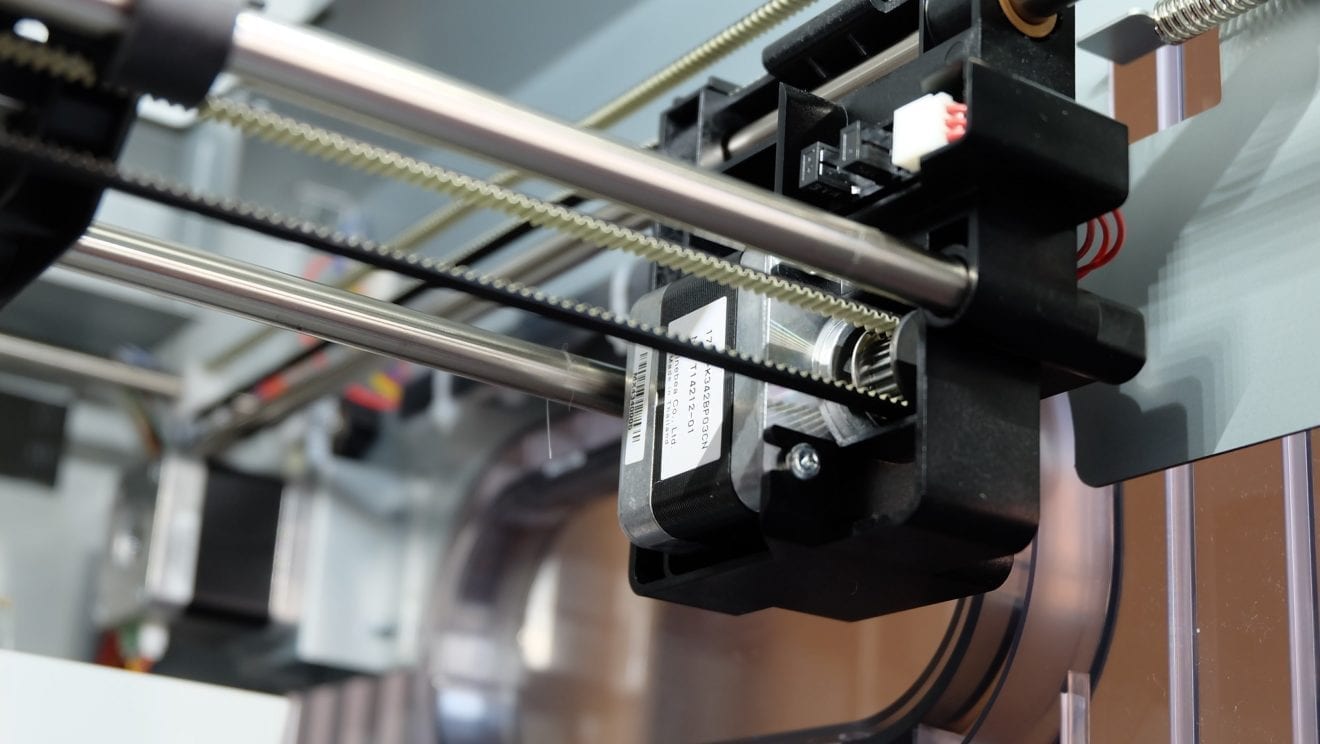
    Kinpo stepped into production of consumer 3D printers in 2017 and currently has a global market share of 23-24% Shen said, adding it will extend production to business-use 3D printers in 2018.

    Kinpo expects to globally ship 73,000 3D printers, including 500 for color printing, in 2017, and 100,000 units in 2018, consisting of 2,500-3,000 color models, Shen noted. A color 3D printer sells for US$35,000.

    Kinpo has also begun production of service robots for hospitals, hotels, retail stores and airports, with unit prices ranging from US$15,000-30,000, and 2018 target shipments are set at 300-500 units, Shen indicated.

    Kinpo expects to ship 10,000 units of HiMirror, a smart device for medical care of facial skin, in 2017 and will offer a second-generation model with target shipments of 50,000-100,000 units in 2018.

  • Samsung India’s annual mobile phone revenue up 27%

    Samsung India’s annual mobile phone revenue up 27%

    South Korean electronics major Samsung posted a 27% jump in revenue for its mobile-phone business in India for the year ended March 2017 and the company is hopeful of a similar feat this financial year.

    Samsung India posted revenue of over Rs 340 billion (US$5.3 billion) for the year ended March 2017, helped by local manufacturing and expansion of its retail channels.

    Samsung India’s overall revenue for the fiscal year 2017 was about Rs 570 billion ($8.9 billion), a 20% increase and marginally ahead of the 19% growth of Rs 470 billion ($7.34 billion) in 2015-16. Mobile phones accounted for about 60% of Samsung’s overall business.

    Samsung has been a dominant player in the Indian mobile-phone market, but has faced stiff competition of late from Chinese groups such as Xiaomi, Lenovo, Oppo and Vivo, who collectively enjoy over half of the market.

    A third-quarter report released by research firm International Data Corporation (IDC) in November said Samsung and Xiaomi both enjoy a 23.5% market share each, followed by Lenovo (9%), Vivo (8.6%) and Oppo (7.9%). In the first quarter Samsung enjoyed a market share of 26%, while Xiaomi had 13%.

    Samsung’s best selling brands were Galaxy J2, Galaxy J7 Nxt and GalaxyJ7 Max and those three items contributed to almost 60% of its sales volume.