Category: Electronics

Retail News Asia is committed to providing both local and global retailers with the latest Electronics news throughout the Asian market. This on a daily base.

  • Apple buys song recognition app Shazam

    Apple buys song recognition app Shazam

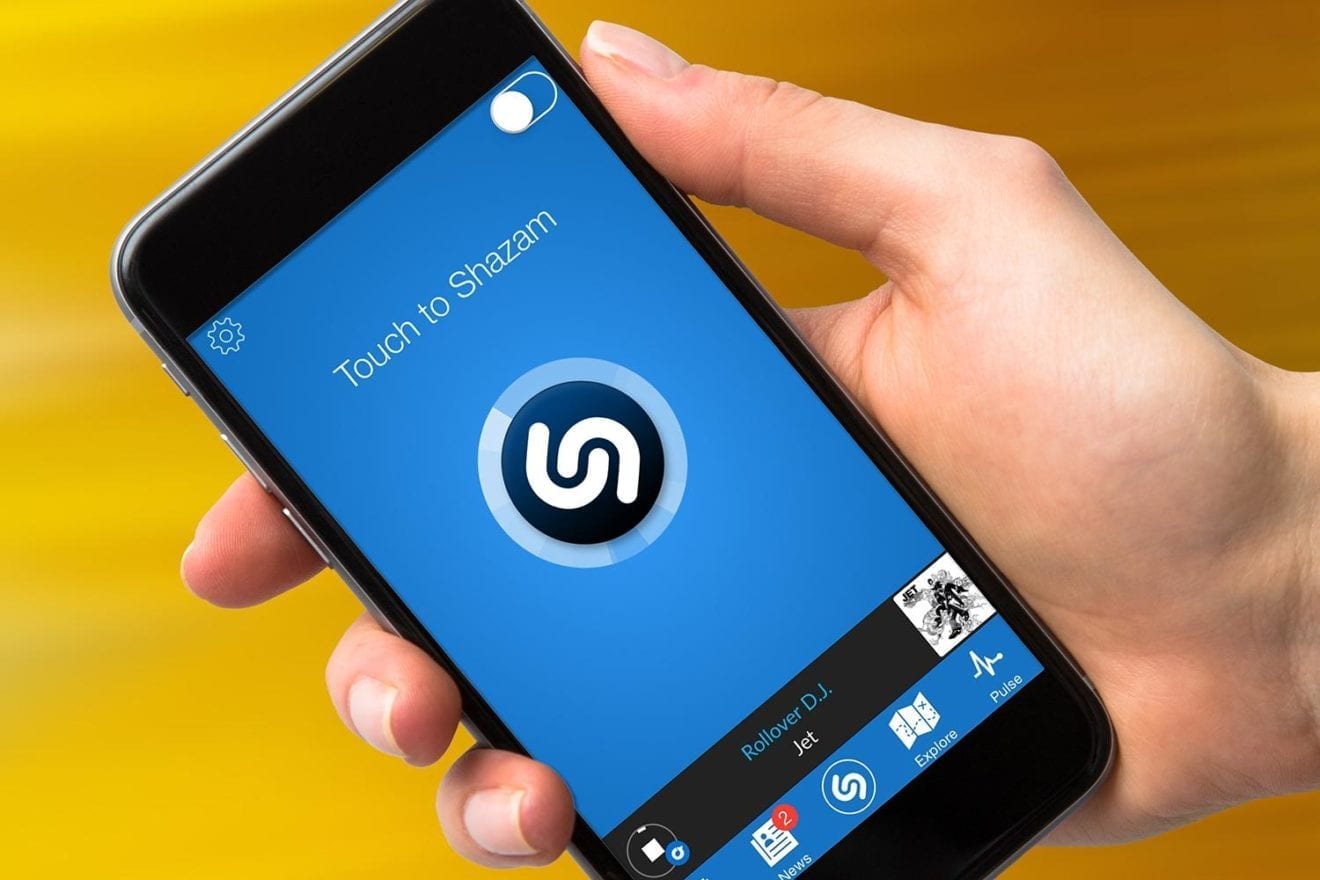
    Apple said Monday that it would buy leading song recognition app Shazam in a fresh bid to secure an edge in the intensifying battle of streaming services.

    Apple, whose streaming service has rapidly grown but still has only half the paid subscribers of Spotify, said that Shazam has consistently been one of the most popular items on its App Store.

    The two companies did not disclose financial terms. The technology news sites Recode and TechCrunch, quoting unnamed sources, both put the deal at around $400 million.

    The market signaled its approval, with Apple share prices jumping 2.0 percent, well outpacing the 0.2 percent rise on the Dow Jones Industrial Average.

    “Apple Music and Shazam are a natural fit, sharing a passion for music discovery and delivering great music experiences to our users,” Apple said in a statement.

    London-based Shazam said in a separate statement: “We can’t imagine a better home for Shazam to enable us to continue innovating and delivering magic for our users.”

    Shazam, which was founded in 1999 in the early age of online music, has offered a solution to a longtime agony of listeners — putting a name to elusive songs. With a click, the app identifies tracks playing on the radio, at parties or as background music.

    But Shazam has struggled to find a way to make money off its technology, even as it said that it had reached one billion downloads on smartphones last year.

    Shazam only recently announced it had become profitable, thanks to advertising and steering traffic to other sites such as Spotify and Apple Music.

    The technology is also no longer quite as novel, with Shazam facing rivals such as SoundHound and with smartphones capable of ever more advanced recognition functions.

    Mark Mulligan, who writes a popular blog on the music industry, described Shazam as “cool tech without a business model” and said Apple was a rare player that could bring out the app’s value.

    Facing tough competition

    The world’s most valuable publicly traded company, Apple earns most of its revenue from iPhones but has also found it vital to be seen on the cutting edge culturally.

    Apple, which revolutionized online music a generation earlier with iTunes, in 2015 launched Apple Music as the market turns to streaming, which offers unlimited on-demand listening.

    Apple said in September that the service had more than 30 million subscribers — a quick rise, but still trailing Spotify.

    Spotify — which has emphasized a barebones, user-friendly interface instead of unique features — said it had 60 million paying users as of July and 80 million more on its free tier.

    And with streaming experiencing rapid growth, competition has become even fiercer.

    Retail giant Amazon seized on its vast consumer reach as it launched its own streaming service last year.

    YouTube, the video-sharing behemoth owned by Apple’s rival Google, also has its own music streaming platform and recent reports said it was looking to launch a new paid subscription package next year.

    Tech battle turns to services

    Shazam has already proven it can be woven into another service. A year ago, it formed a partnership with SnapChat, the youth-driven social media platform whose videos evaporate, with users able to “snap” to friends the music they discover around them on Shazam.

    Neil Saunders, managing director of GlobalData Retail, said the Shazam sale “underlines the fact that the battle of the technology companies is firmly moving beyond hardware and into services.”

    “This is a good move for Apple that helps to consolidate its already strong position in music content. It won’t be the last takeover of a tech firm by these big giants,” he said.

    Apple has already invested in buying big-name music brands, in 2014 paying an eye-popping $3 billion for Beats Electronics, the headphones, speaker and streaming brand of rapper Dr. Dre.

    Soon afterward, it bought Semetric, a British company that tracks music consumption on behalf of labels and artists.
  • Baseus Opens Flagship Store in the Philippines at Trinoma

    Baseus Opens Flagship Store in the Philippines at Trinoma

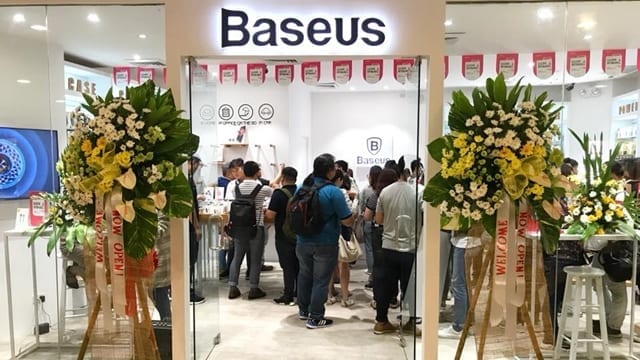
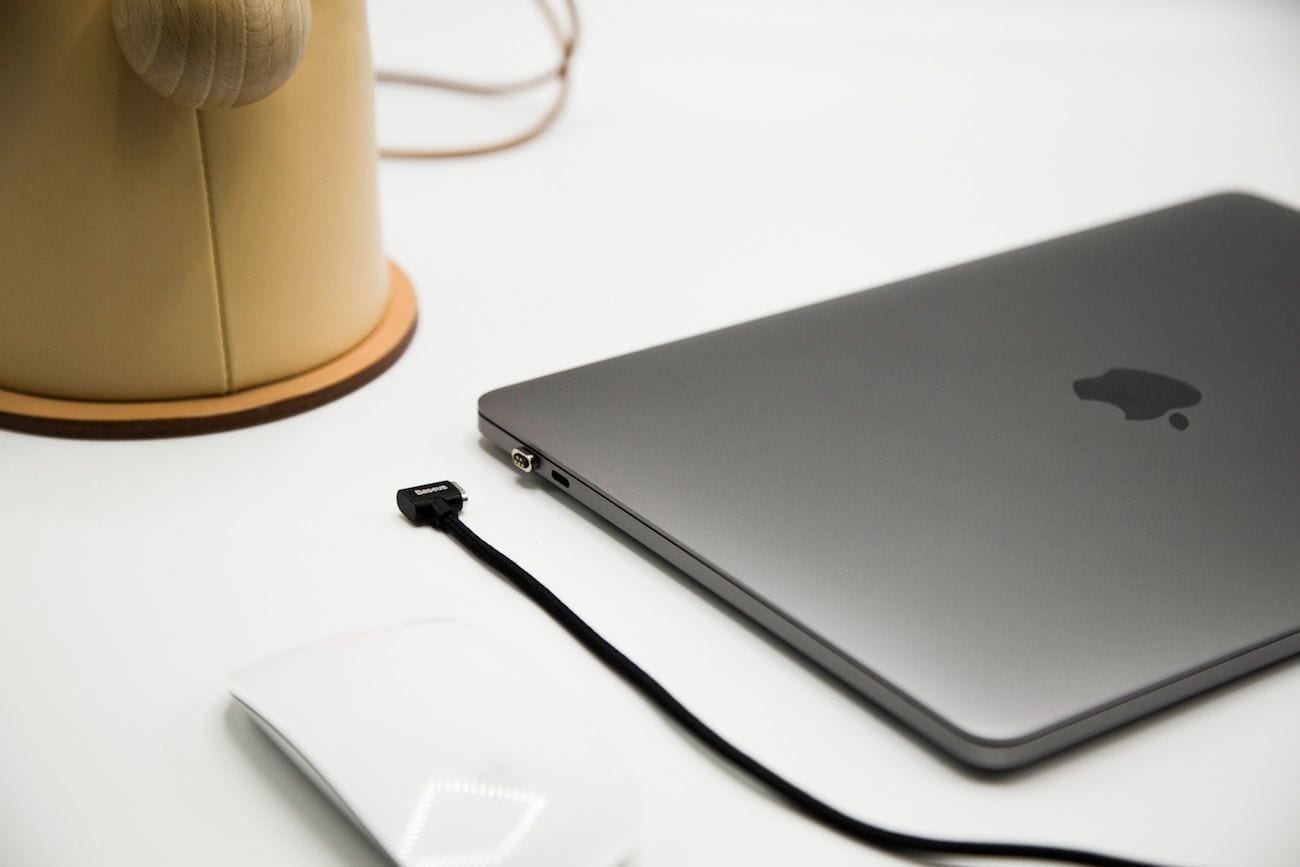
    Chinese tech accessory brand Baseus has opened its first flagship store in the Philippines.

    Baseus PH 1


    Baseus PH 2

    The Shenzhen company has partnered with Digits CEO Charles Paw for its outlets in the Philippines, and opened its first store in Trinoma, Quezon City.

    Baseus makes cellphone accessories and gadgets such as car chargers, multi-use cables, car mounts, flash drives, wireless chargers and power bank cases. It has received such accolades as the IF Design Award, and plans to open 10 stores a year in the Philippines.

    It is offering special deals to mark the store launch.

  • Samsung Pay Extends Through Many Arms of Hong Kong’s Octopus

    Samsung Pay Extends Through Many Arms of Hong Kong’s Octopus

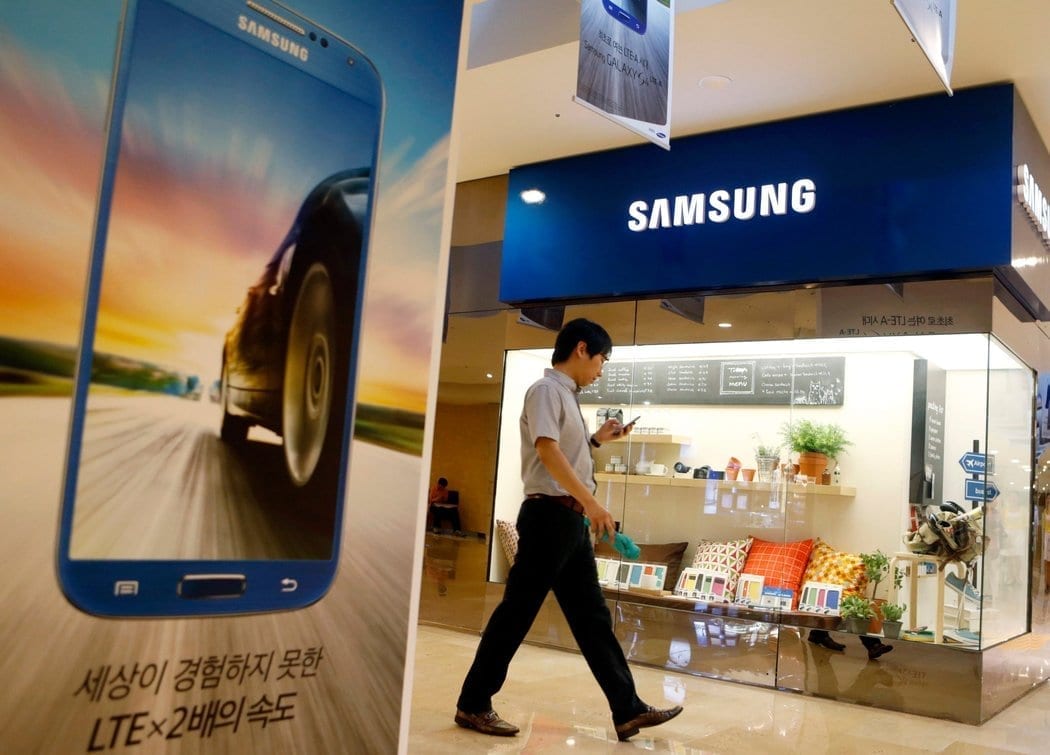
    A big new partnership could help to dramatically extend Samsung Pay’s presence in Hong Kong: Samsung has teamed up with Octopus to enable its ubiquitous Octopus Cards in its mobile payments platform.

    The Octopus Card is essentially a reloadable electronic payment card, but what makes it special is its extensive reach throughout Hong Kong society. In addition to being a popular payment method at a range of retail stores and restaurants, the Octopus Card can also be used at vending machines and pay parking meters, on public transportation, at tunnel tolls, and even for access control in buildings. There’s even a whole page about it on Hong Kong’s official tourism website.

    As such, its integration into Samsung Pay represents a big win for Samsung in Hong Kong. Dubbed ‘Smart Octopus’, a virtual Octopus Card will be available to Samsung Pay users, and consumers will also be able to transfer their current Octopus Cards into the app. Summing up the partnership’s prospects in a statement, Samsung Electronics H.K. Co. Head of IT and Mobile Communication Business Yiyin Zhao asserted, “Together with Octopus, the go-to payment method for most transportation operators and retail stores, Samsung hopes to bring a revolutionary smart mobile payment service to Hong Kong.”

    It’s a win for Octopus, too, with CEO Sunny Cheung pointing out that the Samsung Pay partnership “represents a significant milestone for Octopus to introduce NFC payment via smartphones, offering our customers a fast, simple and seamless over-the-air mobile payment solution.”

    Smart Octopus will go live at 9:00 a.m. on December 14th, and will be supported wherever the Octopus Card is accepted.

  • Newcomer Xiaomi lays out ambitious Thai plan

    Newcomer Xiaomi lays out ambitious Thai plan

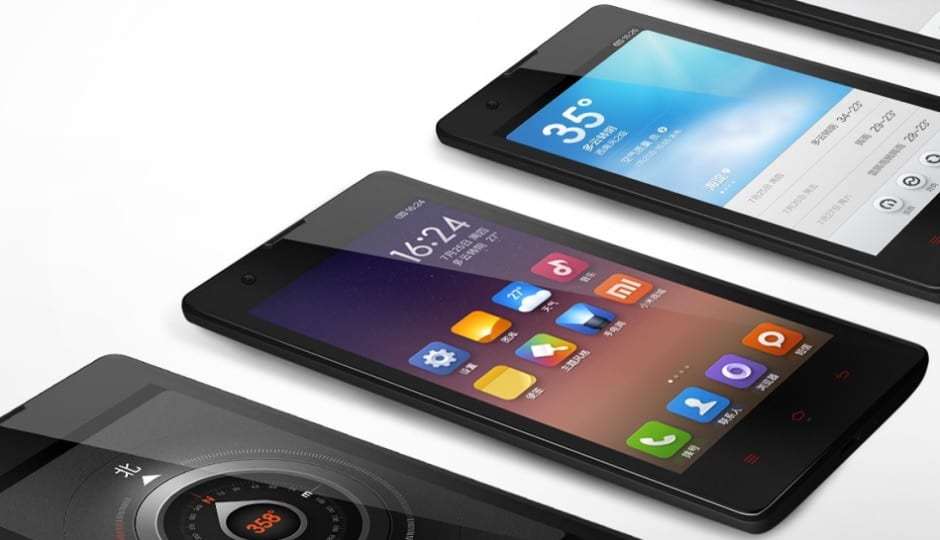
    “We are optimistic about our performance in 2018. We entered Thailand about four months ago, so it is still an early stage, but we have already mapped up an ambitious plan for the Thai market in the year ahead, including expanding sales to more retail locations, introducing new smartphones and a wide range of lifestyle technology products,” Wang added.

    By the end of this year, the company aims to have a presence in over 150 retail locations in Thailand.

    Next year, it aims to have more than 50 authorised sales points, including Authorised Mi Store and Mi Zone store in major Thai cities.

    Currently, the company operates three Authorised Mi Stores: the flagship Authorised Mi Store at Seacon Bangkea , Authorised Mi Store at Imperial World Samrong, and the Authorised Mi Store at Pantip Plaza, Pratunam.

    “We will definitely open more stores and expand to more retail locations in Thailand. Our Authorised Mi Stores, in particular, is a great way for consumers to experience our smart phones and ecosystem products in person,” Wang said.

    VST ECS and Fanslink are Xiaomi’s local partners in distribution and retail, respectively.

    “Since we entered Thailand only four months ago, our partners have been very cooperative and supportive; we value all our partners and potential partners. In Thailand, we work with VST ECS as our distributor, and Fanslink as our retailer. In the long run, we, of course, are open to establishing partnerships with more local players, as we continue to look for opportunities to increase our presence in the market,” Wang added.

    He said that Thailand is the second-largest market for smartphones in Southeast Asia, after Indonesia, with estimated sales of 25 million units in 2017. To date, Xiaomi has entered Thailand, Indonesia, Vietnam, Malaysia, Singapore, and Myanmar.

    “These are all promising markets with high potential, and we will continue our efforts to grow in the region,” he added.

    He said that Xiaomi is a very unique company with a unique business model.

    “We are a smartphone company, but we are also an Internet company and a new retail company. Because of this, we are able to make products packed with great technology available at extremely accessible prices.

    The price factor is not the key here, but the fact that we offer far more to users in all price segments, and across a range of products including lifestyle technology products,”

    When asked about the Thai customers response to the Xiaomi brand, he said: “Thai customers are starting to know us! We will definitely be working even harder to raise the awareness of Thai consumers,”

    The company entered the Thai market with one of its best flagship dual camera phones, Mi 6 , in August and has just announced the launch of Mi MIX 2, its full-screen display smartphone.

    In the local market , its available smartphones include Redmi 4A, Redmi 4X, Redmi Note 4, Mi A1, Mi Max 2, Mi 6, Redmi Note 5A and Mi MIX 2.

  • Harvey Norman officially launches Kuching outlet

    Harvey Norman officially launches Kuching outlet

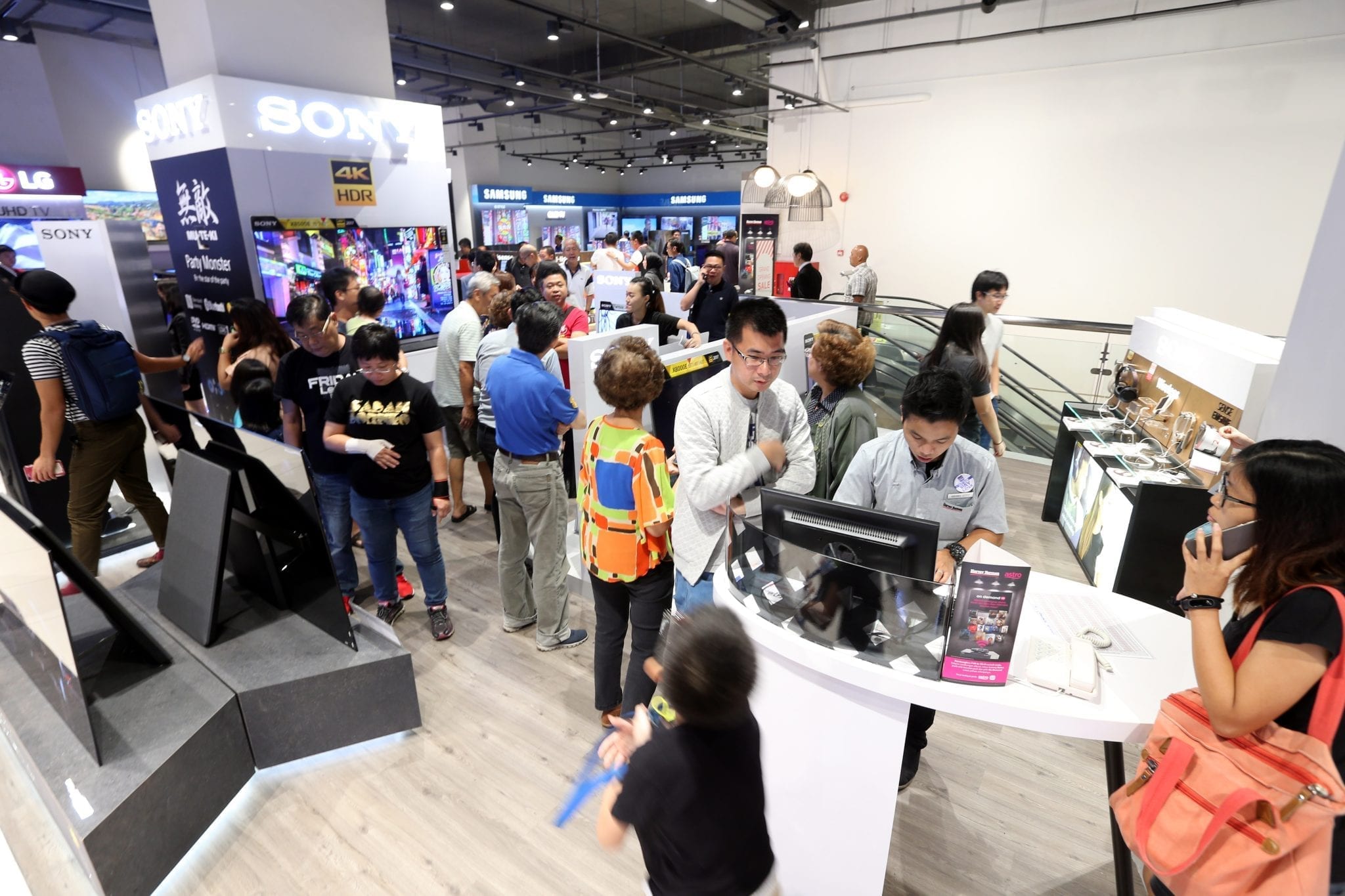
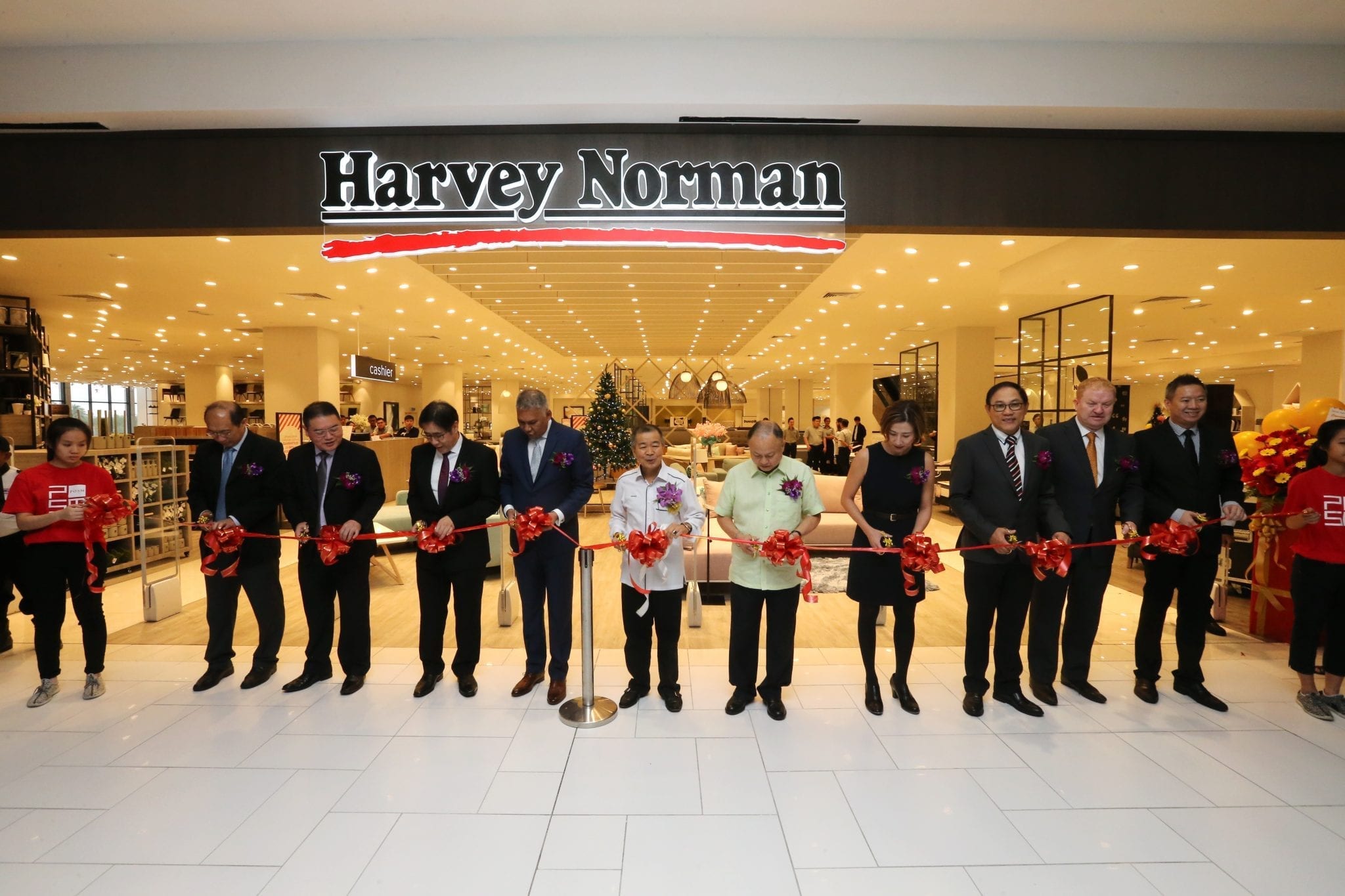
    Australian brand Harvey Norman marked a new milestone with the official launch of its first superstore in East Malaysia today at Vivacity Megamall.

    Established since 1982 in Australia with over 280 stores worldwide, the superstore here occupies a retail space of 46,806 square feet across two floors, featuring a unique retail experience in the country.

    According to Harvey Norman’s managing director for Singapore and Malaysia, Kenneth Aruldoss, the group is creating a revolution in the way customers connect with products and brands.

    “Consumers of today are changing — and therefore we have to change the way we do retail as well.

    “It is a first-of-its-kind shopping experience with a huge range of merchandises spread over two levels of retail space. The range is current and of the latest,” he said in his speech during the official launch today.

    Also present during the launch were Assistant Minister of E-Commerce Datuk Mohd Naroden Majais, Kuching South City mayor (MBKS) Datuk James Chan, Vivacity Megamall executive director Sim Yaw Hang and Vivacity Megamall director Alan Sim, as well as other officials from Harvey Norman.

    The store is set to inspire in terms of layout and how the products are being  merchandised. It boasts some of the biggest range of electrical, computers and communications, furniture and bedding products in Kuching.


    The first level features a whole floor of Furniture & Bedding products ranging from sofas, coffee tables, dining sets, home wares, outdoor furniture, home office, TV cabinets, recliners, rugs, as well as mattresses, bed frames, bedroom sets, kids bed frames and bedding accessories.

    Its second floor features home and kitchen appliances, audio visual, cameras, photocentre, computers, games hub, connected health and fitness products.

  • FPT Retail to hold IPO in mid-December

    FPT Retail to hold IPO in mid-December

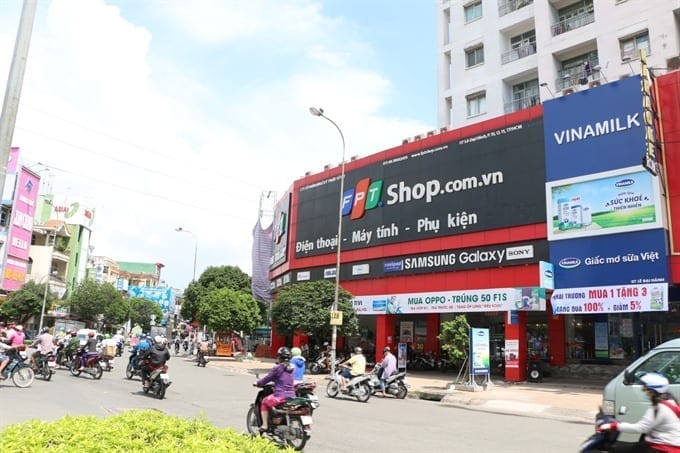
    FPT Digital Retail is set to launch an IPO on the Ho Chi Minh City Stock Exchange on Friday week.

    Details of the IPO pricing have not been disclosed, but the retail arm of Vietnam’s largest IT company plans to use the proceeds over the next three years to open 100 stores officially licensed by Apple.

    FPT secured the nation’s first licence from Apple in 2012 to set up a store network specialising in such products as the iPhone and Macbook under the brand F.Studio. There are now 10 outlets run by FPT Digital Retail. Apple products make up 40 per cent of the the chain’s offerings, and the retailer plans to increase the network tenfold.

    Meanwhile, a survey has shown that more than a third of Apple products in the Vietnam market are “unauthorized” and do not have a guarantee from the manufacturer.

    While Apple has a representative office in Vietnam, there is yet to be an official Apple Store. Sales of Apple products in the Vietnam are currently valued at $1 billion annually. Apple iPhones accounted for 7 per cent of the total 14 million smartphones sold in Vietnam last year, ranking third after Samsung Electronics (28 per cent) and Oppo (25 per cent), according to IDC Vietnam.

    Vietnam has 15 Apple-authorized stores run by local retailers, including the 10 F.Studio outlets and those of Mobile World Group. This compares with 527 authorised stores in Singapore, 480 in Thailand and 364 in Indonesia.

    FPT Retail general director Nguyen Bach Diep has told an investor roadshow in Ho Chi Minh City that the market listing date will be no later than April 30.

    CEO Nguyen Viet Anh says the company expects total revenues of about US$600 million this year, 10 per cent of this from online sales, while its profit is estimated to be VND293 billion (about US$13 million) by year-end.

    Splitting from FPT’s retail and distribution sector in 2012, FPT Retail is now the second-largest information and communications technology retailer in Vietnam, holding 18 per cent market share after Mobile World Group with 45 per cent.

    FPT Retail’s nationwide store network will reach 480 outlets by the end of this year, up 25 per cent year on year.

  • New Leica boutique opens in Hanoi

    New Leica boutique opens in Hanoi

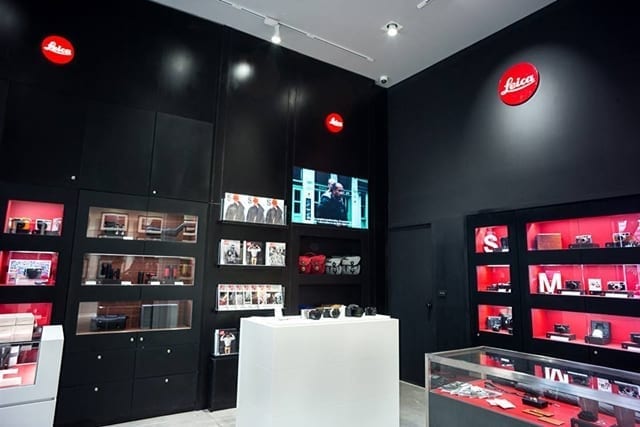
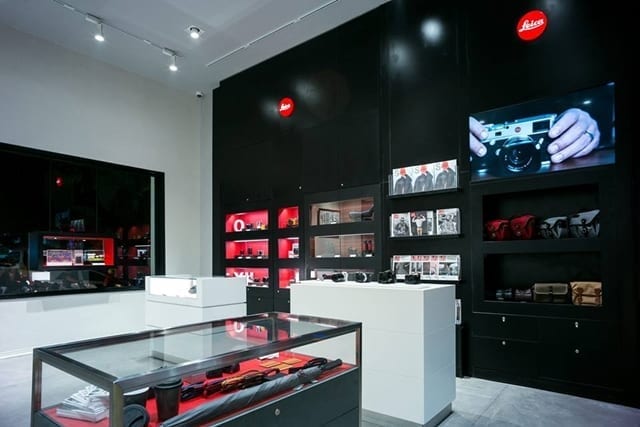
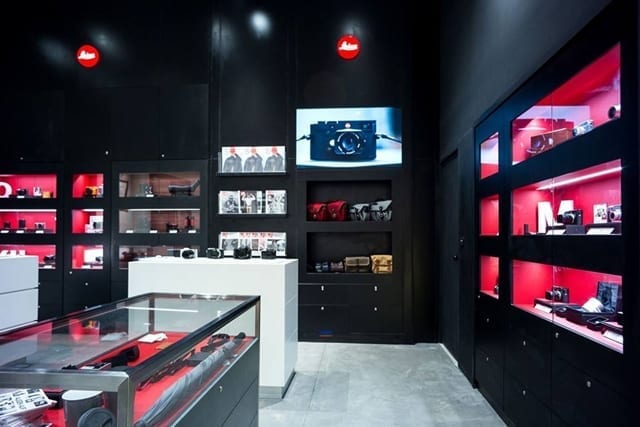
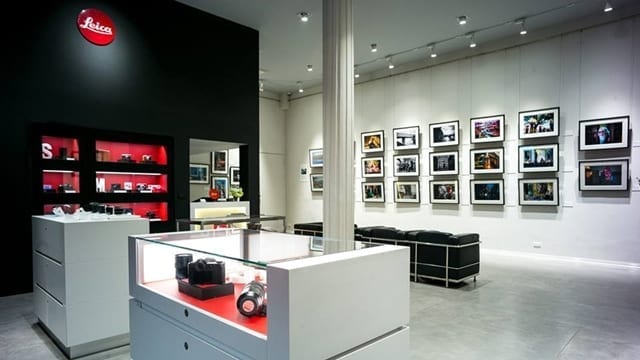
    Leica Vietnam has introduced its high-end cameras and sports optics in its first boutique, in Hanoi.

    As well as offering the German brand’s entire range, including its signature Leica Akademie and Leica Galerie, the Leica Boutique also aims to become a community for local photographers where they can share their passion and learn techniques from experts, says Leica Asia Pacific CEO Sunil Kaul.

    Over its first days the store hosted an exhibition, The Beauty of Light, and introduced the latest Leica camera.

    A Ho Chi Minh store will be opened next year.

  • Isobar Launches ‘Augmented Humanity: Isobar Trends Report 2018’

    Isobar Launches ‘Augmented Humanity: Isobar Trends Report 2018’

    Isobar, a leading global digital agency, predicts that 2018 will be the year of Augmented Humanity, a year where technology enhances and scales our most human attributes. In 2018, technological interfaces will become more natural and instinctive, technology will automate repetitive tasks to free up time for creativity and compassion, and artificial intelligence will meet emotional intelligence. This is further detailed in ‘Augmented Humanity, Isobar Trends Report 2018’.

    Isobar’s innovation and strategy experts from around the world have defined five key trends that explore this evolving relationship between humanity and technology and predict a harmonious future. Augmented Humanity explores the ways in which technology enhances and fuels our most human attributes – the ability to recognise and trust each other, to adapt to changing circumstances and the power to deliver true creativity.

    Jean Lin, Isobar’s Global CEO, comments: “Artificial intelligence is great, but humans score on emotional intelligence. The power of being human is in empathy. This cannot be automated or outsourced. Augmented Humanity will use technology to scale everything that is best and most powerful about human interaction.”

    The report argues that we may one day view the era of anonymous, one size fits all transactions as a temporary blip in our evolution, and that as technology advances it will become more human, not less. It will return us to a time where voice will be the primary way we interact with the world, where we will be recognised and rewarded in stores, and where we will buy more directly from trusted suppliers.

    Isobar’s five key trends for 2018 explore this intersection of technology and humanity, magic and the machine, code and conscience:

    1. Body Talk explores the body as an interface, as our eyes and ears replace touching and tapping.
    2. Powered by People tackles the shift from customers to communities as technology turbocharges the sharing economy.
    3. The Economy of Me looks at the power of AI to deliver ever more personalised products, prices and places.
    4. The Ethical Algorithm tackles technology as a force for good; in a world of fake news and algorithm bias is there such a thing as moral code?
    5. The Makers and the Machines explores the extraordinary union of art and technology to create outputs we could never before imagine.


    Within each theme, Isobar unpicks key sub trends and explores how they come to life today, in the future, and what they mean for businesses and brands right now. The report celebrates the importance of emotion at every touchpoint; in this new landscape it will no longer be enough for technologists to ask “how does it work?” – they need to consider human emotion and drivers and ask “how does it feel?”.

  • GreyOrange released GreyMatter for robotics warehouse automation

    GreyOrange released GreyMatter for robotics warehouse automation

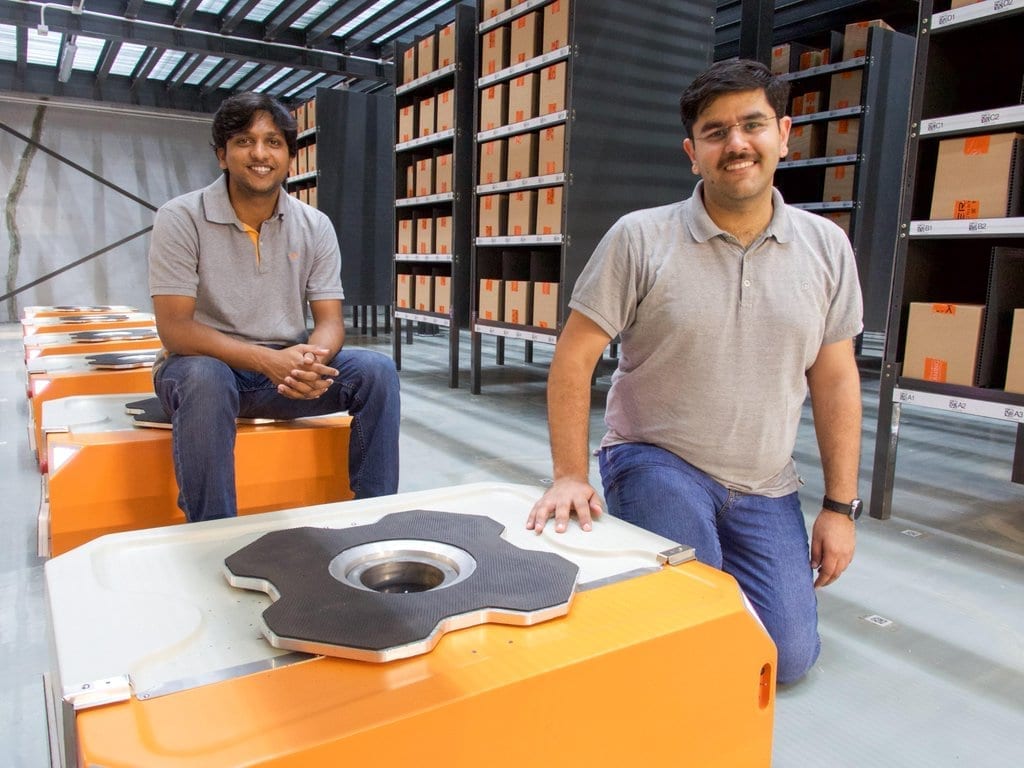
    Leading robotics and automation company, GreyOrange, announced the release of its next-generation software platform, GreyMatterTM, at the launch of the latest warehouse of the Nitori Holdings Group, Japan’s largest furniture and home furnishing chain with over 400 stores. The ButlerTM robotics system from GreyOrange is deployed at the Osaka centre of Home Logistics, a logistics subsidiary of Nitori Holdings which operates 34 distribution bases and a logistics network for product delivery to stores and e-commerce customers across Japan.

    In the Butler system, GreyMatterTM is an end-to-end Intelligent Order Fulfilment software solution from GreyOrange that controls and manages automation in a warehouse via collaboration among devices comprising Butler robots, storage racks, pick-put stations, charging stations, among others. Central to the GreyMatter software is its Artificial Intelligence (AI) which operates at several levels to drive autonomous collaboration to automate warehouse functions and processes.

    Its always-on AI algorithms learns from large amounts of data and identifies patterns quickly to perform in real-time to make super-smart decisions. It adapts to changing inventory profiles and order fulfilment requirements to optimise path planning and navigation of the robots and racks. This enables the team of robots to work together to maximise storage, streamline zoning, improve space utilisation and accelerate order fulfilment. This is particularly important for operations handling same and next day deliveries that require faster efficiency and accuracy, and a higher throughput in a volatile multi-SKU environment. The GreyMatter software is applicable across industries such as Ecommerce, Store Retail and Factory Warehouses.

    Manabu Matsuura, CEO of Home Logistics said, “For a start we stocked over the most popular items capable of fulfilling thousands of online orders a day. The Butler robotics and advanced software collaborate among the devices to take efficiency to new heights. The most number of items are brought from the racks to be picked in the shortest time, which is a very productive process. Over time as the system is continuously learning about our products, we expect to see increasingly higher levels of efficiency. Our staff appreciate working with these new processes as it is easy and they are seeing good results in their output. ”

    Nalin Advani, CEO – APAC, GreyOrange commented, “GreyOrange and GROUND Inc. our distributor in Japan, are honoured to work with the Nitori Group to deploy our Butler robotics solution and launch our next-generation Artificial Intelligence, GreyMatter, at the Home Logistics centre. E-commerce growth in Japan is forecasted to grow to US$200 billion within the next three years, and will accelerate annually in the lead up to the 2020 Olympics in Tokyo. We are excited to play our part in this exhilarating journey.”

    He added, “On top of Nitori’s industry-leading warehouse operations, we worked together to layer the AI-powered software to create a revolutionary process for order fulfilment. Within the AI of GreyMatter, the Industry Engine we have designed for E-Commerce provides control at even more granular levels than before.  Using machine learning and analytics, it is able to predict product popularity and seasonal trends, and more, to magnify the efficiencies for real-time order management.”

  • Apple’s Tim Cook says developers have earned $17 bln from China App Store

    Apple’s Tim Cook says developers have earned $17 bln from China App Store

    Apple Inc’s chief executive Tim Cook said developers using its platform in China number 1.8 million and have earned a total 112 billion yuan ($16.93 billion), representing roughly a quarter of total global App Store earnings.

    Cook shared the data on Sunday during a speech at China’s top public cyber policy forum, organised by the Cybersecurity Administration of China (CAC), which oversees internet regulation including censorship.

    Earlier this year, Apple said that developers had earned roughly $70 billion in total revenue through the store.

    Apple is facing criticism from local users and rights groups for bowing to pressure from Beijing cyber regulators after it decided to remove hundreds of apps from its Chinese store this year, including messaging apps and virtual private network (VPN) services, which help users subvert China’s Great Firewall.

    Apple counts China as its third-largest region by sales but it has lost market share in recent years as high-end handsets from local rivals continue to gain traction. The firm is hoping to regain momentum following the release of its iPhone 8 and iPhone X models which shipped in November.

    The U.S. tech giant said earlier it had moved its Chinese cloud data onto the servers of a local partner in the Chinese province of Guizhou.

    Cook has come to China several times this year, including an October visit where he was among executives that met with President Xi Jinping, who also had prepared remarks read at the conference on Sunday.

    Cook’s attendance is conspicuous at the conference, marking the first high-level executive to attend in the event’s four-year history.

    Others included Google chief executive Sundar Pichai, who is also attending the conference for the first time.

  • SUPERNAP International Celebrates Grand Opening of The Most Advanced Data Center In The ASEAN Region

    SUPERNAP International Celebrates Grand Opening of The Most Advanced Data Center In The ASEAN Region

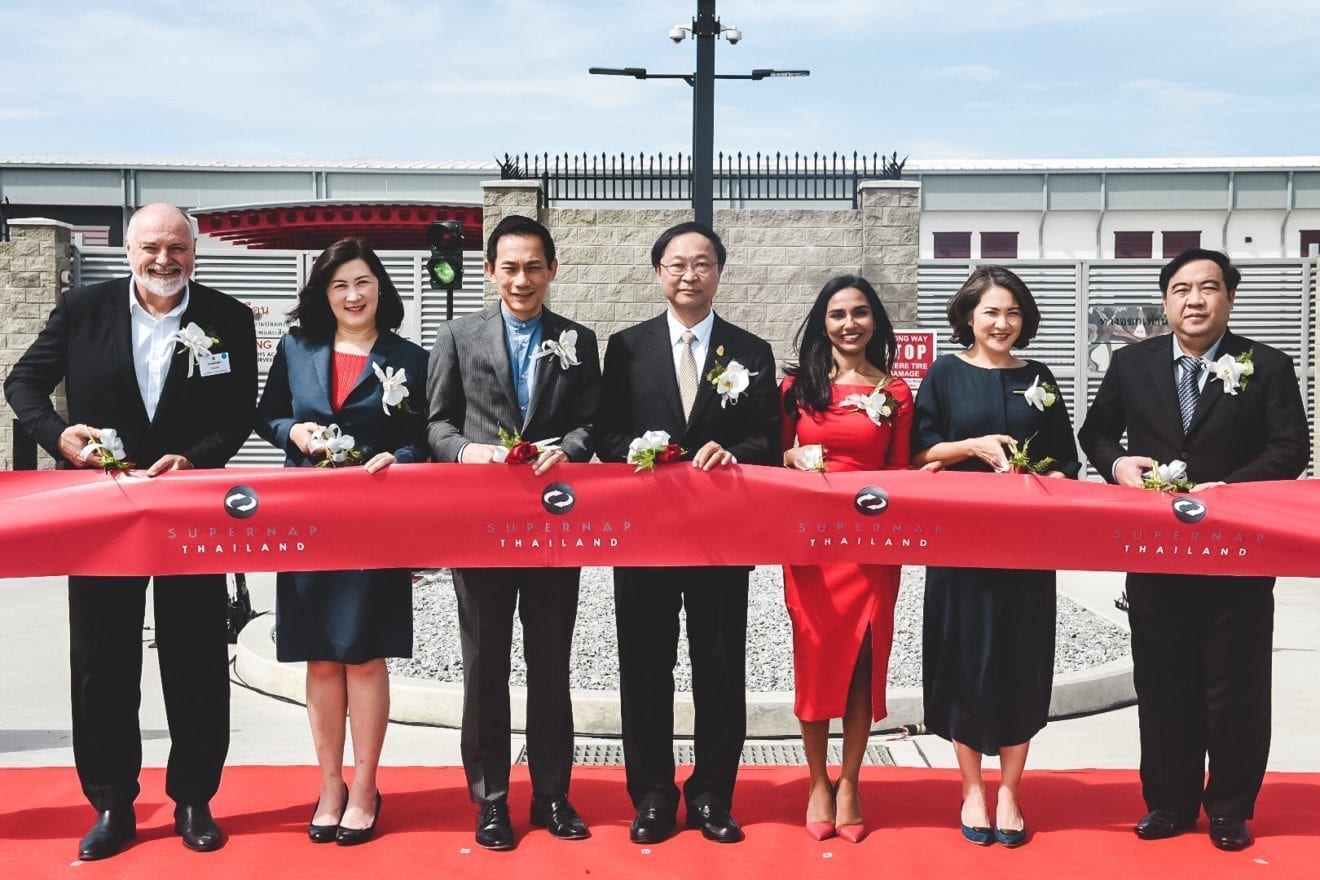
    SUPERNAP Thailand celebrated the grand opening of one of the most advanced data center in ASEAN region, the Bangkok Campus located at the Hemaraj Industrial Estate 2, in Chonburi.  The event was marked with a formal ribbon-cutting ceremony attended by several government dignitaries as well as business and community leaders.

    The SUPERNAP Thailand data center is designed and built to the specifications of the industry-renowned, Tier IV Gold-rated Switch LAS VEGAS multi-tenant/colocation data centers in the United States. Its advanced design and diverse connectivity options are expected to enable clients to respond to rapid market growth and connect to global economies, while helping the Thai government to transform the country into a high-value based digital economy.

    SUPERNAP Thailand Managing Director Sunita Bottse kicked off the ceremony, featuring board members, executives from the government sector and key vendors, by talking about the impact the project will have on the Thailand 4.0 economy.

    “Thailand is moving towards the “Thailand 4.0” era, when industries will rely on digital innovations and online connections,” Sunita Bottse said.   “This new carrier-neutral data center facility, plays an important role in the region as the critical infrastructure that powers the ability of businesses to succeed in the growing Internet of Things, Cloud and Artificial Intelligence markets. Our capability serve the huge scale of the digital world in an efficient and sustainable manner.

    SUPERNAP data center is expected to be a catalyst for attracting more investment to the region and is poised to become the data center hub for Asia Pacific and to accelerate the digital economy growth in the Eastern Economic Corridor (EEC).    

    “Under Thailand 4.0, digital transformation will be instrumental in the realization of this exciting journey. SUPERNAP data center is the digital backbone that will enhance big data and cloud computing that are increasingly essential for the development of EEC and Thailand.”  said Dr. Pichet  Durongkaveroj, Minister of Digital Economy and Society.

    The world-class SUPERNAP Thailand data center is located 110 meters above sea level outside of the flood zone, and 27 kilometers away from the international submarine cable landing station, which links to national and international telecommunication and internet gateway carriers.

    “At SUPERNAP, we have ensured that our data center is up for the challenges as Thailand moves toward being a leader in the digital economy,” said SUPERNAP Senior Sales Engineer Kasem Nincharoen. “The SUPERNAP Thailand growth model is driven by the country’s need for a purpose-built data center facility bringing assured reliability, availability, security, scaleability and disaster risk mitigation supported by the latest proven and industry leading designs.”

    Currently, the SUPERNAP Thailand data center in Chonburi is expected to include:-

    • 21,000 square meters of data center space with two data halls.
    • 20 megawatts of power distribution.
    • Proprietary tri-redundant UPS power system.
    • Up to 33 kilowatts of power per cabinet.
    • Multi-carrier fiber couples with separate paths.
    • Patented Switch SHIELD: dual independent roof 100% penetration –free decks rated to withstand 322 kph winds.
    • 24x7x365 on-site network operations center (NOC), fire, safety and security.
    • On-site, on-net member resources including conference spaces.
  • Gome Retail Holdings satisfying result

    Gome Retail Holdings satisfying result

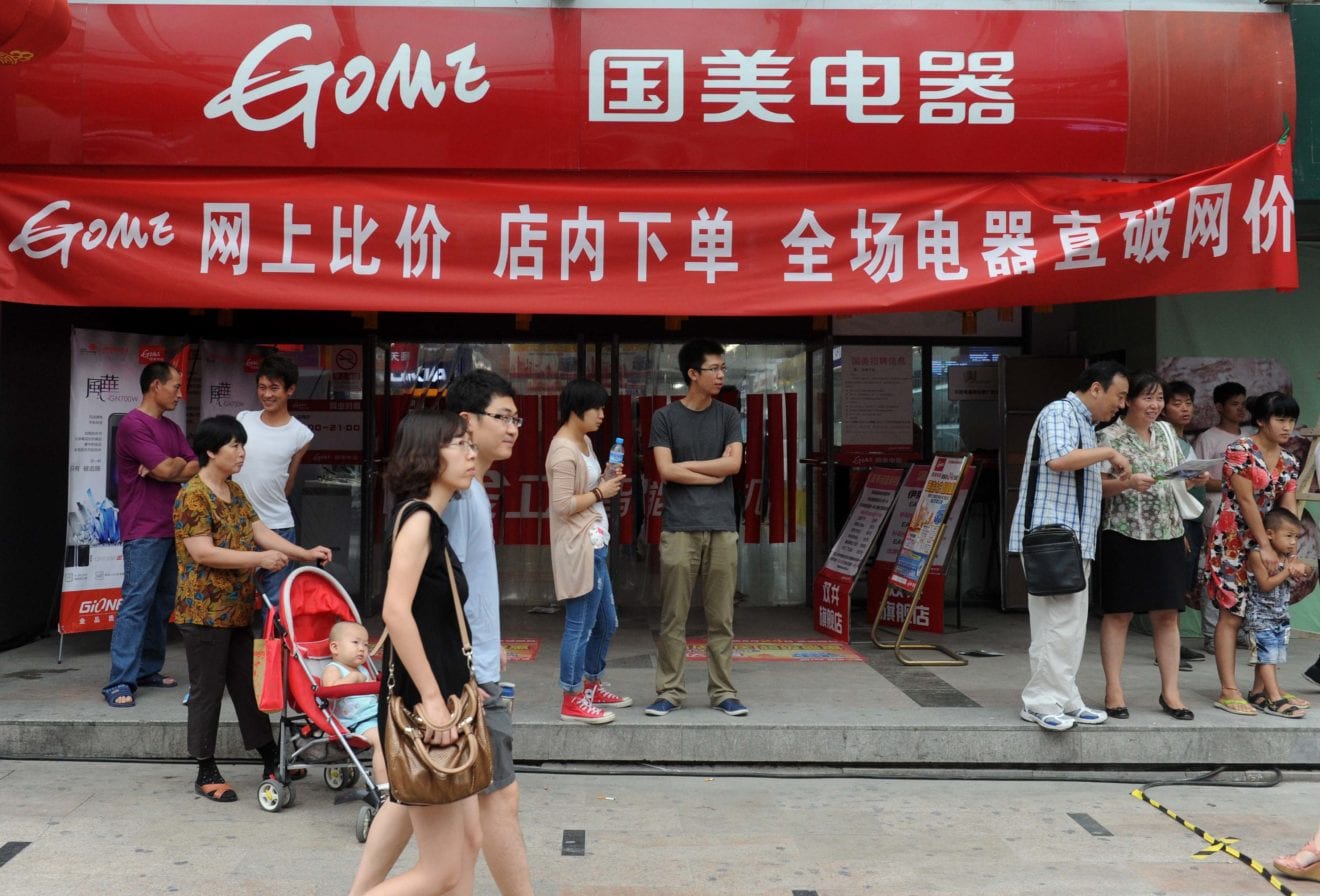
    Both online and offline business showed strong growth for electrical appliance retailer Gome Retail Holdings during the nine months to the end of September.

    Total gross merchandise volume (GMV) of the group for both online and offline grew by 20.04 per cent, while GMV of online e-commerce business grew by 58.13 per cent.

    Sales revenue was about RMB57.4 billion (US$8.6 billion), up 3.68 per cent on the same period last year.

    Consolidated gross profit margin was about 17.05 per cent, up 1.03 points, while profit attributable to the owners of the parent was about RMB220.1 million, a decrease of 10.71 per cent.

  • Harajuku girls expected to shop at Bic Camera

    Harajuku girls expected to shop at Bic Camera

    Japanese electronics retailer Bic Camera is targeting teenage girls in a new concept store set to open in the quirky Harajuku shopping precinct.

    Harajuku has been renowned globally as a destination for cosplay fans since way before the pastime became mainstream – and it is something of a mecca for teenagers chasing hip fashion labels and indulgent confectionery and beverages.

    Bic Camera has 41 large-format stores in Japan and counts Best Denki in its shareholder ranks. It plans to sell beauty appliances including facial treatment devices and hair dryers along with cosmetics, stationery and funky smartphone cases at the new store.

    The Harajuku shop, to open on Takeshita Street this weekend, will have two floors – one underground – with a footprint of just 330sqm, making it the company’s smallest to date.

    After refining the concept, the company plans similar stores elsewhere in Japan.

  • A bit more work for Apple Korea flagship

    A bit more work for Apple Korea flagship

    Construction work on Apple Korea’s first flagship store in Seoul is set to be completed just before Christmas.

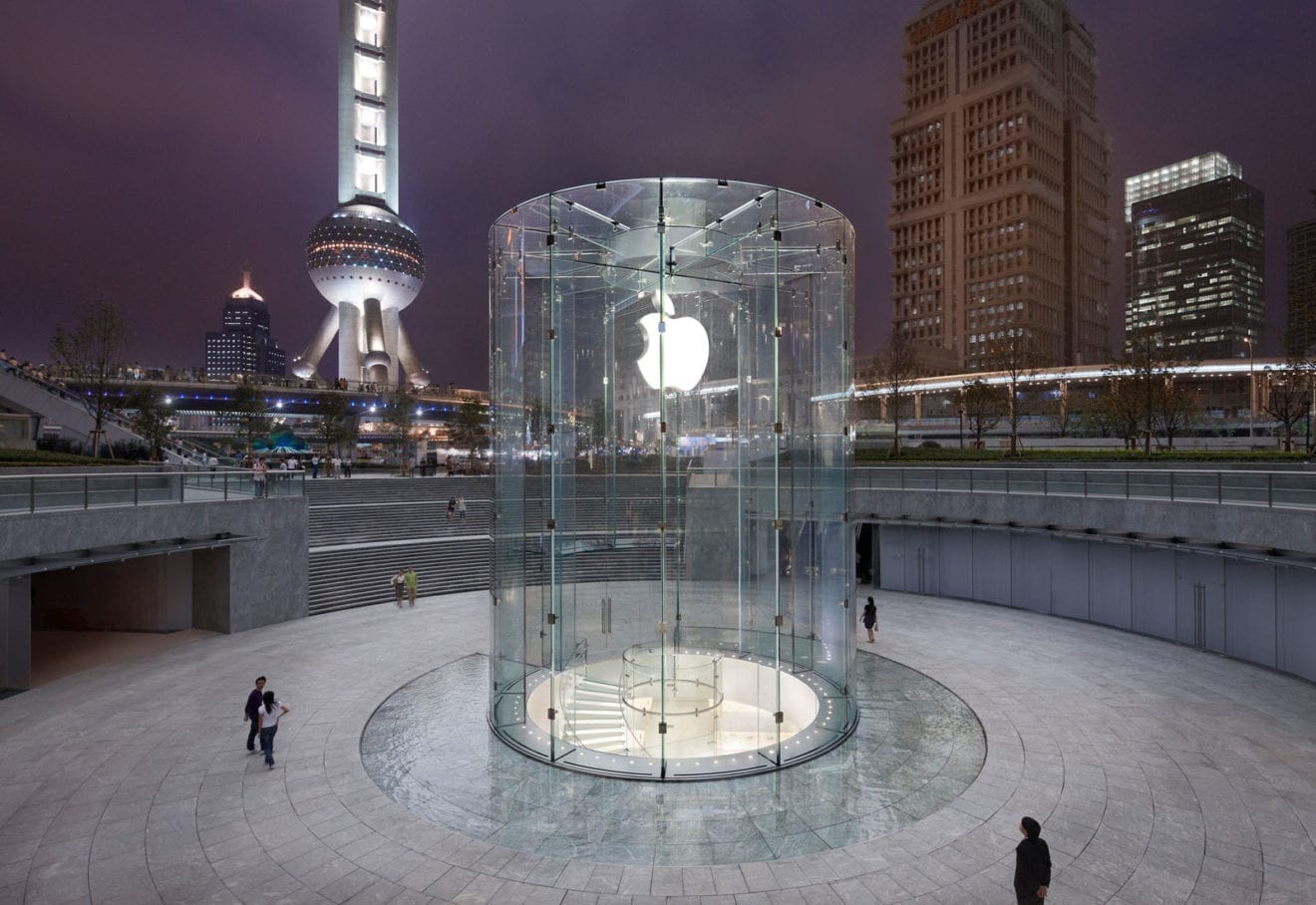
    On a 1300sqm site in fashionable Sinsa-dong, the two-storey Apple Store will feature an exterior glass wall.

    “The construction work that started in August is expected to be completed by December 23,” says a construction agency official, hinting at the opening being possibly early next year. The opening was delayed for about two months after Apple reportedly changed the building design at the last minute. Previously the firm had planned a five-storey building.

    Apple last year signed a contract to use the site until February 2036, paying a lease deposit of KW4.84 billion (US$44 million).

    While the brand has about signature stores in 22 countries, it has delayed opening in South Korea despite launching iPhone sales there in 2009 through telecom carriers and contract retailers.

    Apple’s latest iPhone X, its first OLED smartphone, was released today in Korea with telecom carriers KT and SK Telecom receiving pre-orders a week ago. The first batch of 150,000 phones sold out in less than in five minutes.

  • Kuala Lumpur for the next Xiaomi store in Malaysia

    Kuala Lumpur for the next Xiaomi store in Malaysia

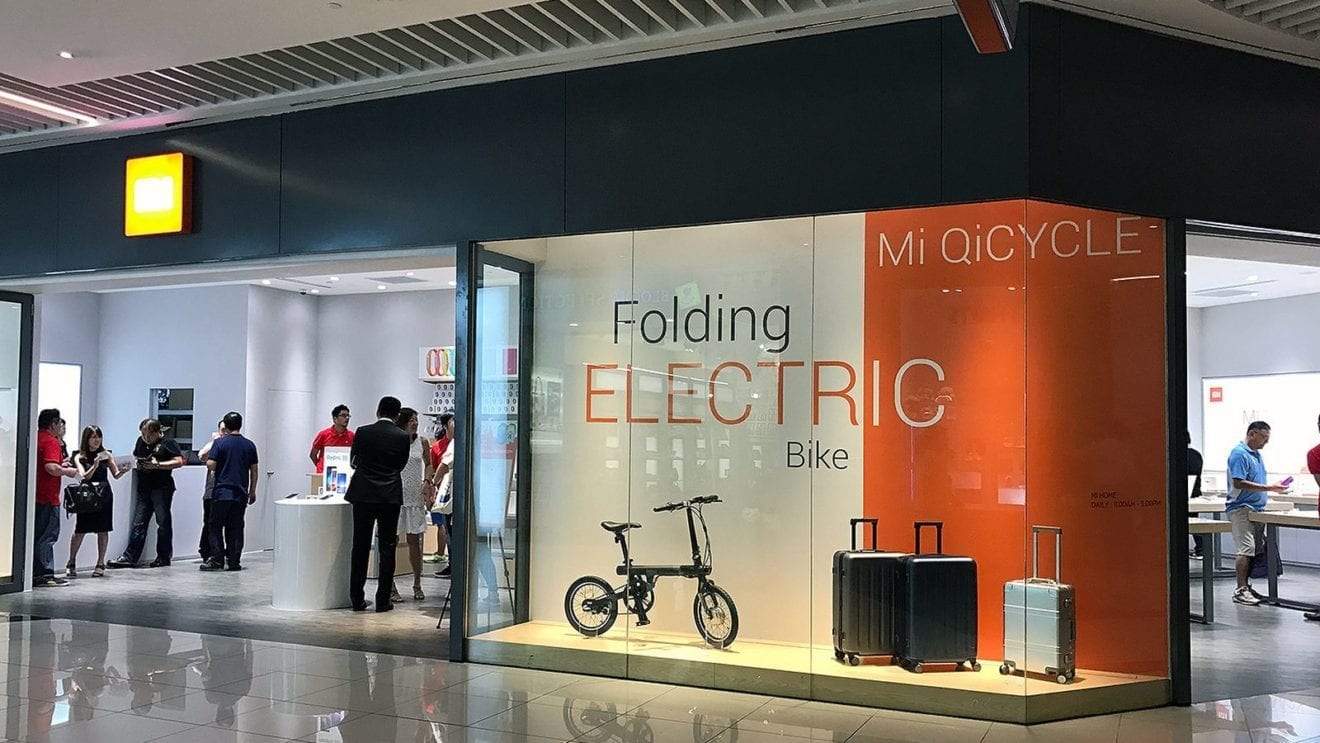
    Xiaomi Malaysia has opened its second retail store, offering Kuala Lumpur shoppers greater access to its Mi Ecosystem products.

    Originally the Chinese electronics company had sold its smartphones and other products exclusively online, but in its home territory has been introducing its Mi Home stores.

    At 940sqft (90sqm), its second authorised Mi Store is smaller than the debut store in Penang.  Xiaomi South Pacific head Steven Shi says the opening of a second store indicates the brand’s “great expectations” for growth in Malaysia.

    Two new smartphone models were released to coincide with the store’s opening, and Shi says Xiaomi will soon expand its Mi Ecosystem of products in Malaysia. These include IoT-ready products such as a smart rice cooker that can be pre-programmed for different recipes, a smart luggage bag than can be unlocked by phone, plus routers, TVs and drones.

    Meanwhile, Xiaomi is expanding across Southeast Asia, and has opened 15 Mi Stores and a factory in Indonesia. Xiaomi also has two Mi Stores in Singapore and one in Thailand. Its network in Malaysia is run by CG Computers.

    Its second concept phone, released with the KL store opening, was designed by Philippe Starck and features a curved ceramic back that that transitions to an aluminium frame. It will be available for pre-order on Saturday through online and offline channels including Lazada and authorised Mi Stores.

    Also showcased in the new store is the Redmi 5A Prime, the first Xiaomi phone that pairs a selfie light with a 16-megapixel front-facing camera. It has a fingerprint sensor on its back.