Category: Electronics

Retail News Asia is committed to providing both local and global retailers with the latest Electronics news throughout the Asian market. This on a daily base.

  • Hermes pop-up on WeChat introduces smartwatch

    Hermes pop-up on WeChat introduces smartwatch

    A Hermes pop-up store, its first on WeChat, features a 13-second promotional video for its new Eperon d’Or Hermes x Apple smartwatch.

    The French luxury brand is offering six options of wristband, each based on a classic Hermes scarf pattern.

    When clicking on “read more” at the bottom of the post, readers are taken directly to Hermes’ watch collection page which offers a detailed view of six models. The prices range from RMB8988 (US$1354) to RMB10,988.

    Buyers need to register an account on the site to track the order, and use WeChat Pay to complete deals.

    The pop-up ends on November 5.

    Meanwhile, Hermes sales in Asia Pacific, excluding Japan, have grown by 14.3 per cent year on year. Its WeChat experiment indicates the brand has taken a significant step toward digital marketing, reports CIF News.

    CEO Axel Dumas says Hermes has excellent sales track records in China, and has expanded from major cities, gradually developing in  growing centres such as Chengdu and Hangzhou.

  • JB Hi-Fi sales slow as New Zealand turnaround begins

    JB Hi-Fi sales slow as New Zealand turnaround begins

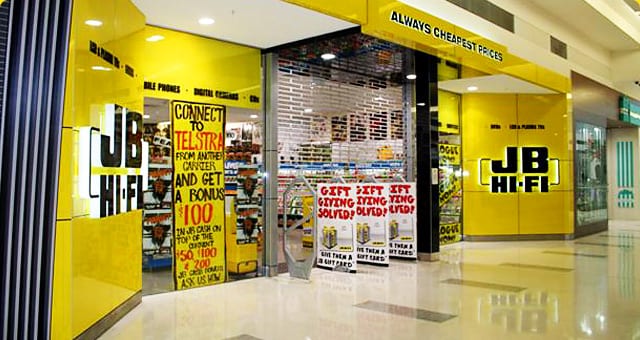
    JB Hi-Fi has recorded significantly lower sales on the prior corresponding period (pcp) in the first weeks of FY18 trading, outlining an expectation that the market will remain competitive heading into the Christmas trading period.

    In a trading update delivered at its Annual General Meeting on Thursday, JB Hi-Fi advised that year-to-date sales growth to October 22 was 6.2 per cent, down from 14.3 per cent in the pcp.

    Comparable sales growth for JB Hi-Fi was 3.2 per cent, down from 10 per cent in the pcp, while The Good Guys booked 3.1 per cent total sales growth and 2.4 per cent comparable sales growth.

    Sales moderated in September and October due to changes in the timing of “key product releases” from last year, which the company said had elevated sales growth in the pcp.

    “[We] expect the market to remain competitive as retailers drive for market share in the lead up to the key Christmas period,” the company said on Thursday.

    “In JB Hi-Fi and The Good Guys, we believe we have to unique and relevant brands, particularly in the eyes of our customers … we are confident we will maintain our market leading competitive position.”

    JB Hi-Fi Group CEO Richard Murray told investors at the AGM that since Terry Smart had been appointed as managing director of The Good Guys in April a variety of positive changes had been made to the business.

    This has reflected in TGG’s year-to-date trading, which is well up on the 1.3 per cent decline in comparable sales that JB Group booked for the business between November 2016 and June 2017.

    Murray reiterated his confidence in JB’s prospects against incoming competitors like Amazon, saying the strategy that’s been adopted to deal with the changing retail landscape has been extensively researched.

    “We have engaged and researched internationally and have challenged our current and future strategies, particularly as they relate to new competitors,” Murray said.

    “From price intelligence and benchmarking, delivery and fulfilment capability, digital infrastructure to customer experience, we have undertaken detailed analysis and planning and are confident in our go to market plans.”

    Murray also signalled that the first stages on his turnaround of NZ operations, which he called out at the full-year result in August, are underway, with the launch of a new e-commerce website.

  • New iPhone brings face recognition to the masses

    New iPhone brings face recognition to the masses

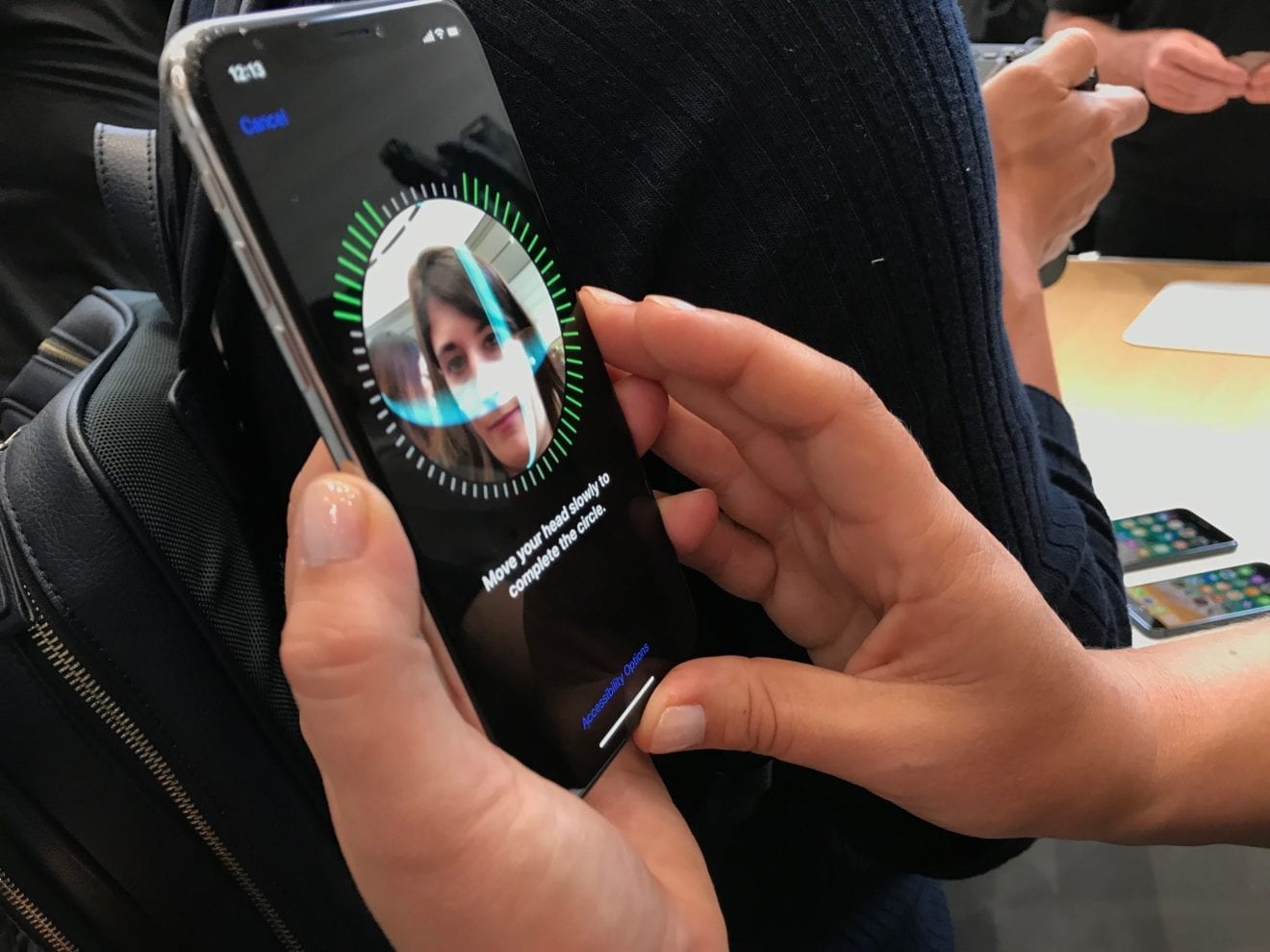
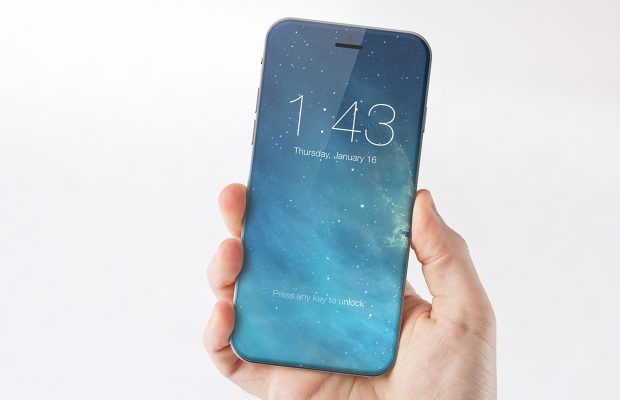
    While other devices have offered facial recognition, Apple is the first to pack the technology allowing for a three-dimensional scan into a hand-held phone. Apple will let you unlock the iPhone X with your face — a move likely to bring facial recognition to the masses, along with concerns over how the technology may be used for nefarious purposes.

    Apple’s newest device, set to go on sale November 3, is designed to be unlocked with a facial scan with a number of privacy safeguards — as the data will only be stored on the phone and not in any databases.

    Unlocking one’s phone with a face scan may offer added convenience and security for iPhone users, according to Apple, which claims its “neural engine” for FaceID cannot be tricked by a photo or hacker.

    While other devices have offered facial recognition, Apple is the first to pack the technology allowing for a three-dimensional scan into a hand-held phone.

    But despite Apple’s safeguards, privacy activists fear the widespread use of facial recognition would “normalize” the technology and open the door to broader use by law enforcement, marketers or others of a largely unregulated tool.

    “Apple has done a number of things well for privacy but it’s not always going to be about the iPhone X,” said Jay Stanley, a policy analyst with the American Civil Liberties Union.

    “There are real reasons to worry that facial recognition will work its way into our culture and become a surveillance technology that is abused.”

    A study last year by Georgetown University researchers found nearly half of all Americans in a law enforcement database that includes facial recognition, without their consent.

    Civil liberties groups have sued over the FBI’s use of its “next generation” biometric database, which includes facial profiles, claiming it has a high error rate and the potential for tracking innocent people.

    “We don’t want police officers having a watch list embedded in their body cameras scanning faces on the sidewalk,” said Stanley.

    Clare Garvie — the Georgetown University Law School associate who led the 2016 study on facial recognition databases — agreed that Apple is taking a responsible approach but others might not.

    “My concern is that the public is going to become inured or complacent about this,” Garvie said.

    Advertisers, police, porn stars 

    Widespread use of facial recognition “could make our lives more trackable by advertisers, by law enforcement and maybe someday by private individuals,” she said.

    Garvie said her research found significant errors in law enforcement facial recognition databases, opening up the possibility someone could be wrongly identified as a criminal suspect.

    Another worry, she said, is that police could track individuals who have committed no crime simply for participating in demonstrations.

    Shanghai and other Chinese cities have recently started deploying facial recognition to catch those who flout the rules of the road, including jaywalkers.

    Facial recognition and related technologies can also be used by retail stores to identify potential shoplifters, and by casinos to pinpoint undesirable gamblers.

    It can even be used to deliver personalized marketing messages — and could have some other potentially unnerving applications.

    Last year, a Russian photographer figured out how to match the faces of porn stars with their social media profiles to “doxx” them, or reveal their true identities.

    This type of use “can create huge problems,” said Garvie. “We have to consider the worst possible uses of the technology.”

    Apple’s system uses 30,000 infrared dots to create a digital image which is stored in a “secure enclave,” according to a white paper issued by the company on its security. It said the chances of a “random” person being able to unlock the device are one in a million, compared with one in 50,000 for its TouchID.

    Legal battle brewing 

    Apple’s FaceID is likely to touch off fresh legal battles about whether police can require someone to unlock a device.

    FaceID “brings the company deeper into a legal debate” that stemmed from the introduction of fingerprint identification on smartphones, according to ACLU staff attorney Brett Max Kaufman.

    Kaufman says in a blog post that courts will be grappling with the constitutional guarantees against unreasonable searches and self-incrimination if a suspect is forced to unlock a device.

    U.S. courts have generally ruled that it would violate a user’s rights to give up a passcode because it is “testimonial” — but that situation becomes murkier when biometrics are applied.

    Apple appears to have anticipated this situation by allowing a user to press two buttons for two seconds to require a passcode, but Garvie said court battles over compelling the use of FaceID are likely.

    Regardless of these concerns, Apple’s introduction is likely to bring about widespread use of facial recognition technology.

    “What Apple is doing here will popularize and get people more comfortable with the technology,” said Patrick Moorhead, principal analyst at Moor Insights & Strategy, who follows the sector.

    “If I look at Apple’s track record of making things easy for consumers, I’m optimistic users are going to like this.”

    Garvie added it is important to have conversations about facial recognition because there is little regulation governing the use of the technology.

    “The technology may well be inevitable,” she said.

    “It is going to become part of everyone’s lives if it isn’t already.”

  • Apple reduced Face ID accuracy to ease production

    Apple reduced Face ID accuracy to ease production

    The Face ID system  uses a mathematical model of users’ faces to allow them to sign on to their phones or pay for goods.

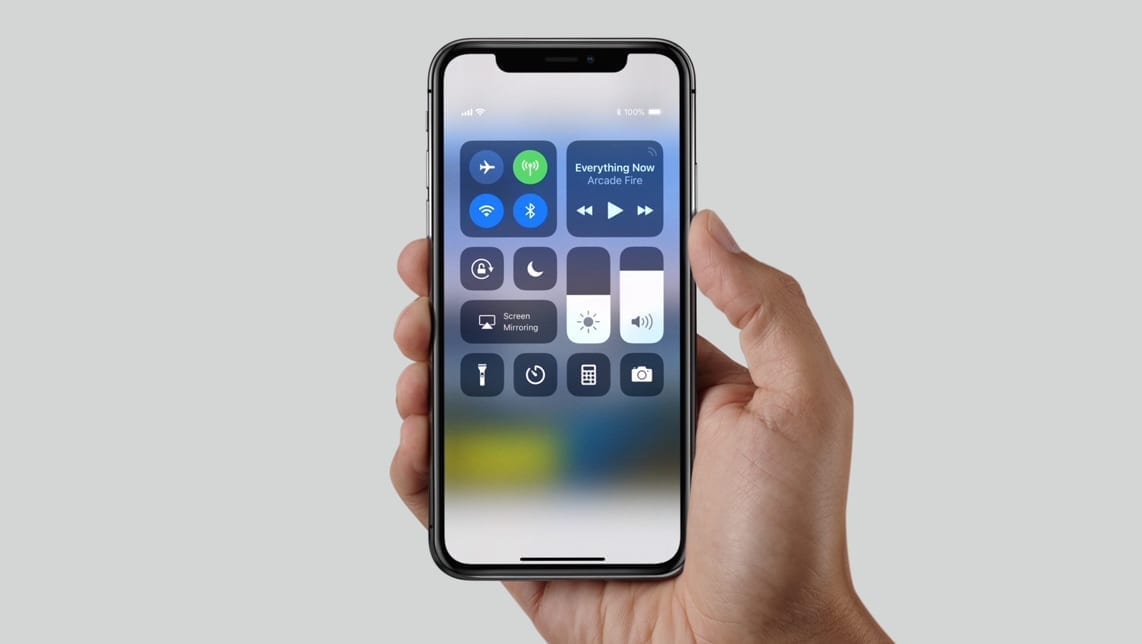
    Apple Inc recently allowed its suppliers to reduce the accuracy of the iPhone X’s facial recognition system to speed up production of the smartphone, citing people familiar with the situation.

    The Face ID system – among the $999 iPhone X’s most talked about features – uses a mathematical model of users’ faces to allow them to sign on to their phones or pay for goods with a steady glance at their phones.

    Apple could not immediately be reached for comment outside regular business hours.

    Apple has been facing a slew of issues with its latest set of phones that it launched on Sept. 12, with the iPhone 8 and 8 Plus facing muted demand, and news and analyst reports suggesting reduced shipment plans for the iPhone X.

    The iPhone X is set to be released on Nov. 3.

  • MSY Technology fined for misleading warranties

    MSY Technology fined for misleading warranties

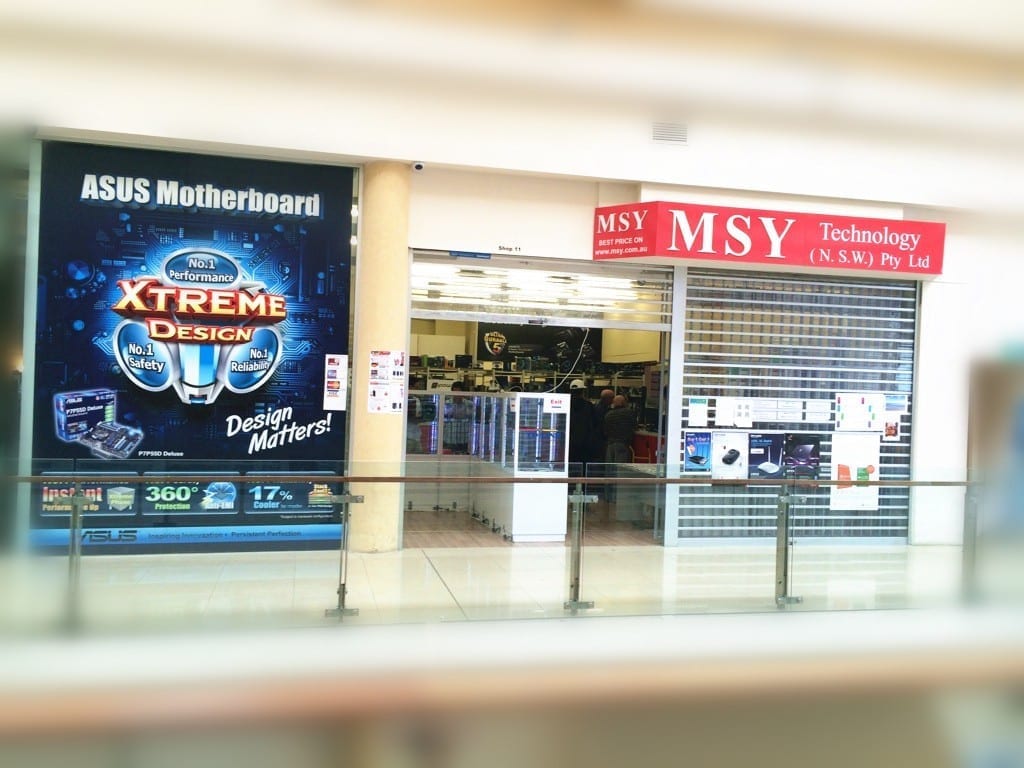
    Consumer electronics retailer, MSY Technology, has been fined $750,000 for misleading warranties.

    The Federal Court has penalised MSY Technology Pty Ltd, MSY Group Pty Ltd, and M.S.Y. Technology (NSW) Pty Ltd (MSY Technology) a total of $750,000 for misrepresenting consumers’ rights to remedies for faulty products.

    The Australian Competition and Consumer Commission (ACCC) took the electronics retailer to court late last year claiming MSY breached the Australian Consumer Law by misrepresenting consumers’ rights to repairs, replacements or refunds when they purchased faulty products.

    “Businesses much ensure their refund and returns policies, and any representations accurately reflect their obligations under consumer law,” said ACCC deputy chair Delia Rickard.

    MSY Technology, which operates 28 retail stores across Australia and online, selling computers, computer parts, accessories and software, admitted that it made false or misleading representations on the MSY website, and in oral and e-mail communications to consumers about their rights.

    “These proceedings and the penalties imposed signal to businesses that the ACCC will not hesitate to take appropriate enforcement action where it identifies misleading representations about consumers’ rights,” Rickard said.

    “This is the second time the ACCC has taken action against MSY entities. The court imposed penalties in 2011 for misleading consumer warranty representations.”

    The Federal Court also made other orders by consent including injunctions, a comprehensive ACL compliance training program, publication orders, and payment of $50,000 towards the ACCC’s costs.

    Following the commencement of proceedings, the ACCC announced MSY Technology made admissions and agreed to joint submissions on liability and relief (including penalty) that were filed with the Court.

  • Foodpanda brand overhaul follows acquisition

    Foodpanda brand overhaul follows acquisition

    A Foodpanda brand overhaul has been launched following its acquisition by tech giant Delivery Hero last December.

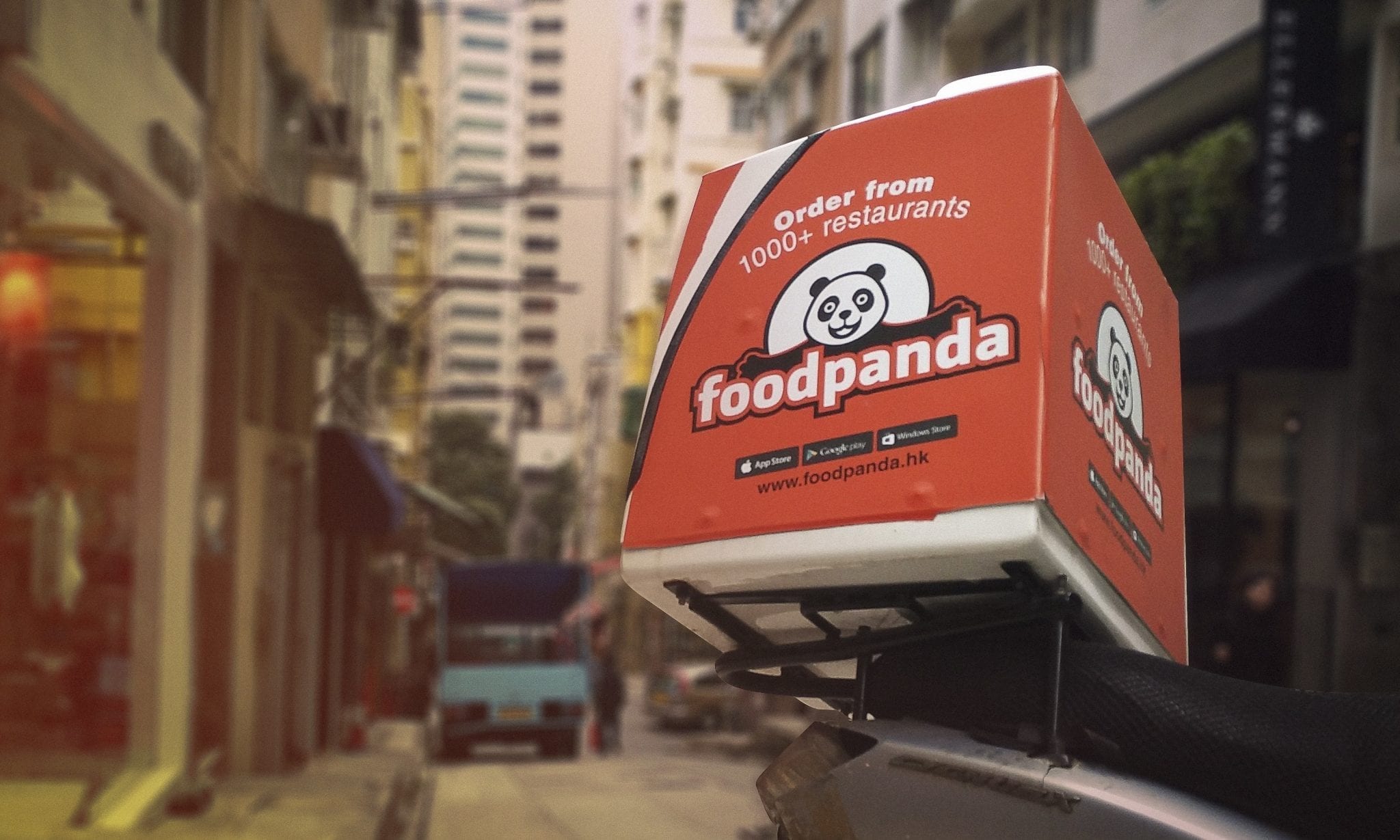
    While the iconic panda is still part of the food delivery company’s logo, it has been tweaked to have a round face, while the brand colour has been changed from orange to pink with a slimmer more contemporary font.

    According to the company, the new logo aims to be more memorable.

    “Pink will be a strong differentiator for Foodpanda to stand out in markets in which orange is used extensively throughout the city,” says head of marketing Laura Kantor. Also, pink is the signature colour of its sister company Foodora.

    The rebranding will roll out in 190 cities across 12 countries, including Hong Kong, Malaysia, Singapore, Taiwan, Thailand and the Philippines.

    Along with the change in brand identity, Foodpanda has introduced an upgraded app and front end that introduces live tracking for orders.

    While declining to reveal the cost of the rebrand, Kantor says it has been a “mammoth task” to convert all its brand assets. It had to work on its app, website and other digital platforms, before moving on to more than 1500 restaurant partners in Singapore alone to replace all its collateral.

    Foodpanda also had to change out uniforms and delivery bags for its 3000-strong rider fleet, and also changed everything from orange to pink, including the walls, at its Singapore headquarters.

    Meanwhile, the company is working with restaurants to create celebratory dishes that will be available exclusively on Foodpanda for two weeks.

  • Vivo smartphones arrive in Hong Kong

    Vivo smartphones arrive in Hong Kong

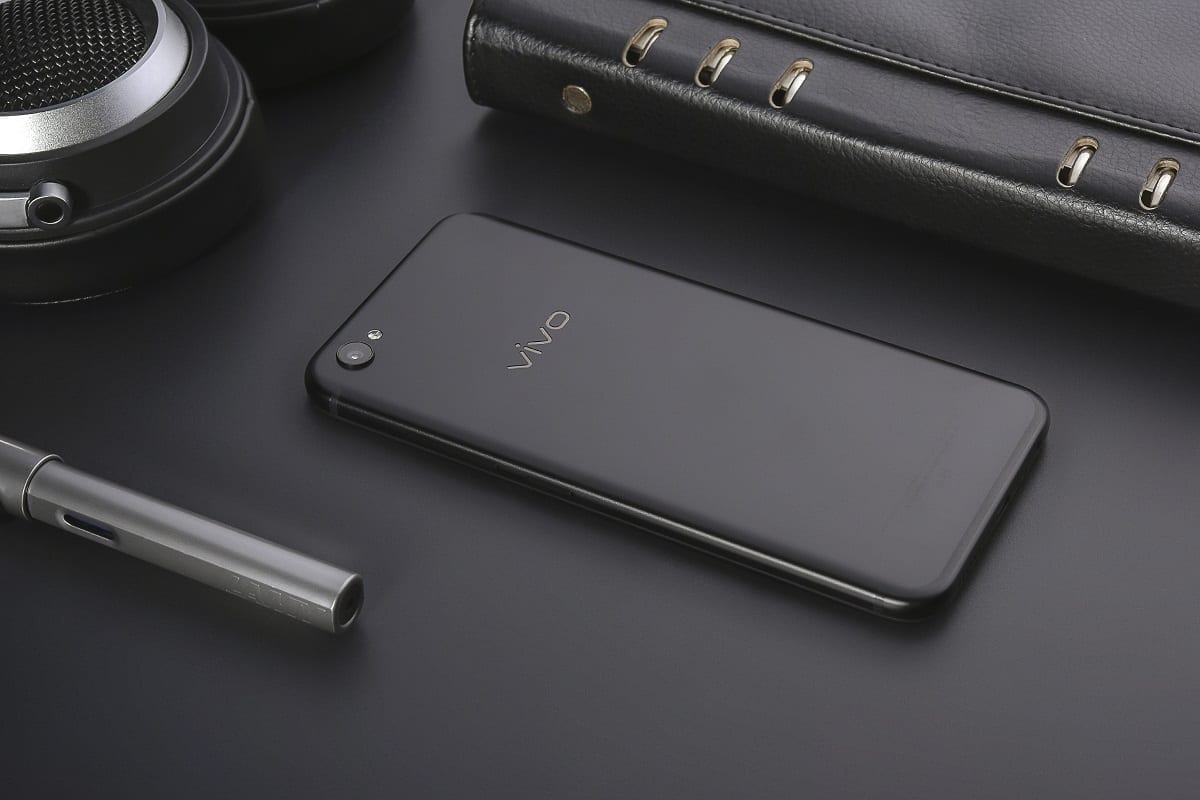
    Chinese smartphone brand Vivo has entered the Hong Kong market with the launch of its latest model, the X20.

    It will soon also take its products to Taiwan, Singapore and Russia, followed by a push into Africa early next year.

    With sharp growth in the past year, Chinese smartphone brands now hold a record 48 per cent of global share, says technology research company Counterpoint. Vivio’s V7+ is already attracting strong sales in India, Thailand, the Philippines, Myanmar, Malaysia, Indonesia, Pakistan, Cambodia and Bangladesh.

    “Since our first entry into the international markets in 2014, we have been dedicated to understanding the needs of consumers through in-depth research,” says Vivo senior VP Alex Feng.

    US research company Gartner says Vivo ranked fifth in global smartphone sales for the second quarter of this year in terms of volume, with 6.6 per cent  market share.

    Founded in 2009, Vivo is known for its innovative phone cameras and was the first brand to launch a smartphone with a dedicated Hi-Fi chip. It is the official sponsor of the 2018 FIFA World Cup.

  • DJI Arena about to take off in Japan

    DJI Arena about to take off in Japan

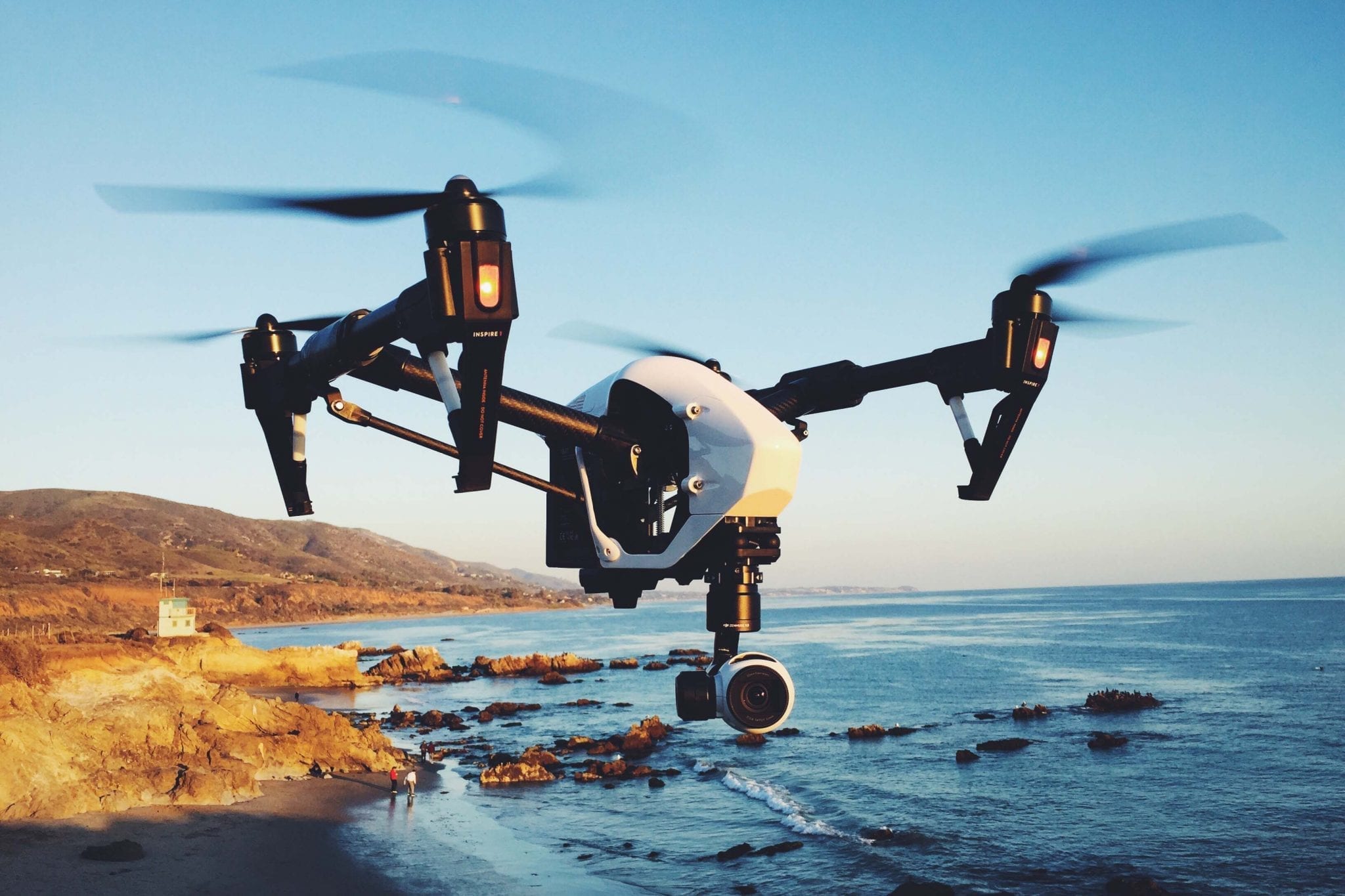
    DJI Arena by JDrone Tokyo will launch on Saturday, introducing the Chinese retailer of civilian drones and aerial imaging technology.

    It is not only a store, but also offers technical support and even a flying area in its 535sqm arena, to be managed by authorised dealer Japan Circuit in partnership with DJI Japan.

    For customers who want to test their skills, the flying area has safety nets and an adjustable circuit, while the retail space will showcase DJI’s full range of consumer, professional and enterprise products.

    “As interest around our aerial technology continues to grow, the DJI Arena concept is a new way for us to engage not just hobbyists but also those considering this technology for their work,” says DJI director of brand management and operations Moon Tae-Hyun.

    “Having the opportunity to use the remote controller and try out the technology first hand can enrich the customer experience. When people understand how it works or how easy it is to fly, they will discover what the technology can do for them.”

    As well as individual and group bookings, the DJI Arena will be available for corporate events, serve as a venue for DJI’s New Pilot Experience Program and host workshops.

    Since opening last year, DJI’s first arena, in Yongin, South Korea, has been attracting hobbyists and drone enthusiasts from around the world.

    The Tokyo arena is in Katsushika-ku, Hosoda.

  • Apple slams Qualcomm suit seeking iPhone ban in China

    Apple slams Qualcomm suit seeking iPhone ban in China

    China is a vital Apple manufacturing base and sales market.

    Apple has rejected as “meritless” a legal move by Qualcomm to ban iPhone sales in China, the latest salvo in a bitter patent battle between the two U.S. tech giants.

    Qualcomm had filed a lawsuit in Beijing seeking a ban on the assembly and sale of iPhones in China — a vital Apple manufacturing base and sales market.

    The two California companies are fighting over Apple’s claims that Qualcomm is abusing its market power over certain mobile chipsets in order to demand unfair royalties.

    Apple filed a U.S. lawsuit to that effect in January and has joined efforts in other countries where Qualcomm faces probes from antitrust authorities.

    Qualcomm has countersued Apple for the royalties.

    In response to Qualcomm’s Beijing suit, Apple said in a statement: “This claim is meritless and, like their other courtroom maneuvers, we believe this latest legal effort will fail.”

    It was filed on September 29 in an intellectual-property court, and said the suit was confirmed by a Qualcomm spokeswoman.

    It remains unclear how much chance Qualcomm’s case has in China, where huge numbers of workers are employed in the manufacture of iPhones.

    The Qualcomm patents cover power management and a touch-screen technology called Force Touch that Apple uses in current iPhones, Bloomberg reported, quoting Qualcomm.

    Apple dismissed Qualcomm’s claims.

    “In our many years of ongoing negotiations with Qualcomm, these patents have never been discussed and in fact were only granted in the last few months,” Apple’s statement said.

  • Samsung Electronics expects record $12.8 bn Q3 operating profit

    Samsung Electronics expects record $12.8 bn Q3 operating profit

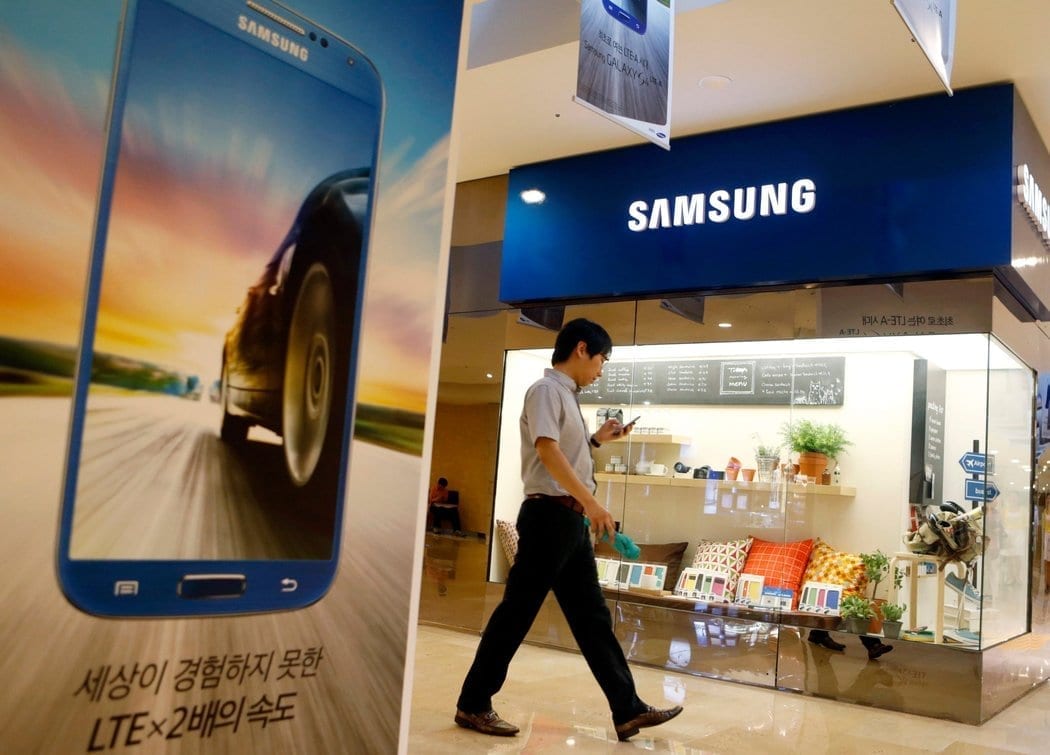
    The company estimated operating profits of $12.8 billion in the July-September period, an all-time record for quarterly profit. Samsung Electronics said Friday it expected profits to hit an all-time record in the third quarter to September as the South Korean IT giant enjoys booming semiconductor sales.

    The company estimated operating profits of 14.5 trillion won ($12.8 billion) in the July-September period, an all-time record for quarterly profit and nearly triple the 5.2 trillion won earned a year earlier.

    Sales are estimated to have surged 29.65 percent on-year to 62 trillion won.

    Samsung did not announce the performance estimates of each business division but its semiconductor business is widely believed to have contributed greatly to the record-beating report.

    The company is set to release its final earnings report later this month.

    Samsung has been seeking to move past a bribery scandal which saw the company’s de-facto head Lee Jae-Yong thrown into jail and overcome a damaging recall last year of its flagship Galaxy Note 7 smartphone over exploding batteries.

    Lee, who was found guilty in August of bribery, perjury and other charges relating to payments made by Samsung to ousted president Park Geun-Hye’s secret confidante Choi Soon-Sil, is appealing his five-year sentence and says he is innocent.

  • China a major challenge for Apple and Samsung

    China a major challenge for Apple and Samsung

    Responses to Apple and Samsung Electronics’ latest flagship releases in the Chinese market have been lukewarm to downright disappointing.

    Domestically, Samsung Electronics’ Galaxy Note 8 has performed like a rock star, alleviating company insiders’ concerns that the Galaxy Note 7 exploding debacle would keep customers away.

    Over the pre-sales period between September 7 through 14, around 850,000 phones were sold, at least 400,000 of which have been activated. The pre-sales amount is more than double that of the Galaxy Note 7, which had sold 400,000.

    As the chief competitor to Apple in the struggle for global smartphone dominance, Samsung needs to do well not just at home but abroad.

    By September 22, the Galaxy Note 8 had been released in over 60 countries  (South Korea, North America and select European countries had releases on September 15). Eventually, Samsung plans to release the smartphone in over 150 countries.

    Fortunately for the South Korean company, early reports that have trickled out to the media indicate that the Galaxy Note 8 has received an overall positive reception in foreign countries.

    “In the North American market, [the Galaxy Note 8] has recorded pre-sales figures two digits higher than what the Galaxy Note 7 achieved,” said a Samsung Electronics official who asked not to be named. “The sales situation in major European markets is good. Overall, the beginning stages of the Galaxy Note 8′s release have been on the positive side,” she added.

    The conspicuous omission among the mentioned countries is China, a market Samsung, with its 3 percent market share (as of the second quarter of this year) cannot afford to disregard. Slated for official release on September 29, pre-sales of the Galaxy Note 8 began on September 13.

    On September 16, Chinese news platform Jinri Toutiao reported that the South Korean smartphone had recorded a paltry 5,700 in pre-sales in two days. In comparison, the iPhone 8, which also began pre-sales on the same date, had sold 1.4 million through the same time period, according to Chinese e-commerce firm JD.com.

    Though some have pointed to the slightly more cumbersome process for pre-sale purchase compared to Apple (Samsung requires a 100 yuan deposit, Apple requires none), the more widely accepted view among market analysts is that the reason for the dismal reaction is based on geopolitics.

    The agreement between the United States and South Korea to install THAAD missile systems as a countermeasure against possible North Korean provocations has deeply strained ties between the East Asian neighbors. With retailer Lotte Mart recently announcing its decision to pull out of China and vast drops in a formerly booming tourism industry propped up by Chinese visitors, September 29 is a date that looms large not just for Samsung, but for South Korea as a country.

    Samsung will in particular want to avoid the kind of official release day that Apple had with its iPhone 8 on September 22. Hong Kong paper Ming Pao reported that the local reaction was lacking in enthusiasm compared to prior releases of earlier iPhone versions.

    At the Hangzhou Apple Store, 30 to 40 security guards laid out steel fences in front of the entrance starting at 6 a.m. in anticipation of long lines. Two hours later, after only two people stood in line, the guards collected the fences and went home.

    Less than optimal numbers showed up at other Apple stores throughout the country. In one Beijing store, four customers showed up throughout the entire day.

    Like Samsung, Apple has not gained the desired response in a market it desperately needs. Unlike Samsung, it cannot use geopolitical tensions as a convenient scapegoat for its problems.

    Speculation on the poor showing has been attributed to the slated release of the iPhone X later on this year and the lack of technological upgrades that justify the high price tag.

    Consumers (not only in China, but worldwide) have been questioning why they would fork over high prices for the iPhone 8 when they can simply wait to purchase a more advanced version in a few months time.

    Meanwhile, the iPhone 8′s headlining feature, the facial recognition system, has not caught on among Chinese consumers, making the phone a hard sell.

    Finally, the emergence of Chinese competitors has relegated both Apple and Samsung to the lower rungs of the Chinese smartphone market.

    An online survey conducted on social media site Weibo asked users a variety of questions about the iPhone. 28 percent selected “Who cares about Apple, Xiaomi, Huawei?” while 18 percent selected “The price is excessive” among the available responses.

    Once regarded as indisputable leaders in the smartphone game, Apple and Samsung’s positions of leadership will depend in part on making inroads into China. Unfortunately for them, China has proved to be a tricky customer thus far.
  • Oppo Mobiles India given nod to open stores

    Oppo Mobiles India given nod to open stores

    Oppo Mobiles India has been granted approval to open single-brand retail stores, meaning the Chinese smartphone maker can now sell directly to consumers in addition to its wholesale business.

    The Foreign Investment Promotion Board announced the approval on its website, and has also approved luxury goods retailer Louis Vuitton’s application to open its own stores in India.

    India allows foreign firms to sell directly to consumers through the “single-brand retail” system, but companies need to source 30 per cent of the products locally. India moved to partially relax those conditions last year, exempting foreign retailers for three years from the 30 per cent local-sourcing rule.

  • Dyson Malaysia opens concept store in KL

    Dyson Malaysia opens concept store in KL

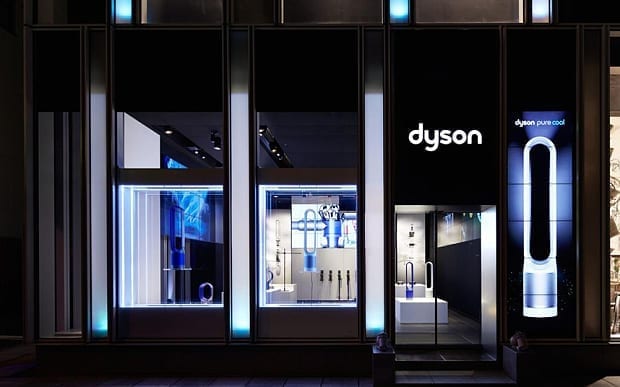
    Dyson Malaysia has opened its first concept store, in The Gardens Mall, Kuala Lumpur. Dyson Demo is also the largest space in Southeast Asia for the British engineering company.

    “We want our visitors to have the chance to be hands-on with our products. They can pick up, test and experience Dyson’s technology,” says Dyson Southeast Asia GM Martyn Davies.

    Three main products feature in the minimalist store – cord-free vacuum cleaners, purifying fans and hairdryers. Davies says Dyson hopes to introduce four new technologies by 2020.

    “We have a development centre in Johor Baru, so there is a high chance Malaysian engineers worked on the technology behind these products, and are working on our upcoming ones,” he says.
    Visitors to the store can try the vacuum cleaners on three different floor surfaces.

    “This space is designed for our clients to pick up the machines, pull them apart and test them on our test track with various dust samples,” says Dyson Electronics head Jim Roovers.

  • Motorola Philippines moves beyond Manila

    Motorola Philippines moves beyond Manila

    Motorola Philippines has opened a Motorola Kiosk in SM Batangas, its first retail venture outside Metro Manila.

    It is its fourth store since Motorola entered the Philippines in October last year, and follows the opening of a kiosk in Cyberzone, Mall of Asia, two months ago.

    Motorola launched with two concept stores, in the Cyberzone area in SM North Edsa Annex and SM Megamall, both run by MemoXpress.

    Lenovo Mobile Business Group Philippines country manager John Rojo says the brand aims to create more consumer engagement through activities and communications.

    All Motorola concept stores carry the full Moto smartphone lineup.

  • Bangkok Apple Store in planning

    Bangkok Apple Store in planning

    Multiple reports from Thailand tip the opening of the first Bangkok Apple Store in 2018.

    The move began as a rumour when recruitment advertisements appeared in the country seeking creative, expert, “genius”, managers, store leaders and business leader roles in what – based on similar advertising in other markets – could only mean a search for qualified staff for an official Apple store. Advertisements also invited applications for the two-year Apple Store Leader Program, according to MacRumors.com.

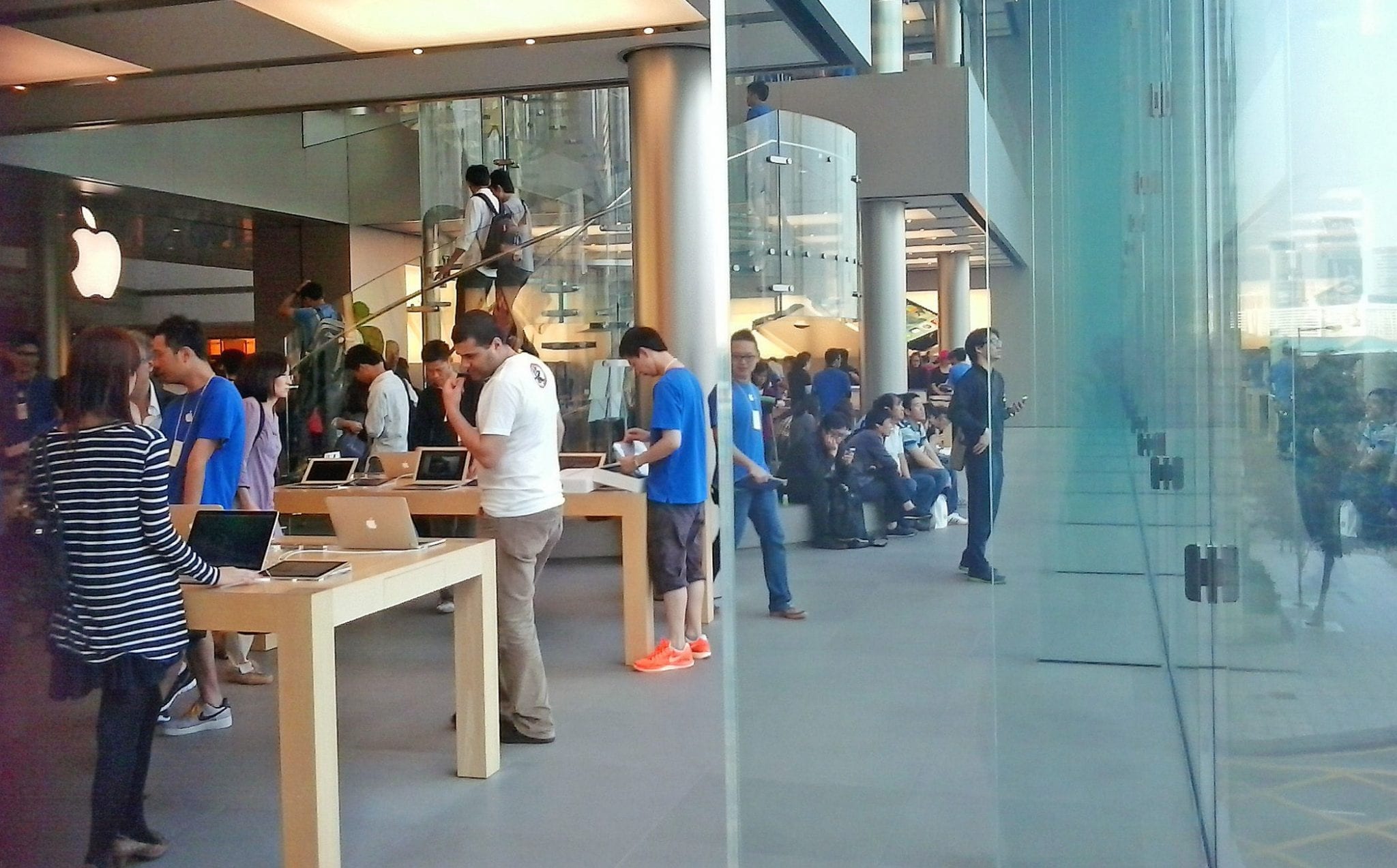
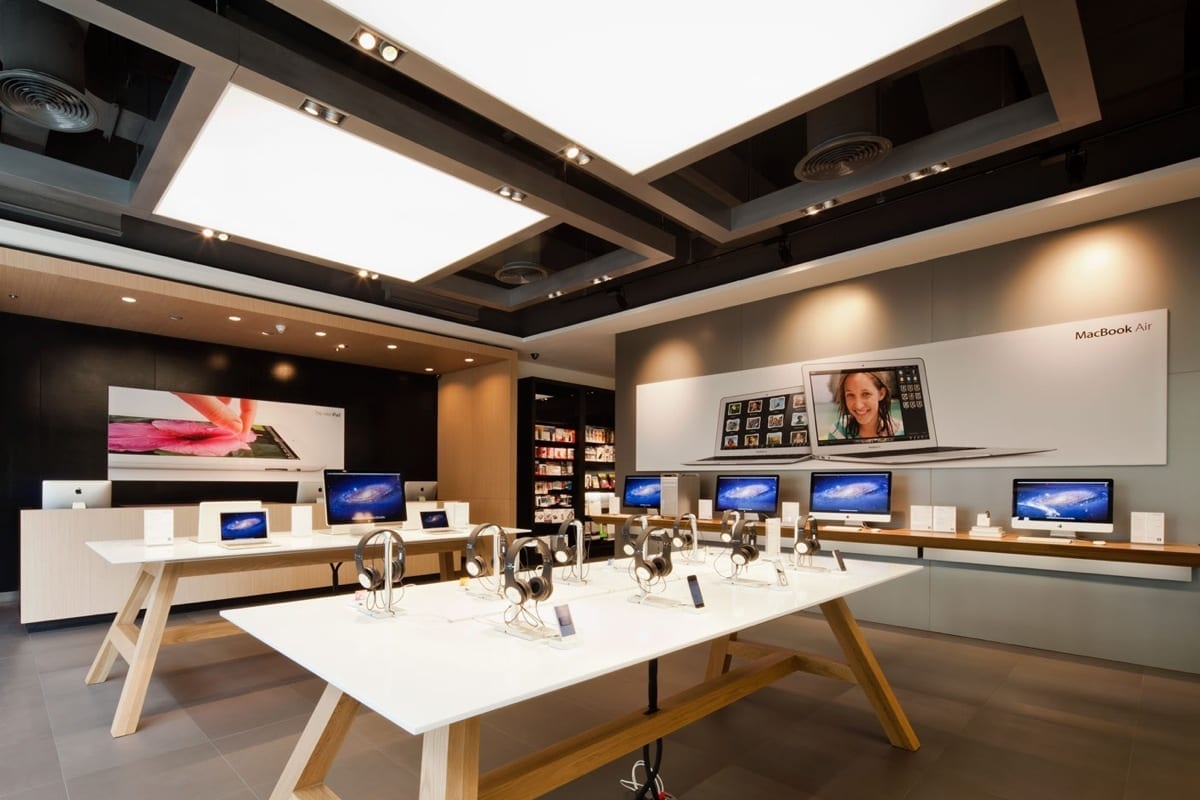
    The ads added credibility to rumours published in Thailand earlier this year which tipped the first Bangkok Apple Store would open at the IconSiam shopping centre, currently being built on the banks of the Chao Phraya River, by Siam Piwat, which also owns the Siam Paragon, Siam Discovery and Siam Center malls in the heart of Bangkok. Of those, only Siam Paragon would seem to have sufficient space to host a flagship Apple store, although it would lack the bold street frontage Apple prefers for its retail outlets. IconSiam will feature a row of two-story brand maisons which, while previously earmarked for luxury European fashion brands, could include a distinctive Apple store with bold frontage, such as that used in Apple’s Orchard Road store in Singapore, (pictured above), or its Hong Kong stores, one of which is built on an overpass spanning two buildings across a busy street.

    Apple is also working on its retail debut in Macau and Seoul in this part of the world, following the successful (but delayed) opening of the Singapore store in May.