Category: Electronics

Retail News Asia is committed to providing both local and global retailers with the latest Electronics news throughout the Asian market. This on a daily base.

  • Vietnamese retailers look to foreign retail markets

    Vietnamese retailers look to foreign retail markets


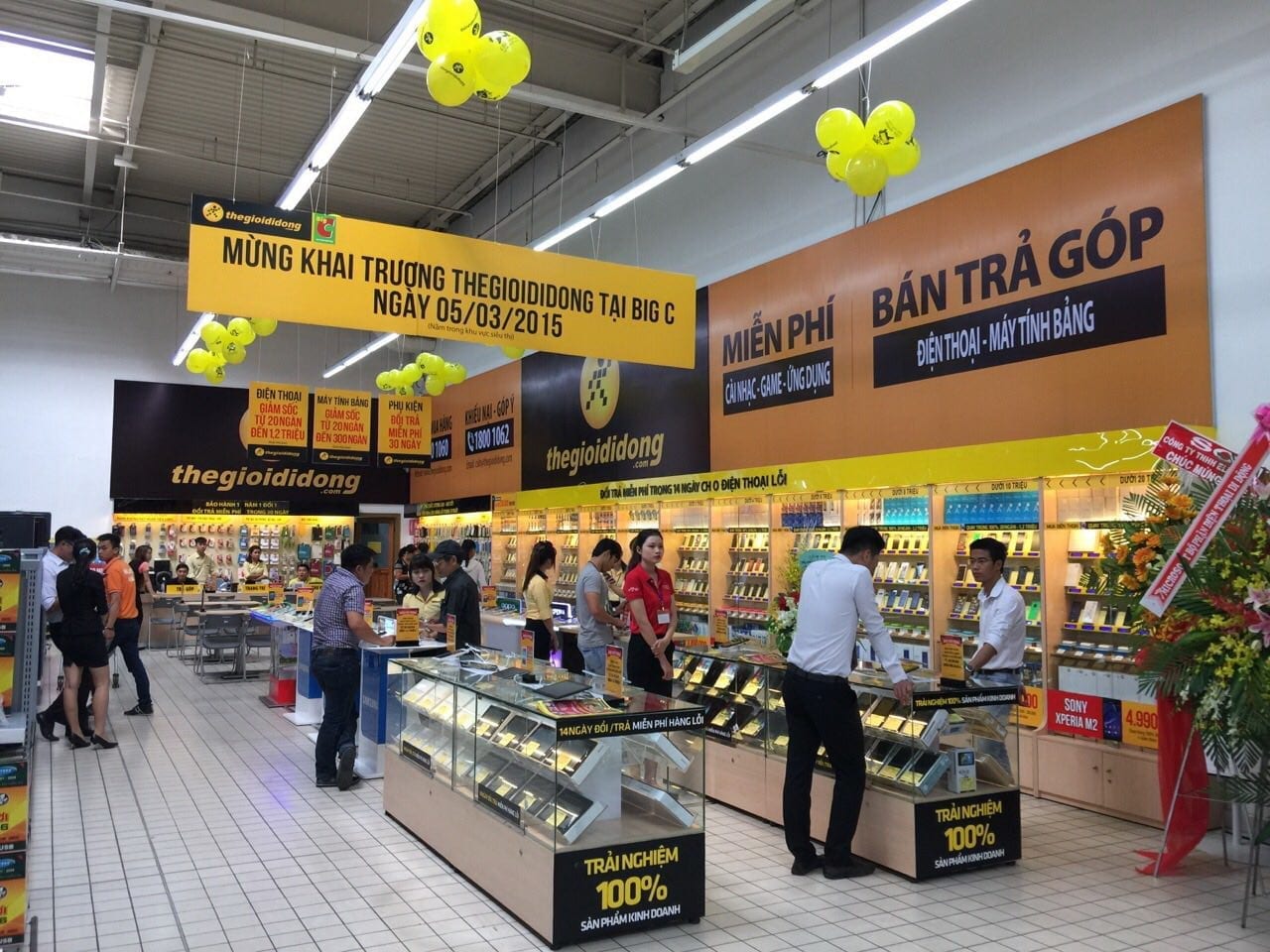
    In late June, The Gioi Di Dong JSC, which owns the largest mobile phone distribution chain in Vietnam, opened its first shop in Phnom Penh, Cambodia. The shop in Cambodia is named BigPhone, but it has a brand identity like The Gioi Di Dong shops in Vietnam.

    The Gioi Di Dong hopes it can earn $100,000 a month from the first shop, and plans to open 10-15 shops in Cambodia this year.

    A senior executive of Pico, a home appliance distribution chain, in early 2016 told the press that the chain was considering penetrating markets like Myanmar, Laos and Cambodia. Of the neighboring markets, Myanmar is the first choice because of favorable conditions of the market: it is easy to find retail premises, and there is less competition.

    Nguyen Ngoc Hoa, when he was chair of Saigon Co-op, affirmed the importance of foreign markets for Saigon Co-op, saying that the retail chain targets Laos and Cambodia for its plan to expand the network.

    “The most important thing in implementing the expansion plan is that Saigon Co-op find reliable partners in doing business overseas,” he said.

    A senior executive of Pico said he can see that there would be both economic and non-economic barriers in the Cambodia and Myanmar markets. He said it would take time to learn about the consumption habits, local culture, the laws and economic factors of the target markets.

    Ho Viet Dong, CEO of The Gioi Di Dong in Cambodia, said though the retail chain has good relations with mobile phone manufacturers, it still faces difficulties in doing business in Cambodia.

    “The mobile phone market here is very complicated,” he said. “Besides, the training of the labor force for long-term business plan also needs consideration.”

    Meanwhile, according to Saigon Co-op’s CEO Nguyen Thanh Nhan, the plan to open a supermarket in Cambodia has been delayed because of the change of the Cambodian partner.


  • Fitbit Hong Kong to roll out vending machines

    Fitbit Hong Kong to roll out vending machines

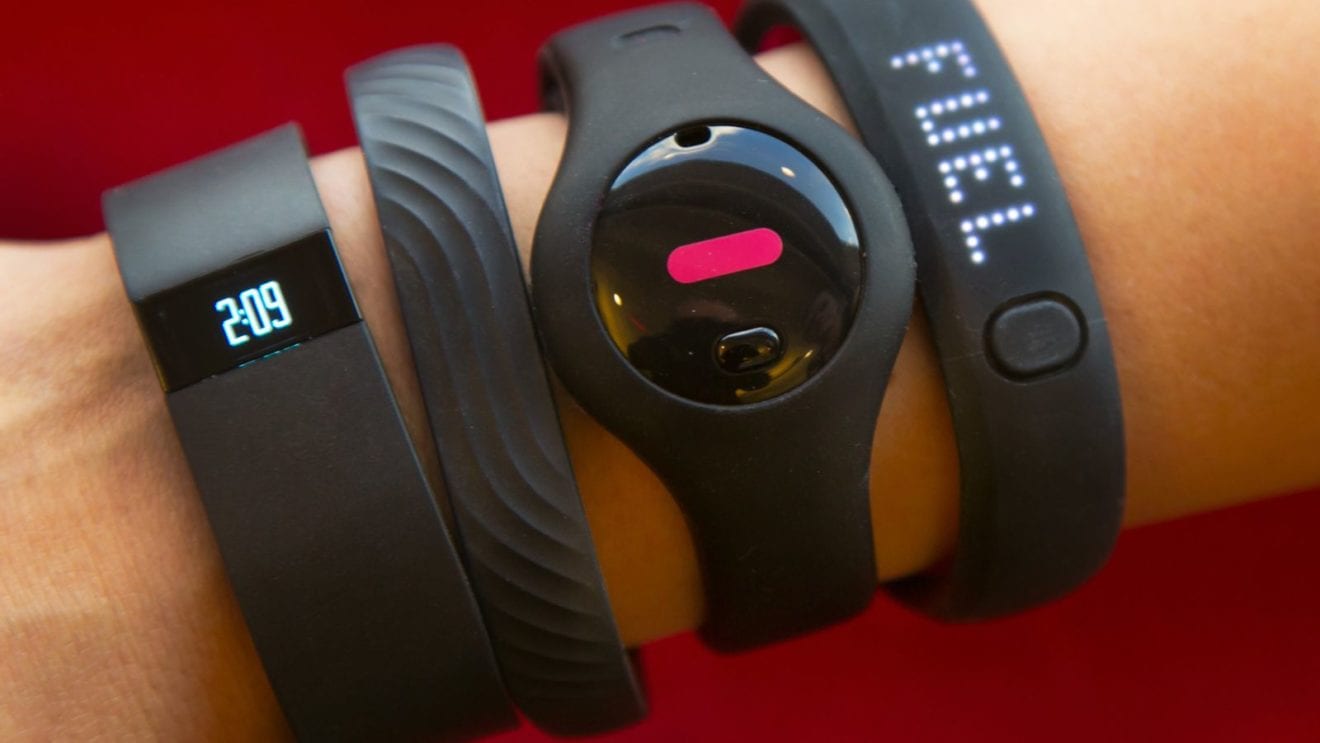
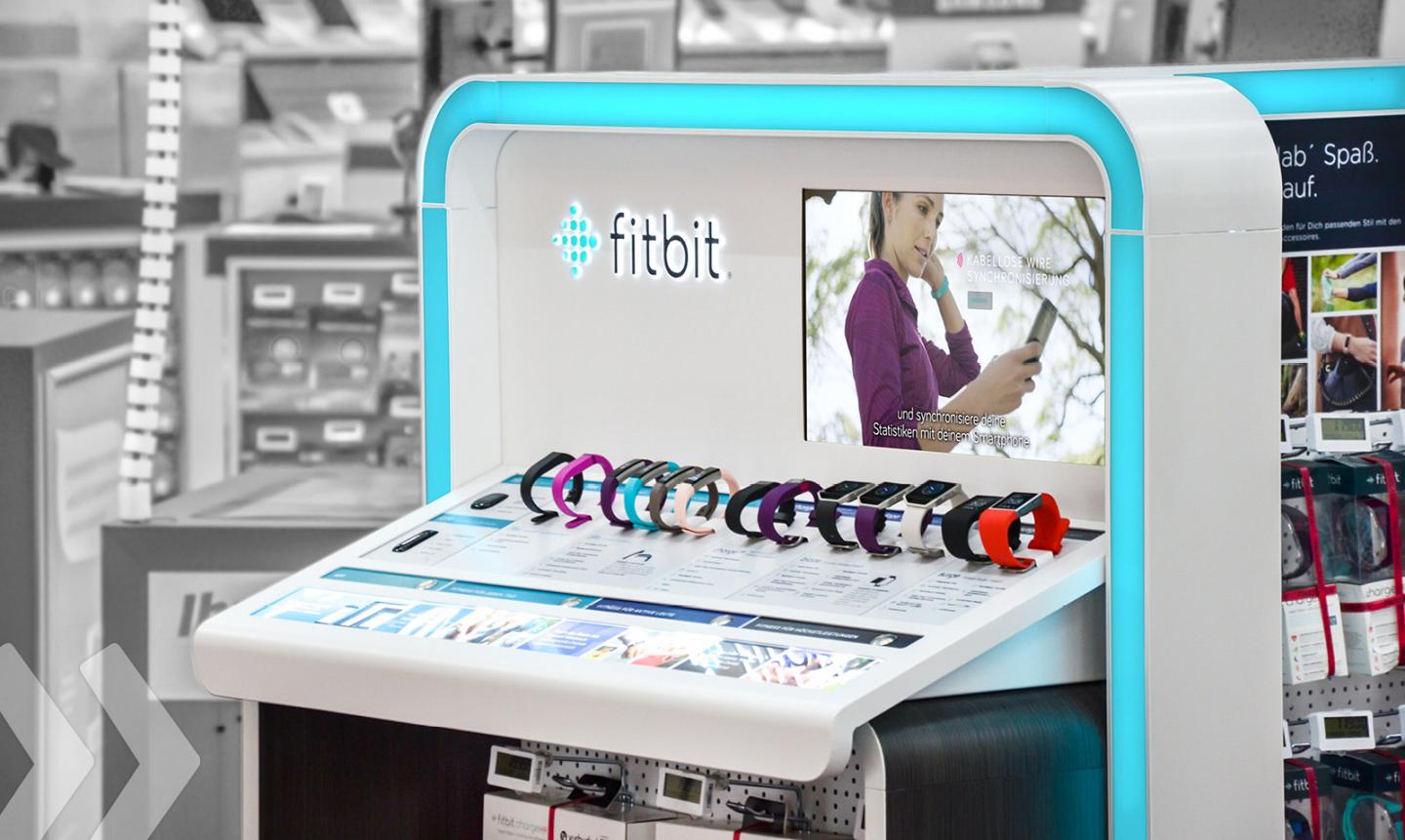
    Fitness product company Fitbit Hong Kong is aiming to grow its B2B sales via smart vending machines.

    Offered by SmartRetail, the machines accept cashless payments, and not only track sales and inventory in real time, but can also scan consumers to provide personalised recommendations.

    “For example, the machine may recommend a light-coloured wrist band to a young woman, while recommending a darker one to an older man,” says SmartRetail founder/director Adam So.

    The visual data will enable Fitbit to respond more rapidly to consumer tastes through accessing transaction data, says So. Marketing messages can also be delivered on a screen.

    IBM Hong Kong, which provides the technology for the units, says the visual and transaction data can also be used to enhance Fitbit’s sales analysis.

    “They can analyse the traffic at different time periods, the weather of a specific location, and how these environmental factors can affect sales,” says IBM Hong Kong CTO Samson Tai. “It is also possible to integrate transactions with loyalty programs. The potential with this real-time data is huge.”

    Showcased at the Hong Kong Computer Festival, the unit is still being tested, says local agent Leader Radio Technologies head of operations Ida Lee.

    She says there has been positive feedback, leading to Fitbit planning to introduce the machine in gyms or corporate offices.

    Lee says Leader sees potential for the units as the company has more B2C customers than B2B clients. “We have a stable retail and distributor ecosystem, and we wish not to disrupt it. Rather, we want to tap into the fitness, banking and corporate industries by placing our machines in their places.”

  • Force Friday II stars at Apple stores

    Force Friday II stars at Apple stores

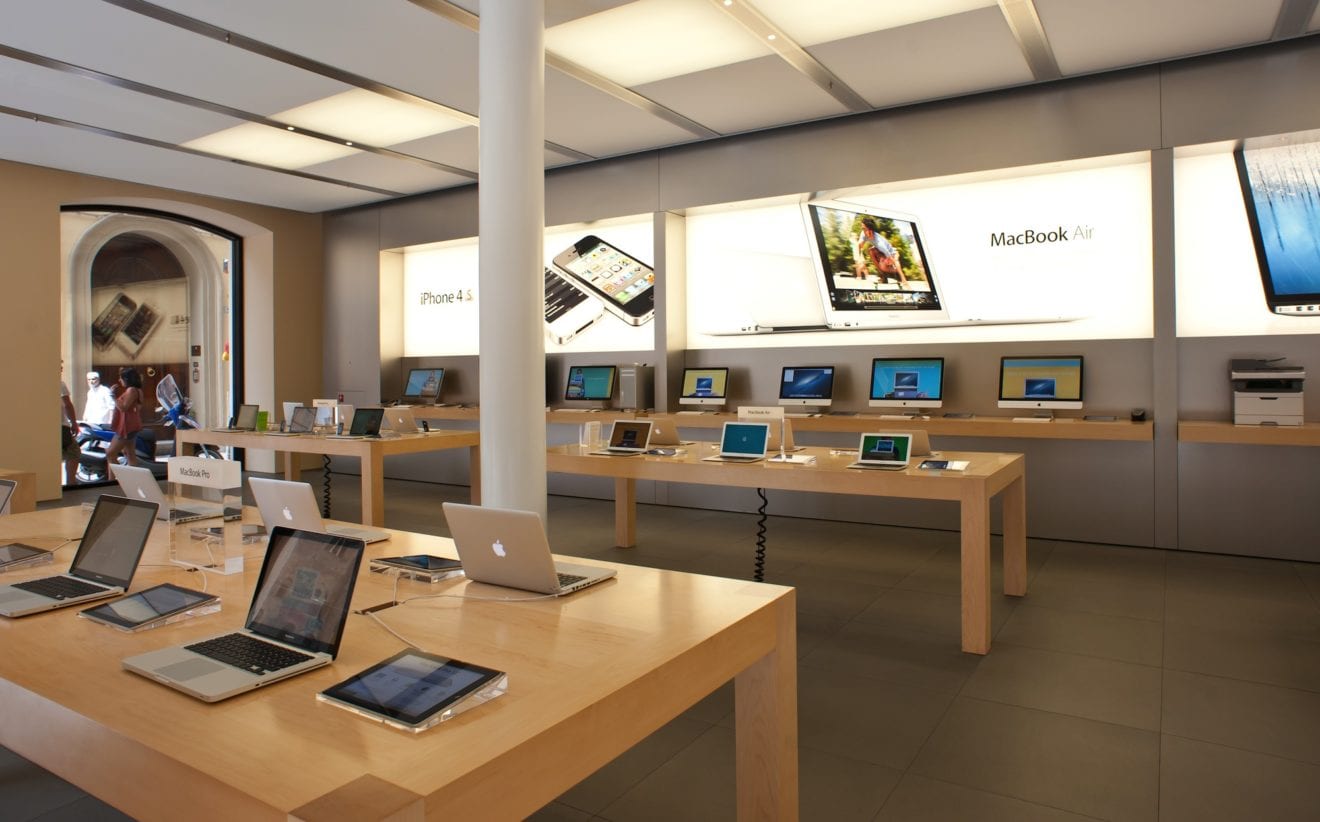
    To celebrate Force Friday II, Apple is hosting Star Wars-themed Today at Apple events at its retail stores internationally, including special computer graphics (CG) tutorials featuring Industrial Light and Magic (ILM) artists.

    The sessions include workshops on iPad video creation, drone programming for children and CG art.

    There are two feature classes, the first being “How To: Build Your Own Star Wars Trailer” which teaches signature techniques in an exclusive video from The Last Jedi director Rian Johnson. Footage and music from various Star Wars movies will be available for cutting together trailers in iMovie on iPad.

    The second feature session, “Kids Hour: Coding the Droids from Star Wars,” offers children a chance to program a Sphero robot and guide it through a self-designed maze. Apple was one of the first retailers to sell Sphero’s BB-8, a rolling iOS-connected drone modelled after the droid from Disney’s Star Wars: The Force Awakens.

    As with other Today at Apple classes, customers can take in their own iPad, iPhone and Sphero drone, or use hardware provided in store.

    Apple is also hosting two special events featuring ILM artists at its Union Square flagship outlet in San Francisco.

    On Friday, three ILM artists will explain how the Star Wars galaxy is created through animation, 3D modelling, stop motion and CG. Users can apply the techniques to create their own droids using iPad Pro and Apple Pencil.

    Saturday’s session features ILM visual effects art director Christian Altmann, the man behind BB-8.

    He will talk about his creative process and explain how colour, shaping and composition give BB-8 personality and emotion. Users can create their own BB-8 using iPad Pro and Apple Pencil.

    As well as the US, the sessions are in territories including China, Hong Kong, Japan, Macau, Singapore, Australia and Taiwan.

  • Xiaomi Thailand launches with VST ECS

    Xiaomi Thailand launches with VST ECS

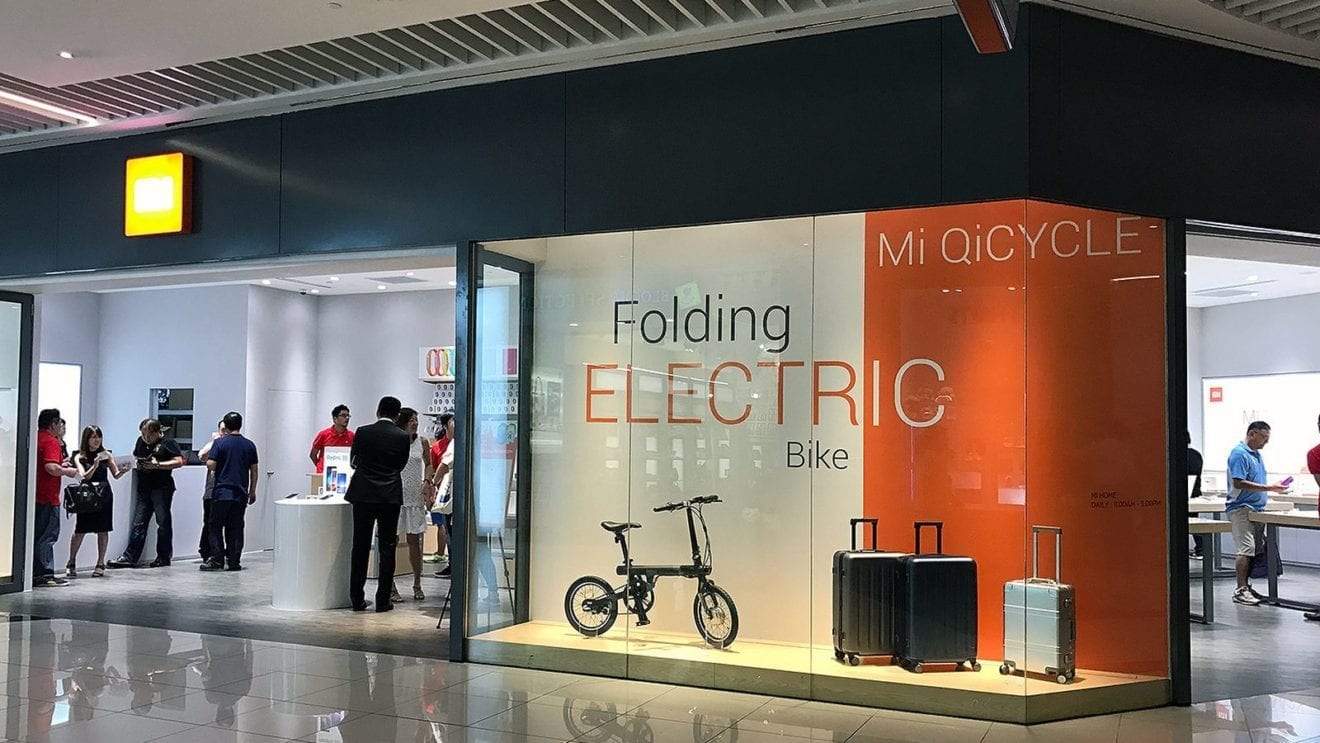
    Xiaomi Thailand has become the latest international beachhead for the Chinese smartphone maker, which has already established a presence in Vietnam, Russia and Mexico.

    In Thailand, Xiaomi is partnering with IT distributor VST ECS, which is handling distribution and after-sales services.

    Xiaomi products are available both online and offline. Its online partners include Lazada, an Alibaba Group e-commerce company, and IT City.

    Four Xiaomi models are initially available in Thailand.

  • Canon Hong Kong offers consumer tracking

    Canon Hong Kong offers consumer tracking

    Consumer behaviour tracking technology linked to cloud-based video analytics for retailers is being offered by Canon Hong Kong.

    President/CEO Shunichi Morinaga says shops can increase sales revenue by using the Japanese system, which monitors consumers using real-time data analysis.

    Elements of the technology include a counter that can analyse about 1600 customers in a specified area via surveillance video and convert the data into business metrics; facial recognition to analyse age, gender and ethnicity of shoppers; and heat mapping to enable shopping-mall managers and real-estate developers to track foot traffic.

    Clients can access the data, hosted on NTT Communications’ cloud and data centre in Hong Kong, through desktops and mobile devices.

  • Wearable device sales to grow 16.7% this year

    Wearable device sales to grow 16.7% this year

    Wearable device sales are on track to grow 16.7% this year to 310.4 million, representing sales of $30.5 billion, Gartner has projected.

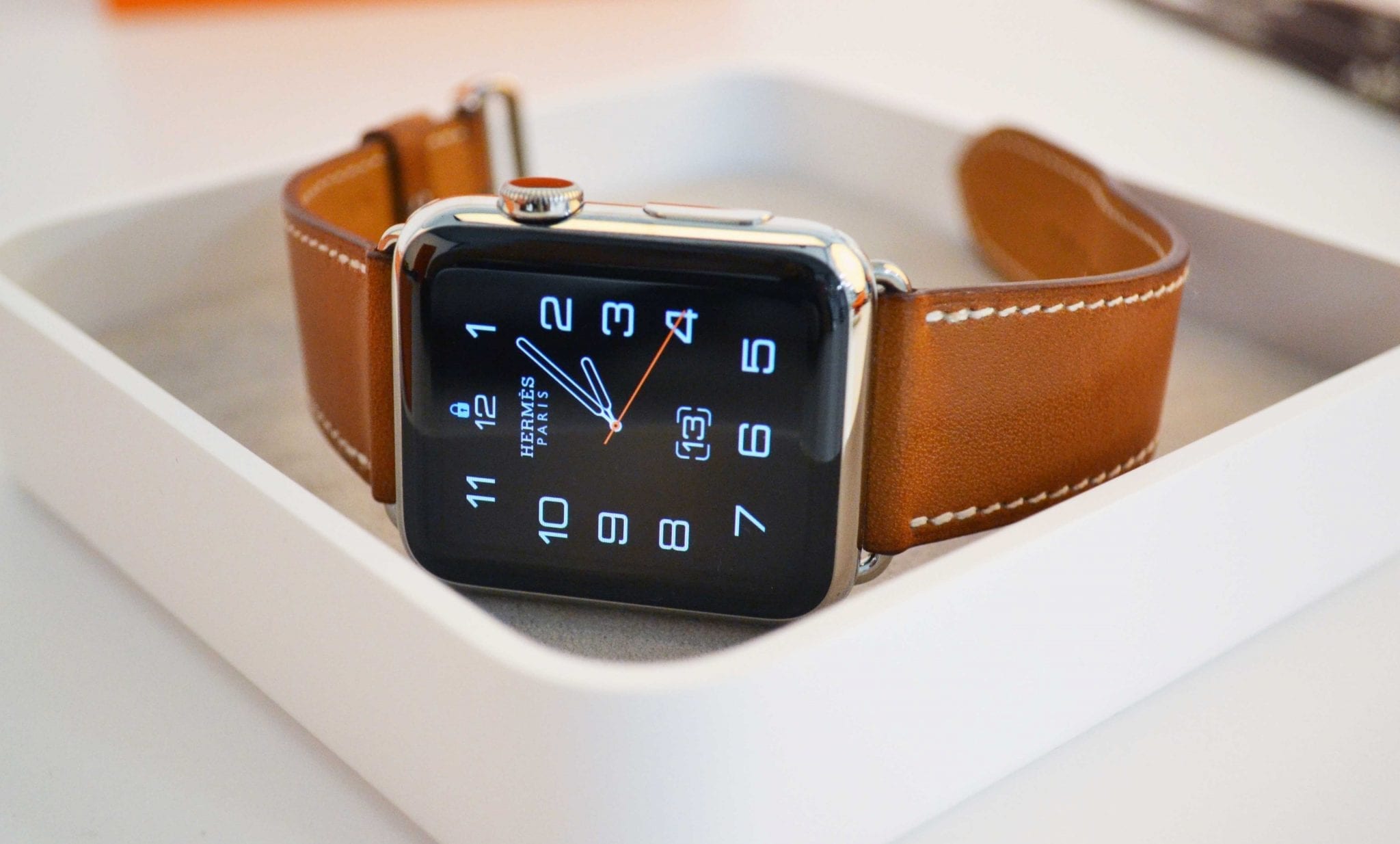
    Nearly a third ($9.3 billion) of the total value of the market is expected to come from smart watches.

    Gartner predicts there will be 45.1 million smartwatches sold this year, and by 2019 the devices are expected to be the second best selling category of wearable devices behind Bluetooth headsets.

    While Apple is expected to continue to have the greatest market share of any smartwatch provider, its market share is expected to decrease from around a third in 2016 to a quarter in 2021 as more providers enter the market.

    Gartner said Apple may announce an Apple Watch in September that will enable direct cellular connectivity for texting, interacting with Siri or transferring sensor data when a Wi-Fi network is not present.

    “Smartwatches are on pace to achieve the greatest revenue potential among all wearables through 2021, reaching $17.4 billion,” Gartner research director Angela McIntyre said.

    “The overall ASP of the smartwatch category will drop from $223.25 in 2017 to $214.99 in 2021 as higher volumes lead to slight reductions in manufacturing and component costs, but strong brands such as Apple and Fossil will keep pricing consistent with price bands of traditional watches.”

  • Xiaomi will present its new flagship

    Xiaomi will present its new flagship

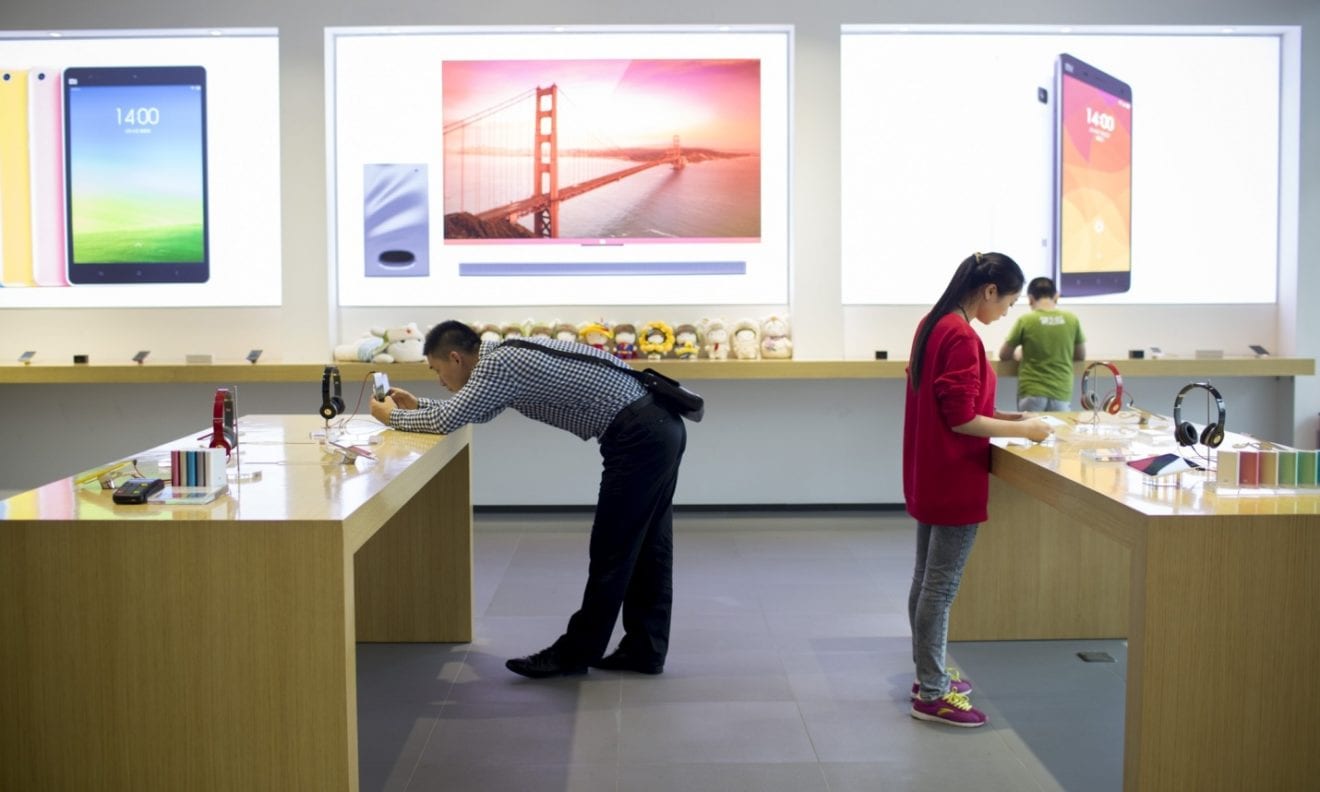
    Chinese company Xiaomi plans to unveil its new flagship Xiaomi Mi Note 3 at a special event on September 12. CEO of Xiaomi lei Jun has decided to stir interest in the upcoming event. On his page on the social network Weibo, he posted the picture taken by the camera of Mi Note 3.

    See also:  Became known the price of the flagship smartphone Xiaomi Mi6

    The photo was taken at the opening of a new retail store Mi Store in Hong Kong. That the image captured by smartphone Mi Note 3 found a Chinese blogger who has studied the EXIF data of the photo.

    In speed these data were removed, but the source managed to take a screenshot. Image resolution is 12 MP, the lens aperture equal to F/1.8.

  • Level of Interests towards Galaxy Note 8 Rises in South Korea

    Level of Interests towards Galaxy Note 8 Rises in South Korea

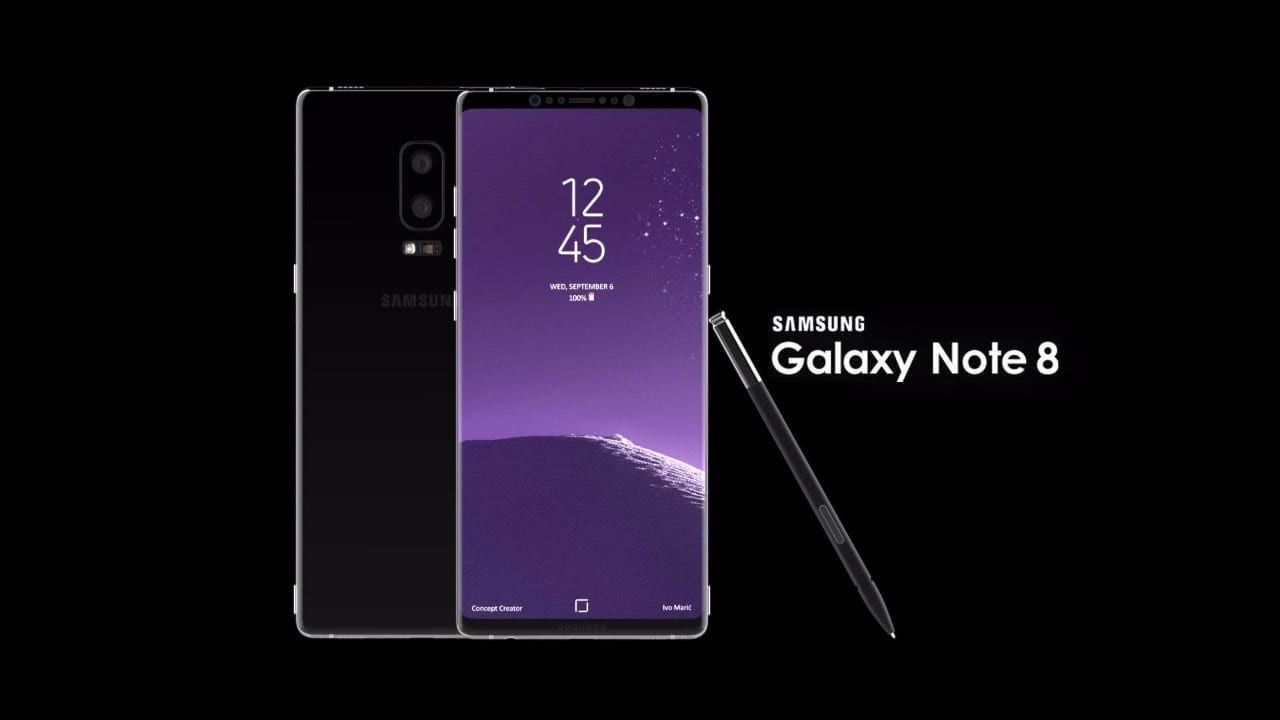
    Samsung Electronics started marketing for ‘Galaxy Note 8’ in South Korea and the U.S. Expectations for its popularity are rising as consumers are continuously visiting cellphone stores in South Korea and the U.S.

    Release date of Galaxy Note 8 is the 15th of September. Samsung Electronics and three South Korean mobile network providers are going to start activation for consumers who preordered Galaxy Note 8 from the 15th until the 20th of September as they expect there will be many potential demands for Galaxy Note 8 due to discontinuation of Galaxy Note 7. Consumers who did not preordered Galaxy Note 8 will be able to activate it after the 21st.

    Samsung Electronics is going to release 64GB and 256GB Galaxy Note 8 models first in South Korea. It included plastic transparent case as part of components that come with a box for Galaxy Note 8 that will be released in South Korea for the first time. In case for the U.S., people have to purchase separate cases for Galaxy Note 8s. Samsung Electronics applied requests from South Korean consumers who wanted a case that does not cover design while it protects the phone from crack.

    “We started taking pre-application for Galaxy Note 8 starting from the 24th before the official preorder date, which is the 7th of September, and there have been 400 to 500 cases of pre-applications on daily average based on customers who filled out necessary documents.” said a representative for Samsung Digital Plaza in Hongdae. “This is the hottest reaction for Galaxy Note series ever.”

    “If a customer just write his or her name and contact number, he or she will be able to receive Galaxy Note 8 on the day it is released based on an order of membership by subscription.” said a representative for LG Uplus direct management store. “We are going to notify our customers by texts when price and free gifts are decided.”

    “Because selective contract discount ratio for Galaxy Note 8 is going to increase from 20% to 25% on the 15th of September, it will be more effective for consumers to wait until the 15th if it is not urgent.” said a representative for an authorized KT retail store.

    Interests towards Galaxy Note 8 are also high in the U.S. where it was launched by Samsung Electronics. Part of New York Time Square was covered with advertisements for Galaxy Note 8 while electronic stores such as Best Buys were filled with customers who were looking for Galaxy Note 8.

    Samsung Electronics is also going to release 64GB Galaxy Note 8 model in the U.S. Price of Galaxy Note 8 is going to be different based on mobile network providers and electronic stores. Verizon and Sprint, AT&T, and T-Mobile and Best Buy (Unlock phone) are going to sell Galaxy Note 8 at $960, $949.99, and $930 respectively. However actual price is going to be more than $1,000 since these amounts do not include any sales taxes.

    Samsung Electronics is going to give out wireless charger, Gear 360 (2017), or 128GB micro SD card to people who preorder Galaxy Note 8. Customers who returned their Galaxy Note 8s are going to receive $425 of discount if they purchase Galaxy Note 8. Best Buy put out ‘$150 discount’ as a benefit for people who preorder Galaxy Note 8s.

    “Customer reactions towards Galaxy Note 8 are very fast as four people preordered Galaxy Note 8s in just one hour removed from launching of Galaxy Note 8.” said a representative for a Best Buy store in Manhattan. “Most of customers who tested out Galaxy Note 8s showed most of their interests towards dual-camera’s live focus, functions of S Pen, and midnight black color.”

  • Emerging APAC drives Q2 smartphone sales

    Emerging APAC drives Q2 smartphone sales

    Global smartphone sales grew 6.7% year-on-year during the second quarter to 366.2 million units, driven by demand for 4G handsets in emerging markets, according to Gartner.

    Greater China and emerging APAC markets collectively accounted for nearly half of global smartphone sales during the quarter, the research firm has estimated.

    But China’s share of the overall market has declined from 33.3% a year ago to 27.7% as of the second quarter of 2017, with total unit shipments falling from 114.2 million to 101.5 million over the same period.

    By contrast, emerging APAC’s share increased to 21.4% from 17.3% a year earlier, with shipments growing from 59.4 million to 78.2 million.

    “Although demand for utility smartphones remains strong, there is growing demand in emerging markets for 4G smartphones, with more storage, better processors and more advanced cameras. This is translating into higher demand for midpriced [$150 to $200] smartphones,” Gartner research director Anshul Gupta commented.

    Globally, Android increased its lead with a market share of 87.7%, compared to 12.1% for iOS, down from 12.9% a year earlier. Samsung meanwhile saw its sales grow 7.5% year-on-year after three consecutive quarterly declines associated with the recall of the Galaxy Note 7.

    But the Galaxy S8 and S8+ are bringing back high demand for Samsung smartphones. “Despite growing competition from Chinese brands such as Huawei, Oppo and Vivo, we expect Samsung to register growth in 2017,” Gupta said.

  • JB Hi-Fi, Max Brenner to open at Australia Fair

    JB Hi-Fi, Max Brenner to open at Australia Fair

    Major retail brands JB Hi-Fi and Max Brenner will open new stores at Australia Fair shopping centre on the Gold Coast later this year, as part of the Southport location’s $25 refurb.

    The home entertainment retailer, JB Hi-Fi will be located next to Telstra on the ground floor, and Max Brenner will be near the Scarborough Street entry.

    Ramon Otten, Australia Fair general manager, said the new tenants will enhance the centre’s offering for shoppers.

    “We are thrilled to welcome JB Hi-Fi and Max Brenner – both household brands known and loved by Australian families – to Australia Fair’s retail family, at this very exciting time of our redevelopment,” Otten said.

    “With so many new retailers coming on board, we are in the throes of the evolution of our centre, with major works to both our interior and exterior creating a whole new look and feel for shoppers.”

    Otten said the centre’s redevelopment is on track to be unveiled ahead of the 2018 Commonwealth Games.

    Work is under way for the expansion of Coles into the former outdoor food court, with the new entrance opening early September and the grand unveiling of the new look Coles set to open before Christmas.

    The exterior facelift is creating a contemporary facade for the retail, dining and entertainment complex, with the new structure to feature lighting and fresh signage bearing Australia Fair’s new branding.

    Other new tenants joining Australia Fair’s retail offering who have recently opened at the centre include Colette by Colette Hayman, Ted Ross, U Grill, Joy Stylist and Green Valley Butcher. Brazilian restaurant and bar The Grill House, Vintage Grind, Stella Saigon Street Food, Chikor, Wrap and Roll and LiquorLand are also set to open their doors over the next few months, while several existing traders are relocating or undergoing a fresh fit-out.

  • Verdict for Samsung heir weighs on telecom giant

    Verdict for Samsung heir weighs on telecom giant

    Prosecutors have demanded a 12-year sentence for Samsung’s 49-year-old ‘crown prince.’ The heir to the Samsung empire faces the verdict in his corruption trial Friday, which threatens to leave the world’s biggest smartphone maker rudderless for more than a decade.

    Lee Jae-Yong, vice chairman of Samsung Electronics and the son of Samsung group chairman Lee Kun-Hee, has been groomed all his life to take over the giant conglomerate founded by his grandfather in 1938.

    It is by far the largest of the chaebols, the family-controlled firms that dominate Asia’s fourth-largest economy, which some South Koreans self-mockingly dub the “Republic of Samsung”.

    Its turnover is equivalent to a fifth of the national GDP and it has long had close, opaque connections with political authorities.

    But now prosecutors have demanded a 12-year sentence for Samsung’s 49-year-old “crown prince” if he is convicted of charges including bribery and embezzlement in connection with the corruption scandal that brought down president Park Geun-Hye.

    Park, dismissed from office in March after public fury, is on trial separately accused of offering policy favors to tycoons including Lee who enriched her secret confidante Choi Soon-Sil, with Samsung handing over around $40 million.

    Lee has been detained during his trial, and the prospect of his being imprisoned for years has sent shockwaves through Samsung, where the founding family’s rule has been taken for granted for decades.

    The Lee clan directly owns about five percent of Samsung Electronics shares, but maintains its grip on the wider group through a byzantine web of cross-ownership stakes involving dozens of companies.

    Although Samsung’s day-to-day business is maintained by the elite CEOs at each unit, analysts say they would be unwilling to make — and take responsibility for — costly decisions over large-scale acquisitions or investments without family approval.

    “In South Korea, such decisions are often endorsed by the patriarch of a ruling family,” said Chung Sun-Sup, the head of corporate analysis firm chaebul.com.

    Lee Jae-Yong’s sister Boo-Jin, who is in charge of the group’s fast-growing hotel business, was once touted as a potential stand-in.

    But many dismiss the possibility, saying she has few allies and little management experience at Samsung Electronics — the crown jewel of the group.

    Despite Lee’s absence Samsung Electronics has reported stellar profits in recent months, sending its share price soaring, thanks to booming demand for its memory chips used in computers, servers and mobile gadgets.

    Analysts say it is reaping the benefit of radical decisions made years ago under the senior Lee’s rule, including the construction of new chip factories that cost billions of dollars.

    “With so much uncertainty at its leadership, Samsung may move more slowly than before to make the kind of bold, large-scale investments that made it so successful today,” Chung told AFP.

    Future strategy

    Since the senior Lee was left bedridden by a heart attack in 2014, Samsung has stepped up attempts to streamline itself, selling off marginal or less profitable businesses, while also enhancing Lee Jae-Yong’s authority.

    Those efforts would be suspended if Lee receives a lengthy jail term, Chung said, which could force the group into “an unprecedented experiment” of operating without direct Lee family control.

    But Geoffrey Cain, the author of a forthcoming book on Samsung, pointed out Samsung Electronics had been able to make strategic moves despite Lee’s detention in custody.

    “The leader being in jail is a familiar story for chaebol groups, and one they can get around,” he said.

    “Samsung will not be doomed without Jay Lee. Even if he gets a prison sentence, Samsung will be just fine. It’s up to the specialists to make their own decisions.”

    After the scandal sparked nationwide calls to reform “corrupt” chaebols, Samsung earlier this year disbanded its Future Strategy Office — a small, secretive group of top company veterans who directly served the Lees — vowing to give the board of directors a bigger role in decision-making.

    Millions of dollars

    New President Moon Jae-In won a sweeping election victory in May with promises of weeding out deep-rooted, corrupt ties between chaebols and regulators.

    Prosecutors accuse Lee of seeking state approval for a controversial 2015 merger of two Samsung units seen as a key step to ensuring his accession.

    He pleaded not guilty, saying he was not involved in decisions over the donations and not even aware of Choi’s existence.

    During his trial, his lawyers and ex-members of the Future Strategy Office tried to portray him as an inexperienced, naive heir not even allowed to “meddle with” decisions made by the veteran executives chosen by his father.

    As a legal strategy it is undoubtedly embarrassing, but it remains to be seen whether the three judges hearing the case, in which four other top Samsung executives are also accused, are convinced.

    “If he is found innocent and walks away, it would be a huge setback against the court and the current administration,” said Shim Jung-Taik, an author of several books on Samsung and its history.

    He warned of “huge public outcry” in the event of an acquittal, telling AFP: “In South Korea, the Lee case is not just a legal case but a social and political one whose result is seen as a verdict on wider chaebol culture and corruption.”
  • Asus Philippines pinning hopes on new smartphone

    Asus Philippines pinning hopes on new smartphone

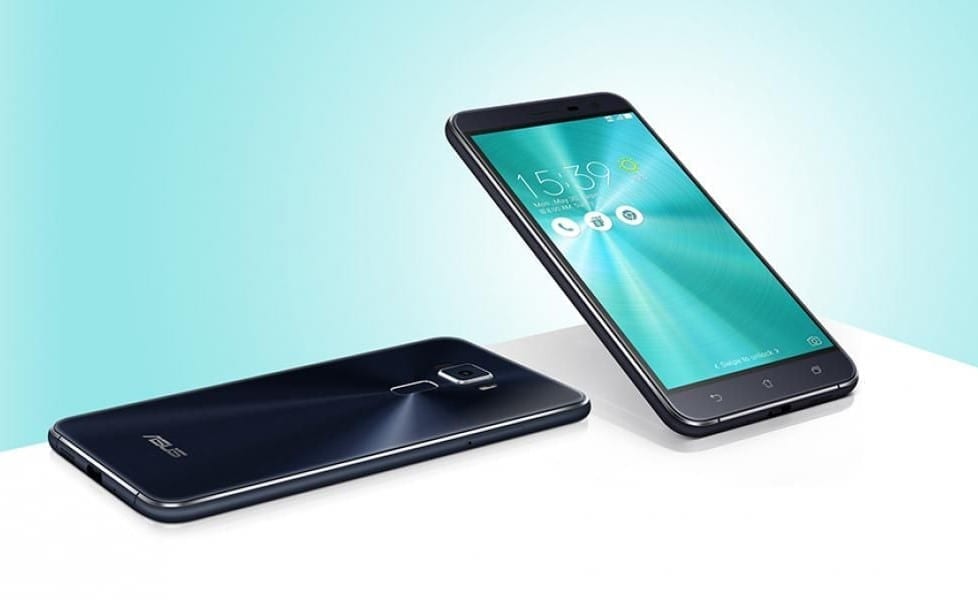
    Asus Philippines has launched the Zenfone 4 series as is seeks to carve out more market share.

    Country manager George Su says the Taiwanese smartphone maker is seeking higher second-half growth after posting a 42 per cent hike in  smartphone sales during the first six months.

    “My boss gave me a much higher target for the second half,” he says, noting Asus is ranked fifth in the Philippine smartphone market. “We hope to be number four by the end of the year.”

    Asus CEO Jerry Shen says the firm is upbeat the Zenfone 4 series with its improved design, camera and audio.

    He says it is also easier to use and faster.

  • Apple under pressure to dazzle as market slows

    Apple under pressure to dazzle as market slows

    Apple has lost ground in the Chinese market, with revenues down 10 percent in the past quarter from a year earlier. As Apple and Samsung gear up to launch new flagship smartphones, the market leaders are seeking a wow factor that can help them fend off challenges from rising Chinese-based manufacturers.

    Apple is under particular pressure to dazzle as the culture-changing California iPhone maker looks for a way to maintain its image as an innovation leader in a global market showing signs of slowing.

    “Clearly, Apple wants to do something different for the 10th anniversary” of the iPhone, NPD Group analyst Stephen Baker told AFP.

    Baker said this is a challenge for Apple because “it is still going to be a flat piece of glass and the other things we talk about around a phone.”

    Apple is widely expected to unveil the latest iteration of the iPhone in September, while smartphone market leader Samsung is holding an August 23 unveiling likely to launch its Galaxy Note 8 handset.

    The two market leaders are seeing rivals, mainly from China, chip away at market share, creating pressure to showcase innovation, say analysts.

    Some reports say the new iPhone will include a high-quality, edge-to-edge screen with a notch in the top for an extra camera supporting 3D facial recognition.

    Some speculate that the back of the new handset will be glass and will offer wireless charging.

    “We are expecting a major design refresh on Apple,” GlobalData analyst Avi Greengart told.

    “That has been a sore point, especially in China. People are looking to show off a status symbol, so it needs to look different than Huawei or Xiaomi, and I think it will.”

    Apple has lost ground in the Chinese market, with revenues down 10 percent in the past quarter from a year earlier in its “Greater China” segment.

    Some reports say Apple could release as many as three new handsets, including an “iPhone Pro” aimed at capturing the high end of the market.

    Shifting market

    Global smartphone sales saw a modest decline of 0.8 percent in the second quarter of 2017, as market leaders Samsung and Apple consolidated their positions, an IDC survey showed.

    The South Korean giant maintained the top spot with a 23.3 percent market share, while Apple held onto second place with 12 percent, according to IDC.

    Huawei was the third-largest vendor, with an 11.3 percent market share. The Chinese electronics giant closed the gap with Apple, adding two percentage points to market share from a year earlier, according to the survey.

    China-based Oppo and Xiaomi rounded out the top five.

    Samsung is in stride with a recently released Galaxy 8 flagship phone, seemingly recovered from an embarrassing recall of a Note 7 model due to batteries catching fire.

    “Samsung had the Note 7 debacle, but it appears their troubles are behind them,” Greengart said.

    “Samsung is doing some amazing things with its display and design.”

    NPD’s Baker said he expected “the drum beat of Hero Android phones” that could challenge the iPhone “to be a little louder this year that it has been.”

    Meanwhile, the Google-made Pixel smartphones that debuted last year will likely get a second generation in the months ahead.

    New Pixels are expected to have richer screens and an additional front speaker, and to follow the trend of adding a second camera on the back for depth-sensing.

    Gartner analyst Brian Blau suggested that, aside from Apple trying to wow with an anniversary iPhone, flagship handsets launched this year would have incremental improvements, not radical transformations.

    “There will be a small number of new players, and that always brings excitement,” Blau said.

    New entries include the “Essential” smartphone from a startup founded by Andy Rubin, credited with being the father of Android software.

    Essential, whose backers include internet colossus Amazon and China’s Tencent Holdings, began selling its $699 handset this month, touting the handset’s ceramic and titanium construction and the ability to add accessories on a magnetic connector.

    Augmenting reality

    Some analysts say the upcoming handsets may showcase the ability to handle augmented reality (AR) as a way to revive interest.

    Google has pushed augmented reality with a “Tango” phone, and enabled Pixel handsets to be used for virtual reality with “Daydream” gear. And Apple has made an AR kit available to developers that could lead to iPhone apps.

    “The standard AR demos we have seen for years as a future thing — seeing how new furniture looks in your living room or virtual coupons hanging in mid-air in supermarket aisles — we will see this fall,” Greengart predicted.

    Smartphone makers are also expected to do more with voice recognition and commands, making handsets more attractive in places where literacy rates are low but mobile internet access is available.

  • Wearable tech moves closer with graphene ‘solving’ the battery problem

    Wearable tech moves closer with graphene ‘solving’ the battery problem

    Wearable technology becomes more useable with a new development using graphene for printed electronic devices. The University of Manchester has demonstrated flexible battery-like devices printed directly on to textiles using a simple screen-printing technique answering the major problem of wearable tech being limited due to the problem of powering devices without cumbersome battery packs.

    Devices known as supercapacitors are one way to achieve this. A supercapacitor acts similarly to a battery but allows for rapid charging which can fully charge devices in seconds.

    Now a solid-state flexible supercapacitor device has been demonstrated by using conductive graphene-oxide ink to print onto cotton fabric.

    As reported in the journal 2-D Materials, the printed electrodes exhibited excellent mechanical stability due to the strong interaction between the ink and textile substrate.

    Further development of graphene-oxide printed supercapacitors could turn the vast potential of wearable tech into the norm.

    High-performance sportswear that monitors performance, embedded health-monitoring devices, lightweight military gear, new classes of mobile communication devices and even wearable computers are just some of the applications that could become available following further research and development.

    To power these new wearable devices, the energy storage system must have reasonable mechanical flexibility in addition to high energy and power density, good operational safety, long cycling life and be low cost.

    Dr Nazmul Karim, knowledge exchange fellow at the National Graphene Institute and co-author of the paper said: “The development of graphene-based flexible textile supercapacitor using a simple and scalable printing technique is a significant step towards realising multifunctional next generation wearable e-textiles.

    It will open up possibilities of making an environmental friendly and cost-effective smart e-textile that can store energy and monitor human activity and physiological condition at the same time.”

    Graphene-oxide is a form of graphene which can be produced relatively cheaply in an ink-like solution. This solution can be applied to textiles to create supercapacitors which become part of the fabric itself.

  • Apple sales beat expectations as all categories fire

    Apple sales beat expectations as all categories fire

    Apple sales beat estimates in the latest quarter, with all its main product segments showing growth – even the iPad and Apple Watch, which were previously struggling.

    The US-based tech giant boosted net income by 12 per cent year-on-year to $8.72 billion on total sales of $45.41 billion.

    But despite its global success the company still has major challenges in China, a market it once considered key to future growth. Greater China sales fell 9.5 per cent to $8 billion as locals switched allegiance to local brands, often with better specifications and lower price tags.

    While iPhone sales have stagnated in the mainland, other product categories showed growth and sales were also higher in Taiwan.

    “The decline from a market standpoint was concentrated in Hong Kong, which is a place that has been really affected by a reduction in tourism because the Hong Kong Dollar is pegged to the US dollar,” said Apple CFO Luca Maestri.

    The strong global result was unexpected given the third quarter is traditionally Apple’s weakest due to its product launch cycle. The next generation iPhone, on track for a September launch, is expected to help Apple achieve fourth quarter sales of between $49 billion and $52 billion.

    “Decidedly rosier”

    GlobalData Retail MD Neil Saunders described the results as “decidedly rosier than those of recent quarters”.

    “In our view, this is a very solid performance, especially so at this point in the cycle when consumers are awaiting the release of the next generation of product. All the main product segments are showing growth – however, it is clear that growth across the divisions is far from even. iPhone growth is respectable, but far from stellar. iPad growth is good but is still not strong. Mac growth is decent, but this is down to higher-priced laptops pushing up revenue rather than underlying volume growth in unit terms. In other words, sales of products are reasonable, but not spectacular.”

    Saunders said the services sector – including products such as iTunes, Apple TV and the App Store – shows the strongest potential for Apple in the short term.

    “In contrast, service sales powered ahead – with a growth rate of 22 per cent over the prior year. Services now represent around 16 per cent of Apple’s revenue base, up from 14 per cent a year ago. In our view, this growth has some way to run.”.

    Saunders expects near-term benefits from iPads, the HomePod and the new iPhone.

    “While the iPad remains a category past its prime, we believe the upcoming release of iOS 11 has the potential to stimulate some growth. In essence, Apple has come to realise that as aesthetically pleasing and as technologically sound as it is, the applications for the iPad are somewhat limited. This is exacerbated by the fact that the main benefit of an iPad, namely its larger screen, has been diminished by the rise of bigger smartphones. The new operating software goes some way to remedying this and gives the iPad many of the functions of a laptop or notebook; in so doing, it puts some clear blue water between it and the iPhone. This will allow Apple to compete more effectively with devices like Microsoft’s Surface and could sustain this quarter’s slight uptick in demand.”

    Home Pod shines

    Saunders said the HomePod comes “as a breath of fresh air” – if only because it is the first major new product release by Apple for some time.

    “Despite this, we have mixed views about its potential success. There is no doubt that Apple has created a good piece of kit with superior speakers and some smart functions. However, the concept itself is not revolutionary; indeed, it is rather samey and follows a multitude of other home devices, including Amazon’s Echo products. One of the challenges here will be getting consumers who have already committed to one platform to switch to Apple or to buy into Apple as well. In our view, the HomePod is not sufficiently differentiated to do this well. As such, we do not believe the device will be the new iPhone; although it will likely be more successful than Apple Watch.”

    A fundamental problem for Apple is that it has set the bar so high, he said. “Its existing products are impressive and often cutting edge. However, consumers are now intimately familiar with them and, take them for granted.

    As such, it is tough to wow them with small changes and tweaks – no matter how much engineering and technical prowess those adaptations require.

    “That said, Apple has been in an incremental mode for quite some time. Our sense is that the company has lost the edge for looking at a part of the market or a category and finding ways in which it can radically reinvent it – just as it once did with the iPod and then the iPhone. This is the fuel that previously made Apple great; without adding more of it to the fire, Apple’s flame – dazzling though it is – will not burn brighter.”