Category: Electronics

Retail News Asia is committed to providing both local and global retailers with the latest Electronics news throughout the Asian market. This on a daily base.

  • Motorola Philippines opens third concept kiosk

    Motorola Philippines opens third concept kiosk

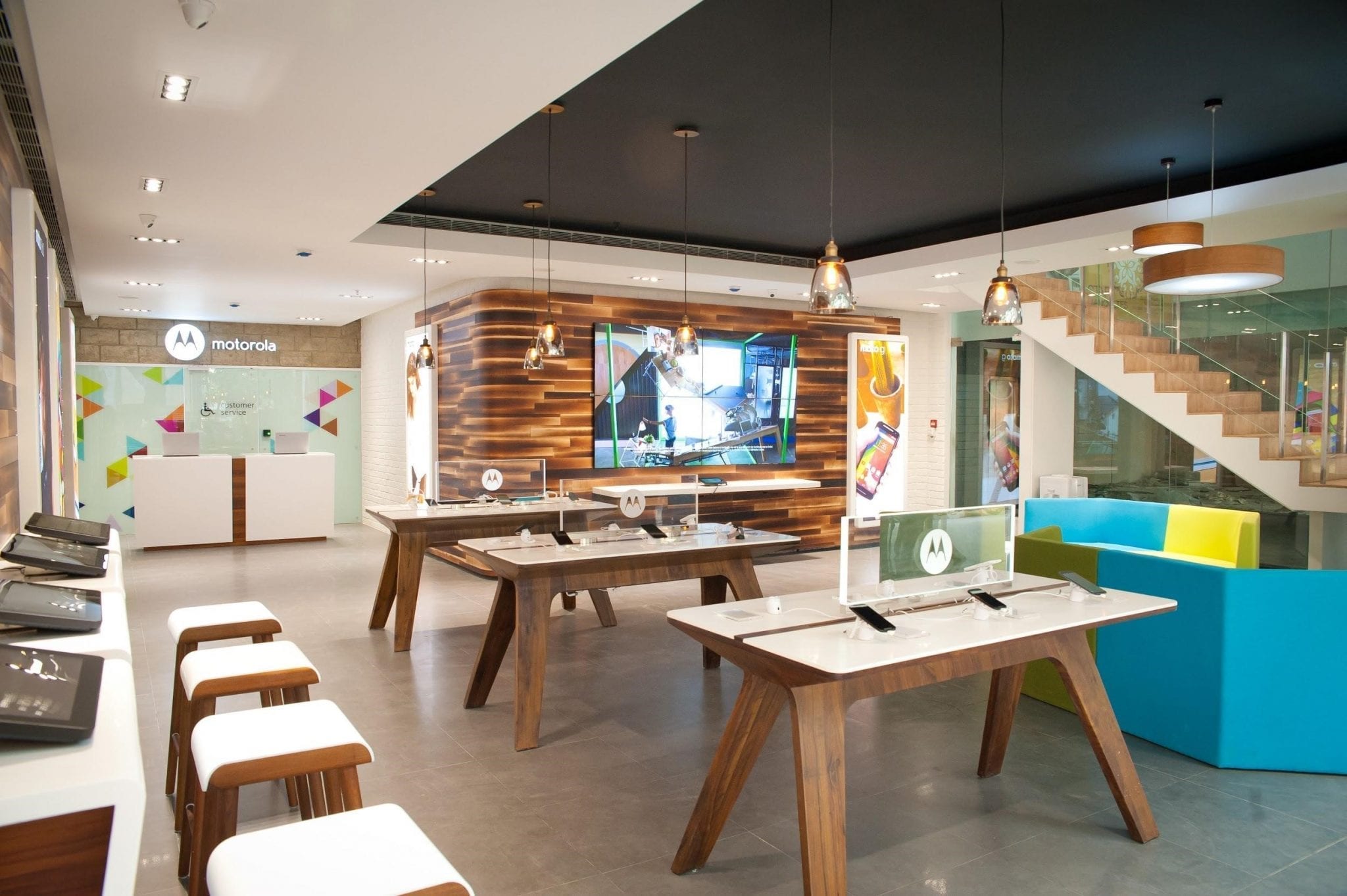
    Motorola Philippines has opened its third concept kiosk, at SM Mall of Asia in Pasay City.

    It is part of the Lenovo-owned company’s move to strengthen its retail footprint in the nation’s high-traffic malls.

    On the second level of the mall’s Cyberzone, the store features a full Moto smartphone lineup.

    “Motorola is keen to revolutionize Filipinos’ digital lifestyle,” says Lenovo Mobile Business Group Philippines country manager John Rojo.

    Shoppers at the new kiosk have been offered exclusive discounts and gifts when buying Motorola smartphones.

  • Qualcomm releases Snapdragon Wear 1200 platform

    Qualcomm releases Snapdragon Wear 1200 platform

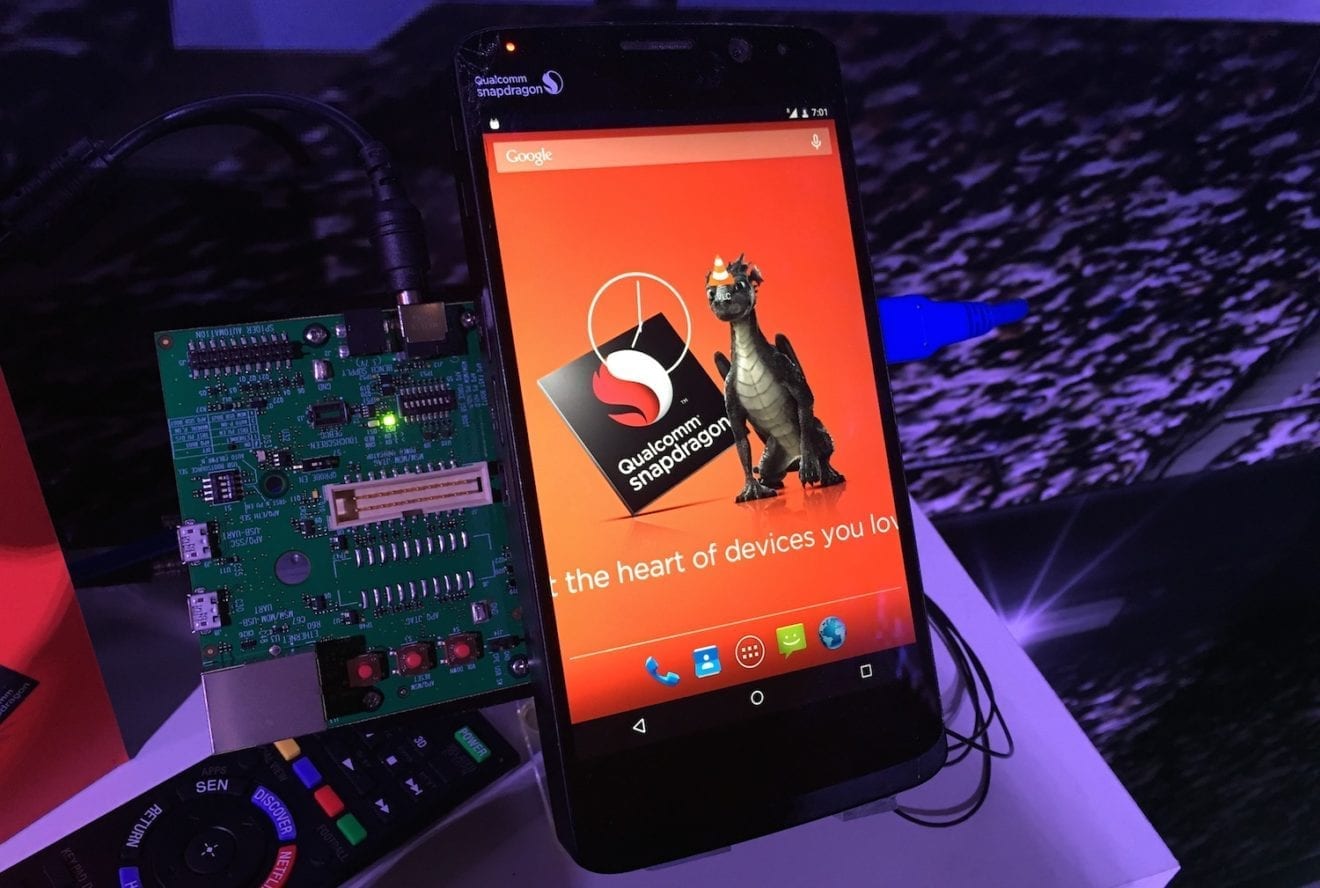
    Qualcomm has launched its ‘Snapdragon Wear 1200’ multi-mode wearables platform incorporating LTE-M and NB-IoT connectivity.

    The new platform –  complements the existing Snapdragon Wear 1100 and Snapdragon Wear 2100 platforms – is designed to connect wearable devices for fitness trackers, kids, the elderly and pets.

    “The smart wearables industry continues to grow with prolific innovation across targeted opportunities such as kids, pets, elderly, and fitness,” said Pankaj Kedia, senior director of product management at Qualcomm Technologies.

    “To effectively scale, these opportunities require ultra-low power, highly energy efficient, always connected, and cost-efficient solutions,” said Kedia. “With the introduction of Snapdragon Wear 1200, we extend our wearables offerings to bring LTE IoT categories M1 and NB1 to connect the next generation of wearable devices and provide an exciting complement to our Snapdragon Wear 2100 platform for smartwatches.”

    Qualcomm also announced collaborations with original design manufacturers (ODMs), Borqs and Quanta, who have developed reference platforms based on Snapdragon Wear 1200.

    These reference designs target the kid, elderly, and pet tracking segments and will enable device manufacturers to commercialize new products in an accelerated fashion while leveraging the features and functionality of Snapdragon Wear 1200.

  • Sennheiser Hong Kong store opens at The Peninsula Arcade

    Sennheiser Hong Kong store opens at The Peninsula Arcade

    German headphone brand Sennheiser has opened its first standalone Hong Kong store at The Peninsula Arcade.

    “We hope to build a close relationship with Hong Kong’s customers by knowing their demand and providing a place where they can experience the perfect sound quality we have achieved,” said Daniel Sennheiser, the company’s CEO, who attended the opening.

    Sennheiser was founded by electrical engineer Prof Dr Fritz Sennheiser in 1945. Besides headphones, it also produces microphones and other audio solutions.

    At the Sennheiser Hong Kong store, located in the Peninsula Hotel complex, customers can peruse wireless headphones and collaborative products from luxury fashion label Dior Homme.

  • Samsung Mobile Philippines takes nod to past

    Samsung Mobile Philippines takes nod to past

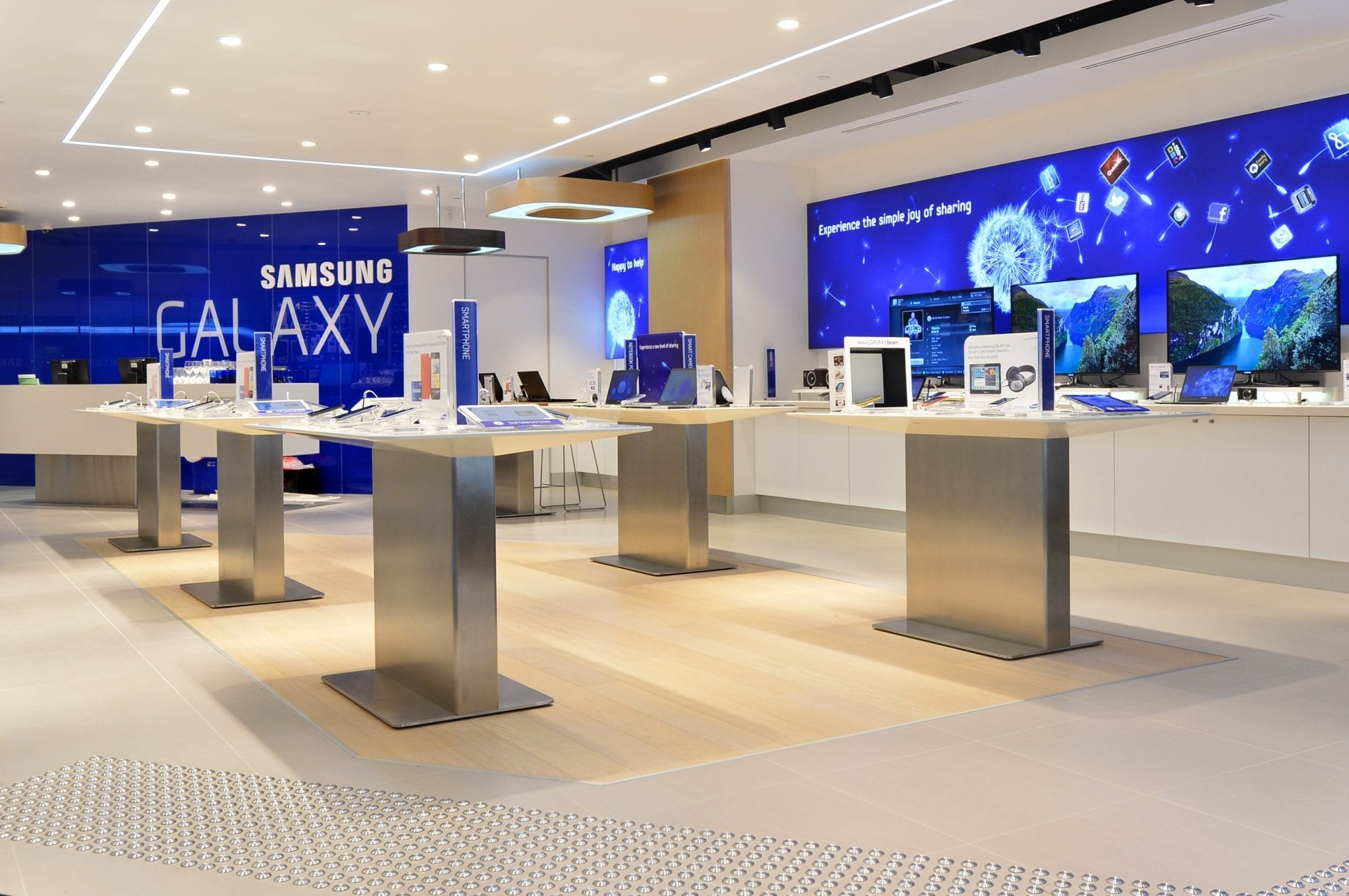
    In partnership with 8Telcom, Samsung Mobile Philippines has officially opened its second Samsung Experience Store, at Davao City’s Victoria Plaza Mall.

    Billed as the first redesigned concept store in the Philippines, it marks 8telcom’s 15th anniversary, with Samsung deciding to go back to where everything started – the first 8telcom multi-brand kiosk was established at Victoria Plaza.

    At a grand opening of the Samsung store, the first 50 customers each received a free headset, and a free Bluetooth speaker was given to buyers of five different phone models.

    Customers who pre-ordered the Samsung J7 Pro smartphone will also receive a free wireless speaker.

  • Mobile phone market saturated, phone distributor sells perfume

    Mobile phone market saturated, phone distributor sells perfume

    Phone distribution chains are selling many other products together with mobile phones to earn extra money. On its website, in addition to mobile phone and laptop models, Hnam Mobile displays 30 perfume products of different brands, priced at between hundreds of thousands of dong and several million of dong per bottle.

    Hoang Phu Nam, the founder of Hnam Mobile, confirmed that the mobile phone distribution chain now sells perfume as well.

    Nam said the chain’s managers, after thorough consideration, have decided to sell perfume to take full advantage of the existing large network, fame and management technology.

    However, Hnam Mobile only sells perfume products via internet, while the products are not available at shops. Nam expressed his concern that it may be unreasonable to display perfume next to technology products.

    “We hoped to sell 100 bottles in the first three months. However, at present, we sell several bottles a day,” he said.

    “If everything goes smoothly, we will think of selling liquor and milk,” he said.

    “Selling perfume is quite different from selling mobile phones,” he said. “Though we have high number of outlet, we have to learn things from the very beginning to sell perfume.”

    The businessman admitted that the mobile phone sales have been decreasing, so it’s time to think of expanding business to increase revenue.

    Confirming that the mobile phone market has become saturated, Mai Trieu Nguyen, the owner of Mai Nguyen chain, said selling additional products was inevitable for mobile phone distributors.

    Mai Nguyen has also been selling non-mobile phone products such as flashlights, multifunction knives, TVs and binoculars.

    Nguyen Lac Huy, a representative of CellphoneS, the mobile phone distribution chain with 19 shops in Hanoi and HCMC, said the growth of the mobile phone market has slowed down and mobile phone distribution chains have to diversify products and services.

    CellphoneS has tried to do this by opening phone repair shops, called Dien Thoai Vui. In the coming time, one shop in Hanoi and one in HCMC will open.

    The Gioi Di Dong, the largest mobile phone distributor, is now promoting the sale of home appliances with Dien May Xanh brand, while FPT Shop has announced cooperation with Vinamilk to sell dairy products.

    A report of GfK showed that 6.2 million smartphones were sold in 2013, and a 40 percent growth rate was reported in 2014.

    However, the growth rate has slowed down in recent years. It is expected that 23.6 million smartphones would be sold this year, an increase of 19 percent over 2016. However, the revenue would increase by 7 percent only, from VND73.3 trillion to VND78.6 trillion.

  • Dick Smith sites prove hard to sell

    Dick Smith sites prove hard to sell

    Nearly half of all Dick Smith stores nationwide have been re-leased to a range of categories and big brands, however many of the smaller regional locations remain vacant, according to real estate firm, Colliers.

    Former Dick Smith stores in locations like Levin, Gisborne, Richmond and Wanganui are still empty.

    “Although the former Dick Smith’s stores are typically in the best retail locations in these markets, the issue is around the lack of demand from national brands to enter these smaller cities and towns,” said Leroy Wolland, Colliers national director of retail.

    Wolland anticipated these challenges for the smaller regional store locations earlier this year when the Dick Smith’s stores closed down.

    “The hesitancy for the bigger brands moving into these locations is around the lack of catchment size.”

    “So it’s likely these sites will be back-filled with local retailers as opposed to national branded retailers.

    “We are working on a few options for these locations.”

    Most of the Dick Smith’s stores in the major cities were leased to larger, high profile retailers.

    Wolland says Colliers has also completed deals with international retailers Witner Shoes and Footlocker who have snapped up ‘high street’ sites in Wellington and Auckland.

    “We have also leased a number of stores to new Australian pet retailer, Petstock.

    “The opportunity presented by the closure of the Dick Smith’s chain accelerated these brands’ rollout into New Zealand,” said Wolland.

    Colliers has also successfully leased stores around the country to homeware retailers Bed Bath & Beyond and Lighting Plus as well as to The Clearance Shed, Hot Spring Spas, Repco, Pricewise and NZ Uniforms.

    The Golf Warehouse, Curtain Studio, Citta Homewares and electronic retailers Jay Car, Noel Leeming and PB Tech have also taken over stores.

  • Kmart slashes prices and looks abroad

    Kmart slashes prices and looks abroad

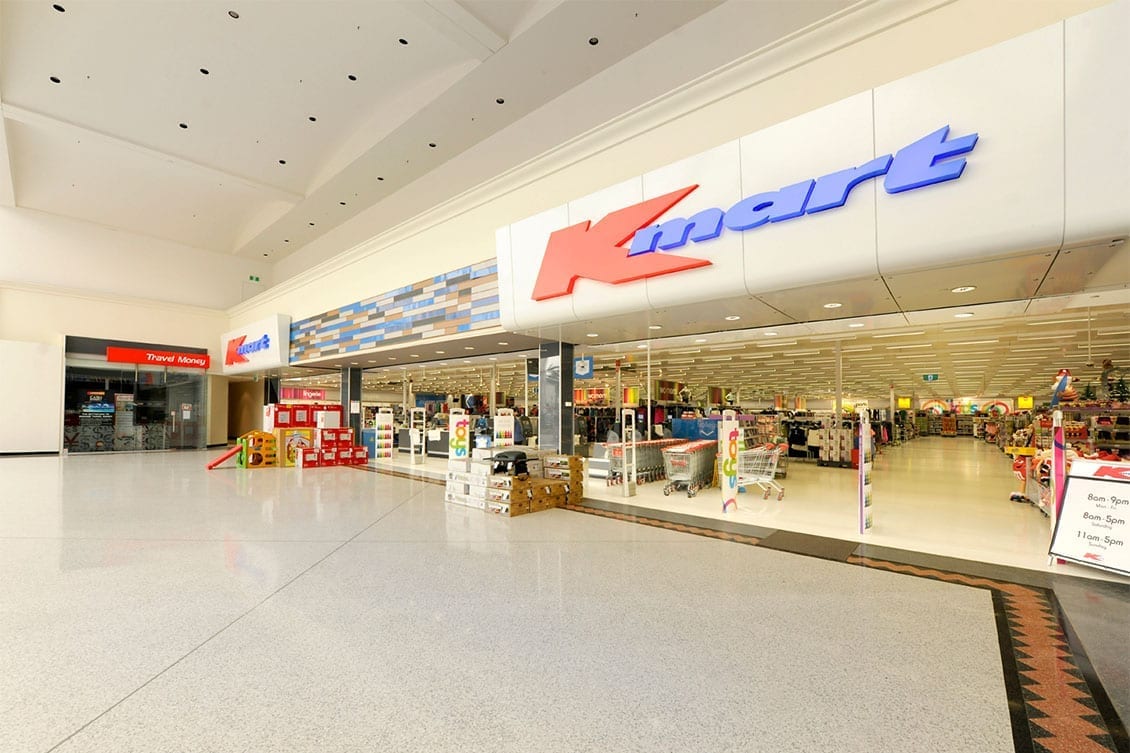
    Kmart CEO Ian Bailey is expecting increasingly cash-strapped consumers to show out in force for his latest round of price cuts, as the DDS chain looks to a customer-first strategy that widens its price differential with competitors.

    The discount department chain will slash prices by as much as 20 per cent on selected items across its entire range, with 320 products set to be reduced later this week.

    Speaking to us, Bailey said that the move was a reinvestment of cost savings, born from a shift in manufacturing from China to Indonesia, stressing that the cuts weren’t a threat to earnings and would drive sustainable profitability.

    “There’s a strong reaction from customers when we lower our prices, even if we’re already the lowest price on the market,” Bailey said.

    He explained that price investment was primarily for customers and was less about making a defensive play against competitors, but he told shareholders last week that the introduction of international players such as Amazon and Decathlon into the market has prompted Kmart to put “more energy” into assessing its customer offer.

    The plan, which will see key lines such as men’s and children’s tees reduced by 50 and 25 cents respectively, is not the first price cut for the discount department store in recent years and is likely not the last, so long as cost savings can continue to be leveraged, Bailey indicated.

    It’s part of a broader ambition flagged for the brand at Wesfarmers’ strategy day last week, to double annual sales to around $10 billion and lift earnings from $470 million to $1 billion.

    Bailey, who sees the target as an aspiration, said last week that the $80 billion market Kmart plays in is relatively static and that achieving Kmart’s goals would require taking market share from competitors.

    Kmart goes global

    Kmart is looking at alternative growth verticals to achieve its lofty goals, laying the groundwork on an international expansion that’s seen its products trialled in Thailand and India recently.

    Bailey has struck a deal with Southeast Asian retail giant Central Group to launch Kmart’s products in select Robinson Department Stores in Thailand, as concessions.

    While Wesfarmers aren’t interested in taking the Kmart brand overseas, partly due to confusion with the American owned Kmart, the conglomerate is interested in launching Kmart’s products in other countries, leveraging synergies with withstanding production.

    “We have this range of products that we design, develop and produce and then we only offer it to the population of Australia and New Zealand,” Bailey said.

    “Many of our competitors are global competitors who are [selling] across the world, so it’s a logical step for us to say, ‘how do we connect our product with customers elsewhere’.”

    Bailey laid out a 3-5 year timeframe for accelerating growth on the wholesale venture, where Kmart still controls replenishment, ranging and display.

    “The next two-years from here are really about learning, which is us working very closely with Robinsons and maybe a couple of others to really make sure we’ve got a model that works with the end-customer in Thailand or whichever other country we pick,” Bailey explained.

    Kmart doesn’t intend to open its own stores overseas at this stage, but Bailey has already outlined his desire to make wholesale a strong vertical for the business in the medium term.

    Analysts sceptical; Wesfarmers backs stores

    Back at home analysts remain unconvinced that Kmart can emerge unscathed from the entry of Amazon and other competitors, with widely reported Morgan Stanley research predicting that Kmart and Target could lose $201 million in earnings annually to Amazon by 2026.

    While Kmart’s focus on everyday low prices and direct sourcing has seen it emerge as the jewel in Wesfarmers’ Department Stores division in recent years —outpacing its struggling sister company Target with third quarter sales growth of 2.5 per cent this year— concerns remain over its ability to go toe-to-toe with the American e-commerce giant.

    Kmart’s online offer remains an identified point of weakness among some analysts, with delivery currently offered at 3-5 days for metro customers, slower than many domestic competitors and far behind Amazon’s next-day model, which it is looking to roll-out in Australia.

    Bailey said Kmart are working hard on the online side of the business and that a relatively seamless omnichannel strategy was a focus for the team. He doesn’t, however, intend to compete with Amazon or other pure play retailers on their core strengths.

    “We aren’t static in the online space, our offer will continue to improve, but if you compare us to an online pure play player like an Amazon that’s their core expertise and they’ll be very good at that,” Bailey said.

    “We’ve expressly not grown online at an incredible rate until we know we can do it with good economics,” he added.

    Bailey and Department Store CEO Guy Russo are backing Kmart’s network of 217 physical stores across the country in their bid to secure and expand market share, having recently completed a portfolio review that will increase the number of Kmart stores and decrease the number of Target stores.

    The move will see Kmart open between 8-10 stores a year alongside an estimated 35 refurbishments, which is part of a store renewal process to a new format that is currently two-thirds complete.

  • Chinese market no longer land of opportunity for Korean products

    Chinese market no longer land of opportunity for Korean products

    China’s consumer market that once offered vast opportunities for South Korean exporters has become less penetrable as Chinese firms make goods that compete with imports, industry data showed on July 14th.

    Samsung Electronics, which in 2012 ousted Apple Inc. to hold the top market share for smartphones in China, fell to eighth place in the first quarter of this year. Samsung’s market share in handsets hit 17.7 percent in 2012. It dropped to 4.9 percent in 2016. In the first quarter this year, its market share was a marginal 3.1 percent.

    China’s own brand Huawei raised its market portion from 9.9 percent to 18.9 percent over the past five years. Another local firm OPPO, who had no presence in 2012, soared to grab 18.7 percent during the period. Together with Vivo, the three are dominating the Chinese smartphone market.

    Industry officials say that data indicates THAAD may not be the only cause of falling South Korean exports to China as firms there are quickly catching up in technology and no longer relying on foreign products.

    South Korea’s auto exporters have also been nudged out by Chinese companies, data showed. Hyundai Motor and its sister firm Kia Motors reported their market share in China had been cut in half compared with five years ago.

    The carmakers said their numbers fell from 8.6 percent to 3.8 percent. They were routed by Chinese local labels, which claimed 46.1 percent of the market, followed by European (21.4 percent) and Japanese (17.6 percent) automakers.

  • Personal computer market continues to slump

    Personal computer market continues to slump

    Personal computer industry is in the midst of a 5 year slump. Worldwide shipments of personal computers continued to slump in the recently ended quarter but showed signs of stabilizing, according to figures released Wednesday by market trackers.

    Preliminary estimates released by Gartner indicated that 61.1 million PCs were shipped in the second quarter of this year in a 4.3 percent decline from the same period a year earlier.

    An IDC Worldwide Quarterly Personal Computer Device Tracker report put the figure at 60.5 million in a year-over-year decline of 3.3 percent.

    Higher prices due to tight supplies of some components, particularly solid state drives, were felt to be among factors that hampered sales.

    Gartner maintained that the PC industry is in the midst of a 5 year slump, and said the latest figures represented an 11th straight quarter of declining shipments.

    “Amid some unevenness in market trends across the regions, the global PC market has continued to trend toward stabilization,” IDC research manager Jay Chou said in a release.

    “Despite recent issues wrought by component shortages and its effect on system prices, we expect the momentum of commercial market replacements will contribute to eventual market growth.”

    Chou expected consumer demand for PCs to remain under pressure, but saw potential boosts from the growing popularity of powerful computers for game play and sleek new Windows machines.

    Factors hitting PC sales included growing demand for Google-backed Chromebook laptops that essentially act as gateways to services and computing power hosted in the internet cloud, according to Gartner.

    Worldwide Chromebook sales grew by 38 percent last year, while the overall PC market shrank six percent, Gartner reported.

    “The Chromebook is not a PC replacement as of now, but it could be potentially transformed as a PC replacement if a few conditions are met going forward,” said Gartner principal analyst Mikako Kitagawa.

    “For example, infrastructure of general connectivity needs to improve; mobile data connectivity needs to become more affordable; and it needs to have more offline capability.”

    Both market trackers ranked HP as the top computer seller, saying its sales have grown despite the shrinking market.

    HP was followed by Lenovo, Dell and Apple in that order.

  • Japanese Retail Giant Accepts Bitcoin Nationwide after Successful Trial

    Japanese Retail Giant Accepts Bitcoin Nationwide after Successful Trial

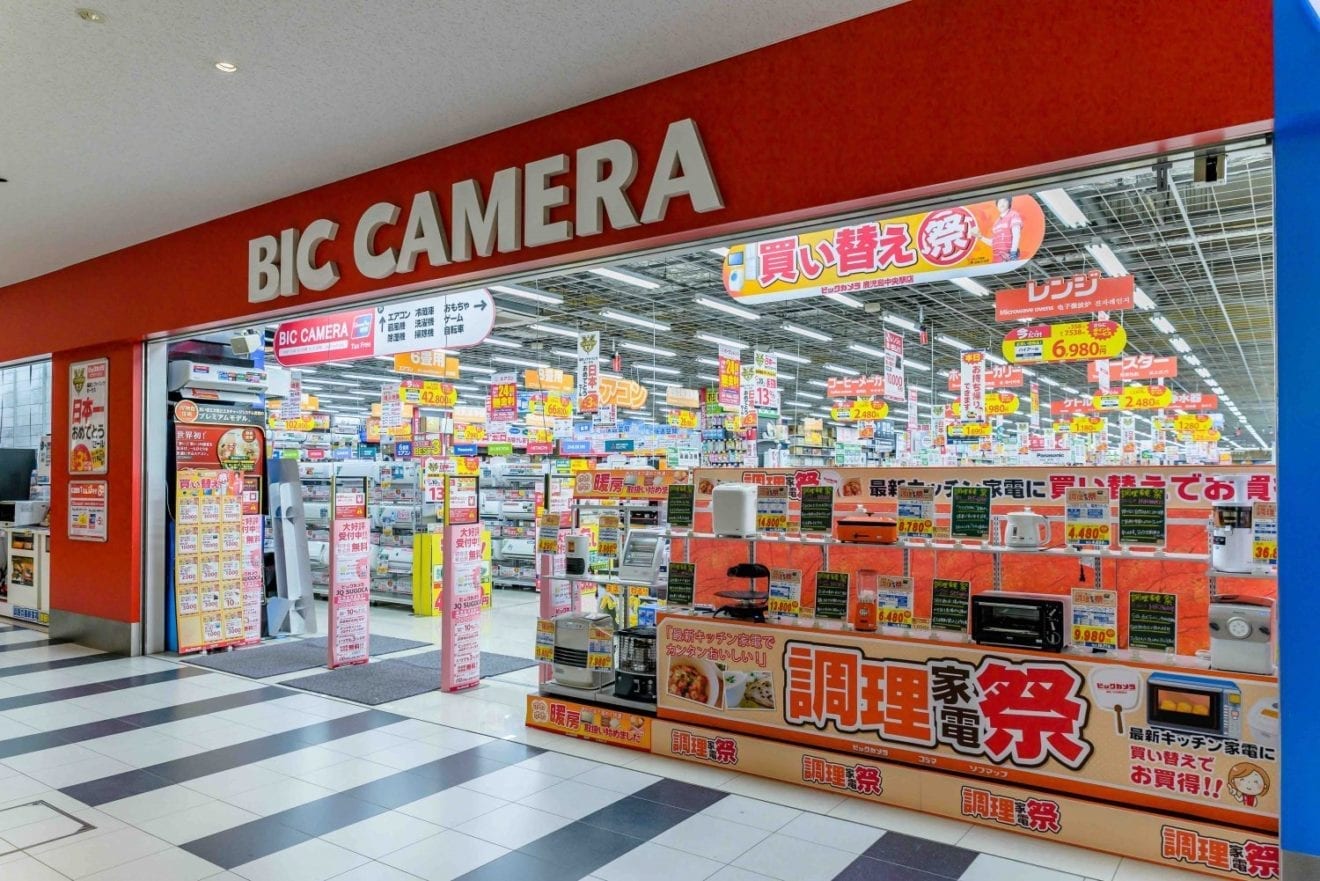
    Japanese electronics retailer Bic Camera will enable bitcoin payments across all stores in the country this month. Tokyo-based consumer electronics retail chain Bic Camera becomes the latest major retailer to accept bitcoin throughout Japan, a report confirmed today.

    The trial proved to be beyond successful.

    According to today’s report, the ‘more-than-expected’ popularity of bitcoin payments has led to Bic Camera expanding bitcoin payments at more than 40 stores domestically.

    Bic Camera first announced a trial run of accepting bitcoin payments from shoppers at the retail group’s flagship store in Tokyo and another store in the city. Customers could pay up to ¥100,000 (approx. $900) for purchases of consumer electronics such as cameras, laptops, audio equipment and more.

    The retailer partnered Tokyo-based bitFlyer, an industry startup and Japan’s largest bitcoin exchange, to install the point-of-sale (PoS) payments infrastructure. As a payments processor, bitFlyer’s gateway converts the bitcoin into fiat immediately upon payment. These fiat funds are then transferred to the retailer the following day. bitFlyer charges a 1% service fee on transactions.

    Bitcoin’s growing popularity in Japan, following recent legislation that acknowledged bitcoin as a legal method of payment, will also see Bic Camera accept bitcoin at 139 subsidiary Kojima stores in suburbs across Japan.

    Last month, bitFlyer’s chief financial officer Midori Kanemitsu revealed that the number of retail storefronts accepting bitcoin is “expected to rise to 300,000” this year. Japanese bitcoin startup BITPoint was revealed to be in discussions with a payments terminal operator that could see digital currencies accepted at hundreds of thousands of Japanese retailers.

    Japan also ended the 8% consumption tax on bitcoin purchases in July, making adoption attractive for new investors and consumers preferring cashless payments.

    All of this, at a time when the Japanese government is making marked moves toward embracing cashless payments by mandating a growth strategy to double digital payments over the next decade.

  • Xiaomi opens second flagship store in Hong Kong

    Xiaomi opens second flagship store in Hong Kong

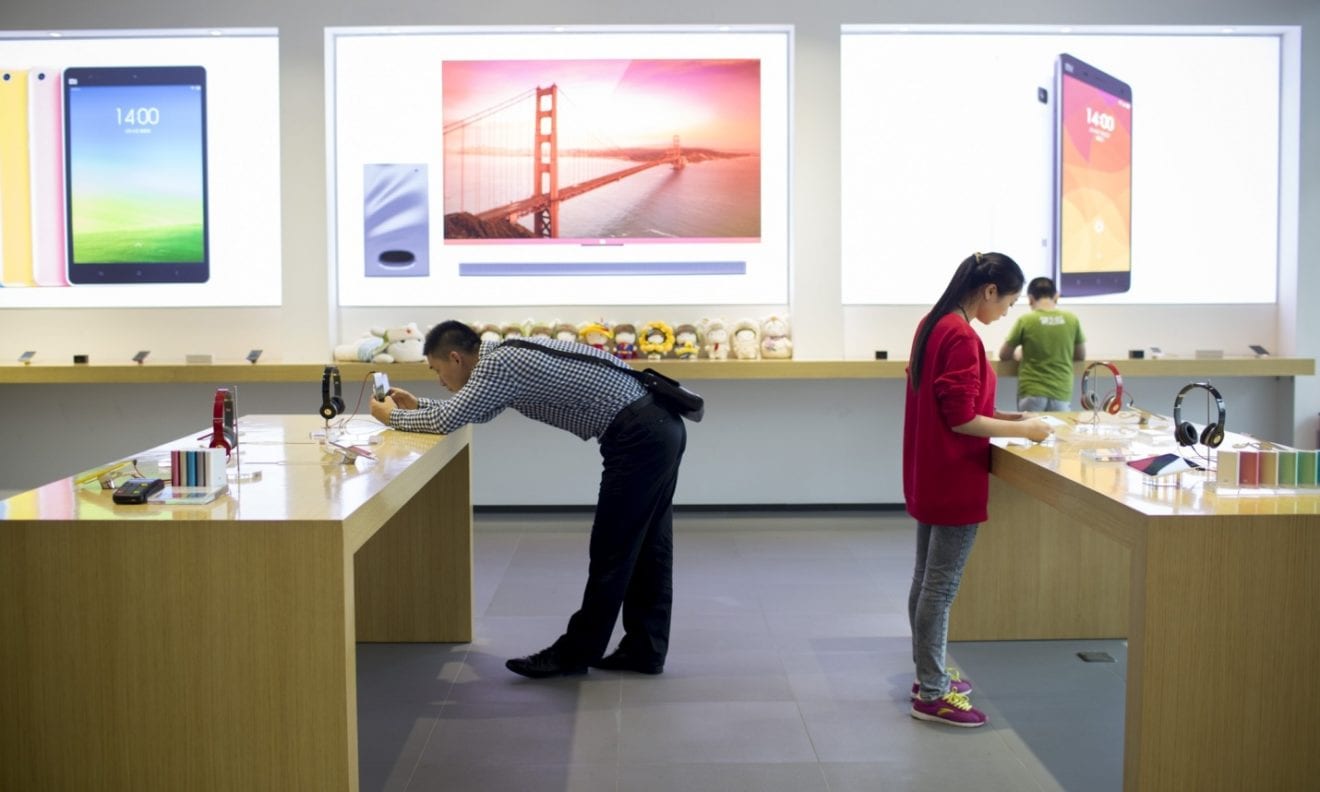
    Chinese smartphone and electronics products maker Xiaomi opened its second Hong Kong flagship store in the Hang Lung Centre, Causeway Bay.

    With an area of over 3,000 square feet, Xiaomi’s new Hong Kong flagship store has eight floors. The store provides various Xiaomi products, including smartphones, wireless routers, and smart home devices, as well as lifestyle supplies such as suitcases, pillows and towels.

    Prior to this, Xiaomi launched its first Hong Kong retail store in Nathan Road, Mong Kok in 2015.

    Wang Xiang, Xiaomi’s head of international team and senior vice president, said that the opening of Xiaomi’s second flagship retail store in Hong Kong represents the importance of this marketplace. Wang said Xiaomi hopes to open 1,000 retail stores and generate revenue of CNY10 billion over the next three years.

  • Samsung Electronics expects record-high Q2 profits

    Samsung Electronics expects record-high Q2 profits

    Samsung Electronics said Friday it expects profits to jump 72 percent in the second quarter to a record high, amid soaring memory chip prices and increased demand for smartphones.

    Operating profit is estimated at 14 trillion won ($12.1 billion) in the April-June period, up from 8.14 trillion won a year earlier, the tech giant said.

    It marks the all-time high quarterly operating profit ever posted by Samsung Electronics, surpassing the previous record 10.1 trillion won set in the third quarter of 2013.

    Sales for the April-June period are also expected to surge 17.8 percent on-year to 60 trillion won.

    Samsung witholds sector-by-sector business performance until it releases its final earnings report later this month.

    The earnings forecast surpassed a market consensus of around 13.2 trillion won compiled by FnGuide, a financial information service provider.

  • Apple continues Asia expansion with its first retail store in Taiwan

    Apple continues Asia expansion with its first retail store in Taiwan

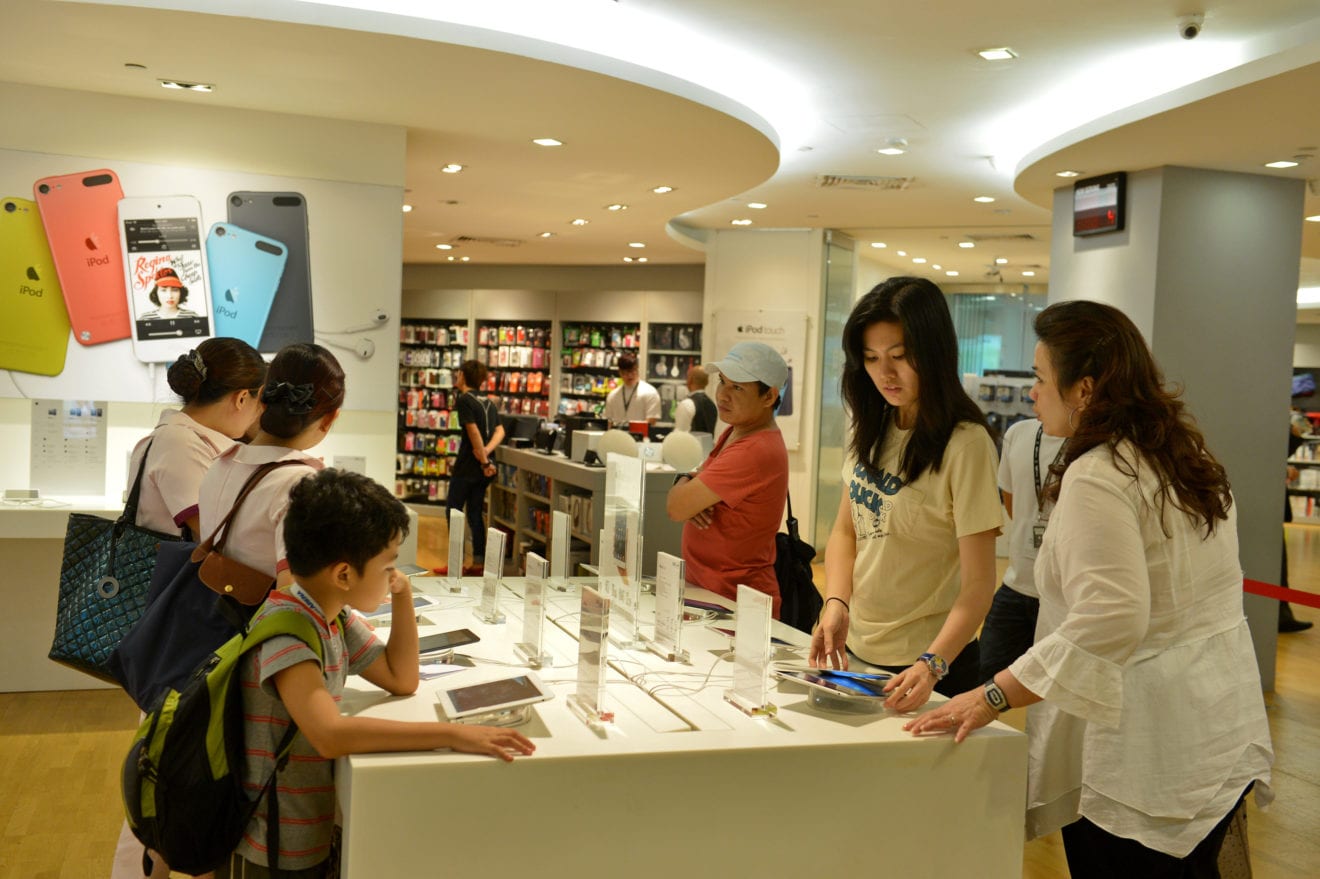
    Apple has continued to expand its retail footprint in Asia after the iPhone-maker opened its first store in Taiwan this weekend.

    The inaugural Apple Store is located in Taipei 101, a landmark skyscraper in Taipei, and it is staffed with an initial workforce of 130 employees, Apple said. Doors in Taiwan opened at 11am local time on Saturday, but eager fans had queued for as long as 68 hours in some cases.

    Beyond selling products and offering repairs, the Apple Taipei 101 store is aimed at being a place for community and learning. Apple said it will offer visitors access to its ‘Today at Apple’ programs that cover topics like photography and video, art, design, music and coding.

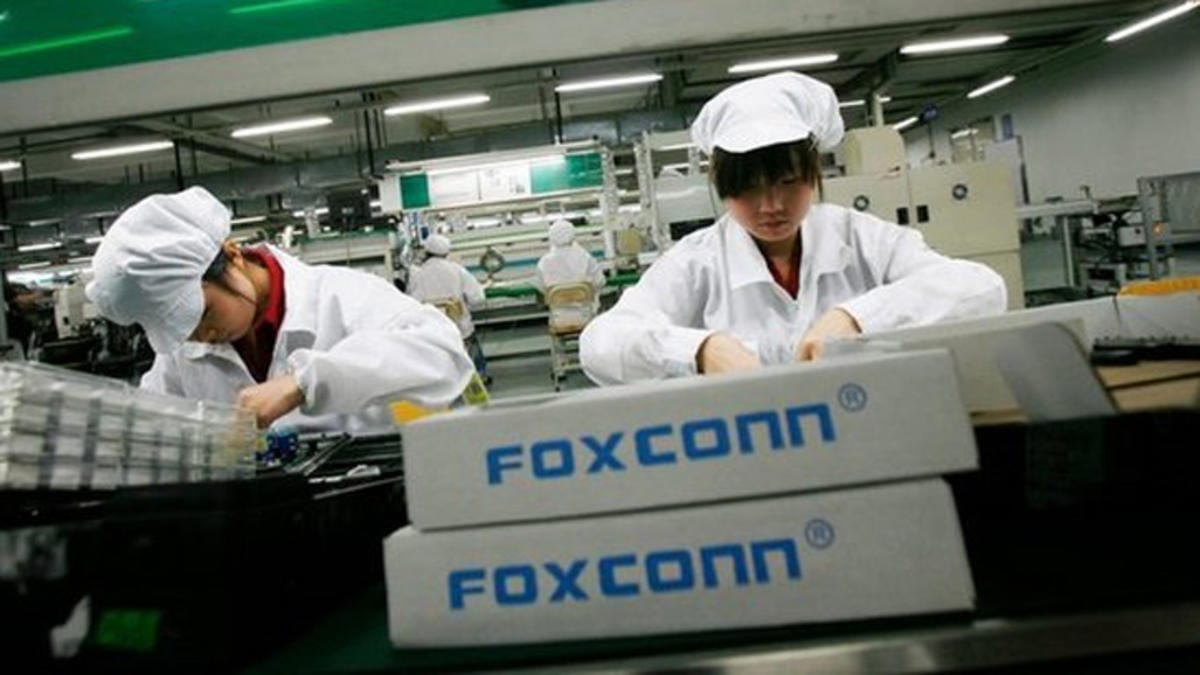
    Like in other parts of Asia, Apple customers in Taiwan had until now had to rely on Apple’s website or third-party resellers to buy products and handle repair options. That’s despite the fact that many of Apple’s key manufacturing partners, including Foxconn, are headquartered in Taiwan but operate their factories in China.

    Exact numbers aren’t clear, but Apple is consistently among the top five smartphone sellers in Taiwan with upwards of 15 percent marketshare, although that spikes significantly around new device launches.

    This Taiwan launch comes hot on the heels of the opening of Apple’s first retail store in Singapore, and the announcement of plans for an Apple Store in Korea. The company is also working to expand its stores to India. Apple, which has already begun assembling some devices in the country, said it recently held “constructive” dialogue with government officials on the topic.

  • Omnichannel retailing to deliver market win

    Omnichannel retailing to deliver market win

    The omnichannel model has become a new weapon in the race to maintain and expand market share in the electronics retail industry.

    The coveted Top 3

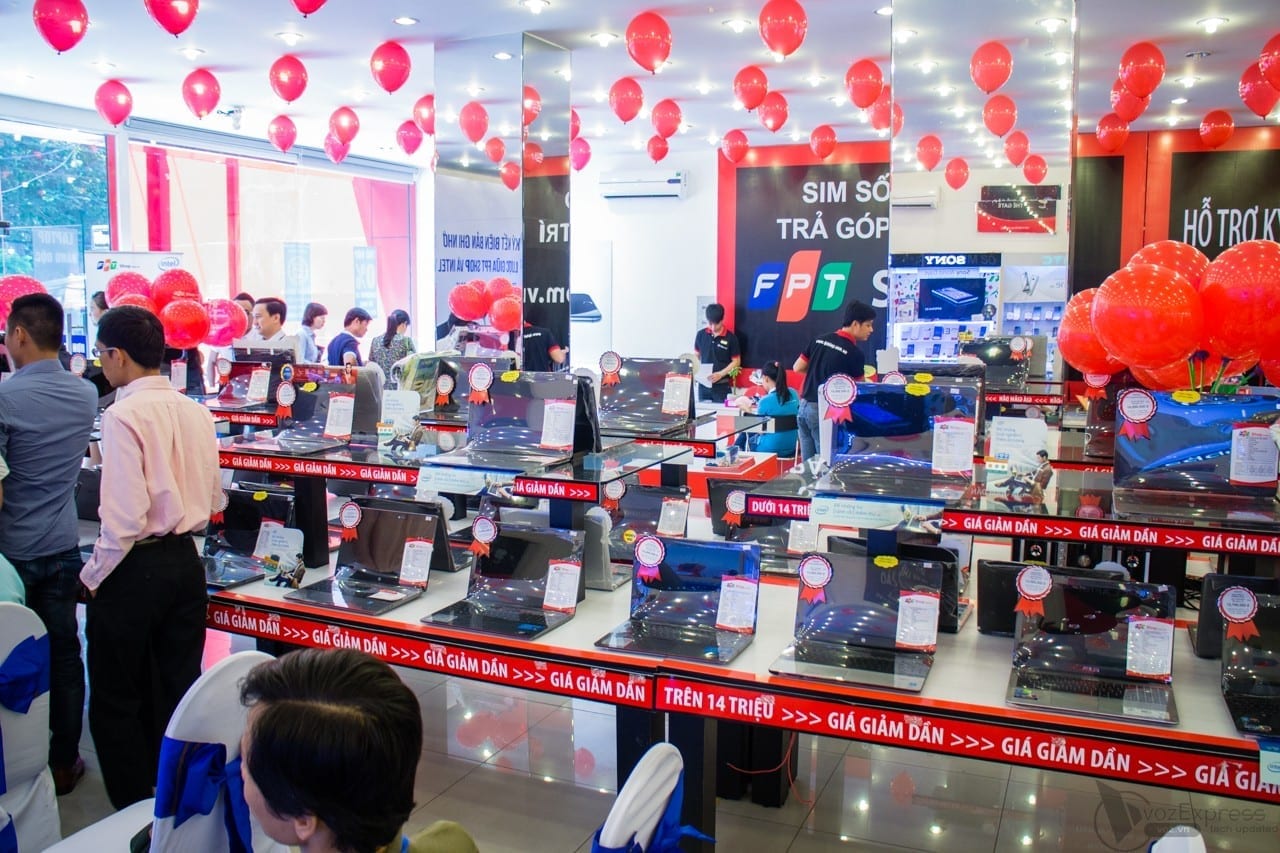
    A latecomer taking on established competitors, FPT Shop only started to strengthen its e-commerce channel in 2014. Within a single year, revenue from this business segment was only VND318 billion out of the total VND5.226 trillion ($13.98 million out of $229.91 million). FPT Shop’s website’s traffic reached a modest 100,000 visitors per day.

    In 2015, the firm’s e-commerce revenue posted VND568 billion ($24.98 million) and traffic doubled. In 2016, revenue from online sales grew by over 200 per cent, registering VND1.2 trillion ($52.79 million) and contributing approximately 10 per cent of its total revenue. Traffic was 800,000 visitors per day.

    Although FPT Shop’s e-commerce revenue in 2016 was only half of its largest competitor The Gioi Di Dong, this is considered an optimistic sign of greater opportunities as FPT Shop enters the potential e-commerce playground.

    According to Ngo Quoc Bao, director of business development of FPT Retail, FPT Shop has set a more ambitious target. “E-commerce revenue will double in 2017, crossing the VND2 trillion ($87.98 million) threshold,” said Bao. Such acceleration of growth shows FPT Shop’s intention toward professional omnichannel retailing. “We will continue the strong development of offline and online channels and the strategic partnership with companies like Google and Facebook to boost customer outreach,” remarked Bao.

    In order to achieve this, FPT Shop implemented comprehensive HR restructuring at the e-Commerce Centre from upper management to business strategy. While it used to open 5-7 stores a month, now the rate is only 1-2 stores per month, with no plans for further physical store expansion in the near future. Its current store count is 430.

    According to Bao, as FPT Shop entered the online arena later than its competitors, it has to reach one million customers this year. To achieve this, FPT Shop must boost traffic, optimise user experience to increase returning visitors, ensure confidentiality, convenience, and timeliness in online payments.

    The Gioi Di Dong (MWG) is arguably the first entrant to the online retail realm. This major name is in possession of the largest market share, with 10 per cent, thanks to a formidable online presence that is considered superior to that of Lazada (mostly owned by Alibaba) and Zalora (wholly owned by Nguyen Kim and Central Group).

    According to market research firm Euromonitor International, although market shares fluctuate year to year, MWG continues asserting its dominance among online retailers since 2011. MWG determined hefty targets for online retail as revenue from this source is set to double over-year to VND6.65 trillion ($292.55 million). The company’s total supermarket count will reach 1,207, of which thegioididong.com accounts for 951, Dien may XANH 256 for supermarkets and 40 for stores. Along with all this, Vuivui.com, a dedicated e-commerce site, will play a crucial role in the company’s strategy.

    Nguyen Duc Tai, president of MWG, commented that middle and high-school students tend to make more and more online purchases. Vuivui.com is the company’s investment for this future consumer base. The platform may even become MWG’s growth driver by 2020. “But for now, physical stores remain MWG’s chief money maker,” said Tai.

    Talks of the race to expand among the likes of FPT Shop and MWG cannot leave out Vien Thong A, a name ringing fewer bells, who is currently ranked third in the online retail arena. This retailer had an impressive year in 2016, where it opened 63 new supermarkets nationwide, boosting total count to nearly 300. Additionally, the retailer’s revenue went up by 30 per cent on-year.

    Besides tackling the coverage target and growth at least of 30 per cent, this year Vien Thong A will expand its online sales activities, which in 2016 generated only 5 per cent of the revenue made through traditional channels.

    Hoang Ngoc Vy, CEO of Vien Thong A, said the company is looking to expand its B2B online business in order to meet the ever-increasing demand. “The development of omnichannel tactics to offer services regardless of location and timing is our top priority,” remarked Vy.

    In order to jumpstart this business segment, Vien Thong A has to meticulously identify a strategic investor as its partner in this race.

    A game of speed

    According to Euromonitor International, by 2020, online electronics retail will grow at 30.9 per cent CAGR, reaching VND20.985 trillion ($923.18 million). Meanwhile, purchasing behaviour is changing, shifting to more time spent online, leading the offline channel to saturation, with increasingly limited room for growth.

    In reality, omnichannel retailing has been steadily gaining ground for the past three years in Vietnam as mini-scale online stores started mushrooming on Facebook with numerous online sales tactics.

    Especially, Zalo (VNG) launched Zalo Shop to provide independent online merchants with a direct platform to 60 million customers without acquiring technical capabilities. Zalo users can conveniently “browse” thousands of stores on the uniform interface of Zalo Shop and easily make purchases without searching on Facebook or Google. Boasting these advantages, the online channel, more than ever before, has become considerably lucrative.

    According to statistics by Google, Vietnam is second in the world in terms of the number of online retail merchants. Whether this form of retail can grow sustainably remains, however, a question as customers are hesitant to accept/trust these independent small-scale businesses.

    Such prospects push retailers towards change. They admit the never-before-seen potential of omnichannel in awakening the market and capturing new customer segments.

    Bao commented that FPT Shop must expand its coverage and get ahead of market demand. However the Vietnamese consumers are naturally sceptical. Online buyers would visit offline stores to browse the merchandise, compare the products and prices. Therefore, it is advisable that companies stay mindful of their physical chains.

    Logistics above all

    “Never coerce consumers to online channels, since physical visits are conducive to unintended additional purchases. It depends on geographic and taste factors that enterprises coordinate their channels, hence enhancing brand recognition,” said Bao.

    In the race of omnichannel retailing, the essential survival tip is understanding, satisfying, and building trust with customers. To achieve this, retailers are responsible for guaranteeing the authenticity, quality, and timeliness of merchandise. Logistics, therefore, should be an investment priority.

    The Gioi Di Dong used to outsource its logistics but has since developed its own delivery capabilities. FPT Shop utilises its own store staff for delivery.

    “In that way, our delivery staff can directly consult the customers on product use and ensure our reputation,” commented Bao.

    Regarding logistics, Luong Duy Hoai, CEO of Giao hang nhanh (GHN) said, in the future, a product from abroad can easily reach Vietnamese consumers. The same goes for Vietnamese goods sold to other countries.

    Therefore, it is no longer a matter of speed but of agility to comprehend and lead the industry landscape by market shares. The challenge for modern retailing is the shipment of million, even tens of millions, of orders on a daily basis. The ultimate success factor lies in a delivery network that can address the complexities of increasingly customised demands. It is up to each retailer to rapidly transform its model according to the current technological trends.
  • Foxconn to set up manufacturing hub in India

    Foxconn to set up manufacturing hub in India

    Foxconn will invest up to 320 billion rupees ($4.9 billion) to establish more manufacturing capabilities in India, in response to the nation’s recent legislative changes designed to incentivize local manufacturing.

    The company plans to exponentially scale up its Indian operations, opening new factories and expanding its manufacturing footprint.

    India has just announced a 10% customs duty on the importation on phones and accessories in a bid to encourage local manufacturing. The move comes two years after he introduction of tax benefits for companies making handsets locally.

    It is currently unclear how the recently-announced GST of up to 18% of the cost of transactions will influence the benefits for local manufacturing.

    According to the report, India currently has the capacity to produce up to four million devices per month, manufacturing phones for companies including Xiaomi, Oppo, InFocus, Nokia and Gionee.