Category: Electronics

Retail News Asia is committed to providing both local and global retailers with the latest Electronics news throughout the Asian market. This on a daily base.

  • NEC opens first Advanced Centre for Experimentation (ACE) in Singapore

    NEC opens first Advanced Centre for Experimentation (ACE) in Singapore

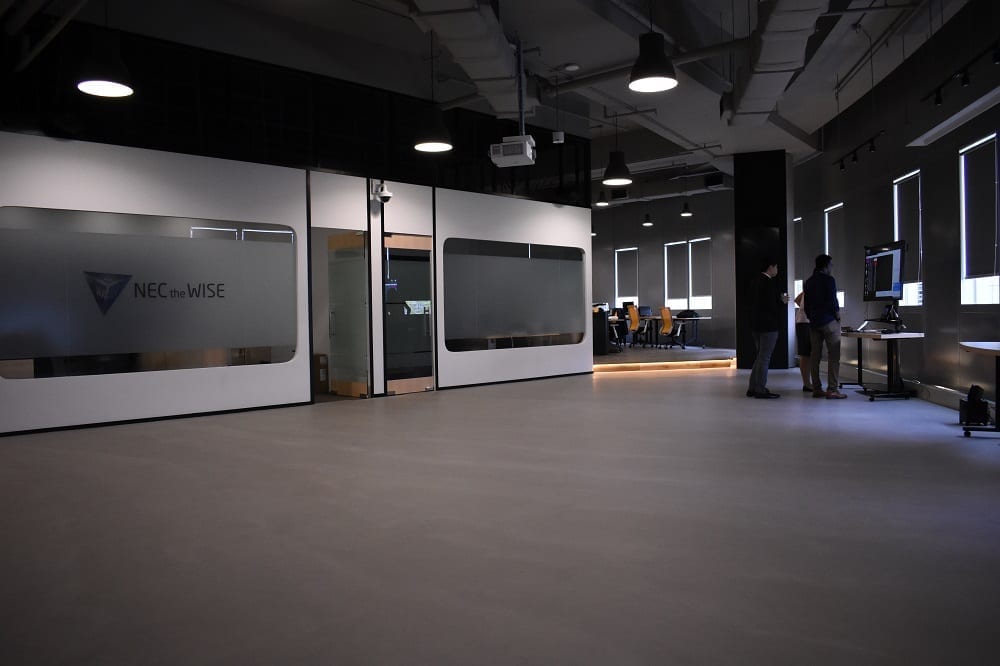
    NEC Corporation and NEC Asia Pacific today announced the opening of NEC’s first Advanced Centre for Experimentation (ACE), aiming to facilitate the company’s global Research & Development capabilities.

    The ACE is strategically located in Singapore, with its favorable research ecosystem and infrastructure, and forms a key component of NEC’s growth strategy in the Asia Pacific region. Operated by NEC Laboratories Singapore (NLS), the ACE leverages NEC’s core technologies and advanced solutions, such as artificial intelligence (AI) and ICT platforms, to create new value and contribute to a safer, smarter living environment for people and communities.

    The facility allows co-creation of solutions and provides a “living lab” for proof-of-concepts foradvanced solutions that help customers and partners, including governments and enterprises, in areas such as public safety, transportation and healthcare. This enables close collaboration with NEC researchers in a real world environment, and makes it possible to clearly understand thebenefits of new solutions before commercial deployment and operation.

    In conjunction with the opening of the ACE, NLS, which currently is staffed with 33 researchers/solution engineers, will hire an additional 50 researchers/solution engineers within the next three years, mainly specializing in AI, the Internet-of-Things, Cognition and cyber security, thereby contributing to the further development of Singapore’s R&D talent pool.

    “We are delighted that NEC has chosen to establish their ACE in Singapore. This investment by NEC is a strong testament of Singapore’s talent pool and innovation capabilities to drive the digital transformation of industries.  The ACE will enrich Singapore’s digital ecosystem, and will foster new partnerships for the co-creation and commercialization of new solutions from Singapore,” said Tung Meng Fai, Director, Infocomms and Media, Singapore Economic Development Board.

    “The establishment of the ACE is a significant milestone for us as it is the first of its kind for NEC globally. NEC is investing more than S$100 million in the Asia Pacific region over the next five years mainly for research and development, and the set-up of the ACE in Singapore is the heart of this investment. This experiment facility underscores NEC’s strong commitment to business in Asia Pacific,” said Tetsuro Akagi, Senior Vice President of NEC Corporation and Chief Executive Officer of NEC Asia Pacific. “Leveraging NEC’s technological innovation in AI and big data analytics, we hope to innovatively help governments and enterprises across the region in their digital transformation journey.”

    Established in September 2013, NLS aims to accelerate time-to-market of NEC’s solutions for society. NLS core expertise is in the study of social concerns jointly with government, enterprises, and research institutes, and proposing a combination of advanced information communication technologies to form new solutions to solve a broad range of business and social challenges.

    NLS has conducted joint research projects with partners and customers around the world. This includes SMRT Buses, a public bus transport operator in Singapore. SMRT Buses and NEC launched Singapore’s first telematics monitoring system consisting of eco-drive sensors that monitor and analyze bus captains’ driving behavior in 2014. This has led to another innovative project with SMRT Buses to develop the Professional Learning and Training Management System (PROLEARN). PROLEARN provides a comprehensive approach to constantly monitor, proactively manage, and provide customized training for drivers with relevant operational and industry-specific competencies using NEC’s big data analytics technology.
  • Apple revenue rises on iPhone boost

    Apple revenue rises on iPhone boost

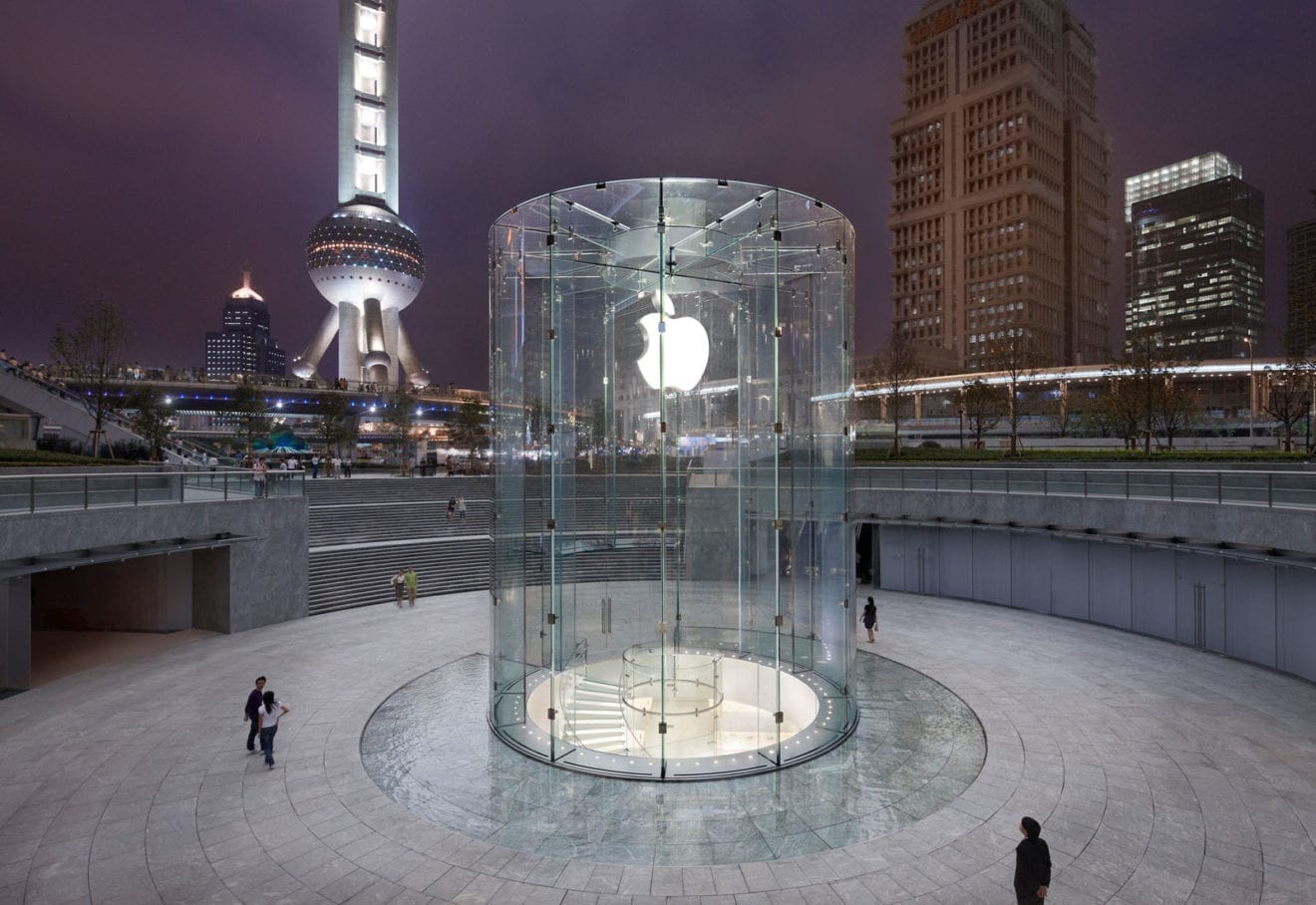
    Apple has reported a 7.2 per cent rise in quarterly revenue, buoyed by better-than-expected sales of its iPhones ahead of the smartphone’s 10th-anniversary edition launch later this year.

    On Tuessday the company said iPhone sales rose 1.6 per cent to 41.03 million in the third quarter ended July 1, above analysts’ average estimate of 40.7 million units, according to financial data and analytics firm FactSet Street Account. Apple sold 40.4 million iPhones a year earlier.

    Many customers wait for Apple to launch its new smartphones before deciding on upgrading or replacing their current devices, which usually results in iPhone demand tapering in the months before a release.

    The company forecast total revenue of between $US49 billion ($A61 billion) and $US52 billion for the current quarter, while analysts on average were expecting $US49.21 billion, according to Thomson Reuters I/B/E/S.

    Analysts on average expect the company to sell 45.55 million iPhones in the current quarter, according to FactSet. Apple sold 45.51 million iPhones in the year-ago quarter.

    Apple’s fourth quarter generally includes first-weekend sales of the company’s latest devices.

    The company’s net income rose to $US8.72 billion, or $US1.67 per share, in the three months ended July 1, from $US7.80 billion, or $US1.42 per share, a year earlier.

    Revenue rose to $US45.41 billion from $US42.36 billion in the quarter, typically the company’s weakest. Analysts on average had expected $US44.89 billion.

  • Venture gears up to field test self-driving delivery robot

    Venture gears up to field test self-driving delivery robot

    Tokyo-based venture ZMP Inc. may begin field testing a self-driving delivery robot in August intended as an alternative to aerial delivery drones as Japan grapples with a growing labor shortage.

    The box-shaped CarriRo Delivery robot, which is 133 cm long and 109 cm high, is designed to run on sidewalks and carry loads of up to 100 kg, ZMP said.

    “Our delivery robot is more suitable than drones when it comes to delivering heavy products like food items,” said ZMP Chief Executive Officer Hisashi Taniguchi.

    The company has teamed up with sushi delivery firm Ride On Express Co. to test a prototype of the autonomous vehicle on private property.

    The robot, which is equipped with cameras and sensors and can steer itself at a maximum speed of 6 kph, selects delivery routes on its own using a pre-loaded map. It can be controlled remotely when needed, according to ZMP, which is also developing self-driving car technologies.

    Customers can unlock the robot’s cargo hold using a code sent to their smartphones.

    While looking to improve the robot’s features, including climate management in the cargo hold, ZMP and its partners will urge the government to make regulatory changes that allow the robot to be tested on public roads.

    ZMP hopes the CarriRo Delivery robot will be treated similarly to electric scooters used by the elderly.

    Domino’s Pizza Enterprises Ltd. began testing an autonomous delivery robot in Australia last year, while companies like Amazon.com Inc. and Rakuten Inc. are seeking to commercialize drones for door-to-door parcel deliveries.

  • Mi Hong Kong opens doors

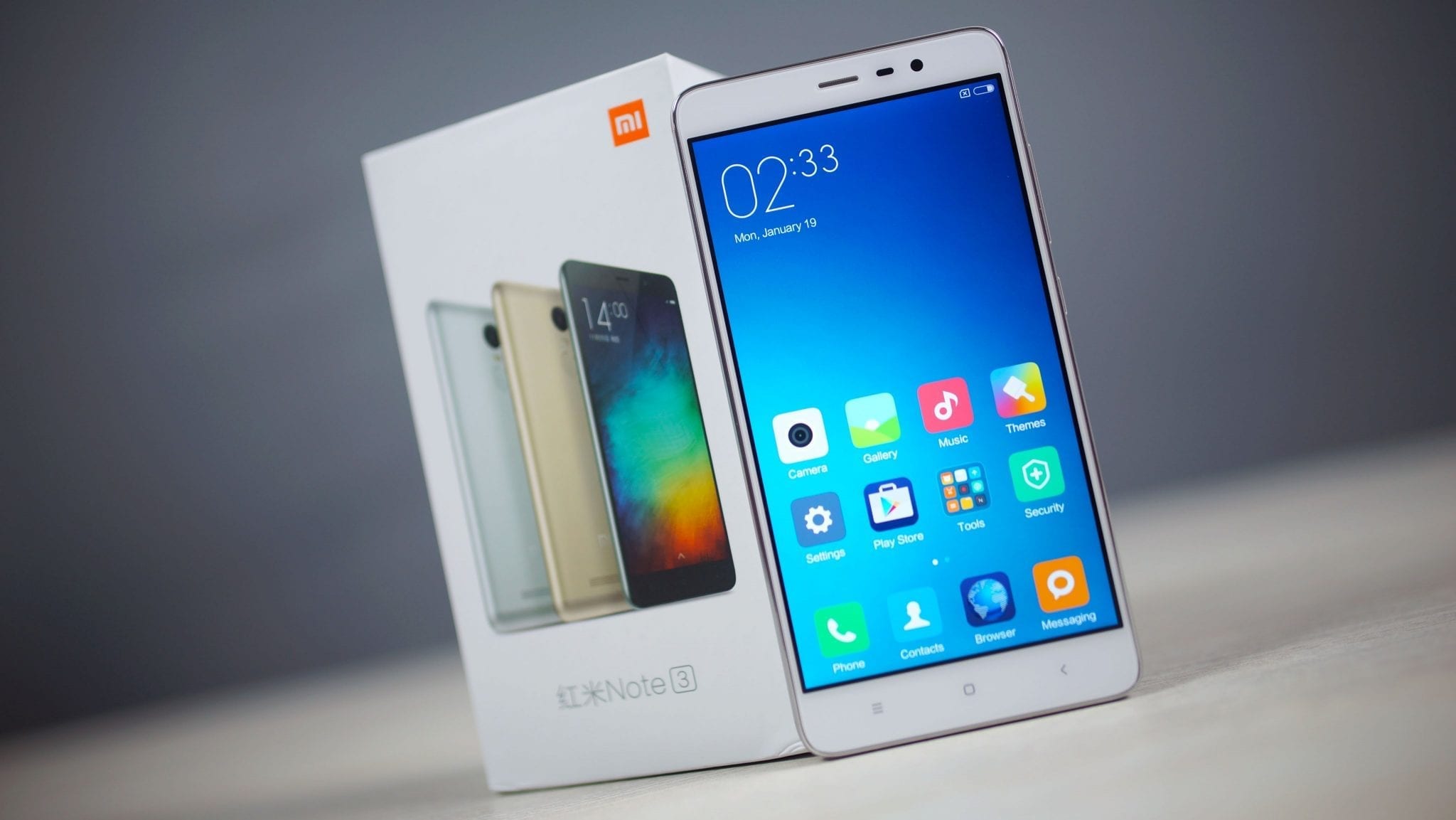
    Chinese smartphone maker Xiaomi has opened its first retail store outside the Mainland.

    The Mi Hong Kong store – dubbed Mi Home – is a 270 sqm space inside Hollywood Plaza at 610 Nathan Rd in Mongkok.

    We say ‘space’ because the store was created as somewhere “just like home” – somewhere Mi owners, or prospective owners, would feel at home.

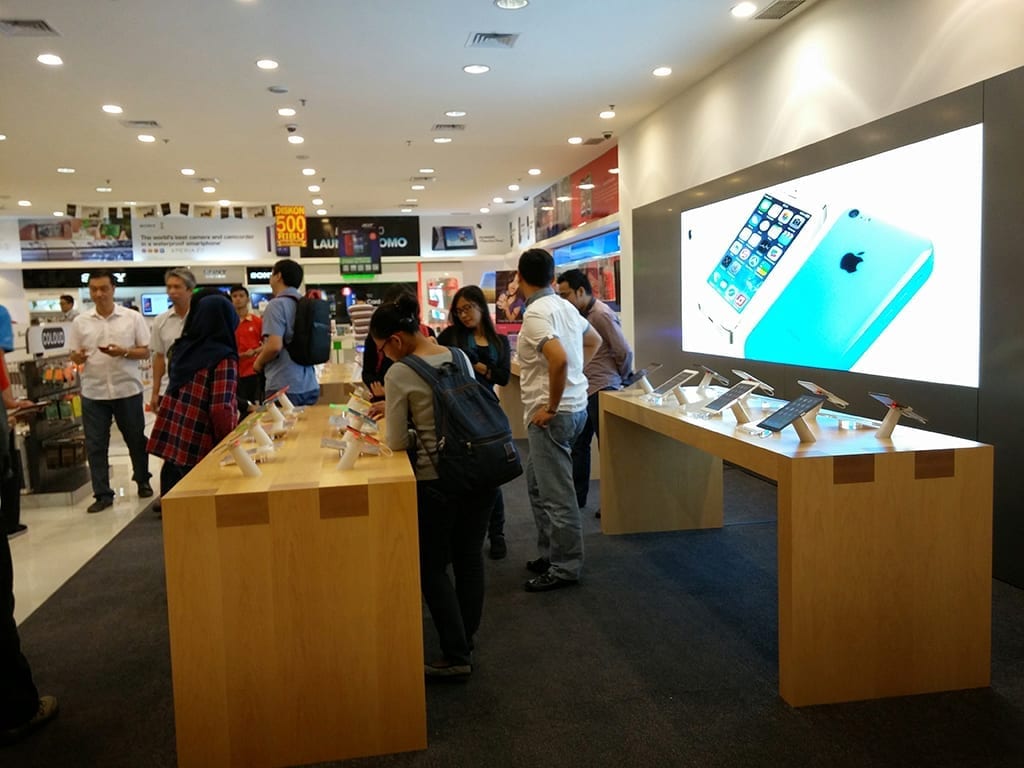
    As the images released by Xiaomi show it is a lot like an Apple store, but without the vast product range. Instead there are brightly coloured sofas and cushions and giant flat screen TVs.

    Hugo Barra, the former Google executive who is now VP of Xiaomi Global, promised last month Xiaomi would create “a service and store experience that feels just like home, we want a place that feels so comfortable you’re just happy to come and hang out”.

    As well as allowing customers to try out the handsets and compare models, the store has a service guarantee: customers can bring a phone in to be fixed and wait no longer than 19 minutes before being able to take it away.

    Xiaomi was launched in China in 2011 yet has already become the world’s third largest smartphone brand – and the largest in the mainland. Last year it sold 60 million handsets, almost all of them in Mainland China. Founder and CEO Lei Jun, China’s 23rd richest man, is now expanding the brand into other consumer electronics lines.

    And the company has begun what promises to be a relentless march abroad. As well as opening its flagship in Mongkok – almost certainly a test before the concept is rolled out elsewhere – it has started selling accessories like headphones online in the US and Europe.

    So far it is not selling handsets in either market, but Mi phones are finding their way into other markets via distributors and grey imports.

    Xiaomi launched its new Mi 4i handset in Hong Kong on May 12 at HK$1599 – a handset with a 5.5 inch screen and 15 megapixel forward camera, running Android. At the equivalent of US$206, it is a potential category killer once consumers grow to trust the Mi brand. An Apple iPhone 6 starts at $5588 (US$720). It is Xiaomi’s first phone developed for the global market.

    Xiaomi has a small network of 19 retail stores in Mainland China, dubbed Mi Homes and 541 service centres operated by partners in eight markets.

    To date most of its handsets are sold online and through a small group of retail partners in Hong Kong and India.

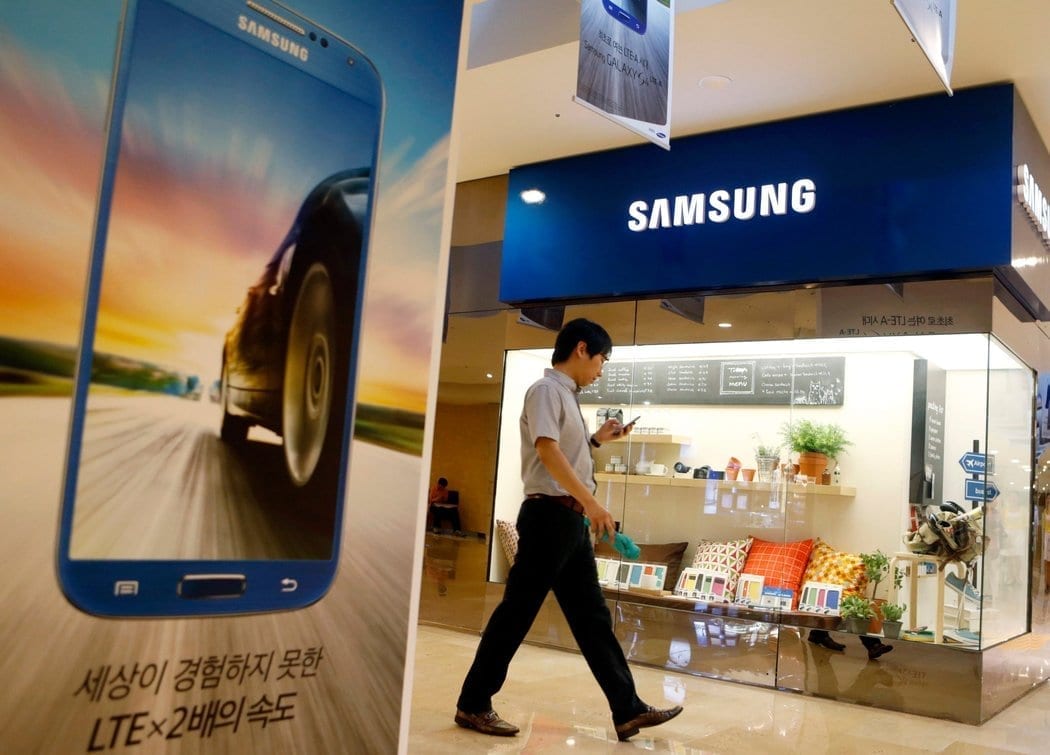
  • Samsung begins official distribution of Harman products

    Samsung begins official distribution of Harman products

    Samsung Electronics will start selling Harman International’s consumer audio products from Tuesday through its local distribution channels, the company announced Monday.

    It is the first official business move since the South Korean tech titan completed its acquisition of the 70-year-old US-based audio system manufacturer for $8 billion in March.

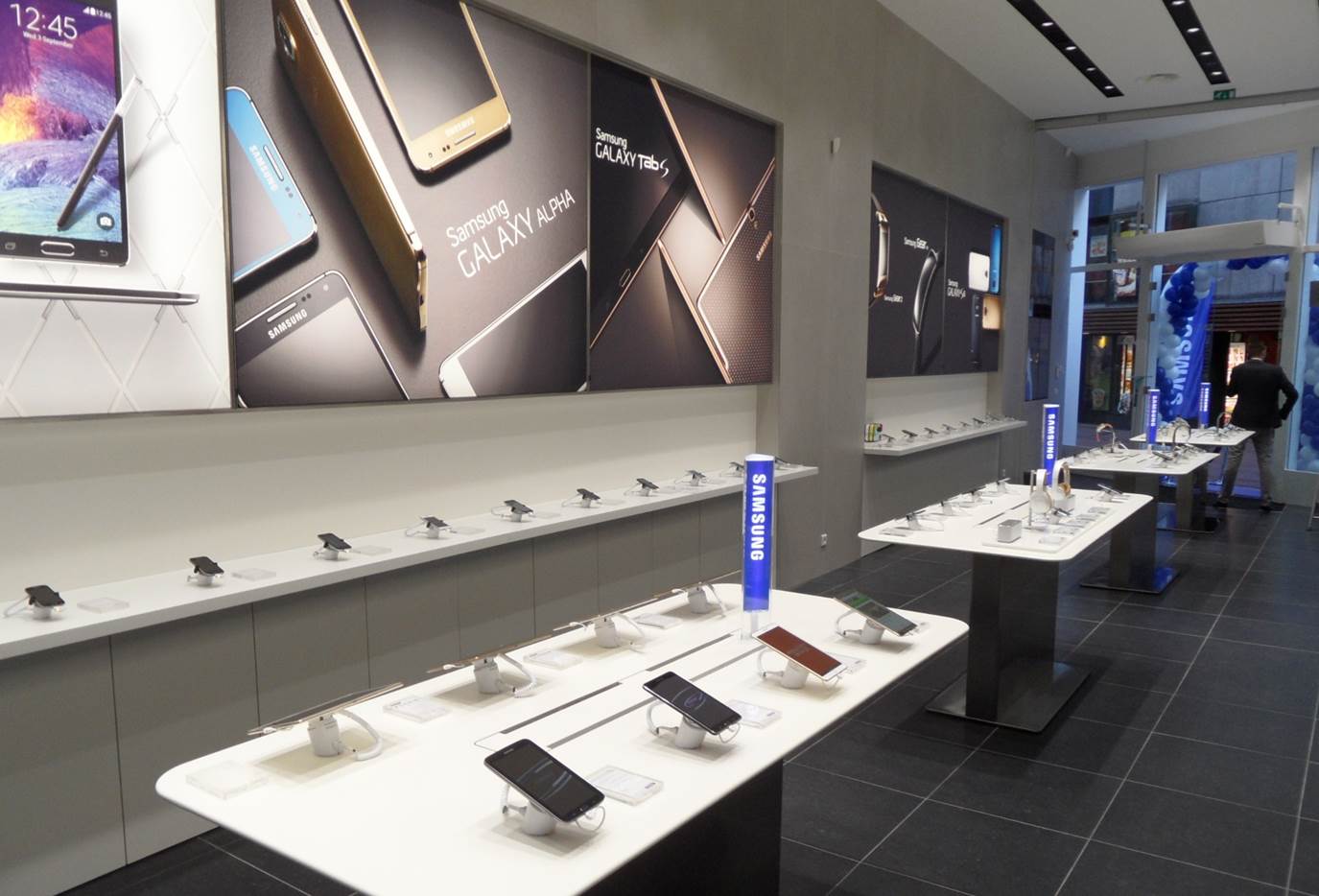
    Samsung will officially release 40 speaker, earphone and headphone products under the Harman Kardon, JBL and AKG brands that represent strong audio systems through 30 Samsung Digital Plaza shops across the country, with a plan to gradually expand the distribution points.

    Within the year, Samsung plans to open exclusive Harman shops at multipurpose malls, providing consumers with better experiences of enjoying sound.

    Harman products have been sold here through Harman Korea with limited distribution channels that are now to be expanded through Samsung.

    After-sales services for the Harman products will be available through Samsung’s service centers nationwide, the company said.

    Samsung took over Harman that is also specialized in automotive electronics with an aim to expand into the transportation, retail, hospitality and education industries.

    While keeping Harman’s operations separately, Samsung said the two will team up for new projects in the aforementioned areas whenever necessary. On July 13, the two announced a collaborative theater project adopting Samsung’s light-emitting diode technology for cinema together with Harman’s JBL speakers at Lotte Cinema World Tower in Jamsil, southern Seoul.

  • Xiaomi announce US$1 billion loan to help with overseas expansion

    Xiaomi announce US$1 billion loan to help with overseas expansion

    Xiami announced today they will obtain a loan of US$1 billion over three years to aid overseas expansion and the improvement of distribution channels.

    It signed a syndicated loan agreement for US$1 billion over the next three years, with 18 banks including Bank of China, Deutsche Bank AG and Wing Lung Bank. Xiaomi previously secured a three-year term US$1 billion syndicated loan in 2014.

    Xiaomi Founder, Chairman and CEO Lei Jun, said that “new retail,” which is the integration of online and offline retail, as well as globalization, are the company’s top strategic areas for development, with the support of a syndicated loan.

    Xiaomi is among the top five smartphone brands in China, behind Huawei, Oppo, Vivo and Apple.

    In the second quarter, Xiaomi sold 23.16 million smartphones, marking a record high for quarterly smartphone sales. To date, Xiaomi has opened 149 Mi Home stores across China, with plans to open more in order to improve distribution channels.

  • Samsung beats Apple in brand health rankings

    Samsung beats Apple in brand health rankings

    Google, YouTube and Facebook have topped a first-ever global brand health ranking by YouGov, an online market research firm based in the UK.

    In a list dominated by online brands, Samsung has come in fourth, messaging service WhatsApp is in fifth position, and Apple’s iPhone is in sixth spot. Other brands in the top 10 ranking include brands such as Amazon, Toyota, Adidas and Colgate.

    The rankings are based on YouGov BrandIndex data from across the world. BrandIndex operates in 32 countries across the globe, including markets in North America, South America, Europe, Africa, Asia and Australia.

    The ranking takes into account consumers’ perceptions of a brand’s quality, value, impression, satisfaction, reputation and whether consumers would recommend the brand to others. The rankings list shows the brands with the highest average Index scores between July 1, 2016 and June 30, 2017.

    “Tech brands dominate this global list and with good reason. By their very nature the likes of Google, YouTube and Facebook are open and accessible in most places on earth to anyone with online access,” YouGov CEO for data products Ted Marzilli said.

    “The presence of Samsung and Apple iPhone demonstrate are a sign that our mobile devices have become the remote controls for our lives. All of the brands in the ranking are mainstream with broad utility at their core – and this is as true of the likes of Toyota and Colgate as it is for WhatsApp and Samsung.”

  • Oppo Malaysia launches flagship at Suria KLCC

    Oppo Malaysia launches flagship at Suria KLCC

    Chinese phone brand Oppo Malaysia has officially launched its first flagship store for Southeast Asia at Suria KLCC.

    As a special service, customers can have their Oppo devices engraved. Shoppers who buy a phone in store are not charged for the laser-engraving service.

    On the mall’s third floor, the store has an interior of silver-grey aluminum composite panels with white oak wood touches, soft film ceiling and a grey sofa.

    “Malaysia has always been a key market for Oppo,” says Oppo Malaysia sales director Garry Gong. During its three years in Malaysia, the brand has been learning, adapting and improving its services, he says.

    With a focus on customer experience, the new store also offers printing services for photos taken with Oppo camera phones.

  • Huawei maintains China smartphone lead

    Huawei maintains China smartphone lead

    Huawei maintained its lead in China’s smartphone market for the second straight quarter during Q2, while Xiaomi supplanted Apple to take fourth place, according to Canalys.

    Huawei shipped over 23 million handsets during the quarter, the research firm said. China’s smartphone market is now firmly dominated by local vendors, with Oppo taking second place after increasing its shipments by 37% year-on-year to 21 million, and Vivo taking third place with 16 million.

    Likewise, Xiaomi reported a strong 60% quarter-on-quarter growth in handset shipments to 15 million, taking over from Apple in fourth place. Xiaomi is achieving this momentum by focusing on low-cost handsets, according to Canalys research analyst Lucio Chen.

    “Xiaomi still offers the best value in the Chinese market, and it remains the preferred choice for price-conscious consumers. The online channel continues to be a key route to market for Xiaomi and this quarter saw it take the lead in the 618 online sales events across online retail platforms, such as JD.com and Tmall,” he said.

    The rest of China’s top ten smartphone vendors, including Apple, Samsung and Meizu all suffered annual shipment declines during the quarter.

    With the top five brands accounting for almost three quarters of shipments for the quarter, the smartphone market is showing signs of continuing to consolidate, Canalys said.

    Total shipments also fell 3% during the quarter to 113 million, putting an end to six consecutive quarters of growth.

  • Second generation Vietnamese-built smartphone to hit shelves next month

    Second generation Vietnamese-built smartphone to hit shelves next month

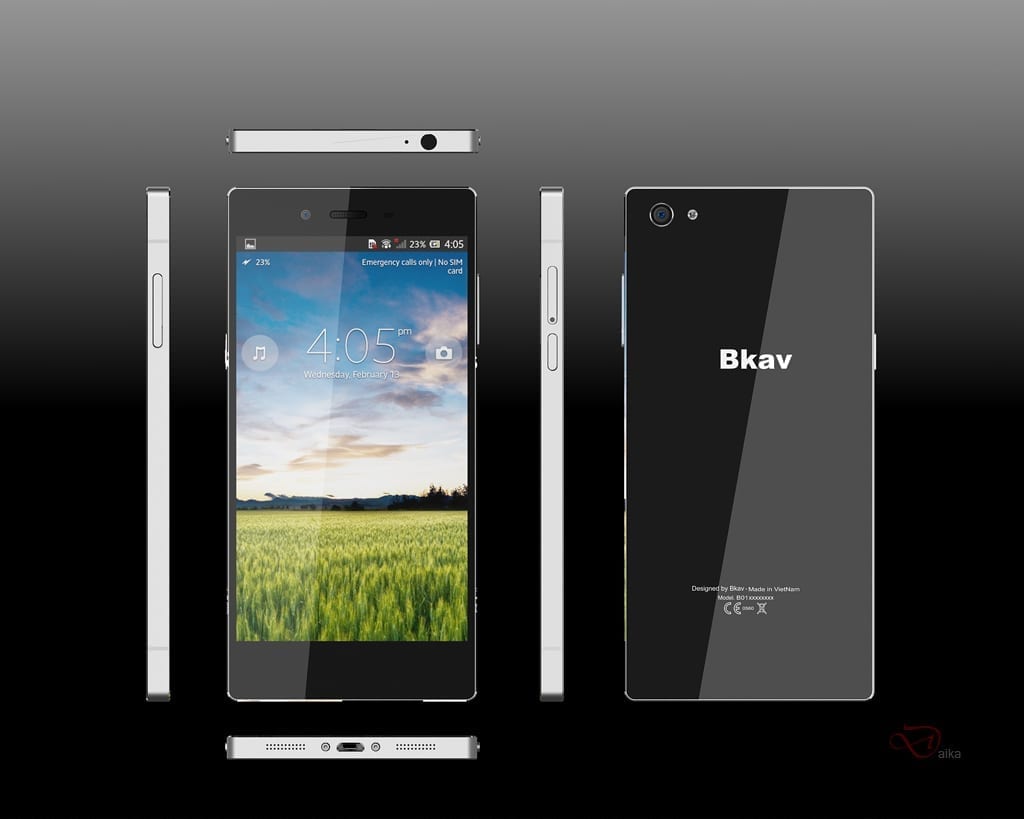
    If the company spent as much time working on the phone as it did on the invites, customers are in for a treat. Vietnam’s leading cyber security firm Bkav will host the launch of its second generation smartphone, currently known as the Bphone 2, in Hanoi on August 8.

    The event will be held at the National Convention Center, the same venue that hosted the launch of the Bphone, Bkav’s first smartphone.

    Over 2,000 invitation letters for the event designed as gilded circuit boards, believed to be based on the new smartphone’s real circuit board, have been sent out to users and members of the press, with “Designed by Bkav – Made in Vietnam” printed on the bottom.

    The invites also featured the time and date of the event on a watermark that was only visible when the cards themselves were submerged. Unlike its predecessor, the new phone will be sold both online and through mobile phone retailer The Gioi Di Dong.

    The Bphone 2 was scheduled for launch last year, but Bkav said it had to delay the event while it was developing new technology.

    Last month, a source from the company said it was possible Bkav would have to drop its new smartphone completely due to the difficulties it had faced creating a truly homegrown smartphone.

    Bkav debuted the Bphone in May 2015. While initially warmly welcomed, the phone’s launch was disappointing to many buyers as it was only available online and the company had to delay delivery four times.

    The phone also caused controversy because despite being Vietnamese-made, 30 percent of the phone was manufactured by a Chinese firm.

    In its 2017 report, Statista, a market research firm based in Germany, said the number of smartphone users in Vietnam stands at 28.5 million, or 30 percent of the country’s population. It predicts that will rise to 40 percent by 2021.

  • Dell Thailand launches concept store

    Dell Thailand launches concept store

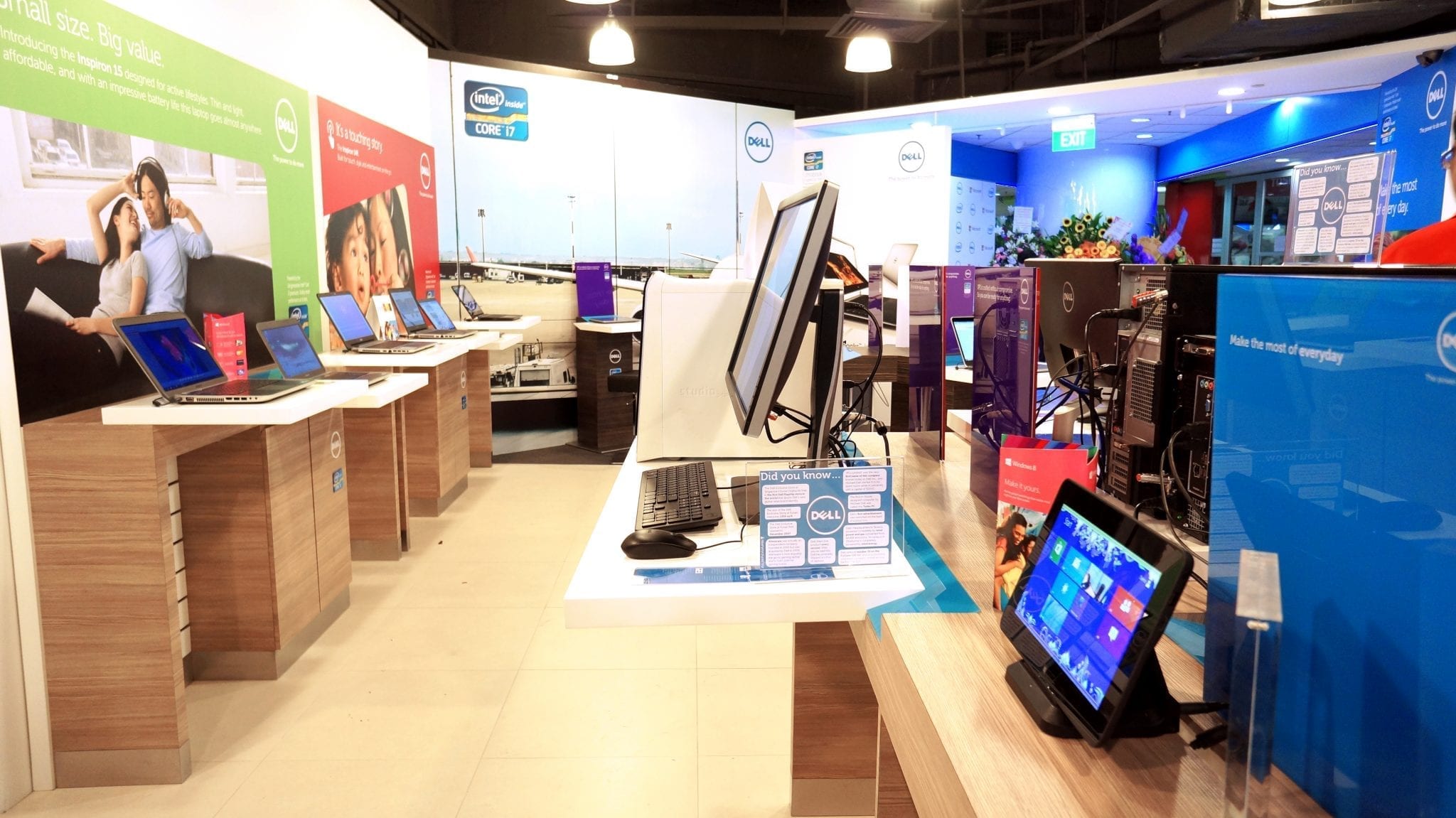
    Dell Thailand, in partnership with Chiangrai Technocom, has launched the first Dell Concept Store in Chiang Rai.

    Dell products at the store include desktop and laptop computers and peripherals for both consumer lifestyle and professional needs.

    Chiang Rai provincial mayor Wanchai Chongsutnamani presided over the store’s official opening.

    Dell EMC Indochina VP Anothai Wettayakorn says the company is confident in its partnership with Chiangrai Technocom, which has been selling Dell products through its six branches in the northern region of Thailand.

  • Reliance Jio launches “free” 4G phone

    Reliance Jio launches “free” 4G phone

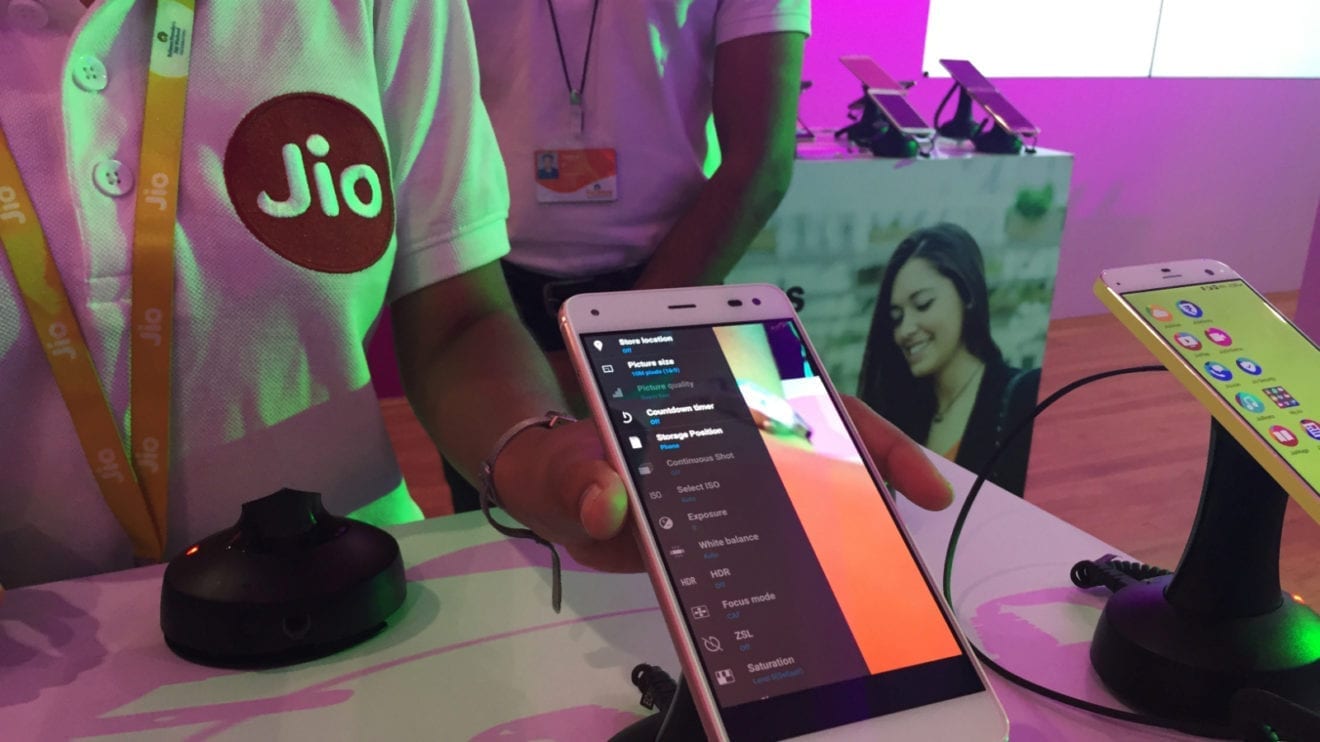
    India’s Reliance Jio Infocomm has disrupted the mobile market once again with the launch of a “free” 4G handset named the JioPhone.

    The operator is offering the JioPhone for a security deposit of 1,500 rupees ($23.29), fully refundable after three years.

    The handset is being produced in India. It will be offered under a plan worth 153 rupees per month for free voice calls and SMS as well as unlimited data with a daily fair use cap of 500MB.

    The device has a keypad and a 2.4-inch, 240×320 display. It supports Bluetooth, NFC payment and access to Jo services including JioTV and JioMovies, and has a rear camera, SD card slot and headphone jack.

    An additional data plan worth 309 rupees per month will allow mirroring of the phone screen to any TV to support streaming services at home.

    Announcing the handset, Reliance chairman Mukesh Ambani said around two thirds of India’s mobile users do not have smartphones, leaving them unable to access Jio’s 4G-only network and leaving Jio unable to attract these customers. The Jio Phone is intended to help the company reach this audience.

    Preorders of the Jio phone will commence next month. The introduction of the device will only increase the intense competition in India’s mobile market triggered by Jio’s explosive entry onto the scene with its pan-India 4G network.

  • Is a Facebook phone in the works?

    Is a Facebook phone in the works?

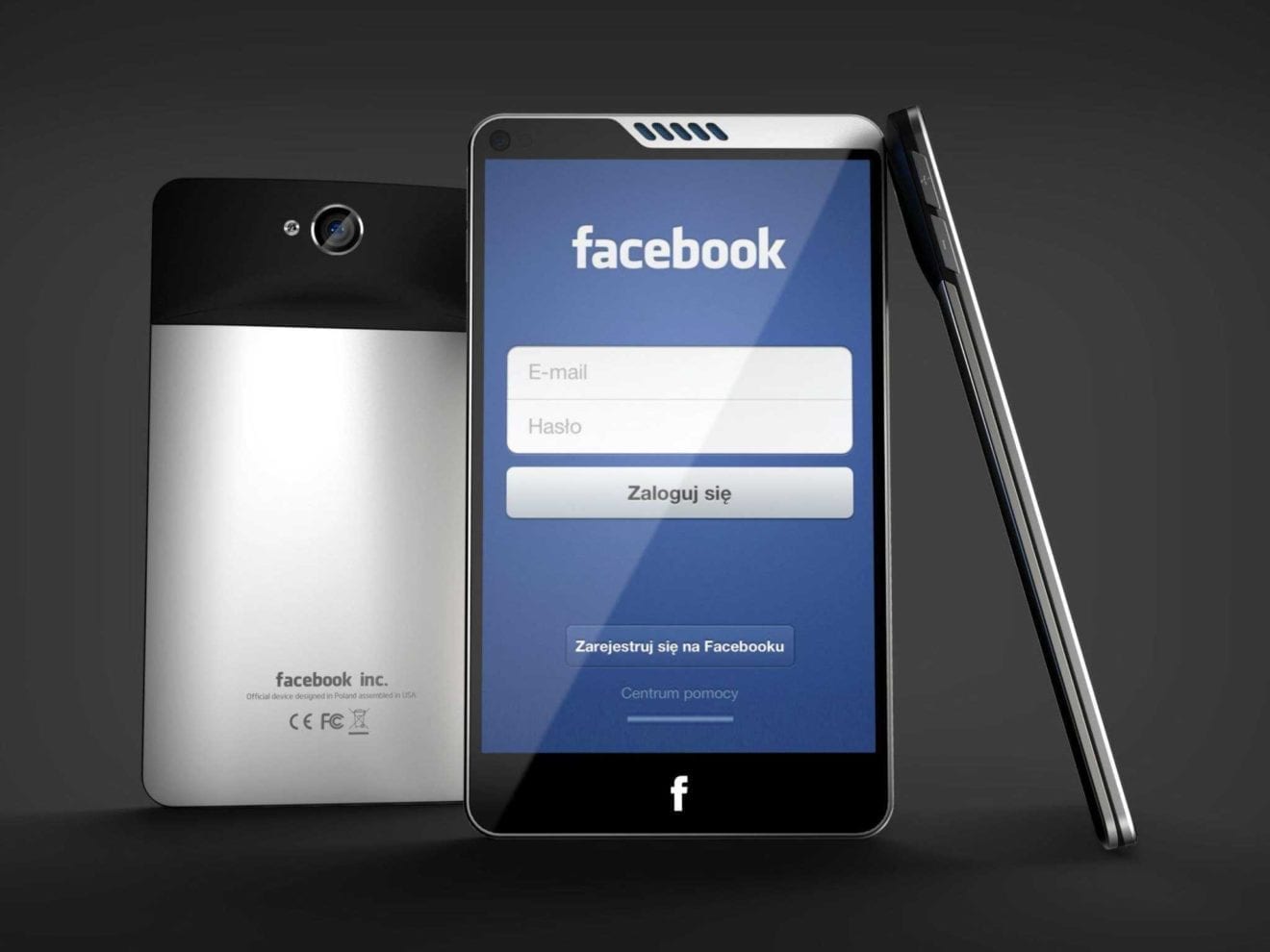
    Facebook could be working on a smartphone, according to paperwork recently spotted by cyber sleuths which the tech giant filed earlier this year. A Facebook unit devoted to hardware filed a patent application in January for a mysterious “modular electromechanical device” that could have speakers, cameras, microphones, touchscreens, and displays.

    “A user can change the functionality of the modular electromechanical device based upon the different functional modules that are connected,” read the summary portion of the somewhat cryptic paperwork filed with US patent officials.

    Speculation has swirled for years regarding whether the leading social network would try to capitalize on its popularity with is own smartphone.

    Facebook has repeatedly dismissed such talk as rumor, and declined to comment for this story.

    Facebook has a hardware team led by Regina Dugan, a former director of the Defense Advanced Research Projects Agency — DARPA — the U.S. agency tasked with identifying and funding breakthrough technologies for national security.

    Dugan previously headed advanced technology projects at Google, which dabbled with modular phones in a project called Ara. Google tested Ara but gave up on the project late last year.

    Facebook in April launched a mission to sync smartphone cameras’ windows with augmented reality, focusing on what people have in hand instead of waiting for high tech eyewear.

    While kicking off an annual developers conference in the heart of Silicon Valley, chief executive Mark Zuckerberg called smartphone cameras an initial and promising platform for augmented-reality features in applications tailored to synch with the social network.

    “I am confident now we are going to push this augmented-reality platform forward,” Zuckerberg said.

    “We are going to make the camera the first mainstream augmented-reality platform.”

    Previously, Facebook had been focused strongly on virtual reality as the next big computing platform, particularly using Rift headgear made by its Oculus unit.

  • Apple Greater China has new leader

    Apple Greater China has new leader

    Wireless technologies team leader Isabel Ge Mahe has been appointed to the newly created role of VP/MD of Apple Greater China, reporting to CEO Tim Cook and COO Jeff Williams.

    “Apple is strongly committed to invest and grow in China, and we are thrilled Isabel will be bringing her experience and leadership to our China team,” says Cook. “She has dedicated a great deal of her time in recent years to delivering innovation for the benefit of Apple customers in China, and we look forward to making even greater contributions under her leadership.”

    As VP of Apple’s wireless technologies software engineering division for nine years, Ge Mahe has been involved in the development of cellular, Wi-Fi, Bluetooth, NFC, location and motion technologies for nearly every Apple product. She has also overseen the engineering teams developing Apple Pay, HomeKit and CarPlay.

    In China, she has worked with Apple’s R&D team and carrier partners to develop China-specific features for iPhone and iPad, including QR Code support, SMS fraud prevention and enabling the use of a phone number as an Apple ID.

    Born in Shenyang and fluent in Mandarin, Ge Mahe earned Bachelor and Master of Electrical Engineering degrees from Simon Fraser University in British Columbia. She holds an MBA from the University of California, Berkeley. She takes up her new role, in Shanghai, in the next few months.

  • KFC smartphone launches in China

    KFC smartphone launches in China

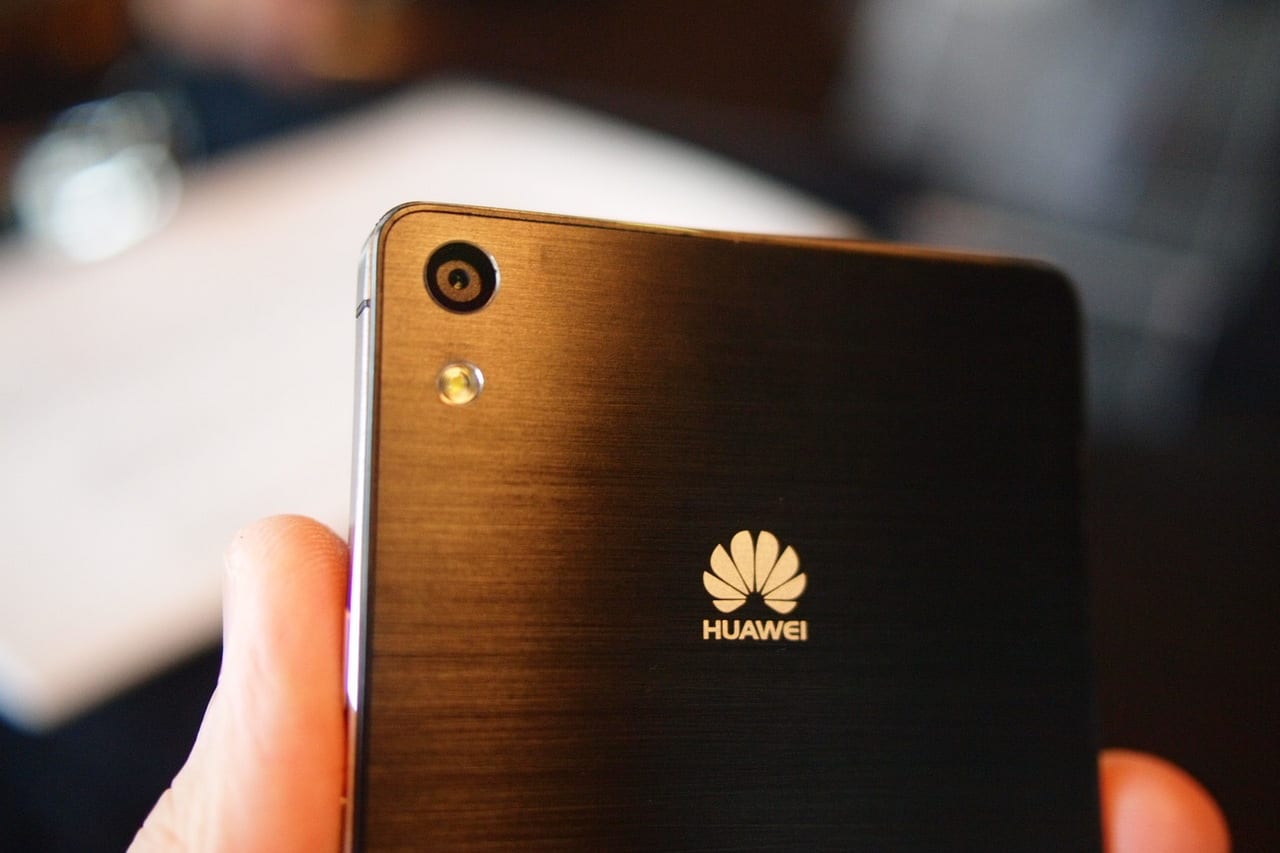
    Shortly after launching an online shop featuring a hunk of meteorite carved into a burger shape, KFC China has partnered with Huawei to release a limited-edition smartphone.

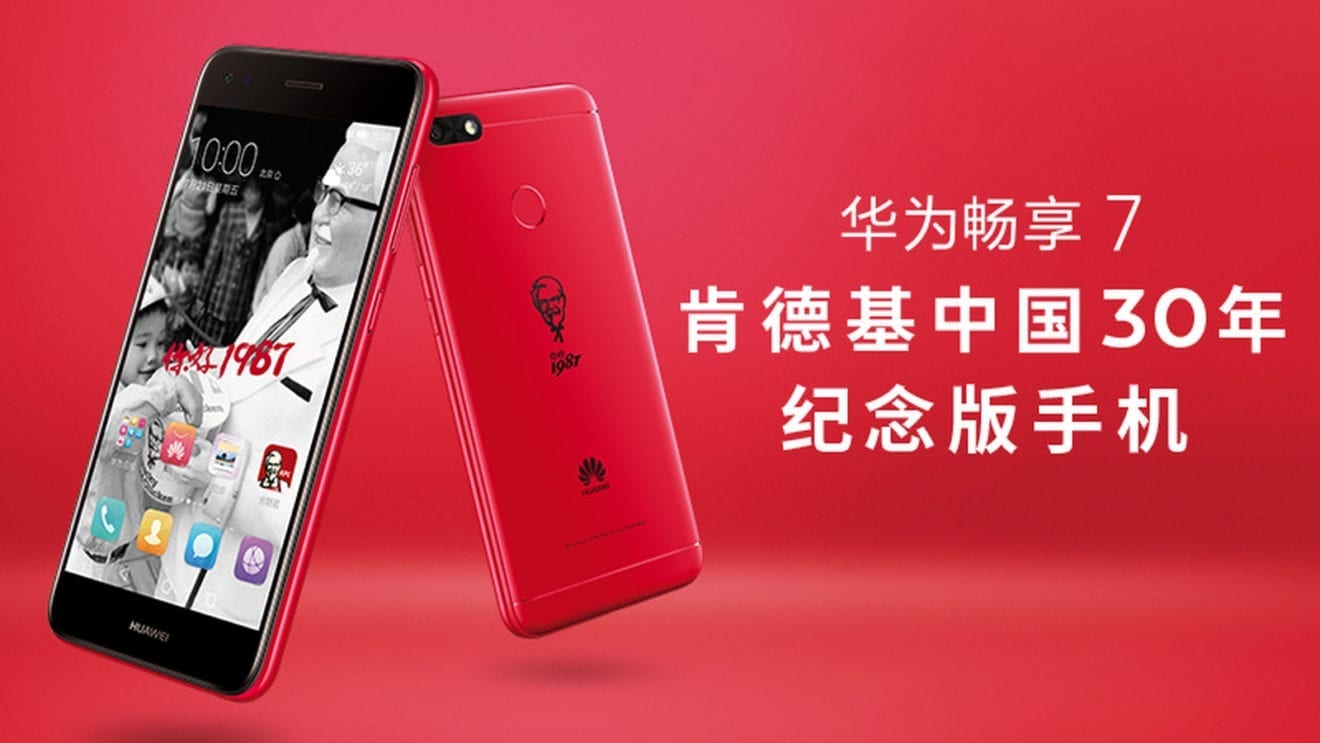
    To commemorate its 30 years in China, the new KFC smartphone phone features founder Colonel Sanders etched on its back.

    KFC announced its latest “toy” via its Weibo page, saying the phone is available for K$100,000, the restaurant’s digital currency, or RMB1099 (US$162).

    Installed on the phone is a KFC-branded music app that lets users create and share playlists at a KFC restaurant – like a modern-day jukebox. The Huawei Enjoy 7 Plus unit has a 5.5-inch screen, is powered by a Snapdragon 425 processor, and comes with 3GB of RAM and 32GB of expandable storage. It features a fingerprint scanner – for fingers that have had a lickin’, presumably.

    Only 5000 of the devices are available.