Category: Electronics

Retail News Asia is committed to providing both local and global retailers with the latest Electronics news throughout the Asian market. This on a daily base.

  • Xiaomi to open Bangkok Mi store

    Xiaomi to open Bangkok Mi store

    A Bangkok Mi store has been announced, not long after the Chinese electronics brand Xiaomi launched in Thailand.

    The authorised Bangkok Mi store will open on October 8, in partnership with Fanslink, at Imperial World Samrong.

    Xiaomi is also strengthening its service network, entering into an after-sales support agreement with VST ECS, which has 10 outlets in Thailand.

    Senior VP with Xiaomi, Wang Xiang, said the brand is planning considerable presence in the country, expecting it to become a key regional market over time.

    “We are all very excited to have this momentum in Thailand and to continue bringing new products with great technology to the people at price points that provide outstanding value,” said Wang.

  • Oppo Philippines launches concept store in Cebu

    Oppo Philippines launches concept store in Cebu

    Oppo Philippines has opened a concept store at Ayala Center Cebu.

    It is part of a nationwide expansion plan by the smartphone brand.

    “Cebu is a valuable market for Oppo… our selfie-centric smartphones are definitely relevant in the ninth city for most selfies in the world,” says Oppo Philippines PR manager Eason de Guzman.

    As well as the latest phone models, the Oppo concept stores carry accessories.

    On hand at the Ayala Center store’s opening was actor Rocco Nacino.

  • IPhone 8 Sees Bleak Response In Australia As Buyers Await iPhone X

    IPhone 8 Sees Bleak Response In Australia As Buyers Await iPhone X

    Users are probably waiting for the launch of the iPhone X, which is why the long lines outside the Apple Stores that have been a common sight post-iPhone launches are nowhere to be seen. A source told Reuters that it was a “bleak turnout” on Friday with fewer than 30 people in the queue before the Sydney Apple Store on George Street opened.

    Mazen Kourouche, who reviews products on YouTube and was first in the queue, noted that there are some modest changes in the device.

    “(It) is pretty similar to the iPhone 7 but it shoots 4k 60 frames per second and it’s got a new glass back instead of the metal which is apparently more durable,” Kourouche told.

    On the feature front, however, the iPhone 8 does not have much to offer, he added.

    Apple shares nosedived following poor iPhone 8 and 8 Plus reviews. Investors who were not happy with the way the device panned out pushed the shares down to a nearly two-month low. What is worrying investors that pre-orders are lower than they have been in previous launches.

    Usually, the number of pre-orders is a good indicator of how well the newest iPhones will sell. However, hours after both the iPhone 8 and iPhone 8 Plus were available, there were not many takers, and there was still stock left with September 22 delivery dates available either online or for in-store pickup, notes MacRumors. Mentions of the iPhone 8 and 8 Plus and iPhone X were fewer on the popular Chinese social media platform Weibo than mentions of the iPhone models in the previous two launches.

    According to Neil Cybart, an analyst who covers Apple for Above Avalon, “I think demand is down from last year, for no other reason than you have another flagship phone.”

    This could result in weekend sales being lower than at any other point since the launch of the iPhone 6 in 2014, the analyst says. Further, the steep price increase for the iPhone 8 over the price of its predecessors could also dent sales going forward.

    BTIG Research analyst Walt Piecyk also believes that other than anticipation for the iPhone X, lack of carrier promotions could be another reason for the lukewarm response to today’s iPhone launch. Piecyk stated that wireless carriers are not interested in promoting the iPhone 8 and 8 Plus, and this might not change even when the iPhone X launches, says the Financial Times.

    Apple’s iPhone X will be available for pre-order starting October 27 with a price tag of $999. The iPhone X comes with an edge-to-edge screen, an improved camera and a new facial recognition system. Rumors suggest that the iPhone X supply will not be enough to meet demand until next year. Apple CEO Tim Cook described the iPhone X  as “the biggest leap forward since the original iPhone.”

    On Thursday, Apple shares closed down 1.72% at $153.99. Year to date, the stock is up more than 32%, while in the last year, it is up more than 33%.

  • No long queues in Hong Kong on iPhone 8 launch day

    No long queues in Hong Kong on iPhone 8 launch day

    The launch of iPhone 8 on Friday did not receive such enthusiastic response from Hong Kong consumers as previously, with no long queues in front of Apple outlets.

    As the iPhone 8 and 8 plus went on sale across the globe on Friday, Apple stores in Hong Kong opened early in the morning and set up crowd control barriers at the entrance for customers to collect their pre-ordered products, but saw shorter-than-expected queues.

    A consumer who successfully bought an iPhone 8 on Friday morning told Xinhua that customers did not even need to pre-order online before getting the new phones at the store. “This is very different from previous years and shows how low the demand is.”

    Due to low demand, the number of resellers or scalpers outside the Apple stores was also obviously smaller than in previous launch days.

    Outside the Apple outlet in the Causeway Bay, a scalper told Xinhua that the prices the scalpers offered to purchase the new phones were the same as or even lower than official retail prices.

    The market has “low expectations” for the iPhone 8, he said, adding that many of his customers prefer waiting for the upcoming iPhone X.

    In Sin Tat Plaza in Kowloon, which usually was crammed with traders reselling new iPhones on the launch day, only a small number of customers were there on Friday, with the resale prices of all iPhone 8 and 8 Plus models barely meeting official retail prices.

    A local newspaper quoted owners of two different shops in the plaza as saying that they believe the iPhone 8 is not warmly welcomed by customers because it is not substantially different from the iPhone 7, but they expect the sales of the iPhone X will be better.

  • HTC and Google form $1.1 billion smartphone partnership

    HTC and Google form $1.1 billion smartphone partnership

    Google has paid US$1.1 billion to Taiwanese smartphone maker HTC to acquire technology and an unspecified number of staff.

    The two companies say the agreement is a testament to the decade-long strategic relationship between HTC and Google around the development of premium smartphones.

    It also supports HTC’s continuing branded smartphone strategy, enabling a more streamlined product portfolio, greater operational efficiency and financial flexibility.

    Despite recognised product quality, HTC has been struggling to make progress in the crowded global handset market. The Google deal will boost its cash reserves and cement the long-standing partnership as Google tries to boost its strength in what some commentators describe as a “fragmented” Android operating system market.

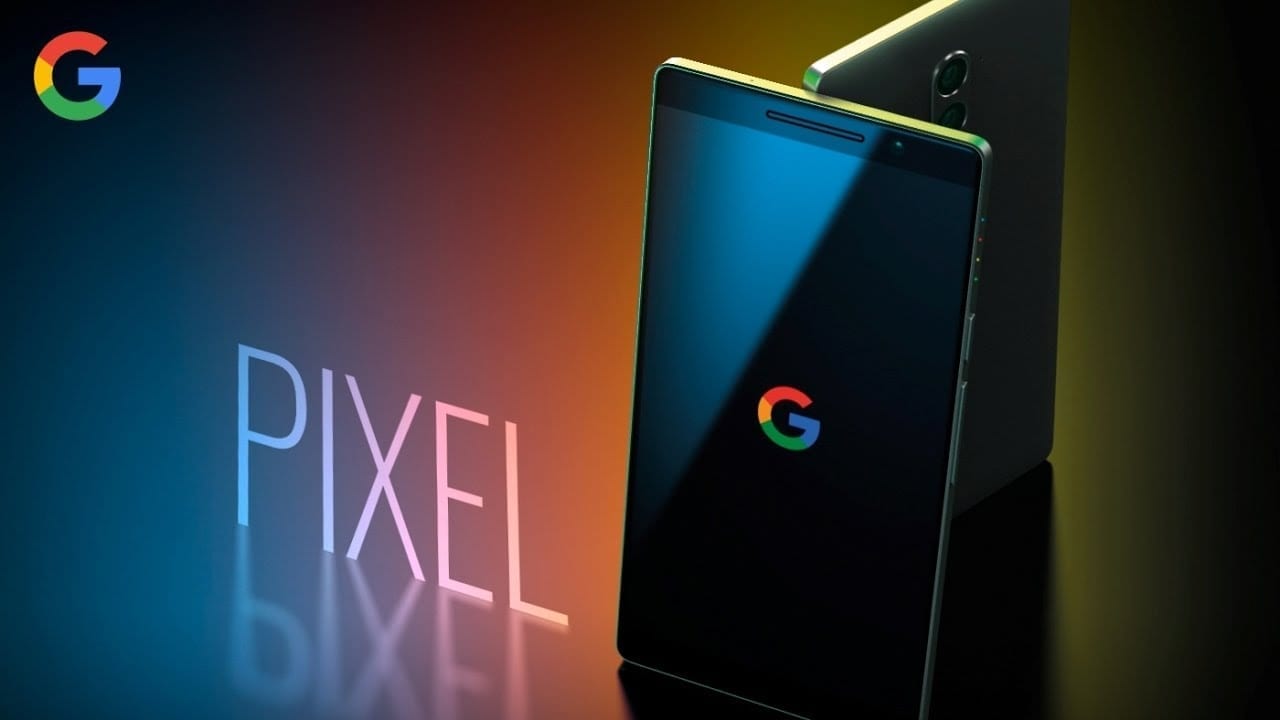
    An unspecified number of HTC employees – many of whom are already working with Google to develop Pixel smartphones – will join Google’s payroll.

    But HTC moved to reassure the market that the company will continue to have “best-in-class engineering talent” currently working on the next flagship phone, following the successful launch of the HTC U11 earlier this year.

    “HTC will also continue to build the virtual reality ecosystem to grow its Vive business, while investing in other next-generation technologies, including the Internet of Things, augmented reality and artificial intelligence,” the company said.

    Google, meanwhile, said the deal “further reinforces our commitment to smartphones and overall investment in its emerging hardware business”.

    “In addition to the talented and experienced team of professionals, Google will continue to have access to HTC’s IP to support the Pixel smartphone family. Additionally, this agreement also represents a significant investment by Google in Taiwan as a key innovation and technology hub.”

    Google will have non-exclusive use rights to HTC’s smartphone IP, the two companies said.

    Deal reflects “Apple threat”

    Commenting on the HTC and Google partnership, John Baptista, an associate professor of information systems with Warwick Business School, and a digital media specialist, said the deal shows Google’s confidence that its has the ideas internally to refine its technology and bridge the divide between IoT, smartphones and other technologies.

    “Despite its larger user base, Google’s future in the smartphone market is being threatened by Apple’s superior ability to integrate hardware and software centred on user experience.

    “The fragmented user experience of Android phones and the increasingly mute voice of Google in this market demands them to raise their stakes and engage more with manufacturers of devices to show more ambition and offer a credible vision for the future,” said Baptista.

    “Google knows it needs to work more tightly with manufacturers to develop a more consistent experience between the phone and other devices such as wearables, home automation, car automation, as well as increasingly work related applications and integration with office systems.”

    Baptista says executing its vision in partnership with HTC will help Google set a reference for other manufacturers that use their platform and explain to its users how and why they should continue to engage with Google’s products.

    “Also, augmented reality and virtual reality look increasingly to be the future for mobile, so it might be that Google needs to work more tightly with chip manufacturers to develop the hardware in conjunction with their software to deliver AR and VR capabilities.”

    “Brilliant step” says CEO

    Cher Wang, chairwoman and CEO of HTC, described the deal with Google as “a brilliant next step” in the company’s longstanding partnership, enabling Google to “supercharge their hardware business” while ensuring continued innovation within HTC’s smartphone and Vive virtual reality businesses.

    “We believe HTC is well positioned to maintain our rich legacy of innovation and realise the potential of a new generation of connected products and services.”

    The transaction, still subject to regulatory approvals and customary closing conditions, is expected to be settled by early 2018.

  • Apple Watch cellular functionality to have low reach

    Apple Watch cellular functionality to have low reach

    Although the big selling point of Apple’s newly-announced Apple Watch Series 3 is its cellular connectivity, Canalys has noted that this functionality will launch with a limited addressable market.

    The Apple Watch 3 – announced earlier this month along side the new iPhone 8, iPhone 8 Plus and iPhone X smartphones – will have an integrated eSIM to support both LTE and UMTS connectivity.

    But in a research note, Canalys said this functionality will only be supported by 14 mobile operators across eight countries at launch, and buyers will not have their choice of carrier as is the case with cellular-equipped iPads.

    Instead Apple Watch’s cellular functionality requires a companion iPhone, and that iPhone must be using a postpaid SIM from an eligible operator.

    In addition, in the important Chinese market, the functionality will initially be limited to just five regions not including Beijing.

    “The total iPhone installed base currently sits at around 517 million. Of those, only 164 million are the right iPhones, with the right carrier, on the right tariff to work with the new cellular Apple Watch at launch,” Canalys analyst Ben Stanton said. This means 68% of iPhone owners will be uable to use the new device’s best feature.

    “Apple’s potential buyers are spread across eligible and ineligible operators and contracts, and many will be disappointed. Apple needs to exert pressure on more carriers to make the required network investment before the buzz around its new product dies down.”

    Canalys did note that another six operators are lined up to offer Apple Watch cellular functionality soon, which would increase Apple’s addressable market to 47% of its total iPhone installed base, but the company is yet to specify when these operators will become eligible.

    “There will be some churn as loyal Apple fans switch operators to unlock the full potential of the Series 3, but customers in long-term postpaid deals with ineligible carriers often cannot do this without incurring a financial penalty,” Canalys analyst Jason Low said.

    “This will be a major barrier to early adoption of the Apple Watch Series 3. But eligible operators do have an opportunity to grow their sales of Apple Watches against retailers and Apple direct channels.”

  • Apple concedes new watch has connectivity glitch

    Apple concedes new watch has connectivity glitch

    Apple on Wednesday conceded its latest smartwatch unveiled a week ago has problems with its most important feature: the ability to make phone calls and access data without an iPhone nearby.

    Several prominent reviewers said Wednesday they could not recommend the device because of a wifi glitch that causes cellular connectivity problems.

    The Watch Series 3 starts at $399 and was launched alongside new iPhone models. Unlike previous versions of the watch, it has cellular network connectivity built in.

    Apple said the watch can experience LTE connectivity problems when it connects to open wi-fi networks such as at a hotel or a coffee shop.

    The company is “investigating a fix for a future software release,” Apple spokeswoman Amy Bessette told.

    Many reviewers praised the new features and gave generally positive assessments.

    But other prominent publications, including the Wall Street Journal and The Verge, recommended against purchasing the new model because the LTE cellular data connectivity did not work as expected.

    The mixed reviews weighed on Apple shares, which closed down about 1.7 percent at $156.07.

    Apart from connection issues, some reviewers were disappointed with the drain on the watch’s battery while making calls. Apple had touted up to 18 hours of battery life but said the watch would get only one hour on a cellular phone call. Gene Munster, a longtime Apple analyst with Loup Ventures, doubted issues with the Series 3 Watch would hurt Apple’s bottom line. “That review takeaway is a negative but is not a surprise. This is the first generation watch with LTE,” he told.

    Bob O’Donnell, an analyst with Techanlysis Research, said the watch reviews, paired with reviews of the iPhone 8 that were generally positive but described the phone as an incremental improvement on its predecessor, put more pressure on the iPhone X to garner good press before its Nov. 3 launch.

    Apple also experienced hiccups with iOS 11, the new operating system the firm released Tuesday.

    For business users, iOS 11’s Mail application had problems sending mail for Microsoft Exchange and Outlook.com mail accounts.

  • Consumers skeptical of iPhone X face recognition

    Consumers skeptical of iPhone X face recognition

    A new survey indicates that one of the defining functions of Apple’s new flagship iPhone X – the face recognition functionality – could struggle to gain traction with consumers.

    Juniper Research polled iOS users in the US, and found that over 40% consider themselves unlikely to use facial recognition as a payment security technology.

    Consumers in the US and UK instead showed a clear preference for fingerprint authentication and voice recognition as alternative biometric security methods, with 74% and 62% respectively indicating they are likely to use these technologies.

    The research also shows that the number of contactless payment users grew by only 2% year-on-year in the US, compared to 12% in the UK.

    Existing users of OEM contactless payment services (such as Apple, Samsung and Android Pay) expect to increase their usage, but only 39% of non-users in the US and 26% in the UK expect to start using mobile contactless payments.

    Major obstacles to adoption include ongoing security concerns, according to research author James Moar. Two thirds of non-users (32%) have concerns about the security of transactions, compared to just 14% of users. A similar proportion of mobile banking non-users compared to users have security concerns inhibiting adoption. But security concerns are overall starting to ease.

    “Transaction security is a key barrier for mobile financial services adoption,” Moar said. “Addressing these concerns will bring many consumers to the point where they will consider using such services.”

  • Toshiba is being sold ?

    Toshiba is being sold ?

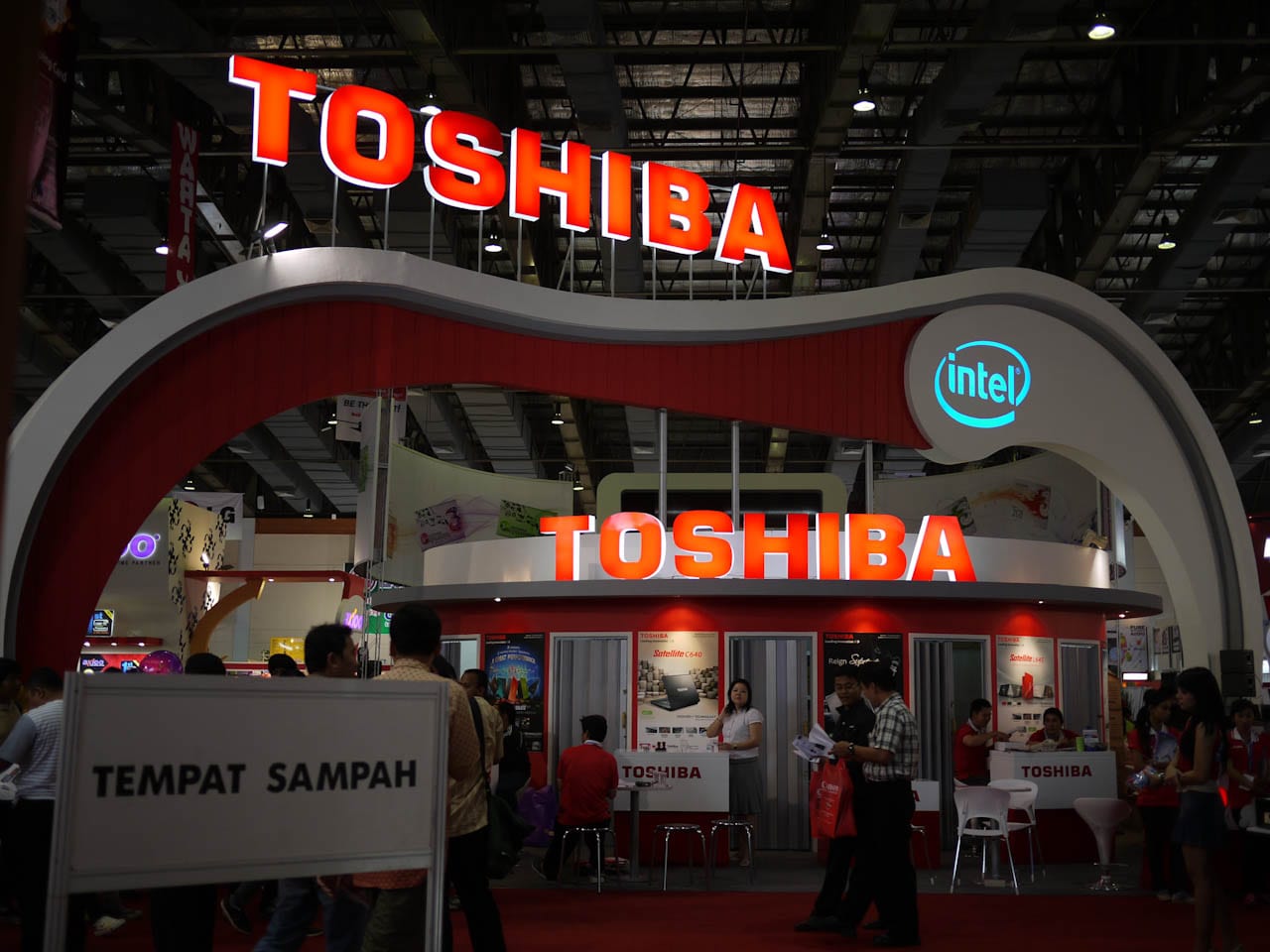
    Toshiba has been stuck in tortuous negotiations over selling the segment, which could raise as much as $20 billion.

    At a train station used by hundreds of workers at struggling Japanese electronics giant Toshiba, an advert is apparently trying to poach staff worried by their employer’s precarious financial position.

    “Do you work for ‘that’ electronics company? If so, come and work for us!” screamed the ad for Toyota.

    The mere fact Toshiba staff are apparently being urged to jump ship by rivals underscores the difficulties suffered by the former industrial titan.

    Strapped for cash, the firm is soon expected to be forced to sell off part of the family silver — its key memory chip business, which accounts for around a quarter of its total annual revenue.

    Toshiba has been stuck in tortuous negotiations over selling the segment, which could raise as much as $20 billion.

    Three parties have been vying for the prize: a US-South Korean consortium led by investment fund Bain Capital, Toshiba’s US chip factory partner Western Digital and Taiwan’s Hon Hai Precision, better known as Foxconn.

    On Wednesday, Toshiba said it had signed a memorandum of understanding with the Bain consortium but this did not prevent them still talking to others.

    Selling the profitable chip division is seen as key to Toshiba’s survival, as one of Japan’s best-known firms battles to recover from multi-billion-dollar losses at its US nuclear operations.

    It could also face the humiliating prospect of being delisted from Japan’s stock exchange if the sale does not raise the sufficient funds.

    Fall from grace

    The move to sell represents something of a fall from grace for Toshiba, which can trace its history back as far as 1875 when the company set up a telegraph factory in the now swanky area of Ginza in Tokyo.

    In the 1930s, the firm manufactured the first Japanese vacuum cleaner, the first fridge and the first washing machine, which still works today — albeit with an almighty racket.

    It has been involved in the manufacture of an astonishing array of items from tiny electronic chips to nuclear reactors, with everything from televisions, computers and highway toll gates in between.

    But Toshiba is not the only once-mighty Japanese conglomerate to feel the pain from ferocious foreign competition.

    Household names Panasonic and NEC have been forced into major restructuring, and Sharp was acquired by Foxconn.

    Toshiba’s problems stem in large part from what Yasuyuki Onishi, a specialist in the sector, described as its “reckless” purchase of US nuclear unit Westinghouse, which racked up billions of dollars in losses before being placed in bankruptcy protection.

    This is the “main cause of the crisis that the group is suffering”, Onishi told AFP.

    Those huge losses came to light as the group was still recovering from revelations that top company executives had pressured underlings to cover up weak results for years after the 2008 global financial meltdown.

    Its most recent results published in August revealed a loss of $8.8 billion in the last fiscal year, although it predicted it would be back in the black this year.

    ‘Pothole in the road’

    But most analysts believe Toshiba is too important to fail.

    Tokyo is believed to be unwilling to lose sensitive technology, with security questions swirling over systems already using Toshiba’s memory chips, which are widely used in data centers.

    The government also needs the company to take care of the painstaking task of decommissioning reactors at the Fukushima plant crippled by the 2011 tsunami.

    Toshiba could end up becoming “just a company that dismantles Japanese nuclear plants”, mused Onishi.

    “Toshiba will avoid bankruptcy for now but it will shrink and end up disappearing,” said the expert.

    Masahiko Ishino, an analyst at Tokai Tokyo Research Center, said the sale was designed to help Toshiba meet temporary funding difficulties.

    It will “fill in a pot-hole in the road”, he said, arguing also that the speculated price tag is too cheap.

    “The business is a magic hat out of which comes 500 billion yen (of operating profit) every year,” he said.

    “It’s like a huge property is being bequeathed. Everyone is trying to get a bigger share.”

  • Apple iPhone X Asia on-sale dates confirmed

    Apple iPhone X Asia on-sale dates confirmed

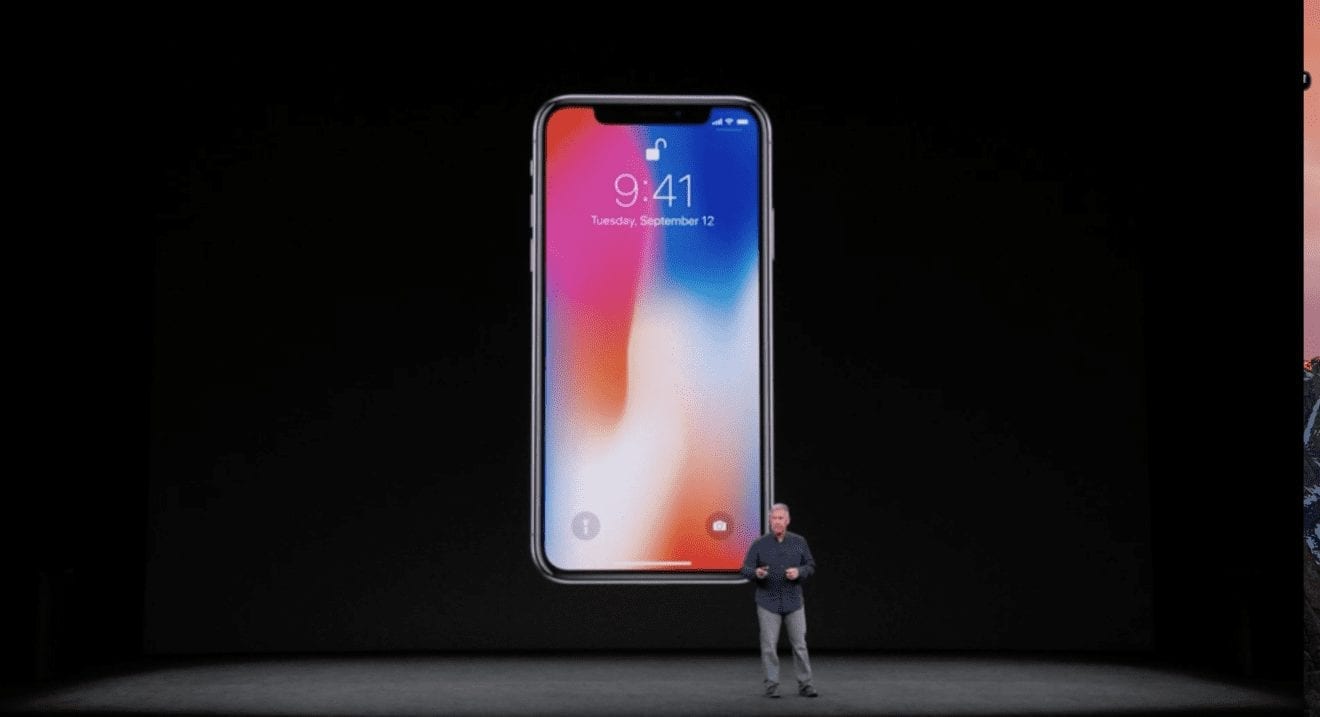
    Apple’s most expensive and technologically advanced iPhone yet, the X, was unveiled overnight. And the tech giant has revealed the new Apple iPhone X Asia on-sale dates.

    Preorders for the handset will open on October 27 with the on-shelf date November 3 in the following Asia-Pacific markets: Australia, China, Hong Kong, India, Japan, New Zealand, Singapore and Taiwan.

    In the US, the phone will sell from $999 for the base model 64GB model, but regional pricing has yet to be revealed.

    It was one of three major product announcements by Apple. The other two were a new cellular version of its Apple Watch, along with the new generation ‘standard’ iPhone 8. (Scroll down for more details)

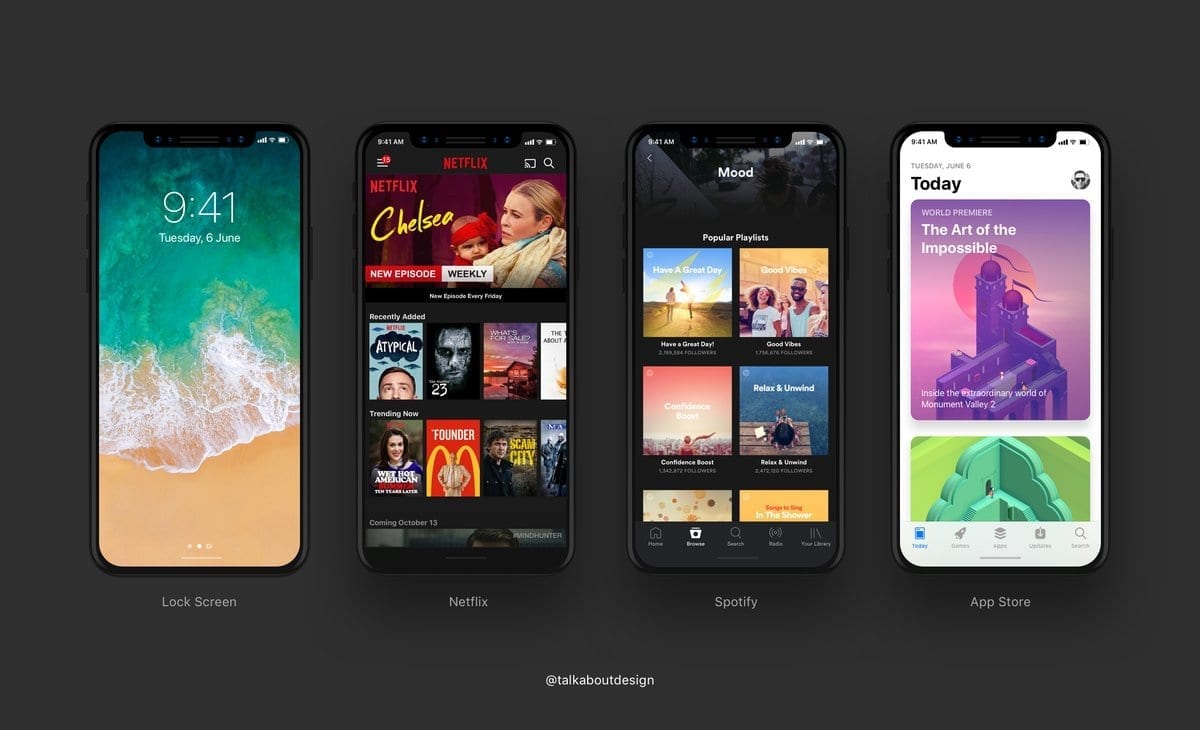
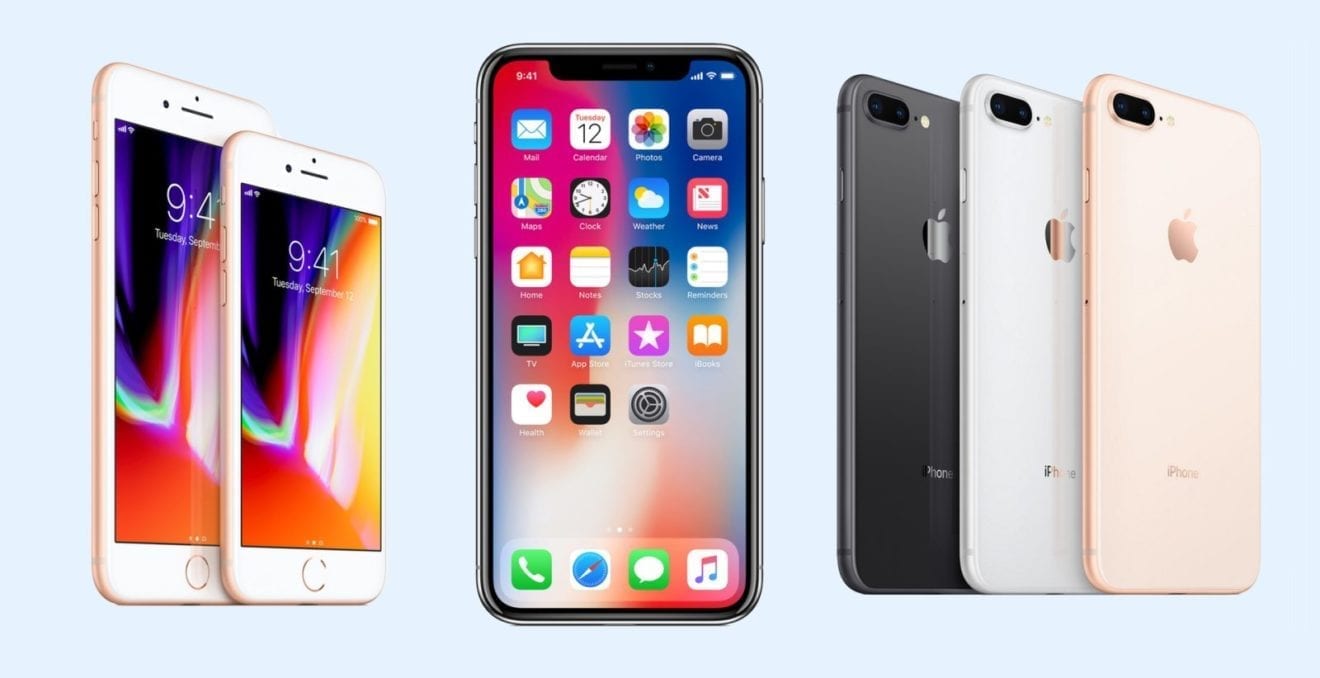
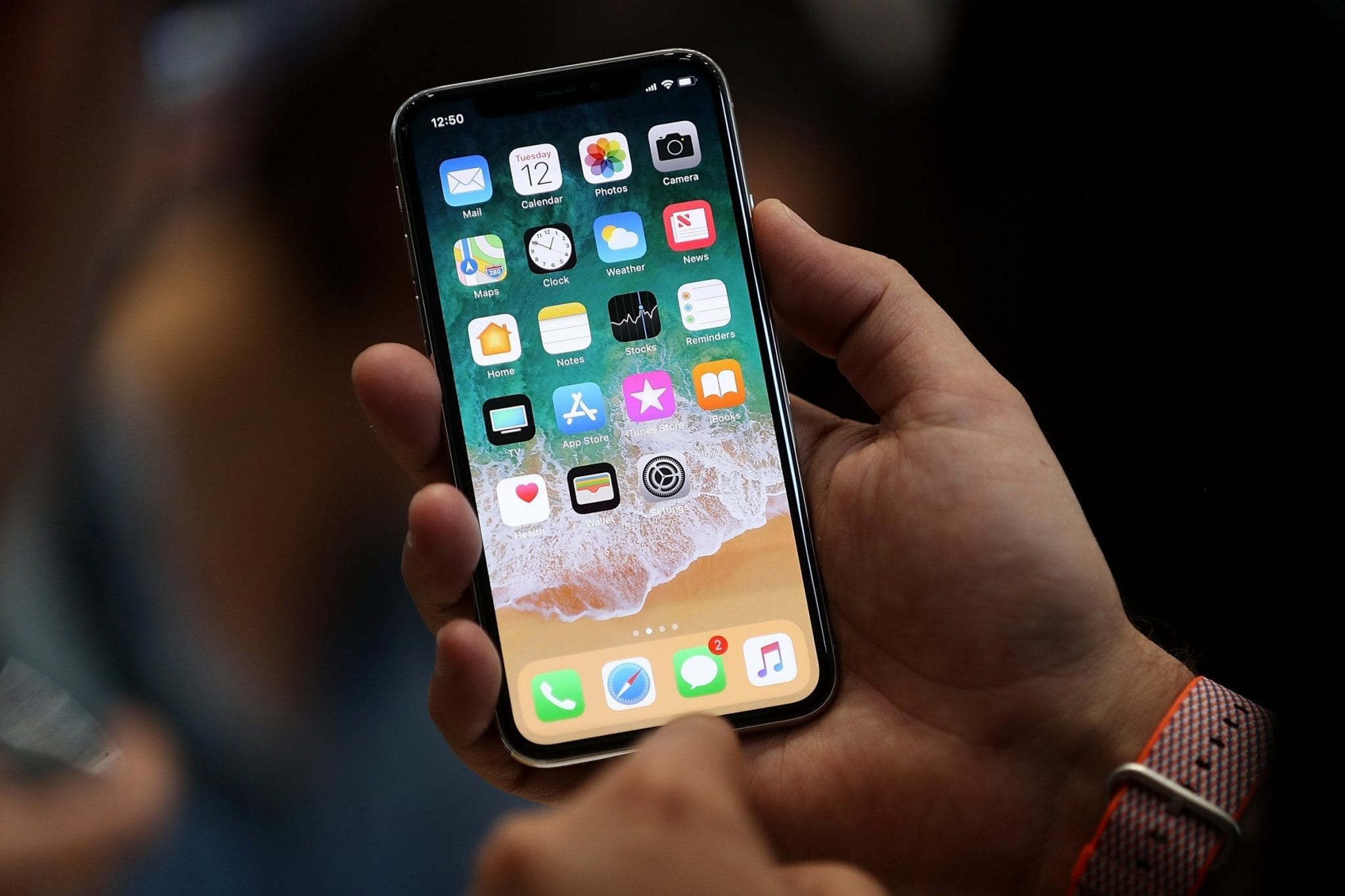
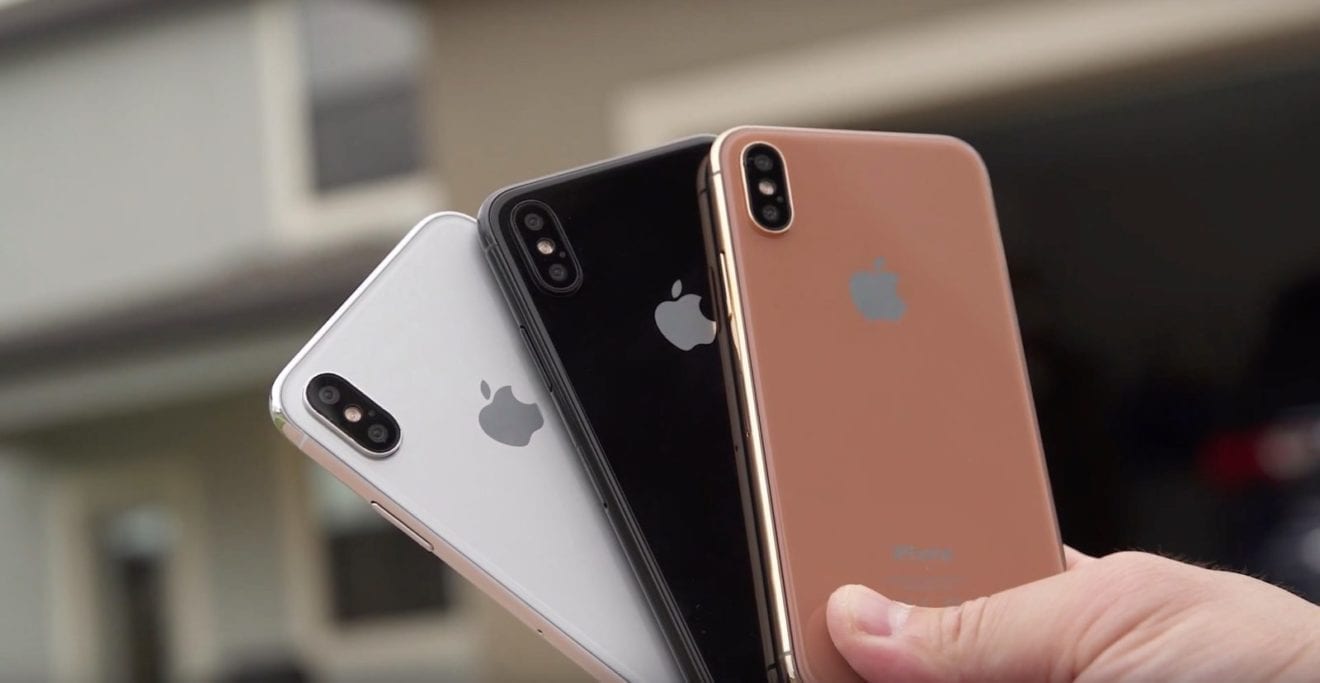
    The iPhone X has been described by Apple as “the future of the smartphone”, featuring full-front and rear glass design, surrounded by stainless steel frame, with a 5.8-inch ‘Super Retina’ OLED display, A11 Bionic chip, wireless charging and an improved rear camera with dual optical image stabilisation.

    With an all-glass front the ‘home’ button has been removed. Instead of activating the phone with a fingerprint, users can unlock the phone, and make payments, using Apple’s Face ID technology – you look at it to switch it on.

    The glass back enables a world-class wireless charging solution. Wireless charging works with the established Qi ecosystem, including two new wireless charging mats from Belkin and mophie, available from Apple.com and Apple Stores.

    “For more than a decade, our intention has been to create an iPhone that is all display. The iPhone X is the realisation of that vision,” said Jony Ive, Apple’s chief design officer.

    The home button has been replaced with what Apple describes as “fast and fluid gestures. Now users swipe up from the bottom to go home from anywhere.

    Apple says the new 7-megapixel TrueDepth front camera that enables Face ID features wide-colour capture, automatic image stabilisation and precise exposure control, and brings portrait mode to the front camera for better quality selfies and a depth-of-field effect. The phone also features a redesigned dual 12-megapixel rear camera system with dual optical image stabilisation. The camera also delivers the highest quality video capture ever in a smartphone.

    The iPhone X will be available in silver and space gray in 64GB and 256GB models.

    The new iPhone 8


    Meanwhile, the Asia onsale dates of the new iPhone 8 and iPhone 8 Plus will vary. Orders will be taken from September 15, with availability from September 22 in Australia,  China, Hong Kong, Japan, New Zealand, Singapore and Taiwan. It will be available in India from September 29.

    The iPhone 8 features a new glass and aluminum design in three colours – grey, silver and gold –  Retina HD displays and an A11 Bionic chip. They come with 4.7-inch and 5.5-inch HD displays, and redesigned stereo speakers up to 25 per cent louder and delivering deeper bass, enabling richer-sounding music, videos and speakerphone calls.

    Sold with 64GB and 256GB capacity, the base model will be priced from US$699.

    Series 3 Apple Watch

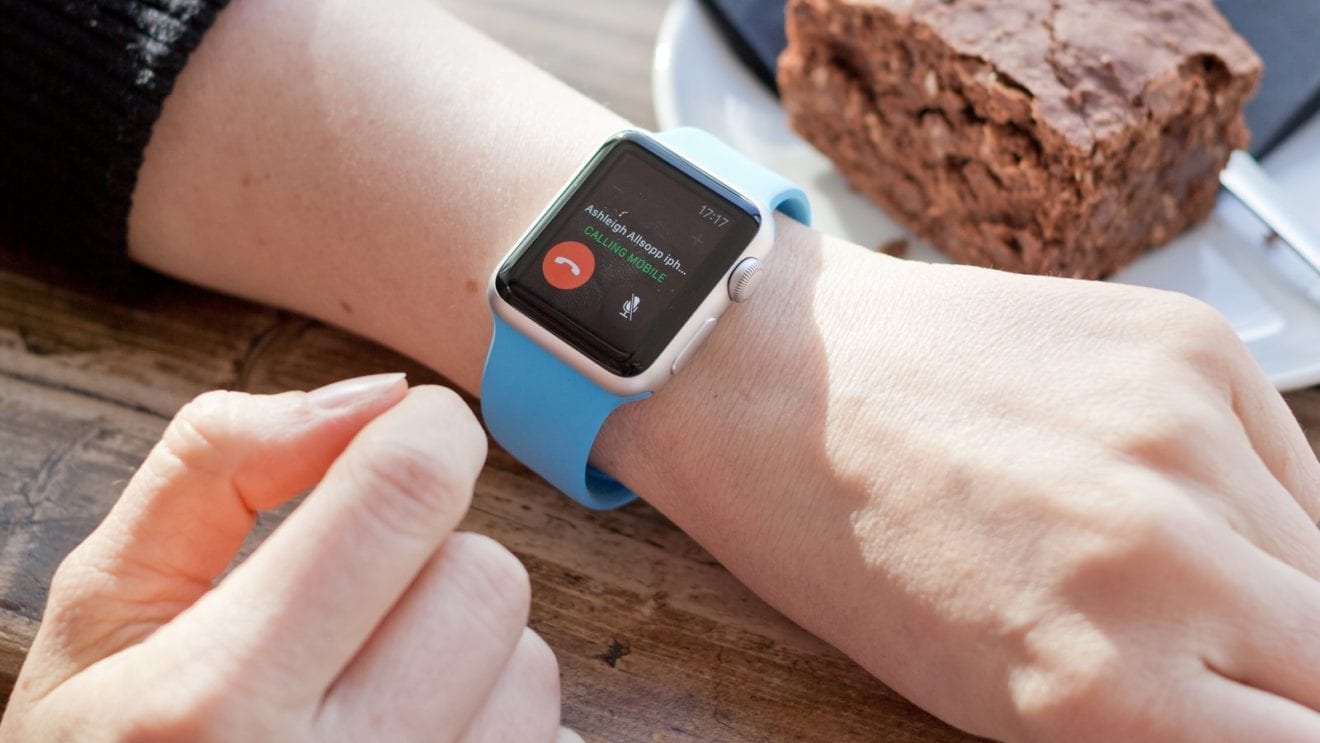
    The new Apple Watch Series 3 now features built-in cellular capability.

    “Whether users are out for a run, at the pool or just trying to be more active throughout their day, Apple Watch Series 3 with cellular allows them to stay connected, make calls, receive texts and more, even without an iPhone nearby,” says the company.

    “The third-generation Apple Watch is an amazing health and fitness companion with intelligent coaching features, water resistance 50 meters and a new barometric altimeter that measures relative elevation.”

    The watch comes in two models, one with GPS and cellular, and one with GPS, both featuring a 70 per cent faster dual-core processor and new wireless chip.

    “We believe the addition of cellular will transform the way people use Apple Watch, providing a new sense of freedom since they can stay connected with or without their iPhone,” said Jeff Williams, Apple’s COO.

    Soon, the combination of cellular and WatchOS 4 will allow Apple Music users to stream 40 million songs from their wrist.

    In Asia-Pacific, the cellular watch model can be pre-ordered from September 15, with both models in stores from September 22 in Australia, China and Japan. It will be launched in other countries next year.

    Customers will be able to order the GPS-only version from September 15, with availability beginning September 22 in Australia, China, Hong Kong, Japan, New Zealand, Singapore and Taiwan and in India and Macau from September 29.

    An Apple Watch Nike+ edition will be available to order on Apple.com from September 15, with limited availability on October 5 in Australia, China, Hong Kong, India, Japan, Macau, New Zealand, Singapore, Taiwan and Thailand.

    An Apple Watch Hermès edition will be available to order on Apple.com from September 15, with availability from September 22 in Australia, China and Japan.

  • Kakao takes its leap into the smart speaker market

    Kakao takes its leap into the smart speaker market

    Kakao on 5 September 2017 unveiled its smart speaker, Kakao Mini, which will officially hit shelves by the end of September this year.

    Kakao, which operates the country’s most popular messaging app Kakao Talk, said the Kakao Mini will work on its artificial intelligence platform called Kakao I. It can be controlled by voice commands.

    The Kakao Mini has a square design with fabric on the sides, which has a minimalist, familiar design that can fit well with the surroundings in small sizes.There are four buttons at the top that let users adjust the volume and turn the microphone on and off.

    The Kakao Friends figure, which is released together, has a magnet and can be easily attached to the top of the Kakao Mini. The figures are provided to the initial purchaser on a first come, first served basis.

    The Kakao Mini is equipped with four high-end microphones to accurately capture users’ speech. As the device can connect to other speakers via Bluetooth, users can utilize features of the Kakao Mini through other premium audio systems as well.

    The speaker also connects to KakaoTalk, allowing users to check and send messages verbally.

    The device automatically updates software to continuously provide users with new features, the company said.

    The Kakao Mini offer users convenience by being linked to portal site such as daum as well as Kakao Talk. Kakao Mini will evolve to reflect new features with automatic update method.

    Pre-orders for the Kakao Mini will start later in September 2017.

  • Apple set to unveil anniversary iPhone in major product launch

    Apple set to unveil anniversary iPhone in major product launch

    Apple hopes iPhone X will silence critics who say the company has lost its innovation edge.

    A decade after then-CEO Steve Jobs unveiled the first iPhone, Apple Inc on Tuesday is set to introduce a completely redesigned top-of-the-line iPhone along with two other new phones, as well as a big upgrade to the Apple Watch and a higher-definition Apple TV.

    The splashy launch event will take place at the Steve Jobs Theater at Apple’s new Apple Park “spaceship” campus – widely considered to be the final product designed by Jobs, who died in 2011.

    The new products and the holiday shopping season that follows are the most important for Apple in years. The company has sold more than 1.2 billion iPhones over the past decade and ushered in the era of mobile computing, but last year suffered a substantial decline in revenue as many consumers rejected the iPhone 7 as being too similar to the iPhone 6.

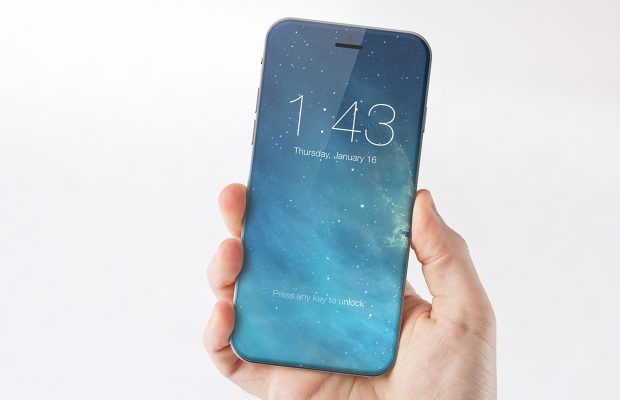
    Apple hopes the new high-end phone, expected to be called the iPhone X, will silence critics who say the company has lost its innovation edge. It features an edge-to-edge display with richer colors and facial recognition to unlock the phone without the need for a fingerprint reader or physical home button.

    The two other models, expected to be called the iPhone 8 and iPhone 8 Plus, are intended to update the iPhone 7 and iPhone 7 Plus. They could also include some new features, such as a glass back similar to the iPhone 4 that would help facilitate wireless charging.

    The phones are expected to come with a steep price tag. Bernstein analyst Toni Sacconaghi predicts the top-end model will cost $899, though other analysts expect it to cross the $1,000 threshold. That compares to a top base price of $769 for the iPhone 7 Plus prior.

    Much of that added costs is driven by more expensive parts, like a higher-resolution display, 3D sensors and more memory capacity. “Some of these components are just darned expensive. There’s just no doubt about that,” said Brian Blau, an Apple analyst at Gartner.

    Blau expects Apple to keep several lower priced models in its lineup.

    Watch for wireless networks

    Analysts also expect Apple to reveal a new Apple TV that operates at higher resolution than its previous set. The higher resolution could play into Apple’s efforts to court Hollywood, which have shifted into a higher gear recently with two high-profile executives hired away from Sony.

    The company is also expected to reveal more details about the HomePod, its voice-activated home speaker that competes against Amazon.com Inc’s Echo devices and the Google Home speaker. Apple announced the HomePod in June and said it will ship in December.

    Lastly, Apple is expected to announce a new version of the Apple Watch. Previous versions of the watch had to be tethered to a user’s phone in order to receive send or receive data, but the new version is expected to connect to wireless data networks just like a phone.

    Apple does not say how many Apple Watches it sells. Gene Munster, a veteran Apple watcher and analyst with Loup Ventures, believes the watch could double or even triple in sales because of the new connectivity.

    But even a huge boom in one product will not move the company’s financials like the iPhone, which accounted for 63 percent of Apple’s $215 billion in sales last year. Even if Apple crushes rivals like Fitbit Inc and Garmin in smart watch sales, Apple remains the iPhone company.

    “It’s a really big deal for the wearables category for Apple, but it’s not a big deal for the company,” Munster said.

  • Huawei tantalizes users with AI flagship phone

    Huawei tantalizes users with AI flagship phone

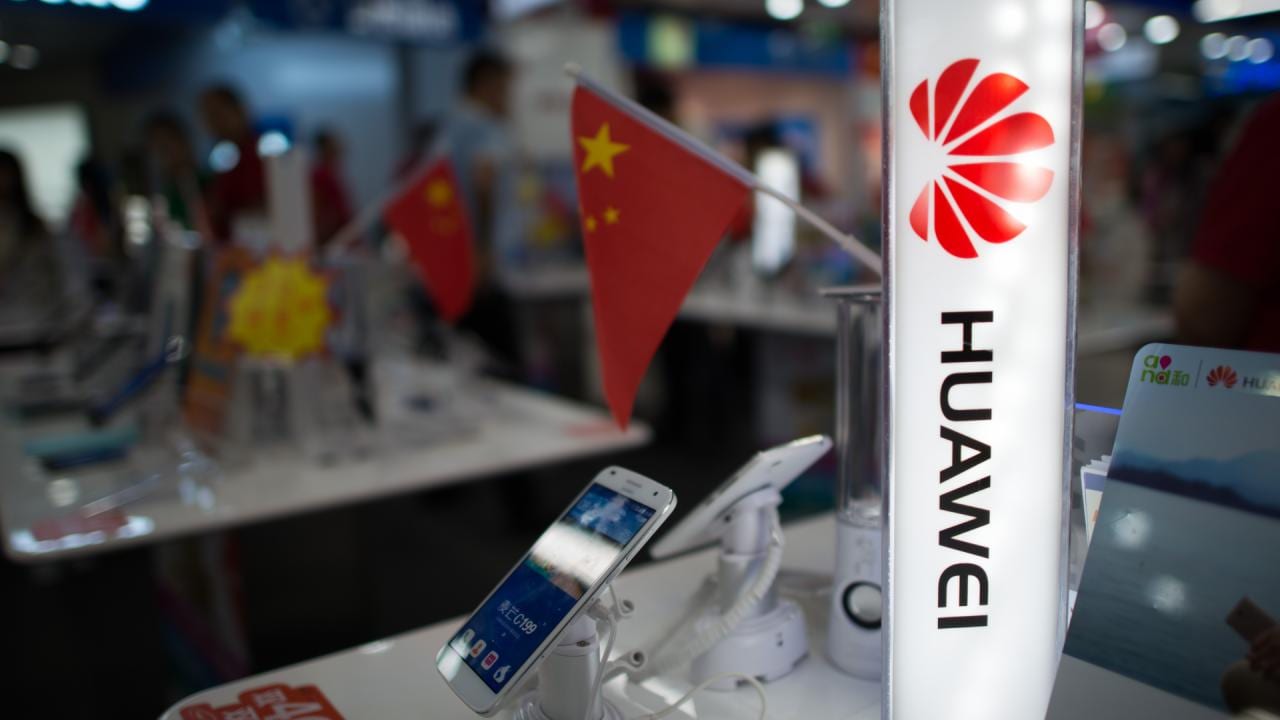
    Huawei aims to use artificial intelligence-powered features such as instant image recognition to take on Samsung and Apple when it launches its new flagship phone in October 2017, a top executive said on Saturday 2 September.

    Richard Yu, chief executive of Huawei’s consumer business, on Saturday 2 September 2017 revealed a powerful new mobile phone chip the company is betting on for its upcoming flagship Mate 10 and other high-end phones to deliver faster processing and lower power consumption.

    Huawei will launch the Mate 10 and its sister phone, the Mate 10 Pro, in Munich on October 16 2017, Yu confirmed.

    He declined to detail new features, but the phones are expected to boast large, 6-inch-plus full-screen displays, tech blogs predict.

    Artificial intelligence built into its new chips can help make phones more personalized, or anticipate the actions and interests of their users, Yu said.

    As examples, he said AI can enable real-time language translation, heed voice commands, or take advantage of augmented reality, which overlays text, sounds, graphics and video on real-world images phone users see in front of them.

    Yu believes the new Kirin 970 chip’s speed and low power can translate into features that will give its phones an edge over the Apple iPhone 8, set to be unveiled on September 12 2017, and Samsung’s range of top-line phones announced this year.

    Huawei is the world’s No. 3 smartphone maker behind Samsung and Apple.

    “Compared with Samsung and Apple, we have advantages,” Yu said in an interview during the annual IFA consumer electronics fair in Berlin.

    “Users are in for much faster (feature) performance, longer battery life and more compact design,” Yu added.

    The company asserts its newly announced Kirin 970 chip will preserve battery life on phones by up to 50 percent.

    Huawei describes the new chip as the first Neural Processing Unit for smartphones.

    It brings together classic computing, graphics, image and digital signal processing power that have typically required separate chips, taking up more space and slowing interaction between features within phones.

    Most importantly, Huawei aims to use the Kirin chips to differentiate its phones from a vast sea of competitors, including Samsung, who overwhelmingly rely on rival Snapdragon chips from Qualcomm, the market leader in mobile chip design.

    Among major phone makers, only Apple and Huawei now rely on their own core processors.

    The 970 is designed by Huawei’s HiSilicon chip design business.

  • Huawei bites Apple in smartphone sales rankings

    Huawei bites Apple in smartphone sales rankings

    Chinese brand Huawei has overtaken Apple in global smartphone sales rankings for two consecutive months – and is set to achieve a trifecta, according to research house Counterpoint.

    “With August sales looking strong for the Chinese vendor, a hat-trick for Huawei could be on the cards,”says Counterpoint research director Peter Richardson..

    “This is a significant milestone for Huawei, the largest Chinese smartphone brand with a growing global presence. It speaks volumes for this primarily network infrastructure vendor on how far it has grown in the consumer mobile handset space in the last three to four years,” said Richardson.

    “The global scale Huawei has been able to achieve can be attributed to its consistent investment in research and development and manufacturing, coupled with aggressive marketing and sales channel expansion.”

    But Richardson cautions Apple should regain its second spot given a new edition of the iPhone is set for launch in September.

  • Apple China sets pertinent date for store opening

    Apple China sets pertinent date for store opening

    Apple China has set an opening date of September 16 for its Tianyi Square location in Ningbo – just in time for the iPhone 8 release.

    It will be the US technology brand’s 41st store in China, and appears to be geared toward Apple’s new retail vision with a large central gathering space with conventional retail on its periphery.