Category: Electronics

Retail News Asia is committed to providing both local and global retailers with the latest Electronics news throughout the Asian market. This on a daily base.

  • Devialet is expanding in Asia

    Devialet is expanding in Asia

    Nowadays, new technologies and innovations enable consumers to improve their lifestyle. In the domain of audio, it allows music to be more accessible, while delivering a better quality of sound. It is through this vision that Devialet operates in the industry.

    Devialet is a French tech start up and innovator in breakthrough sound technology. The brand invented proprietary technologies to deliver the highest sound quality including ADH (Analog Digital Hybrid) Intelligence. This invention enables hybridization between the preciseness of analogue sound and the power of digital to produce a sound with the upmost clarity without any saturation or distortion. This innovation constitutes a major milestone in the history of the audio industry. Founded in 2007 by three French co-founders, Devialet quickly imposed itself in the audio market as a high-tech innovative brand. Indeed, its disruptive technology is combined with an iconic design to offer desirability and uniqueness.

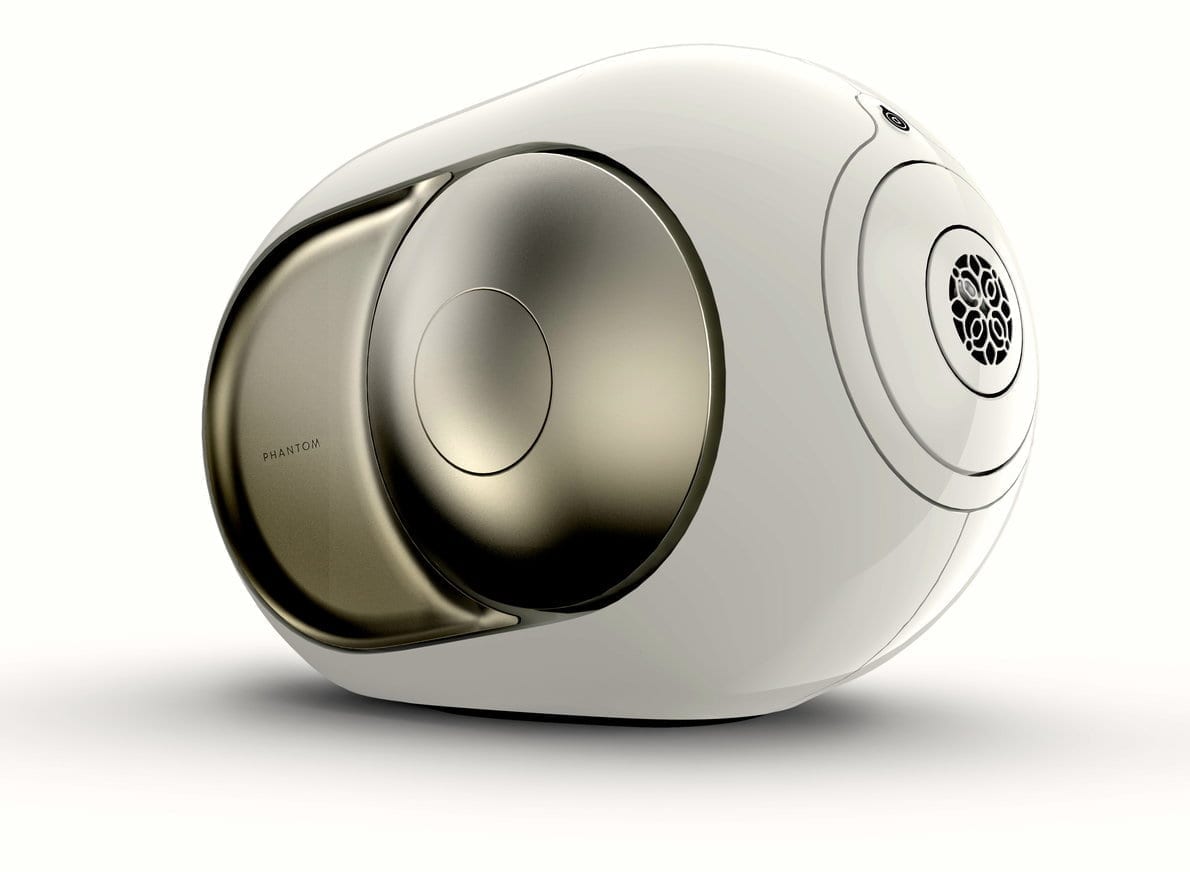
    Two lines are available on the market at the moment. The Expert Pro range, introduced in 2010, features the best performance amplifier systems for audiophiles regardless of the price and size. In parallel, the Phantom – a high performance wireless speaker featuring Devialet’s proprietary technology has been available since 2015. Phantom is the pinnacle of high-end audio devices, delivering a revolutionary acoustical experience that has zero distortion, saturation or background noise. The Phantom is available in three different specifications: Phantom (750W, 99dB), Silver Phantom (3000W, 105dB) and Gold Phantom (4500W, 108dB).

    As Julien Bergère, General Manager of Devialet Asia Pacific tells us, it is hard to identify a specific profile of consumer. He justifies his opinion by stating that “music is universal” and customers need to “experience the power of Devialet sound for themselves”. To Julien, it’s “always interesting to welcome a customer whose intention is to purchase a Bluetooth audio system retailing at 300USD for example, who then ends up purchasing our Phantom which starts at just over 2,000USD”. In order to create such opportunities, Devialet is working on further developing its brand awareness and securing high visibility and high traffic premium retail locations. In this way, the brand can deliver an intense audio experience that potential customers will remember.

    In addition to its strategic locations, Devialet also places great emphasis on its store design to enhance the customer’s experience. All of the boutiques have at least one sealed listening room where customers can enjoy sound demos from the Phantom range. This original retail concept allows the brand to share the Devialet difference with potential customers and in the case of the Harbour City store with two listening rooms – multiple clients can enjoy a private demo at the same time. According to Julien Bergère, this is the “key to discovering the power of Devialet sound”. This concept was first introduced in Hong Kong in 2016. An immersive room (a Devialet pop-up concept) was installed in Pacific Place for local customers to experience the Phantom.

    Moreover, this pop-up triggered the beginning of Devialet’s retail expansion in Asia. The first flagship store opened in January 2017 in Hong Kong’s IFC mall, followed by the opening of a second store in Harbour City on June 22nd 2017. A Devialet immersive room will also open in Festival Walk in July. Elsewhere in Asia, a Devialet immersive room launched in Taipei on 1st June and the brand will open two stores in Singapore in July to accelerate its expansion in the region.

    This consequent growth comes with the Devialet’s will to innovate and share their passion. Julien Bergère mentions the importance of partnerships to enhance the brand’s experience further. As he says, “we are looking for partnerships that speak to our hearts as musicians”. In March of this year, Devialet launched a partnership with the French leather-maker Berluti to create a limited edition leather Cocoon (the Phantom travel bag), which is available in Hong Kong with extremely limited quantities. In parallel, Devialet announced a 10-year partnership with the Paris Opera, which will start in September with a series of collaborations. This includes a Sound Discovery Area inside the Paris Opera, a co-branded product line and an Opera “hors le murs” outside the walls project, offering new way to listen to and experience opera through live-streaming. Again, this illustrates the constant desire to innovate and improve consumer’s lifestyles and elevate the listening experience.
  • Samsung confirms launch of refurbished Galaxy Note 7s

    Samsung confirms launch of refurbished Galaxy Note 7s

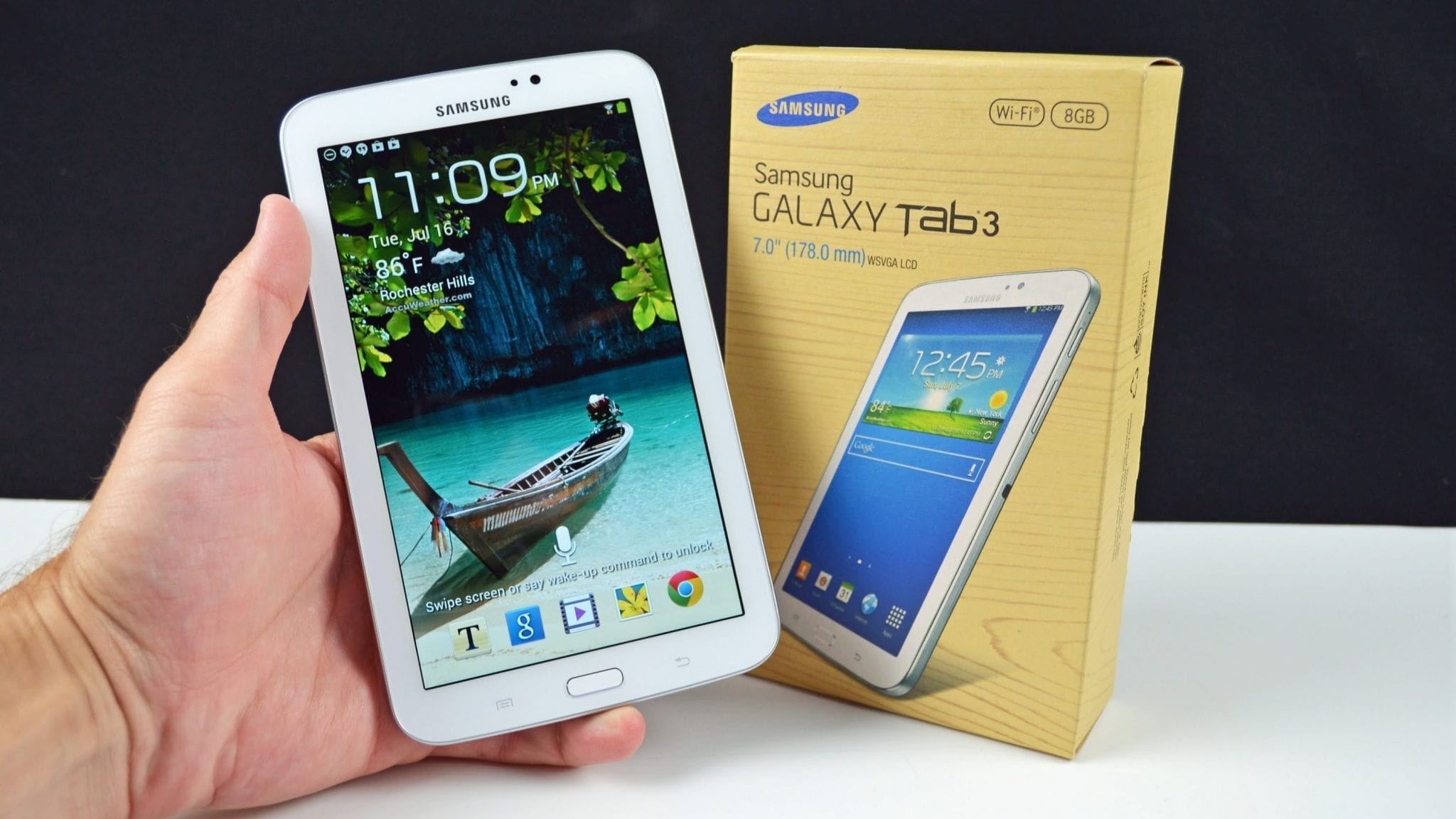
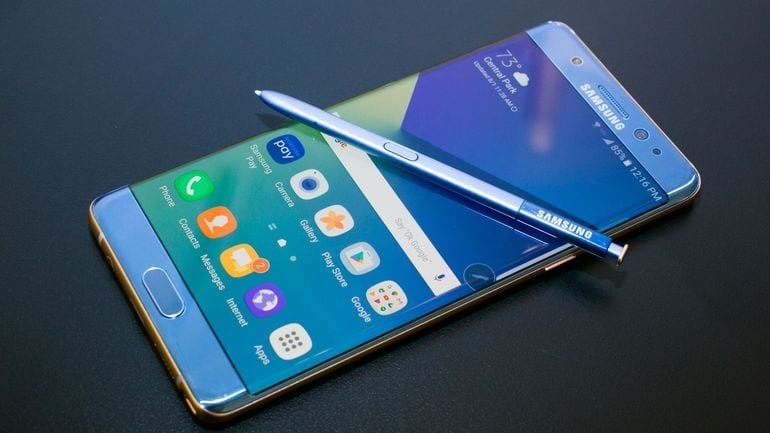
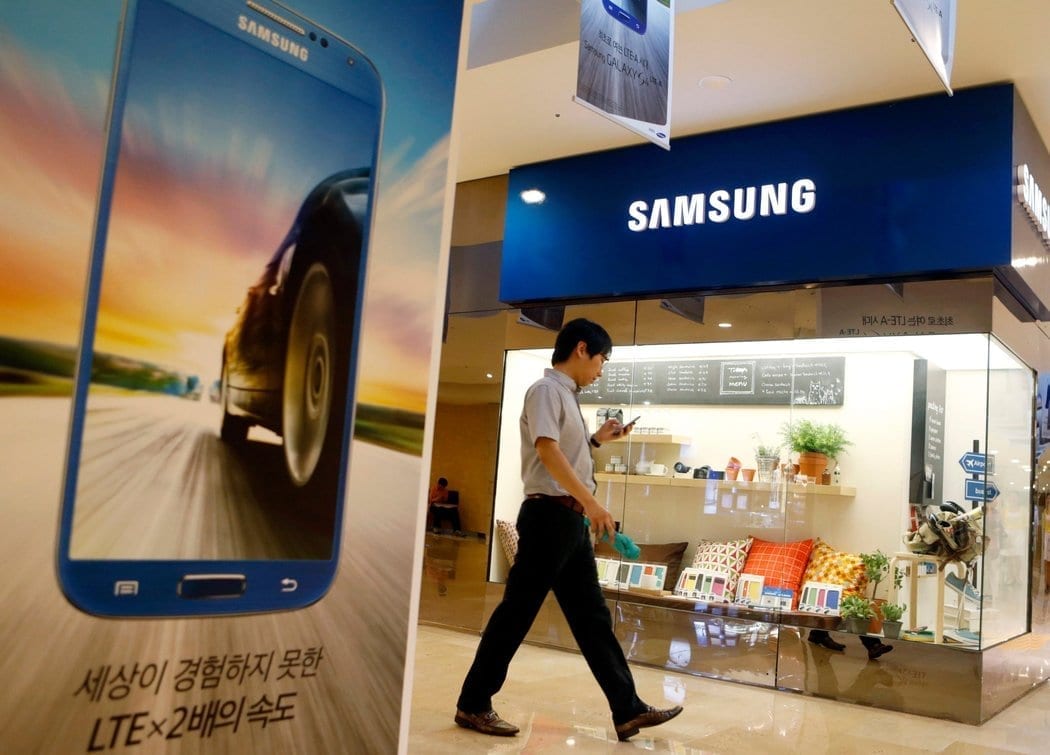
    Samsung Electronics said Sunday it would start selling a refurbished version of its Galaxy Note 7 smartphone this week after an embarrassing recall over exploding batteries rocked the tech giant last year.

    The recall of millions of Galaxy Note 7 devices cost the world’s largest smartphone maker billions of dollars in lost profits and hammered its global reputation.

    The refurbished device, made of recalled, unsealed Note 7 handsets and unused components are outfitted with new batteries, Samsung said in a statement.

    The limited-edition phone — the Galaxy Note Fan Edition (FE) — will hit shelves in South Korea on July 7, Samsung said, adding it would only sell 400,000 units at home.

    The firm said it would decide later whether to release the refurbished edition elsewhere, which is priced at 699,000 won ($611) domestically, far lower than the previous version that was nearly $1,000.

    About three million Galaxy Note 7 handsets were returned to the firm last year, but campaign groups including Greenpeace have expressed concern that discarding the phones could harm the environment.

    “The latest launch of the Galaxy Note FE… has a significant meaning as an environment-friendly project that minimised the waste of resources,” Samsung said in a statement.

    The recall — the largest-ever by the South Korean tech giant — was deeply embarrassing for Samsung, but it has just launched a new flagship device, the Galaxy S8, to positive reviews and strong orders.

    In April Samsung posted its biggest quarterly net profit in more than three years, although the company has come under pressure on wider fronts.

    Lee Jae-Yong, the Samsung group’s vice-chairman and heir to its leadership, is on trial for bribery over his role in a massive corruption scandal that brought down impeached former president Park Geun-Hye.

    Lee is accused of bribing Park and her confidante Choi Soon-Sil with millions of dollars to seek regulatory favours.

  • Samsung to invest $380 mln, add almost 1,000 jobs

    Samsung to invest $380 mln, add almost 1,000 jobs

    Samsung plans to invest $380 million and hire nearly 1,000 workers for a new plant in South Carolina to manufacture home appliances, the company announced Wednesday.

    Samsung Electronics America described it as a “state of the art” facility that starting next year will build premium home products, including washing machines, and will be staffed with craftsmen, engineers and operators.

    U.S. Commerce Secretary Wilbur Ross, who is leading President Donald Trump’s “America First” manufacturing and trade strategy, applauded the announcement and appeared at a signing ceremony with South Carolina officials.

    Ross said in a statement the investment was “a direct reflection of the fact that America is becoming an even stronger destination for global businesses looking to grow.”

    Samsung said ultimately facility in the southern U.S. state will be “serving as the U.S. hub for home appliance manufacturing across the business unit.”

    “For nearly 40 years, Samsung has steadily expanded our operations in the United States,” said Tim Baxter, chief executive of Samsung Electronics America.

    “With this investment, Samsung is reaffirming its commitment to expanding its U.S. operations and deepening our connection to the American consumers, engineers and innovators who are driving global trends in consumer electronics.”

    The company alluded to incentives granted by the state government as a factor in the decision to invest in the project, which upgrades a plant formerly owned by machinery manufacturer Caterpillar.

    The South Carolina commerce department said it approved job development credits for the project by the South Korean technology giant.

    The facility also will receive $2.75 million in incentives from Santee Cooper, an electric utility owned by the state, the Post & Courier newspaper reported.

    A Samsung spokesperson declined to comment on the incentives package.

    On its website, the South Korean company said the investment decision was driven by the high-skilled workforce in South Carolina, the state’s record in attracting and retaining other global businesses, “strong local government leadership” and strong highway and port facilities.

    The Samsung spokesperson denied news reports saying the company was moving operations to South Carolina from Mexico.

    “We’re expanding our footprint in the U.S. to meet the surging demand for our products in that market and to increase the speed with which we can adapt our products to the preferences of American consumers,” she said.

    “Mexico is an important market for Samsung and our manufacturing operations in the country continue to serve as a major production bases for the company in Latin America.”

  • Connected consumers driving growth of smart devices in Asia Pacific

    Connected consumers driving growth of smart devices in Asia Pacific

    Action cameras, flat panel TVs and wearables were the fastest-growing technology products in the past year.

    The consumer technology market in Asia Pacific (APAC) has grown tremendously over the past year, with the introduction of new technologies and advancements of existing technologies.

    One innovative product that is gaining popularity in the market is the action camera. More brands (from 2 brands in 2015 to 13 brands in 2016) that offer 360-degree features have entered the market. In the last 12 months, emerging markets in APAC have been the key growth driver for such action cameras, registering 57% and 33% increase in sales volume and value respectively, while the region’s developed markets experienced a corresponding 9% and 40% growth last year.

    Action cameras with 4K features are also selling well with sales accounting for 47% and 52% growth in volume and value respectively in APAC. Meanwhile, emerging markets in the region contributed up to 46% share of the pie in both volume and value terms.

    “Nowadays, consumers are increasingly sharing videos, contributing to the rising popularity of action cameras,” said Gerard Tan, Senior Director, Technology at GfK Asia. “Besides one of its key draw factors of being able to connect seamlessly to today’s smartphones, action cameras also tend to appeal to active consumers who are seeking new and interesting ways to record their lifestyle activities to view or share in full HD quality.”

    Another product which has jumped onto the 4K bandwagon is TVs. In the past year, 4K TVs, also known as Ultra High Definition (UHD), have been gaining traction as sales growth hit over 103% in units across APAC in the past 12 months, with the market upgrading the display resolutions from Full High Definition (FHD) to UHD. Demand is expected to continue to rise at a rate of 42% in 2017, with emerging economies projected to register higher growth (55%) due to the erosion of UHD prices.

    “There is a rising uptake of 4K TVs as discerning consumers are increasingly choosing UHD TV technology due to its sleek design and better image quality,” observed Tan. “The popularity of UHD will subsequently create more opportunities for content studios to produce better image content, especially when more recording devices are beginning to support 4K recording, enabling more UHD content to be made readily available for consumers.”

    Since the advent of the Smart TV in 2011, there have been ample opportunities for companies to develop TV software for its platforms. In the last 12 months, sales of Smart TVs in APAC continued to increase by 40% to reach over 5 million units.

    One of the latest technologies available in the TV market is OLED TV—a TV display technology based on the characteristics of organic light-emitting diodes. According to GfK findings, OLED TV has been registering significant growth since its launch in APAC in 2014, growing in demand from 7,000 units in 2014 to 98,000 units in 2016. As more brands continue to come into the equation, the OLED TV market is projected to expand further by more than 63% in 2017, with huge growth anticipated from the developed markets in APAC.

    Meanwhile, core wearables, comprising smart watches, and, health and fitness trackers, is yet another thriving category within the consumer electronics. Total sales units in the last year reached 3.3 million across developed APAC markets as consumer spending on the product category grew 9% year on year.
    “Heart Rate Sensor and GPS are generally the key features that appeal to consumers looking to purchase a wearable device, and this is reflected in the significant increase in devices that provide these features. The sales of wearables with heart rate sensors rose by 28% within a year, while devices with inbuilt GPS almost doubled (98%) during the same time period,” said Tan.

    With consumers embracing the digital lifestyle and using smart devices, the overall consumer technology market in APAC is expected to perform positively this year, with TVs, action cameras and wearables likely to experience further growth.

  • Samsung to sell off refurbished Galaxy Note 7s

    Samsung to sell off refurbished Galaxy Note 7s

    The world’s biggest smartphone maker Samsung will next week start reselling refurbished Galaxy Note 7 devices after a humiliating recall over exploding batteries last year, news reports said Tuesday.

    Samsung Electronics declined to comment on the reports.

    The recall debacle cost the Korean giant billions of dollars in lost profits and hammered its global credibility.

    Around three million Galaxy Note 7 devices were returned to the firm, but campaign groups including Greenpeace expressed concern that discarding them could harm the environment.

    Citing industry sources, South Korea’s Yonhap news agency and other news reports said Samsung would start selling refurbished devices with new batteries and updated software under the name Galaxy Note Fandom Edition (FE).

    They will be priced below 700,000 won ($616) and sales are slated to start July 7, Yonhap said.

    The recall was deeply embarrassing for Samsung but it has just launched a new flagship device, the Galaxy S8, to positive reviews and strong orders.

    In April it posted its biggest quarterly net profit for more than three years, although it has come under pressure on wider fronts.

    Lee Jae-Yong, the Samsung group vice-chairman and heir to its leadership, is on trial for bribery in connection with the sprawling corruption scandal that brought down former South Korean president Park Geun-Hye.

    Lee is accused of bribing Park and her secret confidante Choi Soon-Sil with millions of dollars to seek government favours.

    He has effectively been at the helm of the group since his father suffered a heart attack in 2014.

    His indictment in February sent shockwaves through the firm and triggered the announcement of a major reform of its top-down management style.

  • Samsung targets Millennials with Galaxy S8-enabled experience zones

    Samsung targets Millennials with Galaxy S8-enabled experience zones

    Samsung has created four unique experience zones across 11 partner retail locations in Singapore as part of its Galaxy S8 nationwide launch. Titled “Galaxy Plus”, the campaign was conceptualised and produced by Cheil Worldwide, and will run for three months until the end of August.

    In a statement, Samsung’s spokesperson said the company will primarily be using print, out-of-home and social channels to promote the Galaxy S8, in addition to “Galaxy Plus”. The campaign’s objective is to show how the Galaxy S8 and its ecosystem allows Millennials to explore experiences that was previously not possible.

    Each “Galaxy Plus” zone is specially designed and created to showcase the characteristics and benefits of a particular Galaxy S8 feature or companion product.

    1. #throwback360 – The nation’s first 360° photo booth, designed to recreate nostalgic memories of growing up in Singapore with the Gear 360 (2017) camera.

    2. VRcade – A VR gaming area featuring the new Gear VR with Controller, where shoppers immerse themselves in Singapore’s first nationwide VR game tournament.

    3. DeXspace – A multi-media zone that brings to life the DeX Station: a dock that allows the Galaxy S8 to connect to a bigger screen so it can be used just like a desktop.

    4. Samsung Pay – A zone that is a cross between a Lego play area and an old-school game arcade. It lets shoppers experience the secure way to pay with Samsung Pay, and earn virtual tokens for a chance to win their very own Lego figurine from a classic claw machine.

    The four zones also feature prominent social media influencers – Andrea Chong (#throwback360), Jessica Tham (DeXspace) and Eden Ang (VRcade) – who will host monthly activities for families with prizes to be won.

    “‘Galaxy Plus’ was borne out of a desire to let millennials experience the Galaxy S8 product ecosystem for themselves in the most relevant ways,” said Eugene Goh, VP, Mobile & IT,Samsung Singapore. “So they see firsthand just how the S8 truly unboxes the passions they care about, in an in-store idea that goes far beyond traditional advertising.”

  • LG G6+ launched with bigger RAM and storage, will debut in South Korea

    LG G6+ launched with bigger RAM and storage, will debut in South Korea

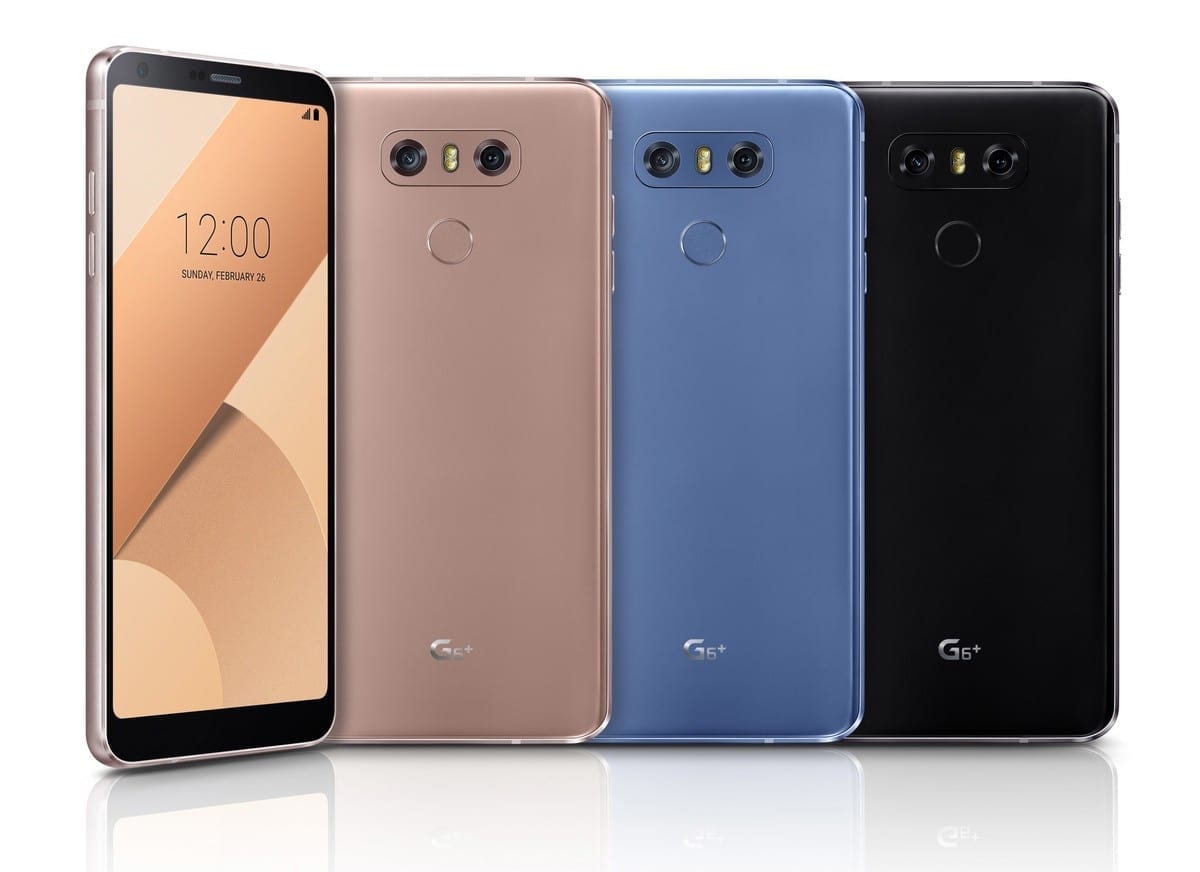
    LG has launched a new variant of its widely-appealing G6 with bigger RAM and storage. The new LG G6+ was announced alongside a slew of upgrades to the G6.

    Specs wise, the LG G6+ more or less has the same features seen on G6. You have a 5.7-inch QHD+ display and a Snapdragon 821 processor, with the same 3,300 mAh battery with Quick Charge 3.0 support and Qi wireless charging.

    The processor however is paired with a bigger 6GB RAM and 128GB storage. If you recall, the base model had launched with a 4GB of RAM and 32GB storage. As for software, the device will run Android 7.0 Nougat with LG UX 6.0 out of the box.

    On the optics front, LG has not expanded the sensors, but retains the same dual 13MP cameras at the back and 5MP front shooter. When the LG G6 launched, it was the world’s first smartphone to support Dolby Vision. On LG G6+ as well users will enjoy the same.

    According to reports, the LG G6+ will be priced at KRW 999,800 ($892). LG is yet to make any official announcement on the pricing or release date. However, we know this for sure that it would first retail in South Korea after which it will debut in other markets. LG G6+ will be available in choices like Optical Astro Black, Optical Terra Gold, and Optical Marine Blue.

    As for the existing owners of the LG G6, there are some new updates on the software front. A new firmware update brings the Face Print feature that will allow users to unlock their device through facial recognition functionality. Also, a new featured called Low Power Consumption was added to optimize battery usage. The LG G6 has been among the biggest releases of the year so far.

  • Huawei will leapfrog Apple and HP to lead the PC market in five years

    Huawei will leapfrog Apple and HP to lead the PC market in five years

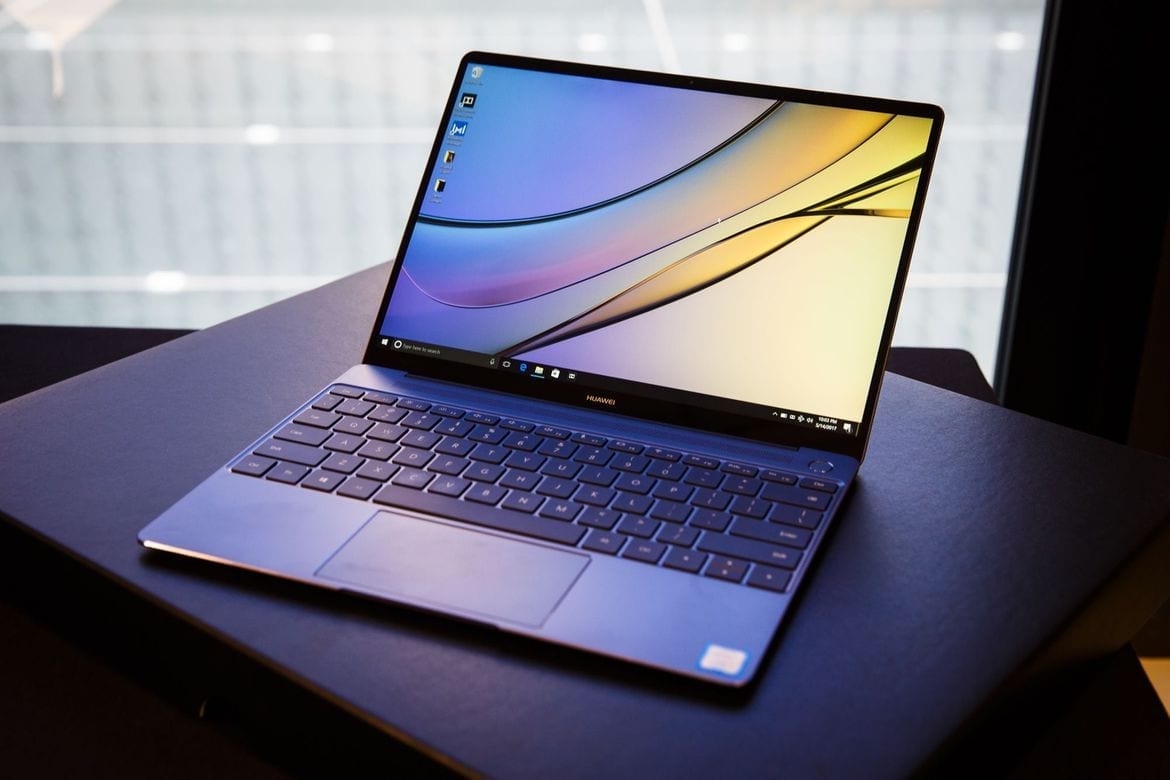
    Huawei will become the top personal computer maker in the world in three to five years, leapfrogging the likes of Apple, Lenovo and HP, a top executive at the firm told on Wednesday, just days after launching new notebook devices.

    In May, the Chinese firm took the wraps off of the MateBook X, MateBook D and MateBook E — the X is a laptop that competes directly with Apple’s MacBook line of products. For its part, the company says it is bullish on its plans in the PC space.

    “Whenever Huawei decides to enter an area, make a product, our target is always to be a global leader,” said Wan Biao, chief operating officer of Huawei’s consumer business group. “I think this comes from Huawei’s unswerving input in R&D, and our innovation capabilities. I think these has already been proven in our smartphone products.”

    When asked how long it will take to sit at the top spot in the market, Wan said the “process would take about three to five years.”

    The PC market has been declining for several years, but it recorded 0.6 percent growth in the first quarter of 2017, according to data from IDC. Given that low growth, it’s an incredibly tough market.

    HP, Lenovo, Dell, Apple, and Acer make up the top five players in the world by market share, IDC said. So if Huawei becomes number one, that would mean beating out those top players. Wan, however, said he’s confident.

    “Of course, we are confident because of Huawei’s powerful innovation capabilities. In fact, in the laptop space some technologies are the same with smartphone. In the meantime, with the development of AI, AR and VR [artificial intelligence, augmented reality and virtual reality] technologies, the chance to succeed will only grow bigger for a strong innovative company,” Wan told.

    Huawei’s consumer business is relatively young and began with smartphones. The Chinese giant is seeing success: reported revenues in its consumer business group were up 42 percent year-on-year in 2016 to 178 billion yuan ($26.19 billion). Smartphone shipments were up 29 percent to 139 million units, and Huawei is now the third-largest smartphone vendor in the world by market share.

    Wan’s projection of being the top PC maker in only a few years mirrors similar bullishness from the company about smartphones. In 2016, Richard Yu, the CEO of the consumer division at Huawei, told that the firm would be number one in smartphones by 2021.

    It may seem odd that Huawei is entering a stagnant market, but the tactic is to try and create an ecosystem of products for consumers. Not only does Huawei have smartphones, but it also sells smartwatches and Wi-Fi routers. Laptops are another edition to the portfolio.

    “I think for Huawei’s strategy, one of the most crucial points is the connectivity of all things. Every object in the world should be able to connect … Therefore Huawei is also developing our business over these notions,” Wan said.

  • Oppo eyes phone sales of 100m

    Oppo eyes phone sales of 100m

    OPPO, the No. 1 smartphone vendor in China in 2016, plans to sell 100 million phones globally as it taps its models’ strong photography features and the company’s offline retail channels.

    Oppo partners Sony and Qualcomm to develop customized processors and photography technologies used in its new flagship model R11, the successor to the Oppo R9s — the world’s best selling Android smartphone in the first quarter of 2017.

    The R11 has dual camera including a 20-megapixel front camera for selfie fans, a Sony sensor specially designed for Oppo, and Qualcomm’s Snapdragon processor with photography optimization bokeh.

    In 2016, Oppo ranked No. 1 in China’s smartphone market with 18.1 percent, according to US-based IDC.

  • Apple makes iPhone screen fixes easier as states mull repair laws

    Apple makes iPhone screen fixes easier as states mull repair laws

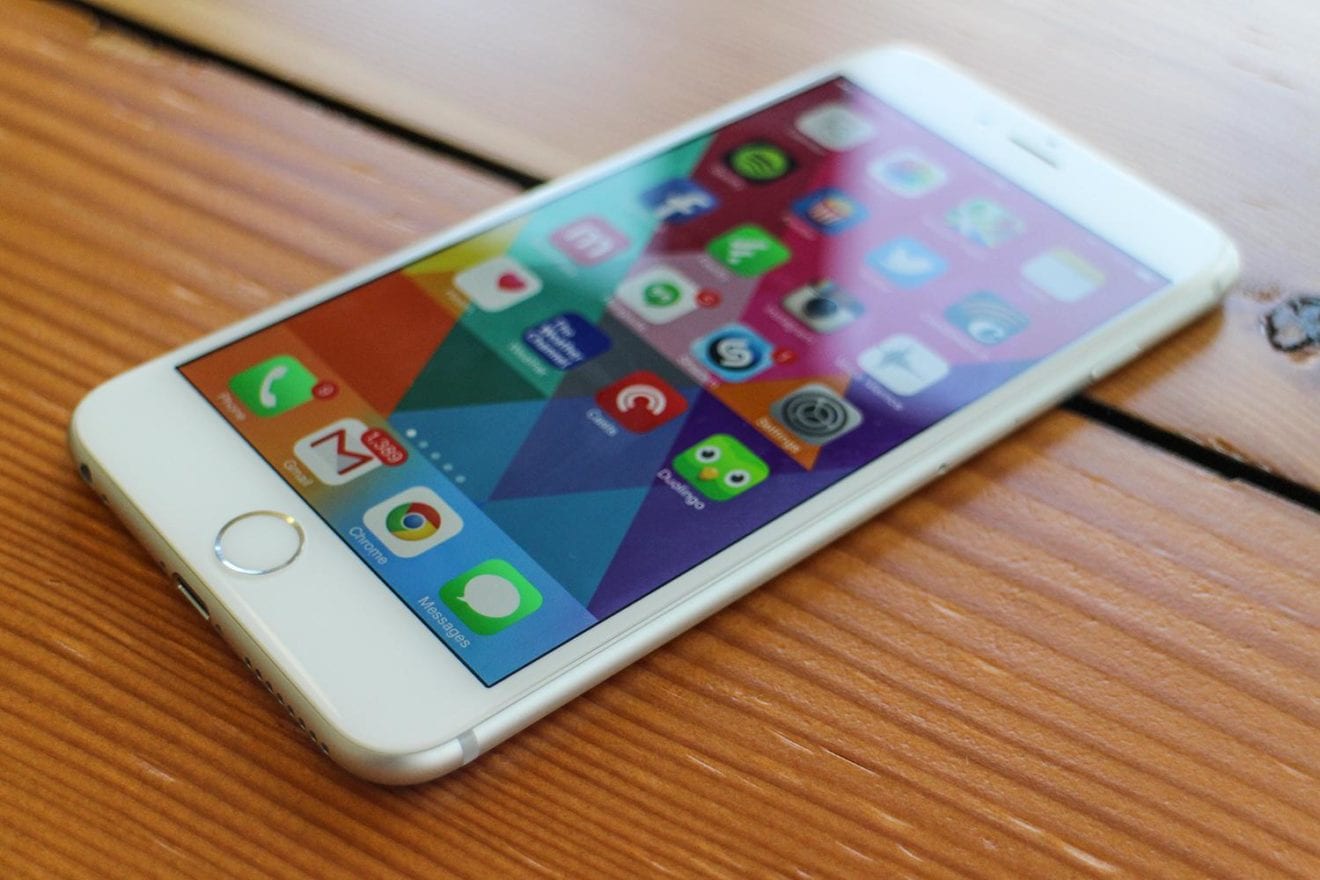
    Apple Inc customers will soon have more choices as the company looks to reduce long wait times for iPhone repairs at its retail stores.

    By the end of 2017, Apple will to put its proprietary machines for mending cracked iPhone glass in about 400 authorized third-party repair centers in 25 countries, company executives told.

    Among the first recipients is Minneapolis-based Best Buy, which has long sold and serviced Apple products. The electronics retailer already has one of the screen-repair machines at a Miami-area store and one coming soon to an outlet in Sunnyvale, California.

    Fixing cracked screens may seem like small potatoes, but it’s a multi-billion-dollar global business. The move is also a major shift for Apple. The company had previously restricted use of its so-called Horizon Machine to its nearly 500 retail stores and mail-in repair centers; and it has guarded its design closely.

    The change also comes as eight U.S. states have launched “right to repair” bills aimed at prying open the tightly controlled repair networks of Apple and other high-tech manufacturers.

    Apple said legislative pressure was not a factor in its decision to share its technology. It allowed us to view and photograph the machines in action at a lab near its Cupertino, California headquarters. Until now, Apple had never formally acknowledged the Horizon Machine’s existence.

    The initial rollout aims to put machines in 200, or about 4 percent, of Apple’s 4,800 authorized service providers worldwide over the next few months. The company plans to double that figure by the end of the year.

    “We’ve been on a quest to expand our reach,” said Brian Naumann, senior director of service operations at Apple. He said repair wait times have grown at some of the company’s busiest retail stores.

    Pilot testing started a year ago. In addition to Miami, a few machines already are operating at third-party repair centers in the Bay Area, London, Shanghai and Singapore. Shops in some countries where Apple has no retail presence will also be early recipients, including locations in Colombia, Norway and South Korea. Apple would not say how much its partners are paying for the equipment.

    To be sure, any mall repair kiosk can replace a cracked iPhone screen. Apple says its customers can get their devices fixed at non-authorized shops without voiding their warranties as long as the technician caused no damage.

    But the Horizon Machine is needed to remedy the trickiest mishaps, such as when the fingerprint sensor attached to the back of the glass gets damaged when a phone is dropped.

    For security, only Apple’s fix-it machine can tell the iPhone’s processor, its silicon brain, to recognize a replacement sensor. Without it, the iPhone won’t unlock with the touch of a finger. Banking apps that require a fingerprint won’t work either, including the Apple Pay digital wallet.

    “Right to repair” gaining steam

    Apple has sold more than 1 billion iPhones worldwide, many to customers who don’t live near an Apple Store or an authorized third-party repair center.

    For fixes, many have turned to mom-and-pop shops and independent technicians that now dominate the trade. Research firm IBISWorld estimates the global cell phone repair business generates about $4 billion in revenue per year.

    Many of these entrepreneurs do good work. Some don’t. All use copycat parts because Apple, like other major manufacturers, doesn’t supply original parts or repair manuals to anyone but authorized service partners.

    Big companies defend this arrangement as the only way they can guarantee high-quality repair work and keep hackers away from the proprietary software that makes their products tick.

    Consumer advocates, however, say their aim is to wring outsized profits from repairs. Independent technicians often charge less than the cost of a factory fix.

    Enter right-to-repair bills. New York, Massachusetts, Tennessee, Illinois, Minnesota, Nebraska, Kansas and Wyoming have introduced legislation looking to aid small shops and do-it-yourself tinkerers.

    These proposed measures would require manufacturers to supply repair manuals, diagnostic tools and authentic replacement parts at fair prices to independent technicians and the general public. Apple, heavy equipment manufacturer Caterpillar Inc and medical device maker Medtronic Plc have lobbied against New York’s bill. In Nebraska, Apple sent its state and local lobbying chief Steve Kester to visit the Republican lawmaker sponsoring that state’s measure.

    “Apple is telling me this is a bad thing because you’re going to have a mecca for hackers in Nebraska,” State Sen. Lydia Brasch said of Kester’s February visit.

    Apple hasn’t commented on the bills, but a trade group it belongs to contends the Nebraska measure would force the company to divulge how it secures sensitive data on the iPhone.

    “Think about how much of our personal lives are in this device,” said Mike Lanigan, head engineer for Apple’s service efforts.

    Inside the lab

    Apple got into the screen-fixing business just three years ago with the introduction of the iPhone 5. Up until then, customers whose phones were out of warranty paid a “repair” fee, but Applesimply replaced the entire phone.

    Lanigan said customers have been requesting repair service since shortly after the introduction of the iPhone in 2007, but the company waited until it could perfect the process.

    “We view the service aspect of this as all part of the overall Apple experience,” Lanigan said.

    Apple doesn’t break out repair revenue in its financial statements. Analysts estimate it at $1 billion to $2 billion annually for all products.

    As Apple’s screen mending has matured, its prices have dropped to $129 to $149, depending on screen size, from $229. That’s competitive with many independent shops for newer iPhones. Still, some technicians charge as little as $60 to fix older models.

    Apple says its process aims to make the display look like it just came out of the box. To demonstrate, the company allowed us to observe the Horizon Machine at a repair lab in Sunnyvale, California.

    In the cavernous, brightly lit lab painted in Apple’s signature sparkling white, two lab technicians clad in T-shirts, shorts and tennis shoes scurried between rows of long white metal tables stuffed with test equipment.

    Dozens of Horizon Machines lined the tables. The contraptions, gray metal boxes the size of a microwave with a swing-out windowed door, vary slightly in shape depending on the model of iPhone they repair. Apple would not say where the machines were made or by whom.

    In a smaller training room, a technician laid out the tools Apple uses to fix iPhone screens: special screwdrivers for the iPhone’s five- and three-lobed screws, a custom suction-cup for loosening the screen without tearing the delicate ribbon cables behind it, and a press to squeeze iPhone 7s to ensure waterproofing.

    Once the new screen is mounted, the iPhone goes into the Horizon Machine, which allows Apple’s software to communicate with the fresh hardware. Over the course of 10 to 12 minutes, the machine talks to the phone’s operating system to pair the fingerprint sensor to the phone’s brain.

    While that unfolds, a mechanical finger jabs the screen in multiple places to test the touch-sensitive surface. The machine also fine tunes the display and software to match the precise colors and calibration of the original.

    “We design for a customer experience that exceeds anything our competitors try to do,” said Naumann, Apple’s service chief. “We endeavor to make it right at the same standard as when the customer bought the product.”

  • Apple debuts HomePod speaker to bring Siri into the living room

    Apple debuts HomePod speaker to bring Siri into the living room

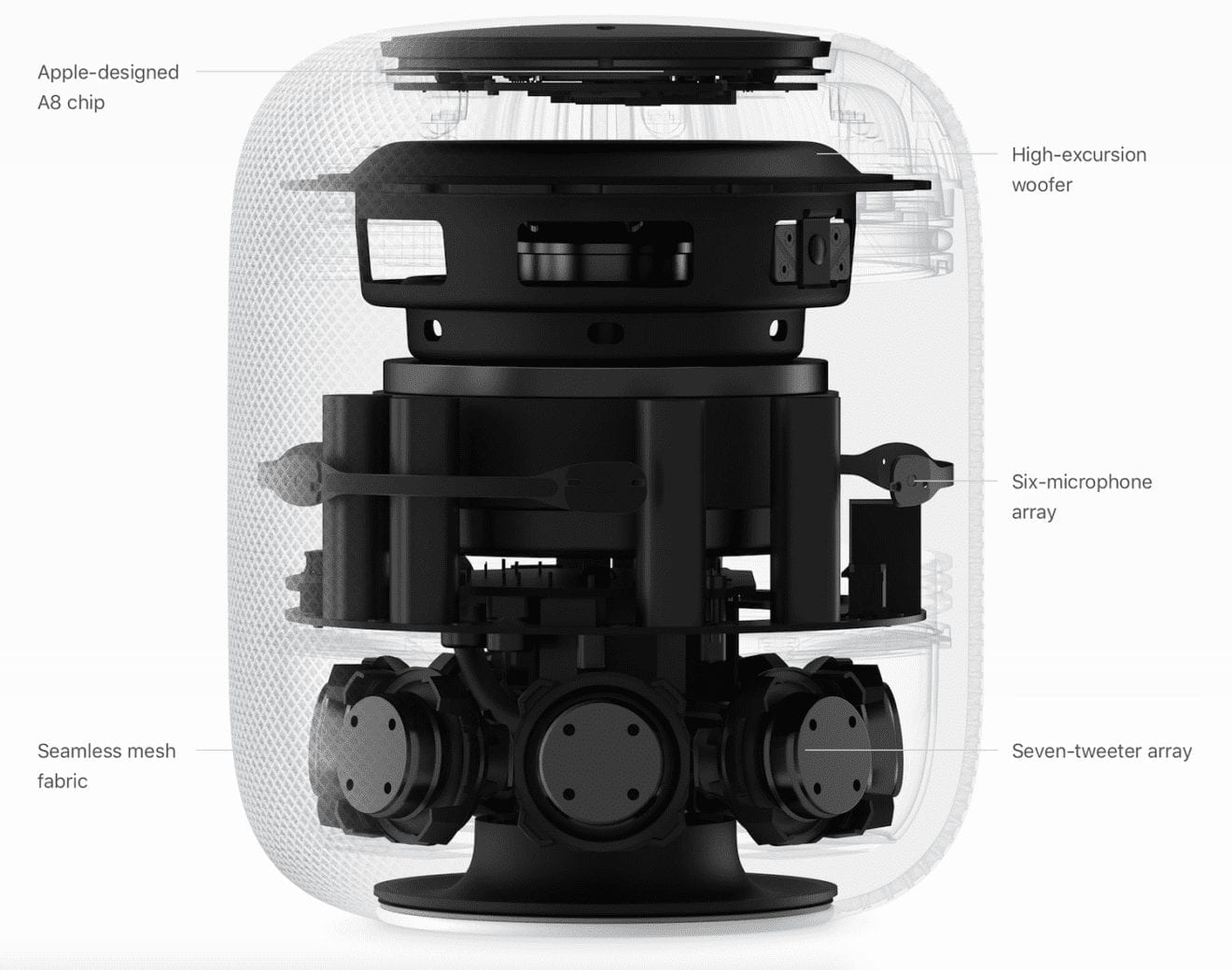
    The HomePod speaker stands just under seven inches (18 cm) tall and is covered in fabric mesh that will come in white or gray. Apple on Monday introduced the HomePod, a voice-controlled speaker that can make music suggestions and adjust home temperatures, taking aim at Amazon.com’s Alexa feature and Echo devices.

    The move is the first into a completely new area by Apple for more than two years as the world’s most valuable technology company looks to make up for a dip in iPhone sales and new ways to get customers to use more of its money-making apps and services.

    Apple’s Siri assistant will be integrated into the $349 speaker, and can make music recommendations that pair with the company’s Apple Music service, send text messages, check news and sports scores and control compatible home gadgets like lightbulbs and thermostats.

    HomePod users may initially be constrained by Siri’s lack of capabilities as compared to Alexa, which also boasts the ability to order millions of Amazon products as well as food from restaurants like Domino’s.

    Apple is expected to announce plans this week to make its Siri voice assistant work with a larger variety of apps, but initial changes were expected to add just a small number of capabilities.

    Apple will begin shipping the HomePod to the United States, Britain and Australia in December.The HomePod speaker stands just under seven inches (18 cm) tall and is covered in fabric mesh that will come in white or gray. A computer processor will tune sound to the room and beam specific parts of music, like a singer’s voice, toward the listener.

    The speaker, while expected by some industry watchers, marked Apple’s first new product announcement since the Apple Watch in September 2014. As a music-playing device, it will also be a challenger to Sonos, whose wifi-controlled speakers are used by many smartphone users for home entertainment.

    A new Siri interface on the Apple Watch will also blend users’ calendar information with other useful details, like airline tickets they may have booked, the company said.The Cupertino, California-based company said Siri, which also competes with Alphabet Inc’s Google Assistant, will now work across devices.

    Apple shares closed down 1 percent at $153.93, not far below the all-time high set last month.Apple also used its annual developer meeting in San Jose, California – its largest ever with some 5,000 people attending – to offer hints about so-called augmented reality technology.

    Augmented reality

    The technology, a feature of the wildly successfully smartphone game Pokemon Go, overlays digital information on real-world images and is seen as an area in which the keenly awaited 10th-anniversary iPhone can stand out from competitors.

    New indoor maps of areas like malls and airports indicated that Apple might be laying groundwork to display information over images of those places in the future.

    The company also rolled out tools for developers to create augmented reality applications for iPhones and iPads. To show the tools off, Apple invited Wingnut AR, the company formed by “Lord of the Rings” director Peter Jackson, on stage.

  • Samsung Galaxy S8 ‘Pirates of the Caribbean’ Special Edition launched in China

    Samsung Galaxy S8 ‘Pirates of the Caribbean’ Special Edition launched in China

    Samsung and Disney have teamed up to launch the special ‘Pirates of the Caribbean’ Galaxy S8 variant. The special edition smartphone has been launched in China where it will retail for 5,988 Yuan (or approx Rs. 56,487). The ‘Pirates of the Caribbean’ Galaxy S8 is available via JD.com, one of the largest online retailers in China. It is unknown if the special edition model will be available outside of China.

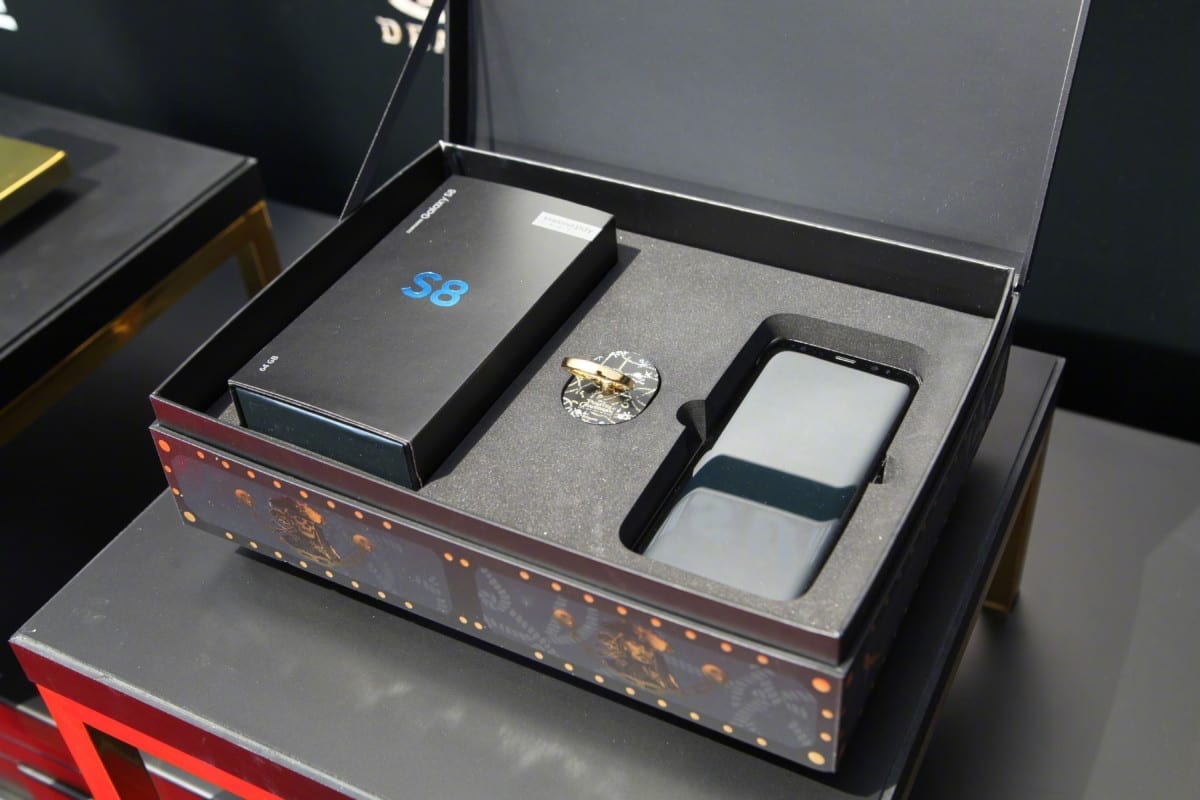
    The limited edition model looks like the regular Galaxy S8 from the outside. However, it comes with special themes and wallpapers. Plus, you will get some bonus content from the Pirates of the Caribbean: Dead Men Tell No Tales which is the fifth installment of the Pirates of the Caribbean franchise. Also, the retail box has been designed to look like a treasure box , with the Pirates of the Caribbean logo engraved on it. Inside the box, you will find a phone’s ring holder and a removable case.

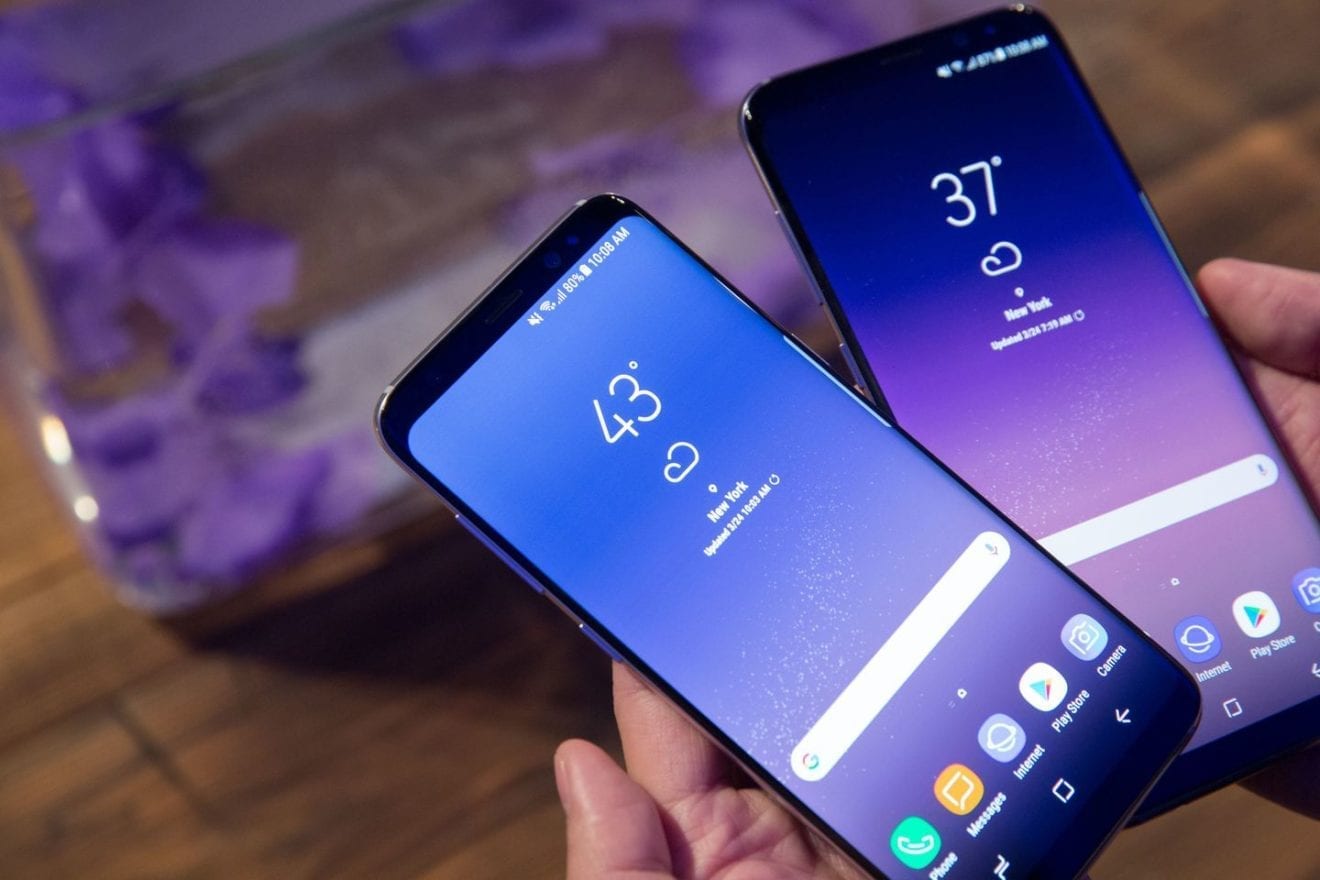
    As far the phone’s specifications are concerned, you’re getting the standard option. The Galaxy S8 sports a 5.8-inch QHD+ display, with a resolution of 2960×1440 pixels. The device features an iris scanner and as well as an ‘Infinity’ display. The size of the display is a bit different. It’s an ultra wide display which has an aspect ratio of 18:5:9 instead of 16:9.

    The smartphone has been powered by Samsung’s Exynos 8995 processor which has been built using 10nm process. The phone further comes with 4GB RAM, 64GB storage and microSD card slot. The Galaxy S8 runs on Andoid 7.0 Nougat with the company’s TouchWiz UI.

    On the camera front, the Galaxy S8 comes with a 12-megapixel rear camera with f/1.7 aperture and optical image stabilization (OIS). On the front the phone sports an 8-megapixel shooter with f/1.7 aperture and autofocus. The phone comes with a 3,000mAh battery and is IP68 certified as well.

    The physical home button is removed entirely and replaced with a touch sensitive button underneath the display. Another big change is that the fingerprint scanner is now located on the back of the device, next to the camera module. The Galaxy S8 also comes with Bixby, Samsung’s new AI assistant.

    This isn’t the first time Samsung is launching a special edition of its flagship device. The South Korean company has released a few limited edition smartphones in the past, like the Batman Edition of the Galaxy S7 Edge and the Iron Man Limited  Edition of its predecessor.

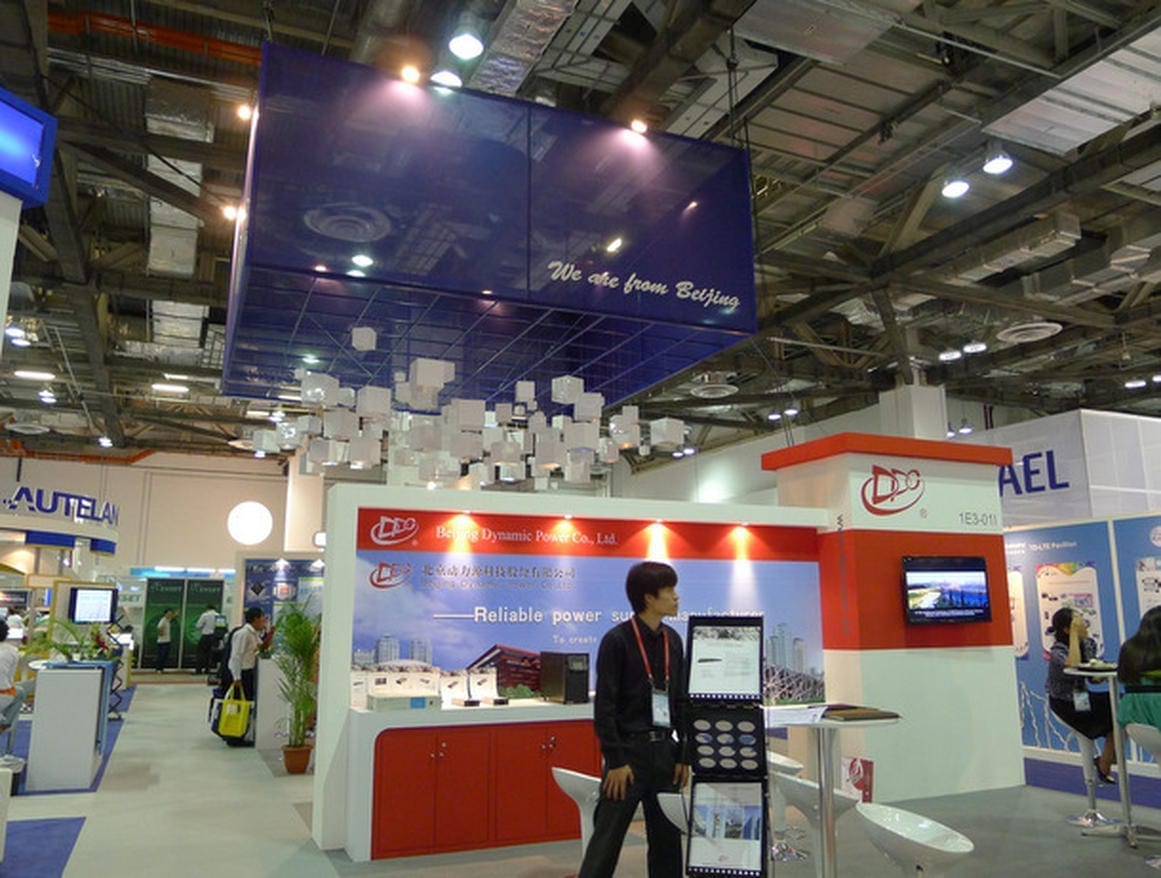
  • New techs launched at Asia’s major exhibition in Singapore

    New techs launched at Asia’s major exhibition in Singapore

    More than 900 new products were introduced to the public for the first time. CommunicAsia, EnterpriseIT and BroadcastAsia 2017 have wrapped up a three-day exhibition and conference addressing technologies and strategies for smart cities and companies in Asia.

    Held by Singapore’s leading event organizer UBM SES, the three exhibitions hosted 1,800 exhibitors from 62 countries and regions who came to present more than 900 new products.

    Dubbed as Asia’s largest gathering of companies and experts from the world’s technology and digital entertainment, the event drew over 40,000 trade attendees and showcased innovations featuring the latest in big data analytics, cloud, artificial intelligence, robotics, cybersecurity, Internet of Things, among others.

    “As organizers, we are proud to present an event that aligns to the region’s initiatives and push in advancing Asia’s digital transformation,” said Victor Wong, Project Director of Communications Events at UBM SES.

    Following this year’s success, UBM SES will launch a new event next year for emerging technologies and business solutions, he said.

    A combination of CommunicAsia, BroadcastAsia and the newly launched NXTAsia, ConnecTechAsia 2018 will be a three-day event slated for June next year in Singapore.

  • Samsung Galaxy Tab S3 now available in Malaysia

    Samsung Galaxy Tab S3 now available in Malaysia

    Samsung Malaysia Electronics announced the availability of the Galaxy Tab S3, a stylishly designed tablet with advanced computing technology offering a premium mobile experience.

    Equipped with an S Pen designed to feel and write like your favourite ball pen, the Galaxy Tab S3 delivers versatile usage as a productivity tool.

    “The Galaxy Tab S3 is carefully crafted with versatile features and functionality that provide a dynamic user experience.

    “This tablet represents Samsung’s commitment to expand its tablet portfolio with premium technology and deliver the best of entertainment and productivity for users at home, work or on the go,” said Hosea Heen, Samsung Malaysia Electronics head of mobile business.

    Building upon its signature design, the Galaxy Tab S3’s minimal and refined design was achieved by affixing glossy, reinforced glass panels to an aluminium frame, resulting in seamless aesthetics.

    The Galaxy Tab S3 provides premium Galaxy technology including an enhanced S Pen, which allows users to be more productive, creative, and to multi-task.

    The Galaxy Tab S3 is the first Samsung tablet to boast powerful quad-stereo speakers crafted by AKG by Harman in each corner of the device.

    Housing a superb 9.7-inch Super AMOLED display with HDR (High Dynamic Range) video content support, the Galaxy Tab S3 also displays stunningly vivid images with true-to-life colours.

    Unveiled at this year’s Mobile World Congress, the Galaxy Tab S3 delivers on Samsung’s legacy of innovative Galaxy technology including a 13-megapixel rear camera with auto focus and a 5-megapixel front camera for high-quality photos.

    The tablet also includes expandable storage and more power efficiency with fast-charge capabilities, supporting up to 12 hours of video playback.

    Mobile entertainment is taken to the next level as the tablet provides a cinema-like experience with 4K video playback on its Super AMOLED display. Highly optimised for gaming, the Galaxy Tab S3 also comes equipped with Vulkan API for superior graphics and the new Game Launcher for an enhanced user interface and personalised gaming experience, as well as modes like ‘Do Not Disturb’ for uninterrupted gameplay.

    Samsung Flow uses biometric authentication for a safe and secure login and can wirelessly tether compatible devices to transfer documents from a mobile device to a tablet. It also syncs message notifications so users will never miss an important text message, whether they are using a smartphone or their tablet, making working on the go seamless.

    For power users always on the go, the Galaxy Tab S3 also supports Pogo keyboards as no charging or pairing is required. The tablet’s dedicated Pogo pin-connected keyboard locks into place securely so users can get to work quickly, and features a streamlined layout that optimises key spacing to promote accurate typing. USB Type-C compatibility, meanwhile, provides more convenient cable connections as well as much faster data transfers. The Pogo Keyboard Cover comes in gray colour and retails at RM499.

    A new selection of Galaxy Tab S3 covers will give stylish users the option to pair their tablet with soft-coloured Book Covers that feature powdery matte finishing and a lightweight design to complete the device’s stylish look.

    Its dual usage mode—Viewing Mode or Touch Mode—makes it perfect for propping the tablet up to touch with ease or standing it up to watch movies comfortably. The Book Covers are also designed to magnetically attach the S Pen for quick access.

    Available in black, white and green colours, the Book Covers retail at RM199.

    The Galaxy Tab S3 is available in Malaysia at Samsung Experience Stores nationwide, including e-commerce partners Lazada and 11street, as well as authorised dealers starting June 1.

    Offered in understated black and silver colours to suit the refined tastes of modern millennials, the powerful tablet has an attractive recommended retail price of RM2,999 inclusive of six per cent GST.

  • Vietnam’s demand for cool air attracts Japanese investors

    Vietnam’s demand for cool air attracts Japanese investors

    Japanese air conditioner manufacturers are set to expand in Vietnam, touting their high-quality products and appeal to the country’s growing urban middle class.

    Leading Japanese electronics corporation Panasonic is ready to manufacture air conditioners in Vietnam, where it already has a consumer electronics factory. Panasonic’s plans to ramp up its air conditioner business in Southeast Asia, where rising incomes are fuelling demand.

    Panasonic Vietnam said in a statement that its investment scale and timing schedule are not finalised at the moment, but will be completed soon.

    Panasonic looks to earn $6 billion from global air conditioning sales by March 2019. The Japanese market will account for 40 per cent of this however.

    Vietnam is the second biggest market for air conditioners in Asia, after Indonesia.

    Another big name in air conditioning, Daikin, received an investment certificate last year for the $100 million project in Thang Long II Industrial Park.

    Ly Thi Phuong Trang, a representative from Daikin Air Conditioning Vietnam JSC, said the project is on track and expected to see operation in April 2018, with a capacity of 500,000 units per year.

    Japanese firms like Daikin and Mitsubishi chose Vietnam for their new plants because nearly all Daikin and Mitsubishi air conditioners in Vietnam are currently imported from Thailand, where their production facilities have been operating at full capacity.

    Vietnam’s infrastructure development coupled with increasing investment in the industrial and commercial sectors are responsible for the higher demand for air conditioners in the country. The development of major cities, growing construction activities in the hospitality and tourism sectors, and growing government investment are expected to propel demand for air conditioners in Vietnam to even greater heights.

    In residential areas, split system air conditioners are popular, as one unit can service multiple residences.

    A report released by the Japan Refrigeration and Air Conditioning Industry Association (JRAIA) on the demand for air conditioners in major countries around the world also said that the demand for both residential and commercial air conditioners is rising sharply in Vietnam.

    Some of the leading air conditioner manufacturers operating in Vietnam include LG Electronics, Gree, Samsung, Midea, Hitachi, Toshiba, Nagakawa, Mitsubishi, and Carrier.

    Last year, Samsung Vina Electronics Co., Ltd. said “Fifty percent of air conditioners sold globally are split system air conditioners. The total value of the segment is worth $74 billion. Vietnam is a very promising market for this segment, which has seen many advanced technological developments recently.”

    Seven years ago, Mitsubishi Electric Corporation established a Vietnamese company to co-ordinate sales of air conditioning systems, home appliances, and automated products.

    The Japanese company has primarily conducted sales in Vietnam indirectly through distributors, and has only recently shifted to direct sales.

    “Due to Vietnam’s remarkable growth prospects, Mitsubishi Electric is now classifying the country as a priority market, and has decided to establish a local company to co-ordinate sales,” the manufacturer said in its announcement.

    While competition for greater market share is stiff, some countries in the region are moving to tighten environmental regulations. Vietnam has also raised awareness of energy consumption standards for air conditioners. The move could be a boon for Japanese air conditioner manufactures who already have competitive energy-saving technologies on the shelves.