Category: Electronics

Retail News Asia is committed to providing both local and global retailers with the latest Electronics news throughout the Asian market. This on a daily base.

  • Sony Xperia XZ Premium Up for Pre-orders in South Korea

    Sony Xperia XZ Premium Up for Pre-orders in South Korea

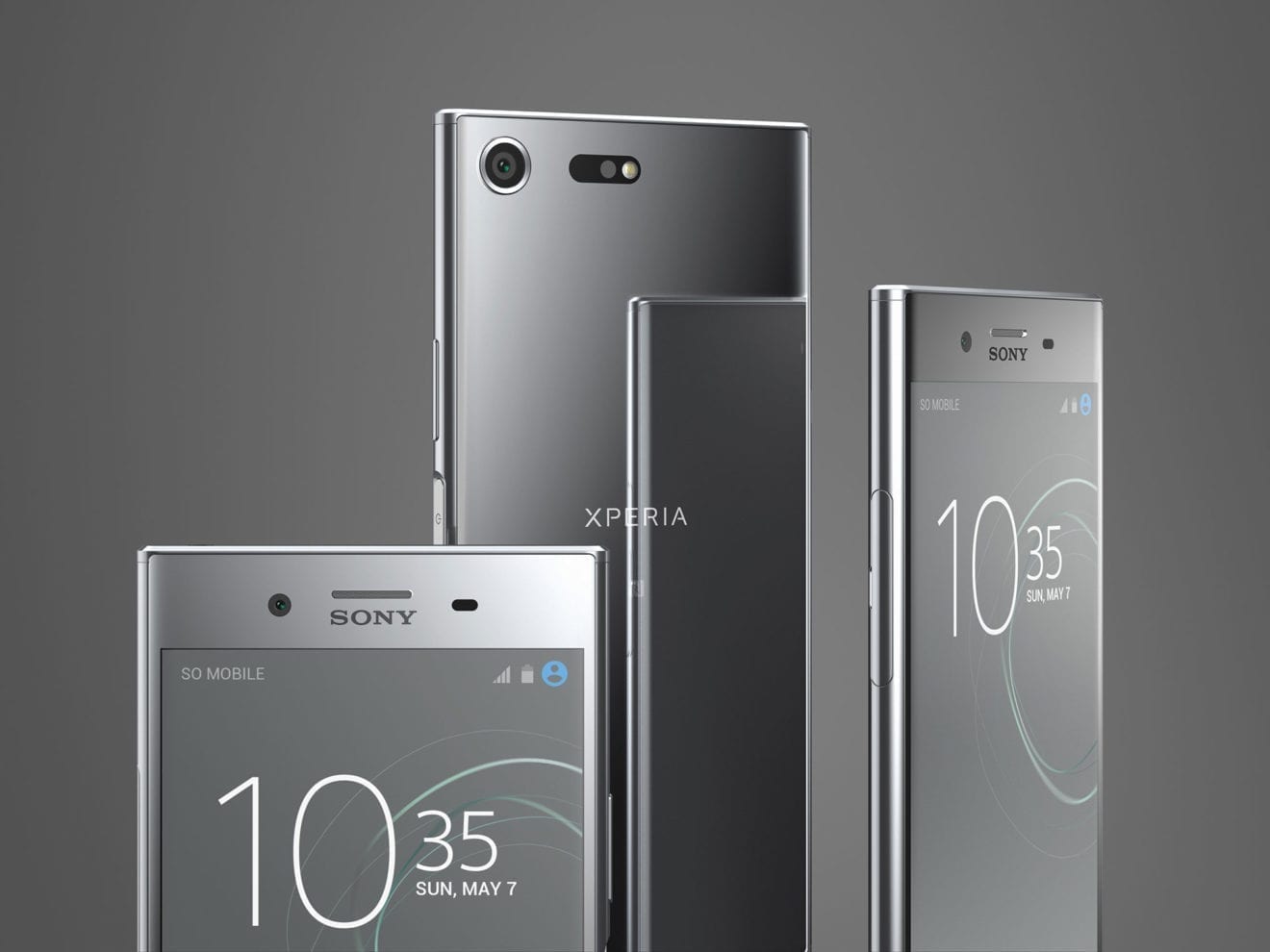
    The Sony Xperia XZ Premium has gone on pre-order in South Korea. The phone carries a KRW 869,000 ($775) price tag, and will go on sale in the Asian market starting June 8.

    The handset will be available through third-party retailers as well, including T WorldDirect and Gmarket. Those who pre-order will also get freebies including smartbands and cases. Color options for the phone include Luminous Chrome and Deep Black.

  • Sony relaunching OLED TVs

    Sony relaunching OLED TVs

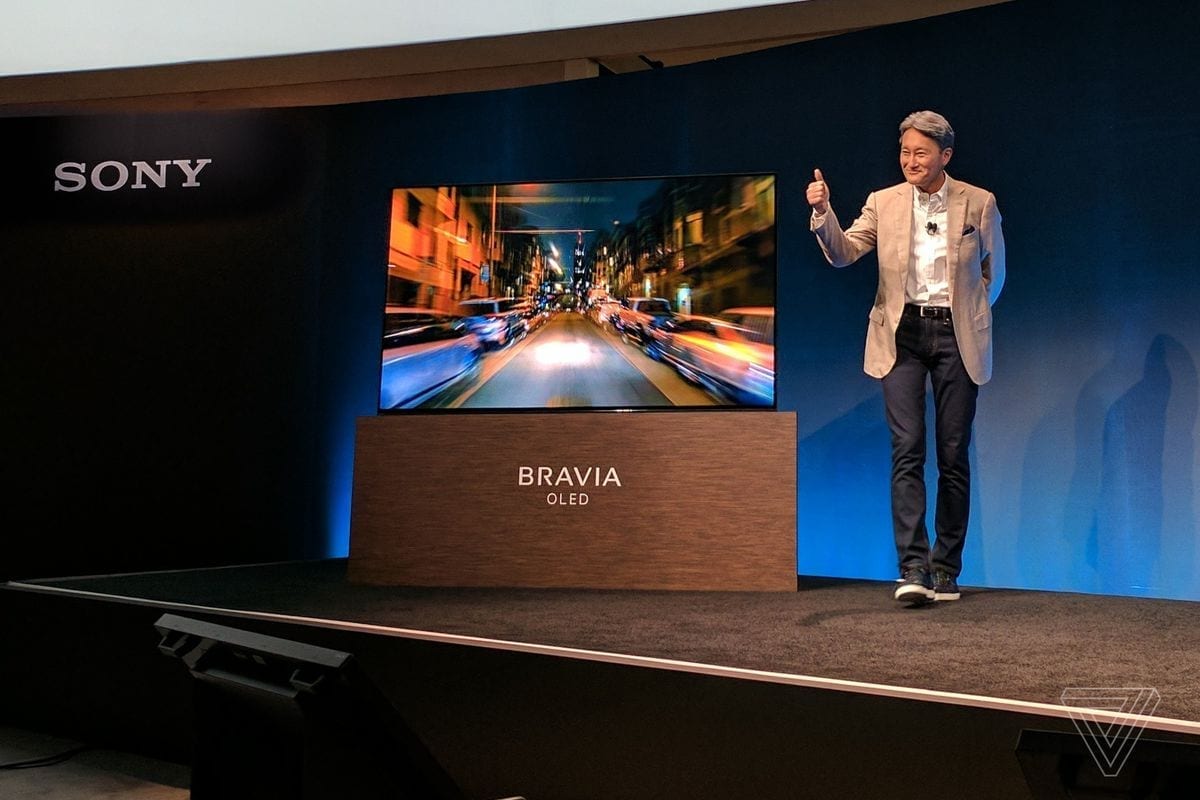
    Sony’s high-definition OLED television, which hits domestic stores next month, will mark a return after sales were halted in 2010. But instead of maintaining its fiercely independent streak, the Japanese group is enlisting the aid of South Korea’s LG Display this time around.

    Good vibrations

    The Bravia A1 series, which Sony said Monday will go on sale June 10, will carry a price tag of around 800,000 yen ($7,092) for the 65-inch model, while the 55-inch will go for about 500,000 yen. Not only does the organic light-emitting diode display generate realistic hues, it also doubles as a speaker. These sets do not come equipped with conventional speakers since the thin, bendable OLED layer is capable of emitting sound vibrations.

    LG Electronics, sister company of Sony’s panel supplier LG Display, also produces its own OLED TVs. Japan’s Toshiba and Panasonic are rivals as well. “OLEDs will really take off this year,” said a source from a major Japanese electronics retailer.

    Sony developed a prototype OLED TV in 2001 and launched the world’s first household model in 2007. But those 11-inch sets failed to attract buyers, and Sony suspended sales in 2010.

    Around that time, a glut in global LCD supplies led to a drop in prices, sending TV segments across the board into the red. Sony withdrew from a joint panel operation with South Korea’s Samsung Electronics. The Japanese company’s TV business later underwent restructuring and a spinoff.

    Sony merged its OLED panel business with Panasonic’s, and that unit is due to become a subsidiary of Japan Display later this year. Sony no longer has in-house panel technologies for consumer TVs.

    The company is making a comeback to big-screen OLEDs because “the performance of the panels we can procure have reached a convincing level,” said Ichiro Takagi, executive vice president at Sony.

    The group continued to develop professional-use TVs and advanced image processing technology even after suspending sales in 2010 in order to “be in a position to release a new model at any time,” said a Sony executive.

  • LG’s new smart devices strengthen its IoT game

    LG’s new smart devices strengthen its IoT game

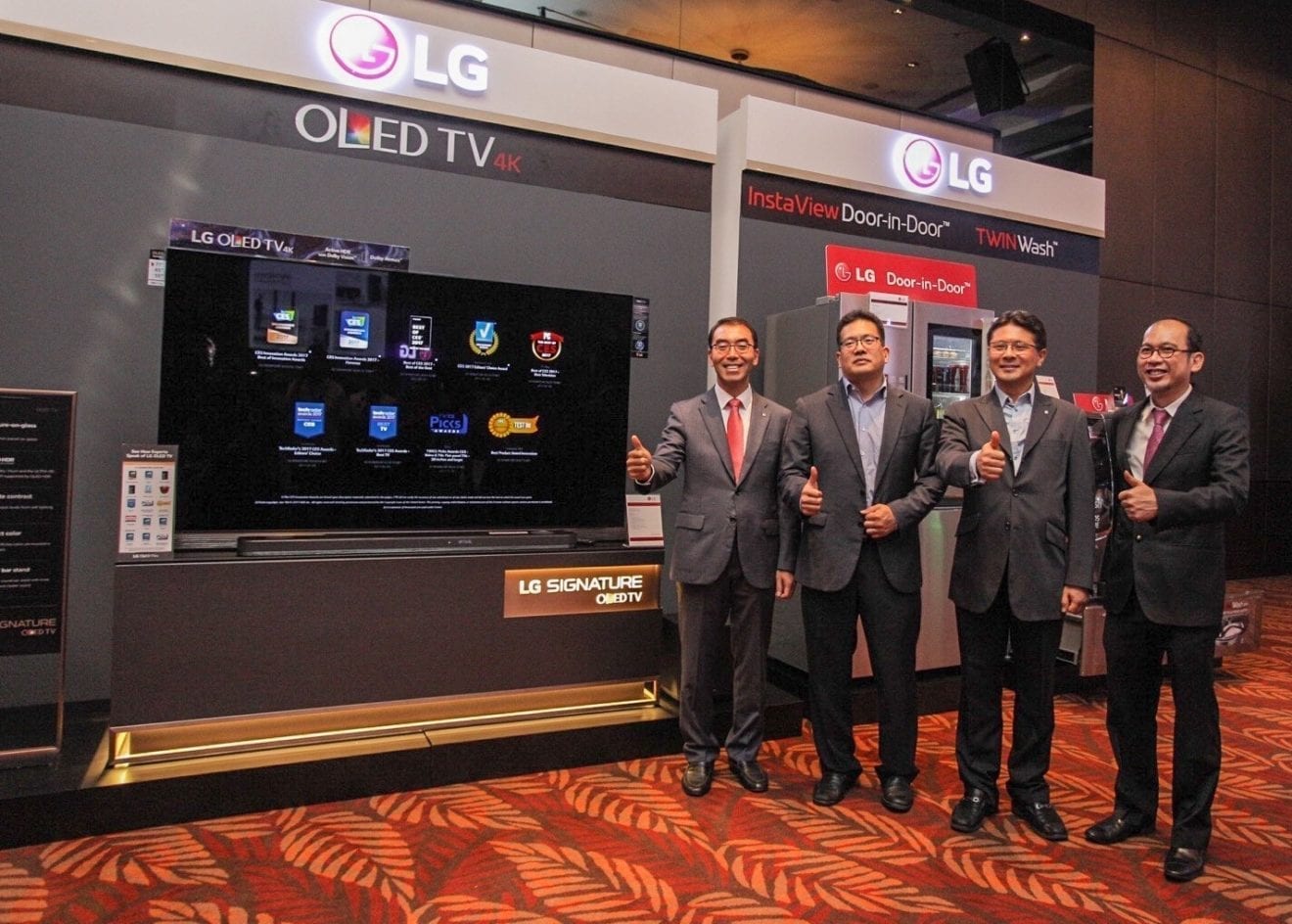
    Smart homes are often talked about in technology circles but it is a concept that is often assumed to be very far in the future. That may not be so as LG has launched some new home appliances in the Malaysian market that it hopes will jump-start its Internet of Things (IoT) ambitions.

    Running on its smart home technology called Smart ThinQ, LG has introduced two products:  the LG TWINwash washing machine and LG Smart InstaView refrigerator that leverage this technology to provide greater convenience to consumers.

    Using the Smart ThinQ on a smartphone, users would be able to remotely set their washing machine to do their laundry at a specific time so that they would be able to come home to a freshly washed load.

    Using the smart application, users also have greater control on the types of wash options, such as baby wear, denim, swimwear and many others that the washing machine can perform.

    In the case of refrigerators, LG said Smart ThinQ would help users monitor the temperature level of the fridge as well as set the appropriate temperature for the various compartments.

    Aside from monitoring and controlling, the other benefit brought on by smart home appliances using LG’s Smart ThinQ app is a feature called Smart Diagnosis. As the name implies, it is a diagnostic feature that can alert users if the system detects any breakdown in their appliance.

    In this way, the appliance gives the user an error code to denote the problem so it is identified before the technician comes over to fix it.

    Aiming high for IoT

    Malaysia is now the latest market in which LG is launching its new smart home-ready devices and LG is planning to launch even more smart devices next year, expanding its lineup to include smart air conditioners and air purifiers.

    LG Electronics Malaysia’s head of product department for home appliances and air conditioner Bon Jae Koo explains that LG has been focusing its efforts on improving life for its customers by launching new smart devices that are able to connect to the Internet.

    “Globally we are focused on developing home network solutions that can be implemented on our product lineup that includes refrigerators, washing machines, air purifiers and more,” he said.

    Koo explains that LG has been in the business of making devices for a long time and points towards his native South Korea where IoT is already adopted in the commercial segment. This includes smart mirrors within clothing stores that help you decide which item of clothing to buy by simulating what they look like on the person standing in front of it.

    “We are of the view that smart products that help optimise the temperature in the room, improve the wash cycle for clothes will result in better power consumption hence bringing greater cost savings to our customers.

  • Jazz up with the latest Cherry Mobile Flare J1 2017

    Jazz up with the latest Cherry Mobile Flare J1 2017

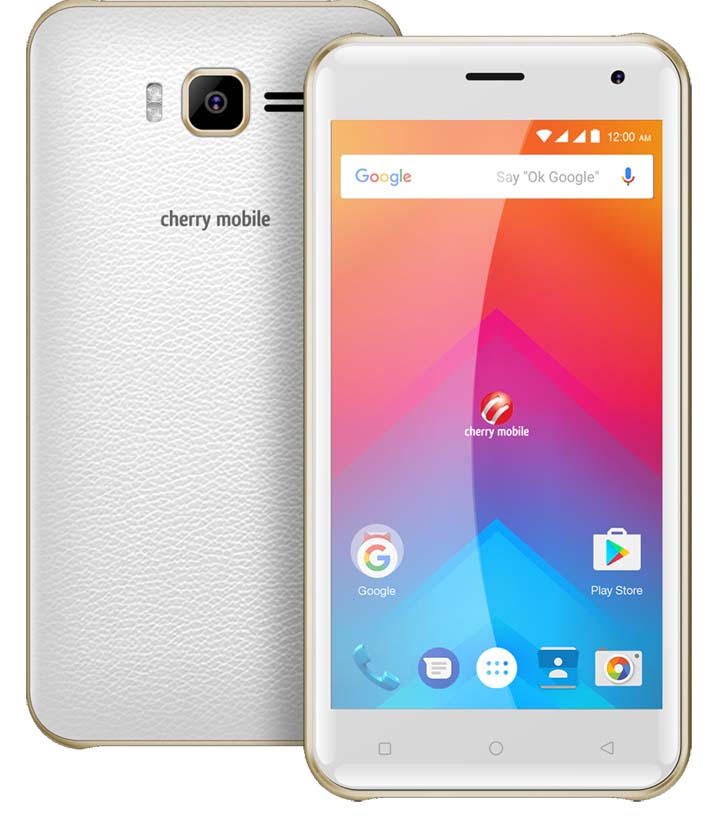
    The year 2017 is all about going bigger, better and bolder. While you’re planning to tick off goals from your bucket list, going beyond your safest zone, or living the life you’ve always wanted, make sure to jazz up with the latest upgrade of Cherry Mobile Flare J1 2017.

    Cherry Mobile Flare J1 2017 encourages the young trendsetters to push their boundaries and live a life with no limits as it is built to take on the demands of one’s hectic lifestyle. The Flare J1 2017 is crafted with a durable and tough LCD that can withstand rough falls and unsightly cracks. Coming with a price tag of P2,699 SRP, you get to own a 5-inch strong and impressive mobile device that will accompany you as you learn the ropes of life the hard way.

    In addition to its durability, the Flare J1 2017is equipped with a1GB RAM and 8GB internal storage which can be expanded to 32GB via microSD. Capture your achievements, any mundane moments or gear up for countless rounds of selfie with the device’s 8MP rear and 5MP front cameras. The Flare J1 2017 is also fitted with a hefty 2300mAh removable battery.

    Feel free to live life on the edge as the Flare J1 2017 is as strong as your will. Make sure to score your first dibs on the latest Flare J1 upgrade this 2017 at any Cherry Mobile concept stores and kiosks near you.

  • The flagship of LG will go on OLED screens

    The flagship of LG will go on OLED screens

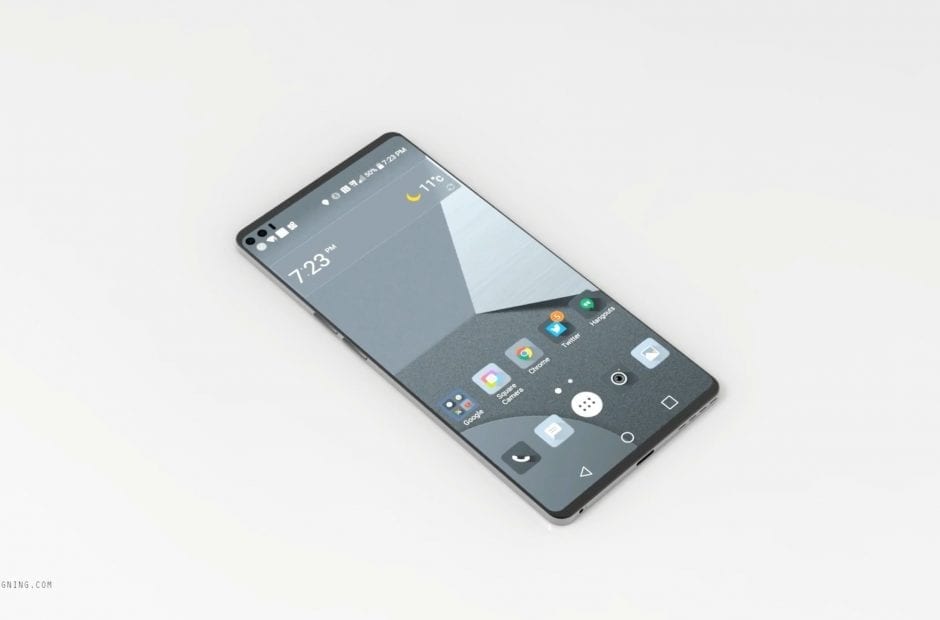
    LG has decided to equip all its top smartphones screens based on the matrix OLED, which will provide the best color reproduction compared to IPS and a reduced level of energy consumption.

    The first devices with such displays will go on sale just in the second half of this year. Reportedly, the first smartphone from LG with OLED screen your own production will be the new V30, a descendant depicted in the rendering V20. Here it should be noted that the display on this particular unit is just two is already the specifics of the series, an open model V10 a couple years ago. The goal of LG is understandable: it is necessary not just to keep up with Apple and Samsung, not only to nip at their heels, and to keep pace with them or, better yet, to overtake them at every turn.

    It should be noted that LG already has experience in the production of smartphones with OLED screen — in 2013, when only-only began to emerge in the segment of mobile phones with curved screens, the world was shown a very stylish LG G Flex the shape of a letter “C”. Alas, the model was not accepted due to high prices and the inertia of users, but after four years, screens of irregular shape, began to interest consumers, and LG intends to be a trend.

  • Whirlpool Asia-Pacific President Arvind Uppal to step down

    Whirlpool Asia-Pacific President Arvind Uppal to step down

    Home appliances maker Whirlpool of India today said Arvind Uppal will step down as President – Asia Pacific of its parent Whirlpool Corporation with effect from January 1, 2018.

    Uppal, however, will continue to be the Chairman and Non Executive Director of Whirlpool of India.

    “The Board of Directors of the company have on May 25, 2017 by circular resolution taken note of Arvind Uppal’s decision to step down from employment of the company with effect from January 1, 2018,” Whirlpool of India said in a BSE filing.

  • Xiaomi’s 100th Mi Home Store in China Opens

    Xiaomi’s 100th Mi Home Store in China Opens

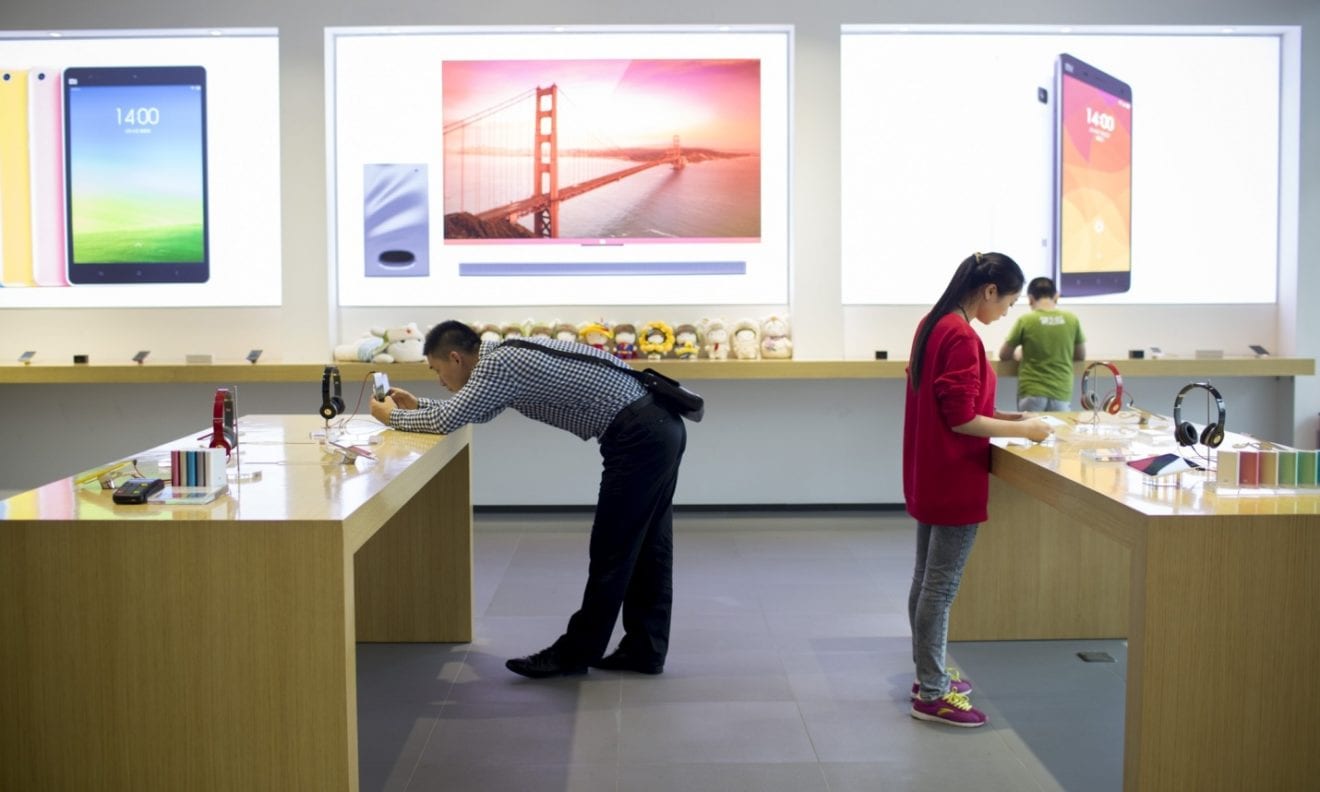
    Xiaomi was once heralded as the internet phone king of China after it took the centre stage in selling its smartphones in China. That has however seen a decline due to the influx of other phone makers into the online channel. The likes of OPPO and Vivo have even outpaced Xiaomi by incorporating both offline and online sales channels, leading to a serious decline in revenue. This has prompted the company, dubbed the Apple of China, to open offline stores in China.

    Xiaomi had revealed last year that it plans to open 1000 Mi stores across several cities in China by the year 2020. In order to achieve that target, the company’s CEO Lei Jun hinted earlier this year that this company would open over 200 retail stores this year. The company has now hit 100 stores in total since the start of the project.The figure followed the opening of four new shops in Zhengzhou, Guangzhou, Foshan and Shanghai. The achievement si coming just five months after the 50th Mi home store was opened in December.

    At present, the Mi Home stores are located in major cities like Beijing, Guangzhou, Shenzhen, Nanjing, Chengdu, Hangzho, Wuhan, Zhuzhai, Zhengzhou, Changsha, Wuxi, Dongguan, Jinan, Dalian, Xiamen, Qingdao, Shenyang and others. Apart from sales, the shops cater for after sales service needs of customers as well as sales of accessories and technical support services. From the look of things, the Mi Stores seem to also stock other Mi smart gadgets apart from smartphones.

    Xiaomi has so far released quite a number of products this year and the pace seems not to be abating. With its recent determined pace, could we see Xiaomi contending at the top three at the end of this year? That is looking likely, even though its competitors are not sleeping either.

  • Apple opens flagship Singapore store, its first retail outlet in Southeast Asia

    Apple opens flagship Singapore store, its first retail outlet in Southeast Asia

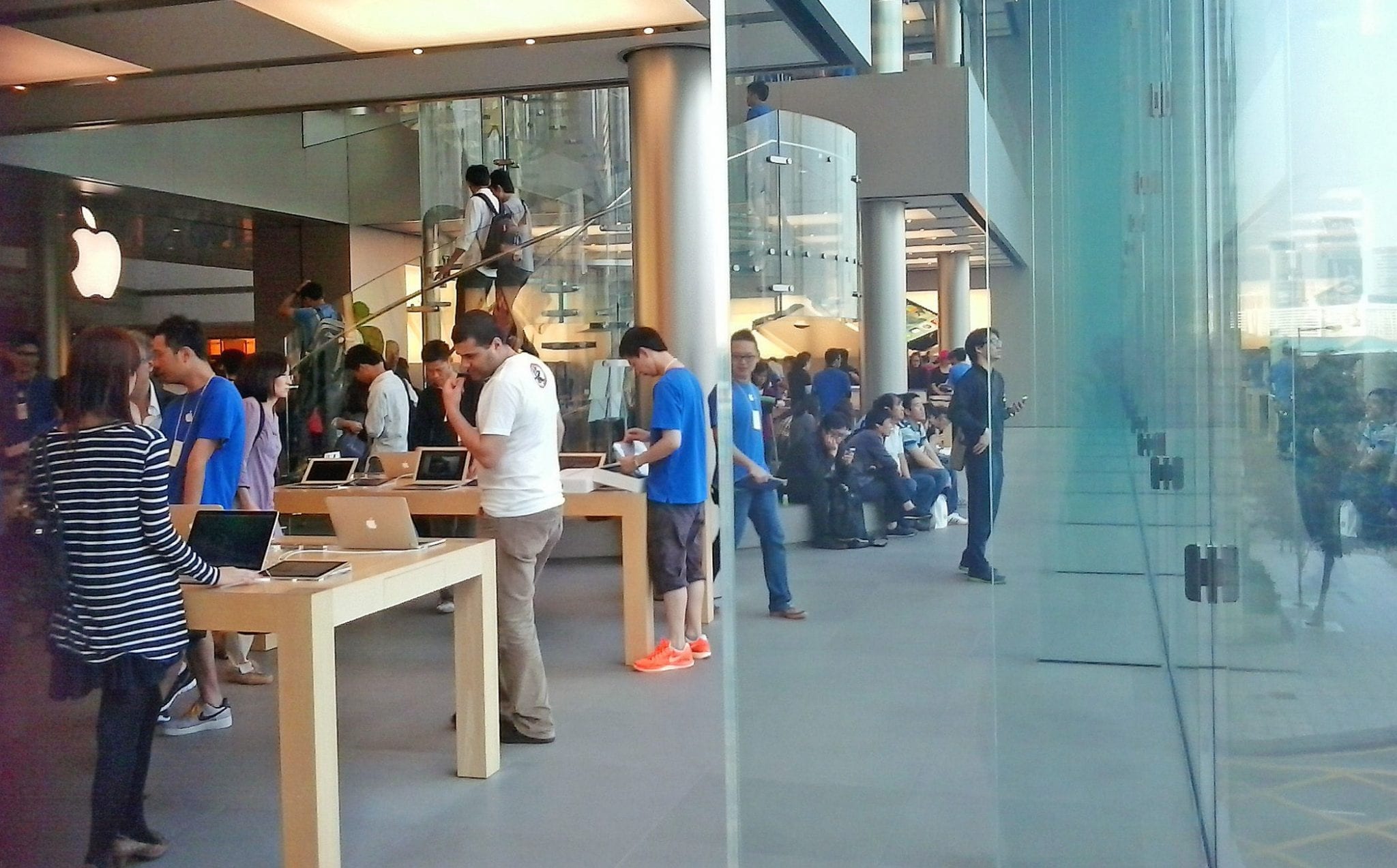
    Saturday saw the official opening of Apple‘s new retail store in Singapore, also marking the first Apple Store to open in Southeast Asia. Officially known as Apple Orchard Road, the store is the latest of Apple’s next-generation retail stores, feature design elements like a large, all-glass front, open spaces to be used for community-focused events such as Today at Apple, tree planters inside, and custom wood furniture.

    The store’s design and interior were first revealed earlier this week when Apple finally had the barricades removed after months of work. At 10:00 AM on Saturday the store was opened to the public, with a significant crowd waiting outside. Apple’s senior vice president of retail, Angela Ahrendts, was present at the opening to welcome visitors and take part in the celebration with staff.

    After spending almost two years in the planning stages, Apple Orchard Road has come to life as two-story outlet featuring a curved staircase that features design elements borrowed from the new Apple Park headquarters in Cupertino. Upstairs guests will find the Genius Grove and gathering area for Today at Apple sessions, while the bottom floor has plenty of tables showcasing the company’s many products and accessories.

    Part of Apple’s goal with redesigning their stores is to change the public’s perception of the locations as simply places to buy Apple products. Ahrendts has said that they want Apple stores to be viewed more as meeting spots, much like Starbucks, or as places where interesting events take place, with friends wanting to check it out together.

  • Retro Nokia phone hits the right buttons on return to Vietnam

    Retro Nokia phone hits the right buttons on return to Vietnam

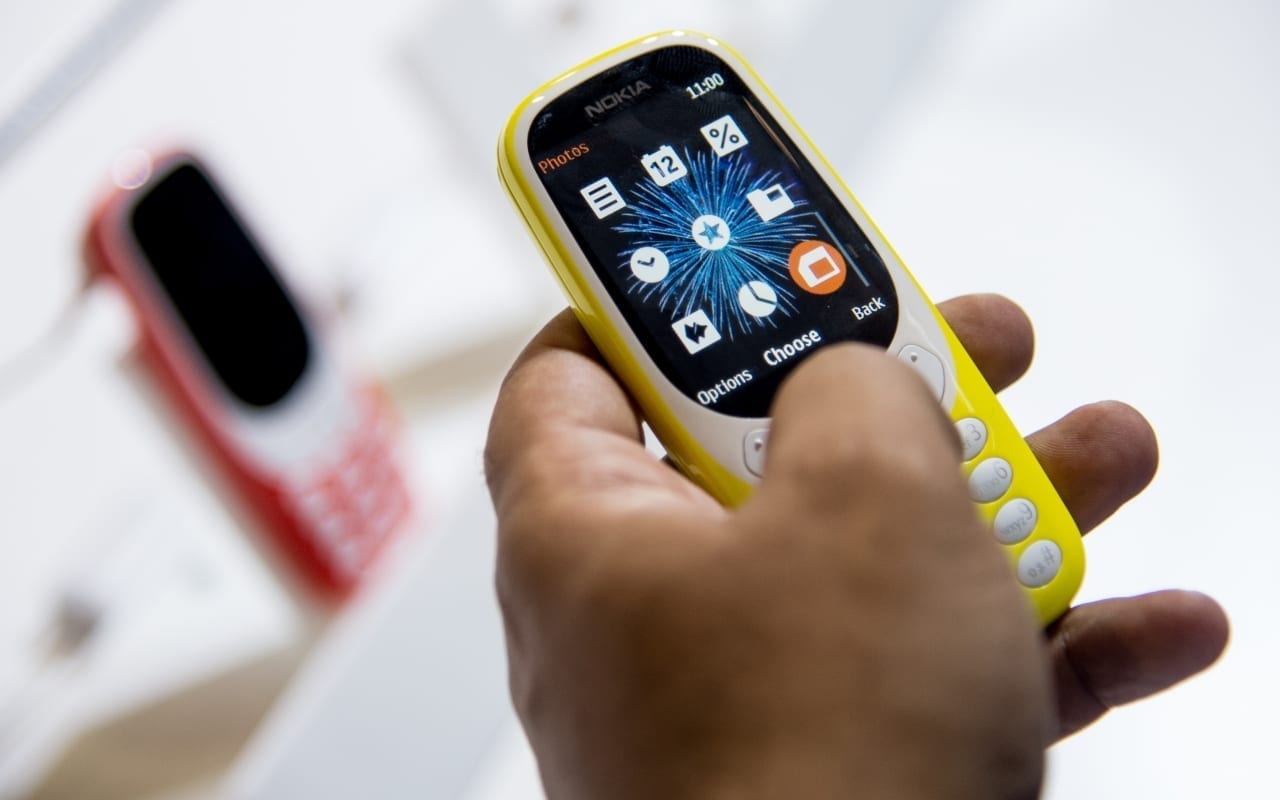
    Nearly two decades after being crowned the king of Vietnam’s cellphone market, Nokia’s classic 3310 has made a successful return to the mobile-crazy country, proving that its charms still work.

    The classic talk and text phone, which was reintroduced in a brightly colored version at the Mobile World Congress in Barcelona last February, hit Vietnamese shops on Monday and has already become a phenomenon.

    “It has triggered a hunt like when the iPhone first arrived in Vietnam,” said one customer who has been trawling the shops in vain for the revamped model.

    Many mobile retailers in Hanoi and Ho Chi Minh City said they had received limited supplies that sold out in a day. An independent shop in Hanoi was sent 20 phones while a retail chain received 500 for its more than 400 outlets.

    A source from the official distributor said that supplies will stabilize from next week. Many buyers have put deposits down for the phone, which costs VND1,059,000 ($46.67).

    Retailers said customers are buying out of a sense of nostalgia.

    The phone is a powerful reminder of Nokia’s popularity back at the start of the millenium, when the 3310 was one of the most popular models in many markets, including Vietnam.

    The original 3310 sold 126 million phones, the 12th best-selling phone model in history. Nine of the top 12 selling models were produced by Nokia.

    Many Vietnamese still consider the old model a benchmark for durability and battery life. The new model is designed for 22 hours of talk time and up to one month of standby time, which might heighten the phone’s appeal as a backup for smartphone users.

    Analysts hailed the 3310 launch as a smart retro gambit, but one which could overshadow the Finnish company’s re-entry into the global smartphone market. Nokia has also launched four moderately priced smartphones ranging from 139 to 299 euros ($156-336).

    Nokia sold its by-then ailing handset operations to Microsoft for $7 billion in 2014, leaving it with its network equipment business and a large patent portfolio.

    But last year, it gave the Nokia brand a fresh start by licensing its devices brand to HMD Global, a new company led by ex-Nokia executives and backed by Chinese electronics giant Foxconn.

    Industry analysts say the revived Nokia 3310 has the makings of one of the hit devices of 2017, appealing to older Nokia fans in developed markets looking for an antidote to smartphone overload, while also appealing to younger crowds in emerging markets.

  • Nokia recently announced its first Nokia smartphone – Nokia 3,5,6

    Nokia recently announced its first Nokia smartphone – Nokia 3,5,6

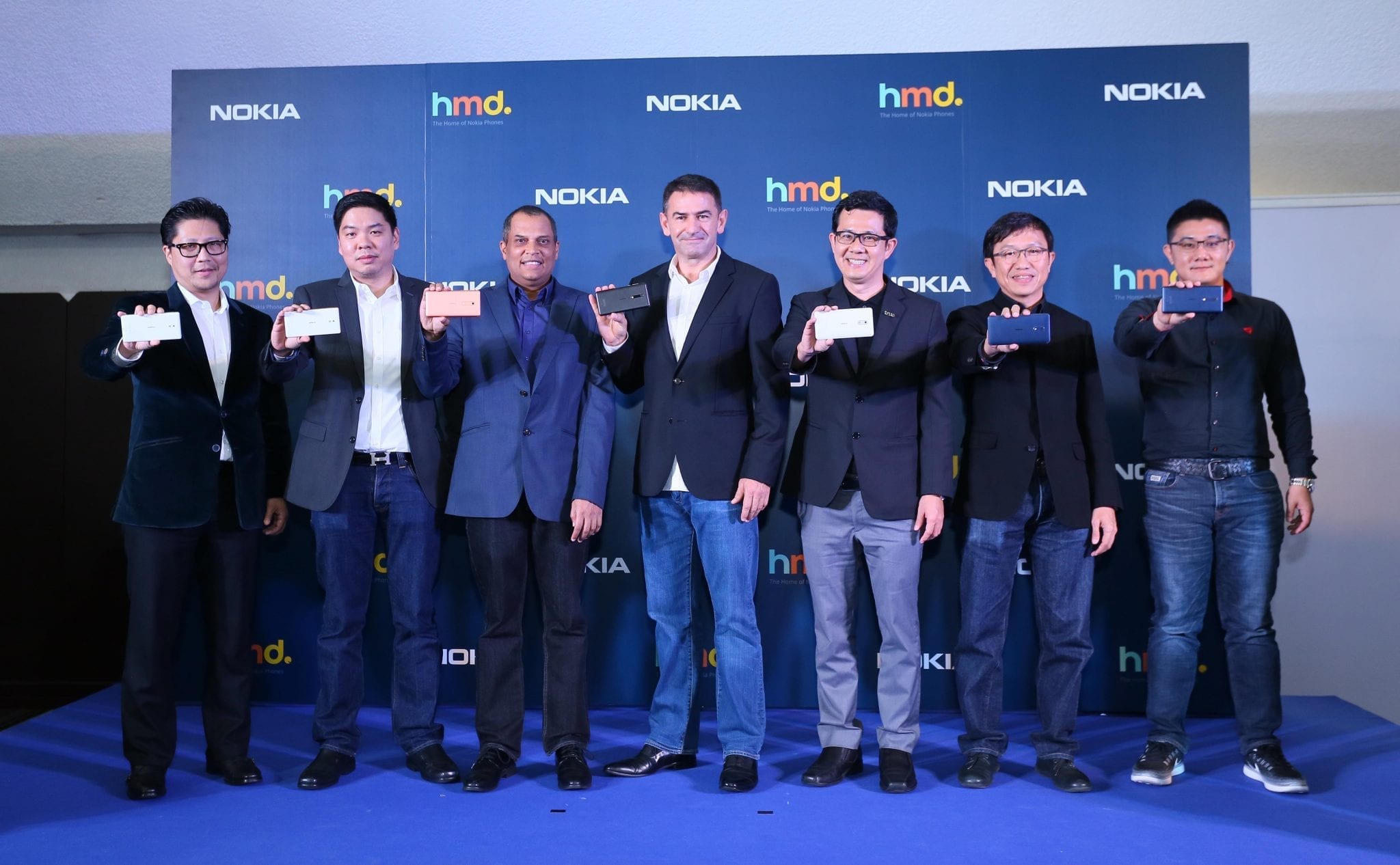
    HMD Global, the home of Nokia phones, recently announced at Thailand Mobile Expo 2017 that its first Nokia smartphone range, comprising of the Nokia 3, Nokia 5 and Nokia 6, will be available in all major operators and retailers in Thailand by end of June in 2017.

    Executives who attended the launch include (from left to right): Ponskorn Bencharongkul, Managing Director, Y.A.S Company, Arkapong Linpisarn, SVP, Head of Device Management Division,Total Access Communication, Sandeep Gupta, Regional General Manager, Thailand and Emerging Asia, HMD Global, James Rutherfoord, Vice President Asia Pacific at HMD Global, Tuantong Srivichian, Director, Device Product, True Corporation, Pairoj Thavornsapanant, Assistant Managing Director, TG Fone and Dusit Sukumvitaya , Vice President, Product, Jaymart Mobile

  • Nokia 6, Nokia 5 and Nokia 3 launched in Thailand Mobile Expo

    Nokia 6, Nokia 5 and Nokia 3 launched in Thailand Mobile Expo

    HMD Global, the home of Nokia phones, announced today at Thailand Mobile Expo 2017 that its first Nokia smartphone range – comprising of the Nokia 3, Nokia 5 and Nokia 6 – will be available in June in Thailand. Nokia 3 will be available second week of June 2017 while Nokia 5 and Nokia 6 will be available by end of June.

    Unveiled earlier this year at Mobile World Congress in Barcelona, the devices combine superior craftsmanship, distinctive design and powerful entertainment features with a pure Android experience, giving you the ability to use your phone, your way.

    James Rutherfoord, Vice President Asia Pacific at HMD Global commented “Thailand is one of the smartphone capitals of Asia and engagement on devices is extremely high. When it comes to smartphones, Thai consumers want high build quality and beautiful design from a trusted brand. We are very happy to bring Nokia 3, Nokia 5, and Nokia 6 with a pure Android experience into Thailand and we are looking forward to introducing more products in the months to come.

    Nokia 6: Powerful entertainment experience and superior craftsmanship

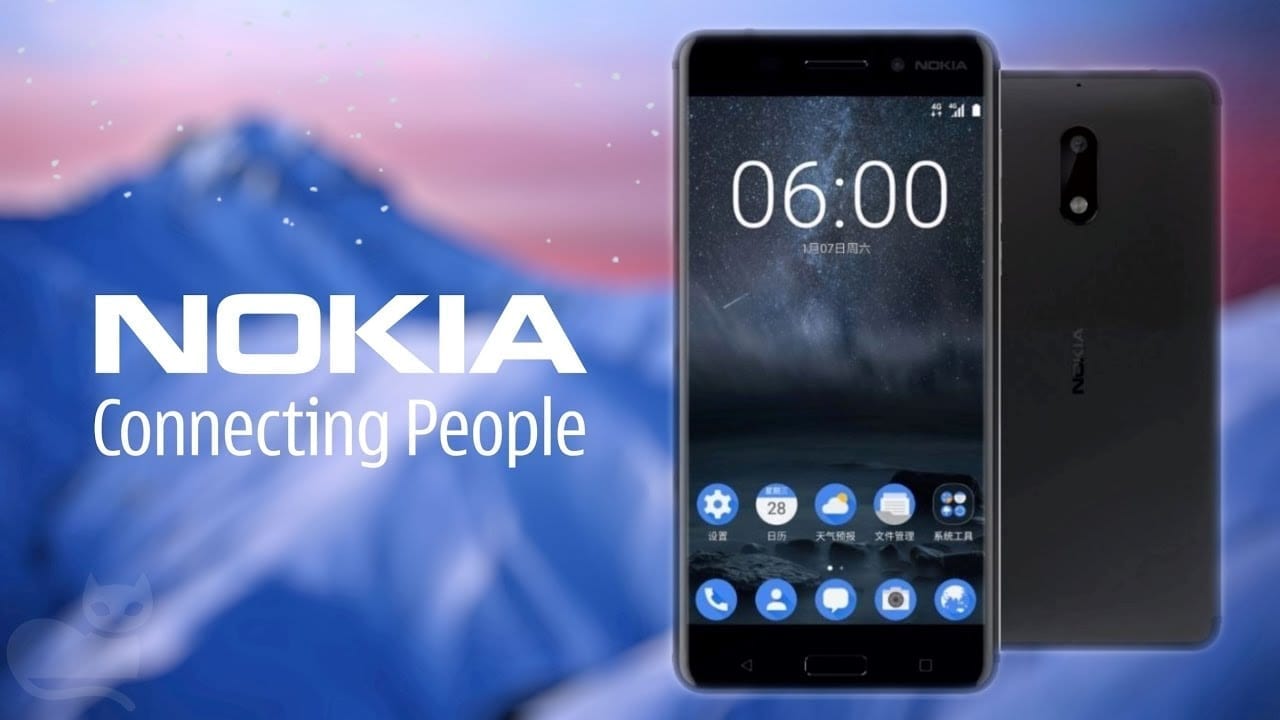
    Combining superior craftsmanship and distinctive design with an immersive audio experience and a 5.5” full HD screen, the new Nokia 6 delivers a truly premium smartphone experience. The unibody of the Nokia 6 is crafted from a single block of 6000 series aluminium and is perfect for those who want a robust phone with outstanding entertainment credentials. The smart audio amplifier with dual speakers allow consumers to experience a deep bass and unmatched clarity, whilst Dolby Atmos® sound delivers a powerfully moving entertainment experience.

    With outstanding colour reproduction, the Nokia 6 has a fully laminated display stack delivering excellent sunlight readability without compromising the slim form. Powered by the Qualcomm® Snapdragon™ 430 mobile platform and the Qualcomm® Adreno™ 505 graphics processor, the Nokia  6  strikes  the  perfect  balance  between  performance  and  power consumption,   designed   to   deliver   premium   quality   entertainment   with   battery   life   to   spare, maximising your entertainment experience on the go.  The Nokia 6 is available in four distinct colours – Matte Black, Silver, Tempered Blue and Copper. 

    Nokia 5: Seamless, premium and durable design

    The Nokia 5 has been precision engineered out of a single block of 6000 series aluminium to create a perfect pillowed body that flows seamlessly into the laminated 5.2” IPS HD display with sculpted Corning® Gorilla® Glass. Featuring a ground-breaking innovation in antenna design the Nokia 5 brings robust structural integrity, attention to detail and the quality of a high-end flagship. Powered by the Qualcomm® Snapdragon™ 430 mobile platform, Nokia 5 delivers excellent battery life, improved graphics performance – all in a package that perfectly balances everyday usability with a premium quality design. With additional features including an 8MP, 84-degree wide-angle front facing camera – to squeeze even more scene into your selfie – and excellent sunlight and low light screen visibility, there are plenty of reasons to keep the Nokia 5 out of your pocket and in your hand where it belongs.

    The Nokia 5 is available in four distinct colours – Matte Black, Silver, Tempered Blue and Copper.

    Nokia 3: Superior craftsmanship at an affordable price

    This stunning new smartphone is designed to deliver an outstanding experience with unprecedented value.  The Nokia 3 features a precision machined aluminium frame forged out of a single piece of aluminium, offering exceptional structural integrity and protection where it counts. Featuring a fully laminated 5” IPS display with no air gap and sculpted Corning® Gorilla® Glass, the Nokia 3 offers durability and superb clarity delivering a viewing experience that is second to none. With fewer reflections thanks to the polarised screen, the experience is crisp and clear offering unbeatable visibility even in bright sunlight. With seamlessly integrated 8MP wide aperture cameras (front and back), the Nokia 3 packs a truly premium quality smartphone experience into its compact and elegant form. The Nokia 3 is available in four distinct colours – Silver White, Matte Black, Tempered Blue and Copper White.

    Always Pure Android

    With all Nokia smartphones you will always have the latest pure Android experience for your device. With monthly security updates your Nokia smartphone is safe, up-to-date as well as clutter-free – putting choice at the heart of the consumer experience.  And with the latest Android come the latest features including the latest capabilities of Doze, which saves battery life while the phone is in a pocket or bag. The new Nokia smartphones feature Google’s most recent innovation, the Google Assistant, building further on a great Android experience. Our teams have worked together to ensure conversations with the Google Assistant happen seamlessly on Nokia smartphones.

  • Samsung targets 33 pct sales growth in Vietnam as phone business thrives

    Samsung targets 33 pct sales growth in Vietnam as phone business thrives

    Samsung Electronics and three other units of the tech giant in Vietnam target combined sales of $60 billion this year. South Korean conglomerate Samsung expects that its strong smartphone business will boost sales in Vietnam by 33 percent this year.

    Four subsidiaries of the tech giant, Samsung Electronics, Samsung Display Co., Samsung Electro-Mechanics Co. and Samsung SDI Co. which is a battery producer, are targeting combined sales of $60 billion this year, up 33 percent from 2016.

    The units also aim to raise their export value by 25 percent to $50 billion, Samsung Vietnam General Director Han Myoung-sup told Vietnamese Prime Minister Nguyen Xuan Phuc at a Tuesday meeting.

    Samsung, the world’s largest cellphone maker, last month posted its biggest quarterly net profit in more than three years after shrugging off the debacle over exploding Galaxy Note 7 batteries. A company statement said its January-March net profit jumped 46 percent from a year ago to $6.7 billion.


    Its business in Vietnam has been driven by robust sales of its latest flagship phones Galaxy S8 and Galaxy S8 Plus, which sales have reached five million units worldwide in less than a month.

    Samsung Electronics operates two cellphone plants in the northern provinces of Bac Ninh and Thai Nguyen, which produce around half of all cellphones that Samsung supplies to the global market.

    Cellphones contribute to more than 80 percent of exports by the Samsung units in Vietnam, which accounted for 23 percent of Vietnam’s total overseas shipments last year, making it the dominant exporter from the Southeast Asian country.

  • Apple Orchard Road opening on May 27

    Apple Orchard Road opening on May 27

    The wait for Apple fans will be over soon. Apple Orchard Road – the official name of the Apple retail store here – will be opening its doors on May 27 at 10am. Close to midnight last night, workers were seen pasting the opening date on the white facade covering the front of the store at Knightsbridge mall.

    It is not only the first Apple retail store in Singapore, but also the first one in South-east Asia. The store will open daily from 10am to 10pm.

    News of the Apple retail store here first broke in October 2015, after a former tenant of the mall, the Pure Fitness gym chain, sent a letter to its members informing them of its closure to make room for the Apple store. Four other tenants were also moved.

    In an exclusive interview during the opening of the Apple Dubai Mall store last month, Apple’s senior vice-president of retail Angela Ahrendts told: “We want to be on an iconic street, where people will naturally come, whether they are locals or tourists.”

    This is especially so when it is the first store in the country and it allows Apple to build a beautiful signature store for that community, she said.

    Retail experts said the Apple store’s location makes sense. Said Associate Professor Prem Shamdasani of the National University of Singapore Business School: “For more than a decade, Apple has been opening retail stores in very good locations in major cities globally to showcase its great products and enhance the brand experience for loyal fans and consumers.

    “Singapore’s position as a vibrant and progressive global city in South-east Asia will help to reinforce Apple’s brand leadership in the region,” he said.

    As of April, Apple has 495 retail stores in 20 countries.

    Apart from selling Apple products such as iPhones, iPads and MacBooks, as well as accessories, the local Apple store will have staff who Apple calls Geniuses – technical personnel who specialise in troubleshooting and repairs of products.

    Apple Orchard Road will also host hands-on sessions called Today at Apple, which launches in all Apple retail stores across the world this week.

    Taught by Creative Pros, who are the liberal arts equivalent of Apple’s technical Geniuses, these free educational sessions focus on the features of Apple products and allow anyone to learn skills like photography, illustration or coding.

    For the Singapore store, Apple has appointed 12 Singaporean creatives as Red Dot Heroes. They are people who have made a contribution in their fields like the arts, photography, music or film.

    They include street photographer Aik Beng Chia and illustrator Kristal Melson (see their profiles below), as well as film-maker Boo Junfeng and local singer Sezairi.

    These Singaporean creatives are similar to Apple’s Creative Pros and some of them will conduct workshops in Apple Orchard Road.

    Experts also see possible learning points for the retail industry from the Apple store.

    “When you want to control the store experience, you need to own and operate it,” said Mr Clement Teo, principal analyst at market research firm Ovum.

    “The bar for customer service in Apple stores and online is high, supported by trained Geniuses and expert advice from Creative Pros to help customers get the most out of their Apple products. Happy customers equal to loyal Apple customers,” Mr Teo added.

    Contrary to popular belief, Apple Orchard Road will not signal the end of Apple premium resellers (APRs) like Nubox and Epicentre, and repair centres such as QCD Technology.

    “They (APRs) will continue to adapt and survive – especially in suburban areas,” said Mr Teo. “Repair centres will be a great supplement to Apple for all sorts of warranty and repairs.”

    In fact, Prof Shamdasani said that the Apple retail store will enhance the brand’s value and attractiveness and help to expand the market for Apple products and services in Singapore, which, in turn, will benefit the APRs and repair centres.

    Apple Orchard Road will be run on 100 per cent clean energy using rooftop solar installations provided by Singapore-based solar energy provider Sunseap Group.

    iPhone and MacBook user Chung Weifang is excited about the new Apple store here. The 33-year-old communications executive said: “There is nothing like buying a product from the brand’s flagship store, where the customer experience begins the moment one steps into the retail space.”
  • Toshiba delays results again, warns of $8.4 bln net loss

    Toshiba delays results again, warns of $8.4 bln net loss

    Toshiba twice postponed nine-month earnings before it released unaudited results last month. Troubled conglomerate Toshiba on Monday delayed its earnings for a third time since January, but warned it likely lost 950 billion yen ($8.4 billion) in the just-ended fiscal year, with fears growing about its survival.

    The latest delay comes as one of Japan’s best-known firms grapples with claims of financial misconduct at money-losing U.S. nuclear unit Westinghouse Electric, which is sitting in bankruptcy protection.

    Monday’s warning — largely linked to the bloodletting at Westinghouse — was, however, slightly better than an earlier projected net loss of 1.01 trillion yen for the year ended in March.

    “We can’t officially disclose the earnings as they’re still being audited,” Toshiba president Satoshi Tsunakawa told a news briefing in Tokyo Monday.

    Toshiba — still recovering from a 2015 accounting scandal — has said it needed more time to probe claims of financial misconduct by senior managers at Westinghouse and to gauge the impact on its finances.

    The investigation was started after a whistleblower complained that one or more executives at the U.S. unit exerted “inappropriate pressure” on its accounting.

    The series of delays have stirred fears that Toshiba could be delisted from the Tokyo Stock Exchange.

    The company now faces a deadline for the end of June to file its results with Japan’s finance ministry, or face a possible end-of-July delisting.

    But it is not clear if the firm’s shares will be yanked from the exchange even if that date is missed.

    Toshiba stock, which has lost more than 40 percent of its value since late December, rose 3.43 percent to 261.8 yen on Monday.

    “The market does not feel that the exchange is pushing toward a delisting,” Toshihiko Matsuno, chief strategist at SMBC Friend Securities, told AFP.

    “If that was the case, the company would have been delisted a while ago, but the reality is that it’s been put off for quite some time.”

    Lucrative chips

    Monday’s announcement comes as a sensitive time as Toshiba looks to sell its prized memory chip business.

    The plan is facing opposition from Western Digital, which jointly runs Toshiba’s key chip plant in Japan.

    On Sunday, the U.S.-based firm said it is taking its case to the International Court of Arbitration, seeking an injunction to block Toshiba from selling the business to a third party.

    Unloading the division, which accounts for about one-quarter of Toshiba’s previous 5.6 trillion yen in annual revenue, is seen as key for the company to turn itself around.

    The Japanese firm is the world’s number two supplier of memory chips for smartphones and computers, behind South Korea’s Samsung.

    Numerous reports have suggested that Taiwan’s Hon Hai Precision, better known as Foxconn, is offering some 3.0 trillion yen for the unit.

    Google and Amazon as well as U.S. private-equity firm Silver Lake Partners and American chipmaker Broadcom are reportedly among the other interested suitors.

    Any foreign buyer would need to pass a Japanese government review, given Japan’s concerns about losing a sensitive technology and questions about security around systems already using Toshiba’s memory chips. They are widely used in data centers as well as smartphones and computers.

    The Financial Times reported that Tokyo is ready to guarantee up to 900 billion yen in bank loans if Toshiba chooses a domestic suitor or one with strong Japanese links.

    “It would be no surprise if Japanese authorities take action to prevent Toshiba’s memory chip technology from being transferred overseas,” said Hideki Yasuda, an analyst at Ace Research Institute in Tokyo.

    “The technology is quite attractive and lucrative.”

    Toshiba’s huge losses come after its reputation was badly damaged over separate revelations that top company executives had pressured underlings to cover up weak results for years after the 2008 global financial meltdown.

    The company — which has 188,000 employees globally — once touted its overseas nuclear business as a future growth driver, filling a hole left after the 2011 Fukushima crisis slammed the brakes on new atomic projects in Japan.

    But delays and cost overruns have hit Westinghouse’s finances hard, as the global outlook for the nuclear business weakens.

  • Sony Indonesia Appoints New President Director

    Sony Indonesia Appoints New President Director

    Sony Indonesia has announced the appointment of Kazuteru Makiyama as its new President Director. He serves as President Director starting on April 1, 2017, replacing Kikuo Okura.

    In a press release on Saturday (5/13), Sony Indonesia stated that Kazuteru Makiyama has been a part of Sony since 1998. He started his overseas sales and marketing career in 2007 in Dubai, and then took on new challenges in Saudi Arabia as head of Sony Saudi representative office in 2011.

    In 2014, Kazuteru was appointed Managing Director of Sony Eurasia (Turkey). During his tenure, he had to work in a very challenging and volatile Turkish business environment.

    “Indonesia is my fourth foreign assignment and the fourth Muslim-dominant country. In all my previous assignments, I always gave high priority to understanding the local culture at the beginning of the assignment, “said Kazuteru Makiyama, President Director of Sony Indonesia.

    He said, this year, Sony has a WOW surprise for all, including the latest Alpha cameras, new OLED televisions., Headphones with Noise Cancelling, PlayStation VR, and more.

    “Without understanding and adapting to the uniqueness of a culture, we will not be able to target consumers precisely in the right place and time,” he said.