Category: Electronics

Retail News Asia is committed to providing both local and global retailers with the latest Electronics news throughout the Asian market. This on a daily base.

  • Samsung details Samsung DeX

    Samsung details Samsung DeX

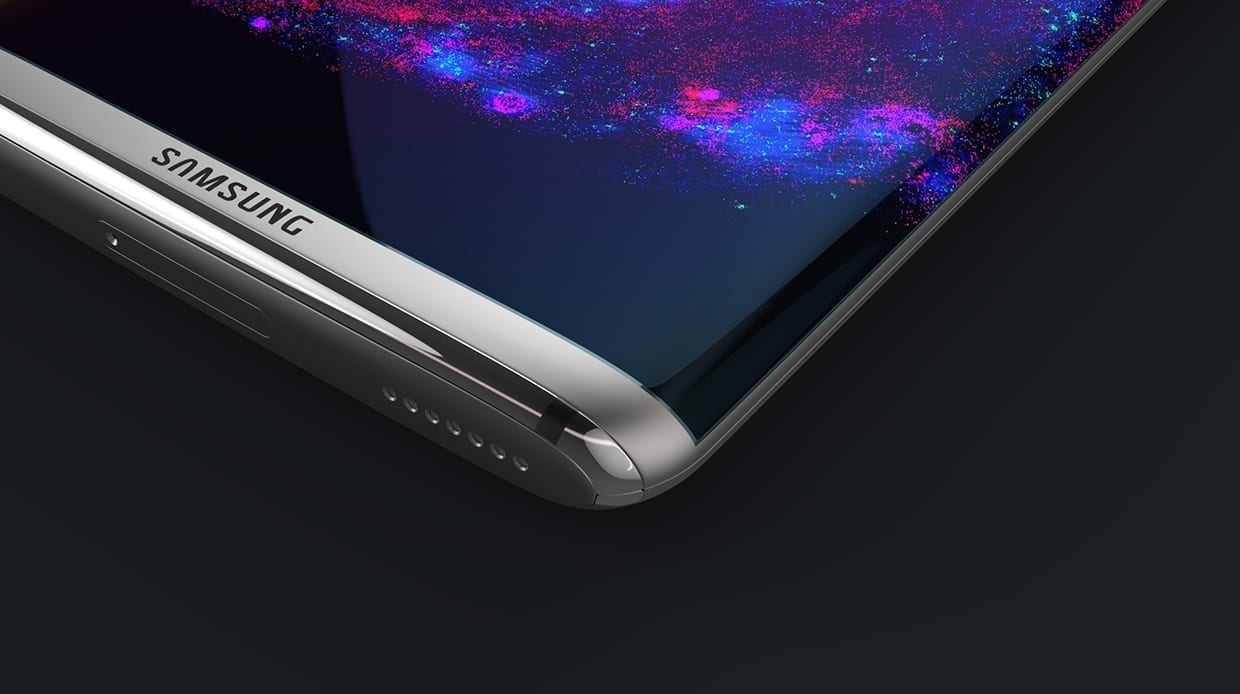
    Samsung is introducing Samsung DeX that – when combined with Citrix Receiver – converts the new Samsung Galaxy S8 into a desktop environment including an optimized UI for multi-tasking a desktop environment with keyboard and mouse support, resizable window capabilities, a task bar, pop-up notifications and more.

    The combination of Citrix and Samsung DeX unboxes the phone and provides employees with secure access to their digital workspace and all of the business apps and data they need to get their work done. Samsung exclusively showcased Citrix in Samsung DeX demos with XenApp and XenDesktop and Citrix Receiver to media, customers and analysts during the Samsung Unpacked event at the Samsung B2B Analyst Day in New York City.

    In addition to the preferred solution that combines Citrix innovation with Samsung DeX, Citrix also offers support and integration for Samsung devices that include XenMobile enterprise mobility management, security features and secure virtual access to apps and desktops through XenApp and XenDesktop, and support for Secure Apps with Samsung Knox at the native Android OS layer.

    Citrix XenMobile also supports new Samsung capability known as Enterprise Firmware- Over-The-Air (E-FOTA). Samsung E-FOTA enables IT admins to take greater control over when devices get updated, as well as what version is updated. This Samsung capability provides IT with native device control without sacrificing user flexibility.

    “While many people use their smartphones for business, they usually turn to a laptop or desktop when they need to use Windows or browser-based apps, said Maribel Lopez, founder and principal analyst, Lopez Research.

    “Even though VDI or app virtualization lets them run Windows applications on their smartphone, the Windows experience does not always translate well to a small touchscreen. To address this issue, vendors have worked to develop solutions that make it easier to connect smartphones to a keyboard, mouse and a monitor. The solution that succeeds has significant market potential.”
  • Philips Lighting first lighting company to “elluminate” the way forward for Omni-channel retail

    Philips Lighting first lighting company to “elluminate” the way forward for Omni-channel retail

    With the increase in operating costs and growing competition in e-commerce, Singapore’s retailers are realising the importance of leveraging omni-channel retail strategies to bring new and better experiences to today’s shoppers.

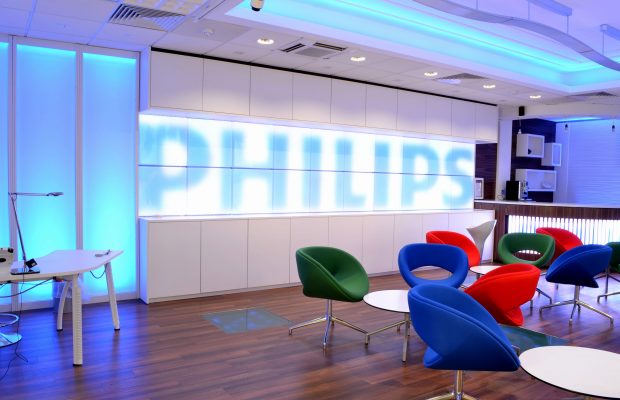
    Philips Lighting, a global leader in lighting, has become the first lighting solutions provider to announce the launch of a ‘chatbot’ on their local Facebook page, allowing users to purchase Philips Lighting’s suite of consumer products conversationally through Facebook’s messenger platform.

    Facebook’s users will now be able to get round-the-clock assistance in making their lighting purchase decisions just by interacting with the chatbot on the Facebook Messenger system. The chatbot responds with product recommendations based on the user’s inputs to the chat and allows users to make their purchase directly on the platform itself.

    Besides being the first lighting provider to officially launch a Facebook Messenger Bot, this is also one of the initiatives undertaken by the company for its LEDs Get Smart campaign, aimed at educating consumers on the benefits of installing the right lights at home. Under this campaign, Philips Lighting has also partnered with Lazada Singapore to launch its “first ever specialty e-store” on the e-commerce platform.

    These initiatives are borne from Philips Lighting’s desire to capture the local e-commerce market. A joint report by Temasek Holdings and Google has revealed that the e-commerce market in Singapore is expected to be worth US$5.4 billion (S$7.4 billion) by 2025, and is expected to make up 6.7 per cent of all retail sales in Singapore. As e-commerce gain traction and become a big contributor to the omni-channel retail trend, the firm aims to stay ahead of the game by becoming the first lighting company to tap into this growing segment. The move is also in line with the government’s plans, as revealed in the recent budget announcement, to promote digitalisation in the retail sector.

    Alok Ghose, Managing Director and Cluster Leader for Philips Lighting in Singapore, Malaysia and Exports said: “The partnership with Facebook and Lazada Singapore will serve as an excellent opportunity for Philips Lighting to tap onto the growing e-commerce market segment to unlock new business revenue. These platforms will enable us to bring  light beyond illumination to Singaporean households, connecting their home lighting systems to the Internet of Things, a viable first step in building homes in a Smart Nation.”

  • Apple has ordered 70 million OLED panels from rival Samsung for upcoming iPhone 8

    Apple has ordered 70 million OLED panels from rival Samsung for upcoming iPhone 8

    Shares of Samsung Electronics got a boost on Tuesday after the report that archrival Apple had ordered 70 million display panels that the South Korean giant specializes in for the upcoming iPhone. Samsung’s stock closed at 2.1 million Korean won, posting a rise of 1.54 percent.

    Citing a supply chain source, Nikkei reported that Apple has placed orders for bendable organic light-emitting diode panels for use in 70 million handsets for the year. OLED offers brighter displays and better power efficiency over liquid crystal displays currently in use.

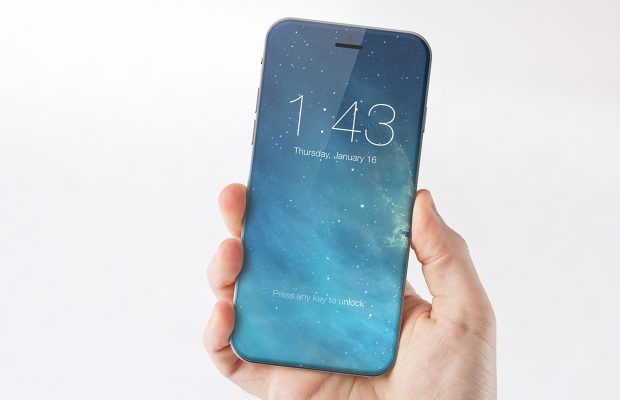
    Samsung’s OLED displays are used on its own flagship Galaxy devices, and the company is a market leader in the area. Apple is expected to launch three new iPhones later this year, with the anniversary edition iPhone 8 believed to have a slightly curved 5.2-inch OLED screen. This will be the most expensive model. The two other iPhones will have LCD displays. It would be the first time Apple has used OLED displays on its flagship device.

    Quoted IHS Markit analyst David Hsieh as saying that the order for 70 million units of OLED panels is in line with his expectations. He added that Samsung is expecting to produce as many as 95 million units for Apple in 2017, in case demand exceeds expectations. Hsieh also said Samsung is likely to be the sole supplier.

    “It is also possible that some of these 70 million handsets will not be shipped to customers this year and be carried over to next year depending on demand,” Hsieh told.

    The 70 million unit figure gives a sense of the kind of bullish demand Apple is expecting for the anniversary model, which some analysts are suggesting could cost $900 to $1,000.

    But some analysts have said it’s not likely Apple will sell all 70 million OLED iPhones this year looking at previous performance. In the fiscal first quarter, which ended Dec. 31, Apple sold 78.2 million iPhones — latest iPhone 7 and 7 Plus models and older versions.

    Neil Shah, research director of devices and ecosystems at Counterpoint Research, said he expects Apple to be able to sell around 70 million iPhones in total in the final quarter of this year when it releases the new device. But again, not all 70 million will be the OLED devices.

    “Seventy-million units of the OLED iPhone is too high for me at this point,” Shah told.

    The likelihood is Apple will sell some of the OLED phones next year, and at least have some ready in case it sees a pop in demand.

    Leaks and reports suggest that the iPhone 8 could be the most advanced yet with new features such as a front-facing camera with 3-D sensor. Analysts are expecting this to kick of a “supercycle” of iPhone sales.

  • Smartphones that fold up are coming by 2019, says Samsung engineer

    Smartphones that fold up are coming by 2019, says Samsung engineer

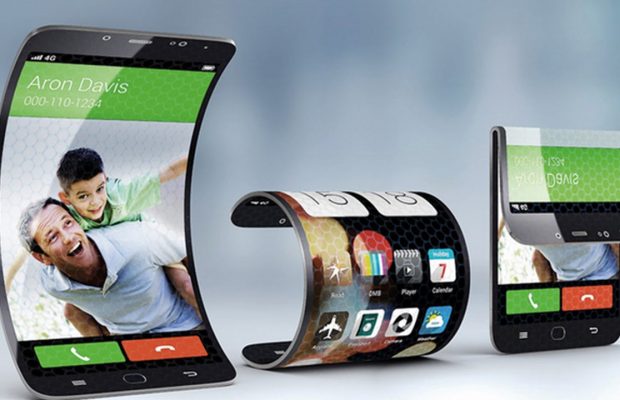
    A Samsung engineer recently said that he expects foldable smartphone displays to be ready for mass consumption in 2019.

    “Because the bezel-free display currently sells so well, we still have enough time to develop foldable displays,” Samsung Display principal engineer Kim Tae-woong. “The technology is expected to be mature around 2019.”

    A foldable display will pave the way for gadgets that can be folded into smaller sizes. Imagine a tablet that can be folded into a smartphone that can be folded into something even tinier and more pocket-friendly.

    Phone-makers have experimented with this sort of “foldable” technology before, though rather unsuccessfully. Kyocera launched a phone on Sprint named the “Echo” that folded in half, but used two separate display panels instead of a truly foldable display.

    A report last summer suggested that Samsung was going to launch a foldable smartphone much sooner. The device, reportedly code named “Project Valley” inside Samsung, was expected to make its debut in February during Mobile World Congress. No such device ever materialized in public view.

    There’s another reason why Samsung may be dragging its feet with foldable screens, though.

    Samsung is currently leading the market in bendable displays. Its curvy displays have been used in its flagship smartphones for the past several years, most recently making an appearance on the Galaxy S8 that launches later this month. They’re used to minimize the bezels on the front of a smartphone, allowing for a display that appears to pour over the edges of the device. Foldable displays will make bendable screens obsolete.

    The comments made by Tae-woong suggest that Samsung is going to take its time perfecting foldable displays, especially while interest in its bendable screens is still growing. Rumor has it, for example, that Apple will finally adopt Samsung’s display technology, possibly employing a bendable AMOLED display in the iPhone 8.

  • Honeywell’s New Satellite-Based Connected Worker Solution Keeps Remote Workers Safe

    Honeywell’s New Satellite-Based Connected Worker Solution Keeps Remote Workers Safe

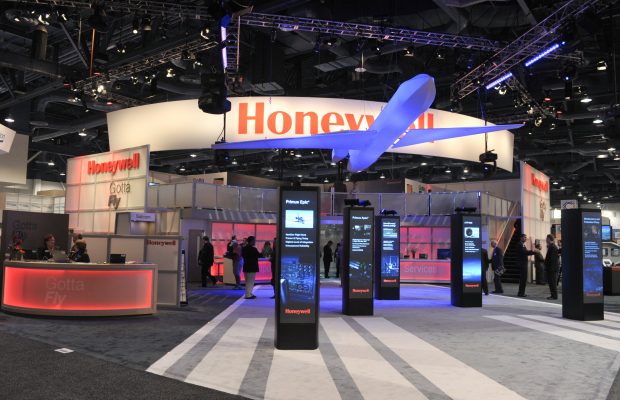
    Honeywell today announced a new satellite-based connected solution to help governments, companies and other organisations monitor the location and safety of workers in remote locations.

    Honeywell’s Personal Tracker utilises Iridium’s low-earth orbit satellite network, the only satellite constellation that provides pole-to-pole coverage, which is necessary for effective remote asset and personnel tracking. The mobile device allows companies to communicate with their workers or track assets anywhere in the world – across oceans, airways and even polar regions.

    “Those responsible for employees in remote locations, especially lone workers who may be performing risky work, increasingly need a reliable method to stay connected to those workers to keep them safe and secure,” said Taylor Smith, president of Honeywell’s Workflow Solutions business. “Honeywell’s connected worker technology and Iridium’s proven platform enable satellite communications from anywhere on Earth. This offers remote workers, such as workers on offshore oil platforms or forestry service workers, peace-of-mind and provides their employers with a valuable communication and search-and-rescue tool for emergency situations.”

    Emergency services, maritime, military and oil and gas workers can share their location with GPS coordinates and send text messages using the enterprise-grade, ultra-rugged device, which is certified to function in hazardous environments where explosions or a fire may occur due to flammable liquids or vapours. It can be used as a stand-alone, two-way communications device or can be clipped to a backpack to serve as a tracking beacon. It can also be paired with an iPhone so that users can access a Honeywell mobile app that offers features such as interactive SOS, messaging, push notifications, trip information and situational awareness.

    For example, in the event of an emergency, an organisation can send push notifications to alert its workers – regardless of their location – and then track their locations and provide updates as they seek shelter.

    The Personal Tracker is exclusive to the Iridium® network. With Iridium’s two-way communication capabilities, even when used as a stand-alone alerting and tracking beacon, the Personal Tracker can receive current location requests and configuration updates over the air.

    “We are proud to work with Honeywell in enabling their connected worker technology, and support their commitment to lone worker safety,” said Bryan Hartin, executive vice president of sales and marketing at Iridium. “This partnership comes at an exciting time for us as we are launching our next-generation global constellation, Iridium NEXT, and continue to expand our growing portfolio of satellite-based solutions for the Internet of Things. The unique architecture of our constellation makes it a natural fit over other providers for mobile applications, especially where safety is concerned. Providing reliable coverage is critical for companies tracking employees and assets located in remote areas, and Honeywell’s new Personal Tracker will make that possible.”

    The mobile device supports Honeywell’s ViewPoint software, a web-based platform that provides organisations with real-time visibility for tracking and monitoring high-value assets such as vehicle fleets and cargo containers. The ViewPoint platform offers organisations and government users advanced features, such as 90-day tracking history, geofencing, scheduling reports, alert management and messaging.

  • Huawei revenue grows 32% in 2016

    Huawei revenue grows 32% in 2016

    Huawei has reported a 32% increase in revenue for 2016, but profit grew just 0.4% as the company invested heavily in R&D.

    Group annual revenue for the year was 521.6 billion yuan ($75.7 billion), while net profit reached 37.1 billion yuan.

    Carrier business group revenues grew 24% to 290.6 billion yuan, as the operator focused on digital transformation as well as exploring opportunities in emerging categories including cloud and the IoT.

    Enterprise revenues meanwhile grew 47% to $5.9 billion yuan. Consumer revenues likewise increased 44% to 179.8 billion yuan due to strong smartphone shipments of 139 million.

    But the company’s 76.4 billion yuan in R&D spending muted profit growth for the year. Huawei rotating CEO Eric Xu said the spending marked an investment in future growth.

    “As humanity continues to explore and make new breakthroughs in the digital world, digitization and increasing intelligence present huge business opportunities for all industries, and are also paving the road for new growth for the ICT industry,” he said.

    “We will stay customer-centric and will support digital transformation in all industries, in order to create value for our customers and to grow sustainably.”

  • Apple to open first R&D center in Indonesia this year

    Apple to open first R&D center in Indonesia this year

    Good news to Apple fans in Indonesia — Apple will finally bring its flagship phones to the country this year. The company will open the doors to its first R&D center in the country in the second quarter of this year in the city of Tangerang, reports The Jakarta Post. This means Apple will officially be able to retail its iPhone 7 and 7 Plus in Indonesia now, which the company reportedly plans to launch today.

    The move is part of Apple’s efforts to become compliant with local regulations which stipulate that a foreign phone maker needs to have at least 30 percent domestic content in order to sell phones in the country. The company committed to invest $44 million to set up an R&D centre in the country last year.

    Apple did not immediately respond to Retail News’s request for comments.

    Apple is not alone in moving to boost local content in Indonesia so as to meet regulations and be able to retail its phones in the country. It was reported in November 2015 that Lenovo began producing its 4G phones in the country as part of the company’s commitment to meet the regulation.

  • Samsung store catches fire a day before Galaxy S8 announcement

    Samsung store catches fire a day before Galaxy S8 announcement

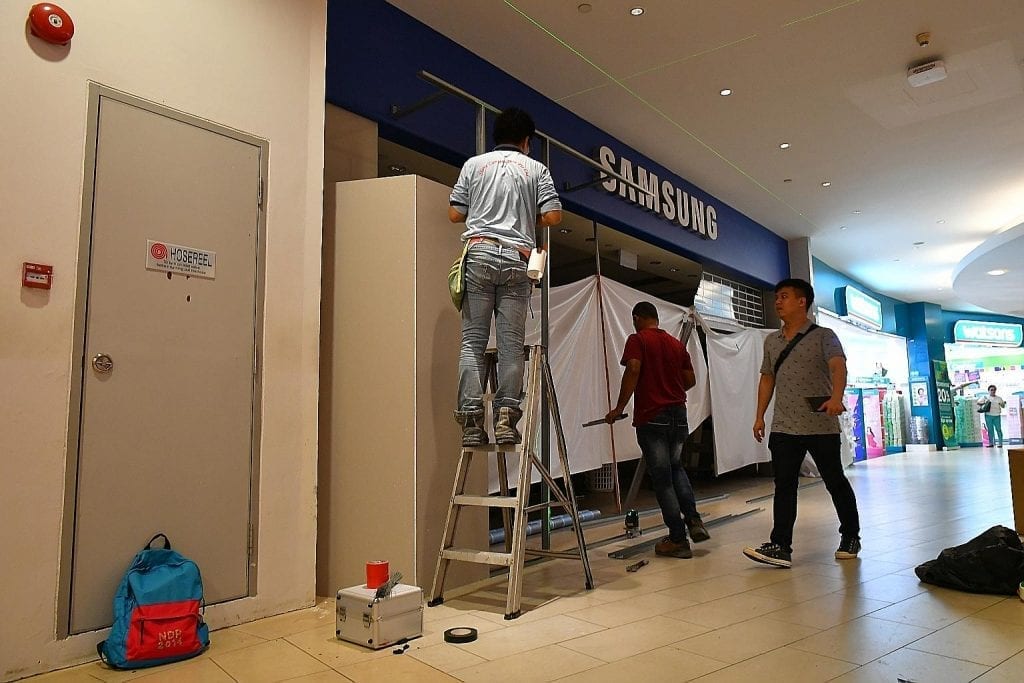
    A Samsung outlet in Singapore caught fire this morning, causing neighbouring shops in the mall to close temporarily for safety and cleaning, reports Channel News Asia.

    It’s not the first time Samsung has had trouble with fires. The company had to kill the Note 7 line following two recalls after reports of the phones exploding into flames last year. Its washing machines were also defective, and could have exploded, forcing the company to also recall the products citing “injury risks.” The two incidents have led to backlash from Samsung customers.

    “We were alerted to a fire at the Samsung Experience Store at AMK Hub in the early hours of Tuesday morning before store opening hours,” the South Korean phone manufacturer confirmed in a statement.

    “The fire was extinguished by water sprinklers in the store and no one was injured during the incident. We are currently assessing the property damage and working closely with the authorities to determine the cause of the fire.”

    The store will remain temporarily closed while investigations are ongoing, says Samsung.

    Samsung will announce the Galaxy S8 tomorrow — hopefully the new phones won’t go up in flames too.

  • Korea to launch virtual reality shopping mall

    Korea to launch virtual reality shopping mall

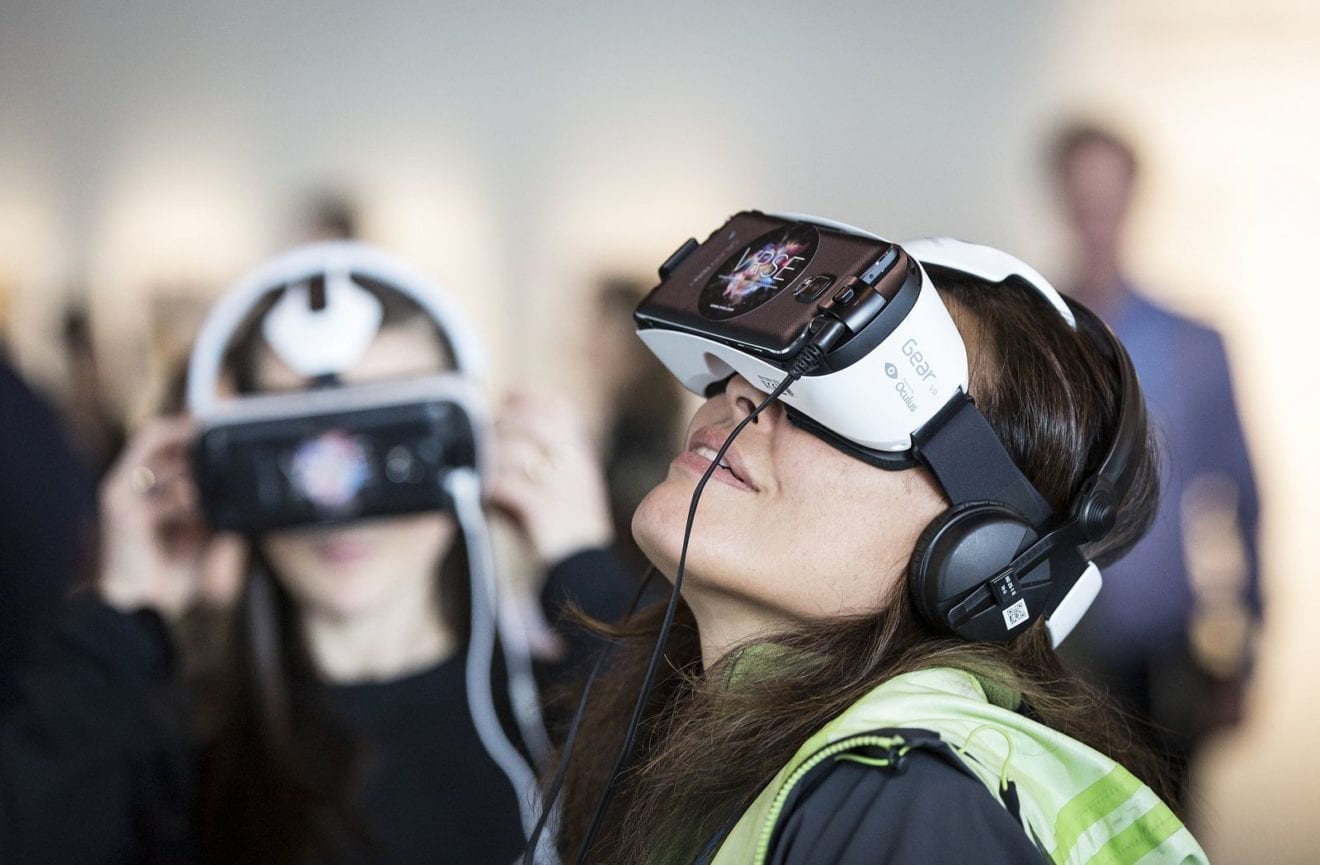
    A virtual reality shopping mall is set to be launched in Korea, backed by the government.

    The Ministry of Trade, Industry & Energy says it will be rolling out the mall during this year’s Korea Sale Festa – Korean Black Friday – in October.

    The ministry hopes that consumers will be able to use to shop and place orders and have the goods delivered to their doorstep.

    This video gives an idea of what shoppers can expect when the design is complete.

    According to the ministry, although the global retail industry recognises VR or AR shopping as the industry’s future, key players such as eBay and Alibaba are still in the testing phase.

    Korean VR technology 2

    The ministry is inviting retailers to join its initiative starting this week to establish virtual outlets on the upcoming platform. The deadline for applications is April 10.

    “We’re hoping for our project to provide new business opportunities and create a whole new market,” a ministry official said.

  • We expect to grow over 100% in India this year says Xiaomi CEO

    We expect to grow over 100% in India this year says Xiaomi CEO

    Xiaomi chairman and CEO Jun Lei is a sales man to the core – he even tries to market the $1 pen that his company sells as he winds up an interview. The company, which crossed $1 billion revenue in India last year and managed to grab the second spot behind Samsung, plans to go aggressive in the country, which Lei views as the second most important market after China.

    It is also looking at stronger brickand-mortar retail presence in India and elsewhere as its focus on the online-only model has been blamed for losing momentum in sales. While being upbeat on India, Lei sees many obstacles — from a complicated tax regime to weak infrastructure and poor broadband connectivity. Excerpts:

    Do you agree with the view that India is next China?

    India is the most important market after China. We look forward to continue to grow in India. Similar to China, we believe that India will experience same transformation in 10 to 20 years.

    PM Narendra Modi has focused a lot on Make in India initiative. Do you think India can become a factory to the world?

    Of course, we believe in that. We will first satisfy the needs of the local market… then we could consider the possibility of exporting.

    Do you face problems regarding infrastructure, government policies?

    From an optimistic point of view, we believe that the Make in India initiative has been pushed and adopted widely. We still see a lot of obstacles. For example, a lot of states have different tax rates. This could further complicate manufacturing and sales aspect. We look forward to GST to come in. We think India’s tax currently is much higher than China. Warehouse logistic costs are quite high. We also need a lot of effort in the transportation efficiency. Internet infrastructure is also a challenge. In China, 4G bandwidth is popular where a lot of cities are pushing for free Wi-Fi. We believe all these are worth the attention of the Indian government.

    Will there be higher focus on brick-and-mortar stores now?

    Online enabled us to reach our dreams of high efficiency. We’re trying to use the same Internet-plus philosophy when it comes to (offline) retail. In China, we initiated the concept of Mi Home. We’re trying to reach the same efficiency level when we do offline retail compared to our online efficiency. We’re trying to price it at the same level for offline as well. We need to ensure that there’s value for money. We need to ensure that our channels and partners are also successful and make profits. Our focus this year will be to continue to extend our market share in online and then experiment with the Internet+retail concept.

    How many stores will you require?

    We have expanded offline retail through 10,000 (multi-brand) shops. Recently, we have partnered with four big retail chains in South India. We are planning to open our own stores.

    Do you intend to make investments in Indian startups?

    We have invested in a few Indian companies. We have announced our investments in Hungama, India’s largest radio platform. We invested in a few more but we have not publicly disclosed them. Xiaomi has invested in 165 companies worldwide by 2016-end. We emphasize on building the ecosystem around us as smartphone is the infrastructure of mobile internet. It really requires a lot more applications and services to further accelerate the industry. So, we really believe in supporting mobile start-ups in India.

    In China sales have been below expectations…

    In the past two years, we have indeed faced some challenges in China. It is mainly due to the fact that we reached 50% market share in the online smartphone market in China. For us to continue our growth, the key challenge is to enter offline. Last year, we made definitive improvements and progress in offline in China. We have made a major breakthrough in understanding how to do retail offline in an e-commerce manner. We are now back on track for rapid growth as our China momentum is picking up. We expect India business to grow over 100% this year.

  • Huawei Malaysia opens KL flagship

    Huawei Malaysia opens KL flagship

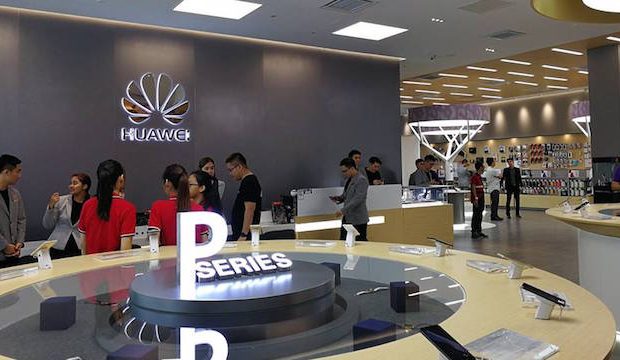
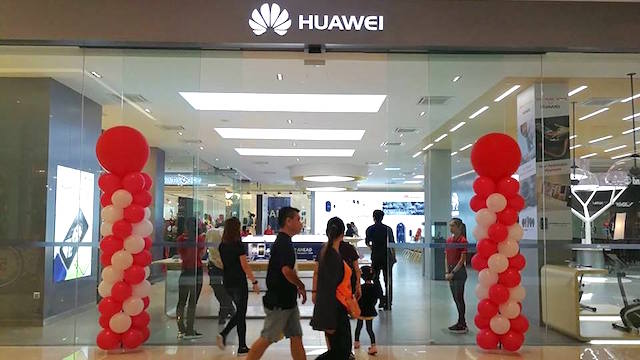
    Huawei Malaysia has opened its largest flagship store, at the Pavilion KL in Kuala Lumpur.

    On the fifth floor, the store will be a one-stop centre providing on-site services and send-for-repair services, as well as a private product consultation service.

    Its shelves feature a range of smart devices including phones, tablets and wearables.

    Huawei Malaysia Pavilion KL 2

    In conjunction with the store opening, the Chinese handset maker has a special promotion for the first 100 customers – a Swan speaker for a RM1000 (US$225) or more spend.

  • Apple opens new stores in China, Germany

    Apple opens new stores in China, Germany

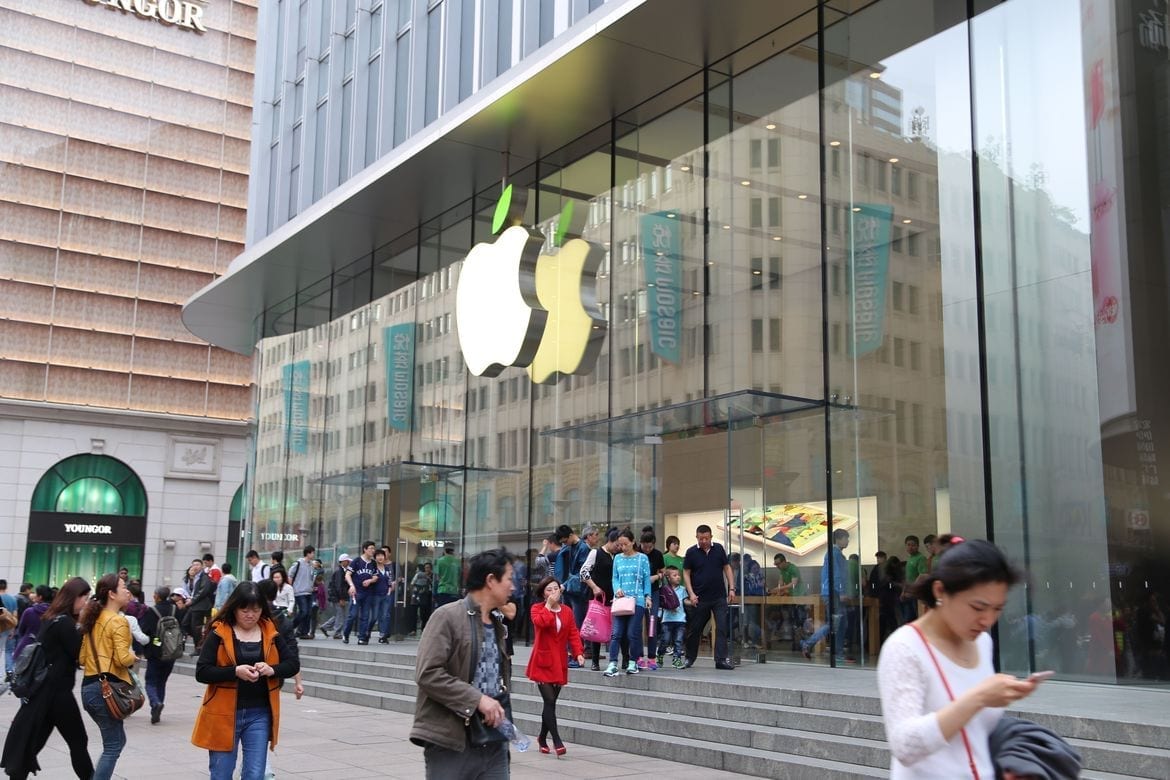
    While Apple’s retail team is currently remodelling all its stores, the company expanded its reach with three new stores in China, Germany and the US. More than 350 store employees at the new stores in Nanjing (China), Cologne (Germany) and Miami (US) welcomed thousands of customers at the grand openings. “Each store complements the local architecture, from the restored facade in Schildergasse to the 90-by-30-foot glass entryway of Apple Nanjing,” the company said in a statement on Saturday. For the first time in each city, customers can explore The Forum — a place where the local community can gather and learn.

    All the three stores also feature The Boardroom — a space for local entrepreneurs, developers and business customers to get hands-on advice and training. On March 12, Apple reopened its store in St. Johns Town Center in Florida — the 35th store company updated to its latest design in the US. Apple opened its first store on May 15, 2001, at the Tysons Corner Center mall, Virginia.


  • Samsung says to sell refurbished Galaxy Note 7s

    Samsung says to sell refurbished Galaxy Note 7s

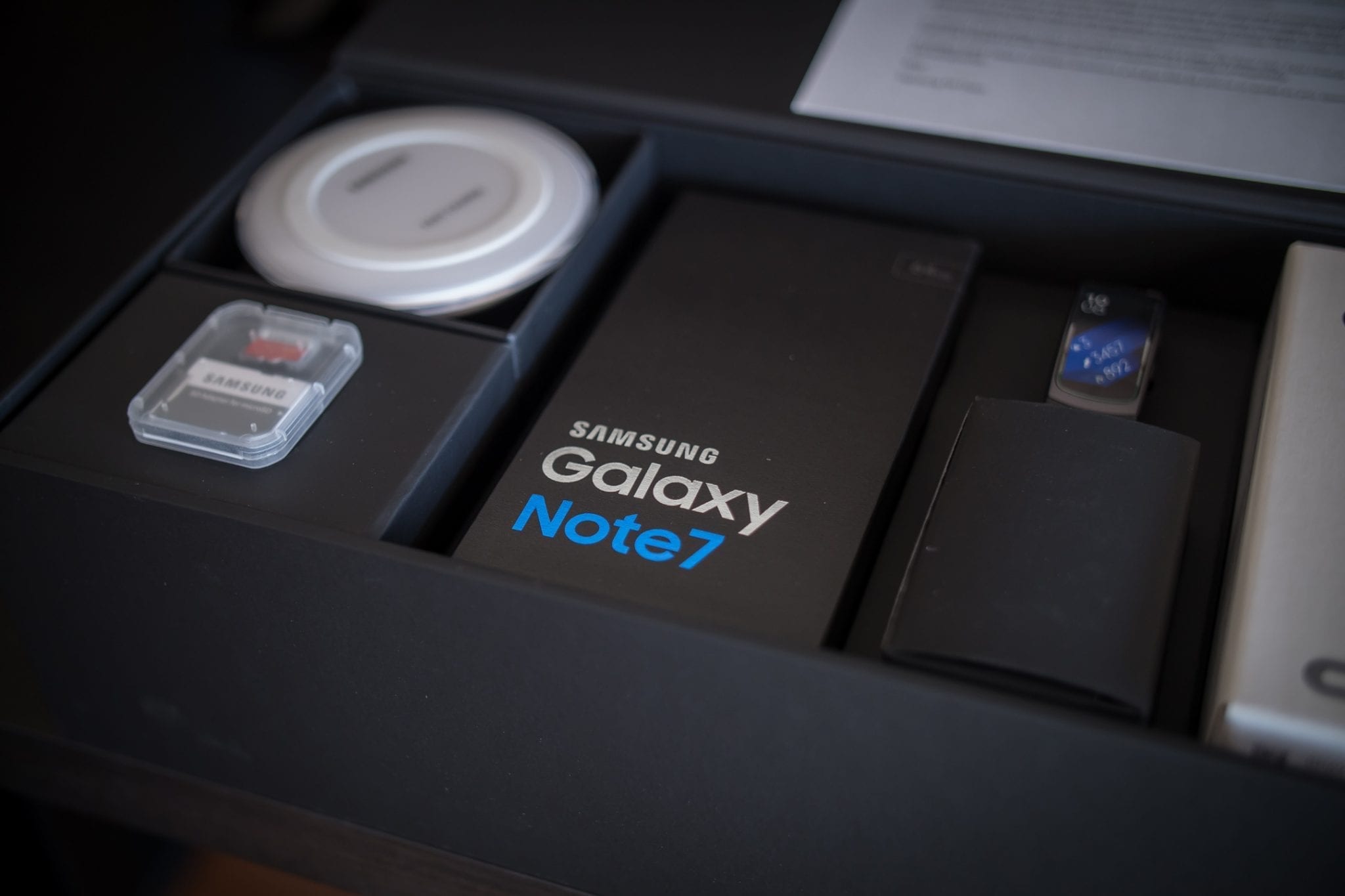
    Analysis from Samsung and independent researchers found no other problems in the Note 7 devices except the batteries. Tech giant Samsung Electronics said late on Monday that it plans to sell refurbished versions of the Galaxy Note 7 smartphones, the model pulled from markets last year due to fire-prone batteries.

    Samsung’s Note 7s were permanently scrapped in October following a global recall, roughly two months from the launch of the near-$900 devices, after some phones self-combusted. A subsequent probe found manufacturing problems in batteries supplied by two different companies – Samsung SDI Co Ltd and Amperex Technology.


    Analysis from Samsung and independent researchers found no other problems in the Note 7 devices except the batteries, raising speculation that Samsung will recoup some of its losses by selling refurbished Note 7s.

    A person familiar with the matter told in January that it was considering the possibility of selling refurbished versions of the device or reusing some parts.

    Samsung’s announcement that revamped Note 7s will go back on sale, however, surprised some with the timing – just days before it launches its new S8 smartphone on Wednesday in the United States, its first new premium phone since the debacle last year.

    Samsung, under huge pressure to turn its image around after the burning battery scandal, had previously not commented on its plans for recovered phones.

    “Regarding the Galaxy Note 7 devices as refurbished phones or rental phones, applicability is dependent upon consultations with regulatory authorities and carriers as well as due consideration of local demand,” Samsung said in a statement, adding the firm will pick the markets and release dates for refurbished Note 7s accordingly.

    The company estimated it took a $5.5 billion profit hit over three quarters from the Note 7’s troubles. It had sold more than 3 million Note 7s before taking the phones off the market.

    The company also plans to recover and use or sell reusable components such as chips and camera modules and extract rare metals such as copper, gold, nickel and silver from Note 7 devices it opts not to sell as refurbished products.

    The firm had been under pressure from environment rights group Greenpeace and others to come up with environmentally friendly ways to deal with the recovered Note 7s. Greenpeace said in a separate statement on Monday that it welcomed Samsung’s decision and the firm should carry out its plans in a verifiable manner.

  • Why Apple’s red iPhones are not ‘Red’ in China

    Why Apple’s red iPhones are not ‘Red’ in China

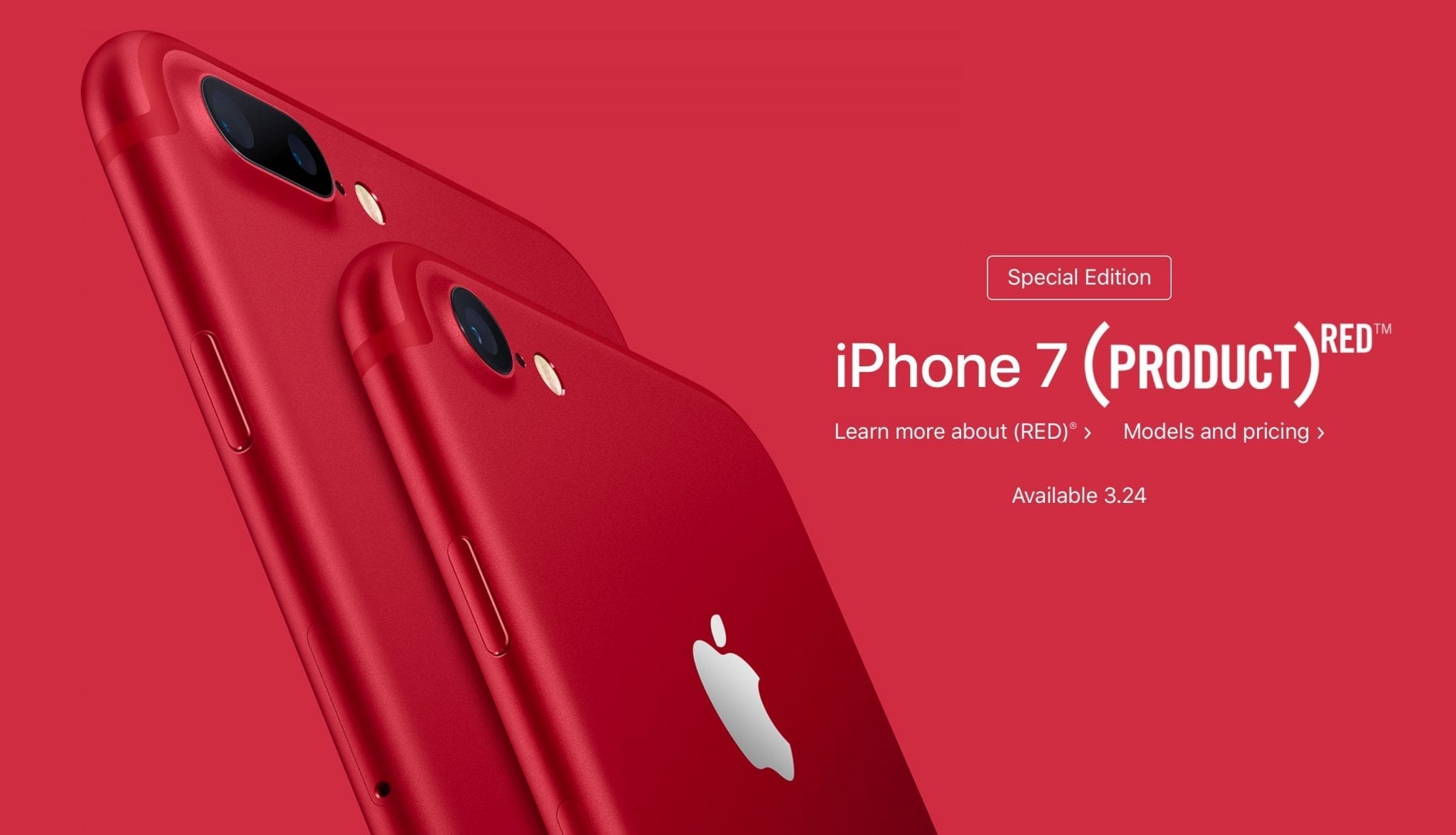
    Apple’s latest iPhone might be red, but it’s not Red in China. The special-edition version of the iPhone 7 and 7plus goes on sale in more than 40 countries, but China has done it slightly differently. The BBC explains why.

    What is Red about?

    Red is a charity looking to combat Aids and was originally founded by U2 musician Bono and activist Bobby Shriver. It gives the money it raises to the Global Fund for HIV/Aids that doles out grants.

    This includes providing testing and treatment for patients with the aim of wiping out transmission of HIV. Apple is the world’s largest corporate donor to the Global Fund.

    The special-edition devices celebrate Apple’s long-running partnership with Red and a portion of the sales will go towards its relief operations in Africa.

    But Apple’s Chinese-language sites don’t mention the product or cause. This left some perplexed.

    Internet users were among the first to spot that there was different branding on Apple’s landing page depending on the Chinese territory.

    When translated from Mandarin, Apple’s China retail website for the Red devices simply read as “now in red” while the Taiwanese site used the words “product” Red which the US and other countries have as well.

    Some analysts read this as yet another example of Chinese politics interfering with Western brands looking to do business in the world’s most populous nation.

    Apple had no comment on the matter.

    So why the different name?

    One possibility is that Apple is looking to navigate sensitivities in a state where messages are controlled: HIV/Aids and homosexuality remain taboo topics in China.

    The first case of HIV in China was recorded in 1989. By 2000 the disease was found in most of China, and as it continued to spread, the government kept denying the problem.

    Today discrimination against Aids patients is common.

    Any other contentious issues?

    Well there’s the Dalai Lama.

    Earlier this year Red’s Instagram page showed a picture of the Tibetan spiritual leader, whom China considers a dangerous separatist.

    This has led some to point to how the post was trolled.

    How will Red do in China?

    Apple has faced numerous challenges in China of late, which may be one of the reasons why it is offering the Red iPhones as a colour option as opposed to a product.

    Last year Apple’s online film and book services were shut down in China. Apple was also made to pull the New York Times from the China App store following a request from the authorities.

    But the red iPhones are poised to sell well because the colour is considered to be the most auspicious in Chinese culture and it is considered a prestige product there.

    The tech behemoth is clearly trying to maintain relations with its fastest-growing sales region.

    Apple chief executive Tim Cook has been making semi-regular trips to China and is opening four research and development centres later this year.