Category: Electronics

Retail News Asia is committed to providing both local and global retailers with the latest Electronics news throughout the Asian market. This on a daily base.

  • Oppo, Vivo founder reveals how he toppled Apple in China

    Oppo, Vivo founder reveals how he toppled Apple in China

    Duan Yongping is convinced Tim Cook didn’t have a clue who he was when they first met a couple years ago. The Apple boss probably does now.

    Duan is the reclusive billionaire who founded Oppo and Vivo, the twin smartphone brands that dealt the world’s largest company a stinging defeat in China last year. Once derided as cheap iPhone knockoffs, they leapfrogged the rankings and shoved Apple Inc. out of the top three in 2016 — when iPhone shipments fell in China for the first time.

    They managed to do it because the American smartphone giant didn’t adapt to local competition, the entrepreneur told Bloomberg in what he said was his first interview in 10 years. Oppo and Vivo employed tactics Apple was reluctant to match, such as cheaper devices with high-end features, for fear of jeopardizing its winning formula elsewhere, Duan said.

    “Apple couldn’t beat us in China because even they have flaws,” the 56-year-old electronics mogul said. “They’re maybe too stubborn sometimes. They made a lot of great things, like their operating system, but we surpass them in other areas.”

    That’s not to say Duan doesn’t appreciate the iPhone maker’s global clout. In fact, the billionaire’s obsession with his US rival is legion: he’s long been a big-time investor in Apple and an unabashed fan of its chief executive officer.

    “I’ve met Tim Cook on several occasions. He might not know me but we’ve chatted a little,” Duan said. “I like him a lot.”

    Apple couldn’t confirm Duan’s meeting with Cook when contacted by Bloomberg. But Duan has blogged incessantly about Apple’s products, share price and operations since 2013, when the company was worth half what it is today. He needs “a really big pocket” because he carries four devices, including a heavily-used iPhone. In a 2015 post, he argued Apple’s profit should reach $100 billion within five years. Today, Duan won’t say when he actually bought in but says much of his overseas wealth remains tied up in the iPhone maker. He even lives in Palo Alto, an easy drive from Apple’s new UFO-like headquarters in Cupertino.

    “Apple is an extraordinary company. It is a model for us to learn from,” Duan said. “We don’t have the concept of surpassing anyone, the focus instead is to improve ourselves.”

    Oppo’s gains against Apple may now earn an even broader following for the billionaire dubbed China’s Warren Buffett by local media for his investment acumen. Born in Jiangxi, a birthplace of Mao Zedong’s Communist revolution, Duan began his career at a state-run vacuum tube plant before making his name with homegrown electronics.

    Duan left the factory floor around 1990, when China was just embracing capitalism and opening industries to private investment. He headed to southern China’s Guangdong province, then the cradle of liberal reforms, to run a struggling electronics plant. His first product was the “Subor” gaming console with dual-cartridge slots — a direct shot at Nintendo Co.’s classic Family Computer, known elsewhere as the Nintendo Entertainment System. The 100- to 400-yuan Subor became a hit in the absence of local competitors. Duan even enlisted Kung Fu star Jackie Chan to endorse the device. By 1995, revenue from the Subor exceeded 1 billion yuan.

    Duan left to set up a new business that year as the operation flourished — a pattern he would repeat in later years. He christened his second venture Bubugao, literally “rising higher step-by-step.” BBK, as the company came to be known, created a popular line of VCD and MP3 players but later also made DVD players for global brands. Subsidiary Bubugao Communication Equipment Co. became one of the country’s biggest feature-phone makers around 2000, going head-to-head with Nokia and Motorola.

    It was the first iPhone in 2007 that paved the way for Oppo and Vivo. While they share a common founder in Duan, the sister brands are fierce competitors, trotting out dueling marketing campaigns in markets from India to Southeast Asia. Their salesmanship philosophy plays well in emerging markets, IDC research manager Kiranjeet Kaur said.

    “The companies fully understand how to make the best of their people, a specialty they inherited from Duan,” said Nicole Peng, a senior director at Canalys. Importantly, they understood their millennial audience. “Many of their managers are young and have been working at the company since graduation.”

    Duan’s latest endeavors were, in part, dreamed up in Apple’s backyard. By 2001 at the age of 40, Duan had decided to move to California to focus on investment and philanthropy, later installing his family in a mansion he reportedly bought from Cisco Systems Inc. Chairman John Chambers. But the advent of the smartphone forced the entrepreneur out of retirement.

    By the second half of 2000s, BBK was on the verge of falling apart as sales of its basic devices slowed. The likes of Huawei and Coolpad were making smartphones priced at around 1,000 yuan. That nearly put the company under, Duan recalled.

    “We were in serious discussions about how to close the company peacefully — in a way that the employees can leave unhurt and suppliers don’t lose money,” he said.

    Those intense brainstorming sessions spawned the two businesses that would go on to embody Duan’s greatest success. In 2005, the entrepreneur and his protege Tony Chen decided to create a new company. Dubbed Oppo, it sold music players but ramped up to smartphones in 2011. In 2009, BBK itself created Vivo, headed by another of Duan’s disciples, Shen Wei.

    “Making mobile phones was not my call,” said Duan. “But I reckoned we could do well in this market.”

    At first, neither label garnered much attention. The iPhone was captivating users with its revolutionary apps system and elegant interface, while BlackBerrys lorded over the corporate market. But Oppo and Vivo then developed a marketing-blitz approach that relied on local celebrity endorsement and a vast re-sellers’ store network across China. They crafted an affordable image that appealed to a millennial crowd, then tricked out their devices with high-end specs. On the surface, Oppo and Vivo phones now routinely surpass the iPhone on measures such as charging speeds, memory and battery life.

    It paid off. The duo together shipped more than 147 million smartphones in China in 2016, dwarfing Huawei Technologies Co.’s 76.6 million units, Apple’s 44.9 million and Xiaomi’s 41.5 million, IDC estimates. Oppo and Vivo both doubled their 2015 haul. In the fourth quarter, they were No. 1 and No. 3, respectively — Huawei was second. Their approach worked particularly well in lower-tier cities, where mid-range phones became a mainstream hit, said Tay Xiaohan, an IDC analyst.

    Duan’s smartphone progeny are also gaining some momentum beyond their home turf. In the fourth quarter, Oppo and Vivo were fourth and fifth in the world, respectively. About a quarter of Oppo’s shipments went to markets like India, where it hopes to dig in before Apple establishes a meaningful presence.

    “Smartphones are an unprecedented opportunity. We forecast at least for the next 10 or 20 years, there’s no replacement. But we don’t know,” Duan said.

    Cook said on the weekend that Apple doesn’t have a specific goal for market share.

    “The competition is more fierce in China — not only in this industry, but in many industries,” Cook told the China Development Forum in Beijing. “I think that’s a credit to a number of local companies that put their energies into making good products.”

    Duan has increasingly kept his distance from the Chinese smartphone makers despite remaining a significant shareholder (he won’t say how much). He says he prefers to stay out of the spotlight and enjoy California with his journalist wife and kids. In fact, he attends board meetings but claims to get most of his information on Oppo and Vivo from the internet, to avoid “disturbing them.”

    His rivals have been less considerate. Last October, Xiaomi Corp. co-founder Lei Jun lambasted competitors who build dense store channels in rural areas in pursuit of quick sales. In an interview with China Entrepreneurs Magazine in October, Lei accused such players of using “imbalanced information” to trick buyers into shunning Xiaomi, precipitating its decline from the top spot.

    “Those who said this were insane,” Duan said without naming names. “When someone talks about an information imbalance, deep down they believe consumers are idiots.”

    His most visible passion these days is stock investment, which is why he agreed to pay a then-record $620,100 in 2006 to lunch with Buffett. Quotes from the Sage of Omaha still pepper Duan’s blogposts, right alongside tips on golf and Apple.

    Duan cemented his reputation as a savvy financier in part by digging his friend, Netease Inc. founder William Ding, out of a hole. Ding’s internet company tanked to as low as 13 cents after the dot-com bubble burst, then almost became the first U.S.-listed Chinese company to get tossed off the Nasdaq over an auditing issue. Duan came to his friend’s aid, buying about 5 percent of Netease with just $2 million in 2002, when the stock price averaged 16 cents. Company filings show he still held just over 4 million shares as of March 2009, but Duan said he sold much of that when Netease hit $40.

    His other much-studied holding is premium-liquor company Kweichow Moutai Co. He said he bought in at 180 yuan in late 2012. While it nearly halved in 2014, Moutai today trades above 370 yuan.

    Duan isn’t shy about talking up his trades, not least of which is Apple, which remains near a record high despite a rare sales decline in 2016. But looking back on his decades as first entrepreneur then stock-picker, his proudest moments remain rooted in BBK. Though he claims to keep it at arm’s length, he admits to worrying about succession and whether the company culture will survive another generation of leaders.

    And while BBK’s Vivo and Duan’s own Oppo have done well, there’s no certainty in a fast-moving business. Both are starting to ramp up everything from the features on their phones to marketing campaigns: Oppo notably used Barcelona’s Mobile World Congress to unveil its most advanced camera technology yet, signaling a new maturity.

    One thing’s for sure, Duan doesn’t see himself returning to an active executive, leaving others to deal with the next challenge.

    “I’ve made it clear many years ago, I will never make a comeback,” he said. “If there’s a problem they can’t fix, then neither can I.”

  • Apple China investing in research hubs

    Apple China investing in research hubs

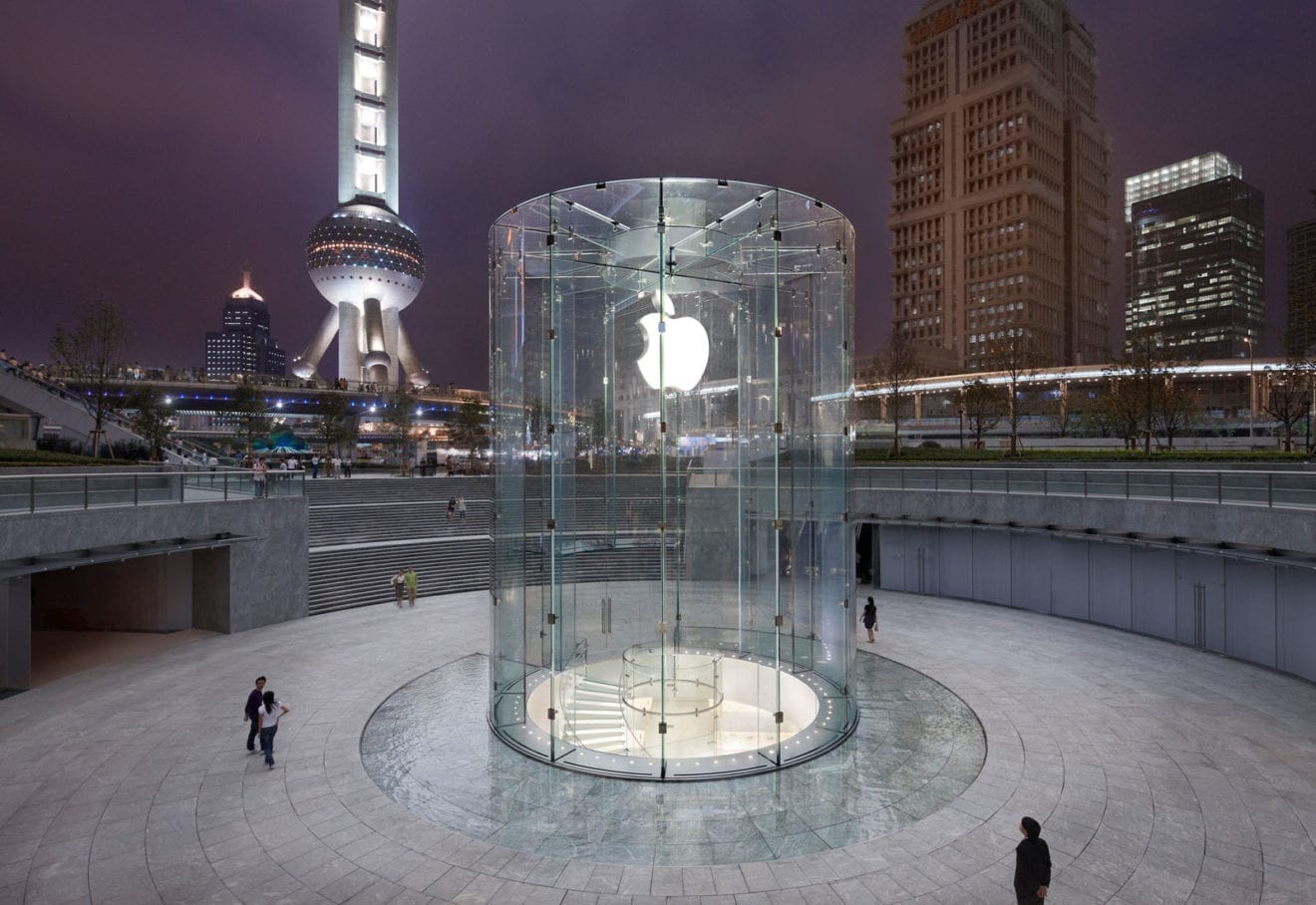
    Apple China plans to set up two more research hubs and boost investment there.

    The announcement comes as CEO Tim Cook takes his latest trip to Apple’s single biggest overseas market. He is expected to be present at the opening of a new Apple store at Jinmao Place in Nanjing this Saturday, March 25.

    Apple HK

    Apple says it plans to build research hubs in the eastern cities of Shanghai and Suzhou, on top of centres already slated for Beijing and the southern city of Shenzhen. It has also pledged to spend at least US$507 million on research institutions.

    All four centres will open thisyear with the aim of enabling co-operation with local partners and attracting talent.

    Meanwhile, Cook has addressed an economic forum in Beijing attended by senior government officials and leaders of corporations such as Royal Dutch Shell and Saudi Arabian Oil.

    For the first time, iPhone shipments to China fell last year. This followed years of China driving Apple’s growth, even as smartphone demand elsewhere faltered. Now, local vendors like Huawei Technologies, Oppo and Vivo are eroding its market share.

  • Apple India opens franchise stores

    Apple India opens franchise stores

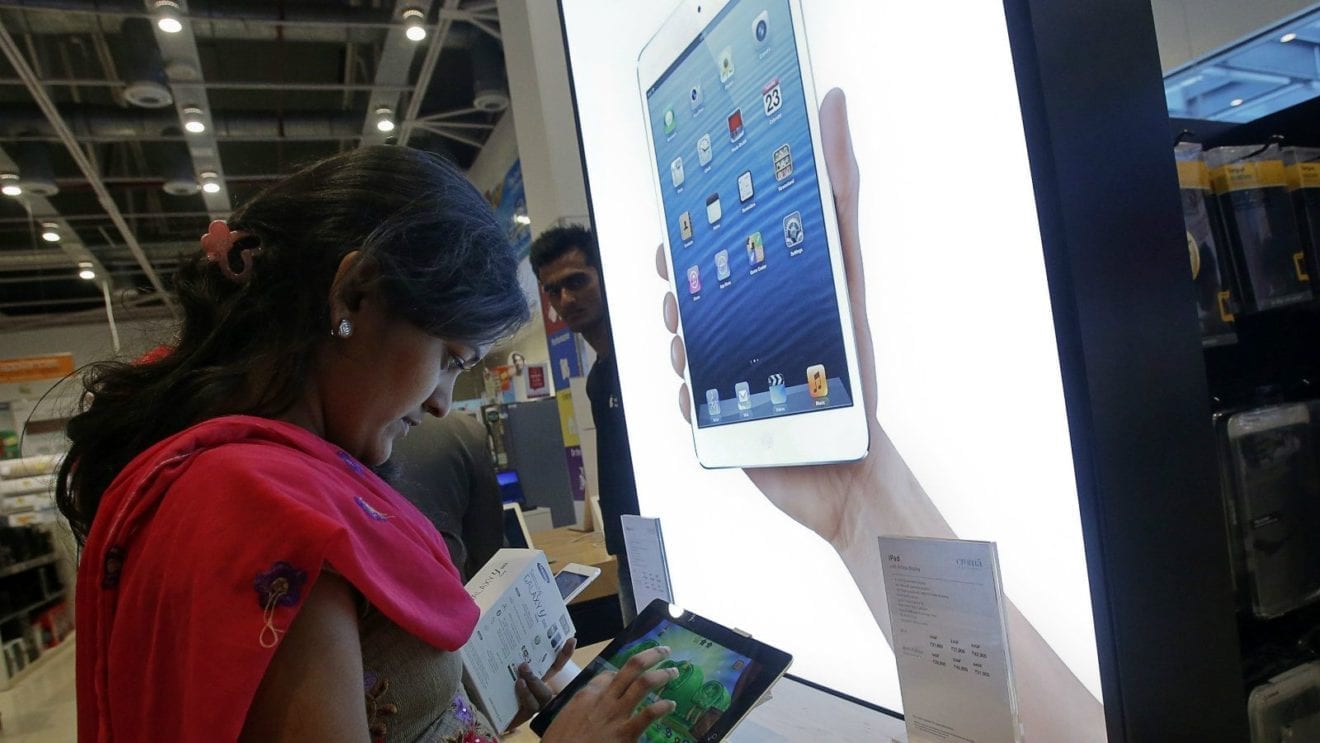
    Apple has set up more than 100 small franchise stores in India in the pilot phase of an initiative aiming at six-fold expansion over the next 12 months.

    The US electronics company’s move is a bid to take on Samsung and Chinese rivals, reports The Economic Times.

    Branded as Apple Authorised Resellers, the stores are no larger than 46 sqm and are distinct from the company-owned outlets Apple plans for India.

    It is a format through which the company plans to widen its presence in high-rental, high-street locations in large cities, neighbourhoods and tier-two and -three markets, say senior trade partners.

    Such stores have been set up in Bengaluru, Chandigarh, Mumbai, the National Capital Region (NCR) and Pune. In the NCR, the stores can be found in Gurgaon’s Galleria Market, Malviya Nagar, South Extension and Vasant Vihar.

  • Apple will open two additional R&D centers in China this year

    Apple will open two additional R&D centers in China this year

    Apple announced today that it will set up two additional research and development centers in China, to go with the two locations in the country that it announced last year. The new R&D centers will open in Shanghai and Suzhou, the company said in a statement on its Chinese website on Friday.

    Apple hopes the centers will help it to attract graduates from institutes such as Peking University, Tsinghua University, and Shanghai Jiaotong University, and has partnered with schools in the region to offer internship programs, in the hope of developing experts to work closely with its regional supply chain.

    “We are looking forward to working with more local partners and academic institutions through the expansion of R&D centers in China,” said Dan Riccio, senior vice president of hardware engineering at Apple. “We are honored to have access to excellent talent and a positive entrepreneurial spirit in the region, where our developers and suppliers will be working together.

    Apple’s attempt to boost its presence in the country began last September with the opening of its first R&D center in Beijing’s Zhongguancun Science Park, often referred to as “China’s Silicon Valley”. Another R&D center, this time in Shenzhen, was announced the following month.

    Apple has pledged to invest more than 3.5 billion yuan ($508 million) in research and development in the country, in a bid to address dwindling returns on its Chinese iPhone business as consumers opt for low-cost mobile alternatives. Apple has also experienced pushback in other areas of its China plans, including the closure of iTunes and iBooksStores.

    Apple is expected to have completed construction of all its research and development centers in Beijing, Shenzhen, Shanghai, and Suzhou later this year.

  • Latest iPhone series to enter Indonesian market

    Latest iPhone series to enter Indonesian market

    United States technology giant Apple Inc. has secured official approval to once again sell its signature iPhone mobile phone series in Indonesia after fulfilling a requirement to use a minimum of 30 percent local components in smartphones distributed throughout the country, locally known as TKDN.

    The Industry Ministry’s director for metals, machinery, transportations and electronics, I Gusti Putu Suryawirawan, confirmed on Sunday that the ministry had granted the approval after Apple agreed to build supporting infrastructure to fulfill the requirement.

    Meanwhile, Apple’s official partner, telecommunications company Smartfren, has announced that the company will open up pre-order services for Apple’s iPhone 7 and 7 Plus on March 24, according to company spokesman Yondi Hartanto.

    “The products will arrive in customers’ hands after they create pre-orders. We don’t want to discuss the .exact date, but it’s usually no longer than a week after the pre-order,” Yondi said on Sunday via telephone.

    As the only telecommunications firm officially partnering with Apple, the company will help sell the products with completed data packages, Yondi said, adding that Apple had also partnered with some electronics distributors.

    Pre-orders for the iPhone 7 and 7 Plus for Smartfren can be organized through the company’s official website or through its 13 galleries spread across several big cities in Indonesia, he added.

  • Xiaomi Vietnam has launched

    Xiaomi Vietnam has launched

    Chinese smartphone brand Xiaomi has launched in Vietnam.

    The official distribution partner of Xiaomi Vietnam is Digiworld, which has opened four warranty centres in Ho Chi Minh City, Hanoi and Danang.

    Doan Hong Viet, CEO – Digiworld, and Wang Xiang, Senior Vice President – Xiaomi

    Xiaomi2

    Xiaomi1

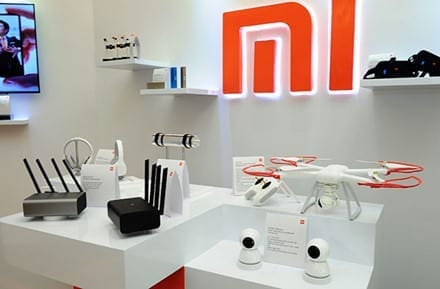
    Xiaomi Vietnam will initially launch its three latest smartphone models – the Redmi, Redmi Note 4, and Mi Mix.

    In the next months, Xiaomi Vietnam will launch other products include wifi routers Mi Routers Pro and Mi Routers HD.

    All products will be sold through retailers such as The Gioi Di Dong, Hnam Mobile, Mai Nguyen, VinPro, Aeon Mall – both online and offline.

    There is no word as yet on whether the company will bring other products into Vietnam, which include flat screen TVs, AV equipment and robot vacuum cleaners.

  • Wearables market shifting focus away from health

    Wearables market shifting focus away from health

    Global shipment for wearables reached an all-time high of 33.9 million units in the fourth quarter of 2016, up 16.9 % from the same quarter a year earlier.

    Total shipments for the entire year reached 102.4 million devices, growing 25% compared to 2015.

    IDC’s Worldwide Quarterly Wearable Device Tracker, which published the figures, noted that the market is huge but the utility and necessity of the devices have been questionable. With the market just a toss between the basic wearables and the smart wearables (or those capable of running third party applications), health and fitness remain a major focus for the major brands.

    Ramon Llamas, research manager for IDC’s Wearables team, however, noted that once these devices become connected to a cellular network, the market can expect unique applications and communications capabilities to become available. “This will also solve another key issue: freeing the device from the smartphone, creating a standalone experience,” he said.

    During the quarter, Fitbit maintained its dominance, holding the top position for both the quarter and the year. However, the company also faced one of its largest declines ever as it remained heavily focused on the US, a market that is quickly approaching saturation for fitness trackers. Though the company has grown in other parts of the world, IDC said it remained challenged as low-cost competitors eat away at Fitbit’s market share.

    China’s Xiaomi has continued to relentless pursue growth and the company has stuck with a low-cost strategy and has slowly tried to veer upstream in terms of pricing by introducing new devices with heart rate monitoring and a mildly higher selling price. However, IDC believes it still lacks the expertise and brand recognition to expand beyond its native borders in China.

    Apple Watch Series 1 and Series 2 proved to be a magnificent success for the company as it was the company’s best quarter ever in the wearables market. IDC said Apple is one of the few companies that has been able to quickly refocus its watch to gain traction in the consumer market and is now introducing the smartwatch category to the commercial segment.

    Garmin, which caters to a more dedicated fitness audience, experienced a slight decline of 4% in the fourth quarter. However, many of its users began to graduate from simpler fitness trackers to more sophisticated and expensive sport watches like those offered in the Fenix line. The new Fenix 5 announced at CES 2017 also shows promise as the new smaller size will help the device appeal to a broader audience.

    Samsung rounded out the top 5 with the launch of two new models (Gear S3 Classic and Frontier) and remains the only major company offering cellular-enabled wearables. LTE connectivity has been a key differentiator for Samsung’s watches as it has helped decouple them from smartphones, but more importantly it has opened up a new channel (telcos) to help promote the Samsung watches.

    Beyond the top 5 vendors are new entrants, including fashion icons like Fossil along with their sub-brands and emerging companies like BBK and Li-Ning, that are tapping into niche segments of the wearables market. Fossil’s wearable product is a luxury/fashion device, while BBK focuses on child-monitoring devices, and Li-Ning on step-counting shoes.

    “With the entrance of multiple new vendors with strengths in different industries, the wearables market is expected to maintain a positive outlook, though much of this growth is coming from vendor push rather than consumer demand,” said Jitesh Ubrani senior research analyst for IDC Mobile Device Trackers.

  • Xiaomi plans ambitious plans to roll out retail outlets overseas

    Xiaomi plans ambitious plans to roll out retail outlets overseas

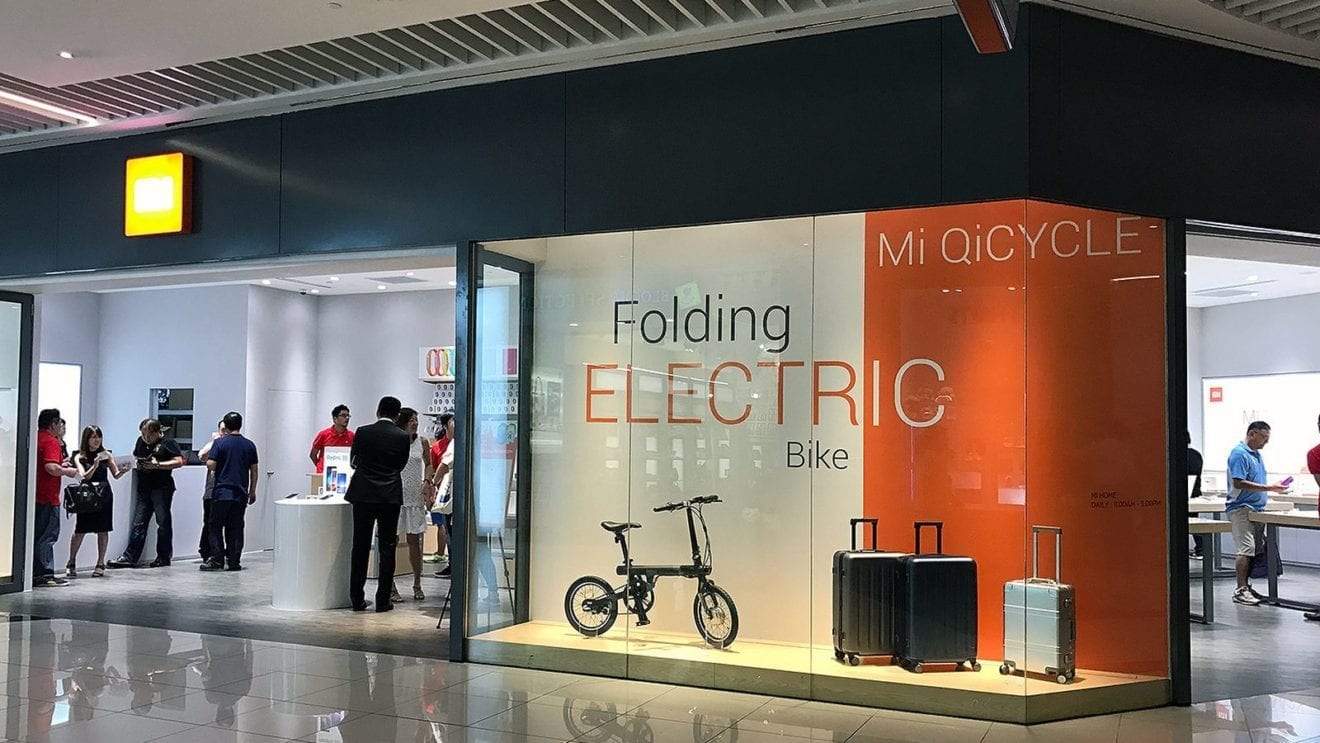
    Chinese smartphone maker Xiaomi is likely to expand its sales model of online to offline integration abroad, as its chief executive pins his hopes on so-called “new retail” to arrest a slide in its home market as well as winning more buyers overseas.

    Lei Jun, founder and chief executive of the Beijing-based Xiaomi, said on Monday the company will adopt its sales strategy in China while making expansion overseas, a practice that would require self-built retail outlets on foreign land in addition to the company’s existing online presence overseas.

    “We will bring our (sales) practice in China to overseas markets,” Lei said on the sideline of the ongoing meeting of the National People’s Congress in Beijing without disclosing any detailed plans.

    The integration of online and offline sales, coined as new retail in China, is one of the key areas Lei, an NPC deputy, emphasises in his proposals to the NPC.

    He said the new retail model provides “better customer experience” while at the same time “boosts sales efficiency”.

    Offline stores are good for Xiaomi to attract overseas buyers in India and Southeast Asia as for a significant proportion of them smartphones are still big-ticket item. They want to check out real products first before making purchases and offline stores can also provide after-sales services

    Jessie Ding, an analyst with market research firm Canalys

    Earlier this year, Lei announced plans to open 1,000 bricks-and-mortar stores in China over the next three years, part of the company’s effort to reach its target of 10 billion yuan in revenue in 2017.

    The company opened 50 stores in 2016 after finding it online sales model being challenged by domestic rivals.

    The company, which was China’s best selling smartphone maker in 2014, saw its shipments in the country last year slump 23 per cent with a market share of just 8.9 per cent, according to IDC data.

    Via the aggressive outlet strategy in smaller cities in China, domestic players Oppo saw smartphone shipments more than double to 78.4 million units last year as it took top spot with a 16.8 per cent share. China’s Huawei Technologies and Vivo both rose at a double-digit pace to rank second and third.

    As most of China’s major smartphone makers look overseas for business growth, Xiaomi faces tough competition not only at home but also abroad, said analysts.

    “Offline stores are good for Xiaomi to attract overseas buyers in India and Southeast Asia as for a significant proportion of them smartphones are still big-ticket item,” said Jessie Ding, an analyst with market research firm Canalys.

    “They want to check out real products first before making purchases and offline stores can also provide after-sales services,” she added.

    Lei said the next decade will be a golden era for the globalisation of Chinese smartphone makers thanks to increased innovation and manufacturing skills.

    “Our global expansion started three years ago. But our strategy is to move to neighbouring countries first, before going to the West mainly because we haven’t got enough talented staff to support such drastic expansion,“ he said.

  • Haier introduces first online retail partner in Philippines

    Haier introduces first online retail partner in Philippines

    International home appliance supplier Haier, launched Haiper Apps Online as its first online retail partner in the Philippines on February 21 at the Cebu City Marriott Hotel.

    Haiper Apps Online (HAO) was created out of Haier’s commitment to inspire Filipinos to live better standards through Haier’s user-friendly and energy-efficient appliances which include televisions, washing machines, air conditioners, refrigerators, and kitchen domestic appliance that can be purchased online.

    HAO which means “good” in Chinese provides a convenient approach for both locals and Overseas Filipino Workers (OFWs) to shop for appliances and seek immediate after-sales requests through its website: www.haocebu.com. HAO enables customers to order their desired appliance using secure payment gateways and reliable shipping options.

  • Panasonic to double wiring device production in Vietnam plant

    Panasonic to double wiring device production in Vietnam plant

    A new factory in Binh Duong Province is slated to begin operation in October this year. Panasonic Corporation will double its production capacity of wiring devices and circuit breaker in Vietnam by 2020 in an attempt to fulfill robust demand in the country and for export to neighboring markets.

    The Japanese electronics manufacturer will build a new factory next to the existing facility now operated by Panasonic Eco Solutions Vietnam Co in the southern province of Binh Duong, about 40 km (25 miles) north of Ho Chi Minh City, the newspaper said.

    The expansion is estimated to cost one billion yen, or $9 million.

    Company officials could not immediately be reached for comment.

    The new 6,000 square-meter plant is scheduled to come into operation by late October, doubling Panasonic Vietnam’s capacity by 2020, citing a company directive on the expansion.

    The electronic giant has also planned to acquire an area covering about 18,000 square meters adjacent to its existing factory premises in preparation for future expansion, said the newspaper.

    Output from the new factory would go to the domestic market as well as other Southeast Asian countries.

    The Binh Duong plant began production in late 2014. Besides, Panasonic has four other factories and one research and development center in Vietnam.

    The Japan External Trade Organization’s 2016 business confidence survey showed that nearly 70 percent of Japanese companies plan to expand their Vietnam operations, up from 64 percent in the previous year.

    As of February 2017, Japan is Vietnam’s second largest foreign investor, with projects totaling $42.49 billion, based on data by Vietnam’s government.

  • China’s iVOOMi set to enter Indian smartphone market

    China’s iVOOMi set to enter Indian smartphone market

    Chinese electronic major iVoomi is all set to enter the Indian market with the launch of mid- to low-range of smartphones, the company said on Monday.

    To begin with, the company will unveil iV505 (priced at Rs 3,999) as its first smartphone in the country this month.

    “We are committed to establish iVOOMi in the Indian market with our innovative products loaded with highly valued SmartMe OS (Customised OS) and features at an affordable price,” said Bradley Yan, Global Business Head, iVoomi, in a statement.

    The smartphone comes with Jio-ready 4G-VoLTE SIM cards on both the slots, flash charge technology and Android Marshmallow 6.0.

    The brand has also planned to launch four smartphone models in India ranging from Rs 4,000 to Rs 10,000.

    The company has a broader plan for Indian market and intent to establish its research and development and manufacturing unit in India by 2019, the statement said.

  • SK Planet and Samsung sign for online partnership

    SK Planet and Samsung sign for online partnership

    Samsung Electronics Southeast Asia and Oceania has signed a memorandum of understanding with global platform innovator SK Planet on an eCommerce partnership in Southeast Asia.

    Signed in Singapore, the deal aims to promote Samsung’s brand presence and provide increased convenience and access to the Korean company’s products in Southeast Asia through online shopping sites 11street Malaysia, 11street Thailand and Elevenia in Indonesia.

    This follows Samsung and SK Planet collaborating in the South Korean domestic market.

    During the past four years, SK Planet has grown in overseas markets by leveraging its expertise from 11street Korea. SK Planet has launched its eCommerce platform into new markets every year, beginning in 2013 with Turkey’s N11.com, where it became market leader in two and a half years, followed by Elevenia in Indonesia, 11street Malaysia and, this month, 11street Thailand.

    “Our official launch was a great success with more than 3000 partners, customers and media joining,” says 11street Thailand CEO Hong Cheol Jeon. ‘This collaboration with Samsung will help to strengthen our partnership in Thailand and enhance our customers’ online shopping experience.”

    Samsung has an official shop-in-shop page on 11street, complemented by delivery and installation by authorised distributors. The page lets consumers search, browse and buy Samsung products easily, as well as access online-only products, pre-sale offerings and promotional discounts.

  • A new era for Nokia smartphones

    A new era for Nokia smartphones

    HMD Global, the home of Nokia phones, today unveiled a new generation of Nokia smartphones, setting a new standard in design, quality and user experience throughout the range. The highly anticipated global portfolio features three new smartphones – the new Nokia 6, delivering performance and immersive entertainment in a premium and extremely robust design; Nokia 5, an elegant smartphone that fits perfectly in your hand; and Nokia 3, which delivers an unprecedented quality at an affordable price point. The new range of Nokia smartphones all run Android™ Nougat and offer a pure, secure and up to date experience and will all feature Google Assistant. Today also sees the return of a modern classic – the iconic Nokia 3310, reborn with a modern twist on design.

    The family of products announced demonstrate a belief that every consumer should have access to premium quality, not just those with high end flagship devices. Combined with a thoughtful design philosophy that focuses on improving the smartphone experience at every level, each technical component has been carefully considered and integrated into the phone design to have the biggest benefit on consumers’ daily lives. Drawing on the hallmarks of the Nokia phone heritage of quality, simplicity and reliability, the range is designed for a new generation of fans.

    With a commitment to deliver pure Android, users can expect a simple, clean and clutter free experience. Featuring the latest Google services, as well as monthly security updates, Nokia smartphones are safe, secure and up-to-date. The new Nokia smartphones feature Google’s most recent innovation, the Google Assistant, building further on a great Android experience. Our teams have worked together to ensure the Google Assistant is integrated, allowing for conversations with the Google Assistant to take place easily on Nokia smartphones.

    It was also announced that the world-renowned game Snake will be snaking its way back into people’s hearts with a new version available to play on Messenger, part of Facebook’s Instant Games cross platform experience. The new free Snake game is designed to be played with groups of friends making it even more playable than the first time around. 


    The new Nokia range of Android smartphones unveiled today ahead of Mobile World Congress includes:


    Nokia 6 is going global – combining superior craftsmanship and distinctive design with immersive audio and an impressive bright and colourful 5.5” full HD screen, the Nokia 6 delivers a truly premium smartphone experience. The unibody of the Nokia 6 is crafted from a single block of 6000 series aluminium. The smart audio amplifier with dual speakers allow consumers to experience a deeper bass and unmatched clarity, whilst Dolby Atmos® sound delivers a powerfully moving entertainment experience. Available in four colours – Matte Black, Silver, Tempered Blue and Copper – the Nokia 6 will retail at an average global retail price of €229.

    Nokia 6 Arte Black Limited Edition – celebrating the worldwide Nokia 6 portfolio is the Nokia 6 Arte Black Limited Edition. With 64GB storage and 4GB RAM, this special edition combines the best features of the Nokia 6 family in a stunning black high gloss package and will retail at an average global retail price of €299.

    Nokia 5 – a sleek and compact smartphone that nestles in your hand. The Nokia 5 has been precision engineered out of a single block of 6000 series aluminium to create a perfect pillowed body that flows seamlessly into the sculpted Corning® Gorilla® Glass laminated 5.2” IPS HD display. Powered by the Qualcomm® Snapdragon™ 430 mobile platform and the Qualcomm® Adreno™ 505 graphics processor, the Nokia 5 brings robust structural integrity, attention to detail and the quality of a high-end flagship to everyone. Available in four colours – Matte Black, Silver, Tempered Blue and Copper – the Nokia 5 will retail at an average global retail price of €189.

    Nokia 3 – a stunning new smartphone designed to deliver an outstanding experience with unprecedented value.  With a precision machined aluminium frame forged out of a single piece of aluminium, a sculpted Corning® Gorilla® Glass laminated 5” display and seamlessly integrated 8MP wide aperture cameras (front and back), the Nokia 3 packs a truly premium quality smartphone experience into its compact and elegant form. Available in four distinctive colours – Silver White, Matte Black, Tempered Blue and Copper White – the Nokia 3 will retail at an average global retail price of €139.

    Also announced today were:

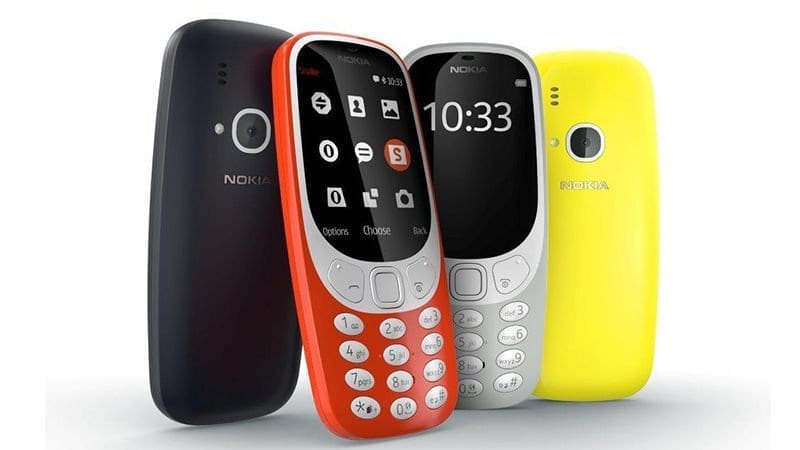
    Nokia 3310 a modern classic reborn. Thin, light and incredibly durable, the Nokia 3310 is a head turning modern twist on one of the best-selling feature phones of all time. Boasting an incredible 22-hour talk-time and month long stand-by, the Nokia 3310’s fresh, colourful, modern design brings it bang up to date. The Nokia 3310 is available in four distinctive colours – Warm Red and Yellow, both with a gloss finish, and Dark Blue and Grey both with a matte finish. The Nokia 3310 will retail at an average global retail price of €49.

    Accessories also introduced was a portfolio of Nokia accessories that follows iconic design philosophy. As perfect companions to these smartphones, the full Nokia accessories portfolio includes a range of headsets, portable and Bluetooth speakers, in-car chargers, cases and screen protectors.

    Arto Nummela, CEO of HMD Global, said:

    “Nokia has been one of the most iconic and recognisable phone brands globally for decades. In the short time since HMD was launched into the market, the positive reception we’ve had has been overwhelming; it seems everyone shares our excitement for this next chapter. Today’s consumers are more discerning and demanding than ever before and for us they will always come first. Our efforts in bringing together world class manufacturers, operating systems and technology partners sees us proudly unveiling our first global portfolio of smartphones with a Nokia soul, delivering the very best experience to everyone.”

    Florian Seiche, President of HMD Global, said:

    “Strategic and meaningful partnerships are essential to our success, both for the products and manufacturing. Equally we are committed to building the right kind of partnerships at a market level so we can reach and service all of our fans. The encouragement, support and excitement we have felt from the operators and retailers we’ve met globally so far has been humbling. The excitement and anticipation for our first global family of smartphones has been tremendous, and we’re delighted to offer fans the ability to register their interest for the new range at nokia.com/phones.”

    Juho Sarvikas, Chief Product Officer of HMD Global, said:

    “Nokia phones stir real emotions; people know them for their beautiful design and craftsmanship, together with a built-to-last quality that you can rely on.  Our new portfolio combines these classic Nokia hallmarks with a best-in-class Android performance and a new level of craftsmanship. For the Nokia 3310 we just couldn’t resist. We wanted to reward loyal Nokia phone fans and make a statement that rich heritage, innovation and modern design can go hand-in-hand.  Fundamentally, it is about making sure that right across our portfolio we are delivering this pure Nokia experience.”

    “We also believe that everyone deserves access to the premium quality and attention to detail that is usually reserved only for flagship devices. With our new range of Nokia smartphones, we aim to democratise technology and bring this experience to everyone.”

    Pekka Rantala, Chief Marketing Officer of HMD Global, said:

    “Consumers today are seeking relationships with brands that they can trust. The Nokia brand has over 150 years of heritage giving it an authentic, differentiating experience which we are proud to introduce to a new generation of fans.  Our new Android Nokia smartphone portfolio, together with the return of the iconic Nokia 3310, is a real statement of our ambition and commitment to honouring the hallmarks of a true Nokia phone experience.”

    Brad Rodrigues, interim President of Nokia Technologies, said:

    “What HMD has created is remarkable. We’re excited to see the launch of a new family of smartphones, built to the standards that Nokia is known for. We believe that their strong design and quality will appeal to Nokia fans around the world, and the return of the Nokia 3310 has us smiling too!”

    Enrico Salvatori, SVP and President, Qualcomm EMEA said:

    We are pleased to have collaborated with HMD on the Nokia 6 and Nokia 5 and look forward to working closely with them on future devices. The Nokia brand has a rich heritage in advancing mobile technology and to see new Nokia smartphones on sale is a welcome sight.  Both devices are powered by the Qualcomm Snapdragon 430 mobile platform which offers a rich feature set for smartphones: integrated X6 LTE, cutting-edge camera technology with dual-Image signal processors, next-generation Qualcomm Adreno 505 GPU all means Snapdragon 430 supports fast downloads and uploads, stunning graphics and photos with battery life to spare.”

    The new portfolio of Nokia smartphones and feature phones is on display at Mobile World Congress.  Local availability will be announced in markets in Q2, 2017. To get hands-on with the full range of Nokia phones, visit HMD at the Nokia stand (Hall 3, stand 3A).

  • Image leak suggests new Samsung phone ‘made in Vietnam’

    Image leak suggests new Samsung phone ‘made in Vietnam’

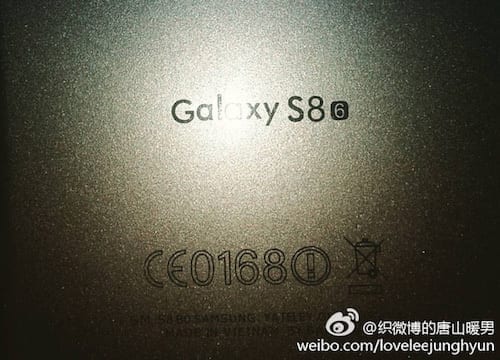
    A leaked picture would suggest Samsung’s latest smartphone, the Galaxy S8+, is being manufactured in Vietnam, despite last year’s Galaxy Note 7 saga.

    The picture shows the back panel of a phone tagged with “Made in Vietnam” below the “Galaxy S8 6” branding.

    The number “6” has been interpreted by people familiar with the matter as the 6 GB RAM variant of the Samsung Galaxy S8.

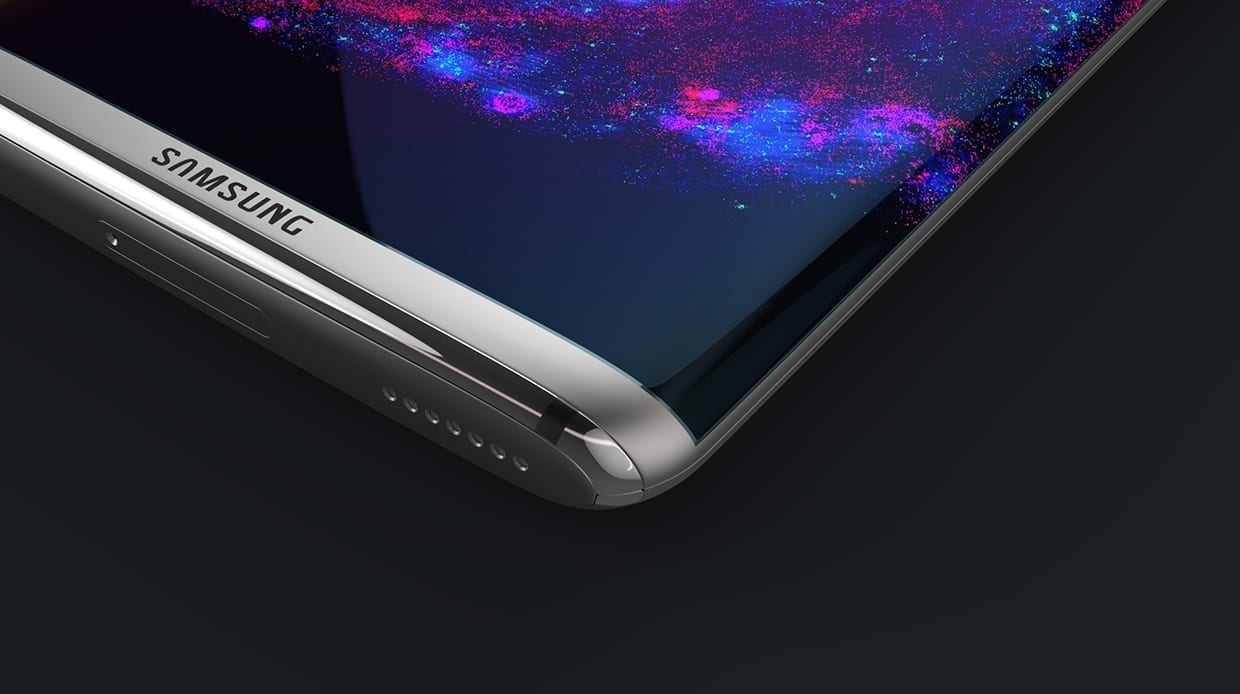
    Samsung is expected to officially unveil its next flagship devices, the Galaxy S8 and Galaxy S8+, on March 29 in New York. The phones will go on sale on April 21.

    Other leaked images of purported technical specifications have fueled rumors of a 5.8 inch and 6.2 inch display, backed by a 3000 mAh battery or 3500 mAh battery.

    Samsung’s production in Vietnam incurred a loss of $122.6 million in the third quarter of last year after it was forced to recall 2.5 million Galaxy Note 7s globally following battery explosions.

    The recall affected production at its two plants in the northern provinces of Bac Ninh and Thai Nguyen, which produce a combined 35 percent of all smartphones that Samsung supplies to the global market.

    However, that did not affect Samsung’s dominant position in Vietnam’s export sector last year. The company earned $39.9 billion in revenue from shipping electronics, up 10 percent against 2015 and contributing 23 percent to Vietnam’s total export revenue.

    Samsung Vietnam said no jobs had been cut due to the Galaxy Note 7 incident. The company is targeting an export growth rate of between 7 and 10 percent this year.

    Related news:
  • What exactly is wrong with China’s ‘Apple’ Xiaomi?

    What exactly is wrong with China’s ‘Apple’ Xiaomi?

    Although it crossed $1 billion in revenue in 2016 within the first two years of its operations in India, Xiaomi — once touted as the “Apple” of China — has slipped to fourth spot back home as the demand for its smartphones declined 22 per cent annually — eventually taking it to seventh spot in the global smartphone ranking with a 16 per cent drop in sales.

    The decline came even as Hugo Barra, Xiaomi’s high-profile head of international operations, left the company in January and joined Facebook to lead its virtual reality (VR) project.

    According to the experts, the key reason for this decline is Xiaomi’s rivals racing ahead with key features, better innovations, bigger marketing budgets and wider online and offline distribution channels.

    “Until 2016, Xiaomi relied only on online channels for smartphone sales which contributes approximately 30 per cent of the total smartphones sales in China, leaving a huge chunk of the market untapped. Its competitors invested heavily in building strong offline channels, expanding their reach to tier-2 and tier-3 cities and moving ahead of Xiaomi,” Shobhit Srivastava, Research Analyst, Mobile Devices and Ecosystems at market research firm Counterpoint Research, told IANS.

    Another reason for Xiaomi’s slipping growth is the rising average selling price (ASP) of the maturing China smartphone market, experts noted.

    “Bulk of the sales in China is coming from upgrades where Huawei, OPPO and Vivo are gaining market share while Xiaomi remains in the below-$150 category. Xiaomi also lacks in research and development unlike its Chinese counterparts which are vertically integrated,” Srivastava added.

    An email sent to the company for its reaction to the decline in global smartphone sales didn’t elicit any response.

    Xiaomi’s main markets have been China and India which combined get more than 95 per cent shipment share. While performance in India improved in 2016, the company lost market share in China resulting in the decline of overall global smartphone ranking.

    Huawei, Oppo and Vivo have emerged as clear winners with Oppo and Vivo registering significant growth in China.

    Shipping 44.9 million iPhones to China, even Apple has beaten Xiaomi that shipped 41.5 million smartphones in 2016, market research firm International Data Corporation (IDC) revealed earlier this month.

    According to IDC’s “Quarterly Mobile Phone Tracker” report, Apple dropped from 58.4 million iPhones in 2015 and Xiaomi from 64 million Mi phones — drops of 23 per cent and 36 per cent, respectively.

    Amid the global gloom, it is the Indian smartphone market that has helped Xiaomi gain profits.

    “They (Xiaomi) have already established their presence in India with a revenue of more than $1 billion in 2016 in the country. They will keep going as they have a strong management team,” Jaideep Mehta, Managing Director, IDC South Asia, told IANS.

    “On Barra, I would say that a senior executive has just moved on. Of Course, he will be missed, but the company is bigger than one individual,” he added.

    Coincidently, Xiaomi is not going to showcase any product at the upcoming Mobile World Congress (MWC), the telecom industry’s largest event, in Barcelona, Spain, later this month. There are reports that Xiaomi doesn’t have new devices to showcase during the MWC show.

    This indicates there is something wrong somewhere and the company needs to plug the problem fast before its global presence plunges further.

    “To recover and sustain growth, Xiaomi will have to focus on building strong offline channels as it will open up a significant market for the company. It needs to concentrate more on its R&D and come up with a device in the higher-mid end segment for the increasing Chinese middle-class population with higher disposable incomes,” Srivastava emphasised.