Category: Electronics

Retail News Asia is committed to providing both local and global retailers with the latest Electronics news throughout the Asian market. This on a daily base.

  • Foxconn to help Japanese firm sell robots around the world

    Foxconn to help Japanese firm sell robots around the world

    What guise will robots of the future take? Some see as them as faceless automatons, capable of performing basic tasks for us, whilst the Supermatrix predicts a future where they’ll be actively concious but subdued through a dream within a dream. SoftBank Mobile however believes robots can be our friends before they do our bidding, which is why it launched its Pepper robot in Japan last year and is now partnering with Foxconn and Alibaba to help sell it around the world.

    Pepper doesn’t perform any particularly useful tasks around the house or office, but he can read facial expressions and judge emotions based on language and tone of voice and can react accordingly. If you are sad, he might engage you in conversation or play your favourite song to cheer you up. Over time he learns your emotions and different moods and can compliment or help alleviate them depending on your preferences.

    To date he’s mostly been used as a greeter in Softbank stores, but there are other potential uses such as babysitter, party greeter, serving staff or a companion for the elderly. It’s expected that retailers may be some of the most interested in Pepper, but that there are plenty of other applications for him where end users and other organisations may see him as a good fit for the role.

    Projected costs for the robot are expected to be $1,660 (£,1044) up front, followed by monthly payments of £125 to cover ongoing insurance coverage (should it fall over and break) as well as access to the cloud processing facilities required to make many of Pepper’s more complicated analysis and decisions.

  • Final Wii U models discontinued in Japan

    Final Wii U models discontinued in Japan

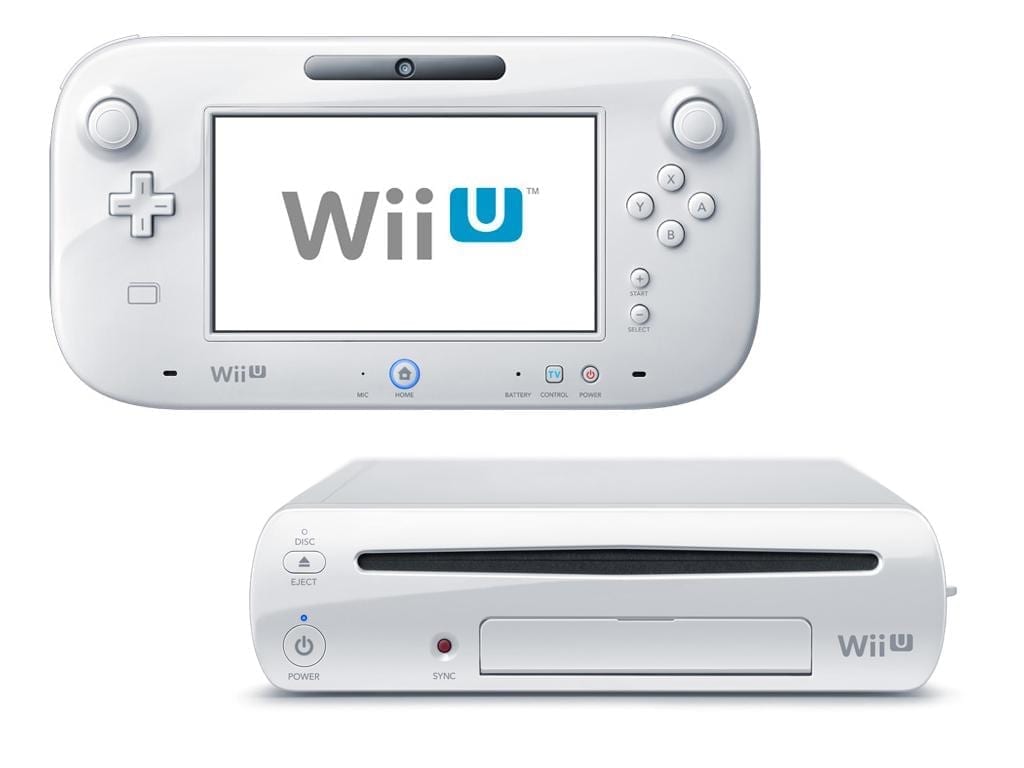
    Production on new Wii U sets has ended, according to Nintendo’s Japanese website. A pagedetailing the models of the console that are currently in production indicates that the final two sets have been discontinued, officially marking the end of the system’s lifespan.

    Following the release of its third quarter earnings financial report this morning, the company’s website updated to show that the remaining Wii U models have been discontinued in Japan. These include the 32 GB Splatoon bundle and the standard 32 GB Deluxe model.

    Nintendo announced last November that it planned to cease production on the console by the end of the year. Rumors flew that Nintendo would stop making new Wii U units ahead of the Nintendo Switch’s full reveal, which came in October. The Wii U’s follow-up does away with many of its predecessor’s features, including the tablet controller’s second screenand the Miiverse social community.

    The Wii U, which launched in 2012, suffered at retail throughout its lifespan. The console’s performance was a letdown to fans and Nintendo alike, as reflected by diminishing sales returns and game releases over the years.

    The Switch will hit stores on March 3, giving retailers just enough time to clear out Wii U stock and make room on their shelves for Nintendo’s latest console.

  • Xiaomi to expand retail footprint, device ecosystem in India

    Xiaomi to expand retail footprint, device ecosystem in India

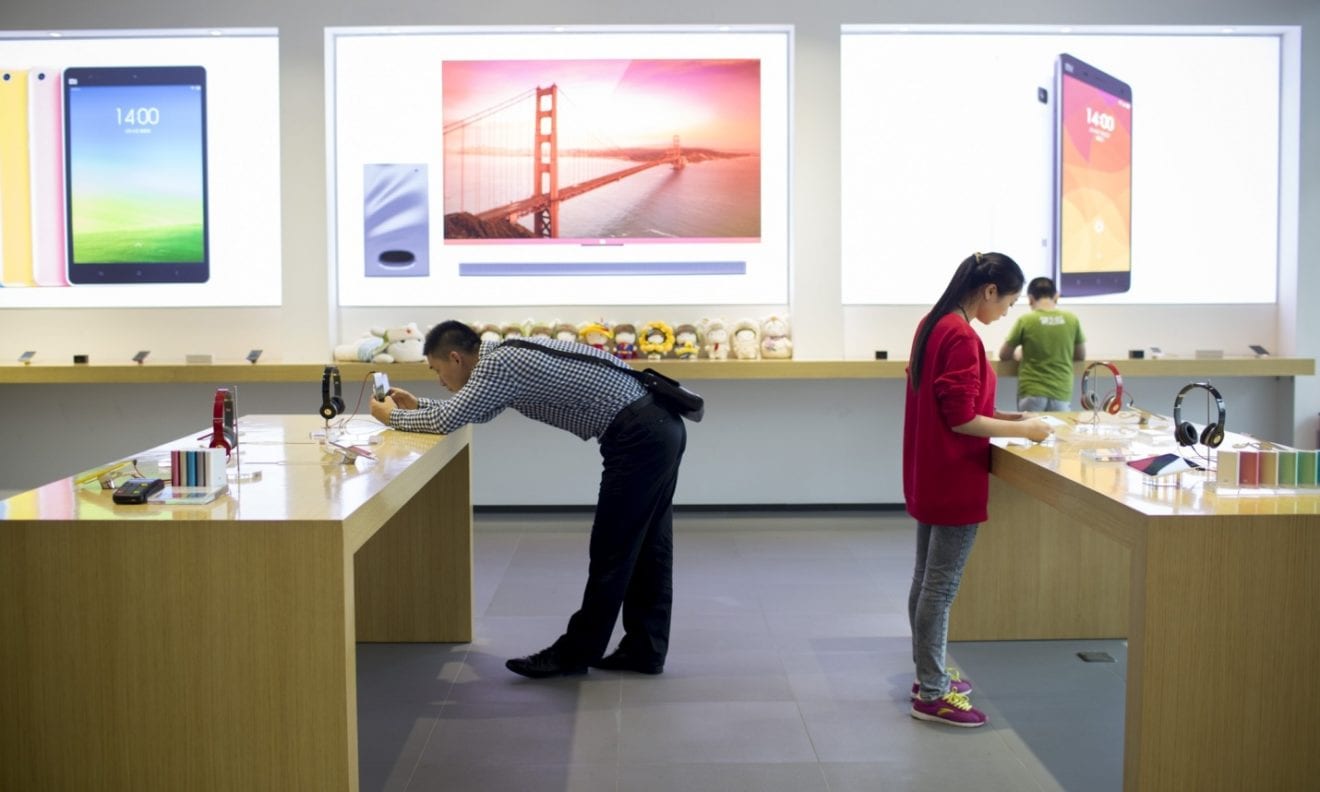
    Founded in 2010 in China, Xiaomi entered the Indian market in mid 2014. Since then, the company has aggressively launched its value for money smartphones and accessories. As per the latest numbers shared by IDC, Xiaomi has become the third-largest smartphone brand across the top 30 cities in India. In 2016, Xiaomi India passed $1 billion in annual revenue for the first time. The company claims India to be its primary global market and will continue to customize and make products for India.

    Donovan Sung, Director of Product Management, International, Xiaomi Global, explains, “We look very carefully at the different market segments in India and what our users are asking for. Redmi note 3 hit two very important price segments of Rs 9,999 and Rs 11,999. We have seen that those price points are extremely important in India and so we focus a lot on these segments. We have changed the price segment under Rs 10,000. And our current strategy for high end products is to launch one flagships product in India every year. India is by far a key market for us, outsider China.”

    About 75 per cent of the Xiaomi smartphones sold in India, are made in India. Under its ‘Mission of innovation’, the company believes that innovations and products should not be restricted to people with lot of money and the products should not be sold at a premium. Sung adds, “We are open about the fact that all our products are sold near cost. That means we have low cost in everything we do – the channel structure. That is why we started selling online. We don’t spend a lot of money on marketing. Even though we are experimenting with TV ads in China as well as in India, offline ads, but we are not splurging on it maybe like some other companies would. We are keeping it very low in single digit percentage of our revenue.”

    Besides online, Xiaomi started selling its devices at around 7500 retail points and is looking at expanding its offline reach as well. He further adds, “We expanded in China pretty aggressively and this year will expand in India this year. We have a lot more to share on that. But the way we will do offline in many ways will be similar to the way we do online. It will be a very high efficiency channel for us as we have a very interesting approach for offline, which we have already been trying in China, and we are going to adopt that strategy in India as well”, says Sung.

    Earlier this month, Lei Jun, Xiaomi’s chief executive said in a letter to its employees, ‘Our e-commerce strategy has also faced some challenges. E-commerce now makes up just over 10 per cent of overall retail in China, and the online smartphone market only makes up 20 per cent of the overall smartphone market. Xiaomi has great ambitions, and we are not satisfied with just being an e-commerce smartphone brand, so we have to upgrade our retail model, and incorporate offline retail for a new retail strategy.’ The company upgraded its Mi Home outlets into full-fledged retail stores aims open 200 more Mi Home stores in 2017, and open a total of 1,000 stores over the next three years.

    Apart from smartphones and accessories, Xiaomi is also looking at expanding its product ecosystem in India. Last year, just before Diwali, Xiaomi launched its air-purifier for the Indian market, which received great response. “We have even started launching our ecosystem products in India. In 2017, we plan to bring many more ecosystem products in India. We have a range of different connected devices – TV, Ninebots, toys, air purifiers, etc. and would seriously consider getting all of these things to India,” says Sung.

  • Singapore businesses eye growth in China despite slowdown

    Singapore businesses eye growth in China despite slowdown

    Singapore brands continue to eye growth in China despite increased domestic competition, higher costs and a slowdown in the world’s second-largest economy.

    For some, China provides an alternate avenue for growth in sectors such as property and retail, helping to buffer lower-performing regions.

    Other Singapore companies in sectors that have taken harder hits recently, such as manufacturing, have been reassessing and realigning their business models to stay competitive.

    China is, after all, “too large a market for ambitious foreign investors to ignore” despite having lost some shine, said Mr Chio Kian Huat, CEO of accounting and business advisory group Stone Forest.

    This is especially so as the central government continues its crackdown on corruption and improves the transparency and predictability of doing business in China, said Ernst & Young Asia Pacific transaction advisory services leader, Harsha Basnayake.

    For CapitaLand, diversification in China has provided “respite from weakness in the Singapore property market”, said Maybank Kim Eng analyst Derrick Heng.

    The real estate developer has increased its presence in China over the years with the country accounting for 45 per cent of its asset base today, up from just six per cent in the early 2000s, Mr Heng told The Business Times.

    “With robust China home sales in recent years… we expect strong earnings contribution from the country in the next one to two years,” he said.

    CapitaLand Retail China Trust Management Limited (CRCTML), the manager of CapitaLand Retail China Trust, announced its 2016 Q4 net property income (NPI) on Jan 26, bringing the NPI for the whole of 2016 to a total of RMB669.8 million (S$139 million) – 4.1 per cent higher than in 2015.

    “We remain positive that CRCT’s portfolio of family-oriented shopping malls will continue to benefit from China’s growing urban population and rising retail sales,” said CRCTML chairman Victor Liew.

    Singapore-based beauty products seller Best World International is also projecting growth in China, its second largest market.

    China contributed 30 per cent of the group’s revenue as of the third quarter of 2016, after growing more than 200 per cent year-on-year, and the company is aiming to grow its sales in China eight-fold from 2016 to 2020, said Maybank Kim Eng analyst John Cheong.

    “Demand for Best’s products has not been impacted by the general slowdown, its products continue to gain traction from a low base, market expansion in China and increase in popularity from the recent approval of its direct selling licence,” he said.

    In announcing the licence approval in November, which allows Best World to conduct direct selling in Hangzhou, group co-chairman and president Doreen Tan said Best World is “cautiously optimistic” about its China growth prospects in the next five to eight years.

    “We will continue to expand the geographical coverage of our direct selling licence, drive membership growth through more marketing activities and introduce new products and services,” she said.

    Those in manufacturing have not been as fortunate – labour costs in China have been increasing at an average of 20 per cent annually for the past four years, and other rising costs such as electricity and natural gas are also eroding margins, said Mr Chio.

    Singapore design manufacturer Koda would know.

    The company was forced to shut down its manufacturing facilities in China in the last few years and has shifted its focus to its furniture retail arm, Commune, “to cater to the rising middle class”, Koda chief financial officer Joshua Koh told BT.

    “Commune is well received by this younger and more design-savvy generation and we still have a positive outlook on growth in this segment.”

    The China arm has been “growing consistently” and has “helped to buffer the drop in sales from our other markets like Malaysia, which has suffered due to the uncertain economic situation and reduced margins”, he added.

    Over in the food and beverage sector, stiffer domestic competition and changing consumer demands have translated into a race to deliver fresh tastes.

    BreadTalk, for one, has been working on new concepts for its stores to continually engage and excite customers, said a company spokesman. The company’s first store in China, which opened in 2003, has since undergone “its fifth round of renovations with a brand new concept”.

    BreadTalk has grown its total number of outlets from 453 across the mainland and in Hong Kong as of end 2015 to “about 500 outlets in 50 Chinese cities” today.

    Annual reports show that the company’s business in Hong Kong and mainland China contributed about 42.7 per cent of total revenue in the 2015 financial year, up slightly from 41.3 per cent in 2012.

    “Despite the slowing economy, the growth of consumerism and influx of new brands in China remains unabated,” said the BreadTalk Group spokesman.

    “Consumer spending continues with the desire to try new products and experiences all the time. Brands will always need to present exciting and engaging offerings to attract consumer loyalty with competition being stiff in such a diverse market.”

    For restaurants, establishing a niche product is the key to good business, said Mr Basnayake.

    Singapore’s Jumbo Group of chilli crab fame may be one such example of building success on a signature dish that continues to draw crowds of Chinese diners.

    Jumbo had percentage revenue contribution from its restaurant operations in Shanghai increase from eight per cent in the 2015 financial year to 15 per cent in 2016, and intends to expand its brands to other major Chinese cities, CEO and executive chairman Ang Kiam Meng told BT.

    China’s economy may not be expanding at the rate it was a decade ago – the Chinese Academy of Social Sciences forecast economic growth to dip again this year to 6.5 per cent, which would be the slowest pace in more than 25 years – but Mr Ang is among those who are confident that business opportunities remain.

    So, too, is Citi’s chief China economist Liu Li-Gang.

    “It is no longer as easy as in the past for foreign investors to make money… but in many areas there should be many investment opportunities, especially in the service sector,” said Dr Liu, noting that China is progressively liberalising its healthcare and financial services.

    Stone Forest’s Mr Chio said: While China is no longer a low-cost producer, there is a still a “huge market for services and products that cater to the needs of its growing middle class.”

    China is also making strides in technology and other emerging sectors, he added.

    “These factors, along with China’s growing middle class and their increasingly sophisticated demand, mean that businesses need to look at the Chinese domestic market for opportunities and not depend on low cost production to succeed.”

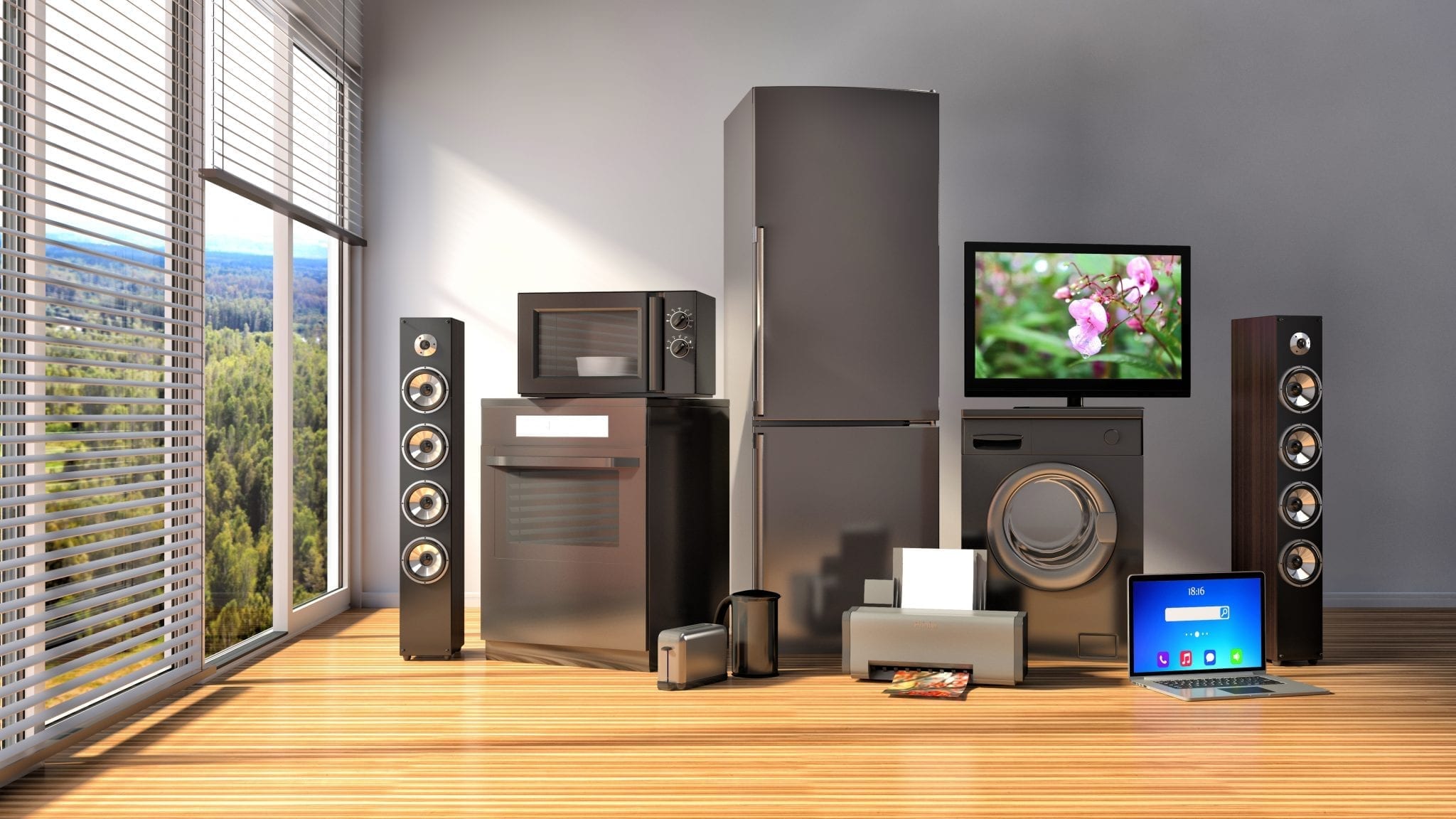
  • Home appliance retailers gear up in race to expand

    Home appliance retailers gear up in race to expand

    Opened in 2010, Dien May Xanh in late 2014 reported revenue of VND1 trillion a year. Since early 2015, Dien May Xanh has been gearing up with the application of digital technology to internal administration and sales management.

    In August 2015, Dien May Xanh began conquering the northern market. It had opened 75 supermarkets by the end the year which brought the turnover of VND4.4 trillion, holding 5 percent of the market share. The figure reportedly had increased to 14-16 percent by the end of 2016.

    According to Tran Kinh Doanh, CEO of The Gioi Di Dong JSC, the owner of Dien May Xanh brand, after two years of following the ‘fast fight fast victory’ strategy, with 266 supermarkets, Dien May Xanh has become the biggest partner of home appliance manufacturers and distributors in Vietnam.

    The owner of Dien May Xanh hopes its revenue in 2016 can reach VND12 trillion and the figure would be double in 2017 to VND25 trillion.

    Analysts commented that unlike other retailers, Dien May Xanh has been following its own business strategy because it arrived later than other rivals.

    A Dien May Xanh center covers 800-1,000 square meters, while the standard area for one home appliance supermarket is 4,000-5,000 square meters. With such a scale, the cost for one Dien May Xanh is VND6-10 billion, which is much lower than the traditional model.

    Meanwhile, Dien May Xanh can receive financial support from The Gioi Di Dong which is believed to have powerful financial capability.

    Analysts also praised Dien May Xanh’s policy on developing centers in city suburbs and provinces. This is believed to be a reasonable decision as retail premises in the central business districts of Hanoi and HCMC have become too expensive.

    Other home appliance retail chains, having realized the efficiency of Dien May Xanh’s small-center model, have also followed the development model.

    The centers of Media Mart developed recently, for example, have an area of between 700 and 1,500 square meters.

    Even Nguyen Kim, which only developed large shopping centers, has also changed its strategy. Eight of 14 supermarkets put into operation in December 2016 run under the shop-in-shop model with the average area of 300 square meters. They are located in big shopping malls such as Big C in HCMC, and the provinces of Binh Duong, Binh Thuan and Thanh Hoa.

    Meanwhile, strong brands including Thien Hoa, Nguyen Kim, Phan Khang and Dien May Xanh all have spent money to develop online sales. The number of customers buying goods on nguyenkim.com rises by 400 percent during sale promotions.

  • China leads growth ins smartphone market in Q3

    China leads growth ins smartphone market in Q3

    Three Chinese vendors — Huawei, Oppo and BBK Communication Equipment — jointly accounted for 21% of the smartphones sold to end users globally in Q3 of 2016.

    The trio were the only smartphone vendors in the global top five to increase their sales and market share during the quarter, according to Gartner.

    “China led the growth in the smartphone market in the third quarter of 2016,” said Anshul Gupta, research director at Gartner. “Sales of smartphones in China grew by 12%, and the vendors who most successfully exploited the sales opportunities there were Oppo and BBK Communication Equipment.”

    In Oppo’s case, 81% of its smartphone sales came from China, while BBK accounted for 89% of smartphones sales in China. These two vendors also grew strongly in India, Indonesia, Malaysia, Thailand and Russia.

    Global sales of smartphones to end users totaled 373 million units in the third quarter of 2016, a 5.4% increase over the third quarter of 2015. However, overall sales of mobile phones fell by 1.3%, largely due to the declining popularity of feature phones.

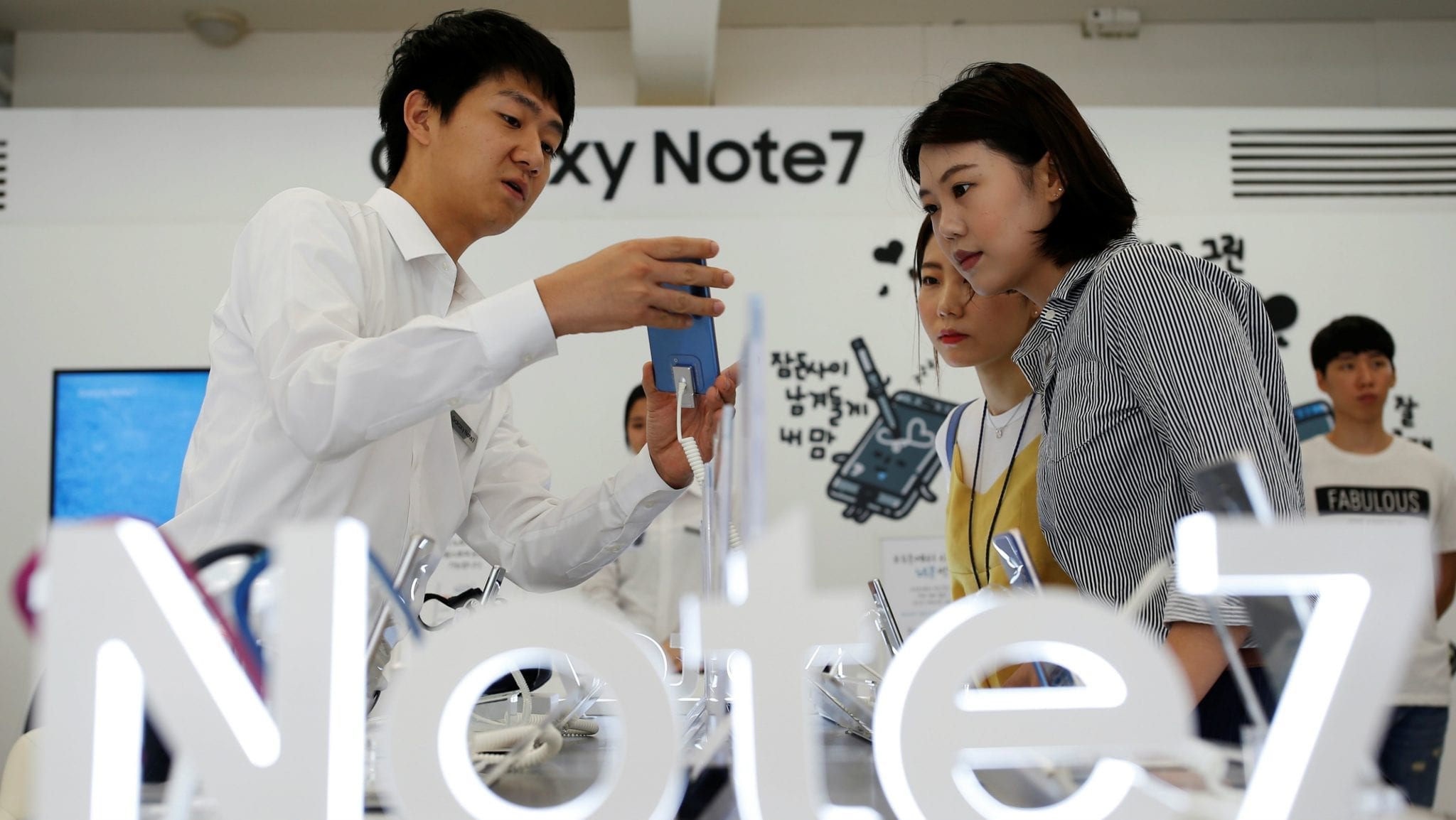
    Samsung had a good start to the quarter, but the battery problem that caused some Galaxy Note 7 smartphones to catch fire led to lower sales of the company’s high-end and high-profile line of Note products.

    Samsung’s smartphone sales in the third quarter of 2016 as a whole declined 14% year over year — their worst performance ever. Samsung’s previous worst performance for smartphone sales was a 12% drop in the fourth quarter of 2014.

    Apple’s iPhone sales continued to fall in the third quarter of 2016, with a 6.6% decline. Apple accounted for 11.5% of the global smartphone market, its lowest share since the first quarter of 2009.

    Huawei is closing the gap with Apple. In the third quarter of 2016, there was less than a three percentage point difference in market share between them in the smartphone market.

  • Profits fall again at South Korea’s LG Electronics

    Profits fall again at South Korea’s LG Electronics

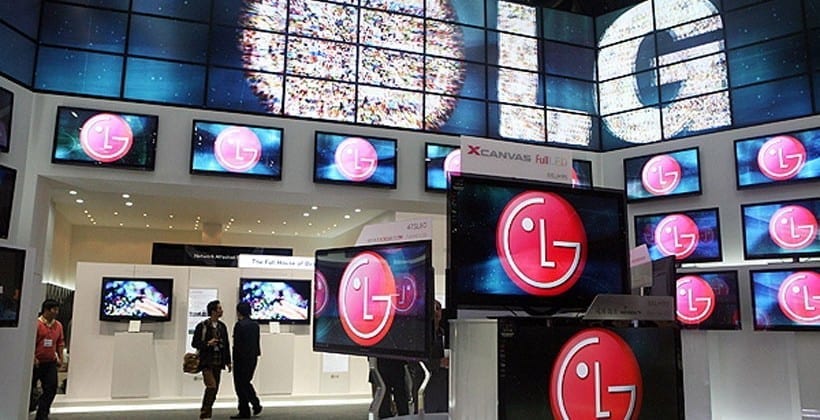
    South Korea’s LG Electronics on Wednesday reported its second successive year of slumping net profits due partly to weak smartphone sales.

    Full-year net profit for 2016 was 126.3 billion won (Dh398 million, $109.3 million), the Seoul-based firm said, down by almost half on 2015 — when they had fallen by 50 per cent.

    The company produces a range of products, from mobile phones to televisions and home appliances including air conditioners, washers and refrigerators.

    It said in a statement it fell into losses in the fourth quarter, taking hits in its mobile telecommunications and vehicle components businesses.

    LG Electronics made a net loss of 258.8 billion won ($224 million) in the October-December period.

    Its home appliances and home entertainment units both turned in strong performances, but in mobile communications “profitability was hampered by weak sales of the G5 smartphone and higher marketing investments”.

    LG has struggled for years to increase its smartphone sales after a late entry into the market dominated by Samsung and Apple.

    It has since found itself hemmed in by emerging Chinese rivals such as Huawei or Xiaomi.

    Its vehicle components unit saw revenues jump by nearly two-thirds in the fourth quarter, but “R&D investments negatively affected profitability”, it said.

  • Apple sues Qualcomm in China over technology fees

    Apple sues Qualcomm in China over technology fees

    Apple has filed suit in China challenging Qualcomm’s fees for technology used in smartphones two years after Chinese regulators fined the chipmaker for its licensing practices.

    Two lawsuits filed by the iPhone maker accuse Qualcomm of abusing its control over essential technology to charge excessive licensing fees, a Beijing court said on its microblog. It said Apple reports suffering 1 billion yuan ($145 million) in “economic losses” and asks for 2.5 million yuan ($360,000).

    Most of Apple’s iPhones and other products are assembled in China by contractors.

    Apple filed a similar complaint on Jan. 21 in U.S. federal court in San Diego, California, accusing Qualcomm of demanding royalties for innovations on iPhones that have nothing to do with Qualcomm’s technology. The U.S. lawsuit seeks $1 billion in damages.

    The U.S. Federal Trade Commission also has filed a lawsuit accusing Qualcomm of imposing unfair licensing terms on manufacturers.

    Qualcomm, headquartered in San Diego, said in a statement it had not seen Apple’s complaint to the Chinese court but defended its fees. The company said Apple rejected terms consistent with those accepted by more than 100 Chinese manufacturers.

    Qualcomm agreed to change its licensing after Chinese regulators fined the company 6 billion yuan ($975 million) in 2015 on charges it abused its control over technology to charge excessive fees.

    In a separate statement, Apple complained Qualcomm demands royalties for phone features that nothing to do with its technology.

    “For many years Qualcomm has unfairly insisted on charging royalties for technologies they have nothing to do with,” said the Apple statement.

    It also accused Qualcomm of withholding nearly $1 billion in payments due to Apple, headquartered in Cupertino, California, in retaliation for cooperating with investigations by regulators in the United States, Europe, South Korea and Taiwan.

    Qualcomm said its fees were consistent with changes worked out with Chinese regulators.

    “These filings by Apple’s Chinese subsidiary are just part of Apple’s efforts to find ways to pay less for Qualcomm’s technology,” said Don Rosenberg, executive vice president and general counsel of Qualcomm, in the statement.

    South Korean regulators last month fined Qualcomm $853 million for violating antitrust laws, a decision Qualcomm is fighting.

  • Panasonic targets 50% sales jump for TVs in Indonesia

    Panasonic targets 50% sales jump for TVs in Indonesia

    Electronics giant Panasonic Corp. is seeking to sell up to 50 percent more TVs in Indonesia this year by offering online shopping and a greater variety of models. The company’s TV sales have been stagnant for three years.

    “We hope this year we can sell around 250,000 to 300,000 units,” said Erwin Lim, a Panasonic Gobel Indonesia product manager. The figures represent increases of 25 to 50 percent from 200,000 TVs sold last year.

    As part of its goal, Panasonic launched a website designed to help consumers select TV models according to their needs and budgets.

    “We want to strengthen our relationship with our customers and make it easy for consumers to choose products effectively and efficiently according to their needs and budgets,” Panasonic Gobel President Hiroyoshi Suga said.

    Lim said one challenge is that TVs are not a primary need for consumers in Indonesia.

    “Therefore, we will also innovate (our marketing) in order to increase sales,” Lim said. “We will begin to focus marketing on digital means, seeing a trend in today’s society.”

    Referring to Panasonic’s medium-term target over the next three years, Lim said the company wants to move to the No. 2 or No. 3 position by boosting its market share to 14 percent or 15 percent from the current 11 percent.

    Panasonic, currently No. 4 in the market, is seeking to catch up with third-ranked Sharp, a Japanese firm owned by Taiwan’s Hon Hai Precision Industry.

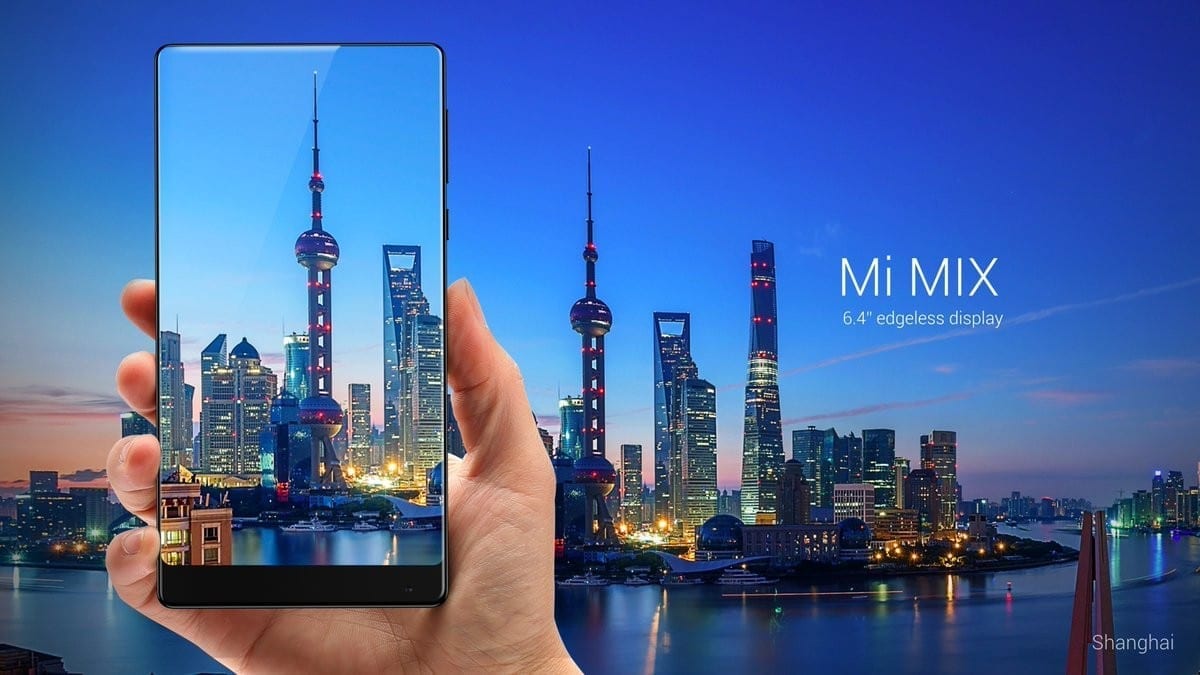
  • When Xiaomi is dying for expansion

    When Xiaomi is dying for expansion

    Never mind smartphones – Chinese tech giant Xiaomi is now eyeing anything and everything as it broadens its investment portfolio.

    With the mobile handset market increasingly crowded globally, and offering diminishing returns, a new Xiaomi expansion strategy has been created: moving into new markets which offer growth potential.

    Co-founder Liu De has told Wired magazine he plans to extend the company’s business model of investing in companies and giving them access to its designers, marketing might and supply chain, to branch into other industries and different products. Xiaomi usually buys a 10 to 20 per cent stake in such companies, insisting on the rights to brand and market products made by these businesses.

    “We’re using our entire platform to lift these companies to the next level,” De told Wired.

    Four of the companies Xiaomi has invested in have already achieved market capitalisation greater than US$1 billion and the portfolio of companies have now collectively sold more than 50 million connected devices.

    The star product is the Mi Air Purifier, one of the most popular models in China.

    Xiaomi believes its investment approach will turn it into a so-called “Everything Company.”

    “It’s a unique model that I haven’t seen before and that I think is only viable for a company that comes from China,” Hugo Barra, the company’s outgoing global VP, said.

  • EZ Link launches contactless payment wearables

    EZ Link launches contactless payment wearables

    Singapore’s EZ-Link, the market’s largest issuer of CEPAS-compliant cards, announced the launch of EZ-Link Wearables.

    Launched in collaboration with Watchdata Technologies and Garmin, the ez-link CEPAS purse will be enabled on the Batman v Superman Fitness Tracker X EZ-Link and the Garmin vívosmart HR with EZ-Link smartwatch.

    The devices will support contactless payments on public transit and at more than 30,000 ez-link acceptance points island-wide.

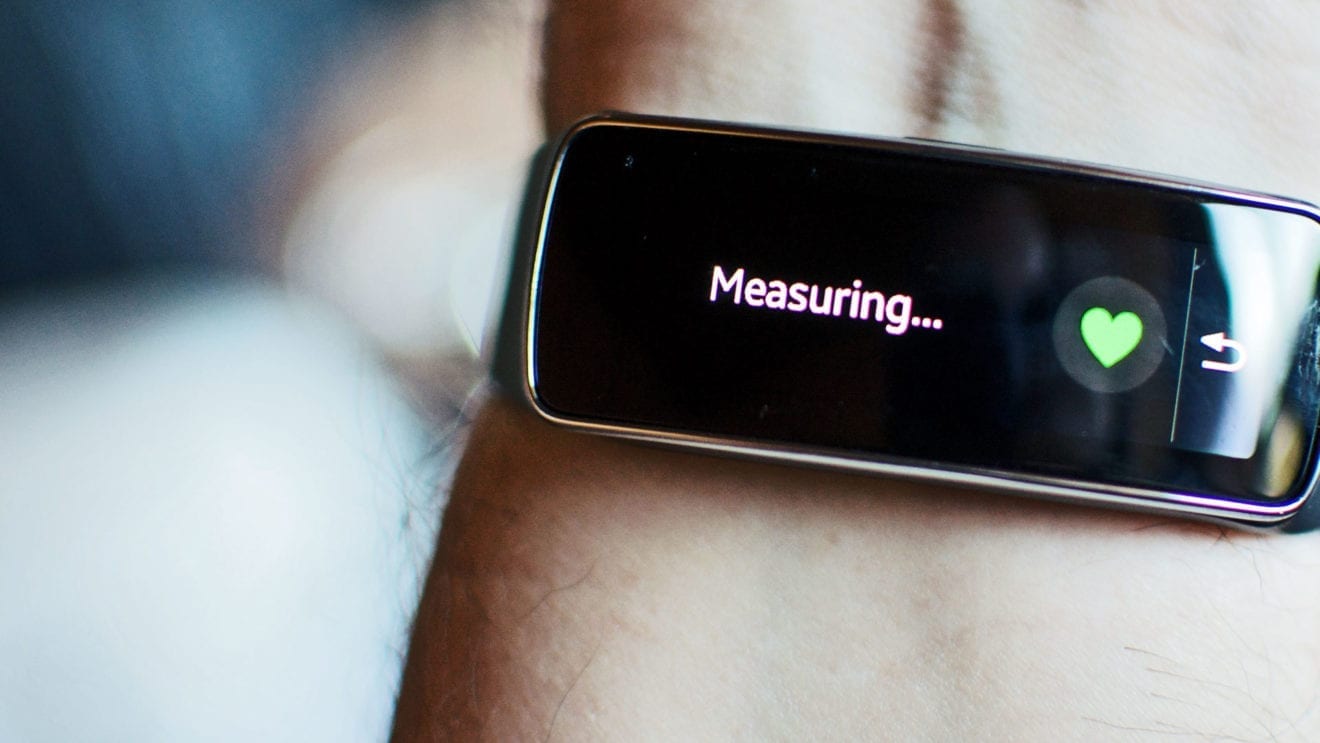
    While offering support for contactless payments, the devices remain smart health and fitness devices that monitor and record daily activities to support a healthy lifestyle.

    “Last year, we integrated a similar contactless chip into the vívosmart HR band in Taiwan which lets users pay for train rides, bus trips and retail purchases via the I-Pass electronic wallet stored within the chip,” Garmin South Asia GM Al Sundoro said.

    “This collaboration with EZ-Link puts Singapore on the road map as the first country in South-east Asia to offer a contactless payment solution where you can pay for public transport rides with a tap of your wearable on your wrist.”

  • Samsung Malaysia launches into regions

    Samsung Malaysia launches into regions

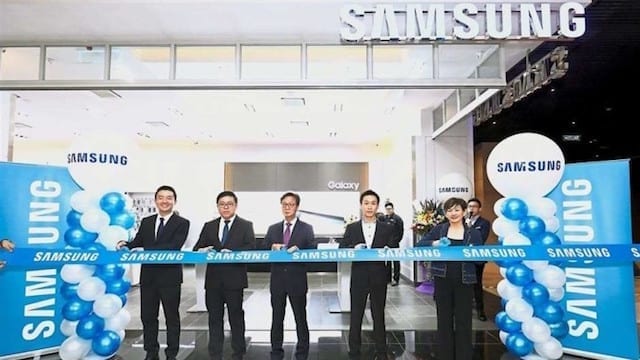
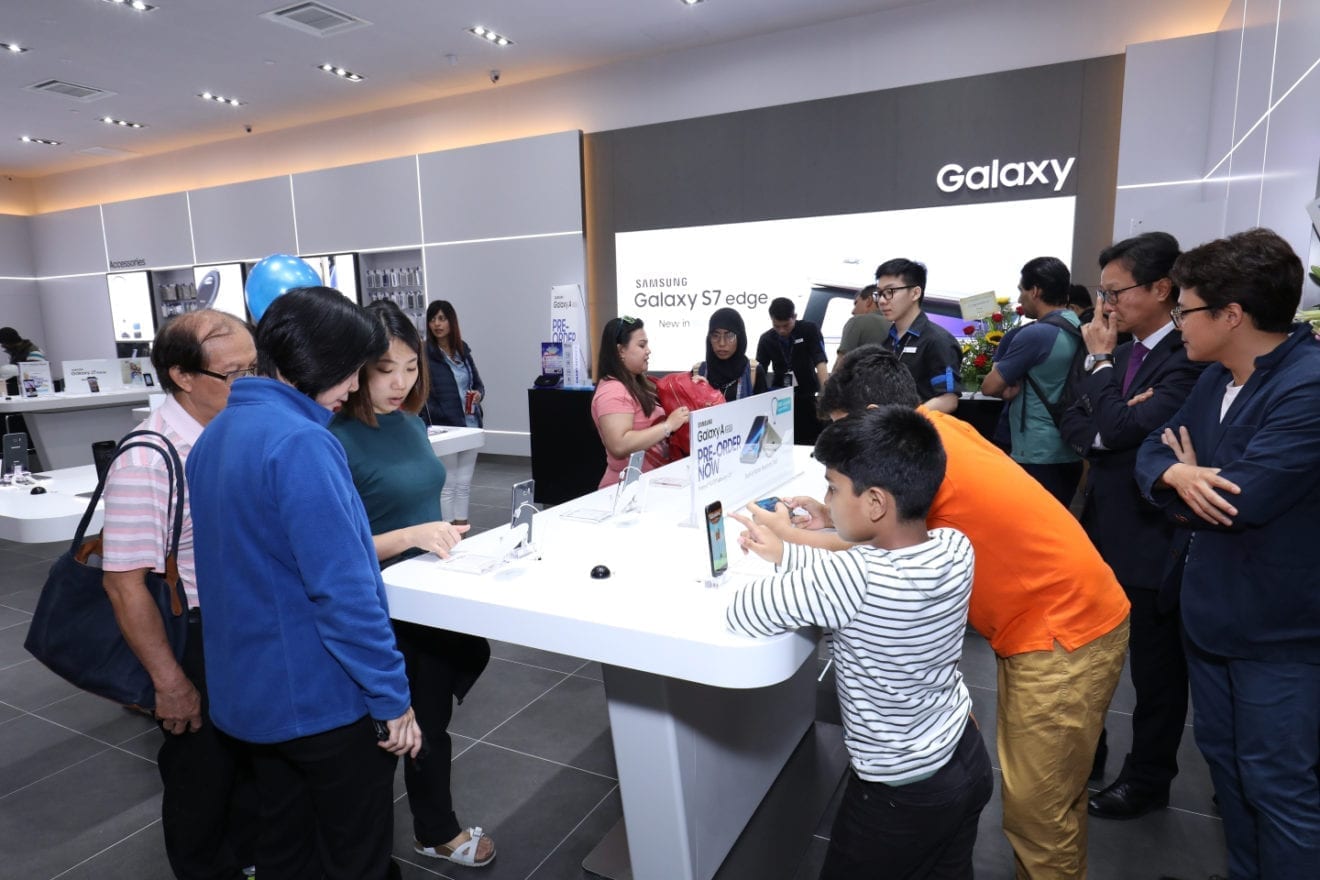
    Samsung Malaysia Electronics has launched its first Samsung Experience Store (SES) in Genting Highlands, at Sky Avenue mall.

    It is a one-stop shop providing mobile phones and accessories as well as associated services.

    Samsung Malaysia Electronics IT and mobile business unit VP Lee Jui Siang says the opening of the store is another step forward in the company’s plans to expand to different regions of Malaysia.

    To mark the store’s opening, Samsung offered customers a chance to take home a personalised caricature mug specially drawn using a Galaxy Note 5. It also gave away a special-edition umbrella for Samsung product purchases.

  • Indonesia’s cooperative kicks off smart phone production

    Indonesia’s cooperative kicks off smart phone production

    Jumping on the bandwagon of local cell phone production, newly-founded cooperative Koperasi Digital Indonesia Mandiri (KDIM) on Friday started the production of a locally built smartphone under the brand of Digicoop.

    The smartphone is set to bolster the domestic cell phone market currently dominated by big players, especially foreign manufacturers.

    The initial model comes with a 4.7 inch-screen, a 1.5 Ghz quadcore processor, 1 GB of RAM, two cameras, two SIM card slots and 4G LTE compatibility.

    Unlike commercially distributed phones, this smartphone can only be obtained by becoming a member of the cooperative via its website, after which one needs to pay Rp 100,000 (US$7.48) per month for one year. Delivery occurs after two month of subscription.

    KDIM chairman Henry Kasyfi Soemartono said the cooperative would produce 5,000 units in the initial phase, with pre-orders currently running at 1,500 units.

    Henry further said the basic idea of the cooperative was to maximize people’s power to create a strong local information technology business.

    “A cooperative is the ideal format for crowdfunding in Indonesia,” said Henry during the event to kick off production. “It is neutral and everybody has the same say. It also provides benefits to its members.”

    KDIM was set up in June last year by the Associations of Indonesian Internet Providers (APJII) and Indonesian Information and Telecommunications Society (Mastel).

    It aims to bring the cooperative format to Indonesia’s information technology (IT) business currently saturated by giants.

    The cell phone is the result of collaboration with a team of experts from the Bandung Institute of Technology (ITB) and is made in the factory of electronics manufacturer PT VS Technology in Cikarang, West Java.

    Indonesia has seen its domestic phone industry rise in recent years, with some manufacturers, like Polytron, already running local factories.

    Communications and Information Technology Minister Rudiantara, who was present during the event, said the economic model of a cooperative could be a solution for the IT business, including the ride-sharing business based on mobile phone applications.

    “The Uber and Grab Car drivers need entities to operate, while both companies have yet to register as transportation companies. So, we’ve suggested that they form cooperatives for the drivers,” he said.

    Rudiantara said the government would support the development of KDIM, such as by facilitating synergy with cooperatives for ride-sharing.

    Henry said KDIM had ambitions beyond smartphone-making, namely to buy a satellite and run an internet provider business. To do this, members interested in participating in the satellite purchase could deposit Rp 5 million and in return access internet for free for a lifetime.

    “We need to find at least 500,000 people who want to participate, so that we can buy a satellite for the people,” Henry said, adding that a satellite would cost between $200 million to 250 million.

    The plan would materialize in the next three years as preparations were still underway, he added.

    Based on the latest APJII survey, Indonesia has 132.6 million internet users, the highest number in Southeast Asia and the fourth-highest globally. Half of its more than 260 million population still cannot access the Internet.

    KDIM digital equipment head Teguh Prasetya said KDIM was preparing for designs for middle and high-end models. In the meantime, the cooperative tried to increase its local content, including applications, from 20.2 percent at present to 30 percent by the end of this year.

  • The Battle Between iPhone and Galaxy to Begin in South Korea

    The Battle Between iPhone and Galaxy to Begin in South Korea

    Apple has confirmed that it plans to open its first South Korea retail store moving into the backyard of its biggest rival for smartphones Samsung Electronics.

    Apple, which this year celebrates its 10th anniversary of the iPhone said on Friday that it is very excited about having its first retail Apple Store in South Korea. The Cupertino, California based tech giant praised Korea as one of the leaders in technology and telecommunications.

    A spokesperson for Apple did not comment when asked when the store would be opening or where any of the Apple stores would be opening across South Korea.

    However, those people who are familiar with the opening, said the company looked at different sits in Gangham, an upscale neighborhood of Seoul.

    One of the possible locations is a short distance from the longtime headquarters of Samsung in Gangham, where the consumer electronics giants has a flagship store for its global products that is three stories high, said those familiar with the situation.

    The same people said that Apple was looking for a site on the fashionable shopping street of Garosu-gil in the same neighborhood.

    A representative from Samsung did not respond when contacted for a comment.

    South Korea, which is the fourth largest Asia economy, has been a difficult market for a long time for Apple. Sales of smartphones are dominated by Samsung and local rival LG Electronics. The popular hometown favorites together hold close to 80% of the overall smartphone market across the country.

    Apple does not even have a break down for sales in the country.

    The breakdown of smartphone sales in Korea is approximately 40% each for Samsung and LG and between 10% and 15% for Apple. That means South Korea is the only developed country that does not have a large iPhone user base.

    Apple, in South Korea, relies on different carrier partners as well as third party retailers. Those groups apply for a license to operate as Apple authorized vendors.

    On Friday, the company posted new job openings for 15 new positions on its website for South Korea, which included a store leader.

    A spokesperson for Apple said in a prepared statement released on Friday by the smarpthone maker that the company was now hiring its team that will offer customers in the capital of South Korea the education, entertainment and service that is loved by millions of Apple customers across the globe.

  • South Korean home appliance and IT giant opens new store in Genting

    South Korean home appliance and IT giant opens new store in Genting

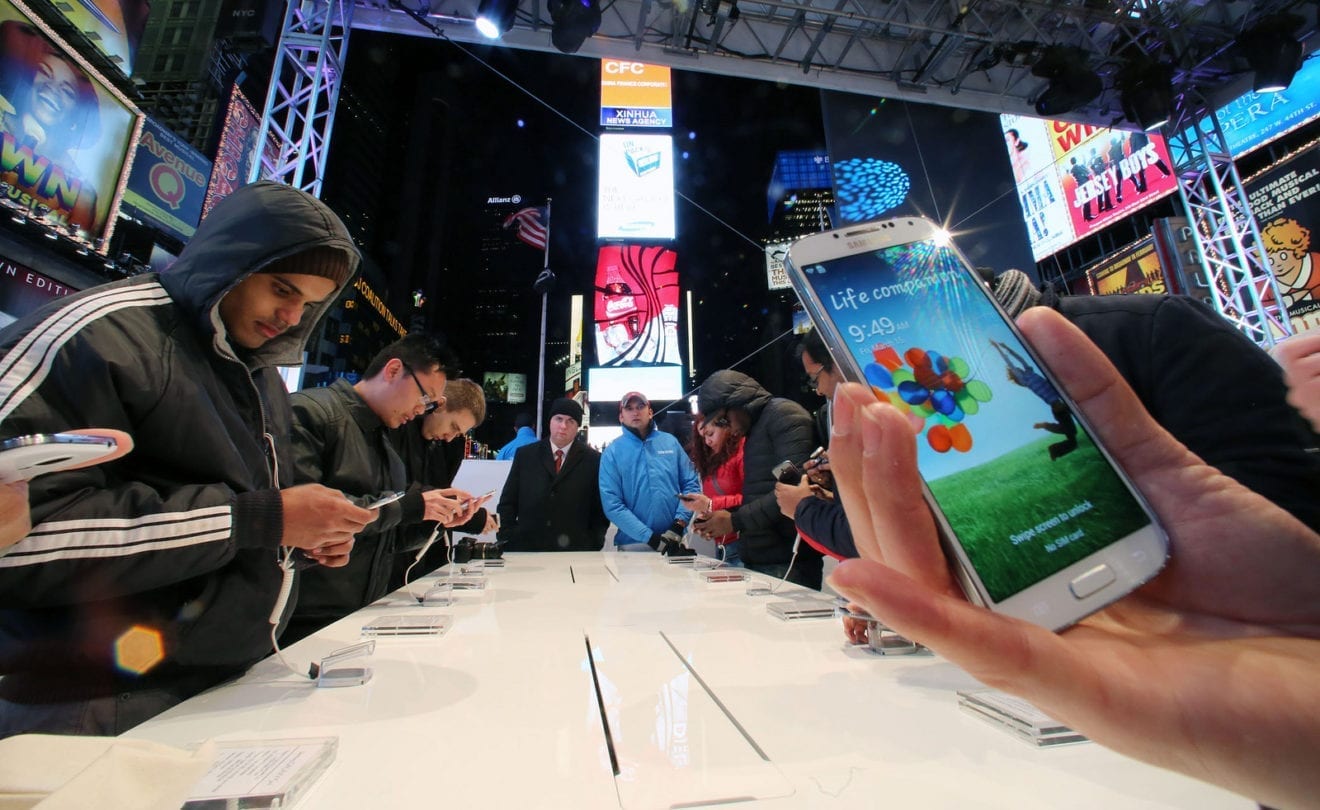
    Samsung Malaysia Electronics has launched its first Samsung Experience Store (SES) in Genting Highlands at the Sky Avenue mall, offering a wide range of the Samsung Galaxy mobile phones as well as a variety of wearables.

    The SES outlet is a one-stop shop that provides customer satisfaction with the best products and services.

    “The opening of the SES is another step forward in our expansion plans to different regions of Malaysia,” said Samsung Malaysia Electronics IT & mobile business unit vice-president Lee Jui Siang.

    “Our aim is to continuously expand our channel coverage, providing consumers a revolutionary digital convergence experience.

    Visitors to Genting Highlands can now experience the full Galaxy ecosystem at the newly opened Samsung Experience Store in the prestigious Sky Avenue mall.

    “With this expansion to Genting Highlands, we want to bring our innovations closer to locals as well as those visiting the country,” he said.

    In celebration of the store’s opening, Samsung offered customers a chance to take home a personalised caricature mug specially drawn using a Galaxy Note5 with purchase of any Samsung product on Jan 14.

    The company also gave away a special edition umbrella for the purchase of any Samsung product.

    Located at Lot T2B-57, Level T2B, Sky Avenue, Genting Highlands Resorts, the SES is now open every day from 10am to 10pm.

    Samsung Malaysia Electronics president Lee Sang Hoon (right) presenting a specially designed caricature mug, drawn using the Galaxy Note5, to Netcom Mobility Sdn Bhd director Elvis Chew as a token of appreciation.

    Samsung Malaysia Electronics president Lee Sang Hoon (right) presenting a specially designed caricature mug, drawn using the Galaxy Note5, to Netcom Mobility Sdn Bhd director Elvis Chew as a token of appreciation.