Category: Electronics

Retail News Asia is committed to providing both local and global retailers with the latest Electronics news throughout the Asian market. This on a daily base.

  • China’s Oppo builds on smartphone success at home with Southeast Asia push

    China’s Oppo builds on smartphone success at home with Southeast Asia push

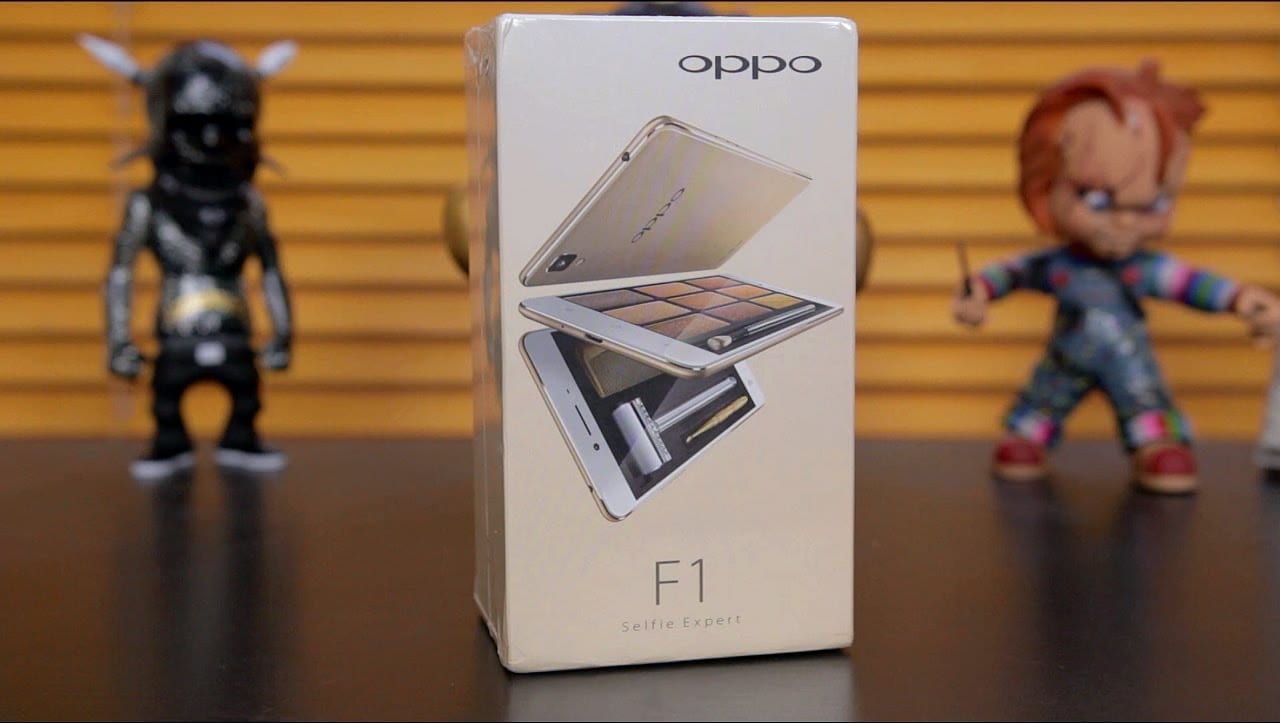
    Chinese smartphone maker Oppo may currently dominate China’s smartphone market with almost one-fifth market share, edging out previous leader Huawei, but the company is already looking to expand even more aggressively into markets such as Vietnam, Indonesia and India.

    Four years ago, Oppo was competing with a sea of rivals, struggling against smartphone giants like Samsung and Apple to gain a slice of the Chinese market. In the third quarter of 2016, the company shipped more than 20 million devices in China, growing over 105 per cent compared to the previous year.

    Just two years after entering the Southeast Asian market, data from market research firms IDC and GFK show that the Chinese smartphone brand has taken the No. 2 spot in both Indonesia and Vietnam.

    “We’re in more than 20 countries and regions, but we are focused on Southeast Asia,” Oppo vice president Alen Wu told in an interview. To market its brand overseas, Dongguan-headquartered Oppo has sponsored variety shows such as X Factor in Indonesia and even cricket tournaments in India, an emerging market for the company.

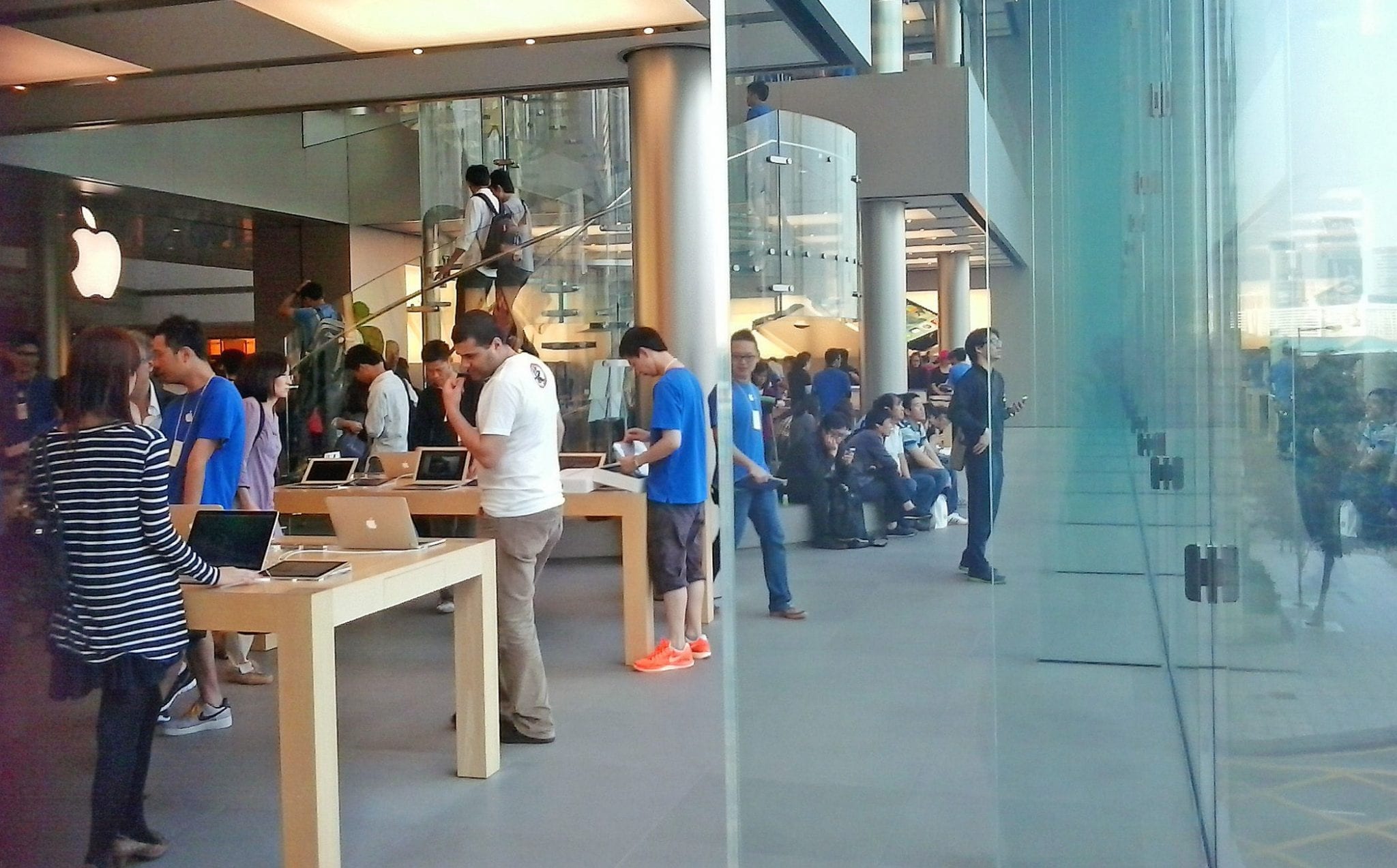
    Across Southeast Asia, Oppo is playing up its offline-focused strategy. The company currently has about 300 retail points and experience stores that it manages directly, on top of many more third-party retailers that stock the popular phone brand.

    Like its strategy in China, Oppo co-operates directly with retailers to provide both training and salespeople to help them sell smartphones. The salespeople help bring in business for the retailers, allowing shops to sell Oppo devices without much effort.

    We already had a relatively mature offline sales network in China because we used to produce DVD players

    The company also has ambitious plans to expand its presence in the India market, where it works mostly with third-party retailers to sell smartphones to local consumers.

    On Thursday, Oppo announced it would build a sprawling 405-hectare industrial park in the northern city of Great Noida, India. The facility will have an annual capacity of 100 million units, according to the company.

    But Oppo’s market domination in China today didn’t come overnight, it was the culmination of years of groundwork, Wu said.

    Unlike rivals like Xiaomi, which first shot to fame in China and later internationally for pioneering the online-only sales model and selling affordable, high-specification smartphones to consumers, Oppo chose to focus largely on its offline strategy and extensive network of offline retailers in China.

    “We already had a relatively mature offline sales network in China because we used to produce DVD players,” Wu said, adding that the company sells its smartphones at more than 200,000 retail points across China. Of those, 6,500 are Oppo’s experience stores.

    “If we come into contact with five customers every day at each store, that’s a million people every day. It’s a huge outlet for customers to interact with our Oppo brand,” Wu added.

    The company, founded in 2001 by Chen Mingyong, first found its roots in selling DVD players, audio speakers, and later the MP3 player industry. In 2006, it decided to expand into the growing mobile phone market, tapping its existing offline retail network to sell its first smartphone in 2011.

    “For Oppo, we managed to control the quality of our devices, right from our very first product,” Wu said. “Many retailers at the time felt that domestic phones were bad quality, they were resigned to that reality. But Oppo’s products surprised them.”

    Today, Oppo is known among consumers for its fast-charging technology, Oppo VOOC Flash Charge, which can charge a phone battery to 75 per cent in just half an hour.

    “It’s important to find out the painful points for users,” Wu said. “You have to capture their needs before you proceed, find out what needs have not been fulfilled.”

    For Oppo’s target market of millennials, battery life turned out to be one of the biggest issues. But rather than waiting for a breakthrough in battery technology, Wu said the solution was to come up with innovative technology that works around it. To reduce charging time, Oppo increased the current on its proprietary VOOC charger.

    Xiaohan Tay, IDC senior market analyst for client devices research, said Oppo’s offline channel has proved to be an important strategy for the company.

    “In the earlier years when vendors depended on operator subsidies to grow, Oppo was clear in its direction and focused on expanding its offline channels,” said Tay.

    “It also has key strengths such as its VOOC fast charging technology and in the elegant design of its phones. This, coupled with its aggressive marketing tactics, helped it succeed in the market.”

    Wu attributes the success Oppo has achieved today to cumulative efforts, and the laying of a solid foundation for steady growth over the years. Oppo employees often speak of “benfen” – Mandarin for “doing your part” – which comprises a large part of Oppo’s corporate culture.

    “At Oppo, we do what we must to constantly improve and refine operations. Only if your operations are done well can you achieve results,” Wu said. In other words, focus on what needs to be done, and success will follow.

    Oppo never placed its priority on sales, profit, or even ranking in the smartphone market, he said.

    “If you chase these numbers, you may deviate from your original plans … you could lose track of what is beneficial for the business,” he added. “For Oppo, we just focus on doing what’s best for our customers.”

    The company’s rapid ascent has edged out companies like Xiaomi, which was once the darling of the Chinese smartphone industry. In the third quarter, Xiaomi’s market share had fallen to 8.7 per cent, a 42 per cent decline from the previous year, according to data from IDC Asia-Pacific. Apple also saw its market share shrink to 7.1 per cent from 11.4 per cent a year earlier as demand remains tepid for its iPhone 7.
  • Lotte agrees to leverage IBM’s Watson for retail

    Lotte agrees to leverage IBM’s Watson for retail

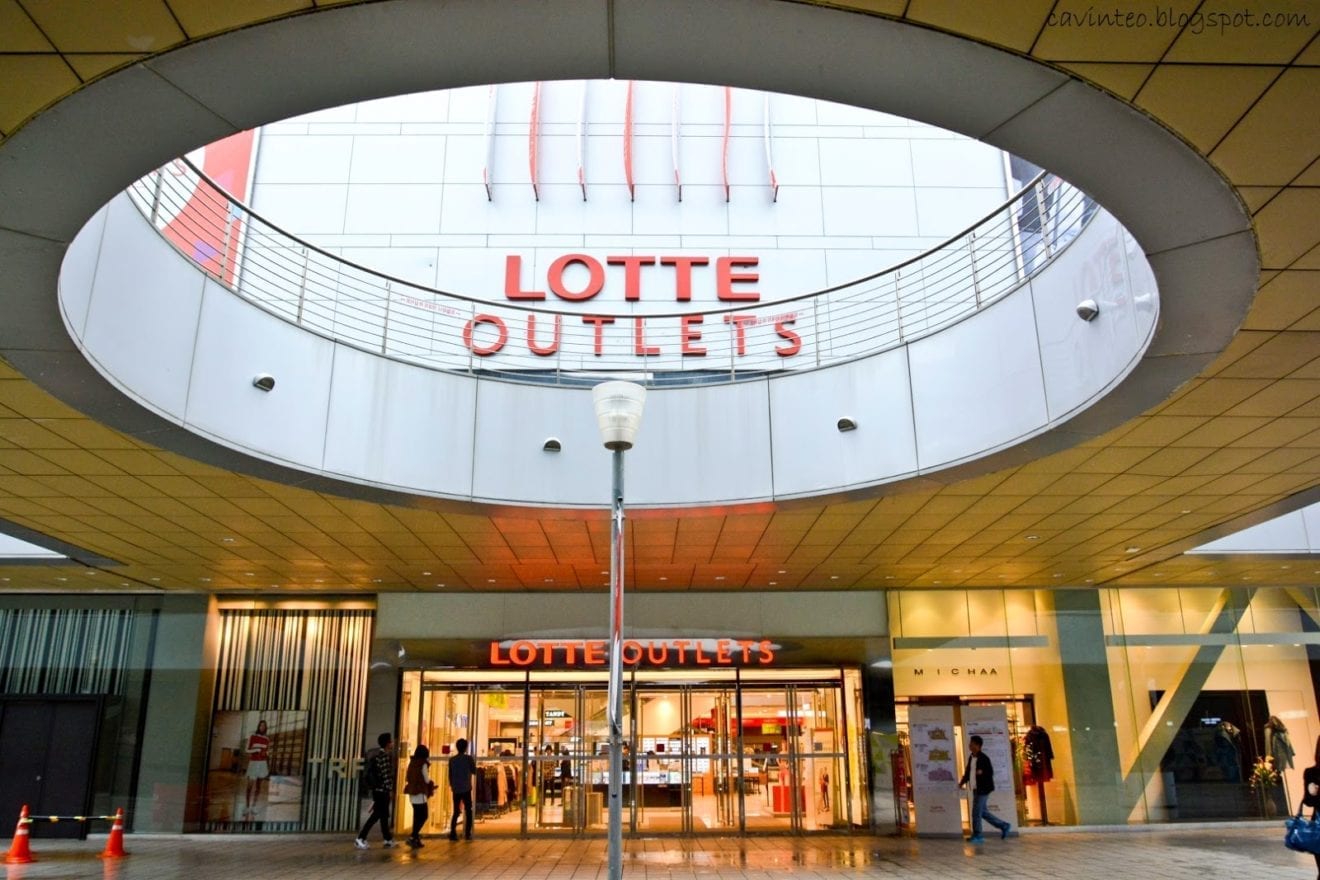
    IBM has signed an agreement with the Lotte Group to provide cloud-based IBM Watson solutions to help the Group deliver innovation across the business and become a world-class retail company.

    Lotte Group represents the country´s largest retailer in a highly competitive retail market and is one of Korea´s top five companies, providing products and services to its customers through online channels, mobile services and offline department stores, marts, convenience stores and duty-free shops.

    Lotte Group will use Watson technologies to maximize insights from the huge amount of structured and unstructured customer data collected through its various channels, including the Lotte Members program, deriving valuable learnings about customer preferences and product feedback. With a deeper understanding of its data, Lotte will be enabled to offer more personalized services to customers, consistent product information and expert advice tailored to individual customer needs.

    This agreement prioritizes two “Artificial Intelligence Innovation Themes” for which to apply Watson. Lotte and IBM will team to create an ´Intelligent Shopping Advisor´ for customers and an internal employee ´Cognitive Business Decision Advisor´ for the Group´s retail affiliates.

    The ´Intelligent Shopping Adviser´ will be first introduced to Lotte´s department stores. Customers will have their own virtual personal assistant offering help from product recommendations, shop location guidance, to support for online pickup service. Customers will benefit from greater convenience and an enhanced customer experience as they interact, in natural language, with a service that understands the questions asked, in the context of the individual shopper´s needs.

    IBM will collaborate with teams from the Lotte Information & Communications and the Lotte Members affiliates for IT system support services, data integration and data analysis. Within the next five years, Lotte plans to build and upgrade its artificial intelligence-based application for business innovation to support personalized services throughout the customer life cycle. These initiatives are part of Lotte Group´s technology roadmap to expand the introduction of IBM Watson to all affiliates from retail to food, chemical, tourism and finance.

    Lotte is based in Korea and has nine affiliates and 120,000 employees.

    Watson represents a new era in computing called cognitive computing, where systems understand the world in a way more similar to humans: through senses, learning, and experience.

  • LeEco Cuts 60 Jobs In Hong Kong

    LeEco Cuts 60 Jobs In Hong Kong

     LeEco may be one of the best-known Chinese smartphone vendors globally after Lenovo, Huawei and Xiaomi, but the company has been in severe financial stress in recent times. The Beijing-based firm recently ventured out of China to establish a global footprint, and towards that end, have entered quite a few new markets over the past couple of years, including India and the U.S.

    However, even as LeEco was marching ahead with its global ambitions, its holding company, Leishi Internet Information and Technology Corp, was struggling financially, with its shares recently halted from trading at the Shenzhen Stock exchange. LeEco itself has been facing a severe cash crunch, with the company’s CEO, Mr. Jia Yueting, even admitting that the expansion efforts “have gone too far”.

    With its finances starting to become a major issue, LeEco was recently rumored to have laid off 1,400 of its employees globally, with the bulk of the job cuts coming in India. While about 200 people at LeEco’s sports video-streaming subsidiary, LeSports, lost their jobs in China as part of an organizational restructuring, almost a thousand LeEco employees were reported to have been laid off in India, mostly in the company’s sales and retail divisions. Reports out of Hong Kong now suggests that the company is also laying off as many as 60 of its employees in its Hong Kong office, although, its existing businesses and membership services will all reportedly continue to function as usual.

    Even in the midst of all this doom and gloom, though, there is a glimmer of hope for LeEco if a recent interview by a senior company executive is anything to go by. According to the president of LeEco’s smart TV business, Mr. Liang Jun, the company has received a fresh round of funding from strategic investors, although, he’s refused to give out any specifics about the reported investments until now. Meanwhile, even though the company’s finances are in a mess right now, reports indicate that at least three LeEco devices with model numbers LE X920, LE X850 and LE X622 are all set to be launched in the coming months. Right now, there’s no timeframe for the launch, but it should happen sooner rather than later if everything goes well from here for the struggling company.

  • Apple allegedly deepening partnership with Foxconn

    Apple allegedly deepening partnership with Foxconn

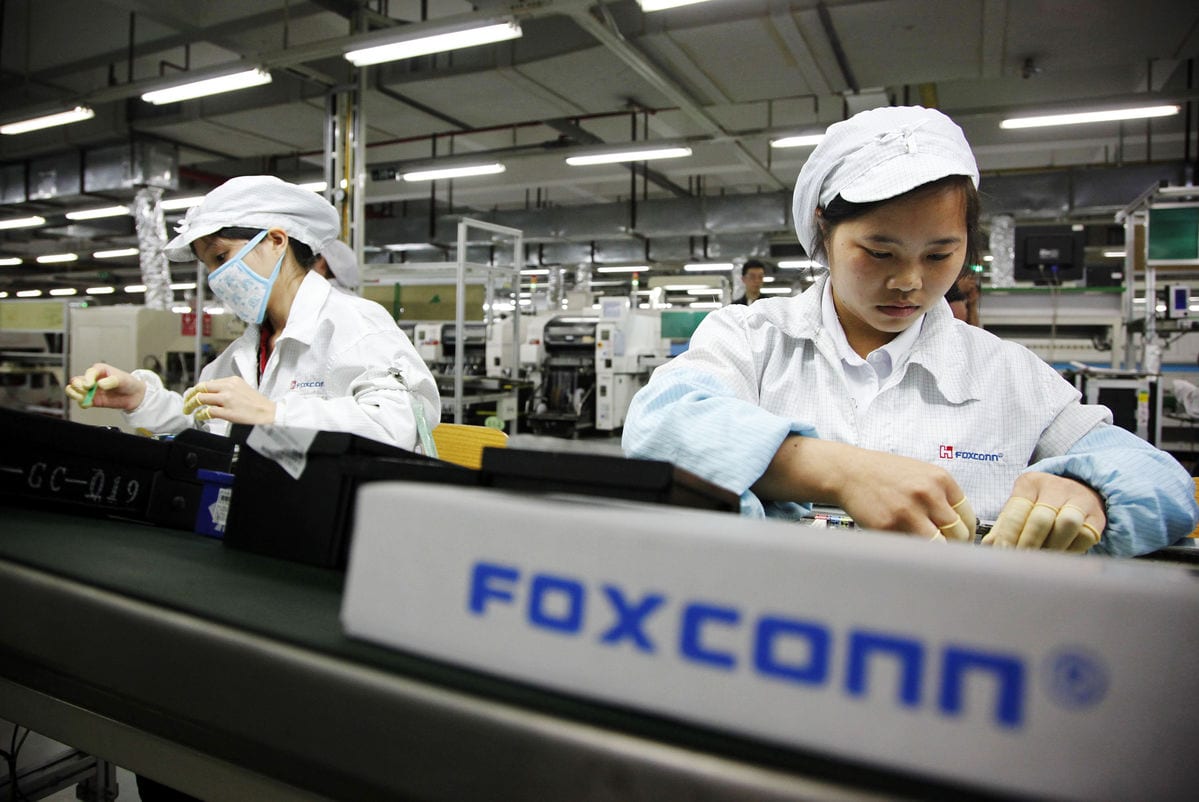
    Apple is turning to manufacturing partner Foxconn to facilitate efforts to expand both research centers and business further into Southeast Asia, and open up facilities in China and Indonesia, according to recent reports

    Foxconn has been manufacturing for Apple for over a decade. While Apple’s Indonesian presence is somewhat limited at the moment, Foxconn has been in Indonesia for several years.

    Not clear is what assistance Foxconn may specifically give Apple, beyond access to already-forged business arrangements with local suppliers and businesses.

    In late November, Indonesian Communication and Information Minister H.E. Rudiantara said that the country’s Communication and Informatics Ministry was “finalizing the plan” for an Apple-led research center in Jakarta. Apple has reportedly already selected a few locations in the country for the center.

    Earlier in the year, Chinese media reported that Apple is launching its first research and development center, located in technology incubation area Zhongguancun Science Park, Beijing. According to reports on the matter, the center has a budget of about $15 million, with a long-term expenditure goal of $45 million over the next few years. The center is allegedly seeking to hire around 500 workers, with no particular focus beyond Apple products and software.

  • Vietnamese prefer the most luxurious smartphones

    Vietnamese prefer the most luxurious smartphones

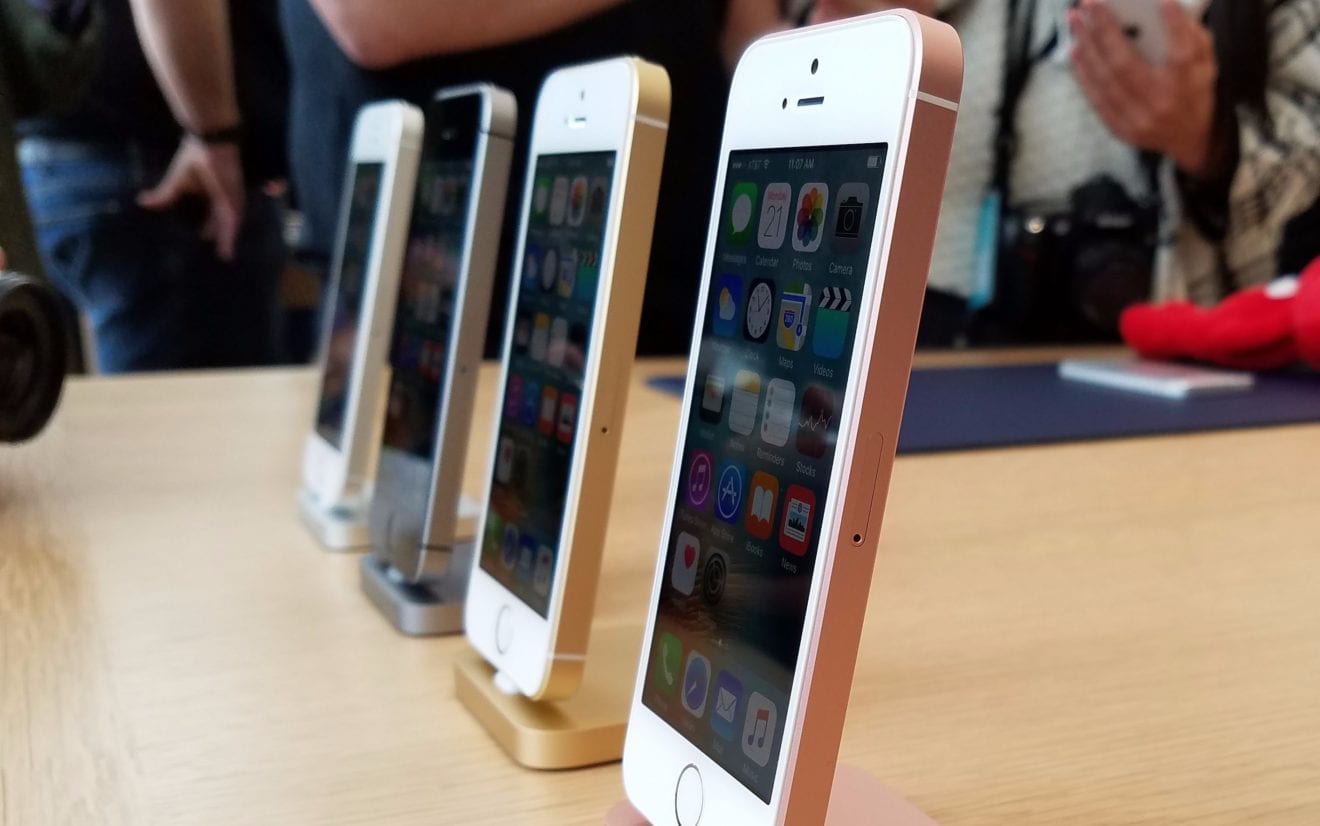
    USA Today reported that the ratio of iPhone 7/iPhone 7 Plus buyers in the US when the model hit the shelves was 55/45. The situation is the opposite in Vietnam. The representative of the biggest smartphone retail chain in Vietnam said the ratio of iPhone 7/7 Plus sold had been 35/65 by early December 2016.

    The same thing occurred with Samsung Galaxy S7 and S7 Edge. The most prestigious distribution chains all reported that 80 out of 100 buyers chose curved-screen S7 Edge, while only 20 wanted a S7.

    The distributors say that Vietnamese tend to choose premium versions instead of the standard ones if manufacturers market two models.

    iPhone 7 Plus is now sold at VND22.3 million for the 32 GB version, while the highest price of VND28 million is applied to the 256 GB version. Galaxy S7 Edge is priced at VND17 million though it has seen sharp price decreases. Vietnamese, who have an average income of over $2,000 per annum, prefer premium versions to standard ones. Sony once witnessed the same with Xperia Z and ZL.

    Xperia Z was among the best sellers in 2013 thanks to the luxurious design with glass cover, while ZL with plastics cover could not catch users’ eyes and it nearly disappeared from the domestic market.

    In mid-2016, LG was once heavily criticized when it intended to bring the LG G5 version with Snapdragon 652 and RAM 3 GB instead of the one with RAM 4 GB and Snapdragon 820.

    A branding expert said that Vietnamese tend to choose the best ones despite high prices. They also spend several millions of dong more to buy scooters instead of motorbikes.

    Meanwhile, Lac Huy from CellphoneS, a distribution chain, said that consumers prefer iPhone 7 Plus because of the larger screen, stronger battery and better camera.

    “Apple is a big name. Its design and appearance look luxurious. Therefore, it is favored by Vietnamese, who just want the product which can help them show off, rather than the product which can help fulfill their work,” an analyst said.

    “This explains why many Vietnamese buy iPhones, even though they never intend to learn about the features of the smartphone and they just send messages and make calls with the iPhones,” he said.

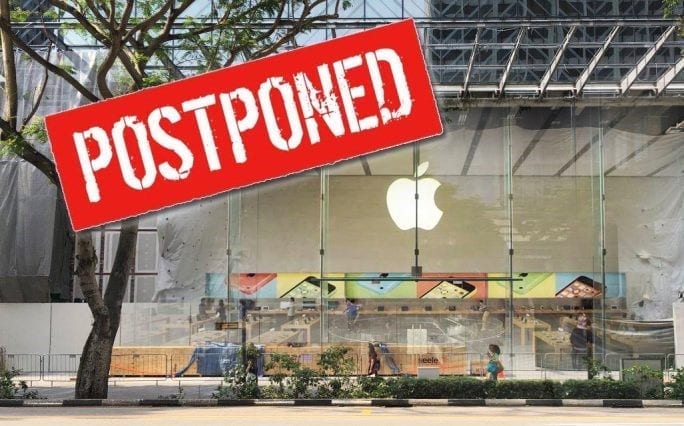
  • Opening of Singapore first Apple Store gets pushed back indefinitely

    Opening of Singapore first Apple Store gets pushed back indefinitely

    Back in July, Singaporeans were thrilled by the news that our very first Apple retail store was set to open in November at Orchard Road’s Knightsbridge Mall.

    With Apple products only available to Singapore dwellers via authorised resellers (Nübox , EpiCenter) and Apple’s online store, the opening comes as a very welcomed surprise to both Apple fans and tech enthusiasts alike.

    The facade of the store, albeit still very much under renovation, was also observed by local Apple blog My Apple Singapore to potentially have the trademark front-facing glass panels that international Apple retail stores possess.

    What was also exciting, especially to us, were the possibilities of how an Apple retail store in Singapore would turn out, given that the company is known for designing its stores so as to “become one with the community [it is in]”.

    And it’s not just in the superficial – Apple stores in Japan are also known to participate in the Japanese New Year’s Fukubukuro (“lucky bag”) tradition, giving out bags containing random Apple products at highly discounted prices.

    At that point of time, we were a mere few months away from the unveiling of a shiny new store which could, pardon the reference, make shopping in Singapore great again, but the projected date (and month) has already come and passed…and we’re still far from picking out Apple products over the counters.

    From 31 Oct, To 30 Jan, To…

    Last month, The Straits Times came bearing the bad news that the store “will likely not open in time for Christmas this year”.

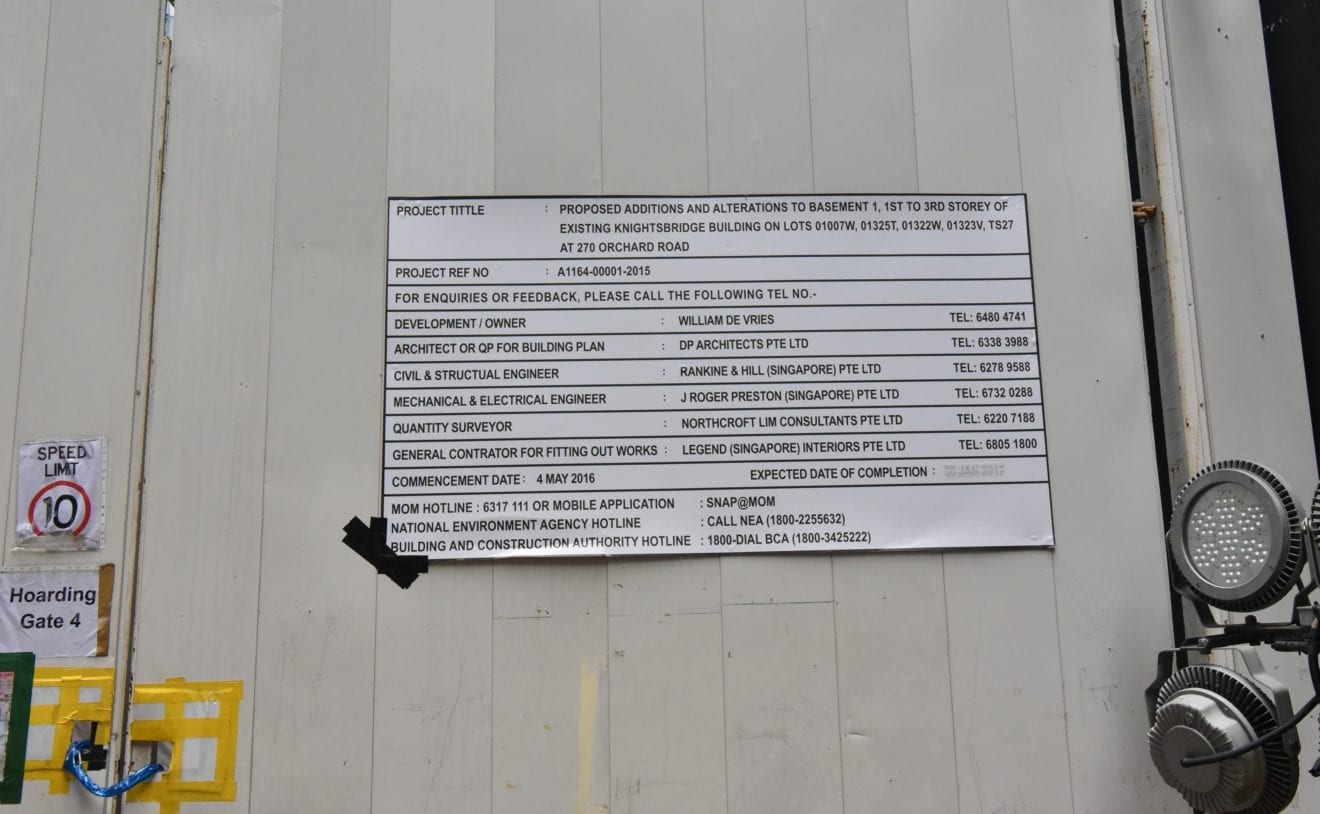
    The information board at the location showed an updated expected completion of Jan 30, 2017, and comes as a 3-month delay from the previously stated Oct 31, 2016.

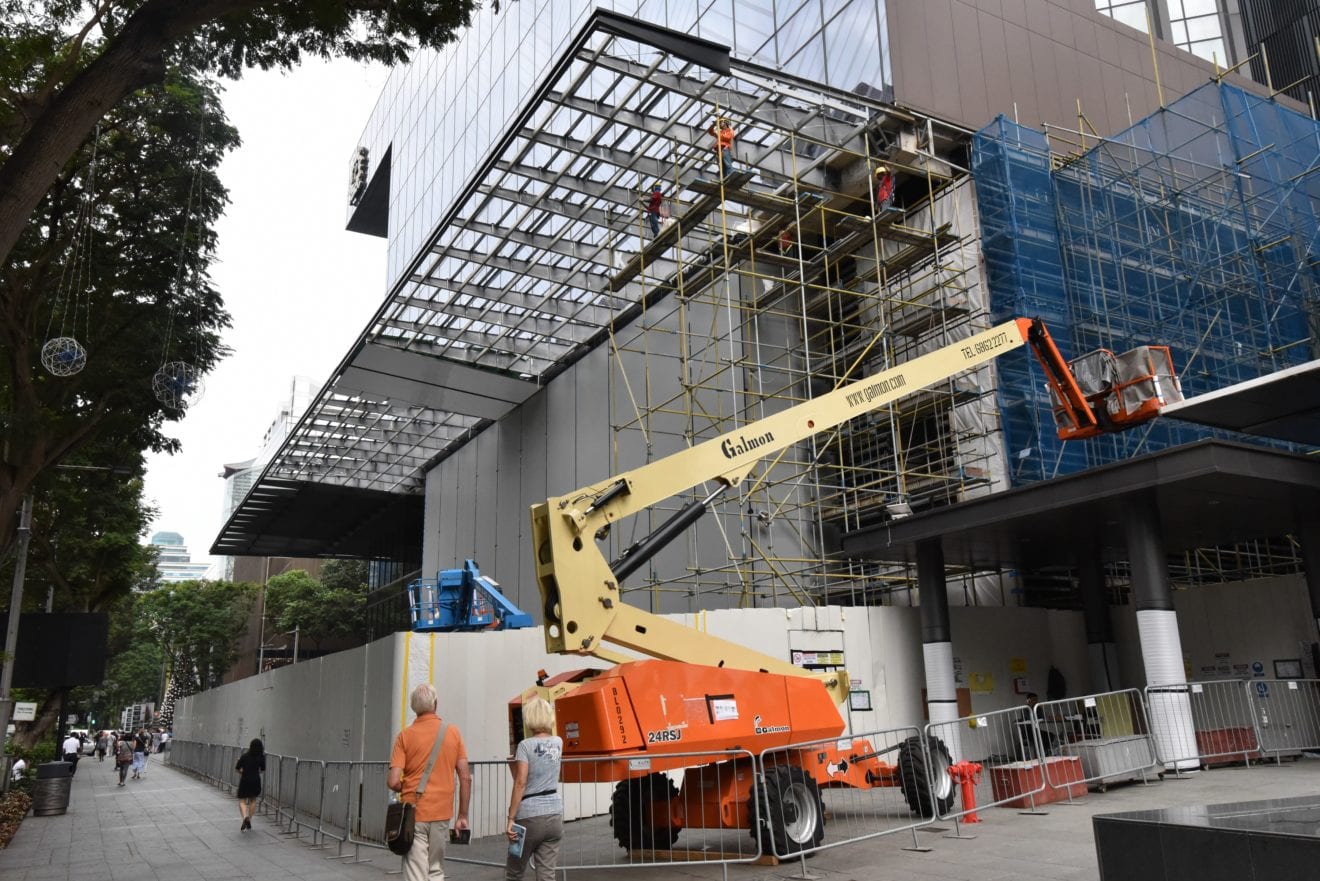
    The store was also observed to be “still covered by white construction hoarding, with construction canvas draped over the exterior’s glass panels” – not exactly the most promising sign.

    Photo of the store’s information board in Nov 

    But that’s not the end of it.

    According to a report last week, the date has now been covered up, making the date of completion pretty much indefinite.

    After a check with workers and security guards at the site, the report found that the delays were “unavoidable after the site was issued with a three-week stop-work order in late October”.

    This was confirmed by the Ministry of Manpower (MOM), which revealed that the order was meted out on Oct 24 due to “unsafe conditions relating to work at height, traffic management, scaffolding, electrical installation and lifting operations that were observed during an inspection at the worksite”.

    Was The First Predicted Date Of Completion Too Optimistic?

    Given that a 3-week delay would’ve definitely caused a break in construction, the pushing back of the date of completion not once, but twice, might suggest that the first predicted date of completion (Oct 31) might have been a stretch in the first place.

    But then again, according to industry observers who has been interviewed, delays “are not uncommon [given] Apple’s emphasis on customer experience in its flagship stores”.

    Regardless, We do hope that the site is now much safer for the workers (given that this year has seen a rise in workplace deaths, and is an issue we shouldn’t ignore anymore), and that we also get an update soon.

    And this time, a more accurate one.

  • Samsung Vietnam develops intensive language programe

    Samsung Vietnam develops intensive language programe

    Samsung Electronics Việt Nam (SEV) in association with University of Social Sciences and Humanities and the University of Languages and International Studies on Saturday held a ceremony to mark completion of the 14th Korean language course.

    The course was taken by outstanding employees at SEV and Samsung Electronics Việt Nam Thái Nguyên (SEVT) plants.

    The programme is a part of SEV’s sustainable development plan to contribute to the country’s high quality human resource development in general and to provide Samsung’s employees opportunities to learn and improve their capabilities.

    The programme is undertaken by Samsung annually for free for its employee, with the company spending nearly VNĐ50million (US$2,200) spent per trainee, and is exclusive for employees performing exceptionally well in the SEV and SEVT plants.

    Each course, which continues for 12 straight weeks, will be taught by Korean lecturers and Vietnamese teachers with PhD and master’s degrees from the two leading universities.

    On returning to work, the employees can practice their intensive Korean skills at their department by self-study or through spending time with Korean dispatchers. Following the 12-weeks course, all trainees will get the opportunity to obtain the TOPIK certificate. All the trainees are provided with training, accommodation and meals for free.

    “We believe every Samsung employee comes here not just to work, but to also get an opportunity to develop soft skills and hard skills for their personal development. Therefore, their development is a high priority within the company. We hope through these training programmes, our Vietnamese employees will be more proactive and confident in the global working environment and develop solid skills during the management process in the future”, Cho Hoseok, general director of Human Resources, said.

    Established in 2014, Samsung has organised 14 Korean training courses for nearly 250 employees. Samsung expects to host another six training courses for 120 employees next year.

    Samsung has also established several training programnes for management levels, as well as the entire staff body at the two factories.

  • BlackBerry has no plans to move BBM servers to Indonesia

    BlackBerry has no plans to move BBM servers to Indonesia

    Back in June, BlackBerry announced a new partnership with Indonesia-based Emtek to help expand the consumer BBM business. Since then, several inaccurate articles have come out about who now owns BBM and most recently, several outlets published articles noting that BlackBerry would be moving BBM server(s) to Indonesia. Looking to clear the air surrounding that information, BlackBerry COO Marty Beard, has taken to the Inside BlackBerry blog to lay out the situation accordingly.

    In June, we struck a partnership with Indonesia’s leading media company, Emtek, to license the rights to develop and offer cross-platform BBM.

    The goal was to better serve our many BBM users, and, in particular, our 60 million monthly active users in Indonesia, by working with a trusted partner who we know can accelerate the delivery of new features and services for BBM. That goal has been more than met – see all of the new security features, mobile shopping offerings, mobile games, and more that have become available on BBM in the last several months.

    However, we’ve read some inaccurate press reports that tell a different story and we want to bring the facts to light. First of all, let’s be clear. BlackBerry owns 100% of BBM. We have merely licensed the rights to the Android, iOS and Windows Phone versions of BBM to a newly formed subsidiary of Emtek named Creative Media. BlackBerry maintains direct control over the BBOS and BlackBerry 10 versions of BBM, as well as BBM Enterprise (formerly BBM Protected).

    Businesses running BBM Enterprise for the ultimate in high-security mobile communications can remain confident that there will be no changes, disruptions or degradation of their service. It is also important to note that there are NO plans to move any BBM infrastructure, including BBM servers located in Canada and the U.S., to Indonesia, contrary to what the Head of Creative Media apparently communicated to the media.

    BlackBerry and Emtek are 100% aligned on their vision to advance BBM for consumers and on making sure our many Indonesian users continue to have the best experience possible. We remain extremely committed to Indonesia and our fans there. To that end, we have ensured that Indonesian consumers will have ready access to our handsets through our partnership with PT BB Merah Putih..

  • Samsung Maintains its Market Dominance followed by OPPO and ASUS in Indonesia

    Samsung Maintains its Market Dominance followed by OPPO and ASUS in Indonesia

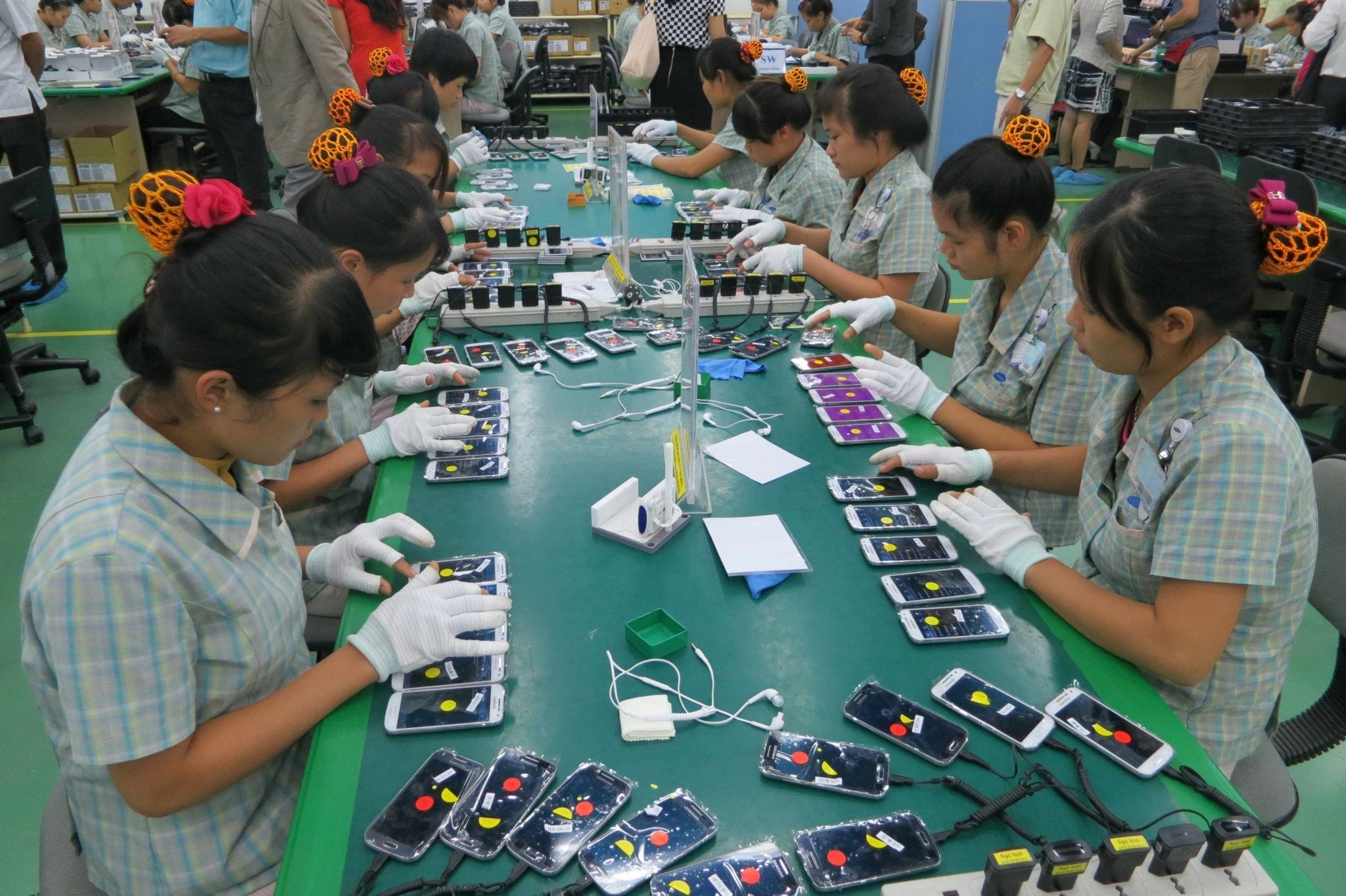
    According to International Data Corporation’s (IDC) latest Quarterly Mobile Phone Tracker, total smartphone shipment in Indonesia in 2016Q3 recorded a slight Quarter-On-Quarter (QoQ) drop of 7% but still showed a moderate increase of 4% over the same period last year. “After the peak season of Lebaran ended, a stretch of quiet business begun in 2016Q3 which forced smartphone vendors to lower their shipment and focus more on improving the sales performance as well as laying the groundwork in anticipation of the peak shopping season in 2016Q4.” Says Reza Haryo, Senior Market Analyst, Client Devices, IDC Indonesia.

    Key highlights in the Indonesian smartphone market in 2016Q3 include: 

    US$250<US$300 price band segment grew significantly, which was contributed by the traction of OPPO’s F1s and Samsung’s Galaxy J7. However, when considering the Indonesian market as a whole, the US$100<US$200 segment remained the sweet spot, thanks to the demand for entry level 4G phones which usually offers the combination of 2GB ram and 16 GB internal storage.

    The share of 4G phones have also increased from 58% in 2016Q2 to 68% in 2016Q3 and had 8% sequential growth. This is largely due to the fact that telco service providers have been competing to expand their market share in a bid to capitalize on the growing number of smartphone users in the country through data bundling packages. In line with this expansion, the portion of smartphones sold in telco channel has also increased 22% YoY.

    “Indonesians use smartphones for entertainment purposes such as social messaging, video streaming, gaming, as well as browsing. Hence, there is a demand for the larger screen sized phones and the share of phablets have increased from 11% in 2015Q3 to 16% in 2016Q3. Most of the volumes came from major vendors such Samsung, OPPO and Asus. Samsung’s Galaxy J7, OPPO’s F1s and ASUS’ Zenfone Selfie were among the most popular models.” Adds Haryo.

    Top Five Vendor Highlights in 2016Q3 

    Samsung’s consistent marketing campaigns in retail shops enabled the vendor to increase shipments despite having a slower demand. This also extended the gap between the market leader and its competitors. The fallout from the Note 7 incident had relatively little impact on its brand perception in Indonesia.

    OPPO decreased sequentially relative to the non-peak period but still maintained its aggressive online and offline marketing activities. OPPO’s direct to retail strategy with various marketing supports continued to allow OPPO to increase its retail presence.

    Asus continued to rely heavily on the affordable Zenfone Go but the lack of marketing efforts throughout the quarter brought about its decline in the market.

    Advan introduced 8 low-cost 4G models in 2016Q3 alone. 4G models have been quick to pick up, partly thanks to the local vendor’s marketing activities heavily focusing on retail channels.

    Smartfren. As a local vendor that also operates as a telco provider, Smartfren tried to book more revenue from data services and recorded a 17% sequential decline for its smartphone shipment. Aside from bundling programs with leading smartphones such as the Samsung J Series, Smartfren have been consistent in promoting their Mifi product with attractive bundling program.

    Lenovo decreased sequentially relative to the non-peak period choosing to focus on sell-out instead. A6000, A1000 and A2010a were their top 3 models shipped in 2016Q3 in terms of units.

    Overall Positive Outlook for Indonesia

    IDC maintains the forecast for 2016 as the market is expected to expand significantly in Q4 and high demand during the festive season will allow vendors to increase shipment volume to reach targets. In addition, the continuous economic improvement from heavy infrastructure investment will continue to boost the Indonesia economy.

    The Local Content regulation (TKDN) is getting more accepted in a sense of clearer approach. A number of vendors including Xiaomi, LG, and Blackberry have now showed commitment to comply with this regulation. In the short term, it is expected that the industry will be focusing on local assembly but the challenge remains from the inadequate component supply chain ecosystem. But in the longer term, depending on the effectiveness of incentives provided by the government, more component manufacturers could move to Indonesia. This means that vendors would need to be prepared to have end-to-end manufacturing in Indonesia instead of just assembly. Hence, we expect that the future outlook will remain positive for 2017 onwards,” ends, Haryo.

    Channel dynamics

    With the intense competition and relatively low demand in 2016Q3, it caused vendors to put their utmost focus on liquidating stocks through improvement to their channels. The Direct to retail approach by cutting down the intermediaries has proven to help the sell-out of OPPO. IDC believes smartphone vendors will try to replicate this distribution strategy soon but this will require a strong retail relationship which only the larger vendors will be able to execute given the large volumes that they have and that they are more established in the market.

    Telco collaboration

    “Telco providers need to challenge the status quo and find ways to innovate as their core business continues to be pressured by over the top players which could be significant threats in revenue loss even as mobile data traffic grows exponentially. With an advanced network infrastructure and strategic partnership between telco providers, over the top players and hardware vendors, IDC believes that Telco providers and smartphone vendors can leverage the increasing demand for over the top players to drive up ARPU as well as brand exposure,” ends, Haryo.

  • Toshiba ropes in RPTech as a service partner

    Toshiba ropes in RPTech as a service partner

    Toshiba Electronics Asia (Singapore) Tuesday roped in RPTech Care Center, a service division of Rashi Peripherals a its service partner for India.

    RPTech Care Center will be managing Toshiba India Private Limited (TIPL) service needs and this alliance is aligned with Toshiba’s commitment to serve the customers by offering superior after-sales service, the two companies in a joint statement said.

    RPTech has more than 50 service centers spread across large cities in the country.

    “Being an international legendary brand that is committed to people, we believe in offering world-class quality and inventive products to our customers,” Polad Garda, country head, Toshiba India said.

    Further with our alliance with the RPTech Care Center, we are keen to offer our customers an excellent after sales service experience and satisfaction, Garda said, adding that it was a driving step to allow our customers with numerous alternatives and reduced turnaround time.

    “RPTech Care Center has well-built and dedicated service capabilities and post sales service systems,” Rajesh Goenka, Vice President, Rashi Peripherals said.

  • BlackBerry, TCL sign smartphone licensing agreement

    BlackBerry, TCL sign smartphone licensing agreement

    BlackBerry has agreed to license its brand to China-based handset manufacturer TCL Communications.

    The companies entered a licensing agreement last week which will allow TCL to design, manufacture and distribute BlackBerry-branded phones globally going forward. The devices made by TCL will be coupled with BlackBerry’s security software and service suite.

    “BlackBerry will continue to control and develop its security and software solutions, serve its customers and maintain trusted BlackBerry security software, while TCL will manage all sales and distribution and serve as a global distributor of new BlackBerry-branded mobile devices along with dedicated sales teams,” the company said on Thursday.

    The agreement is the struggling Canadian smartphone maker’s first licensing deal since its announcement to transition to a software company.

    BlackBerry said in September that it would stop producing its smartphone hardware and concentrate on software, a decision which followed a year-long review of the potential profitability of the company’s hardware business by CEO John Chen.

    The new agreement will give TCL, the fourth-largest handset maker in North America, the right to make and sell BlackBerry-branded smartphones in all countries except India, Sri Lanka, Nepal, Bangladesh and Indonesia, where BlackBerry has already struck local licensing deals.

    Prior to this licensing deal, BlackBerry launched two smartphones – the Android-based DTEK50 and DTEK60 – in September and November respectively, which were made under an agreement with TCL.

    Industry watchers said this deal might be a boost for BlackBerry from a short-term financial standpoint by reducing BlackBerry’s operating risk, working capital requirements and potential R&D spend which would have otherwise gone into designing new phones.

    While the deal has an upside, it also exposes BlackBerry to a different kind of a security risk that might drive security-conscious consumers away from the brand and eventually hurt sales.

  • Uncertainty continues over opening date of Apple’s first store in Singapore

    Uncertainty continues over opening date of Apple’s first store in Singapore

    Apple fans who have been looking forward to the tech giant’s first brick-and-mortar store in Singapore may have to wait a while longer, with the completion date of construction work at its expected location along Orchard Road apparently pushed back.

    According to an information board put up outside the construction site at Knightsbridge mall, the latest expected completion date of Jan 30, 2017 – already a three-month postponement from the previous date of Oct 31, 2016 – was covered up, with no new date provided.

    The information board with details on the expected completion date seen outside the construction site at Knightsbridge mall on Dec 9, 2016.

    A check with workers and security guards at the site noted that the ongoing construction work is unlikely to wrap up by next month. One construction worker said that delays were unavoidable after the site was issued with a three-week stop-work order in late October.

    In response, a spokesperson from the Ministry of Manpower (MOM) confirmed that it did issue a full stop-work order to the work site’s contractor on Oct 24, citing “unsafe conditions relating to work at height, traffic management, scaffolding, electrical installation and lifting operations that were observed during an inspection at the worksite”. A separate check on MOM’s website showed that the stop-work order was issued against Legend (Singapore) Interiors Pte Ltd.

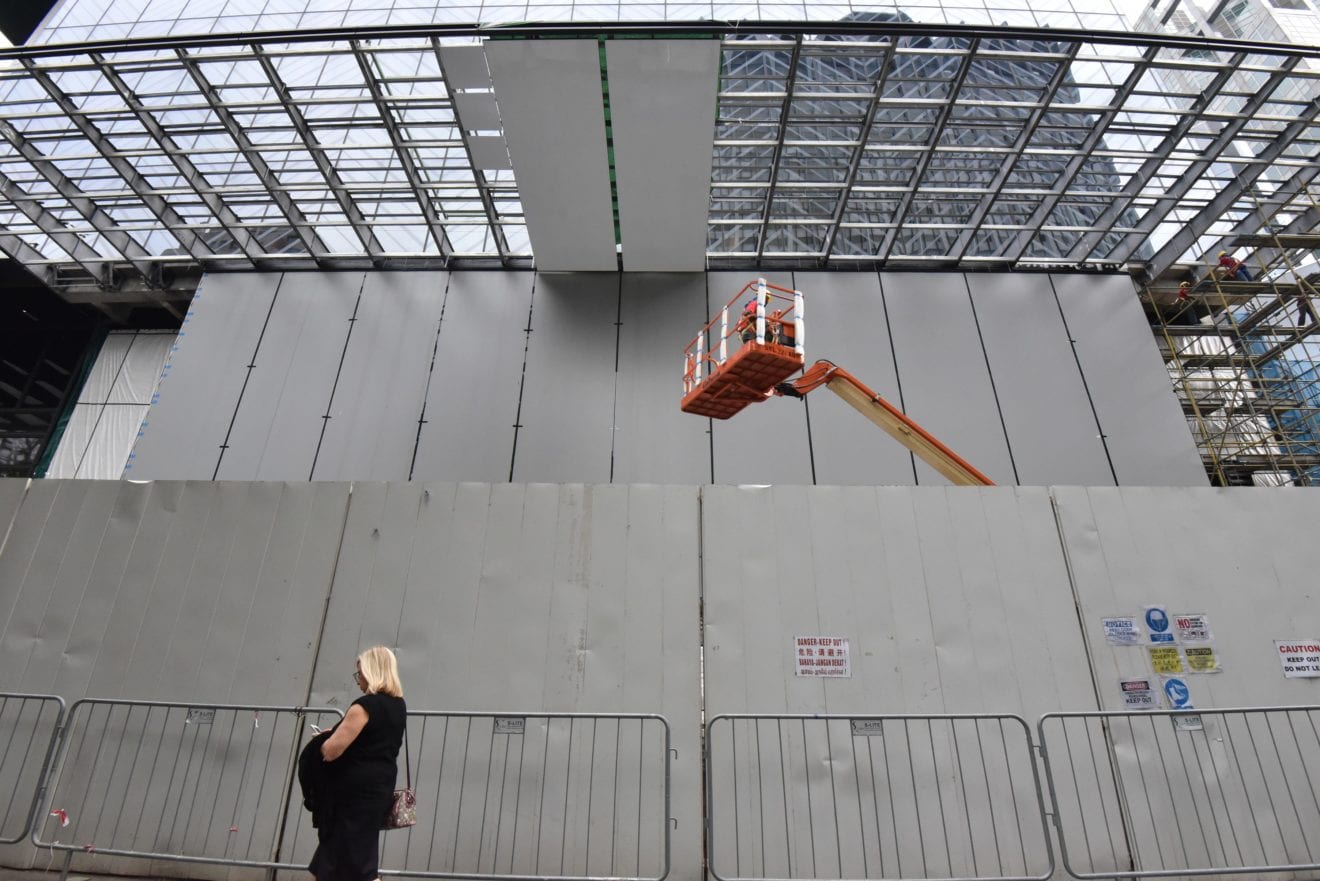
    MOM said the order has since been lifted, and when this reporter visited the site on Dec 9 and Dec 13, workers could be seen working on the sides of a three-storey-high facade covered up by grey-coloured boards.

    Apple declined to comment. It also declined to reveal an official opening date for the store or provide an update for the number of employees it is hiring locally.

    Its senior vice president of retail and online stores, Angela Ahrendts, confirmed last November that the tech giant had begun hiring staff for its retail store in Singapore.

    The store, which is expected to take up four levels at Knightsbridge mall, will be Apple’s first physical retail presence in Singapore, as well as Southeast Asia. Apart from an online store, Apple currently sells its products via authorised premium resellers such as EpiCentre and Nubox in Singapore.

    Speculation about the Singapore’s first Apple store emerged in October last year, when fitness club Pure Fitness informed its members that it would be shuttering its four-storey gym facility at Knightsbridge mall to make way for a “future Apple store”.

    So far, there have been few details about the retail outlet apart from a statement released last November noting that the Apple Store will be powered by solar energy from developer Sunseap Group.

    As for the exterior, a previous post by local blog My Apple Singapore wrote that wooden crates bearing the logo of German glassmaker Seele were placed outside the construction site in July. Given that Seele has been providing Apple with the glass panels for its overseas stores, the upcoming store in Singapore could be fitted with a similar glass facade, according to the blog, which began tracking developments at the construction site since last November.

    Ongoing construction work seen at the site of Apple’s first retail store in Singapore at Knightsbridge mall on Dec 9, 2016

    Construction work for the store commenced in May this year, according to the information board, and was initially expected to be completed by Oct 31.

    SUCH DELAYS “NOT UNCOMMON”

    However, industry observers said that such delays are not uncommon given the work required to fit out a huge space and Apple’s emphasis on customer experience in its flagship stores.

    “For a huge flagship store occupying 30,000 sqft of prime space along Orchard Road, some degree of fit-out delay is not uncommon given the complexity of the design and layout,” said Cushman & Wakefield’s research director Christine Li.

    “Plus, we are talking about the world’s most valuable brand – a brand that pays a lot of attention to detail and strives to be perfect. So, I think they want to make sure they don’t rush into things and that everything is in order,” she added.

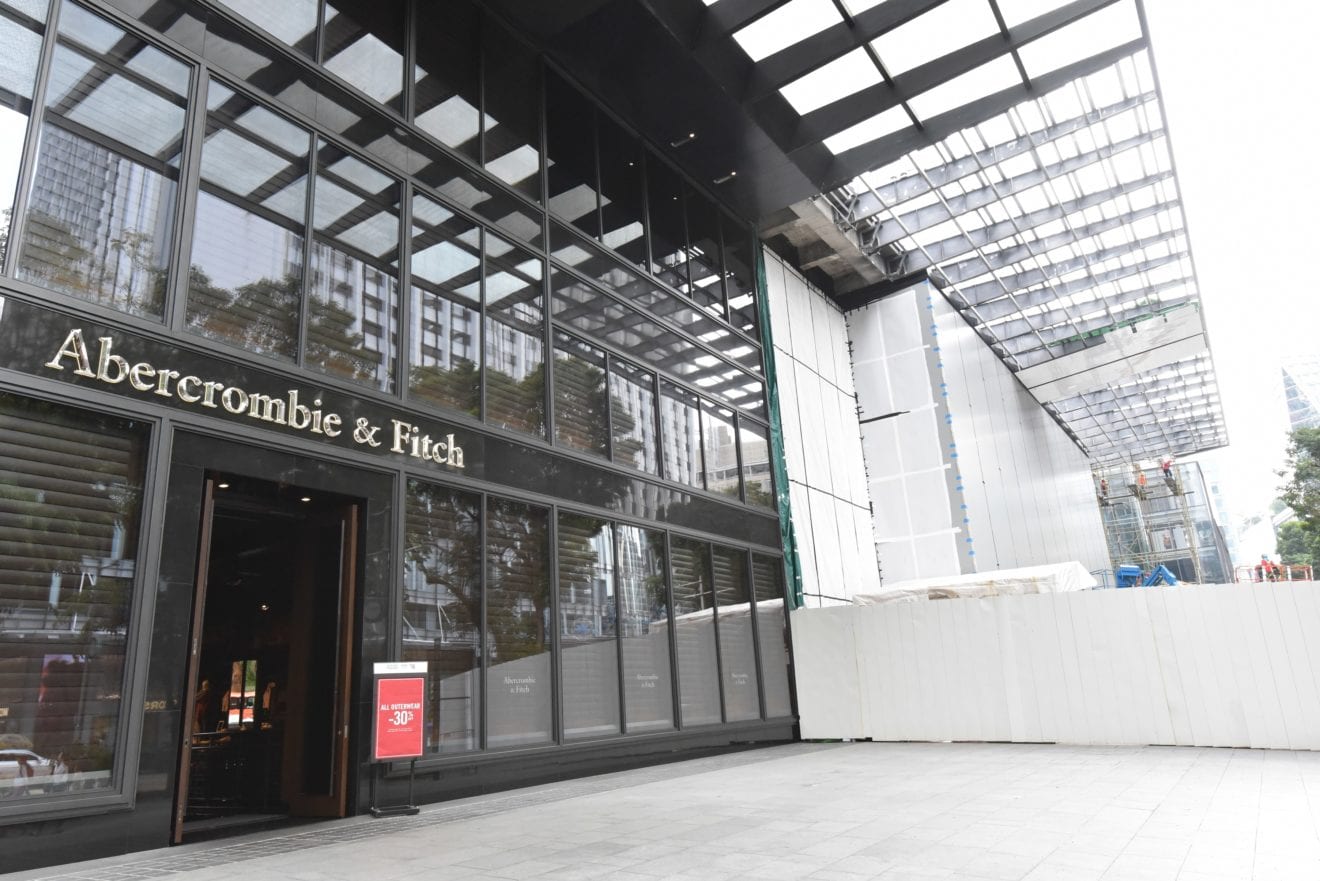
    Industry observers say retailers who are staying put at Knightsbridge mall, such as Abercrombie & Fitch, may get a boost from the extra shoppers that the Apple Store will bring in. 

    While it remains unclear when the Apple Store will officially open its doors, Ms Li said that it will be a boost for Singapore’s prime shopping belt, as well as neighbouring stores such as casual wear chain Abercrombie & Fitch, when it does.

    “It will be good news given that so far we’ve been hearing so much negative news such as store closures at Orchard Road. Crowds attracted to the Apple Store will also benefit surrounding stores,” she explained.

    Ms Li cited the example of Japanese retail brand Uniqlo, which launched a sprawling flagship store at Orchard Central in September. “Definitely, we saw more shoppers at the new flagship store that helped auxiliary stores like the F&B outlets nearby as there will usually be some spillover effect from the high traffic.”


  • Zenfone Concept Store launches

    Zenfone Concept Store launches

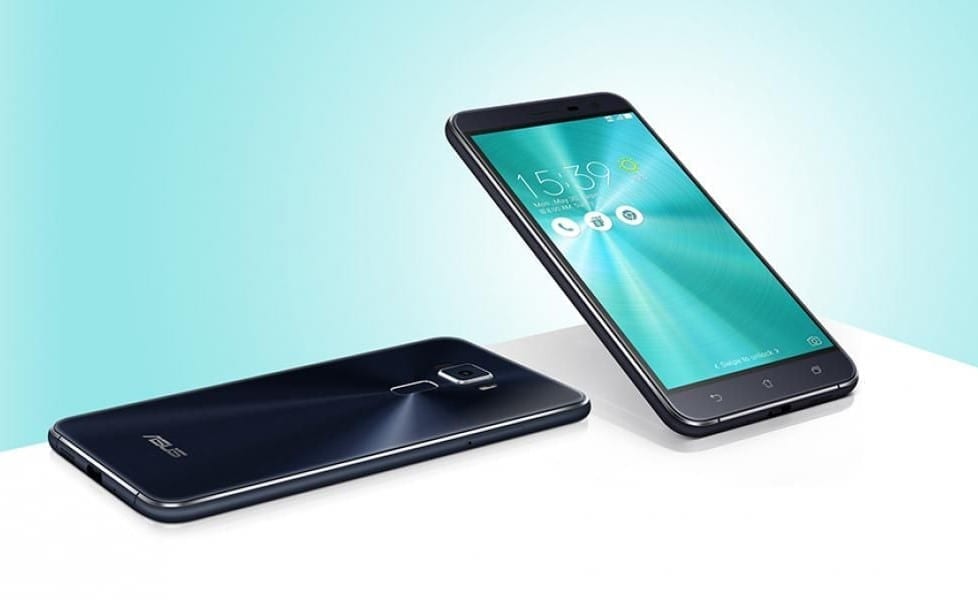
    Asus has chosen the Philippines to launch its Zenfone Concept Store, in Glorietta 2, Makati City.

    Tech brand Asus has chosen the Philippines to launch its Zenfone Concept Store, in Glorietta 2, Makati City.

    More Zenfone concept stores will follow throughout the Philippines next year.

    “Zenfone has become a game changer in the smartphone landscape in the Philippines since being introduced in August 2014,” says Asus Philippines system group country manager George Su.

    The new store features all the latest smartphone releases from the Taiwanese company as well as accessories.

  • Fitness trackers still dominate wearables market

    Fitness trackers still dominate wearables market

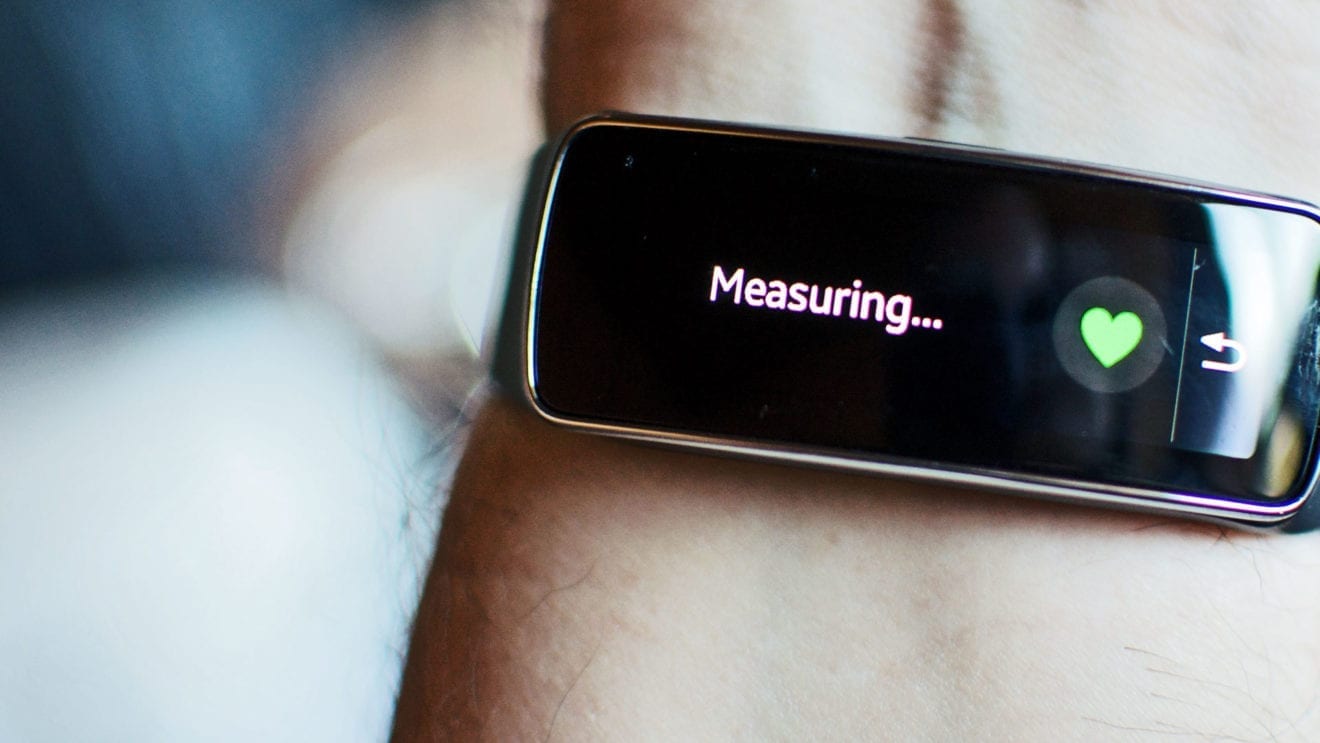
    Basic wearables, primarily comprised of fitness bands, accounted for 85% of the wearables market in the third quarter of 2016, IDC estimates.

    The total market grew 3.1% year-over-year during the quarter, with wearables shipments reaching 23 million.

    IDC said much of the increase in shipments for fitness trackers was attributed to the launch of newer models, an expanding user base, and an enticing summer season that allowed people to step out of their homes.

    The research firm expects the momentum for basic wearables to continue for the remainder of 2016 as the holiday season is now in full swing. However, it said smart wearables capable of running third party apps will likely continue to struggle in the near term.

    “It’s still early days, but we’re already seeing a notable shift in the market,” commented Jitesh Ubrani, senior research analyst for IDC Mobile Device Trackers.

    “Where smart watches were once expected to take the lead, basic wearables now reign supreme. Simplicity is a driving factor and this is well reflected in the top vendor list as four out of five offer a simple, dedicated fitness device. Meanwhile, from a design perspective, many devices are focusing on fashion first while allowing the technology to blend in with the background.”

    Ramon Llamas, research manager for IDC’s Wearables team, also noted that user tastes change, so will their needs.

    “That’s the opportunity for smart wearables with multi-functionality and third-party applications, both for consumers and business users. To get there, we need to see more intuitive user interfaces, seamless user experiences, standalone connectivity, and applications that go beyond health and fitness and into personal and professional productivity,” he said.

    During the quarter, Fitbit once again led the market. IDC expects Fitbit to continue leading the pack in the near term and said that the acquisition of Coin and the potential to expand into the smartwatch category present an opportunity for the company to be more than just a fitness brand.

    Xiaomi’s new Mi Band, on the other hand, includes heart rate tracking and is priced well below any competition, making it more suitable for impulse buying than any other fitness band. Garmin captured the third position as the company with one of the widest portfolios among all the vendors in this market.

    While Apple’s decision to launch its second-generation watches in mid-September did contribute to its year-over-year decline in 3Q16, IDC said the primary reasons for the downturn were an aging lineup and an unintuitive user interface.

    During the quarter, Samsung released two new models, Gear Fit 2 and the Icon X. Around the globe, the company was able to move large volumes of its latest wearables thanks to bundles offered with the Note 7 and other Samsung smartphones.

  • Hong Kong electronics pricing losing edge

    Hong Kong electronics pricing losing edge

    Hong Kong’s reputation as a go-to destination for cheap electronics prices is under threat.

    According to a survey of 72 global markets by South American eCommerce vendor Linio.com, Hong Kong electronics are not the cheapest in the world – in fact in the case of some products, Hong Kong ranks in the middle to most expensive.

    hong-kong-ranking

    Venezuela proved the most expensive market for every one of the 14 products compared, due to out-of-control inflation

    Linio.com’s 2016-17 Technology Price Index takes into account the cost of smartphones, laptops, games consoles, tablets, smart devices, and other gadgets, ranking the countries on the average cost of all products researched.

    The entire table can be viewed online.

    second-most-expensive-countries

    To conduct the research Linio looked at the costs of all products in the study from several brick-and-mortar chain stores and smaller retailers in all major cities in each country. The study also took into account average costs from at least three reputable online outlets in each country. Taxes and other associated purchasing costs, minus delivery, were also accounted for.

    The results, which were ranked in order of average cost of all products researched, reveal that Hong Kong has an overall ranking of 12. Hong Kong also ranks in the top 10 most affordable countries for iPad Mini, Apple Watches, and External Hard Drives.

    “At Linio, we place a high value on transparency with our customers, and we hope that our index helps people more confidently interpret variations in tech price around the world,” said Andreas Mjelde Linio’s CEO. “Increasingly, the average citizen is a global one, and with a better understanding of global markets comes empowerment to travel, shop, and live smarter.”

    most-affordable-countries