Category: Electronics

Retail News Asia is committed to providing both local and global retailers with the latest Electronics news throughout the Asian market. This on a daily base.

  • TCL Electronics pictures broader appliances market beyond TVs in Thailand

    TCL Electronics pictures broader appliances market beyond TVs in Thailand

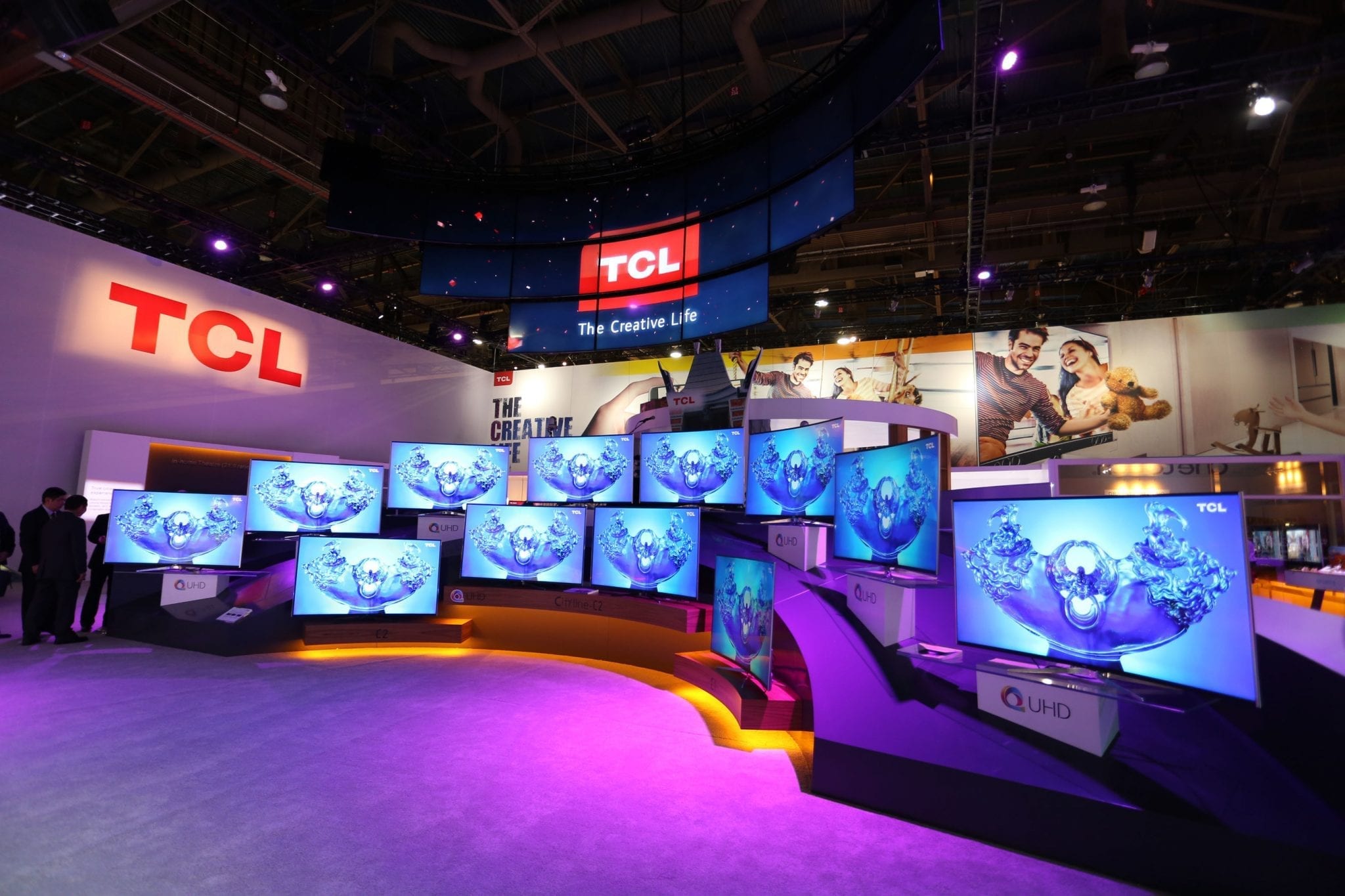
    TCL Electronics, a Chinese electrical appliance manufacturer that sells televisions in Thailand, is considering expanding its product range in the country. The company is conducting a market study that may pave the way for it to sell other home appliance products, including air-conditioners, refrigerators, and washing machines. Such a move would reduce TCL’s reliance on only one product line in the Thai market.

    Thailand’s overall consumer electronic market dropped 3 per cent year on year to Bt34.5 billion in the first 11 months of last year. Sales of flat-screen and plasma televisions dropped slumped by 8 per cent |over the period to about Bt23.3 billion.

    In contrast, overall sales of home appliance products, such as refrigerators, air-conditioners, and washing machines, increased by 6 per cent to Bt54 billion in the first 11 months of 2016.

    Sandy Zhou, head of marketing at TCL Electronics (Thailand), said TCL Thailand was keen to add a broader range of electrical appliances to its offerings in Thailand, meeting rising consumer demand in the segment. The strategy also would help TCL to improve its operational efficiency and lower management risk.

    She said that TCL Thailand achieved sales of Bt2.5 billion last year, maintaining its position as a top-three TV player in Thailand with 8 per cent market share.

    Zhou said TCL’s main income is derived from products such as Smart TV and QUHD TV, which cover the mid to premium ends of the market. TCL’s customer base can be categorised as 45 per cent in Bangkok, with 55 per cent in the rest of the country.

    “TCL Thailand expects to increase our market share in the local TV market to 10 per cent or approximately 300,000 units (Bt3.2 billion in sales value) this year. For other home appliances, our products will be launched on the market in the third and fourth quarters of this year,” she said.

    “We however have no plan to set up a manufacturing facility for our consumer electronic and home appliance products in Thailand at this moment,” said Zhou.

    TCL Thailand has been established in Thailand for more than 13 years, building up a brand loyalty and good teamwork in its workforce.

    “For this year, our strategy is to expand our sales channels domestically. We plan to increase the number of our dealers here by 30 per cent, and by 15 per cent for the number of modern retail stores. We also plan to adjust the image of our existing 100 showrooms in the Kingdom to be under the ‘Creative Life’ concept,” she said.

    Zhou said that TCL had 75,000 employees throughout Asia, the Americas, Europe and Oceania, with sales organisations in more than 80 countries and regions, and 23 research institutions and 21 manufacturing and processing bases worldwide.

    “TCL Thailand will focus on Thailand only. TCL Group also has offices in the Philippines, Vietnam and Indonesia,” she added.

    TCL Thailand pursues its business with customer- and product-oriented strategies. Core strategies include a focus on brand awareness and price performance through maximising product value and performance efficiency.

    Wannapong Tawara, associate director of GFK Retail and Technology, a market research company in Thailand, said Thailand’s TV market value in 2017 should be similar to that of 2016, considering consumers are still cautious on discretionary spending.

    However, electrical appliances including TVs that are designed to be connected with other applications appeared to be in high demand, tapping into new consumer lifestyles, Wannapong said. With this in mind, electric appliance makers should consider introducing a variety of products that offer complex entertainment and service options and are well priced and easy to use, while coming with good after-sales service.

  • Chinese government clamping down on app stores

    Chinese government clamping down on app stores

    China’s government has issued an order for all app stores on the mainland to be registered.

    In a notice on its website, the Cyberspace Administration of China says its offices should ensure that records are kept on the country’s many app stores.

    “Many apps have been found to spread illegal information, violate user rights or contain security risks,” says the post.

    Unlike in the west, China’s app store market is very fragmented with as many as 150 vying for customers, including market leaders Google Play and Apple’s App Store.

    Registration is necessary, it says, to ensure it is clear who takes responsibility if apps, or app stores, are found to engage in illegal practices.

    Three weeks ago, Apple removed the English- and Chinese-language news apps of The New York Times from its China app store. The US tech giant says the government had told it the apps violated local regulations.

    Google’s store for apps using its Android operating system is blocked in China, with third-party stores taking its place. Most of China’s biggest app stores are controlled by internet and smartphone companies such as Alibaba, Baidu, Qihoo 360, Tencent and Xiaomi, as reported.

    It says Chinese laws are often intentionally broad and open-ended to allow regulators discretion in enforcing them. Concrete steps like the new order for registrations can indicate how laws will be carried out in practice.

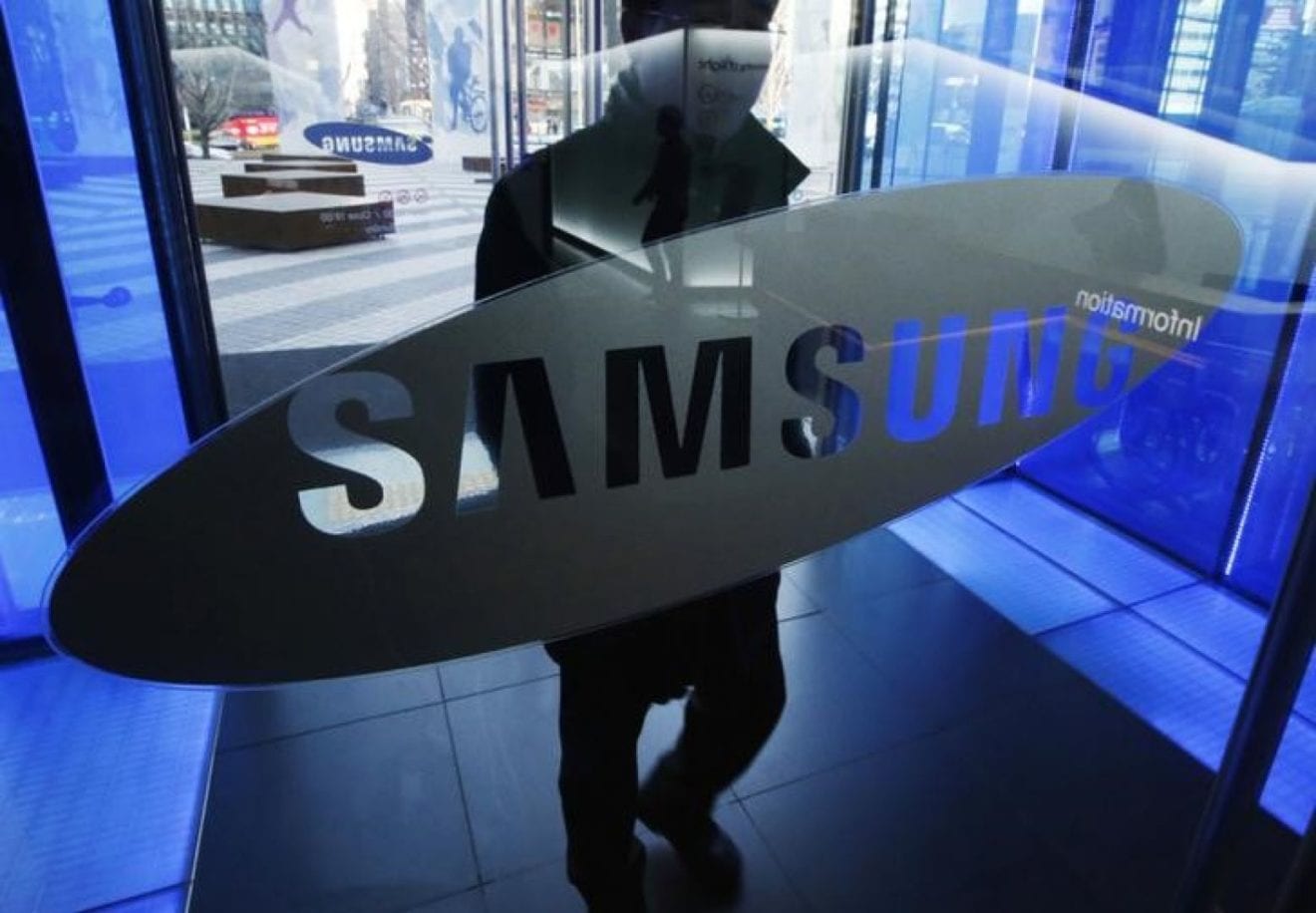
  • South Korean prosecutors on the hunt for Samsung heir

    South Korean prosecutors on the hunt for Samsung heir

    The Samsung heir is accused of spending corporate funds on under-the-table deals. South Korean prosecutors on Monday sought the arrest of the heir to giant conglomerate Samsung for bribery in connection with a political scandal that has seen President Park Geun-Hye impeached.

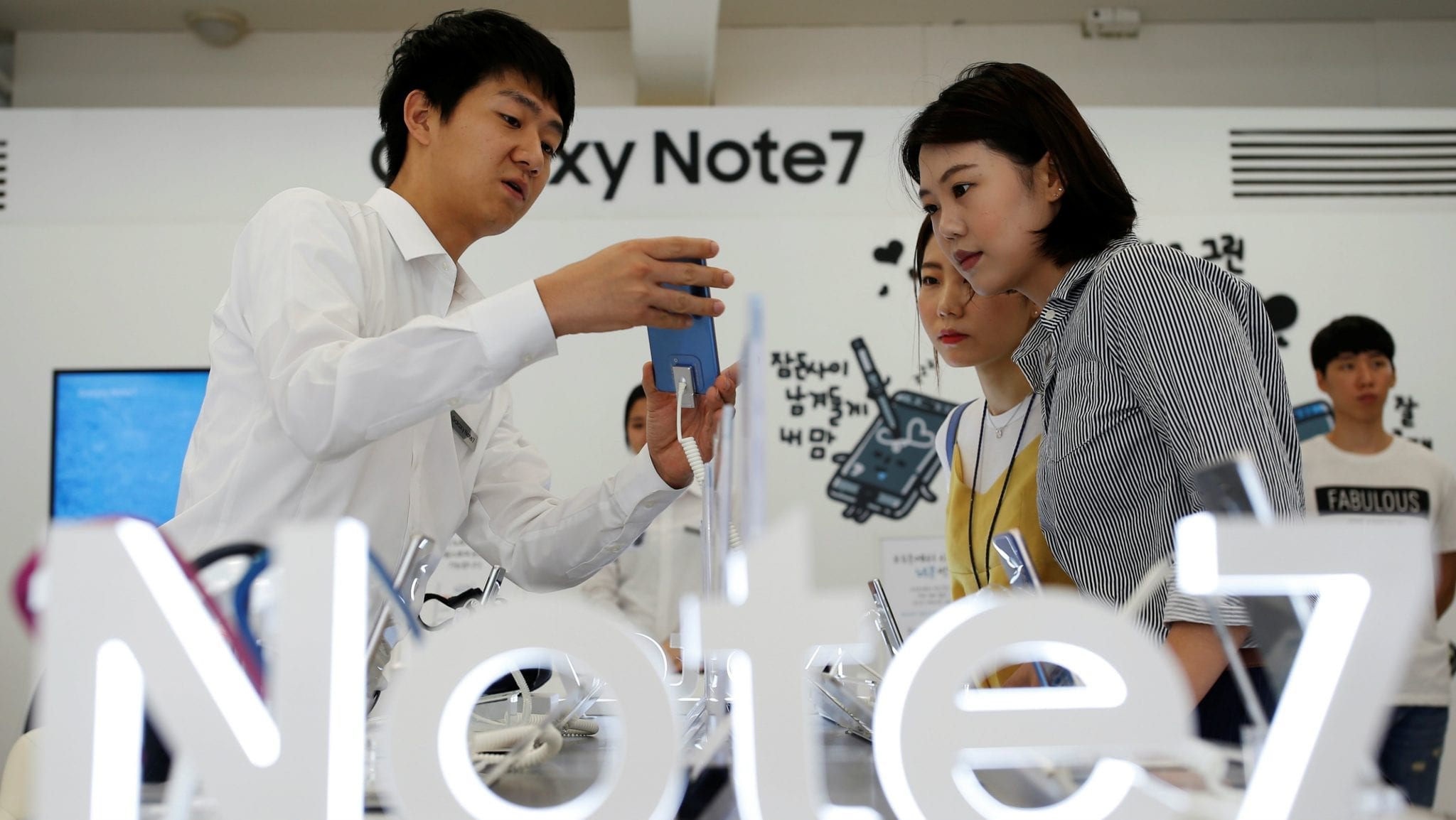
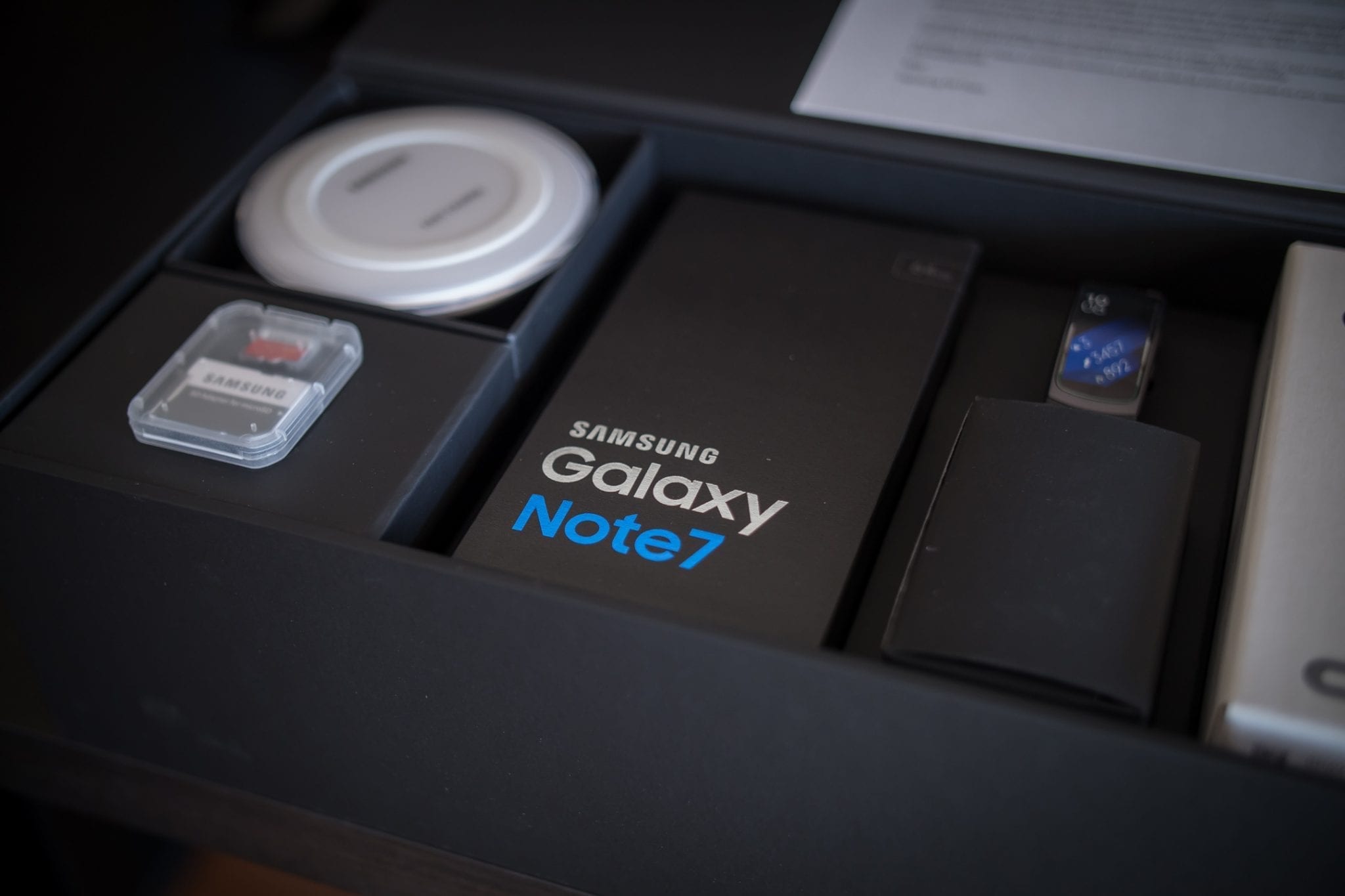
    Samsung, the world’s largest smartphone maker, is already reeling from the international debacle over its Galaxy Note 7, which was recalled after some devices caught fire.

    In a statement, prosecutors investigating the political scandal said they asked a Seoul court to issue an arrest warrant for Lee Jae-Yong, the son of the Samsung group chairman Lee Kun-Hee.

    Samsung — the South’s biggest business group by revenue, which is equivalent to a fifth of the country’s GDP — has dozens of units including flagship Samsung Electronics.

    Lee’s arrest could have an “important” impact on the South Korean economy, a spokesman for the prosecutors acknowledged. “But we believe that achieving justice is more important,” he told reporters.

    The scandal centers on Park’s secret confidante Choi Soon-Sil, who is accused of using her ties with the president to coerce top local firms into “donating” nearly $70 million to dubious non-profit foundations which Choi then used as her personal ATMs, in exchange for political favors.

    Samsung is the single biggest contributor to the foundations and separately paid Choi millions of euros, allegedly to bankroll her daughter’s equestrian training in Germany.

    Lee, 48, is the vice chairman of Samsung Electronics and is accused of approving decisions to pay Choi large sums of money in a bid to win political favours.

    Samsung’s bribes totaled 43 billion won ($36.4 million), the prosecution spokesman said, adding Lee was also accused of embezzlement for spending corporate funds for bribery.

    In addition, he faces charges of perjury after he told a parliamentary hearing that he did not seek any preferential treatment in return for donations.

    The Seoul Central District Court said it would rule on the prosecutors’ request on Wednesday. If it approves the move, Lee — who was questioned by prosecutors for a marathon 22-hour session last week — will be the first senior executive arrested in connection with the scandal.

    In a statement Samsung said the prosecutors’ decision to seek his arrest was “hard to understand”.

    “There was no support that sought something in return,” it said. “We believe that a court will make a good judgment on this.”

    ‘Personal matters’

    Prosecutors are in particular probing whether Samsung’s donations and payment to Choi were aimed at securing government approval for a controversial deal it sought in 2015.

    The merger of two Samsung units, textile manufacturer Cheil Industries and construction arm Samsung C&T, was seen as a key step towards ensuring a smooth third-generation power transfer to Lee.

    The deal was opposed by many investors who said it willfully undervalued Samsung C&T’s shares. But the National Pension Service, a major Samsung shareholder, approved the transaction, which eventually went through.

    A former welfare minister, Moon Hyung-Pyo, who oversaw the operations of the pension fund at the time, was formally charged Monday with abuse of power for pressuring its managers to approve the merger.

    Park, accused of colluding with Choi to extract money from the firms and letting the friend meddle in a wide range of state affairs, was impeached by parliament last month.

    South Korea’s constitutional court is deciding whether to uphold the impeachment. If it does, Park will immediately lose her executive immunity from prosecution and an election to pick her successor will be held within 60 days.

    Both women have denied any wrongdoing.

    Choi, who is currently on trial for coercion and abuse of power, appeared at the Constitutional Court proceedings for the first time on Monday.

    She admitted visiting the presidential Blue House several times to help Park handle “personal matters” and had shared an e-mail account with a senior presidential aide to edit some of Park’s official speeches. But she denied seeking any financial favours using her presidential connections.

  • James Dyson seeks single-brand stores in India

    James Dyson seeks single-brand stores in India

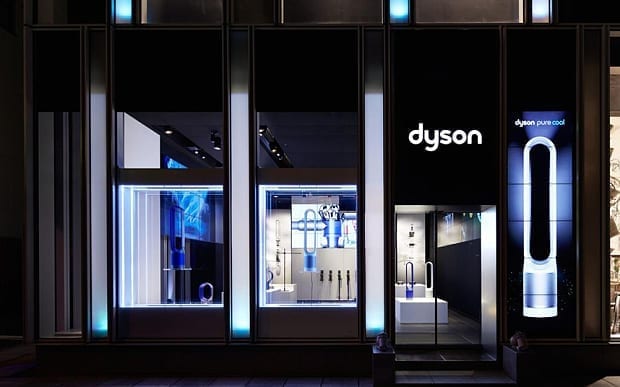
    Appliances innovator Dyson is seeking Indian government approval to open single-brand retail stores.

    But the company faces a challenge is getting the government to relax the mandatory local sourcing requirements, arguing its products as “state-of-the-art”. Such goods are exempted from the usual norms, according to Indian media.

    Dyson

    Dyson revealed plans to enter India last November.

    “We will invest 150 million British Pounds in next three to five years to open stores and set up retail network here,” founder and chief engineer Sir James Dyson said.

    “Our first store would open in the middle of next year, if we are allowed to.”

    Dyson designs, manufactures and sells appliances such as vacuum cleaners, hand dryers, bladeless fans and heaters. It has filed 7500 patents worldwide.

  • 200 Vietnamese firms in Samsung chain

    200 Vietnamese firms in Samsung chain

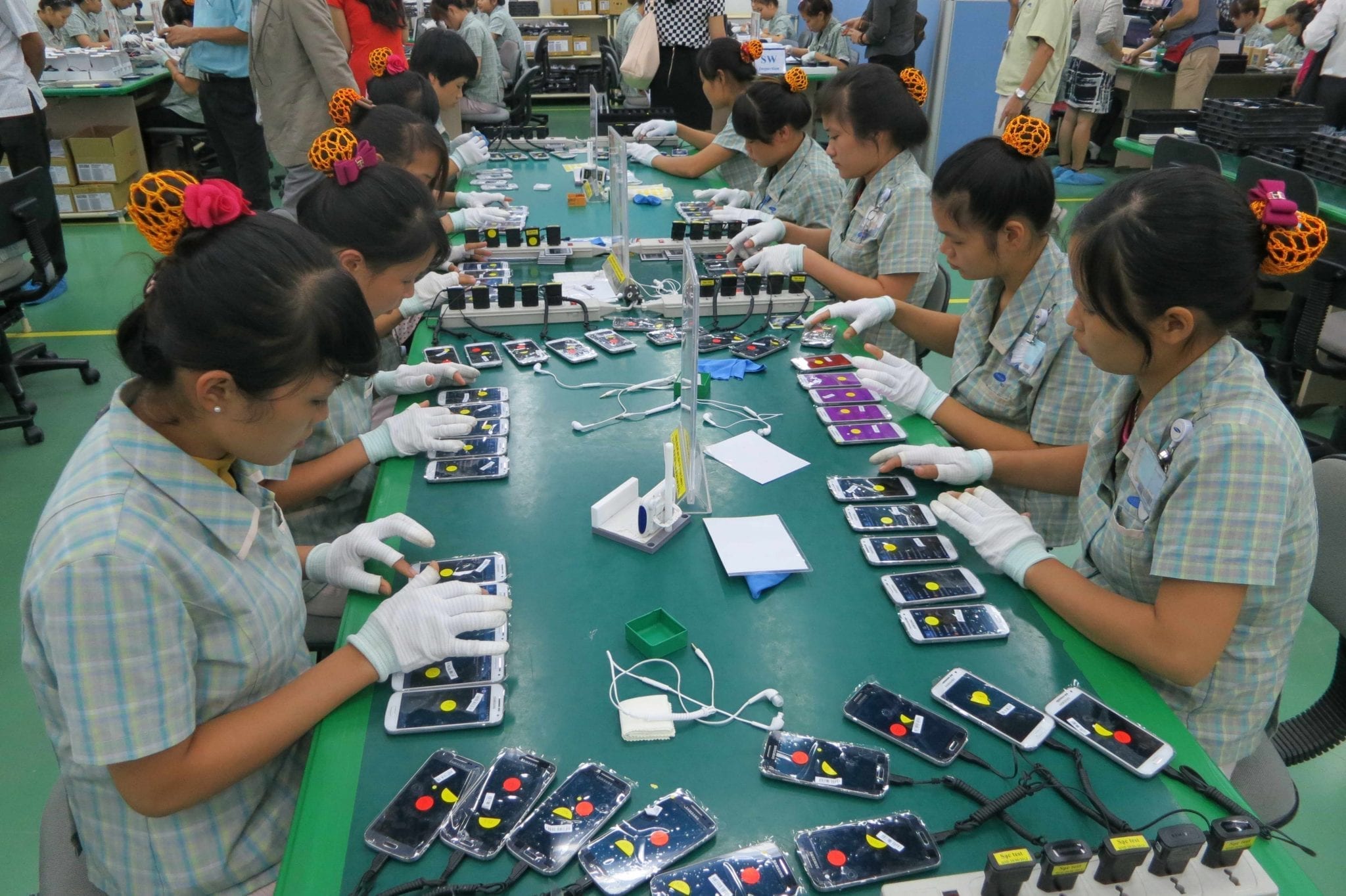
    Nearly 200 Vietnamese enterprises are participating in the component supply chain used by three Samsung plants in Việt Nam, including 20 tier-1 vendors and 178 tier-2 vendors.

    Also, Samsung plans to raise the number of level-1 suppliers in Việt Nam to 29 this year, said Han Myoungsup, President of Samsung Complex Việt Nam.

    Several local companies were able to join Samsung’s production chain, showing that Việt Nam’s support industry could be developed if domestic firms know how to take advantage of the opportunities provided by large enterprises.

    Samsung Việt Nam’s management board last week visited and surveyed the two companies, An Lập Plastic Co Ltd in Hà Nội’s Long Biên District and Việt Hưng Plastic Co Ltd in Hưng Yên Province. It also worked directly with three other suppliers, including PTE Company, Minh Nguyên Company and Việt Hưng Plastic Co Ltd in HCM City.

    This field survey is part of Samsung’s programme to provide experts to help Vietnamese vendors improve their capacity to join Samsung’s supply chain.

    “Samsung Việt Nam has also recorded a significant breakthrough in raising the localisation rate of products, from 35 per cent in 2014 to 51 per cent in 2016. This is a great contribution that helps made-in-Việt Nam products become popular worldwide,” Han said.

    Samsung’s five-vendor visit is part of the supporting programme of Samsung’s experts for Vietnamese businesses. Accordingly, Samsung’s experienced experts from South Korea have directly assisted the five enterprises in the past three months to improve their production process to assure they meet Samsung’s criteria. They are also five of 14 Vietnamese vendors who have received Samsung’s direct assistance since September 2015.

    This supporting programme has also confirmed a strong commitment of Samsung, in response to a call by the Government of Việt Nam, which is increasing the localisation rate and the presence of Vietnamese enterprises in Samsung’s component supply chain.

    “I do hope that, through Samsung’s supporting programme, Vietnamese enterprises could gain the knowledge and experience to enhance their capacities. Samsung believes that if a product can be localised, we will maximize its localised content,” Han added.

    Hoàng Anh Tuân, President of Việt Hưng Plastic Company, said their turnover has seen rapid growth since they have been supplying packaging to Samsung. Last year, their sales to Samsung accounted for half of their total VNĐ2 trillion (US$88.9 million) turnover.

    “Our largest advantage from Samsung’s supporting programme is the change in mindset. We commit to always learning and changing in order to apply experience from Samsung in the best way,” Tuân added.

    “Being suppliers to Samsung could be a quality measurement to help local firms easily participate into other value chains. We are also a packaging supplier to LG and Canon,” he noted.

    He emphasised that joining the supply chain for Samsung has been transparent and open to all businesses. Those seek to participate in the chain without sufficient capacity would be immediately removed.

    Trương Quang Khởi, An Lập’s director, said they have opportunities to modernise their company after joining the Samsung production chain.

    “We have received support from Samsung to upgrade our workshops, equipment and technology, as well as to learn effective management models,” he added.

    Samsung Electronics is one of the largest foreign investors in Việt Nam, with three manufacturing plants in Bắc Ninh (SEV), Thái Nguyên (SEVT) and HCM City (SEHC). With an export turnover of over $37 billion in 2016, Samsung Electronics in Việt Nam contributed 20 per cent to Việt Nam’s exports.

    This year, Samsung Electronics in Việt Nam has set a target of 7-10 per cent growth in export turnovers. Samsung aims to not only turn Việt Nam into the world’s smartphones and electronic appliance production base, but also create more opportunities for Vietnamese enterprises in the field of supporting industries to become involved in Samsung’s global supply chain.

  • Apple’s 10th anniversary

    Apple’s 10th anniversary

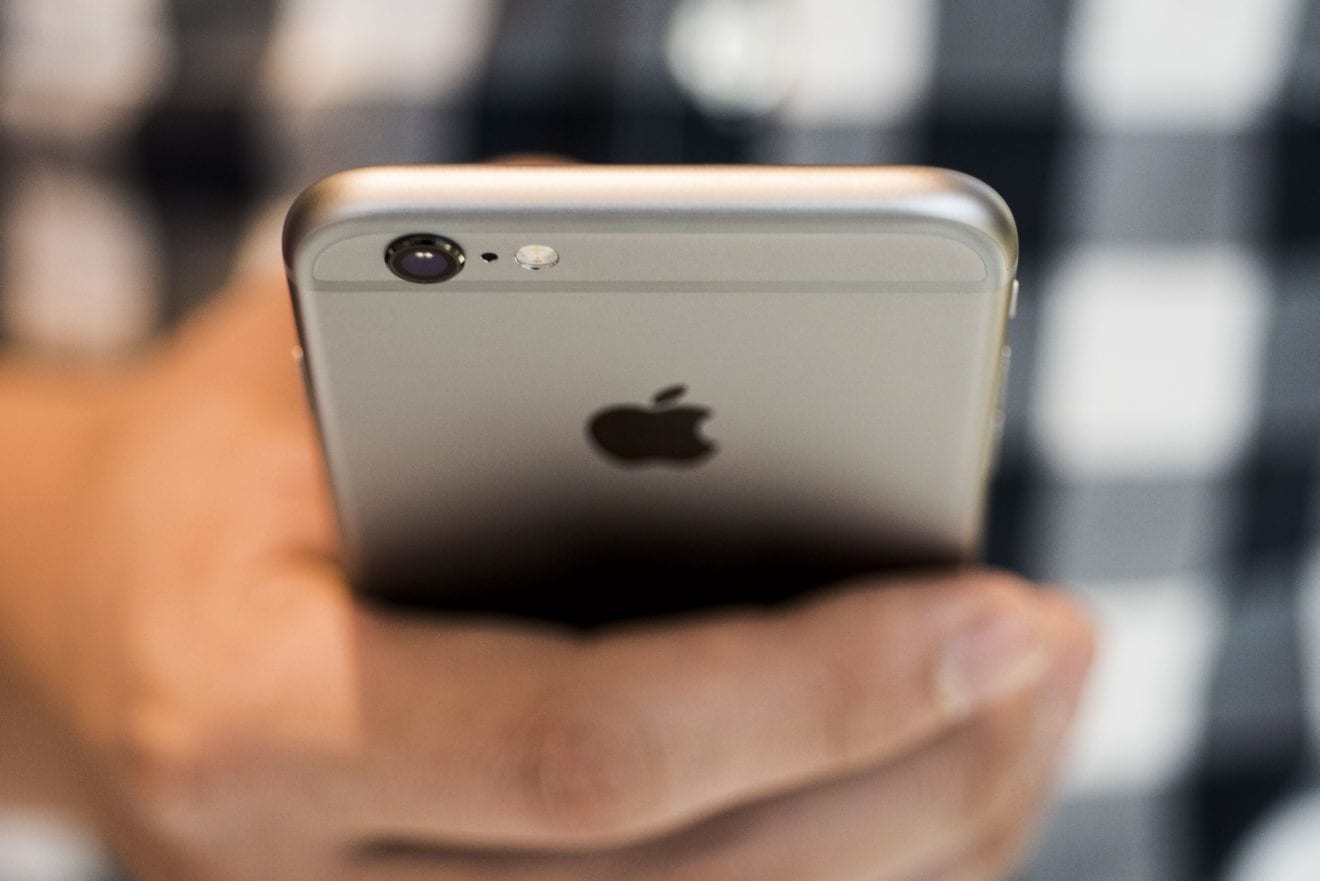
    As the late Apple boss Steve Jobs appeared on Macworld conference stage on January 9, 2007, attendees were already expecting the premiere of an Apple smartphone. But Jobs first sought to sow a little confusion.

    “Today we are introducing three revolutionary products,” Jobs said. “The first one is a wide-screen iPod with touch controls. The second is a revolutionary mobile phone. And the third is a breakthrough internet communications device.” Was he really introducing three new devices?

    Soon everyone in San Francisco’s Moscone Centre knew what he meant: “These are not three separate devices, this is one device. And we are calling it iPhone.”

    Apple had reinvented the phone, Jobs said. As it turned out Apple had invented far more: a way to comfortably carry a fully functioning computer in one’s pocket.

    Mike Lazaridis, at the time co-head of smartphone pioneer Blackberry, watched the Jobs announcement in his fitness room and began to ponder. A smartphone that can download music, videos and maps? How could they do it without overwhelming mobile networks?

    Indeed, some of the first iPhone users complained of clogged networks. A year later Apple provided the iPhone with a faster 3G wireless connection. With the iPhone 3GS in 2009, Apple started the tradition of denoting small model alterations with the letter “S.”

    With the iPhone 4, Apple in 2010 again took a big step forward. The radical new design impressed customers with its the high-resolution screen.

    The iPhone went on to become a mega-seller and led to Apple becoming the most valuable company in the world. More than one billion iPhones have been sold in the product’s 10-year history.

    In the process Jobs reversed the power dynamic in telecommunications, forcing network providers to dance to his tune, rather than the opposite.

    The iPhone’s influence was challenged only by Google’s Android operating system, used by Samsung and many others.

    At the premiere a decade ago, Jobs referred to how the iPhone and its software were protected by patents. But these did not prove especially effective in a bitterly fought patent war.

    Apple saw only small legal success against Samsung, but could not stop Android. While the Google system runs on more than 80 per cent of all smartphones, Apple still takes the dominant share of profits in the industry. In 2014, current Apple boss Tim Cook and Google co-founder Larry Page ended the patent war.

    The enormous economic success of the iPhone led to environmentalists and human rights activists making Apple responsible for many of the industry’s woes. Greenpeace charged in 2007 that the iPhone was made with dangerous chemicals. Also, Apple above all was blamed for poor working conditions at Chinese subcontractor Foxconn – not other customers like Hewlett-Packard, Dell, Microsoft or Sony.

    And every September, when Apple unveils a new model, consumer watchdogs debate if it is really necessary to purchase a new iPhone.

    Jobs’ successor Cook has emphasised that environmental protection principles be respected and, if possible, only conflict-free raw materials used. He also pushed for better conditions in Chinese factories.

    The debate around Apple has become less about politics and more about whether the company is still capable of innovation after Jobs’ death. Jobs died on October 5, 2011, a day after Cook introduced the iPhone 4S.

    Cook’s performance can be considered in pure economic terms. The iPhone 6 launch in 2014 was especially successful, with holiday season purchases of the larger model driving up iPhone sales 46 per cent to about 74.5 million units sold.

    In the last year, iPhone sales fell for the first time since entering the market. Critics doubt if the iPhone 7, with few new features, can reverse the trend.

  • Samsung-Apple battle: the gap is closing

    Samsung-Apple battle: the gap is closing

    Samsung’s surprise surge in 2016 fourth quarter profit may further close the gap with its US competitor Apple.

    As the high-profile Samsung-Apple battle continues, the Korean company reported sales revenue of 53 trillion won (US$44 billion) with an operating profit of 9.2 trillion won, for an impressive operating margin of 17.36 per cent. The margin rose from 16.2 per cent in the second quarter of 2016 and represented its best result during the past two years.

    Apple has always led the Korean tech giant in terms of operating margin. In Q1 2015, the difference between the two companies was 18.82 percentage points, with Apple and Samsung reporting 31.51 per cent and 12.69 per cent, respectively. In Q4 of same year, the gap further widened with Apple reporting 31.86 per cent, and Samsung, 11.52 per cent.

    However, Samsung started catching up in 2016.

    Apple saw a continuous drop in its operating margin from 27.67 per cent in Q1 to 23.82 per cent in Q2 and 19.19 per cent in Q3, while Samsung saw its rate increase from 13.42 per cent in Q1 to 16. 2 per cent in Q2 and 17.36 per cent in the last quarter, although it did plummet in Q3 to 10.87 per cent as a result of the Note 7 crisis.

    Samsung’s prosperity in Q4 2016 was driven by a boom in its semiconductor business, improvement in display sales, and the success of its Galaxy S7 series, sources said.

    Apple has yet to disclose its financial results for the last quarter, but it is estimated that the company’s profit margin will come in around 20 per cent, with a slight improvement from the previous quarter, which will bring down the gap between the two tech giants to a record low of 3 per cent.

  • Samsung Vietnam reports massive loss following Galaxy Note 7 scandal

    Samsung Vietnam reports massive loss following Galaxy Note 7 scandal

    Samsung was forced to recall 2.5 million units globally. Samsung Electronics Vietnam (SEV), which produces the notorious Galaxy Note 7 in northern Vietnam, has reported a loss in the third quarter, coinciding with the withdrawal of the latest model of its smart phone.

    SEV, based in the northern province of Bac Ninh, incurred a loss of $122.6 million in the third quarter, down sharply from a net profit of $490 million a year ago, according to a recent statement from parent company Samsung Electronics.

    Samsung’s profits were hit following battery explosions on the Galaxy Note 7, causing the firm to suspend global sales and withdraw the smart phone from the market.

    A representative from SEV said the affects of the scandal were inevitable but declined to give further comment.

    In October, Samsung Vietnam said it had no plan to lay off employees in 2016 as a result of the parent company’s crisis and predicted the value of its exports would grow further from last year’s $32.7 billion.

    From January-September, SEV made a net profit of $1.04 billion, down 18.7 percent on-year.

    The South Korean giant also runs Samsung Electronics Vietnam Thai Nguyen in the northern province of Thai Nguyen and a number of other subsidiaries, which reported significant growth in the Southeast Asian nation in the third quarter.

    Phone exports are significant to Vietnam’s exports, with the value of 2015 shipments up by 27.8 percent at $30.17 billion, or 19 percent of the country’s total exports, customs data show.

    Just weeks after the roll-out of the Galaxy Note 7 “phablet” in September, Samsung was forced to recall 2.5 million units globally following complaints its battery was exploding while charging.

    With images of charred phones flooding social media, the unprecedented recall was a humiliation for a firm that prides itself as an icon of innovation and quality, and the timing of the crisis could not have been worse.

  • Fierce competition takes heavy toll on smartphone market in Bangkok

    Fierce competition takes heavy toll on smartphone market in Bangkok

    Thailand’s increasingly crowded smartphone market has wreaked havoc on handset companies’ profit last year, with Japan’s Sharp Corp becoming the latest victim to be quietly forced out of the market.

    Chinese handset maker ZTE Corporation, meanwhile, disputed rumours that the company has decided to pull out of the Thai smartphone market due to stiff competition.

    However, industry veterans believed more intense competition is around the corner this year.

    Sharp confirmed that the company is now inactive in the Thai smartphone market without providing a reason after resuming its presence here just one month ago through Commtiva Technology, a Taiwan-based distributor of wireless communication products.

    Oran Rungsereechaitrakul, former marketing manager of Commtiva (Thailand), said the company had just been verbally informed by its parent firm Commtiva that the group stopped selling Sharp mobile phones from Dec 30 last year.

    Lorna Liang, country manager for device of ZTE Thailand, said the company remains strongly committed to the Thai market despite facing fierce competition.

    “We are continuing business as usual. We have set long-term strategic plans to expand our presence in Thailand after entering the country less than two years ago,” she said.

    ZTE will still focus on the smartphone segment priced 3,000-7,000 baht apiece, where it has a particularly strong presence in Thailand, through distribution channels with mobile operators and retail shops.

    ZTE will roll out 2-3 smartphone models by March.

    Ms Liang also threatened to take legal action against those who spread or publish rumours regarding the company’s alleged business closure before checking with the company, saying spreading false information will cause consumers to lose trust and confidence in the company.

    According to internal reports by Huawei and Oppo, Samsung is clearly dominating the local smartphone market with a 40% share, followed by Apple with an estimated share of less than 15%, with Chinese brands Oppo and Huawei having a 12% and 8% market share, respectively.

    The growth of Oppo was particularly impressive as it rose quickly to become the third largest smartphone brand in Thailand in terms of sales volume for 2016.

    Consumers in this massive market are rapidly being won over by Chinese and household brands that incorporate much of the functionality of an Apple iPhone or Samsung Galaxy, but at a fraction of the price.

    Handset makers are also facing an undeniable shift in consumption trends in the digital lifestyle age.

    Samsung stayed on top of Thailand’s smartphone market last year, despite being battered by the Galaxy Note7 recall and increased competition from China.

    The Korean company recalled the Note7 in September last year after reports of overheating lithium-ion batteries. Replacement phones also ran into similar problems, leading the company to halt production of the smartphone in October.

    Samsung will continue facing stiff competition from Apple in the high-end smartphone market, while simultaneously facing pressure at the lower-end from Chinese makers.

    Overall, the Thai handset market grew by only 2% to 22 million units in 2016 — the smartphone industry’s slowest growth rate for a year.

    Chinese brands Oppo, Huawei and Vivo posted strong growth rates in sales even as Samsung and Apple saw their volumes drop. Other smaller players and newcomers like Asustek, Motorola, Lenovo, ZTE and France’s Wiko will pose competition to the giants this year, which would need to take measures to survive in the market.

    Taiwan’s HTC has already been forced out of the Thai smartphone market, while Sony and LG announced they will sell selective models here.

    Pairoj Thavornsapanant, assistant managing director of TG Cellular World, a leading mobile distributor, said product design and quality as well as strong sales and distribution networks are becoming critical for smartphone companies to succeed and survive in the country’s mature market.

    “Consumer acceptance of a smartphone brand is another vital factor in business success,” he said, adding that consumer acceptance is expected to take 3-5 years.

    Leo Zhao, sales director of Oppo (Thailand), said the local smartphone market has already reached a mature stage as the smartphone has become a must-have device in the digital era.

    Thailand’s smartphone market is expected to grow at the same pace as last year’s 2-3% to reach 25 million units in 2017, he said.

    Mr Zhao said the handset replacement cycle will be faster with Thais expected to replace their mobile phones every 10 months this year, compared with 12-15 months in 2016, because consumers take advantage more quickly of smartphone advances.

    The middle to high-end markets will continue growing faster than the entry smartphone market because consumers prefer superior user experience, faster connection and high-end specifications.

    High-end smartphones priced over 15,000 baht accounted for 6% of total sales in 2016, up from 3.5% in 2015.

    Entry level smartphones priced below 4,000 baht made up 40% of total sales last year, down from 50% in 2015.

    “Thailand’s smartphone industry will see more consolidation over the next few years and there will be less than 10 survivors in the local market,” said Mr Zhao.

  • Myanmar smartphone shipments up to 26% YoY

    Myanmar smartphone shipments up to 26% YoY

    According to the latest International Data Corporation’s (IDC) Asia/Pacific Quarterly Mobile Phone Tracker, a total of 2.5 million smartphones were shipped to Myanmar in 2016Q3, reflecting a 26% (year-on-year) YoY growth, IDC said in a statement on 25 December. This has been the strongest YoY growth seen in Myanmar’s budding smartphone market since 2015Q3. Sequentially, shipments declined 10% from 2.7 million in 2016Q2 as soft retail sales and the typhoon season negatively impacted smartphone buying in the country.

    “Despite years of hypergrowth in Myanmar’s emerging smartphone market, channels are now starting to lament about a looming slowdown as retail sales show signs of softening, causing inventory buildup across the board,” says Jerome Dominguez, Market Analyst for Mobile Devices, IDC Asia/Pacific.

    IDC maintains a positive outlook for Myanmar’s smartphone market in 2017, although growth is expected to be tamer compared to previous years.

    “IDC expects Myanmar’s smartphone market to grow by 9% this 2017 off the back of relatively low smartphone penetration rate and rising disposable income. This is already a lowered forecast to account for the slower consumer market and political instability in some parts of Myanmar,” adds Dominguez.

    Myanmar’s projected growth for smartphones in 2017 still stands higher than the 6% growth expected in the whole ASEAN region for next year.

    Myanmar Smartphone Vendor and Market Highlights, 2016Q3

    Samsung continued to keep its lead, owing it largely to the good reception of its budget-friendly J-series. Huawei came in at 2nd place and while finishing with a flat quarter, its sales and distribution were still going strong across Myanmar. Vivo spiked last quarter, coming in at 3rd place as it further penetrated tier 2 and tier 3 cities. Xiaomi dropped to the 4th spot although its volume remained high and consumer response stayed positive as it continued to offer smartphones perceived as good value for money. OPPO held the 5th place, maintaining its stronghold in the urban sites of Yangon and Mandalay although its overall shipments dropped quarter-on quarter (QoQ) due to inventory build-up.

    As with many developing countries, low-cost smartphones continue to thrive in Myanmar. In 2016Q3, 89% of smartphone shipments to the country fall below US$225. “Smartphones priced at US$50<US$150 still holds the sweet spot among Myanmar consumers. However, handsets in the US$150<US$250 price band are also on a growth track due to the influx of mid-range handsets from Chinese vendor Vivo,” adds Dominguez.

    Despite being a budget market for devices, Myanmar’s feature phone market remains very small, unlike other emerging markets, accounting for only 20% of total mobile phone shipments in 2016Q3. “Channels in Myanmar are not expecting the feature phone market to pick up anytime soon based on the rather progressive device adoption in the country, where most consumers would typically opt for a smartphone as their first mobile phone,” states Dominguez.

    In terms of screen size preference, smartphones in the <4.5“segment are now starting to diminish as Myanmar consumers go for larger screen sizes. 5” <5.5” handsets continue to gain traction, growing 44% YoY. Phablets (5.5” <6.99”) also saw a huge annual growth of 160% last 2016Q3, particularly driven by the rise in the 5.5”<6” segment. Huawei and Vivo lead the 5” <5.5” band while Xiaomi and Samsung reign supreme in the phablet category. “Myanmar’s increasing appetite for bigger screens is driven by the rising popularity of content consumption on social media, particularly on Facebook,” says Dominguez.

    4G LTE has just been recently introduced to Myanmar but as of October 2016, all 3 telcos have already been able to roll out 4G LTE services. Concurrently, 4G-capable devices have also shown a spike in 2016Q3, growing 41% QoQ, with market leaders Samsung, Huawei, and Xiaomi leading the wave. “IDC has raised its 4G smartphone shipment forecast in Myanmar for 2017 to account for the positive uptake of 4G smartphones in the country and vendor direction to focus on this air interface moving forward,” says Dominguez.

  • Apple plans to set up own stores in India

    Apple plans to set up own stores in India

    Hoping to replicate its success in the Chinese market, Apple is looking at setting up its own wholly owned stores in India. Currently, the company sells its products through distributors such as Redington and Ingram Micro.

    India’s smartphone market has been witnessing significant growth. Earlier in 2016, India surpassed the United States as the second-largest smartphone market with 220 million smartphone users. While smartphone users still account for about 22% of the roughly 980 million mobile users in India, there is tremendous opportunity for growth over the next few years.

    Little wonder that the company is looking at India as a lucrative market for setting up production. Apple has also announced plans to make iPhones for the Indian market in Peenya, Bengaluru in association with Wistron, a Taiwanese OEM manufacturer for Apple. Production will start by April 2017.

    With local manufacturing facilities, Apple would be able to price its phones more competitively in India. The steep price for the phones is a deterrant for the price conscious Indian consumer. The phones attract 12.5% additional duty on imports.

    According to media reports, Foxconn, the biggest contract manufacturer for Apple has also been roped in to set up a manufacturing unit in India. Foxconn is adopting a model of setting up smartphone assembly lines in multiple cities across India, with a second iPhone facility coming up in Gurgaon.

    An announcement is likely to be made during the Vibrant Gujarat Global Summit 2017 to be held on January 10 at Gandhinagar. Apple has announced that it would open its brand-owned stores, besides a 4,000-people facility in Hyderabad for its mapping unit.

    Reports suggest that the iPhone maker has requested for concessions such as relaxation in labelling rules, so it doesn’t have to print product info on its devices, and tax incentives in return for setting up a manufacturing unit in the country. The Department of Industrial Policy and Promotion (DIPP) has forwarded Apple’s request to the Department of Revenue and Ministry of Electronics and Information Technology (MeitY) in November. Government officials are yet deliberating on the company’s request.

    In May last year, Apple’s CEO Tim Cook visited India and met Prime Minister Narendra Modi as well as key industry leaders like Sunil Bharti Mittal and veteran banker Chanda Kocchar. Apple also announced plans to set up a design and development accelerator to support Indian developers creating innovative applications for iOS and opened a new office in Hyderabad to accelerate maps development.

    During his May visit, Cook had discussed issues including manufacturing and setting up retail stores in the country with Modi.

    An inter-ministerial meeting, scheduled for next month, will discuss and deliberate certain incentives sought by tech-giant Apple Inc to set up a manufacturing unit in the country to be able to ‘make in India’. The meeting will be attended by senior officials from the ministries of finance, commerce, revenue, environment and forest, electronics and information technology, among others.

    The government, however, believes Apple shouldn’t seek additional support to set up manufacturing plants.

    “Several companies in India are manufacturing mobile phones in India. Nobody is asking for additional incentives. Currently, the government provides sufficient support to boost electronic manufacturing,” PTI quoted government sources as saying.

    The tech giant proposed to bring used smartphones and assemble them locally. This was rejected as it did not constitute the Make in India model envisioned by the government. Nevertheless, it got local sourcing norms relaxed from the Department of Industrial Policy & Promotion to open its stores in the country.

    In a report published recently, government sources have said that it may agree to some of Apple’s demands for setting up a manufacturing unit in India if the maker of iPhones promises a huge investment and commits to generating hundreds of thousands of jobs.

  • Apple confirms plan to open its first ever retail store in Samsung’s home city of Seoul

    Apple confirms plan to open its first ever retail store in Samsung’s home city of Seoul

    Apple published a total of 15 retail job listings to its corporate website today seeking candidates for the Apple Store Leader Program, business managers, Genius Bar staff and marketing, among other positions.

    As expected, the job postings seek employees for an outlet in South Korea’s capital of Seoul. The city also happens to be the hometown of Apple ally and competitor, Samsung.

    “We’re excited about opening our first Apple Store in Korea, one of the world’s economic centers and a leader in telecommunication and technology, with a vibrant K-culture,” Apple said in a statement on Friday, local time. “We’re now hiring the team that will offer our customers in Seoul the service, education and entertainment that is loved by Apple customers around the world.”

    Apple has not officially stated where it plans to build its first Korean flagship, but it is claimed construction is already underway in a southern district of Seoul. That report, also filed on Friday, suggests work at the site will be completed in November. Previous rumors suggested Apple was looking at sites in Gangnam and the busy Garosu-gil shopping street.

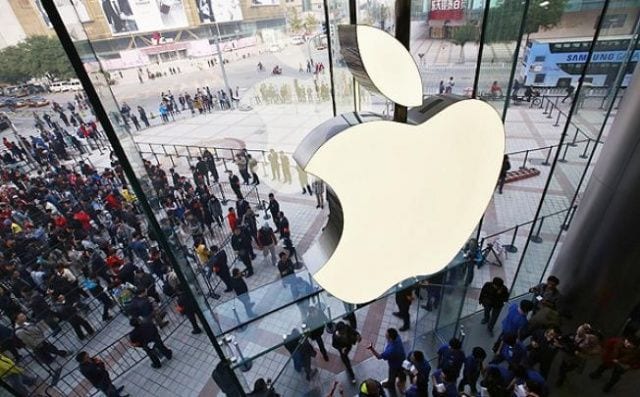
    For Apple, a brick-and-mortar outlet in Seoul represents more than an opportunity to grow international sales. A retail presence in Samsung’s backyard could go a long way in winning mindshare in the South Korean market, which is currently served by third-party resellers and Apple’s online store.

  • Samsung Malaysia launches Galaxy A5 and A7 2017 with IP68 rated dust and water resistance

    Samsung Malaysia launches Galaxy A5 and A7 2017 with IP68 rated dust and water resistance

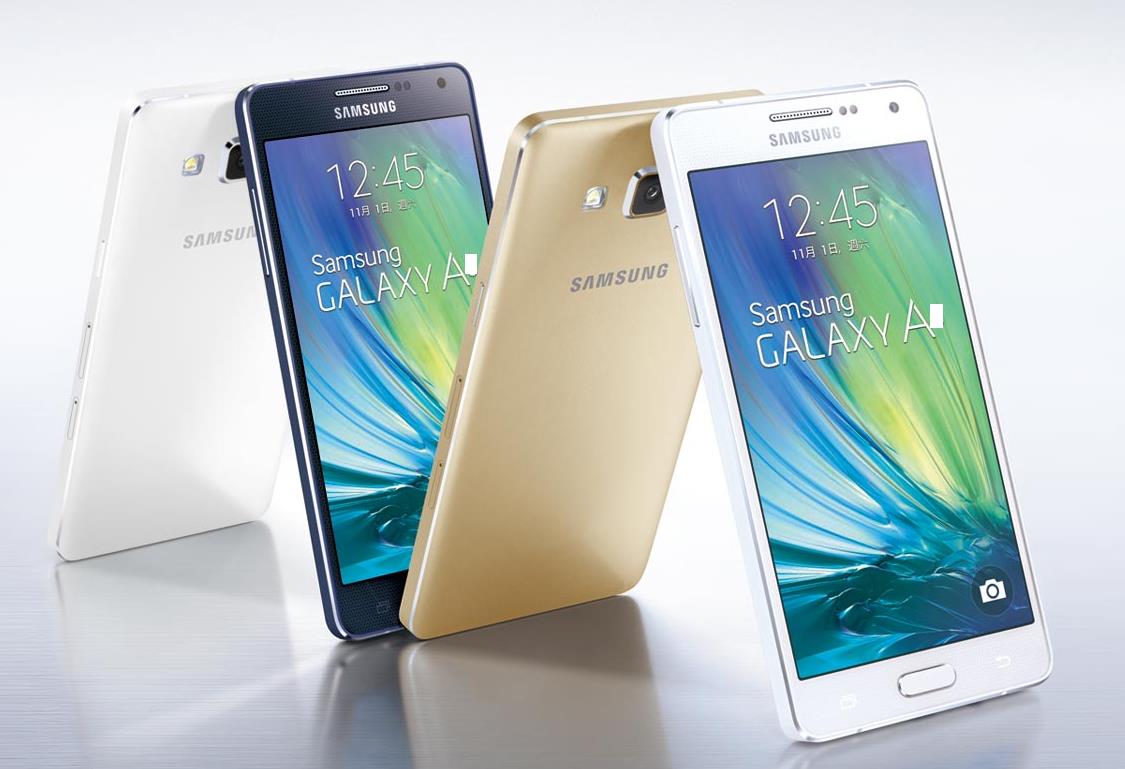
    Samsung Malaysia has announced the latest 2017 version Galaxy A lineup for the local market that features IP68 certified water and dust resistance along with built-in Samsung Pay function.

    The all-new Galaxy A series 2017 that was introduced include Galaxy A5 and Galaxy A7. The main differences between the two are the screen size and battery capacity. The Galaxy A5 comes with a 5.2 inch Full HD Super AMOLED display with a 3,000 mAh size battery. Galaxy A7 on the other hand features a 5.7 inch Full HD Super AMOLED display with a 3,600 mAh size battery.

    galaxy-a5-a7-01

    Apart from the above dissimilarities, both devices share similar components such as a 1.9GHz octa core SoC, 3GB RAM, 32GB expandable storage (up to 256GB), front-facing fingerprint scanner, 16 megapixel f/1.9 for both front and rear cameras as well as fast charging support via USB Type-C.

    It is worth noting that Samsung has separated the dual SIM card slots from the microSD card slot which means you won’t have to choose between using dual SIM card or one SIM card with a microSD card. We are also slightly disappointed that both the Galaxy A 2017 devices will be running Android Marshmallow OS instead of the latest Android Nougat.

    The local retail price for both Galaxy A5 2017 and A7 2017 are RM1,699 and RM1,899 respectively. Pre order starts from the 6th to 15th of January 2017 at selected Samsung outlets. If you make your pre-order during this period, you will receive a pair of Samsung Level U Pro wireless headphones worth RM399 for FREE!

  • Apple is setting up shop in Samsung territory

    Apple is setting up shop in Samsung territory

    Apple announced it plans to open its first store in South Korea — an aggressive move, considering its main rival in the smartphone space, Samsung, is headquartered there. To that end, it’s hiring 15 staff members in the region and has stated publicly how excited it is by the prospect.

    We know that the store is set to open up in the nation’s capital, Seoul, but Apple has yet to make it clear exactly where within the city. However, South Korean media has commented that it should appear somewhere in the southern district and that work is expected to begin shortly, completing at some point before the end of November.

    To make sure its new store is staffed properly, Apple’s new positions range from store leader to business manager. While the listings don’t specifically state that they will be working at the Seoul store, it seems like an awful coincidence if they aren’t set to work there.

    The opening of a facility in South Korea is somewhat of a statement to Samsung also. With the big Android manufacturer taking a bit hit to its brand at the tail end of 2016 due to problems with its Galaxy Note 7 phone, it could be that Apple smelled blood in the water. However, it is also worth pointing out that it faces a lot of competition in Asian markets now from lower-end device manufacturers, many of them originating in China.

    Apple could be looking to put a stamp on the region and maintain a foothold in what is quickly becoming one of the most hotly contested regions. Targeting South Korea is a smart move too, as it is geographically near to some of the biggest smartphone industry growth in the world but well within the borders of an economically prosperous country.

  • India’s festive season drives smartphone sales

    India’s festive season drives smartphone sales

    India’s Tier 2 and 3 cities led growth in smartphone sales during the festive season between August and October, according to IDC.

    Total sales in tier 2 and 3 cities – those with a population of between 20,000 and 100,000 – grew 23.3% growth over the previous month, the research firm’s latest Monthly City Level Smartphone tracker shows.

    IDC said this is largely due to vendors focusing on new affordable launches, higher spending on marketing and innovative payment options.

    IDC India senior market analyst Upasana Joshi said the key four months from July to October 2016 made up more than 40% of annual smartphone sales. The festive season in India started in August with Independence Day and ran until Diwali in October, drove the consumer buying across all markets.

    “Multiple sales by all major e-commerce players in October with their high-decibel marketing, attractive payment options, and exchange offers also helped in growing the market. The top 8 to 10 cities of India constitute the major portion of online sales, leaving a yawning gap between these markets and the still largely untapped smaller towns,” he said.

    Josh disclosed that China-based players contributed significantly to the growth at the offline retail counters while continuing to dominate the online channel.

    “These vendors collectively accounted for more than 40% market share in the top 30 cities during Diwali month, primarily driven by 4G enabled handsets. Oppo and Vivo continue to shake the traditional line up of Indian vendors with their superior build quality, massive marketing investments in the offline channel,” he said.

    Varun Singh, Market Analyst, IDC India, added that e-commerce players have also started investing more on sellers in smaller cities, better model and improving delivery network, moving away from deeper discounts.

    “Previously offline only or online only vendors have now started drawing benefits from their multi-channel strategies, acknowledging that offline and online channels can coexist in the market, without necessarily posing a threat to each other,” he said.

    Samsung registered 26.1% share in the top 30 cities. With a series of newly launched models namely J5 Prime and J7 Prime, Samsung clocked 15.8% shipments growth in October over the previous month.