Category: Electronics

Retail News Asia is committed to providing both local and global retailers with the latest Electronics news throughout the Asian market. This on a daily base.

  • When wearable devices in China becomes the star

    When wearable devices in China becomes the star

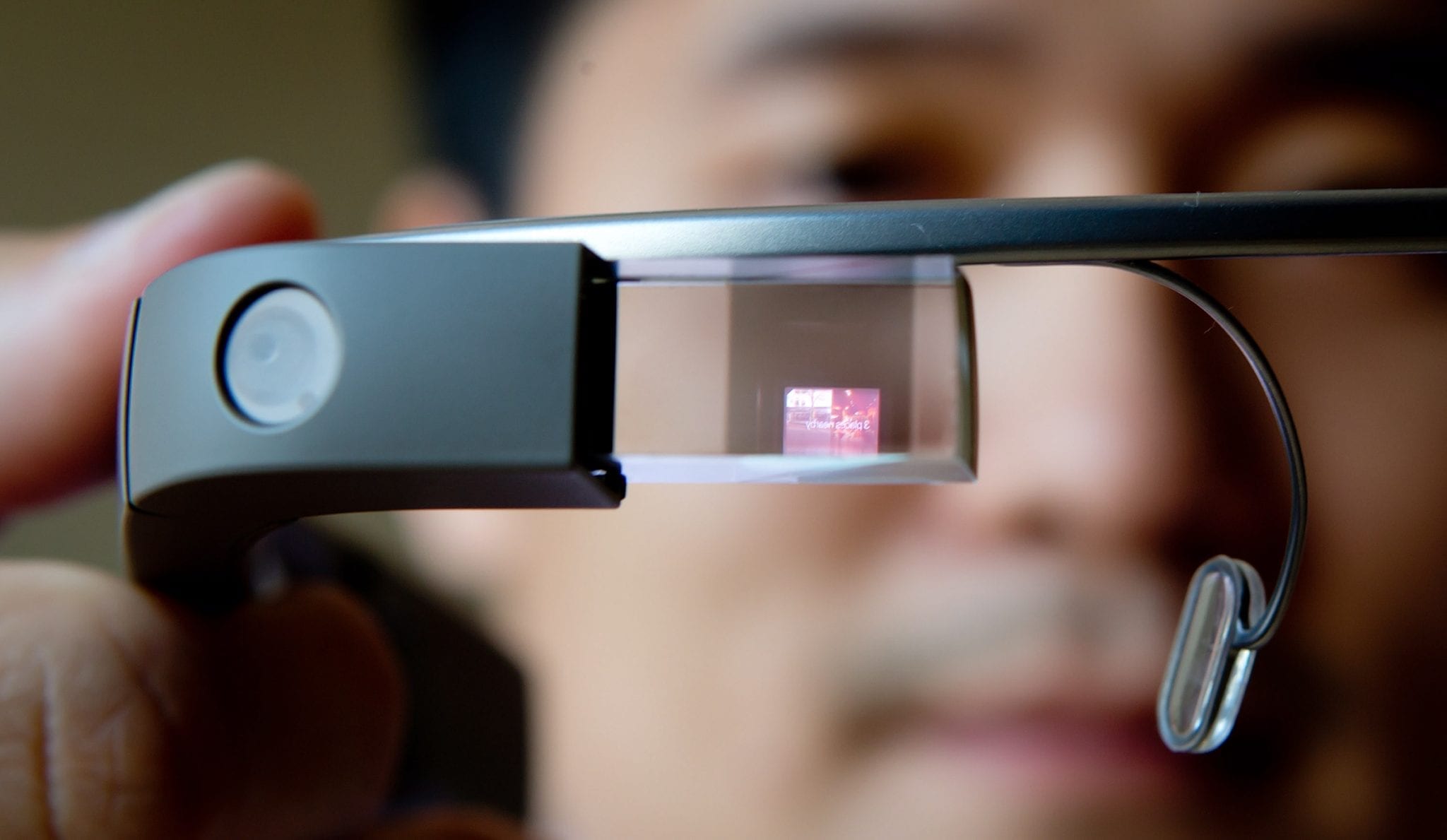
    While 43 per cent of urban Chinese consumers would buy wearable devices for themselves, the figure rises to 48 per cent for the 20- to 24-years age bracket, says London-based research firm Mintel.

    Yet 32 per cent of the consumers it surveyed agree it is fashionable to use wearable devices in China, dropping to 27 per cent of those 20 to 24. Today, 52 per cent of urban Chinese consumers have a smart wristband and 42 per cent own a smartwatch. Furthermore, 69 per cent of smartwatch owners have also bought smart wristbands.

    Mintel’s research shows that smart wristbands are growing in popularity in China. Sales of the wristbands over the past two years are estimated to have grown by 109 per cent, while smartwatch sales dropped by 37 per cent. Overall, the total volume sales of smart wristbands and smartwatches is estimated to have grown by 66.8 per cent last year.

    “The wearable devices market is facing a challenge to sustain growth,” says Mintel senior technology analyst Terra Xu. “This is because of the lack of breakthrough products and the wide ownership of smartphones.”

    Pricing key

    As a result, innovation and low entry prices are becoming key to wearable devices in China, he says.
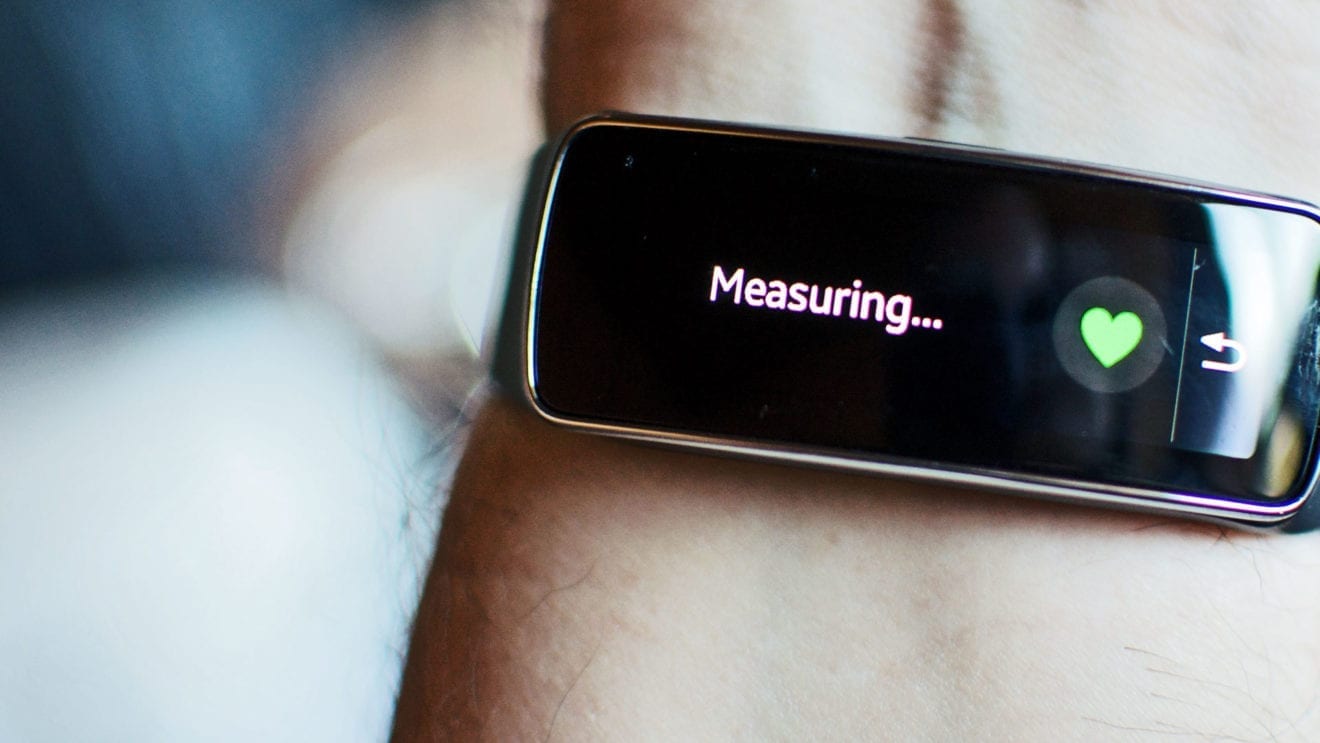
    Of Mintel’s survey respondents, 53 per cent say they find health-monitoring ability attractive, while half of them are interested in being able to track family members.

    Also, 45 per cent of urban males are more interested in connecting wearables to other devices such as smartphones and cameras, compared to 39 per cent of females. Of consumers between 20 and 24 years, 46 per cent are most attracted by wearables that can receive location-based information, while 45 per cent of those aged 40-49 years are more interested in satellite navigation.

    Mintel says high interest is being shown in virtual-reality (VR) applications. Its research shows that 97 per cent of urban Chinese consumers are “very” or “somewhat” interested in at least one type of VR application, with movies being the prime choice for 45 per cent of both genders.

    While males are more interested in playing VR games (39 per cent) and virtual test rides (31 per cent), females are attracted by VR applications that help with online shopping, such as viewing and buying goods in virtual shops (35 per cent) and children’s entertainment such as interactive videos or games (25 per cent).

  • Chinese vendors dominate local smartphone market

    Chinese vendors dominate local smartphone market

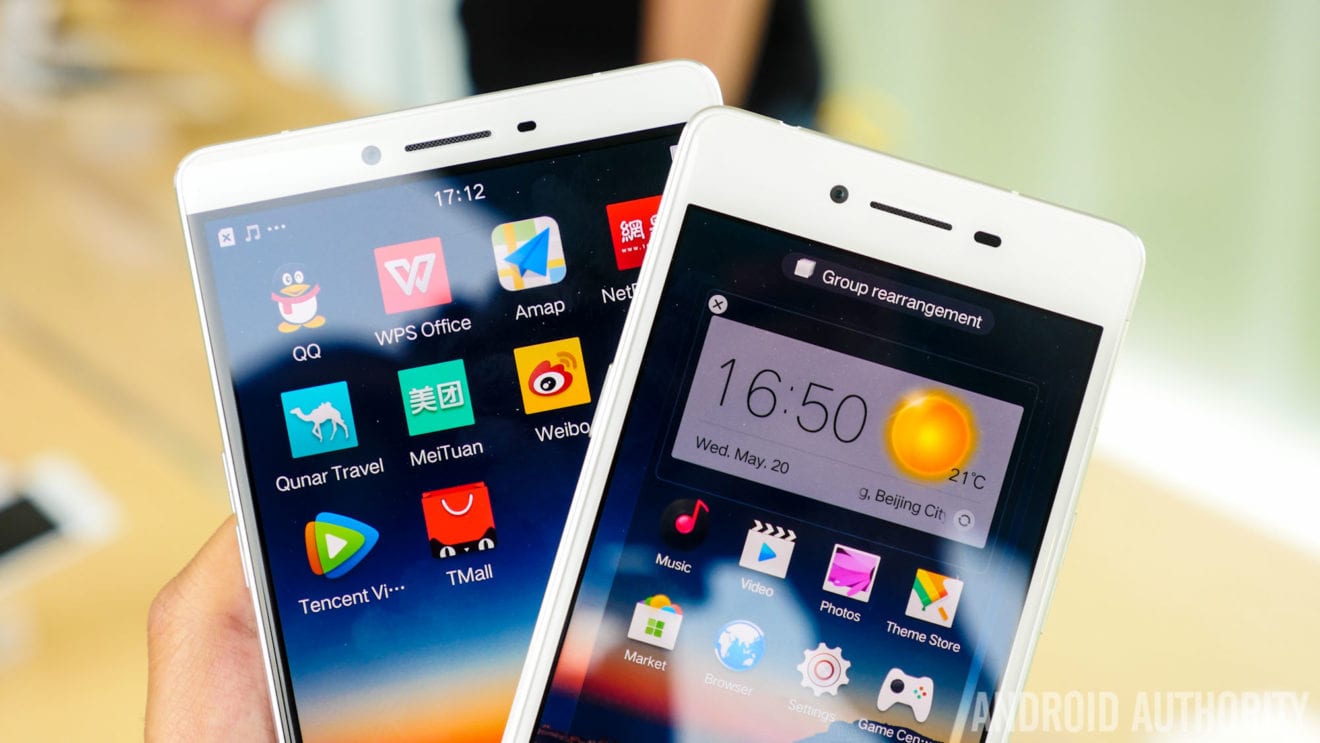
    Top Chinese smartphone vendors are taking up a larger share of their domestic smartphone market, cornering 57% of sales in 2016, IDC estimates. This is up from 46% in 2015.

    The research firm said this shows the growing local acceptance of Chinese vendors in their home countries with the improvement in product features and better marketing messages seen in the past year.

    “Increased dependence on mobile apps has led consumers to seek phone upgrades, thus helping drive the large growth in the fourth quarter. In lower-tiered cities, there was similar demand from consumers, which OPPO and Vivo met by aggressively pushing mid-range smartphones in these cities,” commented Tay Xiaohan, senior market analyst with IDC Asia-Pacific’s Client Devices team.

    A key trend that stood out in 2016, according to IDC, was the slowing growth of the online channel in China.

    “There is no longer a single channel that is seeing exponential growth for smartphones, unlike previous years. Most brands are now using a combination of channels to increase their shipments,” IDC noted.

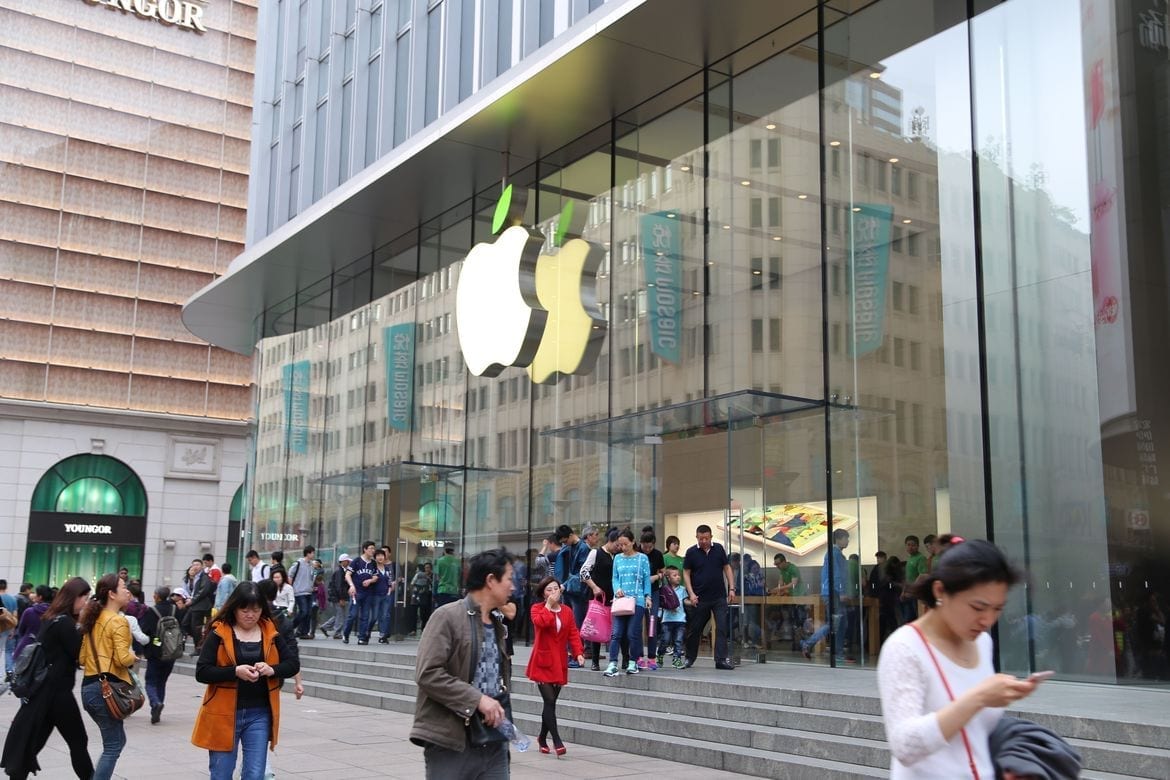
    Xiaomi, previously focused on online channels, has opened more Mi Home stores to drive offline growth. Apple has also been aggressive in increasing its offline retail presence. Some vendors outside the top five vendor list in 2016, such as Gionee, also saw good growth in 2016 due to its expansion in the offline channel in the lower tiered cities.

    To differentiate itself from OPPO and Vivo – which predominantly target a younger audience – Gionee has been targeting professionals and executives, and hence found a niche market for itself to stand out against its two competitors.

    IDC also observed that for the first time Apple saw a year-over-year decline in the China market. The new iPhone 7 did not create as much of a frenzy compared to the past.

    Despite the decline, IDC does not believe Chinese vendors have actually eaten away Apple’s market share. Most Apple users are expected to be holding out for the new iPhone that will be launched this year, and that will help the brand to see growth in 2017. Apple’s 10-year anniversary iPhone will also likely attract some of the high-end Android users in China to convert to an iPhone.

    In 2017, IDC expects top vendors to continue to taking up a larger share of the market while smaller brands will begin consolidation. Chinese vendors will continue to focus on their international expansion plans. At present, out of the top three Chinese vendors in China, Huawei is the most successful with half of its shipments coming from markets outside of China in the fourth quarter of 2016.

    “We expect these vendors to increase their shipments in the international market, with India as a key target for these top Chinese vendors,” IDC said. “Similarly, Chinese vendors will be aggressive with other new technologies such as flexible screens, augmented reality, and other new areas.”

  • AMD Ryzen processor box art revealed by Thai retailer

    AMD Ryzen processor box art revealed by Thai retailer

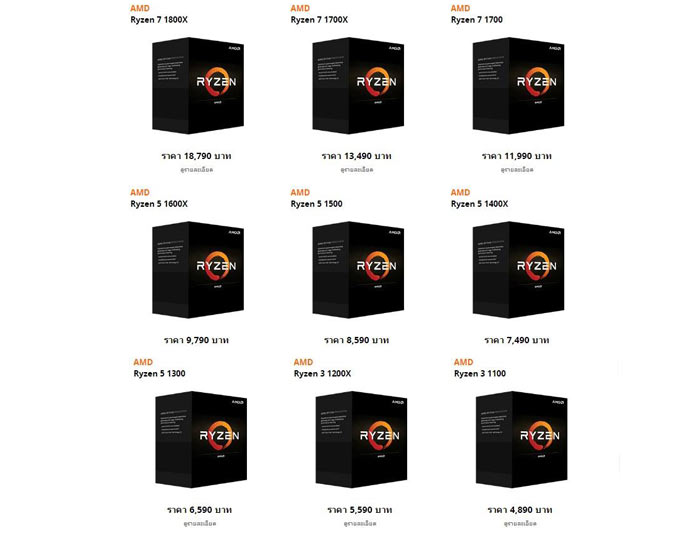
    Another day, another AMD Ryzen leak / rumour / news morsel… or two. Particularly interesting today we see what is claimed to be an AMD Ryzen box art matrix from Thailand. The web images don’t only show the products which will be soon on sale but the prices, in Thai Baht naturally. In a similar vein a Belgian online retailer has let slip its prices for the AMD Ryzen 7 range of CPUs.

    Looking at the single box art close-up we have available, above, via WCCFTech, the box design is rather simple and mainly black. Just because these have appeared on a Thai retailer site doesn’t mean they are representative of what AMD will ship either. It’s hard to know if the retailer images are overcompressed or just shoddily put together as placeholders, maybe by the retailer itself.

    Perhaps more important than the box images, if they are genuine, is another price indication at this time. Looking over the nine CPUs and prices in Thai Baht we see a price range from the Ryzen 7 1800X at 18,790 Baht (£430), down to the Ryzen 3 110 at 4,890 Baht (£112). Its possible to click through the above image matrix on the Thai retail site and get more details. You can find a full set of these pictures in the source article, one is included below for reference.

  • Garmin sets up regional HQ in Singapore with eye on SEA

    Garmin sets up regional HQ in Singapore with eye on SEA

    Global manufacturer of fitness products Garmin has selected Singapore as its regional headquarters as part of the brand’s strategic plan to strengthen its presence in the region.

    Garmin’s consumer products have been sold in Singapore through distributors since the early 1990s. The company has a strong foundation in engineering products for aviation and marine since 1989.

    With the opening of its Singapore headquarters, Garmin will now directly manage sales and marketing of its consumer business devices in South-East Asia and India region.

    Leading Garmin’s Singapore business is its managing director for South Asia/ India region, Engelhard Al Sundoro, who will manage Garmin’s consumer business in six Southeast Asian (SEA) countries that include Singapore, Malaysia, Philippines, Indonesia, Vietnam and Thailand.

    “Outside of US, China and Taiwan, it is a natural step for the brand to strengthen our presence in SEA with Singapore as our headquarters as consumers here tend to be early adopters of technology,” said Al Sundoro.

    Garmin had recently announced its partnership with EZ-Link to launch a special version of its vivosmart HR activity tracker with built-in NFC contactless payment capability. This would allow commuters to use their fitness band to pay for their train, bus, cab rides and even purchase items at selected retail stores in Singapore.

    “As a company, we need to be an enduring brand that consistently innovates. In order to do that, it is essential for us to be closer to our customers to understand what they need. Even as a global brand, Garmin sees each market differently as the customer needs in each region is diverse,” he added.

  • Apple’s In-Store Story, Android Pay Goes Wearable And Samsung Open For Business In Thailand

    Apple’s In-Store Story, Android Pay Goes Wearable And Samsung Open For Business In Thailand

    Samsung’s global march added another stopping point this week, as Thailand became the latest nation to come online for Samsung Pay. That announcement comes as most of the global payments-watching community was watching Samsung Pay’s imminent foray into India.

    Speaking of watching — and watches

    After four months of waiting, Android Pay has finally made the leap onto an Android Wear-powered smartwatch — thanks to a bit of as assist from LG. It’s not Android Pay’s first foray onto a wearable, but it is the first time Android Pay will be open for business on a smartwatch not made by Samsung.

    Apple’s move this week is about merchants. New research suggests that Apple Pay has gone from being accepted at 16 percent of U.S. merchants to 36 percent of U.S. merchants — which said report notes is good enough to make it the most favored form of in-store mobile payment among American merchants.

    So how’d all the territory grabbing come out this week – and who gained the most ground? Well…

    Samsung Pay In Thailand

    Samsung Pay is not entirely new to Thailand — the service has been rolling out slowly under the radar since a November soft launch with about 100 retail partners — but as of Tuesday, Samsung Pay was out in full for any Thai customer interested in taking it for a smartphone spin.

    And, it should be noted, Samsung has great expectations for the Thai market and has set a goal of attracting 1 million users to the platform by the end of the year.

    “Thailand is the ninth country in 10 markets globally with which we have established our mobile payment presence, and the third country in Asia-Pacific apart from Singapore and Australia,” said Elle Kim, vice-president for the payment business group at Samsung Electronics.

    Kim noted that Thailand presents a natural opportunity for a mobile payments platform — given the government’s national e-payment scheme and the widespread use of smartphones and e-commerce.

    At launch, to use the service, customers must use a Visa or Mastercard issued by one of the nation’s six largest banks: Bangkok Bank, KTC Credit Card, Citibank, Siam Commercial Bank, Kasikornbank and Krungsri Consumer.

    Those six collectively cover about 70 percent of the cards issued in Thailand — Samsung has confirmed that by the end of the year it hopes to have upped that to covering 90 percent of the nation’s card holders.

    And it is a 90 percent that Samsung will compete for unopposed, since neither Apple nor Android Pay have any immediate plans to take on the Thai market. As of right now, mobile payment transaction value in Thailand is estimated to reach US$4 million in 2017. That figure is forecast to reach $36 million by 2021.

    Samsung is also widely expected to announce an expansion into India for Samsung Pay by the end of the quarter — with more international expansion slated for 2017.

    Android Pay And Android Wear – Better Together?

    After a very public announcement of Wear 2.0 last October that included Android Pay — the updated and enhanced version of Android OS for wearables — the world sort of had to wait a while to see it in action, since there was no wearable on the market sporting the feature.

    That changed this week with a pair of new watches from LG that marked a collaborative design effort with Google: the Watch Sport and the Watch Style.

    The big change involves making the watch a device capable of standing apart from a smartphone — a true computer for the wrist.

    And while that extends to many of the Wear’s various features, it is drawing praise particularly in relationship to the Android Pay support now available on the wearable.

    Unique to this version of wearable-based payment, however, is its level of independence. Android Pay runs as a standalone app on the watch — a connected smartphone is not necessary to pay for stuff (though a phone pairing is necessary to set up Android Pay on the watch for the first time). Android Pay on a watch does not actually even need an internet connection for a limited number of transactions (though to fully complete the transaction the watch must eventually go online).

    Android Pay is not entirely new to wristbased devices — Samsung’s smartwatches support it — but as of this week, Android Pay supported by Android’s wearable OS is now on the market for the first time — though not the last.

    Google has announced that many more Wear 2.0 watches will be out in the market by the end of the year — presumably to satisfy a consumer demand that will make itself apparent any day now.

    Apple’s Adding Merchants

    According to new published data from Boston Retail Partners, Apple Pay has garnered the largest percentage of U.S. merchants supporting mobile in-store payments, with 36 percent of said merchants accepting the 2.5 year old mobile payments app. The study further suggested that an additional 22 percent of retailers will accept Apple Pay in the next 12 months and 11 percent on top of that plan to do so within the next one to three years.

    Apple’s lead is notable — but also highly explainable by time. Apple Pay is the granddaddy of in-store mobile payments apps, so it’s had more time to add merchants to its roster. But as we’ve noted, being present at the POS is only half the battle for Apple Pay — consumers still have to chose to use it. So far, by our numbers here at PYMNTS, they aren’t — at least 19 out of every 20 who can.

    Which, as it turns out, maybe the lesson this week. More is good — more devices, more ground and more merchants — but only if at the end those things net more customers — and more transactions.

    We’ll keep you posted on how more turns into market share for transactions. By the way, we’ll be releasing totally new data on mobile payments adoption – based on what consumers actually do at the point of sale when they are paying for what they bought – at Innovation Project 2017. This new study will measure adoption for the major in-store “Pays” – Apple, Android, Samsung, and Walmart (at Walmart only, of course).
  • Xiaomi targets 10bn yuan revenue from 1000 new offline stores

    Xiaomi targets 10bn yuan revenue from 1000 new offline stores

    Chinese smartphone maker Xiaomi has pinned its hopes on offline sales with a plan to open 1,000 brick-and-mortar stores over the next three years, targeting 10 billion yuan in revenue from this channel, its founder and chief executive Lei Jun said on Wednesday.

    Xiaomi aims to boost the number of its physical stores, called Mi Home, to 200 this year from 51 at the end of last year, Lei said at a forum in Yabuli in the northeastern province of Heilongjiang.

    “I am confident that each of the offline stores can achieve sales of 10 million yuan [per month],” he said. That means Mi Home retail stores are expected to contribute 2 billion yuan (HK$3.39 billion) in sales per month.

    Lei said 2016 was a tough year for Xiaomi as he was “confused” about how to expand into more innovative sales channel from just e-commerce.

    Traditionally, running brick-and-mortar stores will inflate costs and erode profits, making it hard to offer high quality and inexpensive products to customers, Lei said. The toughest part is therefore to build new stores with high efficiency to control costs, he said.

    One of the challenges for Xiaomi is that we need to make essential adjustments after rapid growth

    Lei Jun, Xiaomi founder and CEO

    “Unlike other chain stores, Mi Home stores are all self-operated by Xiaomi. At the end of last year, our 51 stores were able to achieve sales per square metre of 260,000 yuan,” he said.

    Lei told his staff last month that Xiaomi has targeted 100 billion yuan in revenue this year, which was subsequently described by market watchers as unrealistic, with many sceptical it was achievable.

    However, Lei said he is confident that Xiaomi can meet the target.

    “Considering Xiaomi’s foundation, this small target is not too difficult to achieve. I am more concerned about how to make our foundation more solid,” he said. “One of the challenges for Xiaomi is that we need to make essential adjustments after rapid growth.”

    Despite China’s continuous growth in e-commerce, companies have been putting increased efforts into expanding offline channels, or integrating their online and offline businesses.

    E-commerce giant Alibaba Group founder Jack Ma Yun has said that e-commerce had become a “traditional business” which would soon disappear. A new retail model which integrates online and offline, as well as logistics and data across a single value chain, would be the next trend, said Ma, who first raised this idea in October last year. Alibaba owns the South China Morning Post.

    This article appeared in the South China Morning Post print edition as:

    Xiaomi targets 10b yuan in offline sales

  • Xiaomi Goes All-In On Retail to Revive China Smartphone Sales

    Xiaomi Goes All-In On Retail to Revive China Smartphone Sales

    After pioneering online flash sales in China to reach the top of the smartphone market, Xiaomi Corp. is turning to old-fashioned retail to arrest its slide. The phonemaker will roll out a chain of about 1,000 brick-and-mortar stores under the Mi Home banner over the next three years, as co-founder Lei Jun mimics a strategy that’s helped the Oppo and Vivo brands leapfrog Xiaomi to the top of China’s smartphone market. The new target accelerates plans outlined just last month to open 200 stores in 2017.

    Xiaomi, which was valued at about $45 billion in 2014, is resorting to traditional selling techniques to make inroads into the next generation of smartphone buyers who eschew buying online. While Oppo and Vivo use a network of resellers to reach consumers in rural areas and smaller Chinese cities, Lei’s strategy would be more akin to Apple Inc.’s, with plans to own and operate its own signature outlets.

    “This is Xiaomi’s biggest problem: how we can overcome the obstacles of our business model,” Lei said in a video clip from a business forum posted by national broadcaster CCTV. “Our model can no longer be online, it has to be new retail.”

    “We have a chance to do 60 to 70 billion yuan in business” from those stores, Lei said without specifying a timeframe.

    Xiaomi is overhauling its approach to try and regain its perch atop the world’s largest smartphone arena. While it’s expanding globally — particularly in India — plugging all manner of household appliances and deepening research into artificial intelligence and online finance, the company still gets much of its revenue from its first hit product.

    Oppo and Vivo’s retail strategy has helped them take two of the top three spots in the Chinese market, providing rebates and incentives for the shop owners that dominate sales in far-flung provinces to push their products.

    That has driven down Xiaomi’s share of the home market. Oppo’s smartphone shipments more than doubled to 78.4 million units last year as it took top spot with a 16.8 percent share, according to IDC data. Huawei Technologies Co. and Vivo both rose at a double-digit pace to rank second and third. Xiaomi’s shipments slumped 23 percent and had just 8.9 percent after topping the market two years earlier.

    Savvy use of social media and flash online promotions, where a limited number of devices are available for a short period, helped build buzz around a company that has drawn comparisons to Apple for the fervor of its fans. But that doesn’t work so well in rural areas, where more than 600 million people live and new buyers want advice and demonstrations.

    Having its own network could also help Xiaomi push a wider variety of products.

    While the company is best known for phones, it’s invested in dozens of startups and now offers air purifiers, drones, speakers, TV set-top boxes and robot vacuum cleaners. Its Mi Home outlets resemble Apple stores with their white walls and spare space, but on display is the wider range of appliances that Xiaomi’s invested in over the years. It operates about 50 locations across China currently.

    Apple has about 40 stores across mainland China, most of which are in large cities, but its iPhones are also sold through about 40,000 locations such as outlets controlled by wireless carriers and spots within electronics chains.

    Xiaomi’s not just relying on offline retail to jazz up its phone sales. The company is close to using its own “Pinecone” processors and could introduce the chipset within a month, the Wall Street Journal has reported. In so doing, it would join Apple, Samsung Electronics Co. and Huawei in employing their own processors, which can heighten the user experience by making hardware and software work together more efficiently.

  • Allphones Australia closing 18 stores as it undergoes administration

    Allphones Australia closing 18 stores as it undergoes administration

    Allphones closed its 18 stores on Monday after it has gone into administration. The decision took place after its new owner, Canadian company Glentel, has failed to improve the company’s status after a turnaround project. There are 66 stores that will continue to operate while PBB looks for someone who will take over the rest of the store network.

    “Despite financial support from the shareholder and significant efforts to deliver a successful turnaround, the shareholders are unable to continue funding the group’s losses. The Board of each entity (there are nine in total) has been left with no option other than to place each entity in the Allphones Group into Voluntary Administration this morning,” PPB Advisory said in a statement. Retaining an agreement to resell Vodafone services to help Allphones recover has failed that the company now entered into administration.

    There were 69 employees affected by the store closure. Phil Carter of PBB Advisory said that they were undertaking an urgent review of Allphones. They aim to ensure that the employees impacted were fully supported. However, the future of its employees was still uncertain.

    The company aimed to stabilise the current operations and store network. Carter said that their immediate priority was to work with the company’s key stakeholders, franchisees, licensees and staff to keep the store’s trading on a business as usual basis. Allphones group was acquired in May 2016 and it has employed 440 people. It owns 25 stores while seven were operated by franchisees. Allphones’ other stores were licensed to other parties.

    In 2013, the company has lost its contract to run 45 Virgin Mobile-branded stores in the country. It has suffered $25 million impairment due to the lost of contract.  In the same year, Allphones also ceased selling all Optus consumer products including mobile, broadband products and fixed telephony. Optus decided to end the contract to overhaul its retail strategy in improving customer relation. During this period, Allphones strengthen its partnership with Vodafone and expanded into the Philippines.

    “We’re contracted to do up to 250 Allphones stores in the Philippines for a telco,” CEO Shaun Colligan told in 2013 . “And the crux of that was this digital solution. You’re taking a quantum leap for those guys where retail has gone from being a very transactional prepaid environment and we’re helping to move them to a post-paid contractual environment.” The company currently has more than 60 outlets in the Philippines.

    Its naming rights sponsorhip of Sydney Olympic Park’s Superdome, now Qudos Bank Arena, has ended in 2016. The company’s first shopfront opened in 1989 in South Australia.

  • Apple beats Xiaomi in China; Oppo takes lead

    Apple beats Xiaomi in China; Oppo takes lead

    Apple has finally halted the dream run of Xiaomi in China, the largest smartphone market in the world, edging the Chinese phone giant from the fourth slot by shipping nearly 45 million iPhones to the Communist nation, a report by market research firm IDC said.

    OPPO, Huawei, and Vivo lead other smartphone brands in China in 2016, latest International Data Corporation (IDC) Quarterly Mobile Phone Tracker report said.

    “Xiaomi was China’s hottest phone brand in 2014 and 2015, but it couldn’t maintain the momentum in 2016,” tech news portal CNET quoted IDC data as saying.

    Shipping 41.5 million smartphones, Xiaomi once known as ‘the Apple of China’ was the No. 5 brand in China last year. Apple, which took the fourth slot shipped 44.9 million iPhones to China (vs.58.4 million in 2015), the world’s largest phone market, it said.

    “The big winner was Oppo, which shipped 78.4 million phones more than double the 35.4 million it shipped in 2015. Huawei came in at second, shipping 76 million phones, while Vivo managed to almost double its shipments, going from 35 million in 2015 to 69 million last year,” it said.

    “2016 was the first time ever that Apple saw a YoY decline in the Chinese market. Even though the new black coloured iPhones caught the attention of consumers, overall, the new launches did not create as much of a frenzy compared to the past,” the IDC report said.

    “Despite the decline, IDC does not believe Chinese vendors have actually eaten away Apple’s market share. Most Apple users are expected to be holding out for the new iPhone that will be launched this year, and that will help the brand to see a growth in 2017.”

    “Apple’s 10-year anniversary iPhone will also likely attract some of the high-end Android users in China to convert to an iPhone,” it said.

    Chinese market grew by 9 per cent last year.

    “Most brands are now using a combination of channels to increase their shipments. Xiaomi, previously focused on online channels, has opened more Mi Home stores to drive offline growth. Apple has also been aggressive in increasing its offline retail presence,” it said.

    The top three Chinese brands grabbed a total of 48 per cent of the Chinese market last year.

    Jin Di, a research manager with IDC China, said another reason behind the success of Chinese brands was their willingness to share profits with distribution partners.

    Apple dropped from third in 2015 to fourth in 2016, as shipments to China plunged 23.2 per cent to 44.9 million units.

    Xiaomi was top in 2015, but fell to the bottom of the top-five vendors, with a 36 per cent plunge in sales in China.

    Total smartphone shipment volume in China rose 8.7 per cent to 467.3 million handsets last year.

    The IDC forecast that the volume in 2017 will continue to grow as consumers replace old phones, but that the growth will be slower than 2016.

    Worldwide, the top five smartphone vendors in terms of shipments last year were Samsung, Apple, Huawei, OPPO and Vivo.

  • Vietnam’s government approves Samsung extra pouring

    Vietnam’s government approves Samsung extra pouring

    According to SDV’s plan, the firm will carry out the expansion for five years starting in 2018, bringing the sum to be invested in this project to $6.5 billion and making it the largest project invested in by the South Korean giant.

    “Government approval will be officially announced soon,” said Minister-Chairman of the Government Office Mai Tien Dung at a press meeting on February 3.

    The provincial government earlier asked for government permission to offer tax incentives for the additional investment, which will enable the project to be classified as large-scale project.

    The plan for expansion is likely to be finalized as soon as the first quarter of 2017, according to local media.

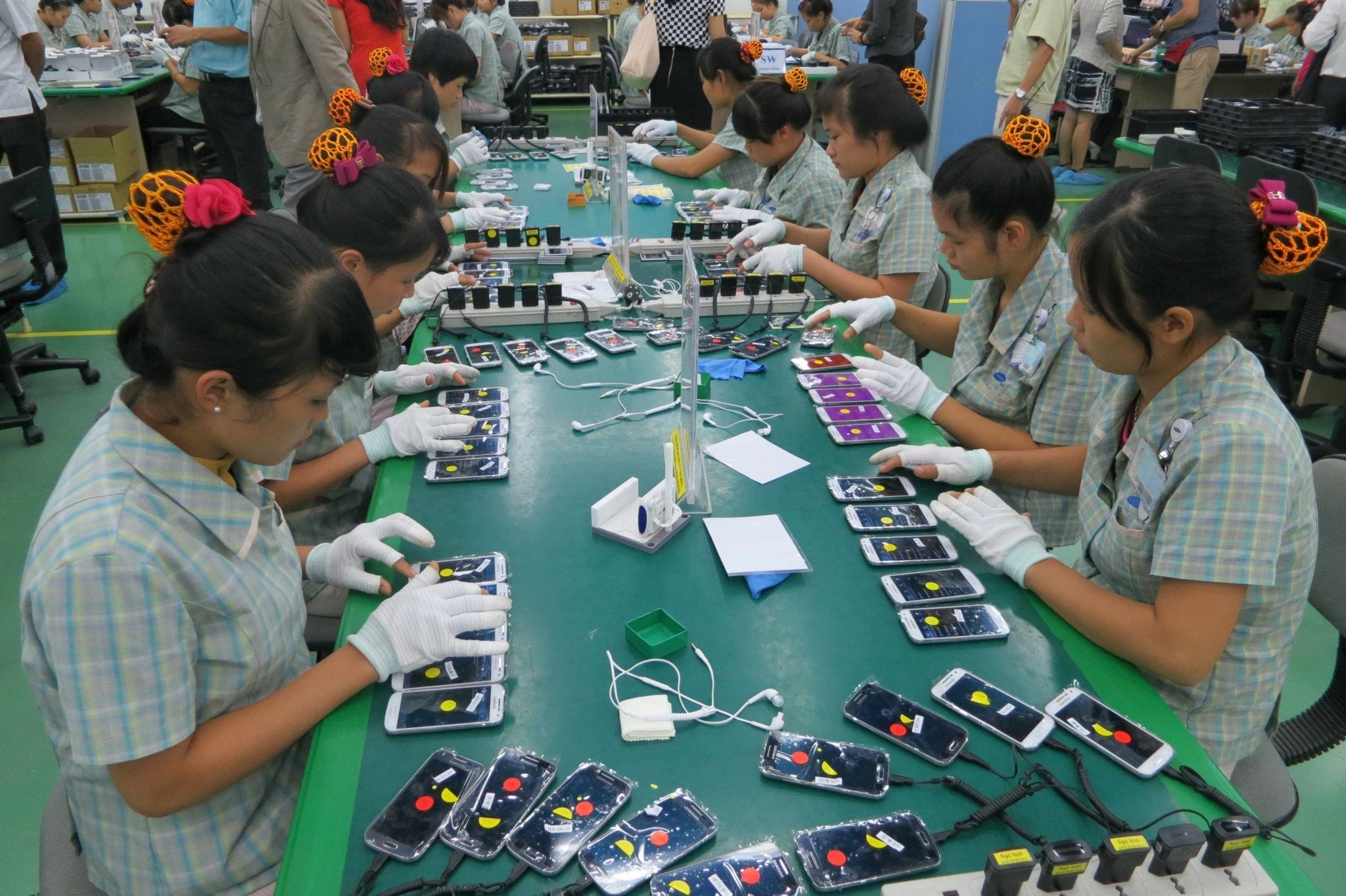
    Samsung Display in 2014 set up the factory to assemble AMOLED panels into modules for use by Samsung Electronics’ smartphone factories in Bac Ninh and Thai Nguyen, which is also in northern Vietnam.

    The AMOLED panels are transported from its factories in South Korea. The South Korean company has dominated the global supply of smartphone AMOLED panels.

    In order to maintain the market status and viewing that Apple is very likely to adopt AMOLED panels for the new iPhone to be launched in 2017, Samsung Display plans to expand the factory of AMOLED modules in Vietnam.

    Companies setting up plants in Vietnam, such as Samsung Electronics, are transforming the country into a manufacturing hub for electronics goods, including smartphones.

    From a trade deficit of $3.5 billion in 2015, Vietnam returned with a trade surplus of $2.68 billion in 2016.

    Wage cost competitiveness is the key reason it’s attracting capital away from countries with worsening demographic transitions in East Asia.

    Institutional reforms have also contributed to making Vietnam more foreign investor friendly.

    Revised investment and enterprise laws have cut the time needed to establish a new business. Lower corporate income tax rates and streamlined payments have also helped.

    South Korean companies have deployed 592 projects worth a combined $8.6 billion in Bac Ninh, accounting for 65.6 per cent of the total foreign direct investment (FDI) in the province.

    Samsung has been the largest single foreign investor in Vietnam, with its investments totaling some $15 billion.

    This is not the first time the Korean giant has asked for incentives for its projects in the country.

    The FDI sector continues to lift Vietnam upwards, with it making a contribution of more than 20 per cent to GDP growth since 2010.

    Last year, disbursed FDI rose by 9 per cent to a record $15.8 billion and committed FDI increased 7.1 per cent, to $24.4 billion.

    The Foreign Investment Agency at the Ministry of Planning and Investment announced that 2,547 FDI enterprises bought stakes of more than 50 per cent in Vietnamese companies or in conditional investment sectors last year, totaling $3.425 billion.

    But while exports rely heavily on specific FDI enterprises, the technology absorption and enhancement of human capital that Vietnam was supposed to acquire from FDI inflows are nowhere to be found.

    Vietnam’s workforce is largely engaged in the final assembly of products for export, which are primarily low value-added, labor-intensive and use low-level technologies.

    The foreign sector plays a crucial role in the Vietnamese economy, but considerable tax incentives granted to overseas investors may lead to distortions of the overall investment climate, the World Bank has said in a report.

  • Tablet market shrinks 9% during Q4

    Tablet market shrinks 9% during Q4

    The global tablet market fell 9% during the fourth quarter, with shipments from market leaders Apple and Samsung down by double digits, according to Strategy Analytics.

    The research firm estimates that around 63.5 million tablets shipped during the quarter, down 69.6% from a year earlier.

    Apple’s iPad shipments sank 19% to 13.1 million, with the vendor’s market share declining from 23.2% to 20.6%. Strategy Analytics attributed the sluggish performance to the lack of a new iPad Pro model or any price cuts during the quarter.

    Samsung’s tablet shipments meanwhile fell 10% to 8.1 million, but its market share dipped a mere 0.1 percentage point to 12.8%.

    Third-placed Amazon increased its market share from 5% to 6.7%, with shipments growing 21% to 4.2 million.

    “Amazon has broken out of its unique seasonal patterns with the majority of its tablet sales occurring in Q4 to a more balanced approach all throughout the year, which speaks to the success of its low-cost, feature-rich Fire 7,” commented Peter King, director of Strategy Analytics’ tablet and touchscreen strategies service.

    “While Amazon’s play is to bring more users into its ecosystem for incremental revenue, we believe other technology companies can mimic this success as the tablet still holds strong entertainment value.”

    Lenovo was next with a 16% increase in shipments to 3.7 million, representing a total market share of 5.8%. Fifth-ranked Huawei was the strongest performer of the major vendors during the quarter with a 49% year-on-year increase in shipments to 3.4 million. The company’s market share increased to 5.4% from 3.3%.

  • South Korea’s Samsung consider building US appliance factory

    South Korea’s Samsung consider building US appliance factory

    South Korea’s Samsung Electronics said Friday it’s considering building a factory to make household appliances in the United States as various industries brace for potential protectionist trade policies under the administration of President Donald Trump.

    A spokeswoman for Samsung said the plans were “purely in the evaluation stage” and no decisions have been made. She didn’t want to be named, citing office rules.

    Samsung also said in an emailed statement on Friday that it continues to assess “new investment needs in the United States. The news drew the attention of Trump, who tweeted “Thank you, @Samsung! We would love to have you!”

    Most Samsung televisions, refrigerators and other household appliances sold in the United States are made in Mexico.

    The spokeswoman refused to say whether Samsung was worried about the possibility of the United States moving to impose tariffs on products imported from Mexico.

    A spokesman from LG Electronics, another South Korean technology company, said it is also considering building a manufacturing plant in the United States and will decide on the matter within the first half of the year. He also didn’t want to be named, saying that the matter was sensitive.

  • Apple China sales slide further

    Apple China sales slide further

    Apple China sales have fallen for the fourth consecutive quarter, but the tech giant is putting on a brave face, buoyed by rising global revenue.

    Apple sold 78.29 million iPhones in the quarter ended December 31, up from 74.78 million last year, marking the first quarterly growth in iPhone sales in 12 months. It was as many as 2 million handsets more than analysts were predicting.

    But revenue in Greater China fell 11.6 per cent to US$16.23 billion as the iPhone came under heavy pressure from a raft of locally produced Android-based handsets with similar or higher specification and half the price.

    Apple executives put a positive spin on the China problem. “We were encouraged by our performance in China because it was clearly an improvement over the last couple of quarters,” CFO Luca Maestri said in a conference call. “In Mainland China in particular, our revenue was flat and actually grew in constant currency terms.”

    Neil Saunders, MD of GlobalData Retail, (formerly Conlumino), said both the new model iPhones and MacBook Pros helped deliver global growth for Apple: iPhone sales rose by 5 per cent in terms of units and revenues, and Mac sales were up by 7 per cent in revenue, and by 1 per cent in units.

    “In our view, the new MacBook Pros have a niche appeal, but the much higher price points helped to inflate sales. That said, given there is a more limited market for this fairly expensive kit, we question how much of a contribution to growth the new laptops will make over the remainder of this fiscal year.”

    Saunders said the first quarter results were a fairly positive note for the company, “finally pulling out of the tailspin of lower sales which have dogged it over the past year”.

    “However, the revenue uplifts have come off the back of fairly soft prior year comparatives, especially so in the North American market. Even so, the performance will come as a relief to Apple.”

    Services key to future

    Apple CEO Tim Cook said he expects revenue from services – which include the App Store, Apple Pay and iCloud – to double in the next four years after an 18 per cent improvement to to US$7.17 billion in the last quarter. Pokemon Go and subscription revenues had driven the growth.

    Saunders notes that in monetary terms services is now bigger than iPad sales and is almost as big as Mac sales.

    “Encouragingly, the division is nowhere near as mature as other parts of Apple’s business and we believe there is significant scope for future growth as Apple rolls out more content and services.”

    Despite these positives, Apple’s results do not provide the company with a completely clean bill of health, according to Saunders.

    “The iPad business, which was once a key driver of growth, is now firmly in decline with sales down 22 per cent over the prior year. And despite both product and operating system updates, sales of the Apple Watch continue to be anemic and it is clear that this product line is unlikely to be a significant winner.

    “The other major negative comes from the profit line where net income fell by 2.6 per cent. Admittedly this is much better than the circa-20 per cent declines that Apple has posted across the past three quarters. However, it underlines the fact that the top line is not moving ahead by enough to keep pace with the increased investment costs in store refreshes, product development, and research. Given that Apple remains extremely profitable, this is not a huge problem – but it does indicate that the days of heady bottom line growth are over, at least for this fiscal year.”

  • Two Moto Concept Stores open in Manila

    Two Moto Concept Stores open in Manila

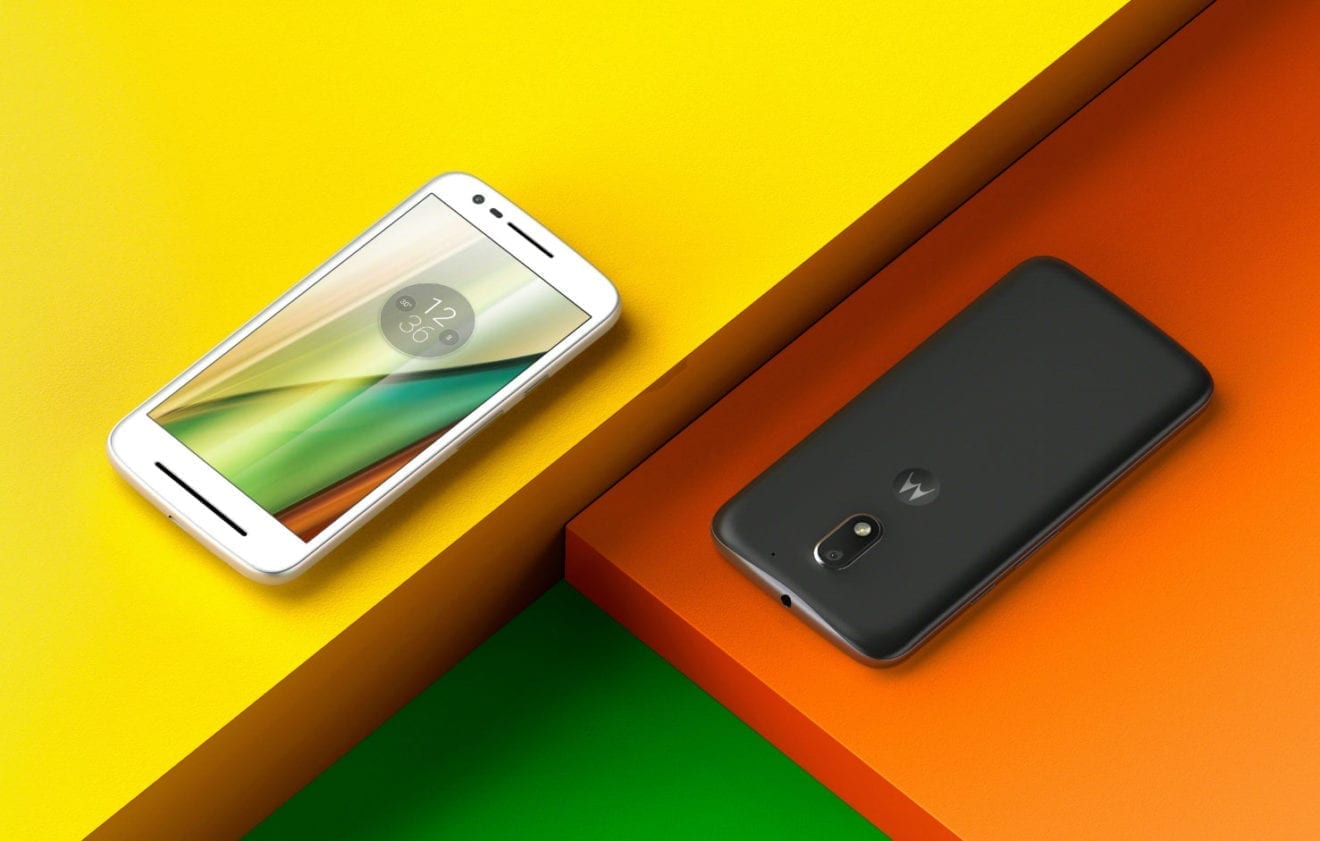
    Lenovo has opened two Moto Concept Stores for its mobile phone brand in Metro Manila as part of its Philippine “full-throttle” expansion.

    Both run by smartphone retailer MemoXpress, the stores are in the Cyberzone areas of SM North Edsa Annex and SM Megamall.

    “The Philippines is a very important market for Moto,” says Lenovo Mobile Business Group Philippines country manager Dino Romano.

    Lenovo says it aims to become the No. 3 player in the global smartphone market through expanding its Moto line across emerging markets, including the Philippines. Currently the fastest-growing smartphone market in the region, the Philippines had 3.5 million smartphone shipments in the first quarter of last year, according to the latest report of the International Data Corporation (IDC).

    Both Moto Concept Stores carry the latest Moto smartphones.

  • Top 30 Chinese global brands: Lenovo, Huwaei, Alibaba rank first

    Top 30 Chinese global brands: Lenovo, Huwaei, Alibaba rank first

    Lenovo is the most powerful Chinese global brand builder, followed by Huawei and Alibaba, according to new research released this week.
    The first “Brand Top 30 Chinese Global Brand Builders”, released by WPP and Kantar Millward Brown in collaboration with Google, said the personal computer and mobile technology firm is the most powerful Chinese export brand with a Brand Power score of 1,682. Lenovo was followed by consumer electronics brand Huawei (1,256) the e-commerce marketplace giant Alibaba (1,047).

    Kantar Millward Brown calculated the Brand Power (the BrandZ measure of consumer predisposition to choose a particular brand) of Chinese brands outside of China across seven countries, supported by research conducted using Google Surveys in September 2016, to find the ranking. The evaluation looked at 167 Chinese brands, the median Brand Power score of which is 85.

    The biggest find was how the Made in China brand is shifting. While established brands currently have an edge over the emerging internet-lead brands, with 57% of the total Brand Power in the ranking, digital brands were the biggest winner.

    Collectively, consumer electronics and mobile gaming lead the ranking, both in terms of the number of brands in the ranking (17) and combined Brand Power (59%). The result reflects the transformation of Chinese brands, which consumers abroad increasingly associate with innovative digital devices and services.

    One challenge facing Chinese brands is that international consumers are generally less aware of, and less likely to consider purchasing, a Chinese brand than a local or globally recognised one, said the research.

    However, awareness and consideration gaps vary, with consumers in France, Germany and Spain more aware of and likely to consider Chinese brands than consumers in Japan, Britain or America, said report authors.

    “The study shows that the movement of ideas and product leadership has expanded globally, with consumers increasingly looking to China as a potential source for the newest and most innovative products and brands,” said David Roth, CEO of EMEA & Asia, The Store WPP.

    “This is the opportune time for Chinese brands to expand abroad, despite the many obstacles and this is why in collaboration with Google we have produced the ground-breaking “BrandZ Top 30 Chinese Global Brand Builders 2017” report. By analysing consumer perceptions of Chinese and non-Chinese brands, we have been able to identify gaps in Chinese brand performance and provide recommendations for brand building strength.”