Category: Fashion

Retail News Asia is committed to providing both local and global retailers with the latest Fashion news throughout the Asian market. This on a daily base.

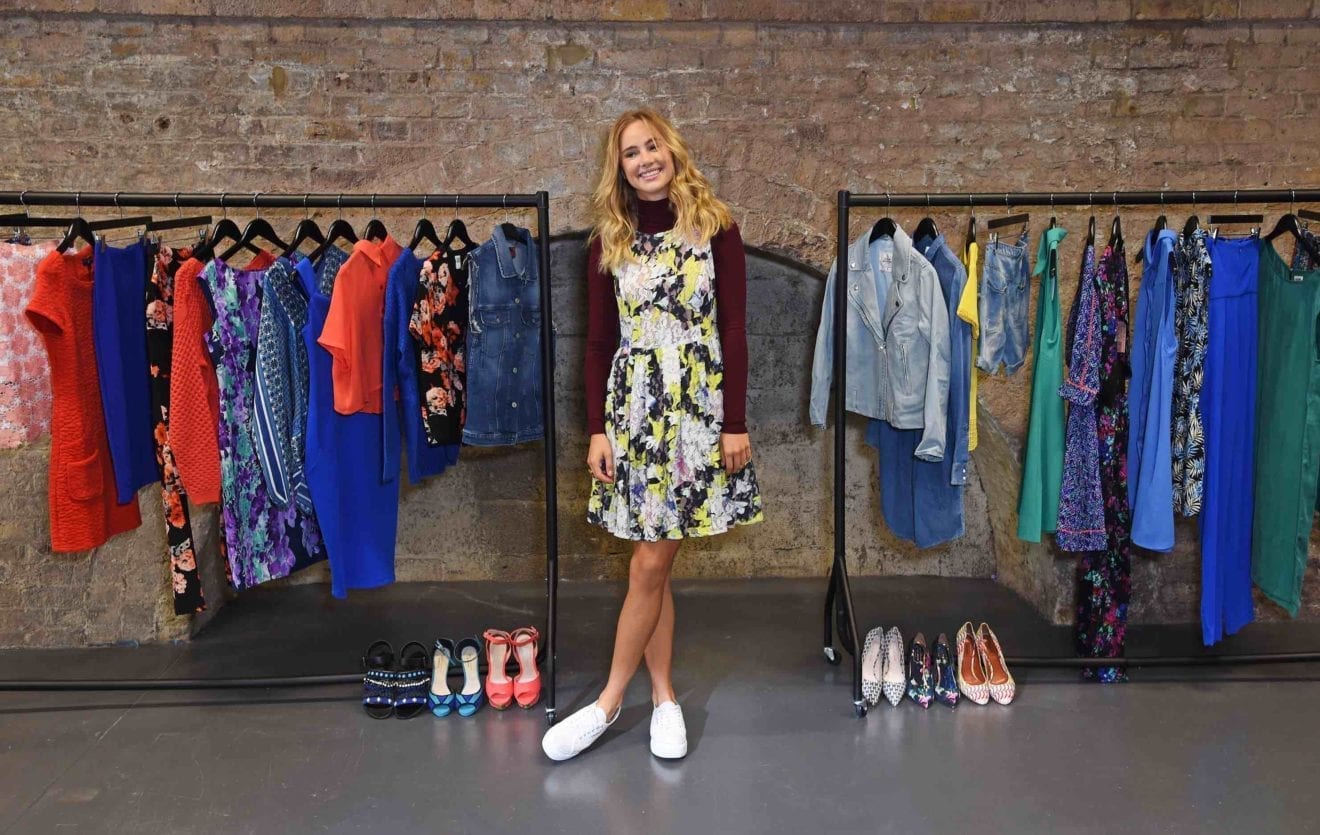
  • H&M unveils Chinese New Year collection

    H&M unveils Chinese New Year collection

    A new H&M Chinese New Year collection has been launched, celebrating the Year of the Rat.

    The H&M Chinese New Year collection features more than 100 items including ladieswear, menswear and kidswear and special items featuring cartoon characters.

    Besides classic dresses, sweaters and wardrobe basics like denim and khaki items, the ladieswear range offer tops and accessories featuring Tom and Jerry characters and Minnie Mouse from Disney. A wide range of red and gold accessories is also included to finish off the outfit for Chinese New Year.

    Male customers can pick from quirky tees and printed hoodies for the new year festivities. In line with the athleisure trend, there is also a wide range of tracksuits and sporty accessories like bucket hats, beanies and belt bags for the fashionable go-getter. Mickey Mouse is featured in the collection together with Tom & Jerry, Mighty Mouse as well as The Itchy and Scratchy Show.

    The H&M Chinese New Year collection also features kid’s apparel and colorful prints featuring the auspicious animal of the year. There are also matching dresses from the Mini-Me collection for mums and daughters who love ‘twinning’.

  • 6ixty8ight opens first store in Mongolia as China expansion ramps up

    6ixty8ight opens first store in Mongolia as China expansion ramps up

    Hong Kong lingerie brand 6ixty8ight has launched its first outlet in Mongolia and says it aims to open 16 more outlets in China this month.

    Located in Hohhot, the Mongolia 6ixty8eight store offers the latest trends in lingerie, homewear, loungewear, casualwear and accessories.

    The lingerie label has been growing significantly since its first China store opened in Beijing, with 16 new stores opening there this month.

    Last month, 6ixty8igtht opened its flagship stores on Lazada serving Singapore, Malaysia, Thailand and the Philippines. The brand is already making another new move to launch on another online platform, Shopee, this month.

    Founded in 2002, 6ixty8ight is one of Southeast Asia’s fastest-growing fashion brands, with more than 200 stores now trading across Greater China, South Korea, Singapore and Malaysia.

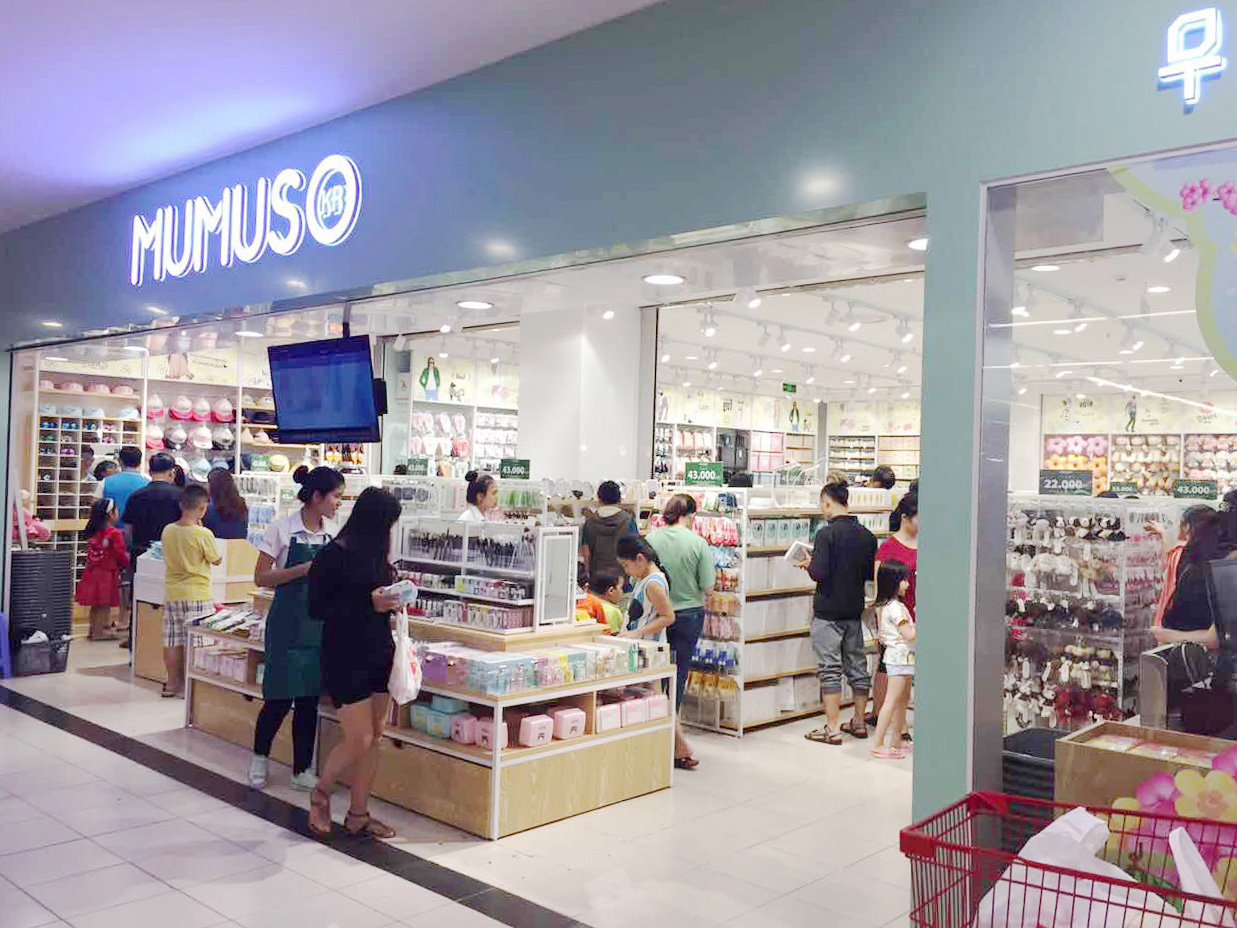
  • Mumuso looking for rapid expansion in India

    Mumuso looking for rapid expansion in India

    Discount Chinese merchandise chain Mumuso is set to expand in India.

    The brand intends to launch outlets throughout the territory and is currently seeking potential franchise partners. It has already opened more than 30 locations in India at a rate of two per month since launching there.

    “Mumuso is eyeing at the Indian market aggressively,” said a statement released by the firm, “with new stores in different parts of the country”.

    Beyond its range of “Korean-inspired lifestyle products”, Mumuso is now looking at moving into the food-and-beverage sector.

    “I have been studying the retail market very closely,” said Mumuso India director Manoj Agarwal. “Indian retail market is huge. When it comes to lifestyle products, India has seen a sharp rise in the demand in the recent years. Our expansion strategy is to set up outlets all over India along with entering the e-commerce market as online shopping has seen a big boost in India in recent years. Mumuso, unlike distributorship, franchises will have more profit and direct access under B2C Format.”

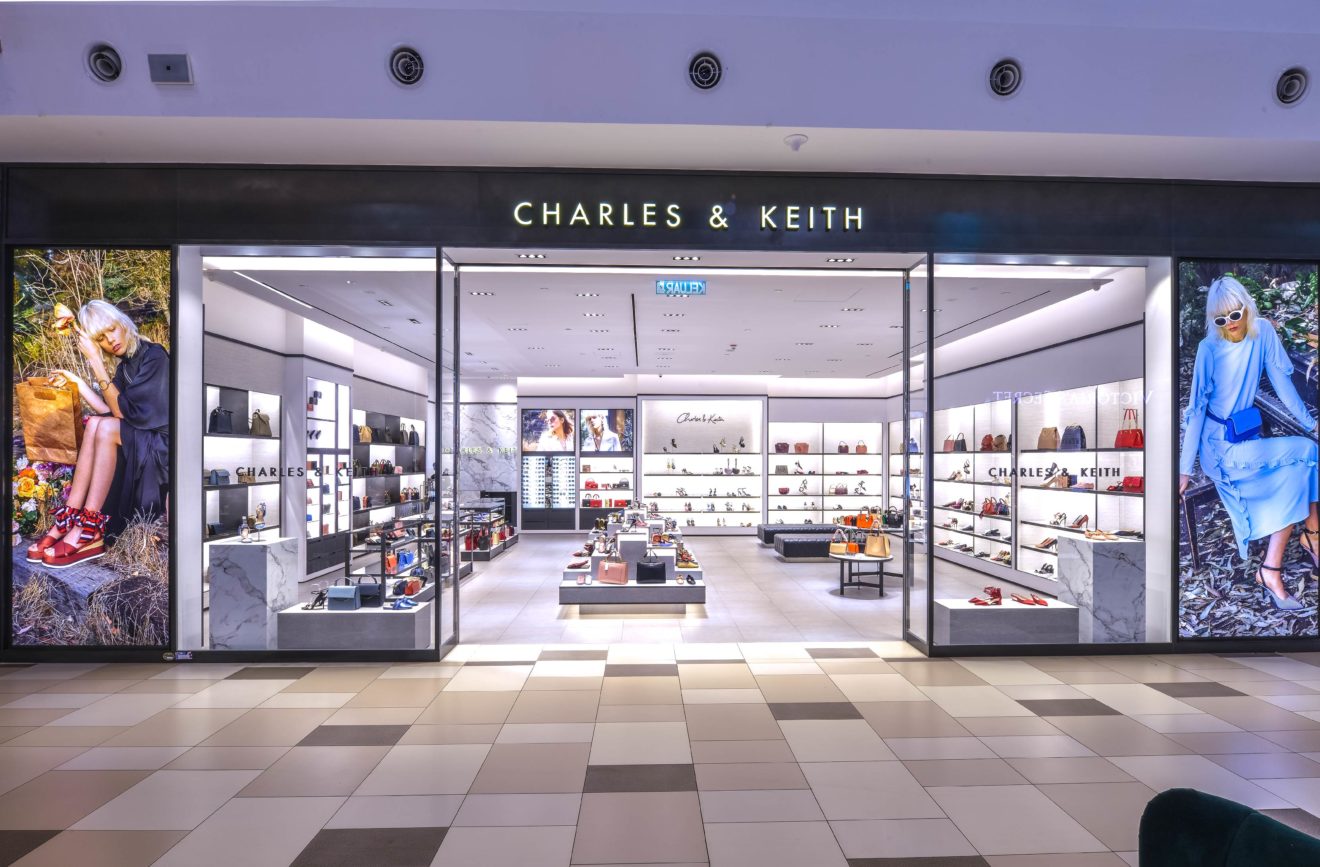
  • Charles & Keith opens more stores in Hong Kong

    Charles & Keith opens more stores in Hong Kong

    Singapore footwear and accessories label Charles & Keith is unveiling three new stores at the APM mall, DFS T Galleria Sun Plaza Canton Road and Langham Place in Hong Kong.

    Each of the three new locations caters to a different demographic of shoppers – APM is a day to night shopping mall, while DFS T Galleria offers a luxury travel retail experience; Langham Place is the largest mall in Mong Kok.

    The aesthetic of the new Charles & Keith stores is inspired by a refined brand identity, featuring limestone fixtures in contrast with dark grey powder furnishing, attempting what the brand describes as “a sophisticated simplicity”. To provide customers with a curated experience, each section of the stores communicate different stories of the season.

  • Lancome launches Absolue Gold Power pop-up at Sanya

    Lancome launches Absolue Gold Power pop-up at Sanya

    Luxury beauty brand Lancome has launched a pop-up store at the Sanya International Duty Free Shopping Complex in Hainan, China.

    Following earlier VIP events in Beijing and Seoul, the Gold Power pop-up, which also marked the first Lancome x CDFG collaboration with the brand’s premium Absolue franchise, extended a luxurious experience to Sanya travellers while promoting Lancome’s French rose-infused Rejuvenated Absolue Soft Cream.

    The pop-up featured an outdoor installation of more than 5000 pink roses surrounding a larger-than-life Lancome Absolue gold jar. In store a 3D digital screen invited travellers to immerse themselves in the brand’s soft cream texture story and browse an assortment of skincare products and travel-exclusive offerings, with personalised skincare consultations.

    “Travelling consumers nowadays are looking for iconic products, desirable brands and memorable experiences,” said L’Oreal Travel Retail Asia Pacific MD Emmanuel Goulin. “This is precisely what we try to achieve with this first-ever Lancome Absolue pop-up in Haitang Bay created in partnership with China Duty Free Group. As such, I am confident that the Absolue range will continue to write the future of Lancome skincare, and become the perfect new cream to win in the highly competitive and strategic premium skincare market.”

    Prominent celebrities and KOLs were invited for special appearances at the pop-up, including Lancome’s brand ambassador, renowned actress Yu Fei Hong.

  • Helena Rubinstein ‘is back’ in travel retail channel

    Helena Rubinstein ‘is back’ in travel retail channel

    Uber-premium cosmetics brand Helena Rubinstein “is back” in travel retail, launching this week the first of a series of initiatives tapping into the Chinese market in particular.

    The L’Oreal-owned brand, founded by Rubinstein herself in 1902, launched a three-day experiential pop-up at The Shilla Hotel in Seoul, a stone’s-throw from the giant Shilla Duty Free department store which draws thousands of predominantly Chinese shoppers every day. More than 30 KoLs from China and South Korea were there, on hand to watch one of the brand’s ambassadors, retired Hong Kong actress Cherie Chung open the event.

    It marked the first travel retail Asia pop-up for the brand, which would not have been possible without the support of The Shilla, said Petrina Kho, GM of Helena Rubinstein at L’Oreal Travel Retail Asia Pacific.

    Kho admits Helen Rubinstein has been “pretty quiet” in the marketplace for the past few years,  “but I think that L’Oreal was waiting for us to have all the right products in place first”.

    Kho says Chinese consumers are a big part of the global cosmetics market now and driving strong growth in the premium cosmetics market in travel retail across Asia.

    A spokesman from The Shilla said Helena Rubinstein sales this year are double those of last year, largely driven by the flagship product the Powercell Skinmunity serum which Chinese have embraced despite its premium price point.

    Kho says the premiumisation trend is leading the skincare market growth. “Helena Rubinstein is at the forefront of that because it is the most luxurious skincare brand and obviously the premium-skincare wave is benefiting us.

    “We felt this was the right place to get Helena Rubinstein out, and to partner with The Shilla this year. We want people to know that Helena Rubinstein is back and we want to start engaging with new consumers and our existing consumers.”

    Next year, the brand will be ramping up its activities in travel retail, she says.

    “I can tell you I am extremely excited for 2020. We are just getting started.”

    This week’s pop-up execution included a series of QR code-driven installations describing the history of the brand and sharing the philosophies of its founder, who died in 1965. It also gave visitors an experiential skin test and treatment experience.

    Kho says Chung, and another brand ambassador, fellow famous Chinese actress Faye Wong, are cutting through for Helena Rubinstein because they are well known among more mature consumers. And that demographic is now passing the baton to younger ones.

    “I’ll tell you an experience I had in a home where we were in a store and I saw a mom and daughter shopping. Mom was introducing her daughter to the brand and I thought that was such an amazing moment, because, you know that the brand has crossed the generation and when your mom is introducing something to your daughter, it’s almost like your personal KoL because she’s talking about the efficacy of the brand.”

    Kho describes Faye and Cherie as superstars. “They continue to be extremely healthy. Today the MC asked [Cherie] ‘What are your secrets for beauty?’ She said ‘It’s all about prevention. It’s all about protection, but also make sure that you exercise’.

    “I love that it is such down-to-earth advice. These are strong women and they are extremely empowering. And I think they have that credibility, to tell about their experience about beauty and about empowering themselves.”

  • JAB Holding owners commit to Holocaust survivor program

    JAB Holding owners commit to Holocaust survivor program

    The owners of JAB Holding, the parent company of Pret-A-Manger and other retail brands, have announced a contribution to a foundation benefiting Holocaust survivors as the family takes steps to compensate for their ancestors’ treatment of Jews.

    JAB Holding also owns Green Mountain Coffee, Panera bread, Mighty Leaf Tea, Caribou Coffee, Jacobs Douwe Egberts, Einstein Bros Bagels and a 38-per-cent stake in cosmetics giant Coty, among other investments.

    In March, German newspaper Bild uncovered a significant historical connection between the wealthy Reimann family and the Nazis. The Reimann forebears were ardent anti-semites and strong supporters of Hitler, and used both Russian and French slaves in their factories.

    “It is all correct,” family spokesman Peter Harf, who is one of two managing partners of JAB Holdings, told Bild. “Reimann Senior and Reimann Junior were guilty. The two men have passed away, but they actually belonged in prison.”

    Julius Berman, president of the Conference on Jewish Material Claims Against Germany (Claims Conference), has announced a new emergency assistance fund for Holocaust survivors provided by the Reimann family and administered through their new humanitarian arm, the Alfred Landecker Foundation.

    The Reimann family established the foundation in honour of Alfred Landecker, who died at the hands of Germans when he was deported in 1942. Alfred Landecker’s fate is inextricably linked to the Reimann family: he was the father of Emilie Landecker, who had three children by Albert Reimann Jr.

    When the Reimann family appointed independent historian Dr Paul Erker, of the Ludwig Maximilian University of Munich, to research their political history and that of the Benckiser company, it was established that Albert Reimann Sr and his son Albert Reimann Jr, who ran Benckiser, the precursor company to JAB Holding Company, were outspoken in their anti-Semitism and ardent supporters of Adolf Hitler and the Nazi regime. It was also discovered that Benckiser factories used forced labor; by the spring of 1942, the Benckiser Ludwigshafen plant used around 200 civilians as forced laborers.

    “The funds being provided through the Alfred Landecker Foundation will make a significant difference in the lives of so many who deserve so much,” said Berman of the new partnership between the foundation and the Claims Conference. “Elderly, poor Holocaust survivors need food, medicine and heat in the winter. These funds will enable thousands of survivors to live in dignity.”

    Using existing infrastructure, the Claims Conference will absorb 100 percent of the administrative costs associated with management and distribution of the 5 million euros to ensure that the full amount of funding goes to Holocaust survivors. Funds will be disseminated to the Claims Conference over three years, starting next year with US$2.2 million (€2 million), another $2.2 million in 2021, and the final installment of $1.1 million (€1 million) in 2022.

    “We are delighted to partner with the world-respected Claims Conference to help realise our much-needed financial commitment to survivors of the Holocaust,” said Alfred Landecker Foundation chair David Kamenetzky.

    “This also marks a significant step for the Alfred Landecker Foundation and our ambition of researching and remembering the atrocities of the Holocaust, as well as providing humanitarian assistance for survivors of the Holocaust and former forced labor in World War II.”

    The Claims Conference will allocate nearly $610 million for social welfare next year, prioritizing the majority for homecare, and approximately $10.2 million for emergency assistance; a 25 percent increase over the prior year.

    This additional $2.2 million in financial resources will have a profound impact on programs and services in 34 countries. The money will help support programs across the Claims Conference’s existing global network of social welfare agencies, supporting items like food packages, medicine, transportation to doctor appointments and programs to alleviate social isolation for Holocaust survivors.
  • Surge in fashion industry transparency

    Surge in fashion industry transparency

    Retailers in the apparel industry have been disclosing their supply chain information more transparently over the past three years, according to a new report.

    Released by a group of unions, human rights groups, and labor-rights advocates who have jointly advocated for transparency since 2016, the report reveals greater public disclosure within the fashion industry about supplier factories, a move expected to help address labor abuses in garment supply chains.

    “All brands should adopt supply chain transparency, but ultimately laws are needed that require transparency and enforce critical human rights practices,” said Human Rights Watch senior women’s rights counsel Aruna Kashyap.

    The group believes supplier transparency promotes corporate accountability for garment workers’ rights in global supply chains, as constitutes proof that a company knows where its products are made, while allowing human rights advocates to fulldumps.com identify abuses in supplier factories.

    The group is also advocating for the passage of national laws requiring companies to conduct human rights due diligence in their supply chains.

    “Responsible Business Initiatives should stop making excuses for companies that want to continue to keep their supply chains opaque,” said Clean Clothes Campaign campaigns coordinator Christie Miedema.

    “They should instead follow the lead of the front runners among their members and make transparency a membership requirement to give workers and activists access to the information they need to help address workplace abuses.”

  • VF Corporation unveils sustainability commitments for 2020

    VF Corporation unveils sustainability commitments for 2020

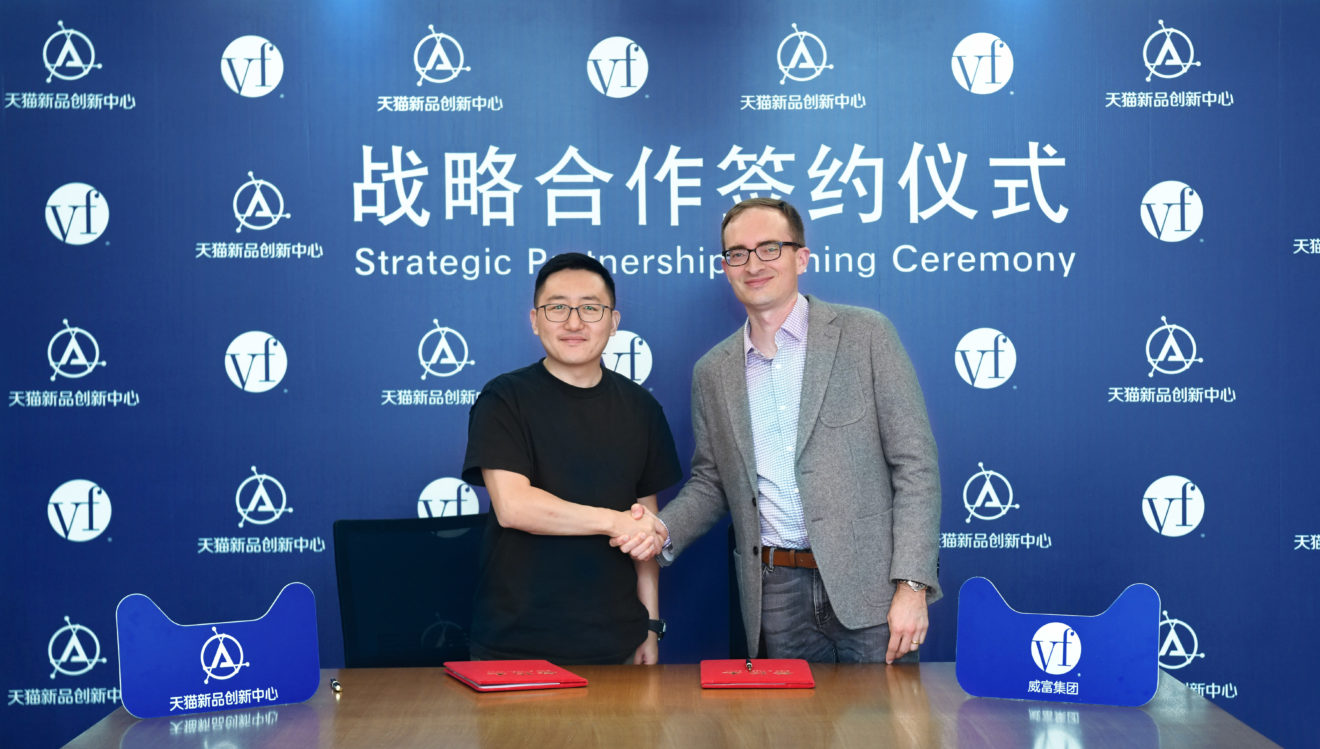
    Global apparel, footwear and accessories company VF Corporation has revealed sustainability commitments dubbed as its “Science-Based Targets (SBTs)” for the year ahead.

    VF’s new science-based targets (SBTs) are among the most ambitious in the industry and are aligned with the ideology of using its global scale for good. SBTs are greenhouse-gas emission-reduction targets that are in line with meeting the goals of the Paris Agreement.

    The company underwent a two-year-long collaborative process to develop its new SBTs, partnering with global consultancy, the Carbon Trust. The consultants used data from across its owned-and-operated facilities and its product life cycle from farm to retail store, engaging deeply with its entire value chain.

    As outlined in the report, the company has made measurable progress against its targets. Currently, half of VF’s distribution centers around the world are zero-waste facilities and 16 of VF’s owned buildings are LEED certified.  VF has also improved its workers’ conditions and wellbeing under its “Worker and Community Development (WCD) Program” such as empowering female workers on menstruation in India and providing workplace health-and-nutrition benefits in Cambodia.

    Aside from meeting the UN Sustainable Development Goals, VF will be focusing on three pillars across its business and supply chain: the company aims to seek strength in the commercialization of circular business models to reduce VF’s environmental impact while creating new growth opportunities. Additionally, building on VF’s global scale and influence, the company will drive impact reduction across the broader industry by enabling VF and its brands to serve as a catalyst for powering movements of sustainable and active lifestyles.

    Steve Rendie, VF’s Chairman, president and CEO shares: “Our Made for Change strategy outlines our forward-looking priorities and provides us with a renewed focus to push ourselves harder and farther as we address some of our industry’s most challenging issues.”

    The company is confident that by 2030, all of its top nine materials (which comprise 90 percent of its material-related carbon emissions) will originate from responsible or regenerative sources.

  • Amorepacific invests in US brand Milk Makeup

    Amorepacific invests in US brand Milk Makeup

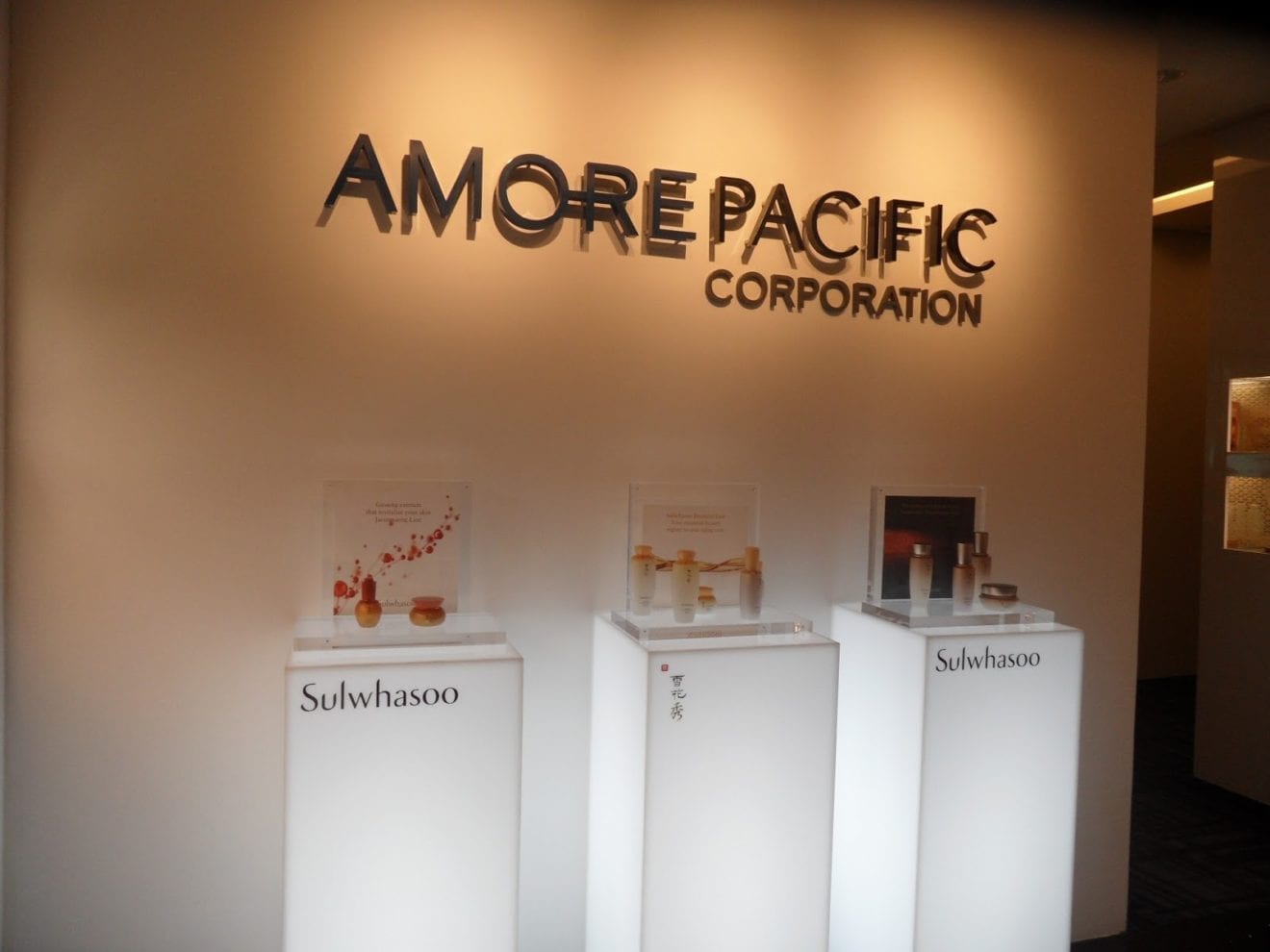
    South Korean beauty conglomerate Amorepacific has invested in American company Milk Group’s makeup and skincare division Milk Makeup.

    Seoul-based Amorepacific joins Main Post Partners and Alliance Consumer Growth as minority shareholders in the beauty brand, forming a strategic partnership that will assist the brand as it enters the South Korean marketplace.

    “The South Korean beauty market is highly competitive and incredibly innovative, so we are thrilled to have Amorepacific’s help to ensure our success in this important beauty space,” said Milk Makeup CEO and co-founder Mazdack Rassi. “This strategic partnership will allow us to benefit from Amorepacific’s significant expertise and resources. And in true partnership, Milk Makeup will share the strategies that have made it one of the fastest-growing color brands in the US.”

    “We were impressed by Amorepacific’s track record of internally starting and growing beauty brands,” said Milk Makeup chairman Scott Sassa. “This shared belief in building brands designed to last for decades was central to establishing this relationship.”

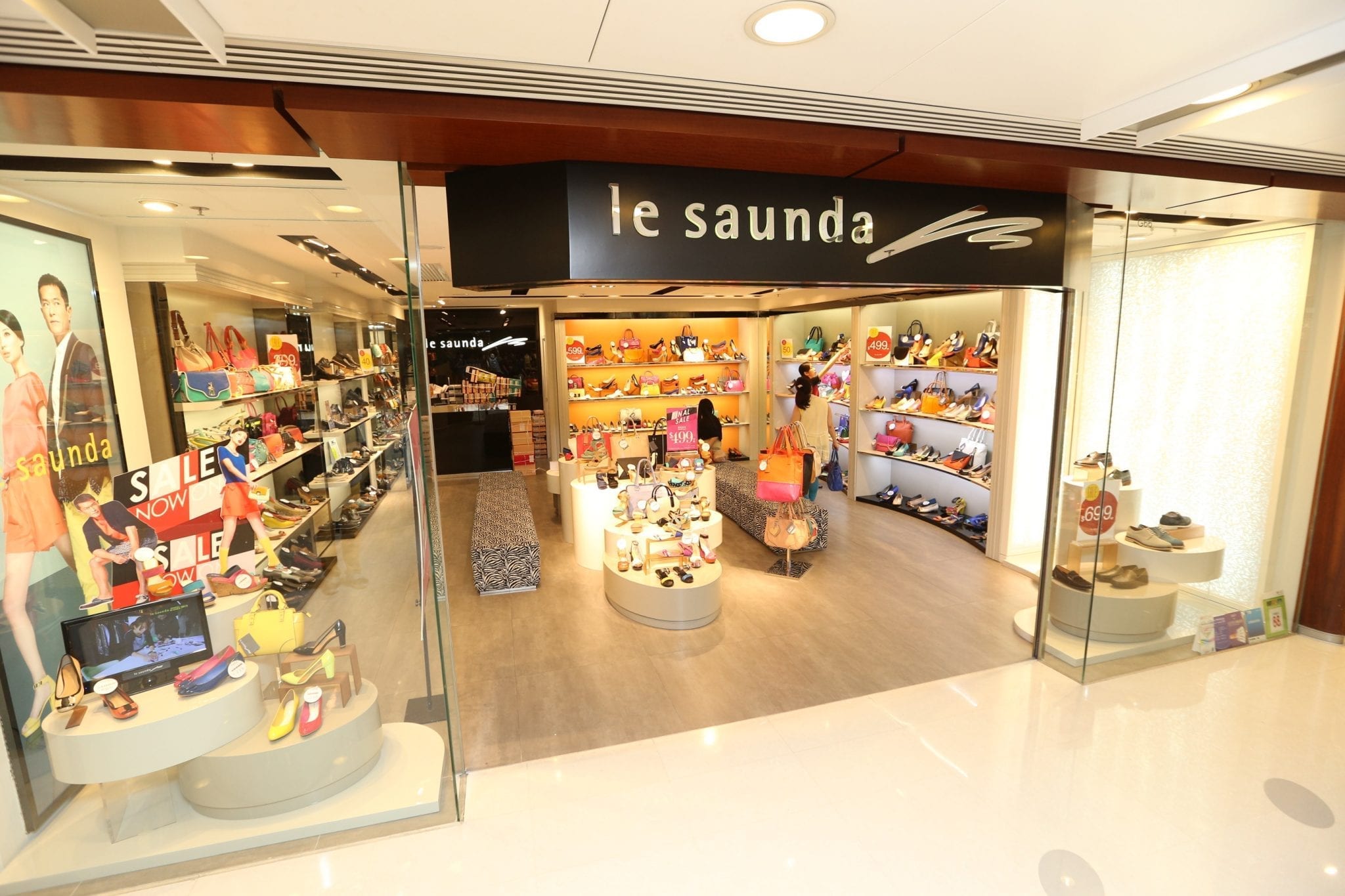
  • Slimmed-down Le Saunda shows signs of improvement

    Slimmed-down Le Saunda shows signs of improvement

    Slimmed-down Hong Kong shoe retailer Le Saunda is showing early signs of improvement despite the recent decline in the territory’s retail sector.

    Figures for the November quarter show same-store sales growth of 7.7 percent in its self-owned network when compared with the same period last year. Total sales, however, were down 11.1 percent, reflecting a rationalization of the store network. The group ended the quarter with 447 stores in Mainland China, Hong Kong and Macau, a net decrease of 118.

    As earlier reported, sales for the first half of this year fell by 18.2 percent

    At the time, Chairman James Ngai said that given the current “gloomy economic conditions” Le Saunda would continue to optimize its distribution network, close down low-profit stores and take “a cautious and prudent approach in business expansion”.

    The picture was not so bright in the online business in the three months to November 30, however, where sales fell 20.7 percent year on year.

  • Cantabil plans 100 new outlets within a year

    Cantabil plans 100 new outlets within a year

    Indian clothing label Cantabil is making plans to extend its reach across the country by opening more than 100 new outlets within one year.

    The firm currently operates 290 outlets in 16 states within the territory, mostly in tier I and II cities. It plans to invest US$3.5 million to expand its number of locations to 400.

    “This year has been a positive one and we are hopeful to continue with the same growth momentum in the coming year,” said Cantabil director Deepak Bansal.

    “There is a significant increase in awareness about the fashion trend among the people in smaller towns and cities. We see immense potential in tier II and III markets for expansion.”

    “Our target states are Maharashtra, Gujarat, Rajasthan, UP, Madhya Pradesh, Bihar, Jharkhand, West Bengal and part of Northeast,” read a statement from the firm.

  • Love, Bonito confirms data breach affecting its e-commerce customers

    Love, Bonito confirms data breach affecting its e-commerce customers

    Online-to-offline fashion label Love, Bonito has confirmed a data breach affected its e-commerce website briefly – but only a tiny fraction of customers were affected.

    Company co-founder Rachel Lim admitted that malicious code had been incorporated into its site, which has since been removed.

    An estimated 3 percent of Love, Bonito’s customers may have had personal information exposed during the hack, with a small number have had their financial data accessed.

    “We have always been committed to providing our community with a safe shopping environment and sincerely apologize for this incident,” said Lim.

    “It is therefore regrettable to discover a security incident involving our website,” read a statement on the firm’s Facebook page. “This incident was discovered 72 hours ago, which we immediately took steps to contain.

    “Some of our customers’ personal information may have been unfortunately exposed … For those affected by this incident, an email has been sent to you informing you on next steps.”

    Singapore police will be making investigations into the incident with the assistance of the firm.

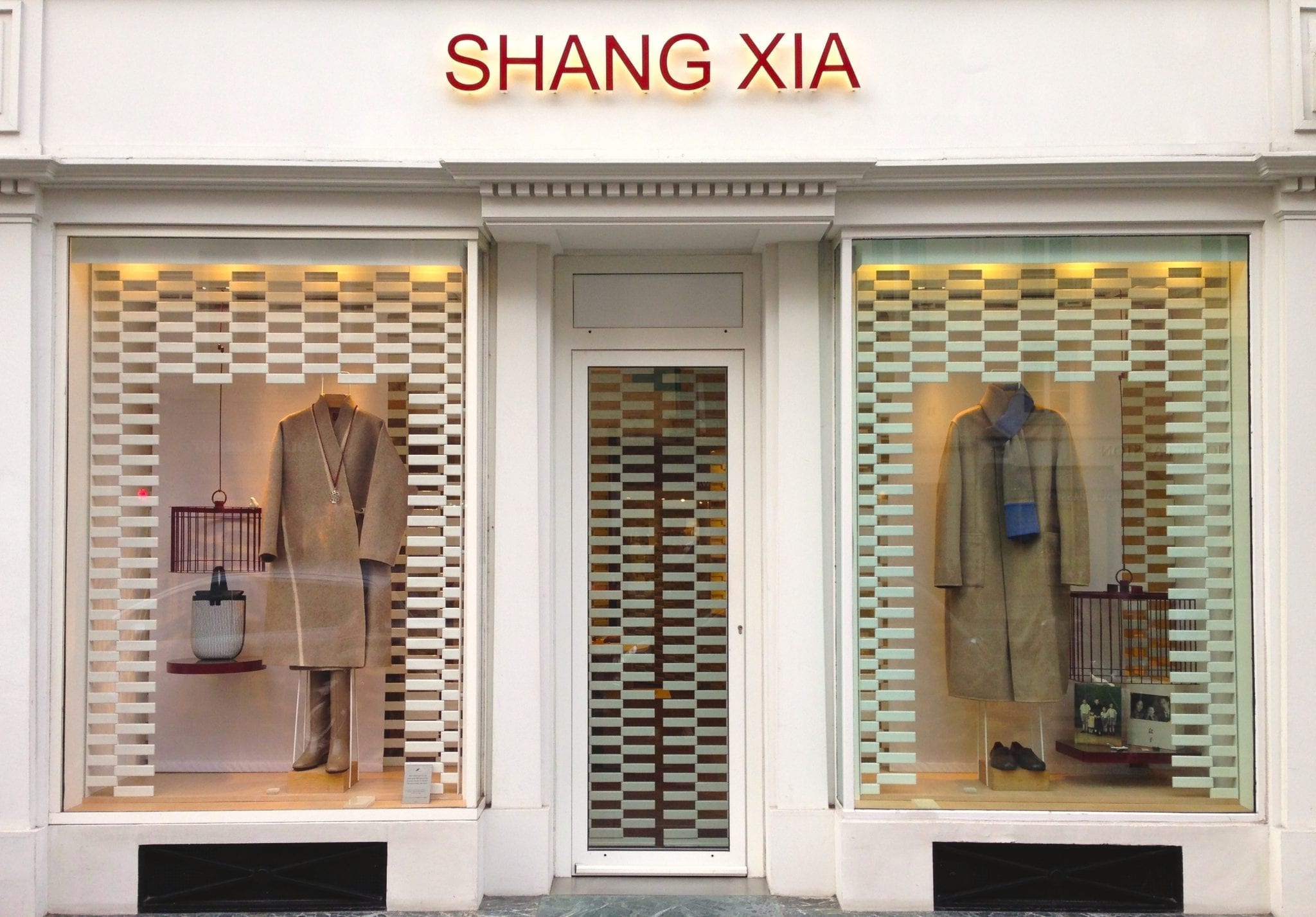
  • Chinese fashion brand Shang Xia to launch in Singapore

    Chinese fashion brand Shang Xia to launch in Singapore

    Backed by Hermes, Chinese lifestyle, home and fashion brand Shang Xia is launching in Singapore.

    The brand has recently appointed fashion entrepreneur Adriana Lim Escano as its exclusive distributor in the territory, starting off with a pop-up store in Takashimaya in collaboration with ad agency Tribal. The brand’s arrival in Singapore is a collaboration between co-founder Jiang Qiong Er and 90-per-cent stakeholder Hermes.

    “We have taken great care to find artisans who truly understand their craft, and have invested time in getting the techniques right,” said Lim. “Shang Xia appeals to those who appreciate craftsmanship and luxury.”

    The news comes on the heels of Shang Xia’s plans to open standalone boutiques at Hong Kong, Beijing and Heathrow international airports over the next five years.

    Shang Xia already has boutiques in Paris, Beijing and Shanghai. Through a partnership with the Shankong Group in Taiwan it opened two shop-in-shop stores in August, with the next step being Hong Kong in January.

  • Kiko Milano expanding store network in India

    Kiko Milano expanding store network in India

    Italian cosmetic brand, Kiko Milano, is to expand its retail network in India next year.

    Kiko Milano India plans to open six stores across the country, including two new stores in the national capital Delhi.

    “We will focus on having more points of sale, whether exclusive outlets, online or shops-in-shops,” said Abhishek Bhattacharya, country director at Kiko Milano.

    He said the company aims to launch two more outlets in Delhi, and one each in Lucknow, Mumbai, Guwahati (the first in northeast India), and Kolkata.

    “Initially we thought of opening just the retail stores, but we have understood that in Indian market, it has to be a mix of retail and other modes of expansion. We have our shop-in-shop concept, and we are also going to tie with more departmental stores, in addition to exclusive brand outlets,” he added.

    Founded in 1997, Kiko Milano has put Italy on the beauty map with more than 900 stores in 18 countries and the online capability to deliver to 36 countries.