Category: Fashion

Retail News Asia is committed to providing both local and global retailers with the latest Fashion news throughout the Asian market. This on a daily base.

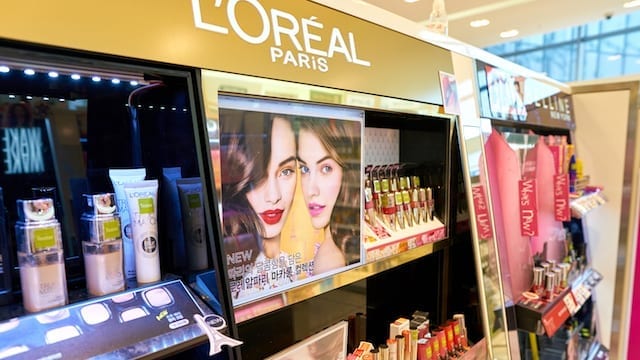
  • L’Oreal to take over Prada beauty-products business

    L’Oreal to take over Prada beauty-products business

    Italian luxury fashion house Prada has appointed French cosmetics company L’Oreal to develop its fragrance business starting next month.

    According to reporting in the South China Morning Post, the deal is “the first step of a licensing agreement to run the Italian fashion house’s luxury beauty products”. It follows the firm’s decision to decline to renew its existing license with Puig.

    “We thought it was a good opportunity to select a new partner, also considering the possibility to develop new projects that today we are not ready to disclose,” read an email from Prada to the Post. “We chose L’Oreal because it’s the leading company in the beauty sector and we believe it will help us to further exploit our brand’s potential.”

    Prada’s sales are currently in decline in China, compared to sales growth for L’Oreal.

    “China is going to be an important target market for this Prada/L’Oreal deal in all aspects,” said global market research firm Mintel senior research analyst Alice Li. “China is now one of the most important luxury markets globally, with luxury beauty being the fastest-growing sector. Beauty products from Prada’s competitors, such as Chanel, YSL and Dior among others, and more recently Gucci, have resulted in a buying frenzy in China, especially among younger consumers. The expansion into beauty seems quite necessary now if Prada wants to further foster the young generation of Chinese luxury shoppers.”

  • Burberry launches Google Lens pop-up experience store

    Burberry launches Google Lens pop-up experience store

    Burberry has launched a digital flash pop-up experience powered by Google Lens at Ely’s Yard, Brick Lane in London.

    Three large Burberry porcelain fawns are displayed inside glass display cases in an industrial-like setting. By scanning one of the glass boxes with the Google Lens app, users are able to see an aerial live feed of themselves on their phone, captured by a camera suspended 35 metres above them. To share the moment, participants can take a screenshot of themselves with the fawns to post on social media.

    The experience allows people to capture “unique moments of togetherness” with friends and strangers, exploring humans’ relationship with technology by presenting users with multiple perspectives on an image of themselves, said a Burberry spokesperson.

    Forming part of Burberry’s festive campaign ‘What is Love’, the pop-up experience was open from December 11 to 15.

  • Adidas Malaysia opens first-ever Brand Centre

    Adidas Malaysia opens first-ever Brand Centre

    Adidas Malaysia has launched a new Brand Centre at Kuala Lumpur’s Sunway Pyramid as it expands in the Southeast Asian market.

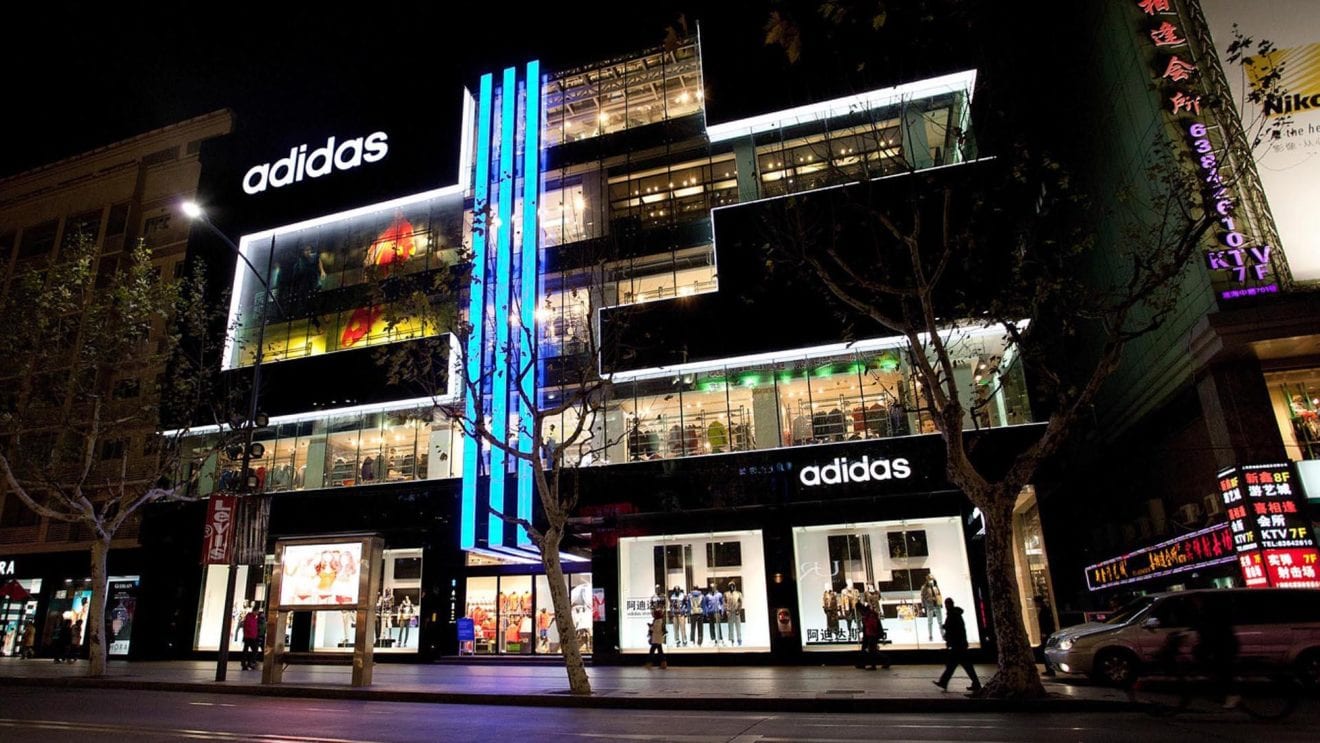
    The new 1328sqm “stadium-style” outlet stocks the full Adidas range from performance to fashion items. Its retail concept design is inspired by iconic city landmarks and cultural hues. The store facade features two large floor-to-ceiling LED screens.

    “The all-new brand center is Adidas Malaysia’s largest store to date, showcasing the latest retail concept and innovations from Adidas as well as our commitment as the No 1 global sports brand,” said Adidas Malaysia country manager Philip Ho. “[We want to be] the best sports company in the world to provide Malaysian consumers with the best products, best experiences and best services, and we intend to inspire the city further with our brand’s unique strength and creativity.”

    Features inside the store include a jersey customization hub, a footwear testing treadmill, and an area for original collections. Space will also serve as a consumer activation and engagement hub.

  • E-Land shutters stores as profit tumbles

    E-Land shutters stores as profit tumbles

    South Korean retail giant E-mart is closing loss-making specialty stores as it responds to falling sales in a gloomy retail market.

    After closing outlets in its discount Pierrot Shopping network in July, the company is now looking at trimming the network further.

    “We’re considering closing the Pierrot Shopping store in Myeong-dong in order to enhance the profitability of specialty stores,” an E-mart official told The Korea Times.

    The company has also closed 18 out of its 33 Boots health & beauty stores and the Pangyo branch of its technology-retailing chain Electro Mart.

    E-Land launched Boots under license in 2017 to take on CJ Group’s market-leading chain Olive Young, but the brand has made a little impact to date.

    E-mart’s profit fell from 194.6 billion won (US$166 million) in the third quarter of last year to 116.2 billion won ($97.2 million) in the same period this year.

    Analysts predict incoming CEO Kang Heui-seok will continue to rationalize store networks and focus on the group’s burgeoning online business SSG.com.

    “E-mart will accelerate is business transformation under Kang’s leadership, as the CEO has extensive retail experience and ability to drive growth” an HI Investment & Securities analyst told The Korea Times.

    “The company will seek to recover its profitability by minimizing unprofitable businesses and focusing more on the online sector, SSG.com.”

  • Inditex profit growing faster than sales

    Inditex profit growing faster than sales

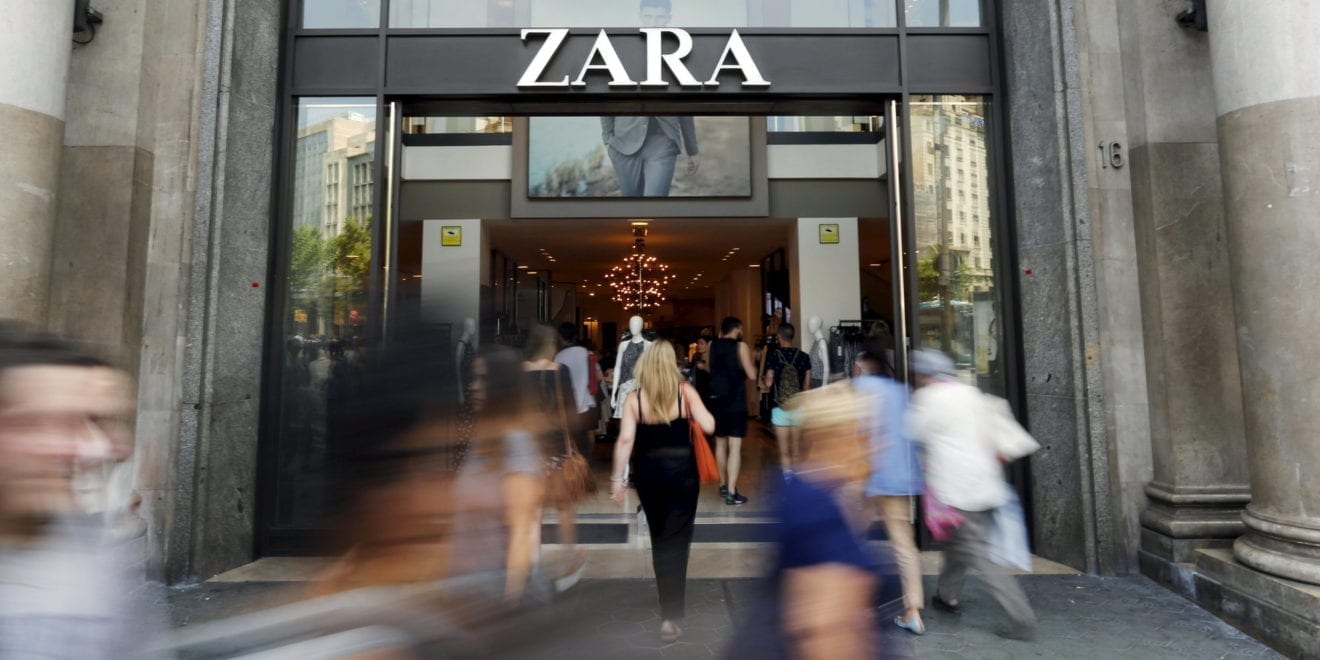
    Zara parent Inditex profit grew by 12 percent in the first nine months of this year, a rate significantly ahead of sales growth.

    Sales across its brands, which also include Massimo Dutti, Stradavarius, Bershka and Zara Home, rose 7.5 percent to €19.8 billion. The company says it expects its full-year like-for-like sales to increase by between 4 percent and 6 percent.

    The Spanish-headquartered company said its success is due to a focus on “enriching its customers’ unique experience” with inventory management and “tight coordination of every step in the value chain: design, production, logistics, and distribution”.

    During the first half of this year, sales reached €12.8 billion, the highest level to date, and net profit set a new record of €1.6 billion, up 10 percent year on year.

  • Giordano opens four stores in Mauritius

    Giordano opens four stores in Mauritius

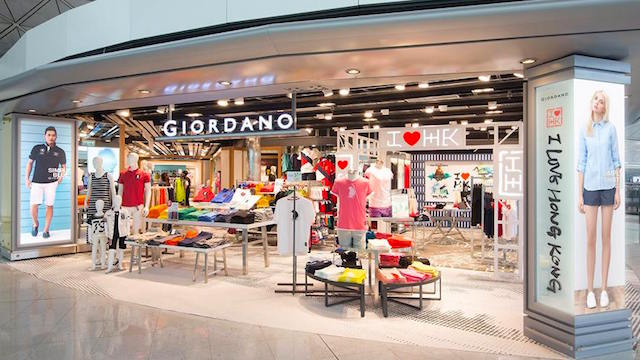
    Hong Kong apparel brand Giordano has opened four locations in Mauritius. The stores are located in the Riche Terre Shopping Mall as well as the Rose Hill, Quatre Bornes and Curepipe areas.

    “We pride ourselves on being a ‘world brand’ – and our overseas expansion initiative, which commenced several years ago, is now bearing fruit,” said Giordano International executive director and head of overseas market development Mark Loynd. “We are extremely proud to be bringing our unique offering to the people of Mauritius.”

    Joining him in Mauritius for the stores’ opening was Giordano Middle East MD and stalwart of Giordano’s global expansion Ishwar Chugani, who added “Mauritius is a beautiful, inclusive nation which embodies our own brand ethos, ‘World Without Strangers’ – we are confident that Mauritius will welcome us and look forward to serving our customers here”.

    “Mauritius has become one of the fastest advancing countries in the region,” said Giordano’s overseas market development manager Hoying Lee. “We have a great working relationship with our local partners – as such, we do not rule out further expansion possibilities

  • Lululemon bucks trend thanks to ‘strong brand, great products’

    Lululemon bucks trend thanks to ‘strong brand, great products’

    While some retailers lost momentum in the third quarter, Lululemon firmly bucked the trend and continued its run of strong growth unabated.

    On the top line, total sales grew by a robust 22.5 percent, supported by a strong underlying comparable uplift of 16 percent. Both physical stores and the digital channel contributed to growth.

    On the bottom line, operating income rose by 29.3 percent driven by higher sales and improved margins. Net income was up by 33.4 percent.

    Lululemon remains a great example of what can be accomplished by the development of a strong brand alongside offering great products. Not only does this produce a loyal following of engaged customers, it also means that price integrity can be maintained ensuring that excessive discounting is not needed to sell through merchandise. This latter factor is one of the reasons why Lululemon has been able to improve margins against the backdrop of a more promotional environment.

    Part of Lululemon’s success comes from it leaning more heavily into areas where it is less developed. One aspect of this comes from the menswear business where it is succeeding in capturing more interest and spending. The technical detailing of Lulu’s products resonant with many of its male shoppers as does the uncomplicated styling.

    Despite a run of growth, we believe the company is nowhere near the finish line in menswear and it has a lot of potentials to attract more customers and secure a greater proportion of their spending.

    Another area of success has been geographical expansion where Lululemon continues to make inroads to areas like Europe. Here there is scope to strengthen the profile of the brand through the continued hosting of events such as the Sweatlife Festival in Berlin and London, which will provide buoyancy to future growth.

    Brand and range innovation

    As much as successfully seizing new opportunities has aided Lululemon’s growth story, the company also deserves credit for the work it has done to improve sales to existing customers through brand and range innovation. These things have supported the strong uplift in comparable sales across North America and other regions.

    On the range side, the push into non-traditional fitness categories, such as personal care, has paid dividends. This is mostly because Lululemon has added products mindfully and ensured that they stick to its principles of functionality and technicality – such as body lotion that cools you down after a workout – rather than just expanding the assortment in a random way. A lot of core consumers are now adding self-care products to their baskets which is helping Lululemon increase the size of an average transaction. We expect the personal care lines to be very popular over the holiday period.

    The continued enhancement of stores, and the recent opening of new concepts such as the Lincoln Park shop, have also helped Lululemon to outperform. These locations allow the company to better showcase its products, connect with consumers in a more meaningful way, and generate incremental revenue streams from classes and foodservice. While Lululemon cannot open such high-profile outlets in every location, it has enormous scope to open more in big cities and to develop a diluted form of the concept in smaller regional locations.

    As much as Lululemon succeeds because of the strength of its offer, we are most excited about the company’s pivot to creating a community with membership programs and classes. Not only does this lock in loyalty, it also provides significant scope for future revenue development and ensures physical shops will remain a destination.

  • Adidas LDN – our store of the year

    Adidas LDN – our store of the year

    Retailers regularly spruik the line of ‘reimagining retail’ when launching a new concept store – but the new Adidas LDN flagship genuinely delivers on that promise.

    The four-story Adidas LDN (London) store features a myriad of unique shopper activations and experiences which make it stand out from rivals like Nike’s Houses of Innovation in Shanghai and New York, and Puma’s own flagship alongside on Fifth Avenue. The Adidas LDN store may be a latecomer to the party, but it outperforms its rivals by truly embracing customer engagement.

    Adidas has created a space to cultivate London’s creative scene, with the store housing installations and artworks from local artists and featuring products designed exclusively for the store. Keeping the theme localized, the German brand has a team of staff that collectively speaks 31 different languages to cater to the 20 million tourists of London.

    There are many interactive action points across each floor with the MakersLab being one of the focal points of the store. The customization section not only allows consumers to personalize football jerseys but opens up the creativity to people of all ages with its workshop area. Apart from artist-led group classes, customers can choose from the pick-and-mix of patches to add to their newly purchased garments on the spot.

    Shoppers can also immerse themselves in the in-store experience by testing their new kicks on a treadmill run, signing up for a fitting appointment with an expert, or attending regular community events.

    Magical experiences

    The Adidas LDN store did not win this store race without help from a team of retail-tech experts. One of its foremost innovations is its smart fitting rooms with interactive mirrors, powered by RFID through Avery Dennison’s intelligent labels, Detego software, Pyramid Computer and Nordic ID.

    When a customer walks in, the mirrors detect the item via its RFID tagging and display product information subtly but resourcefully on the mirror – providing an instant magical experience. The customer can call for assistance from staff, requesting sizes and colors without leaving the room. Personal services such as fitting appointment with experts and tailors are also available in-house – highly unusual for a sportswear brand.

    Additional fitting rooms with LED screens provide a vibrant and dynamic Instagrammable backdrop for the Gen Zs looking to show off their new Adidas gear.

    The digital innovation continues through Adidas’ omnichannel app. Apart from being able to shop within and book sneaker-cleaning services, the app enables geo-tracking for staff in-house to locate the consumer in-store for additional assistance. The “Bring It To Me” feature allows shoppers to scan products, request size and purchase on the spot without queuing – removing the need for designated cashier spaces.

    Realistic augmented reality features are also available within the app’s product pages for their signature shoe collections such as the Alphaedge, Gazelle, Superstar or Stan Smiths. Provided by Vyking, the AR technology allows the user to try on shoes virtually atop the consumer’s feet and project the shoe realistically in 3D, complete with its detailed textures.

    Sneakerheads can also book reminders for upcoming sneaker drops through the app or by interacting with the digital “Hype Wall” to preview pending collections.

    Adidas has always been a leader in sustainability efforts. Aside from its long-term partnership with Stella McCartney, an advocate and environmental enthusiast alongside its successful recycled ocean plastic Parley line, the brand has just launched the second generation of its first 100-per-cent recycled performance running shoe that once again, can also be recycled. Adidas has also pledged to eliminate virgin polyester in its products and to use only recycled plastic by 2024.

    In-store, more than 100 of its digital touchpoints are fully powered by green energy. Prompted by the London mayor’s water-fountain initiative to cut down on plastic waste in the city, shoppers can refill their water bottles through fountains scattered around the store.

    The new Adidas LDN store did not make my Store of the Year just for building a large-scale flagship. Unlike many flagships more often than not designed for marketing purposes, this store was truly designed with the consumer in mind.

    The entire store concept – from interactive workshops and events to the technologies embedded – fully elevate and improve the customer journey. It is a must-see store
  • Vietnam textile industry orders hit by African competition

    Vietnam textile industry orders hit by African competition

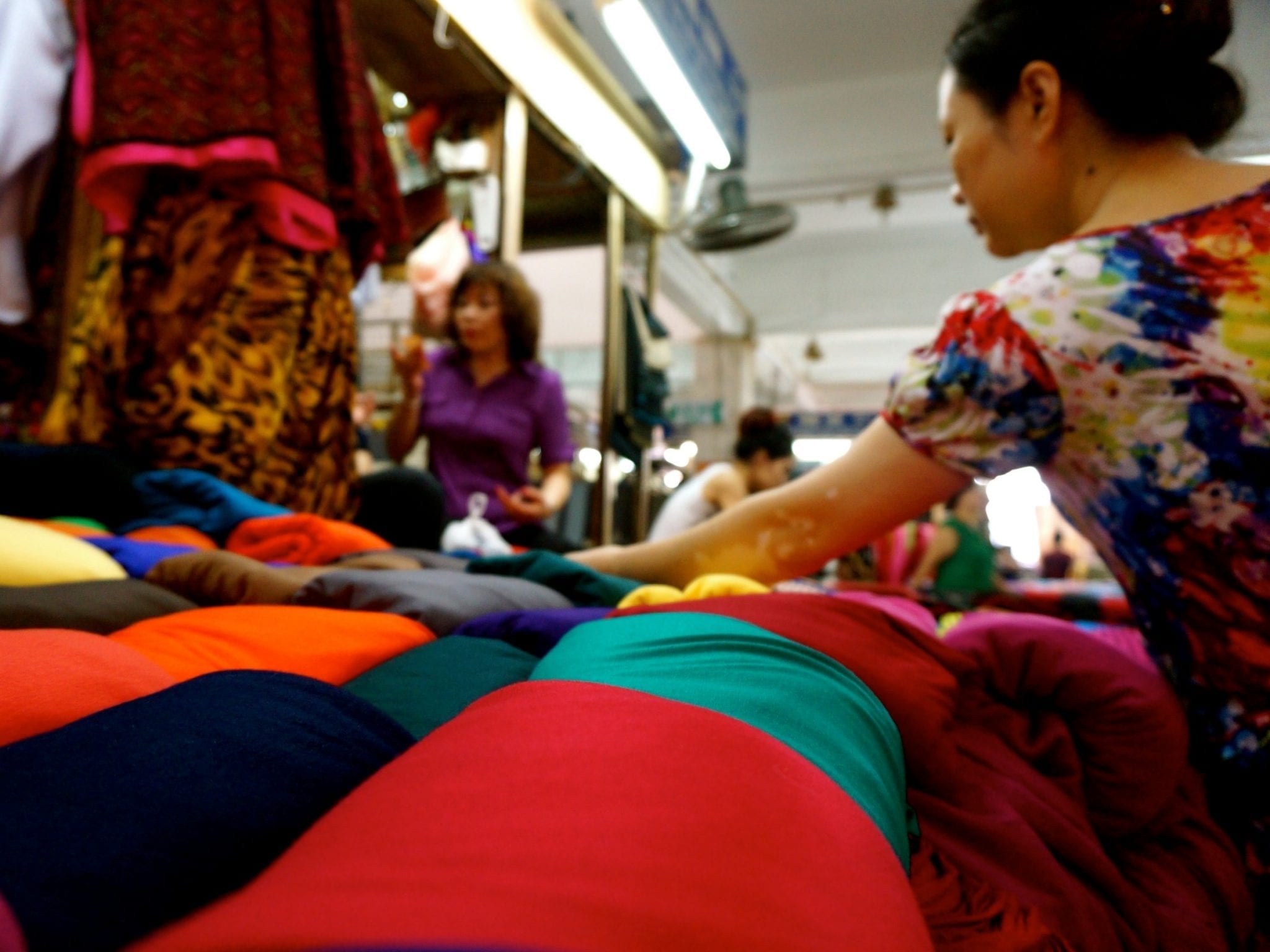
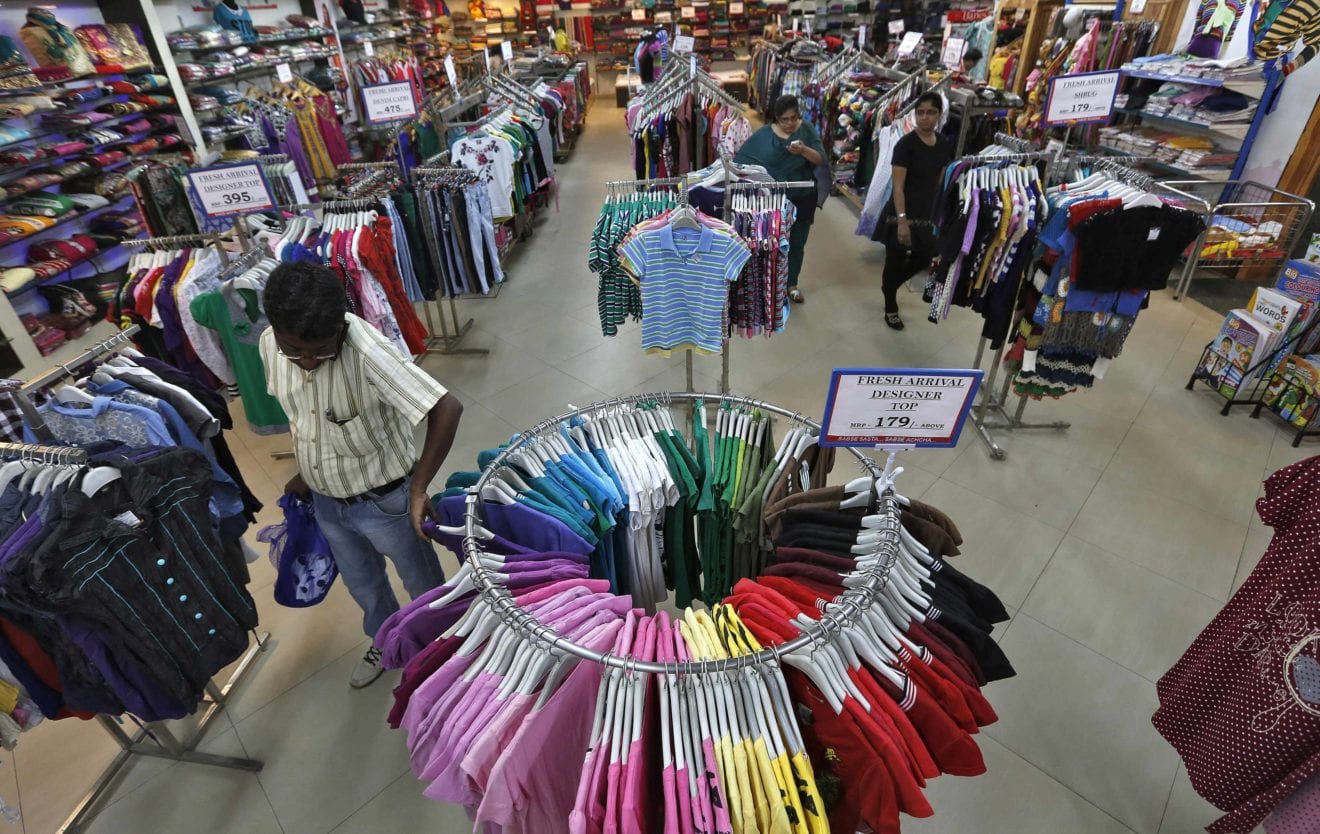
    Vietnamese textile manufacturers are seeing orders decline with buyers moving to others, cheaper developing countries.

    Normally, by the end of a year they would have enough orders for the whole of the following year, Nguyen Van Thoi, chairman of TNG Investment and Trading JSC, which makes garments, said.

    But this year many businesses have said they do not have enough orders for 2020, with some reporting a 20 percent drop in orders from last year. Besides, many have not signed long-term contracts for products, only monthly or quarterly, he said.

    A Vietnam Textile and Apparel Association (VITAS) official, who wished not to be named, said many orders have shifted to emerging countries in Africa, while competition with textiles superpowers like China, India and Bangladesh is becoming increasingly fierce.

    “Even China’s orders are being transferred to countries with preferential tariff rates such as Bangladesh and Cambodia.”

    Not only Vietnamese textile and garment producers, but also its fiber industry is facing increasing competition from foreign businesses and rivals in countries such as India, Thailand and Indonesia, he added.

    Experts had forecast at the beginning of the year that the U.S.-China Trade war and new free trade agreements (FTAs) signed by Vietnam would help it increase textile exports, but had done a U-turn by mid-year to say there would be a lack of orders, VITAS said.

    This is due to a slowdown in the global economy, affecting consumer demand, and failure by Vietnamese enterprises to adopt radical solutions to comply with FTAs’ rules of origin, VITAS explained.

    In June Vietnam signed the Vietnam-EU Trade Agreement (EVFTA), which has strict rules of origin like requiring domestic value to account for at least 42.5 percent of the ex-works price of a final textile product.

    If this condition is met, goods exported from Vietnam to the EU would be tax-free once the EVFTA comes into effect whereas the average tariff levied by the bloc now is 9.6 percent.

    Some 70 percent of the fabric used to produce garments in Vietnam is imported from mainland China or Taiwan, VITAS chairman Vu Duc Giang said.

    Other difficulties being faced by Vietnam’s textile industry include rising costs of raw materials from China and lower prices demanded by foreign buyers.

    Vietnam is losing its low labor cost edge over other countries even as its use of technology in production remains limited, leading to reduced competitiveness, VITAS said.

    Garment exports in the first 11 months of this year were up nearly 8 percent year-on-year to $30 billion, according to figures from the Ministry of Industry and Trade.

  • H&M’s Cos China to launch clothing rentals with YCloset

    H&M’s Cos China to launch clothing rentals with YCloset

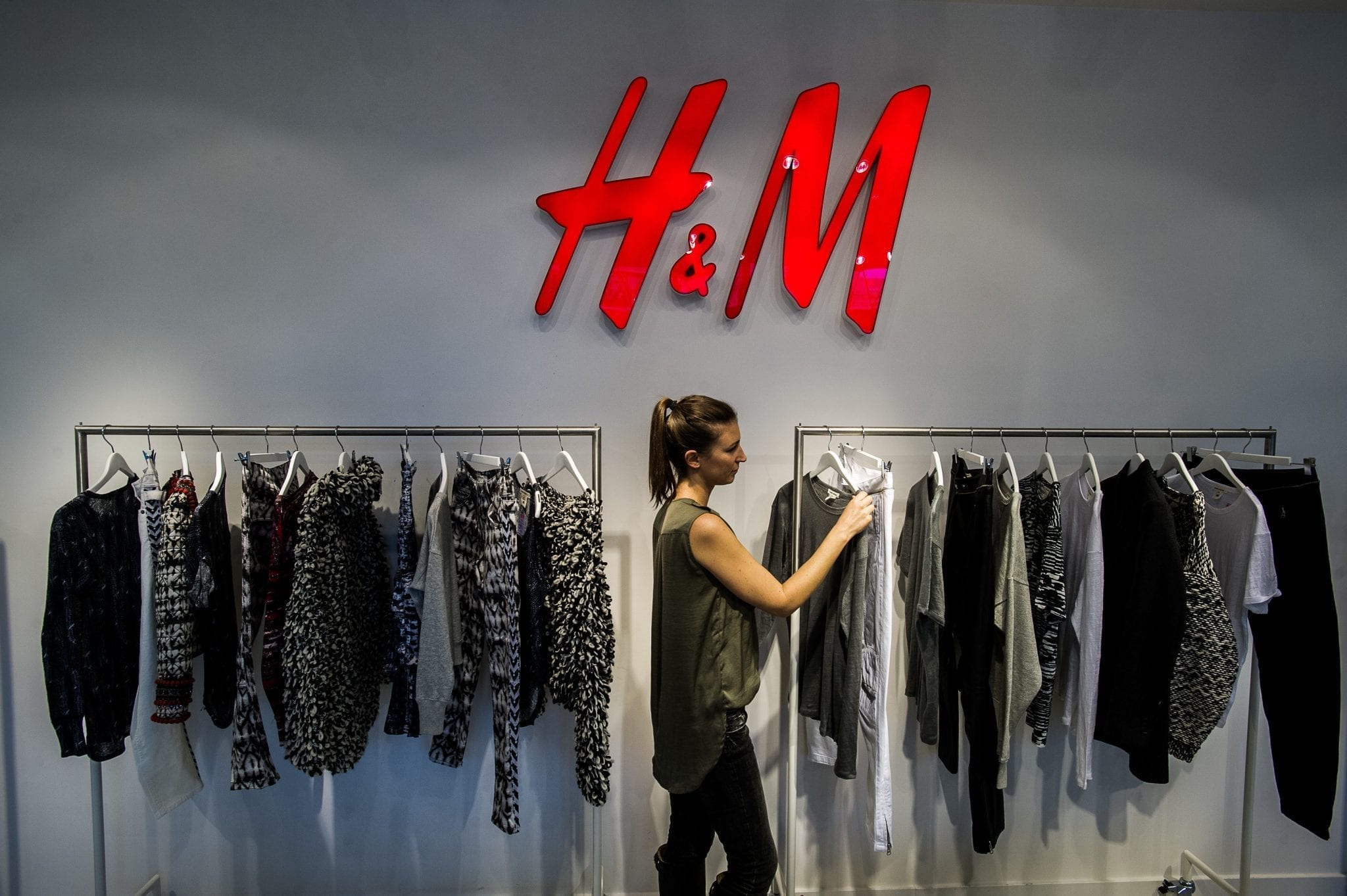
    H&M Group’s higher-end clothing brand Cos is to trial renting out its clothes in China through rental platform YCloset.

    Swedish retail company H&M Group said it has partnered with YCloset to run a three-month trial to explore the circular business model.

    “The rental subscription has an additional sustainable aspect to it, as customers will be able to buy the product for a reduced price when the rental period is over, giving them another chance to enjoy the garments,” said the company.

    Cos MD Marie Honda said that the brand’s quality will lend itself well to the rental system. The brand is described by the group as one that merges high fashion attributes with ground-level pricing.

    “Cos collections are designed and made to last; longevity has been an integral part of the Cos design ethos since the brand began 12 years ago,” she said.

    H&M Group said YCloset’s 15 million registered users will enable the group to learn more about Chinese customers and their demographics.

    In November, H&M launched a rental service through its Stockholm flagship store, which also offers repair services with an atelier where customers can get their fashion favorites mended or upgraded.

    The clothing rental service market was estimated at US$1 billion last year.

  • Ted Baker CEO and chairman quit as sales plunge

    Ted Baker CEO and chairman quit as sales plunge

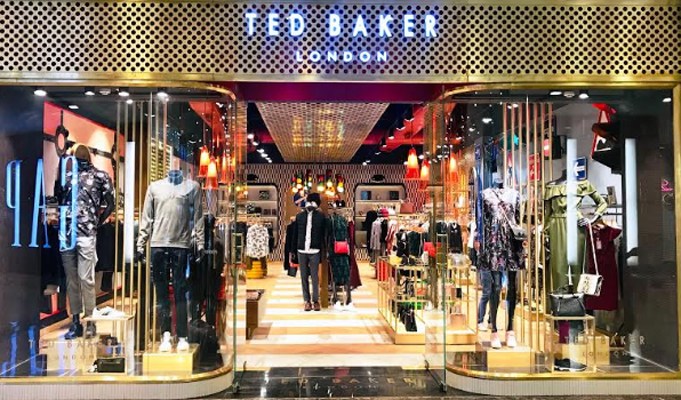
    The CEO and executive chairman of UK fashion retailer Ted Baker have quit in the wake of falling sales and a controversy over the valuation of inventory.

    The company yesterday reduced its profit forecast for the current year to a minimum pre-tax profit of £5 million, 90 percent less than the £50.9 million it achieved in the year to March.

    That prompted a 15-per-cent drop in its already decimated share price. The company blamed a lack of consumer demand for its products, despite heavy discounting.

    The fashion company’s woes began a year ago when its founder Ray Kelvin was forced to resign after denying allegations he harassed staff and forced them to hug him, prompting an 80-per-cent plunge in the company’s share price.

    CEO Lindsay Page, a 21-year veteran at Ted Baker assumed leadership after Kelvin’s departure, lasting just nine months at the helm before yesterday’s resignation. Chairman David Bernstein followed suit.

    Last month, Ted Baker appointed external consultants to assess its inventory value after an apparent overstatement of stock in the company’s books in the range of £20 to £25 million.

    Some commentators in the UK say the company may be forced to take Kelvin back to restore the company’s fortunes. He still owns 35 percent of the business.

    Emily Salter, retail analyst at GlobalData, said the departure of the key executives and the profit warning “demonstrate the severity of its poor trading performance and how the retailer is grappling to remain popular”.

    “After an already turbulent year for its leadership team, the acting CEO and acting chair of the board must ensure that stability is maintained in the crucial Christmas trading period, as well as dealing with the impact of the overstatement of stock,” she said.

    “Trading over November and Black Friday was below expectations with lower-than-anticipated margins as consumers were still not persuaded to purchase despite the brand offering a blanket 30 percent off all items. Ted Baker must address its waning popularity, by attracting back its loyal shoppers and innovating instore and online to make the shopping experience more exciting.”

    Salter said while Ted Baker had previously been able to rely upon its online channel to drive group revenue growth with a robust multichannel proposition, its online sales fell by 0.7 percent.

    “Although its digital channels still outperformed retail revenue, declining sales while the online clothing-and-footwear market continues to grow proves just how strong the effects of weakened consumer confidence and demand for the brand have been, as well as the fallout from negative press coverage surrounding Ray Kelvin.

    “It will be a long road to recovery for Ted Baker, and it must focus on reviving previous demand for the brand and reducing its reliance on discounting to boost sales,” Salter concluded.’

  • Amore K-beauty store pops up in Singapore with Lazada

    Amore K-beauty store pops up in Singapore with Lazada

    An Amore K-beauty store has launched in Singapore in partnership with Lazada, both online and offline.

    The store sells popular AmorePacific brands such as Sulwhasoo, Innisfree and Laneige as well as “cult” brands such as Hanyul and Iope. Amore will sell from a physical store in Funan with an online-to-offline channel on Lazada. Buying items in-store will require customers to scan a barcode and complete their purchase on Lazada.

    “We are proud to be the platform of choice for top retail brands, and are pleased to partner AmorePacific on this first-of-its-kind project to jointly develop our New Retail capabilities together,” said Lazada Singapore CEO James Chang.

    The Amore K-beauty shop will host beauty workshops by South Korean makeup artists and feature new technology from Seoul to help customers better understand their skin needs.

  • Australian fashion label Tony Bianco to launch in China

    Australian fashion label Tony Bianco to launch in China

    Australian fashion brand Tony Bianco is launching its first international location in Beijing.

    The label is partnering with verteran Chinese retail specialist firm Shanghai Smile Commercial – which has ushered multiple foreign fashion brands into China – in a joint venture to launch the brand in the territory.

    “A few years ago there was a noticeable increase in daigous sourcing the Tony Bianco brand to send back to clients and that has continued to grow, said company director Anthony Bianco in a Ragtrader report. “It was the start of our research phase into what a store in China could hold for a brand like ours.”

    The new store will officially open on December 21 at Chaoyang Joy City, showcasing the brand’s SS19 and AW19 collections.

  • Furla Hong Kong unveils new store design at Harbour City

    Furla Hong Kong unveils new store design at Harbour City

    Italian luxury brand Furla has relocated within Harbour City, revealing a new store design concept.

    Located on the second floor, the 1500sqft Furla Hong Kong outlet features a wide selection of handbags, small leather goods and other accessories.

    The facade showcases a Champagne gold anodized steel frame with the brand’s logo. The interior features Italian grey tiles and wooden flooring together with a textured-paint wall and an onyx feature wall.

    “We are thrilled to expand our presence in Harbour City with a bigger boutique, which features our new store design,” said Alberto Camerlengo, CEO of the Furla Group.

    “The Furla Hong Kong store concept is modern and sophisticated, providing an essentially Italian shopping experience to our customers from all over the world.”

  • Vietnam textile industry orders hit by African competition

    Vietnam textile industry orders hit by African competition

    Vietnamese textile manufacturers are seeing orders decline with buyers moving to others, cheaper developing countries.

    Normally, by the end of a year they would have enough orders for the whole of the following year, Nguyen Van Thoi, chairman of TNG Investment and Trading JSC, which makes garments, said. But this year many businesses have said they do not have enough orders for 2020, with some reporting a 20 percent drop in orders from last year.

    Besides, many have not signed long-term contracts for products, only monthly or quarterly, Thoi said.

    A Vietnam Textile and Apparel Association (VITAS) official, who did not wish to be named, said many orders have shifted to emerging countries in Africa, while competition with textiles superpowers like China, India and Bangladesh is becoming increasingly fierce.

    “Even China’s orders are being transferred to countries with preferential tariff rates such as Bangladesh and Cambodia.”

    Not only Vietnamese textile and garment producers, but also its fiber industry is facing increasing competition from foreign businesses and rivals in countries such as India, Thailand and Indonesia, he added.

    Experts had forecast at the beginning of the year that the U.S.-China Trade war and new free trade agreements (FTAs) signed by Vietnam would help it increase textile exports, but had done a U-turn by mid-year to say there would be a lack of orders, VITAS said.

    This is due to a slowdown in the global economy, affecting consumer demand, and failure by Vietnamese enterprises to adopt radical solutions to comply with FTAs’ rules of origin, VITAS explained.

    In June Vietnam signed the Vietnam-EU Trade Agreement (EVFTA), which has strict rules of origin like requiring domestic value to account for at least 42.5 percent of the ex-works price of a final textile product.

    If this condition is met, goods exported from Vietnam to the EU would be tax-free once the EVFTA comes into effect whereas the average tariff levied by the bloc now is 9.6 percent.

    Some 70 percent of the fabric used to produce garments in Vietnam is imported from mainland China or Taiwan, VITAS chairman Vu Duc Giang said.

    Other difficulties being faced by Vietnam’s textile industry include rising costs of raw materials from China and lower prices demanded by foreign buyers.

    Vietnam is losing its low labor cost edge over other countries even as its use of technology in production remains limited, leading to reduced competitiveness, VITAS said.

    Garment exports in the first 11 months of this year were up nearly 8 percent year-on-year to $30 billion, according to figures from the Ministry of Industry and Trade.