Category: Fashion

Retail News Asia is committed to providing both local and global retailers with the latest Fashion news throughout the Asian market. This on a daily base.

  • Luk Fook sales down with  20 percent

    Luk Fook sales down with 20 percent

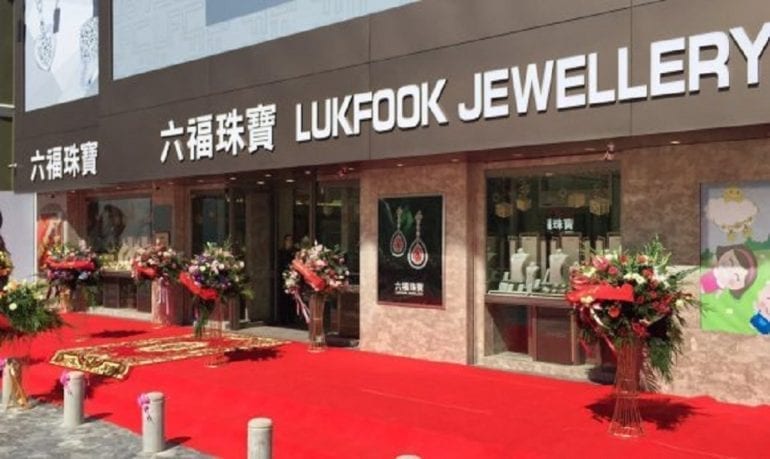
    Hong Kong-listed jeweler Luk Fook sales slumped 19.8 percent in the September half as protests, the trade war, and the Renminbi’s value kept mainland tourists away, and the high gold price muted demand.

    The company reported sales of HK$6.3 billion (US$804.86 million) and profit attributable to shareholders of $496 million, down by 25.4 percent.

    Same-store sales in Hong Kong fell by 24.9 percent during the half-year and in Macau by 15.7 percent.

    Luk Fook ended the half with a net addition of 129 stores, taking its global network to 1957 stores.

    Chairman and CEO Wai Sheung Wong said that given the impact of protests on Hong Kong sales, the high gold prices and the impact of the Sino-US trade war on consumer confidence, the group does not expect trading conditions to improve during the second half. He projected a double-digit drop in annual revenue and profit.

    “The group will reduce the number of shops in areas which are considerably impacted by the social incidents in Hong Kong, and search for opportunities for opening new shops in Macau market. [We] expect to have three net shop additions in Hong Kong and Macau,” he said. Luk Fook will also be looking abroad for opportunities, including on the mainland.

    “In view of the anticipated considerable growth of the middle-class population in Mainland China, the group remains optimistic about the mid- to long-term business prospects, and looks forward to bringing its business to a new height in the near future.”

  • Swedish brand H&M opens first Da Nang store

    Swedish brand H&M opens first Da Nang store

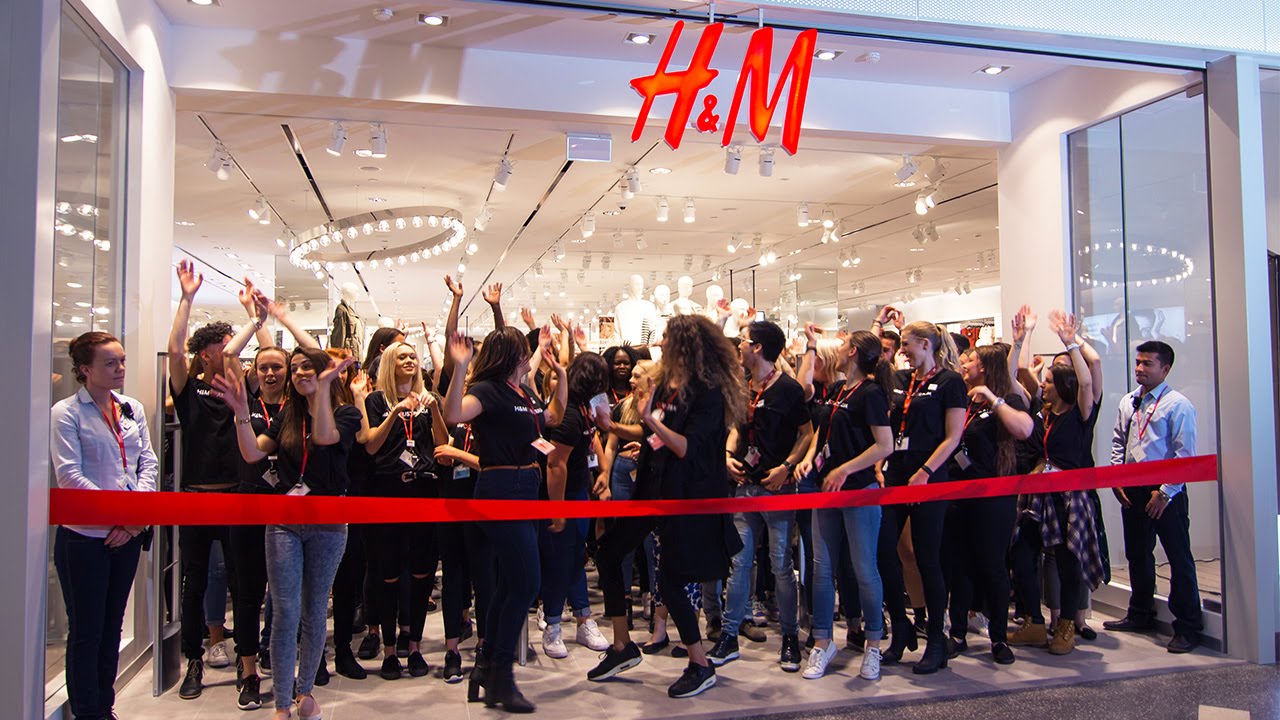
    Swedish fashion brand Hennes & Mauritz (H&M) opened its first store in Da Nang and eighth in the country on Thursday.

    The 1,600 square meter outlet is located in the Vincom Ngo Quyen mall in downtown Da Nang. Starting from VND99,000 ($4.27), the story aims to offer reasonably priced products for men, women, and children.

    Fredrik Famm, the brand’s Southeast Asia manager, said popular travel hotspot Da Nang was a market with good potential and they could open even more outlets in the central city.

    H&M was keeping its prices reasonable in order to develop sustainably in Vietnam, Famm said.

    With three outlets in Hanoi and four in Ho Chi Minh City, H&M is now established in all three regions of the country, while its Spanish competitor Zara has only two in Hanoi and HCMC.

    The expansion of H&M comes as major international brands set up shop in Vietnam to tap a rapidly growing fashion market.

    Australian brand Cotton On opened its first store in HCMC earlier this month, while Japanese casual wear retailer Uniqlo announced it would open its first store in the country on December 6, also in HCMC.

    The fashion garments industry, estimated at $5 billion in 2018, is expected to reach $7 billion by 2023.

  • Red tape stunting H&M India growth

    Red tape stunting H&M India growth

    Bureaucracy is hampering the expansion plans of H&M India according to the Swedish fast-fashion company’s local management.

    The firm’s country manager and CEO for the territory Janne Einola said in an interview that the company is facing delays and challenges in the market, blaming the delays on a difficult business environment and citing regulatory obligations.

    “Most probably we will see opening 100-plus stores in India, but what the time span is, I do not know,” said Einola.

    “The outlook – we thought it would grow faster as per the potential – but what is making it slow is local regulations, which are very costly, take a lot of time and are putting our expansion on slow mode.”

    H&M India operates 45 stores, the most recent one opening in Dehradun. The company’s next store is expected to launch in Jalandhar.

    Meanwhile, H&M India’s online sales account for a larger share of turnover than the 15 percent achieved globally.

  • SkinCeuticals launches into Asian travel-retail market

    SkinCeuticals launches into Asian travel-retail market

    L’Oreal Travel Retail Asia Pacific has launched US-based professional skincare brand SkinCeuticals into the Asian travel-retail market.

    Together with China Duty-Free Group, L’Oreal opened a pop-up store in Haitang Bay Duty-Free Shopping Center in Sanya to highlight the launch.

    SkinCeuticals joins dermo-cosmetics brands La Roche-Posay and Vichy, strengthening L’Oreal Travel Retail Asia Pacific’s brand portfolio.

    “Through our exclusive collaboration with China Duty-Free Group, we are thrilled that SkinCeuticals is at last launched in travel retail,” said Emmanuel Goulin, MD of L’Oreal Travel Retail Asia Pacific.

    “The dermo-cosmetics market continues to be buoyant, and … the addition of SkinCeuticals to our brand portfolio further ensures we have a powerful range of brands to offer beauty for all travelers,” he said.

    Terry Chua, VP of central merchandising division at China Duty Free Group, said the launch demonstrated the company’s deepened strategic partnership with L’Oreal Travel Retail Asia Pacific.

    At the Sanya pop up, visitors were invited to learn about the brand through immersive spaces, such as an anti-oxidation lab and an interactive game wall for a close-up experience of the advanced anti-oxidation technology. At the event, SkinCeuticals experts at the Digital Orchard demonstrated the antioxidant “apple test”, and professional skin diagnosis and skincare express facial treatment by SkinCeuticals experts.

    SkinCeuticals has also launched at Shanghai Pudong Airport Terminal S1, and will open at Beijing Capital International Airport by early 2020.

  • Hong Kong leather label Rabeanco opens its fifth store in Singapore

    Hong Kong leather label Rabeanco opens its fifth store in Singapore

    Hong Kong leather specialist brand Rabeanco has opened a new flagship store at Changi Jewel, its fifth store in Singapore.

    The new store features a selection of travel convertible bags which can be used as both backpack and shoulder bags. Rabeanco also offers a full range of leather footwear crafted in premium leather including mules, slingbacks, and heels.

    “We design our products for women who are constantly on the go and in need of highly functional yet chic designer leather products,” says Rabeanco’s spokesperson. “We are one of the first brands to introduce premium light-weight leather. This way, women can look stylish without feeling the weight on their shoulders.”

    The price of leather footwear products range from SG$180-330.

    Founded in 1992, Rabeanco operates more than 30 outlets across four markets including Singapore, Hong Kong, Macau and China.

  • Rumoured Dr Martens sale could fetch up to £1.2 billion

    Rumoured Dr Martens sale could fetch up to £1.2 billion

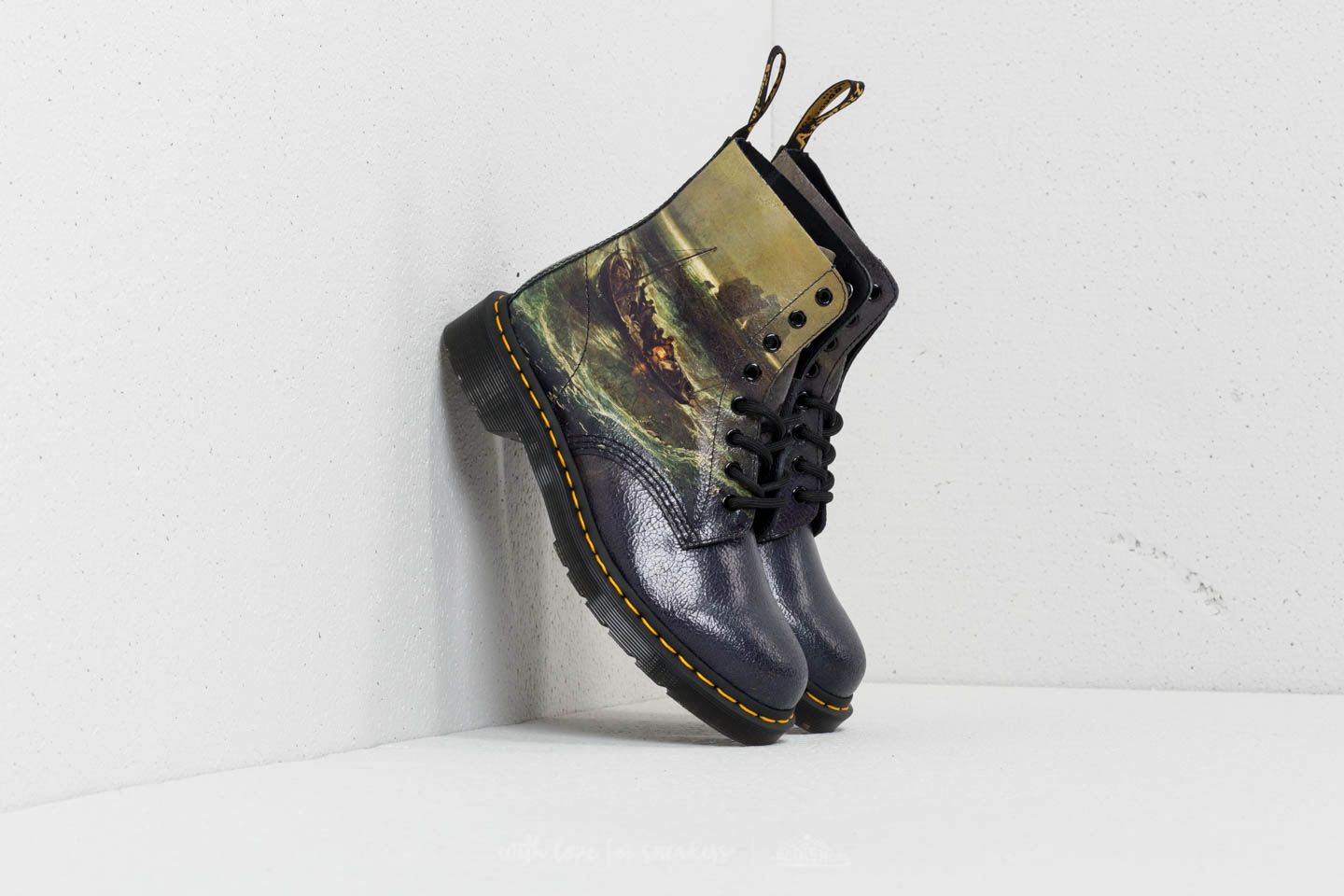
    Private-equity group Carlyle is reportedly considering a more-than-£1 billion bid for British footwear brand Dr Martens.

    According to Bloomberg, citing internal sources, current owner Permira, a European investment company, has engaged Goldman Sachs and another firm to evaluate options for the future of the Dr Martens business. An IPO is also a possibility.

    Bloomberg stressed that no firm offer has been lodged as yet and there is no guarantee a sale will proceed. None of the three parties have commented publicly on the reports.

    Permira paid £300 million for Dr Martens in 2014 and has since rebuilt and expanded the business through both physical stores and online. It now has 109 standalone stores worldwide in addition to a presence in a vast network of multi-brand footwear retailers.

    With suggestions the footwear brand could now be worth as much as £1.2 billion, Permira is likely to earn a massive return on its investment.

    The company’s earnings before interest and tax rose 70 percent last year to £85 million.

  • K-beauty companies fined for Instagram promotions

    K-beauty companies fined for Instagram promotions

    Several major K-beauty companies were found guilty of misinforming consumers after paying influencers on social networks like Instagram to promote their products.

    South Korea’s Fair Trade Commission (FTC) ordered seven companies including AmorePacific, LG Household and Health Care and L’Oreal Korea to pay 269 million won (US$228,740) in fines.

    The K-beauty companies paid influencers on social media 1.1 billion won (US$936,000) in cash and products in exchange for promoting their products on Instagram. They gave the influencers specific instructions on what hashtags to use as well as the angles for photoshoots.

    However, as many as 4177 sponsored posts went on Instagram without any information about the sponsorship arrangement.

    The FTC obligates companies to disclose all information on recommendations, guaranties, and others that contain economic interest that may impact the level of trust.

    The commission says it plans to revise current instructions to reflect today’s practices on social networks and include provisions that clearly inform consumers on whether a post is sponsored.

  • Missoni opens flagship store at Singapore’s Marina Bay Sands

    Missoni opens flagship store at Singapore’s Marina Bay Sands

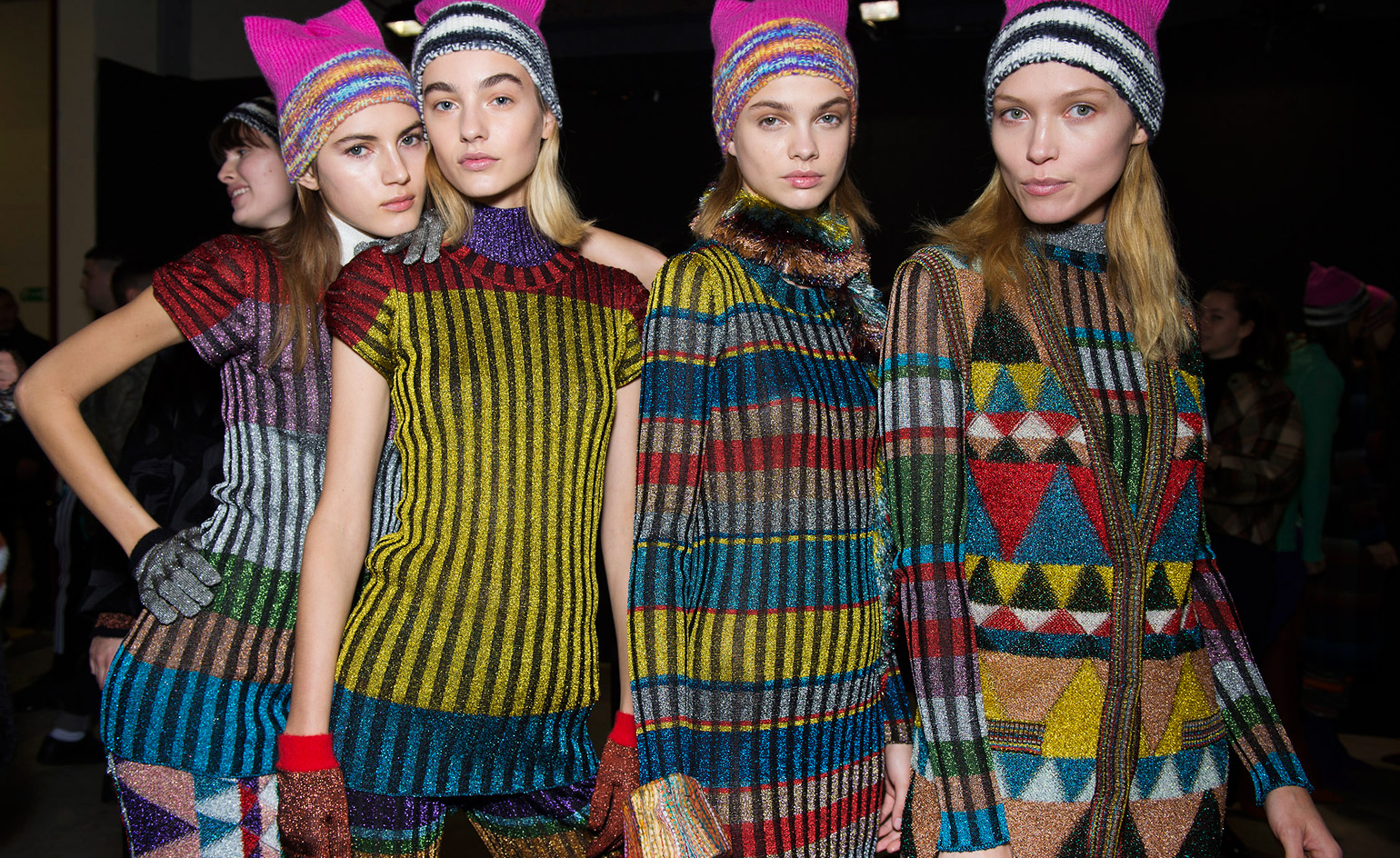
    Luxury fashion retailer Missoni has launched a flagship store at Marina Bay Sands in Singapore

    The 150sqm store stocks a range of womenswear, menswear, beachwear and accessories. A central product featured at the launch is the brand’s new M Missoni collection, created by designer Margherita Maccapani Missoni.

    The launch was celebrated with a cocktail party, attended by local media and celebrities as well as the firm’s creative director and president Angela Missoni.

  • LVMH-Tiffany deal signed

    LVMH-Tiffany deal signed

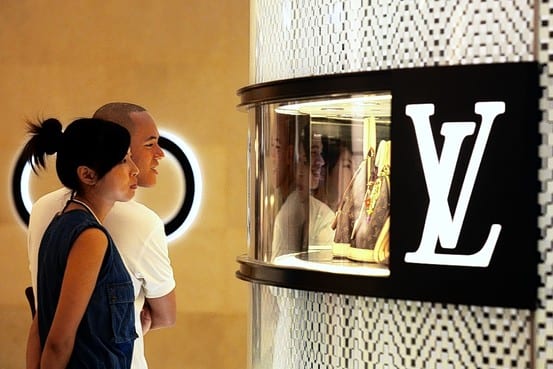
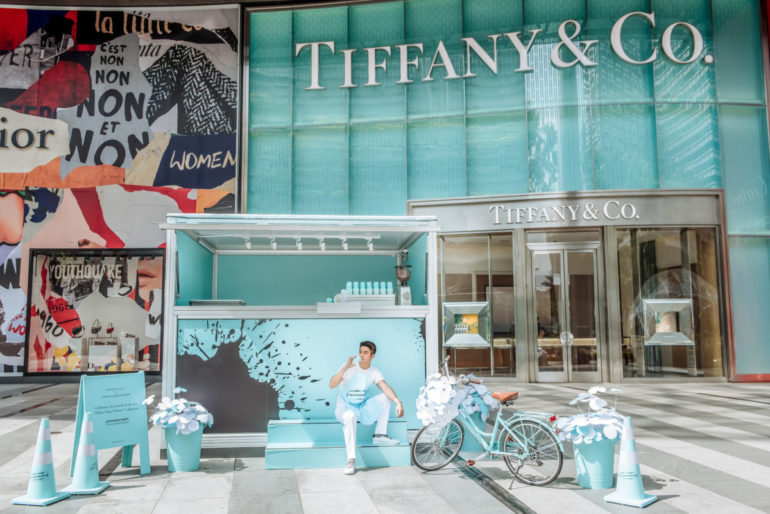
    Subject to regulatory approvals, the LVMH-Tiffany deal is sealed: the French luxury fashion powerhouse will take over the iconic New York City-headquartered jeweler.

    But it may be mid next year before the transaction is completed after shareholder and regulatory processes are complete.

    LVMH will pay US$135 per share in cash for Tiffany, giving the jeweler an equity value of €14.7 billion or $16.2 billion.

    The LVMH-Tiffany deal provides “an exciting path forward,” said Tiffany chairman Roger N Farah, describing LVMH as “a group that appreciates and will invest in Tiffany’s unique assets and strong human capital, while delivering a compelling price with value certainty to our shareholders”.

    Bernard Arnault, chairman, and CEO of LVMH and now within striking distance of becoming the world’s richest man when this deal is settled, described Tiffany as “a company with an unparalleled heritage and unique position in the global jewelry world”.

    “We have immense respect and admiration for Tiffany and intend to develop this jewel with the same dedication and commitment that we have applied to each and every one of our Maisons. We will be proud to have Tiffany sit alongside our iconic brands and look forward to ensuring that Tiffany continues to thrive for centuries to come.”

    It was a quick deal, coming little more than one month after the rumors of negotiations broke and will mark the beginning of a new chapter in the 180-year-old company’s history.  But the two spokesmen said completing regulatory filings and the formalities of shareholder approval might take until “mid-2020”.

    With more than 300 stores worldwide, Tiffany will give LVMH a strong position in the jewelry sector in which it is underrepresented compared to luxury-goods rival Richemont. The French company says the LVMH-Tiffany deal will strengthen its watches and jewelry division and complement its huge portfolio of 75 brands. Most significantly, it gives the luxury retail group a strong presence in the key US market.

    Farah said Tiffany undertook “a thoughtful internal process” and sought expert external advice before agreeing to terms with LVMH.

  • Marie France Van Damme opens stores in Miami

    Marie France Van Damme opens stores in Miami

    Hong Kong-based designer Marie France Van Damme has entered into a long-term lease agreement with Bal Harbour Shops in Florida.

    The luxury resort wear designer initially opened her first Florida store at Bal Harbour Shops in January last year as a temporary pop-up shop, which operated through to last July. The updated boutique will reopen in its new unit in January.

    The new 800sqft store will continue to offer Marie France Van Damme’s exclusive collections of “Dolce Vita” essentials, including day dresses and evening wear, resort wear, bathing suits, and caftans.

    The boutique will feature teak wood, bronze panels, and embossed crocodile leathers with textiles and finishes reflective of the designer’s flagships in London and Hong Kong.

    “Miami is a vibrant fashion capital,” said Van Damme. “Like me, our customer travels around the world, and she needs to find things that will look beautiful during the day as well as at night; from the beach to a cocktail or dinner in the evening. It has always been a dream of mine to open a store at Bal Harbour Shops, and after extending our pop-up shop there as a result of a successful year, we are honored to create a more permanent home for our clients in one of the world’s most exclusive luxury shopping destinations.”

    Marie France Van Damme plans to continue to open new stores across the globe, focusing on cities that both inspire the designer and appeal to her “sophisticated, jet-set clientele”.

  • United Colors of Benetton expanding into Myanmar

    United Colors of Benetton expanding into Myanmar

    Italian fashion brand United Colors of Benetton, has released a new collection to celebrate its presence in the Burmese market.

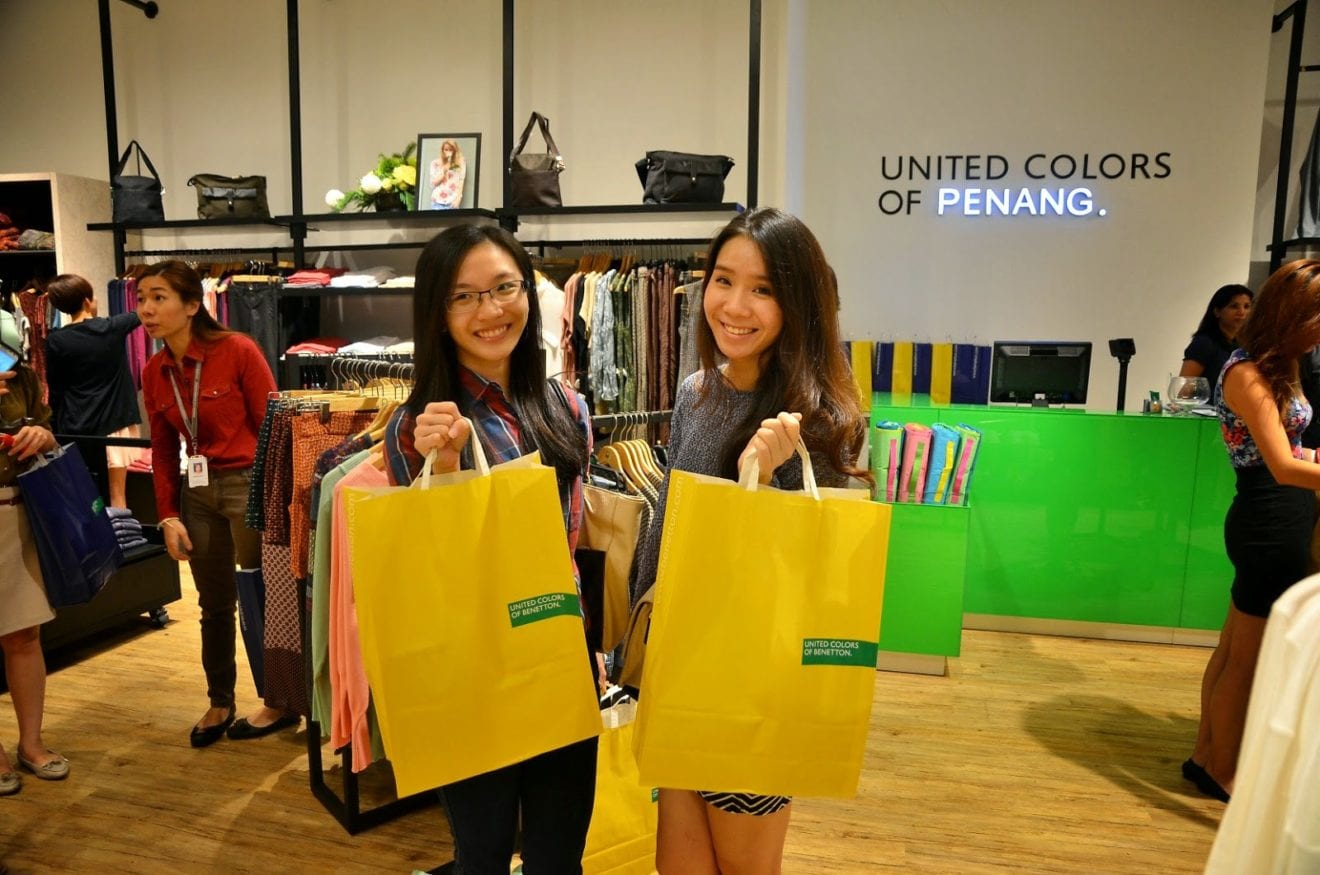
    Benetton entered Myanmar in October 2017 and now has two stores in prominent areas, with plans to further expand its base in the territory over the coming decade. Benetton Group has a global network of 5000 stores.

    “We brought our strong heritage to Myanmar in October 2017 with our first store in Junction City Level 2,” read a statement from the brand.

    “We further expanded with the store in Yangon International Airport … We have interesting plans of expansion in Myanmar next year and are looking forward to catering to the audience with our unique product offering. We have received an overwhelming response so far and will strive towards exciting our consumers with knit, colors and sustainability.”

    With the new global creative director Jean-Charles de Castelbajac coming onboard, Benetton has showcased two collections – The Rainbow Machine and The Colour Wave at Milan Fashion Week (AW2019 & SS2020). The collection is expected to hit Myanmar stores in the coming year.

    Benetton’s AW2019 collection has hit stores to offer a chic winter to fashion enthusiasts in the region. The collection was celebrated with a special showcase followed by a creative session at the Junction City store on November 17 attended by the city’s glitterati.

  • LVMH takeover of Tiffany & Co looks to be settled

    LVMH takeover of Tiffany & Co looks to be settled

    Luxury jeweler Tiffany & Co looks set to be bought by French luxury group LVMH after the latter increased its offer to more than US$16 billion.

    Sources have told multiple international media organizations that a deal may be announced as early as today, Europen time before stock markets there open.

    The two companies’ boards met yesterday to finalize the deal, which would be LVMH’s largest acquisition yet and substantially boost its North American business.

    LVMH initially bid $14.5 billion for Tiffany in late October when it had a market valuation of $11.9 billion, but the target company’s board rejected the offer saying it undervalued the business.

    An analyst at OC&C Strategy Consultants in Hong Kong said adding an iconic American brand to its portfolio would enable the French luxury group to get closer to the heart of American luxury customers.

    “It would reinforce LVMH’s jewelry portfolio, which was relatively limited until now compared to rival luxury groups like Richemont. Acquiring Tiffany provides LVMH not only the entry into the fine jewelry segment but also the more accessible segment, which is growing at a faster pace than fine jewelry,” he said.

    During recent years, Tiffany has achieved success in rejuvenating the brand, expanding its jewelry collections from a wedding and engagement-focused jewelry to more fashionable, everyday collections to better cater to younger consumers’ increasing need of self-indulgence.

    “To satisfy consumers’ pursuit of “newness”, they shortened the cycle of new product launches. In addition, they are also one of the pioneer luxury players in embracing digital platforms by opening a pop-up store on Tmall Luxury Pavilion and engaging with consumers creatively through WeChat, among others,” said the analyst.

  • Gap’s outlook is gloomy due to week profits

    Gap’s outlook is gloomy due to week profits

    There is no real surprise from Gap’s third-quarter figures released last week: sales are poor, profit is weak – although marginally better than forecast – and the outlook remains gloomy.

    Given the relative lack of effort from management on resolving the underlying issues plaguing the company, it would be unreasonable to expect a different outcome. However, there is some hope that the recent change in the CEO may result in a more aggressive pace of advancement. (Art Peck stepped down from the role earlier this month after five years in the role and a replacement is being sought).

    The biggest problem within the company is the Gap brand. Here total sales within the US fell by 6.6 percent over the prior year, while global comparable sales fell by 7 percent. As much as Gap remains a sizeable business, it continues to suffer from customer attrition as shoppers defect or reduce the amount they spend at Gap in favor of other retailers. The reason for this is relatively simple: assortments are dull, and every new season Gap churns out more of the same bland product rather than innovating and trying new things. This makes it very easy for consumers to overlook Gap.

    It used to be the case that, in the absence of compelling ranges, Gap could use discounting as a mechanism to drive customer interest and footfall. However, over the past half-year, this has become far less effective. Part of this is down to the fact that discounting has become a lot more prevalent elsewhere in the market, which means shoppers have a lot more choice of stores they can visit to get discounted goods. But part also is down to fatigue with Gap itself: offering 40- or 50-per-cent off may have once been eye-catching, but Gap has educated consumers to expect this to be offered as standard.

    Unfortunately, there is no real remedy to the discounting-drug other than for Gap to rebuild its proposition and give customers new reasons to buy.

    While the Gap story is an old one, Old Navy’s recent slide from grace is a more interesting tale. Previously Old Navy had been motoring along nicely, posting consistently good sales results. However, last quarter US sales shrunk and these quarter sales are flat.

    Admittedly, Old Navy has been lapping tough prior year comparatives, however, we believe there is more to the waning performance. Extensive discounting elsewhere in the market has been unhelpful, especially as it has pulled some more price-sensitive family shoppers away from Old Navy. But the biggest reason for underperformance has been a series of missteps on assortments. Usually, Old Navy can be relied upon to produce good seasonal edits that reflect fashion trends. Over the past two seasons, these have largely been absent, and the range has become tired and relatively bland.

    In a highly competitive environment, this isn’t good enough to drive growth and it leaves Old Navy exposed to players like Target which has been making excellent progress in apparel. Unfortunately, question marks over the future of Old Navy are unhelpful when Gap Inc is looking to spin the business off.

    In a rare turn of events, Banana Republic is the star of the show with a 4.3-per-cent uplift in total sales in the US. Improvements to the quality and some better pieces within the assortment have helped to lift conversion and basket sizes from existing customers. A continued recovery at the brand will be helpful to the group, not least because within the US Banana Republic’s sales are now only a fraction behind those of Gap – so it is able to make a more meaningful contribution to the top line.

    Overall, Gap remains in a very weak position and the spin-off of Old Navy will do nothing to remedy this. The change of management provides the company with an opportunity to shift its mindset. Whether it grasps it remains to be seen.
  • Kathmandu, Cactus Outdoor team up for newly launched NZ Made Day

    Kathmandu, Cactus Outdoor team up for newly launched NZ Made Day

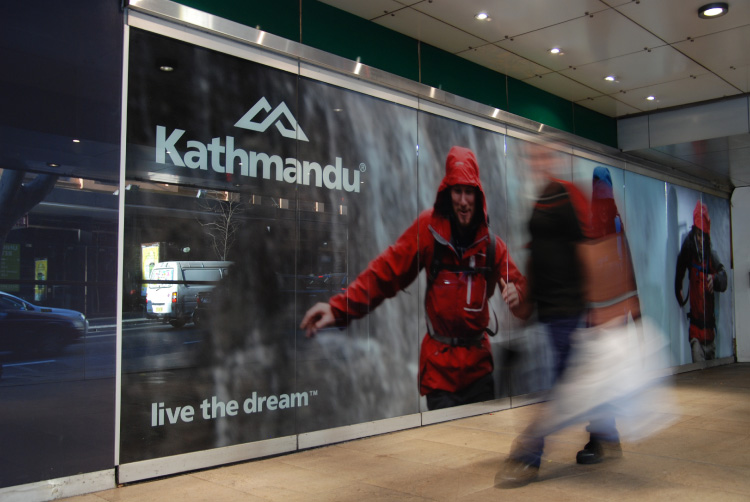
    Kiwi brands Kathmandu and Cactus Outdoor have created a new line of apparel made in New Zealand to celebrate the inaugural NZ Made Day.

    Launching today, NZ Made Day is a new annual event dedicated to celebrating products made by New Zealanders.

    Ryan Jennings, Buy NZ Made’s executive director, said the day will encourage New Zealanders to buy at least one locally made item from retailers or direct from the manufacturer.

    To celebrate the launch, Kathmandu and Cactus Outdoor have teamed up to create the Merino Tee, made by Albion Clothing, a manufacturer purchased by Cactus Outdoor earlier this year. The tee will be sold under Kathmandu’s branding.

    The merino tee has been designed, cut, sewn and packaged in New Zealand with the use of wool farmed in high county stations on the South Island.

    Kathmandu will start selling the tee today in all its New Zealand stores.

    “Brands like Cactus Outdoor and Kathmandu are stronger than ever because they have found their edge with customers by guaranteeing product longevity and customization over generic fast fashion,” Jennings said.

    According to Jennings, in the face of international consumer choice, manufacturers are building direct-to-consumer offerings that complement their retail channels to market.

    “Manufacturers that create direct relationships with consumers can offer customized products or simply pass on the retail savings, something that ‘stack ’em high’ big box retailers importing from overseas may struggle to match,” he said.

    Consumers who purchase any NZ Made products displaying the Kiwi trademark, including two new NZ Made caps released for NZ Made Day, can win one of five $1000 giveaways by texting 313 with the details of the purchase.

  • Victoria’s Secret’s canceled annual fashion show

    Victoria’s Secret’s canceled annual fashion show

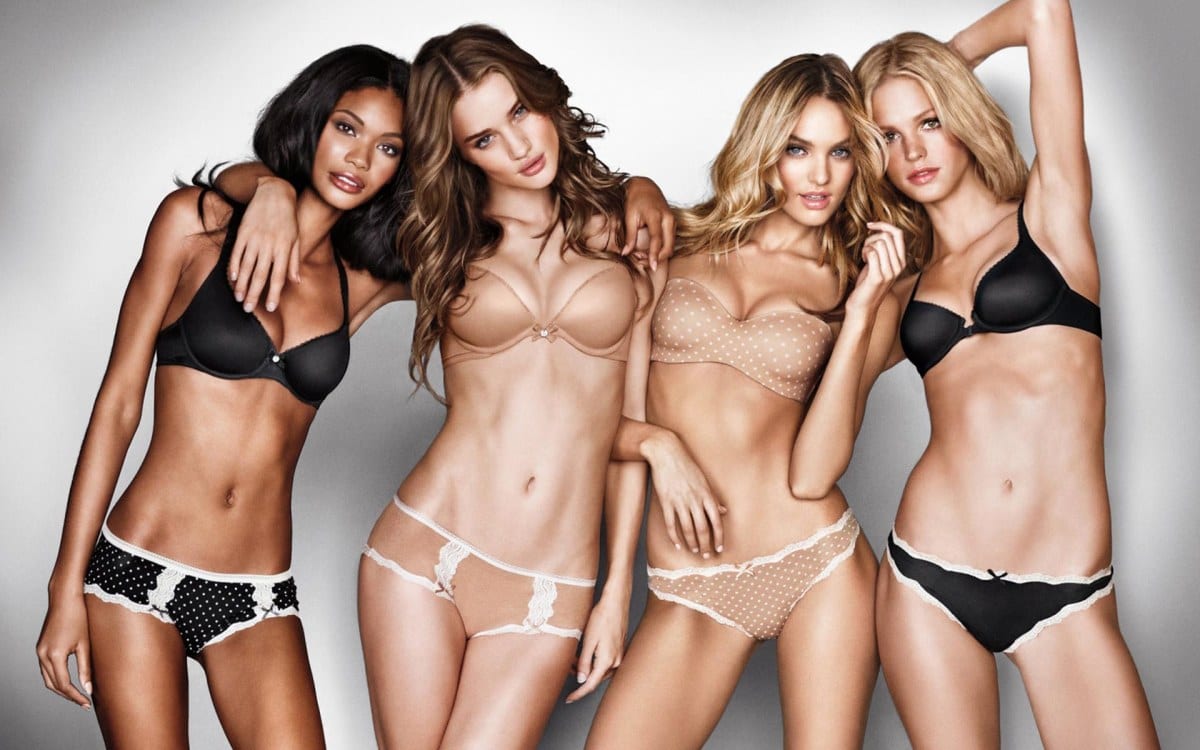
    Victoria’s Secret’s annual fashion show, where supermodels once walked down the runway wearing giant “angel” wings and elaborate lingerie sets, will not occur this holiday season.

    Stuart Burgdoerfer, CFO of the brand’s parent company L Brands, said on a call with investors on Thursday that Victoria’s Secret would be communicating with customers through social media and other platforms, but that it wouldn’t be “similar in magnitude to the fashion show”, which had been broadcast on network television in the US since 2001.

    “We think it’s important to evolve the marketing of Victoria’s Secret,” Burgdoerfer said.

    The news ends several months of speculation about the future of the fashion show after Victoria’s Secret said in May that show would not be part of network television this year, leaving open the possibility that it would be live-streamed online instead.

    But the show has been drawing a smaller audience for some time, as the brand’s “sexy” image has fallen out of favor with younger consumers and fashion trends have shifted towards bralettes and other less-padded styles.

    The fashion show was watched by 3.3 million Americans in 2018, compared with 12 million in 2001 when it was the first broadcast.

    The company also suffered a backlash last year when then-CMO Ed Razek told Vogue that the show wouldn’t have transgender models.

    L Brands posted a US$151.2 million operating loss in Q3 2019 on Thursday, which includes a US$284.7 million non-cash impairment charge related to Victoria’s Secret store and other assets, and a US$37.2 million charge to increase reserves related to ongoing guarantees for the La Senza business, which it sold in Q4 2018.

    Excluding these charges, its adjusted Q3 operating income was US$96.3 million and its adjusted net income was US$5.7 million.

    The retailer reported net sales of US$2.7 billion for the 13 weeks ended November 2, 2019, compared to US$2.8 billion for the prior corresponding period. Comparable sales were down 2 per cent in Q3 2019.

    The company is expecting a strong Q4, according to Reuters, and said its full-year adjusted earnings per share would be US$2.40, in line with its full-year guidance of between US$2.30 and US$2.60.