Category: Fashion

Retail News Asia is committed to providing both local and global retailers with the latest Fashion news throughout the Asian market. This on a daily base.

  • Uniqlo Korea sparks controversy

    Uniqlo Korea sparks controversy

    Uniqlo Korea has sparked yet another round of controversy, this time by distributing free Heattech shirts as part of a new marketing offensive.

    The Japanese apparel company, as part of its 15th Anniversary promotional event, is giving away 100,000 heat-tech shirts on a first-come, first-served basis to all customers purchasing a product, regardless of the price, at Uniqlo Korea offline stores.

    Since the promotion can end early if daily quotas are reached, it wasn’t difficult to find people lining up at stores early in the morning, causing an uproar on South Korean social media.

    Despite the negative reaction, Uniqlo distributed a press release to promote the giveaway, demonstrating its intention to address the public head-on by turning it into ‘noise marketing’.

    South Koreans are increasingly divided over the issue as social figures are joining the debate.

    “The number of customers at Uniqlo soared ever since the giveaway, despite the fact they can’t choose the size or color of the shirt,” said Prof Seo Kyung-duk from Sungshin Women’s University, a Korean PR activist.

    “Why do we have to go there, out of all places, to get free clothes?”

    In contrast, others implicitly argue that, while they respect one’s own belief, the boycott movement should not be forced on anyone.

    The fact that Uniqlo products are being sold online, while offline stores are empty, shows there is a large population of so-called ‘shy Uniqlo’, ‘shy Japan’ consumers in the country.

    Uniqlo Korea sales have plunged in recent months due to an ongoing boycott of Japanese brands and retail networks relating to a lack of apology over the occupation of Korea during the Second World War.

  • South Korea’s E-Land Group completes US shoe business exit

    South Korea’s E-Land Group completes US shoe business exit

    South Korean conglomerate E-Land Group is pulling its OTZ Shoes brand from the US market, six years after buying it.

    E-land Group, through its subsidiary E-Land USA Holdings, bought the California-based OTZ Shoes at US$8.5 million in 2013. But now, the conglomerate has decided to withdraw the brand from the country and develop it in South Korea instead, completing its exit from the US footwear market.

    OTZ will be marketed as a private brand in South Korea by its fashion unit E-Land World and will be sold at its multi-shoe brand store Folder. The brand is aimed at catering to young customers aged 15 to 25.

    Aside from growing the brand at home, E-Land Group says it plans to boost its sales overseas to achieve its target of 50 billion won (US$43 million) sales annually.

    E-Land Group sold its subsidiary E-Land Footwear, which owns brands K-Swiss, Palladium, Supra, PLDM and KR3W, to Chinese sportswear company Xtep International Holdings for US$260 million three months ago.

    E-Land Group is Korea’s largest integrated fashion and retail company, owning around 250 brands and operating more than 10,000 stores worldwide.

  • Kjus ski wear to open Beijing flagship store

    Kjus ski wear to open Beijing flagship store

    Swiss-based ski wear brand Kjus is to open its flagship store in Beijing next month.

    The flagship store is part of the company’s strategy to expand in Chinese market after progressively entering 33 countries already.

    Designed by 5 Star Plus Retail Design, the flagship store’s concept features the “future-oriented vision of the brand”.

    A Kjus product display, designed with LED touch screen and backplane patterns, is installed on the facade of the store.

    The Kjus China store’s design is the transition from Switzerland original design to futuristic. In order to deliver a futuristic and high-tech vibe, designers choose metal and stone as main materials and make sure there is sufficient clear space for the store.

    Meanwhile, the store draws a connection to the original Switzerland design by using wood on a smaller-scale such as high-rack equipment and wooden table.

    Lighting effects and technological advancements are used to highlight the product features, key products, and collections. A self-illuminated frame structure with a light-transmissive acrylic sheet inside is installed to illustrate the technology of the product. Two main colors of the store are grey and orange.

    Kjus store also features and exclusive VIP lounge and fitting room serving beverage so customers can have a more pleasant shopping experience.

  • Oriental Watch sales, profit holds firm despite turmoil

    Oriental Watch sales, profit holds firm despite turmoil

    Oriental Watch has shrugged off the impact of ongoing Hong Kong protests, with sales down a mere 1.1 percent and improved gross profit in the half-year to September.

    Sales totaled HK$1.168 billion (US$149 million), gross profit rose 10.4 percent to $318.2 million and profit attributable to shareholders was down 3.6 percent to $61.7 million.

    “The Hong Kong operation of the group held up well during the period against a backdrop of uncertain economic and social conditions,” said chairman Yeung Ming Biu.

    Oriental Watch operates 61 stores selling high-end watches, 46 of them in Mainland China, 11 in Hong Kong, three in Taiwan and one in Macau.

    Same-store-sales growth reached 11 percent in China where the company has established a solid foothold across tier-one cities such as Shanghai and Beijing, in the Guangdong province, and other cities such as Taiyuan, Nanjing, Changsha and Chengdu.

    Figures for Hong Kong were not highlighted in the group’s half-year results but overall luxury-goods sales fell by around 50 percent in the last quarter.

    Yeung said the group believes Hong Kong tourism will regain its footing in the near future, and remains “cautiously optimistic” for the longer-term retail market, especially for the high-end sectors.

    “Oriental Watch will continue to deploy appropriate strategies to elevate the productivity of existing stores, strengthen cost management and optimize its inventory profile, as well as enrich its

  • Blackstone makes initial investment in Indian fashion sector

    Blackstone makes initial investment in Indian fashion sector

    International private equity firm Blackstone has invested roughly US$244 million in debentures in Future Lifestyle Fashions holding company Ryka Commercial Ventures.

    The deal is accompanied by Blackstone’s acquisition of a 6-per-cent shareholding in Future Lifestyle. The firm is now Ryka’s sole financial partner.

    “This is our first investment in this sector,” said Blackstone’s head of tactical opportunities, Asia Kishore Moorjani in a DealStreetAsia report. “We look forward to being a value-added investor as FLFL and the Future Group continue to cater to the fashion needs of aspiring India.”

    The funds have been used to resolve all Ryka’s existing financial obligations.

    “Blackstone will support us in the continued growth of our fashion business, bringing global perspectives that will help us take FLFL to the next level,” said Future Group CEO Kishore Biyani.

  • Swedish retailer Sneakersnstuff making debut in Tokyo

    Swedish retailer Sneakersnstuff making debut in Tokyo

    Stockholm-based retailer Sneakersnstuff is about to open a flagship store in Tokyo, its first Asia location.

    The retailer, known for its sneakers, said the Tokyo store will open on December 14 on Log Road in Daikanyama, which is home to high-end boutiques and restaurants.

    Designed by Stockholm-based design studio Bofink, the store will combine the best of both Scandinavian and Japanese design. And more than just a retail space, it will be a multifunctional lifestyle store with an inclusion of a cafe.

    “It features handcrafted and handmade furniture by Swedish and European artists and furniture makers, beautiful and unique colorways, traditional Japanese heritage materials, 3D-printed pieces and more,” Sneakersnstuff said in a statement.

    Tokyo will be Sneakersnstuff’s seventh location worldwide, joining Stockholm, London, Berlin, New York, Los Angeles and Paris.

    The retailer first announced a plan to expand into Asia in October last year.

  • Australian fashion brand Cotton On comes to Vietnam

    Australian fashion brand Cotton On comes to Vietnam

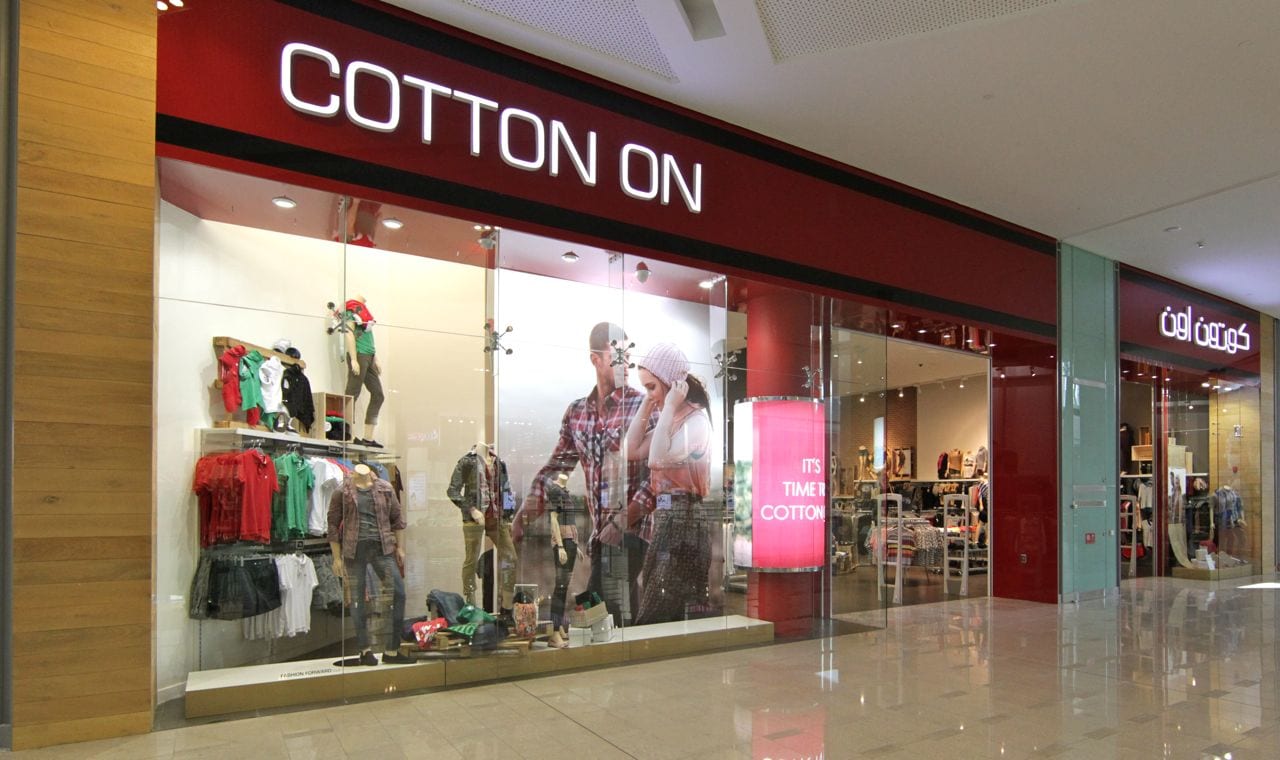
    Australian fashion brand Cotton On is the latest foreign player to come looking for a piece of the action in the growing Vietnamese market.

    It opened its first store in the country at Vincom Thao Dien in Ho Chi Minh City’s District 2 on November 15. It plans to open two more stores before December, including one at Aeon Mall Ha Dong in Hanoi, it said in a statement.

    “We know there is a growing demand for street/casual wear fashion in Vietnam, so we’re confident our distinctive product offering will resonate with customers who want access to the most effortless, on-trend products,” James Lavdas, Cotton On’s general manager of license, said.

    The group has come to Vietnam through a partnership with Imex Pan Pacific Group (IPPG), which also brought other fashion brands such as Nike and Mango to the country. It is the first Australian apparel retailer in the Vietnamese market.

    Cotton On, among the largest fashion brands in Australia, was established in 1991 and now has a presence in 19 countries. Before Vietnam, it had entered India in January.

    Earlier this month Japanese casual wear retailer Uniqlo announced it would open its first store in the country in Ho Chi Minh City’s District 1 on December 6, adding to the list of around 200 foreign fashion brands that have entered Vietnam, including Zara, H&M, Giordano, Topshop, Gap, and Old Navy.

    Industry insiders say that Vietnam, with its young demographic, growing incomes and 96 million population, is a hugely promising market.

    The industry was estimated to be worth $5 billion in 2018 and is expected to reach $7 billion by 2023.

  • Tigerlily finally unveils new look across stores

    Tigerlily finally unveils new look across stores

    After a much-anticipated wait, the Australian designer brand Tigerlily has today unveiled a new look and branding across its stores, website and social media, alongside the launch of its dreamy resort 2020 campaign.

    In December, the retailer will open its flagship store at Melbourne Emporium, the first to reflect the brand’s new direction. The store design was inspired by exotic hotels and faraway holidays.

    Tigerlily began teasing customers with its relaunch almost two weeks ago when it wiped the contents of its entire Instagram and began slowly posting sneak peek preview videos and imagery.

    “Tigerlily feels like it has traveled the world and it is inviting us to come along on holidays”, Tigerlily CEO Chris Buchanan said in a statement. “And, as we expand into new markets and grow with our consumer, comes a refreshed look and perspective for the brand.”

    “She is a curious explorer with an adventurous spirit;a dreamer enchanted by discovery who lives for the experience. Each collection we create is aspirational but accessible for women, who embrace curiosity for exploring the new things.”

    The new resort 2020 campaign was inspired by the tropical holiday vibe of 1960s Hawaii and showcases the brand’s vibrant prints and effortless silhouettes.

    According to Buchanan, under the brand transformation, Tigerlily’s collections will take on a more sophisticated approach and next year, it will start delivering two collections per season to better serve international customers.

    Its ready-to-wear collection will feature more elevated and contemporary designers at high price points, while its Holiday Edit collection will focus on swimwear and over swim.

    “I think everyone remembers Tigerlily as a swimwear brand, but for 15 years, we’ve been a clothing brand. There’s no better way to celebrate 20 years of being one of Australia’s most iconic brands than to start a new journey and really create some clarity around who we are and what we do,” Buchanan said

  • Sephora launches first WA pop-up inside David Jones

    Sephora launches first WA pop-up inside David Jones

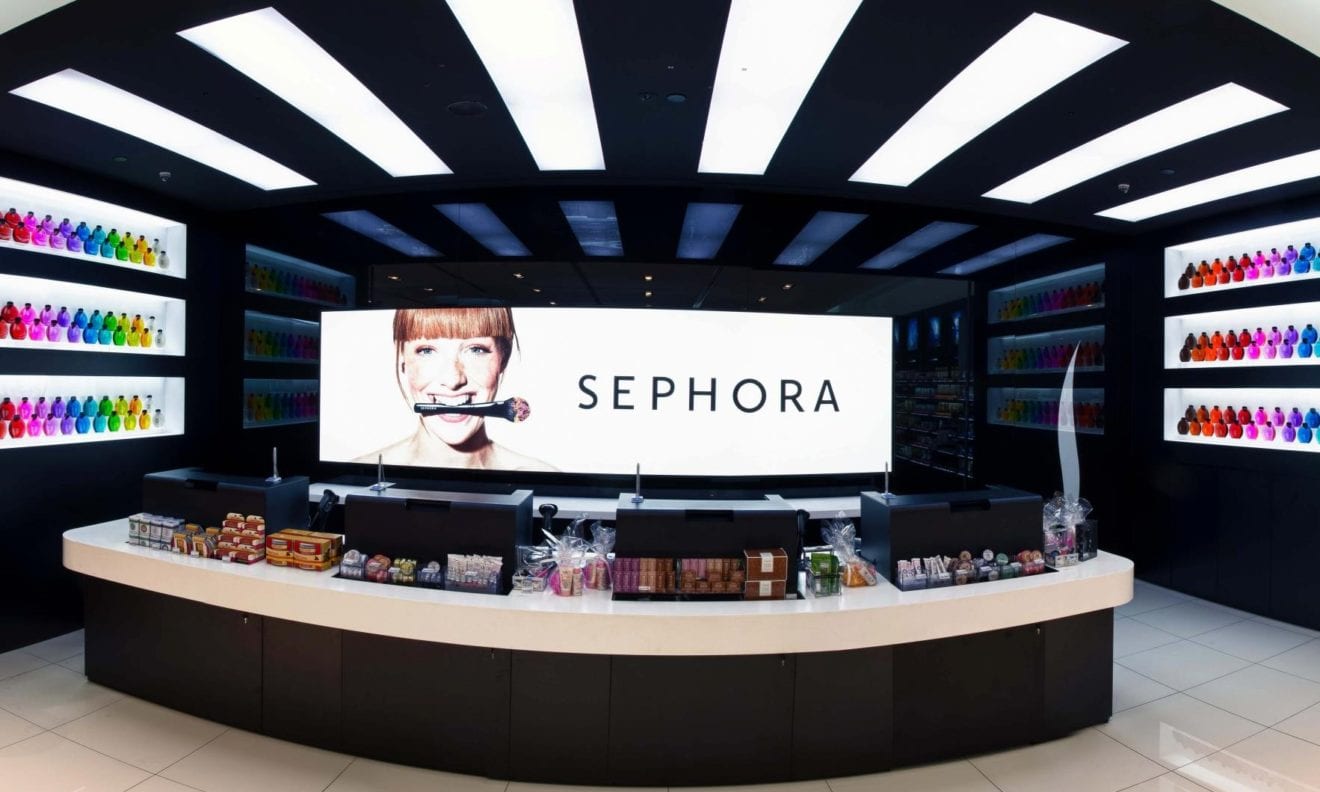
    Beauty brand Sephora has launched its first location in Western Australia, housed within the David Jones in Claremont Quarter Shopping Centre, Perth.

    The pop-up will run until January, or until stock runs out, and will offer Christmas Gift collections that feature products from Huda Beauty, Becca Cosmetics and Fenty Beauty.

    Perth property group Hawaiian general manager of shopping centers Scott Greenwood said the pop-up will give Perth beauty fans the chance to get their hands on international cosmetic brands in time for Christmas.

    “We are proud we can assist our retailers offering international brands to Claremont Quarter shoppers,” Greenwood said.

    “The pop-up Sephora has arrived in David Jones just in time for people to start their Christmas Shopping.

    “It will also be warmly welcomed by those who love the Sephora brand but until now have only been able to access products online or interstate.”

    Sephora signed a strategic partnership with David Jones in 2018, which at the time resulted in the opening of a concept store in David Jones’ Bourke Street, Melbourne flagship.

    The launch of the pop-up continues this partnership, as well as Sephora’s expansion into new locations in Australia, has launched its first store in Rundle Mall, South Australia in October.

    Parent company LVMH recently revealed a solid third-quarter result, with all business groups and regions contributing to an 11 percent increase in revenue.

    Sephora itself continued to see strong organic growth, especially in Asia and the Middle East, and enjoyed rapid online revenue growth.

  • Burberry Japan opens flagship store in Ginza

    Burberry Japan opens flagship store in Ginza

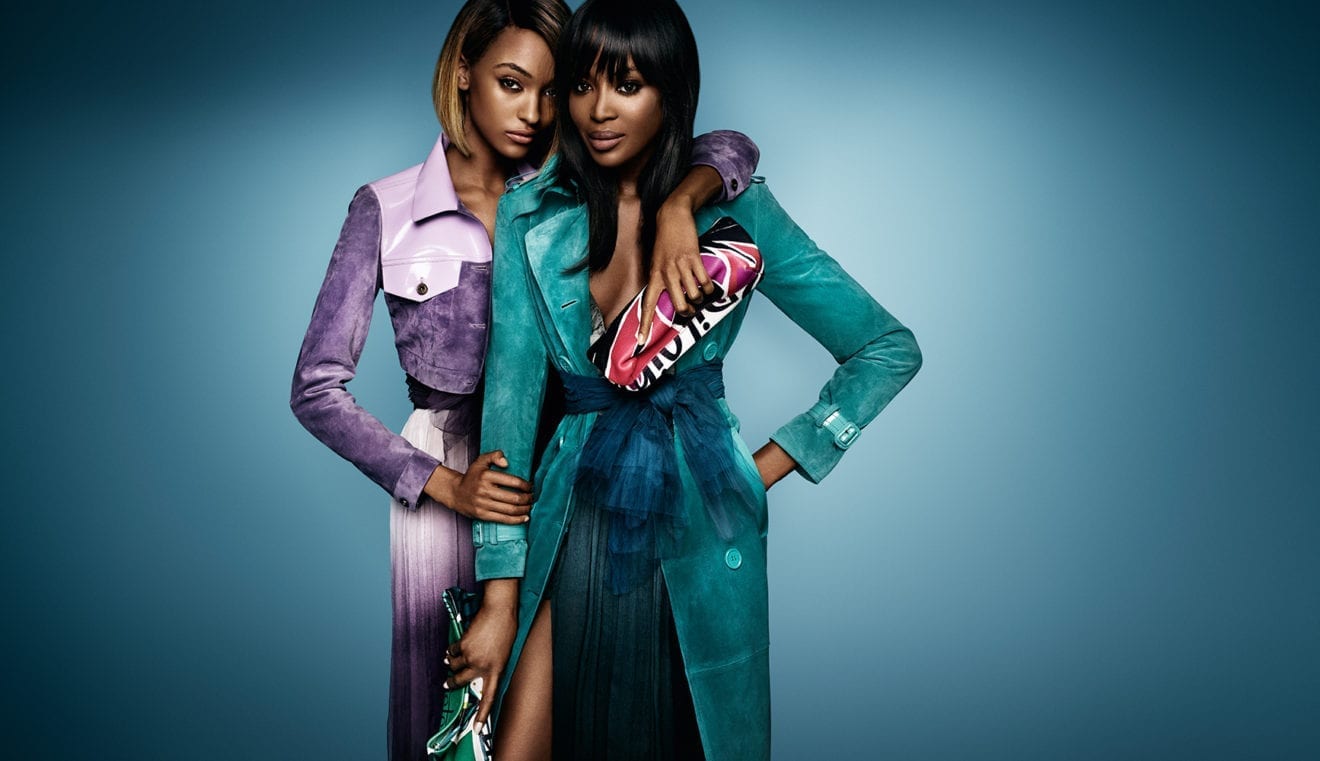
    Burberry Japan has opened a flagship store in Tokyo’s Ginza district, the label’s fourth new store to open in the last six months.

    Located at the exclusive Ginza Marronnier building, the Burberry Japan flagship store features a new store-design concept by chief creative officer Riccardo Tisci.

    Exclusive items from the Spring Summer 2020 pre-collection an a limited-edition Thomas’s Burberry Monogram print silk scarf in pistachio are presented at the shop.

    Visitors can experience an exclusively designed AR program activated through QR codes on pistachio Thomas Burberry flags on Ginza Chuo-dori. There are hidden Burberry deer on the streets of Ginza, discoverable through AR and designed to be shared on social media.

  • Estee Lauder bought South Korean Dr Jart+ Brand

    Estee Lauder bought South Korean Dr Jart+ Brand

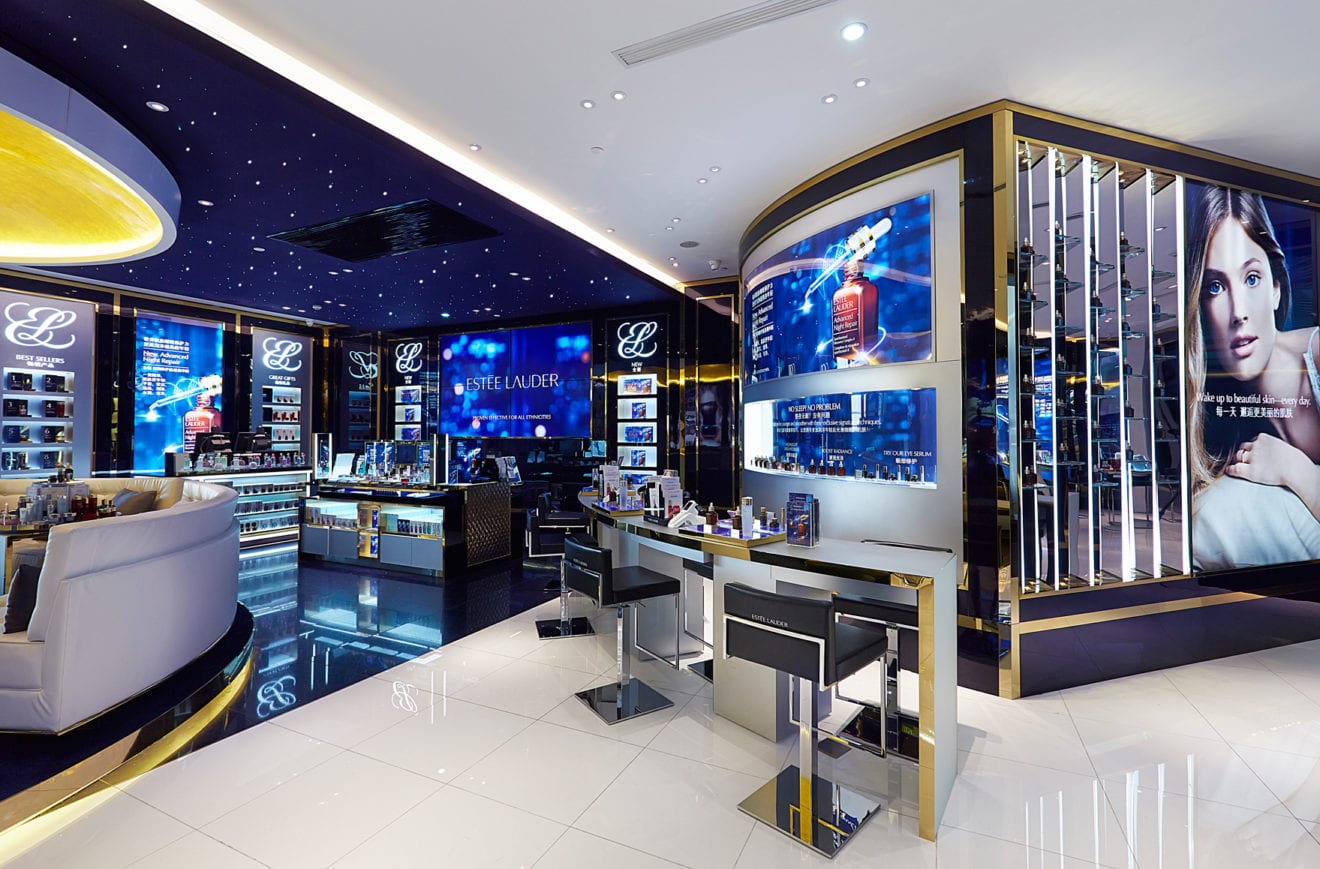
    Estee Lauder has acquired the remaining two-thirds it does not already own of Have & Be, the Seoul-based company behind skincare brand Dr Jart+.

    The global cosmetics company bought a minority stake in Have & Be in December 2015 and expects to close on the balance next month.

    With Dr Jart+, Estee Lauder hopes to strengthen its leadership position in Asia Pacific and be able to expand further there and in North America and the UK.

    “The Estee Lauder Companies is the ideal home for our brands,” said Chin Wook Lee, founder and CEO of Have & Be. “Since the beginning of our partnership four years ago, the company has shared its mission to provide the very best skin-care and beauty products to consumers around the world. We are excited for the opportunity to continue this partnership as we continue to innovate and grow our brands globally.”

    Since the partnership with Estee Lauder in 2015, Dr Jart+ has witnessed significant growth and is expected to achieve more than US$500 million in net sales this calendar year. Have & Be’s total enterprise is valued at approximately US$1.7 billion.

    President and CEO of The Estee Lauder Companies, Fabrizio Freda, says Dr Jart+’s focus on creating high-quality skin care products that fuse dermatological science, innovation capabilities and artistic expression make it a terrific, strategic addition to Estee Lauder’s diverse portfolio of prestige beauty brands.

    “We look forward to continued global growth in the years to come.”

    Founded in 2005, Dr Jart+ is now one of the fastest-growing skincare brands in the world. Its products are currently available in 36 markets internationally, through 5524 retail outlets.

  • Fashion industry ‘waking up’ to benefits of blockchain technology, robotics

    Fashion industry ‘waking up’ to benefits of blockchain technology, robotics

    Blockchain and robotics are becoming increasingly popular in the global fashion industry as brands look to increase transparency and improve efficiencies, according to GlobalData.

    While it is still in its infancy, blockchain technology has the potential to transform the global supply chain, says Michelle Russell, apparel correspondent at GlobalData. She says that during the last few years, the adoption of blockchain technology amongst apparel and textile companies has grown substantially as the pressure to have more visibility in the supply chain ramps up.

    “Its uses are varied as companies use the ledger to address problems in unethical behavior, excess waste, the origin of goods, and counterfeiting.”

    German start-up Retraced recently launched a blockchain-based transparency solution that it is trialing with a number of fashion brands. Other examples include OpenSC which received US$4 million in seed funding for its platform that aims to build transparency around commodities known to have significant environmental or human rights risks within their supply chain and Waste2Wear’s launch of the world’s first ocean plastic-based fabrics collection that is fully traceable using blockchain technology.

    “Blockchain is undoubtedly helping the apparel and textile industry overcome many of its problems,” continues Russell.

    “While still in its infancy there are undoubtedly many bumps to be ironed out, such as the need for common standards and regulations. However, despite the challenges, the increased adoption of blockchain shows there is a need for this type of technology in the industry and its potential is substantial.”

    Integrating robotics

    Meanwhile, apparel brands are beginning to realize the benefits of integrating robotics in their supply chains as a way of improving their speed-to-market, says Hannah Abdulla, also an apparel correspondent at GlobalData.

    “To meet consumer demand for accessing the latest trends more quickly, we’re seeing brands using robotics, which allows faster and greater output, as well as higher efficiencies in warehouse operations.

    “Of course, critics may argue such technology could lead to a reduction in manpower but, if the appetite for apparel and footwear continues to grow and demand for the latest trends continues to intensify, brands will be left with no choice, but to harness robotics.”

    Adidas recently announced it was deploying Speedfactory technologies at two Asian suppliers, enabling accelerated speed-to-market, and quicker response time to trends, a shift to mass personalization, efficiency, and greater sustainability. In a similar move, the Japanese owner of Uniqlo, Fast Retailing, has employed two robotic start-ups to help improve efficiencies in warehousing and distribution.

    “In today’s world, speed is everything,” adds Abdulla. “Consumers want access to the latest trends and they aren’t willing to wait. Employing robotic technologies in

  • Luxury labels increase focus on burgeoning Korean market

    Luxury labels increase focus on burgeoning Korean market

    South Korean consumers’ love for luxury labels is encouraging high-end brands to take bold, innovative moves into the market, opening pop-up stores and staging world-exclusive fashion shows.

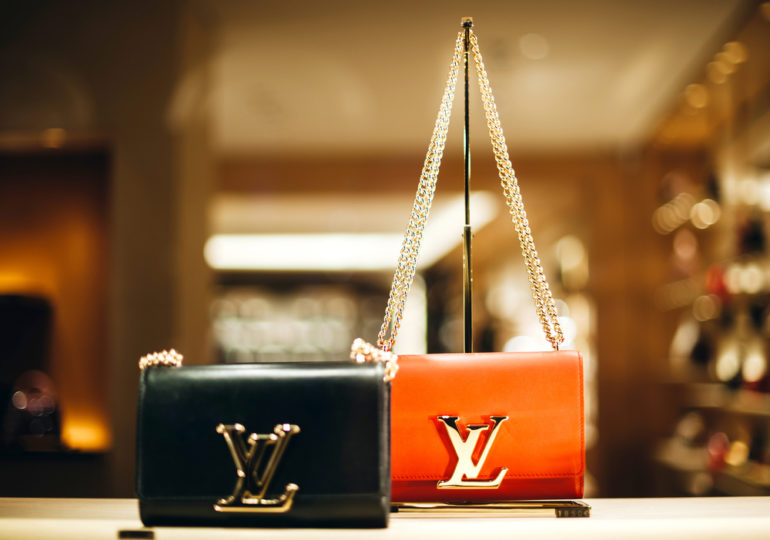
    Louis Vuitton, listed by Forbes as the most powerful luxury brand, opened a new flagship boutique in Seoul late last month, a unique building designed by renowned architects Frank Gehry and Peter Marino and located in the high-end Cheongdam neighborhood in Gangnam. Bernard Arnault, chairman of the French luxury goods conglomerate LVMH, which has Louis Vuitton under its wing, attended the opening ceremony of the store during his third visit to South Korea in the last three years.

    In April, Louis Vuitton opened a pop-up store for its signature Twist bags in collaboration with Hyundai Vinyl and Plastic in Seoul. It was Louis Vuitton’s second single-theme pop-up store, following its Archlight sneakers pop-up launched in New York in 2017.

    In July, Louis Vuitton also teamed up with one of the country’s leading department stores, Shinsegae Department Store, to open its first Asian pop-up space at its Gangnam outlet in southern Seoul entirely devoted to handbags. A limited number of the items were exclusively sold at the store.

    The French luxury house has since showcased a series of pop-up stores at department stores in Seoul and the surrounding Gyeonggi Province, offering South Korean consumers the exclusive advance opportunity to buy select items from next year’s collection.

    “In the past, I usually purchased bags when I visited Paris as the latest items from the collection were first available there,” Kim Min-kyung, a 36-year-old VIP customer at a local department store, said.

    “Now, the latest collection items can be purchased here even in advance.”

    The luxury goods market in South Korea was valued at 14.2 trillion won (US$12.1 billion) last year, up from 11.46 trillion won in 2014, according to market research company Euromonitor International. It is also the fourth fastest-growing luxury goods market in the world behind India, Malaysia, and Indonesia.

    Multiple sets of industry data show sales of major luxury brands grew between 20 and 30 percent in the country last year, compared with an average of 2-per-cent growth for local department stores.

    South Korea’s luxury-handbag market was valued at 3.2 trillion won in 2017, making it the world’s fourth-largest following the US, China and Japan. It also outpaced France, the home of international powerhouses such as Louis Vuitton and Chanel.

    High-end jewelry and fashion brands have also held a series of world-exclusive launching events and fashion shows in Seoul. In April, Italian luxury brand Fendi, also part of LVMH, debuted its lively, street-style fashion collection “Roma Amor” at a Lotte Department Store outlet. It was the first time that Fendi has launched a new collection in Seoul.

    “The global luxury brand’s launch of a new collection in Seoul illustrates the growth of consumption power among Korean millennials,” Kim Hye-ra, a luxury department chief at Lotte Department Store, said.

    The millennial generation, consumers born between 1980 and 1994, approaches shopping differently from older people, whose top priority in consumption is satisfaction.

    In an apparent move to target the spending power of younger consumers, French luxury house Chanel revealed its exclusive Urban Capsule Collection in collaboration with US pop star Pharrell Williams earlier this year. The collection, vibrant and far from the conventional classics, has been popular among the younger generation.

    “Consumption of luxury goods, most noticeably among the so-called millennial generation, has constantly increased despite a slowdown in the economy,” said Ha In-hwan, an analyst at Meritz Securities, adding that international brands are accelerating their push into the country as the market is expected to show continued growth.

    Some luxury labels have recently taken further steps by opening branches there in an apparent move to directly target South Korean consumers without going through local importers or distributors that are mostly operated by the country’s major conglomerates.

    British-based luxury-handbag maker Mulberry recently took full ownership of its South Korean business by buying Mulberry Korea from local partner SHK. As part of a wider Asian development strategy, Mulberry made an additional investment of 1.3 million pounds.

    “Over the last 18 months, we have recruited a new management team and taken day-to-day control of the business in South Korea, an important market for luxury goods where the Mulberry brand has significant growth potential,” CEO Thierry Andretta said in a press release.

    Luxury fashion and perfume house Givenchy also recently terminated its distribution contract with Shinsegae International, part of the country’s largest retail conglomerate, Shinsegae to operate its own branch there.

    Givenchy Korea, under the leadership of Ramon Ros Parellada, has reportedly hired nearly 100 employees to kick off its own business. The company recently opened its first outlet in South Korea — its second in Asia — in Seoul, entirely dedicated to its kids collection.

    Delvaux, a Belgian luxury goods maker, also launched a branch in the country, its sixth overseas store. The brand, known for its delicate yet very expensive handbags, has recently pushed a local expansion by opening boutique stores.

    “The decision (to operate a South Korean branch) is to bring a unique experience to Korean consumers who can truly value good products,” Delvaux said.

    Market watchers think that global luxury labels will continue to rush into South Korea, as the country serves as a testbed for the Asian market. Also, the market offers a convenient and attractive shopping environment for Chinese customers, who account for almost a third of global spending in the luxury market.

    “Sales of major European luxury brands in the Asian market have shown steep growth this year despite a slowdown in other parts of the world,” said Kim Jae-im, an analyst at Hana Financial Investment.
  • Davidoff Hong Kong opens cigar flagship

    Davidoff Hong Kong opens cigar flagship

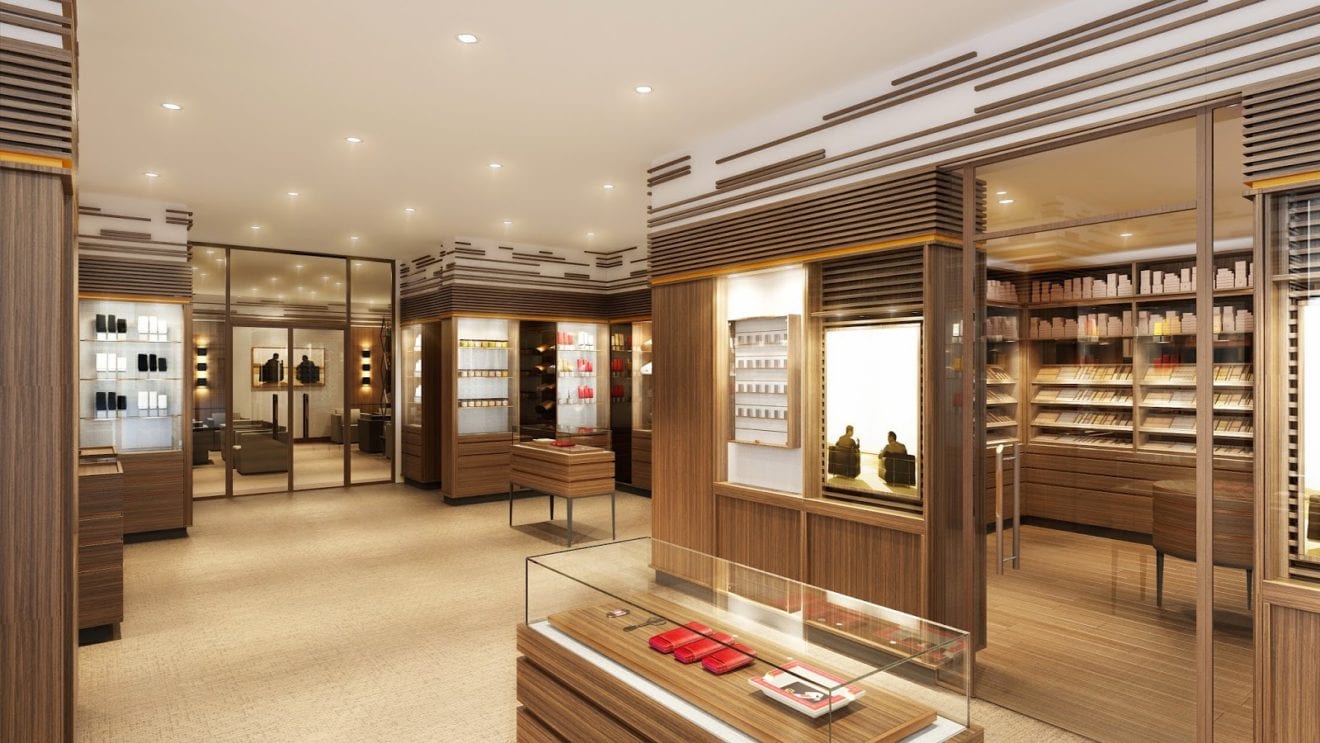
    Swiss tobacco brand Davidoff has launched its Hong Kong flagship in luxury retail complex The Landmark.

    The 580sqft outlet significantly enlarges the brand’s previous space in the mall by more than half its size. The original outlet was the brand’s third best-selling cigar outlet internationally, accounting for more than 25 percent of the brand’s Asian sales.

    “We are delighted to relocate our new flagship store in Hong Kong,” said Davidoff Asia MD Laurent de Rougemont. “The challenge in designing this unique cigar shop was to preserve the company’s history but to continue our mission to delight and surprise our customers worldwide by delivering unique brands and unrivaled retail experiences.”

    “This enlarged new flagship store continues the Davidoff legacy of an inspiring place where aficionados can find exceptionally crafted Discovery Series cigars from different regions, as well as the complex tasting profile of Winston Churchill Collection,” said Davidoff Hong Kong regional manager and store manager Charles Lim.

  • Hong Kong streetwear retailer Popcorn General Store opens in Manila

    Hong Kong streetwear retailer Popcorn General Store opens in Manila

    Hong Kong urban fashion retailer Popcorn General Store has launched in the Philippines at Ayala Mall Manila Bay in Pasay City.

    A PhilStar report lists a range of popular streetwear brands available at the store such as Supreme, ASSC, Chinatown Market, Rip N Dip, Wood Wood, Magic Stick, Ise, FR2, Carrots FDNMTL, and BBC.

    Popcorn also retails lifestyle products such as limited edition phone cases, skateboard decks, lighters, caps and keychains.