Category: Fashion

Retail News Asia is committed to providing both local and global retailers with the latest Fashion news throughout the Asian market. This on a daily base.

  • South Korean cosmetics exports soars

    South Korean cosmetics exports soars

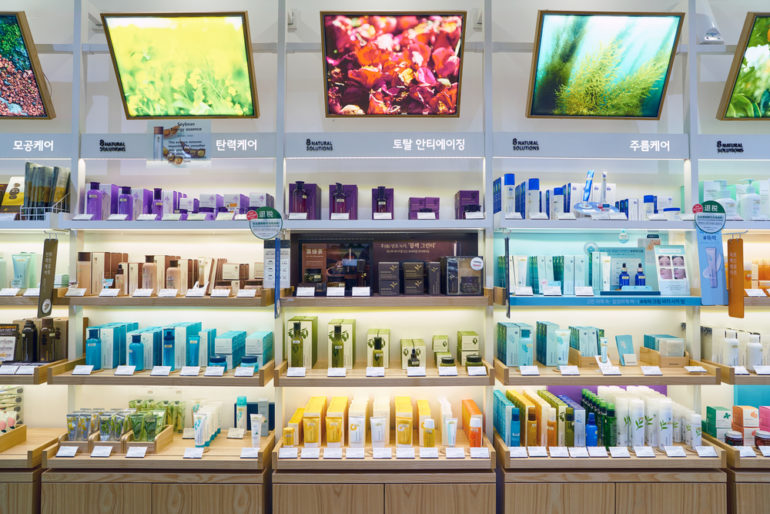
    South Korea is aiming to become the third-largest cosmetics exporter in the world by 2022. The move will be made through extensive investment in research and development and concerted marketing efforts, the government said Thursday.

    “The goal is to ship out more than KRW9 trillion (US$7.6 billion) worth of cosmetic products annually and have at least seven of the world’s top 100 makeup companies, from four at present,” the ministry said.

    It added that another goal is to have 276 local cosmetics companies with annual sales exceeding KRW5 billion ($4.2 million) in the target year, up from 150 now. Such growth will contribute to the creation of 73,000 new jobs in the sector.

    On the research and development front, Seoul will provide small-and-medium enterprises with KRW7.7 billion ($6.5 million) in support next year, with KRW20-30 billion ($16.86–25.3 million) to be injected in this field from next year onward.

    In regard to marketing, the ministry said more emphasis will be placed on the vast Southeast Asian market, where South Korean products are in high demand. The Southeast Asian market is attractive as it can generate overseas sales that have taken a hit after South Korean relations with China snagged since Seoul deployed the US Terminal High Altitude Area Defense (THAAD) on its soil in early 2017.

    However, as more Chinese consumers are taking an interest in the components contained in cosmetic products, South Korean cosmetic brands are infiltrating the Chinese market using their reputation for using ‘good recipes’.

    Venndata, a Chinese market research agency, reported that 45 percent of Chinese consumers were found to purchase cosmetics after carefully looking into the components. This trend is leading more Chinese consumers to buy products from South Korean cosmetic brands, which are renowned for using natural components to make their products.

    Trade data showed that in 2014, South Korea’s cosmetics exports stood at just $1.8 billion, but this has risen to $6.3 billion last year, placing it in fourth in the world overall.

    Its main overseas markets are China, Hong Kong, the US, Japan, Vietnam and Thailand, with total numbers of makeup manufacturing companies and retailers standing at 12,000.
  • Spanish fashion label Desigual set for India launch

    Spanish fashion label Desigual set for India launch

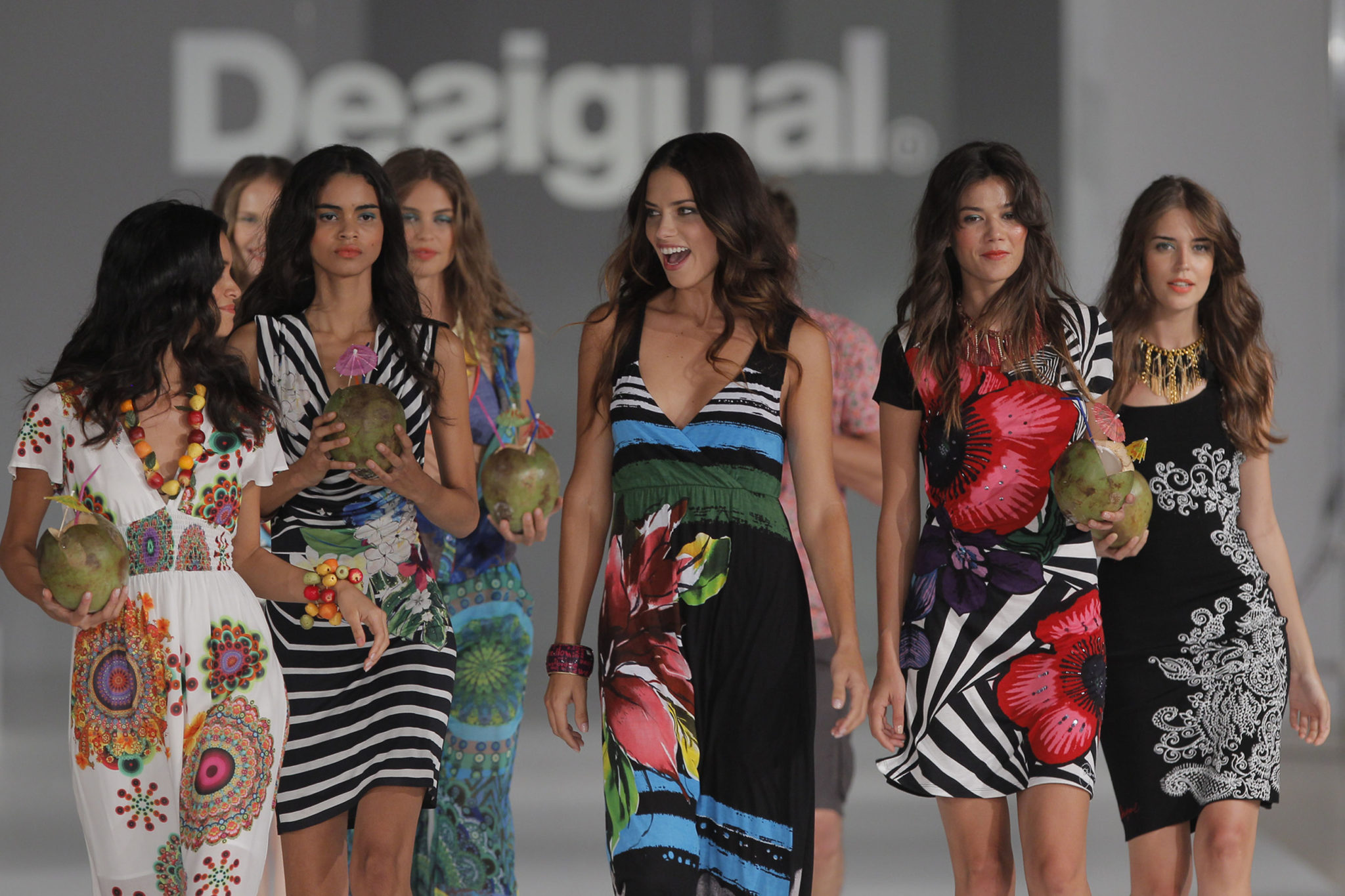
    Spanish fashion label Desigual is set to launch in India. The firm is being introduced to the territory by local retail group Tablez, which is first taking the brand online via Myntra before nationwide openings of physical stores next year. Six stores are planned for top-category cities before openings in multiple tier-2 cities.

    “It gives us immense pleasure to bring the international fashion brand Desigual to India,” said Tablez MD Adeeb Ahamed in a Fibre2Fashion report “The brand’s clothing exudes a character that is unique, which helps people express themselves and be the most authentic.

    “Desigual’s characteristic vibrant designs with a flamboyant splash of colors has a huge potential in the Indian market,.”

    “India is a market whose values are very similar to Desigual’s,” said US and CEEMEA VP Asia Pacific Jordi Balsells. “It’s also a young market that is growing and displays great potential. We believe very strongly in India’s potential in the coming years.”

    Desigual operates in nearly 90 countries via 10 sales channels. It is among several leading global brands being introduced to the territory by Tablez, which currently operates more than 70 outlets globally, with plans to expand to 300 outlets by next year.

  • Tiffany in ‘a difficult position’ on lacklustre Hong Kong, home market sales

    Tiffany in ‘a difficult position’ on lacklustre Hong Kong, home market sales

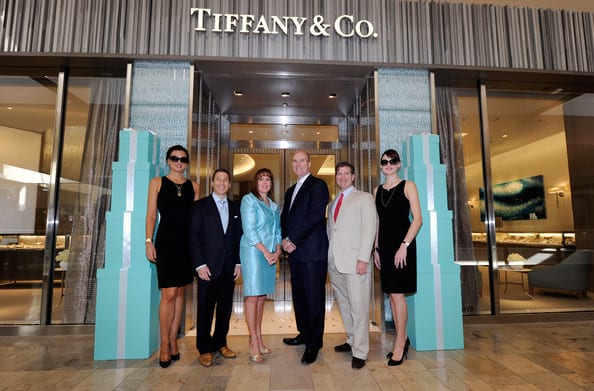
    Both overall and comparable-store sales growth at Tiffany came in flat during the last quarter, neither metric helped by the challenges in Hong Kong which overshadowed strong trading in the Chinese mainland.

    However, putting Asia to one side, it is clear that Tiffany’s main difficulties are coming from the US and European markets where it is struggling to generate growth.

    Similar to last quarter, sales in the Americas were down by 4 percent on both a total and same-store basis. Much of the slide is down to lower spending by tourists – something that has dogged the company for a few quarters and which we see as an ongoing issue as the firm enters the holiday period. Domestic demand slipped, mostly among middle-income shoppers who are cutting back on expensive, unnecessary purchases. Tiffany has not been able to entice them with its latest collections and we continue to see defections away from luxury to niche mid-priced brands which are less expensive but still offer stylish and fashionable products.

    While Tiffany’s customer share among the more insulated higher-income groups remains stable, the ongoing decline in share among middle-income shoppers is worrying. Tiffany is reliant on these customers to drive growth and the future trajectory of the economy suggests that shoppers in this segment are likely to become even more cautious and reluctant to spend next year. This includes more affluent millennial consumers that Tiffany has been trying to court.

    While brand awareness and favorability among this cohort has increased, this has not translated into purchases, partly because of a reluctance to spend large amounts of money and partly because some of the early sparkles of more youthful marketing has started to wear off.

    All of this leaves Tiffany in a difficult position. Within its core markets, sales to tourists are falling, a large part of its customer base has become more reticent about spending, and it is not replacing these losses with new customer groups. The softer sales numbers that result from such a dynamic are also having an impact on the bottom line where net income fell by 17 percent over the prior year.

    LVMH is inheriting challenges

    Tiffany’s weakness does not undermine the various changes the group has made over recent years, nor do they devalue the brand. However, they show that LVMH, which will take control of the company in the first half of next year, is inheriting a group where much more effort is needed to engineer future growth.

    The hope of LVMH will be that this position can be counterbalanced by driving higher sales overseas via a more effective distribution strategy. However, this will take time to engineer so in the short term Tiffany will remain exposed to a weaker performance.

    Unfortunately, it does not look like the holiday period will provide any respite for Tiffany. Our data continues to show that jewelry will not be a winning category over the holiday period, mostly because of rising economic concerns and prioritisation of more practical gifts. Fortunately, this will be mitigated, at least in part, by the softer comparative results that Tiffany will come up against. Even so, we are not optimistic that growth will return to the levels being delivered a year or so ago.

    In short, LVMH has bought a solid brand that will nicely complement its existing portfolio. However, it paid full price for a business that still needs a lot of work to reach its potential.

  • Lancome flagship unveiled in Paris

    Lancome flagship unveiled in Paris

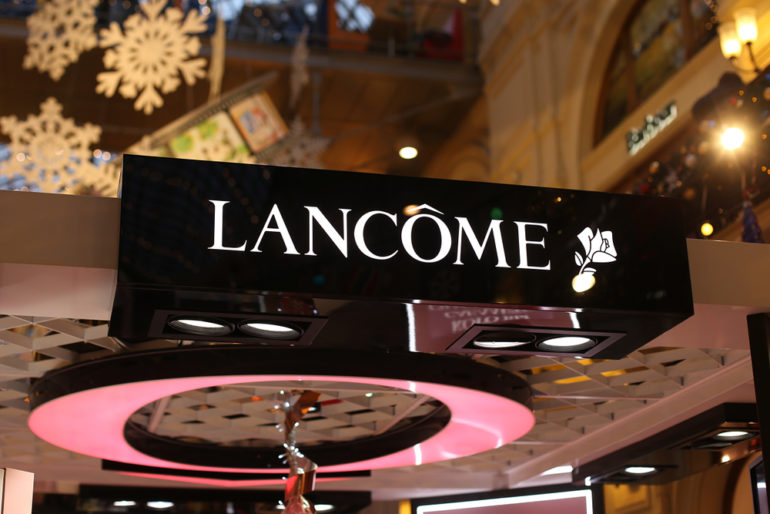
    The French luxury beauty brand Lancome has launched its first flagship store on the prestigious Champs-Elysees in the heart of Paris.

    The new Lancome flagship store occupies a 300sqm area and spans two floors. From the entrance, Lancome’s customers will experience exhibition space called Joy Of Now which features a triple-height ceiling and decorated with hanging rose petals, that recreate the essence of the Lancome world.

    An illuminated pink floral wall is the backdrop for the diverse catalog of Lancome Perfumes displayed side by side. A floor-to-ceiling crystal chandelier was hung at its center, above a round table arrangement of newest-launched fragrances.

    “We’re proud to see the Lancome flagship come to life: this new home for Lancome offers a unique and elevated customer experience,” says Francoise Lehmann, global president at Lancome.

    “This new venue is a true home of beauty and happiness, where our guests are invited to experience and delve into what the brand has to offer in terms of beauty products, services, personalization, gifting and technology. Most importantly of all, we want them to leave feeling happy. We want this flagship to become a “must-see” and an iconic beauty address for Parisians and tourists of the world alike.”

    The Lancome flagship store features a wide selection of products including the brand’s limited editions, skincare and makeup products, perfumes, souvenirs, accessories, and others. Lancome will also organize masterclasses given by the brand’s makeup artists in this place.

    Before leaving, customers are invited to pick a present and have it personalized in the gift room at the end of the ground floor.

  • Adairs acquires online-only homewares brand

    Adairs acquires online-only homewares brand

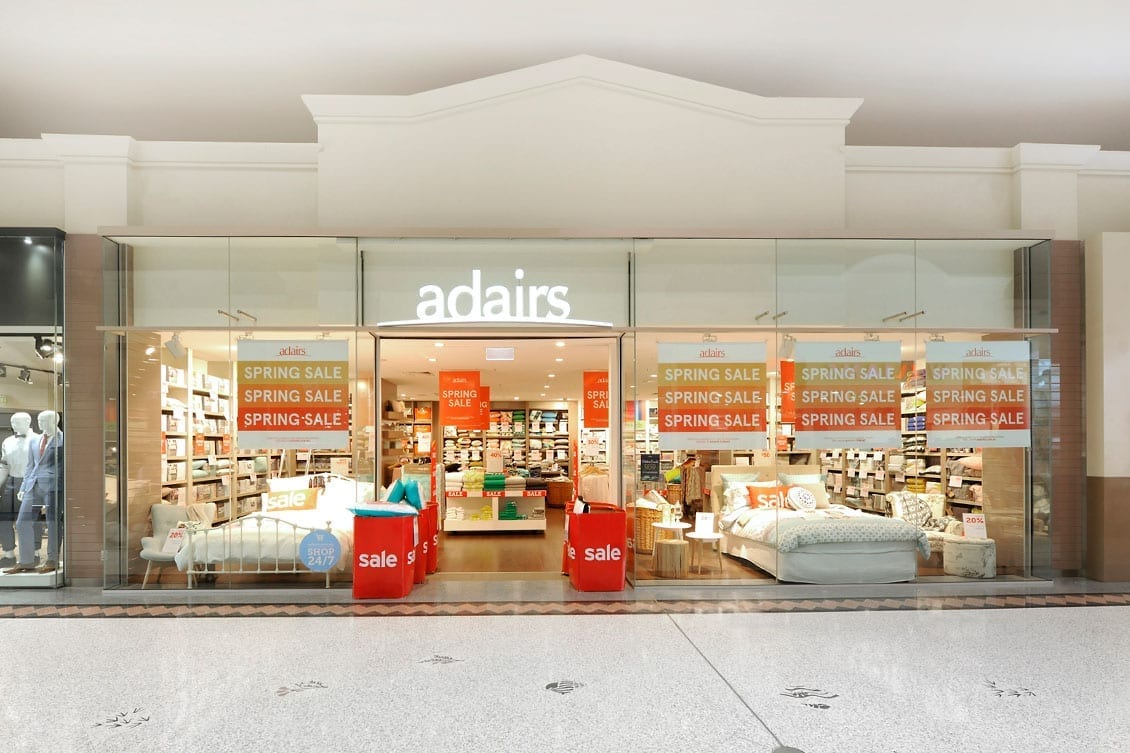
    Adairs has entered into a binding agreement to acquire pure-play homewares retailer Mocka for approximately $80 million.

    Mocka operates across Australia and New Zealand and will continue to run as an independent business with the existing management team leading its operations and strategy.

    All product design, development, sourcing, and marketing is done in house across two teams operating out of Brisbane and Christchurch.

    The acquisition is to be funded through Adairs’ group term debt facilities, as well as the issuing of 3.2 million ordinary shares to Mocka, and is expected to be completed in mid-December.

    The new shares issued will be escrowed to until the release of Adairs’ FY21 results, while the total amount will be paid over the next two to three years.

    According to Adairs chief executive Mark Ronan, the acquisition will be highly complementary to the homewares retailer.

    “We have shared DNA in that we are both design-centric with in-house product design and development which allows us to offer our customers high quality ‘design-led, value for money’ differentiated product,” Ronan said.

    “Importantly, this also means we have significant control of the vertical supply chain and in-market pricing. Finally, we are each highly customer-centric organization, with a passion for great service.”

    Ronan also said the acquisition gives Adairs a stronger foothold in the online space – with online sales growth for 17 percent of the business to almost 30 percent with the acquisition.

    “We see many opportunities for Adairs to add value to an already successful business,” Ronan said.

    “Our knowledge and experience of the home market will allow us to help management further develop the Mocka brand, especially in Australia, and support the Mocka team to continue to deliver growth.”

    Adairs also offered revised guidance for the business into FY20, taking into account how the addition of Mocka will affect sales and EBIT for the year.

    Sales are expected to reach $419 to $435 million over the course of FY20, while earnings before interest and tax is expected to hit between $54.5 and $58.7 million.

    This compares to the retailer’s initial guidance given for FY20 of between $377.7 to $393.4 million, and an EBIT of between $45 and $48 million.

  • La Mer opens flagship boutique in Singapore

    La Mer opens flagship boutique in Singapore

    Luxury skincare brand La Mer has opened its first flagship boutique in Marina Bay Sands.

    Occupying a 375sqft space, the new store features gold, cream and forest green as theme colors. The marble floor resembles the sea that “forms the bedrock of the brand’s formulations”.

    Beside its skincare products, the Marina Bay Sands La Mer flagship also offers a wide range of makeup products including foundation, concealer, powder and brushes, all displayed via a consultation area.

    La Mer’s customers can experience a beauty session with different personalized services and treatments in a private facial cabin with the full range of La Mer’s makeup and skincare offerings.

    Owned by the Estee Lauder Group, La Mer has been a solution for those in need of an anti-aging arsenal as its products employ fermented ingredients, sourced from the sea, to rejuvenate and enrich the skin.

  • Panerai opens its first airport boutique – in Hong Kong

    Panerai opens its first airport boutique – in Hong Kong

    Florentine luxury watchmaker Panerai has opened its first-ever airport boutique, at Hong Kong International Airport.

    The new store is the sixth opened in the Hong Kong area and joins existing locations in Canton Road, Landmark Prince’s, IFC, Times Square and Tsim Sha Tsui Centre.

    The new 27sqm boutique stands out for its blend of tradition and future, inviting clients to discover the Maison’s heritage, craftsmanship and technical expertise.

    The brand says the concept of the design and materials used, such as the oak wood and burnished brass, are a reminder of the sea and the heritage of the brand whose roots lie in the history of the Italian Navy.

    Panerai now operates 126 boutiques throughout the world.

  • Maiden Uniqlo store opens in Ho Chi Minh City

    Maiden Uniqlo store opens in Ho Chi Minh City

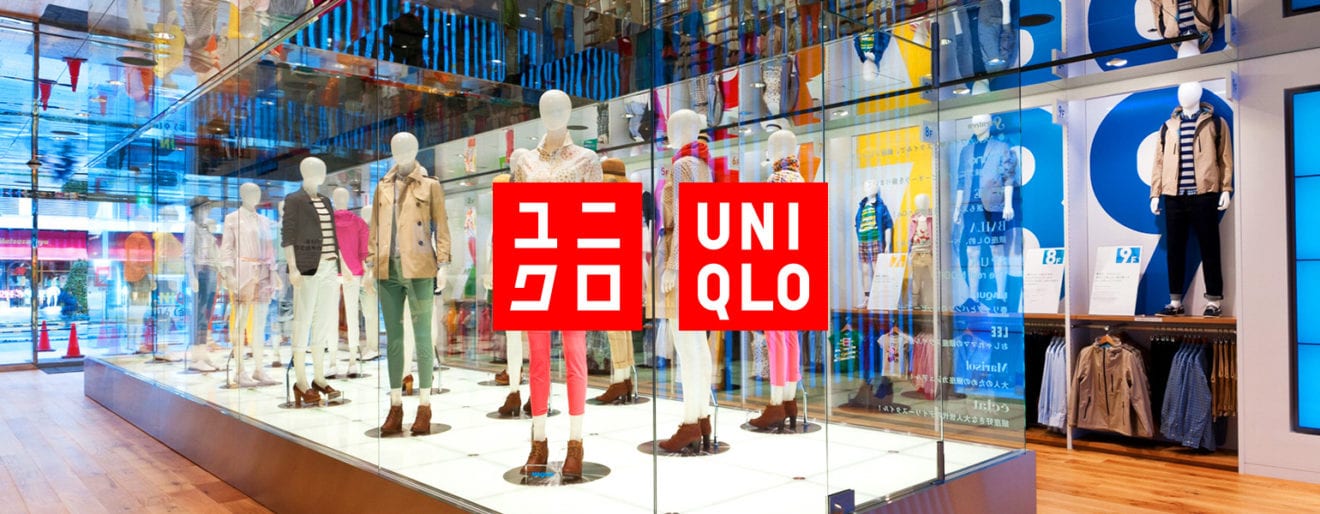
    The first Uniqlo Vietnam store opened its doors today, marking the Japanese fast-fashion brand’s sixth market in Southeast Asia.

    Setting its foot in one of the fastest-growing economies in the region, parent Fast Retailing hopes to strengthen its presence in both the country and the region at the same time as Vietnam becomes a manufacturing hub in the face of the ongoing US-China trade war.

    “I think Vietnam has massive potential and will be one of the biggest consumer markets in the world,” said Tadashi Yanai, chairman and CEO of Fast Retailing prior to the opening.

    Yanai described Vietnam as the key market in the region and an important part of the group’s development strategy.

    He said Uniqlo is now producing US$3 billion worth of products in Vietnam annually and plans to increase that even further. However, this does not mean that Vietnamese consumers will experience lower prices for Uniqlo products.

    “We implement a medium- and long-term pricing strategy to ensure revenue and profit for each store… We want to compete with high quality, sustainable products at reasonable prices, not [by] discounting,” said Osamu Ikezoe, Co-CEO of Uniqlo Vietnam.

    Uniqlo is already planning its second store in the country, which will be located in the capital city of Hanoi.

    “We are not talking about 100 stores in Vietnam,” said Yanai. “Much more.”

    The company says it is focusing on physical stores, with no plans to deploy an e-commerce sales channel as yet.

    Located opposite stores of rival fast-fashion chains H&M and Zara, Uniqlo Vietnam’s first store in Ho Chi Minh City is also its largest outlet in Southeast Asia to date, with a gross floor area of 3107sqm across three storeys.

  • Japanese streetwear brand íxi:z to make a comeback

    Japanese streetwear brand íxi:z to make a comeback

    Eighties-era Japanese streetwear brand íxi:z (pronounced ick-sees) is making a second debut in Singapore.

    Four decades after its initial launch in the region, Íxi:z is opening a retail store this month at Mandarin Gallery, with an official launch event planned for early next year.

    Those who grew up in the 80s may remember Íxi:z as a brand that encompassed everything from bomber jackets to wallets and pencil cases. At the height of Íxi:z fever the brand had a hardcore following of streetwear enthusiasts who until this day share brand memorabilia and show off their now-vintage items to fellow fans online.

    Thirty years on, grand plans have been drawn up to restore Íxi:z to its former glory and establish it as a premier Japanese streetwear brand for discerning teenagers and young adults.

    Featuring designs from its halcyon days along with newer, never-before-seen collections, Íxi:z will open its doors at Mandarin Gallery on December 14.

  • Breitling opens new concept store at Hong Kong airport

    Breitling opens new concept store at Hong Kong airport

    Swiss luxury watchmaker Breitling has opened a new boutique at Hong Kong International Airport.

    The new outlet features the brand’s industrial loft concept, inspired by mid-20th-Century interior design. The boutique is located at the departure level of Terminal 1 East Hall at HKIA.

    “We especially opened our new boutique at the HKIA as it not only represents Breitling’s century-old association with aviation but we also hope to share our brand history and DNA with travelers all over the world,” said Breitling CEO Georges Kern. “To celebrate the opening of this boutique, the new Aviator 8 Mosquito watch, inspired by the legendary de Havilland Mosquito plane, will be exclusively available in the HKIA store.”

    Modern-retro elements in the store include a neon Breitling logo from the 1940s and 1950s and yellow mesh walls with the stylized “B” vintage logo combined with bespoke furniture. The boutique brings together all of Breitling’s collections, including the latest novelties and some exclusive limited editions. In addition, the boutique also features a VIP area for more personal and discrete customer service.

  • All SaSa Singapore stores to close as cosmetics retailer exits city

    All SaSa Singapore stores to close as cosmetics retailer exits city

    All 22 SaSa Singapore stores are to be closed down as the Hong Kong-headquartered parent calls an end to six years of ongoing losses in the city.

    The move will see 170 jobs axed and has triggered a series of negotiations with property owners over lease-exit penalties.

    In a statement filed with the stock exchange, chairman and CEO Simon Kwok said the company wants to concentrate its resources on the Hong Kong, Macau, Mainland China and Malaysia markets, as well as its e-commerce business.

    “The local management team in Singapore will commence negotiations with the respective landlords of the Singapore stores promptly with a view to closing the stores as early as possible, but the exact timing for the closing of each individual store is subject to negotiations with individual landlords,” Kwok said.

    The decision follows six consecutive years of losses by the SaSa Singapore business. In the six months to September 30, turnover fell by 4.6 per cent year on year to HK$99.4 million and represented just 2.8 per cent of the group’s total revenue.

    In recent years, SaSa Singapore local management has been restructured, store displays enhanced and product mixes revamped in an attempt to improve sales. “Regrettably, the results were far from satisfactory,” said Kwok.

    While the ongoing protests in Sa Sa International’s home market had no direct effect on the Sa Sa Singapore business, they influenced this week’s decision: Singapore is proving an unnecessary distraction when management needs to focus on maintaining sales and profitability in its core home market.

    “The operating environment … in Hong Kong has become extremely difficult due to a drastic decline in mainland tourist arrivals,” said Kwok. “In view of this unprecedented challenge, the group’s primary goal is to focus resources on its core markets and businesses with growth potential, in order to restore profitability promptly.

    “After careful consideration, the group believes that the closure of its business in Singapore will help improve the performance and profitability of its remaining businesses, and is in the best interests of the group and the shareholders as a whole.”

    Kwok said Malaysia offered Sa Sa International greater sales and profitability opportunities and the team that currently manages both the Singapore and Malaysia markets will now concentrate resources on developing Malaysia.

    “In the meantime, the group will expedite the store expansion in the mainland as well as the development of e-commerce business, so as to capture the lost traffic and sales in Hong Kong.

    “In addition, the group strives to integrate its online and offline businesses for providing better customer experiences and laying a solid foundation for the development of new retail model in the future.”

    He said the termination of SaSa Singapore store leases is not expected to have any significant impact on the operations of the group, as they account for a small percentage of the group’s 265-strong network.

  • Indian online lingerie retailer Zivame to launch network of physical stores

    Indian online lingerie retailer Zivame to launch network of physical stores

    Online lingerie retailer Zivame will launch 60 physical stores in major Indian cities within the next 12–18 months.

    The firm has been gradually controlling its losses over the past financial year and is set to achieve break-even by the end of next year.

    “Last one year has been phenomenal as we have strengthened our position across categories and deepened our presence in the markets,” said Zivame’s CEO Amisha Jain to PTI News. “With tech, data and innovation at the heart of everything we do, we are set up for exponential growth over the next few years.

    “We have more than 40 retail stores in tier-1 markets and we are looking at taking that number to 100 over the next 12-18 months. We will deepen our presence in these markets.”

    Zivame hit a US$47.48 million annual run rate for financial year 2020. The app contribution for the brand’s gross sales increased from 50 per cent in the last financial year to 65 per cent this year. Online channel accounts take up about 80 per cent of Zivame’s business.

    Zivame, counts Zodius Capital, Unilazer Ventures and Khazanah Nasional Bhd among its investors, and may seek additional financing of about $50 million this year.

  • China’s Xtep arrives in five more Indian cities

    China’s Xtep arrives in five more Indian cities

    Hong Kong activewear firm Xtep will open new locations in five Indian cities by the end of next year.

    The firm launched in Bengaluru last year, going on to open stores in Chennai, Gurugram, and Thrissur (Kerala). It is expected to open its new locations in Hyderabad, Goa, Kochi, Pune, and Mysuru.

    According to an Economic Times report, the brand’s local director Vijay Chowdhary said the firm will expand next year by “introducing products through a mix of exclusive and multi-brand outlets”.

    Xtep India is preparing to “bring high-tech consumer sports technology and after that will invest in sports infrastructure after assessing the market demand”.

    Xtep currently operates outlets in 20 countries

  • Label technology launched to foil counterfeiters

    Label technology launched to foil counterfeiters

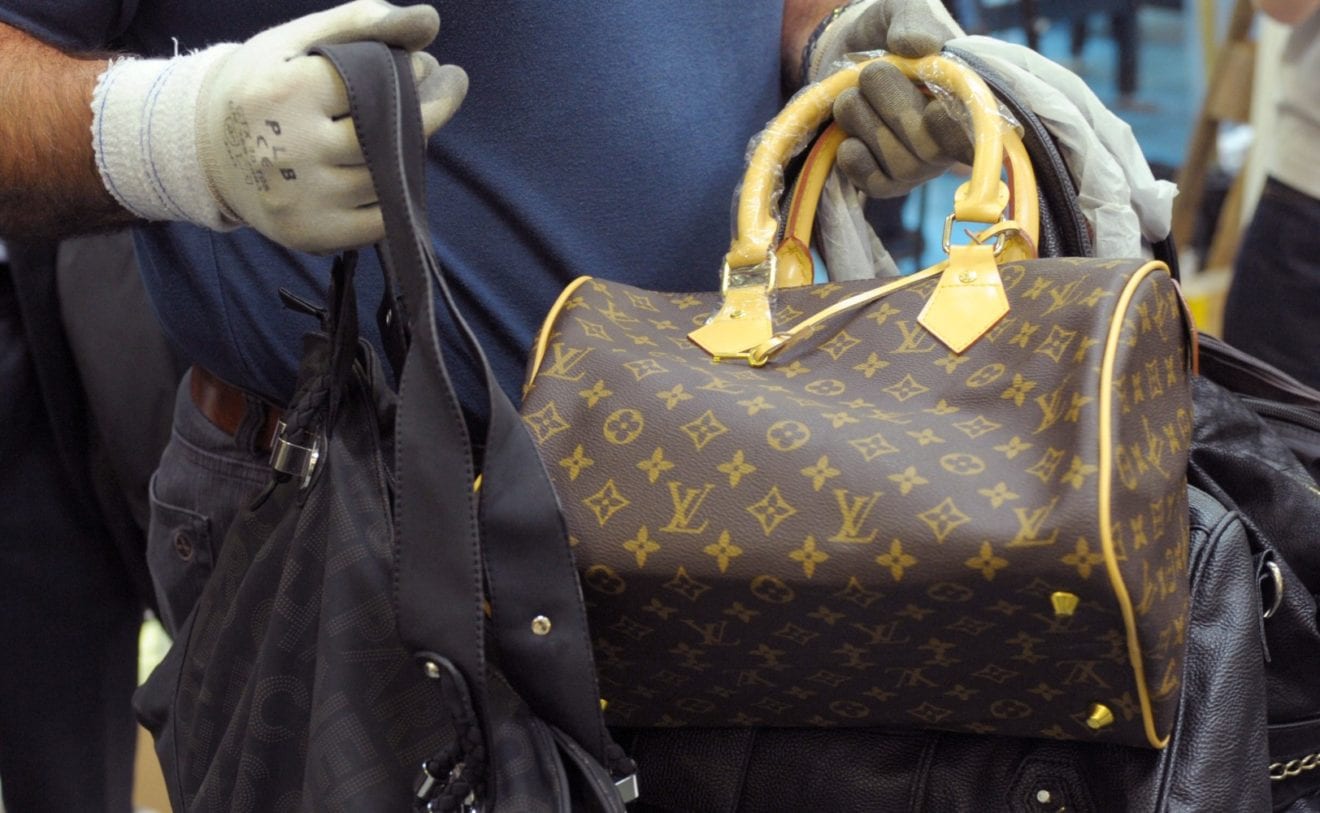
    Security-label technology has been launched in South Korea that can prevent “label replacement” on clothing preventing counterfeit items being disguised as genuine.

    The state-run Korea Minting, Security Printing and ID Card Operating Corp (Komsco) say its security-label technology can make labels for clothing using fibers containing special security materials.

    If the label is placed in front of a special security material detector, an alarm sounds to confirm it is genuine.

    On the contrary, fake labels do not generate sound because sensors cannot recognize the presence of security materials.

    The technology can be used not only for labels attached to clothes but also for embroidery attached to uniforms or sports club uniforms, officials from Komsco explained.

    Eco-friendly containers for products such as instant noodles can be developed using eco-friendly cotton fiber of the same type used to make banknotes,

    “The key to money manufacturing is anti-forgery technology,” Komsco CEO Cho Yong-man said, adding that “the technology can be used in various areas of society, not just money”.

  • Esprit launches JV to run Mainland China business

    Esprit launches JV to run Mainland China business

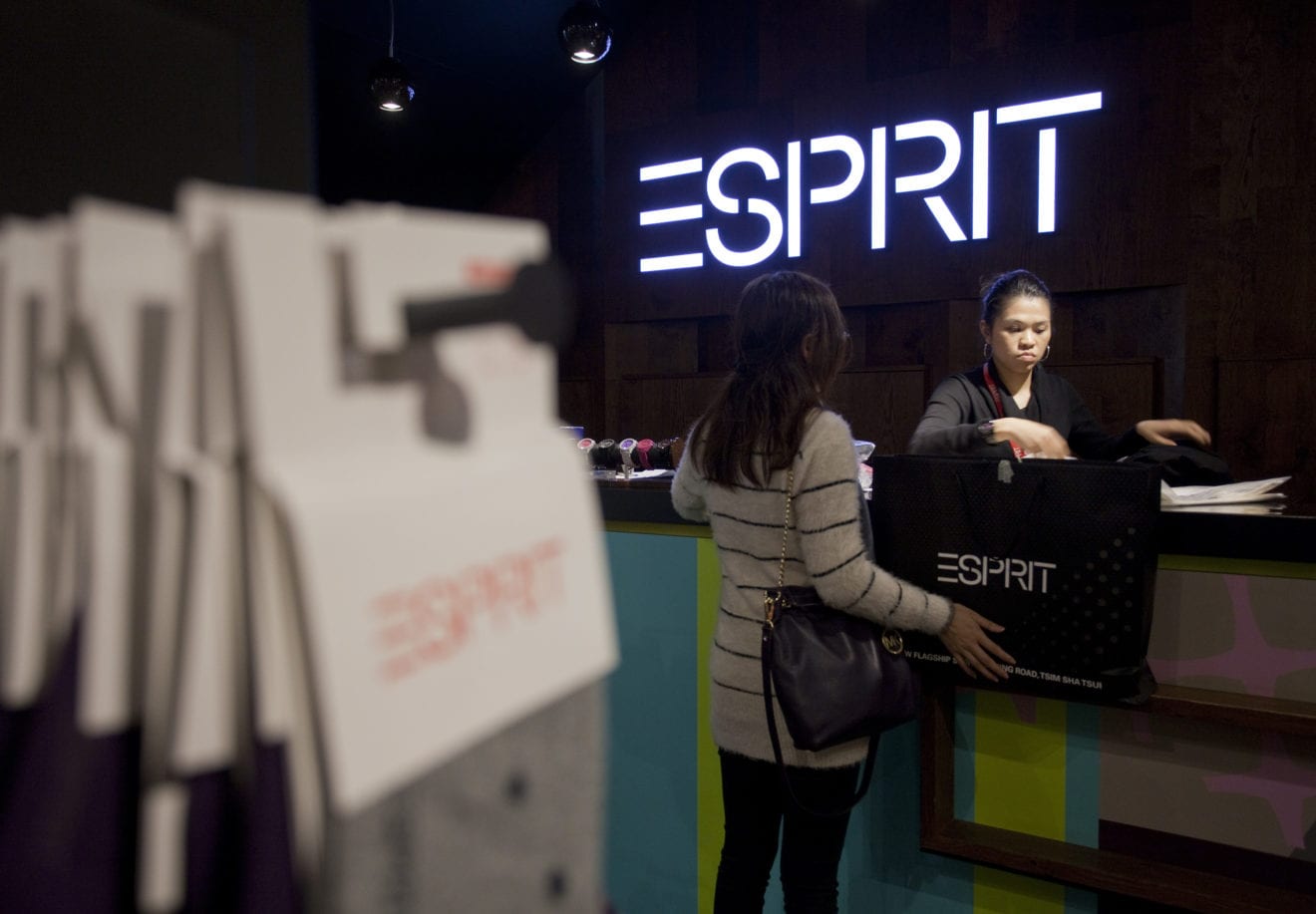
    Hong Kong-listed fashion retailer Esprit has announced a joint venture business to take over the marketing and retailing of its products in Mainland China.

    Through a subsidiary called Million Success, the fashion retailer will hold a 40 percent stake in the Esprit China business, with the majority partner being Mulsanne Group, a company listed in Hong Kong last May. The deal covers the mainland only, not Hong Kong, Macau or Taiwan.

    In a stock-exchange filing on Sunday, Esprit company secretary Patrick Lau Yiu Pong said Mainland China had always been “an important pillar” of Esprit’s strategic plan.

    Subject to regulatory approvals, the joint venture is expected to launch in June next year. Prior to that, Esprit will be closing some underperforming mainland stores, before transferring the assets of the remainder to the JV company.

    “The directors believe that the deal creates a strong base for the Esprit brand to improve the relevance and accelerate growth,” said Pong in the filing.

    Mulsanne Group is an investment holding company engaged in retail and online platforms for menswear, as well as product development. The company’s brands include GXG, GXG Jeans, GXG. Kids, Yatlas and 2XU. The group operates more than 2000 stores across Mainland China.