Category: Fashion

Retail News Asia is committed to providing both local and global retailers with the latest Fashion news throughout the Asian market. This on a daily base.

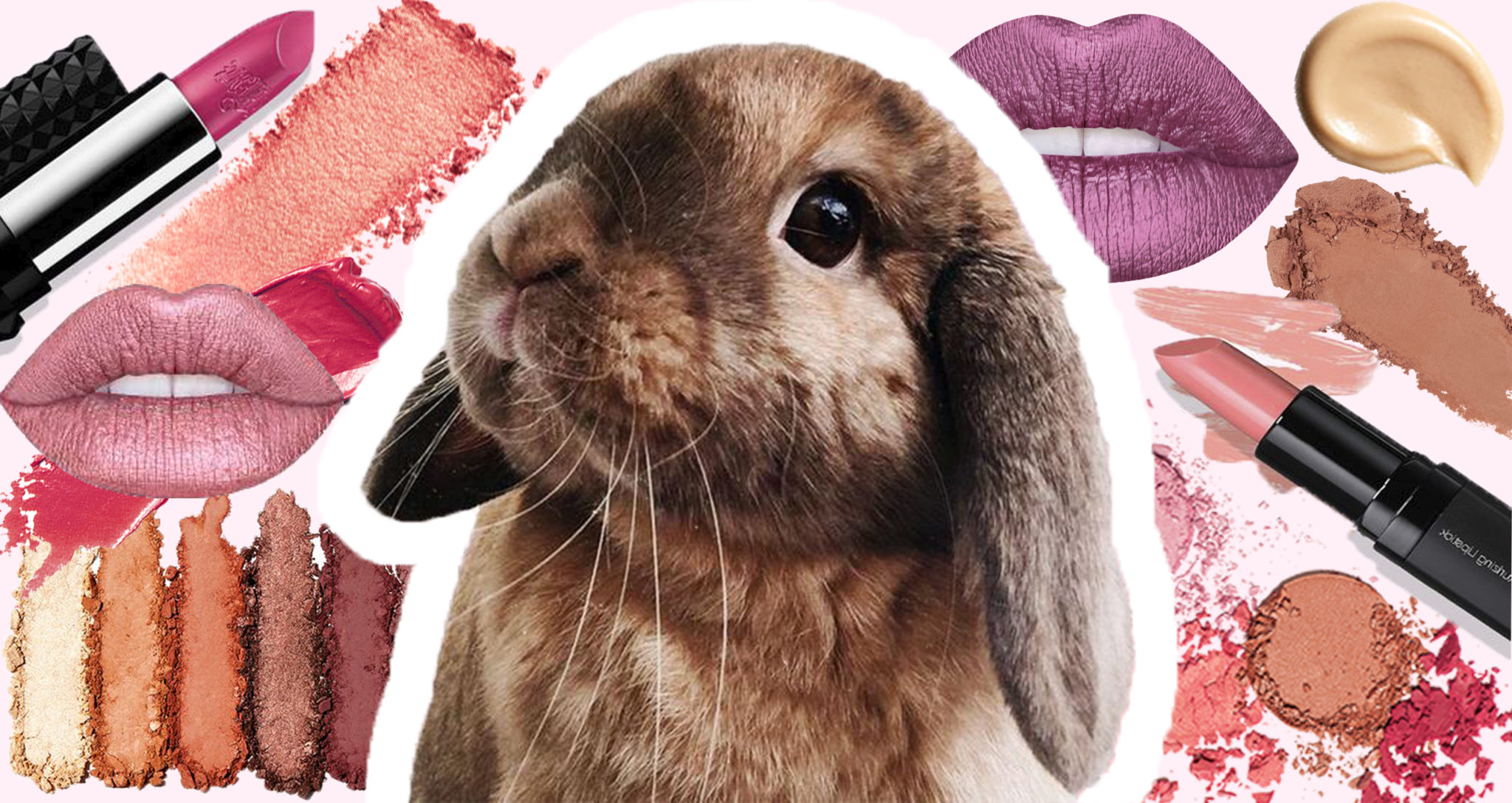
  • Is it the end of cosmetics testing on animals for China?

    Is it the end of cosmetics testing on animals for China?

    It has been little more than a year since French cosmetics firm NARS’ controversial decision to sell its make-up in China caused a major rift in the global cruelty-free beauty scene.

    Fans of the brand and animal-lovers may soon be able to make peace. China is mooting a change in its policy of testing cosmetics on animals which could pave the way for cruelty-free brands to tap into the country’s US$33 billion cosmetics market.

    China’s National Institute for Food and Drug Control (NIFDC) recently issued a statement about its commitment to overhauling testing in the cosmetics industry and exploring viable alternatives to animal tests that are commonly used in countries where the practice is banned. The NIFDC emphasised that research, development, and the standardisation of testing methods that don’t use animals are its top priorities.

    Animal-protection organisations have been working closely with Chinese stakeholders to replace animal testing – which, for cosmetics alone, requires the use of an estimated 500,000 animals per year around the world – with more modern and predictive technologies.

    Notable progress has been made in recent months.

    Troy Seidle, vice-president of research and toxicology for Humane Society International, said that the recent NIFDC statement, published on its official WeChat account last week, is particularly promising.

    “It would be the first time the authority has publicised its view towards cosmetic alternatives with a future strategy so clearly articulated,” Seidle says. “Chinese authorities and stakeholders are actively working to embrace validated alternatives to strengthen international regulatory alignment and trade in the cosmetic sector.”

    China’s cosmetics testing laws require all foreign cosmetics products to be tested on animals before they can be sold in the country. In 2014, China began to soften its stance, allowing domestic cosmetic brands to sell products not for “special use” (make-up, skincare, and fragrances) without the need to test them on animals, but only so long as they adhered to strict standards and a list of pre-approved and tested ingredients. This also applied to foreign cosmetics brand that chose to manufacture products in China for sale locally.

    However, the 2014 rule change was not enough to convince organisations campaigning for cruelty-free cosmetics that selling in China was acceptable. They objected because companies that manufacture in China still face a risk that animals could be harmed via post-market testing – under which brands can have products taken off the shelves and tested on animals.

    In 2017, Nudestix was taken off the cruelty-free brands list of animal welfare website Cruelty-Free Kitty after the UK brand announced it would be producing its products domestically and selling in China.

    “Even though Nudestix does not test on animals, and has successfully bypassed any required pre-market animal testing in China, this is not enough for a “cruelty-free” claim,” Cruelty-Free Kitty author Suzana Rose wrote in a blog post last month. “Any brand that sells cosmetics in physical stores in China can potentially have their products taken down from the shelves and tested on animals.”

    Mette Knudsen, CEO of KnudsenCRC, a Shanghai-based consultancy that helps companies seeking to sell in China, wanted to help brands understand just how serious the risk was of cosmetics companies encountering these post-market tests, as they remain the “biggest barrier” to receiving cruelty-free certification.

    Usually, the post-market tests take place in response to a consumer complaint, though research commissioned by consultants Reach24H found that some Chinese municipal governments would sometimes implement mandatory post-market testing.

    Through research and talks with Chinese officials, laboratories, and UK charity Cruelty-Free International, KnudsenCRC determined that post-market testing rarely involved animals. This is because animal testing is expensive – it costs five to 10 times more than other safety assessments – and also time-consuming, taking about three months to complete.

    “If you have a product with a safety risk on the shelves, you obviously don’t have three months to see if it poses a safety risk or not; you have to react immediately,” Knudsen said.

    SEE ALSO : Makeup brand Nudestix enters China

    KnudsenCRC is teaming up with Cruelty-Free International on a pilot project designed to help cosmetics brands ensure no animal testing has occurred throughout their supply chain, and is working closely with authorities in Shanghai to eliminate the risk of post-market tests.

    “Although we have a lot of assurance from the Shanghai authorities,” Knudsen says, “it’s important to have the pilot because we need to be able to say this is a route we can recommend.” Knudsen says that many brands have already expressed interest and sent in applications for the pilot. Five brands will take part in the first stage of the project, due for completion in early spring 2019.

    It could take years to implement a complete shift away from cosmetics testing using animals. But some milestones towards ending the practice have already been attained.

    The Institute for In Vitro Sciences, a globally recognised organisation working to advance non-animal testing methods in China, announced this year that a lab it was working with in Hangzhou had officially adopted a test on artificial skin. The NIFDC has also adopted alternative tests for skin corrosion and eye irritation, as well as phytotoxicity (testing on plants), with more alternative methods to be introduced in the near future.

    “A crucial first step toward transitioning to non-animal testing approaches for cosmetics in China is for the national authority responsible for this sector to officially recognise the validated test methods as acceptable,” Seidle says. “Until this happens, companies and labs have little incentive to invest money or time to establish the infrastructures and competency necessary to carry out these tests on a regular basis, or for the industry as a whole to commission such tests within China.”

    There is pressure to move quickly. The 28-nation European Union became the first region to ban cosmetic testing on animals in 2013, prompting other countries to follow suit; and the California State Assembly has just passed a bill that will make it illegal for make-up or personal care brands tested on animals, or including ingredients that have been tested on animals, to be sold in the state. If the California governor signs the bill, the law could go into effect as soon as 2020.

    China faces a juggling act on consumer safety. Given numerous food and drug scandals in recent years, safety clearly remains the government’s top priority.

    “To balance consumer safety at a time when the market is developing at 500 kilometres an hour is a very difficult task. Getting the industry up to cruelty-free standards is not something they do overnight,” Knudsen says. “I’d say the minute they can make absolutely sure that consumer safety is not in danger, obviously they would allow these alternative methods.”

    It’s not just the government that is showing movement on the matter. A new generation of Chinese consumers is demanding higher levels of social responsibility from brands – the same consumers who lavish cash on their pets as if they were their children.

    “This is where the speed at which China is moving is a very good illustration because in just 10 years, pets are everywhere. It’s a completely new mindset,” Knudsen says. “Pets have definitely spurred an interest in everything in regards to cruelty-free. This is where you see a deeper and sincere interest in not harming animals.”

    Animal-rights organisations and beauty brands such as Lush have taken the opportunity to educate consumers about cruelty-free practices to inspire more ethical choices. Humane Society International provided funding to the Dalian Vshine Animal Protection Association in China to carry out an extensive public awareness campaign, as part of the organisation’s global #BeCrueltyFree effort. Its initiatives included a lecture tour of 50 universities in 34 provinces, awareness videos on animal testing and alternative technologies screened at shopping centres.

    While there are no official channels for purchasing cruelty-free products in China, such brands already have a presence on direct-to-consumer commerce platforms like Taobao and WeChat.

    There’s also little doubt that there are conscious Chinese shoppers seeking out animal-friendly beauty products through travel abroad as they become more educated about their options.
  • Filipino brand Bench opens in Dubai

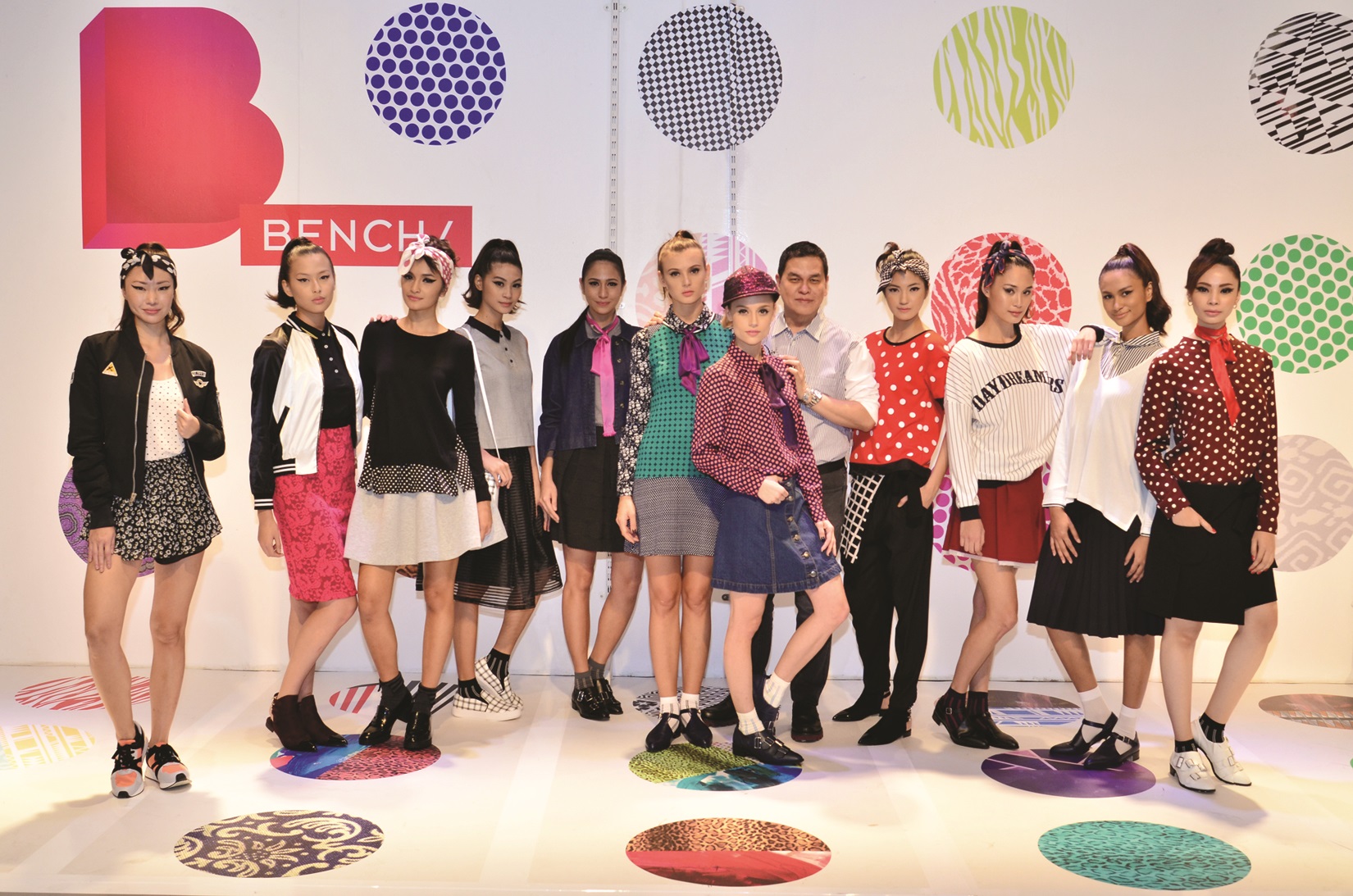
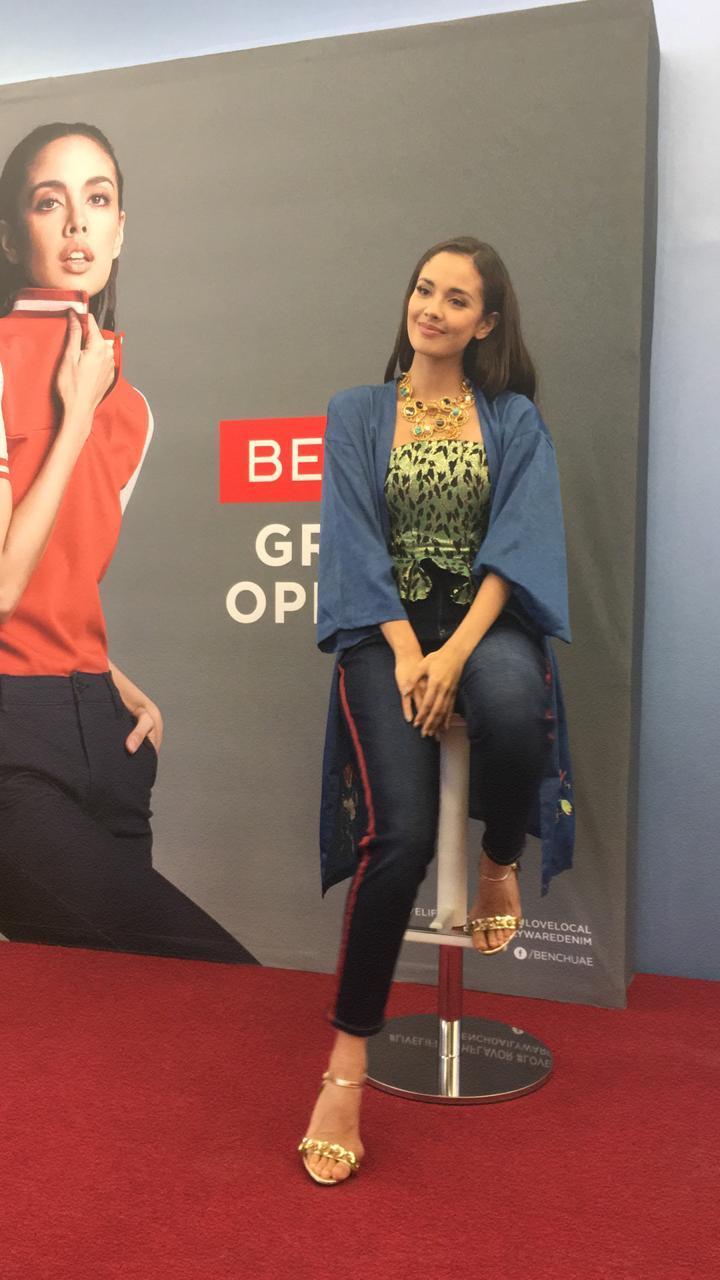
    Filipino brand Bench opens in Dubai

    Philippine apparel brand Bench has opened in BurJuman, Dubai.

    The 1179sqft store offers women’s and men’s clothing and undergarments, perfumes and other products. The brand says it has been conspicuously welcomed by the Filipino community resident in Dubai.

    Bench has grown from its earliest incarnation as a t-shirt store in the late 1980s into an international clothing and lifestyle brand with numerous celebrity endorsements. The brand’s worldwide network of sales points includes the US, Middle East and China.

  • Millennials’ love for luxury brands focuses on two brands

    Millennials’ love for luxury brands focuses on two brands

    Millennials feel better about their future earnings than older consumers and spend more on luxury goods.

    That’s according to a survey of more than 3,000 consumers across China, Europe and the US by UBS Group AG. Eighteen to 35 year olds have contributed 85 percent to growth in the luxury market last year and will represent 45 percent of total high-end spending by 2025, according to the report published Friday.

    Gucci and Louis Vuitton are millennials’ favourite brands, according to the survey and social-media data analysed by UBS.

    While the intent to buy online is higher in the age group than among older consumers, physical stores continue to feature highly among preferred places to shop.

    Chinese millennials, a major driving force behind sales growth, allocate about 20 percent of discretionary income to purchasing luxury goods, a similar share as older generations.

    Nearly 70 percent of Chinese Millennials expect their personal financial situation to improve in the next 12 months, compared to 65 percent of Chinese respondents aged 35 or more.

    That is good news for companies selling luxury goods, considering Millennials drove 85 percent of the sector’s growth last year. In fact, luxury fashion labels which have been performing well lately have a high percentage of sales from Millennials.

    For example, UBS estimates 65 percent of Saint Laurent’s revenues to have come from this age group in 2017, while Gucci’s Millennial sales were estimated in 50 percent. Louis Vuittonobtained approximately 33 percent of its profits from consumers aged 21-37, as claimed by UBS.

    Younger people in Italy and the US have higher spending budgets than their elders, according to the report.

  • Monica Vinader opens in New Town Plaza Mall

    Monica Vinader opens in New Town Plaza Mall

    Monica Vinader is pursuing its expansion into the great city of Hong Kong with the opening of its third store this September.

    Famous for its versatile styling, and loved for its encouragement of women to self-gift, and to give to each other, the British jewellery brand chose the exclusive New Town Plaza mall as location for its latest store.

    Renowned for instantly wearable and contemporary designs, Monica Vinader is a favourite amongst A-list names such as the Duchess of Cambridge, Olivia Palermo and Emma Watson.

    The store is an opportunity for Monica Vinader to bring everyday fine jewellery to more women across China, whilst expanding their presence in Hong Kong.

    Being only 30 minutes away from China, the New Town Plaza mall is a prime destination for Chinese day visitors, while also servicing over 3.69 million residents in Hong Kong’s new territories.

  • H&M India sales jump 49 pc in June-August qtr to Rs 352 crore

    H&M India sales jump 49 pc in June-August qtr to Rs 352 crore

    Swedish fashion retailer Hennes & Mauritz (H&M) posted a 49 percent growth in sales in India to 428 million Swedish Krona (around Rs 352 crore) in June-August quarter of 2018.

    While, for the nine-month period (December 2017 to August 2018) H&M India sales reported a 34 percent growth to 1,124 million Swedish Krona (around Rs 924 crore) including VAT compared to the corresponding period.

    H&M, which follows December-November financial year, has added 7 stores during the last nine months in India, totalling to a network of 34 stores.

    The company had posted sales of 178,817 million Swedish Krona in December-August, H&M said in a nine-month report.

    In the June-August quarter, H&M reported a global sales of 64,800 million Swedish Krona.

    During the quarter, H&M’s online sales increased by 32 percent, it added.

    “The group’s online sales increased by more than 30 percent in the third quarter. Today H&M online is in 47 markets and we are continuing at full speed to roll out online globally to all our existing store markets as well as to other markets,” said H&M CEO Karl-Johan Persson.

    During the three-month period, Germany was the highest contributor with 9,851 million Swedish Krona sales, followed by USA with 6,869 million Swedish Krona sales. H&M operates 458 and 559 stores in Germany and USA, respectively.

    While, China had a sales of 3,225 million Swedish Krona during the June-August quarter of 2018, where it operates 522 stores.

  • Luxury brands turn their gaze to increasingly picky millennial buyers

    Luxury brands turn their gaze to increasingly picky millennial buyers

    Multimillion-dollar fashion brands in Hong Kong are transforming themselves to appeal to rich young customers.

    Christine Chen, 27, was looking for a special wedding gift for her best friend. Loaded with cash, she went into one luxury store after another at a mall. Doors were opened obsequiously and staff in tuxedos fawned over her.

    But soon her interest in luxury fashion dissipated, at least temporarily, because of the overwhelming attention she received.

    Fifteen minutes later she was out of the door without completing her shopping.

    Christine’s story epitomes the experience of many young Hong Kong shoppers: They have no problems buying item after item online but quickly lose interest when the very same items are physically displayed in front of them along with an army of sales staff.

    High prices are not a problem, according to Christine, but the shopping experience at luxury stores often makes her and her friends reluctant to buy.

    Hong Kong has seen many changes in buying behavior in recent years. Some have not been kind to sellers as the closure of many Burberry, Coach and Louis Vuiton stores due to lack of patrons testifies.

    Bloomberg presumed that wealthy Chinese, who account for much of the luxury items purchased, are no longer willing to wait in queues for the latest watch or handbag.

    On the other hand, the surge of millennial buyers in the ages of 20-34 is transforming the traditional demographic at shopping malls. Their increasing incomes and family financial support allow the young to shift from fast fashion to posh clothing and accessories.

    Bain & Co has predicted that by 2025 millennials and the Generation Z (people born after 1996) will be the consumers of 45 percent of luxury fashion sold on the planet.

    Then again, it is not easy to make them buy. After being accustomed to middle-aged buyers for long, sellers of luxury goods now have to turn their gigantic marketing machinery toward increasingly younger buyers.

    Chow Tai Fook is one of the top 10 luxury fashion brands and has colossal revenues. It is larger than brands like Hermès, Rolex, and Prada, according to Deloitte.

    Since 2016 Chow Tai Fook has been making over its traditional outlets to make them millennial-friendly. It also has online shopping portal ctfeShop.

    At another of its outlets in Hong Kong, Chow Tai Fook even offers customers the experience of personally wrapping a jewelry gift box with items bought on the spot.Standing out is its branch in Kwai Fong, one of the island’s nightlife hotspots. Guests encounter a pink-themed café inside the store that ensures no one leaves thirsty. The selfie generation also loves the Kwai Fong branch for its check-in area specifically meant for taking photos.

    In each area, stores have their own signature color, with red being a symbol of fortune and light blue and pastel pink representing youth.

    The company came up with the idea of jewelry vending machines in Shanghai inspired by traditional vending machines.

    It also bought copyrights from Disney and rolled out jewelry lines inspired by the latter’s cartoon characters.

    All these are meant to help young buyers feel more comfortable at Chow Tai Fook, Po Liu, its international business director, explained.

    Chow Tai Fook’s range of campaigns for the brands under its umbrella works toward the same goal.

    T MARK is a diamond brand that focuses on the diamond traceabilityand authenticity. diamond is inscribed with a mark that carries a set of unique serial numbers, enabling customers to trace the life journey of a diamond from sourcing to production.

    SoInLove is a jewelry gifting brand with affordable price, young style. Monolgues is an on-trend jewelry brand for trendsetting millennials .

    French luxury brand Guy Laroche recently launched a series of art watches in Hong Kong and China.

    Instead of thin leather straps in classic yellow and brown tones, they come with pastel straps and large faces with imprints of French paintings.

    This personalization was in response to millennials’ need to express themselves, and the watches are a favorite item, especially for online shoppers.

    “Young people have innovative views that help us reach our target audience quickly, while the experience of older executives reduces potential risks.”Elise S.M. Tsui, a distributor of Guy Laroche watches in Hong Kong, said young people were becoming her main customers. So her company also employs young people in managerial positions.

    Vietnam too

    This shift in demographics is also happening in Vietnam.

    Since the beginning of last year Lacoste Vietnam has seen VIP customers aged 24 – 35 years increase by 315 percent. A VIP customer is one who makes a one-time purchase of at least VND27 million ($1,155).

    Bui Thu Phuong, marketing director of Lacoste Vietnam, said in the last two years, amid fierce competition from international and domestic fashion brands and the entry of many global names, Lacoste set out to build strategies to attract millennials and the Generation Z in addition to the middle-aged segment.

    “This is a very promising customer group that many brands are interested in. They were and have been key players in the global workforce. This young group always wants its needs gratified immediately.”

    Concurring with Phuong, Nguyen Thi Minh Thu, marketing director of Precita jewelry, said millennials as a customer group account for a big proportion of purchases of high-end brands.

    They were born in the digital age and live with the digital world for more than 24 hours a week. Health and beauty are their major interests, but they are also very particular about the quality of the products they buy and how practical their spending is.

    Designer Do Long has been in the fashion industry for eight years and runs a design shop. A few years ago his clients started to see younger buyers, aged 25-35, flood in, but now many 18-20-year-olds can afford customized, expensive attires, he said.

    To gain market share, designers and luxury fashion businesses are forced to innovate strategies and technologies to produce esthetic, trendy, cost-effective, and versatile lines while simultaneously their clients offering new experiences.

    For instance, someone who has four Precita earrings can wear them in 20 different ways. The brand personalizes wedding rings by engraving hearts on their inside.

    Earlier this year Precita tweaked its website to enable customers to research products and buy with a few clicks.

    In 2017 and 2018 Lacoste spent its entire marketing budget on digital media like online newspapers and magazines, social networks and outdoor displays in malls and other venues frequented by young people.

    The brand also employs young influencers to promote its items, including models Quang Dai and Helly Song, Miss Vietnam H’Hen Nie and singers Noo Phuoc Thinh and Isaac.

    This marketing ploy has been adopted by many businesses to connect with the millennial customer.

    As for Christine Chen, not only did find jewelry for her friend, but also got to personally enclose it for her in a small, pretty chest.

    “This shop is decorated like a treasure chest and each chest has its own code. All I have to do is pass the code to my friend and she will have a pleasant gift experience.”

  • Hong Kong eyewear retailer Jins makes debut at Kwun Tong

    Hong Kong eyewear retailer Jins makes debut at Kwun Tong

    The first Jins Hong Kong eyewear store opened last Friday – part of the Japanese retailer’s broadening focus on Asia.

    The company said it sees Hong Kong’s “sophisticated retail market” as an idea place to start tapping into the growing eyewear market across the region.

    “We have been extending our presence in the region and Hong Kong is an inevitable choice of base as the city has a fast-growing and vibrant eyewear market,” said Mikiya Yamawaki, GM overseas business development at Jins.

    The Jins Hong Kong store at Kwun Tong takes up about 1000sqft and features a range of more than 1000 frames. Customers are promised finished glasses in about 30 minutes after they select their frames.

    Yamawaki said Jins aims to become the world’s leading eyewear brand by accelerating its global expansion plan.

    “Japanese products and brands are popular with consumers in Hong Kong, and they appreciate high-quality goods and innovative ideas. It is an ideal place from which to expand our business. We hope to provide unique and high-quality glasses and services through our Hong Kong store.”

    Associate director-general of investment promotion Dr Jimmy Chiang welcomed the opening of the first Jins Hong Kong store. “It will not only add new choices of eyewear for local customers, but also bring new designs and technologies from Japan to the local industry.”

    Jins was founded in 1988 and has been developing its eyewear brand since 2001. As of August, the company had 510 stores in Japan, Mainland China, North America, Taiwan and the Philippines.

  • India’s Van Heusen launches flagship stores in Bengaluru

    India’s Van Heusen launches flagship stores in Bengaluru

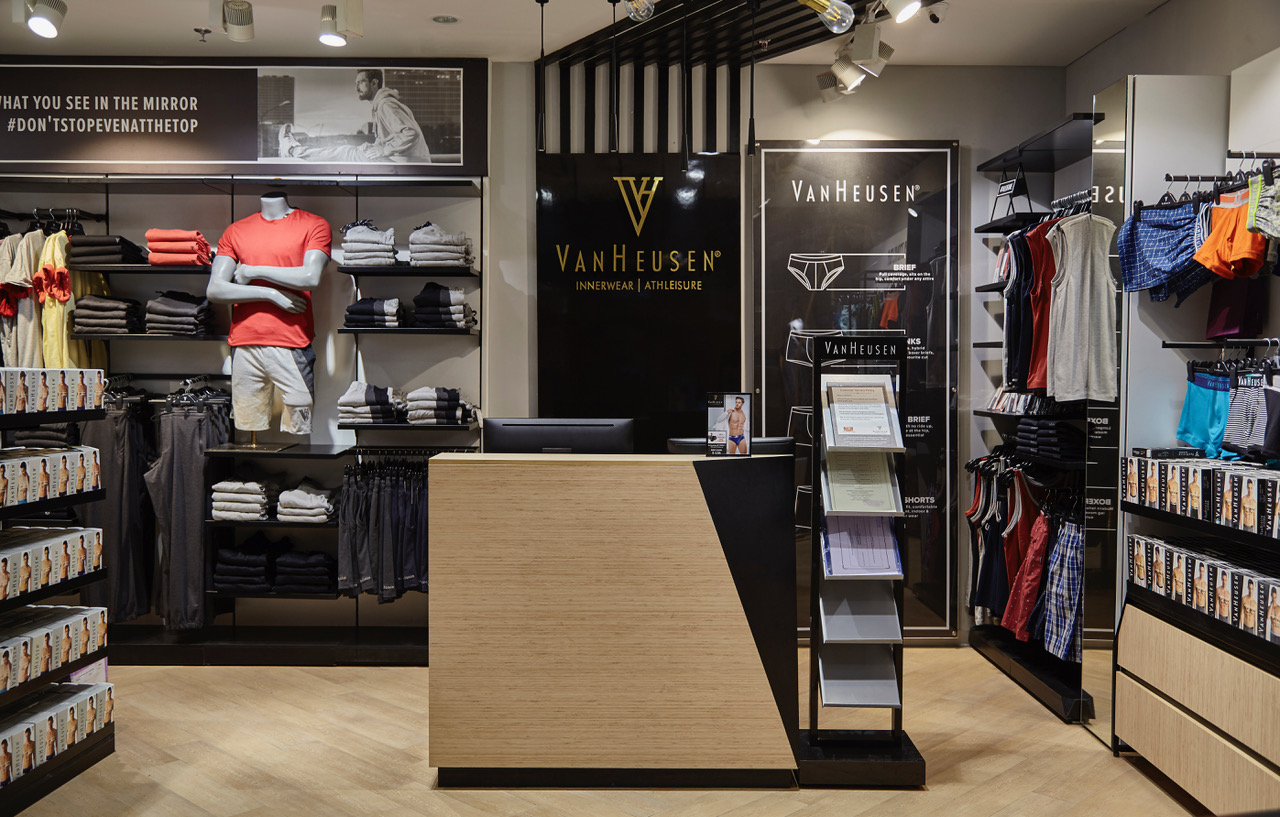
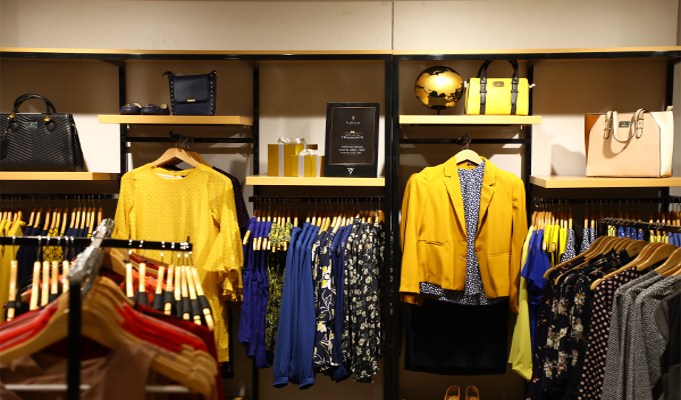
    Van Heusen a premium formal fashion brand from Aditya Birla Fashion and Retail Limited unveils its flagship stores in Brigade Road and HSR Layout, Bangaluru. The new stores will house the exclusive Van Heusen men’s wear and women’s wear collections.

    Located in the heart of the city, the new stores cater to fashionable young professionals looking to create the right impact, the exclusive brand stores will offer an array of wardrobe options, for men and women, ranging from corporate suits to fashion jackets, casual work-wear to club wear and the right accessories to complete the look.

    On the occasion of the store launch Abhay Bahugune, Chief Operating Officer, Van Heusen, Aditya Birla Fashion and Retail Ltd said, “Van Heusen has over the last decade carved a niche for itself as a renowned fashion brand with a strong presence across leading cities and towns in India. Today, Van Heusen enjoys a high recall value and is perceived as a brand that provides power dressing to the young professionals. Being the third largest city of India, Bangalore is an important market for us. The new launch of our new brand outlets at Brigade Road and HSR Layout takes the store count in the city to 53. We are delighted with the overwhelming response received and are confident to cater to the growing demand with the right offering.”

    The store will also house collections from Van Heusen’s sub-brands including VDot and VH Sport. Each product line reflects the latest cuts and fits, along with cutting edge innovation in fabric and technology.

  • SK Holdings to invest $31 mn in U.S. fashion brand Rails

    SK Holdings to invest $31 mn in U.S. fashion brand Rails

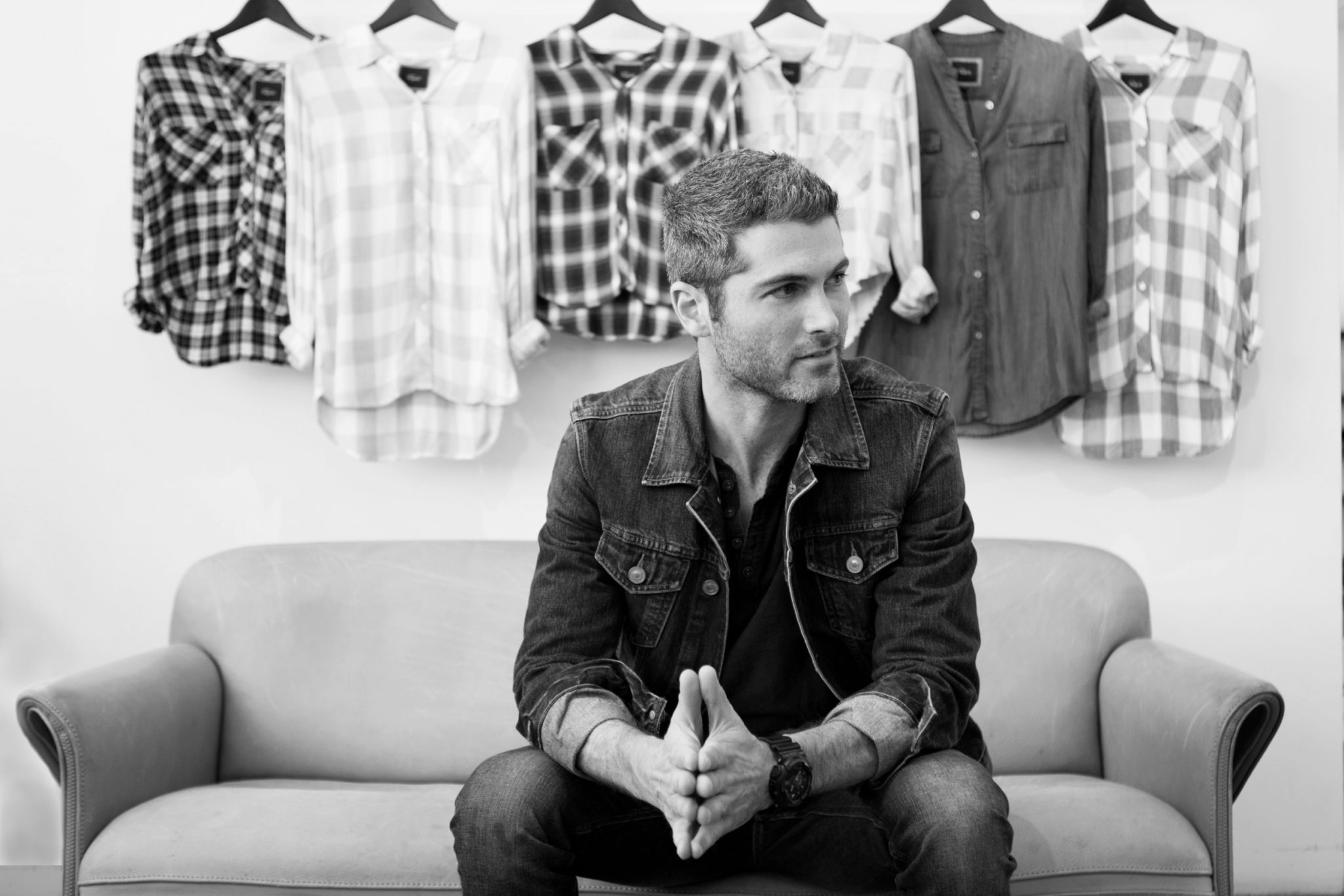
    South Korean firm SK Holdings is planning to invest KRW35 billion (US$31 million) into the contemporary fashion brand Rails.

    The investment, which will be channeled through its American investment subsidiary Plutus Capital, will finance its acquisition of 3160 shares in the Los Angeles brand. Rails is known for its high-quality blouses and is considered one of the country’s fastest growing fashion labels.

    SK Holdings has recently broadened its portfolio to shift focus to its investment strategy. It has invested into a range of industry sectors, including a $60 million shareholding in two North American clothing brands last year. Half of the firm’s $1.5 trillion spending last year was invested offshore. It has also invested heavily in ride-sharing platforms both in Southeast Asia and the US.

  • Chanel Acquires Orlebar Brown

    Chanel Acquires Orlebar Brown

    Luxury brand Chanel has bought high-end menswear label Orlebar Brown, with plans to expand the label in Asia and North America.

    The British brand, which specialises in men’s swimwear and board shorts, was bought from founder Adam Brown, the Piper investment fund and minority shareholders for an undisclosed price.

    Orlebar Brown was launched as an online business in 2007 before evolving into a multichannel business. The acquisition is seen as delivering Chanel two primary advantages: expertise in a successful digital platform and a comfortable fit with the women’s swimwear and lingerie brand Eres, which Chanel bought in 1996.

    “Besides the fact that we share the same values and the same approach towards quality and know-how, this acquisition offers an ideal opportunity for synergies between Orlebar Brown and Eres,” Chanel’s global CFO Philippe Blondiaux said in a statement.

    Brown will remain creative director of Orlebar Brown and Paul Donoghue as CEO.

    Orlebar Brown currently has 24 directly owned stores in 11 countries, and is stocked by more than 250 multibrand retailers.

  • Michael Kors is now Capri Holdings

    Michael Kors is now Capri Holdings

    Michael Kors is just the latest company to announce its intention to change its name, following a precedent set by a number of the country’s most famous brands. Most frequently, a name change reflects a shift in strategy.

    Michael Kors said it will change its name to Capri Holdings, inspired by an “iconic, glamorous and luxury destination” island.

    The move comes as the company announced plans to buy the Gianni Versace fashion house for $2.1 billion.

    The new name reflects the company’s efforts to move further into luxury and away from the more affordable handbags for which it has long been known.

    The company, which will keep the Michael Kors brand, made its first step in this direction when it bought shoe brand Jimmy Choo for $1.2 billion last year. But the Versace deal provides it with a launching pad to a more exclusive European luxury market.

  • Adore Me Announces its Launch in China

    Adore Me Announces its Launch in China

    US lingerie brand Adore Me has announced its expansion into China.

    The online brand, which currently delivers throughout the US, will be offering its full range on the Chinese market via interactive livestreams and the global shopping platform ShopShops. The move follows a hundredfold growth in revenue since first launching in 2012.

    Adore Me founder and CEO Morgan Hermand-Waiche said the company has been experiencing a growing demand from Chinese shoppers, so it was exciting to be able to make its products available to them online.

    “We’re introducing innovation and affordable, fast-fashion intimates to even more women around the world.”

    Lingerie brand Adore Me retails bras, panties, lingerie, sleepwear, loungewear, and activewear.

  • The changing face of today’s beauty industry

    The changing face of today’s beauty industry

    Younger consumers, those between ages 18 and 24, are one of the driving forces behind the beauty market’s growth, according to Fashionbi’s new “Beauty Market Trend” report. Celebrity brands, natural beauty, personalization and gender-bending products are also becoming more popular among beauty buyers.

    “There are many experiments in the field of the ‘smart and tech beauty’ products,” said Yana Bushmeleva, chief operating officer at Fashionbi, Milan. “Another interesting trend is the customized beauty when the customer can literally create a perfect product for his or her skin type.”

    Personality-driven products

    For decades, luxury beauty brands have enlisted actresses, singers and models to star in their advertising campaigns. Today, however, celebrities have the agency and the following to launch their own beauty lines, sometimes with the help of more traditional industry players.

    Created by frequent luxury collaborator Rihanna, Fenty Beauty launched following months of anticipation and two years of research and development in September 2017. The line of color cosmetics, including a staggering 40 shades of foundation, was developed in partnership with LVMH-owned Kendo, the company behind Bite Beauty and Marc Jacobs Beauty.

    Available exclusively at retailers Sephora and Harvey Nichols, as well as Fenty Beauty’s ecommerce site, stock flew off the shelves as women gravitated toward the brands’s inclusive message and merchandising.

    Other successful celebrity brands include Kylie Jenner’s Kylie Cosmetics, which made $420 million in 18 months, and sister Kim Kardashian West’s KKW Beauty, which earned an estimated $14 million on its launch day

    Model Miranda Kerr’s Kora Organics has a focus on eco-friendly beauty, and actress and singer Lady Gaga is expected to introduce her own makeup line next year.

    “Not all the beauty brands rely on celebrity endorsement,” Ms. Bushmeleva said. “There are also those which diversify the risks, [like in] Dior’s case, some makeup and skincare products are promoted by Bella Hadid, some by Natalie Portman and some have no celebrity endorsement.

    “Those brands which believe that the celebrity endorsement is crucial for the marketing campaigns should choose the person who is ‘new’ to the market, which means is not involved in the promotion of the competitive brand or doesn’t have its own line,” she said.

    Other makeup brands are collaborating with fashion houses for limited collections.

    A Balmain x L’Oreal capsule collection was released in late 2017, and included a dozen shades developed by Balmain’s creative director Olivier Rousteing with the cosmetics maker’s team.

    Men are also buying more makeup products than before, and luxury brands are looking to capitalize on the trend.

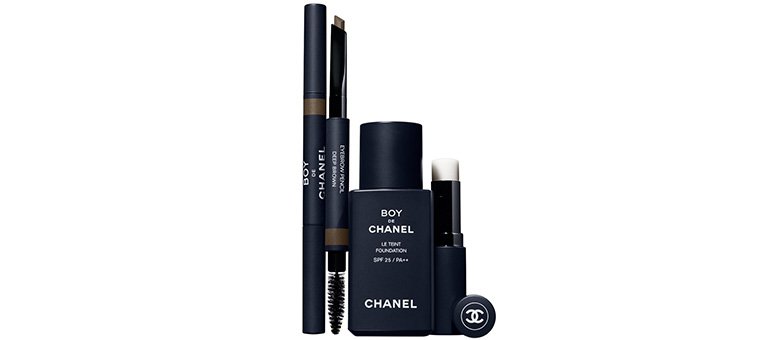
    This trend is becoming more popular in Asia especially, and French fashion label Chanel is getting in on the ground floor with its first men’s makeup line. The collection will be comprised of three products, including an eyebrow pencil, lip balm and tinted moisturizer.

    It launched in South Korea on Sept. 1, but will branch to ecommerce starting in November, where everyone can purchase.

    Keeping it clean

    The majority of cosmetics executives believe that health-inspired beauty along with personalization and digital engagement will be driving themes in the industry this year.

    According to a survey by Euromonitor, skin health is a major factor within the beauty-manufacturing world today with an increase in brands creating topical probiotics. More than half of beauty execs believe that health in beauty, digital and personalization are the most important aspects of successful launches.

    Beauty brand Lancôme expanded its bespoke skin tone matching service within the United States in 2016. The brand’s Le Teint Particulier Custom Made Makeup uses digital readings of a client’s face to create a specially blended foundation at the counter.

    Eco-friendly personal care products comprise cosmetics that are organic, farm-to-face or cruelty-free.

    A report from Perfect 365 found that a significant portion of Western consumers condemn the testing of beauty products on animals and will reject brands that do so. Nearly 50 percent said they would be happy if their state in the U.S. banned animal testing and nearly a quarter said they regularly use PETA’s Web site to see if a brand tests on animals before they buy it.

    While Western consumers tend to reject beauty products tested on animals, China still requires such trials, putting luxury beauty brands in an awkward position (see story).

    Clean beauty is becoming another key word within the personal care industry as sustainability and wellness take over in all aspects of retail, and luxury retailers are some of the first to take it on.

    Consumers are more concerned than ever in regards to harmful chemicals in any product, but the beauty consumers as well as the luxury consumer are some of the most keen to these issues.

    “There are a few possible ways for luxury brands to embrace clean beauty,” Ms. Bushmeleva said. “Either to launch a new ‘green’ beauty brand, launch a special line under the current brand or through the acquisition of the existing company.”

  • Louis Vuitton dominates fake products seized in Korea

    Louis Vuitton dominates fake products seized in Korea

    South Korea’s Customs service has released an intellectual property infringement report detailing the most-seized counterfeit goods over the past four years.

    According to the report, South Korean officials seized more fake Louis Vuitton products than any other between June 2014 and June this year, a trend that accelerated over the period.

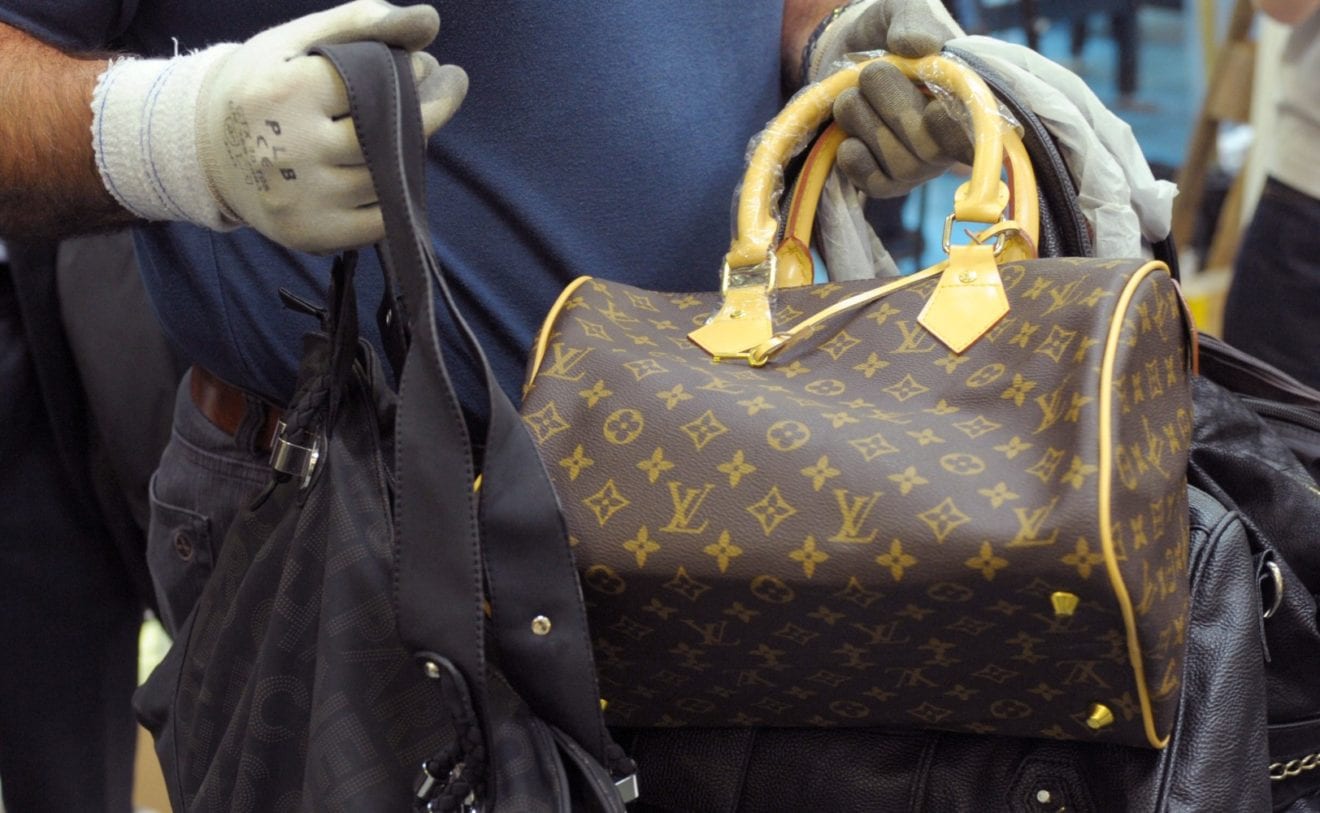
    Agents seized KRW183.1 billion (US$224 million) worth of LV-trademarked counterfeit goods, mostly originating from China. Almost a quarter of those goods were seized within the last six months alone.

    Democratic Party lawmaker Kang Byung-won, who commissioned and released the report, said: “Making and distributing fake goods is a criminal act that violates intellectual property rights, and it is required to toughen crackdown on such illegalities.”

    Other frequently counterfeited brands include Rolex watches, Cartier jewelry, Chanel garments and accessories, and Gucci products.

  • Hermès’ marketing strategy revealed

    Hermès’ marketing strategy revealed

    On a sticky autumn day in Manhattan’s Meatpacking District, pedestrians walking down 10th Avenue and turning left on 14th Street might have clocked a velvet rope, bathed in glowing red light emanating from a gallery space.

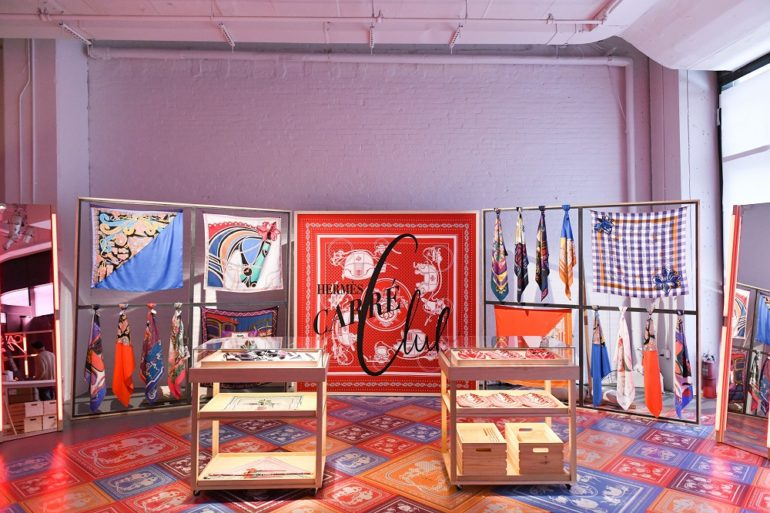
    Inside, the curious were greeted by a smiling concierge welcoming them to the Hermès Carré Club, a magical makeshift pop-up dedicated to one of the French luxury brand’s more accessibly priced, high-volume products: silk scarves.

    After submitting their personal “membership details” on an iPad, including name and email, visitors were encouraged to peruse stations where a handful of the artists who create the prints that cover Hermès scarves were on-hand, sketching out new creations in a demonstration of the craftsmanship that is a key pillar of the company’s approach. A gentleman painted portraits rendered in signature Hermès orange, while two handsome Central Saint Martins graduates swirled designs onto their hand-made, wrought-iron “drawing machine.”

    On the walls were vintage Hermès colour swatches, which guests were prompted to name. (Suggestions included “Bill Cunningham Blue,” “First Husband” — for a muted taupe — and “Gin,” a silvery grey.) There was a “Carré-oke booth” — get it? — and a café that served free coffee and staged jazzy concerts each evening. And yes, should you want to buy something, there was a capsule collection of scarves designed especially for the event.

    This open-to-the-public, four-day experience — which is also traveling to Toronto, Singapore, Los Angeles and Milan — was designed to help position Hermès not as stiff, snobby, or exclusive, but playful, engaging and inclusive. Sure, the company sells five-figure Birkin bags, but it also sells “Twilly” tie-neck scarves for $160, underscoring one of the company’s core skills: conjuring a halo of perceived exclusivity over a wide range of products, while balancing an image rooted in both high luxury status symbols and a young-at-heart whimsy.

    Category segregation is critical to the company’s strategy. Hermès confines iconic, core-category products like bags to high-end price ranges, while offering other categories, like scarves, at lower price points to aspirational consumers. But so is brand storytelling. And yet, curiously, the 181-year-old house, majority-owned by the Hermès family and run by sixth generation heir Axel Dumas, does not have a marketing department. Instead, it employs a communications team to manage press and media buying and a creative team to conceive seasonal campaigns. (This year’s theme is “Let’s Play.”)

    “You know, we don’t do marketing,” explains Bali Barret, artistic director of the women’s universe at Hermès, who oversees ready-to-wear, shoes, accessories and scarves. Both Pierre Hardy and Nadège Vanhee-Cybulski — who shows her latest ready-to-wear collection in Paris on Saturday — report to her. Barret also serves as the liaison between the company and the hundreds of artists that design its scarves.

    “The scarf represents the fantasy and humour of Hermès; it’s an affordable object compared to most of the things we’re doing and that makes it younger,” she adds. “There’s a lot of freedom in it. Sometimes, the image can feel conservative, so we have to keep updating, telling again and again that it’s still creative, contemporary.”

    The company sold its first scarf in 1937. In the first half of the 2018 fiscal year, sales in the silk and textiles category were €249 million ($292 million), up from €246 million ($289 million) in the first half of 2017. Across the board, sales were €2.9 billion ($3.4 billion), up from €2.7 billion ($3 billion), with jewellery and home, ready-to-wear and perfume enjoying double-digit growth. And last year, the company posted record profitability.

    It was Barret who oversaw the conception of the Carré Club, recruiting several of her star scarf makers to join the travelling band in each city. Sitting at one of the on-site cafe’s tiny tables, the floor of the space skinned with a scarf print, Barret is wearing one-of-a-kind Hermès merch — a grey sweatshirt embroidered with “Hermès Club” in cursive — with a navy blue and red-striped scarf wrapped securely around her neck like a choker. In today’s streetwear-fuelled fashion cycle, customers would pay a good price for one of those sweatshirts. But it’s not for sale. “We have lots of requests,” Barret says, noting that she did have one made for Vanhee-Cybulski.

    The Manhattan leg of the Carré Club tour was also a testing ground. Next spring, Hermès plans to open a flagship in the neighbourhood, which is flooded with tourists thanks to The High Line — an elevated park on old freight railway tracks — the Whitney Museum of American Art and an impressive mix of restaurants and retail stores and close enough to the West Village to attract a local clientele too. The bits of data collected at the “membership desk” will help sales associates begin to forge relationships early on.

    “It creates a one-to-one, personal relationship,” said Florian Craen, Hermès’ executive vice president of sales and distribution. “We want to re-engage people.”

    In many ways, Hermes’ “anti-marketing marketing” approach checks many of the boxes of a traditional marketing strategy. Hermès still wants to engage customers and find new ones through communication. And it’s certainly a major investment. In 2017, the company spent €275 million ($323 million) on “communication expenditure.” (The company declined to clarify exactly what that encompasses.) But its approach is less clinical than most: there’s a sense of humanity and humour.

    At Hermès, the structure of the organisation adds another layer of employee accountability. The heads of each region choose whether or not they want to host one of these projects, instead of Paris dictating where it will be staged. (It mirrors the way in which the company merchandises its stores: buyers from each outpost attend an event twice per year in Paris, where they place orders customised to their clientele.) “We want people to experience something different in every store,” Craen said.

    “It’s about emotions and sensitivity, but not being too serious,” Barret added. “It’s just scarves.”