Category: Fashion

Retail News Asia is committed to providing both local and global retailers with the latest Fashion news throughout the Asian market. This on a daily base.

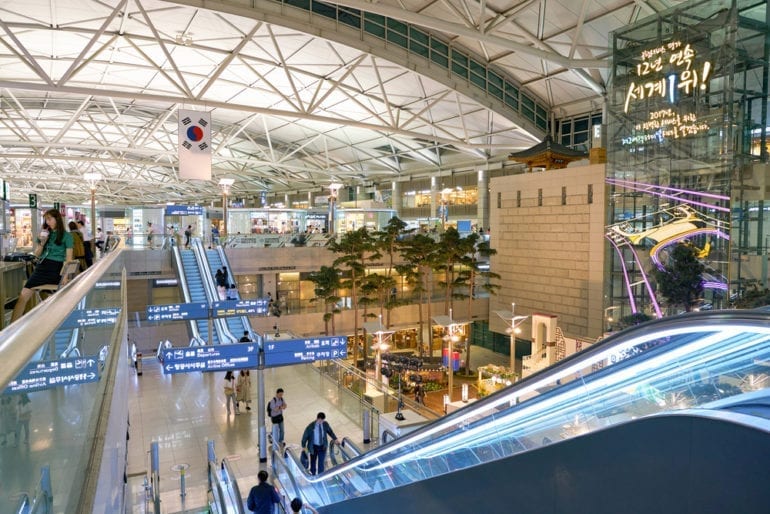
  • Duty-free on arrival set for Incheon next year

    Duty-free on arrival set for Incheon next year

    The country’s first duty-free store available to returning travelers will open at Incheon International Airport as early as next May, the Finance Ministry announced.

    Currently, duty-free purchases are allowed only for passengers departing Korea, either at an international airport or in advance at city locations with the goods available for pick-up at the departure terminal.

    “The number of people traveling abroad has been on the rise and they’ve been grappling with the inconvenience of carrying products purchased duty-free throughout the whole trip,” the Ministry of Economy and Finance said in a statement released.

    “[Duty-free on arrival] is aimed to end that inconvenience and prompt consumers to spend more inside the country instead of shopping duty-free overseas.”

    The statement added that duty-free on arrival is now already available at 149 airports in 73 countries.

    Cigarettes, a duty-free steady seller, will not be allowed for sale at on-arrival stores, the ministry said.

    “The price of cigarettes differs greatly at duty-frees and local retailers,” said a source at the Finance Ministry. “People could buy lots of them at arrival gates and resell them in Korea at a price cheaper than the official retail price.”

    The same abuse could be possible with cigarettes purchased at departure duty-frees, but the source added that “generally speaking, it’s inconvenient [to buy cigarettes there for resale] because they have to be carried throughout the trip and, in such cases, the purpose is mainly personal, either for the consumers themselves to smoke during the trip or as gifts.”

    Fruits and meat products that must be declared for quarantine are also banned from arrival duty-free stores.

    The Finance Ministry also reminded travelers that the purchase limit for duty-free products for Koreans returning home remains unchanged at US$600.

    Larger duty-free brands that operate stores in the city and departure gates argued the need to raise that limit if the government wanted to grant licenses for stores at the airport’s opposite end.

    Bidding for licenses to run duty-free spaces at Incheon International Airport’s arrival gates will be held between March and May of next year.

    Only small and mid-sized companies are allowed to submit business plans, leaving out industry leaders such as Lotte, Shilla and Shinsegae Duty Free.

    Operations at on-arrival duty-free stores are planned to start between late May and June. After a six-month trial run at Incheon, the government will look into expanding duty-free on arrival at other international airports in the country.

    This announcement puts an end to a 15-year debate. Consumers support the idea: 81 percent of respondents to a government survey last month complained about carrying duty-free goods while traveling.

    Since 2003, lawmakers have proposed to begin duty-free on arrival six times, but all the initiatives failed in the face of opposition from current operators and airlines. Current tax law allows duty-free purchases only on departure, so National Assembly action would be required as part of setting up a new system.

    President Moon Jae-in urged quick changes to the current system in August, citing a $13.7 billion tourism deficit last year.
  • J Crew to develop new brand for younger shopper

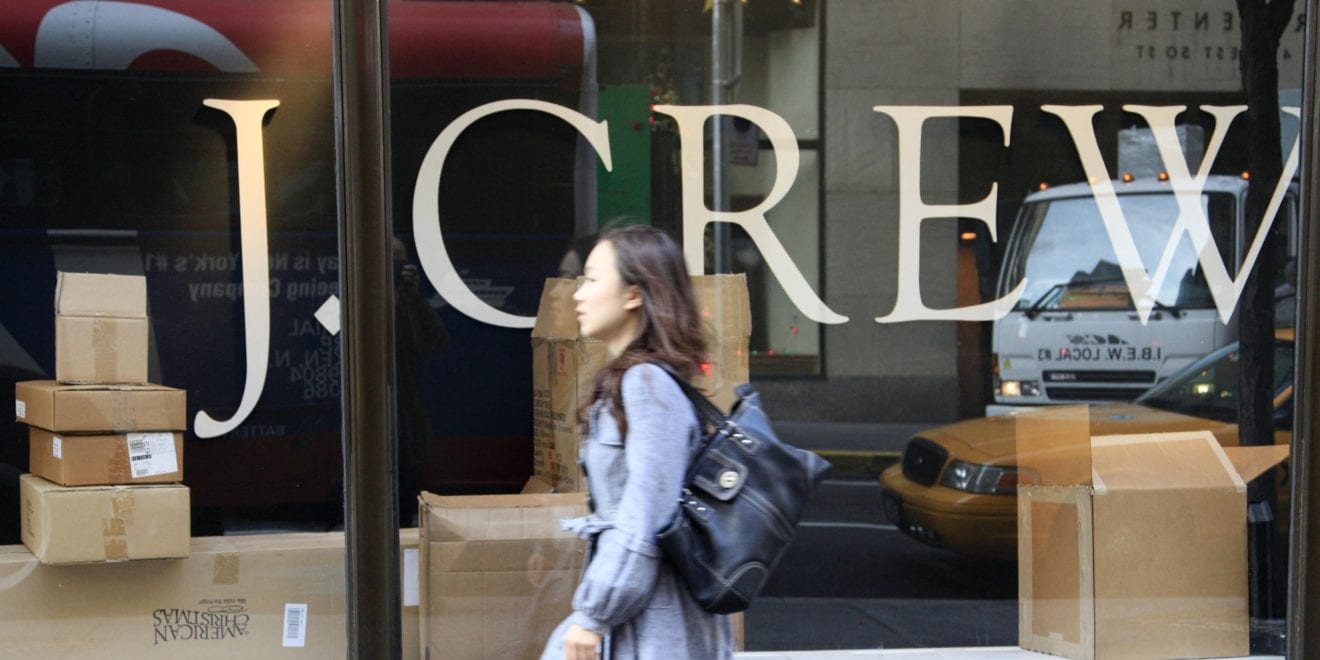
    J Crew to develop new brand for younger shopper

    A new J Crew brand is under development as the US fashion house seeks to broaden its appeal to younger female shoppers.

    In an interview, J Crew CEO Jim Brett says the company sees itself as having more than two brands.

    “In fact, we’ll be announcing one new brand this year. It is aimed at women, and it’s younger than any of our existing brands.”

    While he declined to reveal any further details of the new J Crew brand, commentators say the move will help it broaden its audience away from the staple “preppy” style it is currently associated with. It is part of a broader strategy to lift lacklustre sales.

    The new J Crew brand would be its third, the second being denim-driven Madewell, targeting millennial women with what described as “more of a tomboy style”.

    Its core brand is being relaunched with broader range of sizes and improved styling.

    Brett says the strategies are already paying off, evidenced by two consecutive quarters of same-store sales growth. But he cautions new brands must target new customer demographics.

    “It’s very important to maintain distinction between the brands,” he said. “It wouldn’t do the portfolio any good to cannibalise itself.”

  • Tmall and L’Oréal China strengthen partnership

    Tmall and L’Oréal China strengthen partnership

    Alibaba Group’s Tmall, and L’Oréal China said today they’ll work closely together to find new ways for the beauty group to tap into the Chinese market, leveraging data-driven consumer analytics and a new value chain that better connects consumers, products and channels.

    Tmall Innovation Center (TMIC), the retail innovation arm of Tmall, will work closely with L’Oréal China to catalyze the consumer-to-business (C2B) approach, based on insights and trends generated from the 600 million-plus customer base across Alibaba’s marketplaces.

    The partnership’s first initiative will focus on China’s male-grooming industry. According to a white paper co-developed by TMIC and L’Oréal China Consumer Intelligence Team, online sales of men’s grooming products have increased by more than 50% in each of the past two years. In the past year, 62% of the male consumer pool between the ages of 15 and 50 said they used male-specific facial skincare products, showing a massive addressable market for male grooming products.

    “With Tmall’s unparalleled customer insight, we are committed to helping L’Oréal China offer its customers best-in-class personalized product experiences. Tmall has transformed product development in every area, from product innovation and brand building to consumer assets and channel management. We help brands discover new demand and markets as well as offer completely new customer experiences,” said Jet Jing, President of Tmall.

  • Off-White is opening a store in Siam Paragon

    Off-White is opening a store in Siam Paragon

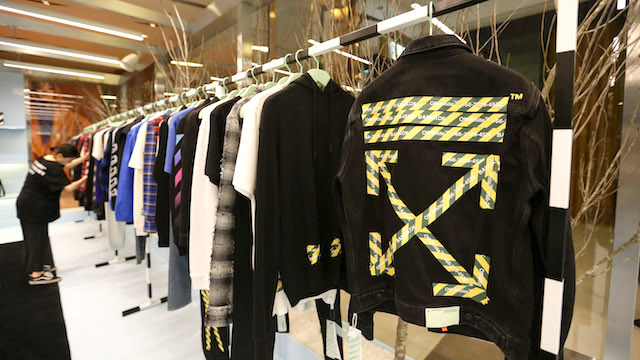
    The first Off-White Thailand store has opened in Bangkok.

    The high-end street-fashion label has chosen Siam Paragon for its first store in the market.

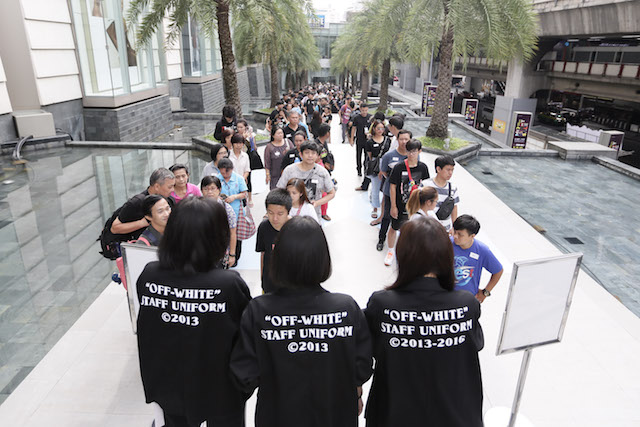
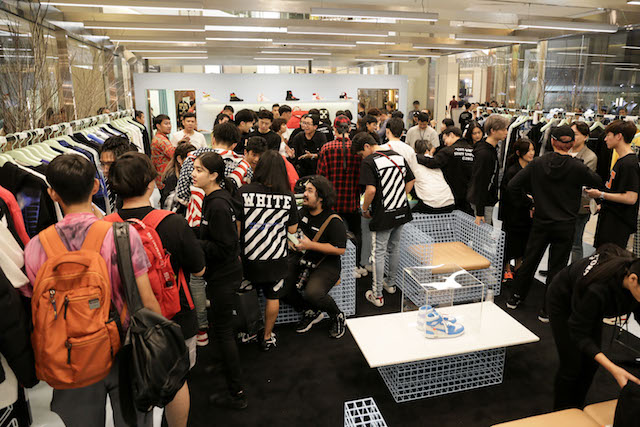
    The store opened last weekend, drawing a queue of more than 300 fans of the brand, drawn by exclusive offers for early customers and the availability of limited-edition items.

    Off-White Thailand has been launched in partnership with local retail operator PP Group.

    The boutique is located on the upmarket Bangkok shopping mall’s M floor.

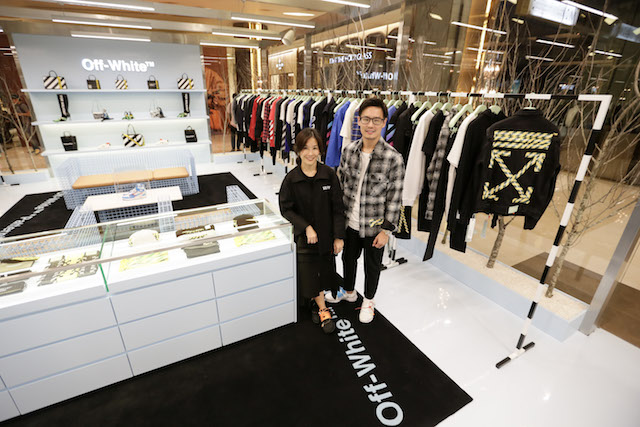
    PP Group executives Olarn Puipunthavong and Suwadee Puengbunpra at the Siam Paragon Off-White store opening.

    Off-White is an Italian streetwear and luxury fashion label founded by American creative designer Virgil Abloh in Milan, Italy in 2012. The brand specialises in seasonal men’s and women’s lifestyle and streetwear and has more than 25 stores globally. Off-White products are also stocked by internationally renowned department stores including Barneys in the US, Selfridges and Harrods in the UK and Le Bon Marche in France.

  • Polish Active Wear and Lifestyle Brand “4F” Opening its First Store In Thailand

    Polish Active Wear and Lifestyle Brand “4F” Opening its First Store In Thailand

    Polish activewear and lifestyle brand 4F has launched in Thailand.

    The brand, recognised globally for its functional, contemporary design approach, opened its first retail store in the country at Siam Discovery.

    Local agent Sport Lifestyle Lab owner Hidekazu Fujii said: “Health and fitness is becoming increasingly popular in Thailand, as people look to eat healthier diets, gets more exercise or dress for it. We’re seeing more and more Thais embracing the athleisure trend by mixing and matching sportswear pieces into their everyday look. We saw an opportunity to introduce 4F to the market and Siam Discovery is a perfect central location for young Thais to shop. It gives tremendous exposure and opportunity for the brand to grow.”

    The firm is expected to open pop-up stores throughout Bangkok to make the brand more accessible to the local market.

    4F currently operates more than 200 retail and wholesale outlets in 35 countries.

  • NIKE, Inc. reports fiscal 2019 first quarter results

    NIKE, Inc. reports fiscal 2019 first quarter results

    NIKE, Inc. has reported fiscal 2019 financial results for its first quarter ended August 31, 2018. For the quarter, double-digit revenue growth was driven by the continued success of the Consumer Direct Offense, which fueled growth across all geographies as well as wholesale and NIKE Direct, led by digital.

    “NIKE’s Consumer Direct Offense, combined with our deep line up of innovation, is driving strong momentum and balanced growth across our entire business,” said Mark Parker, Chairman, President and CEO, NIKE, Inc. “Our expanded digital capabilities are accelerating our complete portfolio and creating value across all dimensions as we connect with and serve consumers.”

    Diluted earnings per share for the quarter were US $0.67, an increase of 18 percent driven by strong revenue growth, gross margin expansion, selling and administrative expense leverage, and a lower average share count, partially offset by a higher effective tax rate.

    “We are delivering stronger global growth and profitability than we anticipated entering this fiscal year,” said Andy Campion, Executive Vice President and Chief Financial Officer, NIKE, Inc. “While foreign exchange volatility has increased, our underlying currency-neutral momentum continues to build as we transform how NIKE operates, drives growth and creates value for our shareholders.”

    First Quarter Income Statement Review

    – Revenues for NIKE, Inc. increased 10 percent to US $9.9 billion, up 9 percent on a currency-neutral basis.

    Revenues for the NIKE Brand were US $9.4 billion, up 10 percent on a currency-neutral basis driven by double-digit growth internationally and in NIKE Direct, strong momentum in North America, and growth in almost every category led by Sportswear.

    Revenues for Converse were US $527 million, up 7 percent on a currency-neutral basis, mainly driven by growth in Europe and Asia.

    – Gross margin increased 50 basis points to 44.2 percent primarily due to higher average selling prices, favorable full-price sales mix and margin expansion in NIKE Direct, partially offset by higher product costs.

    – Selling and administrative expense increased 7 percent to US $3.1 billion. Demand creation expense was US $964 million, up 13 percent primarily driven by sports marketing investments, brand campaigns and key sports moments. Operating overhead expense increased 5 percent to US $2.1 billion driven by investments in capabilities to drive the Consumer Direct Offense, particularly in NIKE Direct and global operations.

    – The effective tax rate was 14 percent, which reflects the new U.S. statutory rate and implemented provisions of the U.S. Tax Cuts and Jobs Act.

    – Net income increased 15 percent to US$1.1 billion driven primarily by strong revenue growth, gross margin expansion and selling and administrative expense leverage while diluted earnings per share increased 18 percent from the prior year to US $0.67 reflecting a 2.5 percent decline in the weighted average diluted common shares outstanding.

  • U.S. Polo Assn. accelerates China growth with China Open sponsorship

    U.S. Polo Assn. accelerates China growth with China Open sponsorship

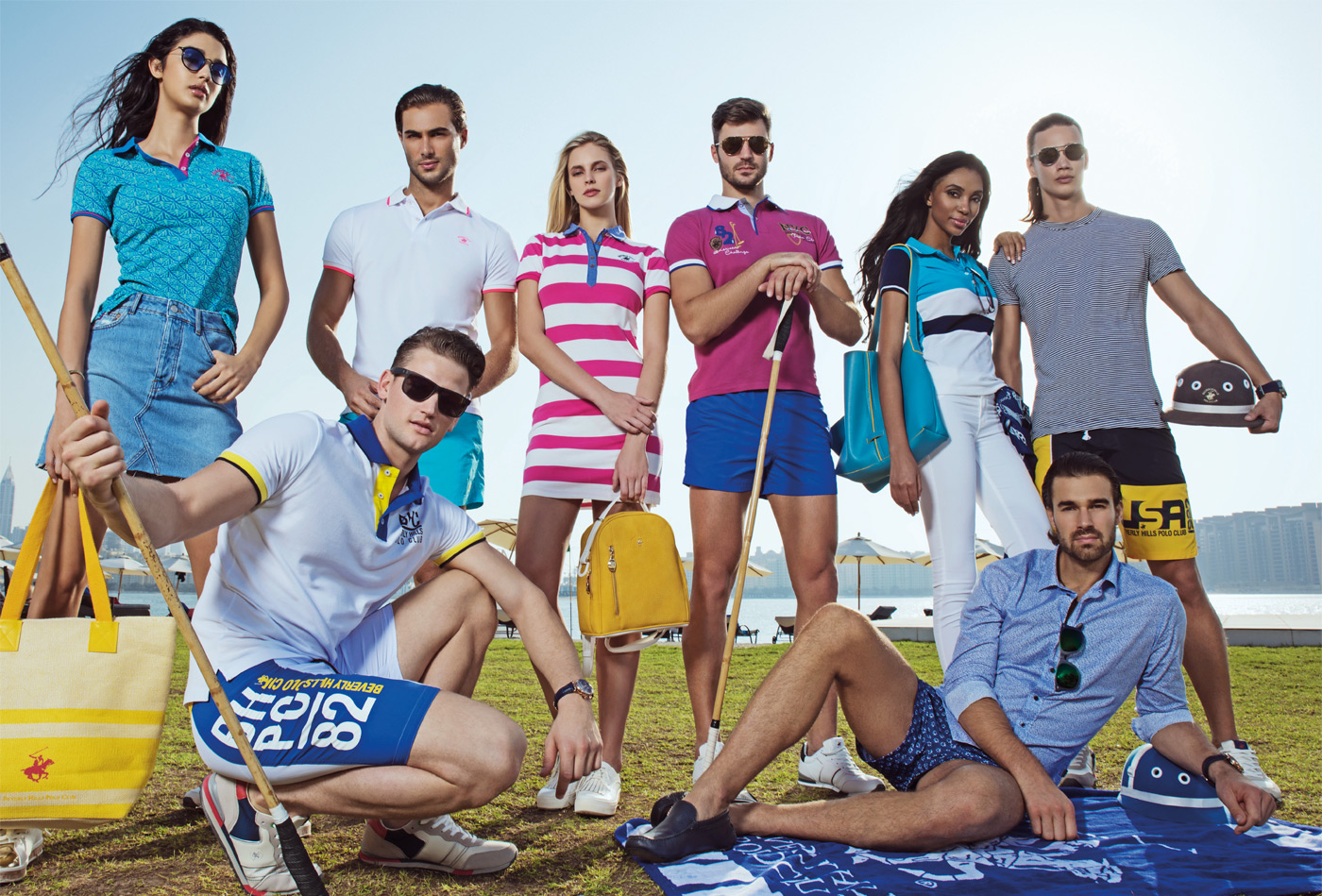
    The United States Polo Association, via its licensing arm and broadcaster — USPA Global Licensing — announced that U.S. Polo Assn. will return as the official apparel sponsor of the 2018 China Open Polo Tournament.

    Partnering with Chinese licensing partner, Yicai Brands Management, the West Palm Beach, Florida-based U.S. Polo Assn. will provide official jerseys for players and uniforms for staff of the event.

    The tournament will take place on Sunday, September 30, at the Tang Polo Club in Beijing and is recognised as one of the largest and most watched international polo tournaments in China. This year, four international polo teams will participate including Brunei, England, Malaysia and China.

    “We are excited to be the official apparel sponsor for the prestigious China Open Polo Tournament,” said USPAGL President and CEO, J. Michael Prince.

    “This will be another opportunity to build global brand awareness while also engaging consumers and sports fans in the sport and lifestyle of polo in one of the most important markets in the world.”

    With a global footprint worth $1.6 billion in retail sales and a presence across 166 countries, China has become the American brand’s premier market for growth, as it eyes a $2 billion dollar global sales target.

    In the next five years, U.S. Polo Assn. plans to have over 300 retail stores in China, representing one of the largest retail footprints for an international apparel brand in the Chinese marketplace. Earlier this year, the company also relocated its Chinese operations to the city of Changshu (nicknamed “Apparel City”) at the Changshu Brand Operations Centre, which specialises in product design, research & development, marketing, social media and e-commerce.

    “With our amazing partner, Yicai, U.S. Polo Assn. is building a significant brand presence in China while also driving tremendous long-term growth,” added Prince.

    The Chinese agreement comes after the brand announced expansion plans for the UK and Ireland, as part of a new strategy under new creative director Craig Prest. Earlier this year, the brand also inked a sponsorship deal to dress the U.S. national team at the 2018 Westchester Cup in the UK.

  • Nike’s China sales booms in latest report

    Nike’s China sales booms in latest report

    Booming sales by Nike China helped the sportswear giant record a 10 per cent rise in global revenues in the first quarter.

    Footwear sales in greater China soared 26 per cent, apparel sales by 23 per cent and equipment sales by 8 per cent. Combined sales growth for the region was 24 per cent, from US$1.11 billion last year to $1.38 billion this year.

    Nike China profit rose 27 per cent to $502 million, while combined Asia Pacific and Latin America sales rose 7 per cent to $1.27 billion.

    “Nike’s consumer direct offense [program], combined with our deep line up of innovation, is driving strong momentum and balanced growth across our entire business,” said Mark Parker, chairman, president and CEO at Nike.

    “Our expanded digital capabilities are accelerating our complete portfolio and creating value across all dimensions as we connect with and serve consumers.”

    Revenues for the company’s Converse division rose 7 per cent to $527 million, mainly driven by growth in Europe and Asia.

    Net income increased 15 per cent to $1.1 billion driven primarily by strong revenue growth and improved gross margin.

  • Decathlon opened first Korean store

    Decathlon opened first Korean store

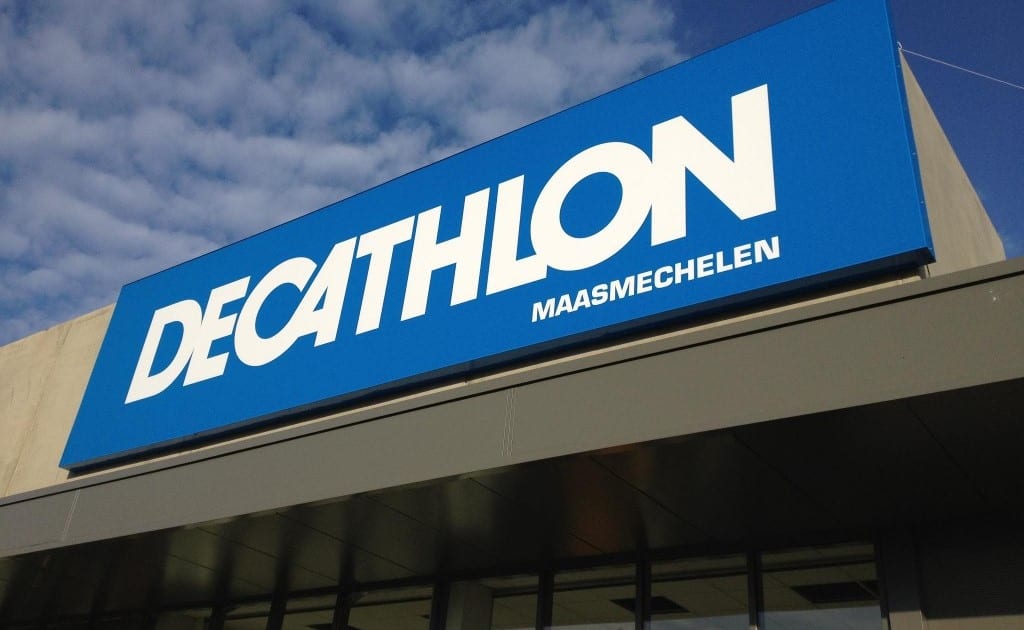
    The first Decathlon South Korea store has opened.

    The French-headquartered sports goods retailer is rapidly expanding its Asian footprint, last year opening its first store in Indonesia and in January planning its fourth Singapore store, a 5000sqm flagship.

    The new Decathlon South Korea store is takes up 7800sqm in Songdo, near Seoul. Its opening early this month coincides with the launch of its South Korean e-commerce platform. Four more outlets are in the works to be opened within two years.

    Stephane Guy, CEO of Decathlon South Korea, said: “Songdo is a sports city. There are many parks where we can run, walk and we have many families living here too. It‘s exactly what we wanted.”

    Decathlon operates 1415 stores in 47 countries.

  • Activewear retailer Lorna Jane expands in China

    Activewear retailer Lorna Jane expands in China

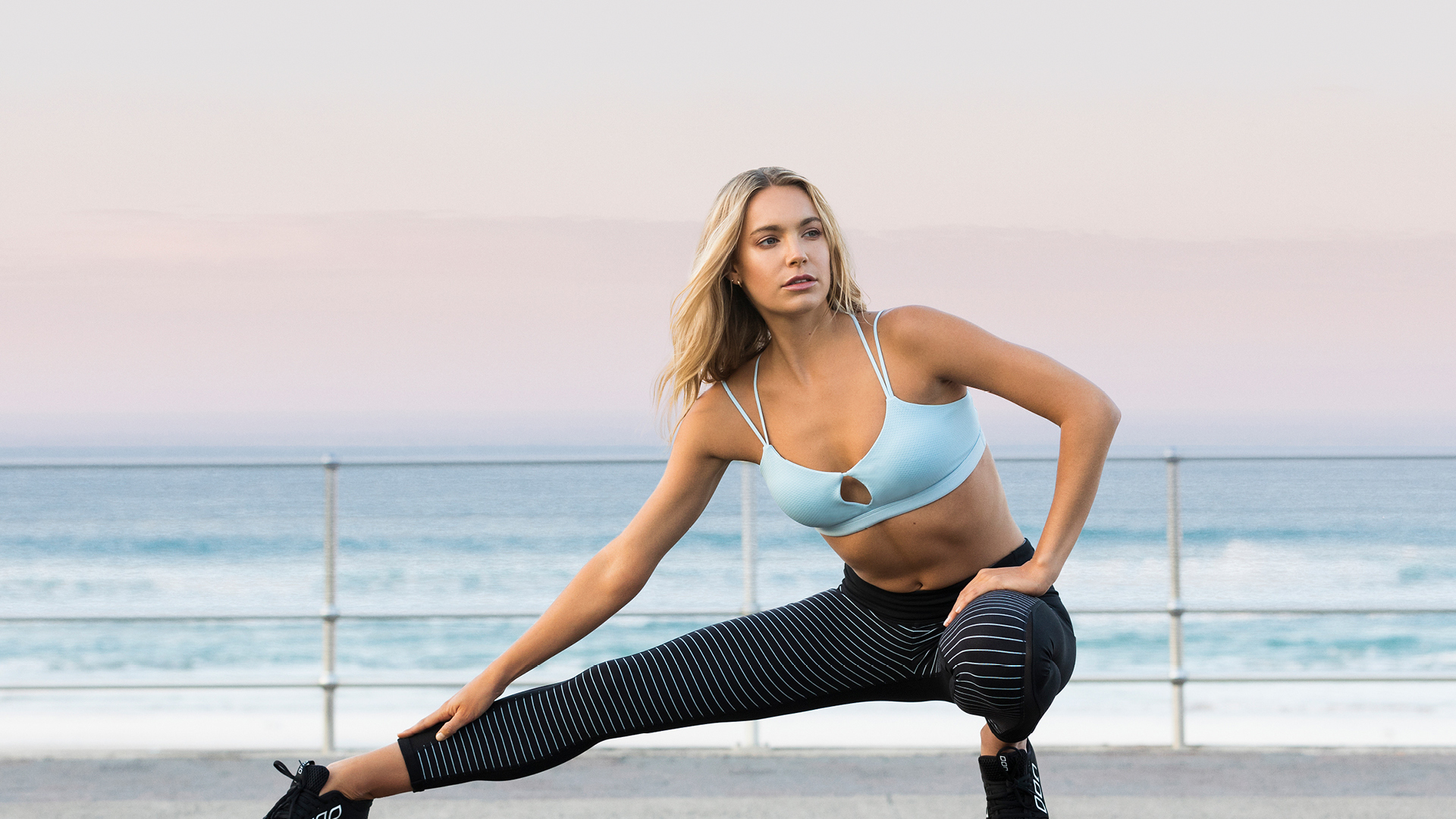
    Australian activewear retailer Lorna Jane is expanding into greater China as more than 10 potential investors are seeking a majority shareholding.

    Around 30 per cent of Lorna Jane’s more than $200 million in annual revenues comes from its online platforms in China. Its sports bra product is the top seller in its category there. It currently has 2.5 million followers on social media.

    The business is currently assessing its options, while announcing last month the hire of KPMG to review the company’s strategies. KPMG has commented that the business is “performing extremely well”.

    The company is facing competition from gym-wear retailers such as Gymshark and the increasing shift in society of people wearing sportswear as streetwear. Co-owner Lorna Clarkson says activewear has now become ready-to-wear. “There’s now a blurred line between fashion and sports apparel.”

    CEO Bill Clarkson said that most likely within the next 12 months “our aim is to eventually open stores in China and Hong Kong,” depending on who the firm’s partner ends up being. It is currently in the process of reducing its physical store network in Australia due to high rental costs.

  • Delpozo to arrive in South Korea with KLH International

    Delpozo to arrive in South Korea with KLH International

    Spanish luxury designer brand Delpozo has entered into a partnership with South Korean firm KLH International to open six locations in South Korea.

    Two of the Delpozo South Korea stores have already begun trading, with the third opening shortly. The remaining three are planned to launch within two years.

    The first Delpozo South Korea store in Seoul, at 63sqm, launched September 14 at the Lotte World Tower. The second location in Lotte Busan measures 57sqm and opened five days after Seoul. The third – and largest at 100sqm – opens early next month in Hyundai Mainwill.

    Grupo Perfumes y Diseno has owned the Delpozo brand since 2013. The company’s president and owner Pedro Trolez said the partnership marks further expansion in the Asian market.

    “We are very excited about opening the first three locations, with more expected for the next two years,” he said.

    KLH International CEO Thomas Hahn said the launch will “give a new impulse into the stagnant women’s clothing market”.

  • SK-II opens ‘shop of the future’ in Shanghai

    SK-II opens ‘shop of the future’ in Shanghai

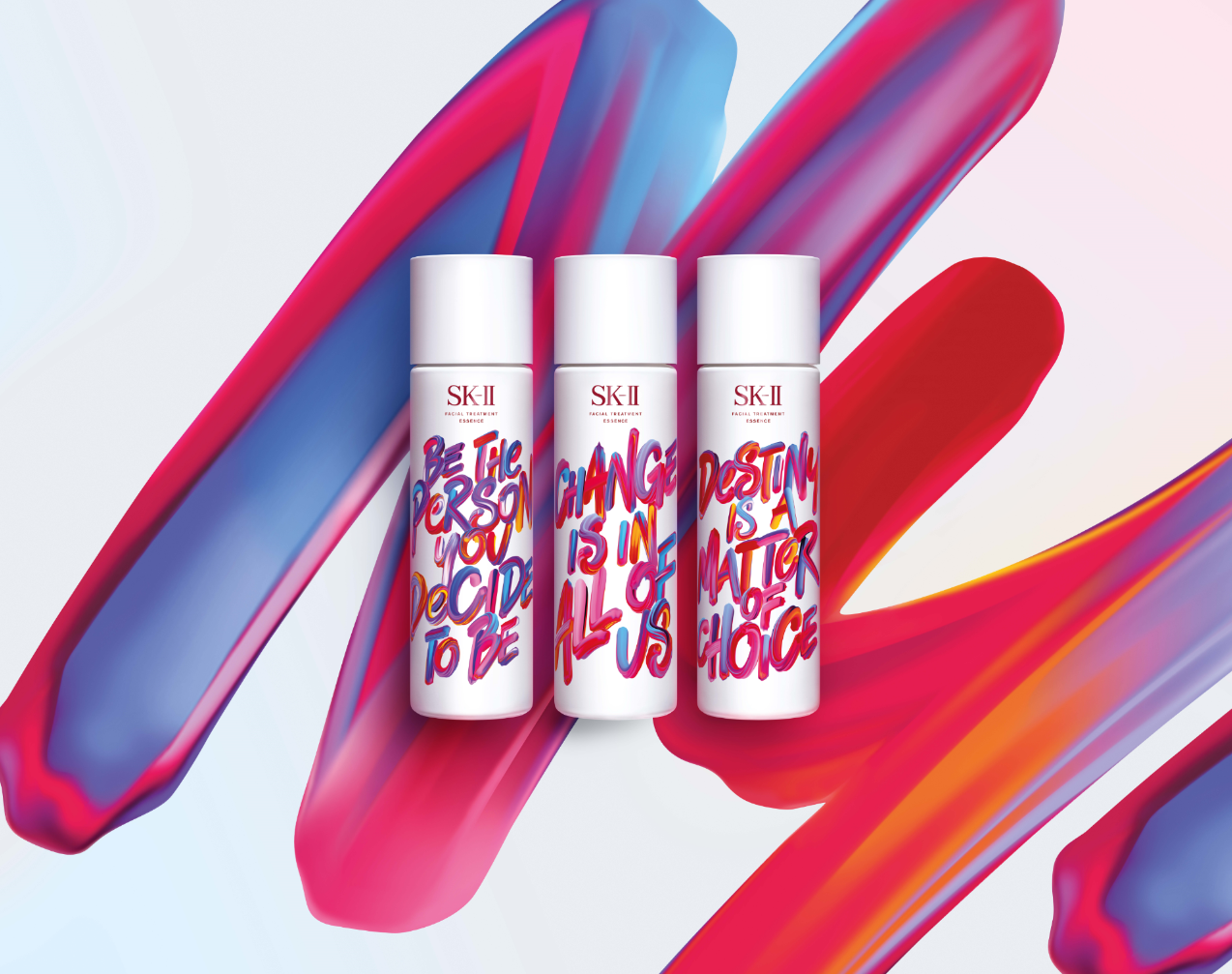
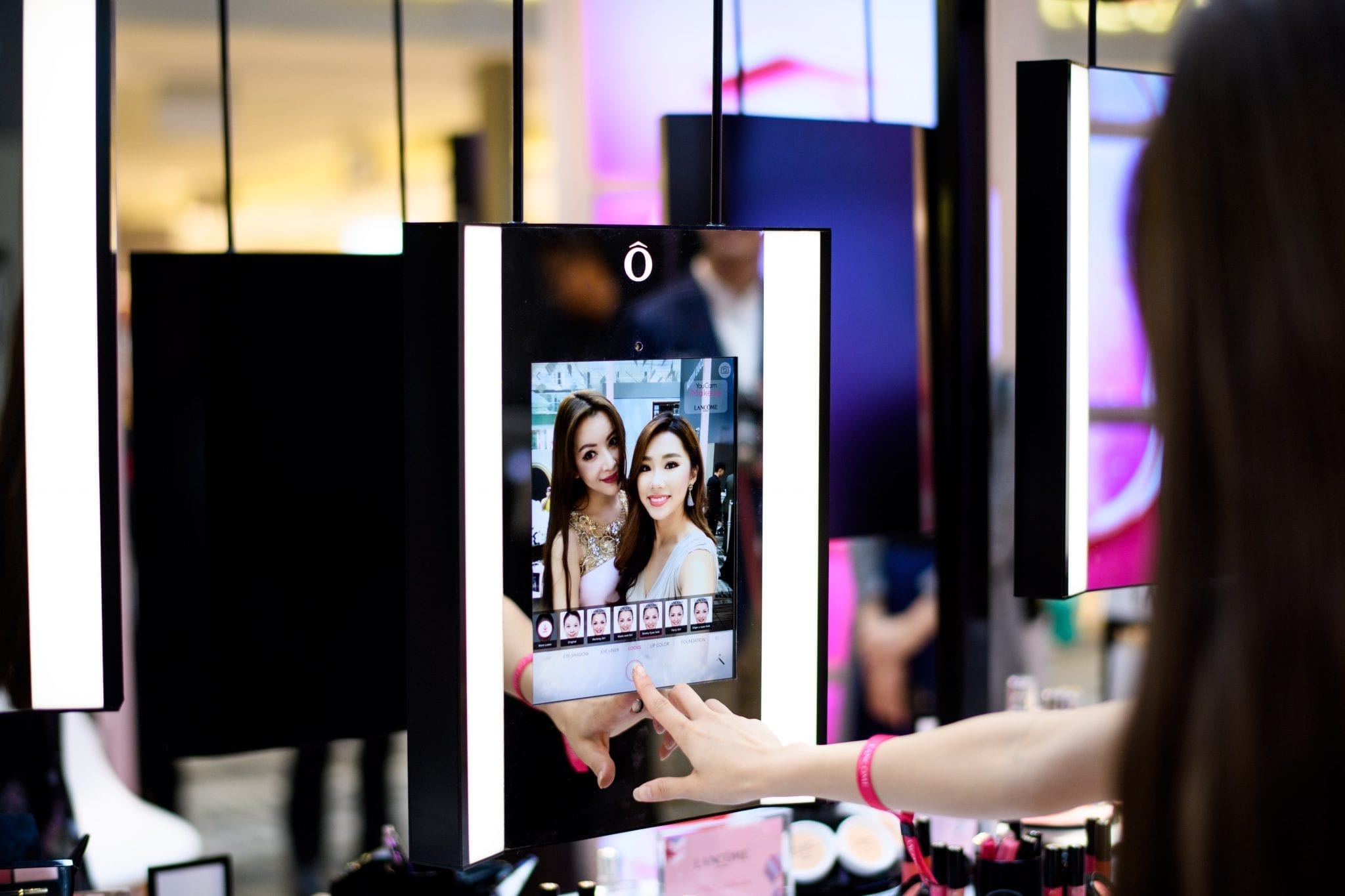
    An SK-II smart store has opened in Shanghai, an enhanced version of the global beauty brand’s technology-packed showcase which opened in Tokyo in May.

    The SK-II Future X Smart Store features facial recognition, computer vision, and AI technology augmented by the brand’s proprietary skin science and diagnostics. The store employs an algorithm that supports self-service shopping to provide consumers with a personalised and immersive experience.

    The experience begins with a large-scale digital wall that reads visitor’s facial expressions as well as head, eye and mouth movements. Each expression correlates to a different colour scheme, while eye blinks trigger energy lines to pass across the screen.

    Visitors can also explore the “Miracle Water” Lab, which offers an immersive experience of how SK-II Facial Treatment Essence works on the skin. They can also use a proprietary skin scan that performs its analysis while customers sit in a booth. An interactive skincare wall will then display a comprehensive analysis of each user’s skin condition, together with a set of tailored recommendations based on the results.

    Using a special bracelet designed in cooperation with e-commerce channel One Jingdong, consumers can purchase the products they need by just waving their wrists on a scanner, without the need for a mobile application on-site.

    The Shanghai store will also see the debut of the Facial Treatment Essence Smart Bottle, a new packaging feature that interacts with a companion app to enhance consumers’ skincare regimen at home.

    CEO Sandeep Seth said the role of retail in driving how consumers experience products in today’s post-digital world is vastly different than when the company started, especially in the rapidly evolving Chinese beauty market.

    “In shifting our focus to bring innovation to consumers around the shopping experience versus product technology, SK-II is leading the way to create a new model for how we build and evolve our relationship with our consumers in China and globally.”

  • PE Funds are interested in a jewelry company

    PE Funds are interested in a jewelry company

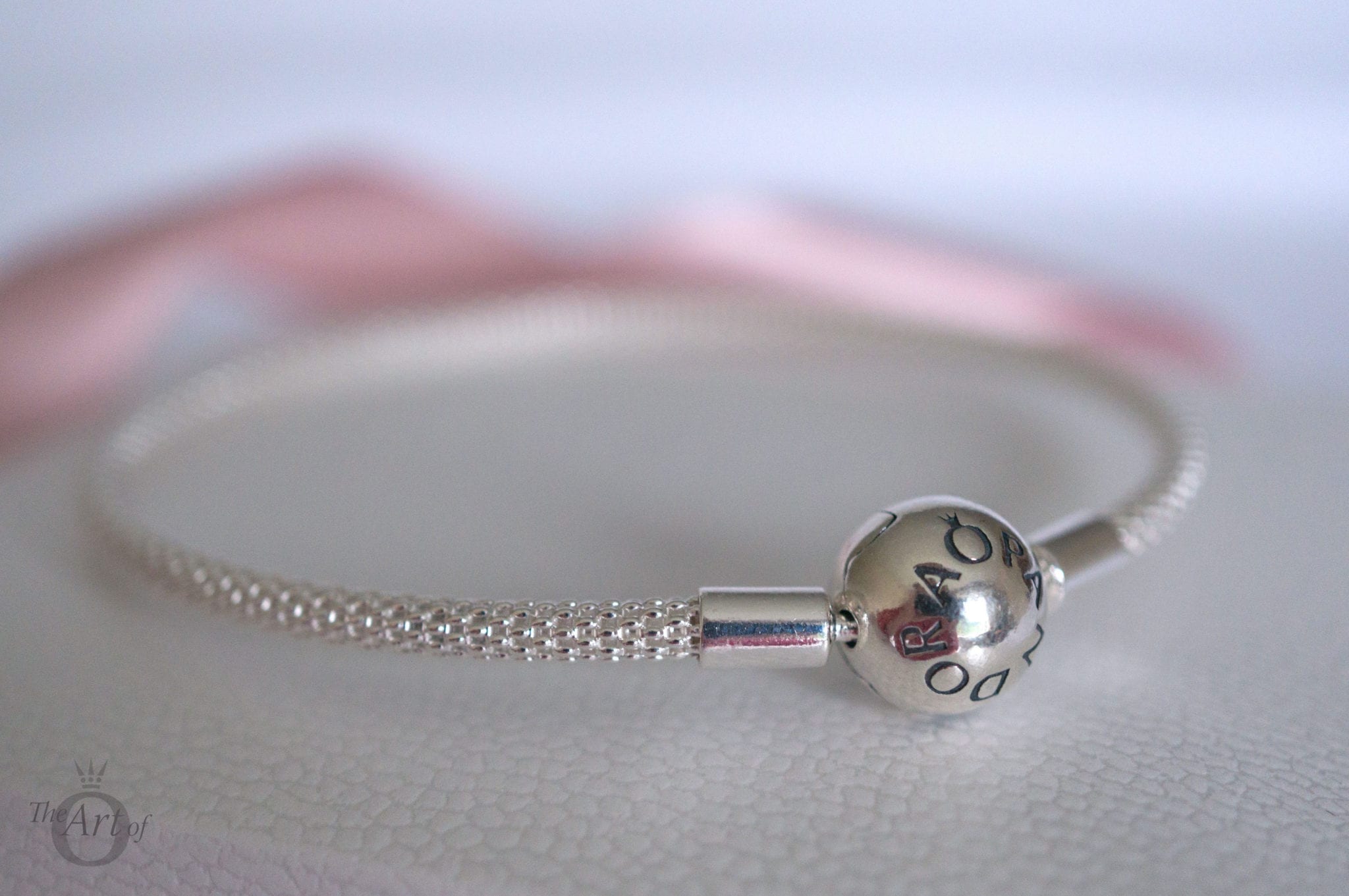
    The stock added as much as 11 percent, the most since May 2016, after Italian daily Il Sole 24 Ore said KKR and Bain Capital are among private-equity funds that could be studying a dossier on Pandora.

    Sole, which did not cite anyone for its reporting, said the jewelry maker is a “perfect target” for buyout funds.

    Before Tuesday, Pandora shares were down more than 60 percent from a May 2016 peak as the bracelet maker has battled weak retail sales in the U.S., competition from cheap imports in China and a phalanx of hedge funds betting against it.

    The market value of Pandora is now roughly $7 billion compared with a 2016 peak of $18 billion. The stock is currently trading at a price-to-earnings ratio of 8.2. That’s the lowest among a peer group of nine international jewelry companies, which have an average PE ratio of 15 (including Pandora’s), according to data compiled by Bloomberg.

    Johan Melchior, a Pandora spokesman, said he didn’t immediately have any comment, when contacted by phone.

  • Longchamp to invest in China

    Longchamp to invest in China

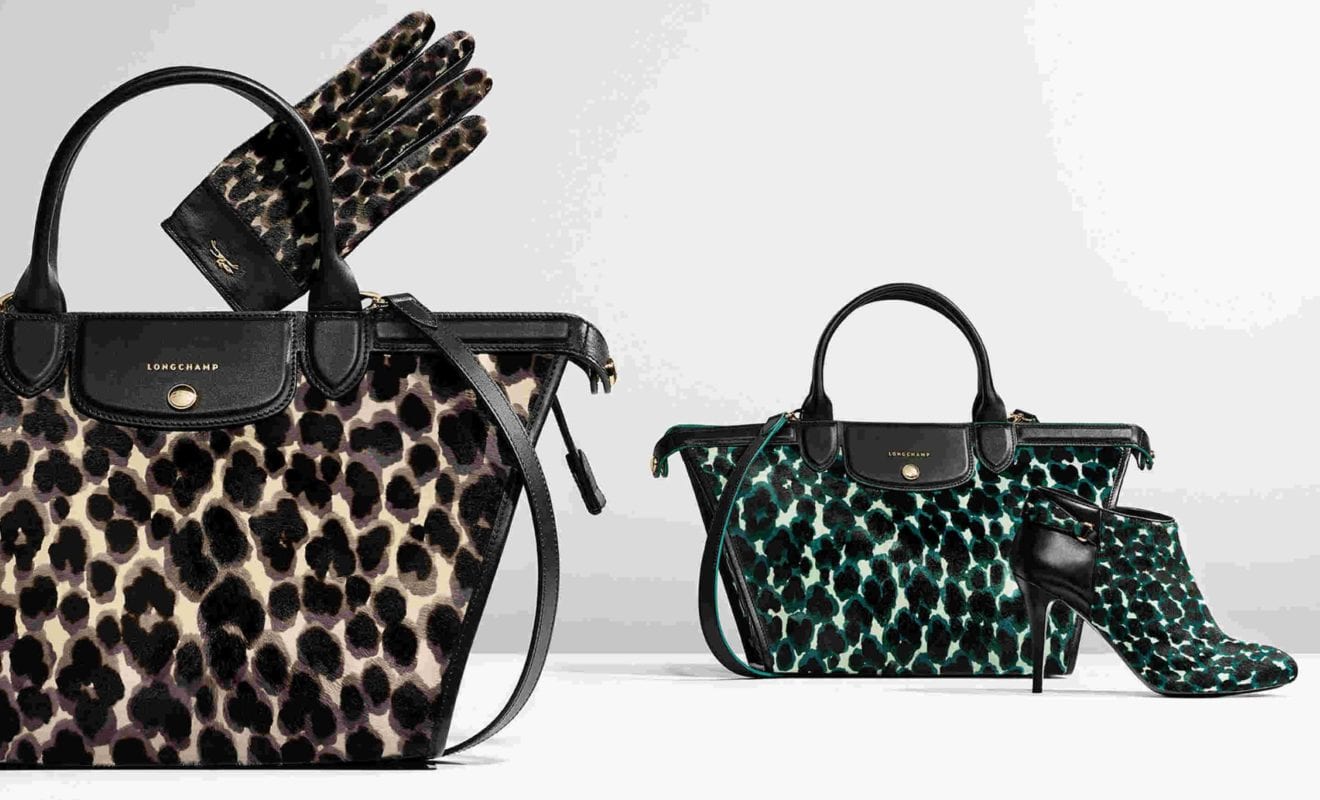
    French handbag label Longchamp sees the China and US markets as key in boosting its global sales.

    Facing sluggish traditional European markets, the company is looking to celebrity endorsements and online opportunities to drive growth, according to CEO Jean Cassegrain.

    “We’re entering a different phase of growth, it’s no longer about store openings but about improving the performance of our current network,” Cassegrain said in an interview.

    China is already Longchamp’s second biggest market, behind France, where turnover took a hit as tourist numbers dived in the wake of terror attacks on Paris in 2015.

    However Cassegrain said in the interview he expected the privately owned company would outperform the wider luxury industry by next year.

    While the firm does not traditionally reveal sales or profit data, it did report sales of US$658.11 million in 2015 and independent analysts estimate turnover remains close to that.

    Longchamp China currently sells products through Tencent’s WeChat social media platform with the brand planning its own direct e-commerce platform soon.

    In the US it plans to open several more stores within the next 12 months, but beyond that believes its global retail footprint is relatively mature.

  • Michael Kors-Versace deal confirmed

    Michael Kors-Versace deal confirmed

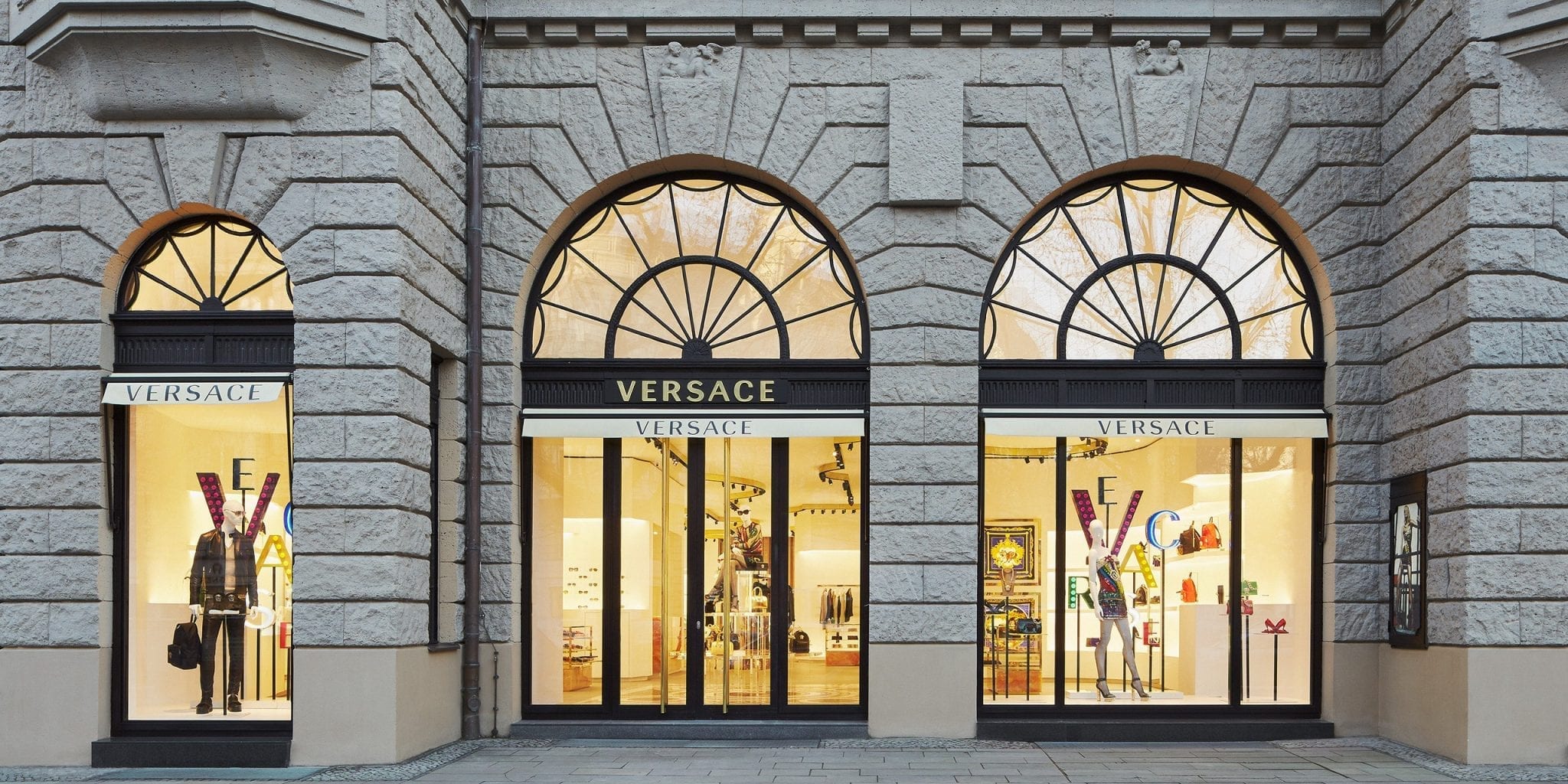
    Michael Kors Holdings LTD confirmed earlier reports that it would buy all outstanding shares from Versace for around $2.1 billion.

    It also announced the group will officially be called Capri Holdings Limited, named after the island of Capri, which the company referred to as an iconic, glamorous destination.

    The renaming of the group was expected, given that keeping its name would perhaps confuse many customers who wouldn’t be able to separate the brand from the holding company, much like Coach Inc. did when the group renamed itself as Tapestry. Donatella Versace will stay on as creative director of the house, and will also be a shareholder in the new group, along with her brother Santo and daughter Allegra. “This demonstrates our belief in the long-term success of Versace and commitment to this new global fashion luxury group,” Donatella said in a statement. Versace CEO Jonathan Akeroyd will also remain with the company.

    John D. Idol, chairman and CEO of Capri Holdings Limited, also put out a statement acknowledging the Italian brand’s history and future prospects. “We are excited to have Versace as part of our family of luxury brands, and we are committed to investing in its growth. With the full resources of our group, we believe that Versace will grow to over US$2.0 billion in revenues,” he said.

    In a move that would give Michael Kors Holdings LTD a stronger foothold in the luxury fashion space, the company, which already owns Jimmy Choo, is reportedly inking a deal to buy Gianni Versace SpA that values the Italian company at $2.35 billion. Both parties are set to announce the deal as early as this week, according to sources.

    For Kors, best known for his affordable luxury handbags and his appearance as a judge on the hit design competition show Project Runway, this buyout is a significant step towards building a larger, more efficient holding business that would rival that of French heavyweight conglomerates LVMH (who owns Louis Vuitton, Fendi and Givenchy) and Kering (Gucci, Balenciaga and Saint Laurent). While there hasn’t been a similar American conglomerate that compares in terms of scale and resources, this could perhaps be the start of a new power-playing entity stateside.

    There have even been guessing games as to what Michael Kors would rename his holding company, should he choose to do so. While Coach owner Tapestry has made moves to adopt a similar model (it has acquired Kate Spade and Stuart Weitzman in recent years), owning a European luxury fashion brand like Versace would give considerable clout and star power to an American fashion portfolio.