Category: Fashion

Retail News Asia is committed to providing both local and global retailers with the latest Fashion news throughout the Asian market. This on a daily base.

  • Men more into beauty products online than women in Vietnam

    Men more into beauty products online than women in Vietnam

    The survey, conducted by Ho Chi Minh City-based market research firm DecisionLab, found that in the preceding three months, 58 percent of the male respondents said they had purchased beauty products online, compared to 49 percent of women.

    The survey polled more than 1,900 people.

    More men also bought clothing, footwear, cooking ingredients, mobile phones, home appliances and long distance travel packages online last year.

    The research also found variation across categories depending on where the pre-shopping research was conducted.

    Online research was mostly done for big ticket items like mobile phones, home appliances, hotel stays, cinema tickets, travel, insurance and beauty products.

    For non-durables like food and beverages, people chose to shop offline.

    In the use of mobile devices to shop online, Facebook was the most popular gateway in Vietnam, especially for clothes and beauty products, the survey found.

    The World Bank has forecast that Vietnam’s $200-billion economy is likely to grow to a trillion dollars by 2035.

    More than half of its population, compared to only 11 percent today, is expected to join the ranks of the global middle class with consumption of $15 a day or more.

    Across the country, the ratio of people using smartphones among mobile phone subscribers reached 84 percent in 2017, up from 78 percent the previous year, according to the 2017 Nielsen Vietnam Smartphone Insights Report.

    Online sales in Vietnam have expanded rapidly in recent years, currently accounting for 3.39 percent of the country’s retail market. The total retail market grew 10.9 percent last year to $173.27 billion, local media reports said.

  • Remo Ruffini invests in a brand founded by influencers

    Remo Ruffini invests in a brand founded by influencers

    A new generation of Italian fashion talents has earned a stamp of approval from a titan of the industry.

    Archive, an investment vehicle controlled by Moncler chairman and chief executive Remo Ruffini’s Ruffini Partecipazioni Holding, announced on Monday that it has taken a 49 percent stake in Attico, a fashion brand founded by Milan’s Gilda Ambrosio and Giorgia Tordini less than three years ago.

    The founders were already internationally known among fashion insiders for their street style and social media presence when they launched the opulent, vintage-inspired dresses in robes in February 2016, and that exposure helped catapult Attico into more than 140 stockists by the following year. Both former freelance designers and consultants, Ambrosio and Tordini together now count more than 630,000 followers on Instagram in addition to another 217,000 followers on Attico’s account.

    Attico is sold at Bergdorf Goodman, Net-a-Porter, Moda Operandi and Matches Fashion, among other global retailers, and has expanded into footwear, handbags and jewellery. Celebrities including Margot Robbie, Michelle Williams and Naomi Campbell have all worn their designs and prices range from $250 for a drawstring pouch to over $4,000 for a python printed leather coat.

    “The deal — to be considered a mere financial investment — is in line with Archive diversification strategy whose mission is to invest in the ready-to-wear as well as in the food and beverage and hospitality business,” said a representative for Archive in a statement.

    Ambrosio and Tordini said in 2017 that they had major ambitions for their growing label. “What we would love is to create a world that we started narrating with clothing and accessories and adding furniture, books and eventually make a platform that’s going to contain all these objects and you can navigate around the world of Attico,” said Tordini.

    With a new influx of cash from Archive, the founders have a chance to realise those ambitions.

  • H&M invests $20M in payments firm Klarna

    H&M invests $20M in payments firm Klarna

    Fast-fashion retailer H&M has taken an investment stake of less than 1% in Swedish fintech company Klarna for $20 million, reported the Financial Times reported. Beginning next year, Klarna will provide both in-store and online payment services for H&M, beginning with 14 European countries, including the U.K. and Sweden, according to a press release. The partnership could expand into the U.S. and Asia.

    By integrating payments across H&M’s channels, the goal is to provide customers “a seamless, personalized and engaging shopping experience,” the press release said. The new capabilities will involve frictionless mobile, in-store and online payments and will simplify deliveries and returns. It will also allow shoppers to determine when and how they pay, including try-before-you-buy services.

    The next generation of the H&M app and H&M Club loyalty and payment program will include these new features, the companies said.

    Facing a declining stock price and following a 10-quarter same-store sales slump, H&M has been moving aggressively throughout 2018 to bolster technology and merchandising. In March the company reported declining profits because of “weak sales development as well as higher markdowns,” but CEO Karl-Johan Persson predicted 25% sales growth for the rest of the year. The company has refocused on e-commerce and refined its merchandising mix and store count, even closing stores so as to expand on Alibaba’s Tmall.

    The company is using big data and artificial intelligence to customize the assortments in individual stores. H&M wants to reduce markdowns by using algorithms to analyze store receipts, returns and loyalty-card data, and is testing the technology in a Stockholm store. In August, it announced the roll-out of a new e-commerce site and mobile app, equipped with visual search capabilities specifically for the U.S. market. H&M is testing voice interactive mirrors at its New York City flagship store, which offer selfies, style advice and discounts via QR codes.

    The retailer is also investing in its supply chain by making it faster, more flexible and efficient through the use of proximity sourcing and automated warehouses. H&M plans to bring RFID to 1,800 stores in 2019. Earlier this year, it announced the launch of a new brand called Nyden aimed at Millennials and their increasing rejection of fast fashion. This follows the introduction last year of stores with a broader range of apparel for men, women and children branded as Arket. These stores also include home goods and some have cafes.

    H&M is investing in advanced technology that spans its online and offline channels, products and support services such as payments. Now it has invested in Klarna, which is known for a technology that allows customers to arrange for financing at the point of sale. For H&M, the retailer hopes the partnership will smooth out and streamline its payments options, delivery and return processes.

    “We want to make it possible for customers to move freely between the various channels and choose how they want to shop and experience our offering online and in-store,” H&M Head of Business Development Daniel Claesson said in the release. “This partnership will bring tailor-made payment solutions to our customers and accommodate evolving shopping patterns and needs.”

  • A’pieu opens first store in Thailand

    A’pieu opens first store in Thailand

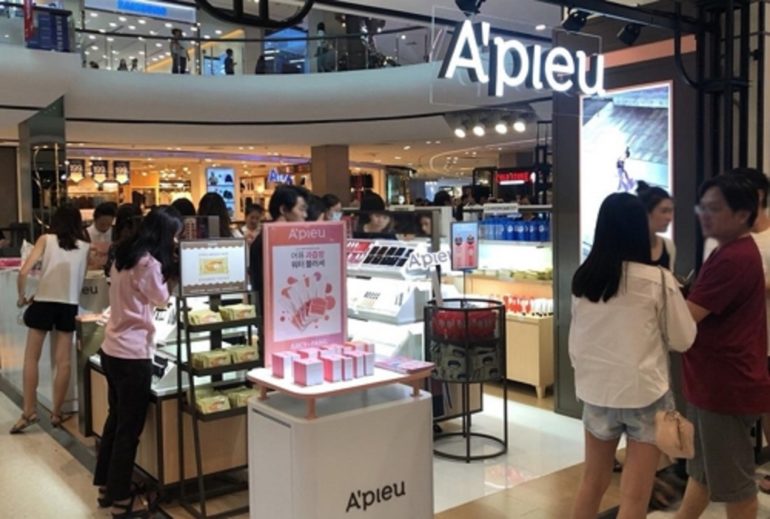
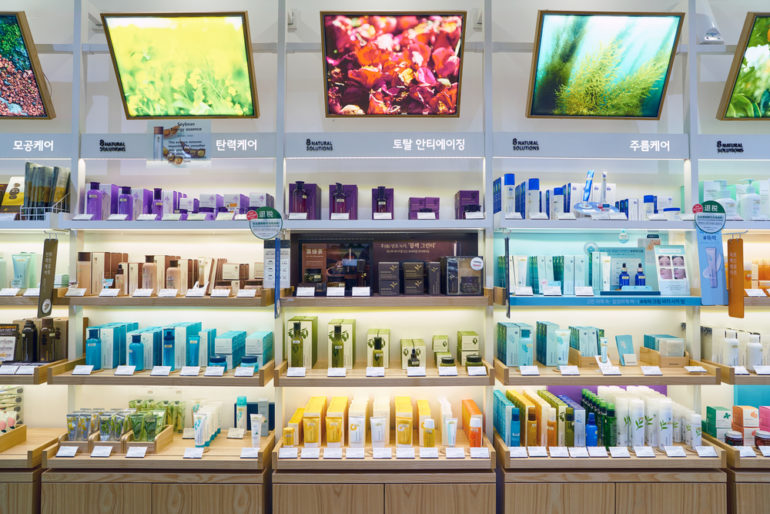
    A’pieu, a cosmetics label owned by South Korea’s Able C&C, opened its first store in Thailand last month and will speed up its plan to open more stores in the country.

    Its first stand-alone store, opened on September 29, is housed at Central Plaza Pinklao, a shopping mall located in Noi District in Bangkok and one of the most sought-after places by young visitors as it hosts many famous fashion brands, restaurants, and a cinema.

    A’pieu plans to open three more independent stores in the country by next month. It is also scheduled to open another store at Siam Square, the largest shopping and entertainment area in Bangkok, in January 2019.

    Its products are also available at five outlets of Eve and Boy, a local drugstore chain selling premium cosmetics labels such as Estee Lauder and Clinique. The Korean beauty brand plans to provide its products to total 12 Eve and Boy outlets across the nation by the end of this month.

    “We have put forward the opening schedules of A’pieu stores in Thailand as its products have drawn better-than-expected responses from Thai customers after the soft-launching event,” said an official from Able C&C. “We will take the label available at more health and beauty stores in Thailand and open more independent outlets.”

    Outbound shipments of Korean cosmetics products to the 10-member Association of Southeast Asian Nations market reached US$406 million in 2016, up 31.6 percent from the previous year, according to a report by the Korea Trade-Investment Promotion Agency.

    Thailand’s cosmetics market is the largest among them and has posted an annual growth rate of 8 percent in recent years, the company said, citing data from market researcher Euromonitor International.

    The size of the Thai beauty market was estimated at around $2.6 billion in 2016 and is expected to top $3 billion this year, it added.

  • Small Chinese cities in China are the future for luxury

    Small Chinese cities in China are the future for luxury

    In China, luxury goods are no longer exclusively for well-heeled city folk. In fact, the future of brands like Louis Vuitton, Chanel, Gucci and Prada may lie in smaller cities like northern China’s Hohhot, which is 10 hours by rail to the capital of Beijing and has a population of three million.

    More than half of all luxury consumers in China live outside the top 15 cities, in so-called second- and third-tier cities and other less developed ones, according to a report jointly released last week by Boston Consulting Group and Chinese internet giant Tencent.

    Luxury goods, more often associated with sophisticated city dwellers, have become commodities to be bought by the aspirational classes and strivers from the boondocks.

    Such a fragmentation was made possible after brands digitised the marketing and purchasing process, and as Chinese consumers increasingly obtained information about luxury goods online, especially via smartphones. Mobile apps and content take up more than half the online attention of luxury buyers, through engagement by social media accounts of key opinion leaders and the brands themselves, and via apps, advertisements and third party e-commerce platforms, the report shows.

    However, 58 per cent of consumers still prefer the old-fashioned way of buying in bricks-and-mortar stores after doing the research online, and around half choose to make their purchases while travelling overseas.

    “The battle for luxury consumers will shift swiftly from offline to online, and in five years, we will enter the age of Luxury Digitisation 2.0 where online and offline [marketing and sales] will knit together closely,” BCG partner Wang Jiaqian said in a statement.

    In tier-three and lower-tier cities that do not have physical luxury stores, buyers are twice as likely to make purchases online as those in the top 15 cities, but nearly 80 per cent of them said they would not mind making the trip to a physical store to shop.

    Chinese consumers have been the key target for global luxury brands for their deep pockets and the sheer size of the country’s market. China’s personal luxury goods market, worth €105 billion (US$122 billion) in 2017, is expanding at 6 per cent annually, and is expected to reach €162 billion in 2024, according to the report. By then, 70 per cent of all new growth in the world’s luxury market will be driven by China, which will account for 40 per cent of the global market.

    Chinese luxury goods buyers are mostly young and well educated – and 70 per cent are female. The average age among both genders is 28 years, and two out of three are aged 18 to 30 with a bachelor’s degree or above, the report found.

    Chinese e-commerce platforms account for half of the country’s online luxury purchases, driven by the launch of Luxury Pavilion by Alibaba Group Holding’s Tmall and Top Life by JD.com.

    However, social commerce – a new form of e-commerce that incorporates social interactions among consumers via social media such as Tencent Holdings’ WeChat – is also on the rise and currently accounts for 11 per cent of all luxury online purchase.

    The concept of social commerce has exploded in popularity over the past two years, especially among young consumers. The new model gamifies shopping so that the more friends you share the deal with, the deeper the discount. It also involves creating a platform where users share photos and videos, write posts and tag items in their pictures that link to e-commerce listings.

    The pervasive use of smartphones among mainland China’s population is a key factor enabling social commerce. Research firm eMarketer forecasts that the total number of smartphone-based online shoppers in the country will reach 443.3 million this year, making up more than three quarters of China’s online retail sales.

    The BCG/Tencent report was based on data collected from 1.8 million Chinese luxury consumers identified by BCG and Tencent, as well as a poll of 2,620 consumers who bought luxury goods in the past 12 months.

  • Bearpaw Continues Ongoing Partnership With Wing’s Foot Korea, Inc.

    Bearpaw Continues Ongoing Partnership With Wing’s Foot Korea, Inc.

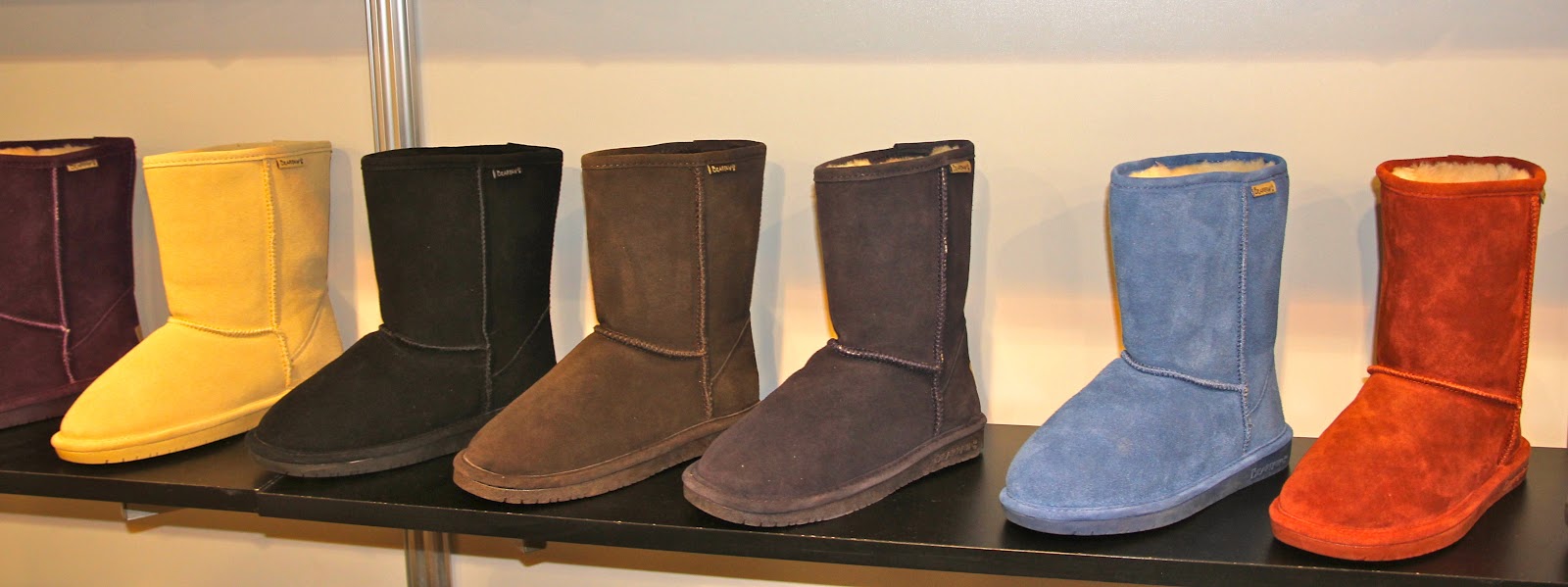
    In representing the Bearpaw brand to the consumers of South Korea and Japan, Wing’s Foot has introduced an extensive line of footwear and an assortment of apparel and outerwear to the region.

    Bearpaw’s VP of international sales Kevin McDonald said Bearpaw is extremely grateful for its partnership with Wing’s Foot as it has been a great fit for their brand and has given Bearpaw the ability to reach new and expanding markets, therefore cultivating continued growth and success.

    Bearpaw president John Pierce said Wing’s Foot has been its exclusive distributor to the Korean market for several years now, and the company is pleased to extend the partnership.

    “Bearpaw will continue to increase the company’s efforts with our existing partners across several locations outside of the US.”

    Bearpaw products are now available throughout the US and in more than 45 countries throughout the world.

  • Shanghai Disney Resort opens out-of-town store in Suzhou

    Shanghai Disney Resort opens out-of-town store in Suzhou

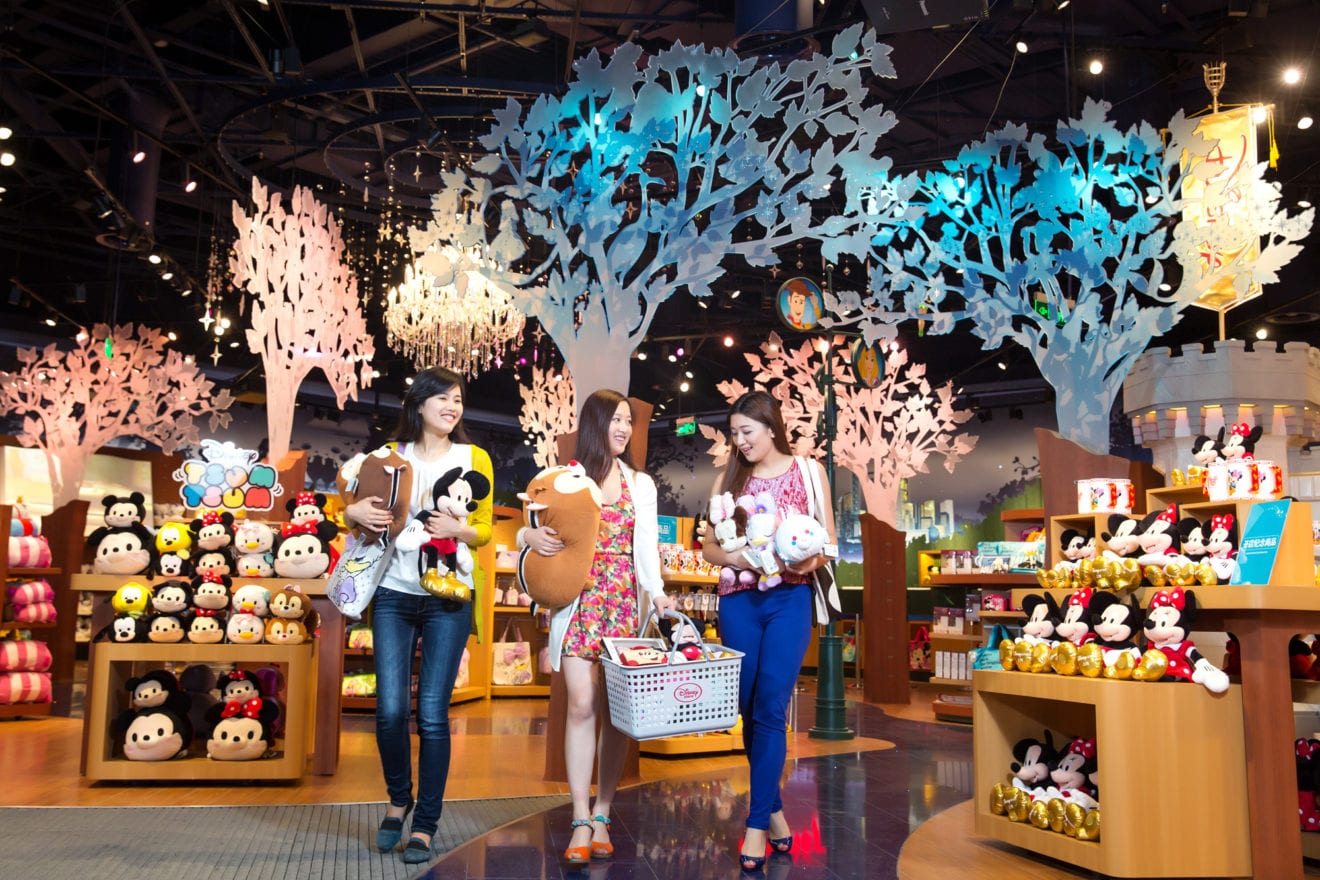
    Shanghai Disney Resort has opened its first retail store outside of Shanghai in nearby Suzhou.

    The Suzhou Village Shanghai Disney Resort Store offers more than 500 items of merchandise (some of it exclusive to the Shanghai location), immersive ambience and entertainment, with a focus on extending the brand’s current market.

    The Suzhou store is the third Disney Resort location outside of the main resort premises.

    Shanghai Disney Resort comprises a Disneyland theme park and two themed hotels, as well as a Disneytown dining and retail district and Wishing Star Park recreation area.

  • Sneakersnstuff reveals expansion plan in Asia

    Sneakersnstuff reveals expansion plan in Asia

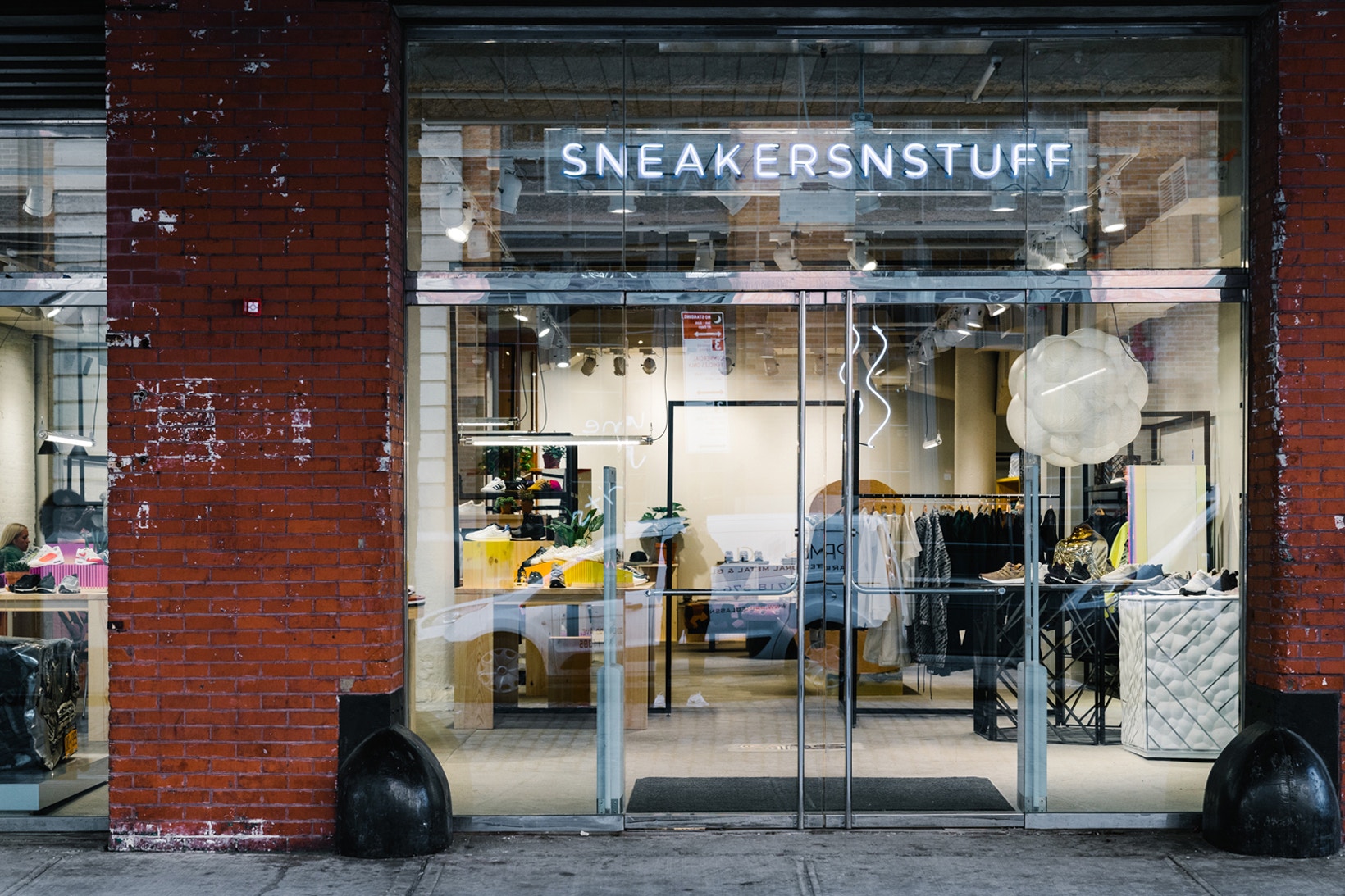
    Swedish boutique athletic footwear retailer Sneakersnstuff has announced plans for an Asian expansion.

    According to co-founder Erik Fagerlind, the brand is targeting a presence in Seoul and Tokyo next year, after opening in Los Angeles late this year. The move is designed to smooth out options for further expansion in the region.

    “It’s easier for us to open another store in Europe than another store in the US because we already have that machinery in place,” said Fagerlind. “So our focus is to build the machinery in Asia so we can open up stores.”

    Sneakersnstuff has stores in Stockholm, London, Paris, Berlin and New York City.

  • Strong growth for LVMH Moet Hennessy Louis Vuitton

    Strong growth for LVMH Moet Hennessy Louis Vuitton

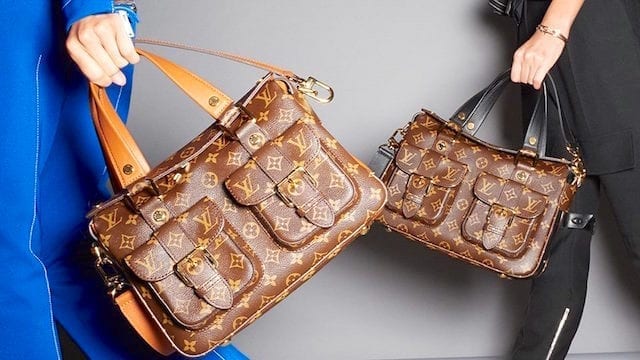
    LVMH Moet Hennessy Louis Vuitton boosted revenues by 10 per cent to €33.1 billion in the first nine months of this year.

    Organic sales grew 11 per cent compared to the same period last year and by 13 per cent after excluding the impact of the closed DFS concessions at Hong Kong International Airport at the end of the year. Every geographic market performed well, the company said. Third quarter revenue was up 10 per cent.

    The wines & spirits business group recorded organic revenue growth of 7 per cent during the first nine months, with Champagne volumes stable and Hennessy cognac volumes increased by 4 per cent, led by the US and Chinese markets.

    The fashion & leather goods business group achieved organic revenue growth of 14 per cent and 20 per cent reported, with the flagship Louis Vuitton brand the standout performer.

    “Ready-to-wear and shoes, in particular, experienced strong momentum with an excellent reception of the last two fashion shows of womenswear and menswear,” the company said in a statement.  “A new communication for Louis Vuitton perfumes was unveiled, marking the launch of the brand’s latest perfume creation. Christian Dior, consolidated since the second half of last year, enjoyed an excellent performance.

    Celine made progress and began a new chapter in its history with the first runway show of Hedi Slimane, which was a great success and created enormous resonance. Fendi and Loro Piana continued to grow. The other brands continued to strengthen,” the company said.

    LVMH Moet Hennessy Louis Vuitton’s perfumes & cosmetics business group recorded organic revenue growth of 14 per cent, driven in particular by the performance of its star brands Christian Dior, Guerlain and Givenchy.

    The watches & jewellery business group achieved organic revenue growth of 14 per cent, with Bulgari delivering “an excellent performance and gaining market share”.

    The selective retailing business group achieved organic revenue growth of 8 per cent in the first nine months of 2018, and 14 per cent excluding the airport concession closures in Hong Kong.

    Sephora’s organic revenue growth was strong, particularly in North America and Asia. The expansion and renovation of its distribution network is continuing with a new store concept in China and the first Sephora-branded store in Russia.

    “DFS performed well, especially in Hong Kong and Macao. The recent openings of T Galleria in Cambodia and Italy progressed well.”

    The company said that in an “uncertain geopolitical and monetary context, LVMH will continue to be vigilant” in the months ahead.

  • Nike’s new House of Innovation in Shanghai

    Nike’s new House of Innovation in Shanghai

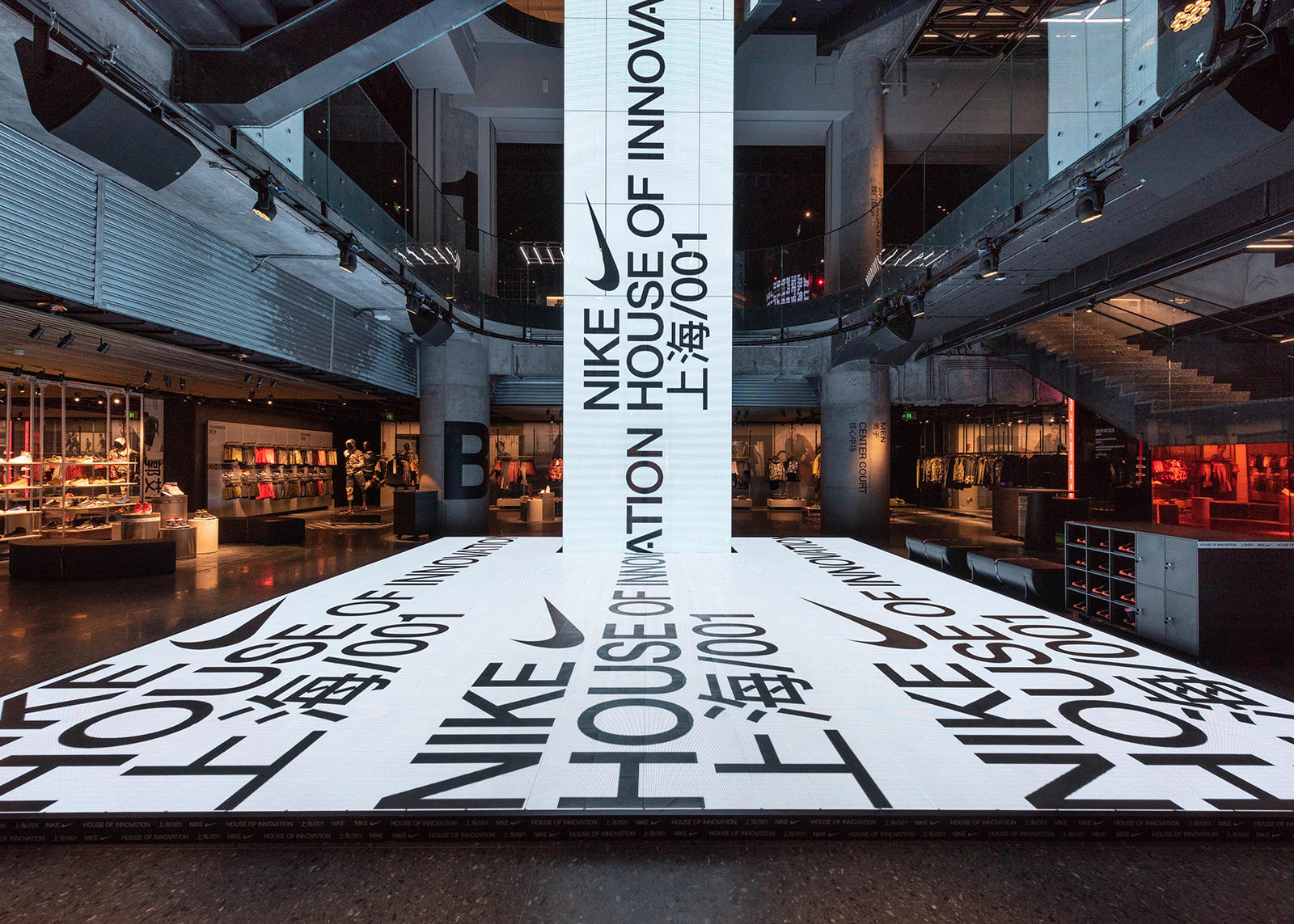
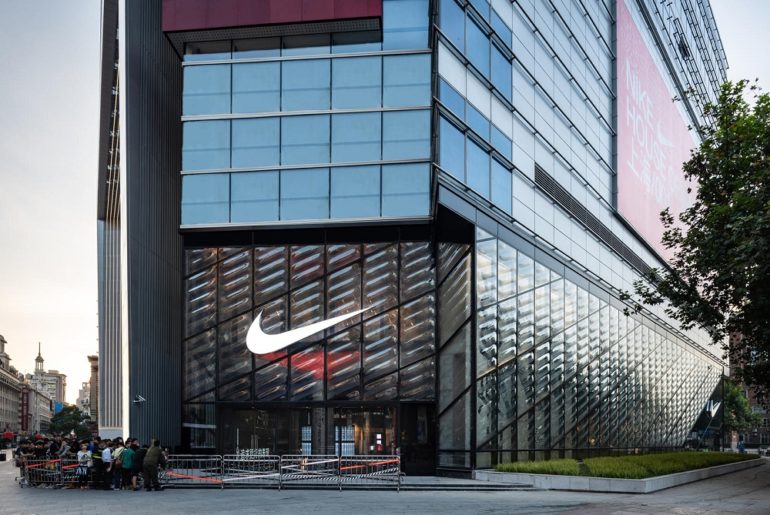
    Nike unveiled its first “House of Innovation”, located in Shanghai.

    The new store concept celebrates the brand’s innovations with rotating art installations, workshops, lectures and digitally-led trialing sessions. It also offers visitors exclusive products and collectibles that can’t be found anywhere else.

    On its website, Nike defined the retail space as “cross-category”, “consumer-focused” and “hyper-local”.

    Located in the Nanjing East Road shopping district, the store occupies four floors, spanning over more than 41,000 square feet.

    Access to the Nike Expert Studio, located on the top floor, is restricted to members of the brand’s membership club, NikePlus. There, they have access to even more exclusive items, personalized product picks and private sessions with athletes. NikePlus members can also have one-on-one sessions with a designer to customize select shoes by adding dip-dye, embroidery and other embellishments.

    The sportswear giant intends to launch several Houses of Innovation around the world, with a second store opening planned for New York City this fall. The company did not disclose where future shops will be located.

  • Fung partners with French fashion label Ikks

    Fung partners with French fashion label Ikks

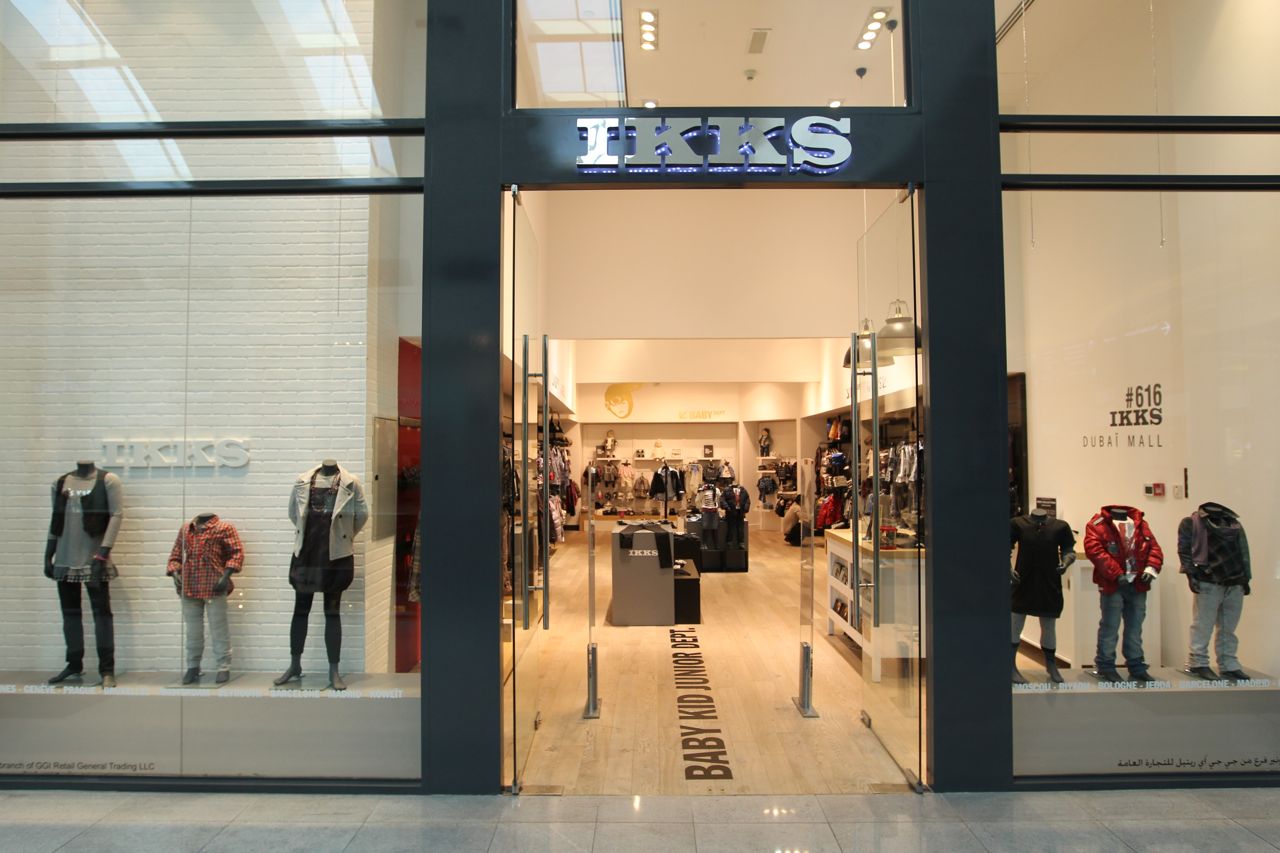
    French fashion label Ikks has launched in Mainland China after forming a partnership with Fung Kids.

    Four stores have been opened in Shanghai and Beijing focusing on the brand’s new childrenswear line, with more planned on both the mainland and in Hong Kong in advance of a wider Asian expansion.

    Ikks Group has 3600 outlets in 45 countries and reportedly plans to open 50 Ikks Paris Junior stores across China within the next four years.

    Childrenswear is a new category for Ikks, founded in 1987, which has previously specialised in womens fashion. The new range was launched last month, after being developed with the help of Fung Group.

    Ikks Group CEO Pierre-Andre Cauche said he hopes the Fung JV will help the brand expand its awareness in greater China.

    “Developing children’s clothing in China is a long-term project. We are certain that Chinese parents will appreciate the brand’s disruptive positioning which – it should be remembered – was the first label 30 years ago to have re-imagined kids fashion to copy the adult wardrobe,” he said.

  • Richemont in Talks to Buy Buccellati from Chinese Owner

    Richemont in Talks to Buy Buccellati from Chinese Owner

    Swiss luxury holding firm Richemont is in talks to acquire jewellery manufacturer Buccellati from Chinese holding company Gansu Gangtai.

    The Chinese company took an 85 per cent shareholding in the Italian company a year ago for US$226 million, but the brand has performed poorly during the first half of this year. Gansu Gangtai’s initial plans to invest further in the brand have been scuttled by new restrictions in Chinese foreign investment and reported management difficulties.

    The company is currently valued at $313 million under the proposed deal, in which a Qatari investor, Mayhoola, has also expressed interest.

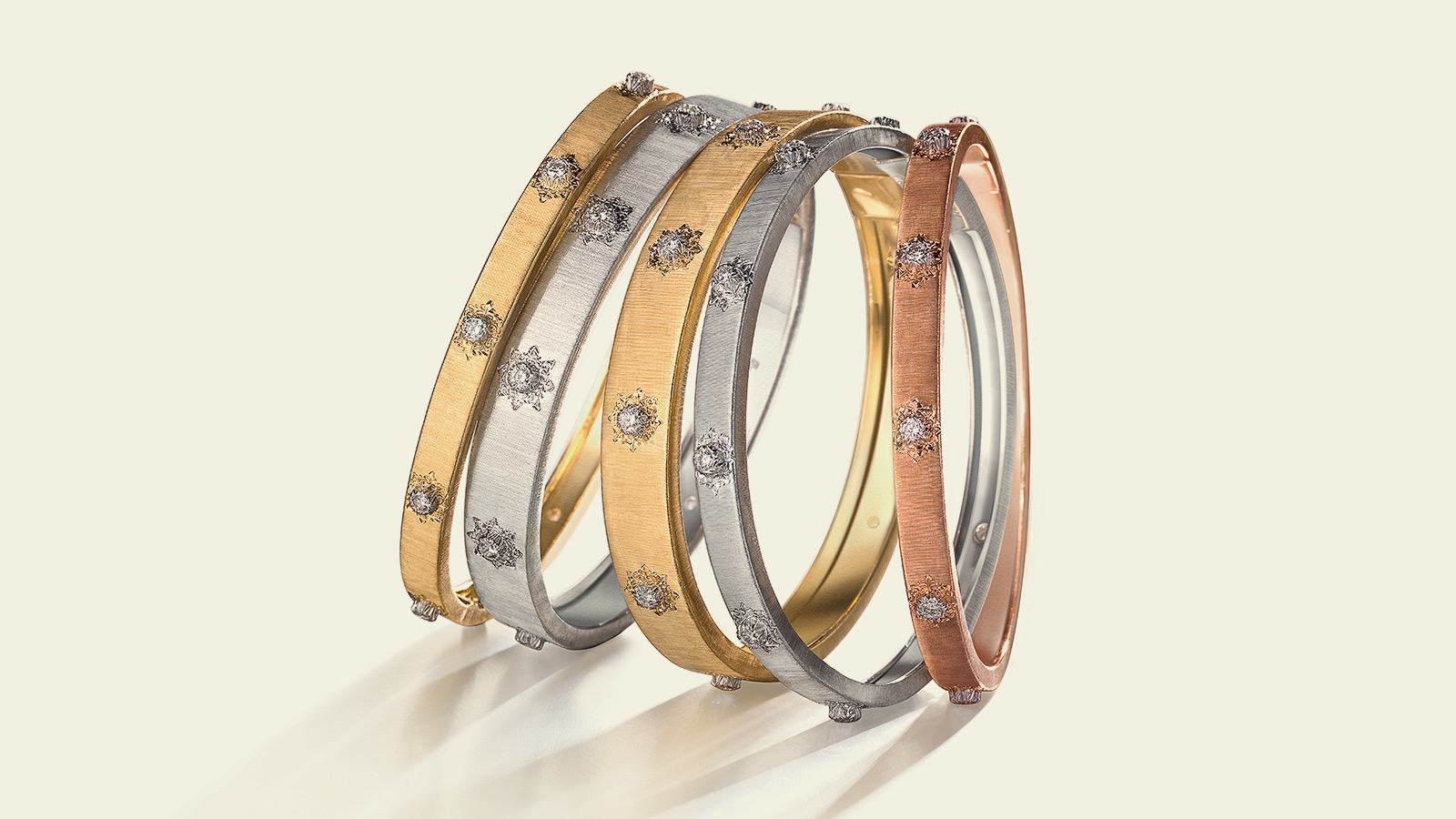
    Buccellati turns 100 next year and is known for its ornate, lush jewellery designs and bejewelled, golden iPad covers.

    It operates physical stores in Shanghai and Beijing, as well as retailing online on JD.com.

  • Ted Baker Asia sales free falls

    Ted Baker Asia sales free falls

    Ted Baker Asia sales slipped in the 28 weeks to August as the UK brand trimmed its store network in Hong kong and Mainland China.

    According to its latest results filing, Ted Baker Asia sales fell 1.8 per cent in real terms, however in constant currency they rose 1.8 per cent, to £11.2 million.

    Sales per square foot excluding e-commerce sales decreased 4.4 per cent.

    “We continue to refine and develop our strategy for success in Asia,” said chairman David Bernstein.

    In China, Ted Baker closed one store, one concession and one outlet store. It closed another store in Hong Kong.

    But Bernstein said the company’s e-commerce concession businesses in China and Japan performed well with sales of £1.7 million (up by £600,000 compared with last year) which expressed as a percentage of total Ted Baker Asia retail sales came to 15.2 per cent.

    In Asia, Ted Baker licensees opened new stores in India, Malaysia, Singapore and Taiwan during the period.

    Globally, Ted Baker retail sales, including e-commerce, rose 1.1 per cent to £220.1million. Group revenue, including licensing, rose 3.5 per cent to £306 million.

    “Ted Baker has continued to develop and expand as a global lifestyle brand across its markets and distribution channels despite challenging external trading conditions,” said founder and CEO Ray Kelvin. “This continued growth is testament to the strength of the Ted Baker brand, the design and quality of our collections as well as the dedication and talent of our teams.

    “Whilst we believe that the second half of the year will remain challenging due to external factors, we are well positioned to continue Ted Baker’s long-term development. Our flexible business model ensures that our customer has multiple channels to engage with Ted Baker and our global e-commerce business continues to expand, supported by our digital marketing strategy and unique stores that showcase the brand.”

  • Dr. Martens maker sues online retailer Yoox over lookalike boots

    Dr. Martens maker sues online retailer Yoox over lookalike boots

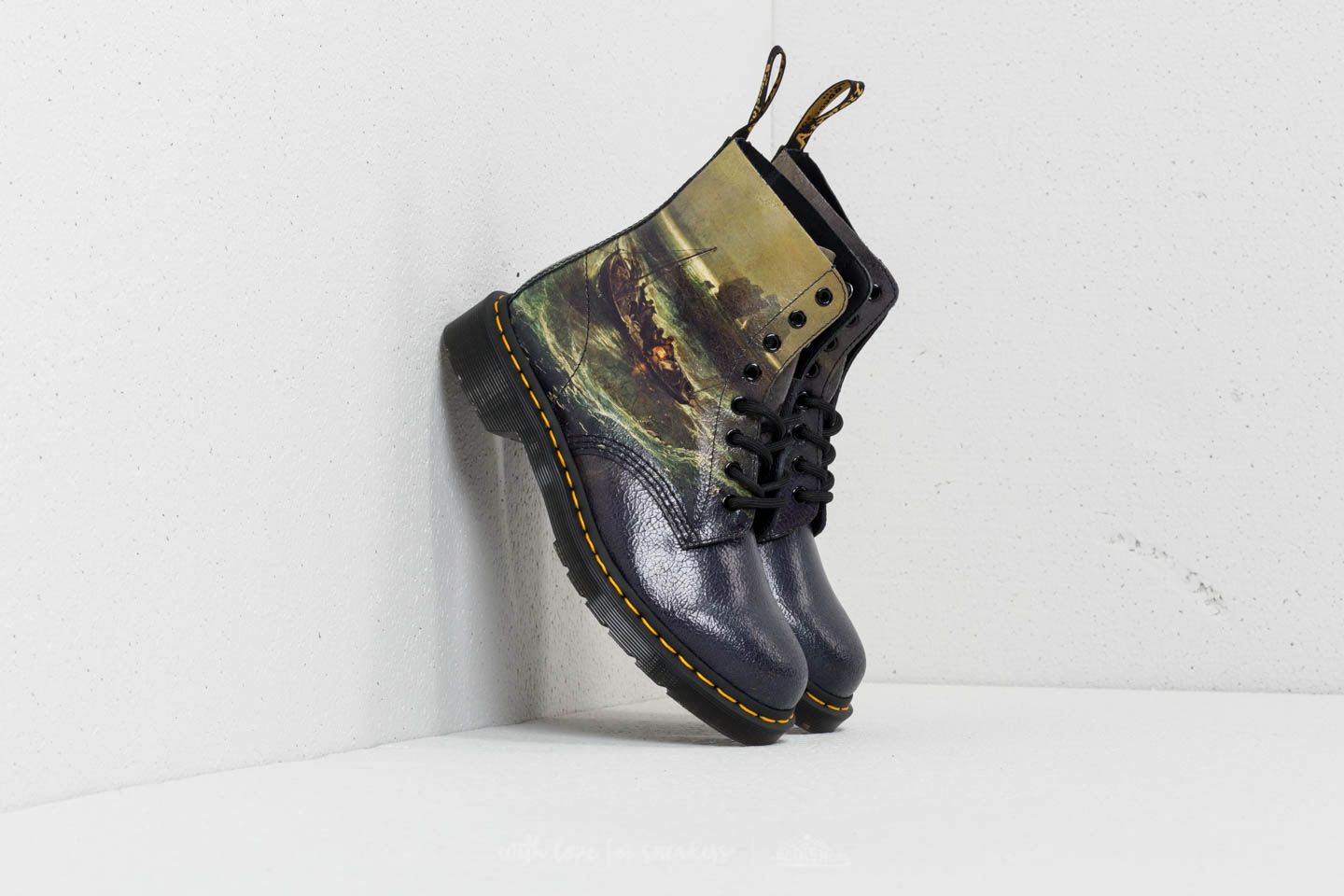
    Airwair International Ltd, the company that makes Dr. Martens, is suing Yoox-Net-A-Porter Group for selling shoes that, it claims, look too much like its iconic lace-up boots.

    The lawsuit, filed in federal court in San Francisco, alleges trademark infringement, trademark dilution and unfair competition which first reported the story.

    Dr. Martens is reportedly calling for a preliminary injunction against the online retailer.

    This isn’t the first time the British brand has sued a competitor for ripping off its designs.

    In 2017, Airwair International slapped US-based shoe brand Steve Madden with a lawsuit for trademark infringement, claiming that it unlawfully copied Dr. Martens’ two tone grooved sole edge, DMS undersole and heel loop.

    In 2013, the company sued US-based shoe brand Chinese Laundry, citing similar trademark infringements.

  • Zara Opens Its First Concept Fashion Store in Shanghai

    Zara Opens Its First Concept Fashion Store in Shanghai

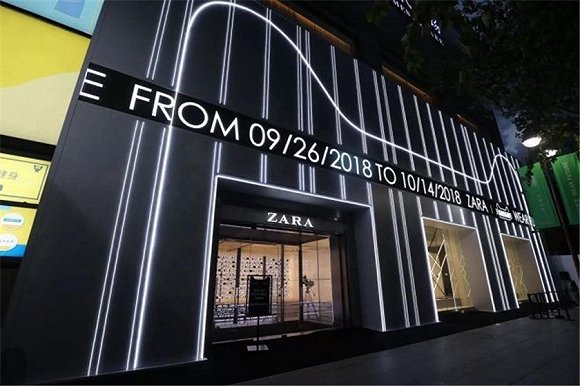
    Fast-fashion retailer Inditex has opened its first Zara China concept store, in Shanghai’s CBD.

    The store features digital services provided in collaboration with Alibaba’s Tmall platform to allow customers to buy limited-edition items via their mobile phone. Visitors can scan product barcodes to signal an attendant to bring clothes to a fitting room, and then make a digital payment if they decide to purchase.

    Following lacklustre earnings last year, Zara is refocusing on digitisation, O2O services and social influencers to reach its target demographic.

    Zara China was launched in 2006 and now operates more than 180 stores. China is home to Inditex’s second largest retail network after its home territory of Spain.