Category: Fashion

Retail News Asia is committed to providing both local and global retailers with the latest Fashion news throughout the Asian market. This on a daily base.

  • Myntra announces the arrival of the 4th edition of ‘Myntra Beauty Edit’

    Myntra announces the arrival of the 4th edition of ‘Myntra Beauty Edit’

    Myntra is hosting the 4th edition of ‘Myntra Beauty Edit’, the most awaited carnival for cosmetics and beauty products online, from September 4-5. The fourth edition of the two-day mega festival is being complemented with over 30 new brand launches on Myntra’s platform.

    The theme for the current edition of Myntra Beauty Edit is #NeverEnough, which is in line with the common notion of beauty and personal care products never being enough for men or women. The festival offers the perfect opportunity for all to pamper themselves by shopping for such products, at great offers. With over 15000 assortments and styles and irresistible offers on over top 280 brands,

    Miss Claire, Nova, Dermalogica, Juicy Chemistry, Ciate London, GK Hair, Swiss Image, Mauboussin, Faconnnable, Jeanne en Provence, Nissan and Dr. Scheller, are some of the international brands being launched during the event. Shoppers can avail deals that change every four hours during the festival period and will also receive beauty coupons on every purchase.

    Myntra has also launched a 30 second film to promote the festival. The melodic ad showcases a range of beauty products across makeup, skincare, hair care and men’s grooming, accentuating the various options available for all to look special.

    In the video, viewers witness characters trying out various beauty and grooming options to suit their tastes and preferences, while also revealing the irresistible offers, new brand launches and style options during the two day carnival. The film captures the essence of the core message in a very lively and exciting fashion.

  • Uniqlo to open new store in Bali

    Uniqlo to open new store in Bali

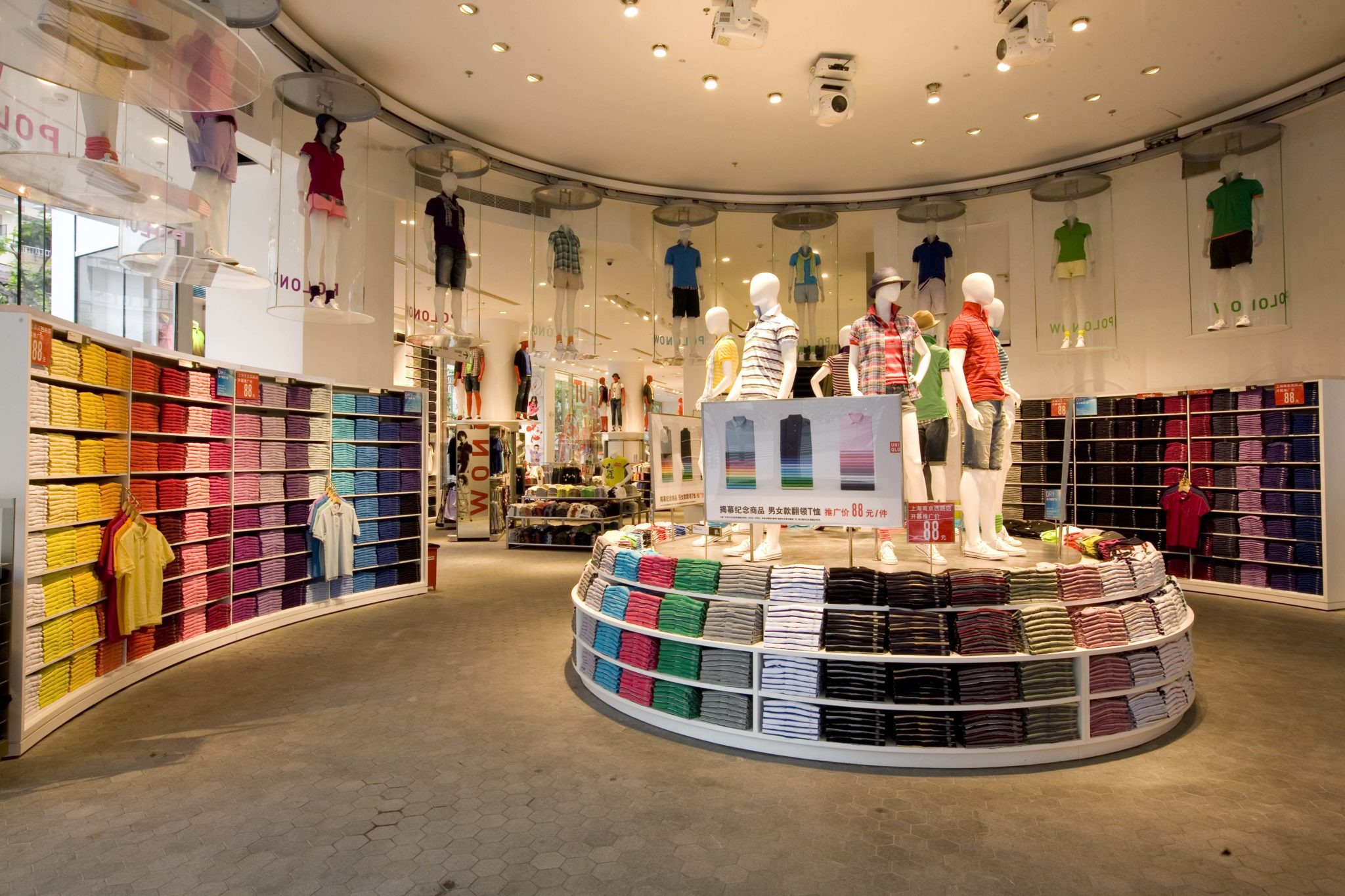
    Japanese apparel retailer Uniqlo has announced plans to open its first store in Bali this year.

    The new store will be located at Mal Bali Galeria in the heart of Kuta city centre on Bali island. It will feature a total sales area of nearly 2000sqm.

    Satoshi Hatase, Uniqlo’s CEO for SEA and Oceania said: “Since entering Southeast Asia and Oceania in 2009 and Indonesia in 2013, Uniqlo has been growing together with local communities around the region, and receiving a warm welcome with our LifeWear products.

    “We are now thrilled to have the opportunity to introduce our brand to Bali, one of the world’s favourite holiday destinations and well known for its relaxed and casual lifestyle.”

    Uniqlo Indonesia currently has 18 stores, located in Jakarta and five other major cities.

  • Uniqlo to open in Vietnam next year

    Uniqlo to open in Vietnam next year

    Uniqlo Vietnam will launch next year.

    The Japanese fast-fashion brand says it will open its first store in Ho Chi Minh City in the second quarter of next year, with the exact location to be advised later.

    The Uniqlo Vietnam launch announcement follows successful debuts in the fast-growing market by archrivals H&M from Sweden and Spanish-headquartered Zara during the last two years.

    “Our entry into Vietnam is an exciting milestone for everyone at Uniqlo,” said Tadashi Yanai, chairman, president and CEO of Uniqlo’s parent Fast Retailing.

    “The Southeast Asia region has been an important driver of growth for us, and we are pleased and optimistic about our opportunity to be a part of such an exciting economy and retail market,” he said

    Uniqlo will begin recruiting local talent soon in preparation for the opening of its first store.

    Uniqlo Vietnam will be a joint venture 75 per cent owned by its Singapore subsidiary and 25 per cent by Mitsubishi Corporation, with no local shareholding.

    With the first Uniqlo Vietnam store located in Ho Chi Minh City, the company says it will focus on establishing its presence and brand awareness there before considering other cities.

  • Asia boosts Calvin Klein sales growth

    Asia boosts Calvin Klein sales growth

    Global apparel company PVH Corp has reported an increase in revenues boosted by performance in Asia and Europe.

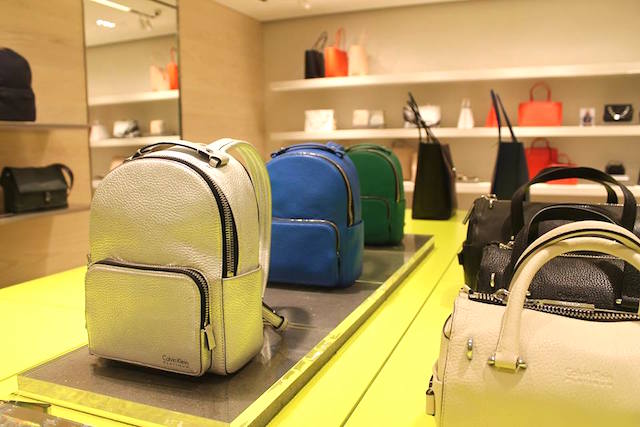
    Revenue for the first six months of this year increased 15 per cent to US$4.6 billion compared to the prior year period. The revenue rise was largely due to a global 18 per cent increase in business for its Calvin Klein and Tommy Hilfiger brands, with the Calvin Klein brand delivering its strongest performance in Asia and Europe.

    Earnings before interest and taxes for the first six months of the year increased to $476 million. The firm’s total gross profits for the period were $2.588 billion, up from $2.288 billion last year. Net income attributable to the firm was $344.6 million over $190.1 million last year.

    Chairman and CEO Emanuel Chirico said: “Our better-than-expected second quarter revenue and earnings reflected continued broad-based strength across our businesses and further underscored the momentum in our global designer lifestyle brands, Calvin Klein and Tommy Hilfiger, and the power of our diversified business model.
    “We are increasing our revenue and earnings guidance for the year, while continuing to take a prudent approach to planning our business in the second half of the year, as we experience increasing macroeconomic and geopolitical volatility around the world.”

  • TUMI pop-up store opens at Pacific Place, Hong Kong

    TUMI pop-up store opens at Pacific Place, Hong Kong

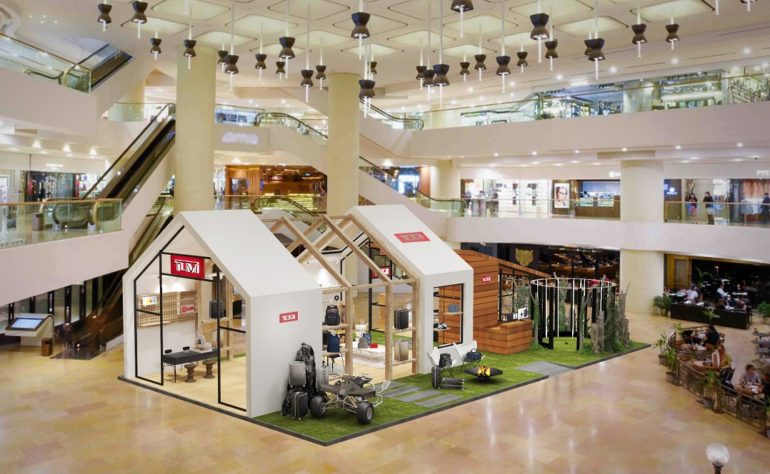
    TUMI unveils the ‘TUMI Scandinavian Lodge’ in the Garden Court of Pacific Place, Hong Kong.

    The pop-up celebrates the brand’s Fall 2018 collection inspired by the Scandinavian landscapes.

    The Scandinavian Lodge welcomed celebrities and fashionistas including Alex Fong, Gaile Lok, Kathy Yuen, Kelvin Kwan, Tsang Lok Tung, Janet Ma, Kayla Wong, Irisa Wong, Huang Xiao Chao, Sean Lee-Davies, Ingrid and Thierry Mandonnaud, Antonia Cruz, Pearl Shek, Sarah Zhuang etc., with an opening celebration on 31 August. Guests had the chance to immerse themselves in the world of the Fall 2018 collection through an innovative and interactive Scandinavian journey.

    A serene retreat amidst the busy city at the Garden Court in Pacific Place, the ‘TUMI Scandinavian Lodge’ showcases not only the latest travel, men and women collections, but also different interactive and tech-driven experiences for guests to explore TUMI’s renowned designs with a Scandinavian-inspired journey.

    The lodge highlights the first-ever personalized fashion ‘My Avatar’ experience to the city, where guests can create their own customized avatars and enjoy a virtual adventure all over the world without setting foot on a plane.

    TUMI lovers can discover more augmented reality (AR) surprises by downloading the interactive TUMI Club App.

    TUMI’s pop-up will be open till September 12.

  • Pandora China soon to be in one roof

    Pandora China soon to be in one roof

    Pandora in China is about to be united under one business.

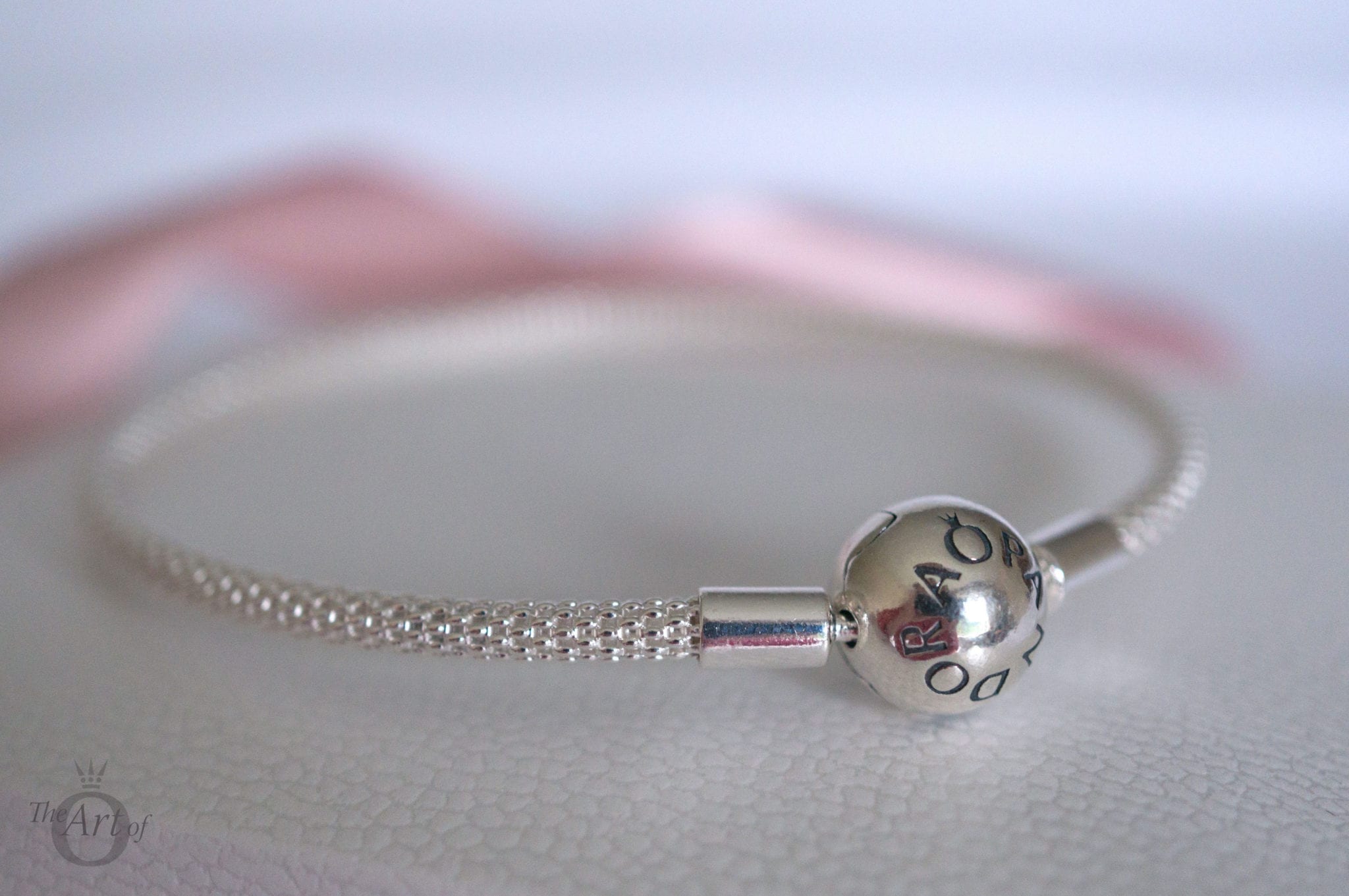
    The Danish contemporary jewellery manufacturer is moving to increase control of its brand by acquiring its Taiwanese store network from controlling distributor Carrera Corporation as of January 2019.

    The deal will give Pandora in China complete ownership of its distribution and retailing activities, including the mainland, Hong Kong and Macau. It is part of Pandora’s strategy to increase its owner-operated retail footprint in important markets.

    Along with the agreement, Pandora will be adding five concept stores and 14 shop-in-shops to its retail network. Some 100 store staff will transfer to Pandora.

    President of Asia Pacific in Pandora Kenneth Madsen said that for many years, Taiwan has been an important market for the company.

    “Pandora is a leader in the jewellery segment among Taiwanese consumers and we see attractive expansion opportunities. Having complete ownership in greater China will support our growth and development strategy in the entire Asia-Pacific region.”

    Pandora will pay about HKD120 million (US$15.3 million) in cash for the assets. Carrera’s distribution rights were set to expire on January 1, 2019.

  • Amazon India christens assisted shopping service as ‘Amazon Easy’

    Amazon India christens assisted shopping service as ‘Amazon Easy’

    E-Commerce giant Amazon said its over 14,000 assisted online shopping service points, internally code-named ‘Project Udaan’ till now,will be branded as ’Amazon Easy’ by the middle of 2019, a senior company official said.

    “Starting withover 200 stores across the Krishna, West Godavari, East Godavari, Warangal, Nalgonda and Guntur districts in Andhra Pradesh and Telangana, Amazon Easy will be rolled out nationally acrossover 14,000 existing stores by the middle of next year,” Krishna Thota, Director – Customer Experience and Marketing, Amazon India was quoted by PTI as saying.

    According to a PTI report: Amazon.in appoints associates across logistics and retail startups like kirana stores, medical stores and mobile shopping outlets and small business and provides them a PC-based website. The store owners are trained to help customers find and buy products of their choice, while earning a commission in the process, he explained.

    The India-specific innovation is aimed at enabling customers in smaller markets to get access to the convenience of online shopping, Thota said.

    “Amazon Easy will play a significant role in enabling the next 100 million customers in India to enjoy shopping on Amazon.in starting with this upcoming festive season,” he was further quoted by PTI as saying.

    Amazon.in kicked off the assisted shopping project, code-named Project Udaan as a pilot in 2015 and has since expanded to 14,000+ stores in 21 states with large network partners like Storeking, Vakrangee to smaller partners like Linq, Indiabuys as well as individual entrepreneurs,a press release from Amazon India said.

    Amazon.in equips these offline stores with training materials that include skills like searching, browsing, and navigation on Amazon.in, helping customers set up Amazon accounts, check outs, payments, answering status and delivery queries, and refunds and returns if required. Customers can walk into the neighbourhood Amazon Easy store for assistance while shopping on Amazon.in. Amazon Easy store owners help customers browse the selection, identify and select a product they like, create their Amazon accounts, place orders and checkout to buy.

  • Tiffany’s new strategy boosts sales in Asia-Pacific

    Tiffany’s new strategy boosts sales in Asia-Pacific

    An expanding Asian store network has helped New York jeweller Tiffany & Co achieve strong sales increases in the first half of this year.

    Tiffany sales in Asia-Pacific soared 28 per cent in the second quarter, to US$301 million and by the same rate in the first half, to $629 million.

    The company says same-store sales rose by 13 per cent in the first half.

    Management attributed the sales growth across greater China and most other Asian markets largely to higher spending by local customers and, to a lesser extent, spending by foreign tourists.

    In Japan, net sales increased 11 per cent to $155 million in the second quarter and 14 per cent to $305 million in the first half, with comparable sales rising 9 per cent and 12 per cent, respectively, mainly due to locals increasing their spending.

    CEO Alessandro Bogliolo said the company is still in the early stages of addressing its six key strategic priorities, and is pleased with initial customer reactions to its new communication, product and in-store initiatives.

    “We are pleased with our sales and earnings growth and the strength and breadth of the results in the first half of this year, but it is worth noting that strategic investment spending is increasing for the remainder of the year, as expected, which is intended to support longer-term sustainable growth.”

    Global results

    Globally, higher earnings in both periods resulted from broad-based growth in worldwide sales, increases in gross margin and lower effective tax rates, partly offset by higher investment spending. Worldwide second-quarter net sales rose 12 per cent to $1.1 billion, with comparable sales rising 8 per cent. Net earnings rose 26 per cent to $145 million.

    Worldwide first-half net sales increased 13 per cent to $2.1 billion, due to geographically broad-based growth and increases in all product categories; comparable sales increased 9 per cent. Net earnings increased 38 per cent to $287 million.

    The company is about to embark on its recently announced multi-year remodeling of the New York City flagship building.

    “We believe that the thoughtful combination of making short- and long-range strategic investments is necessary to achieve the full growth potential of this legendary brand,” said Bogliolo

    Tiffany sales in Asia-Pacific were partly boosted by rebounding spending on jewellery and luxury goods by Chinese mainland visitors to Hong Kong.

  • Samsonite Asia sales experiences positive growth

    Samsonite Asia sales experiences positive growth

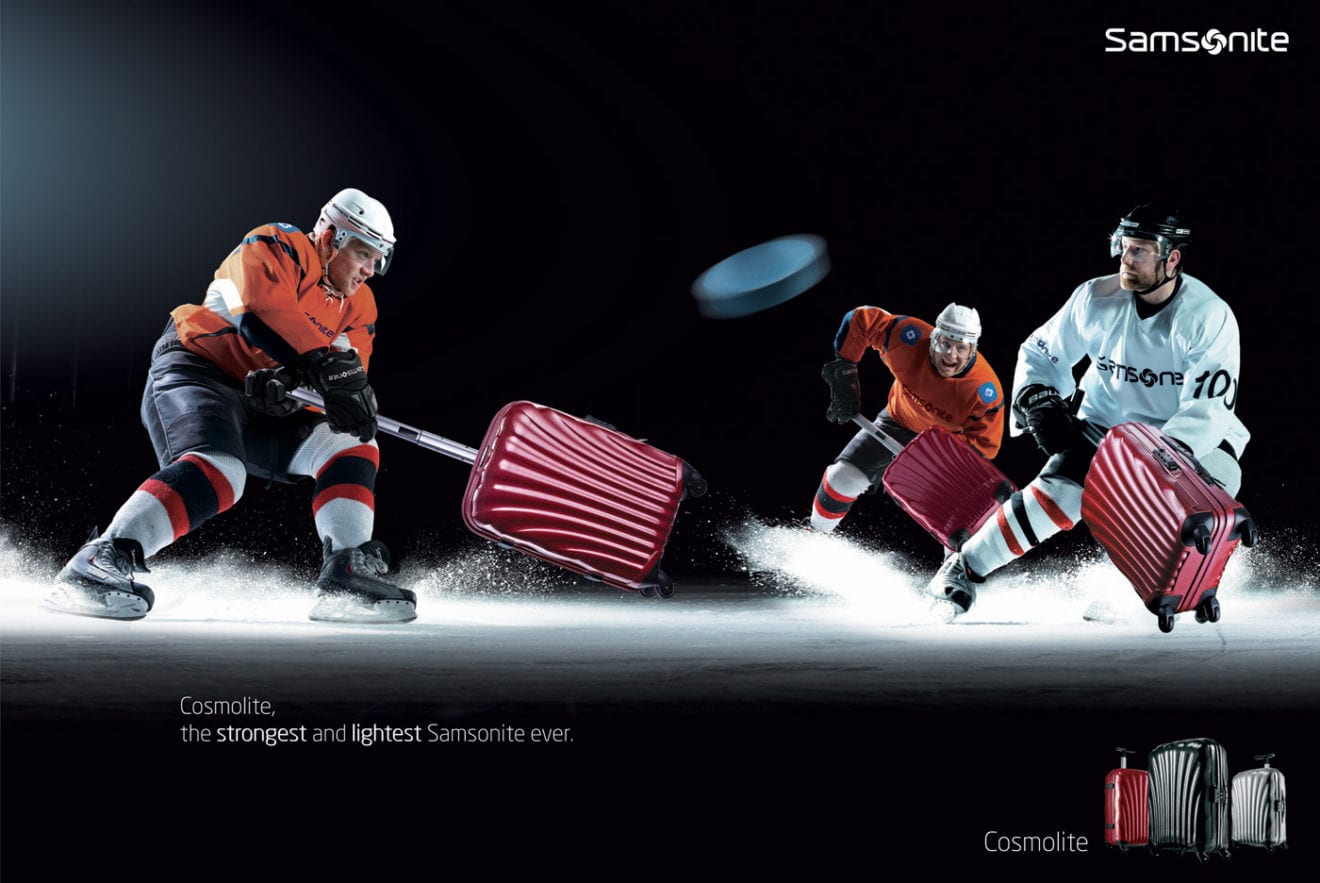
    Strong performances throughout Asia helped Samsonite International lift sales by 12.9 per cent in the first half of this year, to US$1.849 billion.

    Samsonite Asia sales across the group’s entire brand portfolio grew 14.4 per cent year on year, behind Latin America’s 17 per cent, but ahead of Europe’s 11.4 per cent.

    Tumi sales rose 16.6 per cent, with Asia the fastest-growing market where sales rose 39.4 per cent. American Tourister sales rose 24.2 per cent.

    Globally, Samsonite’s namesake brand achieved a stunning 50 per cent increase.

    Chairman Tim Parker said the first half of 2018 saw generally better trading conditions and more favourable foreign currency effects globally, which helped the group achieve what was another new record in total sales.

    In Asia, net sales of the American Tourister brand rose by 17.7 per cent during the first half, largely driven by the Cristiano Ronaldo marketing campaign, while the group’s value-conscious, entry-level Kamiliant brand achieved the fastest growth of all of its brands, up 57.5 per cent.

    In Hong Kong, where the company is listed, net sales increased by 28.3 per cent, driven by net sales of the Tumi brand (which included sales to Tumi distributors in some other Asian markets) and by the Samsonite and American Tourister brands. Those brands also drove an 11 per cent increase in sales in Mainland China.

    Sales in Japan, driven by Tumi, American Tourister and Samsonite, grew 18.5 per cent. India was up 17.8 per cent, South Korea by 2 per cent and Australia by 8.7 per cent.

    Group operating profit grew by 24.5 per cent year on year to $201.8 million and adjusted net income by 19.5 per cent to $119.8 million.

    Parker concluded: “This solid performance is not only a testament to the resilience of our multi-brand, multi-category and multi-channel business model and our devolved management structure, it is above all a reflection of the strength of our people. Our business enjoys strong team management at the top, but we also rely on a community of managers around the world and in different functions to ensure prompt and effective execution in response to changes in the marketplace. This collective effort by the experienced people within our company remains one of the keys to our success.”

  • Runway-inspired Michael Kors store opened in Malaysia

    Runway-inspired Michael Kors store opened in Malaysia

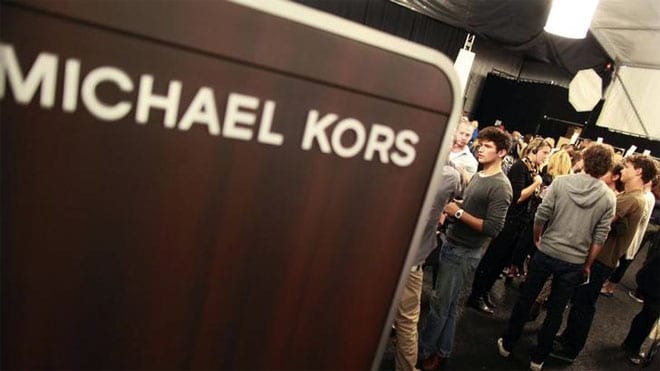
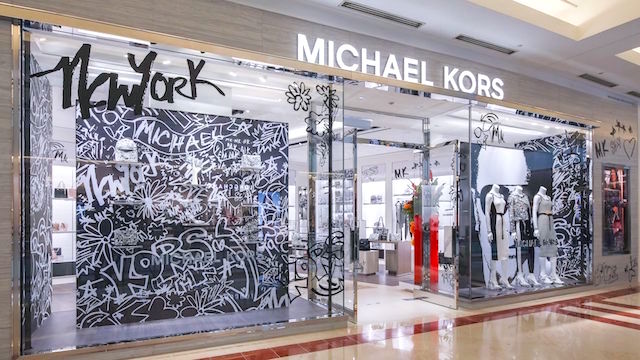
    Michael Kors Malaysia is opening a runway-inspired store at Suria KLCC.

    The launch is part of the US fashion label’s Runway 2020 strategy intended to modernise its business, which also includes the introduction of e-commerce and wearable technologies to the label. Designer Michael Kors’ strategy was announced last year and will involve an overhaul of stores worldwide.

    Michael Kors GM Kelly Lee said the store is designed to make customers feel like they are part of a fashion show – “our shoppers will feel like they are stepping onto a runway when they walk in”.

    To achieve the effect, store mannequins are positioned in line facing the store entrance as if on a catwalk, allowing shoppers to wander amongst them as they browse.

    The store will also be the first Michael Kors in Malaysia to sell menswear.

  • How blockchain is disrupting fashion

    How blockchain is disrupting fashion

    One of the most cutting-edge development is the incorporation of blockchain technology. Blockchain is a global online database that anyone with an internet connection can use, but it doesn’t belong to anyone.

    Block What?

    A blockchain is a distributed database maintaining a constantly-growing list of data records secured from tampering and revision. The data are recorded in a blocks structure, with each block holding batches of individual transactions. Meaning the database is secure, open, auditable and what makes it unique is that it runs without a single centralized operator. The defining feature of a blockchain is that it cannot be modified by any party, it is coded in the way that prevents fudging the data, whether that data is bitcoin quantities or the origin of a piece of clothing. That means information can be transmitted through huge networks, such as supply chains, and can be added to by users on those networks without compromising on security.

    Conceived in 2008, it is mostly used in the banking sector for the moment, because the technology easily helps tracing transactions and it happens to be the main technical innovation of the bitcoin. The idea was to create a decentralized digital property that keeps track of who owns what. Today it is not bitcoin, but blockchain that everyone is buzzing about.

    Blockchain Meets Fashion

    A few months ago, blockchain made its fashion debut during Shanghai Fashion Week. Babyghost, a young Chinese-New York label, teamed up with BitSE, a company specialized in blockchain, and VeChain, an anti-counterfeiting application to showcase its Spring and Summer 2017 collection. VeChain is a cloud product management solution integrated with blockchain technology that puts unique IDs on the blockchain and can verify if an item is genuine or not. So the collection could be verified on the blockchain to fulfill a bunch of possibilities: anti-counterfeiting, supply chain management, asset management and client experiences. The result of this union is called FashTech, where a clothing collection canbe verified on the blockchain through Near field communication or by scanning the QR code on the label. A person’s phone communicates with the small VeChain chip embedded inside the clothing which then tells its ‘story’ to the consumer. VeChain can be programmed with photographs, videos and even personalized information such as to whom it was purchased for and why.

    Blockchain Is Use At Shanghai Fashion Week

    Blockchain is based on a simple idea, but built upon a complex technological framework. Its goal is to establish trust, accountability and transparency while streamlining business processes. Blockchain relates to fashion in different ways.

    Intellectual Property

    The most immediate and obvious use of blockchain in fashion is to verify the originality of a garment. Microchips utilizing blockchain can tell a customer with complete certainty whether a piece of cloth is genuine or an imitation, whether it was stolen, where it was made, and the item’s general history. All this information is accessible via smartphone. With revenues around US$ 600 billion per year, counterfeiting hurts brands and consumers alike.

    Supply Chain and Transparency

    Blockchain could conceivably tell a customer not only where an item was made, but who it was made by, the conditions they worked in, and how much they were paid. Shoppers could have immediate access to information such as composition of an item’s fabric, where the cotton was grown, which polyester compounds are used, what chemicals have been used for bleaching and so on. Blockchain technology has the ability to garner greater trust and brand loyalty throughout the product lifecycle.

    Especially in the fashion community, supply transparency has been a major concern. The Fashion Revolution began a campaign to show ‘who made my clothes’. The movement is humanizing a manufacturing process that we forget is still controlled by human hands. Blockchains can bring transparency to supply chains and on the governmental level, let them request information from
    even distant suppliers.

    History has shown that centralizing data into the hands of one single party doesn’t work for transparency: having a single party able to control what is seen creates bias, even when it is a third party, and cannot be totally disinterested whilst being incentivized enough to maintain the system, without being vulnerable to bribery, social engineering or targeted hacking. Even without mentioning if the party is the brand itself, or the biggest actor in the supply chain, making a major conflict of interest. Blockchains will entirely change the game for certifying, tracking and tracing the origin of goods.

    Customer Experience

    It’s the dawn of a new era in fashion, in which customers interact with their clothes on a profound and meaningful way. Blockchain therefore is storytelling and brands can do that actually fairly easily and merge it with Social Media.

    By looking beyond sustainability to production, and getting consumers to understand the layers of complexity involved in bringing a product to market, the blockchain can help move the mentality away from throwing products into landfill and instead appreciating the value of items. Over a third of garments purchased find their way into landfill sites or are otherwise disposed of within just one year. The Internet is the digital medium of information, and blockchain is the digital medium of value. We cannot predict the future, but undoubtedly, blockchain is a technology that is worth getting to know, as it may very well spark a revolution across various industries. It is estimated that until 2025 up to 70 percent of all global markets will depend on blockchain, directly or indirectly. A huge potential will be the so called ‘Smart Contracts’, these are automatically executed agreements, with no human intervention. As one of the unfolding technologies, blockchain is empowering fashion brands to take a lead towards greater transparency. By educating consumers via the product journey, it is going to redefine the meaning of fashion by including elements like honesty and real transparency.
  • American Eagle Outfitters Positive Reports Driven by Aerie

    American Eagle Outfitters Positive Reports Driven by Aerie

    One year ago, American Eagle Outfitters sales were flat – and it exited the Singapore market.

    Now the US apparel brand has reported a 14 per cent year-on-year increase in sales in its second quarter to US$965 million, with same-store sales up 9 per cent. New income rose 6.2 per cent to $60.3 million.

    Alas, that wasn’t enough to satisfy shareholders, the company’s stock price falling 8 per cent after the company reduced its projections for the third quarter.

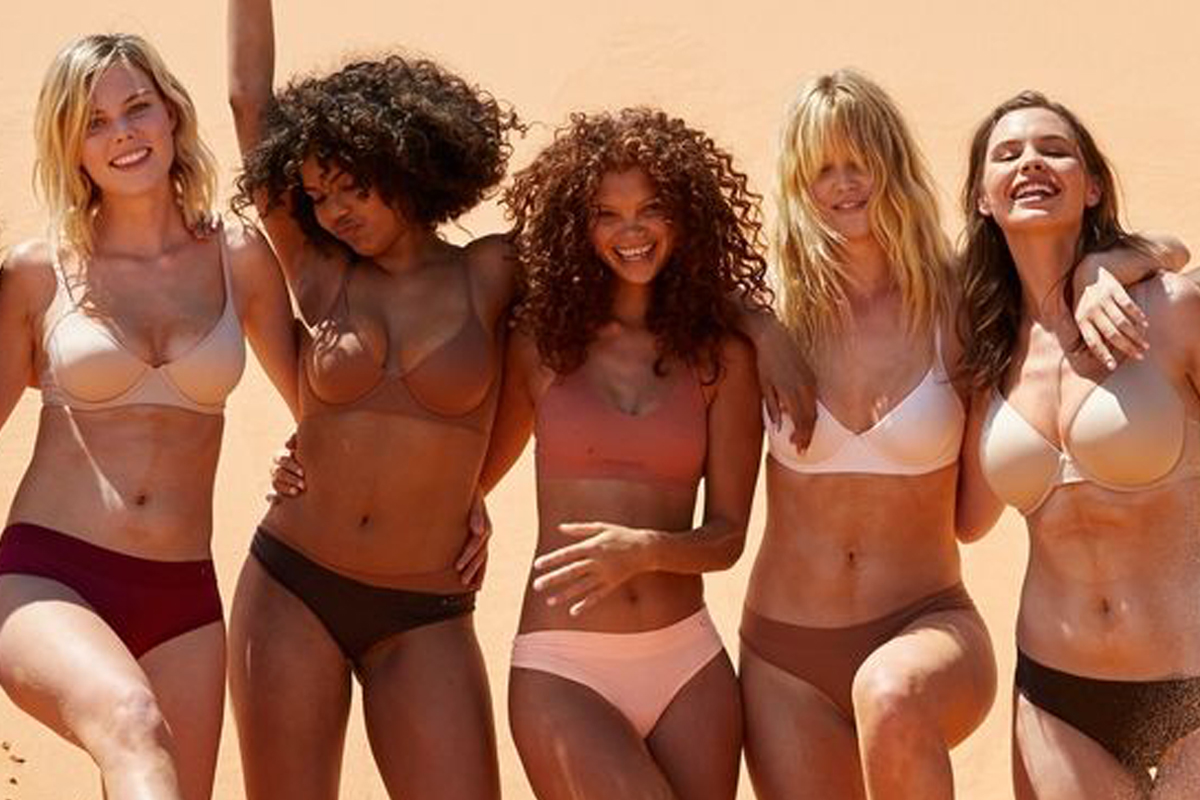
    Aerie, the company’s spinoff lingerie brand targeting young women aged 15 to 22, delivered a 27 per cent increase in sales, the parent brand a more humble 7 per cent.

    The company does not separate out e-commerce sales, but it did say in an earnings release that sales growth online was continuing at a “double-digit pace”.

    Eagle CEO Jay Schottenstein said American Eagle Outfitters sales growth was boosted by the revamp of flagship stores and those of its Aerie brand (which was launched in 2006). Higher customer conversion rates, higher average transaction sales and increased foot traffic, including at mall stores, showed the initiative was working.

    Aerie’s growth has inspired management to open between 50 and 80 stores in the US and selected overseas markets now planned over the next two years. It is also eyeing offshore opportunities for its namesake brand.

  • GEO X HBX launches in HK

    GEO X HBX launches in HK

    First launched as a merchandise project by London based designer in 2016, Geo Owen is very well known for his album art, tour merchandising, and prints for Kanye’s coveted YEEZY Season One.

    After years of experience, Geo Owen has now created GEO, a Ready-To-Wear label that is inspired by the study and understanding of the human and physical geography, locally and internationally.

    The aesthetic of the graphics and configuration of the garments across each collection are the outcome of developing individual case studies.

    GEO is now landing in HK with an exclusive collection designed for HBX, Collection Three, which focuses on the composition of the geographical area that the designer live in and the people surrounded by on a day-to-day basis.

    Arriving with the main line is a collection created exclusively for HBX’s online and retail space in Landmark, Central.

    The official launch is August 25, and Geo Owen will be in town.

  • Shilla Duty Free wins Gimpo’s bid for L&T concession

    Shilla Duty Free wins Gimpo’s bid for L&T concession

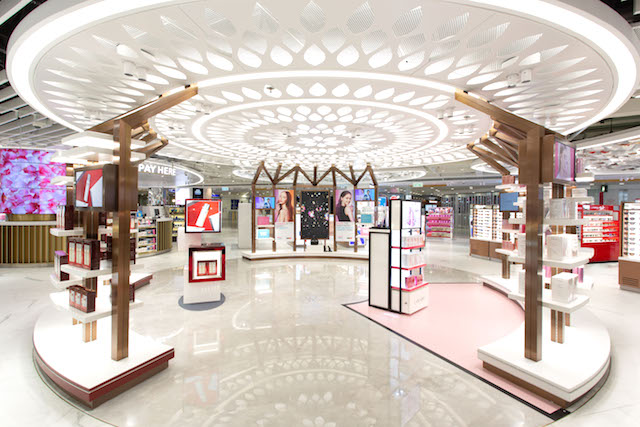
    Shilla Duty Free wins the bid against Lotte Duty Free for Gimpo International Airport’s five-year liquor and tobacco concession.

    Gimpo is South Korea’s third busiest airport and the core duty categories will now be divided between South Korea’s two biggest duty free retailers – Shilla and Lotte.

    Last month, the two travel retail giants were shortlisted for the five-year concession covering two stores spanning 733sq m. It seems Shinsegae Duty Free had also submitted a bid, but did not make it to the shortlist.

    It appears Shilla’s strength in the business sustainability, financial health and investment category, counting for half of the overall score the bids were judged on, are what made the balance shift in their favor.

    The opening follows the exit of, previous incumbent, CityPlus due to unsustainable losses

    Even though Incheon International Airport is now the nation’s gateway, Gimpo still sees more than 25 million passengers every year.

  • Emperor Watch & Jewellery profit jumps high

    Emperor Watch & Jewellery profit jumps high

    Emperor Watch & Jewellery cites “strong momentum in luxury consumption” as the reason for a massive profit boost in the first half of this year.

    Total sales surged 34.3 per cent to HK$2.454 billion (US$312.6 million), as inbound tourism arrivals from the mainland recovered and Hong Kong retail sales rose.

    Revenue from its core, home market Hong Kong was up 42.8 per cent to $1.908 billion, accounting for 77.8 per cent of total sales.

    “The improvement in consumption sentiment has supported robust demand for watches,” the company said in an announcement. Hence, revenue of the watch segment, the group’s largest revenue contributor, rose 32.1 per cent to $1.942 billion, accounting for 79.1 per cent of total revenue. Revenue from the jewellery segment increased by 43.6 per cent to $512.5 million.

    Gross profit grew 39 per cent to $677.3 million, with gross profit margin rising from 26.7 per cent to 27.6 per cent, due to stronger demand for watches.

    Group net profit more than quadrupled year on year to HK$157.2 million.

    “Given the favourable fundamentals of Hong Kong luxury watch sector, we are cautiously optimistic about our long-term business prospects albeit market volatility,” said Emperor Watch & Jewellery CEO and chairperson Cindy Yeung. “We remain committed to respond proactively to the market dynamics and leverage on our core competencies.” As at June 30, the group operated 84 stores – four more than at the end of last year – in Hong Kong, Macau, Mainland China and Singapore.

    After a successful launch in Singapore in 2013, the group now plans to expand into Malaysia. Yeung said the company will also continue to eye further expansion opportunities globally.