Category: Fashion

Retail News Asia is committed to providing both local and global retailers with the latest Fashion news throughout the Asian market. This on a daily base.

  • GAP exit brings ex parent some turning wheel of fortune

    GAP exit brings ex parent some turning wheel of fortune

    Singapore retailer FJ Benjamin has recorded a change of fortune, turning its first annual profit in four years.

    The multi-brand retailer reported a pre-tax profit of S$939,000 for the year to June 30, compared to a loss of $16.5 million the previous year.

    “We are encouraged by our 2018 operating results,” said CEO Nash Benjamin. “With improved consumer sentiment, we witnessed comparable store growth in most of our brands as well as full-year contributions from new stores opened during 2017.”

    He said the company will now focus on growing the business organically with improved merchandise assortments and the implementation of a new Customer Relationship Management system.

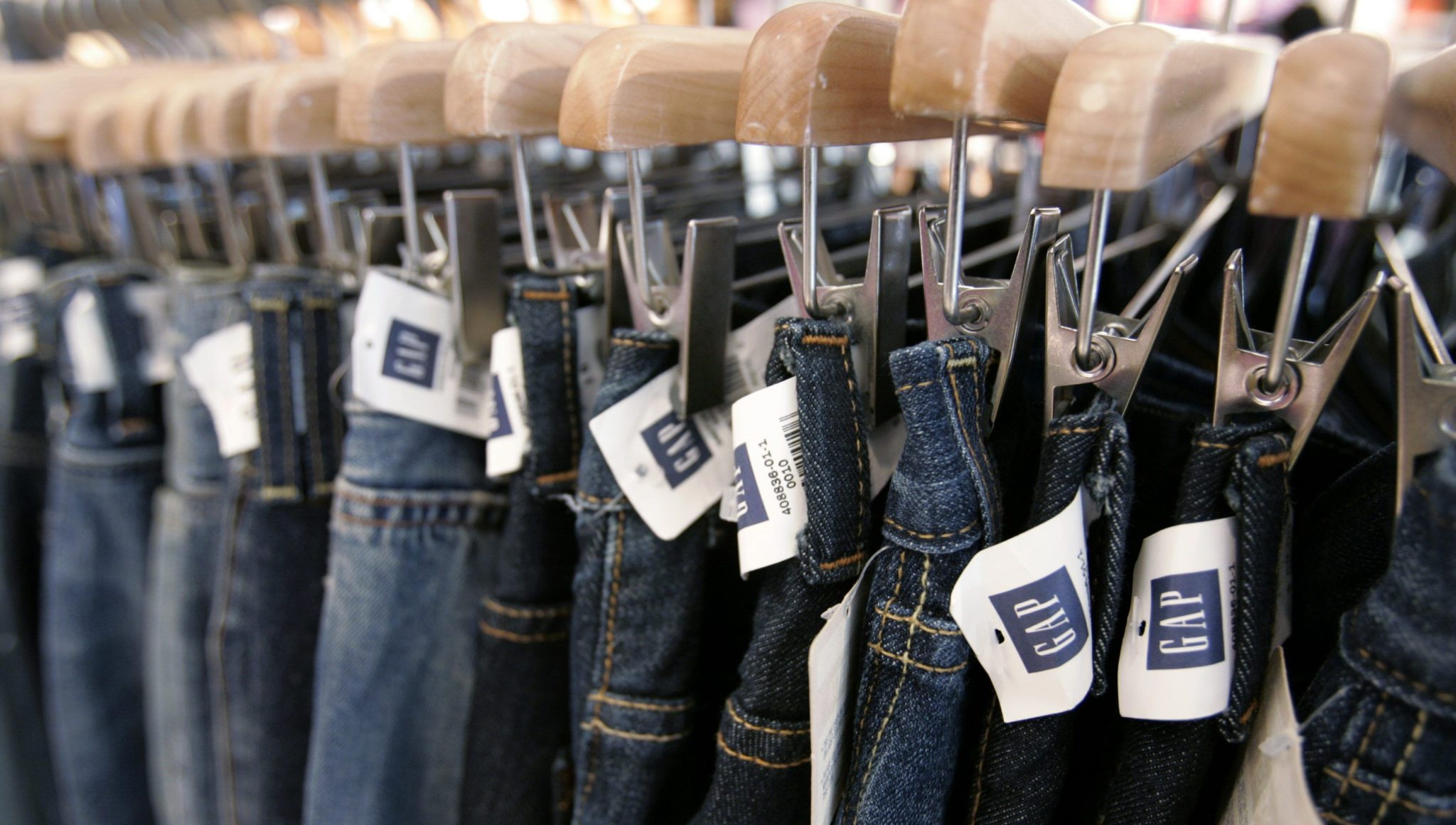
    Sales in Singapore and Malaysia last year grew by $16.2 million, however due to the discontinuation of a business overall revenue declined $39.9 million. The company shuttered its Gap and Banana Republic stores in February after opting not to renew the licence.

    Gross profit margin improved four percentage points to 46 per cent due to higher margins from retained brands and the discontinuation of the less profitable labels.

    Nash Benjamin said FJ Benjamin continues to evaluate prospects for introducing new brands into its portfolio.

  • Musinsa : Online shop creates offline opportunities

    Musinsa : Online shop creates offline opportunities

    Online fashion retailer Musinsa held a presentation to introduce its newly opened Musinsa Studio and announce its goal of reaching a total sales volume of 1 trillion won (US$902 million) by 2020 in Dongdaemun, central Seoul.

    Musinsa, Korea’s largest online fashion retailer, was founded in 2001 as a fashion message board where users shared fashion tips and photos with one another and developed into a small online shopping outlet in September 2004 after it gained popularity among young Korean fashionistas. Its sales volume reached 30 million won last year and is estimated to make a total of 42 billion won by the end of 2018. There are currently around 3,500 different brands that sell their products through Musinsa, with the number growing daily.

    On June 15, Musinsa Studio opened its doors, taking up four floors of the Hyundai City Outlet Dongdaemun branch and offering space to small fashion-related companies. Musinsa has always focused on its online business, and this is the company’s first big step out into offline retail. Many in the fashion industry have taken note that Musinsa didn’t build an offline store, but rather an open studio for smaller, younger businesses to grow.

    “We believe that the two most important things for Musinsa are the brand and the customers,” said Seo Seung-wan, head of the business development team. “So instead of building an offline store, which would limit our communication with customers only through that particular branch, we decided to open up a space for brands [that sell their products on Musinsa] and their customers. The brands [that sell through Musinsa] have grown along with us through the years. So we don’t just sell their things. We are also building an ecosystem with them.”

    Small businesses, even one-person start-ups, can rent a studio space for a minimum of three months, during which the occupants may use the many facilities provided by the company, including the meeting rooms, seminar rooms, free repair service, photography studio and discounted parcel service. Businesses that entered the space early this summer represent a diverse range of talent, from fashion designers and textiles developers to film producers who create fashion-related content.

    The two basement floors contain storage rooms, photo studios and parcel services that occupants can use. “The cost for a box for delivery is set at 3,000 won all across Dongdaemun,” said Lee Ji-hye, a manager of the studio. “Here, we have a staff from CJ Logistics who takes care of all the deliveries everyday at half that price. The doors of the packing zone lead straight out into the parking lot, cutting time and money.”

    The 13th floor houses the brands and an office for the Musinsa customer service team, which Seo emphasized is part of Musinsa’s communication strategy. “We had 20 staff members on the customer service team, but the new office can hold up to 200. Communication is the one thing that we hold most sincerely at Musinsa, so that customers start to believe they don’t have to shop anywhere else. Rather than having an offline store, we can communicate with more customers this way.”

    Through all these means, Musinsa hopes to maintain its position as No. 1 in Korea and further develop into Asia’s biggest online fashion business. “Everything that we do is focused on providing customers with the best experience in online shopping and fashion, and it will always stay that way,” said Seo.

    To celebrate the official opening of the studio, Musinsa is holding the first offline Musinsa Market on the 12th floor on August 29 from 11 a.m. to 6 p.m. Get off at Dongdaemun History and Culture Park station.

  • Ermenegildo Zegna acquires Thom Browne

    Ermenegildo Zegna acquires Thom Browne

    The Italian company Ermenegildo Zegna Group has acquired 85 percent of the business at a $500 million valuation. Browne is the sole other shareholder.

    The American designer label, best known for its intellectual and imaginative take on silver-spoon tropes — most notably, its signature shrunken grey suits — is partnering with a strategic investor on a bold expansion plan that will likely broaden its customer base and reach.

    Today, Thom Browne announced that Italian menswear stalwart Ermenegildo Zegna Group has acquired an 85 percent stake in the company, valuing the business at approximately $500 million. Browne, the label’s founder and chief creative officer, is the only other remaining shareholder.

    The transaction marks a brisk, successful exit for private equity firm Sandbridge Capital, which has held a majority stake in the brand since 2016.

    “Thom and I took great care in choosing a new partner who would continue to both honor and celebrate Thom’s uniquely visionary approach to marrying the highly conceptual with the beautifully commercial,” Ken Suslow, founding managing partner at Sandbridge, said in an email to BoF. “It was readily apparent from the very beginning that Gildo and the Zegna Group constituted this ideal partner in every important respect.”

    Chief executive Rodrigo Bazan, who joined Thom Browne in 2016 from Alexander Wang, will continue in his role. According to a report, Thom Browne generated $100 million in sales in 2016 and was on track to reach $120 million to $125 million in 2017.

    In July 2018, Bazan said the company is still growing, with 31 directly owned retail stores in New York, London, Milan, Tokyo, Hong Kong, China, South Korea and Singapore. (A store in Miami is set to open in October.) “If anything, we’re containing the growth,” Bazan said.

    “My goal is to keep Thom Browne independent,” Ermenegildo Zegna, chief executive of the Zegna Group said. “It’s a good company, a good organisation, a good business and profitable. The company has to stay autonomous from Zegna with support and help from the group. It will be a gradual approach. If something is working, don’t change it, just support it.”

    In addition to leveraging Zegna Group’s global reach to expand the Thom Browne retail footprint, the New York-based fashion house will also benefit from Zegna’s expertise in fabrics and manufacturing. While Browne has volleyed between manufacturing in the US and Italy, most of his clothing is now produced in Europe.

    Browne said that he was “proud” of the new partnership. “I think the most important thing is that Zegna represents the best quality,” he said. “As conceptual as my collections may be, the quality is the most fashionable part of what I do across the board.”

    In return, Thom Browne will provide a contemporary fashion play for the family-owned textiles giant, whose current portfolio includes its flagship luxury menswear brand, sister-line Z Zegna and womenswear label Agnona. Zegna described the Thom Browne brand as one that appeals to consumers with a “millennial mindset.”

    “I never put an age to it,” added Browne. “I think it’s just because of the way I approach design. It’s the youthful sensibility and spirit.”

    Zegna also cited Thom Browne’s “thriving” women’s business — which launched in 2011 and now makes up 35 percent of sales — and its resonance with younger generations as proof that the brand will offer long-term value for the group. The deal also marks Zegna’s first notable investment in an American brand in recent history. “Both Thom Browne and Zegna have not fully utilised the opportunity of the US market, which is growing very very well, second only to China,” he said. “We believe in the market, and we can do much better with both brands.”

    In July, he announced a partnership with Spanish football club FC Barcelona as the team’s official off-field outfitter. Most recently, the company has been working on signaling that Thom Browne is about more than runway showpieces and suiting. “That’s one of the reasons we bought Thom Brown,” Zegna said. “He’s the master of fun casualisation.”

    Relaxed, yet still stylised, pieces — from sweatpants to quilted jackets — now play a starring role in the line’s commercial collections. At the time of the Barcelona announcement, Bazan said that that the brand will “continue to expand the product pricing architecture to touch more consumers, while continuing to prioritise quality.”

    For Browne, the deal marks natural progression. While it was adamant on maintaining a financial stake — “I founded the business and it was just really important to know that I still had a piece of it,” he said — the series of investors he has brought on over the years, from Japan’s Stripe International to Sandbridge and now Zegna, have helped to continue building the business in the way he wants to build it: led by creativity.

    “The most important thing for me that there was a real personal connection to all of them. It’s the reason why they worked,” he said. “With Ken and Sandbridge, it worked because we had a really close friendship. It’s refreshing to know that you can grow a successful big business and still be a gentleman. Sitting down with Gildo, I saw in him a true gentleman.”
  • The Children’s Place growth is satisfying

    The Children’s Place growth is satisfying

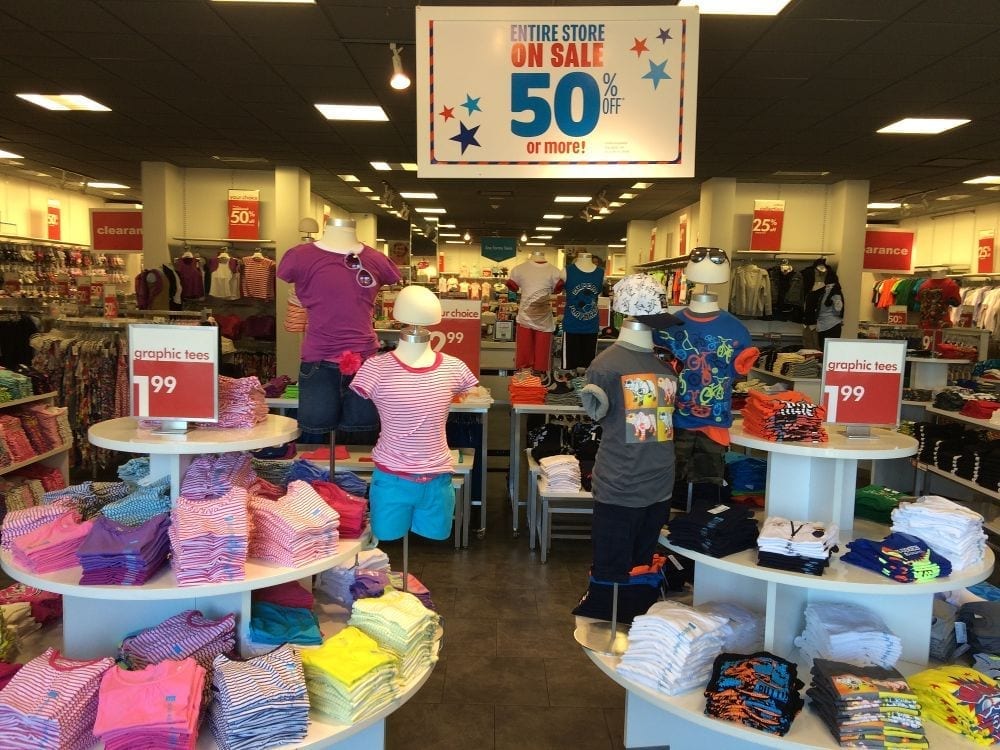
    US apparel chain The Children’s Place has recorded same-store sales growth of 13.2 per cent – its highest ever comparable sales gain.

    Five years ago, The Children’s Place revealed plans to close 300 stores across the US and focus its efforts on stores located in the best malls. To date it has closed 191.

    Second-quarter sales rose to from US$373.6 million to $448.7 million, well above analysts estimates of $428 million.

    The company reported net income of $7.5 million in the quarter to August 4, which was down from $14.3 million, due to higher interest payments and tax provisions.

    “We delivered positive brick-and-mortar sales comps and positive digital-sales comps every month in the second quarter,” said CEO Jane Elfers. “Additionally, we drove positive brick-and-mortar traffic comps every month of the quarter resulting in a positive mid-single digit traffic increase. Our mall traffic was exceptional.”

    Elfers said the increased sales continued into August.

  • Uniqlo gives Mickey Mouse a street makeover with Kate Moross’ designs

    Uniqlo gives Mickey Mouse a street makeover with Kate Moross’ designs

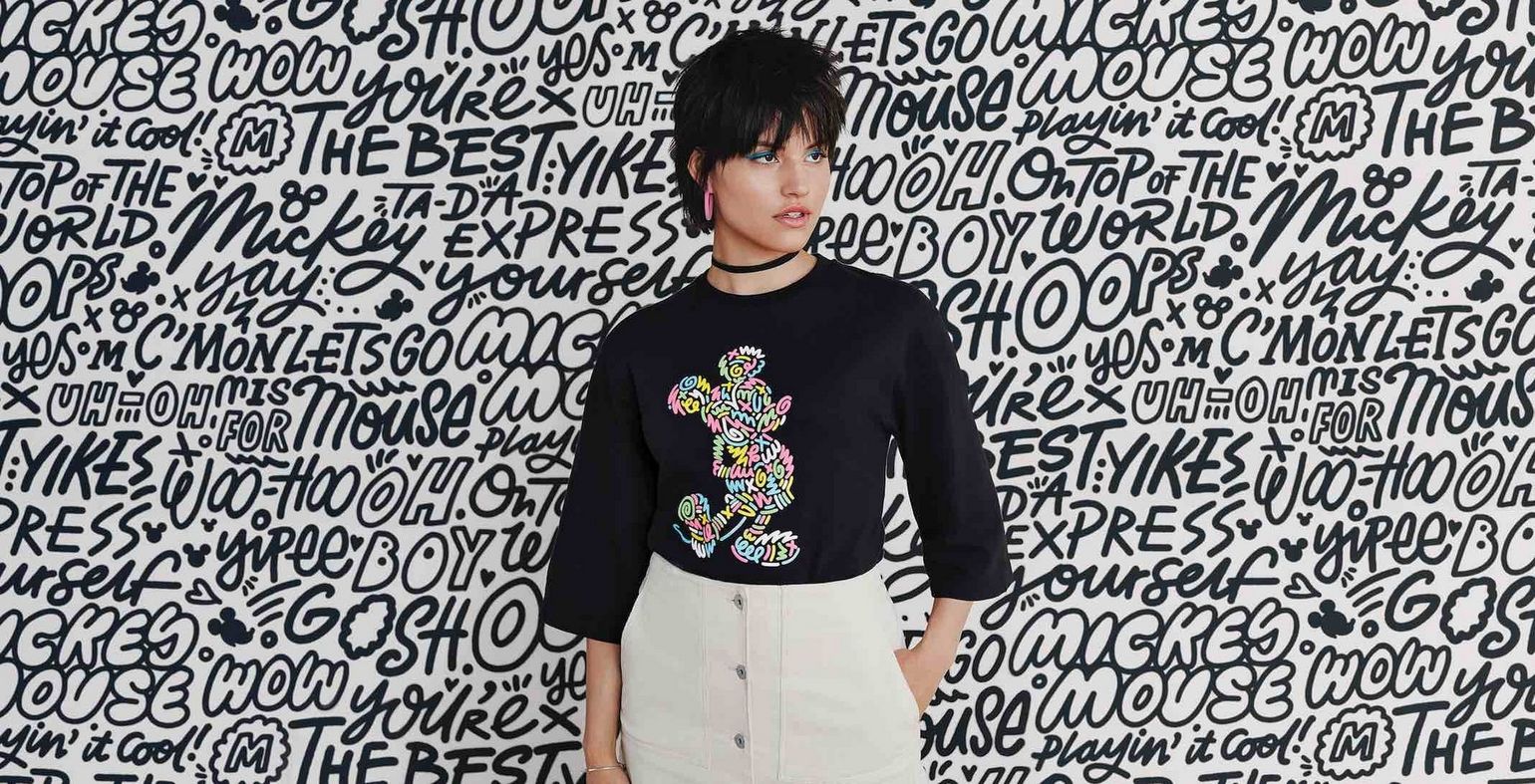
    Japanese retailer Uniqlo has rolled out its exclusive Love & Mickey Mouse Collection by British graphic designer and illustrator Kate Moross.

    The 32-year-old, who was in town two weeks ago for a live mural drawing performance at Uniqlo Orchard Central and a sharing session at Lasalle College of the Arts, said the collaboration is a “good fit”.

    It is available at Uniqlo Orchard Central and online, and will be available in all Uniqlo stores from Sept 3.

    Moross told The New Paper: “I’m a notorious Disney fan and it came across to Uniqlo that I’m enthusiastic for the brand. My style is very fun and illustrative so I think that overlaps with Disney.

    “This (collection) means a lot to me because it is the first time I am doing a global collaboration and working with Uniqlo, as well as (designing on apparel and T-shirts). ”

    Known for her signature typographic illustration and freeform lettering style, Moross has designed shoes, tote bags, water bottles and product packaging bottles for notable brands, like Kiehl’s in 2013 and adidas in 2012.

    For the Uniqlo collection for women and kids, she gave Mickey and Minnie Mouse a dynamic monochrome treatment and incorporated playful lettering for a street style look.

    She said: “I use digital paintbrushes and pencils for my pieces. This is the future – you can draw with your hand but there are different ways of doing it. ”

    And the project turned out to be “easier than (I) thought”.

    She said: “I’m happy with the balance – it’s both cute and cool, for a more fashion-forward look.

    “I enjoyed designing the kids collection most because I got the chance to be super playful.

    “You can find similar designs on the women’s tees, it’s great for a matching outfit and a super cute family photo.”

  • Chanel Korea comes under fire for sale of used bag

    Chanel Korea comes under fire for sale of used bag

    Chanel Korea has come under fire for allegedly selling a used handbag to a customer.

    South Korean media outlet News One has reported a customer paid 7 million won (US$6280) for a Chanel 2.55 flap bag at a department store in April. She claims she later found a bankbook and credit card belonging to someone else inside the bag, both items issued a month earlier.

    “I asked Chanel if anyone had purchased and refunded the bag, but the company said the product’s serial number showed that it had no purchase history,” the bag’s owner said.

    Chanel Korea released a statement saying it had no idea how the items came to be inside the bag, but it ruled out the possibility an employee had borrowed and used it before its sale. It said it had offered to replace the bag with a new one in July.

    Several South Koreans went online to express their dismay about the incident, one commenting on a news story saying: “Korean customers should take collective action such as a boycott to make sure that foreign companies such as Chanel and BMW do not look down on Korean customers and to teach them a lesson”.

    An unidentified “industry insider” said such an event was “very rare” and “close to impossible”.

    “If that product had been refunded, it is possible to find someone’s belongings from the bag.” But the source said if the bag had really never been sold before, it was hard to explain how the items got insid

  • Uniqlo takes on H&M in its home market Sweden

    Uniqlo takes on H&M in its home market Sweden

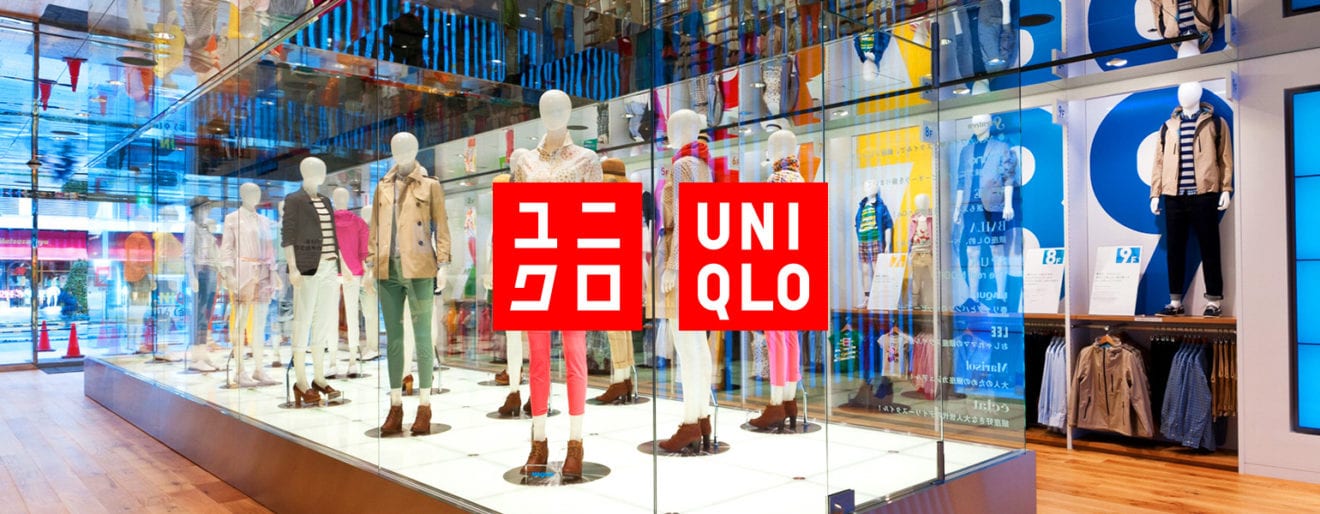
    Fast Retailing, the world’s third largest apparel company behind the brand Uniqlo, threw down the gauntlet against world number two Hennes & Mauritz on Friday, opening its first store in H&M’s home market of Sweden, as it makes further inroads in Europe.

    “This is a big step toward becoming a global brand,” Chairman and CEO Tadashi Yanai said. He usually spends his summer in Hawaii through the end of August but this year he has been in Stockholm to prepare for the store opening.

    More than 1,000 people lined up at the store in Sweden’s capital. “I was impressed with the variety of items anyone can wear regardless of age,” said a 20-year old college student who bought a sweater.

    The store highlights Fast Retailing’s clear focus on Europe of late. The company last fall opened its first store in Spain, the home of world number one clothier Inditex, known for its Zara brand.

    Uniqlo generates only 4% of its global sales in Europe. And Fast Retailing has had a bitter experience in the region. It opened its first overseas store in the U.K. back in 2001 riding a boom for fleece clothing and quickly increased the U.K. store count to over 20, only to shutter 16 locations in 2003 due to continued losses.

    “We were arrogant and took the challenge lightly,” Yanai said in retrospect.

    Fast Retailing has since cultivated its European presence steadily, making its debut in Germany in 2014. But the store count in Europe was a mere 75 at the end of July.

    Three quarters of the 2,057 Uniqlo stores are in Japan, China, Hong Kong and Taiwan. And 186 are in South Korea.

    The company is expected to log sales of over 2 trillion yen ($17.9 billion) in the year ending August. Much of Uniqlo’s revenue is concentrated in Asia.

    Given the similar body types and climates in the neighboring markets, it is more efficient for Fast Retailing to put in resources there than in Europe.

    But establishing a solid presence in Europe, the fashion capital of the world, is a vital step for Fast Retailing to enter a new stage of growth.

    Fast Retailing is confident of its offerings, including the quick dry and heat retention features. But the challenge is to have people in Europe exposed to Uniqlo clothes so they can pick up and feel the clothes in person.

    Uniqlo found a powerful supporter in this endeavor: the tennis legend Roger Federer. The Swiss athlete has become a Uniqlo brand ambassador and sported the Uniqlo logo on his match wear in the Wimbledon tournament in July, switching from Nike.

    Fast Retailing has also collaborated with Finnish design house Marimekko — known for its dot designs on women’s apparel — and former Hermes designer Christophe Lemaire to develop new products.

    The business landscape presents an opportunity for Fast Retailing to make it big in Europe. Although Inditex has performed well, H&M’s sales have declined as consumers increasingly feel that the design and quality do not measure up to the price.

    Uniqlo disrupted the apparel industry back in the 1990s by mass-producing clothes through contractors abroad and selling products in its own stores. The new approach pushed the company to surpass traditional apparel makers that sell their offerings at department stores.

    But as it moves ahead in the digital age of today, there is no guarantee for success, amid competition not only from the big rivals but also from new players like direct-to-consumer brands — sold exclusively online and thus saving costs by skipping physical stores.

    British brand boohoo is one example that has undergone rapid growth. In the year ended February, the operating company logged sales growth of 97% on the year to 579 million pounds ($673 million). And in Japan, a new business model is forming in the apparel industry as services that match amateurs with sewing professionals allow virtually anyone to open an apparel business. One-of-a-kind items made in small volumes may gain traction in this environment.

  • L Brands slides as sales slumps for Pink lingerie

    L Brands slides as sales slumps for Pink lingerie

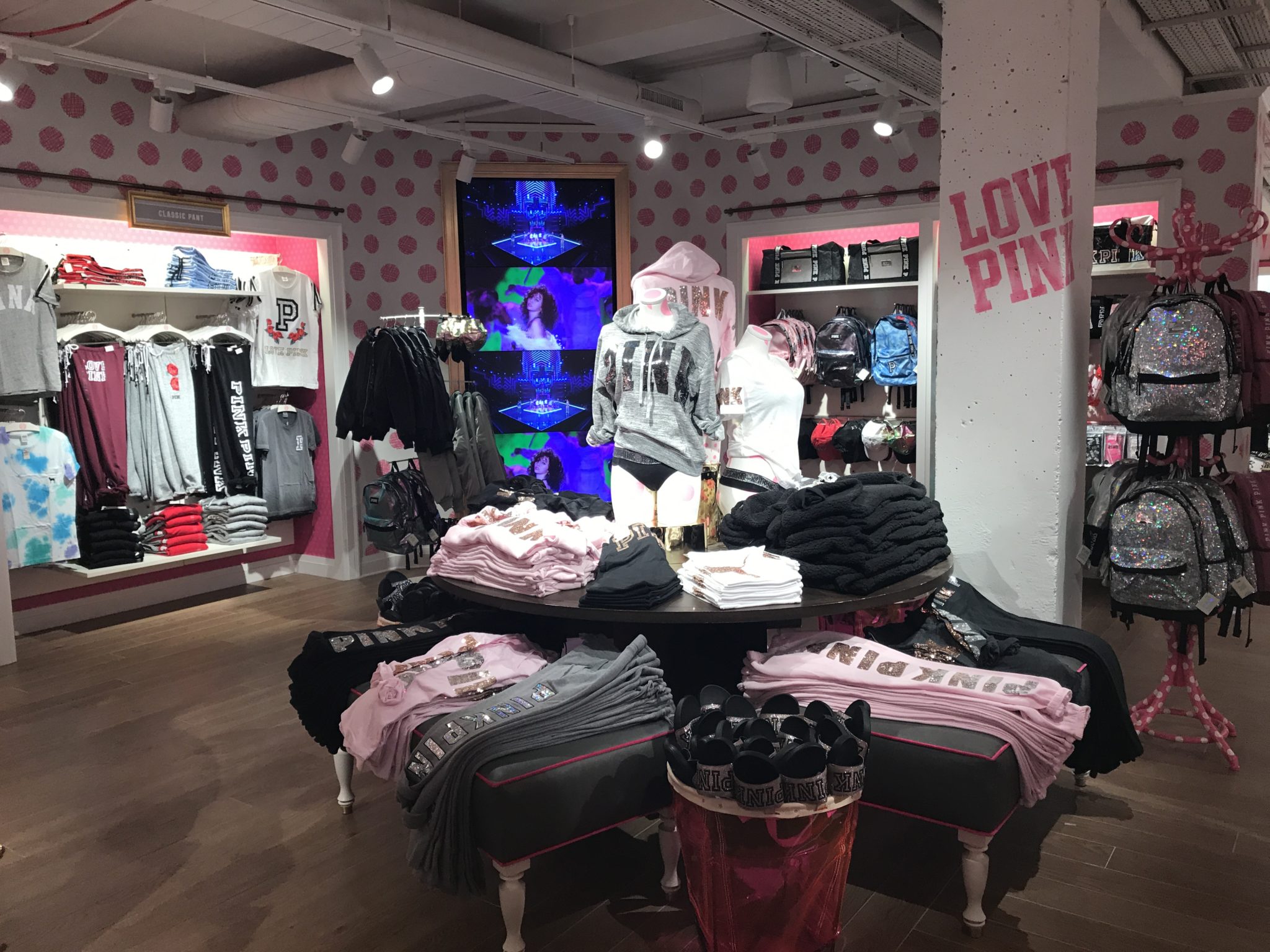
    L Brands, parent of Victoria’s Secret, Pink, La Senza and Bath & Body Works, has reported a drop in sales and earnings for the second quarter.

    Teen-focused diffusion-brand Pink, now a US$3 billion business which achieved $12 billion in sales last year, is suffering from decline in its core US market, where it seems exposed to rival brands like American Eagle’s Aerie and the Adore Me and ThirdLove.

    The company confirmed in an earnings call that Pink’s same-store sales declined by a vague mid-single digits during the quarter to August 4, adding to challenges the company has with its flagship Victoria’s Secret brand, where same-store sales declined 1 per cent. Bath & Body Works restored some respectability to the company’s figures, with sales up 10 per cent.

    Pink CEO Denise Landman announced her retirement after the results were released, and will be replaced on October 1 by Bath & Body Works president for merchandising and product development, Amy Hauk.

    L Brands executives deny that Pink is losing touch with its customers.

    “I do not think nor do I think anyone in this room believes that Pink has lost its ability to connect with customers and drive excitement in our core constituency,” said Landman during an earnings call.

    L Brands’ reported net sales of US$2.984 billion for the quarter to August, down from $2.755 billion in the same period last year. The group’s comparable sales increased by 3 per cent overall. Second-quarter operating income was $228.1 million compared to $300.9 million last year, and net income was $99 million compared to $138.9 million last year.

    After blaming Pink for reducing the company’s full-year earnings guidance, management watched as L Brands’ share price fell to its lowest point since 2011.

    Addressing her retirement, Landman said she felt “incredibly fortunate” to have been part of the brand since its inception and for her nearly 20 years with L Brands.

    “It’s been a privilege to lead and be surrounded by such incredible talent, thinking and creativity. It inspires me every day. I have great respect for Amy and know that I will be leaving the business in good hands.”

    Leslie H Wexner, chairman and CEO of L Brands, said: “Denise has always been a curious student of the business, focused on the customer and driven by her entrepreneurial spirit. Her contagious passion for the brand has built a true “Pink Nation” experience among college-age women and created one of the fastest growing specialty retailers of all time.

    “Amy too is a master merchant with deep knowledge and capabilities. She is well-equipped to lead the Pink team.

    She has a track record of accurately identifying what’s next in the market, is curious and action oriented. She leads with pace and energy. Since joining Bath & Body Works 10 years ago, she has built a solid, talented merchant team which is well prepared to continue the momentum in the business.”

    L Brands operates 3076 company-owned specialty stores in the US, Canada, the UK and greater China, and its brands are sold in more than 800 additional franchised locations worldwide.

  • Foot Locker revealed Asia expansion plan

    Foot Locker revealed Asia expansion plan

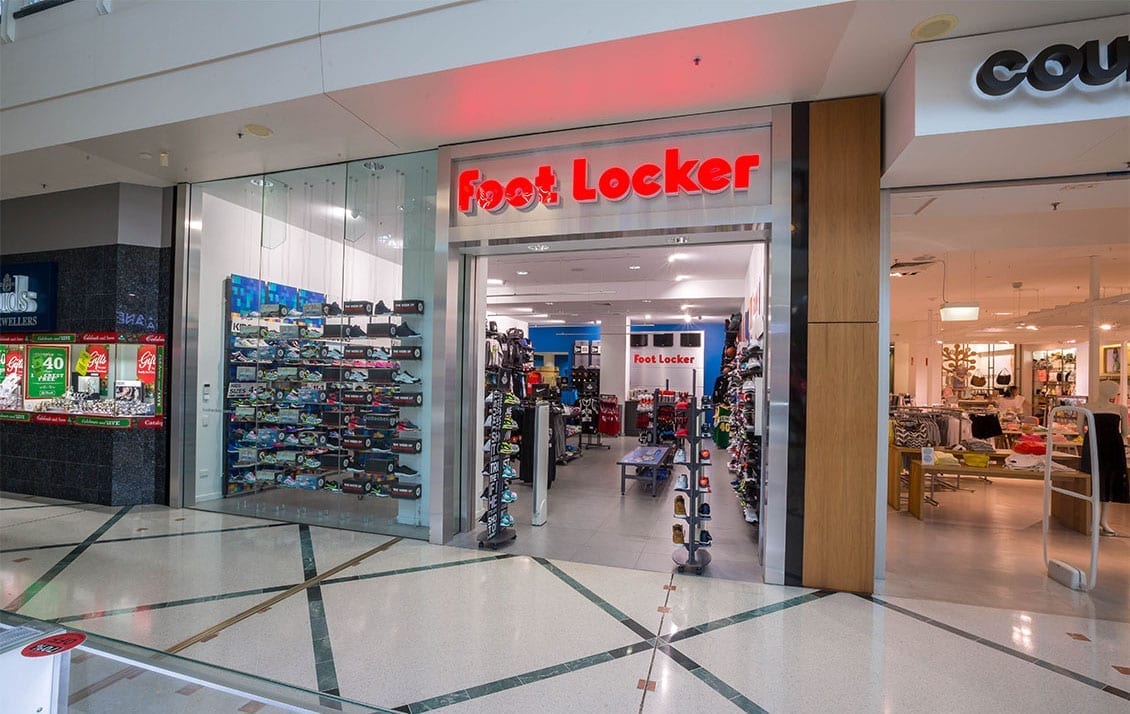
    New York-based athletic retailer Foot Locker has announced plans to expand into Asia.

    The Foot Locker Asia ambition was laid out in the group’s second quarter report, which showed a US$88 million net income compared $51 million takings for the same period the year previous.

    However, poor store traffic throughout the period contributed to the firm’s moves to close poor-performing outlets. The company is on track to closing 120 stores, while still aiming to open 25 new stores in high-potential areas, while preparing plans for its Foot Locker Asia expansion.

    Foot Locker executive VP and CFO Lauren Peters said: “For the full year we are on track to open 45 new doors, including our expansion into Malaysia, Hong Kong and Singapore.”

    CEO Richard Johnson announced that during the third quarter, the company’s first ‘power store’ is slated to open in Kowloon, Hong Kong,ong with two more stores in Singapore.

    “We will round out the year with the opening of our first location in Kuala Lumpur, Malaysia during the fourth quarter.”

    An analysis featured on thestreet.com noted that Foot Locker’s expansion into the world’s most populous market indicates that retail might be a growth area for the firm to take advantage of a growing fondness for athletic footwear across Asia.

  • Galaxy watches go on sale this week

    Galaxy watches go on sale this week

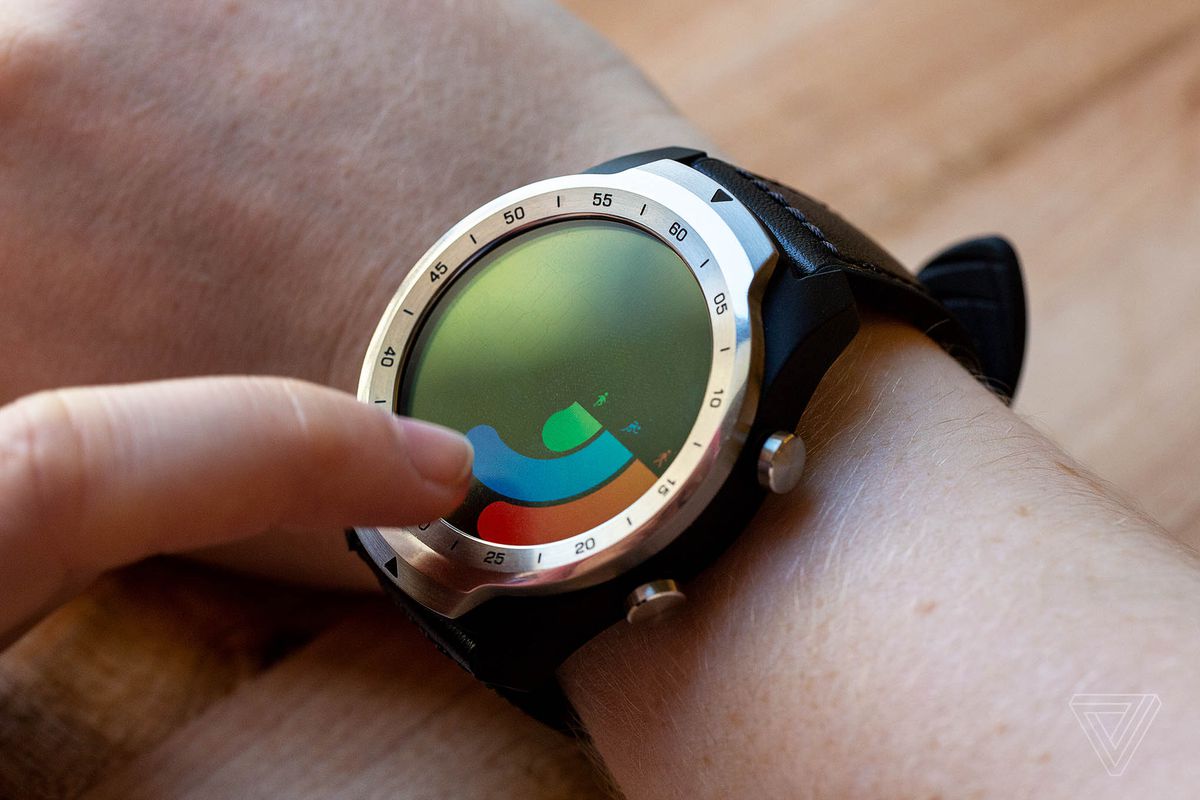
    Samsung Electronics’ new smart watches will go on sale today.

    Out of two new Galaxy Watch models, one works through a connection to a smartphone via Bluetooth. Its sales start today. The second, which operates totally independently via phone networks, will be available for purchase on Friday.

    Each type of smart watch, the fifth series from Samsung since 2013, comes in two sizes — 42 millimeters in diameter and 46 millimeters. The smaller model comes in either midnight black or rose gold, while the larger model comes in silver.

    The new watches were unveiled at a so-called unpacked event for Galaxy Note9 phablets in New York on Aug. 9. They are the first smart watches from Samsung that have lost the “Gear” brand name. Samsung is now the world’s third-largest wearable producer after Apple and Fitbit.

    The Galaxy Watch has been designed to automatically track the time spent and calories consumed on six types of exercise including walking, running and biking. Users may designate 33 more types of physical exercise, the largest number available for any smart watches on the market. The watch can keep track of users’ stress levels through a heart rate sensor and encourages users to breathe deeply to lower the stress level through notifications.

    The watch also syncs with the health application of a Galaxy smartphone.

    Samsung said the biggest improvement in the Galaxy Watch is its long battery life, ending the hassle of having to charge the watch every day. A 46-millimeter Galaxy Watch can run for 80 hours, or more than three days, at a minimum on a single charging and a 42-milimeter model can run 45 hours at the minimum. The LTE-enabled Galaxy Watch can receive or make phone calls without being tethered to a smartphone. But the watch can be used on the same account used for an owner’s smartphone and via the same phone number.

    Prices of the Bluetooth-enabled models start from 339,900 won ($305) and the LTE-enabled models from 379,500 won. They can be bought from Samsung online or at Samsung Digital Plaza stores nationwide, mobile carrier stores, department stores and discount chains.

  • Travelon will open first standalone store in Philippines

    Travelon will open first standalone store in Philippines

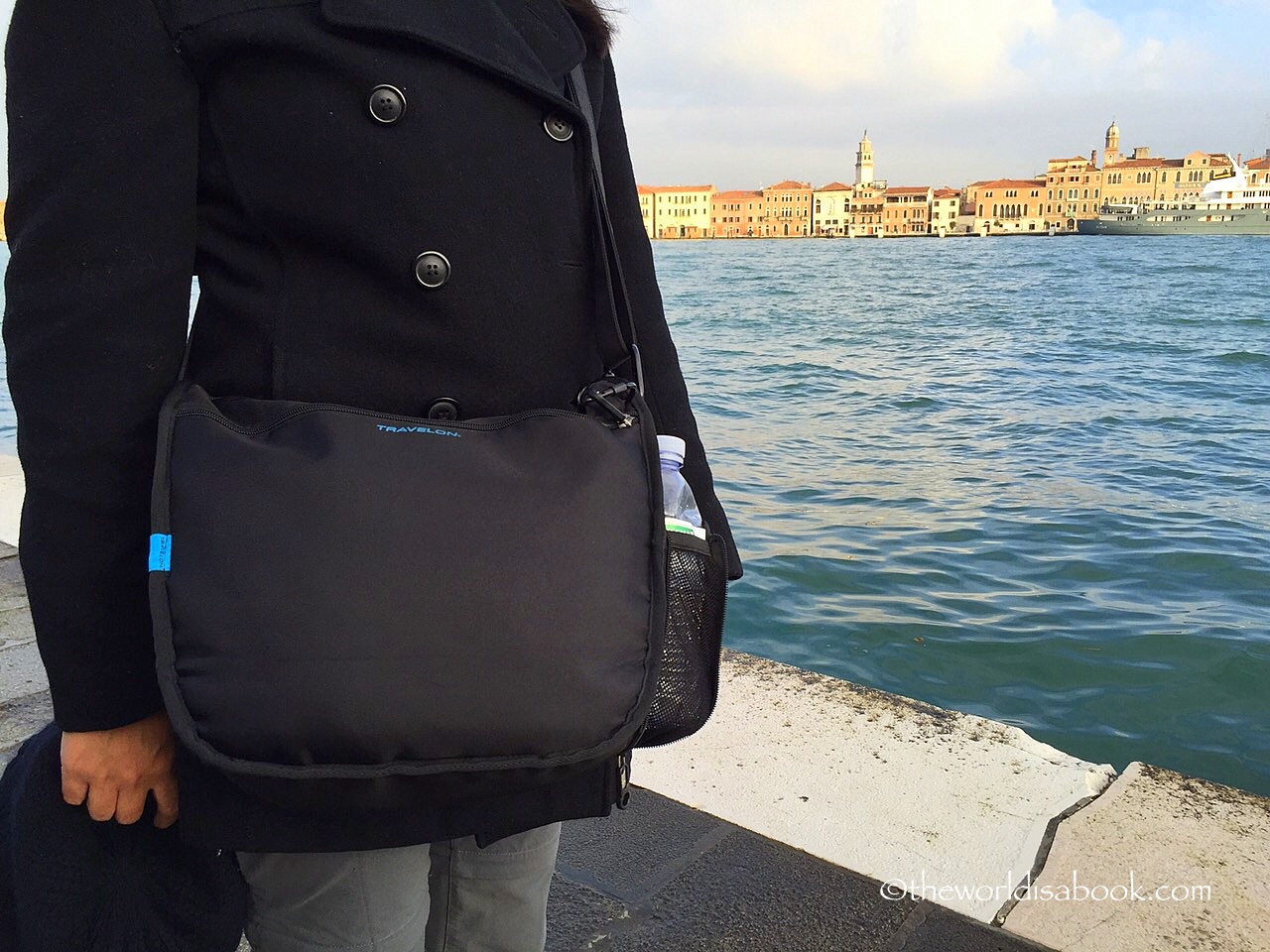
    Chicago-based travel product retailer Travelon has opened its first standalone store in the world – in the Philippines.

    The brand specialises in anti-theft luggage – bags with straps that cannot be cut, slash-proof materials, locking zips and even RFID-blocking technology.

    The brand has been represented in the Philippines by Primer Group since 2011, with the store opening last week at SM Megamall in Mandaluyong City.

    “We felt there was a market here for Travelon products,” said Travelon founder Don Godshaw in an interview. “With traffic here forcing a lot of people to commute to go to their destinations, it is very reassuring to know that your valuables are safe inside secured bags like what we offer.

    “This is apart from the fact that Filipinos, too, love to travel to different places, be it locally or abroad. You see, when thieves steal your things, they are also stealing memories so you really have to guard against that,” Godshaw said.

    The decision to open a standalone store in the Philippines was influenced by having a good local partner. More stores may follow.

    Travelon’s products are sold in about 60 countries, including Singapore, Thailand, and the UK, through department stores and retailers of luggage and travel goods.

  • Rado new Suria KLCC boutique open door

    Rado new Suria KLCC boutique open door

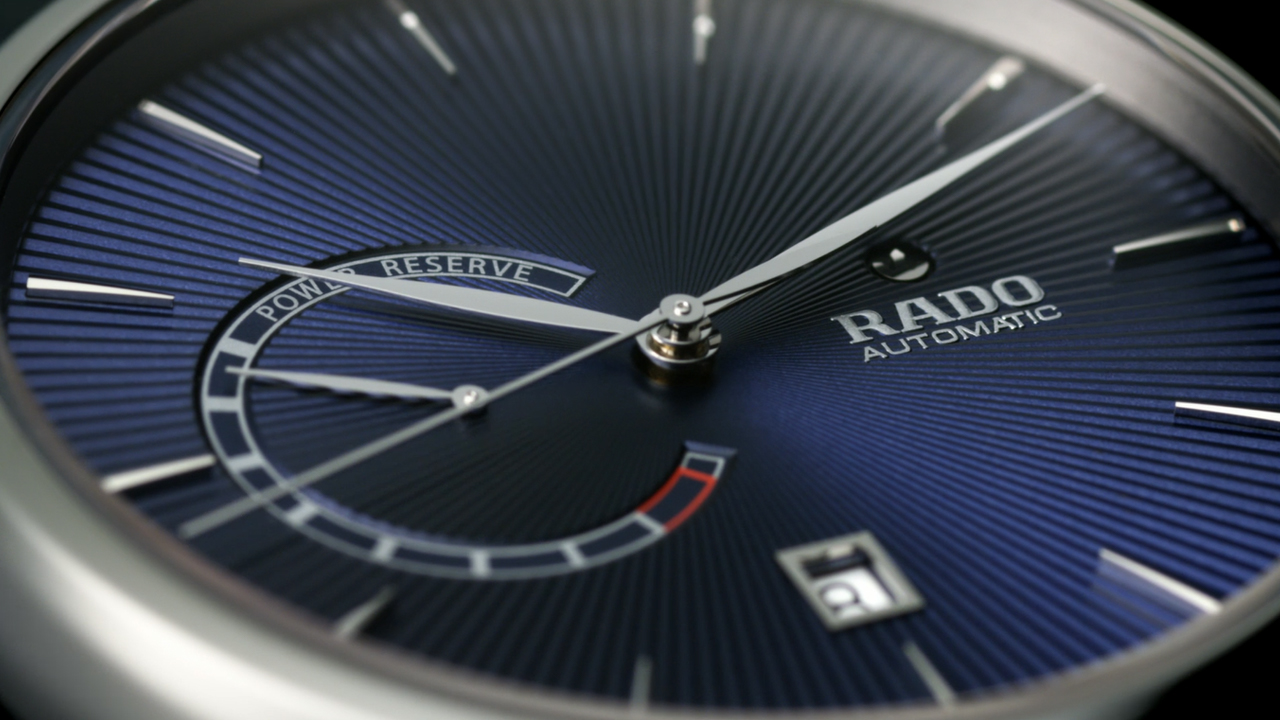
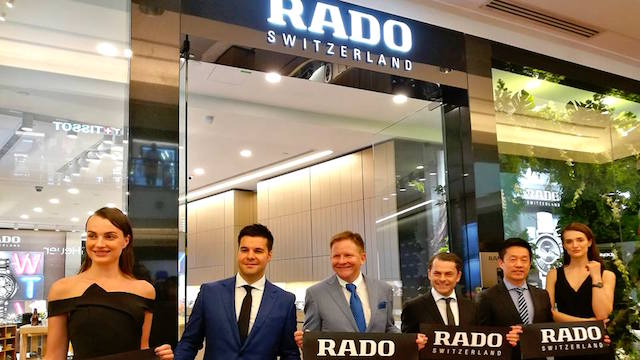
    Swiss watchmaker Rado has launched a new boutique at Suria KLCC.

    The brand’s largest store in Malaysia, the store’s layout represents Rado’s latest minimal design concepts contrasted with textured and handcrafted materials. Rado is generally known for its use of unusual materials to create exceptionally durable watches.

    The store is exclusively hosting the brand’s new True Thinline Nature collection, designed in collaboration with Italian historical garden organisation Grandi Giardini Italiani.

    The store’s star-studded launch function featured a fashion show and a showcase of the brand’s latest collections, focusing on Rado’s theme for the year The Elements of Time.

  • SportsDirect Malaysia opens its largest store

    SportsDirect Malaysia opens its largest store

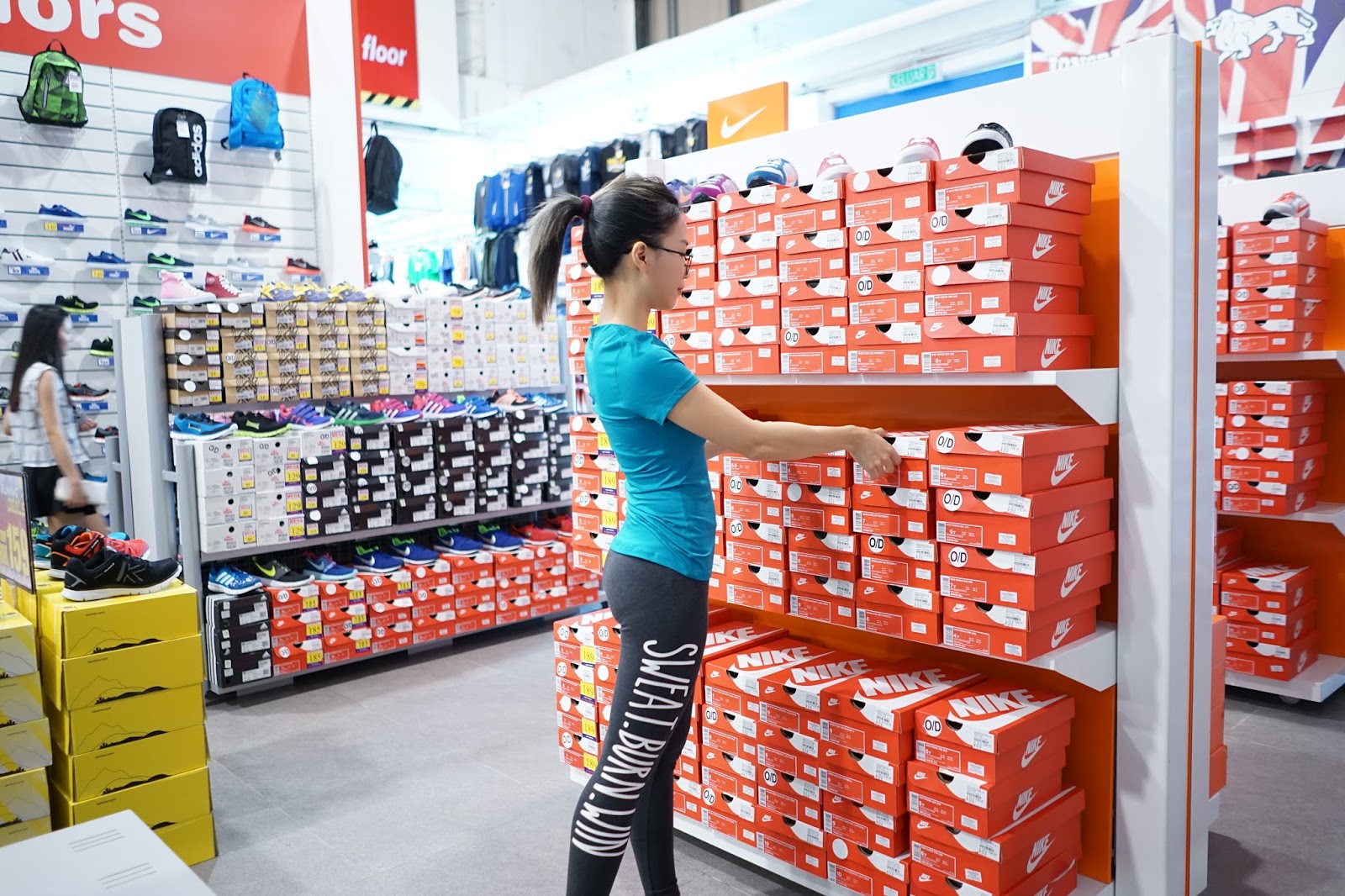
    SportsDirect Malaysia has opened its largest store yet in the country, at Section 51A.

    The British sporting goods retailer’s new Petaling Jaya flagship, together with sister company MST Golf, comprise a 41,000sqft joint destination that is the largest sporting goods retail outlet in the country. The opening reflects the reportedly significant success of the brand in Malaysia.

    Divided into zones for easier navigation, the new SportsDirect Malaysia stores sells a broad range of international sporting brands.

    SportsDirect Malaysia MD Paul Gibbons said: “We are committed to be the leading sports and lifestyle retailer internationally by offering our customers an unrivalled range of high quality leading brands. This store alone carries an inventory of over 23,000 pairs of sports shoes to cover all our consumer requirements”.

  • Trinity blooms under Shandong Ruyi

    Trinity blooms under Shandong Ruyi

    Menswear retailer Trinity has announced double-digit same-store sales growth in its first half year.

    The period coincides with Shandong Ruyi International Fashion Industry Investment Holding taking a controlling interest in the group last April.

    During the review period, the group’s total revenue increased by 3.2 per cent compared to the same period last year to HK$890.1 million (US$113.4 million).

    Retail sales and same-stores sales recorded a growth of 8.1 per cent and 10.1 per cent respectively year-on-year. The increment was partly offset by the decrease in wholesale revenue as a result of the strategic shift from wholesaling to licensing to improve the long-term profitability of the group.

    The gross profit margin remained stable at 69.6 per cent as a result of the continued discounting trend.

    Trinity chairman Qiu Yafu said: “The recent licensing arrangements between Trinity and Ruyi will further strengthen the presence of our premium brands, Cerruti 1881, Kent & Curwen and Gieves & Hawkes, in key European markets and enable the group to refocus its resources to develop its core business in the greater China region. Capitalising on Ruyi’s international exposure and experience, we are confident Trinity will further consolidate its position globally and further penetrate the Chinese Mainland market.”

  • GAP is struggling figure out next strategy

    GAP is struggling figure out next strategy

    At headline level, Gap’s second-quarter results look strong: Total group sales are up by 7.5 per cent, while US sales rose by 9.3 per cent.

    However, these gains are inflated by a change in the way revenue is recognised and when this is accounted for, sales increased by a more subdued 4 per cent. Growth falls still further, to around 3.4 per cent, when currency fluctuations are taken into account. While such adjustments may seem pedantic they are important as they help give a true picture of how Gap is actually trading.

    Regardless of the various financial mechanics, two things stand out from this quarter’s numbers. First, growth has slowed since the prior quarter – even though the consumer economy has strengthened. Second, growth is not evenly balanced across all parts of the business.

    One of the notable areas of weakness is the Gap brand in the US. Here, total sales rose by a very modest 1.2 per cent. While there were some store closures, they were not so numerous as to drag down the growth rate significantly. Moreover, global comparable sales at Gap were down by 5 per cent, off the back of a 1 per cent decline in the prior year. That the Gap brand cannot deliver, even over a period of very robust consumer spending, is evidence that it is still broken. A rising economic tide does float all retail boats, but it cannot float those with holes in them and, in our view, the Gap brand is still a very leaky vessel.

    The main problem is still the range. As much as Gap claims this has improved, there is scant evidence on the ground. The assortment continues to look samey and boring, with little effort being made to create newness or points of interest. This creates two problems. First, it discourages people from visiting and purchasing. Second, it means Gap struggles to charge full price and has to resort to continuous discounting to try and stimulate sales. Neither of these things are healthy.

    In our opinion, management needs to press the Gap brand’s reset button. The brand is adrift and needs a much clearer identity and sense of purpose. This is now an urgent requirement as a lot of other apparel brands – like J Crew, American Eagle, and Abercrombie & Fitch – are all upping their game and producing more consumer-centric collections. While the market is moving forward, Gap is, at best, standing still. This shows in our data, which indicates satisfaction with Gap’s proposition is still declining.

    Old Navy “superstar”

    Fortunately for the group, the superstar Old Navy has come to the rescue. Its results are the direct opposite of its troubled sister brand. Total sales growth accelerated over the prior quarter, rising by a stellar 13.7 per cent, while comparables rose by a solid 5 per cent off the back of a good increase in the prior year. There is definitely evidence that the strong consumer economy aided Old Navy, especially among families who were willing and able to spend more. However, the fact that the division continues to produce nice fashion edits at good price points is key to its success. Furthermore, we are encouraged by upcoming initiatives, such as the addition of plus sizes into the range.

    Even Banana Republic managed to put in a better showing, although with a modest 2 per cent rise in comparables there is clearly more work to do in refining the offer. The jury is still out on whether the current recovery is sustainable.

    Overall, the group has made some progress. However, the deep-seated problems at the Gap brand need to be resolved. And soon.