Category: Fashion

Retail News Asia is committed to providing both local and global retailers with the latest Fashion news throughout the Asian market. This on a daily base.

  • La Perla appoints Pascal Perrier as its new CEO

    La Perla appoints Pascal Perrier as its new CEO

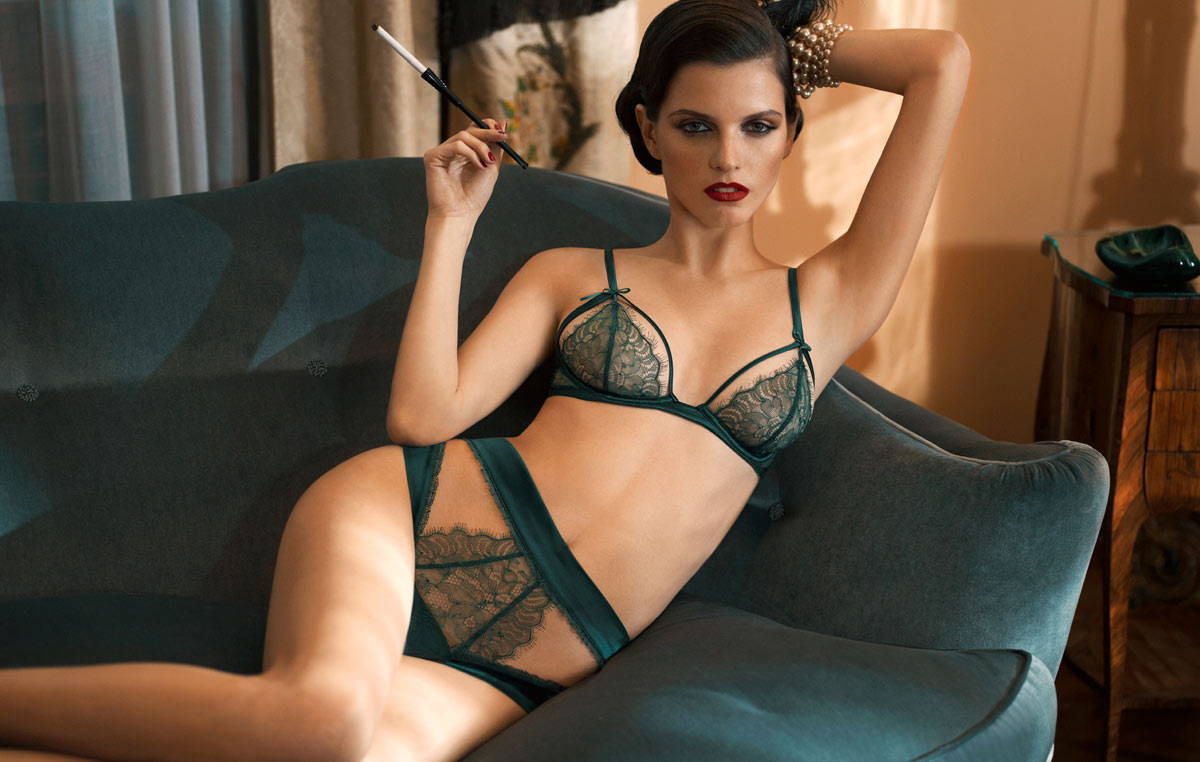
    Following its acquisition by investment firm Sapinda earlier this February, the luxury underwear brand La Perla appointed Pascal Perrier as its new CEO. The company also promoted Alessandra Bertuzzi as head creative designer for the brand to take over Julia Haart.

    With over 30 years of experience in the luxury fashion sector, Sapinda Holding’s Chief Executive Lars Windhorst commented very few people have Pascal’s background and exceptional know-how. Those qualities will enable him to navigate La Perla through the opportunities brought by the rapid pace of change with which consumers and other cultural stakeholders are now engaging with luxury brands, he said.

    Pascal Perrier joins from Burberry Group where he held various roles since being brought on as executive vice president of business development.In his 13-year tenure, Perrier played a key role in developing the Burberry brand in Asia-Pacific, now one of the company’s most lucrative market.

    Prior to his career at Burberry, Perrier served in senior management roles at other luxury fashion players, including Gucci Group where he executed the acquisition and subsequent integration of Yves Saint Laurent as well as that of Balenciaga.

    Since its acquisition of the Italian luxury fashion and lingerie label, Sapinda has been carrying out a full restructuring and turn-around of the business and its operations to drive growth. To put the turnaround plan into place, the investment firm hired an experienced executive team, supported by management consultants Bain & Co with the aim of improving La Perla’s profitability and transforming it into a leading luxury player.

    Mr. Windhorst now counts on Mr. Perrier to “lead La Perla into a new era of growth”.

  • House 99 opens its first pop-up store in Asia

    House 99 opens its first pop-up store in Asia

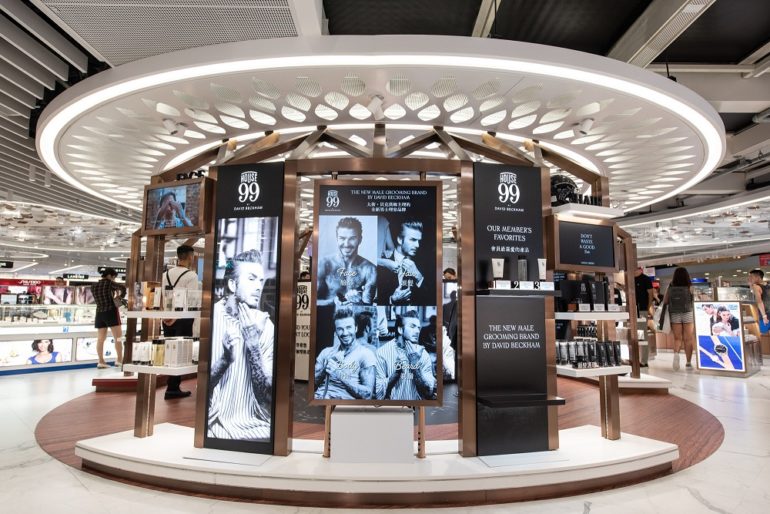
    House 99 by David Beckham, the global men’s grooming and skincare brand, has launched its first-ever pop-up store in Asia, in collaboration with Beauty&You – the new experiential retail concept by The Shilla Duty Free in the Hong Kong International Airport (HKIA).

    Following the brand’s HKIA debut in June, the barbershop-inspired concept – fronted by one of the most recognisable fashion icons in the world – has transformed the Curated Zone at Beauty&You’s largest outlet with an engaging, multi-dimensional brand showcase.

    Highlighting its signature product range together with unique grooming experiences, the Pop-up is designed to attract customers by showcasing Beckham’s personal styling rituals.

    The eye-catching displays and experiential components align with Beauty&You’s Curated Zone concept, where Shilla will collaborate with different brands each month to feature themed selections and fashionable looks of the season.

    Separated into four interactive zones, the Pop-up Store offers customers the opportunity to simulate looks in a magic photo booth, share personal styling experiences with friends and family through House 99’s postcard mailing service, create a new look and receive exclusive grooming tips from expert stylists.

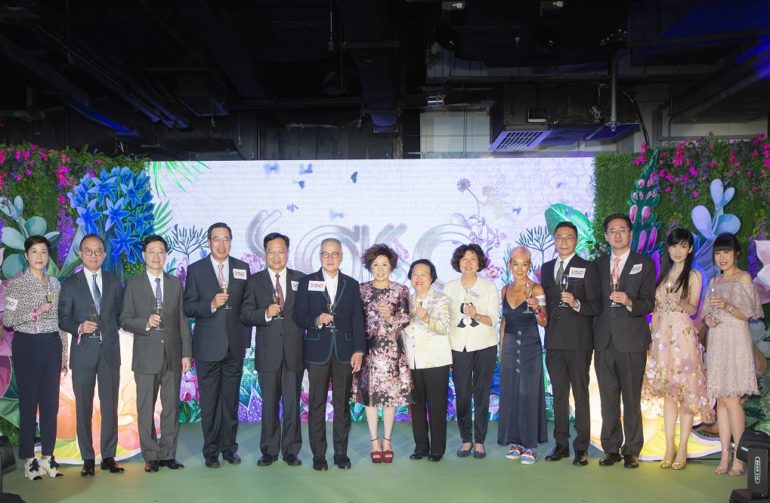
    On Friday, 17th August, the brand held a toasting ceremony at Beauty&You to unveil the Pop-up concept. The lively event was attended by a host of VIPs, including House 99 brand representatives, as well as senior management from Shilla Travel Retail Hong Kong and Airport Authority Hong Kong.

    Among the evening’s guests included influential Chinese KOLs: 萌叔小熊貓, Ethan-007, Danso 旦 and 袁俊川 Aska. Chinese celebrity stylist, Val Lin (林蔚巍) was invited as a special guest to share his own hair and beard grooming experience; each KOL also had the exclusive opportunity of being personally styled by Val.

    Capitalising on the star power of these online influencers, the KOLs conducted live-stream sessions to share personal anecdotes on grooming successes, as well as their experiences within the stylish House 99 Pop-up.

    The event was broadcasted live on the KOL’s social platforms, while they also sent lucky fans postcards, Polaroid pictures and gave away House 99 products over the course of the live-streaming session.

    Several brands have been debuting at the Beauty&You – the new experiential retail concept by The Shilla Duty Free in the Hong Kong International Airport (HKIA). They are using travel retail as a way of testing the market, and eventually decide to go downtown.

  • True Religion’s Back Thanks to Bella Hadid

    True Religion’s Back Thanks to Bella Hadid

    Californian model Bella Hadid is the new face of True Religion Jeans.

    The popular supermodel’s signing marks a deliberate pitch by the denim brand to appeal to a younger consumer market as the brand continues to rebuild after a four-month spell in bankruptcy protection last year.

    Hadid “embodies all things True Religion, past, present and future; iconic, edgy and everlasting,” the company said in a statement announcing the appointment.

    “An inherit fan of the brand, Bella was the natural choice to meld the iconic essence of the brand with the modern view of its future.”

    Hadid, 21, the daughter of former Dutch-born model Yolanda Hadid and Palestinian-American real-estate developer, has previously been engaged by Dior makeup, Givenchy, Victoria’s Secret’s Pink brand, Fendi and Tag Heuer, among many others.

    For her True Religion Jeans debut, Hadid was photographed by Boo George and styled by Mimi Cuttrell to create a series of images and complementary looks “that usher True Religion into a new era that honours the heritage of the brand”.

    Despite its boasts of “heritage”, True Religion Jeans is a relatively young brand, founded in 2002. After its bankruptcy, which had the support of lenders and came with an exit strategy pre mapped out, the company emerged with a streamlined store network and a stronger financial position.

    Now, with “a quintessential, confident LA girl” as the new face of True Religion Jeans, the brand is looking to expand not just in the US, but internationally.

    “Bella’s voice was not only an inspiration, but an integral part in imagining this campaign, envisioning the brand through her eyes for the next generation of True Religion fans,” said the company.

  • Uniqlo plan to double its store in SEA

    Uniqlo plan to double its store in SEA

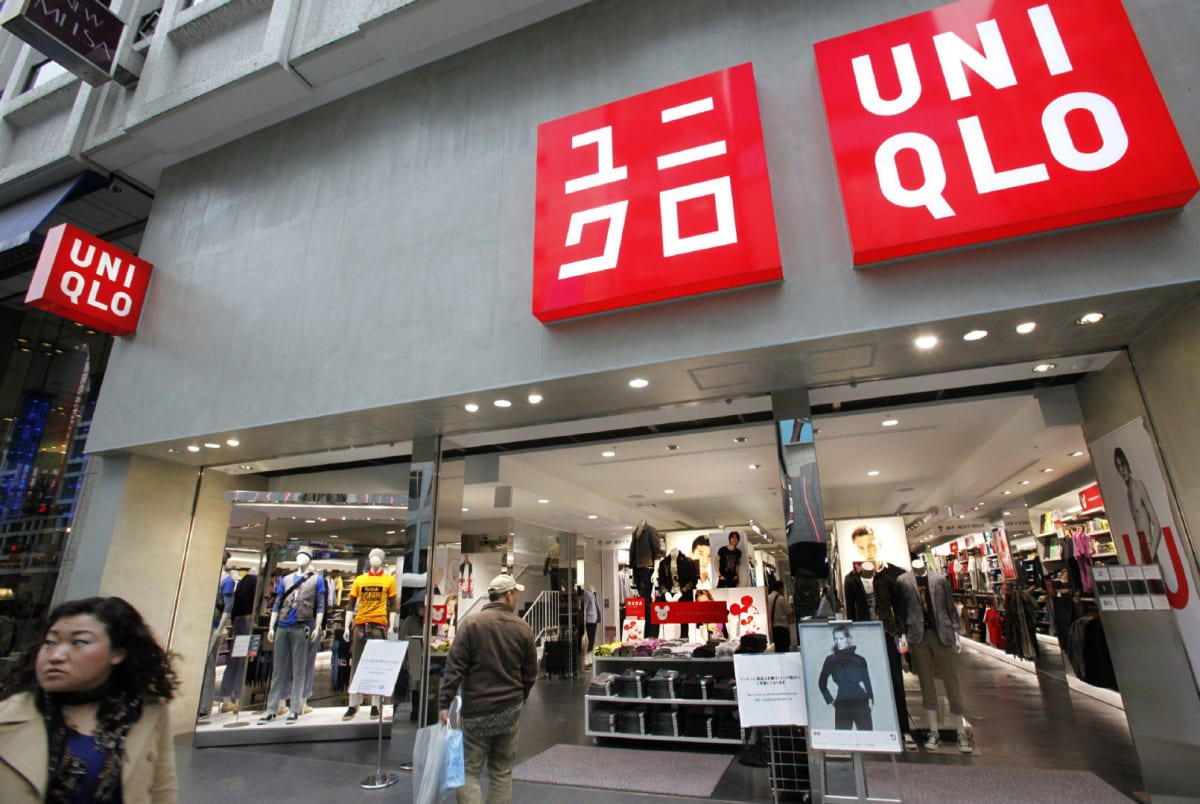
    Japanese apparel giant Fast Retailing is eyeing massive expansion in Asia-Pacific.

    The Uniqlo Southeast Asia and Oceania store network is set to double by 2022 to about 400 stores, Fast Retailing’s group senior VP Satoshi Hatase said in an interview.

    The company plans an emphasis on stand-alone suburban stores as it expands its Southeast Asian footprint, seeking to move beyond its traditional shopping mall locations.

    “We opened our first roadside store in Asean in Thailand in March, and it has been a huge success,” he said, adding that stand-alone stores in suburban locations were the key to Uniqlo’s original growth in Japan.

    Regionally, Uniqlo has now reached a level of recognition where “the timing is right” for suburban stores, he said.

    Fast Retailing executives in Thailand, Malaysia and the Philippines are talking with leasing agents to identify suitable sites for such stores.

    In Southeast Asian markets, middle- and high-income consumers are the ones which will fuel the Japanese company’s growth.

    “Lower-income people cannot buy Uniqlo [yet],” Hatase said. But in 10 years, “a significant number of Asean people will be able to”.

    Fast Retailing has previously said it aimed to triple its sales in the region to 300 billion yen (US$2.7 billion) in the year to the end of August 2022. Last year’s regional sales were 100 billion.

    Fast Retailing already has stores in Australia, Malaysia, Singapore, Indonesia and the Philippines. Its next target in the region is Vietnam.

    “We want to have stores in all countries [in the region],” Hatase said, especially Vietnam, Laos and Myanmar.

  • Parkson Asia profit slumps as Vietnam gives disappointing number

    Parkson Asia profit slumps as Vietnam gives disappointing number

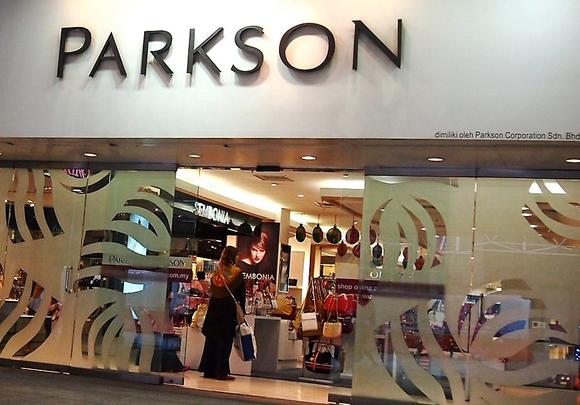
    Vietnam operations continue to be at the bleeding edge of Parkson Retail Asia’s ongoing losses.

    The company’s full-year results show declining same-store sales in its department stores in all four markets, with Vietnam the worst performing market. Sales fell 14.6 per cent in the last quarter and by 8.3 per cent over the full year. Sales in Myanmar and Indonesia both fell by 3.8 per cent and in the home Malaysia market by 1.5 per cent.

    Parkson Retail Asia finished the financial year with a pre-tax loss of S$17.6 million for the last quarter and of $40.1 million for the full year. It said that with the exclusion of a gain on the disposal of a subsidiary and allowances for doubtful debts, the reversal of impairments relating to closed stores, the group’s operational pre-tax loss would have been $29.9 million for the year.

    “This reflects the challenging operating environments encountered by the group as evidenced by the overall negative same-store sales growth, while new stores and ventures might require longer gestation period given the aforementioned backdrop.

    “We have been taking active measures in monitoring and assessing the viability of stores and ventures. With ongoing measures in place to rebuild top-line growth and monitor expenditures, coupled with the discontinuance of underperforming stores and ventures this year, the group expects its performance will show improvement in the coming financial year.”

    Addressing the Vietnam problems, the company said the operating environment there remains challenging amidst a crowded retail scene, and “intensive promotional activities had to be carried out to capture sales”.

    It said Indonesia’s sales were impacted by the downsizing of a store in Jakarta, as well as the aftermath of a volcanic eruption in Bali. Excluding those effects, Indonesia would have recorded a lower drop of 2.4 per cent for the year.

    The Myanmar operations were impacted by the closure of the first store at FMI Centre in January last year, with the replacement at Junction Square, Yangon, opening two months later.

    Throughout the network, “against the backdrop of competitive operating environments, we continue to take active measures in monitoring and assessing the viability of our stores and ventures,” the company said.

    While the group added four new stores (including one managed store) to its network, it also took steps to exit seven underperforming stores (including one managed) during the year.

    The company also closed its theme park and education centre operations to curb further losses, and exited its interest in the LOL-branded retail chain.

  • L’Occitane opens New York flagship

    L’Occitane opens New York flagship

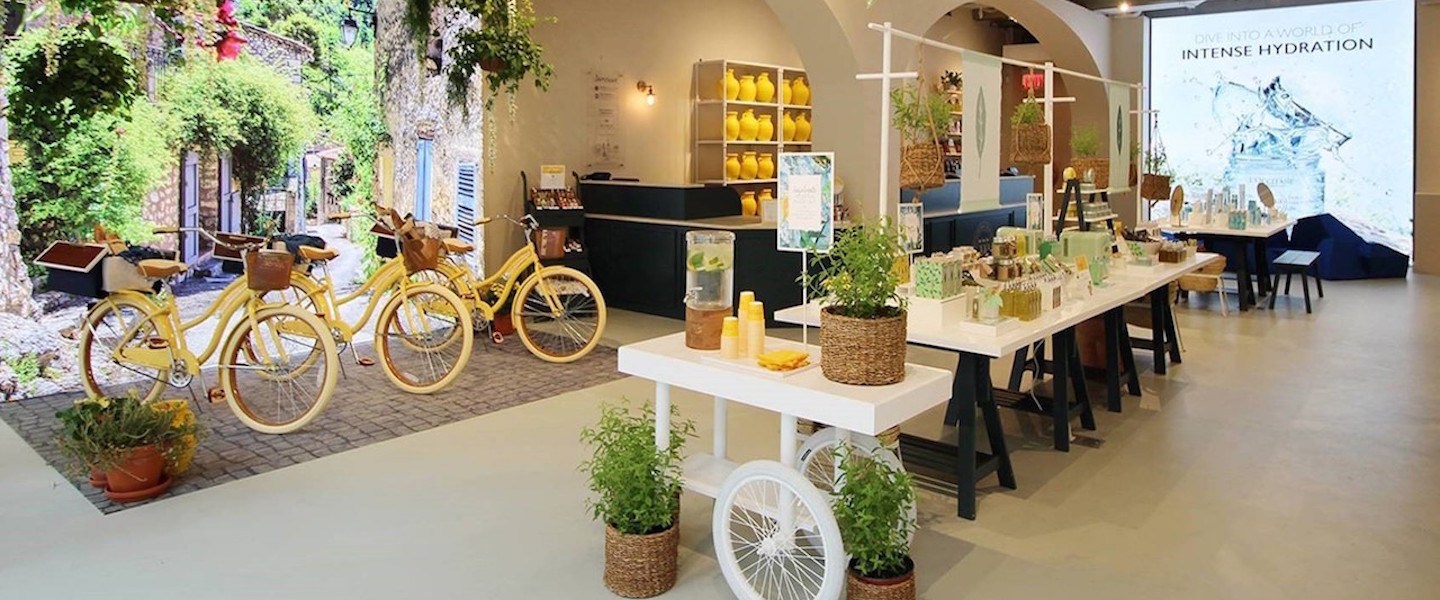
    Beauty products retailer L’Occitane has opened a New York flagship on Fifth Avenue which it describes as “a unique immersive destination”.

    The 1870sqft store at 555 Fifth Avenue was designed by L’Occitane’s Daniel Contorni, international artistic director, and Paul Blackburn, VP concept design, construction & merchandising with the Hong Kong-listed, French-styled retailer.

    “To adapt to differing consumer preferences across the world, L’Occitane has adopted a ‘glocal’ approach, developing creative experiences especially adapted for local clientele,” the company said in a statement.

    Recent examples of this strategy include new flagships in Brazil, China, London and Toronto, each with exclusive styles and services mix; a concept store in Paris (86Champs) in partnership with French pastry chef Pierre Herme; a pop-up cafe in Singapore with Asian pastry chef Janice Wong (a protege of Herme); and L’OcciTruck, the brand’s first travelling shop experience encapsulated on wheels, currently touring North America.

    The L’Occitane Fifth Avenue store features a range of interactive customer touchpoints. Whilst the existing L’Occitane experiential boutique in the city’s Flatiron district continues to offer a more traditional L’Occitane retail experience, the Fifth Avenue store will be more disruptive, geared to attracting new customers, encourage engagement and produce user-generated content for social media, the company said.

    The store includes a “rain-shower” sink, an interactive skincare consultation area, a curved communal bench beneath a Mediterranean olive tree, and an enhanced fulfilment services “comptoir”.

    L’Occitane says it is pursuing “a robust customer-first retail strategy, seeking to surprise consumers and surpass their expectations by providing an unforgettable in-store experience”.

    “In today’s digital world, customers rarely enter a L’Occitane store purely out of need; they expect to be pampered and entertained and want to indulge in the experience.”

    The L’Occitane Fifth Avenue store features several environment-first initiatives, including a recycling program in partnership with TerraCycle that incentivises customers to drop off all brands of empty personal care and cosmetics packaging at participating L’Occitane retail locations.

  • New China chief for Pandora

    New China chief for Pandora

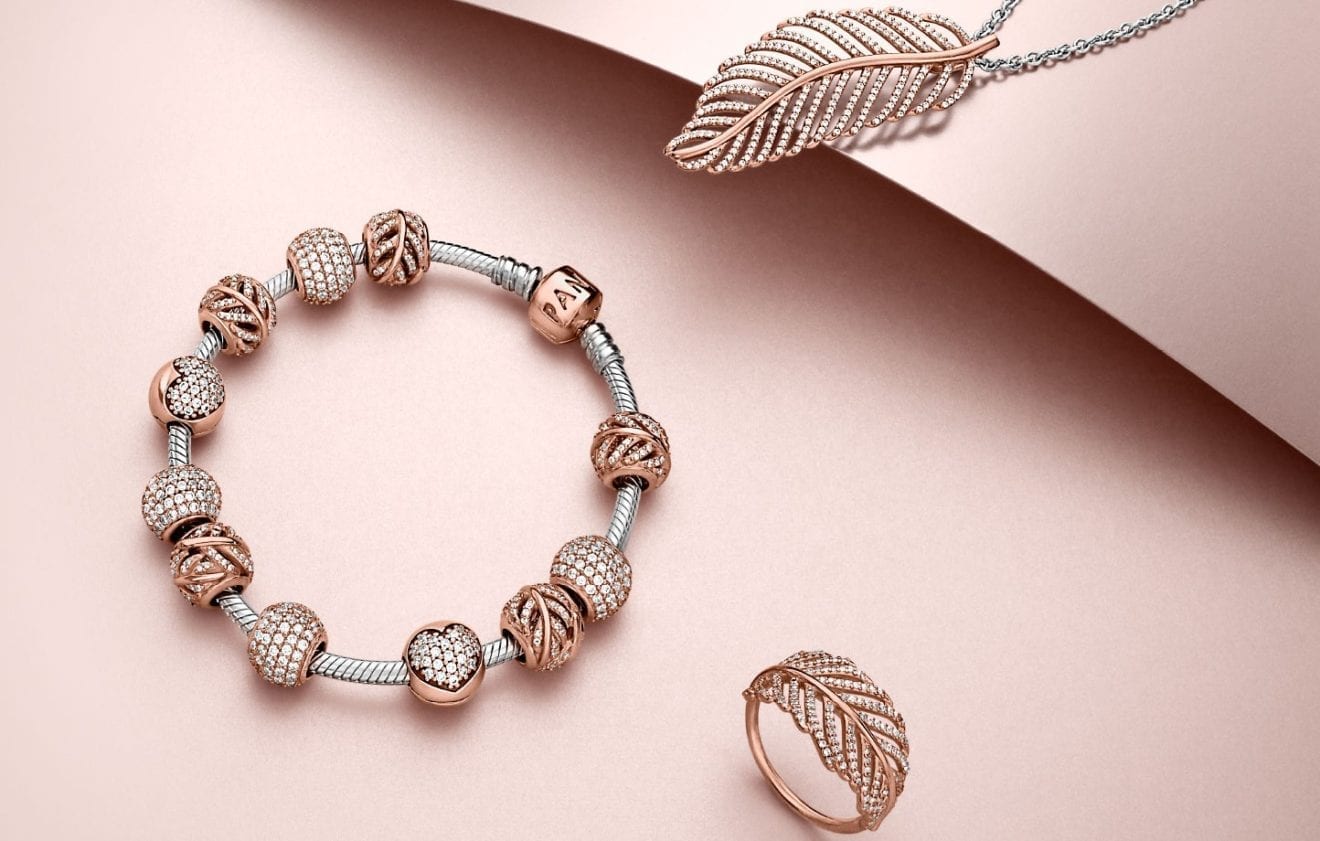
    Only two weeks after the official announcement of Anders Colding Friis’ resignation as Pandora’s CEO, the Danish jeweller seems to be on a roll to bring some changes to the company .

    The company tapped former Nike employee Geena Tok to head its business in China, where the Danish company has been challenged by a rise in sales on the grey market where an increasing number of jewellery pieces are being imported from other markets and sold online.

    Indeed, earlier this May, the Danish Jeweller announced a surprising slowdown in China, which accounted for about 12 percent of its total sales.

    With over 200 stores in the region, Pandora is striving to stay competitive and, in this scope, announced it would lower retail prices in the country by an average of 15 percent.

    Tok joins from Nike where she was leading the sports retailer’s stores and e-commerce business. In her 17-year tenure, Geena worked in the United States, Thailand, India and now China. She will now take over Anthony Asinas’ position following his appointment as Pandora’s Hong Kong and Macau chief.

  • S. Korea’s overseas direct purchases up sharply in H1

    S. Korea’s overseas direct purchases up sharply in H1

    South Korea’s direct purchases from foreign countries continued to increase at a sharp pace in the first half of this year on rising consumer demand for cheaper and quality products, customs data showed.

    A total of US$1.32 billion worth of foreign goods was directly bought by South Korean shoppers via overseas Internet shopping malls in the January-June period, up 35 percent from US$974.1 million tallied a year earlier, according to the data compiled by the Korean Customs Service (KTS).

    The number of overseas direct purchases jumped 36 percent on-year to a record 14.94 million cases over the same period, the data showed.

    The value and the number of direct purchases have been on a steep rise in recent years, with the half-yearly amount nearly doubling from two years ago.

    The customs office said booming demand for cheaper Chinese electronic goods, U.S.-made dietary supplements and Japanese toys led the sharp increase, with foreign foodstuffs, clothes and cosmetics still popular among South Korean shoppers.

    Purchases of dietary supplements jumped 34 percent on-year to 3.09 million cases in January through June, while 1.92 million purchases of garments and 1.68 million picks of electronic goods were reported, up 60 percent and 91 percent, respectively, from a year earlier.

    By country, the United States was the biggest seller with US$730.1 million in the six-month period, surging 55 percent from a year earlier, while some US$204.8 million worth of Chinese goods were shipped, up 16 percent from a year earlier. Purchases from Europe and Japan rose 19 percent and 6 percent to US$253.3 million and US$85.2 million, respectively.

  • India’s Hidesign plans Asian expansion

    India’s Hidesign plans Asian expansion

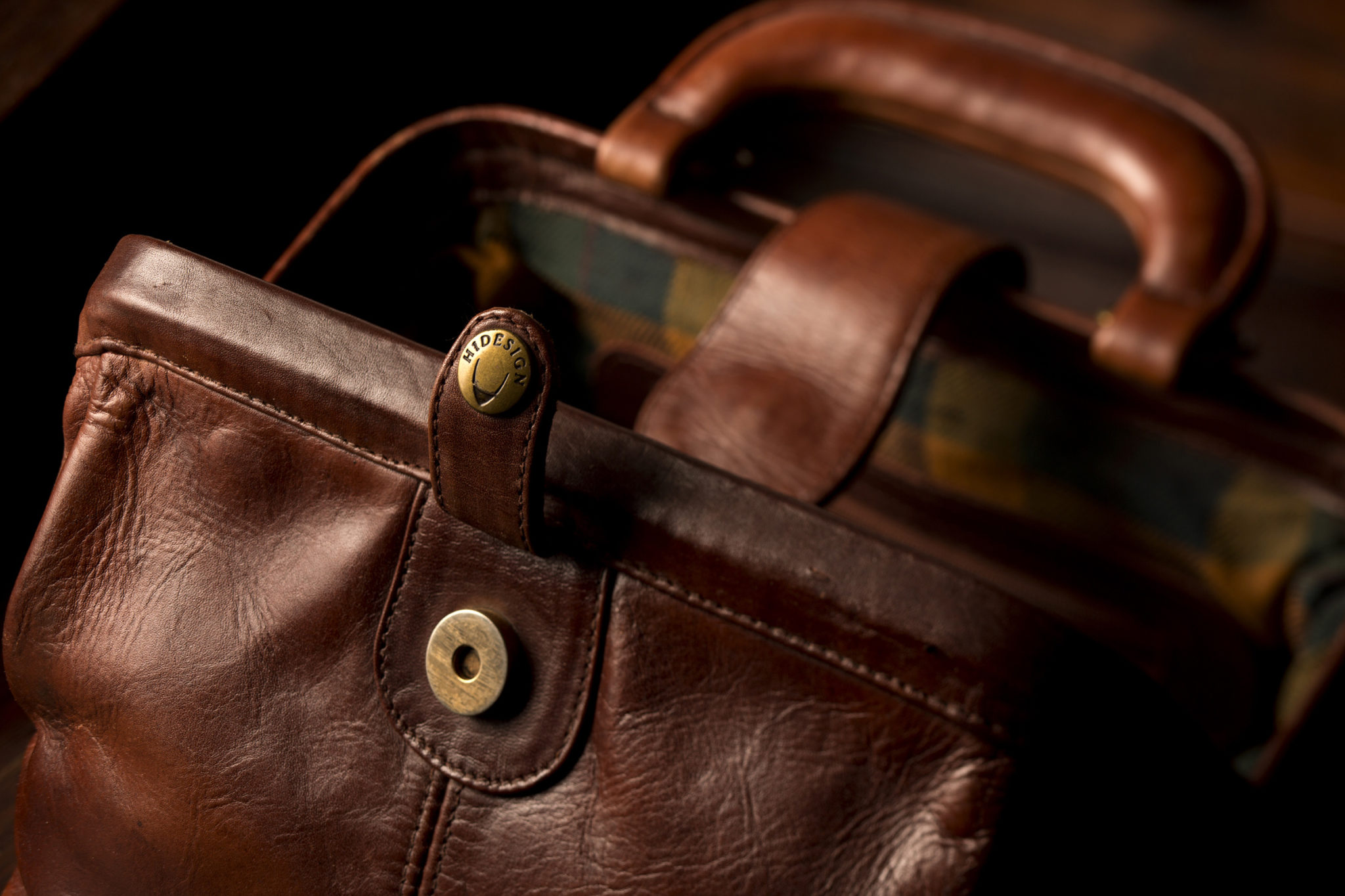
    Indian leather retailer Hidesign plans to open flagship stores at Singapore’s Changi airport and in Indonesia as it eyes an Asia-wide footprint.

    At home, Hidesign plans 12 new stores in the next two months in cities including Goa, Kolkata, Indore, Jaipur, Varanasi and Lucknow.

    The New Delhi-based company, which has been operating for 40 years, has also recently opened in Sarajevo, Bosnia adding to a global network which includes South Africa, Kenya, Nepal, Bhutan, Russia and the Czech Republic. It is also planning boutiques in the UAE, Saudi Arabia, Lebanon and Kuwait later this year.

    Chairman Dilip Kapur says the company wants to become a more viable brand internationally.

    “Our immediate focus is to expand our luxury range Atelier Hidesign – made from ostrich and deer leather – starting at ₹30,000 (US$428) by adding new colours and designs to the existing women’s range and launching men’s collection.”

    Hidesign expects turnover to grow by about 30 per cent year.

    “Our growth is led by new stores as well as e-commerce platforms where consumers from several big and small cities now have access to Hidesign. Discounted products online are also one reason that consumers are buying Hidesign online,” Kapur said.

    Hidesign has 84 standalone stores in India and shops in 14 international and domestic Indian airport stores.

  • Laura Ashley sales and profit decline, announces sale of Singapore

    Laura Ashley sales and profit decline, announces sale of Singapore

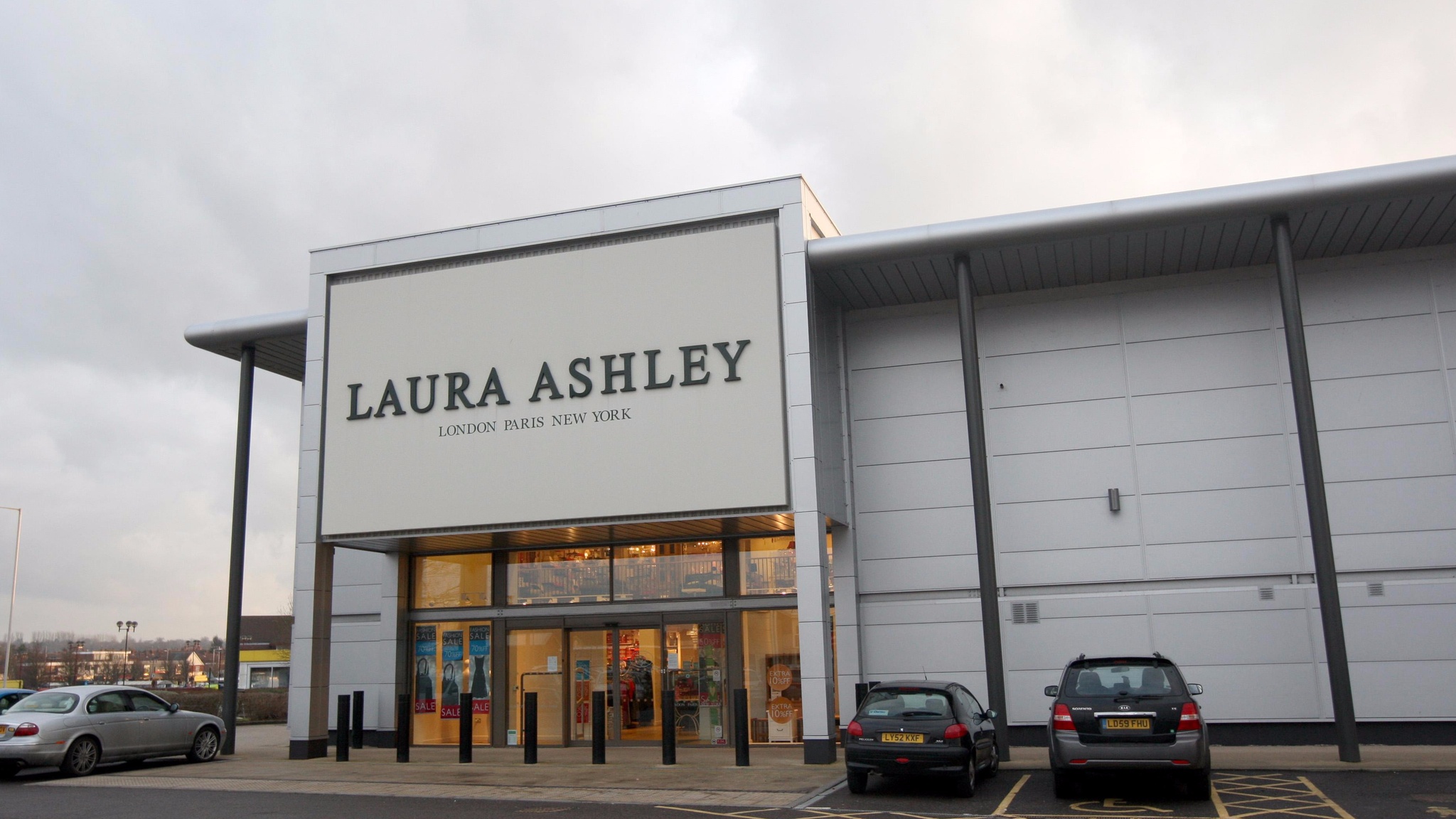
    Malaysian-headquartered apparel and homewares retailer Laura Ashley is selling its commercial property in Singapore against declining sales – but it remains positive about its regional prospects.

    The firm’s full year results announced a fall in profits from £8.4 million (US$10.8 million) last year to £5.6 million ($7.2 million) this year. Total sales for the group also declined to £257.2 million ($332 million) compared to £277 million ($357 million) in 2017. Conversely, online sales increased to make up 25 per cent of total retail revenue.

    Company chairman Tan Sri Dr Khoo Kay Peng said: “As set out at the time of the interim results, the trading environment for the first half of the year was challenging and the board expected these difficult trading conditions to continue into the second half of the year. This proved to be the case and, given the softer trading environment for the year ended June 30, 2018, we are disappointed to report a fall in profits.”

    The company’s Singapore properties will be purchased by SB Investment for a cash consideration of SGD54.5 million (US$39 million), conditional on shareholder approval.

    Peng commented: “Although the proposed sale has led to an impairment charge for the group, on completion of the disposal, group net debt will be significantly reduced and cash flow will be strengthened.”

    Despite the sale, expansion into the Asian market continues to be Laura Ashley’s strategy for the region.

  • What to know about Monica Vinader’s brand positioning

    What to know about Monica Vinader’s brand positioning

    Monica Vinader, founder of the namesake British jewellery brand, always said her goal was to become a £50 million ($64 million) business by 2019.

    Her unaudited sales for the financial year ending July 2018 were £43.2 million — or about $55.1 million — representing year-on-year growth of 21 percent. With plans to add to her 15 standalone stores across the UK, America and Asia-Pacific, she’s confident the business will surpass that next year. Having cornered the market for accessible fine jewellery and built a healthy, profitable supply chain, she now has her sights set on the next target: £200 million ($255 million).

    It is an impressive trajectory for a business she and her sister Gabriela began from a converted forge at Monica’s home in Norfolk in 2007. Their aim was to “plug the gap between fine and fashion jewellery,” and that remains her raison d’etre.

    So-called “demi-fine” jewellery is a growing category in the industry; so much so that Net-a-Porter launched a subsection devoted to it in October 2016. While many jewellers use 14- or 10-karat gold and pavé diamonds, Monica Vinader jewellery is forged in sterling silver coated with 18-karat gold vermeil, using primarily semi-precious stones. Prices start at £35 ($45) for a mini sterling-silver pendant, and most pieces are priced between £65 and £495 ($83 to $631): a sweet spot for both gifting and self-purchasing.

    “We are the ultimate accessible luxury brand. It’s the constant driver of everything we do,” Vinader says. Expanding into fine, solid-gold jewellery and larger diamonds is not on the cards. “We’ve helped people understand what a quality product vermeil can be and that’s what we want to focus on.”

    That said, her upper price point has gradually increased, to £3,495 ($4,458) for a pair of cocktail earrings with 966 pavé-set diamonds totalling 2.62 carats. The use of vermeil means it offers customers far more bling for their buck than other demi-fine brands, which at Net-a-Porter range from plain 14-karat gold pieces at £40 ($51), to a choker dotted with four tiny stones by New York-based brand Wwake at £3,815 ($4866).

    “Demi-fine jewellery sales are performing incredibly well — we’re constantly reordering as so many styles sell out,” says Elizabeth von der Goltz, Net-a-Porter’s global buying director. “We still see a lot of opportunity within our demi-fine business and we are growing our investment in this sector.”

    The popularity of accessibly priced jewellery is in part due to a loosening of formality in the industry, Vinader believes. “Across all categories, luxury is more approachable and instant. People no longer think about keeping jewellery in the safe or saving it for a special occasion. They want something that fits with their everyday life, and our lives nowadays are quite informal,” she says.

    Self-gifting has been a huge driver of growth; women now buy jewellery as an accessory, in the same way as shoes or bags. Vinader capitalises on what she calls this “millennial mindset” by regularly introducing new, fashion-forward designs and engaging with customers via social media. The brand’s Instagram feed became shoppable this spring (it says sales driven through this channel are difficult to trace), and it works with influencers to raise brand awareness. Its customers also act as authentic advocates, tagging the brand in their own social-media posts.

    Vinader isn’t the only jeweller to target millennials. Under new creative director Reed Krakoff, Tiffany has directed its attention towards a younger audience by enlisting 20-year-old actress Elle Fanning to advertise its dainty new Paper Flowers collection (starting at £2,325, or $2,966), and De Beers has launched a range of “starter” diamonds, priced from £700 ($893) for a single 0.07 ct diamond on a white gold bracelet. New diamond brand Vashi, meanwhile, has positioned itself as the engagement ring supplier of choice for millennials, thanks to its casual-seeming stores (walls are covered with graffiti from happy couples who #saidyes) and focus on easy customisation: customers can select a diamond and design their own ring from a set menu of options.

    Vinader clocked the potential in personalisation early on — firstly through the ability to stack and style her jewellery (at £85, or $108, for a colourful cord friendship bracelet, why not buy two, or three?), and then via engraving. The company developed an app that allows every member of staff, not just a specialist engraver, in every store and shop-in-shop to fulfil any order. The trend isn’t going anywhere. “It’s more popular every day,” Vinader says, showing off a new charm bracelet that capitalises on this appetite for individuality.

    “Monica Vinader continues to own the ‘everyday luxury’ trend of essential pieces that most women want to build into their jewellery wardrobe,” says Ruby Chadwick, accessories and jewellery buyer at Liberty. “The brand has continued to be a significant part of our jewellery business, so much so that later this year we are expanding its space in the jewellery hall and maximising the personalisation service to meet consumer demand.”

    Having last received investment in 2016 (£14 million from Piper Private Equity, with £6 million from Winona Capital to fund the first US store), growth is now self-funded. Vinader’s workforce stands at 220 worldwide, with 48 staff in London and 54 in Norfolk – where she has taken over 16,000 square foot of converted farm buildings on the Holkham Estate – and the rest split between offices in Hong Kong and New York, plus the global network of sales associates. Hiring, coaching and retaining the right people has been one of her biggest challenges, as has the transition from start-up to larger corporation. “If you can foster that entrepreneurial instinct in the teams then they retain some of that [start-up] ethos,” she says.

    It’s an ethos she also encourages with her workshops in Jaipur, Mumbai and Bangkok. Bringing them closer to the planning and giving them visibility on volumes and growth has been essential in ensuring the scalability of her supply chain. “The most important part has been driving the psychological alignment: we see them as partners. We understand them, they understand us, and we’re all going after the same goal.”

    Her team sources rough stones, which are cut in Jaipur to fit designs, helping to keep costs down and improve scalability. Stones, she says, are “a real time drain, but something we invest a lot of time and energy in because they’re key to what we do.” She’s not interested in lab-grown diamonds, even though they would fit her accessible luxury ethos, priced from 30 percent to 80 percent below natural stones. “I’d never say never, but it’s not in our DNA. We’re obsessed with natural stones.”

    She doesn’t rule out expanding beyond jewellery eventually, but for now, she’s focusing on growing within the UK and worldwide. Having recently opened a fifth London store in Bicester Village, she’s planning to expand outside of the capital in the near future, as well as adding more outlets in the US, UAE and Asia. The brand’s US presence has been bolstered by a partnership with Nordstrom which comprises 55 fully branded shop-in-shops across the country. Increasing e-commerce, which currently accounts for 50 percent of sales, is a huge driver towards that £200 million goal. “Our online business is growing tremendously and there’s still a lot we can do to capitalise on it. We’ve always been web first; that’s how people shop nowadays.”

    Vinader’s creativity is matched by her sister’s Type A rigour. She talks a lot about the importance of data, analysis and planning. But the last decade is summed up best by the qualitative stories of the women who wear her jewellery.

    “To celebrate the anniversary, we decided to use real customers in our digital marketing campaign. We did the casting over Instagram and had an overwhelming response from women telling us what the brand means to them. Sitting with my sister watching the videos was one of the most moving things I’ve ever done. We laughed, we cried – to hear that community advocate for us in such a generous, genuine, unscripted way has been truly humbling. I’m looking forward to seeing what the next 10 years holds.”
  • Alibaba signs new deal that speed up cosmetics certification in China

    Alibaba signs new deal that speed up cosmetics certification in China

    Alibaba Group has signed a deal with Zhoushan Free Trade Zone, in China’s eastern Zhejiang province, that speeds up the cosmetics certification in China for Tmall brands who want to import non special-use cosmetics.

    This agreement, signed between the Hangzhou-based e-commerce giant and two Zhoushan City government agencies, cuts the approval time down from a typical six to eight months to just three months, Alibaba said.

    The expedited service could be a major boon for brands that wish to accelerate the launch of their products in China, as they move to keep up with the rapidly changing tastes of the Chinese consumers, said Jet Jing, the head of Alibaba’s B2C marketplace Tmall.

    According to Chinese regulations, non-special-use cosmetics are products that do not have any specialty functions, such as lipstick and eyeshadow. Specialty items, such as sunscreen or freckle-removal cream, are not included in this agreement. Currently, nearly 80 per cent of the cosmetics sold on Tmall are non-special use, Alibaba said.

    The deal, effective immediately, is result of a policy enacted in March last year through which the China Food & Drug Administration accelerated the approval time for first-time imported non-special used cosmetics at the Shanghai FTZ. Since then, 11 FTZs nationwide, including Zhoushan, have been granted permission to offer the same expedited approval by centralising all the necessary testing agencies in one location.

    In China, only the very first shipment of non-special-use cosmetics undergoes this kind of testing. After that initial approval, all other testing is random in order to ensure that the quality of imported cosmetics is maintained. Alibaba emphasised that all required documentations and testing remains the same under the new scheme.

  • Sa Sa celebrates its 40th anniversary

    Sa Sa celebrates its 40th anniversary

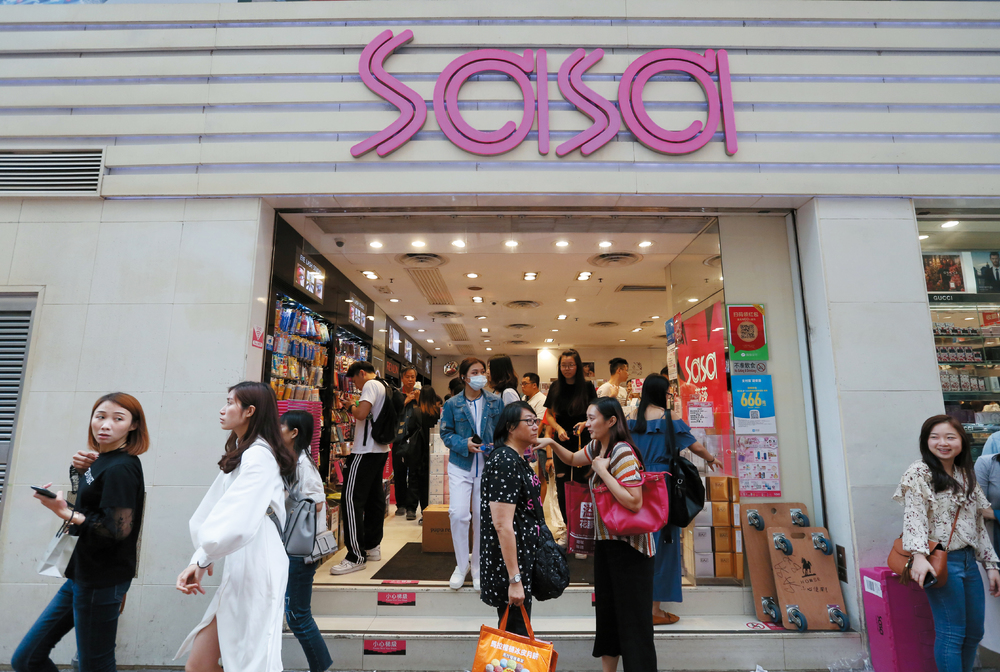
    Sa Sa International Holdings Limited announced its collaboration with Taobao Global to develop a complete loop retail ecosystem with the integration of online and offline platform with the goal to encourage local buyers to start selling as an important role in retail industry.

    This collaboration will enhance shopping experience for mainland Chinese customers. In celebration of the Group’s 40th anniversary, Sa Sa also revamped its store image to offer customers a more comfortable and fashionable shopping environment.

    Sa Sa will join hands with Taobao Global in order to develop a new collaboration model for retail industry.

    The new collaboration will connect Taobao Global buyers, who are familiar with consumption trends, have a unique taste in merchandise selection and able to motivate their followers by adopting innovative retail technology inclusive of Taobao’s marketing tools such as live broadcast to Chinese consumers with diverse characteristics who crave for overseas products.

    Buyers from Taobao Global promote products of Sa Sa’s Hong Kong retail stores on Taobao’s online platform, while mainland customers will be able to purchase Sa Sa’ products through the buyers on the platform. This enhances Sa Sa’s brand exposure and boosts its sales by absorbing the online purchasing power.

    Taobao Global will promote the most popular products in the first-ever “Taobao Global Counter” to be opened in five of Sa Sa’s stores located in Tsim Sha Tsui, Mong Kok and Causeway Bay. The first batch of approximately 70 Taobao Global buyers will be doing in-store live broadcast shopping and recommending the selected products to mainland consumers.

    Mainland consumers can watch the live broadcast and do online shopping at the same time. Taobao Global Counter will be gradually set up in the next batch of around 100 Sa Sa’s stores in Hong Kong, offering shopping convenience and discounts to mainland consumers.

    Dr Simon Kwok, SBS, JP, Chairman and Chief Executive Officer of the Group , said, “Being the leading cosmetics and retail group in Hong Kong, Sa Sa possesses a strong physical retail network. Combining the strengths of Sa Sa’s retail stores and Taobao Global’s huge base of influential buyers, we will broaden our customer base through developing a new retail operation model of online-to-offline collaboration, which will bring more overseas cosmetics and beauty brands to the vast group of Chinese consumers. The Group is looking forward to bringing new cross-border online-to-offline shopping experience to customers, with an aim of catering customers’ purchasing preferences under the trend of “New Retail”. Through strengthening its brand management capabilities and expanding new marketing channels, Sa Sa’s leading position will be strengthened as the best choice of sole agent for overseas cosmetics and beauty brands entering the mainland China. This cooperation also brings more diversified products to the Group and gives impetus to its business growth.”

    Ms Wei Meng, General Manager of Taobao Global , said, “Taobao Global connects active buyers across the globe to mainland consumers and offer different array of unique oversea goods. Through Taobao Global buyers’ online recommendations, Sa Sa’s diversified and trendy products will be able to swiftly meet Chinese customer’s demands for customized goods. We expect that Taobao Global and Sa Sa can develop a new retail model with the joining of online and offline platforms and bring a more personalized and advanced shopping experience to users. The shopping model provides quality merchandise and offers an official regulated place in hope of encouraging more local residents to pursue the role of being buyers and realise their dreams of owning a business.”

    In celebration of the Group’s 40th anniversary, Sa Sa is also going to revamp image of its stores, including the 5,300 sq. ft. Grand Plaza Store in Mong Kok, 3,600 sq. ft. Grandmark Store in Tsim Sha Tsui, 1,200 sq. ft. Metro Town Store in Tseung Kwan O, 1,300 sq. ft. Tuen Mun Town Plaza Store and 1,500 sq. ft. San Hong Street Store in Sheung Shui. Six new stores in Hong Kong slated for opening in the second half of 2018 will also adopt the new design. Sa Sa’s staff will have new uniform, providing professional and attentive services to our customers in a brand new image.

    New Uniform Design
    Sa Sa has invited renowned couture designer Mr. Barney Cheng to design a new uniform for our beauty consultants, creating a vivid “making life beautiful” image.

    Similar to the uniform launched for the Group’s 35th anniversary, the new uniform will continue to adopt black as the major color to maintain Sa Sa’s elegant style and incorporate the latest “athleisure” elements into the chic and stylish 40th anniversary new uniform.

    New Store Image
    With its morale of “making life beautiful”, Sa Sa is in the hope of making every generation pretty and everyone precious eternally.

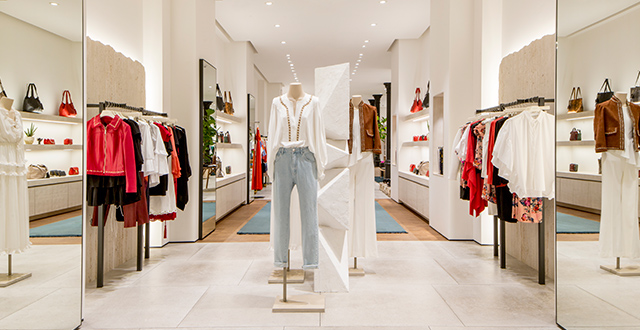
    Sa Sa’s stores will feature a brand new image, demonstrating modernity and simplicity with black and white to be the theme colors. In the counters of skin care, fragrance, make-up, hair care and body care products, counter edges will be painted in dark and gold-brass colors to have a touch of elegance and uniqueness.

    To enrich the visual, a stark color contrast and simple lines can create a sense of spaciousness and brightness in soft and warm lighting while products presented in vertical style allows a clear view at a glance.

  • Inditex’s Uterqüe arrives in China in partnership with Tmall

    Inditex’s Uterqüe arrives in China in partnership with Tmall

    Zara sister label Uterque has opened a flagship on Alibaba’s Tmall to build brand awareness in China’s premium fashion market.

    Uterque has yet to open any physical stores in China, but the company’s parent Inditex says China is definitely on the radar in the near future.

    According to Alibaba Group news site Alizila, Uterque will continue its tradition of renewing the product selection in stores and online twice a week in China as well and customers of Tmall, Alibaba’s B2C marketplace, will have immediate access to all of the label’s newly launched clothes.

    “With the rapid growth of the market for high-end goods on Tmall, more and more premium fashion brands from Europe and North America have joined the platform, even opening a store on Tmall ahead of its brick-and-mortar roll-out,” said Anita Lyu, VP of Tmall Fashion.

    She said launching online in advance of opening physical stores helps brands understand the market first.

    “Through partnering with Tmall, brands can receive accurate feedback from Chinese users and leverage that to design an overall strategy that suits the China market,” Lyu said. “Meanwhile, tapping Tmall can help boost brand awareness and open up markets more quickly.”

    Inditex operates more than 7448 stores worldwide under eight brands, including Zara, Zara Home, Massimo Dutti, Bershka, Pull and Bear, Stradivarius, Oysho and Uterque. Uterque is the last to open an official store on Tmall.

  • Amorepacific opens outdoor public exhibition on Jeju

    Amorepacific opens outdoor public exhibition on Jeju

    South Korea’s leading cosmetics company Amorepacific is holding an outdoor public exhibition on Jeju Island until October 14, featuring natural aspects of Jeju, like its volcanic topography.

    Titled “apmap 2018 jeju — volcanic island,” the exhibition is part of the company’s “amorepacific museum of art project (apmap),” which portrays the natural vitality of Jeju through contemporary artworks.

    A total of 15 young artists and architects have participated in the exhibition, displaying artworks ranging from sculptures to media art inside the Osulloc Tea Museum on Jeju and outside in the museum’s garden.

    Participating artists and art pieces include Lee Yong-ju and his work titled “Foldable House,” ADHD’s “Ply” and Hong Buhm’s “Veiled Grains and Layers.”

    Lee’s “Foldable House” was inspired by the Jusangjeolli cliff, and “Ply” was inspired by lava, while “Veiled Grains and Layers” was inspired by the forests Saryeoni and Gotjawal.

    The company said the exhibition would help visitors understand Jeju’s scenery in a new way and presents a special experience of art in one’s routine life.

    Through art, visitors will rediscover Jeju’s picturesque landscape and scenery as depicted in the artists’ figurative language, and find moments of contemplation and rest, it added.

    Osulloc Tea Museum on Jeju, opened in 2001 and features a cultural space where 1.8 million people visit each year.

    The company has been running the art project apmap since 2013, to discover rising and unknown artists and support their experimental art creation. Exhibitions take place every four years in parts I and II. Each project aims to introduce new themes and artists.

    From 2013 to 2016, apmap part I was held at Amorepacific venues including its product distribution center Beauty Campus located in Osan, Gyeonggi Province, in 2013, Jeju Island’s Seogwang Tea Garden in 2014, the research center Mizium in Yonging in 2015 and the new headquarters in 2016, which was designed by renowned artist David Chipperfield.
    Part II, which kicked off last year, will be hosted until 2020 on Jeju Island, the company said.

    Jeju Island was selected as a venue considering that contemporary artworks blend well with Jeju’s nature and landscape, the company said.

    The latest exhibition, which is a section of part II, began on August 11 and runs until October. Anyone who visits the Osulloc Tea Museum on Jeju can see the exhibition free of charge. More information about the company’s art project and the exhibition can be found at apma.amorepacific.com.