Category: Fashion

Retail News Asia is committed to providing both local and global retailers with the latest Fashion news throughout the Asian market. This on a daily base.

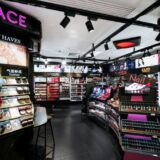
  • @Cosme cosmetics debuts in Bangkok

    @Cosme cosmetics debuts in Bangkok

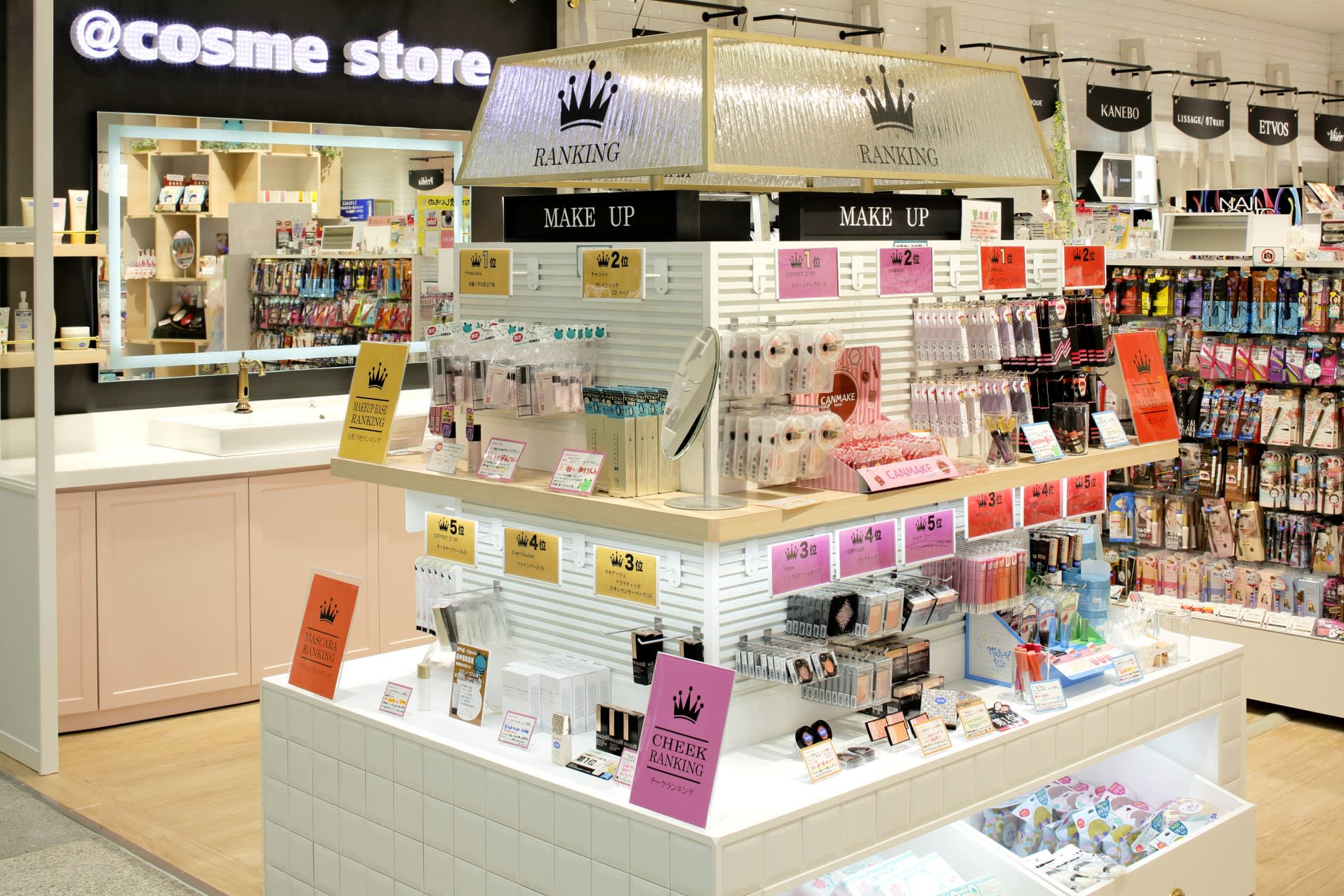
    Japanese company istyle cosmetics is partnering with Siam Piwat to open @Cosme stores in Bangkok.

    The joint venture in which istyle holds 70 per cent is called istyle Retail Thailand and will operate five @Cosme stores in the country.

    The first Thai @Cosme store is set to open at the new development IconSiam by the end of this year, and the second will open at Siam Center.

    “We have studied the Thai market and found that Bangkok’s GDP is high and consumers in Bangkok, compared with consumers in other countries in this region, are the top spenders on beauty and cosmetic goods,” said Kei Sugawara, director, CFO and senior VP of global at Istyle Inc.

    “The @Cosme retailing concept that merges online consumer engagement with offline sales is extremely innovative and will be exciting for Thai consumers. Next to that, this joint venture will facilitate the arrival in Thailand of many new, high quality Japanese beauty brands that have not been available to consumers in Thailand,” said Usara Yongpiyakul, CEO of Siam Piwat Retail.

    The joint venture expects the total sales earned by @Cosme stores to reach Bt300 million (US$9 million) in the first three years.

    Currently, @Cosme has stores in Hong Kong, Japan, and Taiwan.

    Thailand is among several new markets istyle is planning to expand in during the next three years with a goal of 50 to 60 new stores planned.

  • Kappa parent Dongxiang embraces big growth number

    Kappa parent Dongxiang embraces big growth number

    China Dongxiang, which owns the Kappa brand rights in China, Macau and Japan, has recorded a 14.4 per cent increase in sales for the first-half year despite a restructure of its store network.

    Sales totalled RMB772 million (US$111.67 million), while profit attributable to shareholders reached RMB481 million.

    Kappa brand sales rose 10.7 per cent year on year with same-store sales rising in the mid- to low-single digits, despite a 20 – 25 per cent decline in forward orders and the closing down or upgrading underperforming stores.

    E-commerce helped boost Kappa sales and brand awareness in China, where the company collaborated with platforms, such as Tmall, JD and VIP Shop to launch promotional campaigns during popular festive seasons, and intensified promotion of new products online.

    The company’s Kappa Kids brand improved sales by 16.3 per cent and that now accounts for 7.7 per cent of China Dongxiang’s China regional revenue.

    The company ended the period with 1439 Kappa stores, including 335 trading under the Kappa Kid’s banner.

    Meanwhile, China Dongxiang’s Japan business continued to undergo reforms. The company says revenue from there grew significantly and its loss “shrank substantially” year on year.

    China Dongxiang owns Phenix, Japan’s most popular ski brand, whose market share it is now trying to expand in China and Europe.

  • Sogo store sales rises, helped by tourism rebound

    Sogo store sales rises, helped by tourism rebound

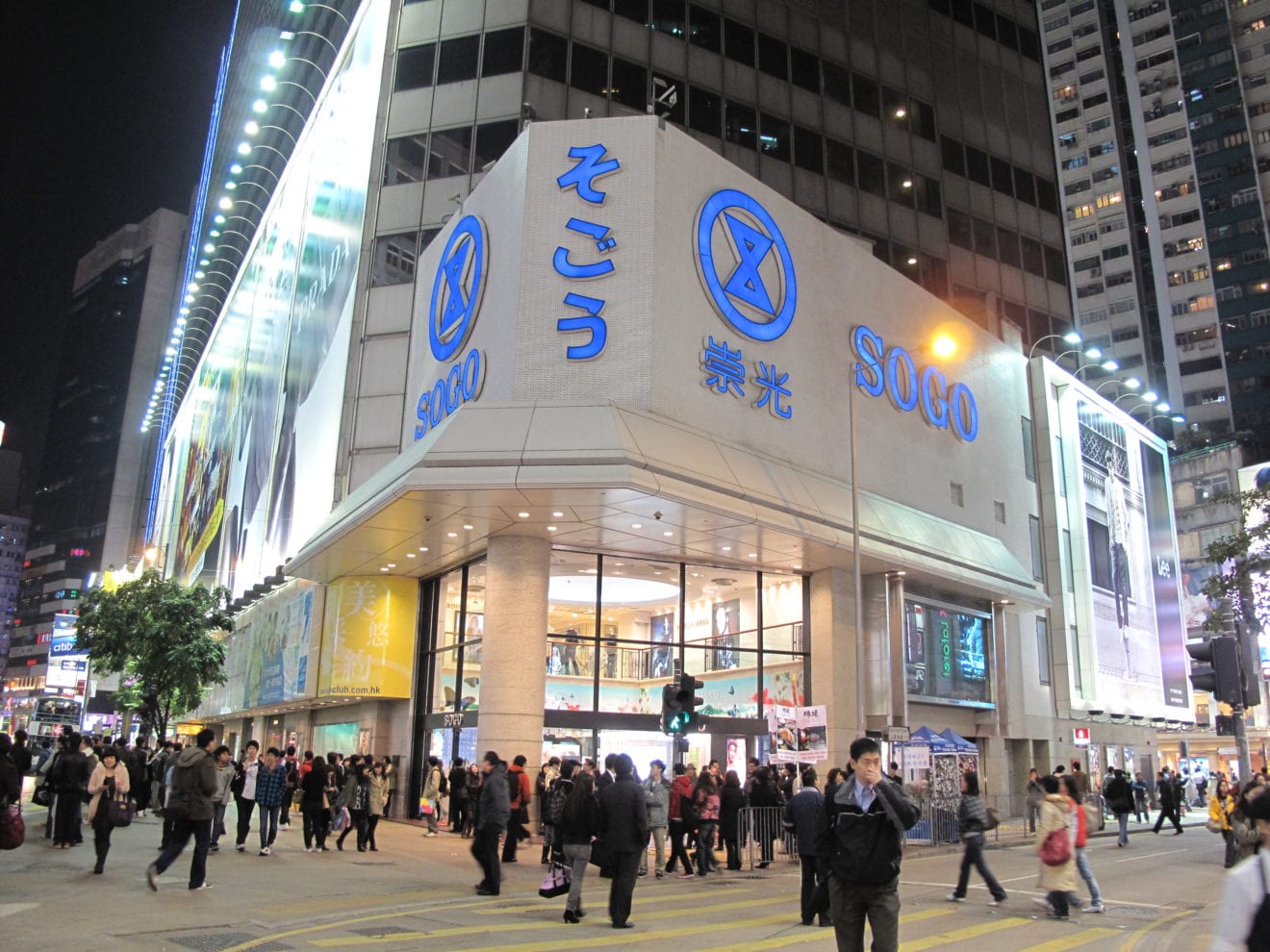
    Sogo store sales on both sides of the harbour surged ahead in the first half of this year.

    Causeway Bay recorded a 20 per cent upturn in sales during the six months to June 30, as inbound tourist numbers rebounded and consumer spending improved.

    The department store’s parent company Lifestyle International, said footfall increased by 7.1 per cent and what it terms the “stay-and-buy ratio” rose by 2.3 percentage points to 34.7 per cent. The average ticket size (excluding Freshmart supermarket sales) rose from HK$1344 in the same period last year to $1482.

    But the store’s greatest growth came in its Sogo Rewards program, with membership rising by 100,000 over the six-month period to reach 480,000. Members accounted for 51.5 per cent of all spending in-store, compared with 45 per cent during the first half of last year.

    Executive director Lau Kam Shim said Lifestyle International will continue to optimise the loyalty program to increase sales in its stores.

    During the half year, the group managed to capitalise on the uptick in consumption by introducing aggressive sales promotions and it streamlined digital payment services. The biannual Sogo ‘Thankful Week’ event held in May drew an overwhelming response from shoppers, achieving record-breaking sales of $1.307 billion, up 19.7 per cent from the previous record achieved in May last year.

    Across the harbour, the Sogo Tsim Sha Tsui store boosted sales by 42.8 per cent, with cosmetics and skin care products the major driver, up 55.4 per cent.

    “Sogo TST extended its robust growth momentum with both average ticket size and traffic footfall increasing from the previous period, thanks to stronger inbound tourism and local demand,” said Shim. “Similar to its counterpart in Causeway Bay, the May Thankful Week event at Sogo TST was well received and achieved record-breaking sales revenue of $429.3 million, up 41.9 per cent from the same event in the previous year.”

    Trade war warning

    While Lifestyle International is bullish about the company’s ongoing prospects, Shim joined the chairman of Lifestyle International’s sister company Lifestyle China, which operates malls on the mainland, warning of potential fallout from the US-China trade war.

    “Looking ahead, escalating Sino-US trade tensions and Brexit negotiations could derail the global economic recovery and undermine business and financial market sentiment,” he said in a commentary on the company’s results.

    “The weakening of the Chinese yuan against the Hong Kong dollar and concerns over a potential slowdown in China’s economy would also make a dent in Chinese tourist spending in Hong Kong and pose challenges to the steady recovery of Hong Kong’s retailing market.

    Notwithstanding the lingering macroeconomic uncertainties, a solid job market, government spending and a still-buoyant property market should continue to render support to Hong Kong’s economy and hence to the local consumption.”

    Combined results

    Overall, Lifestyle International’s department store sales rose 26.2 per cent in the first half.

    The strong growth was mainly attributable to a 35.3 per cent increase in direct sales and a 19.3 per cent increase in commission income derived from concessionaire and APO sales.

    The group’s gross profit margin as a percentage of turnover decreased from 75 per cent to 73.7 per cent, mainly due to higher growth in direct sales relative to concessionaire sales. Net profit attributable to shareholders totalled $882.9 million, down 48.7 per cent on the $1.720 billion of the same period last year. The decline was due to a $56.2 million loss on the group’s financial investments amid a volatile financial market (compared to a $328 million gain last year), profit for a one-off gain in the comparable period of $420.8 million from the sale of its interest in a subsidiary company; and a lower revaluation gain of $108 million compared to the $351.5 million last year in respect of the group’s investment properties, mainly the Kai Tak Land project where it has a development underway.

  • Metro Singapore retail sales decline

    Metro Singapore retail sales decline

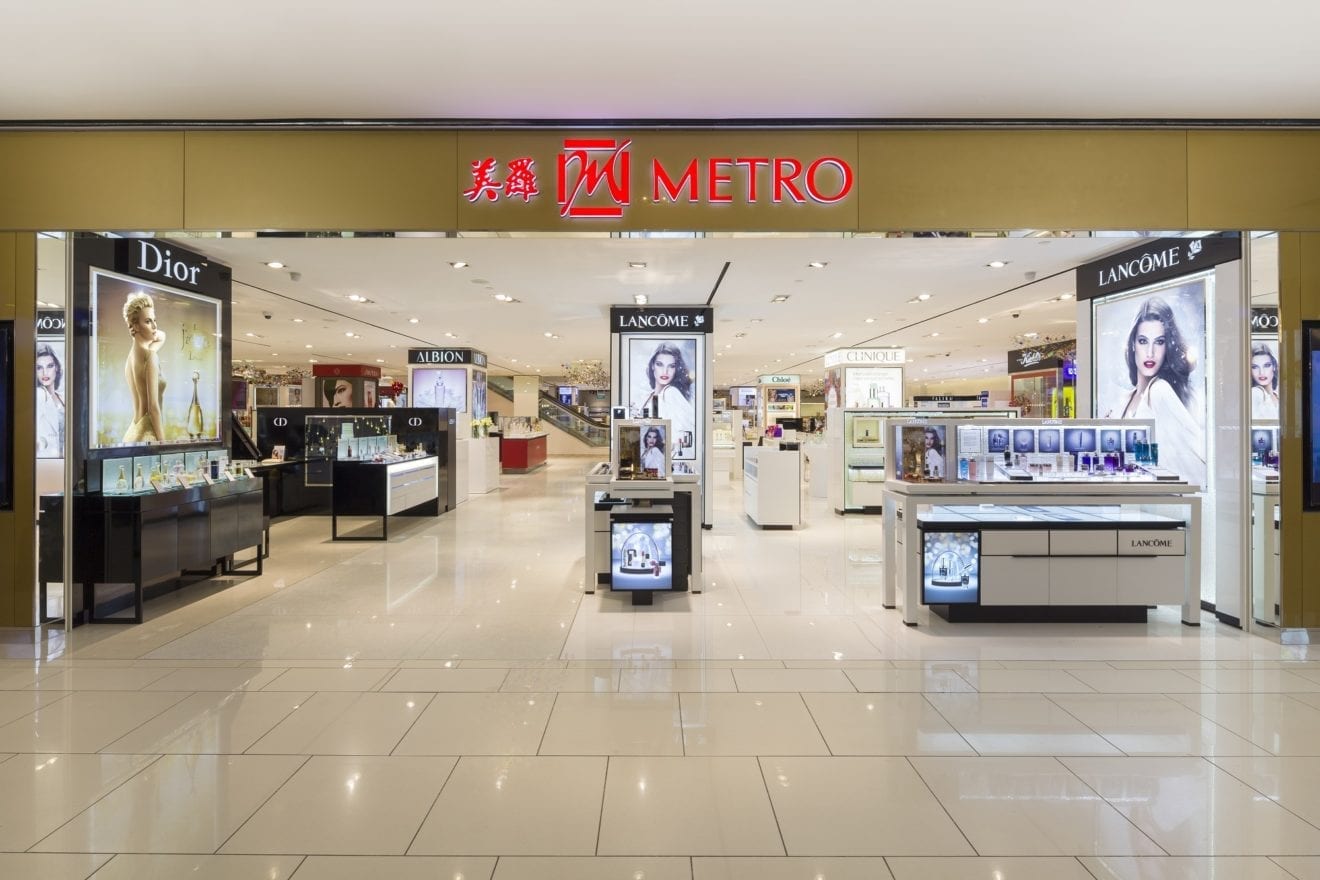
    Metro Holdings’ Singapore retail business posted a 7.6 per cent decline in sales during the first quarter of this year amidst “difficult trading conditions”.

    Metro has three Metro-branded department stores in the city and another 10 department stores in Indonesia.

    The company said the retail business as a whole posted a decline in profit due to lower Singapore sales. Its Indonesian stores achieved “marginal growth”, the company said in its results filing.

    Overall, Metro Holdings, whose primary business is property development in China, Singapore, Indonesia and the UK, achieved a net post-tax profit of S$20.3 million (US$14.7 million) for the quarter, down nearly 20 per cent in the same period last year, when it earned $25 million. However, this was largely due to the absence of a significant $8.3 million gain on asset disposals in the comparable quarter.

    CEO Lawrence Chiang Kok Sung said the group will remain “disciplined and focused” in its investment approach to seek out potential investment opportunities in the region to drive sustainable growth.

  • Coach boosts Tapestry growth

    Coach boosts Tapestry growth

    Tapestry growth continues to be boosted by the inclusion of Kate Spade.

    The US apparel retailer has reported fourth-quarter revenue of US$1.48 billion and a net income of $211.7 million. A 31 per cent uplift in sales is the result of the acquisition of the Kate Spade business subsequent to the fourth quarter of the previous financial year.

    However, this is the final quarter during which the sales line will be flattered by this anomaly, which means the next fiscal year will present a much truer picture of underlying growth.

    For this quarter, the results are generally good – but mostly thanks to Coach which has driven the whole business forward. The numbers from Stuart Weitzman and Kate Spade are less impressive. The latter is understandable given that the brand remains in transition, but the former is somewhat disappointing as it is the result of operational missteps.

    Looking at Coach in more detail, total revenue increased by a solid 5.1 per cent, with a supporting rise of 3 per cent on a comparable basis. This is a very respectable result which, once again, underlines the return to full health of a brand that once suffered from ubiquity and excessive discounting. The performance in the US was particularly strong, aided in large part by the more robust consumer economy which has spurred spending on luxury products. However, Coach deserves credit for securing a slice of this growth – something that not all higher-end brands have been able to accomplish.

    Within Coach, the Signature line has been a particular success and has helped to drive both sales and interest in the brand. The development of smaller leather goods in this range has helped to expand the number of products consumers can buy and has created some good gifting options which should help the company in the all-important holiday quarter. We are encouraged by this development as it suggests that Coach has now found a sweet spot in terms of balancing a premium positioning with accessible products that help maximise sales.

    Another win for the company is the men’s range, where an expanded offer has helped to boost sales. While men’s remains a small component of the sales mix, we are heartened by a good performance over Father’s Day and a growing awareness of this part of the assortment. In our view, this part of the business has good potential and will likely be a driver of future growth.

    Kate Spade rebuilding 

    Kate Spade has now been part of Tapestry for a year. Over that time the group has taken a disciplined approach to rebuild brand equity, including pulling back on excessive promotional activity and reducing exposure to unfavourable wholesale channels. This effort is now almost complete and while global comparable sales were down 3 per cent, margins are strengthening and top-line revenue is starting to look more favorable. The brand is now in a better position and should start making a solid top and bottom line contribution over the next fiscal year.

    Stuart Weitzman continued its run of poor performance with a slip in sales and margin. Most of the issues at Stuart Weitzman still stem from production problems, which delayed key seasonal styles. Not only did this reduce sales of those products, it also weakened overall interest in the brand which meant core products had to be discounted to stimulate demand. Unfortunately, these second-half issues undid most of the advancement during the first quarter.

    Looking ahead, we believe Tapestry is in good shape. It should have a successful holiday quarter which will boost the first-half of its new fiscal year. And now that Kate Spade is in order, we do not preclude further acquisitions in the year ahead.

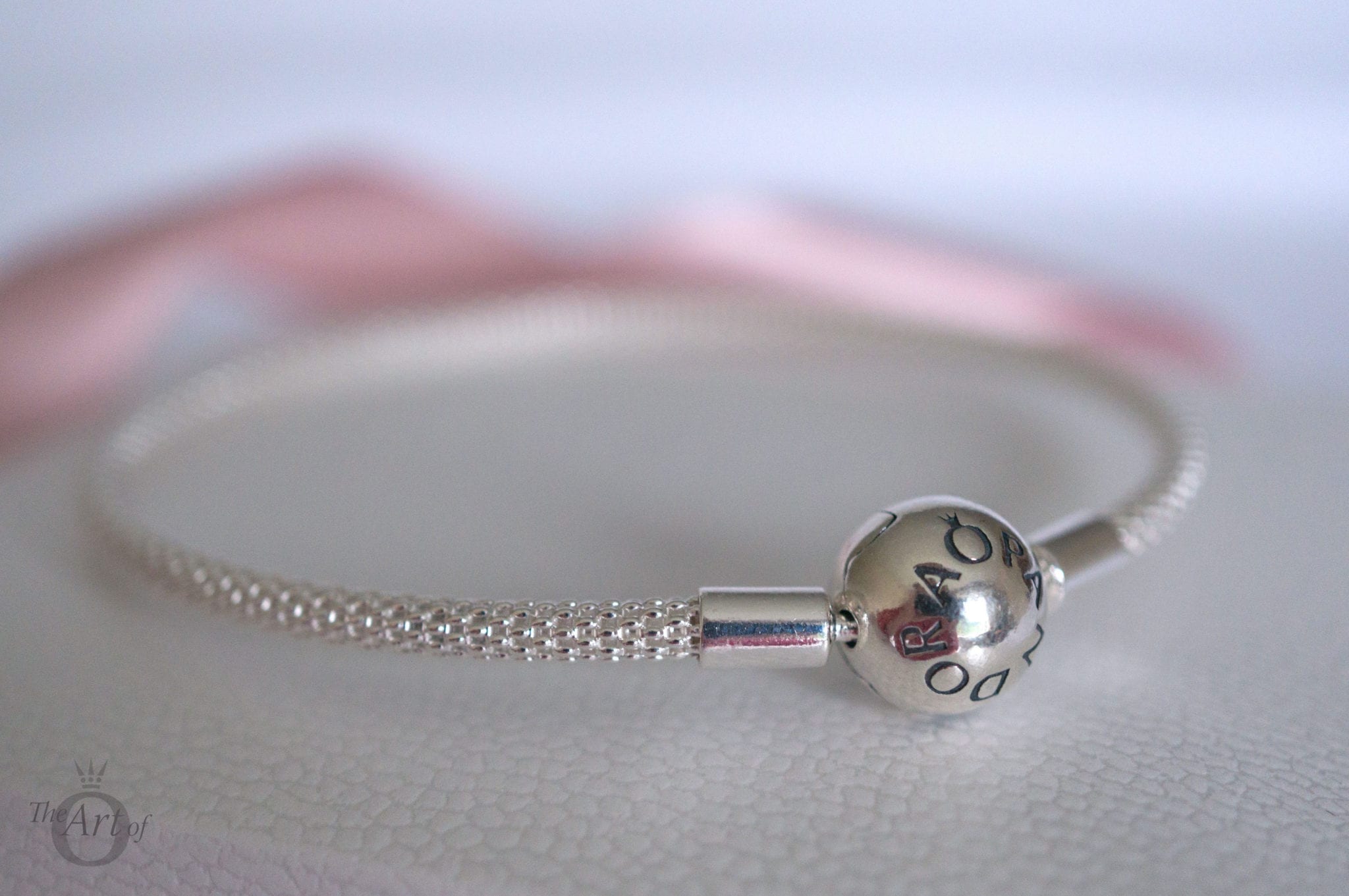
  • What’s happening at Pandora?

    What’s happening at Pandora?

    Pandora said it expects to make less sales revenues in 2018, despite plans to open some 250 retail stores globally, of which 25% will be in Asia-Pacific. Meanwhile, the ailing Danish jeweller dismissed its CEO last week amid staff cuts of hundreds of employees.

    Anders Colding Friis is stepping down as President and CEO of the company effective as of 31 August 2018. Pandora’s CFO, Anders Boyer, and the newly recruited COO, Jeremy Schwartz, who joins September 1, will be jointly responsible for replace Friis until a new CEO is found, according to a press release from the Copenhagen-based firm.

    Meanwhile, staff cuts operationally will affect 397 globally, including 218 staff in pandoraThailand.

    Pandora adjusted its 2018 financial guidance for 2018 just three days prior, and said the move reflects lacklustre results for the second quarter, as well as weaker than anticipated total like-for-like sales-out growth in July.

    Pandora said new charms have failed to sell as well as expected, adding that a change in inventory levels and a soft performance in the wholesale channel have also made a negative impact on revenues.

    For 2018, expected revenue growth is now 4-7% in local currency from the previously 7-10%. Finally, Pandora said it now expects its earnings before interest tax depreciation and amortisation margin to be 32%, down 3 percentage points from its previous forecast.

    In the second quarter of this year, sales grew 4 percent in local currency to DKK 4.82bn. The EBTIDA margin was 31.1%, down from 33.4% in the second quarter of 2017.

    Furthermore, Pandora said it expects to add around 50 more concept stores in 2018. Some 60 of these are slated for the Asia-Pacific region.

    In July, Pandora lowered its prices in China across its jewellery collections for instore, online and on Tmall.

    “We are committed to servicing our Chinese customers and are very pleased with the opportunities for continued growth in China,” said Kenneth Madsen, President of Pandora’s Asia Pacific region.

    “This price reduction across our jewellery assortment is one element in our strategic programme to limit grey market trading of our products in China, and continue to enhance our customer experience in the world’s largest jewellery market.”

    Pandora first entered China in 2010, and today has 170 stores in 50 Chinese cities.

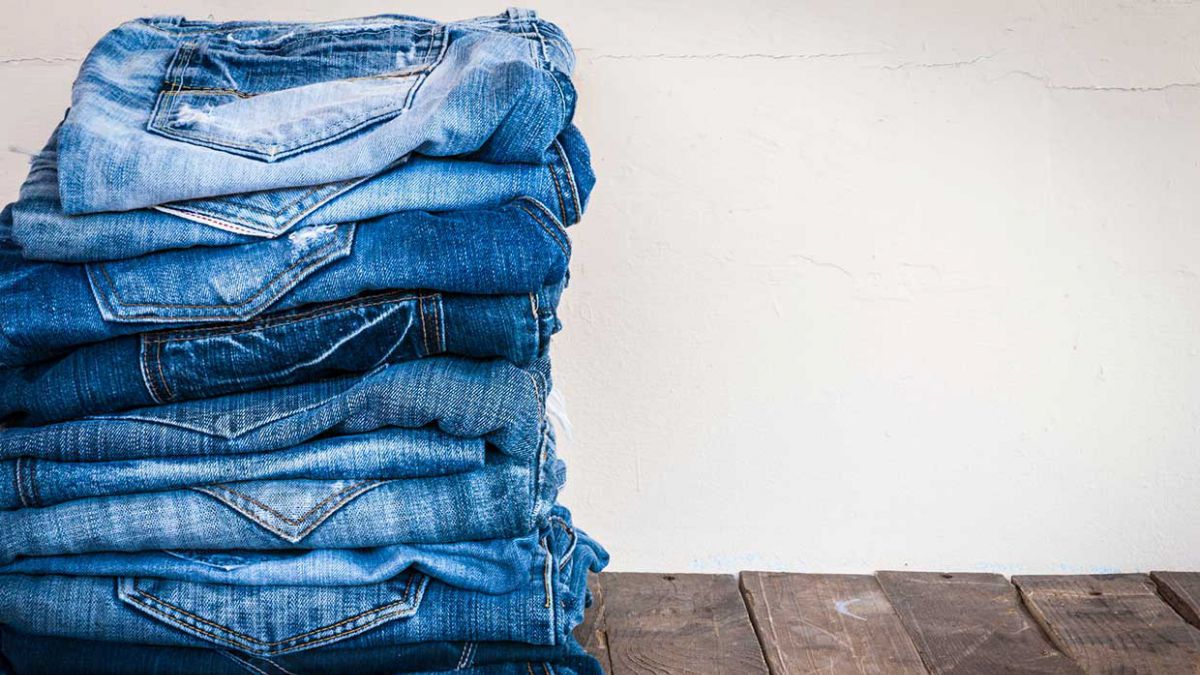
  • VF next plan for Wrangler and Lee business

    VF next plan for Wrangler and Lee business

    Fast-growing apparel brand owner VF Corporation plans to spin off its Wrangler and Lee denim business into a second listed company.

    Dubbed NewCo for now, it would be a global leader in the denim category as well as incorporating the VF Outlet operations. Those businesses contributed US$2.5 billion to VF’s turnover last year.

    VF chairman, president and CEO Steve Rendle said since last year the company has been engaged in a disciplined reshaping of its brand portfolio to better position the company for long-term success in a quickly changing business landscape. In that time, VF has acquired Williamson-Dickie, and the Icebreaker and Altra brands, and sold Nautica and its Licensed Sports Group, including the Majestic brand. That has sharpened the company’s focus on activity-based outdoor, active and work lifestyles. Its brands now include North Face, JanSport, Smartwool and Eagle Creek,

    “The decision to separate these businesses will allow VF to sharpen its focus as a consumer-centric and retail-minded organisation anchored in activity-based lifestyle brands,” said Rendle.

    The Wrangler and Lee jeans business is both successful and sustainable with iconic global brands and a clear path to value creation as a standalone entity, he said.

    “This exciting step forward will mean that both VF and NewCo have the resources, management focus and financial flexibility to thrive in a dynamic consumer marketplace, creating an even brighter future for both organisations and all of their stakeholders.”

    With annual sales estimated at more than $11 billion, the trimmed-down VF business will have more flexibility to pursue its merger and acquisition strategy, explore new growth vectors and apply even more investment behind its organic brand portfolio, he said in a statement.

    Post split, VF would move its headquarters to metro Denver, a location it believes is more in keeping with its outdoor wear focus and an ideal home for its Global Innovation Center for technical fabrics and Digital Lab.

    “Locating these brands, along with select VF leaders, at the base of the Rocky Mountains will enable us to accelerate innovation, unlock collaboration across brands and functions, attract and retain talent and connect with consumers,” said Rendle, who will remain in his current role.

    NewCo’s Asian focus

    Meanwhile, the new Wrangler and Lee denim business will be free to pursue further expansion of its global footprint, with a sharp focus on Asia, building on its established presence in China. The company expects to unlock significant scale and cost efficiencies by streamlining operations, providing flexibility to pursue strategic acquisitions over time.

    Scott Baxter has been designated CEO of the new company and  Rustin Welton as CFO.

    NewCo will be headquartered in Greensboro, North Carolina where Lee will relocate its headquarters from Kansas City, joining Wrangler.

    The separation is anticipated to be complete in the first half of next year, following customary regulatory approvals and tax and legal considerations.

  • L’Oreal China get fuel from Colorlab by Watsons

    L’Oreal China get fuel from Colorlab by Watsons

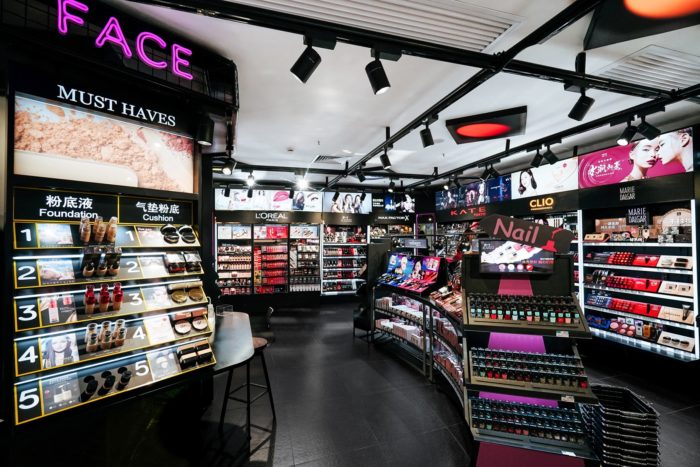
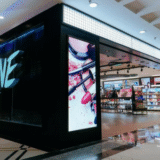
    International health and beauty retailer AS Watson has teamed up with L’Oreal to launch Colorlab by Watsons, a new concept makeup store in China.

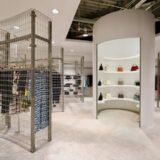
    The first Colorlab launched in Shenzhen early this year as a trial, followed by more openings in Guangzhou and Shanghai. Now the company has revealed plans to roll out a further 50 stores across China by the end of this year. The stores feature modern black interiors to convey a fashionable and trendy experience-led makeup space, with access to on-hand makeup artists.

    L’Oreal brands occupy more than 30 per cent of retail space, and such an arrangement is exclusive to Colorlab only.

    With the rise of online shopping and changing shopping behaviours of younger customers, it is expected that the focus on innovative physical spaces and refreshing shopping experiences will help attract younger buyers.

    AS Watson Group COO Malina Ngai said: “Makeup was identified as a huge growth area for Watsons, and working with L’Oreal on the development of this new store concept meant that we had the expertise of an established makeup supplier at the forefront. Colorlab stores put the customers experience first and rather than just purchasing makeup, we wanted to give customers access to advice and expertise from skilled makeup artists, as well as the opportunity to try out different looks and play about with new products.”

  • Nike drops matching “Qixi Festival” editions

    Nike drops matching “Qixi Festival” editions

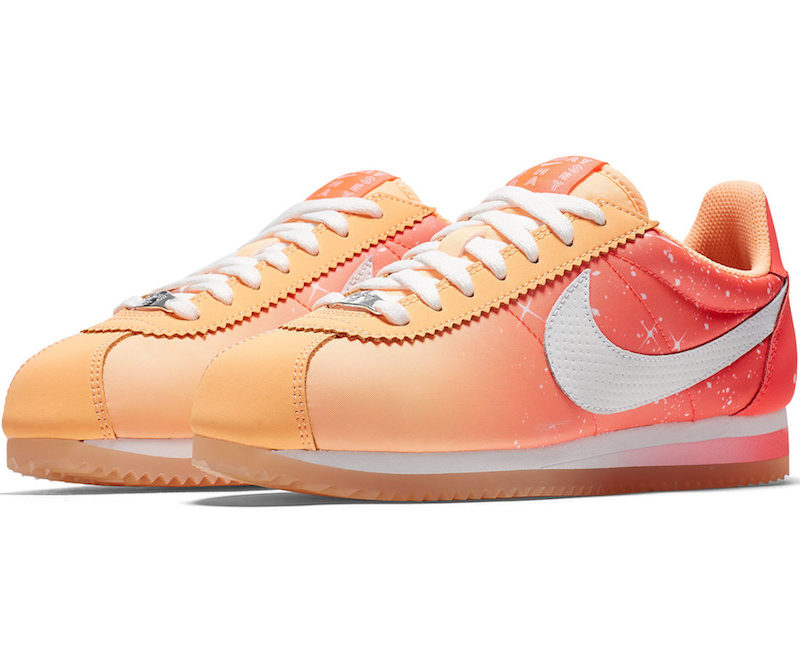
    Nike is celebrating China’s Qixi festival, taking place this Friday, 17 August, with a duo of Classic Cortez Nylon colorways for Men and Women.

    The special edition pack features two colorways inspired by the “Dusk till Dawn” Chinese folklore of Niulang and Zhinu. The Chinese Valentine’s Day celebrates the yearly reunion of the couple, banished to the opposite ends of the Sliver River, on the seventh day of the seventh lunar month through a bridge formed by magpies.

    The Men’s edition features a gradient “Dark Obsidian” hue and the Women’s version a “Flash Crimson” wash, each boasting galaxy stars to represent the fading sky of the summer night. The constellation of Vega (Zhinu star) and Altair (Niulang star) are printed on the heel counter in glow-in-the-dark ink, while a tongue tab branded with “Today is the Day” rounds out the limited edition pair.

    Nike’s Classic Cortez Nylon “Qixi Festival” pack will launch exclusively in China on August 18 via Nike’s SNKRS app and select retailers.

  • Dover Street Market Beijing launched with revamp

    Dover Street Market Beijing launched with revamp

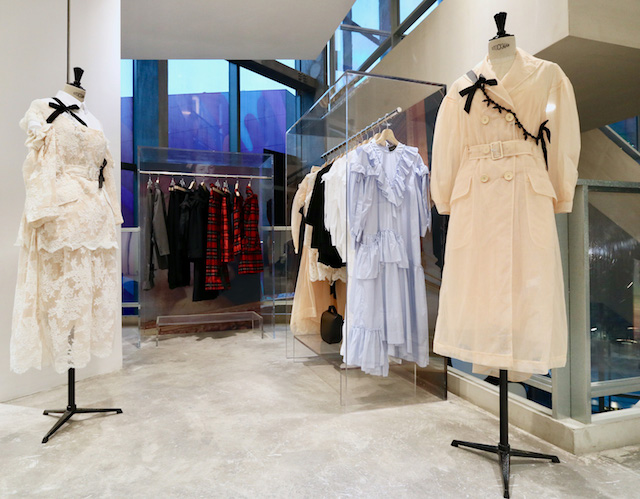
    Dover Street Market Beijing, formerly I.T Beijing Market, has opened for business with a brand-new interior.

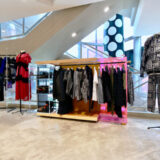
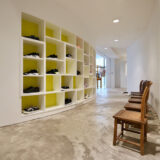
    The four-storey, 2200sqm glass house fashion landmark was restructured and redesigned, before a soft opening in April. This week, I.T Group has formally launched the new store, with further upgrades and additions, while renewing the brands and visual displays in line with other DSM stores around the world.

    Much of the interior was redesigned by Rei Kawakubo of the Comme des Garcon team.

    New features include a “village hut” installation at the entrance as well as diverse and contrasting layouts, materials, and colors on every floor, attempting the DSM signature “Beautiful Chaos” style.

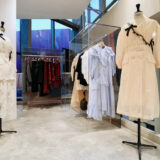
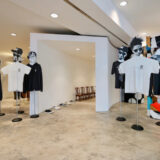
    Highlights include a Molly Goddard white dress and wooden-blind partition theme on the second floor; raw industrial metallic silver displays weaving throughout the third floor, and a dynamic white sneaker space and T-shirt space gallery on the fourth level.

    The market has released a full adjusted space and brands schedule for the Fashion Week 2018 season.

    View the full gallery below (9 picture) :

  • Topshop Topman end franchise agreement with China’s Shangpin

    Topshop Topman end franchise agreement with China’s Shangpin

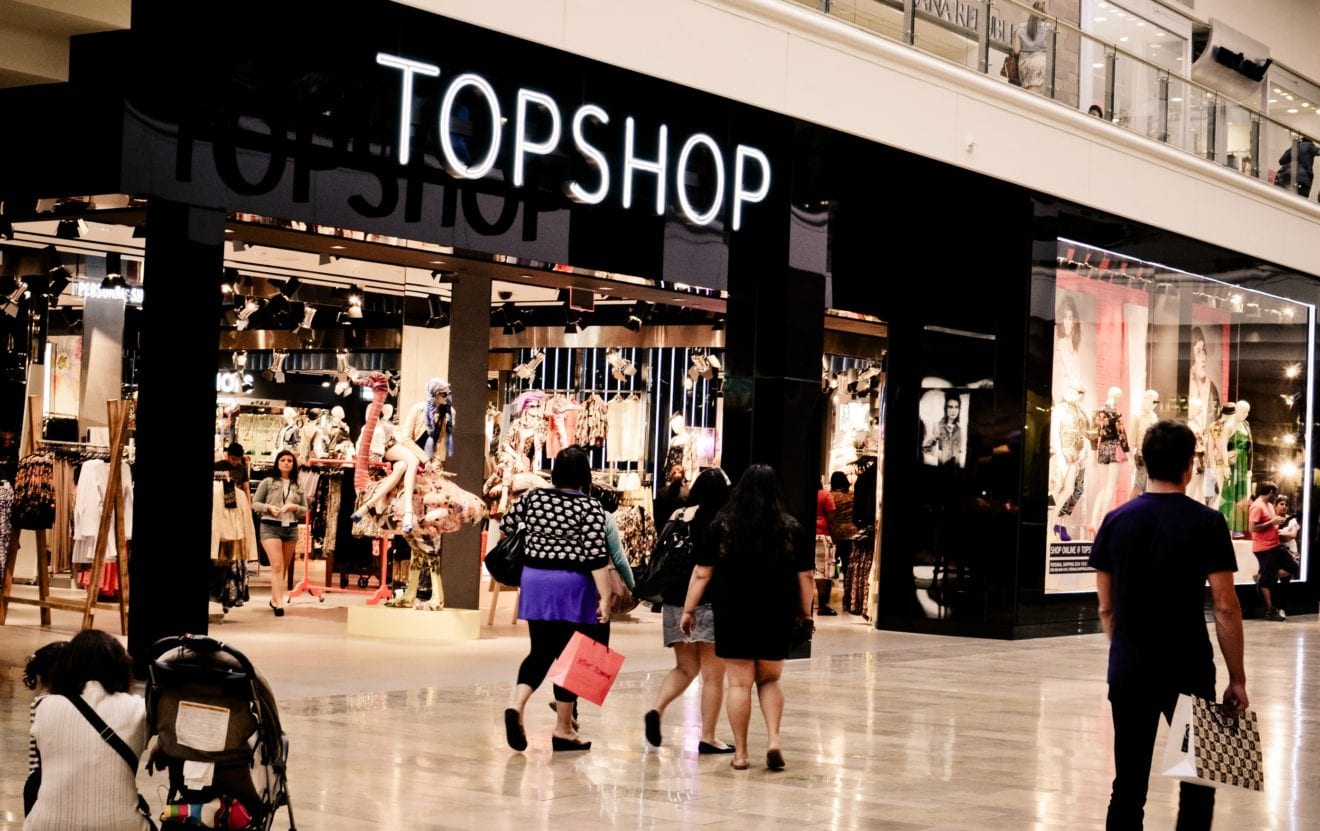
    British apparel group Arcadia has terminated its contract with Chinese franchisee Shangpin to represent its Topshop brand in the PRC.

    Arcadia chairman Sir Philip Green had announced plans to open 80 stores in the region with the Chinese franchise partner in 2016 said that it signalled “the start of a unique, exciting and exclusive partnership that will cement Topshop and Topman’s mission of becoming truly global businesses”.

    None of the planned stores eventually opened.

    A spokesperson for the brand said “Topshop, Topman and Chinese franchise partner Shangpin have reached a mutual agreement to an early termination,” but the UK company nonetheless considered China a “hugely significant market for development”.

    The company said it continues to seek opportunities to grow Arcadia’s brands in China.

  • H&M Upgrades U.S. Web Site And Mobile App

    H&M Upgrades U.S. Web Site And Mobile App

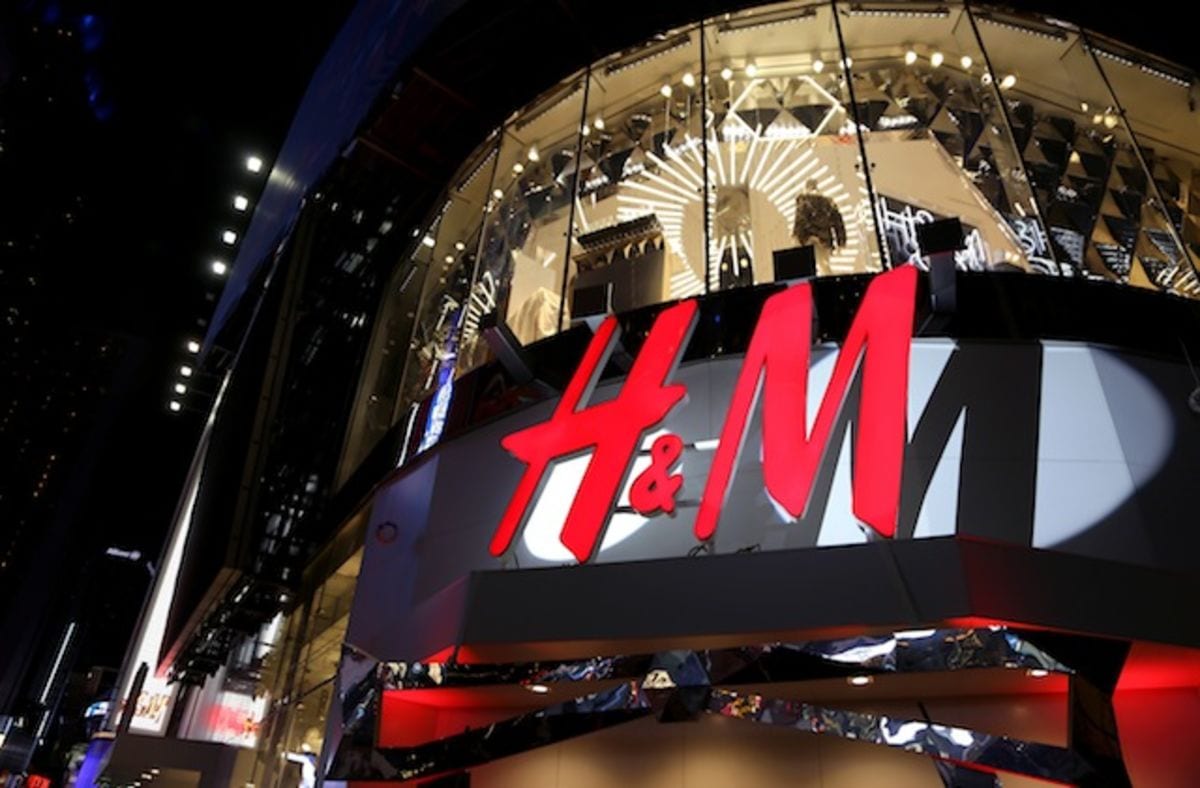
    H&M has launched a new e-commerce site and mobile app for customers in the US and introduced a slew of new features and services aimed squarely at converting younger consumers.

    The fast fashion giant now allows customers in the US to pay for items online via PayPal and return online orders in-store for free.

    It also offers new shipping options, live chat and visual search, as well as tools to rate and review online orders and scan items in-store to check additional sizing and colour options online.

    Later this year, H&M said it will launch a ‘find in store’ tool to enable customers to locate an item in their nearest H&M.

    The site and app will also feature user-generated-content tagged with #HMxME in an inspiration gallery.

    A statement from H&M cited the rapid digitalisation of the fashion industry and the new opportunities it has created.

    “H&M is accelerating its transformation to take advantage of these opportunities to create a seamless and enjoyable shopping experience online, on your mobile device and in our physical stores,” the statement said.

    The online site has been updated with all the new features, but to see the changes reflected in the mobile app, users on need to delete the old app and download the new version for iPhone and Android.

    The changes come on the heels of H&M’s new sizing structure, which was introduced earlier this year to better reflect the North American industry standard and to be in line with the customer expectation in the market.

  • Michael Kors taps Yang Mi for Whitney bag line

    Michael Kors taps Yang Mi for Whitney bag line

    Luxury fashion brand Michael Kors has recruited Chinese actor Yang Mi for the design and promotion of a limited-edition take on the US accessories maker’s classic Whitney bag.

    Designed to celebrate Qixi, the Chinese equivalent to Valentine’s Day, the Whitney Qixi bags feature heart and star-shaped silver-tone hardware in a nod to the romance of the ancient Chinese day of love.

    The bags are available in both bright red and black leather, which Mi chose to reflect her personality and personal style, confirmed the actress in a press release.

    “Studs are always a part of my style, so I knew I wanted to use them in these designs. The heart shapes were perfect for symbolizing love this Qixi, while the star shapes were all about adding a little personality and attitude,” said the Michael Kors’ ambassador.

    The Qixi Whitney bags officially launched August 1, at a special event in Shanghai also attended by Mi, before becoming available worldwide.

    The collection and launch event coincided with the unveiling of the Michael Kors x Yang Mi pop-up concept, which runs in Shanghai from 1 August to 19, before heading to Chengdu from 25 August to 2 September.

    As part of Kors’ efforts to further tap the local market, the Qixi bag is also available via its new WeChat Mini application, which allows customers to purchase all Kors products directly from the social media messaging platform.

    Finally, to mark the release, Michael Kors launched a fresh campaign featuring Mi, which was shot by Chinese photographer Chen Man. The global campaign will be distributed via print, outdoor advertising, digital advertising and social media, and an accompanying video will also be released.

    Michael Kors named Yang Mi as a global ambassador last September. It operates 135 stores in Greater China.

  • Jin Amy Yang appointed to lead Levi’s success in Greater China

    Jin Amy Yang appointed to lead Levi’s success in Greater China

    Effective 20 August, Jin Amy Yang will be taking over Nic Versloot’s position as Managing Director of Greater China as he moves on to a new role within the company.

    Alumni of the University of International Business & Economics in China with a Bachelor in Economics, Jin Amy Yang has over 20 years’ experience driving strategy and execution with top consumer brands.

    Formerly in charge of the global business development division of The Coca-Cola Company, Yang is now responsible for leading Levi’s commercial operations across all brands and channels while accelerating the brand’s growth in Greater China.

    Yang will report to David Love, Executive Vice President & President of Levi Strauss Asia, Middle East and Africa.

    Love says he is “confident she’ll unlock the company’s full potential in this market” which “represents a major growth opportunity for Levi Strauss & Co” and defines it as a “must-win market” for the company.

    Prior to joining Coca-Cola, Yang spent 13 years at P&G holding various global and regional leadership roles in both China and the U.S before becoming vice president of marketing for L’Oreal Paris.

  • The revival for brick-and-mortar fashion retailers?

    The revival for brick-and-mortar fashion retailers?

    These are dark times for brick and mortar fashion retailers. As e-commerce grows and consumer behavior changes, the US has seen over 7,000 store closings in 2017.

    Investment bank Credit Suisse even predicts 25% of American shopping malls to close by 2022. The UK is no different, with an average of 16 high street stores closing every day last year. In this scenario, many brick and mortar retailers are finding that a couple mannequins, clothing racks and nice lighting no longer suffice to lure shoppers into coming inside, let alone to turn them into loyal customers.

    In a quest to look more attractive, a growing number of fashion retailers are drawing inspiration from art galleries, museums and magazines to plan their stores’ architecture, décor and product display.
    “By presenting goods for sale in a ‘highbrow’ setting, they increase the perceived value of products, which also creates more of an experience for the consumer”, said Petah Marian, Senior Editor of Insight at the trend forecasting company WGSN.

    However, in the fast-paced times we live in, even the most eye-popping of shops still needs to revamp itself from time to time to keep consumers interested. While museums and art galleries may be a source of inspiration, the pace in which pieces are replaced shouldn’t resemble a museum at all. A recent study revealed that online stores which constantly launch new products tend to sell more than those which are perceived by consumers as stylish. However, the latter takes longer to change their collections.

    If even e-commerce companies must speed up to not be swept away by competition, what can be said of brick and mortar retailers?

    Another report by The Future Laboratory advised stores to become “hubs of activity, with ‘rewards’ such as exclusive products, immersive experiences or lifestyle services”. Indeed, no less than 75% of Generation Z consumers prefer stores that provide a “memorable and encouraging offer”.

    This dynamism imperative might explain why the biggest cities of the world are seeing a growing number of so-called “concept stores”. Although the term is sometimes used loosely to describe retail spaces that look different than usual, it usually refers to shops which, in addition to looking “artsy”, also offer an ever-changing curated selection of products from several categories.

    It’s a smart move: ever-changing, so that consumers always feel there’s something new to discover in store. Curated, because they often find it difficult to filter all the options they come across in a world saturated by information and products. Shoppers who are overwhelmed by choice tend to look for trustworthy sources to inspire their purchases, according to trend forecaster Pernille Kok-Jensen, director at Dutch research agency Mare.

    Think of the concept store as the retail equivalent of the social media influencer. Speaking of social media, that explains why so much attention is given to product display and décor: retailers aim to look “instagrammable”. After all, today’s consumers are avid social media users and Instagram is on a quest to become an e-commerce platform.

    But perhaps the most interesting thing to be noted about this type of shop is that fashion is placed alongside other product categories which used to be sold separately, such as books, homeware and food. Some even go as far as offering workshops, concerts and other cultural activities — just like a real museum or art gallery would. “Spending on clothing in developed markets is not growing at the same rate of other categories. In some markets, it is even in decline. That means retailers need to branch out in order to maintain profitable growth”, explained Marian. Fashion is now part of a more holistic view of style.

    Concept stores’ rise in popularity can, therefore, be related to the rise of “lifestyle”. As fashion brands expand into new product categories to have customers “fully immersed into their world”, as Gucci put it when releasing its homeware line, so do stores. After all, why restrict oneself to just one product category, when one can cater to more needs and be present at all moments of customers’ lives?

    “The books we read, the clothes we wear to the skincare we use are all indicative of the lifestyle we are aspiring to create”, explains Marian.

    No wonder established apparel giants, such as the H&M Group, are jumping in the concept store bandwagon as well. In addition to expanding H&M’s product offering to include homeware, the fast fashion giant has recently launched a new brand, Arket.

    Defined by H&M itself as a “modern day market”, the store features menswear, womenswear, childrenswear, homeware, beauty products and a café. Its website even includes a recipe section. At Arket, products are displayed in a minimalistic style reminiscent of Scandinavian museums — remember H&M’s motherland is Sweden.