Category: Fashion

Retail News Asia is committed to providing both local and global retailers with the latest Fashion news throughout the Asian market. This on a daily base.

  • Lancome launches event at Shinsegae Duty Free

    Lancome launches event at Shinsegae Duty Free

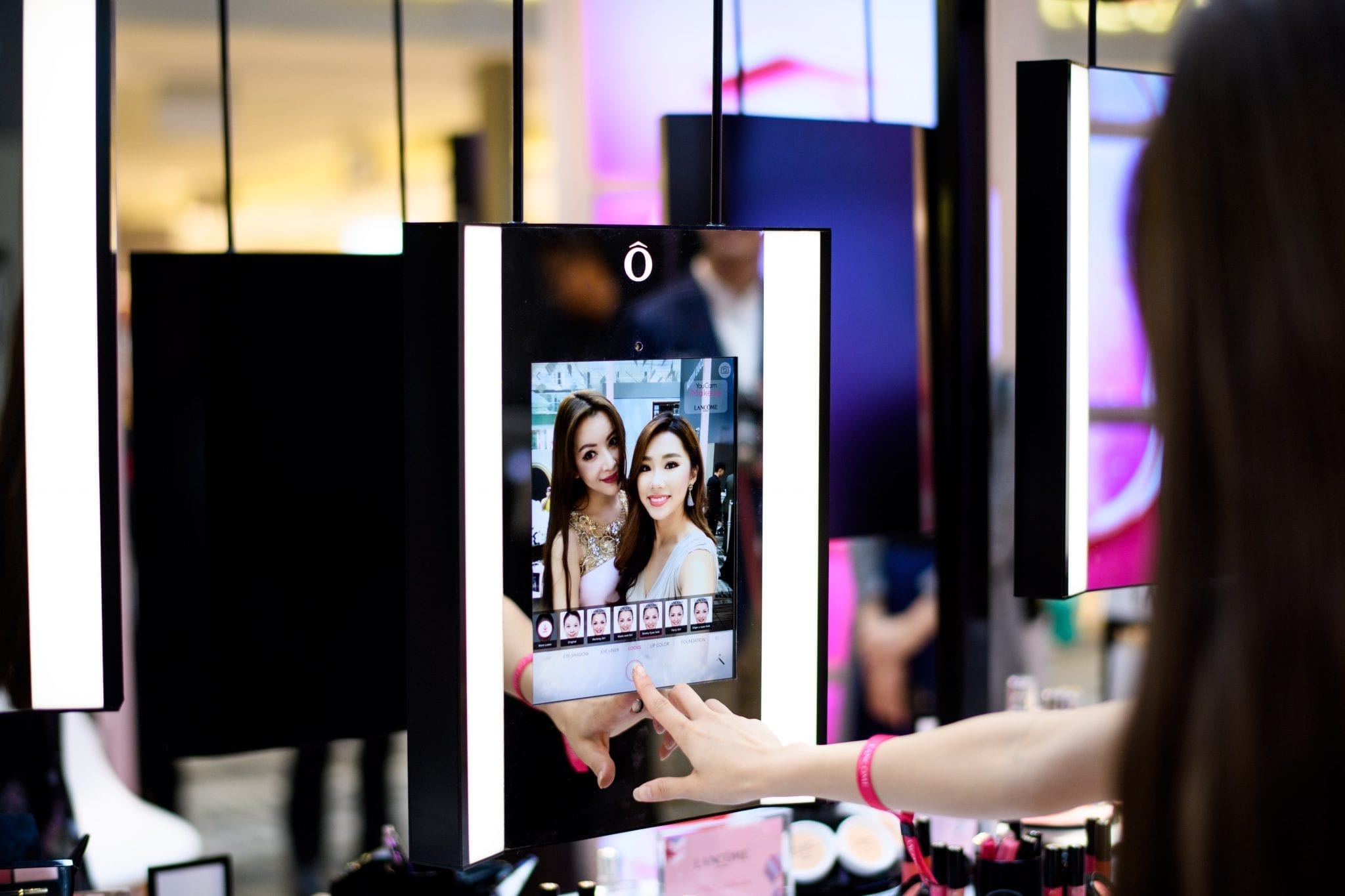
    Cosmetics brand Lancome has taken over a high-profile retail space in Seoul’s Shinsegae Duty Free store.

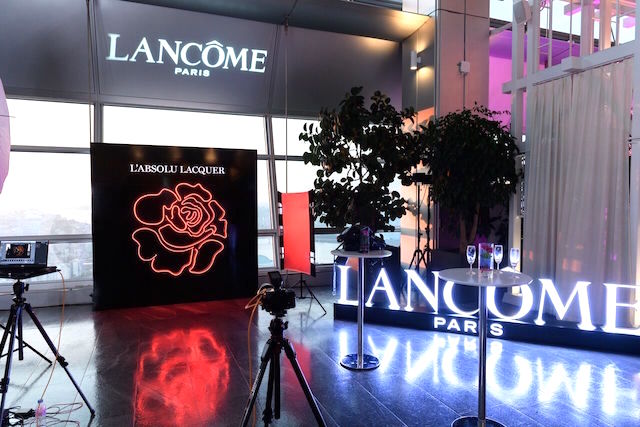
    The 360-degree panoramic LED screen above the signature Shinsegae carousel, facade and surrounding features were fully branded to showcase new products, creating a multi-sensorial concept space intended to immerse guests and consumers in the brand’s “Makeup Is My Power” experience.

    Lancome Travel Retail Asia Pacific is using the area to promote its Teint Idole Ultra Wear Foundation in a move designed to promote the power of makeup as well as to create a dedicated beauty space for consumers to fully experience its products.


    “As part of our goal to create new tourism demands through our duty-free store, we are on a constant lookout for partners and ideas to strengthen and elevate our retail offerings. We are proud to partner Lancôme Travel Retail Asia Pacific for this impressive regional launch,” said Seokho Hong, senior VP of Shinsegae Duty Free.
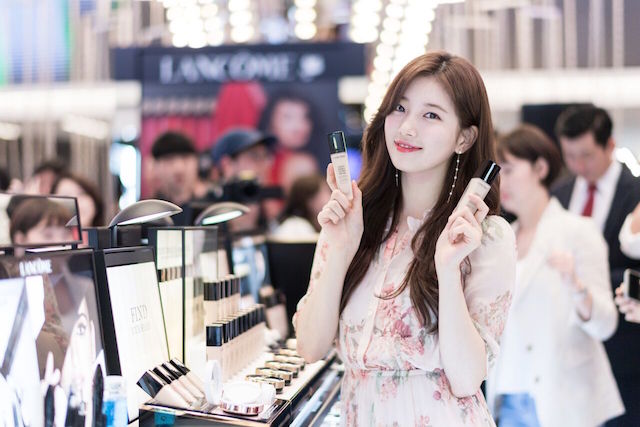
    The official launch event included a celebrity appearance by popular Korean celebrity and Lancome local ambassador for South Korea, Suzy Bae, a group of Lancome’s national make-up artists from around the world, and 20 prominent Chinese KOLs and customers.
  • China boosts L’Oreal high growth rate

    China boosts L’Oreal high growth rate

    Chinese consumers are powering massive sales growth for beauty products giant L’Oreal in Asia Pacific.

    During the first half of this year, like-for-like sales in the region soared 22 per cent and it is now on the brink of surpassing North America as L’Oreal’s second largest geographic region in sales, behind Europe.

    “This strong growth is being boosted by Chinese consumers, as reflected in the growth in China and Hong Kong across all divisions, especially for premium brands,” said L’Oreal in a statement. “E-commerce and travel retail accelerated in the first half. Southern Asia is extremely dynamic, with market share gains particularly in India and Malaysia.”

    Globally, L’Oreal achieved sales of €13.39 billion, with €3.54 coming from Asia, €3.56 billion from North America and €4.13 billion from Western Europe. Across all markets, like-for-like sales rose by 6.6 per cent. But in Western Europe, sales slipped 2 per cent in the second quarter and 0.8 per cent over the first half.

    Chairman and CEO Jean-Paul Agon said the beauty market is becoming more premium.

    “The good sales growth and the quality of the first-half results reinforce our confidence in our ability to once again outperform the cosmetics market in 2018, and to achieve significant like-for-like sales growth and an increase in our profitability.”

  • JD Sports launches entertainment platform

    JD Sports launches entertainment platform

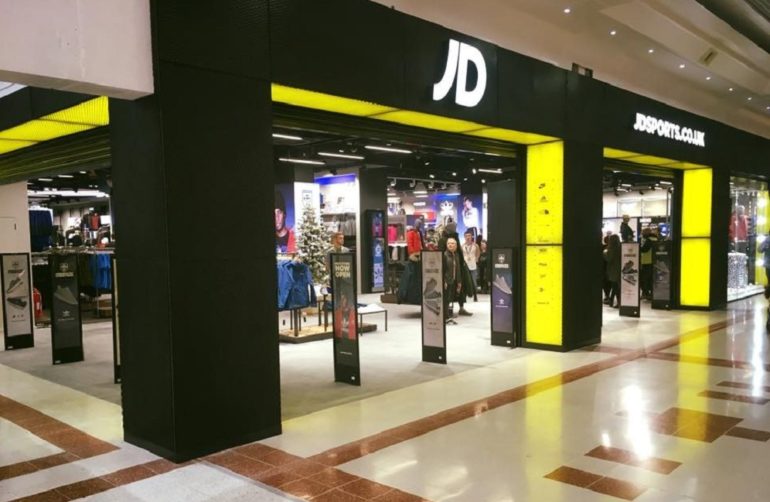
    The company is working with multichannel in-store and digital production company Immedia on the 24-hour service which is clearly seen as a key development for the retailer.

    It was officially launched at with a VIP party, with an exclusive live performance by Anne-Marie.

    It’s part of “a larger programme of added benefits designed to enhance the experience of JD consumers.” These include unlimited next day delivery, priority access to exclusive events, early product launch access and other “money-can’t-buy experiences.”

    JD-X is being rolled out now to all JD UK stores and with Immedia providing language-specific channels on a global basis, there are plans for the platform to be available in other European countries too. Ireland, France, Belgium, Spain, Portugal, Germany, Italy, Netherlands, Sweden, Denmark and Finland are all on the hitlist.

    So what do consumers actually get with JD-X? A main Live channel featuring DJs, guest artists and other “exclusive and relevant content”, plus “20 other bespoke streams with specific playlists to cover genres and trends.”

    The JD-X Live channel focuses on “the biggest tracks popular with the JD audience.” Core artists include Drake, Ramz, Mabel, Stormzy, Anne-Marie, Calvin Harris, J Hus, Dua Lipa, Post Malone and Kendrick Lamar.

    The genres and activities on the 21 channels include UK Reppin’, featuring tracks from the stars of the UK Grime and RnB scenes. And there are other playlists to listen to when in the gym or out running.

    JD-X also provides content relevant to consumer interests including sport, clubs, gaming, gigs, relaxation, and TV. There are videos too, such as the latest content from JD, including celebrity exclusives and features on new products, all available to view inside the app.

    Immedia CEO Bruno Brookes said: “Live entertainment channels offer an incredible way for brands, facing the dual threat of declining advertising response rates and the increase in ad blocking technologies, to establish unique connections with consumers that deliver excellent experience and business results.”

  • Dufry blossoms in Asia market

    Dufry blossoms in Asia market

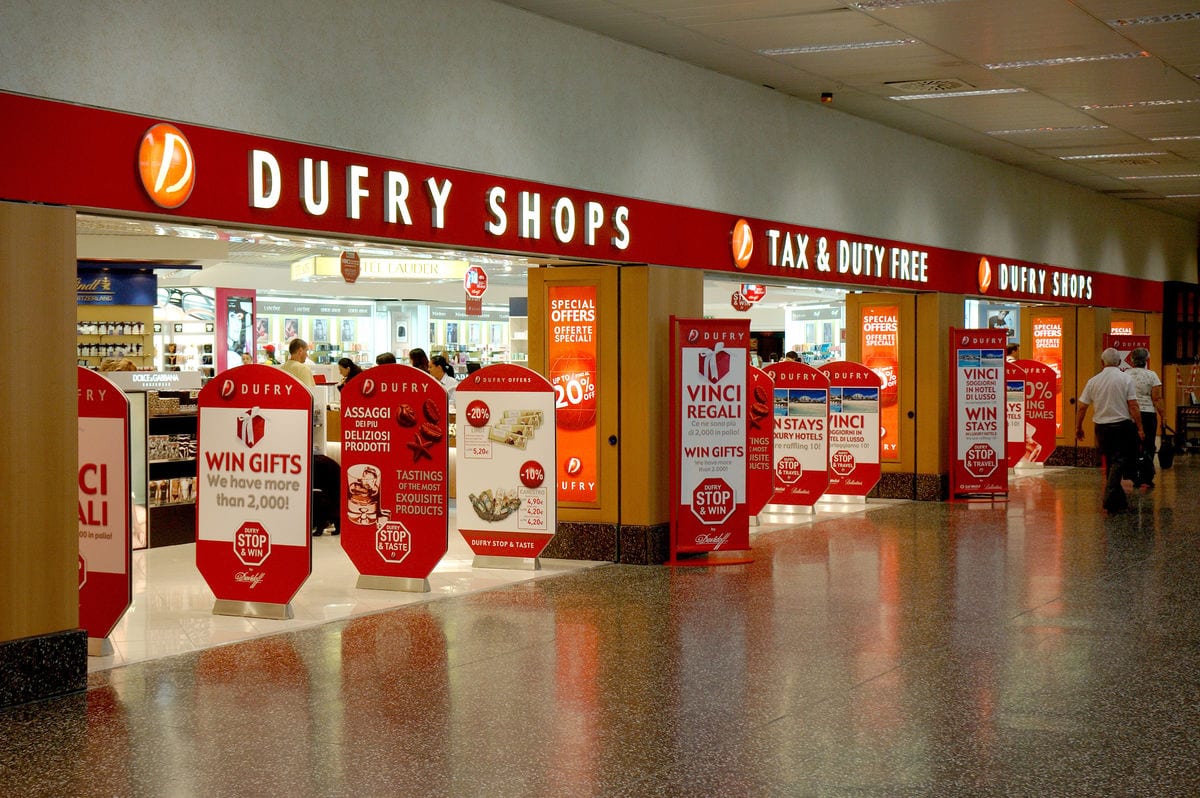
    Asia “continued to boom” for travel retailer Dufry in the first half of this year.

    Bali, Cambodia, Indonesia, Macau and South Korea all achieved double-digit sales growth during the half year, with Chinese tourists credited for much of that growth. Australia also achieved “strong double-digit performance” after the full renovation of Dufry’s stores there.

    “Eastern Europe, Middle East, Asia and Australia continued to outperform, driven by a growing number of Chinese passengers,” the company said in an earnings statement. Organic growth across Eastern Europe, Middle East, Asia and Australia rose 22.1 per cent.

    Globally, the Swiss company’s turnover grew by 7.2 per cent to CHF 4.097 billion (US$4.112 billion). Earnings before interest and tax grew 38.4 per cent to CHF 124.6 million.

    Dufry says its organic sales growth rose by 5.5 per cent thanks to an expansion and refurbishment program across the group.

    In the first half of this year, it expanded and opened 13,200sqm of gross retail space, which included new operations aboard 12 cruise ships, totalling 3500sqm across 38 stores. A further 22,400sqm of refurbishments are planned during the second half year, including the implementation of its new generation store concept at Heathrow Airport’s T3.

  • Tse Sui Luen makes big mainland expansion plan

    Tse Sui Luen makes big mainland expansion plan

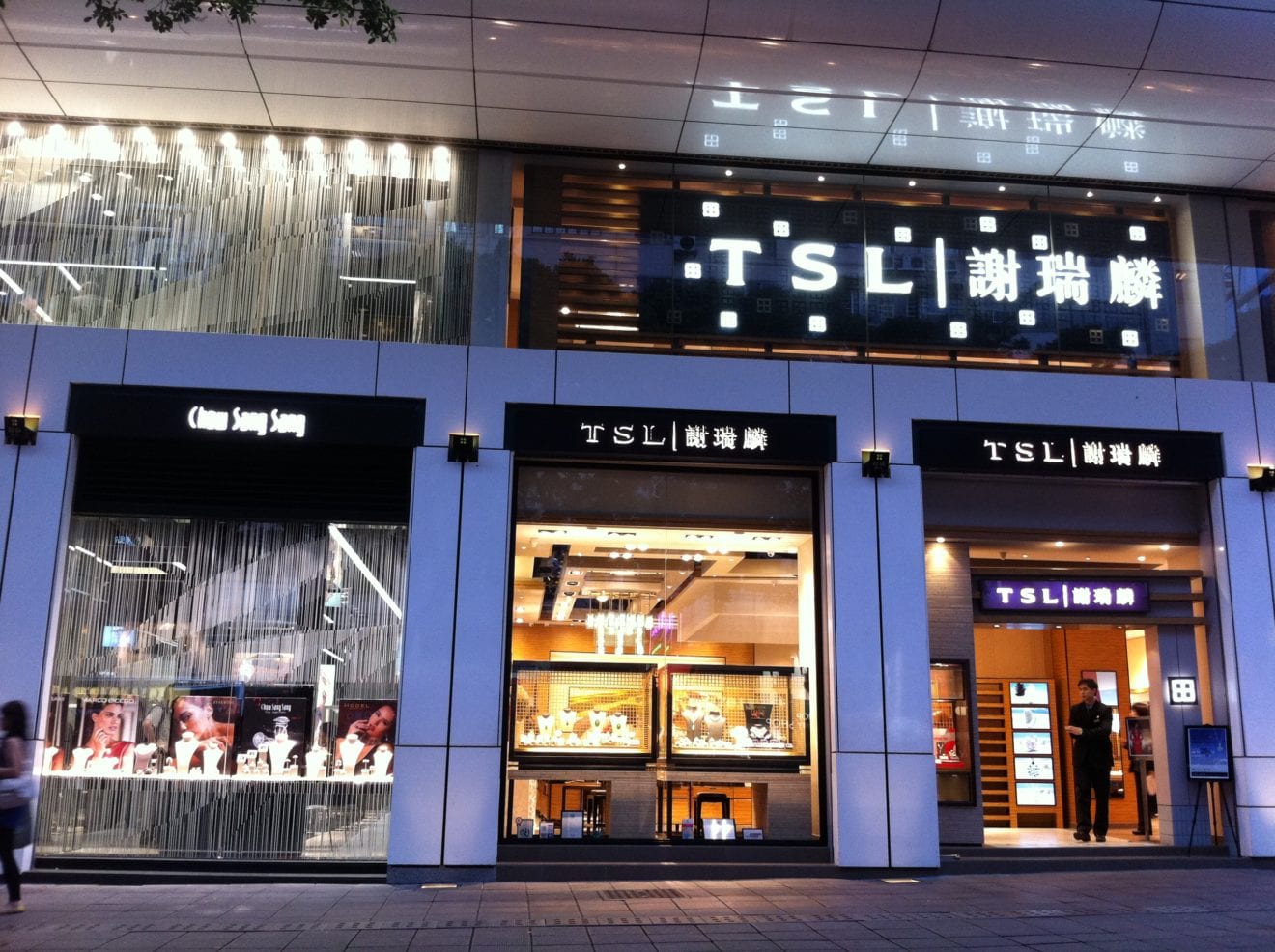
    Hong Kong Jeweller Tse Sui Luen (TSL) has moved to target the Chinese middle class, according to a report.

    TSL has announced plans to open 100 outlets in the Chinese mainland within two years, taking its total number of stores to 487.

    The firm’s deputy chairman and chief strategy officer Estella Ng Yi-kum commented that “Even though the yuan is on a downward trend, we have strategies to adjust pricing and use product designs to fit the appetite of our customers to boost sales.”

    She said that China will be “the growth engine for TSL for the coming 20 years,” attributing this to the rise of the Chinese middle class, which is expected to flourish under changes planned for China’s tax code.

    Ng did admit to concerns about the weakening of the RMB making TSL products more expensive for Chinese shoppers in Hong Kong and devaluing TSL’s assets in China comparative to the US Dollar-pegged HKD. The firm will address these issues strategically by potentially raising prices in China and focusing on smaller, more profitable diamonds.

    “We use design to make a 0.3 carat diamond look like half a carat,” Ng said. “So we can have a good margin and attract customers.”

  • Moncler sales up on China, Japan

    Moncler sales up on China, Japan

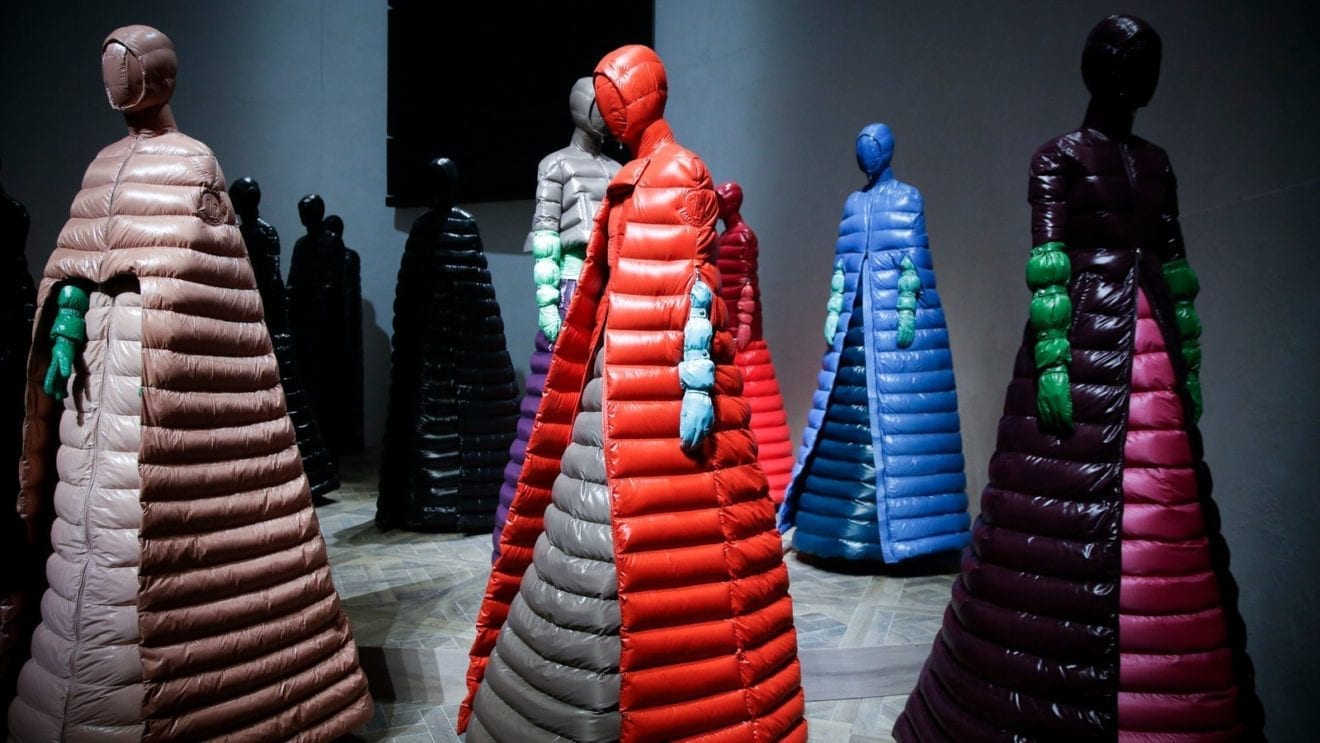
    Luxury down jacket brand Moncler reported strong double-digit sales growth in the first half of 2018, on the back of solid revenue gains in China and Japan.

    The Milan, Italy-based brand said consolidated revenues reached 493.5 million euros for the six months ended June 30, an increase of 27% (at constant exchange rates), compared to 2017.

    In outlining the results, Moncler’s CEO, Remi Ruffini, hailed “major growth across all distribution channels—retail, wholesale and digital—and across all markets.”

    The group’s retail distribution channel increased to 376.8 million euros, up 33%, while comparable sales jumped 27%. Wholesale saw a 12% uptick.

    For the six months, net income climbed 47% to 61.6 million euros for a margin of 12.5%, while operating profit increased 35% to 85.7 million euros.

    In Italy, revenues rose 9%, mainly driven by the strong growth of the retail channel, while in Asia and ROTW, revenues leaped 42, helped by Japan, which significantly accelerated in the second quarter, thanks to the launch of ‘7 Moncler Fragment Hiroshi Fujiwara’.

    Moncler said it continued to register “very good performances” in China, which saw double-digit organic growth, following the Chinese government decision to reduce import duties.

    From the beginning of July, Moncler reduced its prices in China by 3.5% on average, it added.

    Revenues in Korea recorded a solid increase, with a sales acceleration in the second quarter, “mainly due to the organic growth of the existing stores’ network.”

    In the EMEA marker, Moncler’s revenues grew 17%, while the Americas grew 29%, said the company.

    Moncler currently operates 209 retail directly operated stores globally, with 65 shop-in-shops.

    It operates some 84 points-of-sales in Asia alone.

  • Faure Le Page ready to debut in Seoul

    Faure Le Page ready to debut in Seoul

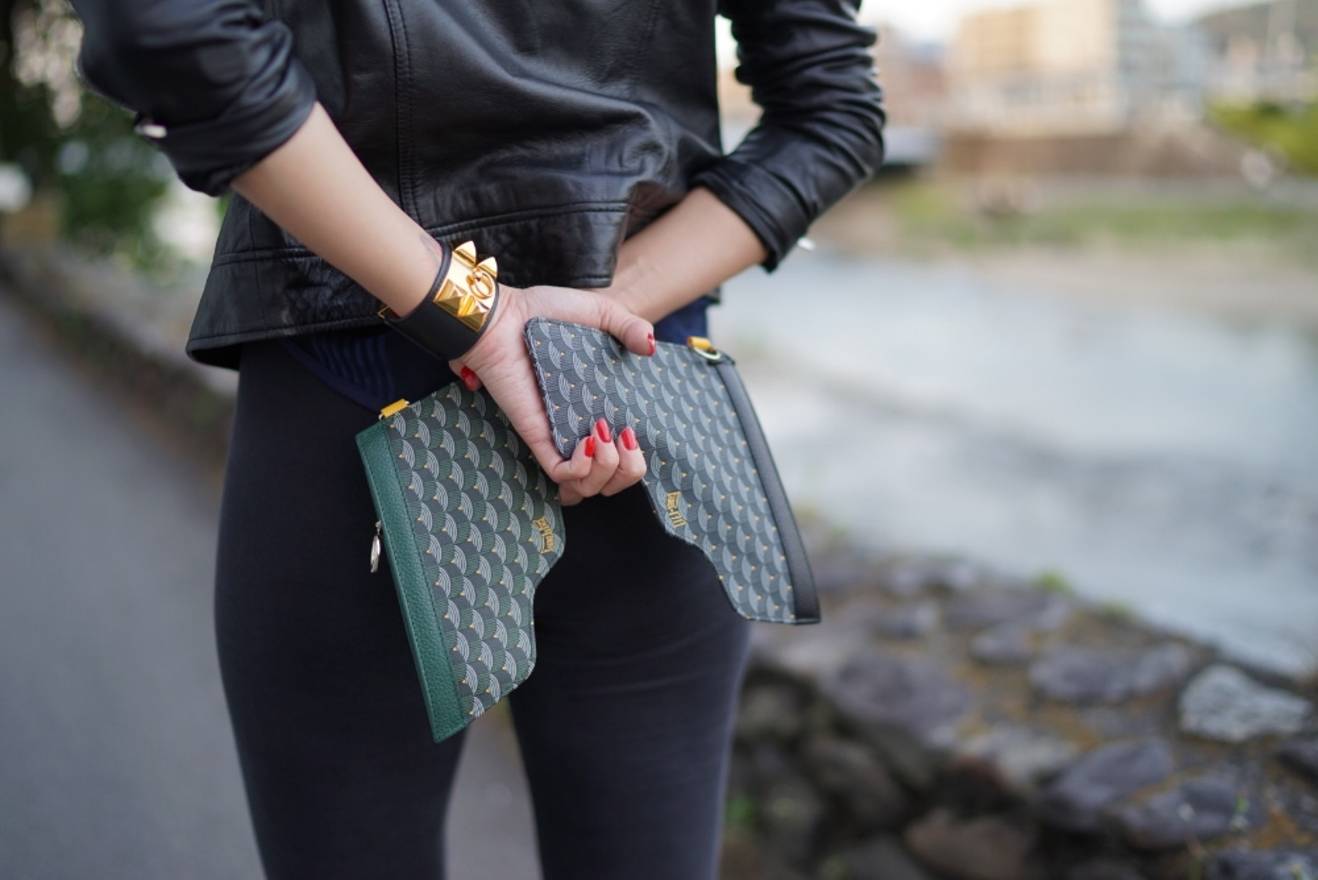
    The Parisian luxury accessories retailer Faure Le Page will open its first store in South Korea next month.

    The Faure Le Page store will be the fashion house’s eighth brick-and-mortar store globally when it opens at Hanwha’s Galleria Department Store in Seoul.

    The French company, which specialises in leather bags and other leather goods, dates back to 1717 and already has Asian stores in Japan and Taiwan.

    “Seoul, one of the most dynamic cities in the world, will open a new chapter for our brand,” said Faure Le Page’s creative director Augustin de Buffevent.

    “After comparing other competitive fashion companies, we decided to partner with Hanwha Galleria [due to] their best department stores for luxury goods.”

  • Vans released collection featuring Van Gogh Museum

    Vans released collection featuring Van Gogh Museum

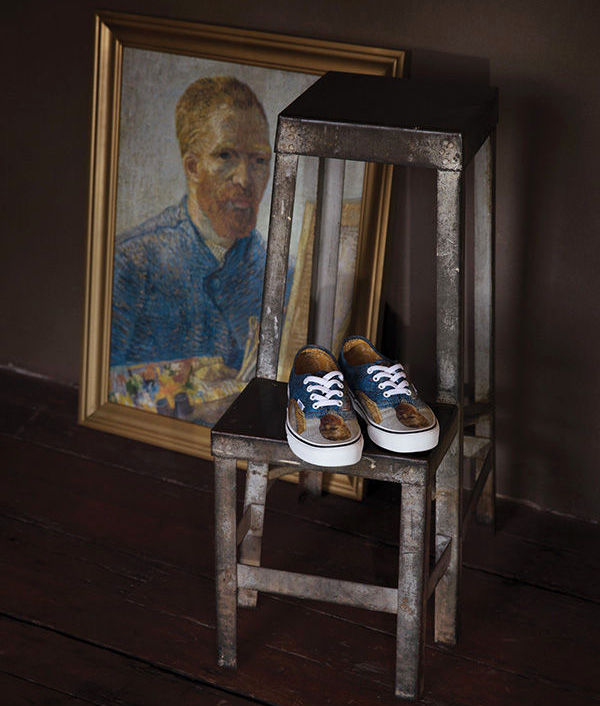
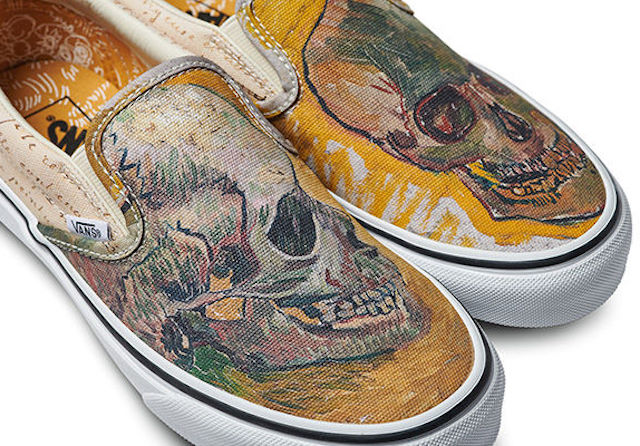
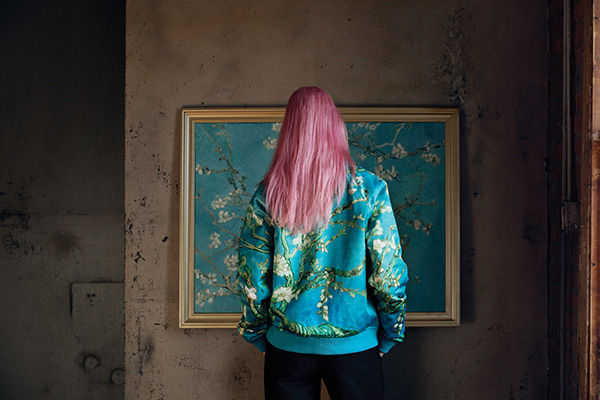
    Skateboarding fashion retailer Vans has partnered with Van Gogh Museum to launch a new range inspired by Vincent van Gogh’s artworks.

    Vans’ shoes will feature custom footbed art bearing van Gogh brushstrokes and the Amsterdam museum’s logo, as well as a tag with historical facts about the works featured.

    Other works by the artist will feature on a bomber jacket, a backpack and a hoodie, as well as various T-shirts and baseball caps.

    The Vans x Van Gogh Museum collection goes on sale today, August 3, at the museum, online and at select retailers.

    Partial profits will be used in the preservation of van Gogh’s legacy and art collection.

  • Saigon Jewelry plans its privatisation

    Saigon Jewelry plans its privatisation

    Vietnamese jeweller Saigon Jewelry Company (SJC) is set to be privatised next year.

    The company, which has some 200 retail stores across the country, is one of a group of government-owned enterprises set for spin-off, however specific details have yet to be released.

    Established in 1988, SJC posted revenue of US$981.3 million and after-tax profit of US$3.4 million last year.

    The state-owned company also operates in other business sectors, including real estate, financial investment and services.

    SJC is one of the largest jewelry trading companies in Vietnam along with companies like Phu Nhuan Jewellery (PNJ), Bao Tin Minh Chau and Phu Quy Jewelry, all competing in the US$600 million Vietnam jewellery market.

  • Riccardo Tisci revealed Burberry’s new identity

    Riccardo Tisci revealed Burberry’s new identity

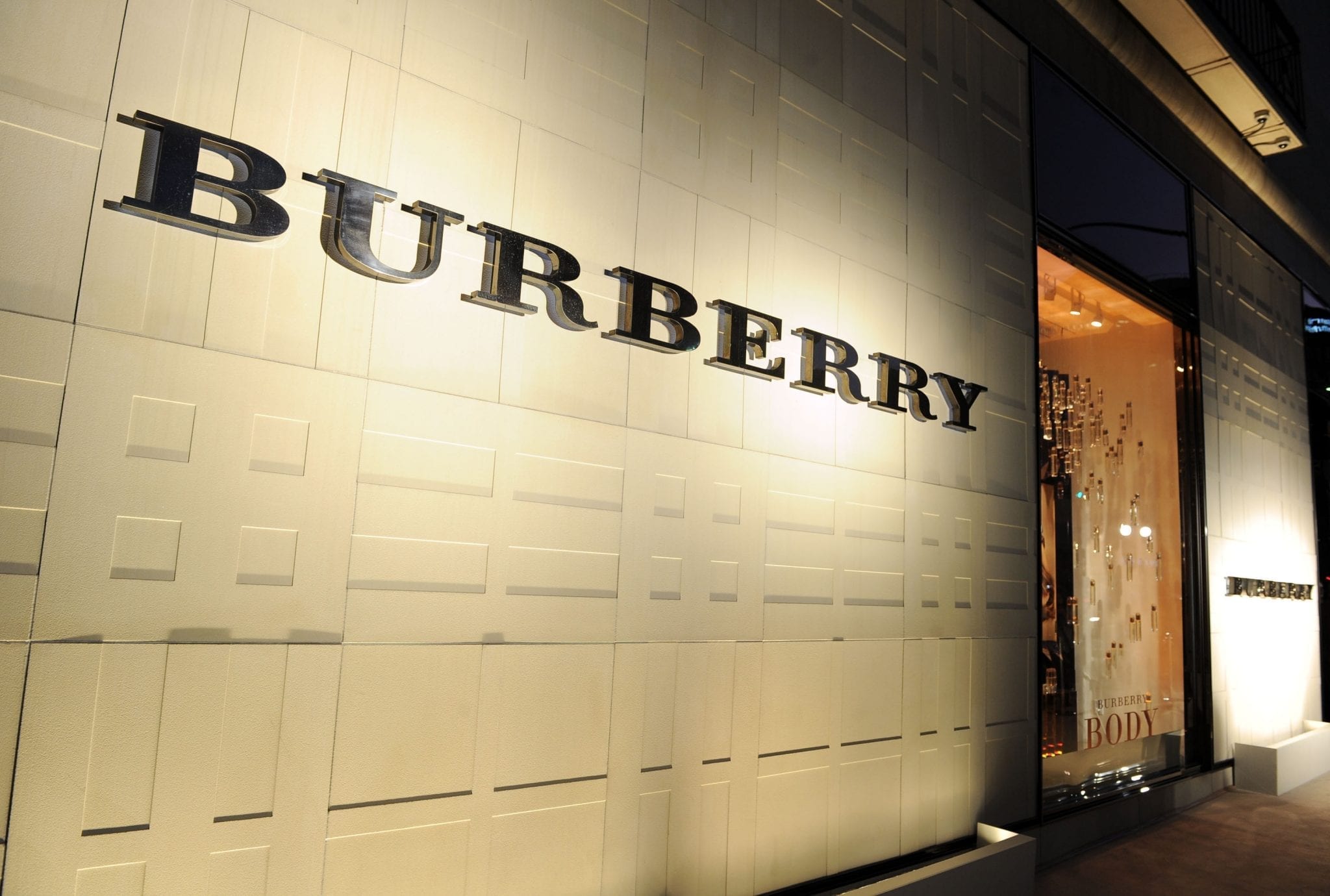
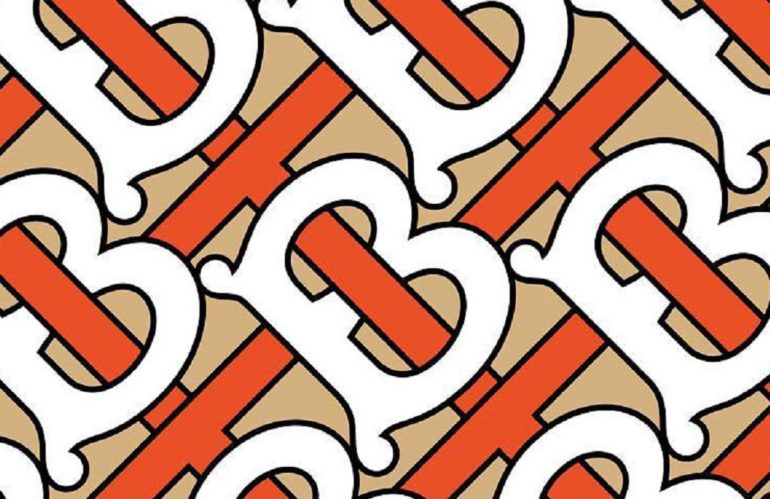
    Burberry has a new graphic identity. The British megabrand’s chief creative officer Riccardo Tisci took to his personal Instagram Stories to unveil a new logo — stark capital letters saying “Burberry London England,” replacing the previously softer, rounder font — and monogram — the founder Thomas Burberry’s initials “TB” interlocked across a honeyed background — on Thursday.

    It marks the first time the brand has changed its logo in almost 20 years (the previous logo, which saw Burberry drop the “S” from its name, was designed by Fabien Baron in 1999).

    Developed in collaboration with the renowned British art director and graphic designer Peter Saville — best known for his New Order and Joy Division record sleeves, and more recently, his work for Calvin Klein under Raf Simons — the brand’s new logo was inspired by Tisci’s visit to the house’s archive, “especially a logo from 1908 and a Thomas Burberry monogram,” according to an email correspondence between the two creatives, which Tisci shared on social media.

    The logo and monogram print will appear across all Burberry channels and in a new advertising campaign.

    The new visual identity comes five months after Tisci took the creative helm at Burberry, replacing Christopher Bailey. Chief executive Marco Gobbetti, who joined the company in July 2017, is nine months into his 5-year plan to reposition Burberry as a genuine luxury player and re-energise a brand whose sales growth has significantly lagged rivals LVMH and Kering. Core to the strategy is a renewed focus on leather goods, which currently account for less than 40 percent of revenue, and will presumably leverage the new monogram.

    After the 2008 financial crisis, fashion that so conspicuously screamed commercialism and consumption fell out of favour. Even Louis Vuitton changed tack, reserving its signature stamp for only limited-edition goods. After all, decreasing availability means increasing exclusivity — and for luxury brands, this means increasing demand.

    But now, luxury brands are returning to logos. As part of his maximalist revolution, Gucci creative director Alessandro Michele resurrected the brand’s interlocking G motif from its ’90s heyday, reinterpreting it for a younger, modern audience by adorning it with flowers or pairing it with playful motifs. Dior’s Maria Grazia Chiuri reintroduced the house’s logo print on handbags for her first ready-to-wear show. Fendi, too, has been reviving its black and brown double ‘F’ logo print across its clothing and accessories.

    Tisci previously revealed on social media the news that Burberry and Vivienne Westwood would be collaborating on a limited-edition collection, launching in December 2018.

    Tisci will show his first full collection for Burberry in September 2018.

  • Uniqlo to use Google voice recognition technology in its mobile assistant

    Uniqlo to use Google voice recognition technology in its mobile assistant

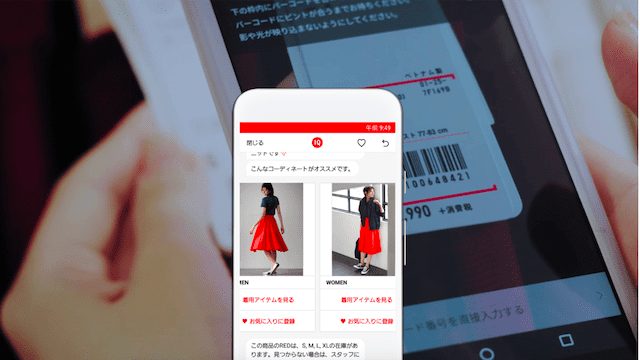
    Japanese retailer Uniqlo has launched a mobile assistant using Google voice recognition technology to personalise recommendations for customers.

    The Uniqlo mobile assistant has already undergone significant testing with development partners in Japan, and is already live there. It is intended to streamline internet garment shopping to make the experience fresher and more inspiring.

    Shoppers throughout Japan can now access the tool via Line, Google Assistant, or the proprietary Uniqlo app. It features product rankings updated hourly, search by occasion type, finding items featured in magazines, and even garment matching according to astrological findings. Shoppers can purchase their selections online or at the nearest physical store if they prefer.

    Cofounder of development partner Inamoto & Co Rei Inamoto said, “As retail moves deeper into the digital realm, shopping needs to be not just portable and perpetual but personal as well. There has been a lot of talk about AI in the last few years but most use cases have been toys, not tools.

    “Available through chat, search and even voice activation, this iteration of Uniqlo IQ is the foundation of how Uniqlo will provide customer service on a personal level not just reactively but also proactively.”

    A spokesperson for Uniqlo said the assistant tool is the first instance of Google working so closely on a partnering brand-specific solution.

  • Hugo Boss Hong Kong shines the brightest growth

    Hugo Boss Hong Kong shines the brightest growth

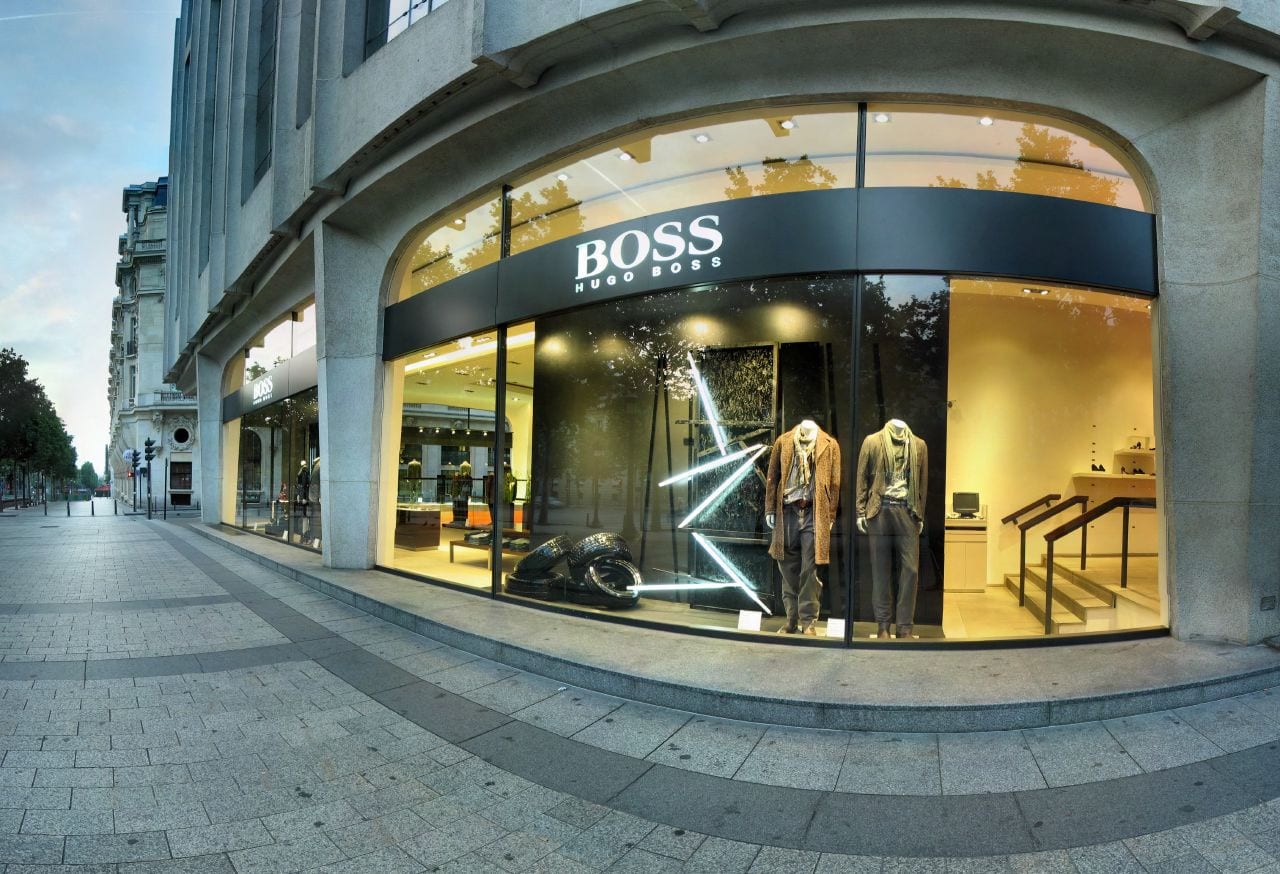
    Hong Kong provided German fashion group Hugo Boss with its strongest market growth terms in the second quarter

    Sales in Hong Kong and Macau were not disclosed, but the company described growth as being in the double-digits. Sales in Mainland China rose 8 per cent, overshadowed slightly by Europe, where Hugo Boss enjoyed 9 per cent growth, proving that its strategic brand repositioning to focus on Hugo and Boss is starting to pay dividends. Sales also rose in Japan.

    Globally, Hugo Boss experienced a 6 per cent lift in sales in the second quarter, to €653 million with same-store sales up 5 per cent. Included in that was a 47 per cent surge in online revenue.

    “Our strategic realignment is taking effect. We are right on track,” said CEO Mark Langer.

    “The sales growth in the second quarter speaks for itself: we achieved almost double-digit growth in Europe and were also able to continue our recovery in the challenging German market. Our collections are very well received at home and abroad. This is reflected both in the positive feedback from our wholesale partners and in the robust momentum of our retail business. The performance of our online store is particularly encouraging.”

    For the first half-year, currency-adjusted sales growth reached 5 per cent and earnings reached €205 million, unchanged from the same period last year.

    As part of its new brand strategy, the company has opened more new Boss stores in Singapore, London and Munich, featuring a new ambiance and a variety of digital services.

    The first new Hugo store concept opened in Amsterdam at the beginning of June, featuring unconventional fittings and firmly integrated social-media offers, targeting fashion-forward customers. More will follow in selected European cities this year, including Paris and London.

  • H&M opens second store in Hanoi, marks expansion

    H&M opens second store in Hanoi, marks expansion

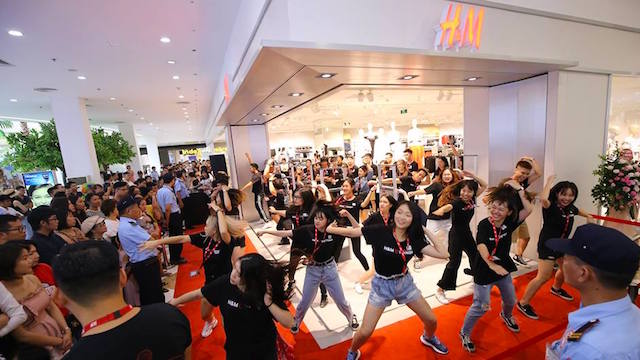
    Swedish fast-fashion brand H&M Vietnam has opened it second store in Hanoi – its fourth in the country.

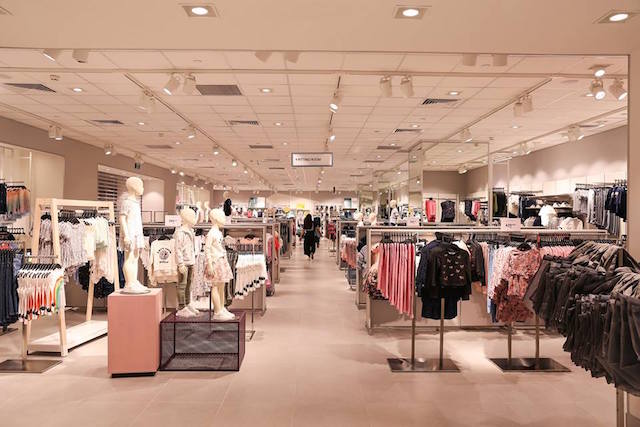
    The 2000sqm store is located in Vincom Mega Mall Times City, offering the latest summer items, and will host the upcoming H&M x GP & J Baker collection.

    The opening ceremony was attended by the Swedish Ambassador in Vietnam Pereric Högberg.

    Since its made its Vietnam debut in Ho Chi Minh City last November, H&M has opened two stores there and now two in Hanoi.

    Despite expansion in Vietnam, H&M is recording stagnated sales growth worldwide.

  • Asia leads Prada’s sales growth

    Asia leads Prada’s sales growth

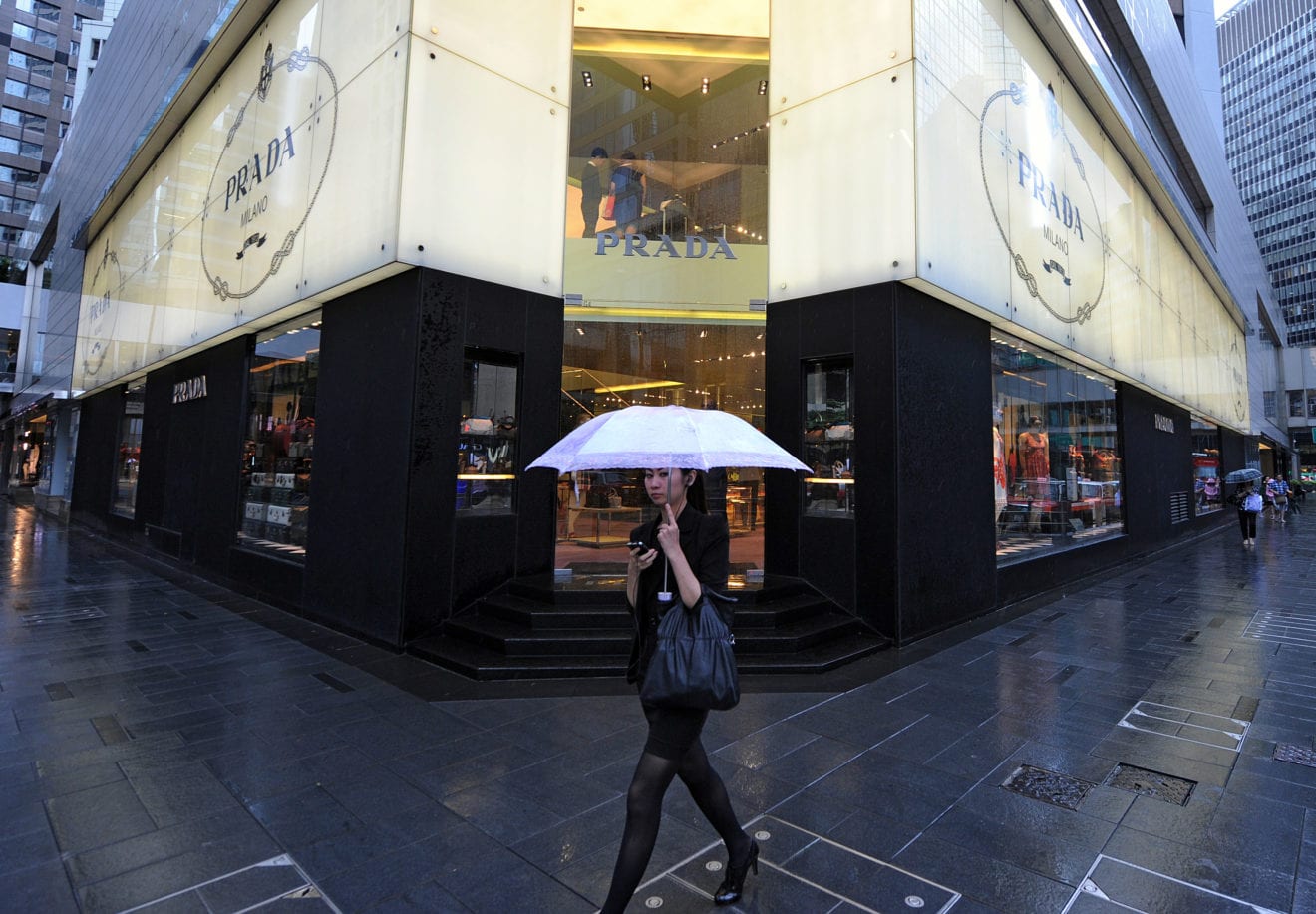
    Asia has once again energised luxury fashion label Prada’s sales in the first half year.

    The company has reported net revenue up 9.4 per cent in the six months to June 30 (although a lesser 3.3 per cent at current exchange rates).

    However Prada Asia-Pacific sales surged 13.8 per cent at constant exchange rates, or 6.6 per cent at current rates, most of that growth coming from company-owned stores.

    Prada, which is listed on the Hong Kong stock exchange, singled out a recovery of inbound tourist flows into the city from the mainland as the primary contributor to Asia’s strong performance.

    Greater China sales rose 17.2 per cent at constant exchange rates, or by 9.2 per cent at current rates, to €344.4 million, while sales in Japan rose by 9.1 per cent at constant exchange rates.

    Global sales totalled €1.535 billion and net profit €105.7 million, up 10.7 per cent on the same period last year.

    By category, clothing sales increased by 19.5 per cent, with both both Prada and Miu Miu achieving double-digit growth at constant exchange rates. Sales of leather goods rose by 8.4 per cent at constant exchange rates.

    Prada group’s namesake brand achieved a 10.1 per cent improvement in sales, while

    Miu Miu made a return to positive growth across all product categories, net sales rising 8.2 per cent.

    The only poor performances were the Church’s brand, where sales were down 3.9 per cent, and income from royalties, which slipped 3.2 per cent with a healthy increase in fragrance sales offset by falling eyewear demand.

    “The [Church’s] decline was nearly entirely attributable to the results of the wholesale channel, which has still not recuperated from its reorganisation process,” said Prada in its earnings release.

    The Marchesi 1824 patisserie chain achieved double-digit growth.

  • Leonardo DiCaprio invests in sustainable footwear brand Allbirds

    Leonardo DiCaprio invests in sustainable footwear brand Allbirds

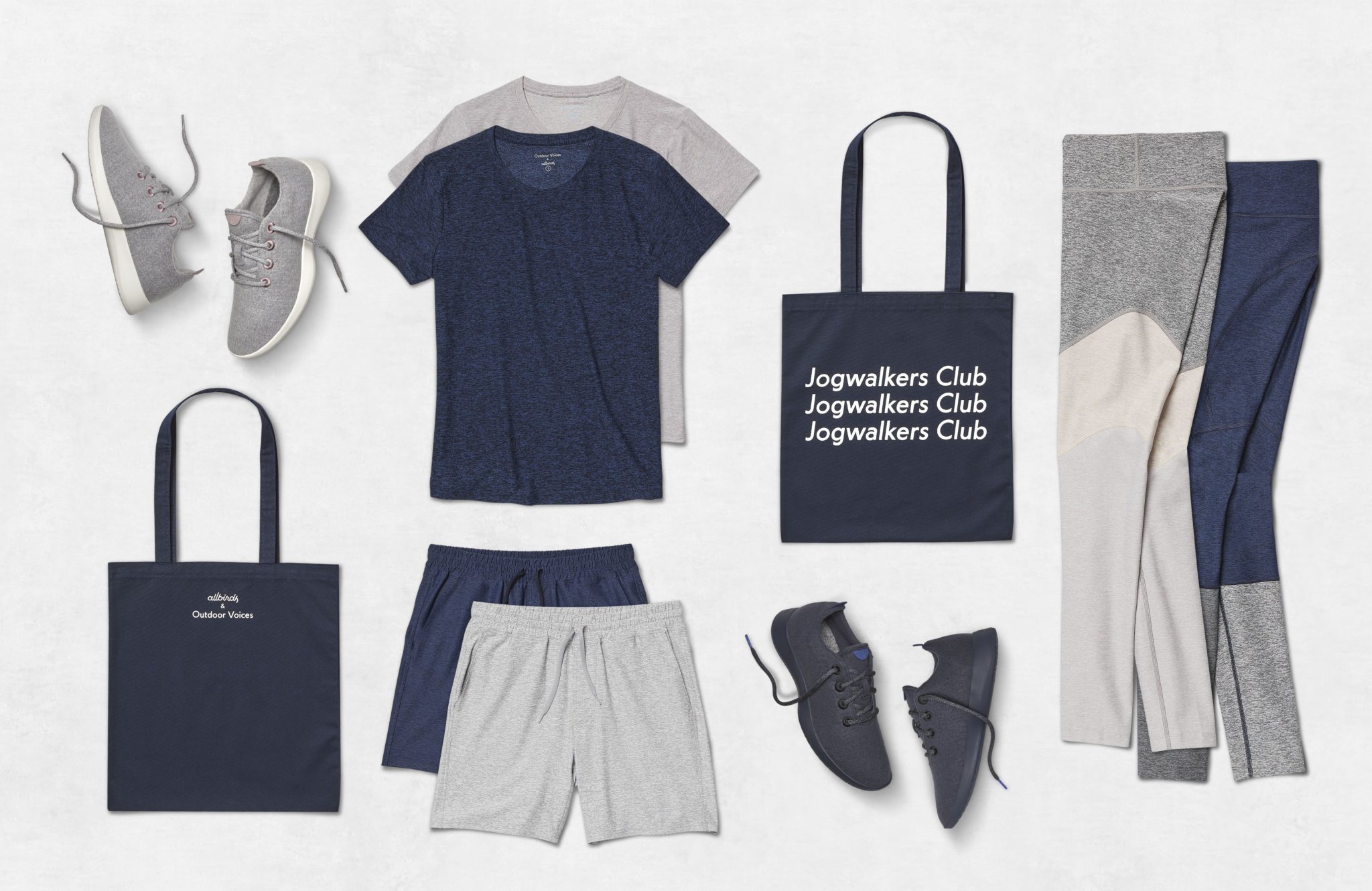
    Actor Leonardo DiCaprio’s latest investment will help in making sustainable, eco-friendly fashion more mainstream with his sustainable footwear company ‘Allbirds‘.

    The environmentally conscious actor has been active towards the battle against climate and environmental changes, and has now invested in an eco-friendly footwear company, reports People.com

    “Creating sustainable consumer products requires a deep commitment from brands that understand the role they have in helping solve our environmental crisis,” DiCaprio said in an exclusive statement.

    DiCaprio, 43, donated US $1 million to help protect marine life in Seychelles from his foundation, and in the year 2017, he announced that his foundation would be donating a US $20 million grant to help combat climate change.